Since '02 xBhp is different things to different people. From a close knit national community of
bikers to India's only motorcycling lifestyle magazine and a place to make like-minded biker
friends. Join us
Since our first roadtrip in 2006, xBhp has ridden in more than 63 countries on some of the most exotic
motorcycles and cars that this planet has to offer... And the ride is still on. In these pages, let us take
you on a journey through memory lanes of all these roadtrips. We are publishing one roadtrip at a time, so keep coming back for more!
COUNTRIES 64
ROADTRIPS 89
|
KMS 42504
BHP 1573
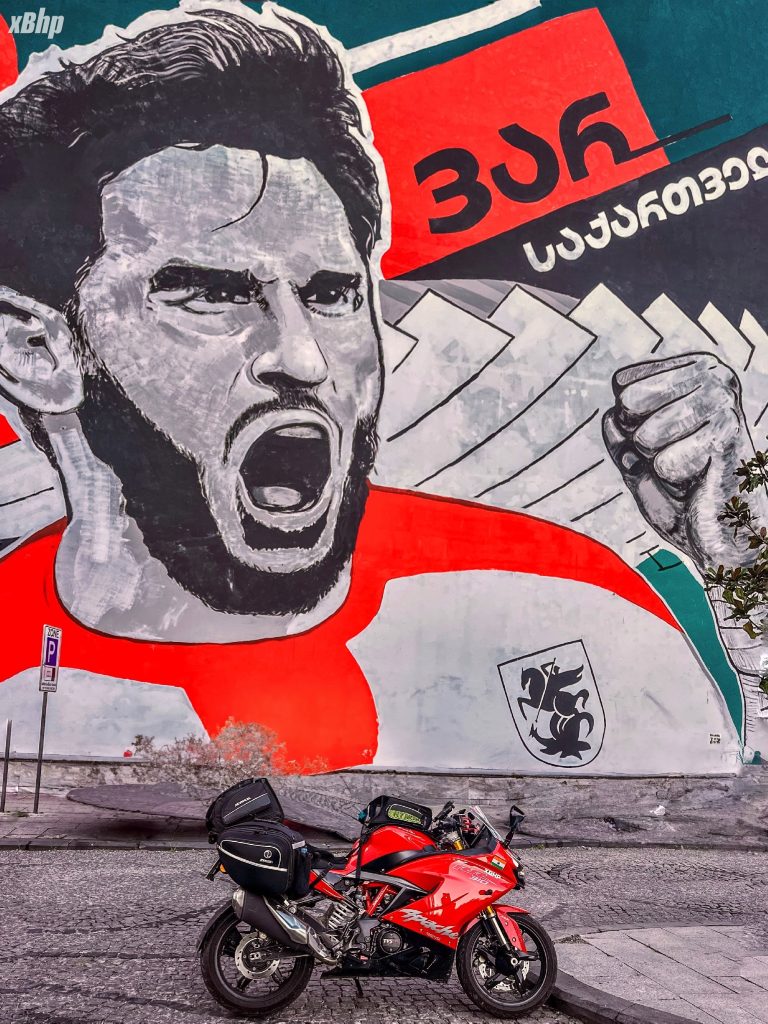
Adventures of TVS Apache in Caucasia
Mar 2024
xBhp
Timeline
0 comments
Introduction
Caucasia is majorly referred to as the trinity of countries of Azerbaijan, Armenia and Georgia. With a bit of Southern Russia thrown in, but that’s a separate beast altogether if you get what I mean. For a long time, I was eyeing this region in a bid to ride the whole world, a few countries at a time, ever since doing my first country of India in 2006 and my first out of India in 2007, Australia.
Since COVID, this ‘conquest’ has slowed down considerably, with my last new country being Iceland in 2022. That was an unforgettable experience. You can download the digital version of the October-November 2022 issue of the xBhp print magazine from Magzster if you missed the hard copy.
My 65th country was destined to be Georgia. It is mildly irritating that the USA state of Georgia crops up more than the country itself if you do not specify it explicitly. I guess that is what marketing does and we all know how good the USA is (was) at that. Just be aware of this to save a bit of time and embarrassment should you book hotels and flights or even research roads to ride.
Most of the countries that I have done so far have been on large-capacity motorcycles. But since 2019 that has been changing a bit, especially when the manufacturing and buying power has been shifting towards the Indian market. Not only mid-segment (400CC) bikes are more relatable but it is a matter of pride to be able to ride an Indian motorcycle out of the home turf.
TVS has been at the forefront of racing in India. It has not only been regularly investing in racing but has had a substantial contribution as much more than a catalyst to embedding the racing culture in at least one generation and it continues to do so.
But like they say, Race on Sunday, Sell on Monday – this philosophy cannot be more true than with TVS, especially with the Apache series that has been a great success with the youth of India ever since it was launched in 2006. The flagship of the Apache series today is the RR 310 with a plethora of electronics but much before that, the Apache RR 310 took our breath away with its supersport styling, great handling and punchy enough motor. And most importantly, affordability and serious VFM.
TVS has a great distributor and a loyal fan base in Georgia. The Apache series is seen as a very capable motorcycle there (and rightly so). Georgia is a relatively new country as far as motorcycling culture is concerned. You won’t find too many motorcycles for leisure running around. Much like India, unless it is a weekend and you go the routes where the main hangout cafes are. But of course, the general traffic is much lesser in Georgia as compared to India.
Cars are very popular in Georgia. As a petrolhead, you are expected to drive a car rather than a motorcycle. In fact, in the capital of Tbilisi (Bi-li-si) you will get a hint of the craze they have for nice cars, especially G Wagons. It is no surprise since Georgia was part of the USSR from around 1920 till 1991 when it seceded. The cars here are driven fast and with a fervour that you only see in movies. Drifting while taking turns, wheels spinning off a red light and zooming past just in time to avoid a red light. Heck, even driving on pedestrian pavements to bypass traffic in a G wagon!
All this and more was my introduction to why big cities, and Georgia in general, are considered to be an ‘unsafe’ and wild west for motorcyclists. The cars just don’t expect two-wheelers on the road. Not until long ago, a lot of delivery guys on scooters kept crashing because of cars. Only very recently car drivers have become somewhat aware of the species on two wheels. And that brings us to another fact; two-wheeler insurance, especially big bikes including the RR 310, is very expensive in Georgia. That is why most do not bother to take it.
Also, believe you may, TVS Ntorq is one of the hottest-selling scooters both for deliveries and enthusiasts in Georgia!
Preparation
Route: This is the most important part of any ride. In all of my rides, I start with the budget in hand that dictates the number of days I can invest in a country. Of course, it also depends on the size of the country. Australia has been my biggest one so far, followed by the USA. My longest single continuous ride has been from Delhi to Singapore (and Sri Lanka). In comparison, Georgia and Armenia are tiny. I start by identifying the capitals and categorising the cities. Then I look for points like the highest mountain and the ‘best roads’, along with unique buildings and sights to see in the country. When plotted on a map, it will show you the basic route to follow.
While making the route, I had provisioned the possibility that you would be denied entry into Azerbaijan due to the closed borders. Also, I wasn’t 100% sure of how easy entry into Armenia would be from Georgia. Then there are a few regions to be avoided like South Ossetia which is internationally recognised as part of Georgia but is a separatist state occupied by Russia. And that is one of the reasons why Google Maps will go around this seemingly normal-looking area, leaving you in bewilderment unless you Google it up.
Visas: Georgia has a visa on arrival at the airport if you have a valid US visa. They just stamped their passport and it did not cost any money. It was the fastest-ever immigration into a country and the cheapest too. I guess they are pro-USA for obvious reasons.
I applied for an Azerbaijan e-visa which cost me 26 USD and it came in 2 working days. evisa.gov.az/en/
The Armenia e-visa cost me 7.5 USD and it also came in 2 working days. evisa.mfa.am
It is a good idea to get a prior e-visa for any country that you aim to cross via a land border, even if it has a clause that you will get a visa on arrival based on a valid visa from another country (like the USA) that you may have. I found this out on my ride and was thankful for my decision.
Money: Last year, Iceland was a surprise. I did all of it without using any cash at all, anywhere. However, you must carry cash in Georgia and Armenia. Once you are in the countryside, sometimes even the fuel stations won’t accept cards. And the smaller food joints that you may chance on in the countryside… most definitely not!
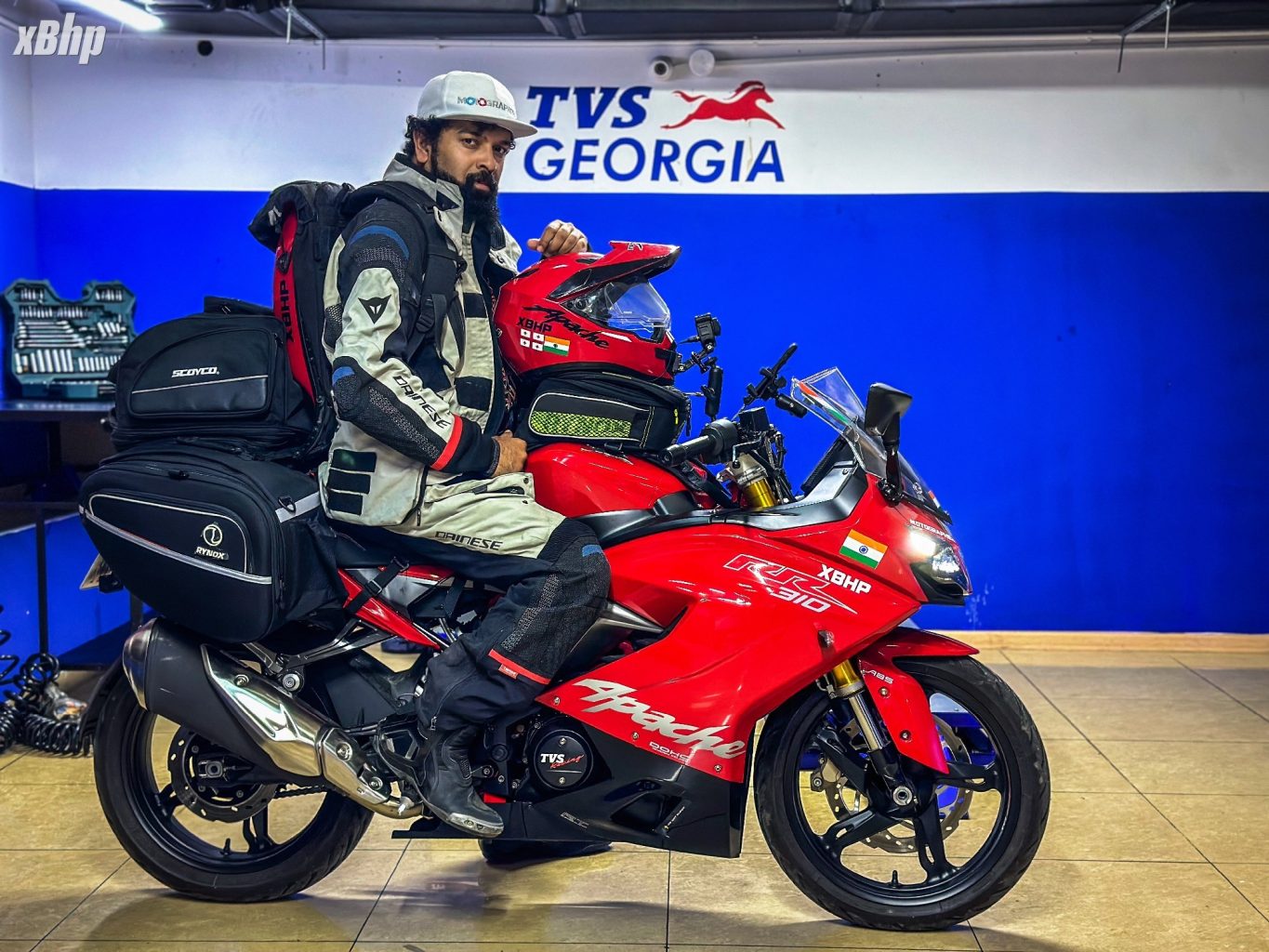
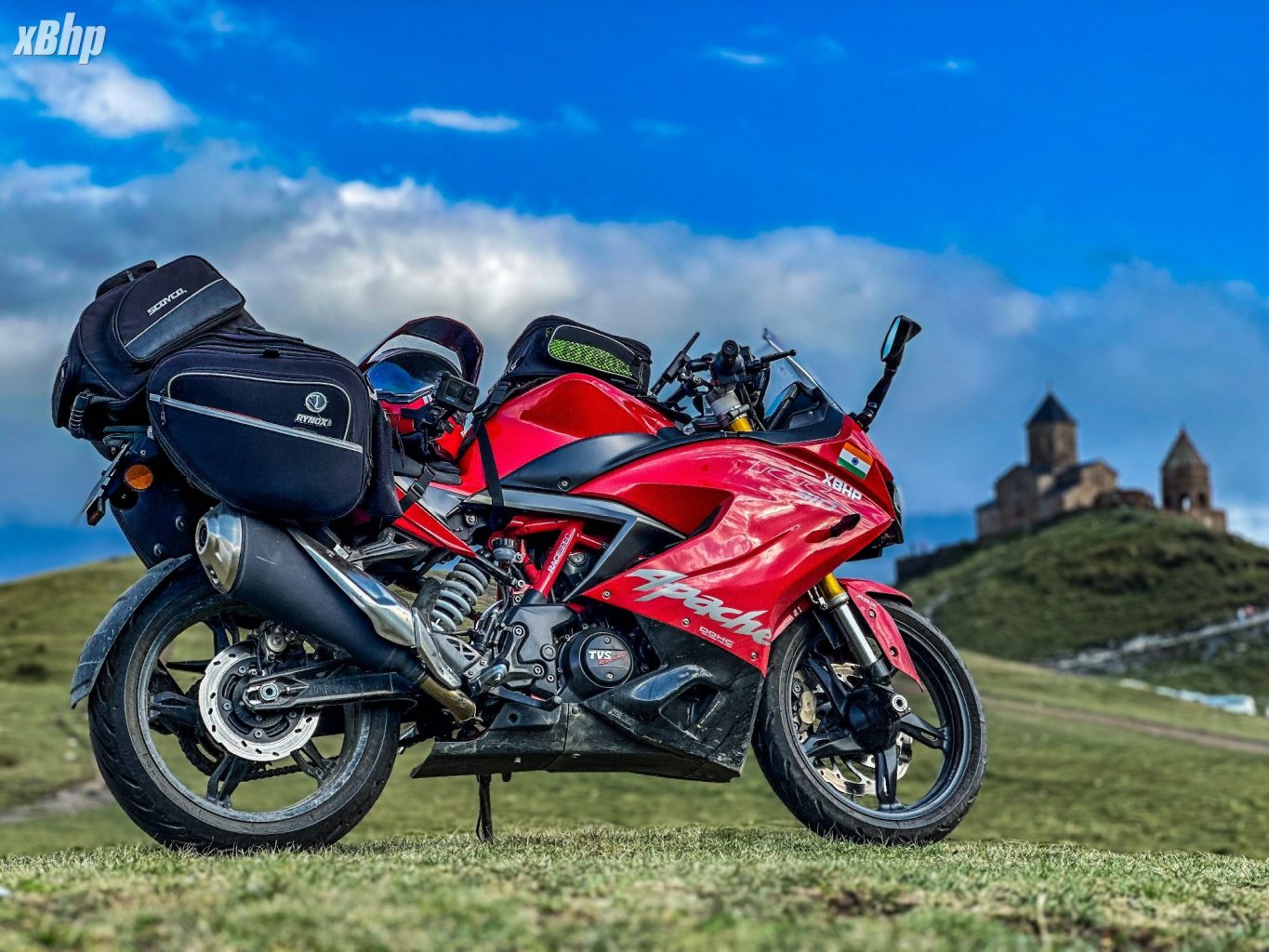
Luggage: I took Rynox Nomad saddlebags which are good for bikes with an upswept exhaust like the Apache RR 310. The Navigator tank bag is the appropriate size at 12L (and 15L expanded). It is particularly good for non-magnetic tanks with a mounting harness that stays on the bike making it extremely convenient to fill fuel or to take the bag as a backpack.
My backpack was from Point65 Sweden Boblbee range which also doubles up as a certified back protector and is also weatherproof.
Riding Gear: I took a Dainese Antarctica suit that is water resistant, with an AGV AX9 helmet and Dainese Dyno Pro D1 shoes, which are not waterproof, so I used the Rynox H2GO EVO waterproof socks. Underneath, I wore Rynox Vapour Pro base layers.
Creator Equipment: I have been using an Acer Swift5 laptop since last year. It debuted on my Iceland ride and ever since, I have been a fan of this thin and powerful laptop that has a touchscreen and a great battery life despite weighing just 1 kg. A GoPro 11 helmet setup, an Insta 360 X3, and a Canon R5 with a versatile 24-240mm lens completed the setup. An iPhone 14 Pro Max was the chosen device for shooting off the bike most of the time without the need for a gimbal (thanks to the cinematic mode). A cheap Bluetooth remote control helped me click selfies with the bike using the phone mounted on the Flexpod. Two 20,000 mAh power banks were also carried with a 65W Baseus GaN charger, a multiplug powerstrip and a travel adaptor. And how can I forget the DJI Mini 3 Pro? Just remember to check in your drone in a hard case and keep the batteries and remote in the carry-on luggage.
The Bike: I got the bike from TVS Georgia, however you can rent a bike in most countries. For Georgia, I got the original bike documents and a power of attorney with which I could cross over to Armenia. So check with the bike rental companies before you make plans to cross any borders anywhere else in the world.
Travelogue
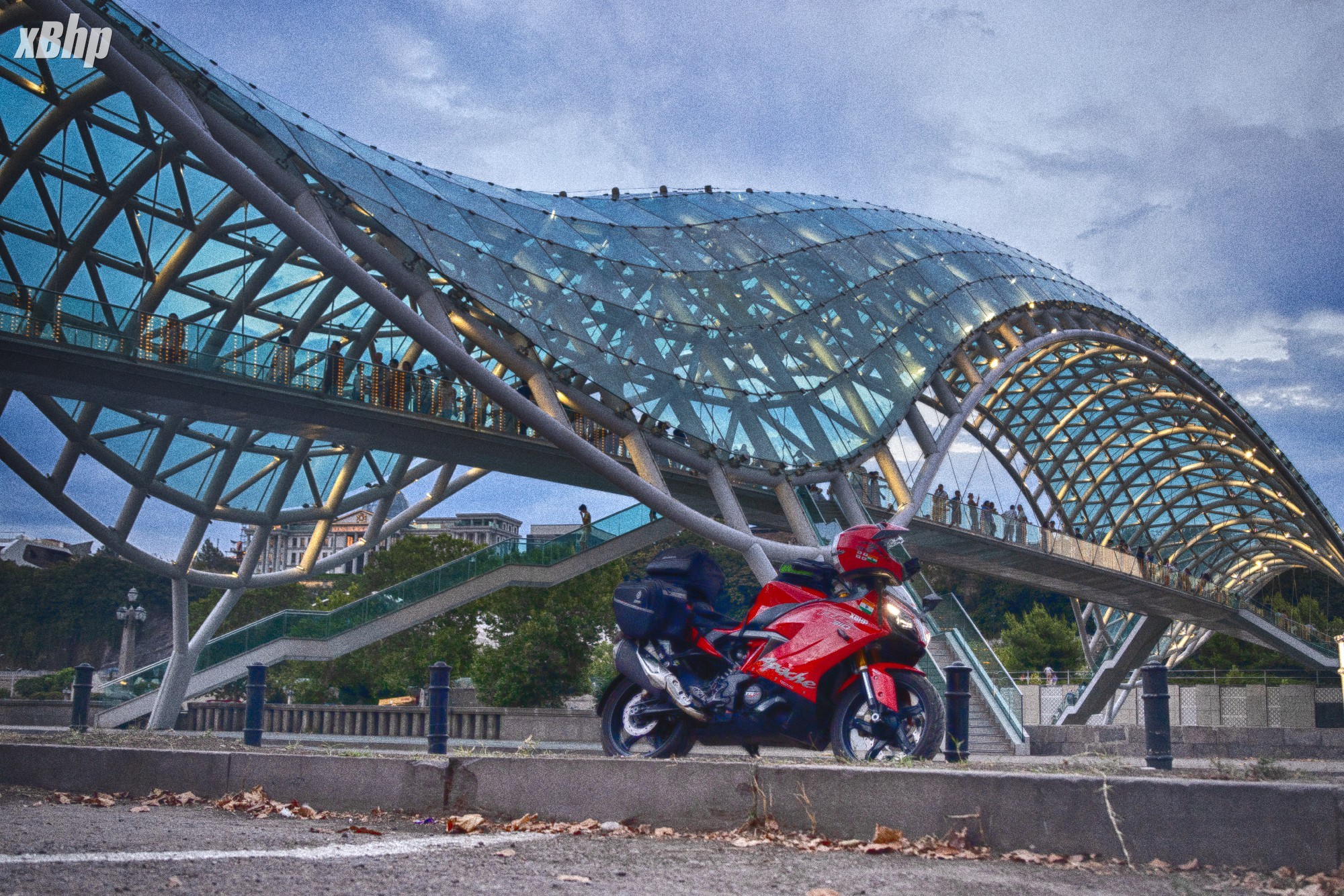
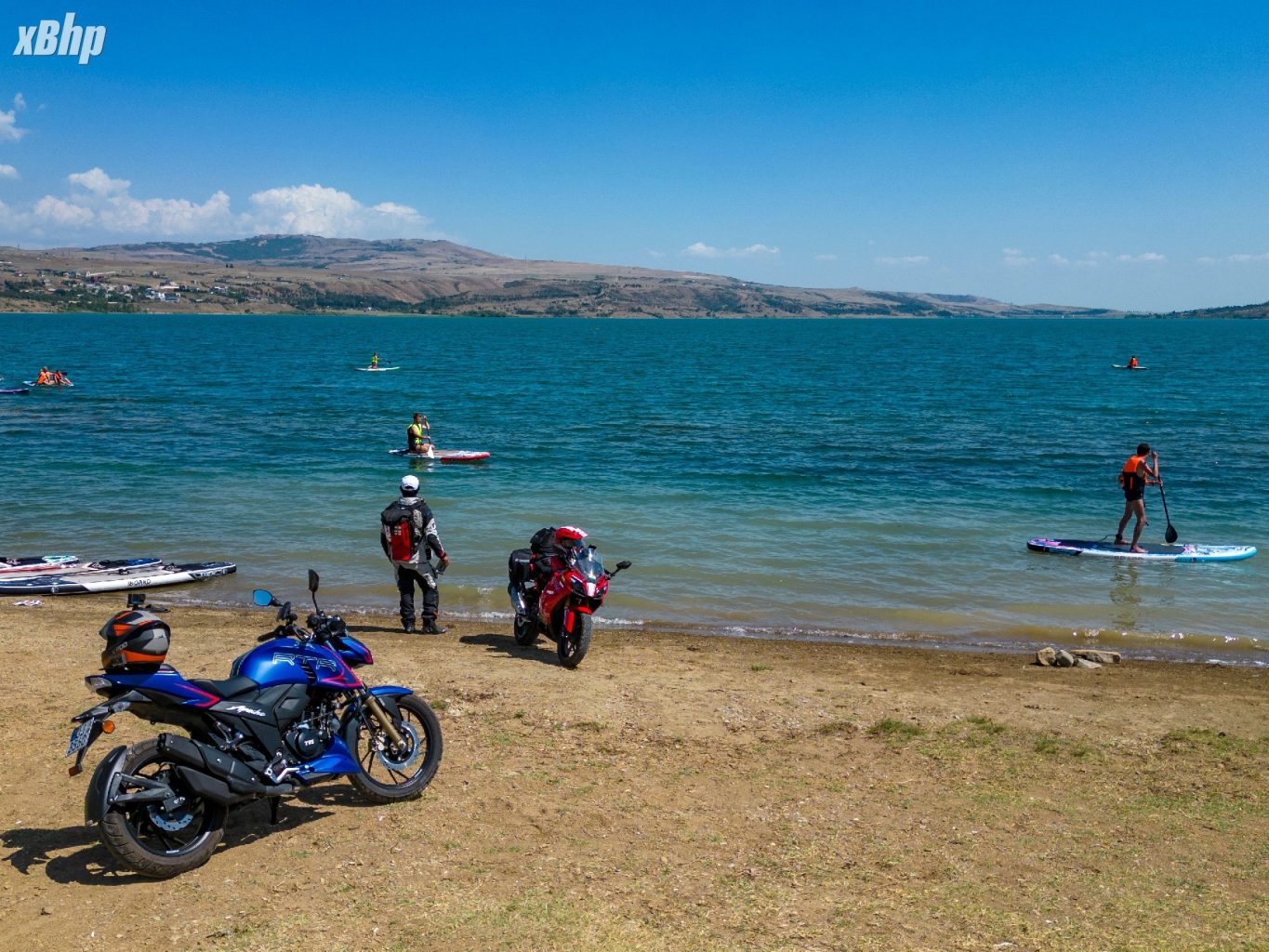
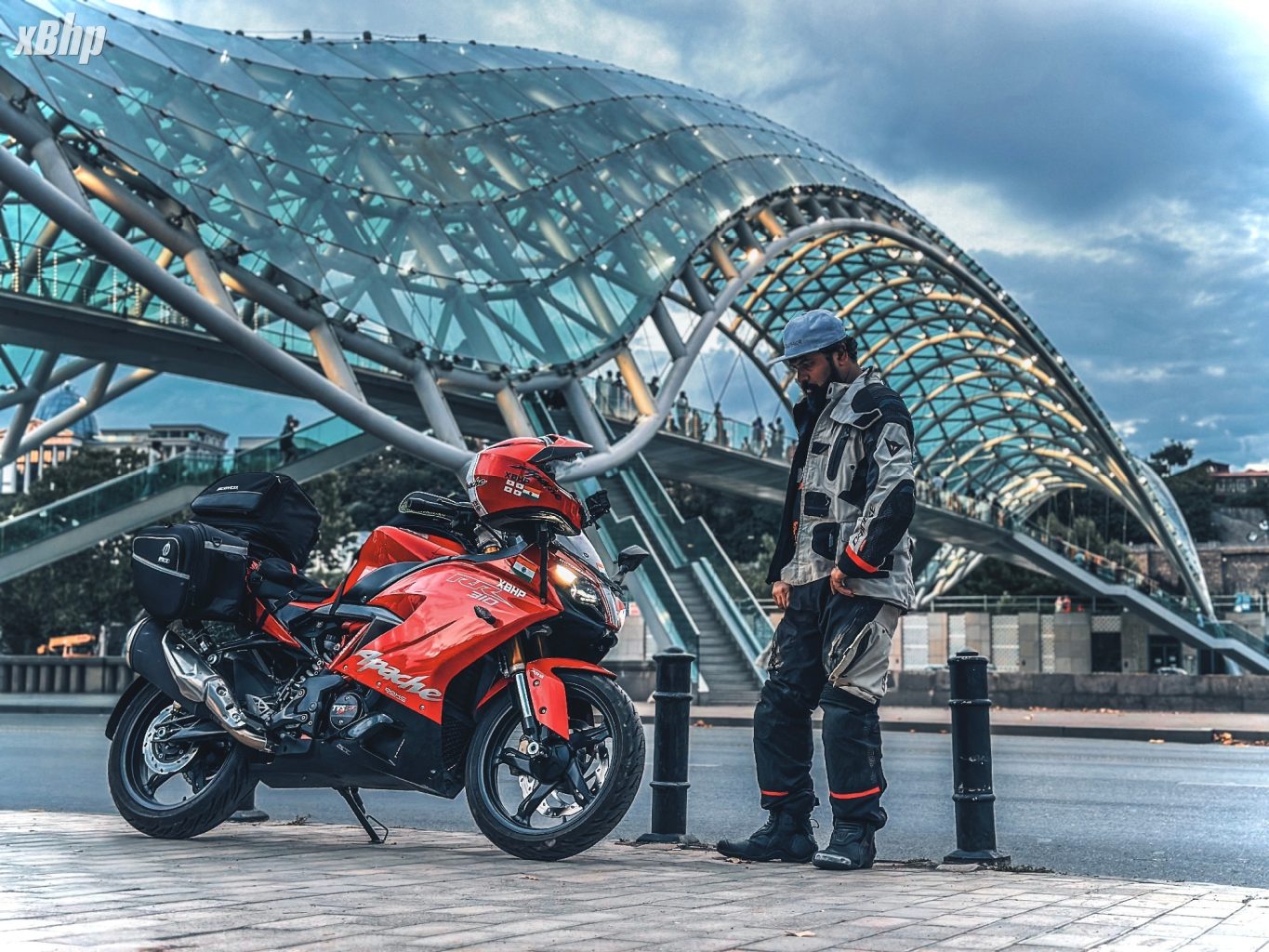
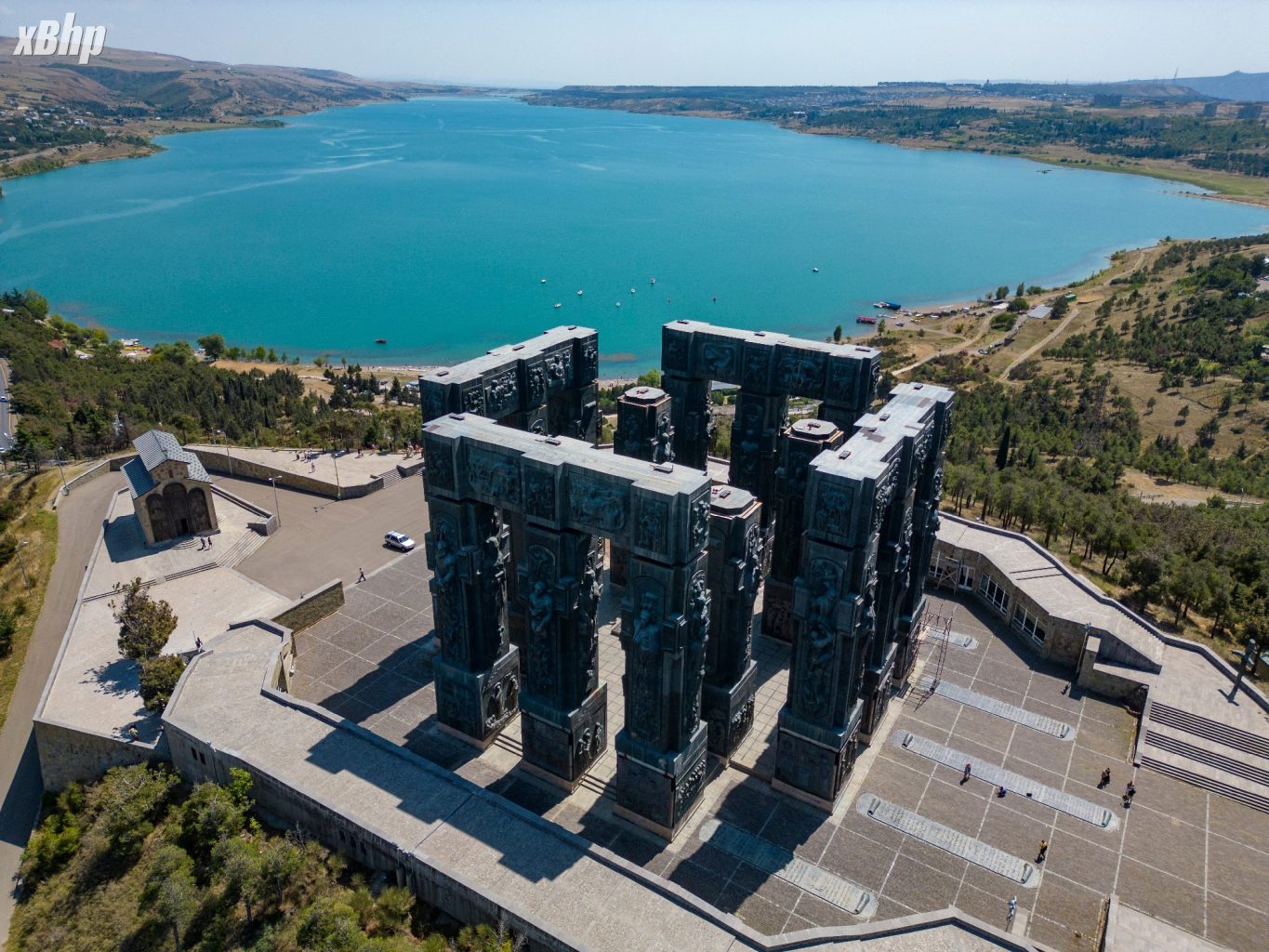
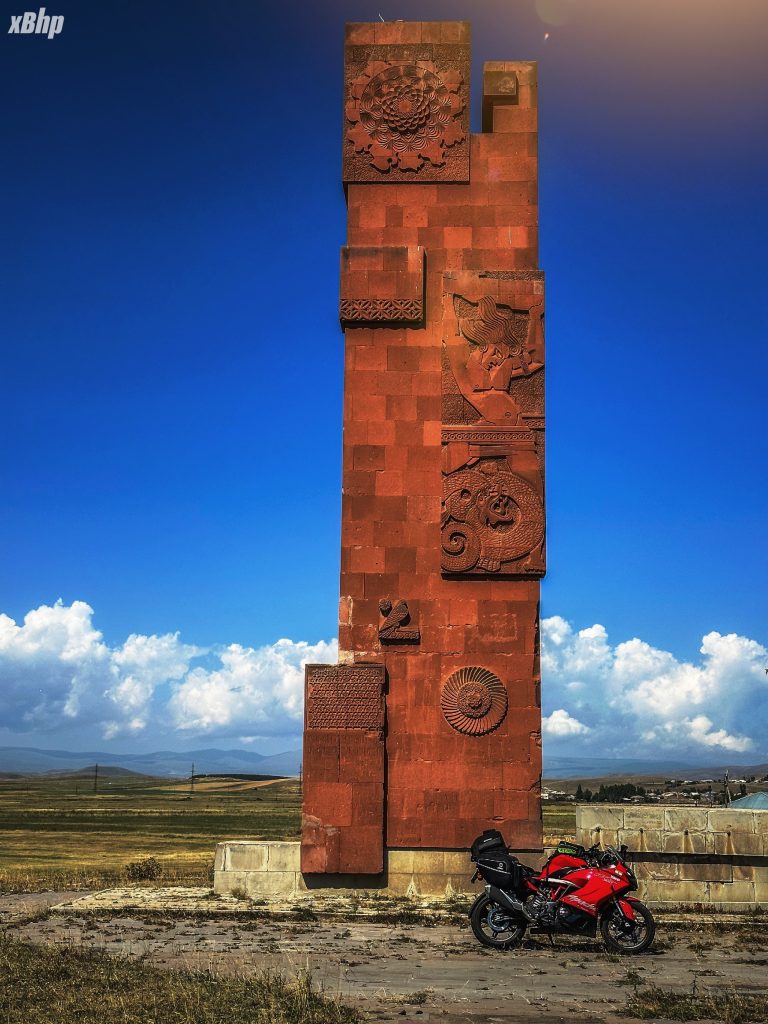
After setting up the Apache RR 310 at the TVS Georgia workshop, where looking at familiar two-wheelers and riding gear was a proud feeling, I set out to discover a bit of the capital city. I was accompanied by Levan from TVS Georgia who was riding an Apache RTR 200. It is hot at the end of August in Tbilisi. Temperatures around 35 degrees Celsius are not uncommon and it can get very uncomfortable in the city. We started with the Chronicles of Georgia which comprises 16 pillars of height averaging around 30 meters each meant to record the history of Georgia. Predictably, they are still not complete.
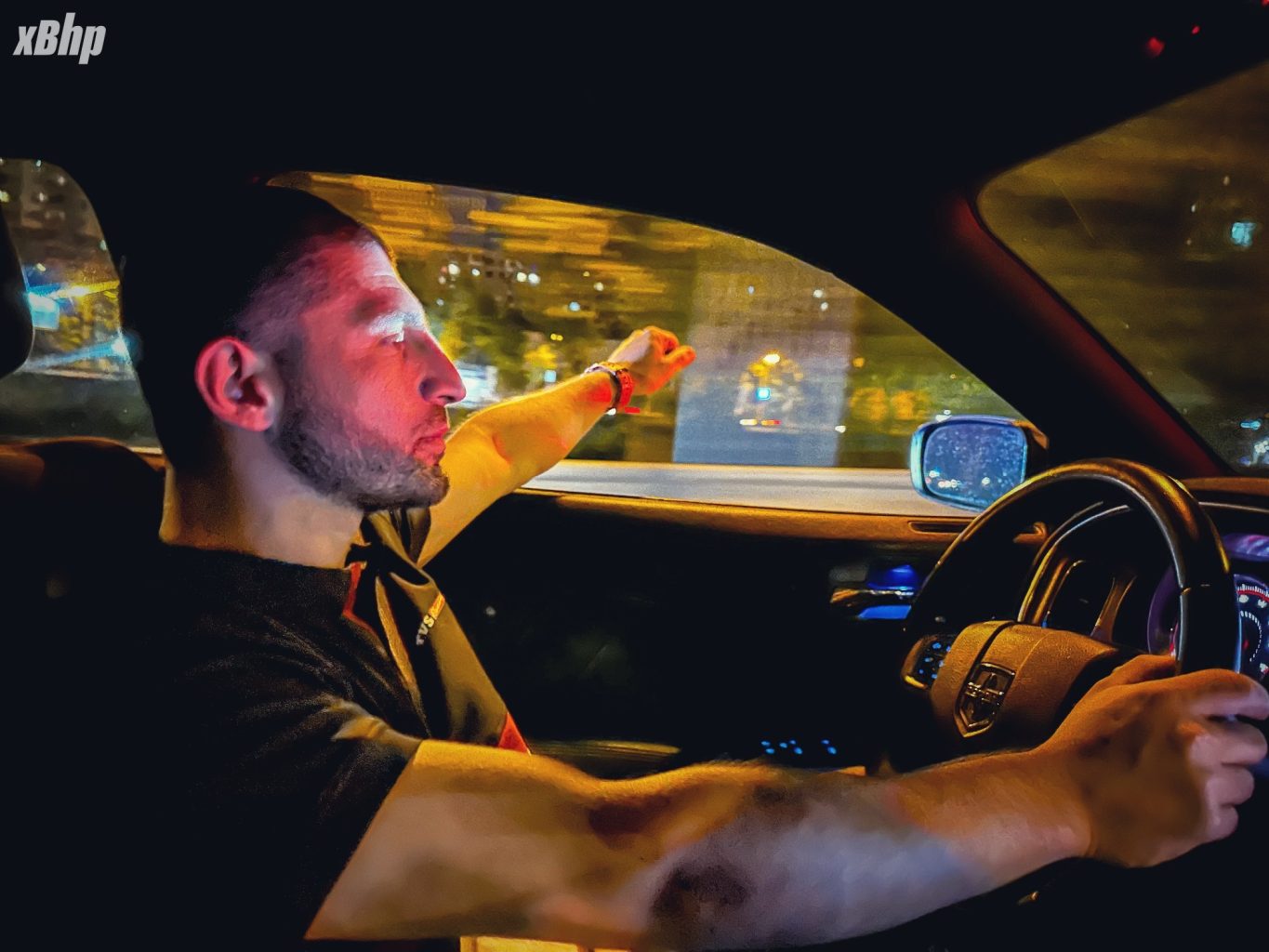
This is Levan, from TVS Georgia, driving me around in a Dodge Charger in Tiblisi. Georgians really love their cars!
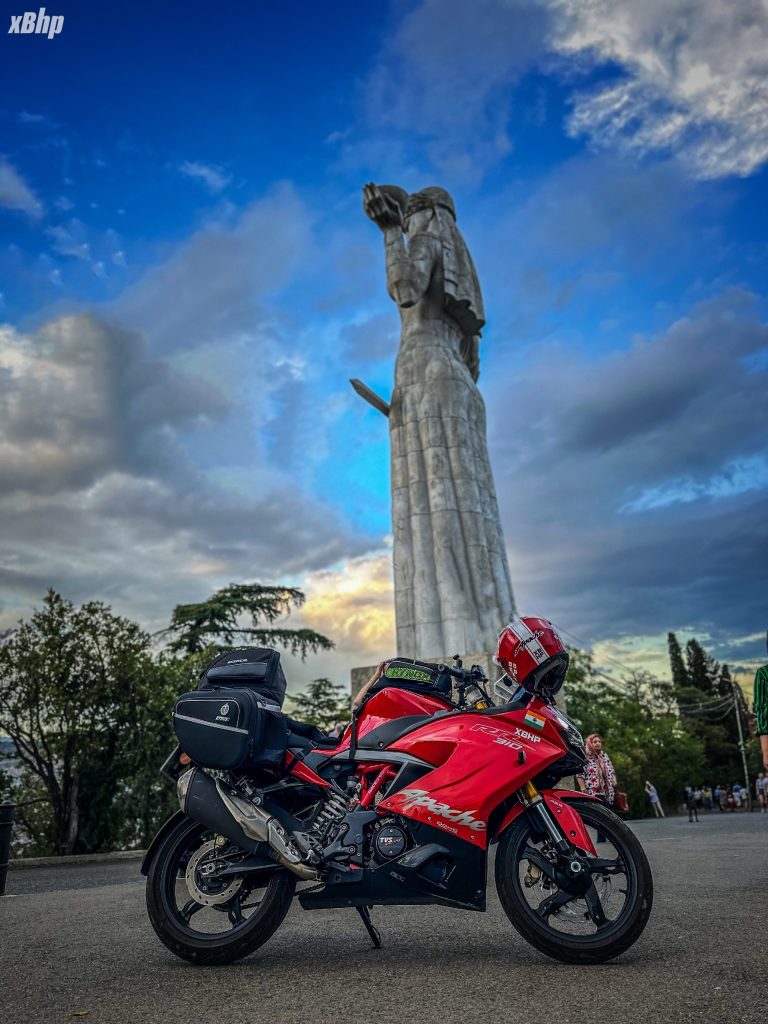
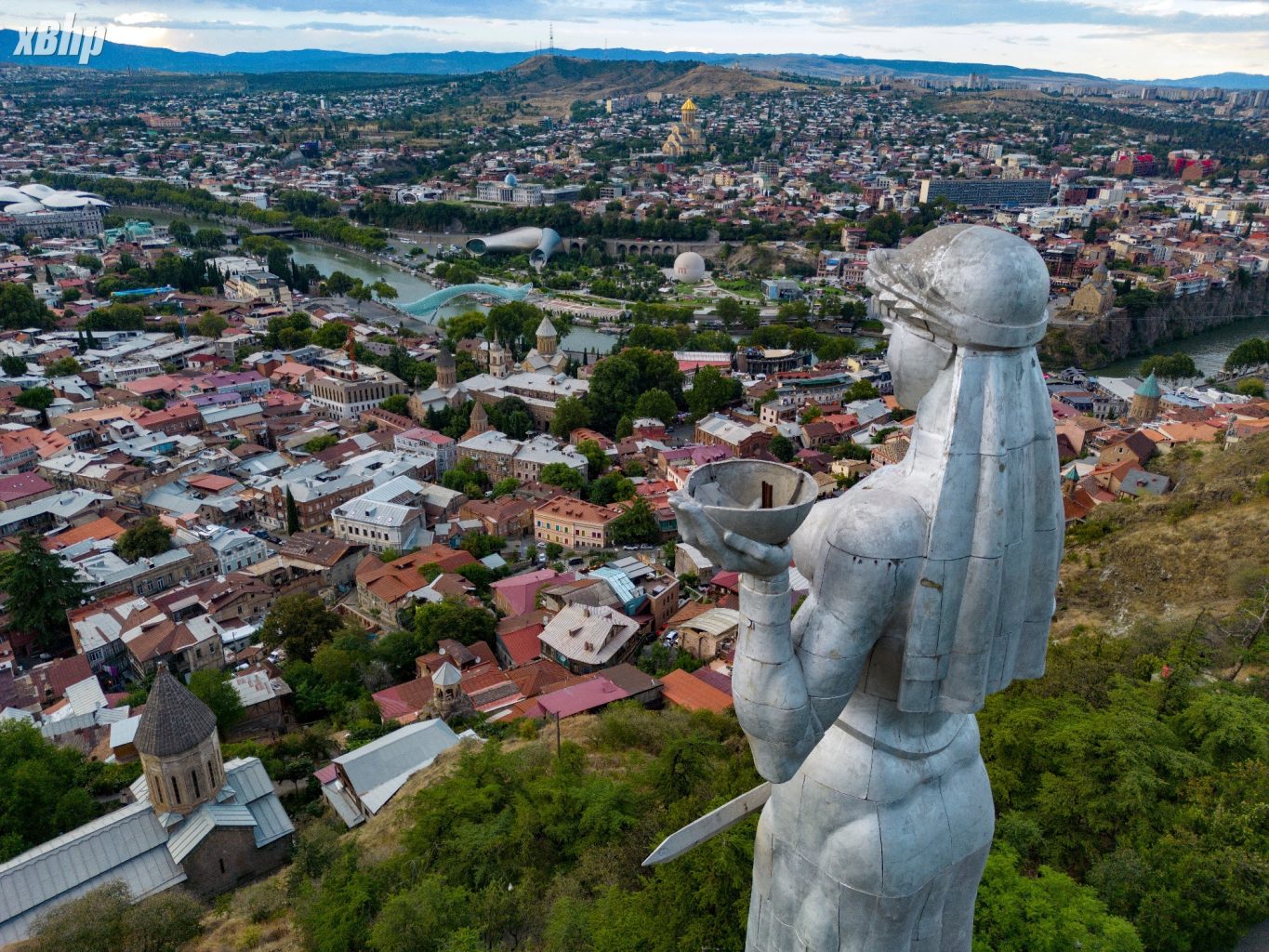
This is the Mother of Georgia Monument in Tbilisi. In her left hand, she has a bowl of wine for her friends and the sword is for her enemies! This is entirely made of Aluminium and rises 20 meters high.
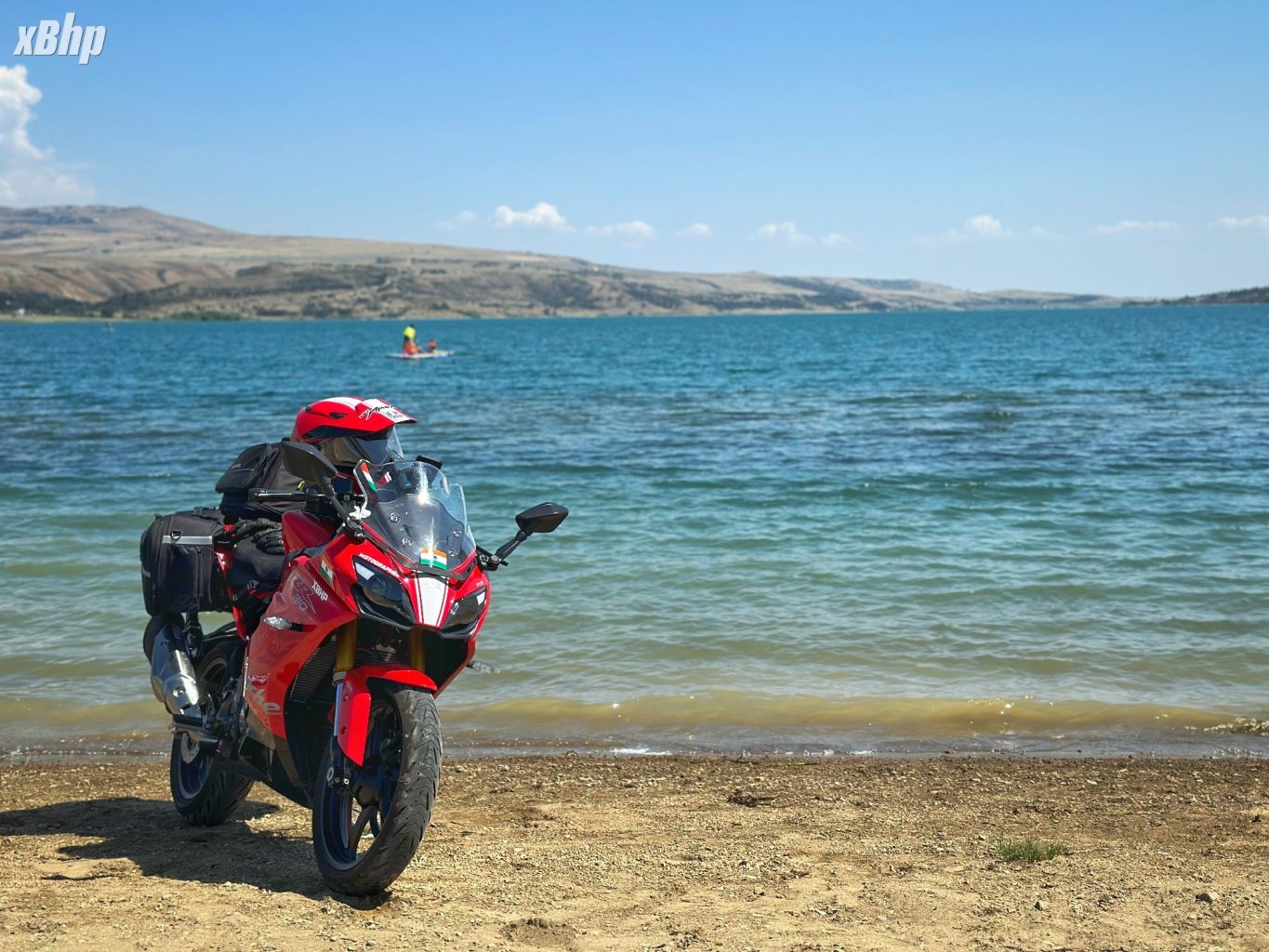
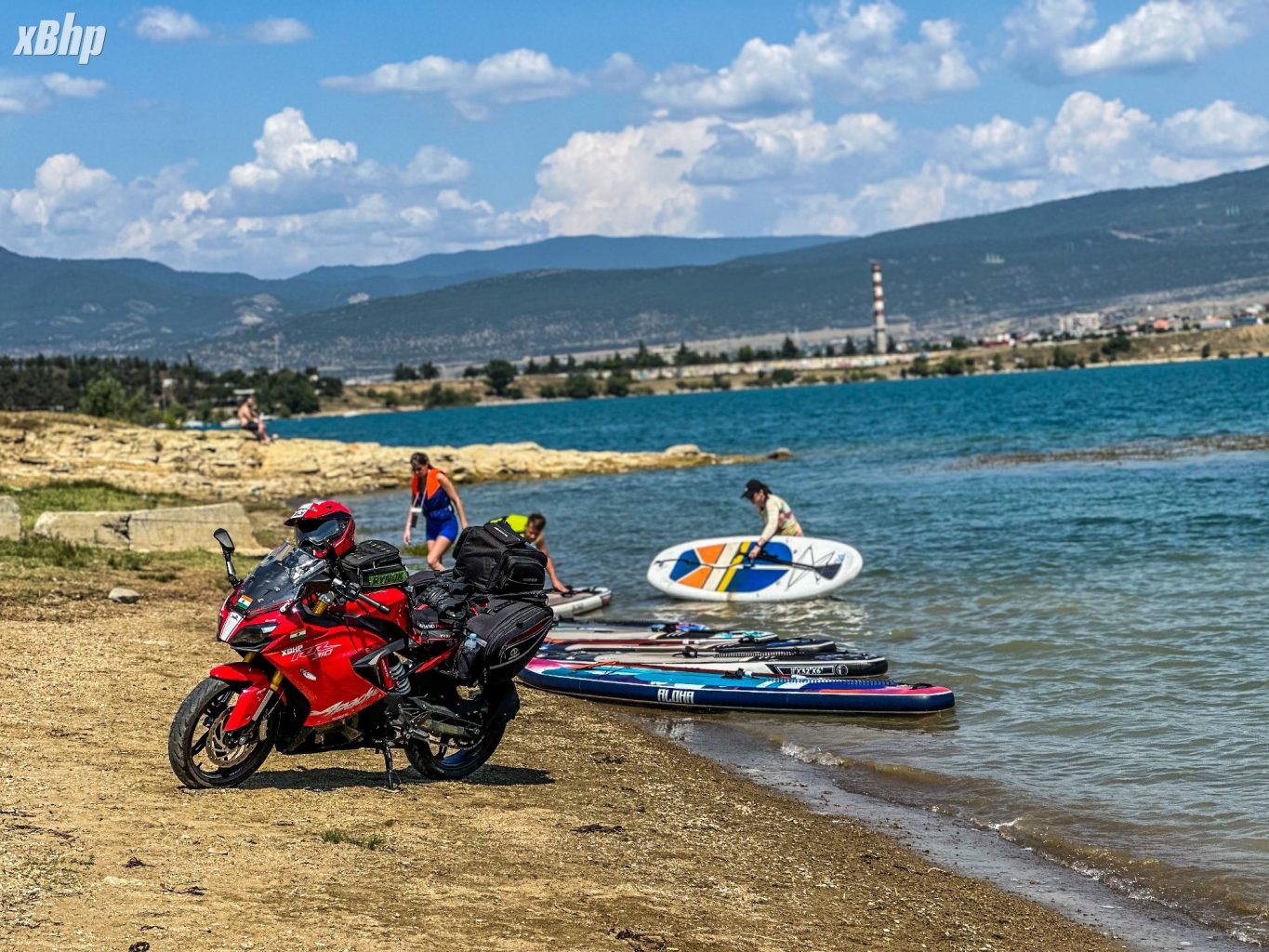
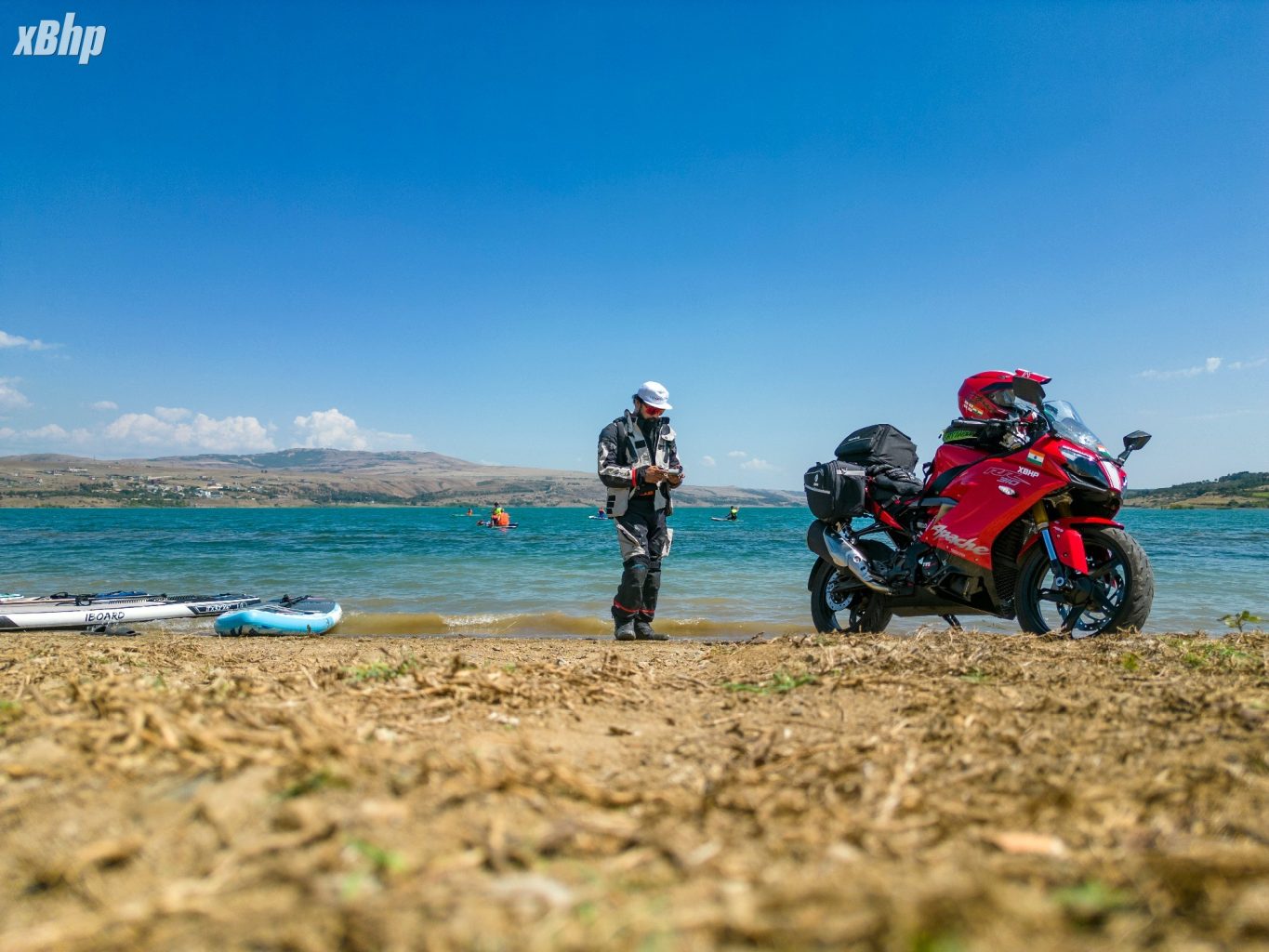
The Tbilisi Sea is a man-made reservoir to supply Tbilisi with water and also serves as a recreational area.
The Chronicles of Georgia overlooking the Tbilisi Sea.
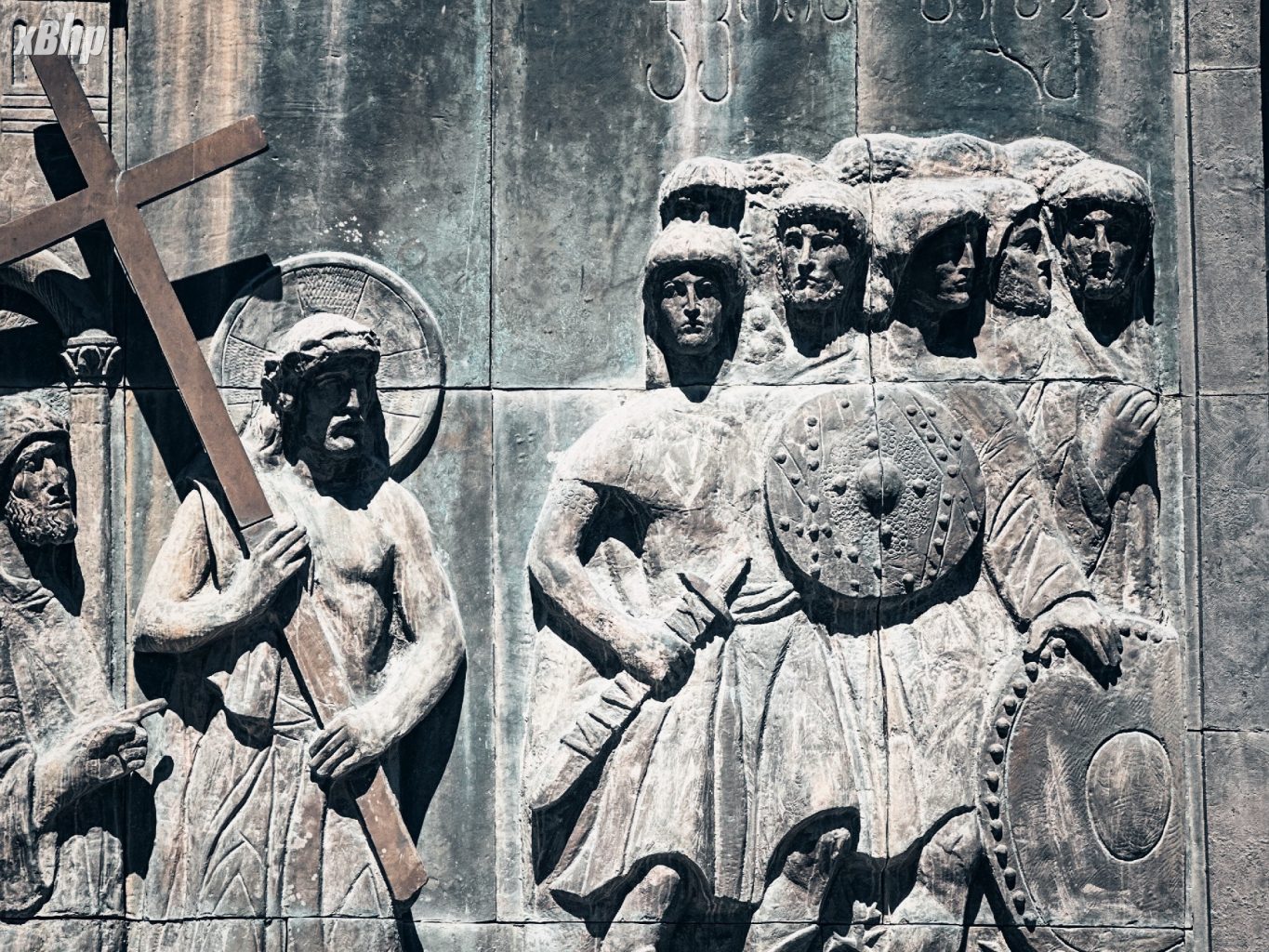
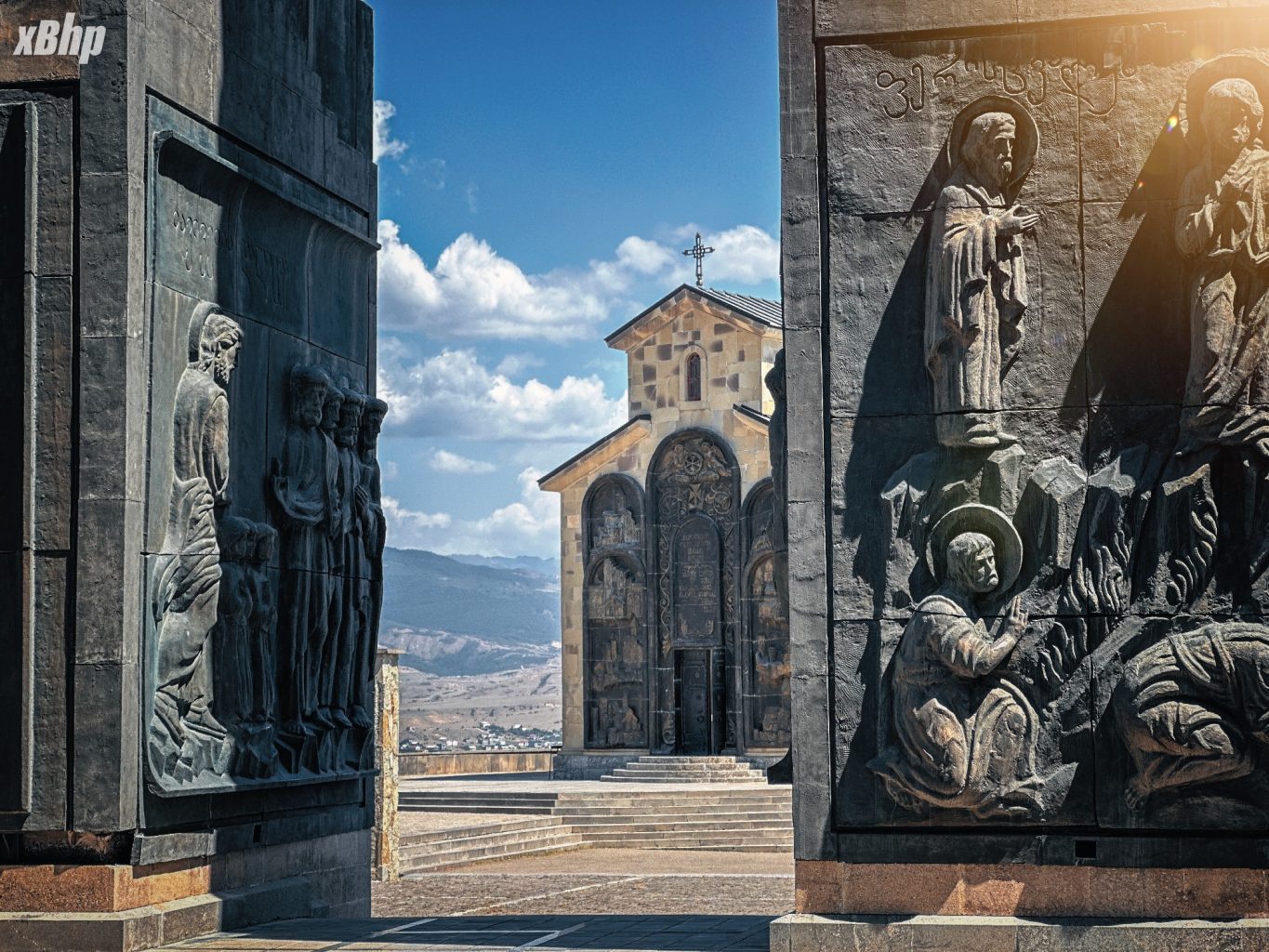
Some photos from inside the Chronicles.
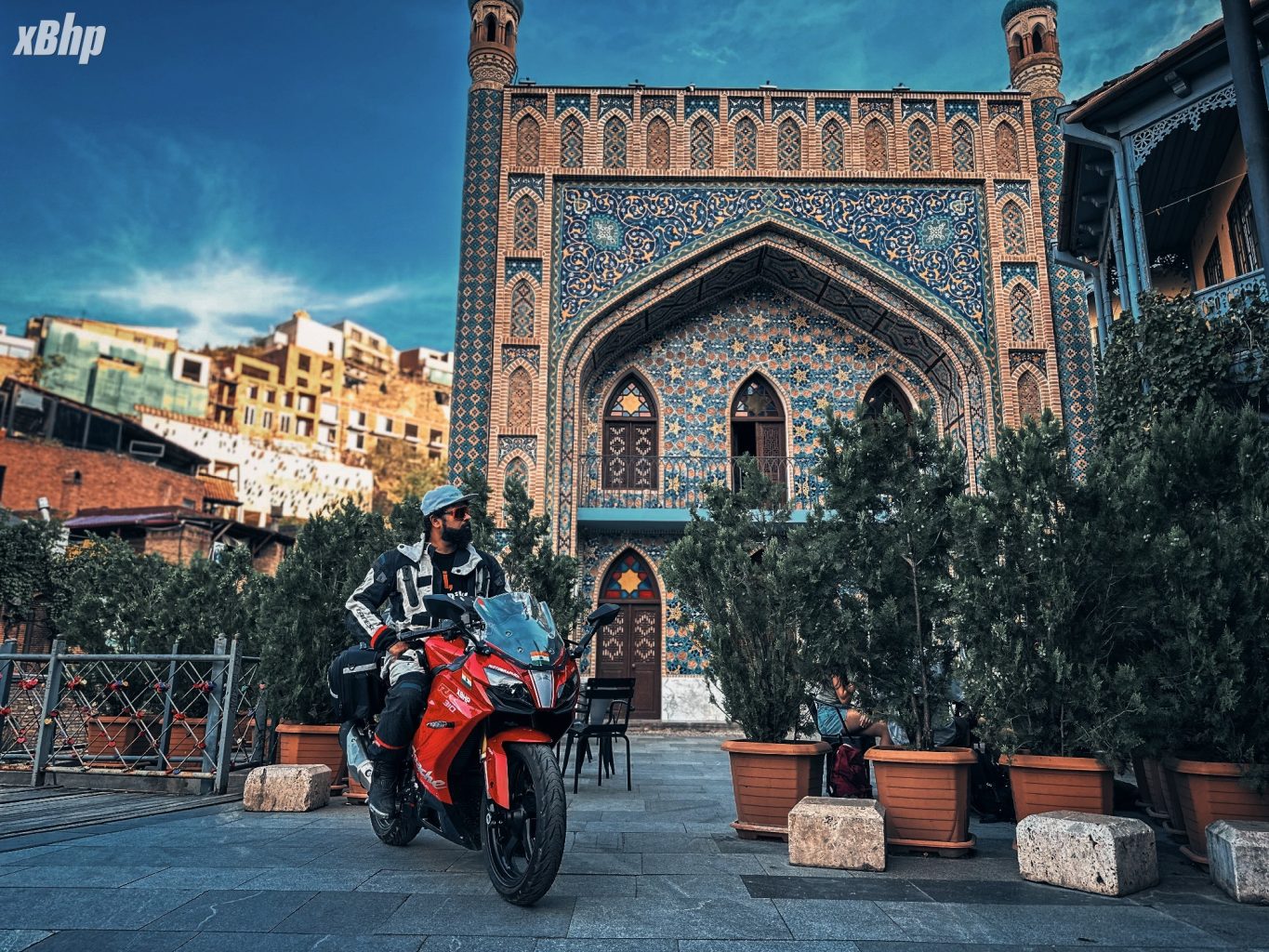
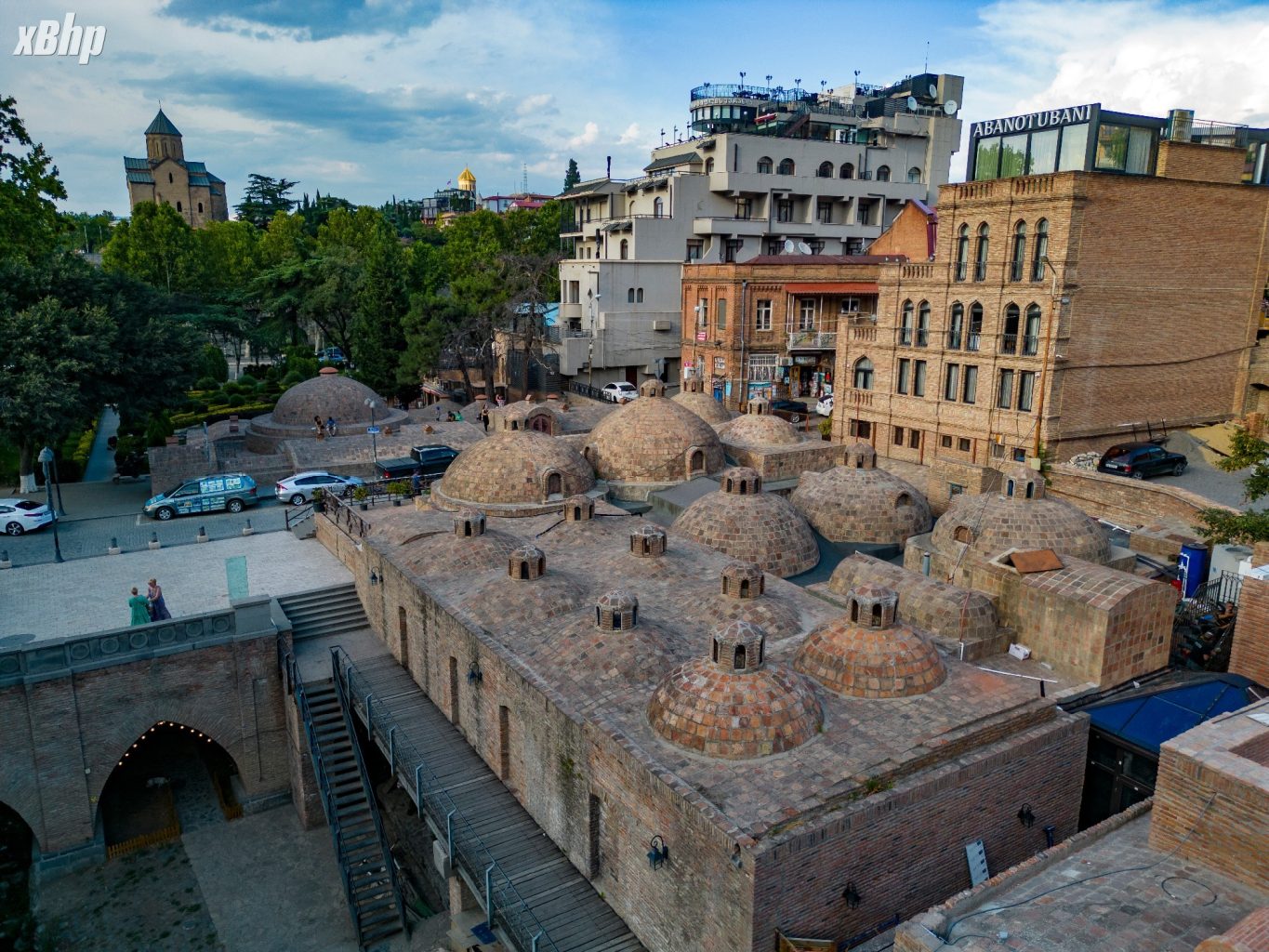
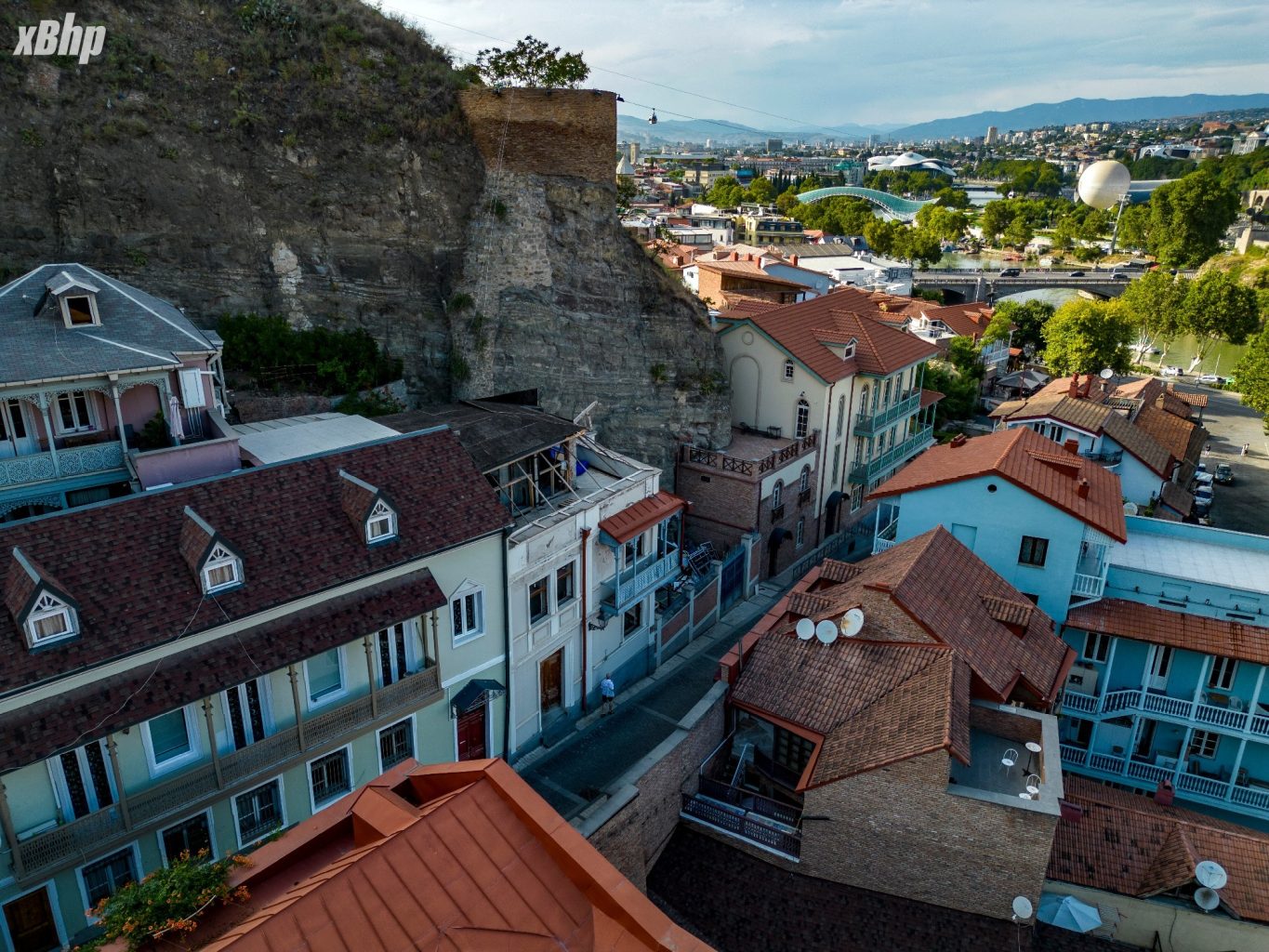
The Orbeliani Bathhouse.
Old Bathhouse.
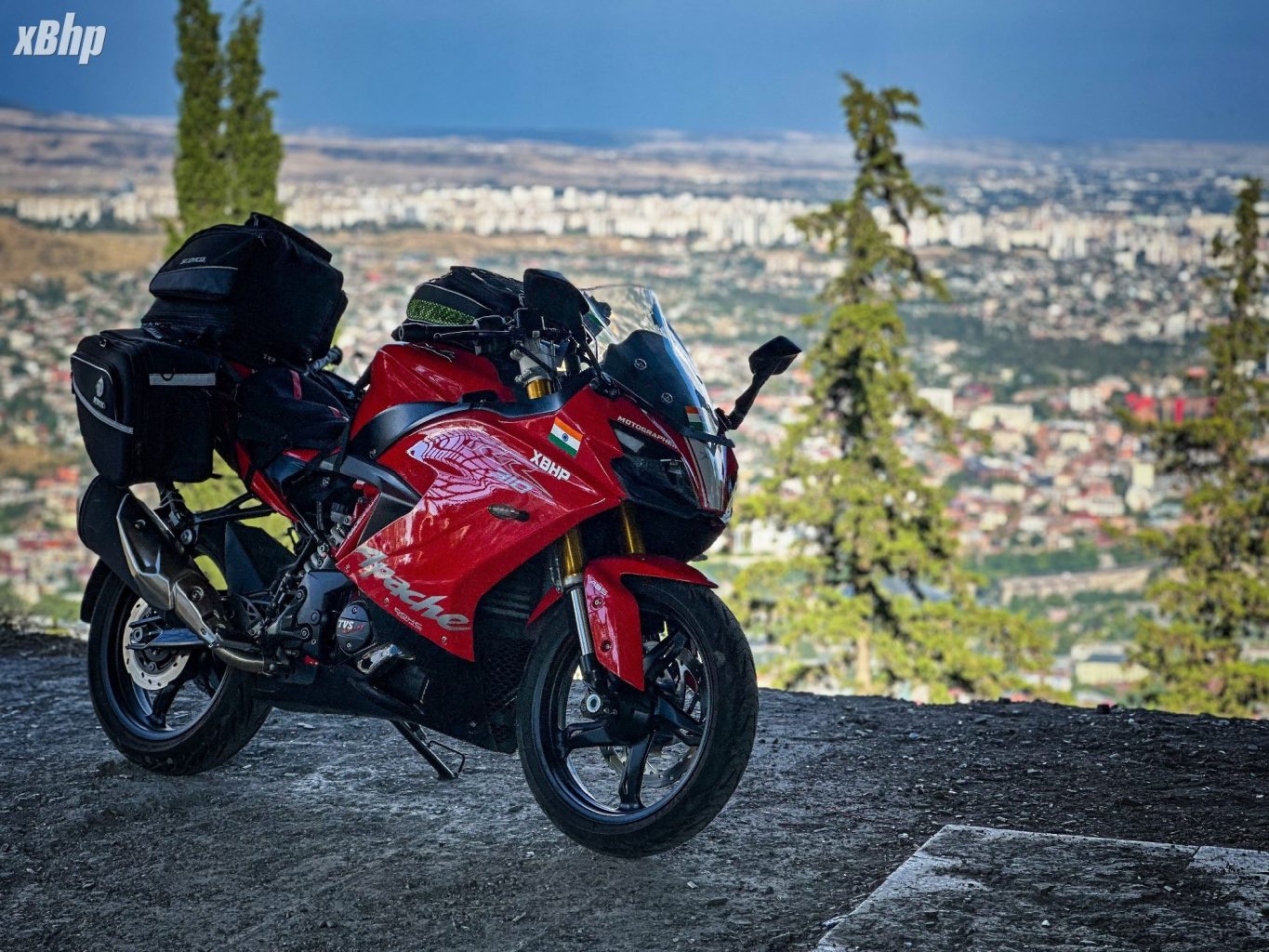
Mtatsminda Park is a hilltop where you can get amazing views of Tbilisi and it is generally cooler (in terms of temperature and arguably… otherwise) than the city down below.
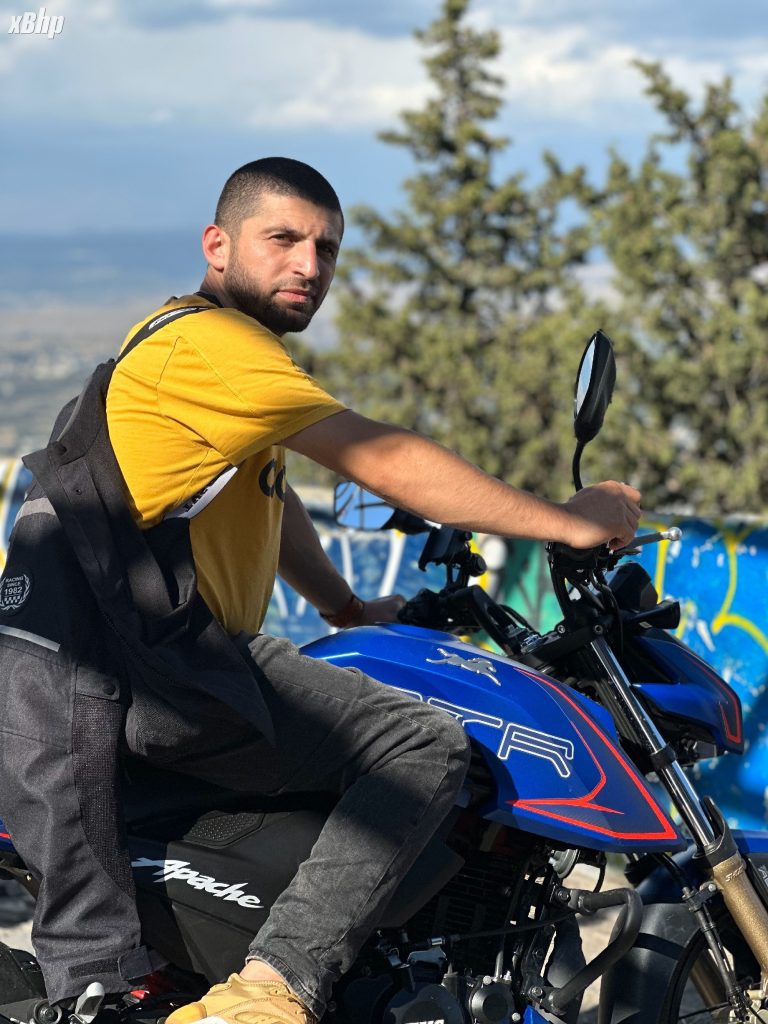
Levan with the TVS Apache RTR 200 at Mtatsminda park.
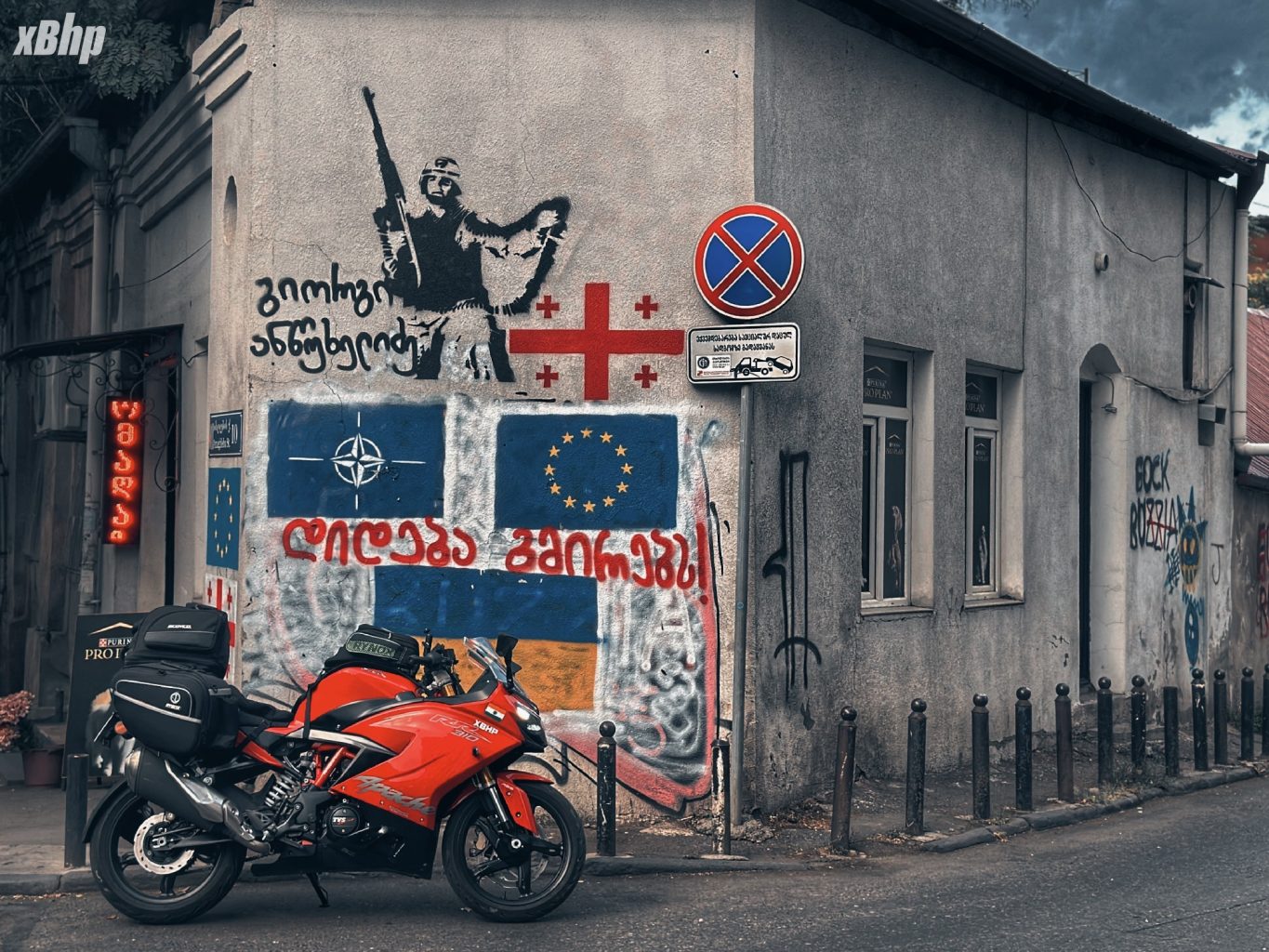
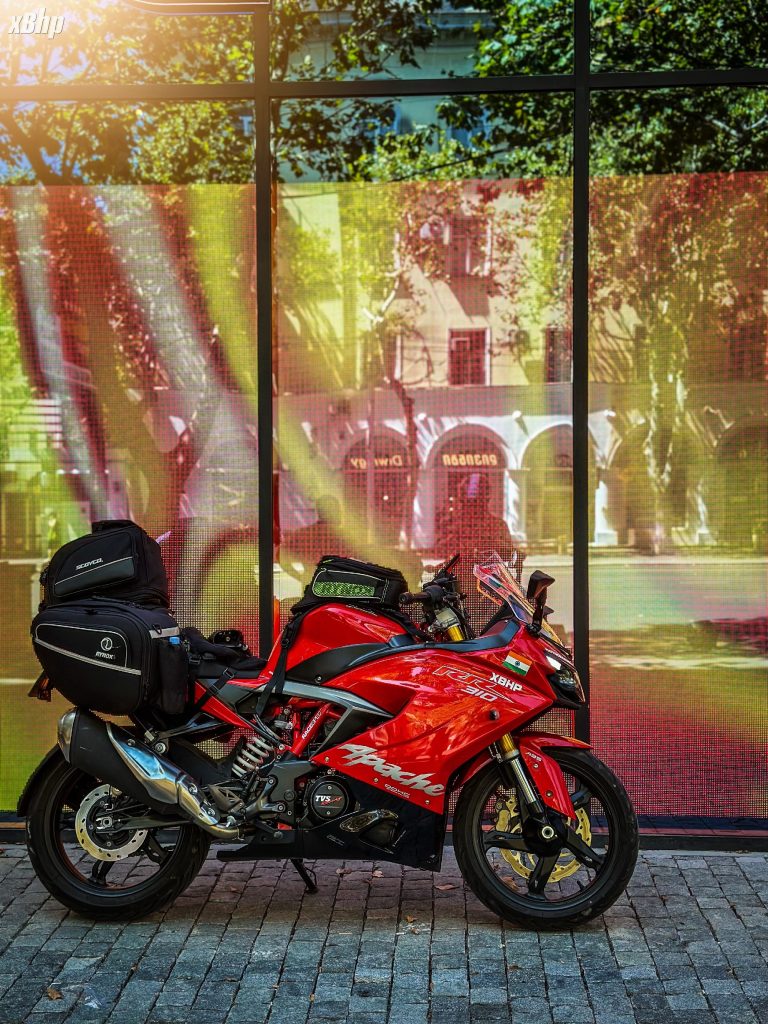
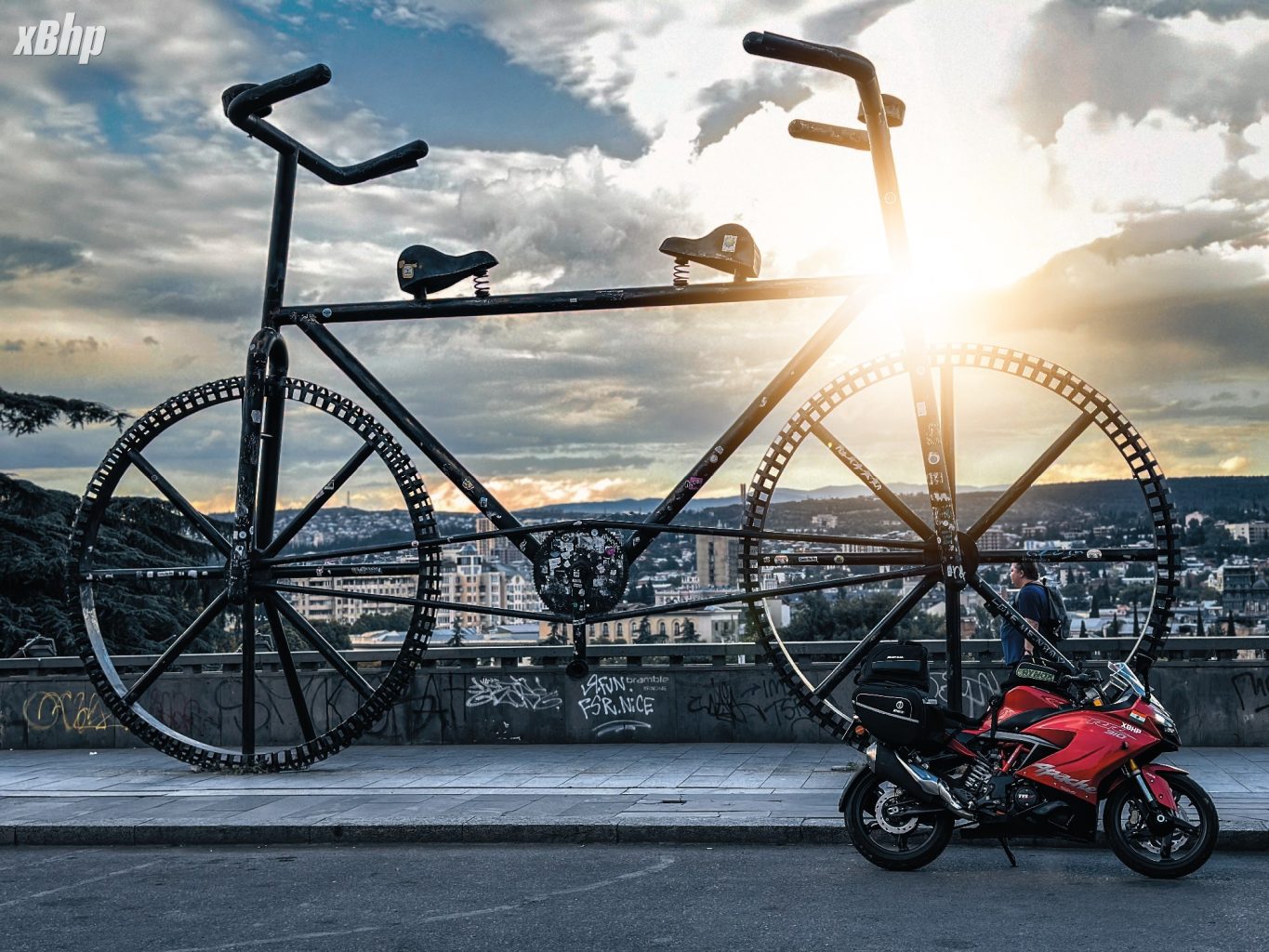
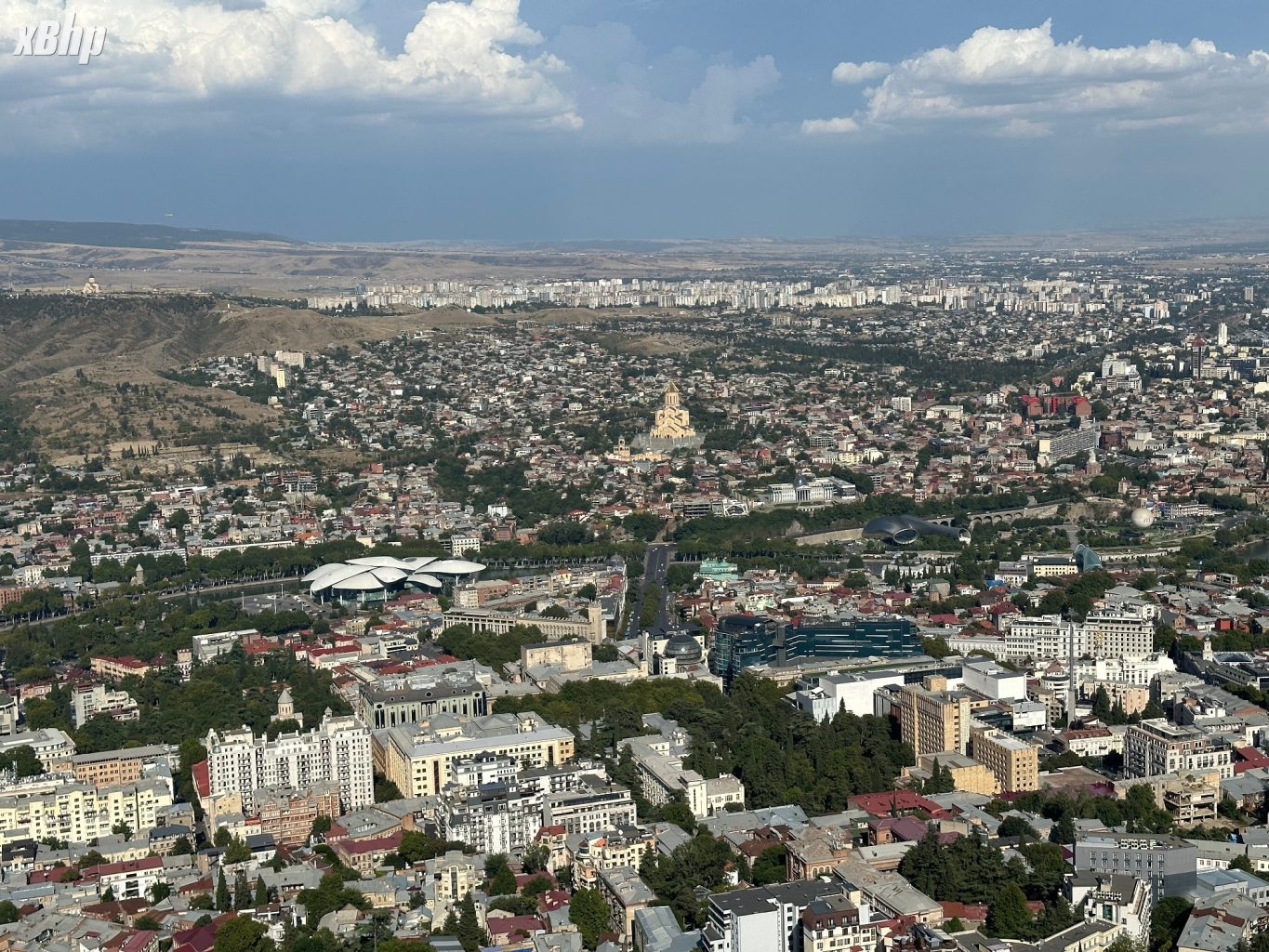
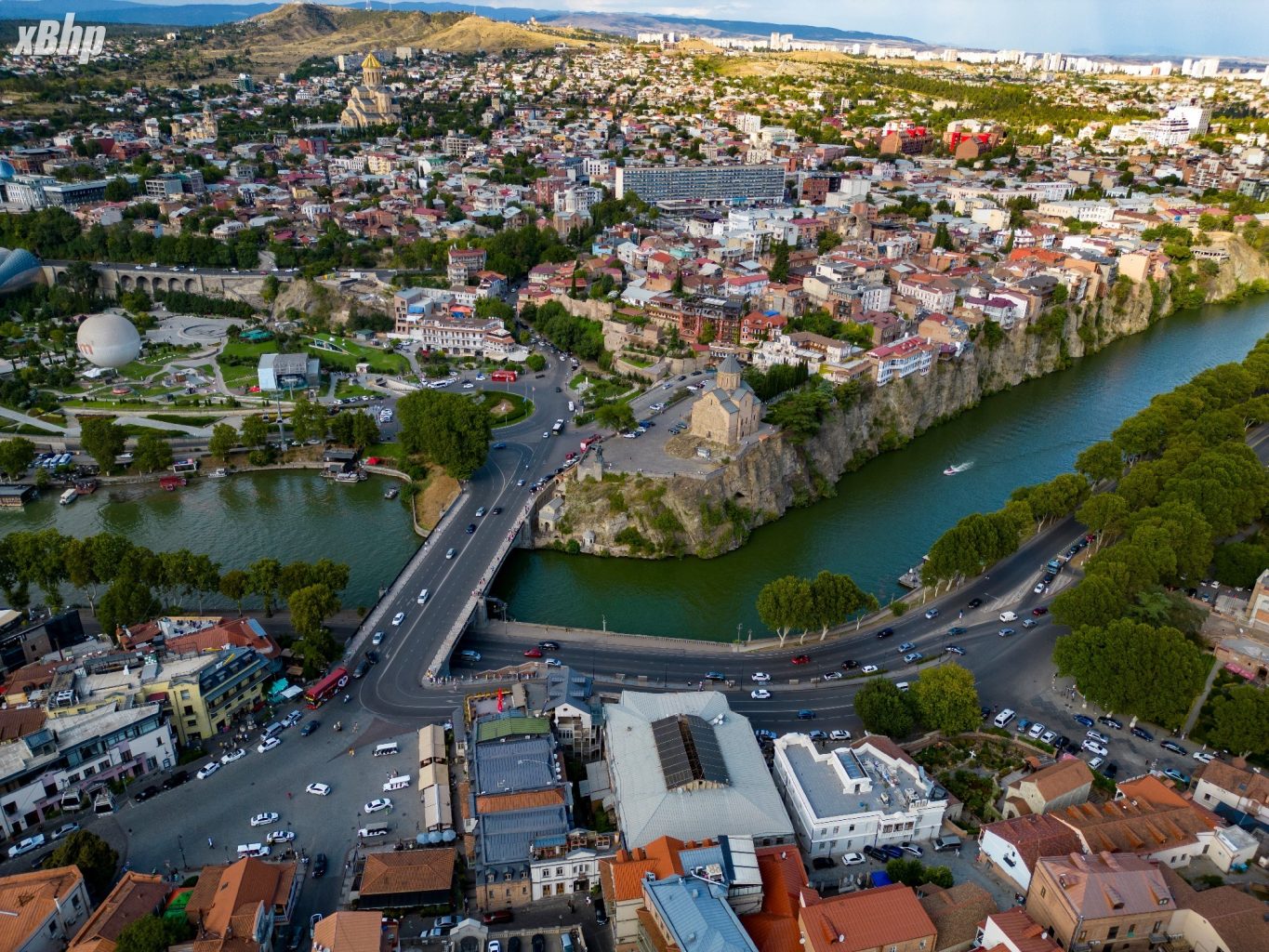
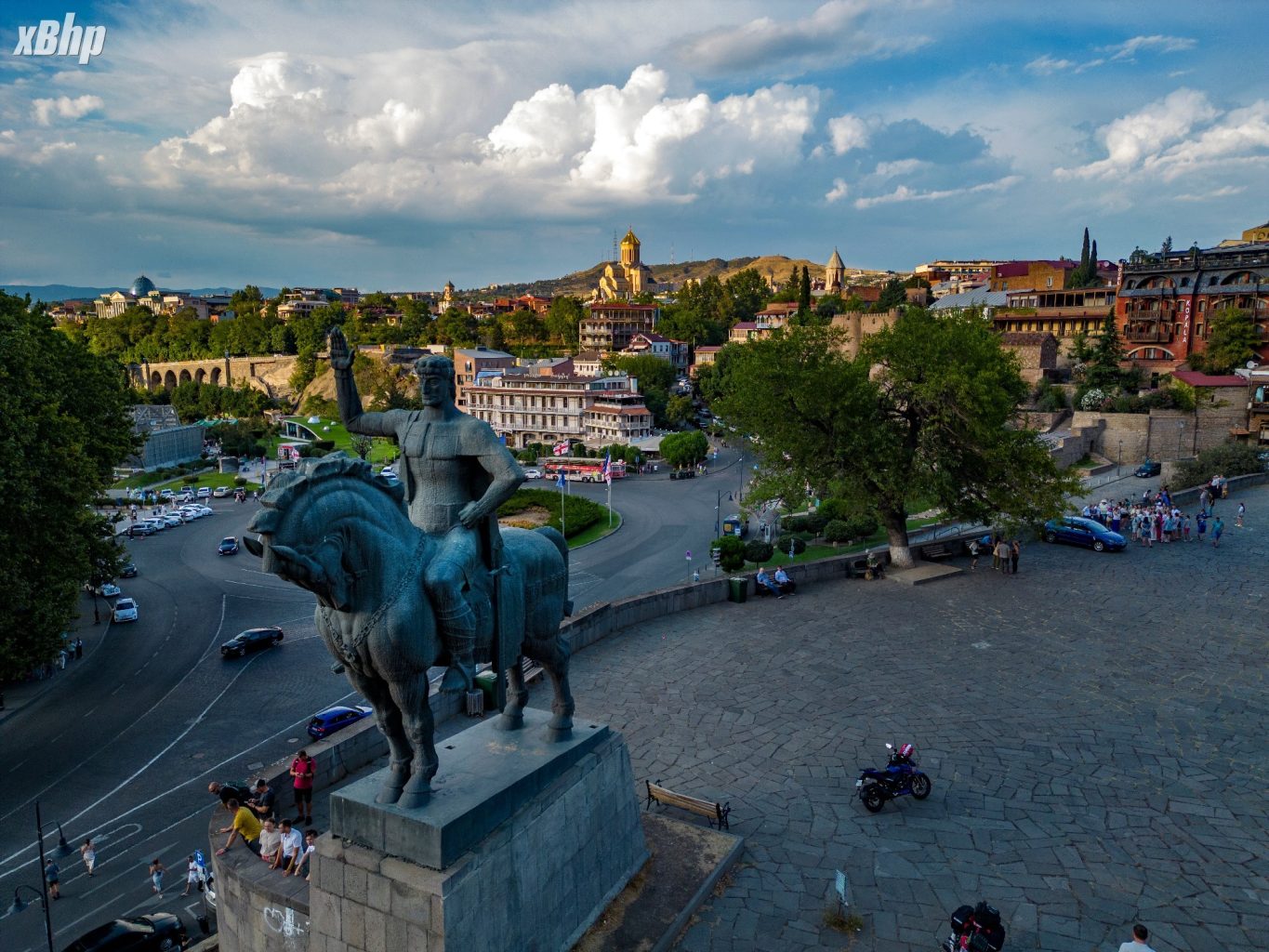
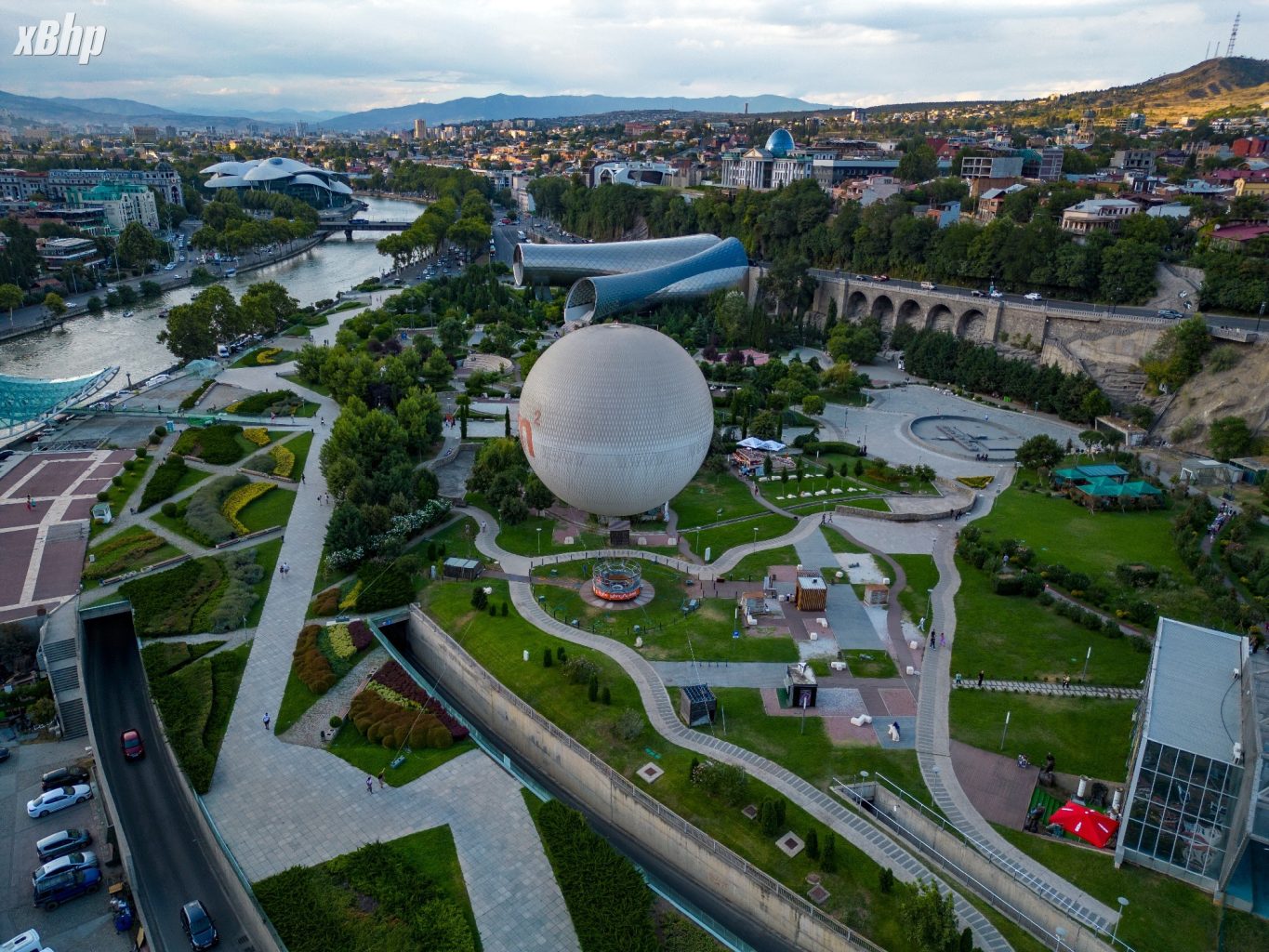
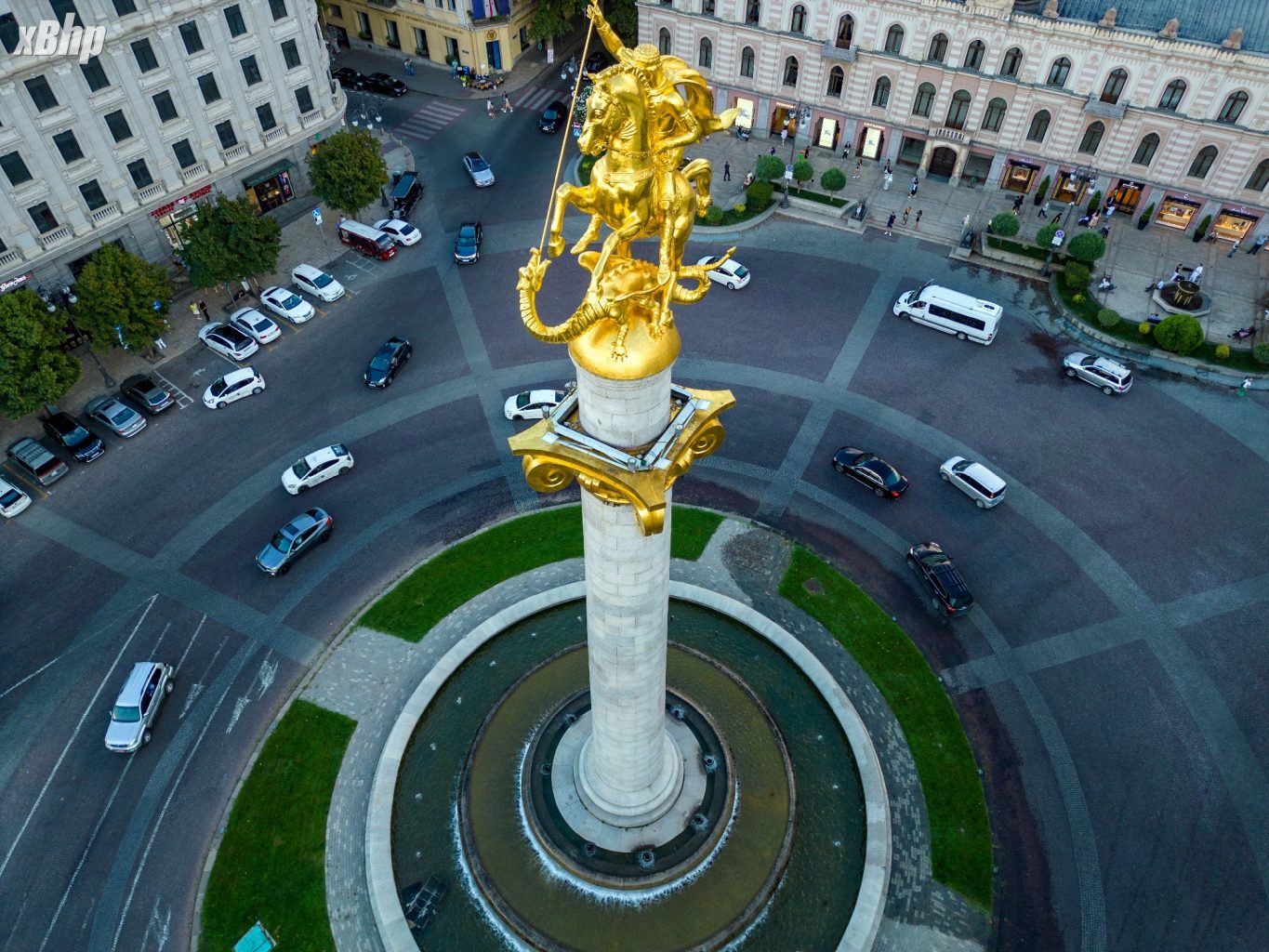
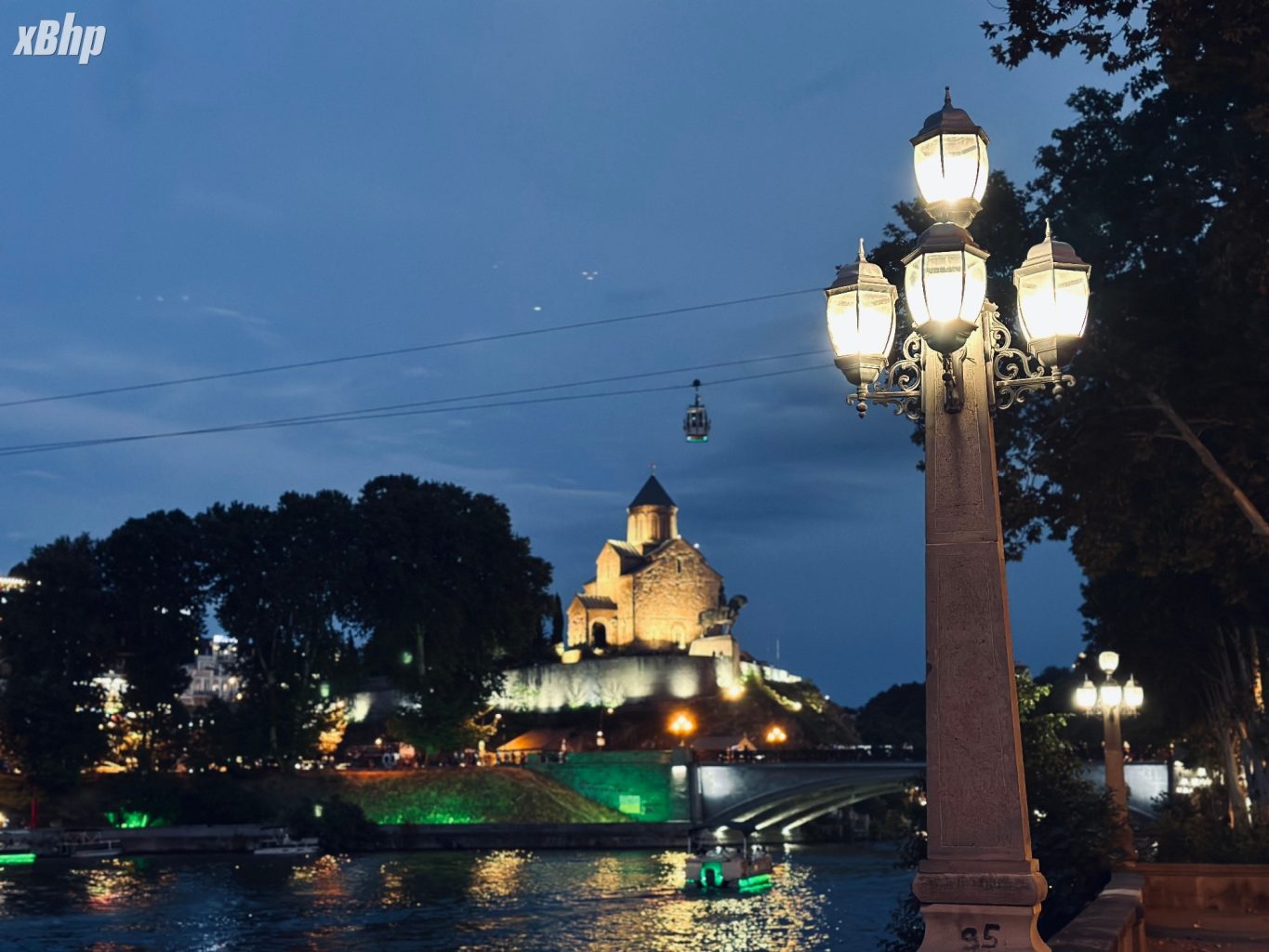
Some more photos from Tbilisi…
The next day, I decided to head to the Georgia-Azerbaijan border (Red Bridge Customs Post) which is just 60 km from the centre of Tbilisi and an hour of riding. As expected, I was turned back from the border, but the best part about this was that I had a backup plan of going to the Georgia-Armenia border (Sadakhlo) which was just 40 km away!
The roads are generally well maintained though some potholes and single-lane roads demand more attention than usual, especially while nearing the borders. By this time, I was getting used to the dynamics of the RR 310 with two saddle bags and a tail bag, which was unplanned and added at the last moment due to a lot of luggage.
While crossing over to Armenia from Sadakhlo, first I had to get export documents prepared on the Georgian side which was made possible with the power of attorney I had for the bike attached to my passport. After that, I crossed the brief no man’s land to the Armenia immigration where they checked my bike documents, my passport and the e-visa. Overall, the whole process took around an hour. After crossing over to the Armenia side, you have to immediately get insurance for the bike. It costs a few USD but a mandate to ride in Armenia. Here, I also got myself a local SIM card. I also enabled international roaming on my Indian SIM card which works in most countries.
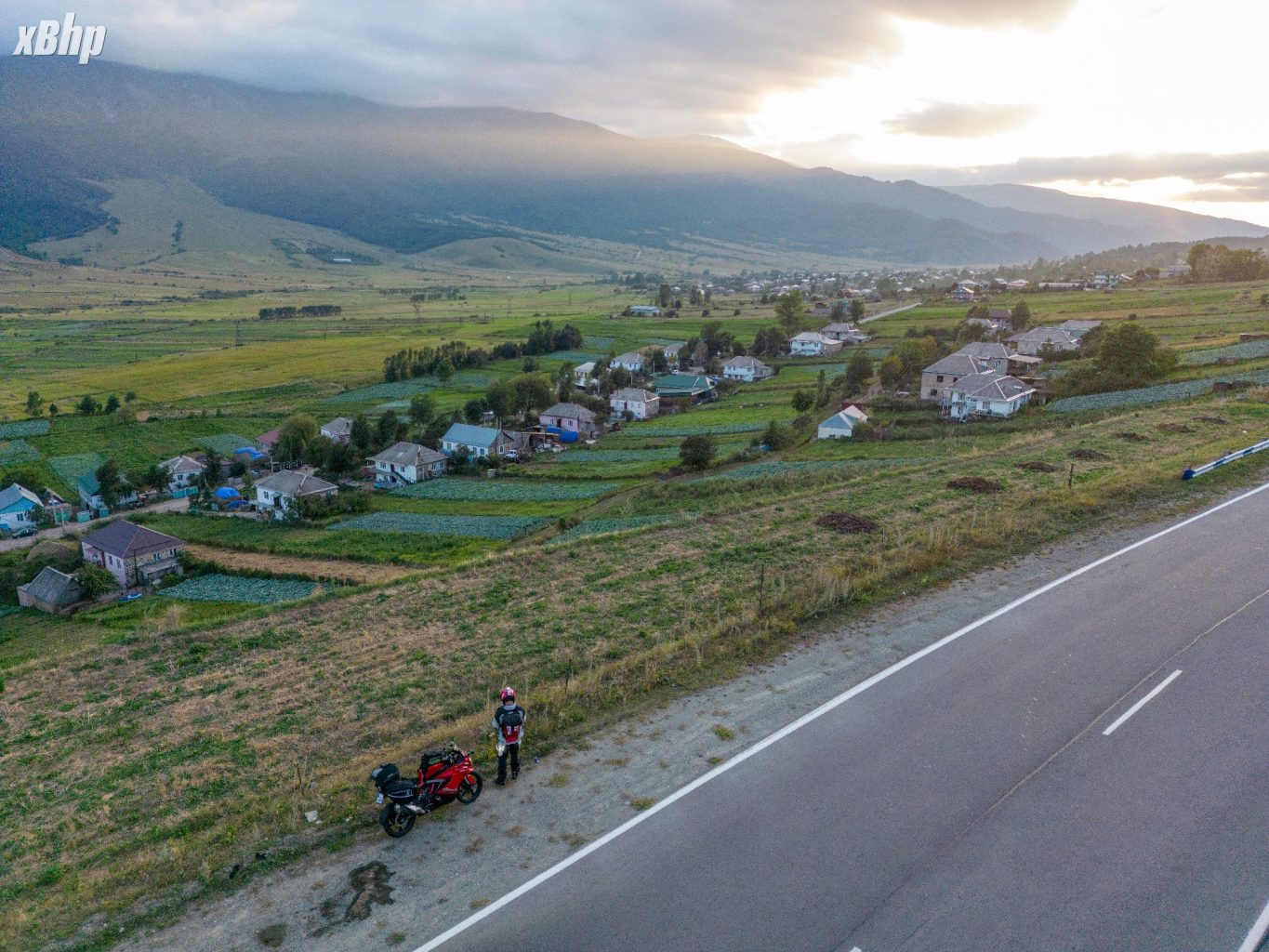
Some landscapes en route to Vanadzor in Armenia.
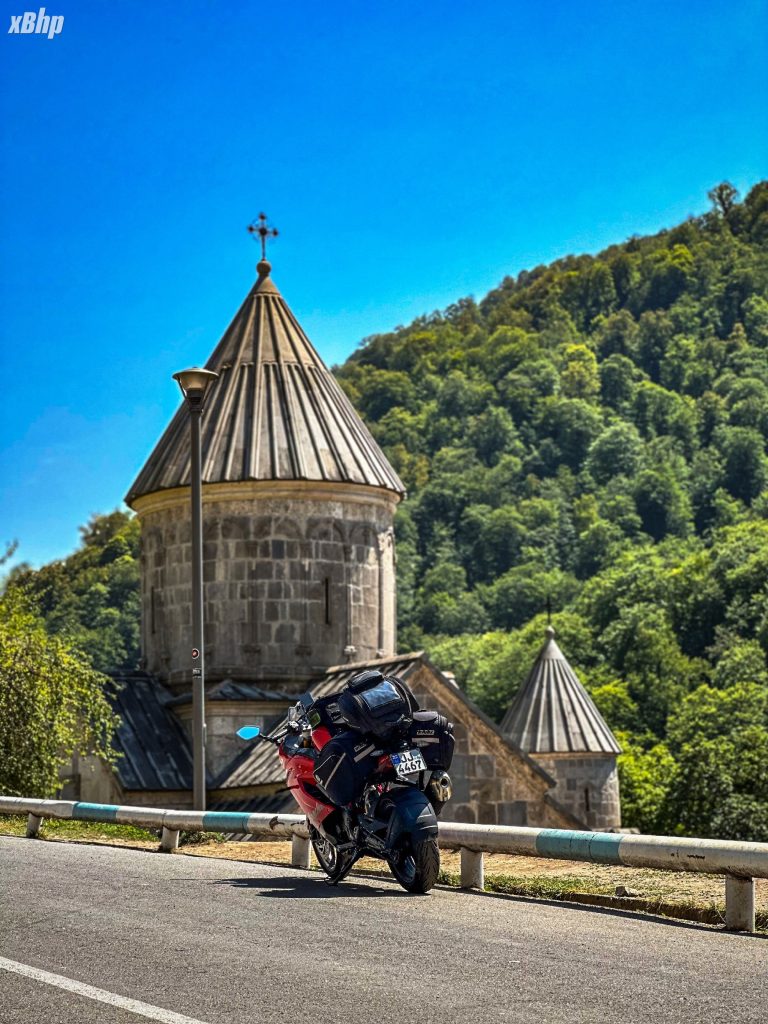
From the border, I rode the Apache RR 310 down south into Armenia until the third largest city of Armenia, Vanadzor, before ending the day in Dilijan, which is also referred to as Armenian Switzerland. If you land up here on the weekend, then expect a crowd from Yerevan, the capital of Armenia and its associated traffic. There are a lot of forests (around 34,000 hectares) around here as part of the Dilijan National Park. I also visited the 13th-century Haghartsin Monastery near Dilijan the next day.
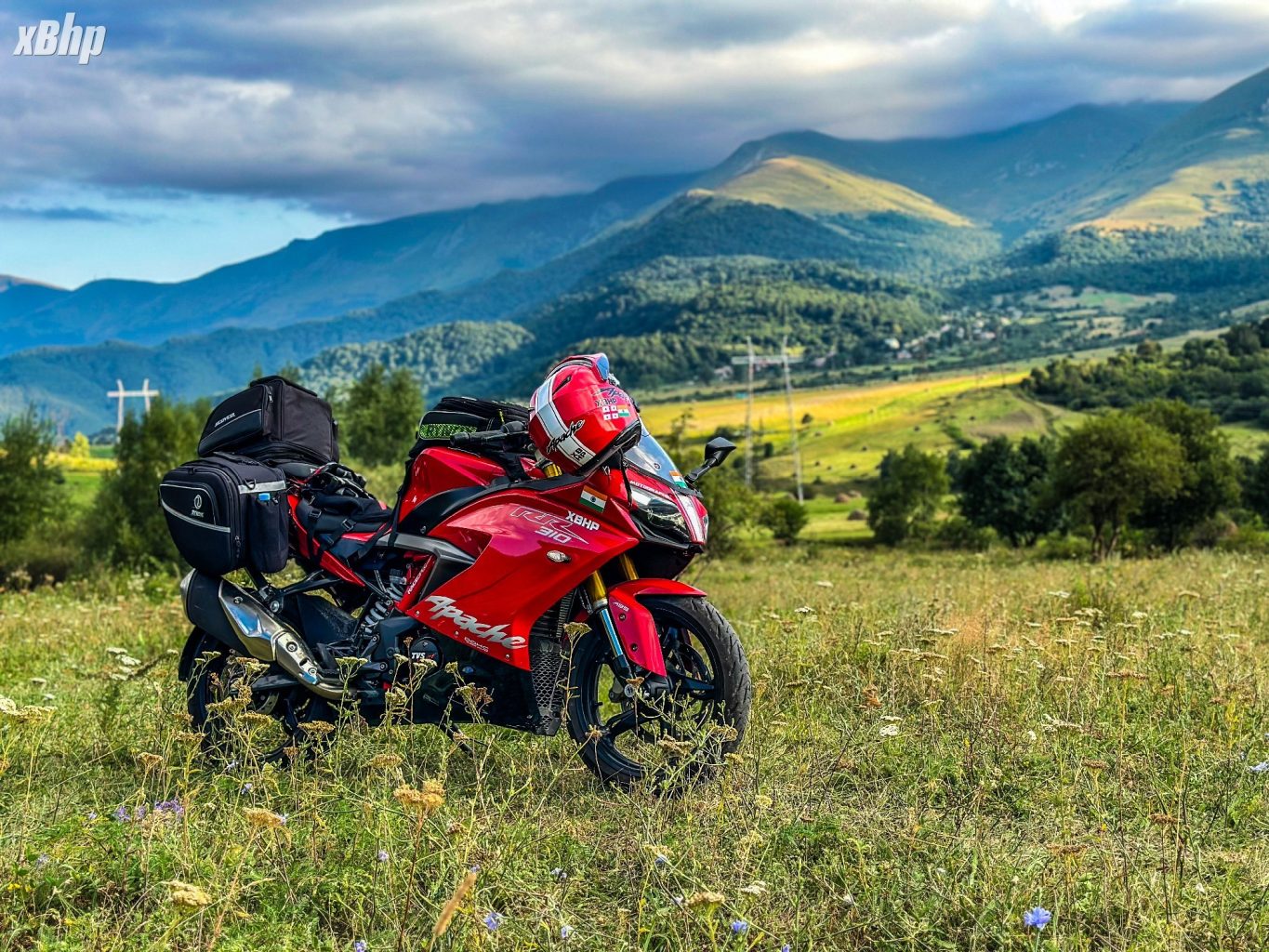
This was the first taste I had of riding the Apache RR 310 in the mountains saddled with stuff to the hilt. And despite that, the riding dynamics were good. I use a lot of engine braking in the mountains and usually start riding hard when I get comfortable. The Apache RR 310 is a fantastic handler and the power is not overwhelming. That is probably why I enjoyed it a lot more than superbikes which can be a handful in the mountains.
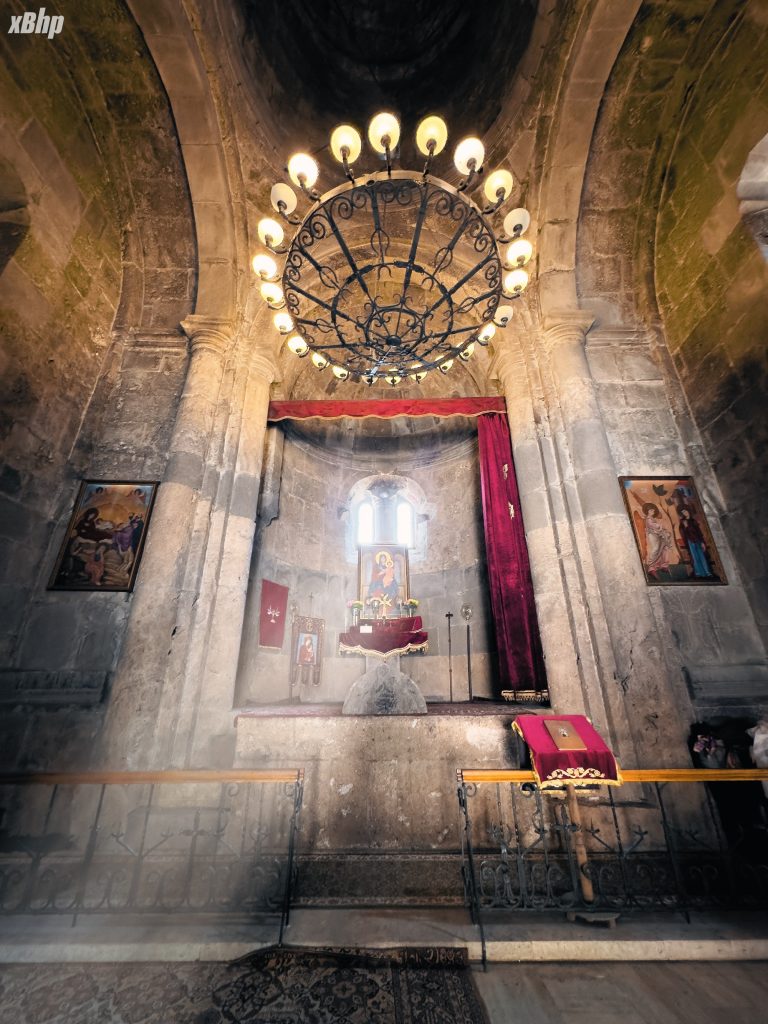
The Haghartsin Monastery near Dilijan, Armenia.
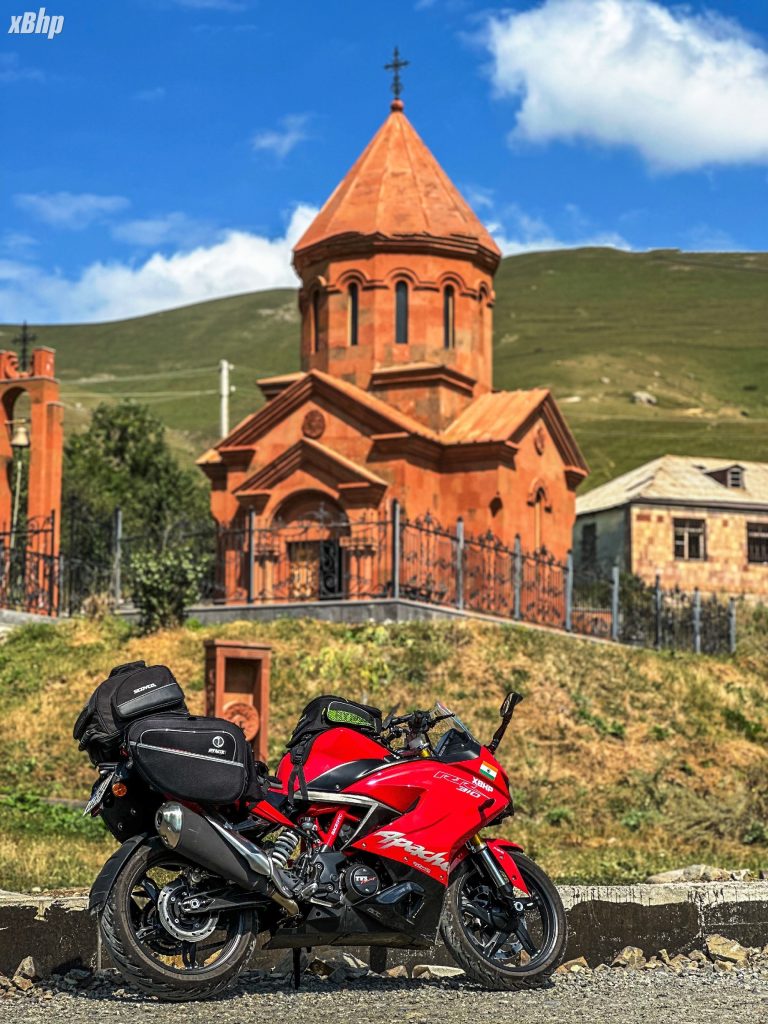
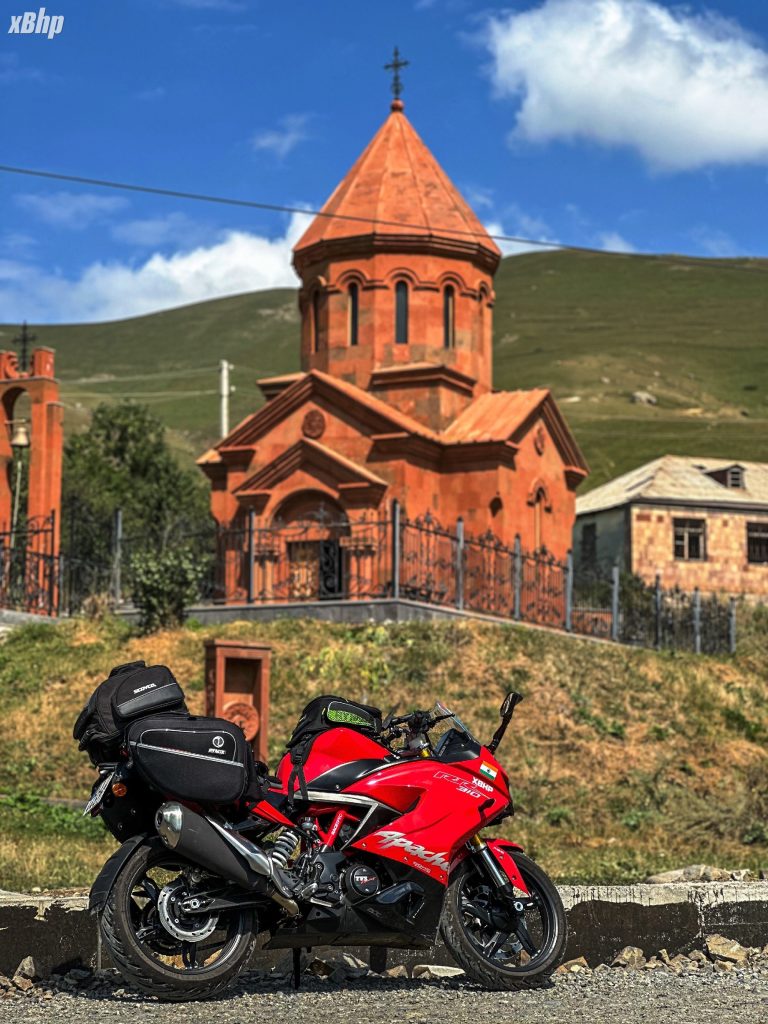
Chiesa Church in Ttujur Village, Armenia, en route Lake Sevan.
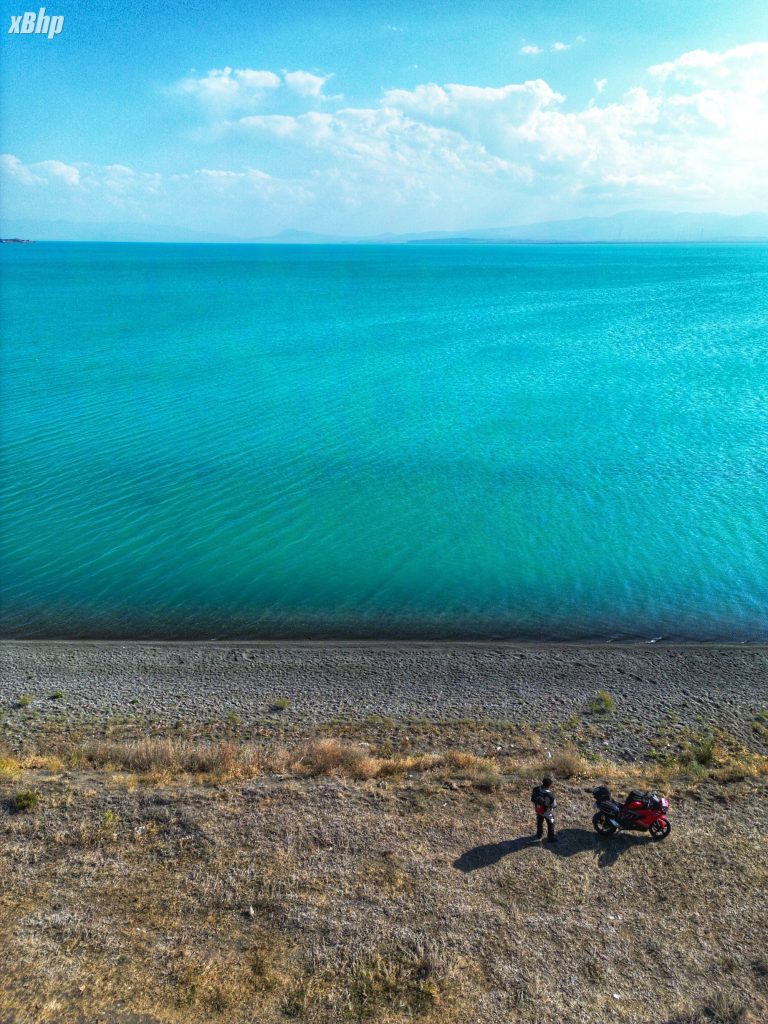
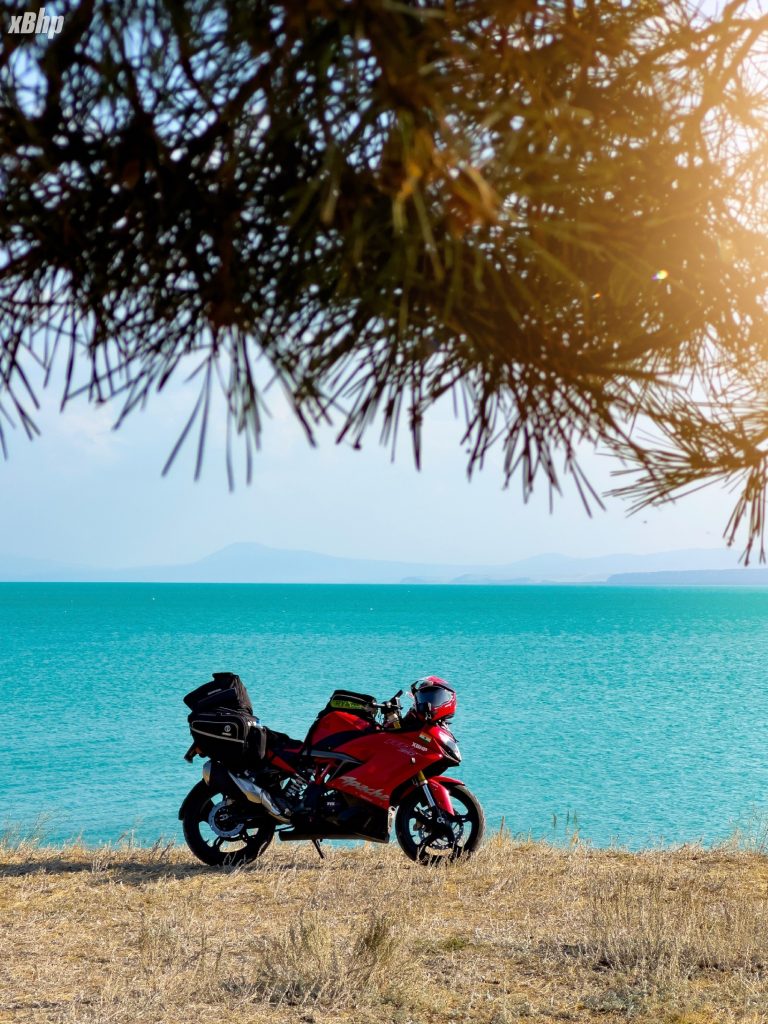
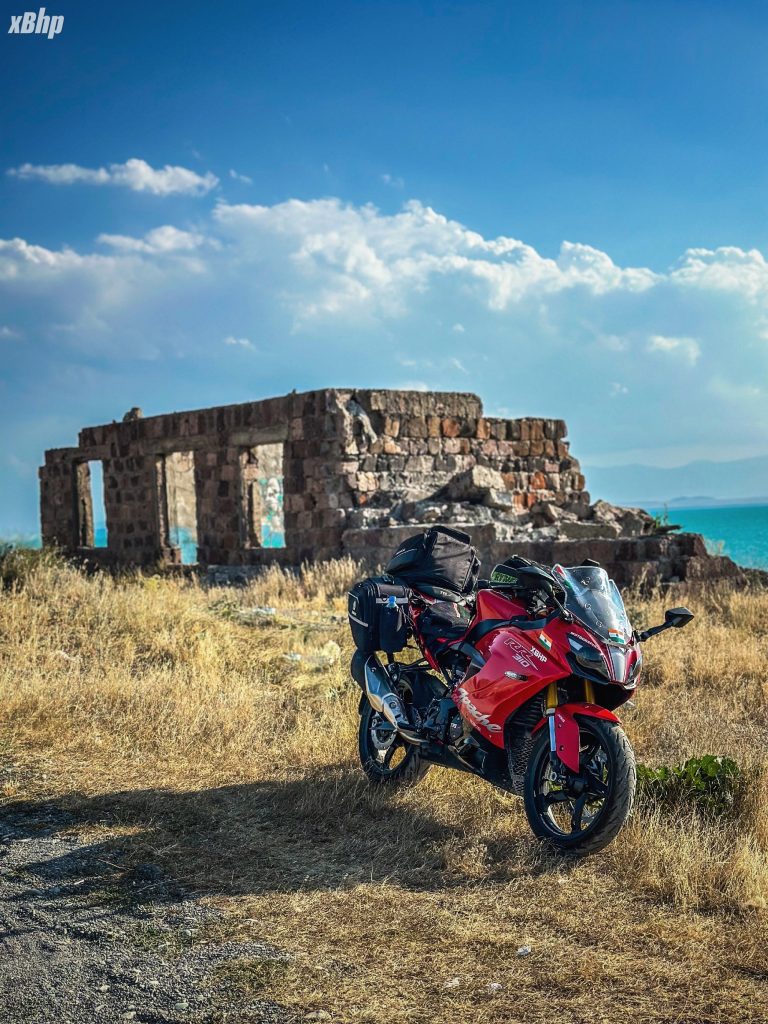
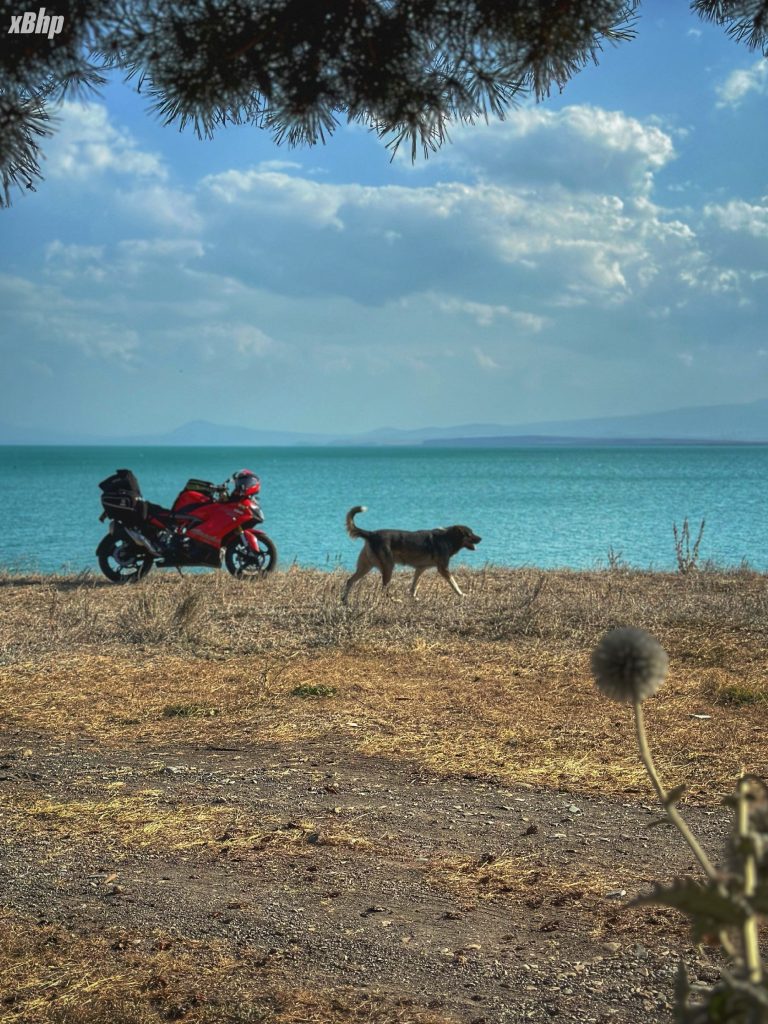
After Dilijan, I decided to go to Lake Sevan, which is the largest body of water in the Caucasian region. It is also one of the largest freshwater lakes in Eurasia and at 1,900m above sea level, also one of the highest. It makes up for around 1/6th of the total area of the country of Armenia! It is extremely beautiful and you can find a lot of resorts along its long shoreline and interesting things like abandoned buildings and colourful fishing boats.
Some photos from Lake Sevan.
From the Haghartsan Monastery, I rode a bit more through the mountains to the town of Chambarak and cut south to the village of Shorza on Lake Sevan. Then I followed the road hugging the shoreline towards the north-west via Drakhtik beach down to Sevanavank Monastery before climbing onto the M5 motorway to Yerevan, the capital of Armenia!
The capital city of Yerevan is one of the oldest continuously inhabited cities in the world. It has a long and rich history, however, you won’t find yourself overwhelmed when trying to cover it in a day like I did. Of course, you can spend a lot of time visiting a lot of nooks and crannies but if you have just one day like I did, this is how you can go about it. First, there are a lot of hotels but as always, I call up to ask if there is a secure parking spot for a motorcycle and then proceed to book it using an app or just land there in case you can afford some time to explore a few hotels in the vicinity.
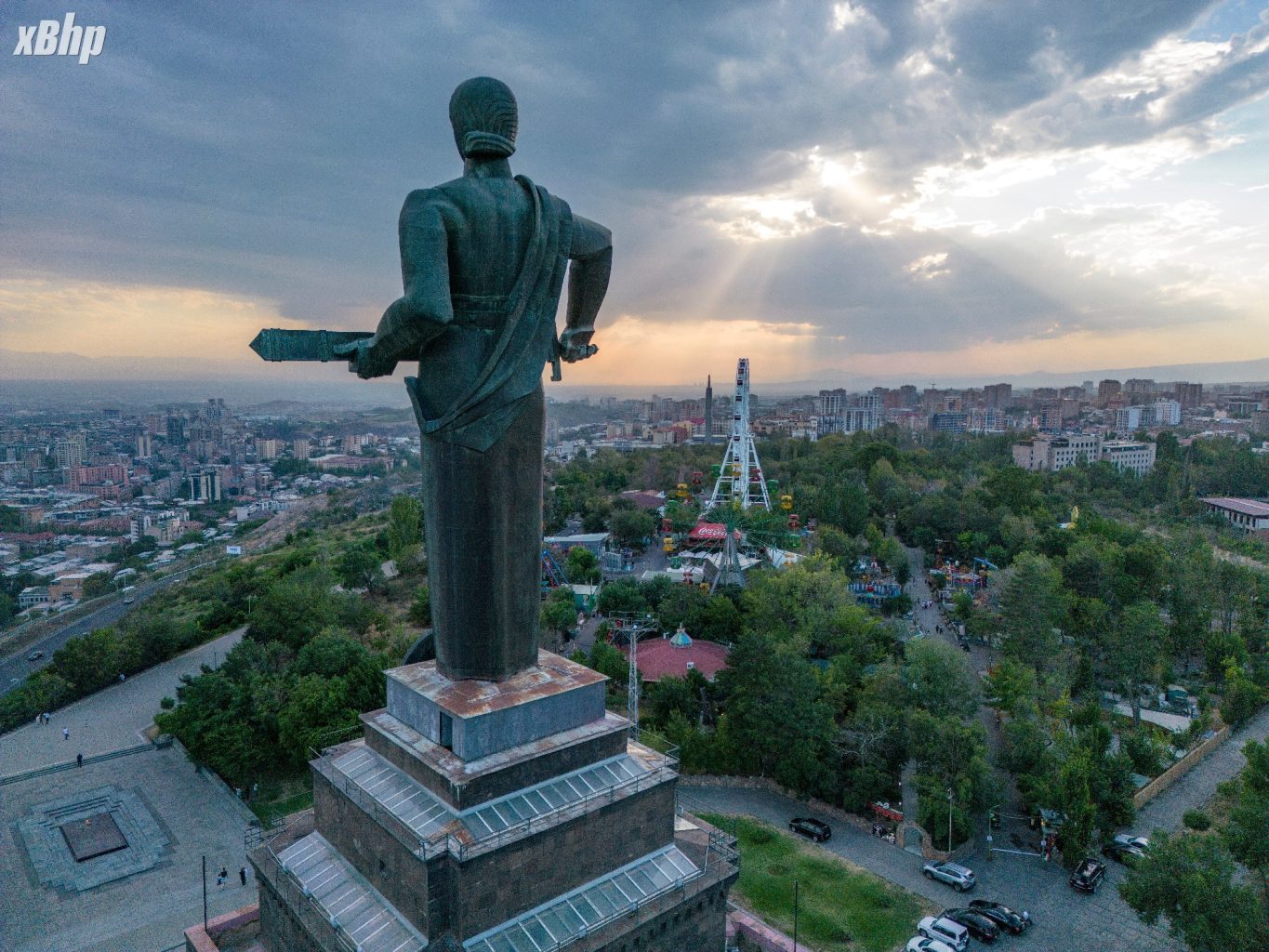
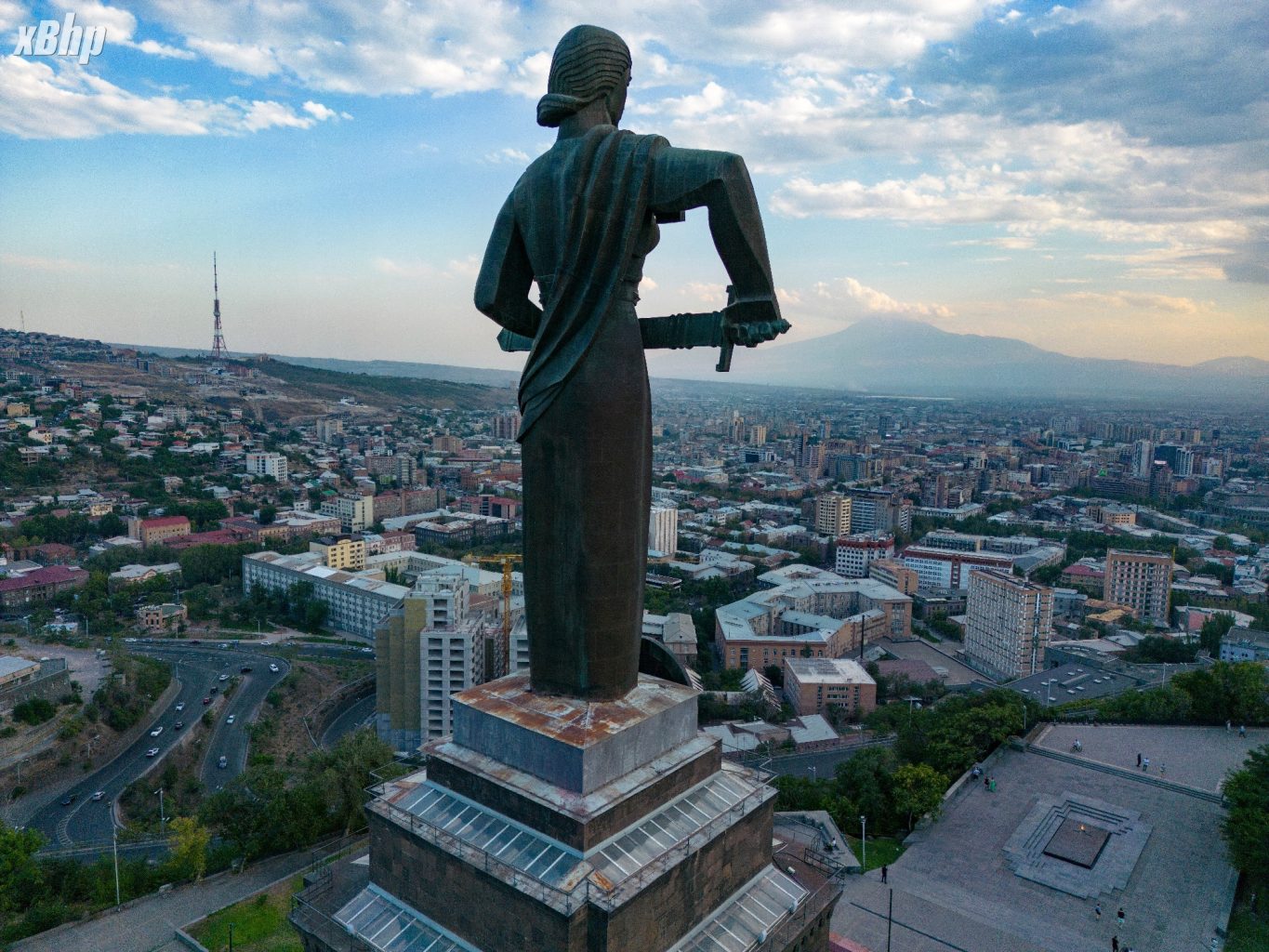
Mother of Armenia at Victory Park overlooking Yerevan.
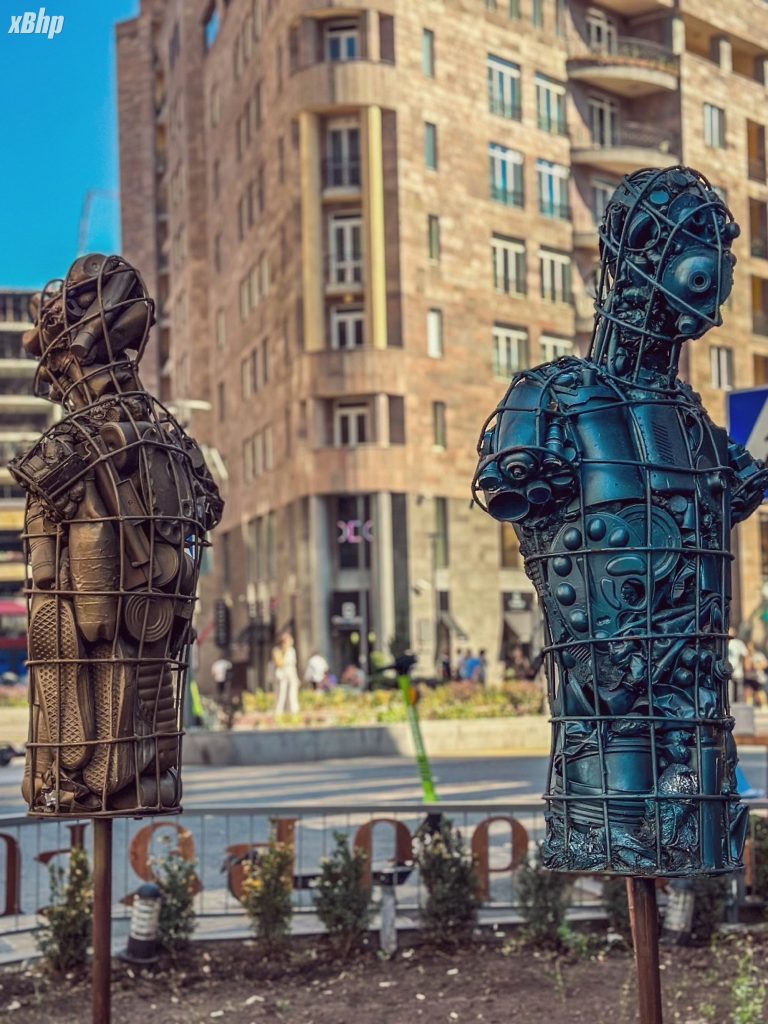
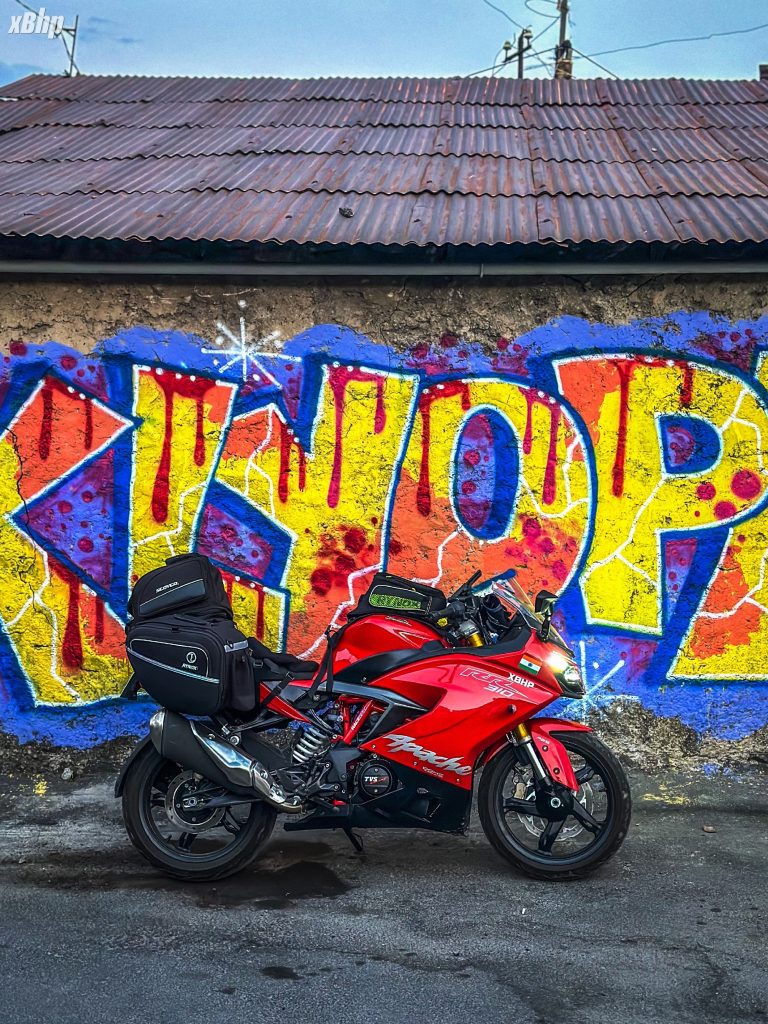
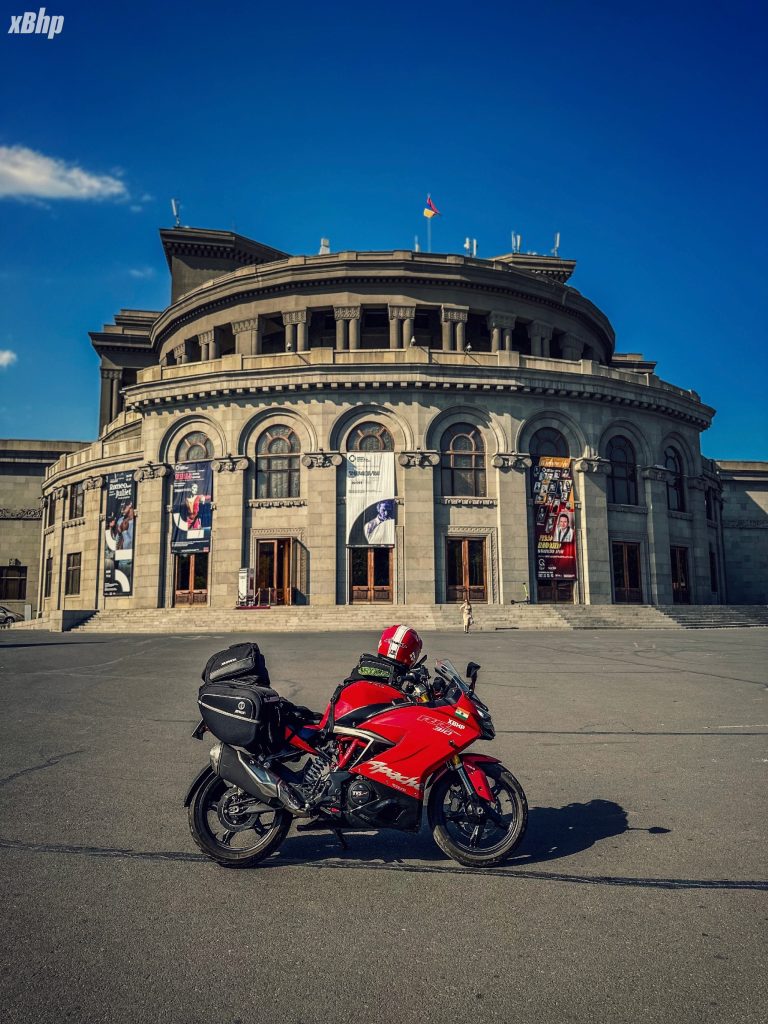
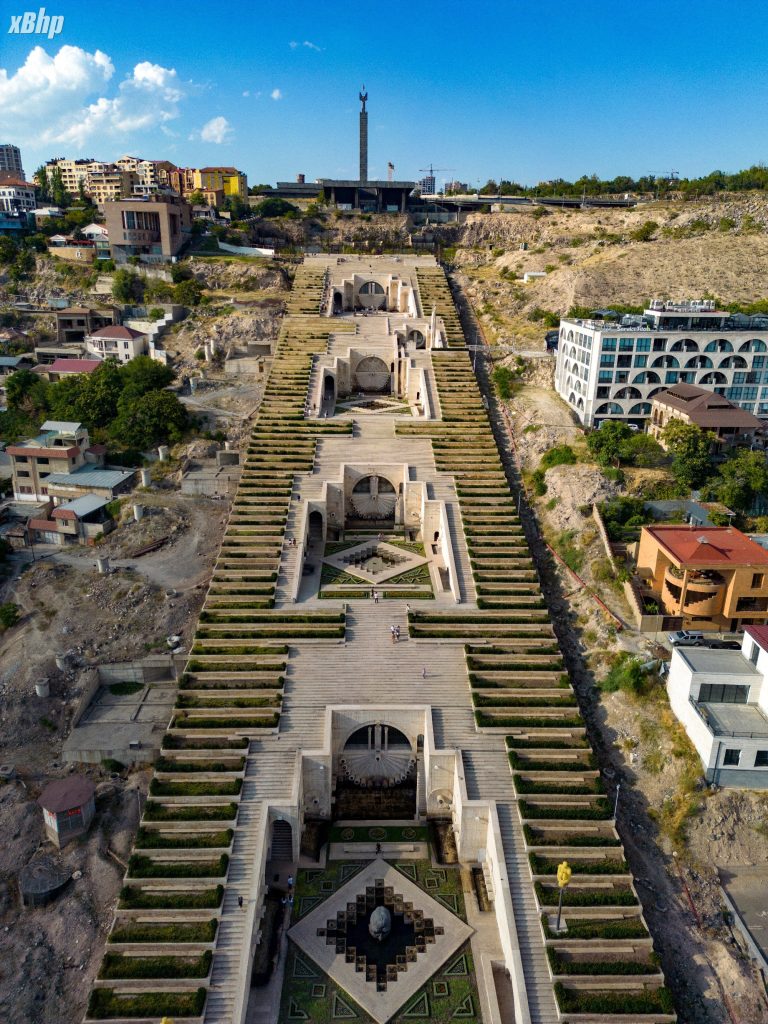
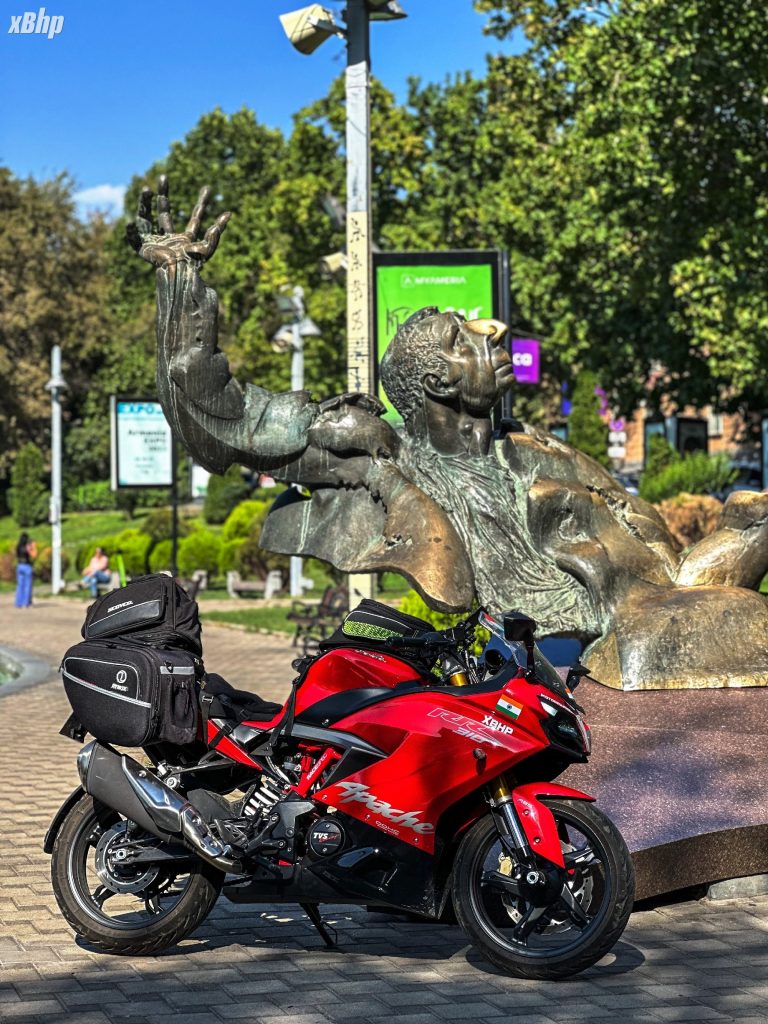
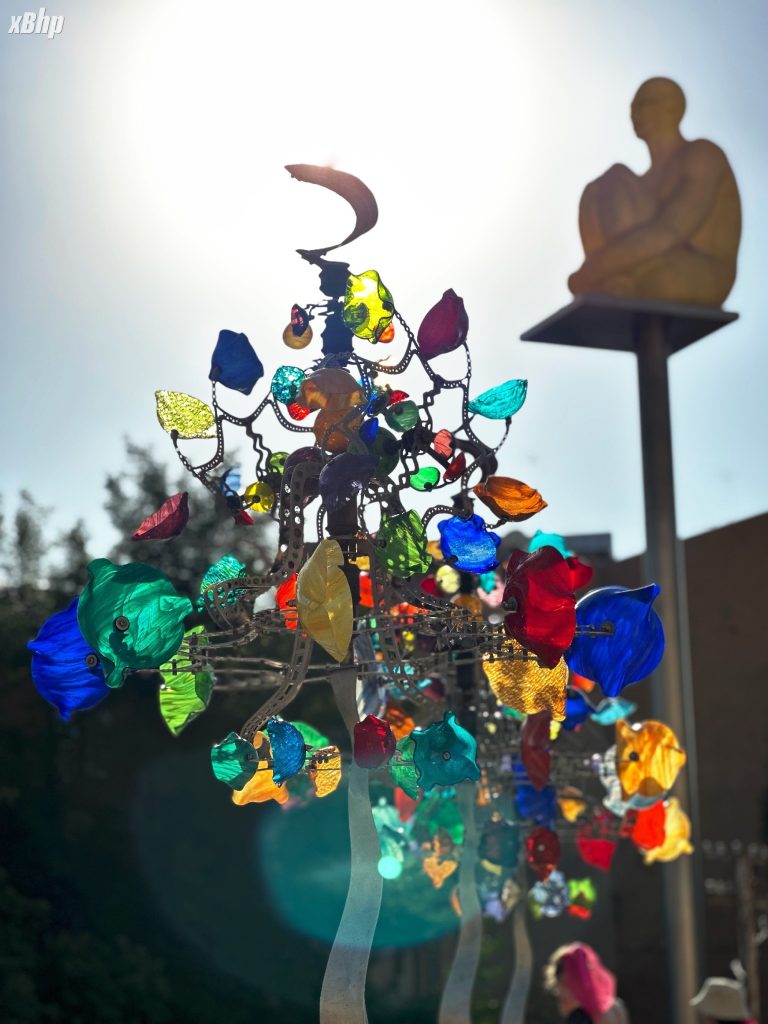
Yerevan was also hot, just like Tbilisi. It is easy enough to navigate using two-wheelers as I could just lane filter and park freely on pavements. I went to the Cafesjian Center for the Arts which has a lot of street art with a giant cascade of 572 stairs ascending 302 meters. It is a place where people just hang out in general as well. This was followed by Republic Square and the Armenian National Opera. You can also explore a bit of Swan Lake which has some sculptures. After this, I rode through the ultra-narrow lanes of the Kond Graffiti Area in the Kond Historic District, which is the oldest place in Yerevan and is dotted with murals. It is surreal to ride through it but try to not take a heavy bike or a bike with panniers through here.
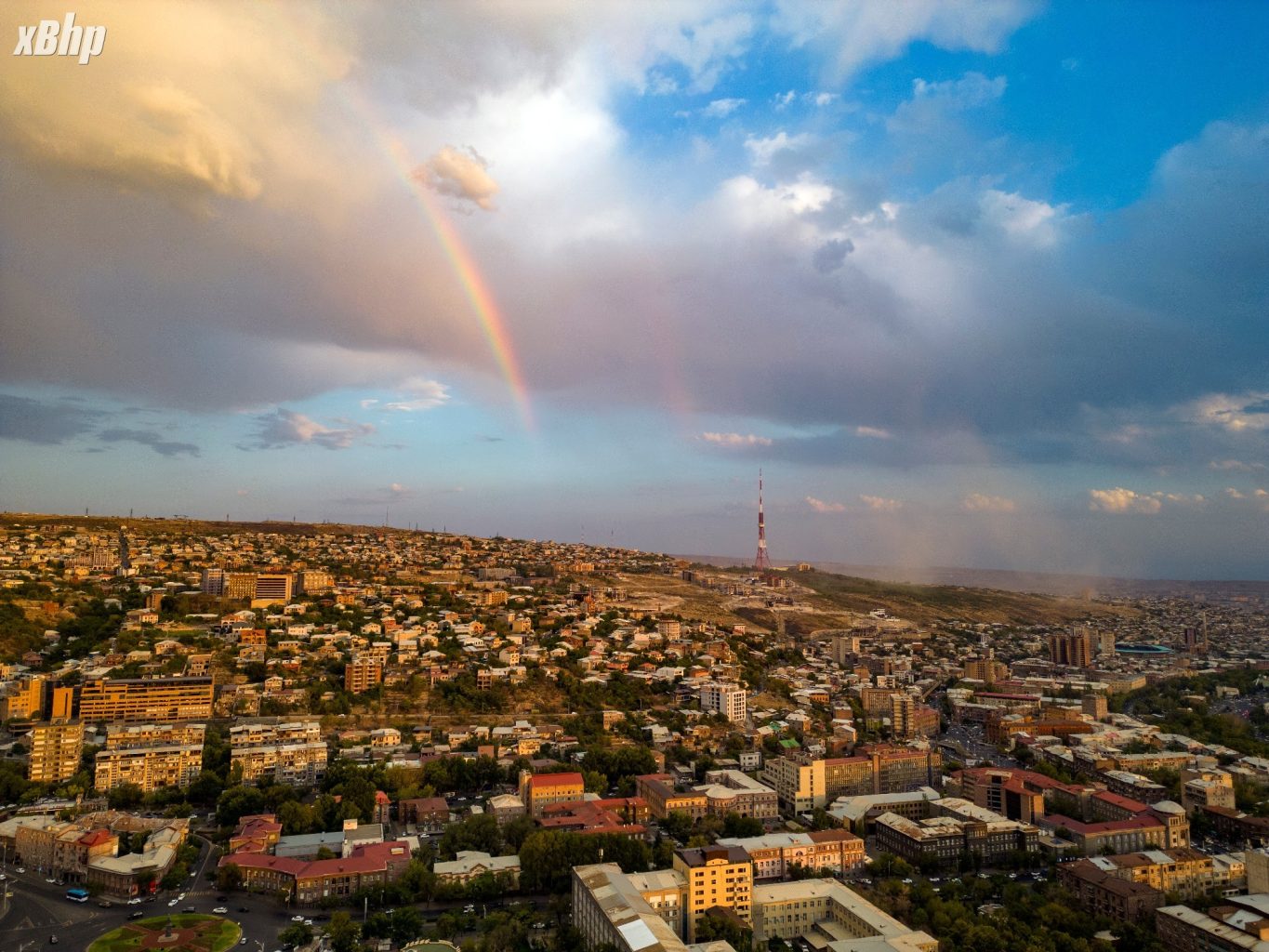
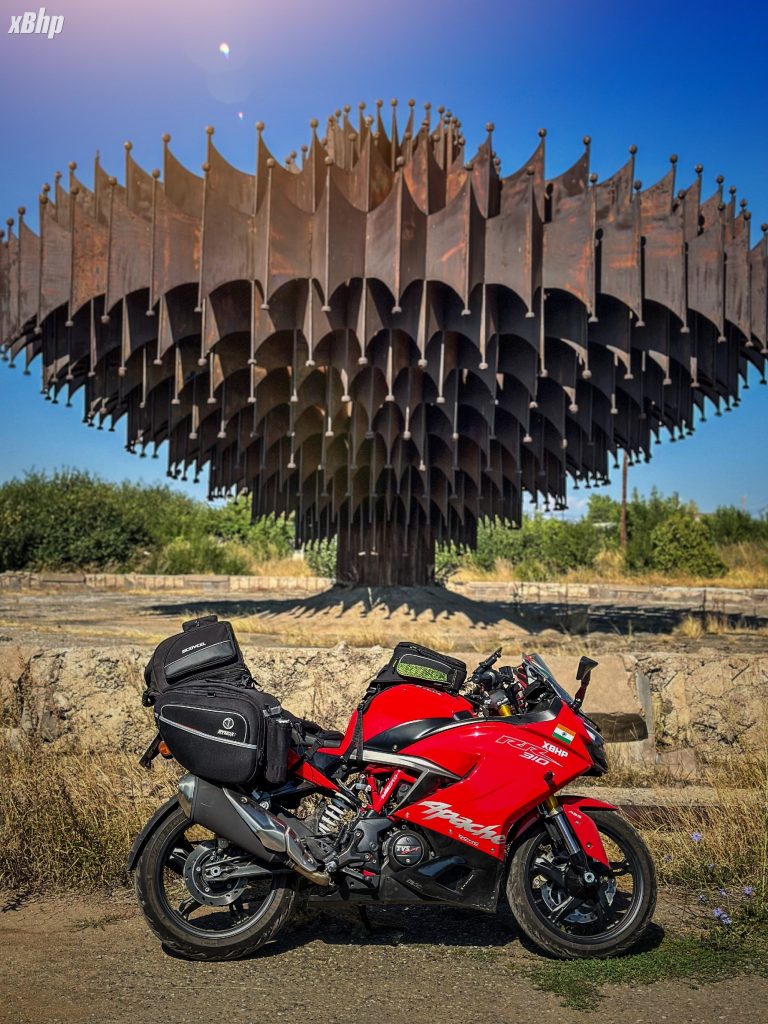
Rainbow of Infinity, on the M4 motorway en route to Yerevan.
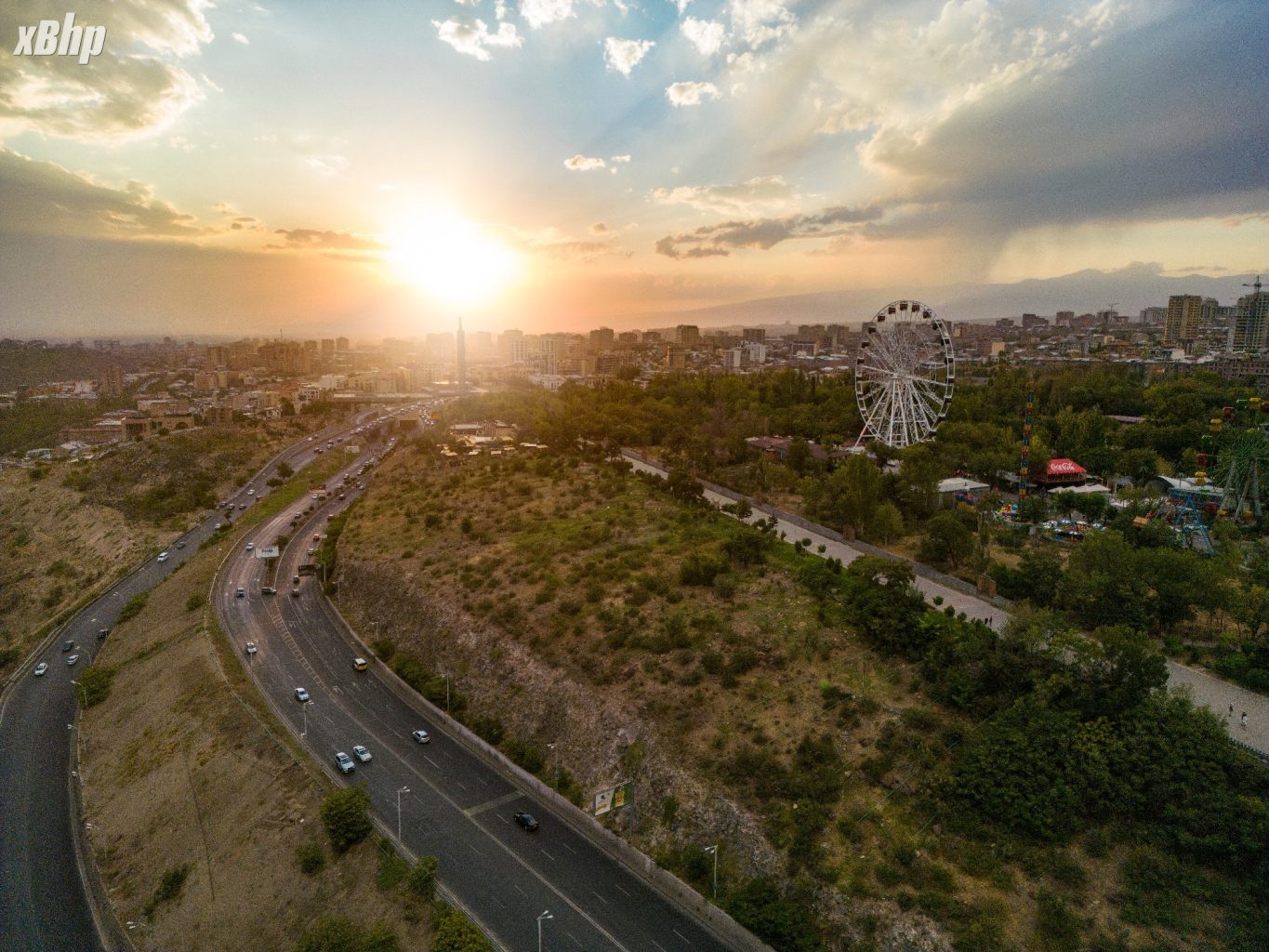
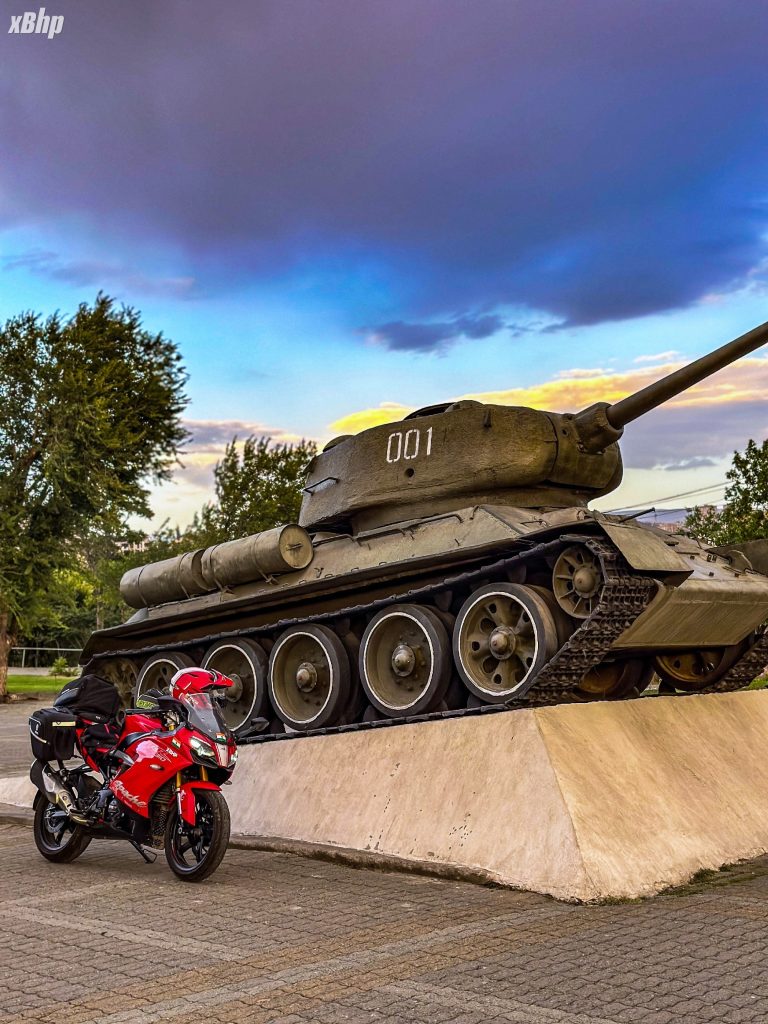
After lunch, evening is the time when you definitely would want to be at Mother Armenia Monument in Victory Park. It has some military vehicles that you can take a motorcycle up to and shoot photos. It is also a little more elevated than the rest of the city so you can get a great view, especially at sunset. It is a great place to be and end your day in Yerevan!
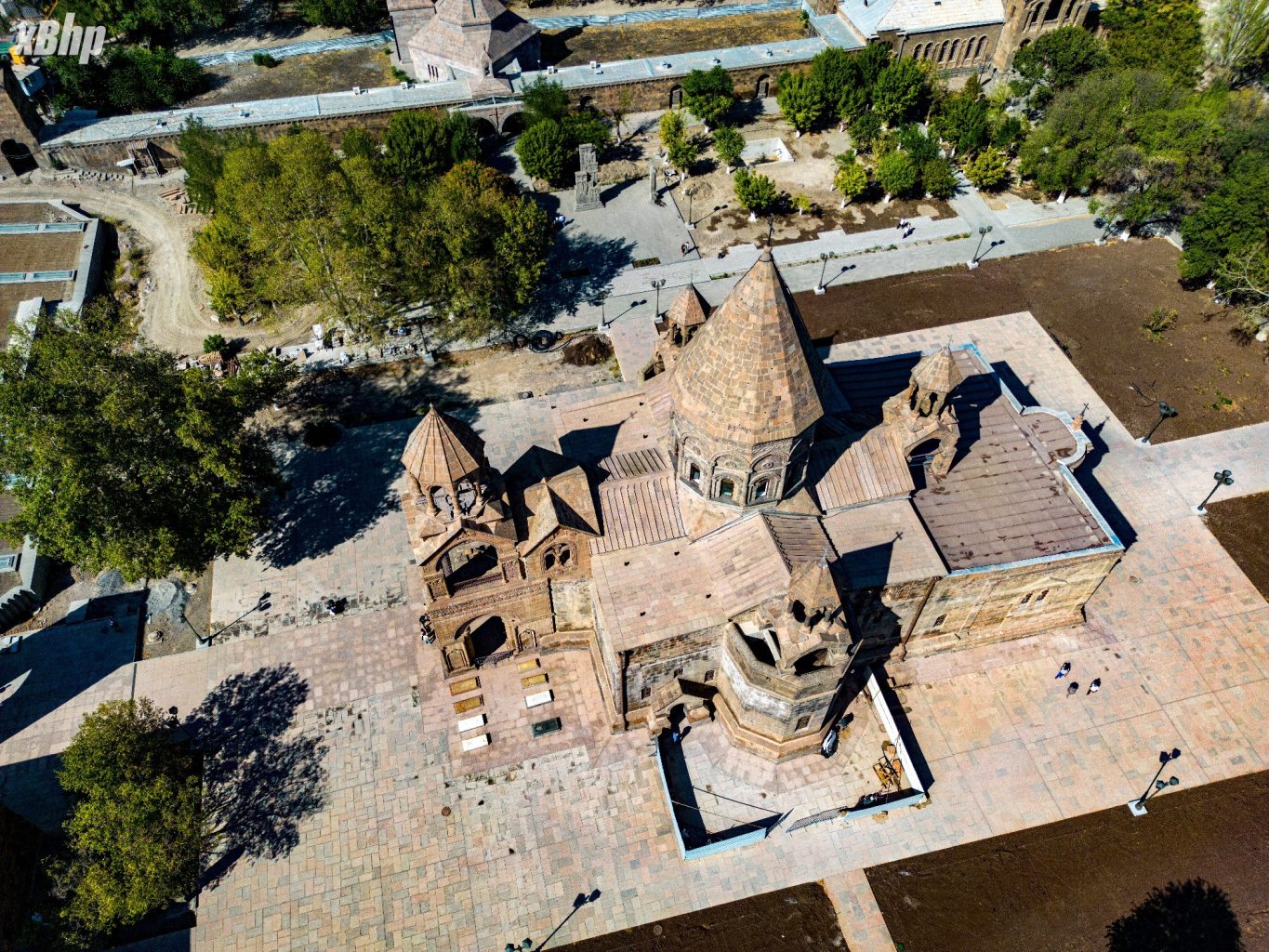
A special mention must be made about the fact that Armenia was the first country in the world to adopt Christianity as a state religion in 301 AD! And that is also why you can see the oldest cathedral in the world: Etchmiadzin Cathedral, built in the early fourth century. I visited it the next day while going towards the town of Gyumri in Armenia.
Etchmiadzin Cathedral.
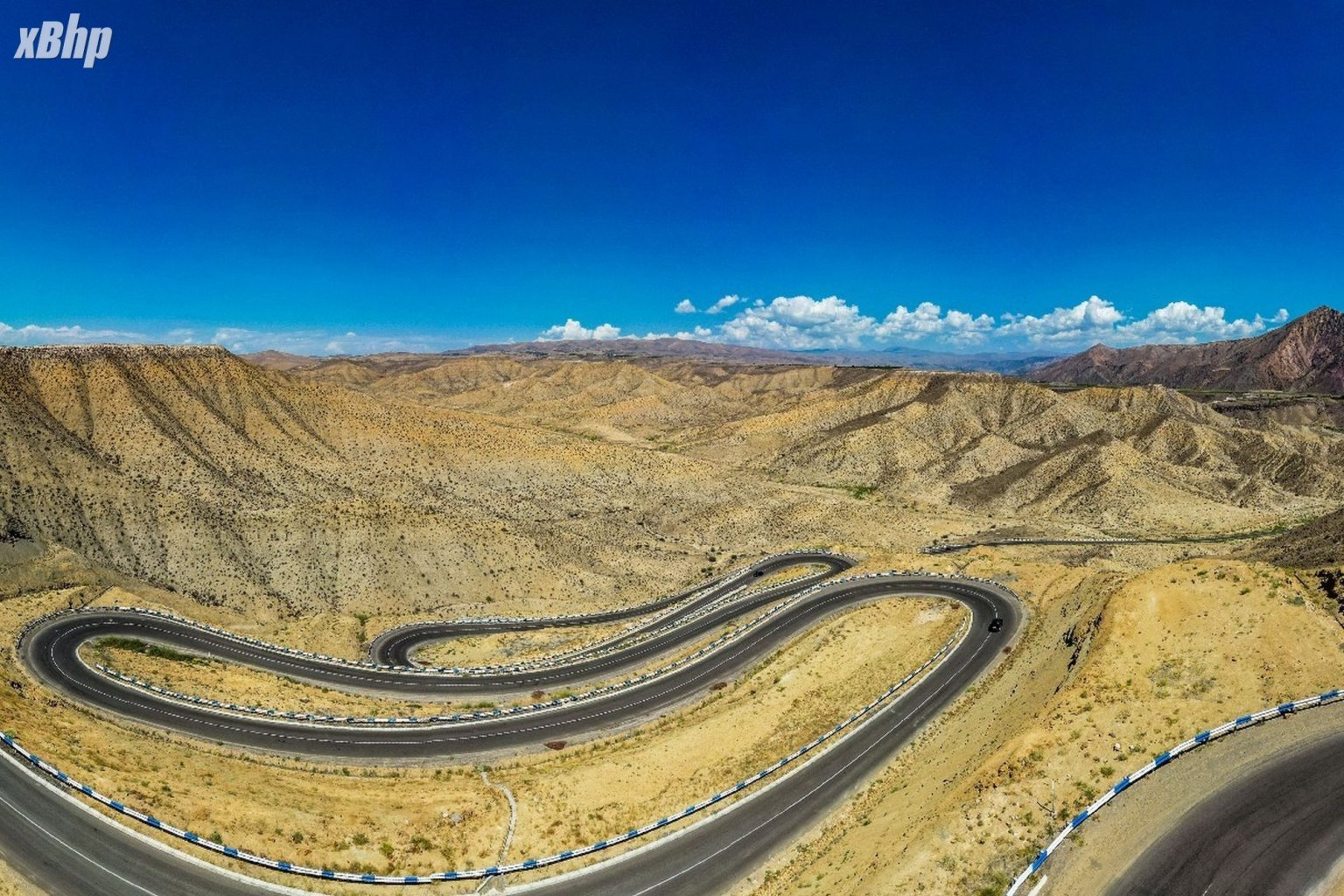
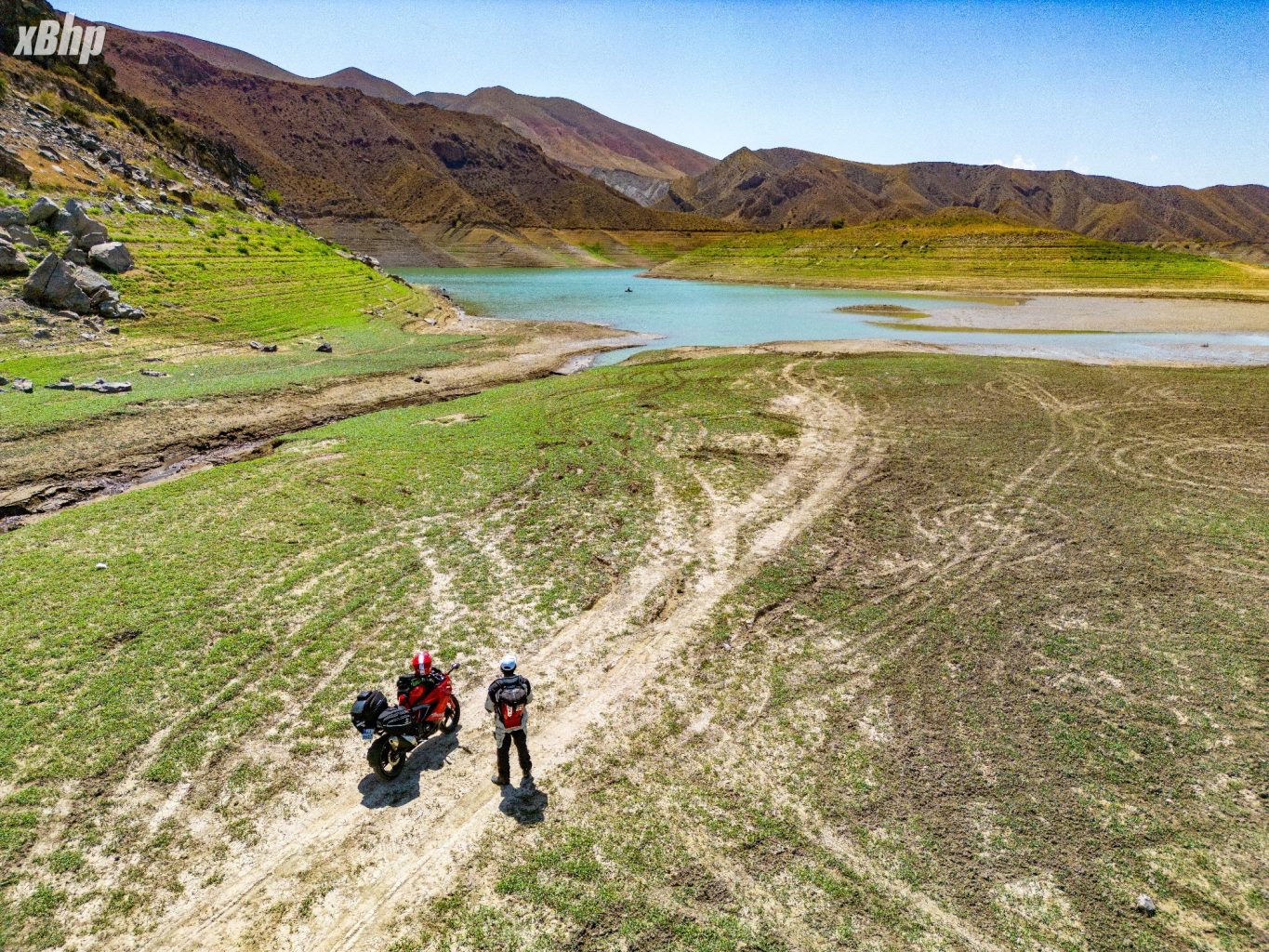
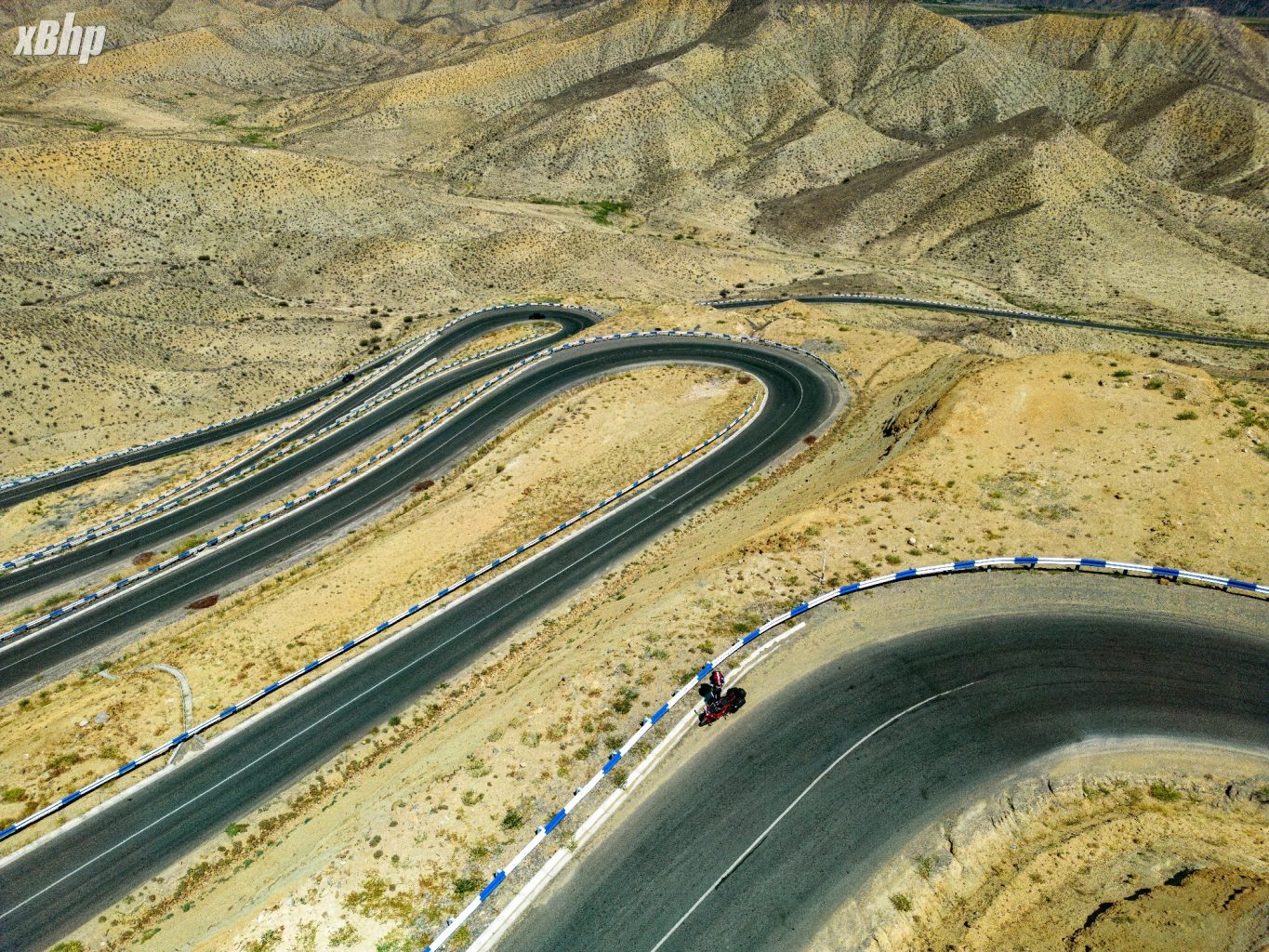
The ride from Yerevan to Gyumri had various landscapes. You can start from Yerevan towards Garni Gorge where you will get some amazing views and hairpin bends. After this, the Azat Reservoir is a very beautiful and peaceful place to go before you head back on the busy roads.
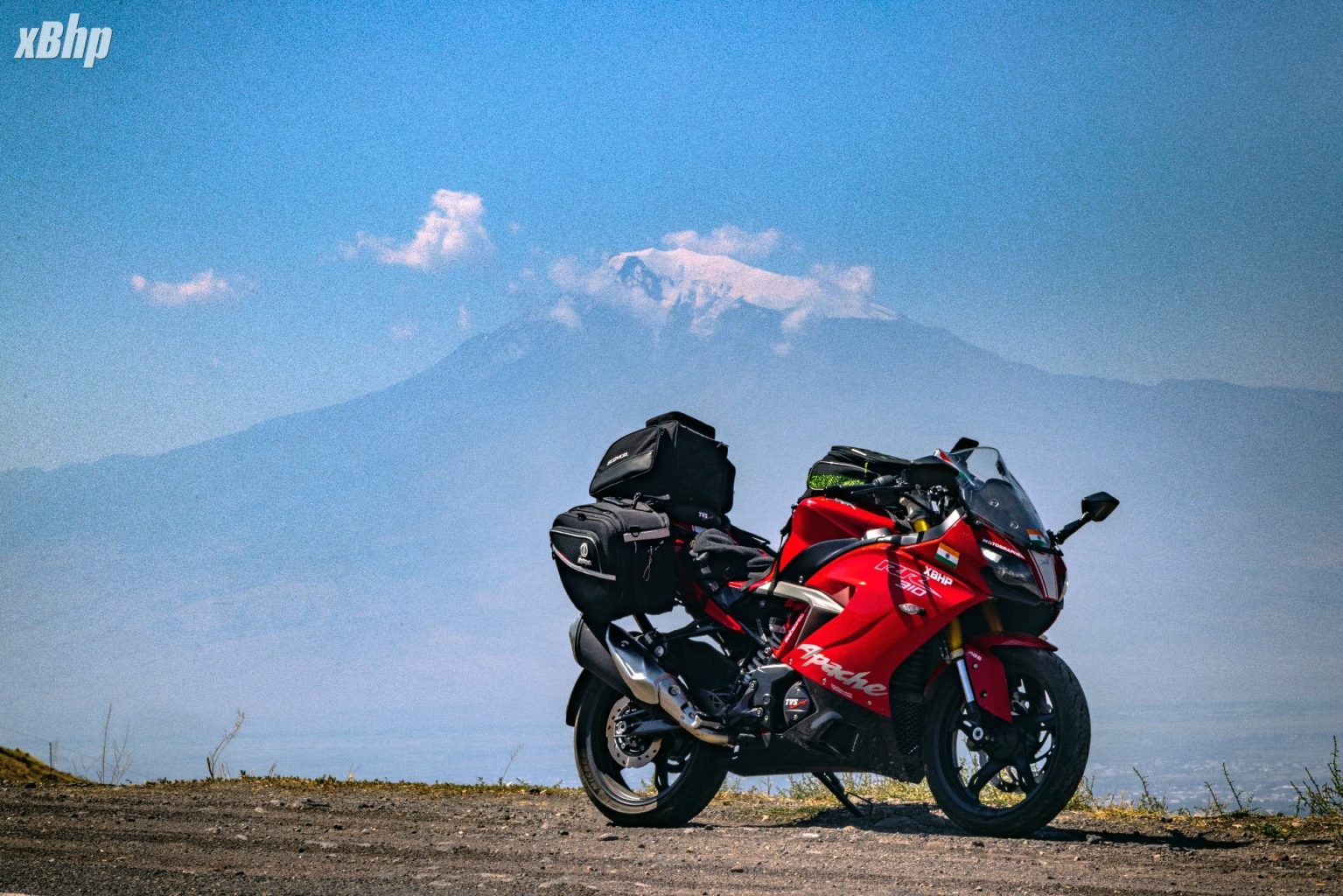
You can also see Mount Ararat on the way on a clear day. It is the tallest peak in Turkey and Armenian Highlands (16,000 feet above sea level) and is also visible from Yerevan on a clear day! This is a sacred mountain to Armenians even though technically, it is in Turkey. After Azat Reservoir, you can visit the Etchmiadzin Cathedral.
Mount Ararat, Turkey, as visible from Armenia.
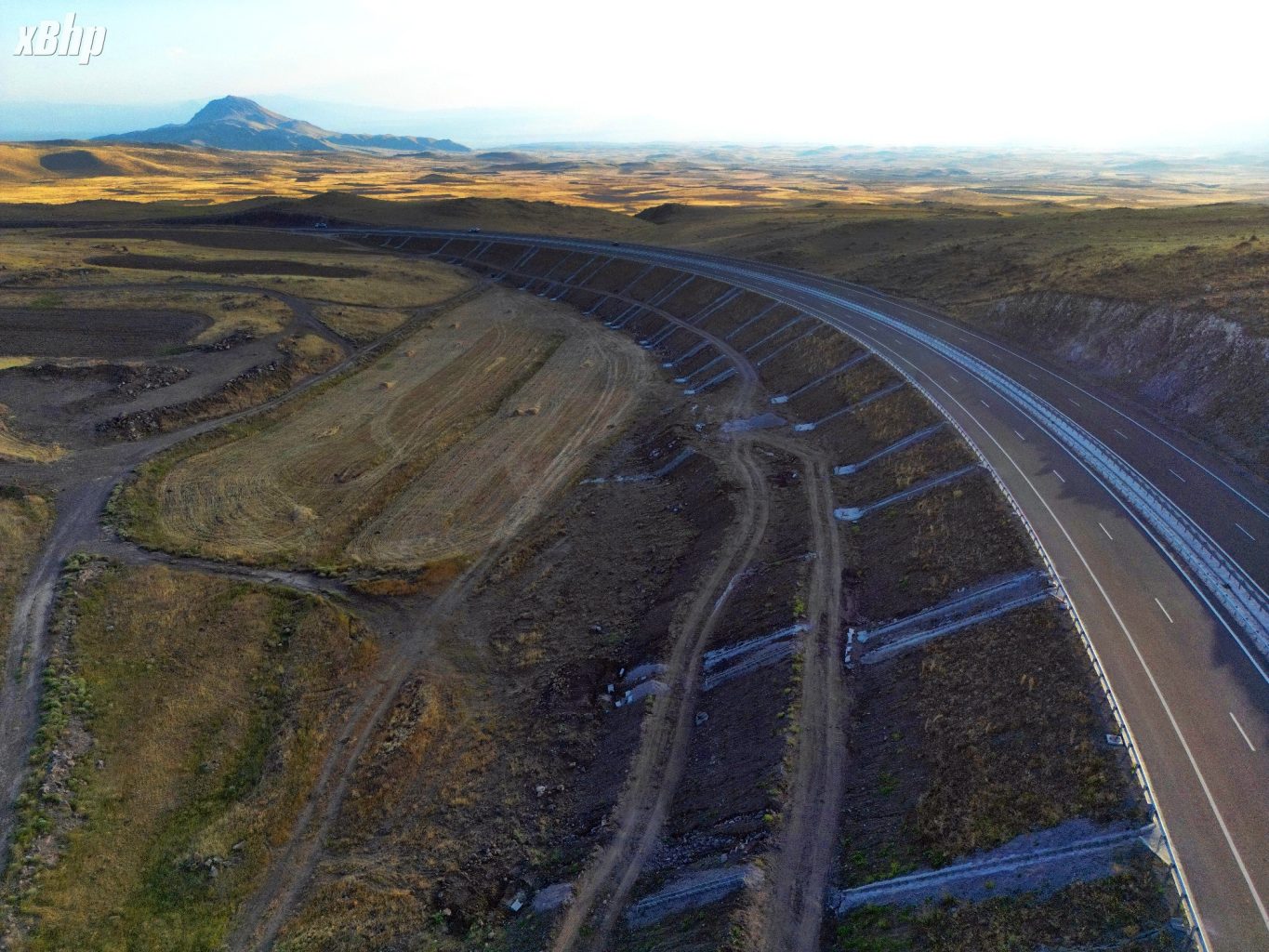
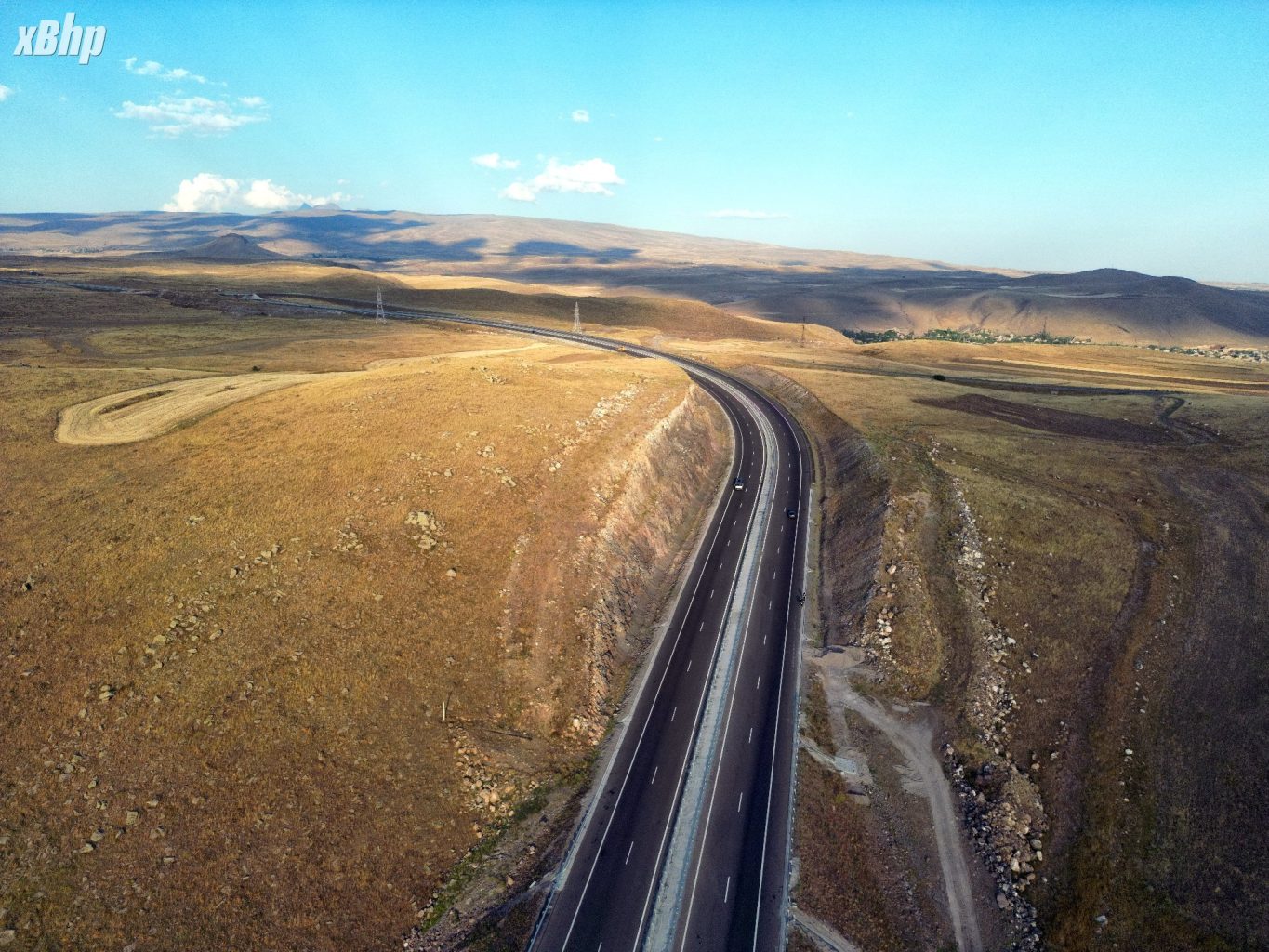
The M1 motorway is under construction in some places but later on, it gives way to some fantastic tarmac that can rival some of the best constructed roads in the world. I went full gas on this for many kilometres and with very little traffic.
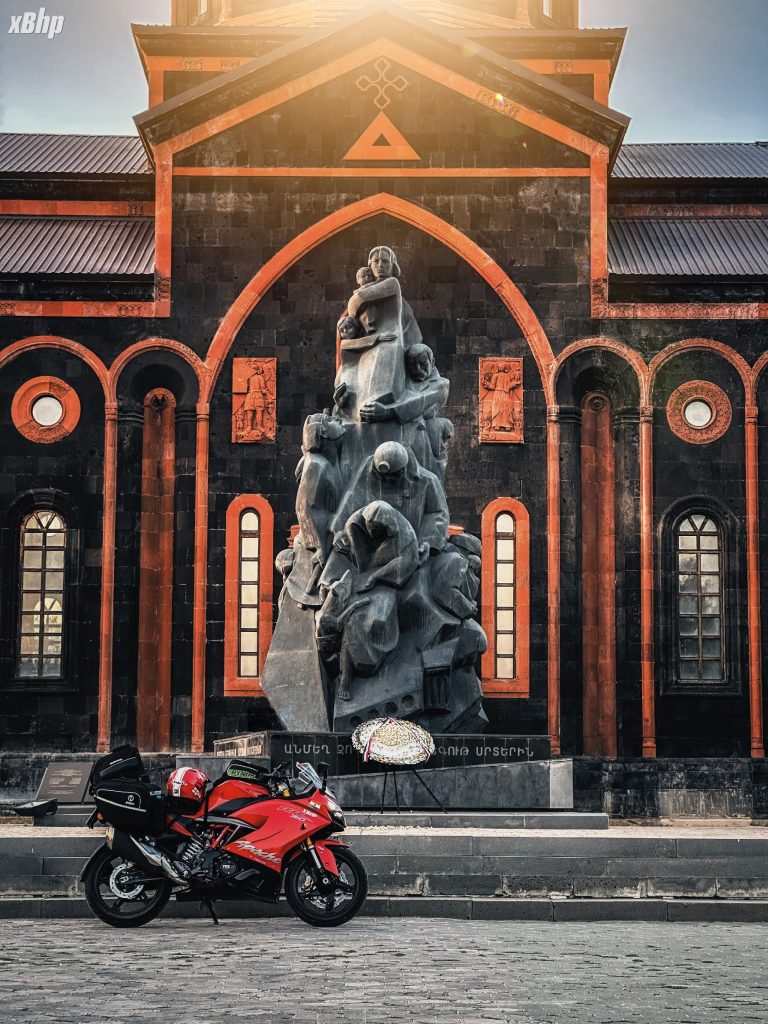
Gyumri is the second largest city in Armenia. One peculiar thing about architecture in this city is the use of black and red tuff in making the buildings, which gives it a very different and many times, an eerie look.
The Iron Fountain in Gyumri.
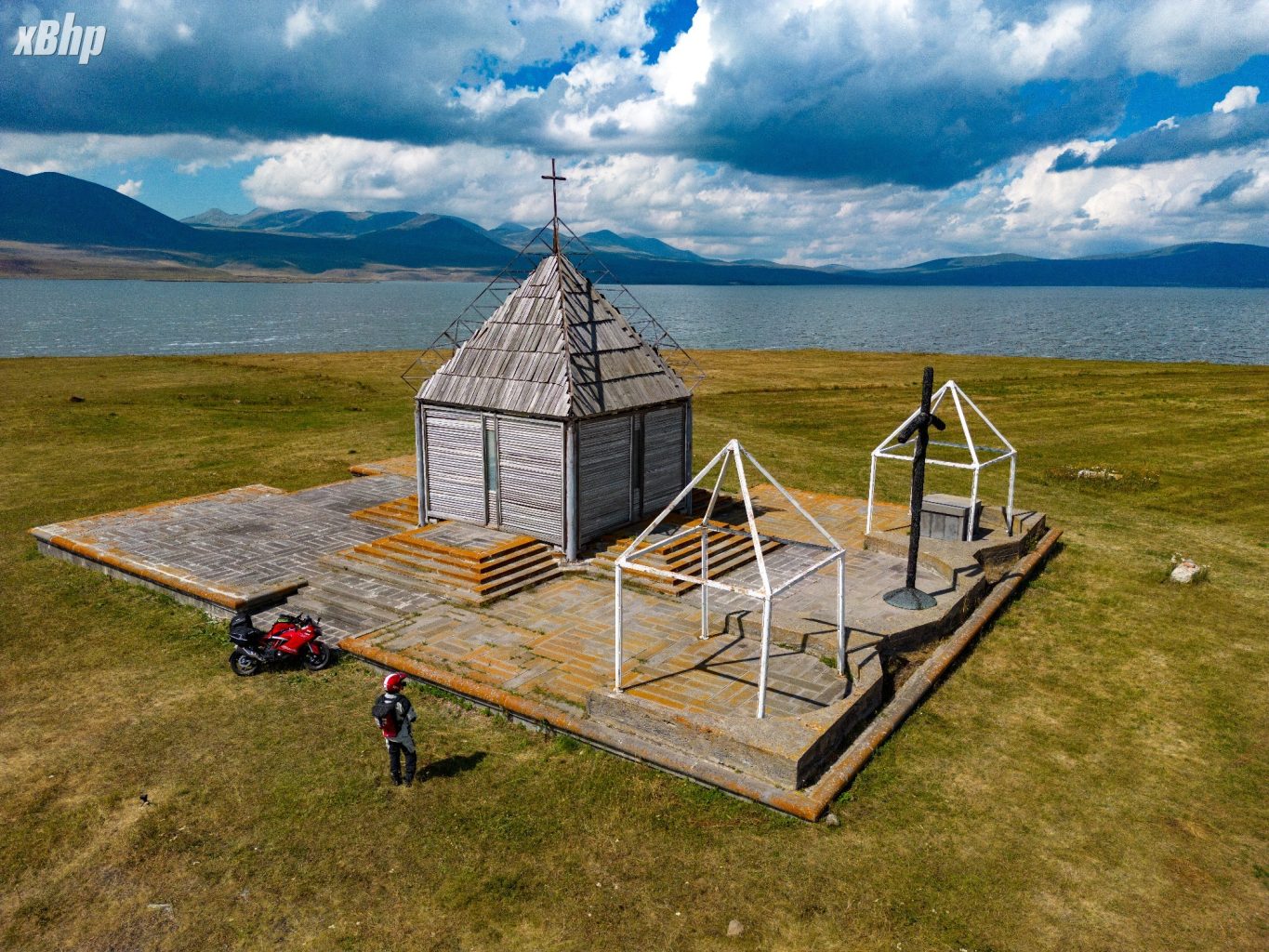
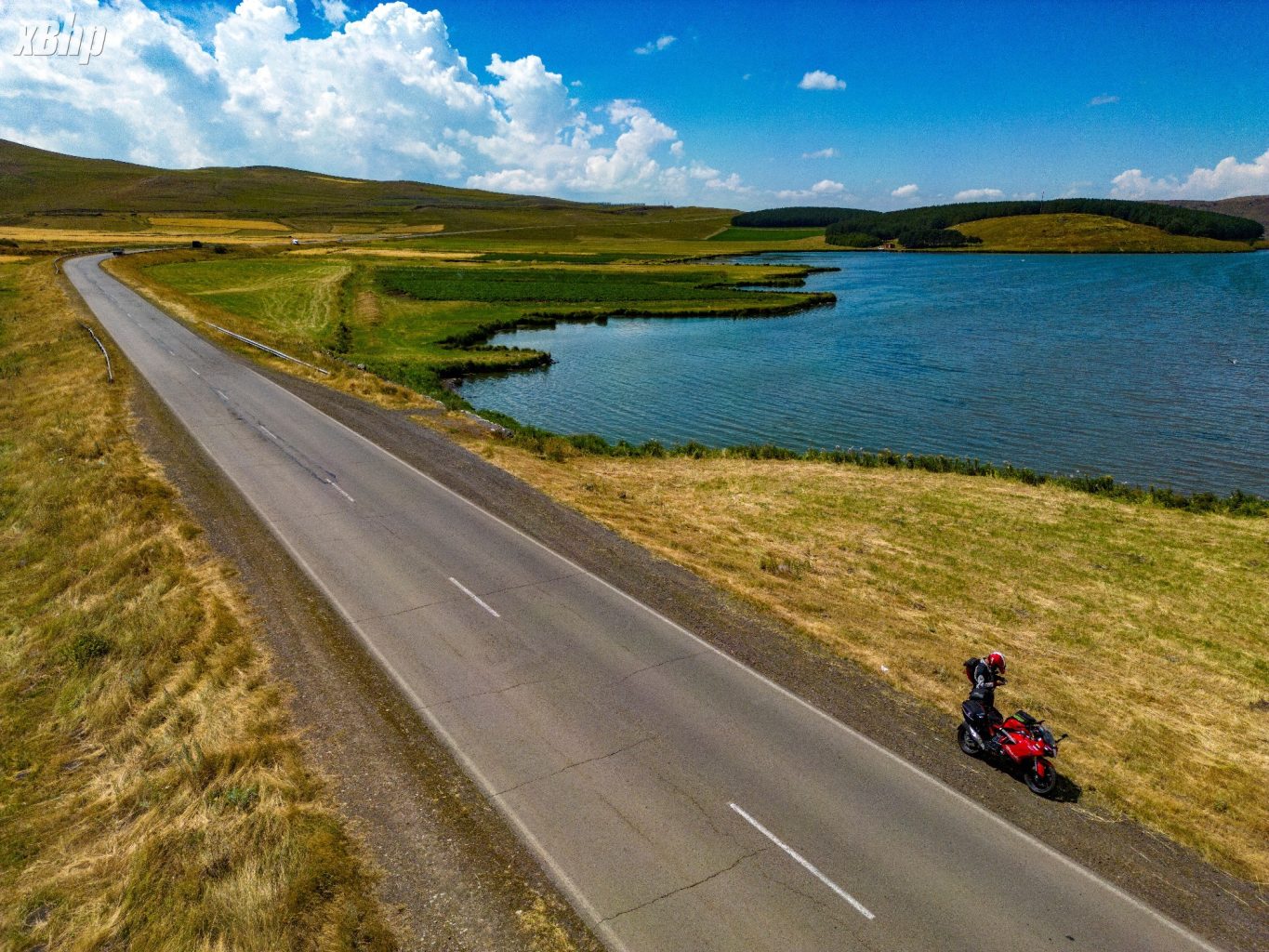
From Gyumri, I decided to ride over to Georgia, but from another border this time. The Bavra border is less than an hour away from Gyumri and once I crossed over, it was a smooth ride to Lake Parvani, one of the most beautiful places in Georgia. It is a high-altitude lake at 680 feet above sea level. After riding around here a bit, I traced a bit back to the village of Ninotsminda and rode on the E691 road.
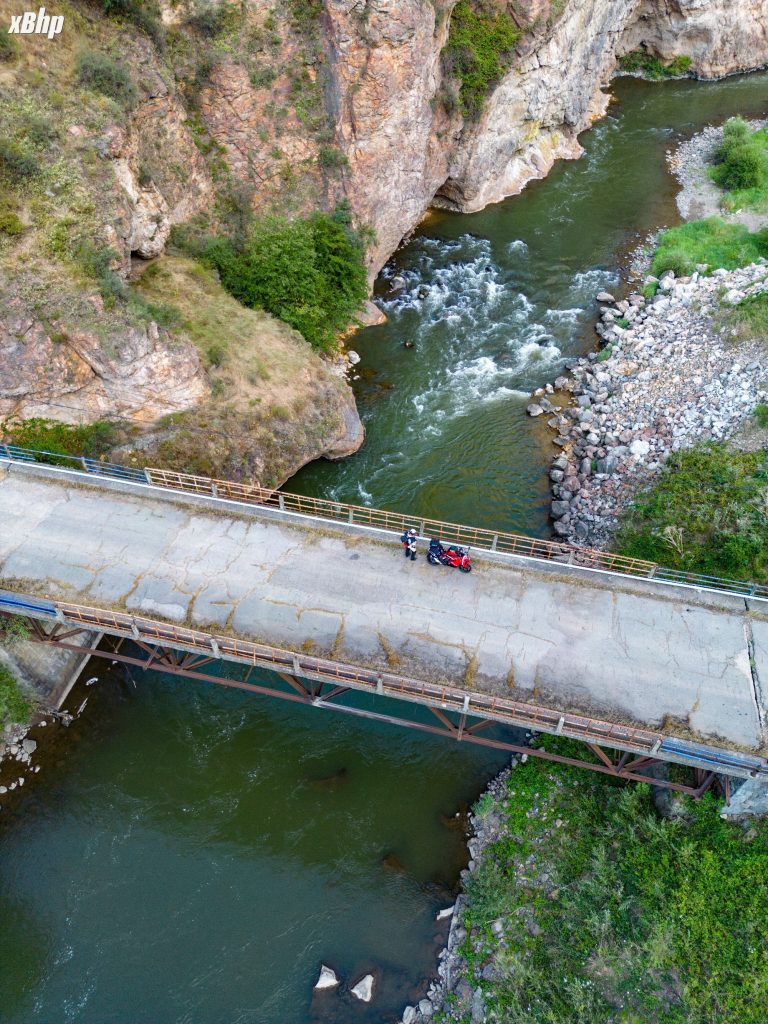
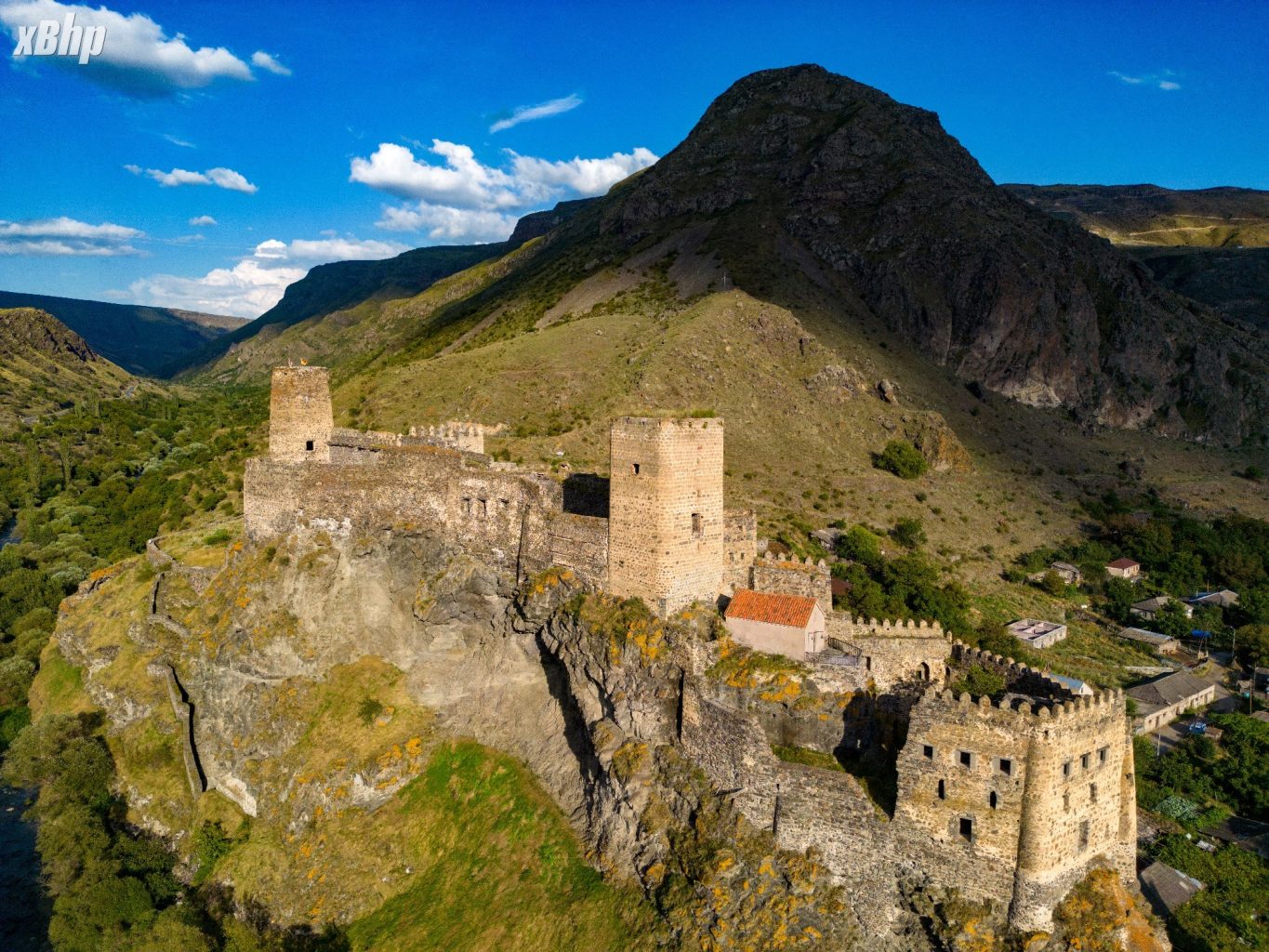
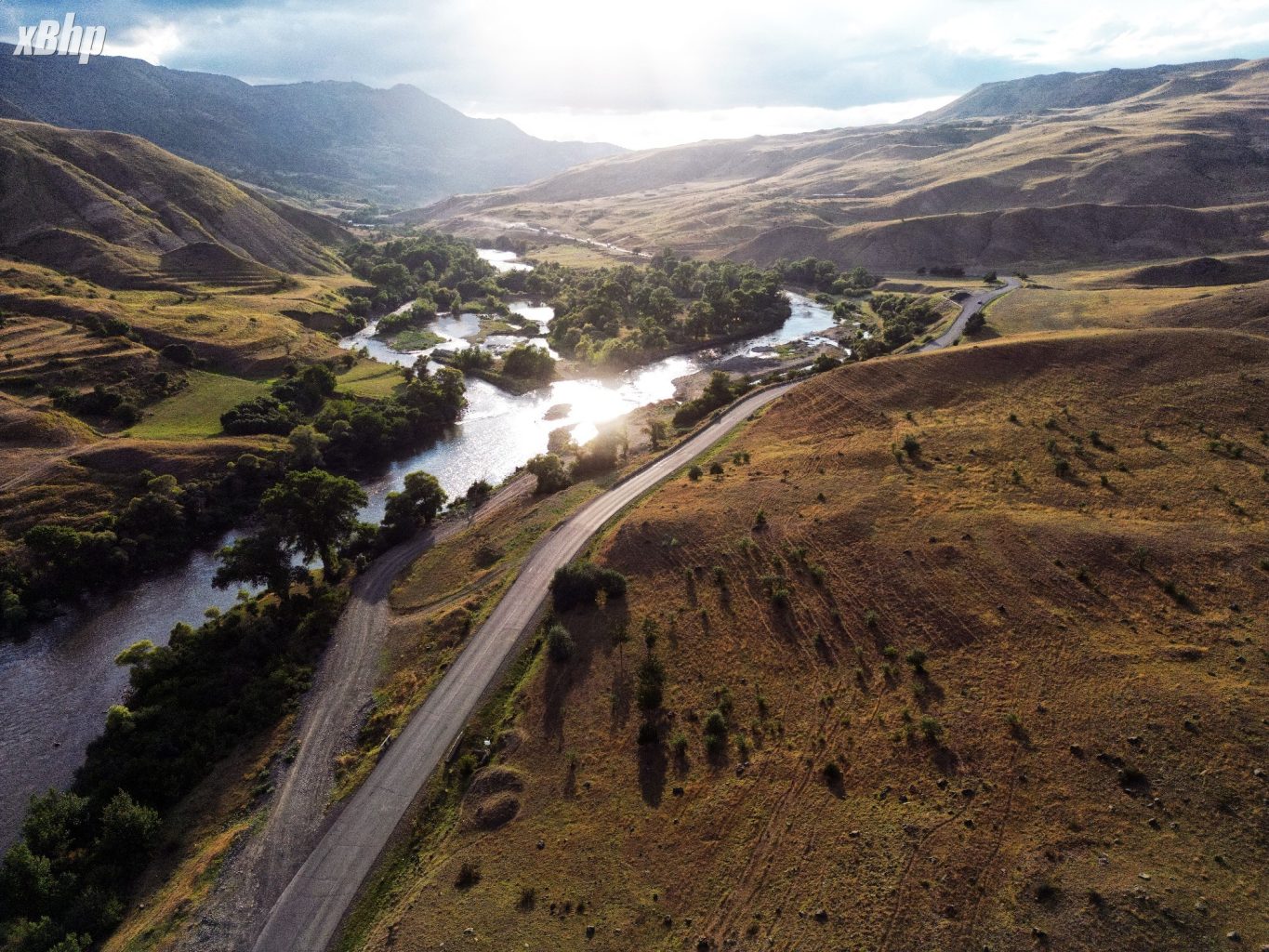
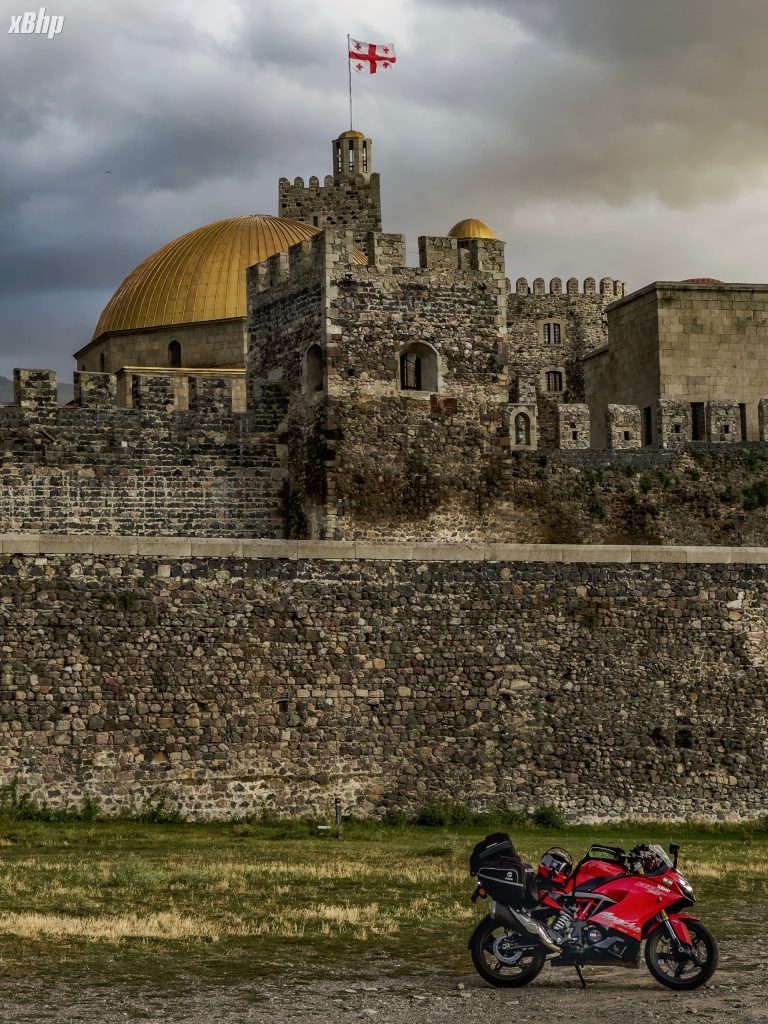
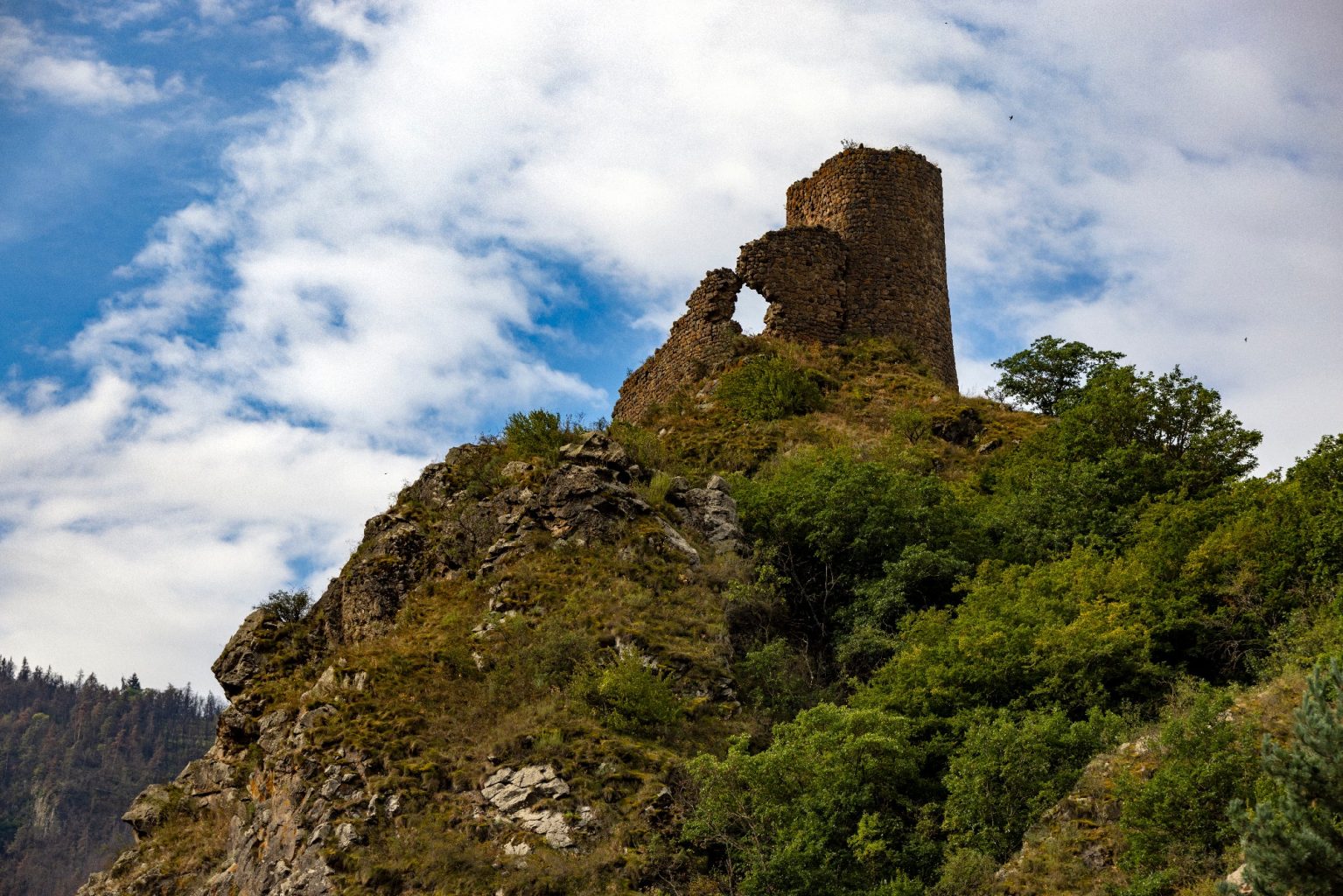
The E691 road is beautiful, running parallel to the Paravani River a lot of times. I also saw the Khertvisi Fortress which is very beautiful and intriguingly perched on top of a hill at the confluence of two rivers, Parvani and Kura. Interestingly, the Kura River flows all the way to Tbilisi and through the centre of the capital city as well! In fact, it is 1500 km long, starting in Turkey and ending in southern Georgia.
Akhaltsikhe, a small town that I came across, is just the right kind of touristy with its sinuous roads and surrounding highlands. There are a lot of cafes and restaurants that you can enjoy as well.
Some more clicks en route to Batumi from Akhaltsikhe.
After Akhaltsikhe, I started riding towards Batumi, which is the second largest city in Georgia. It is also referred to as the Las Vegas of the Black Sea. The ride day from Akhaltsikhe to Batumi was one of the most horrible in my entire life. There was an unbelievable amount of car traffic; only cars, coupled with a lot of under-construction roads, single carriageways and heat. A true hell for any motorcyclist! But since I was on a two-wheeler I was able to filter and ride on the shoulders, something that the cars were not able to do.
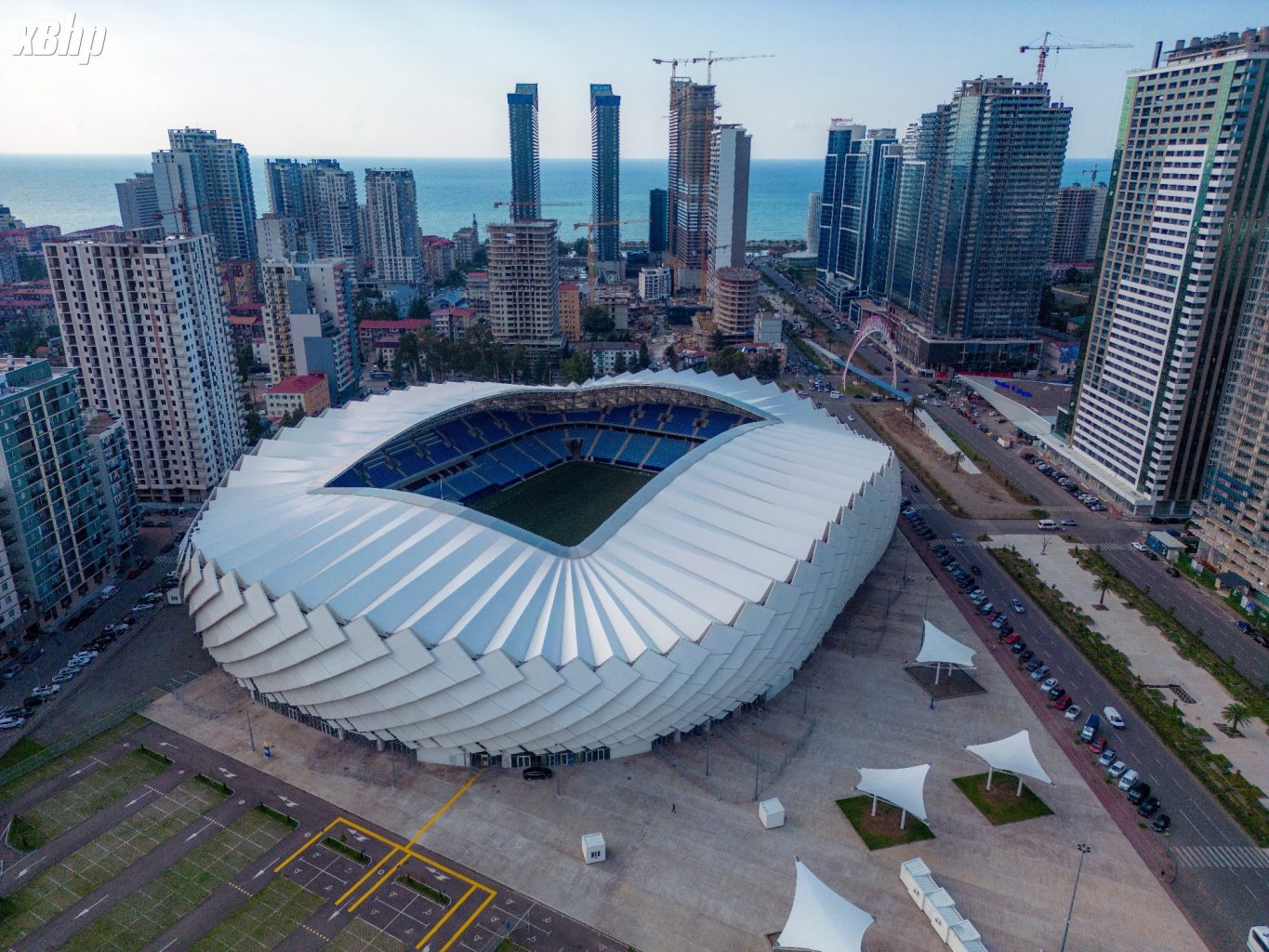
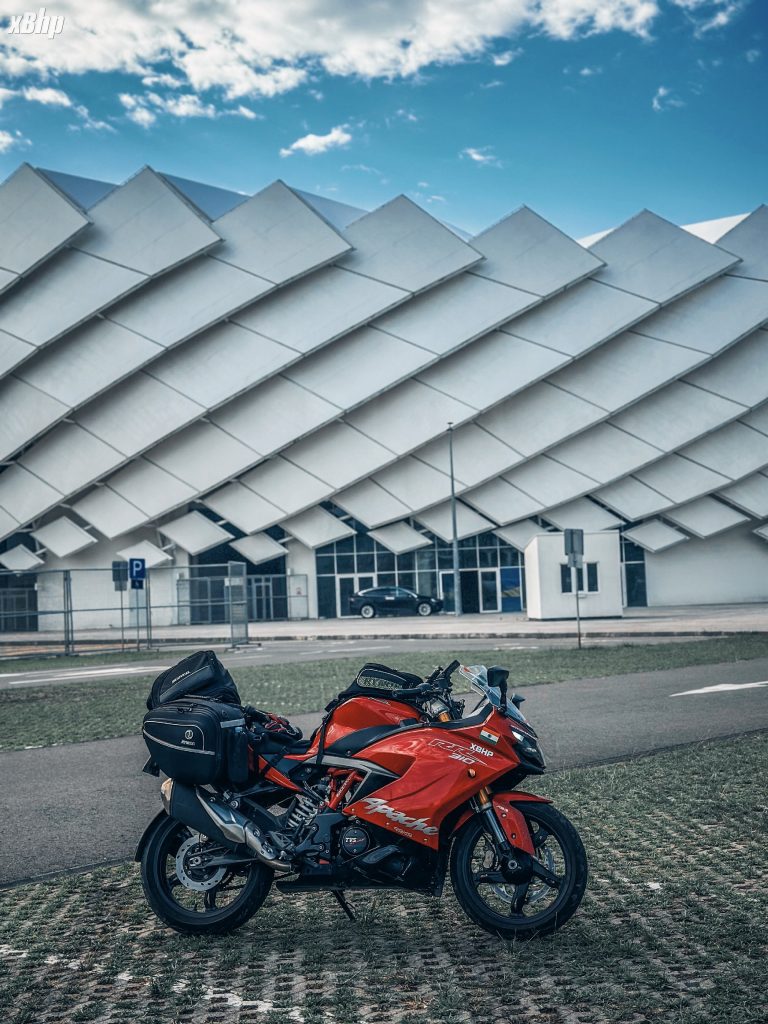
Adjarabet Arena (Batumi Stadium).
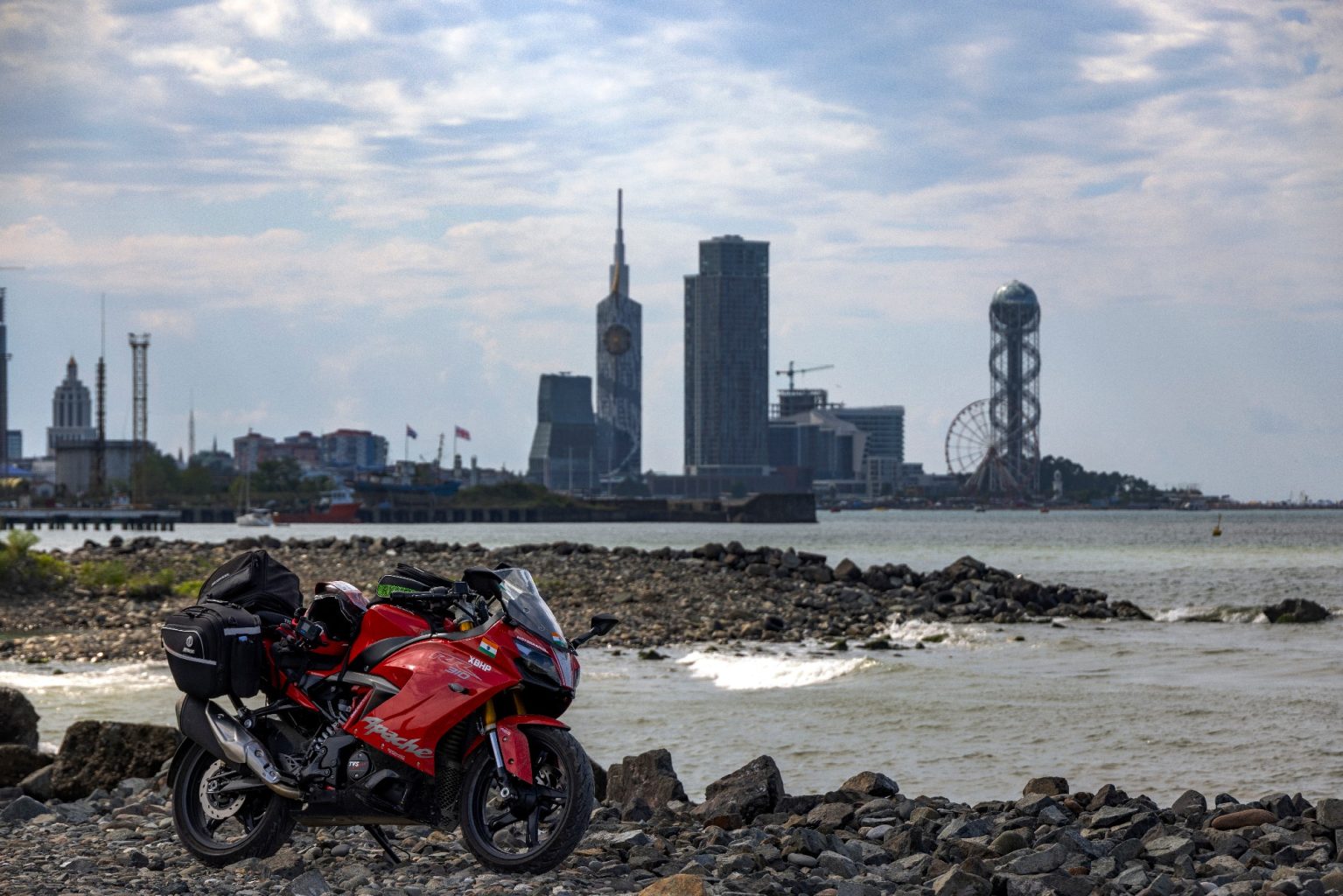
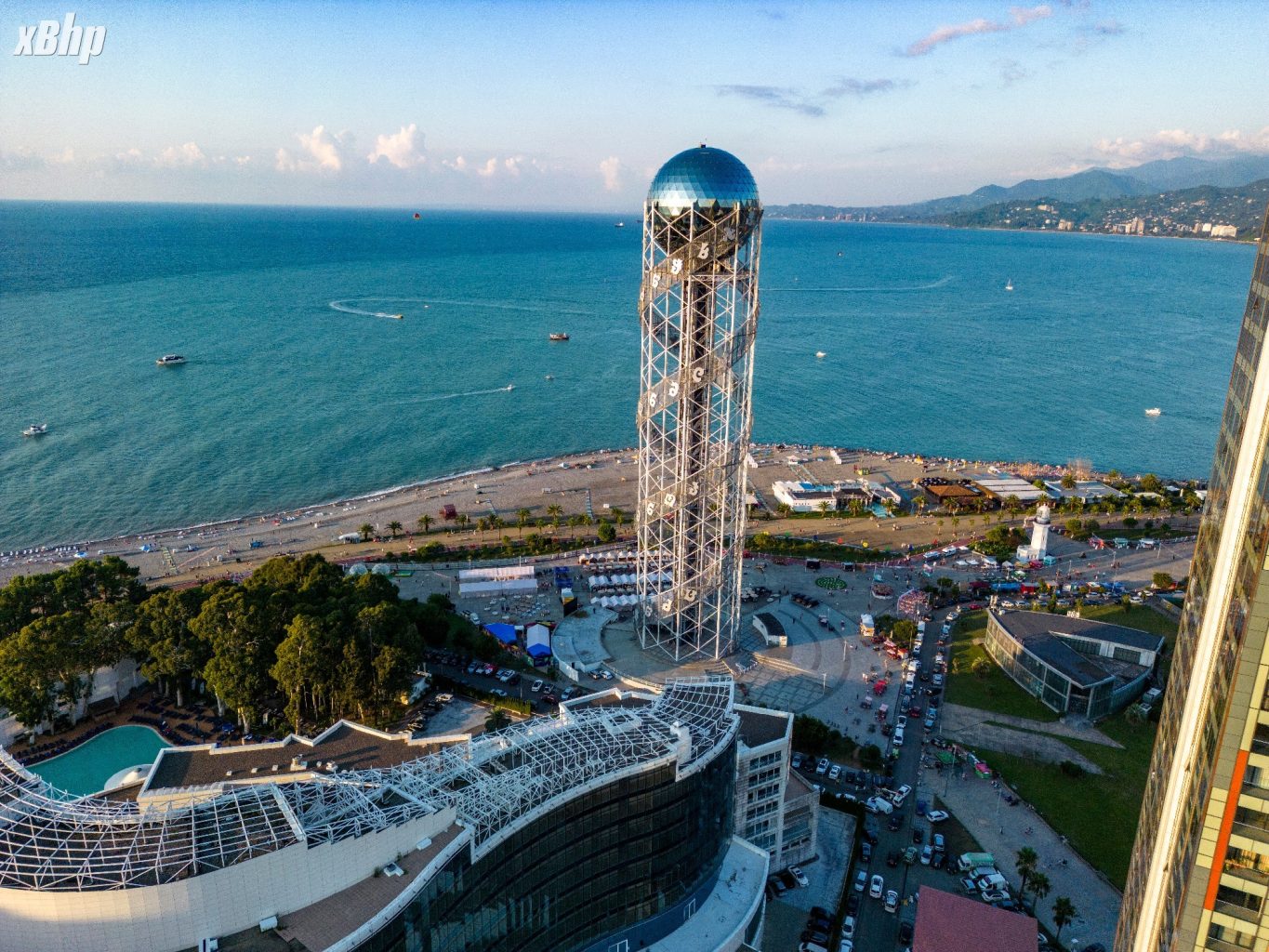
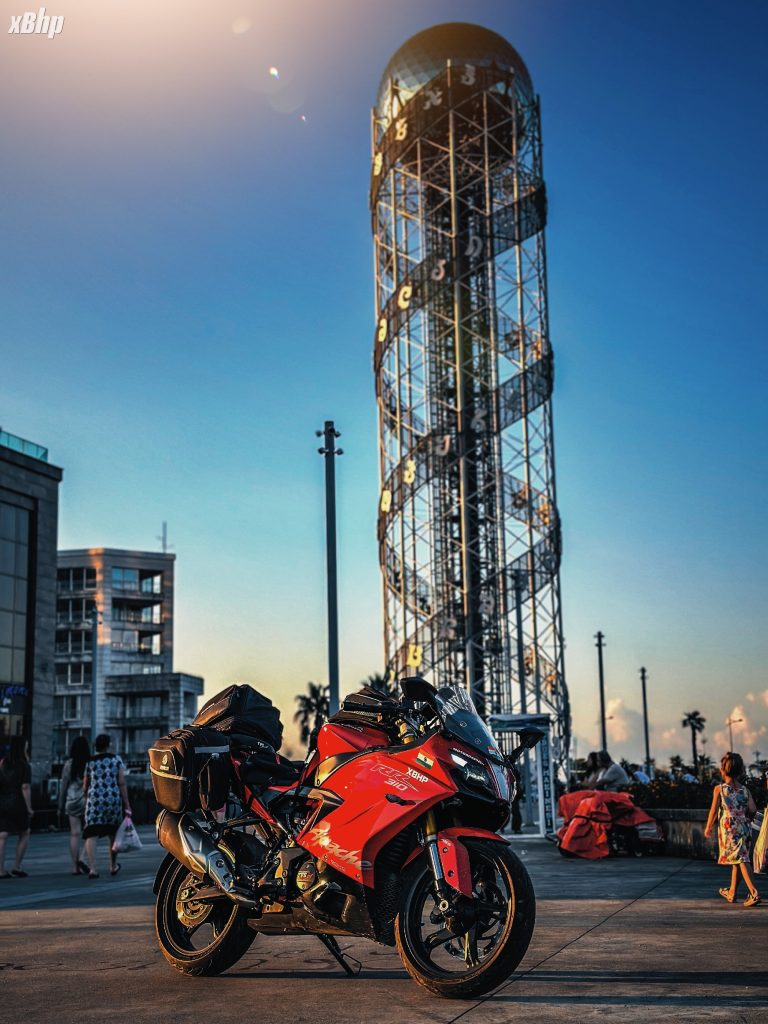
Alphabet Tower overlooking the Black Sea.
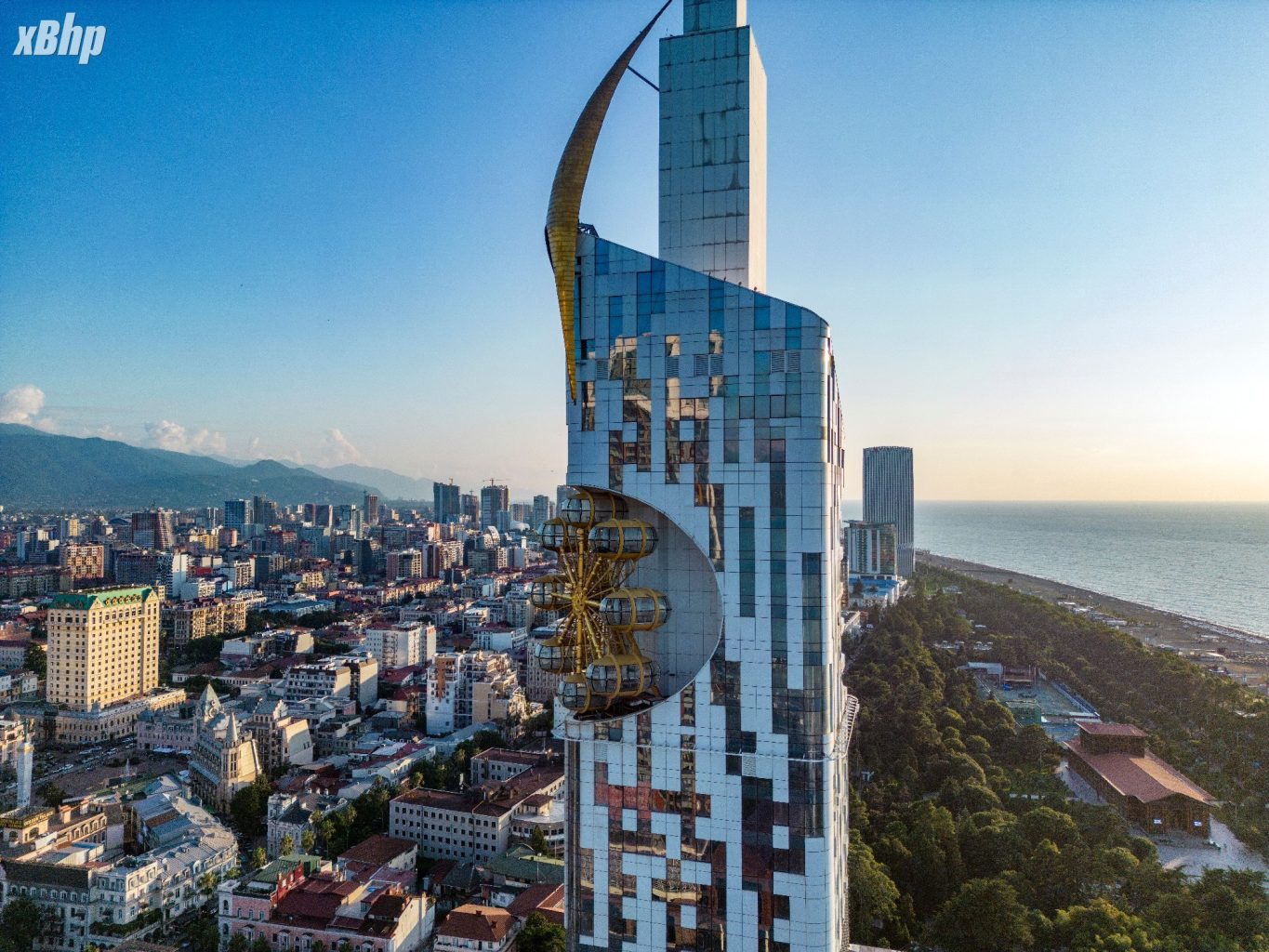
Batumi Tower is the tallest building in Georgia, and it also has a Ferris wheel!
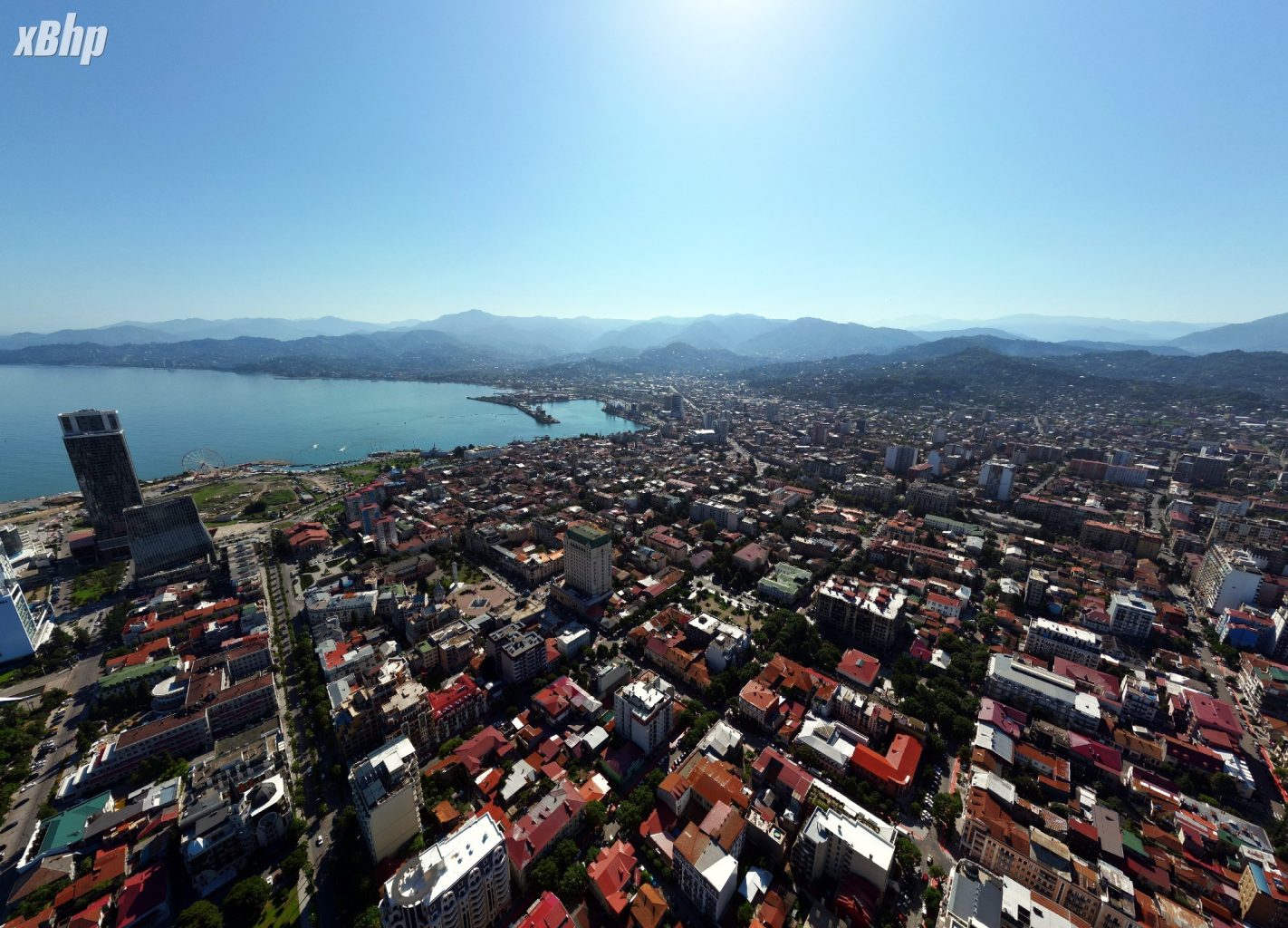
I could not believe that so much traffic could exist in a country like Georgia. But then, after knowing that Batumi is a party city, it all made sense over a weekend. But this much traffic throughout my ride was unexpected and unbelievable! The buildings and the general vibe of Batumi match that of the Gold Coast in Australia or Las Vegas in the USA. However, it is an important slice of Georgia and if you want to get some cool urban shots and just hang out, this is the place for you. Moreover, it sort of comes on the way to the Svaneti region of Georgia, which is absolutely beautiful and a far cry from the hustle and bustle of Batumi.
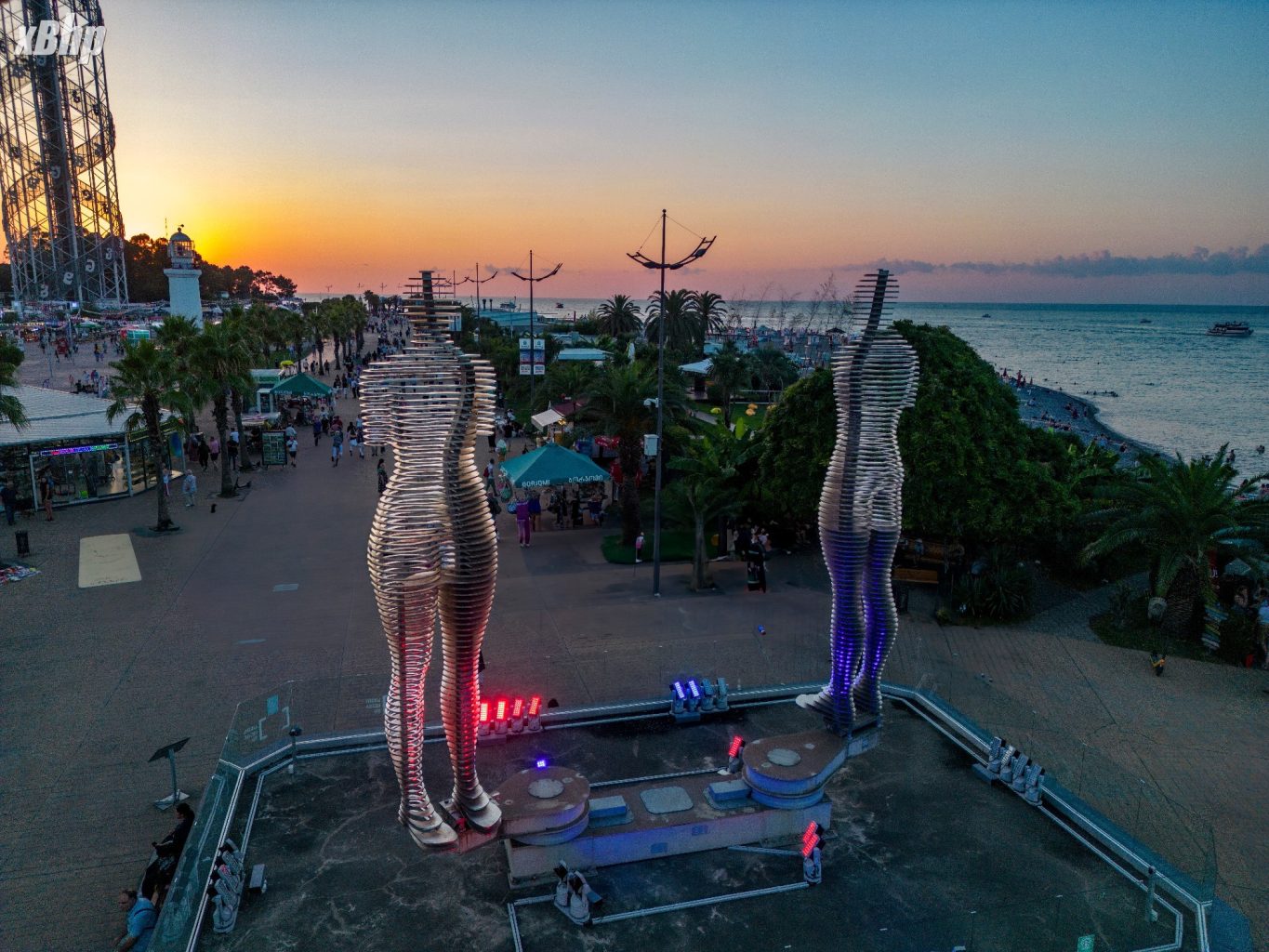
The constantly moving statues of Ali and trying to find love and then losing it again.
Some more photos from Batumi before moving on to Mestia.
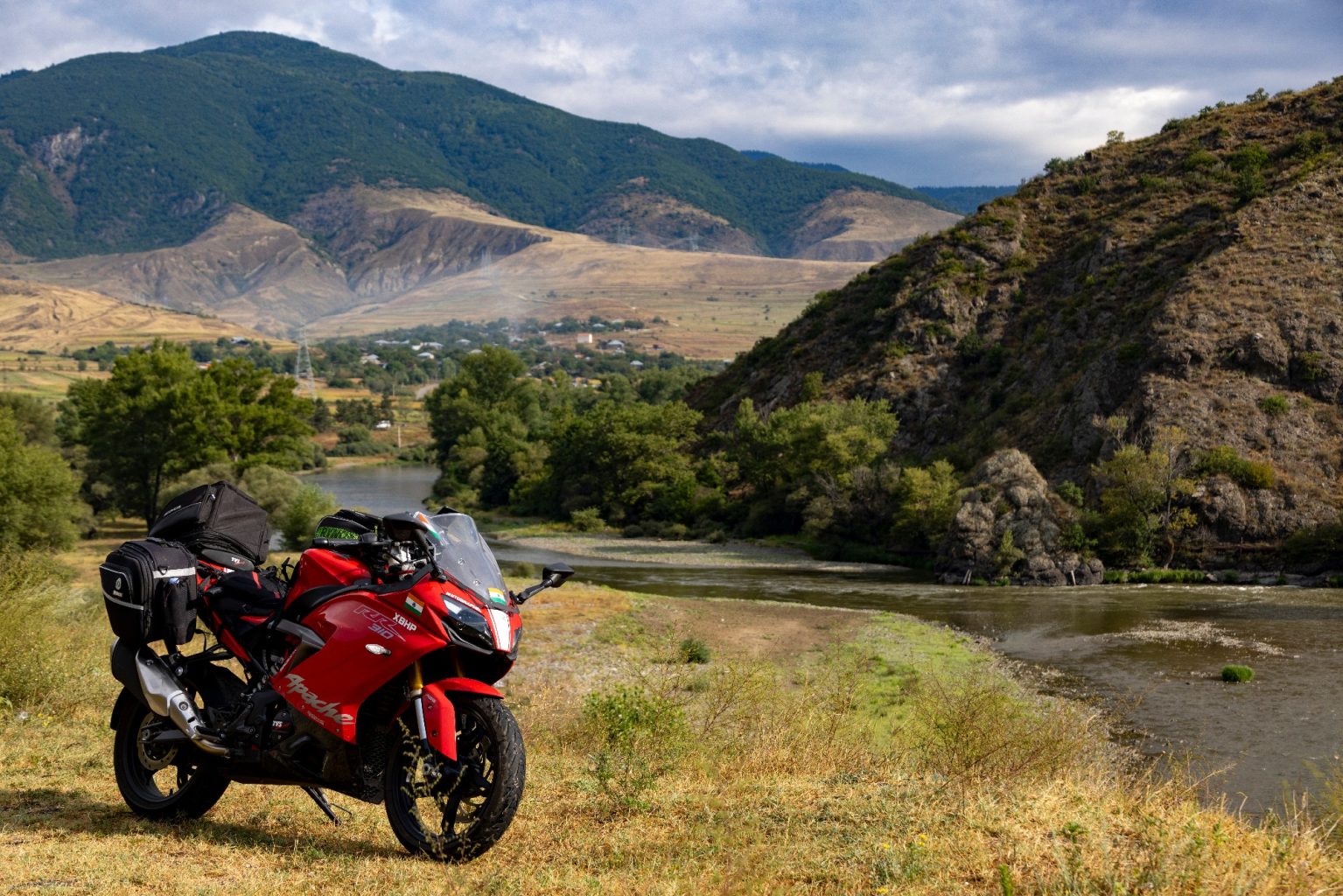
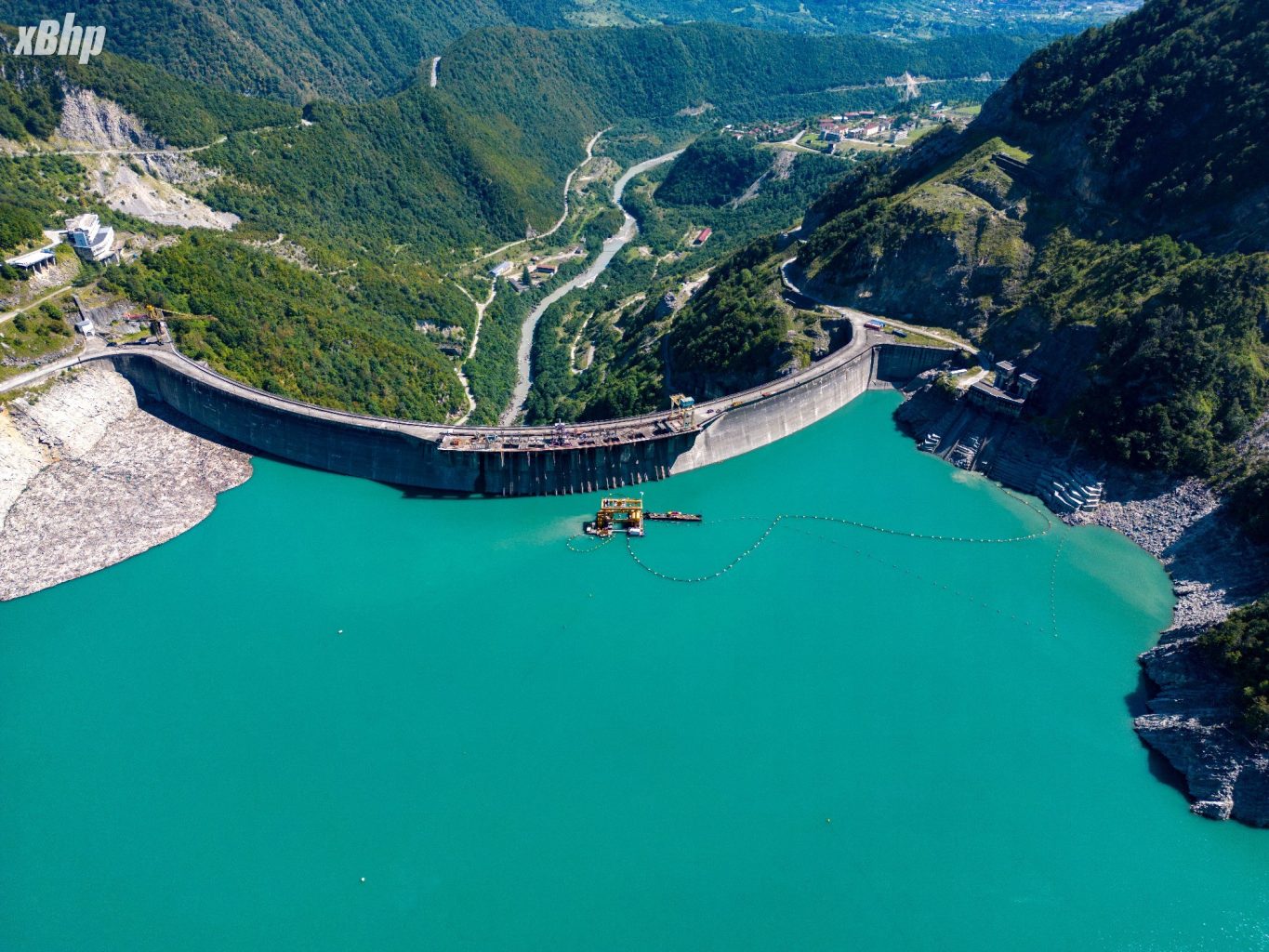
Batumi to Mestia is 260 km and is a delight to ride through. Mestia is a small town located in the Svaneti mountain region and is also an important tourism centre, especially for mountaineering. The road to Mestia is also very beautiful and you will find a lot of utterly jaw-dropping landscapes as you can see below.
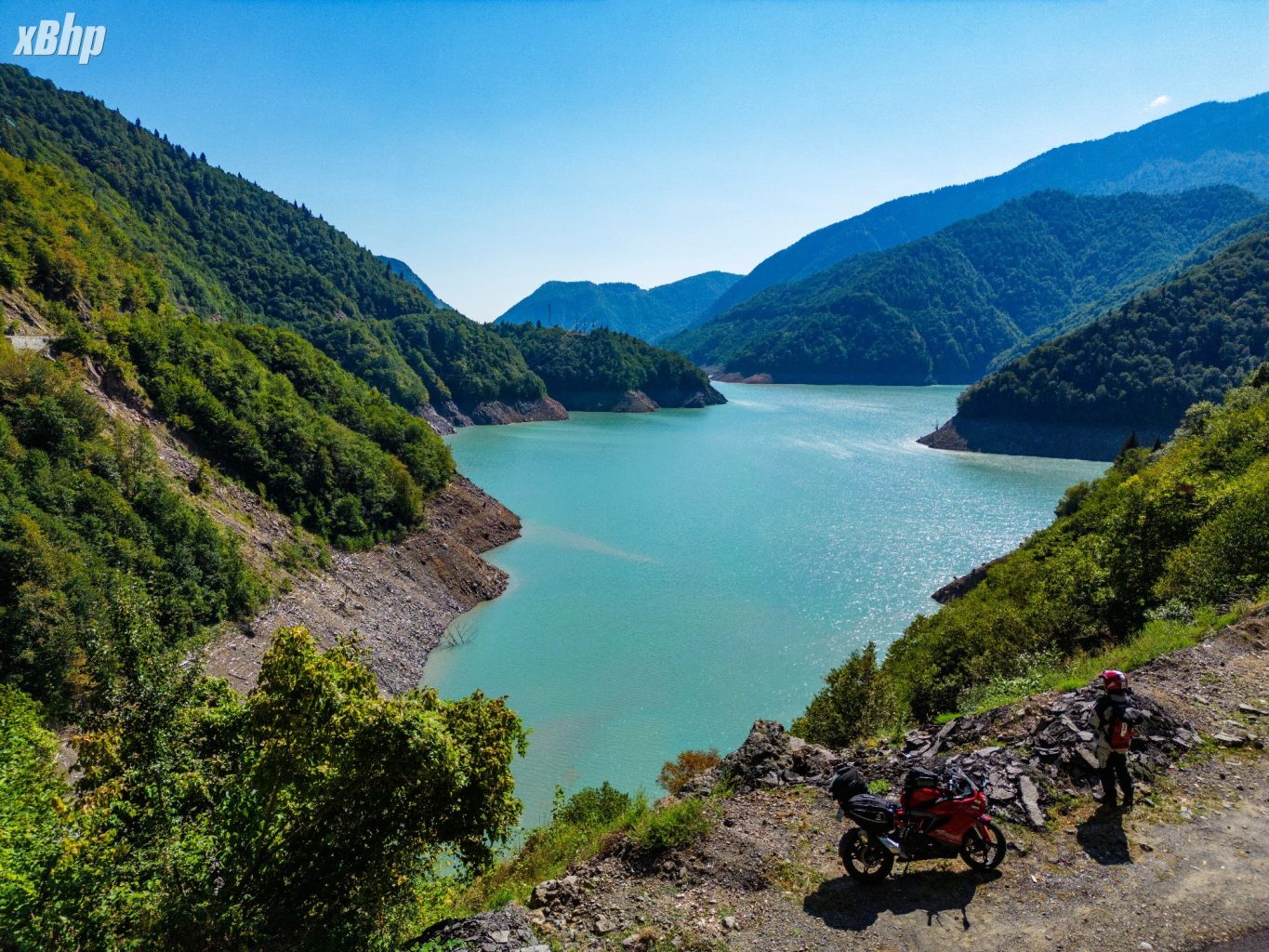
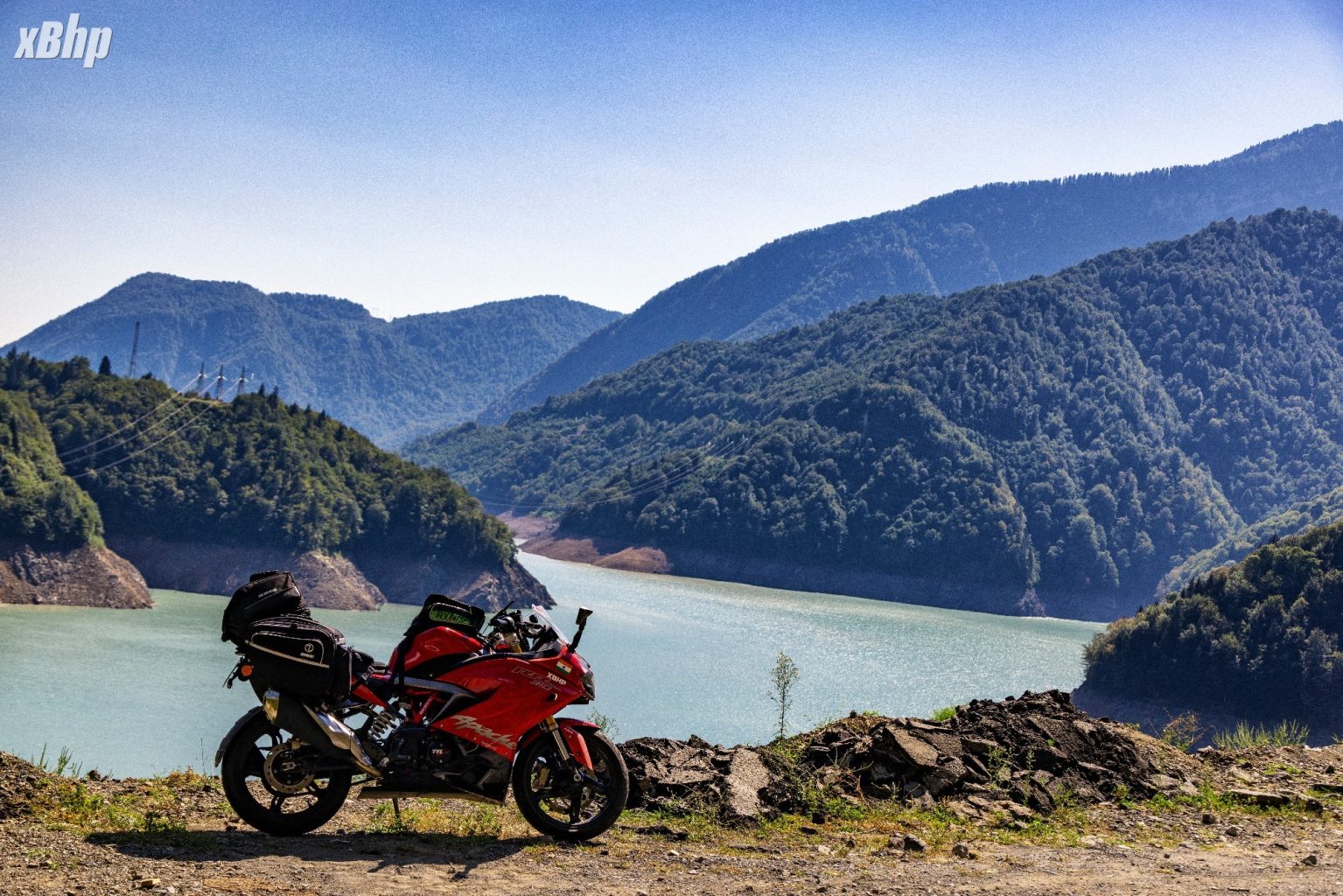
Overlooking the Patara Enguri River en route to Mestia.
Another beautiful sight we stumbled upon on our way to Mestia.
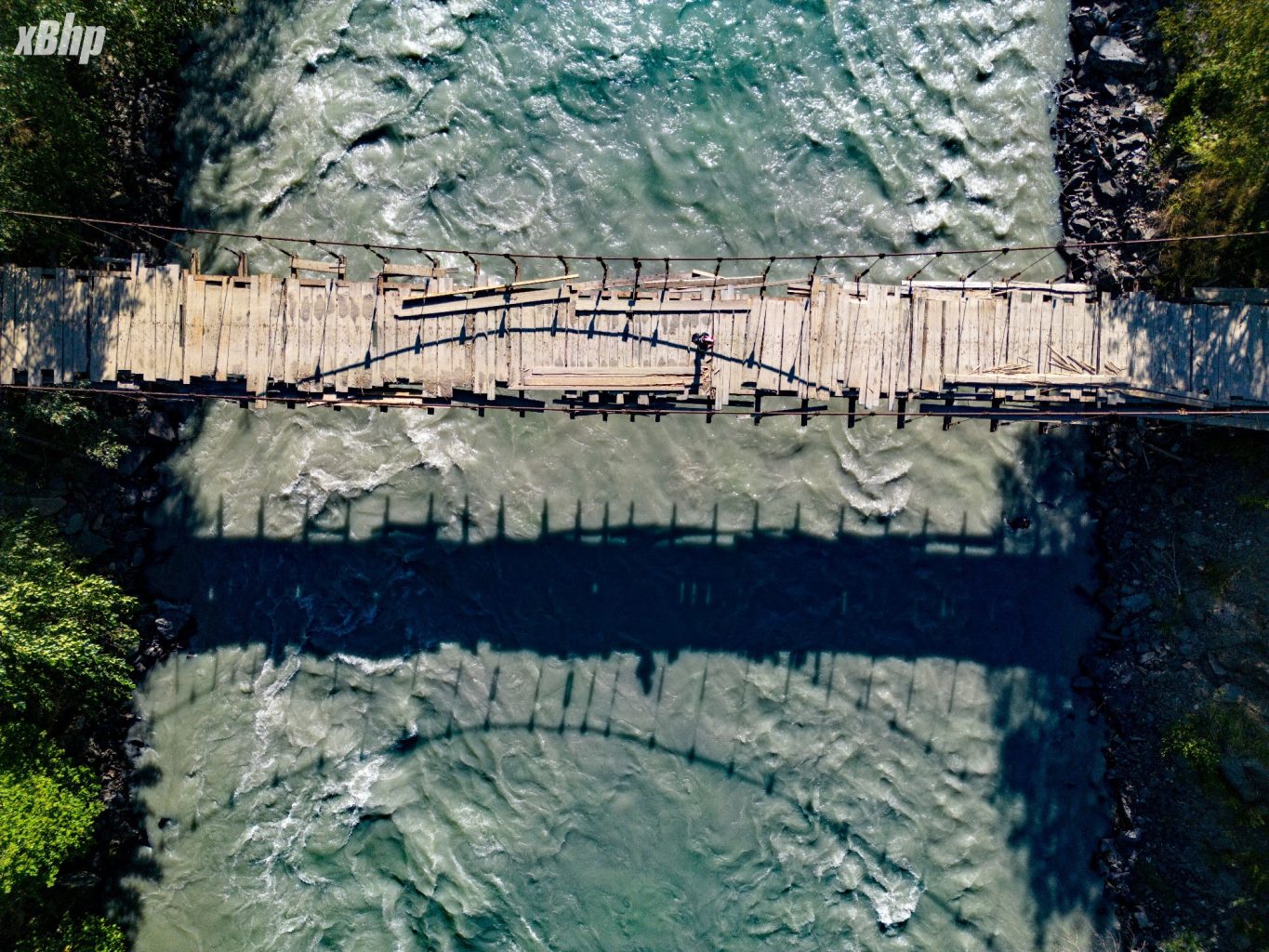
wooden bridge over the Patara Enguri River en route to Mestia.
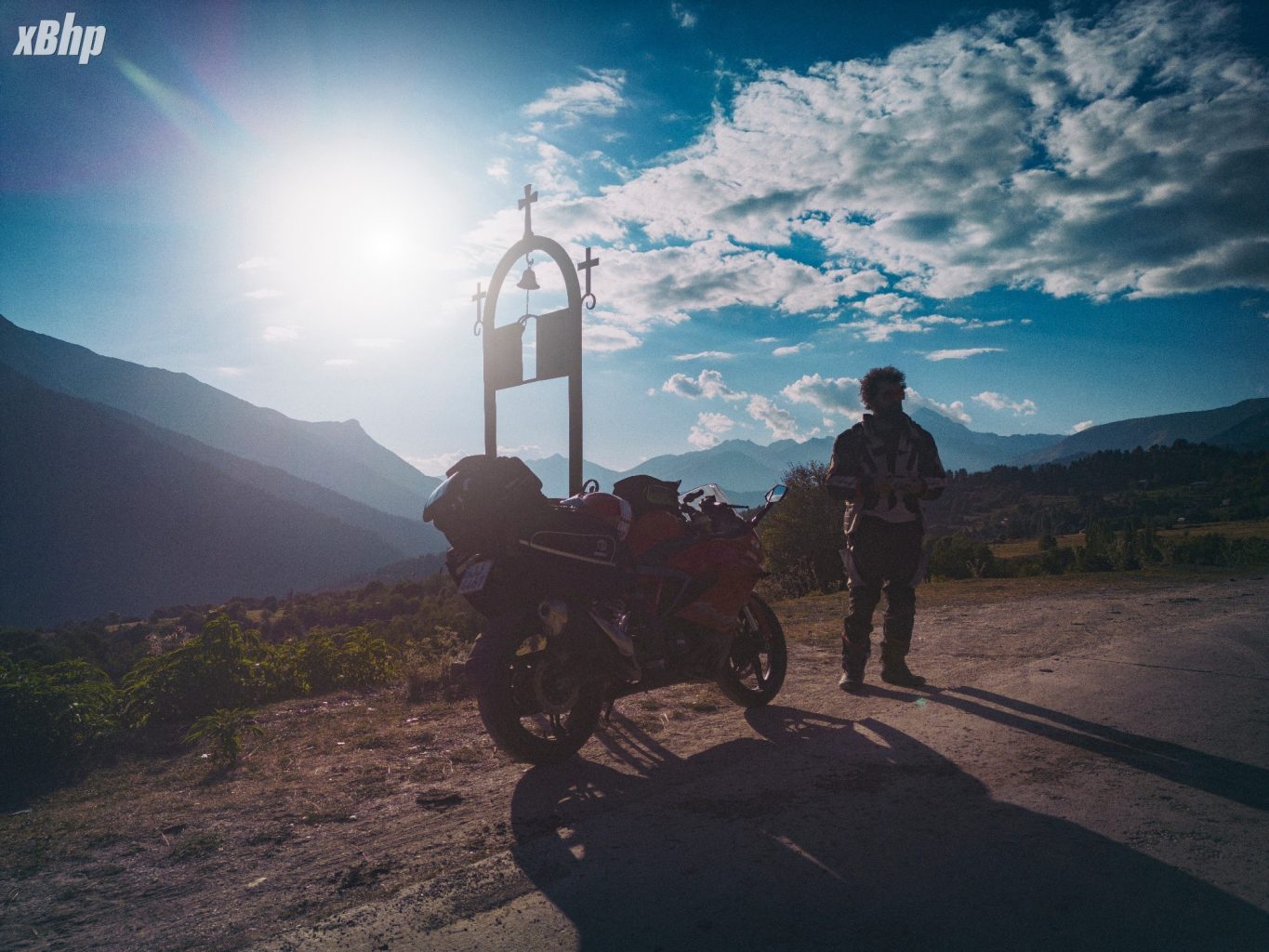
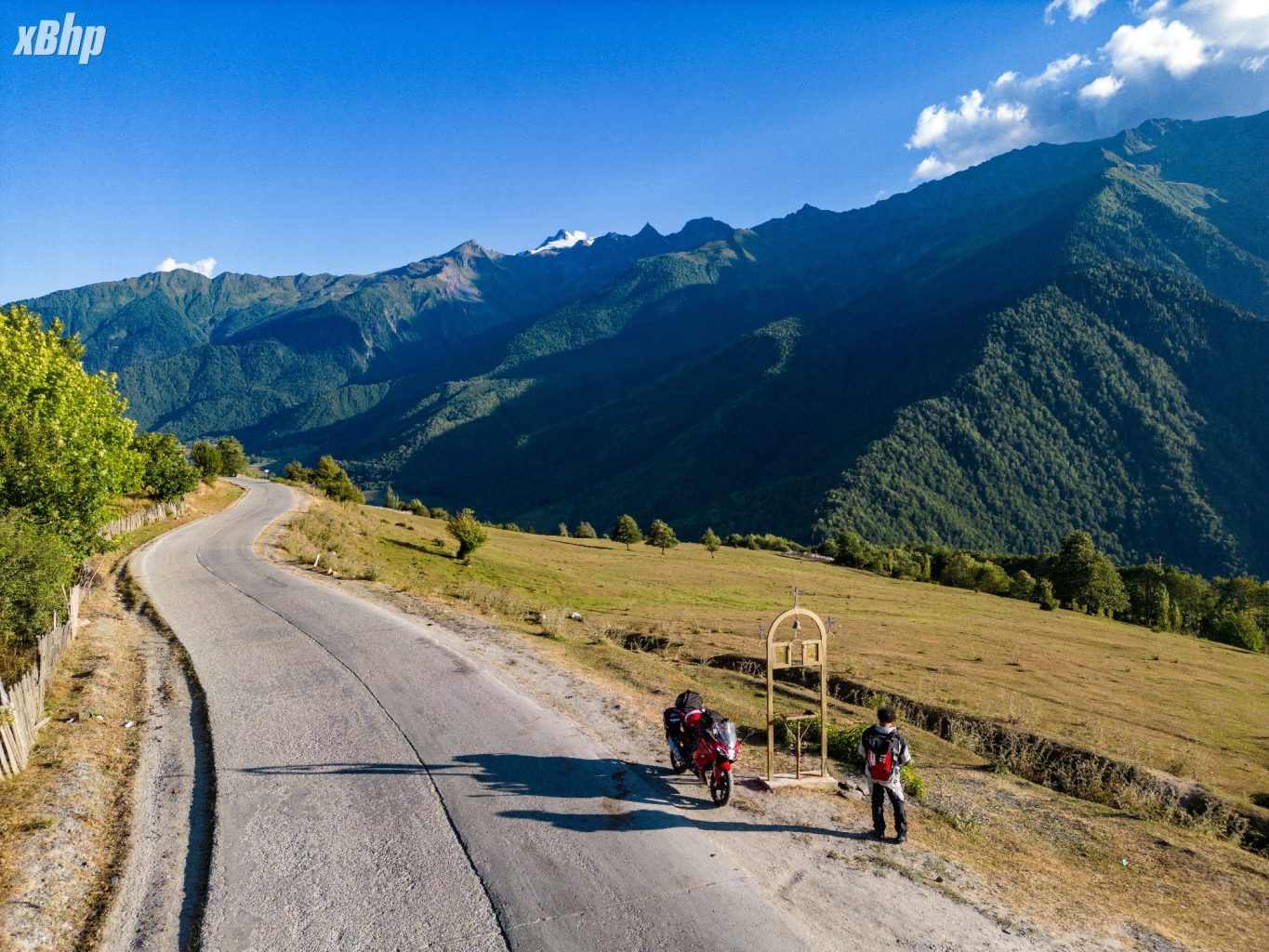
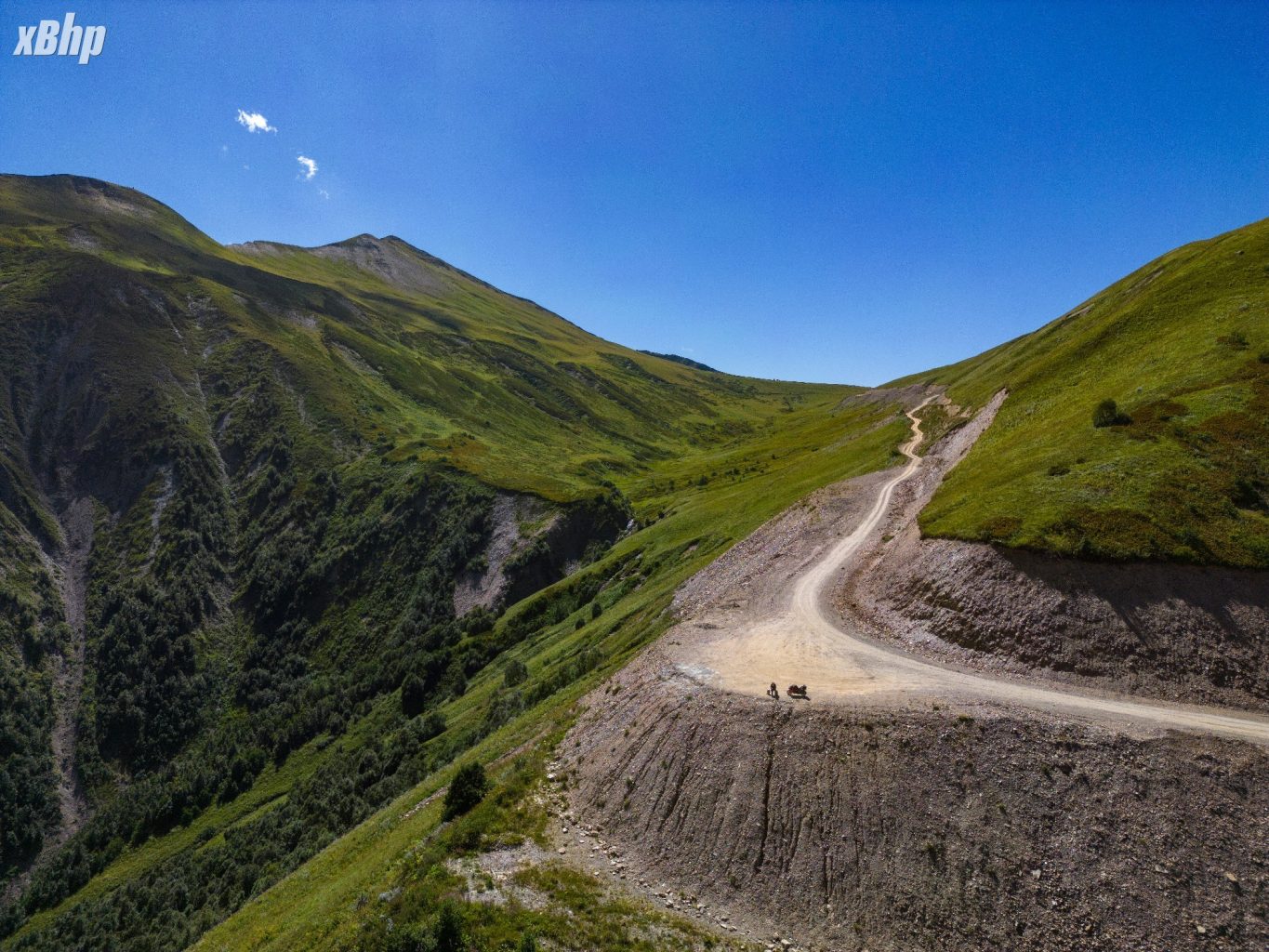
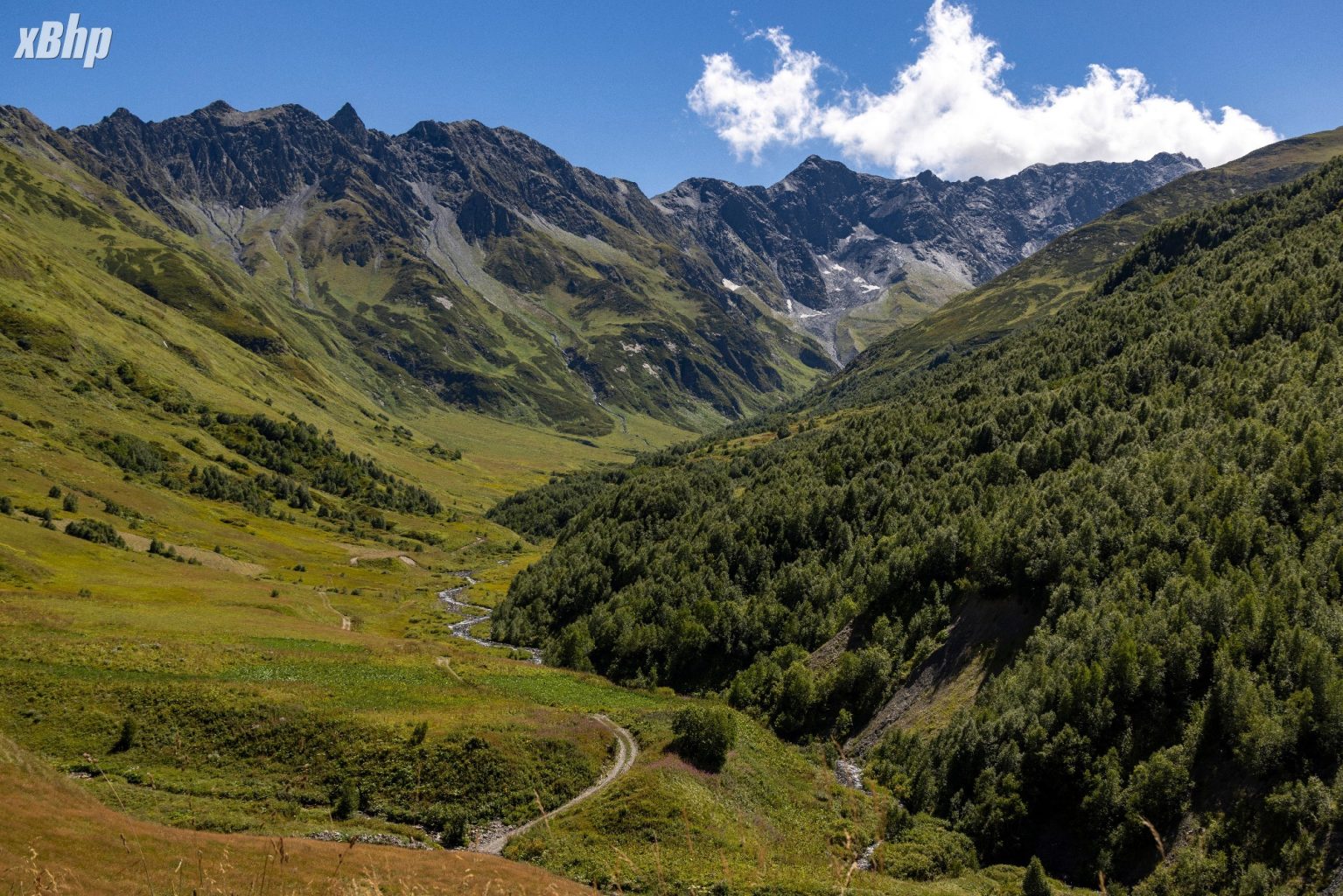
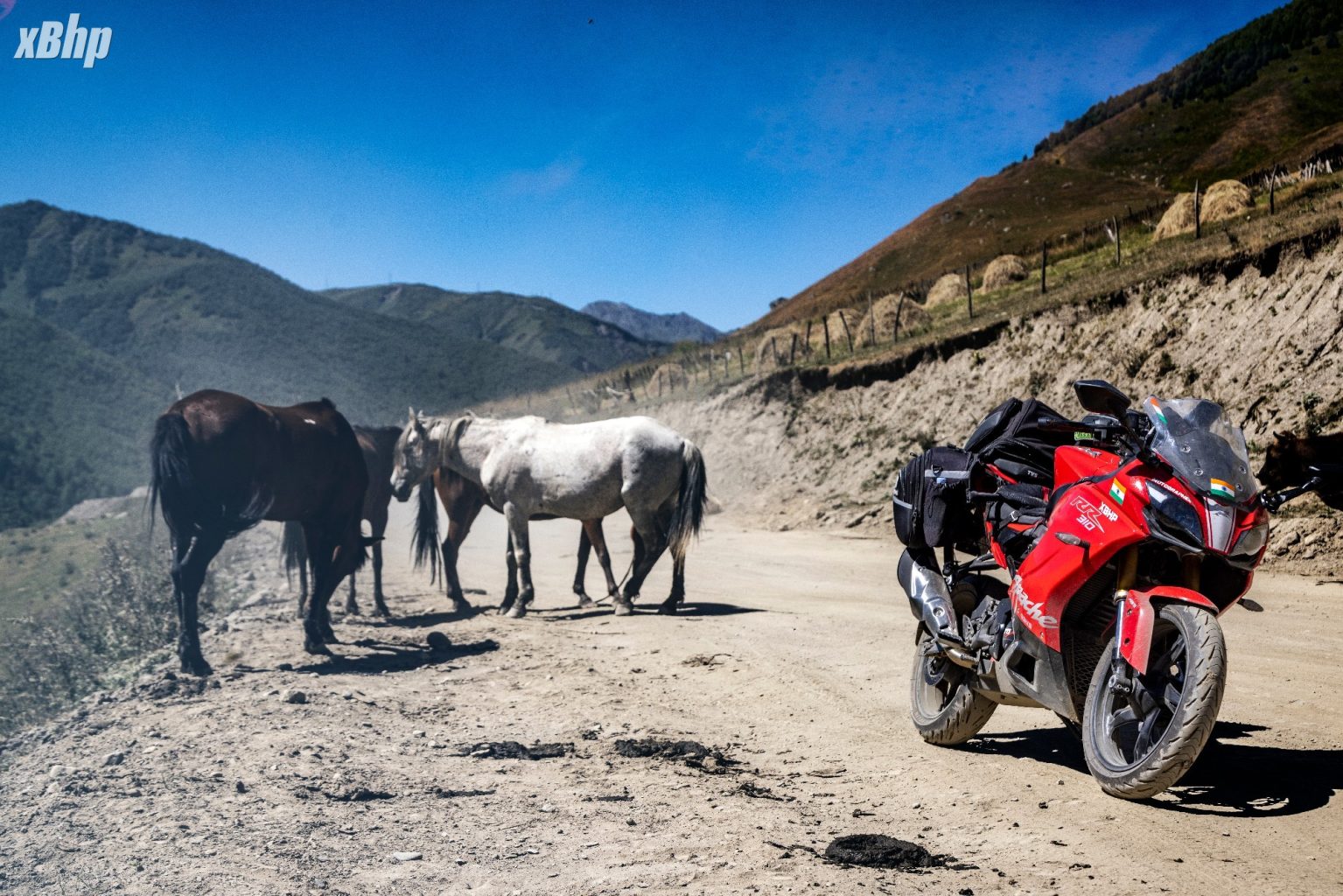
If you are someone like me who enjoys extreme solitude and isolation, then this day is for you. From Mestia, I rode to the village of Ushguli, which is the highest continuously inhabited village in Europe and Caucasia. Mestia to Ushguli is only 46 km but it will take you around one and a half hours thanks to the terrain, especially if you are on a road bike. But that is the beauty of this place. The roads are bad in technical terms but that is how we enjoy it in these regions. It adds to the isolation and inaccessibility of this region.
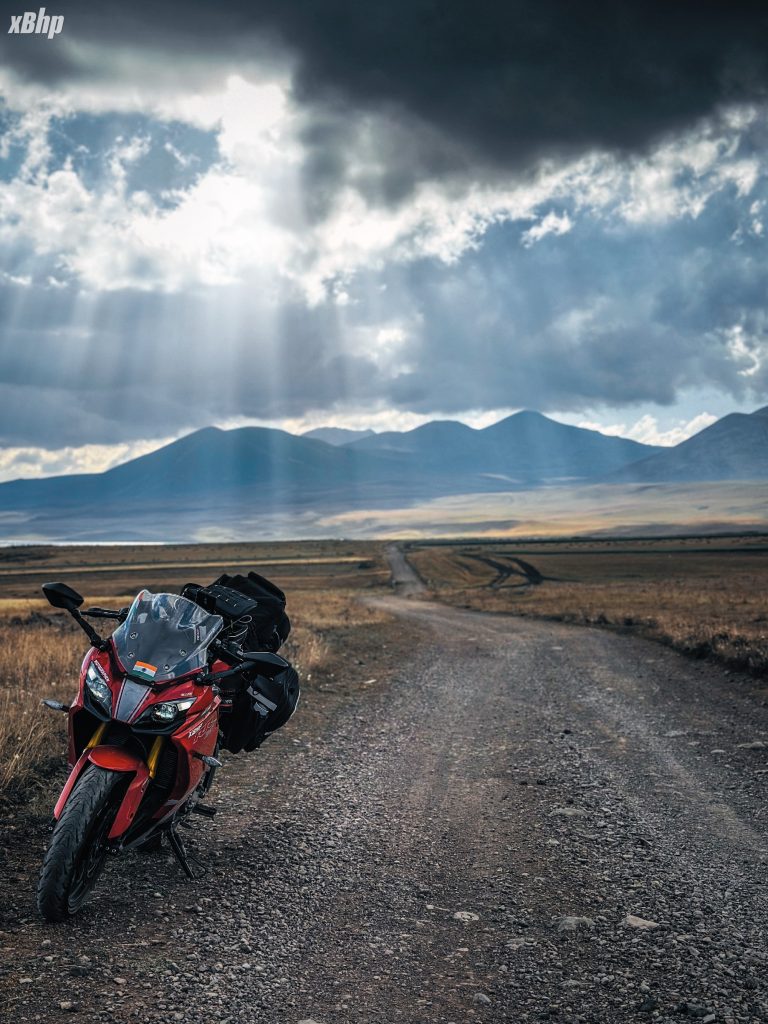
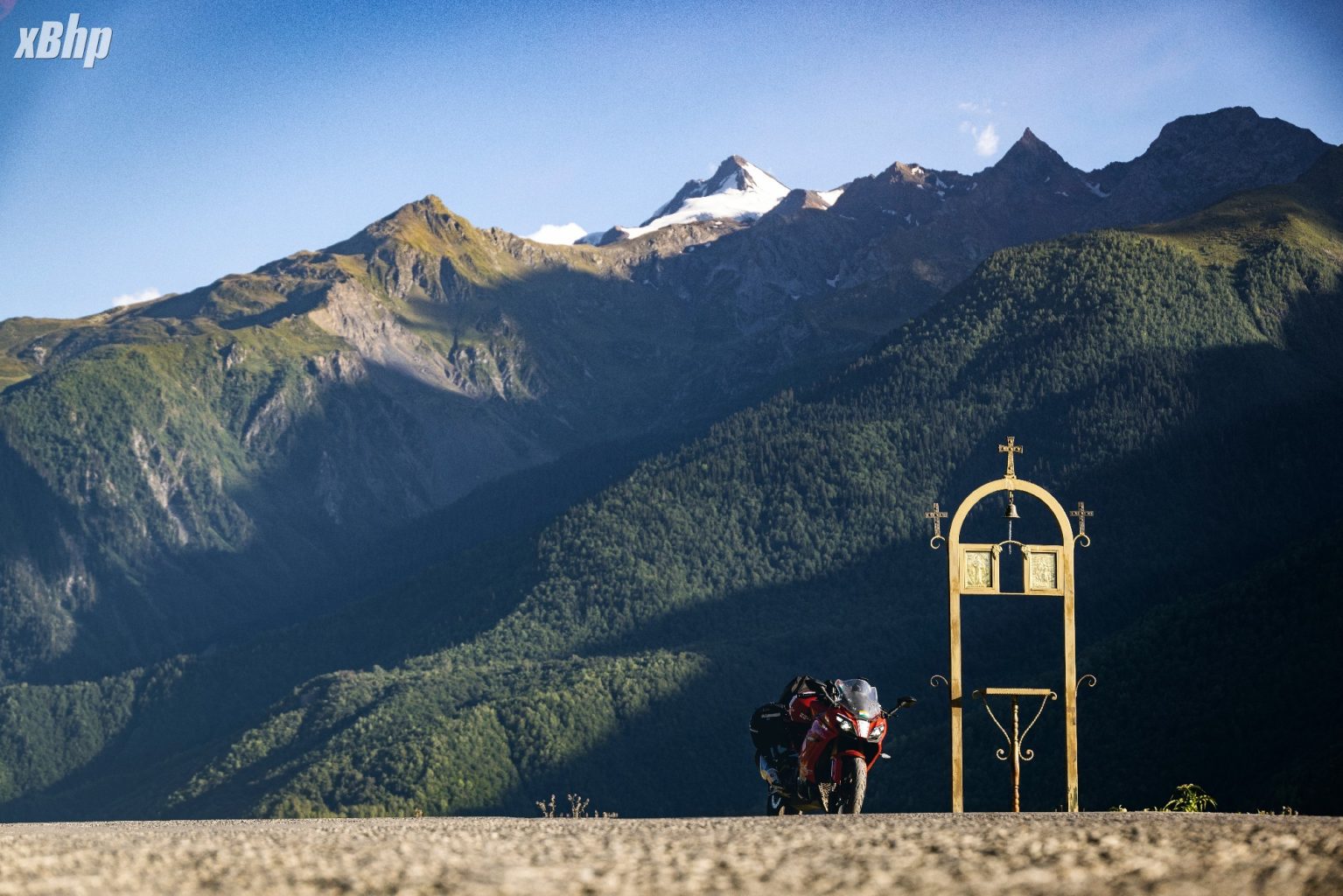
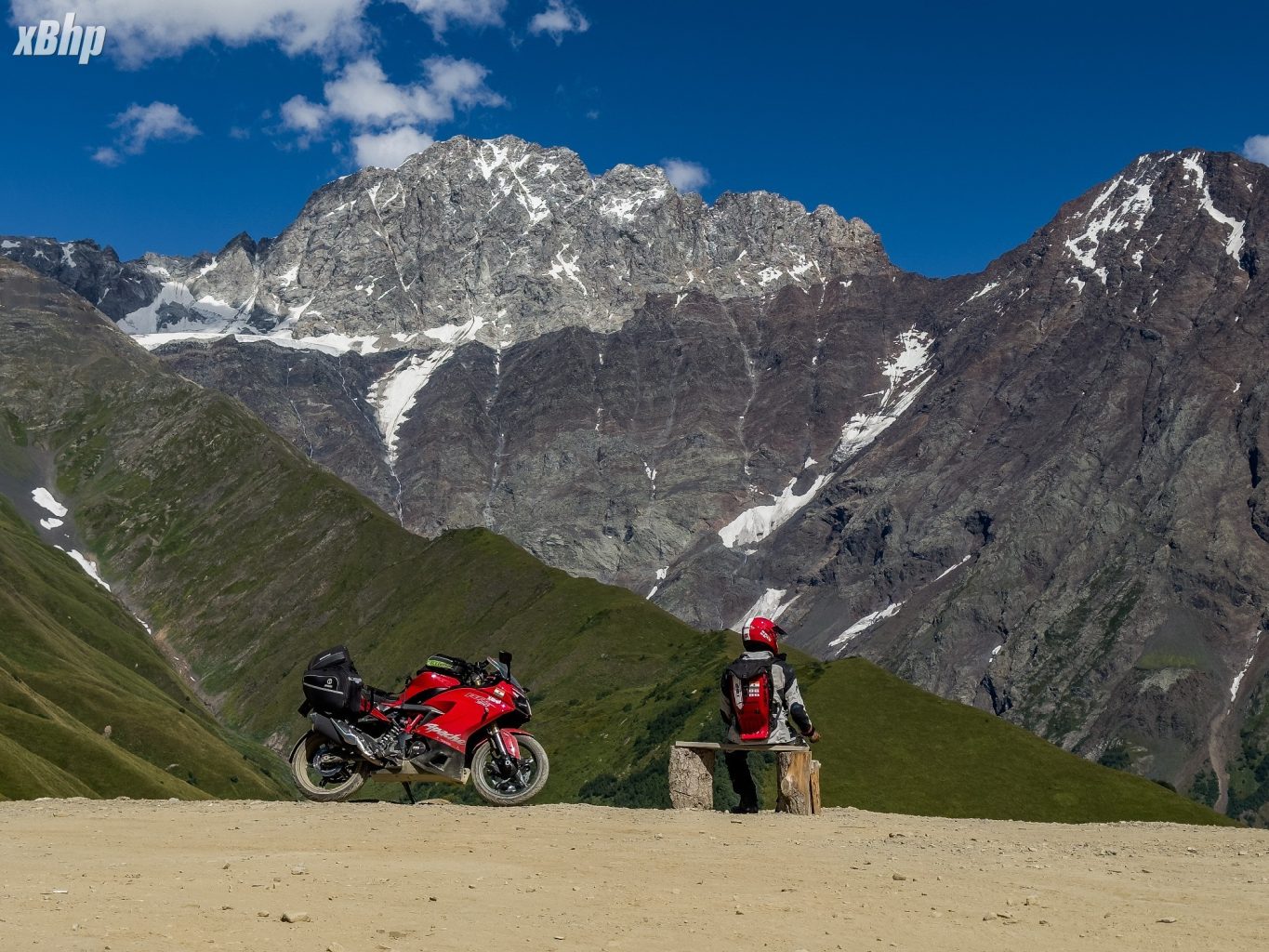
The solitude I found en route to Ushguli.
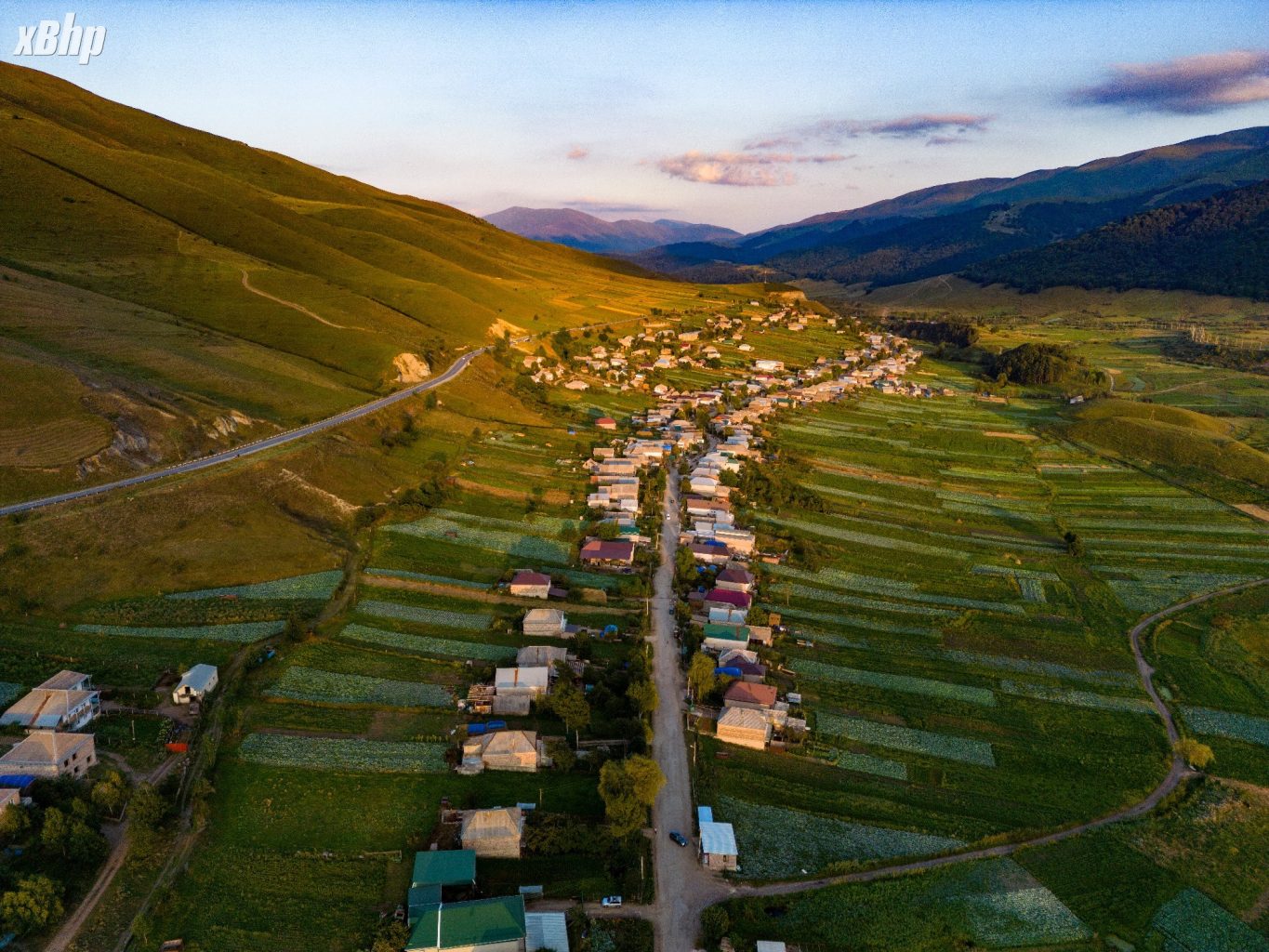
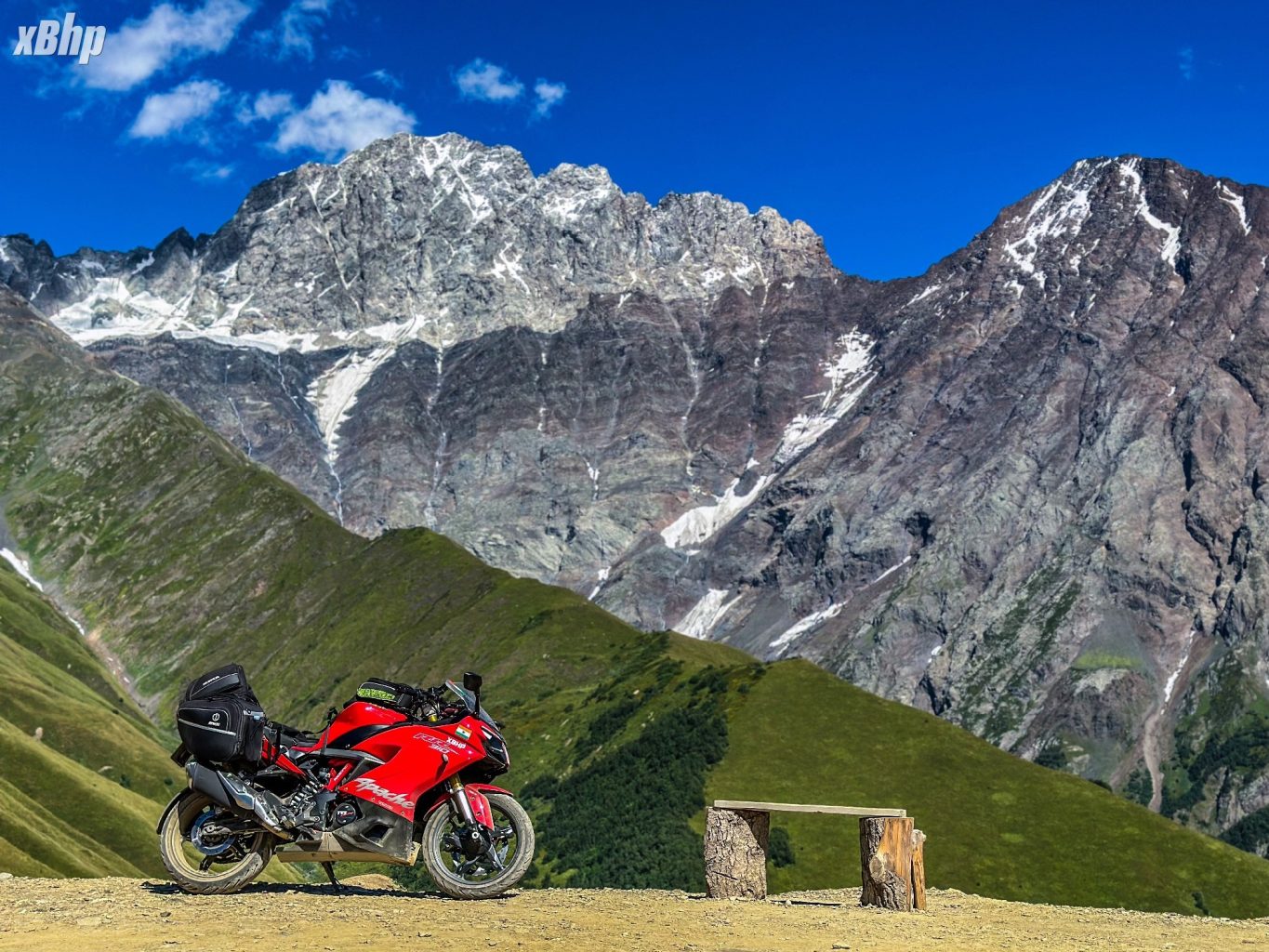
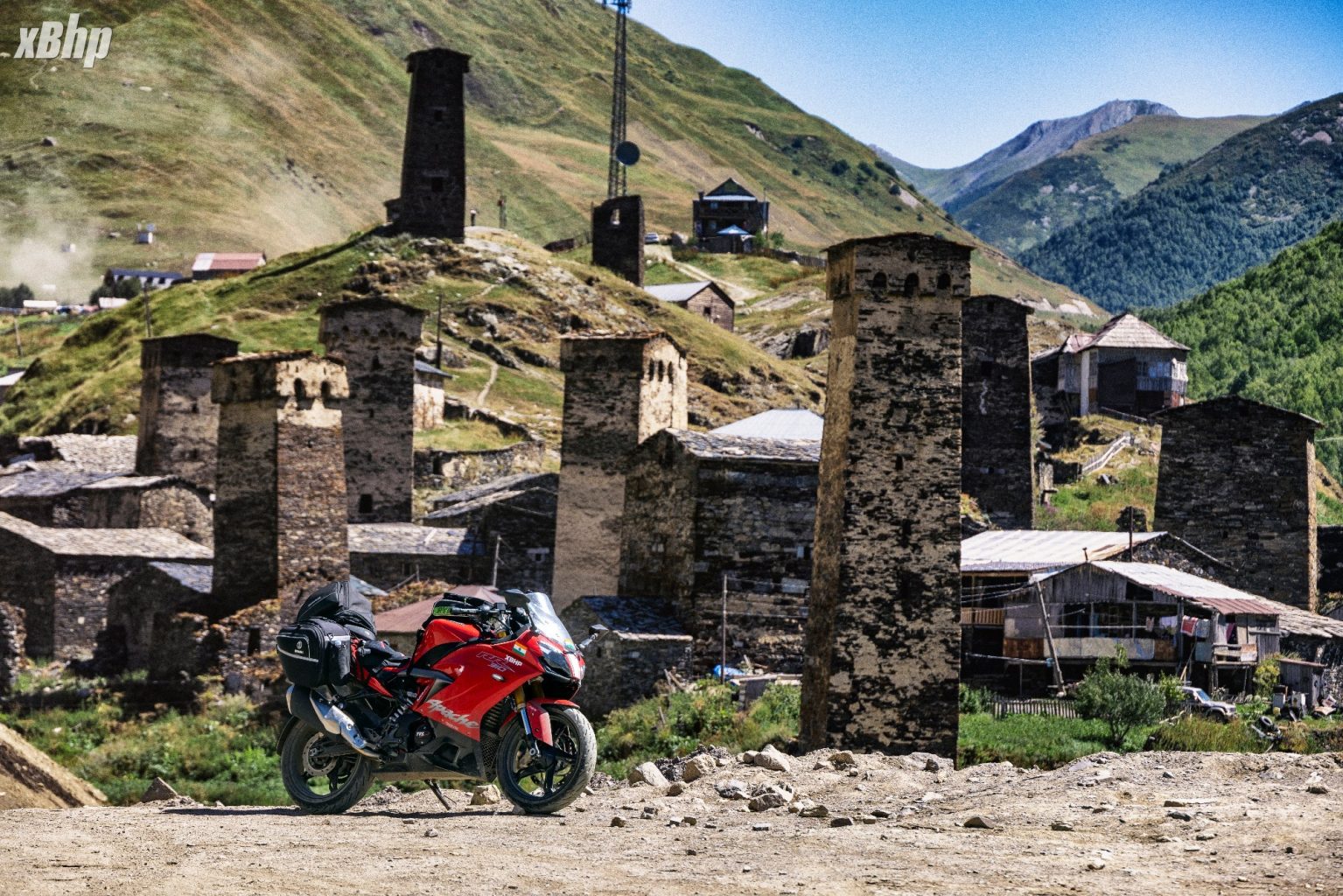
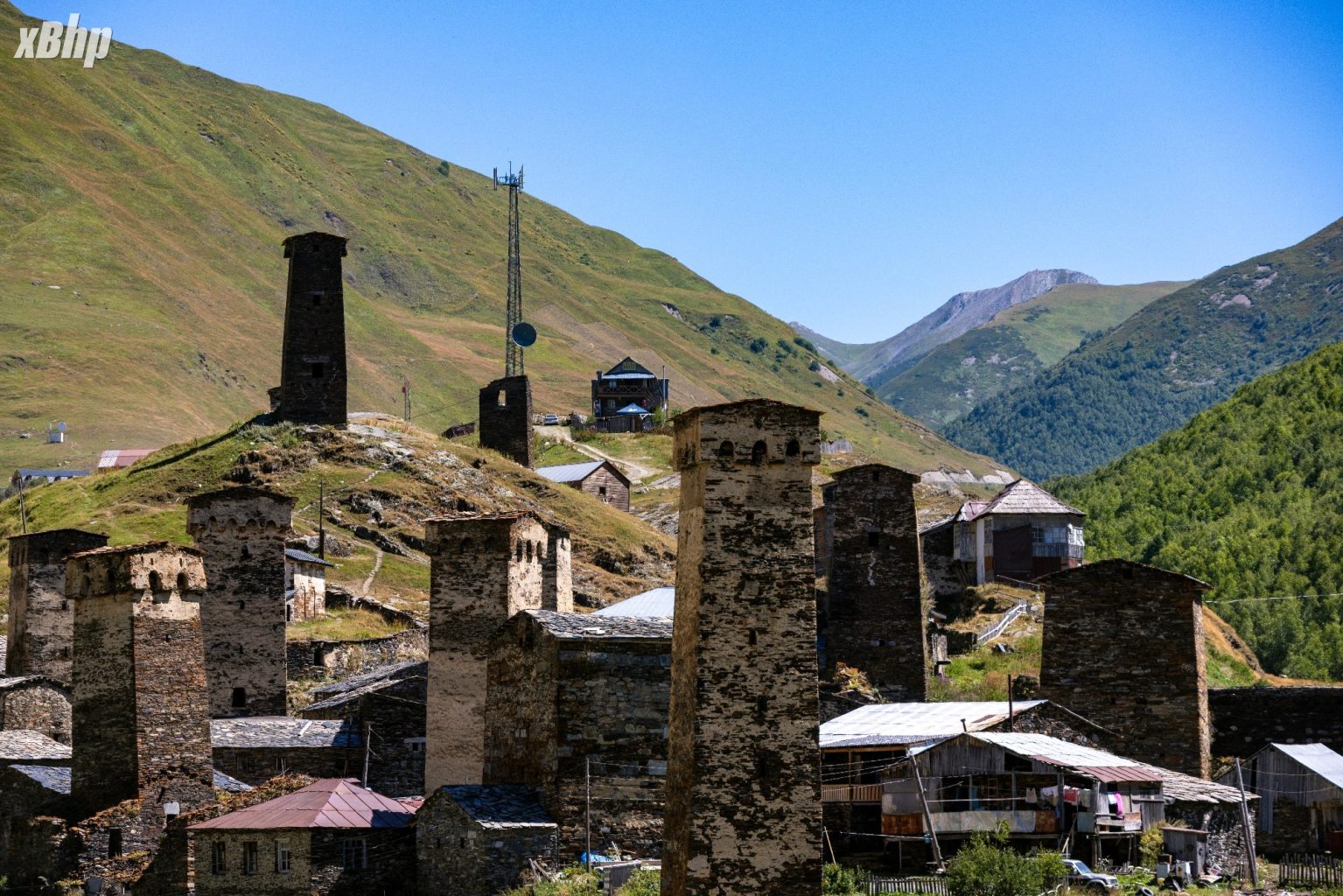
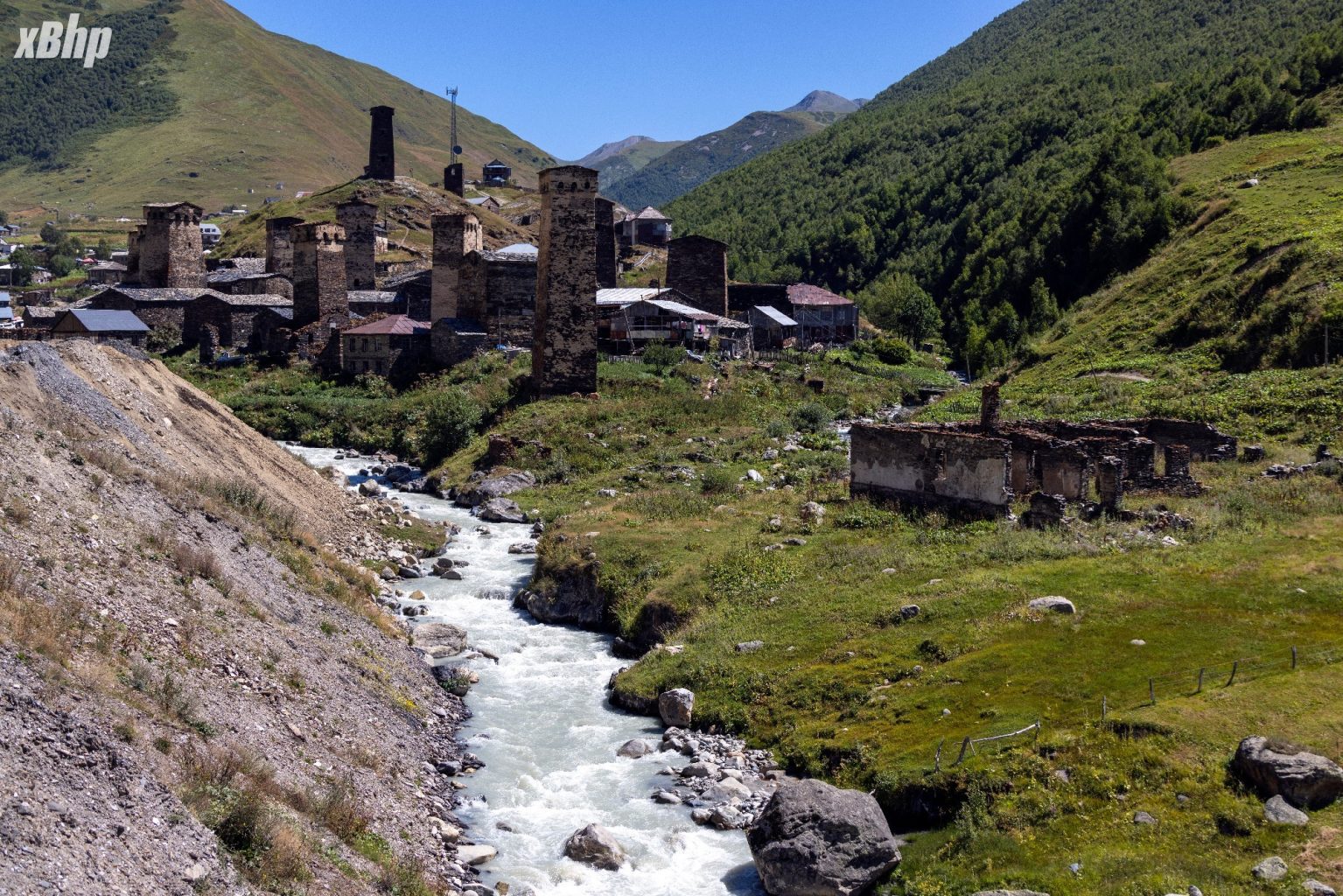
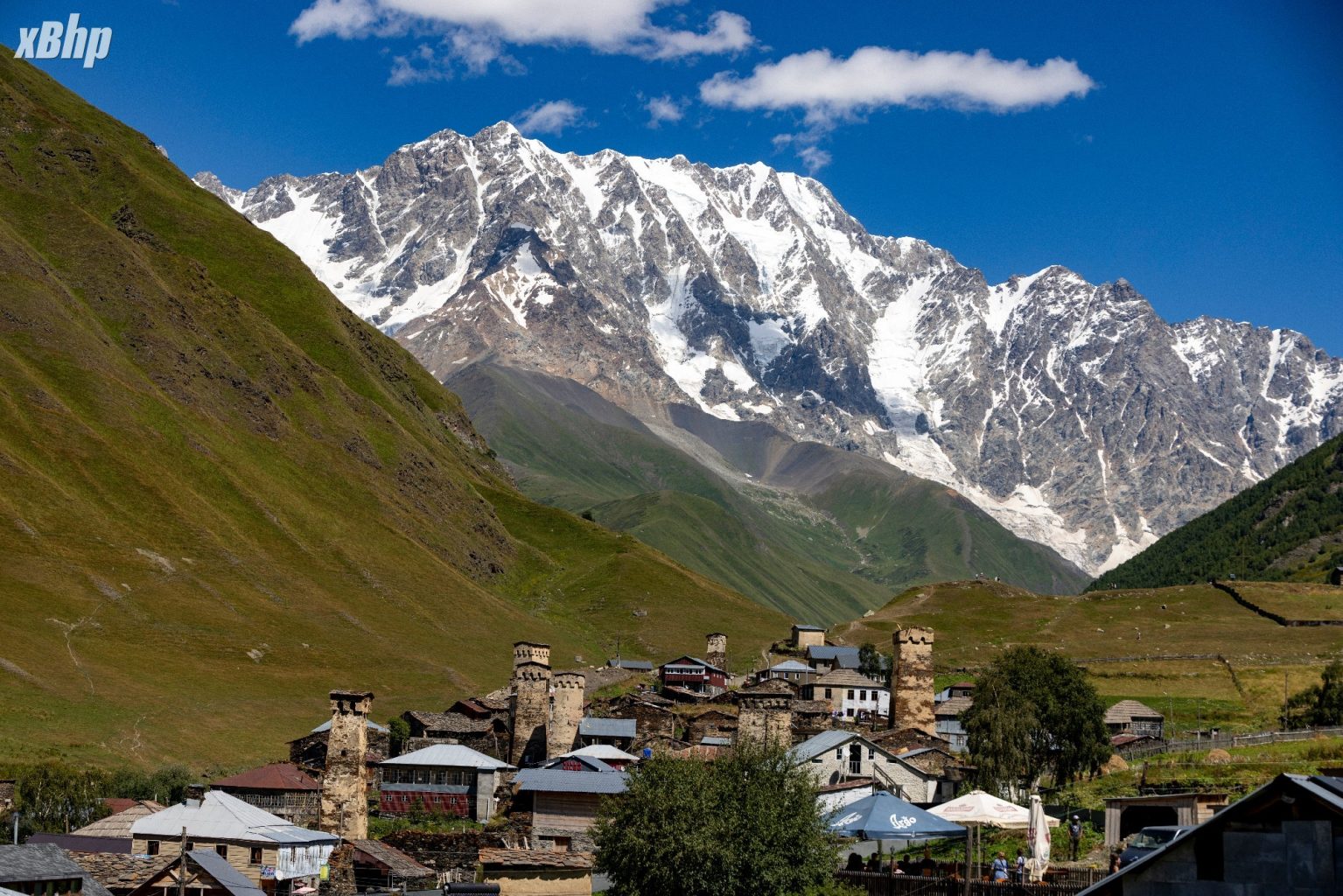
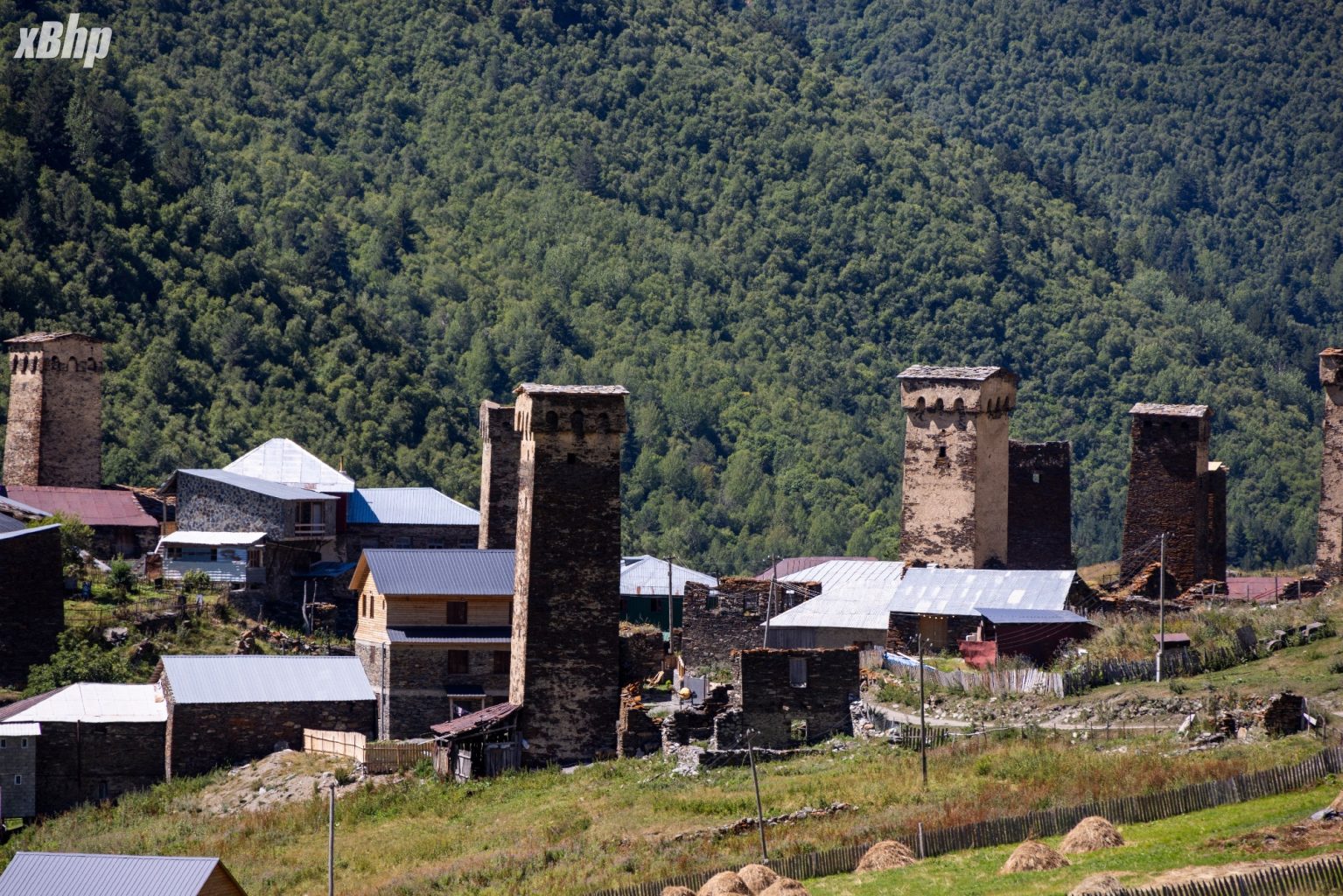
Ushguli is located at 6,900 feet and around 200 people live here. It is completely cut off from the rest of the world for six months a year due to snow. It is famous for its watchtowers that were made between the 9th and 12th centuries. Interestingly, the very towers that were built to ward off visitors are the main attraction! This place has a surreal feel to it, almost supernatural.
Some more shots from the isolated Ushguli, the highest continuously inhabited village in Europe and Caucasia.
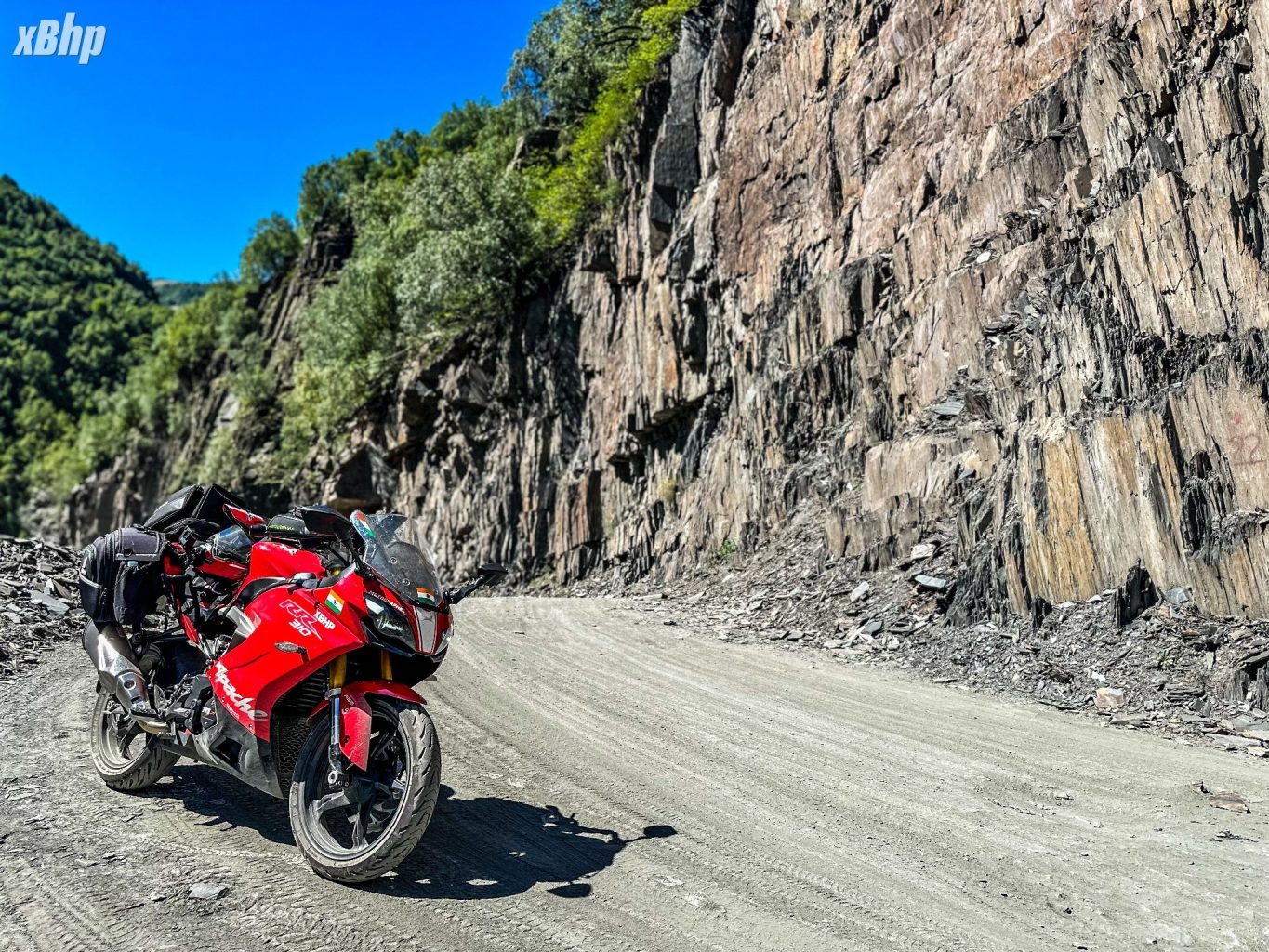
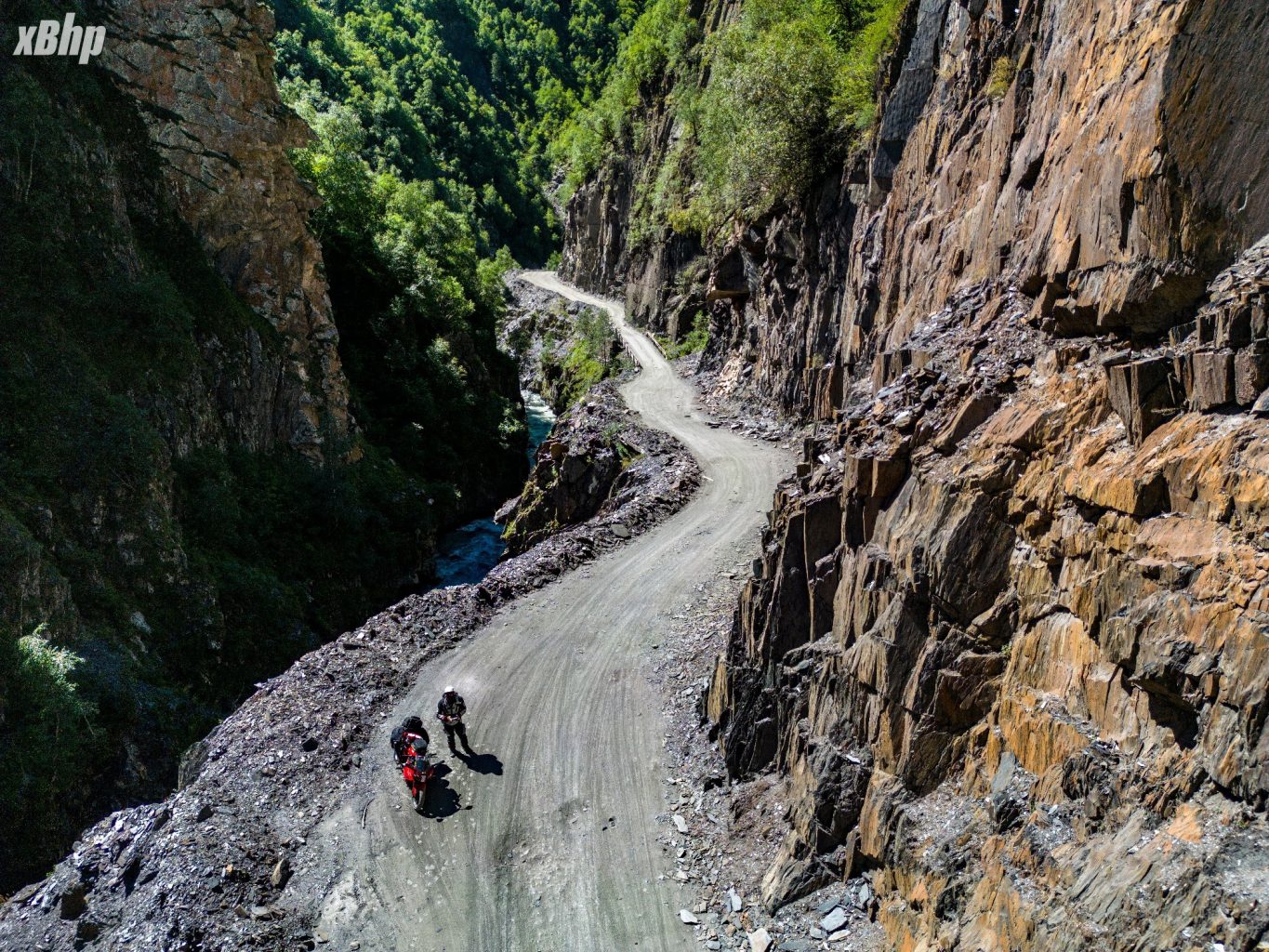
The road from Ushguli to the town of Ambrolauri is 150 km but will take around 4 hours. The first 40-odd kilometres from Ushguli will test you and your bike to the limit, especially if you are on a road bike. But the scenery is amazing and out of the world. After that, it is smooth sailing with some amazing corners and tarmac all the way to Ambrolauri.
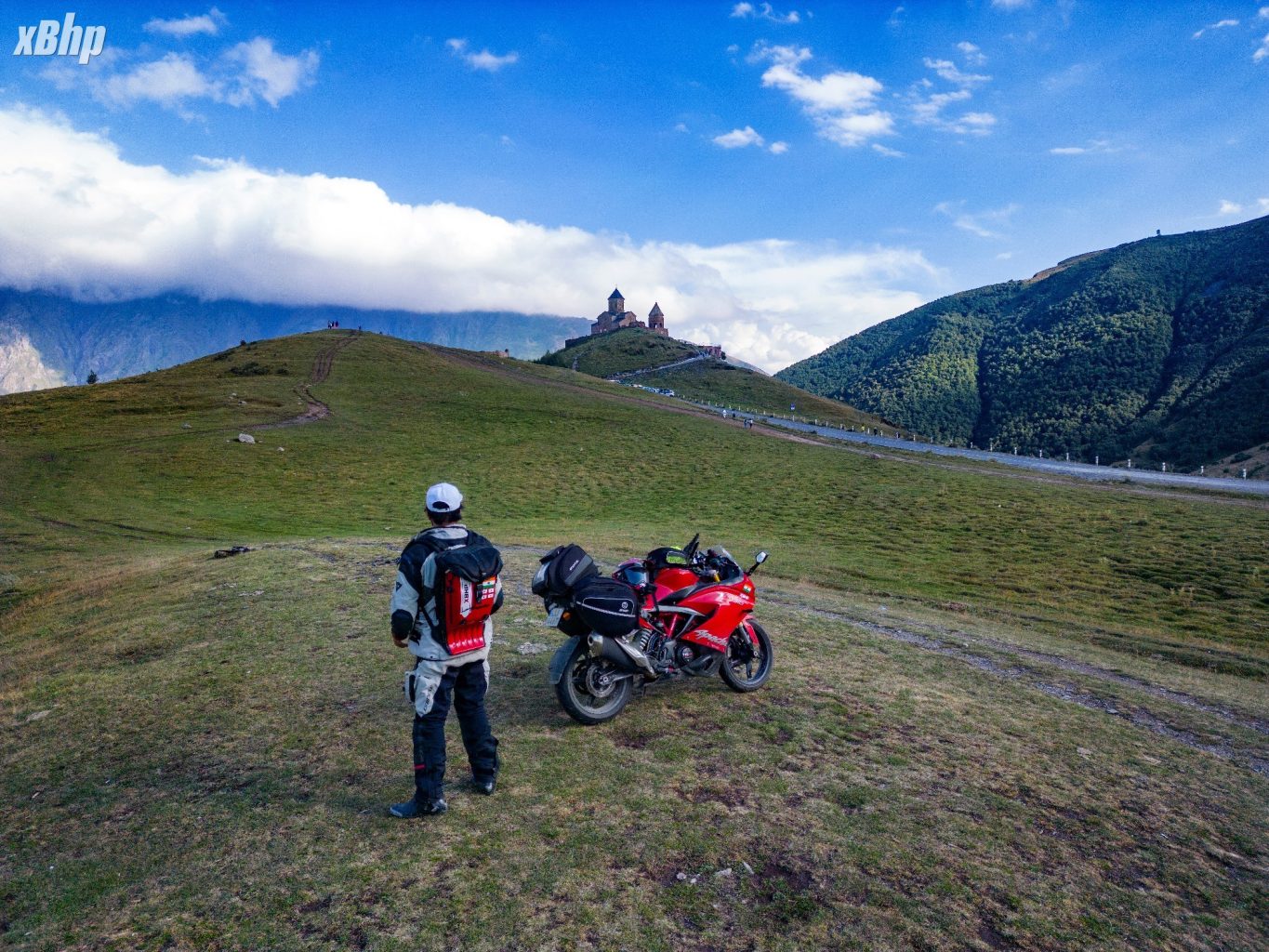
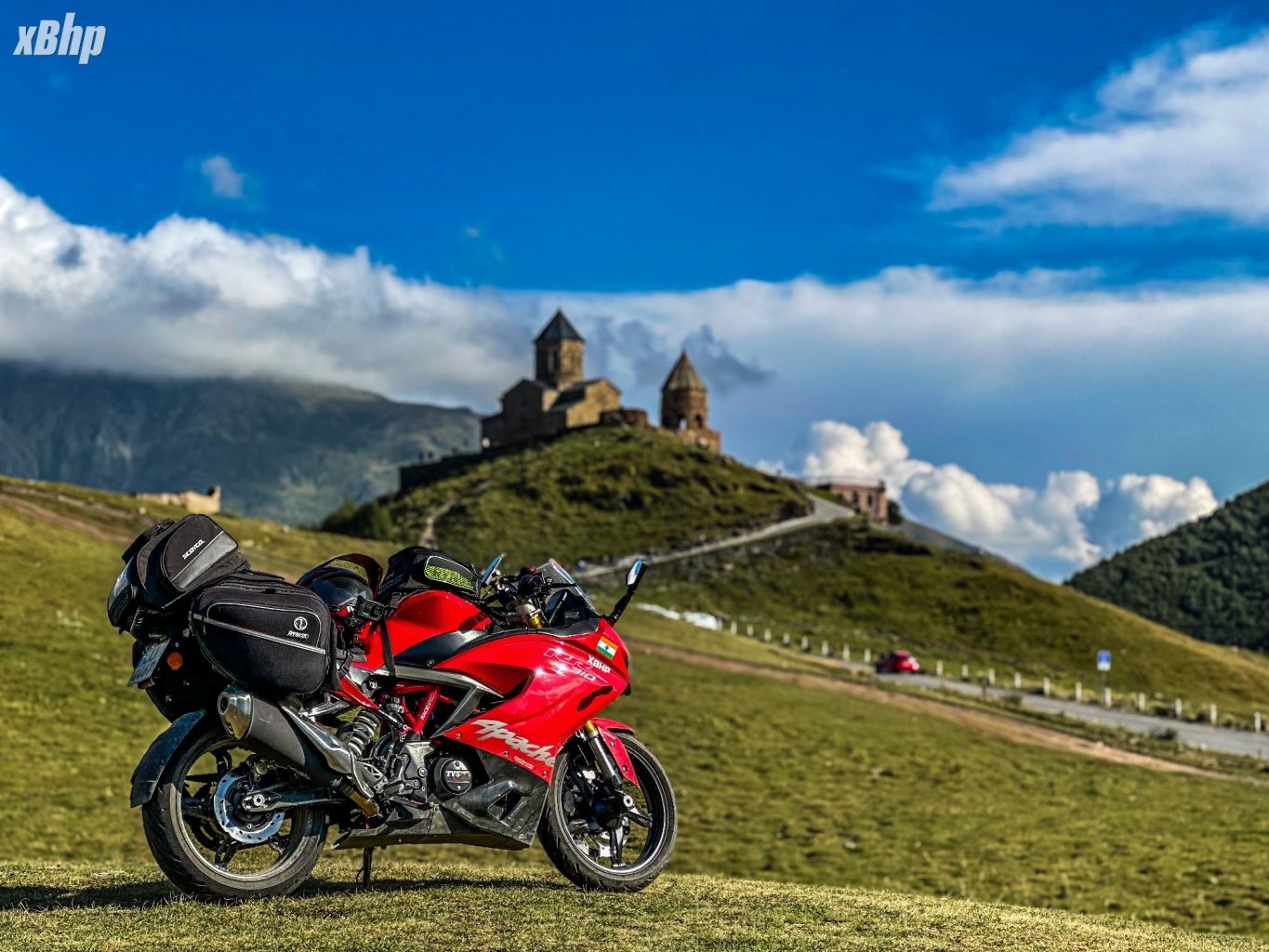
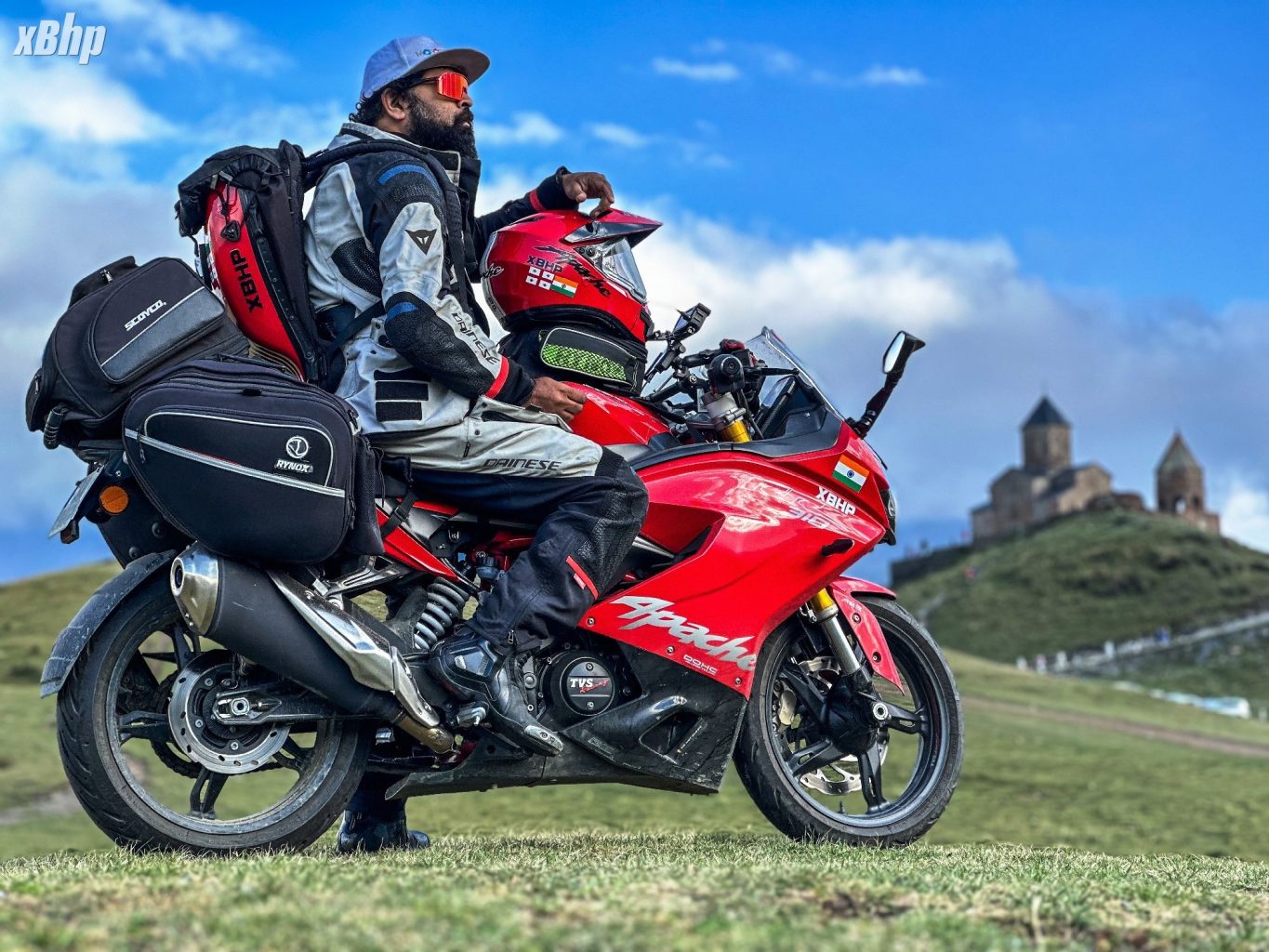
My last leg of the Caucasia ride involved riding from Ambrolauri to Stepantsminda and then to Gergeti Trinity Church which is very close to the Russian Border. On the same day, I came back to Tbilisi for a total of 510 km making it the longest ride day of my Caucasian ride.
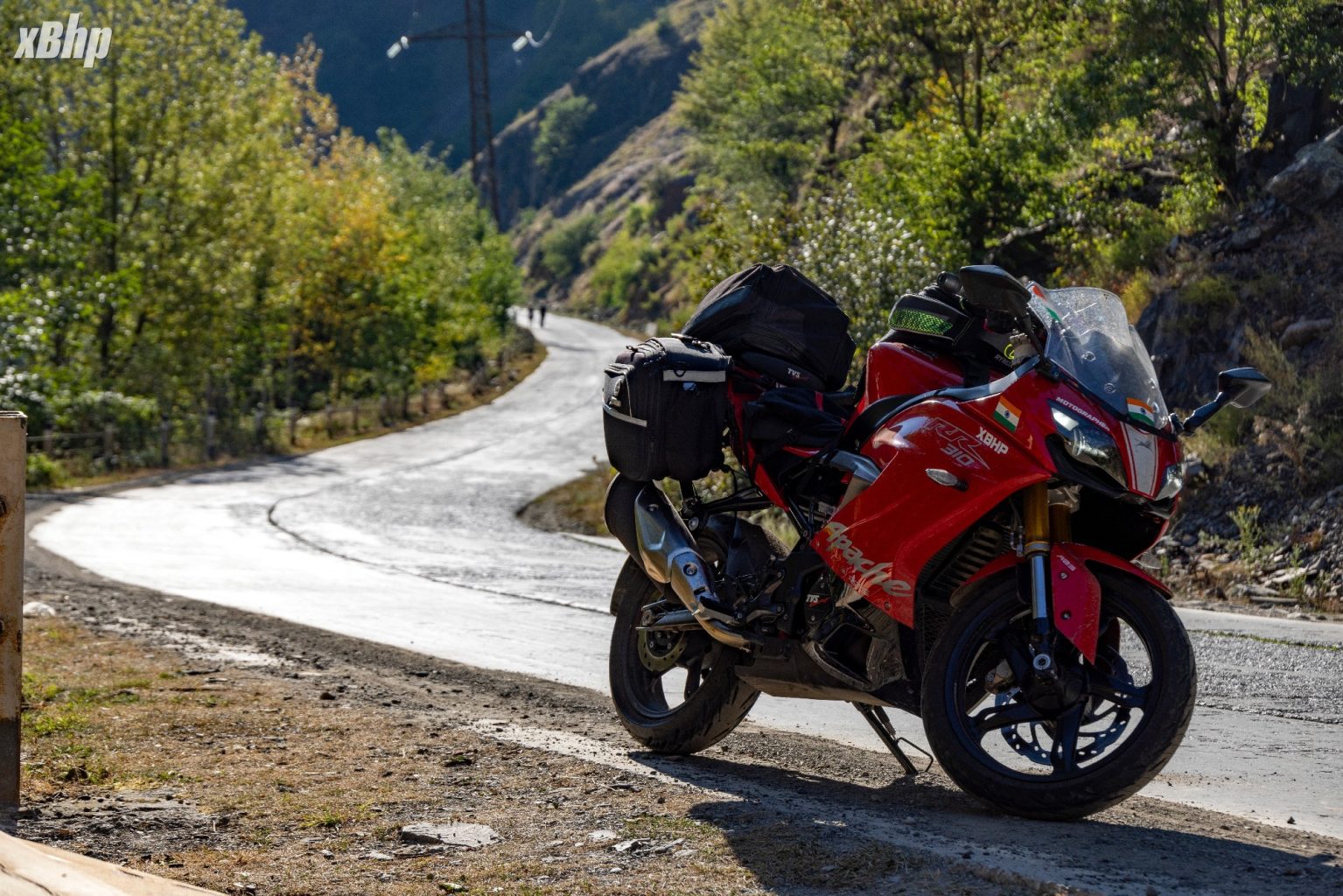
You will nd such landscapes while riding to Kasbegi from Tbilisi.
And stuff like this too!
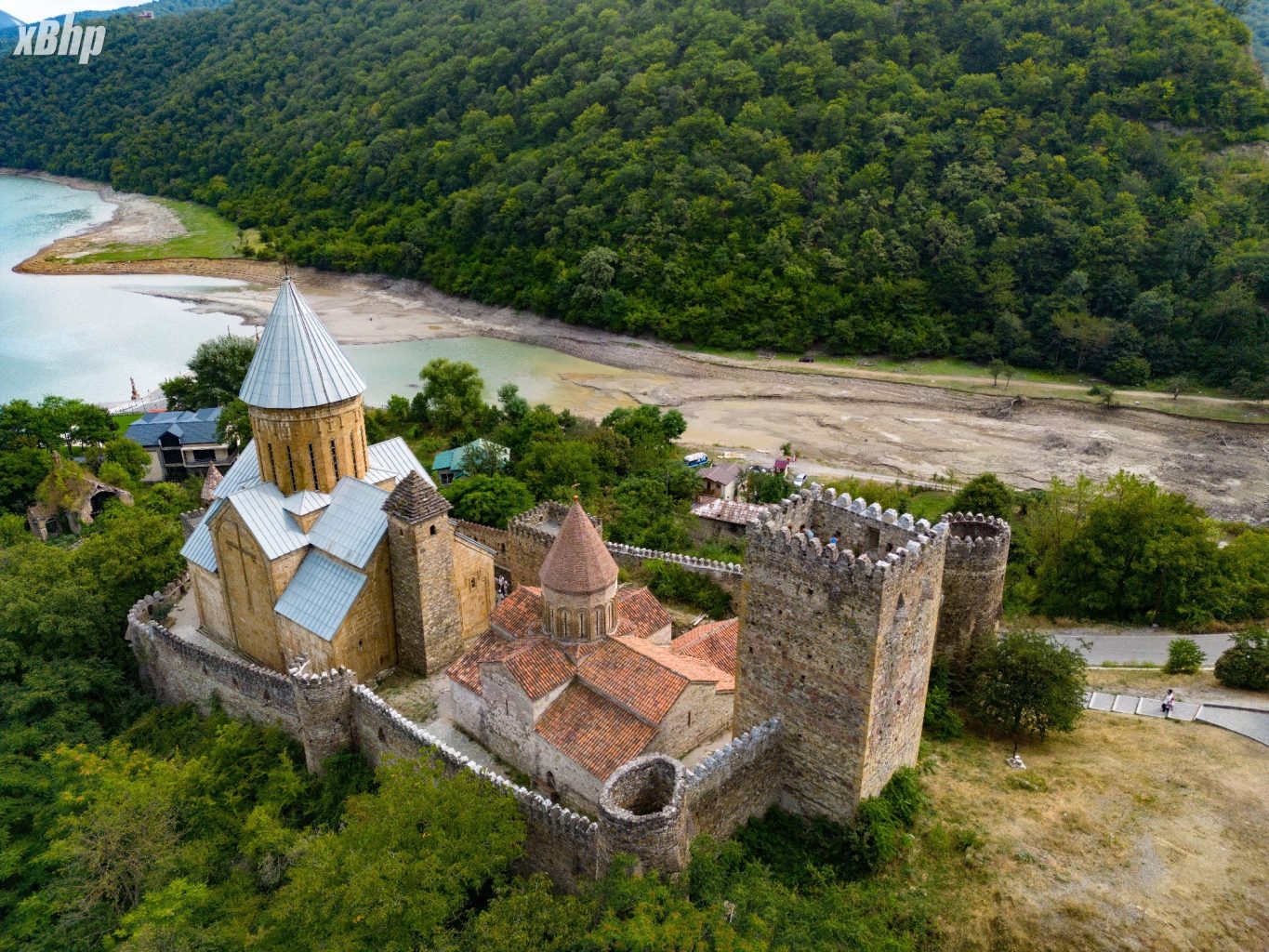
Ananuri Castle en route to Stepantsminda (Kasbegi).
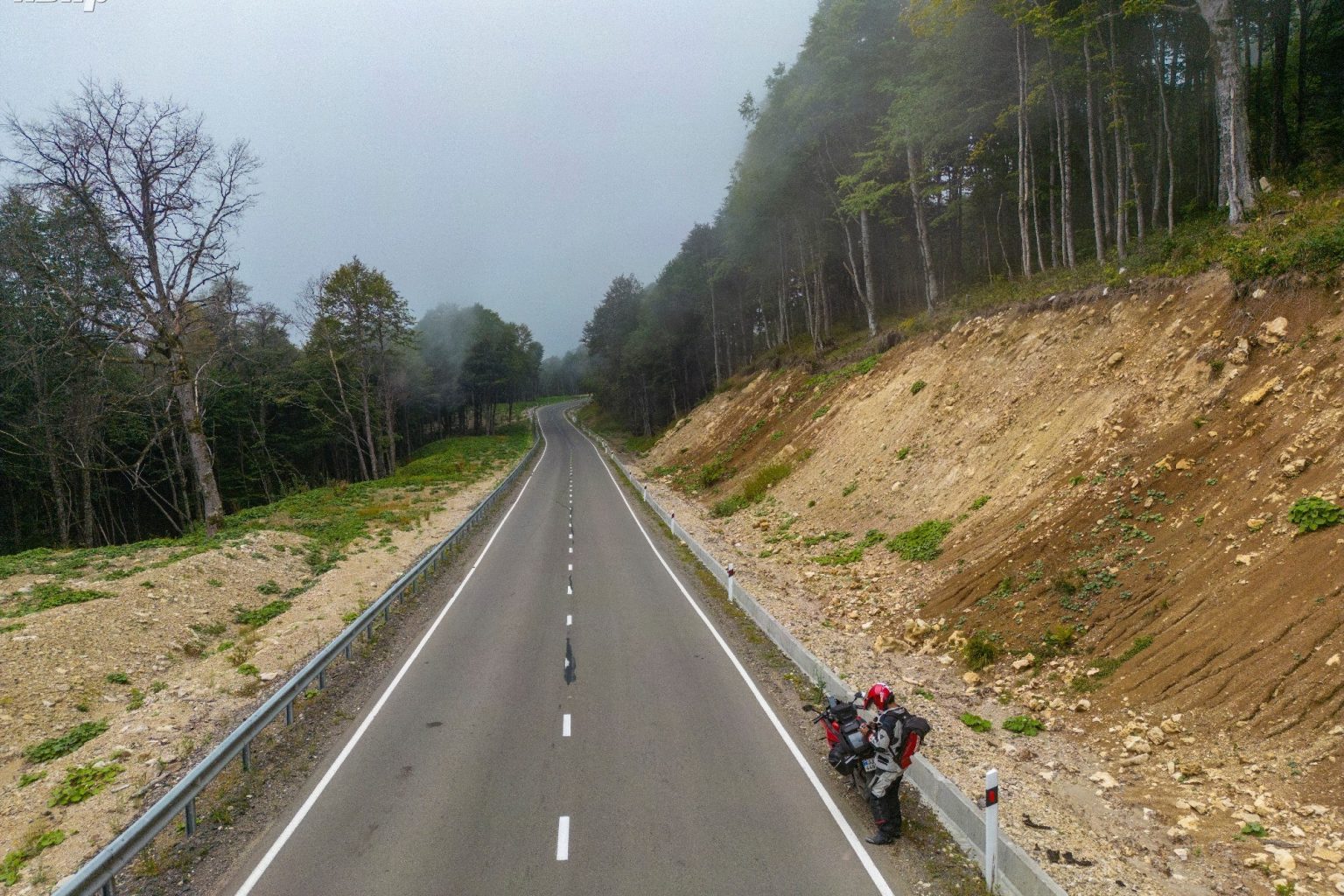
The road from Tbilisi to Stepantsminda is part of the Georgia Military Highway. It is beautiful but clogged with a lot of cars and truck traffic that might put a dent in your ride experience. A couple of sections are also one-way due to construction and can cause wait times.
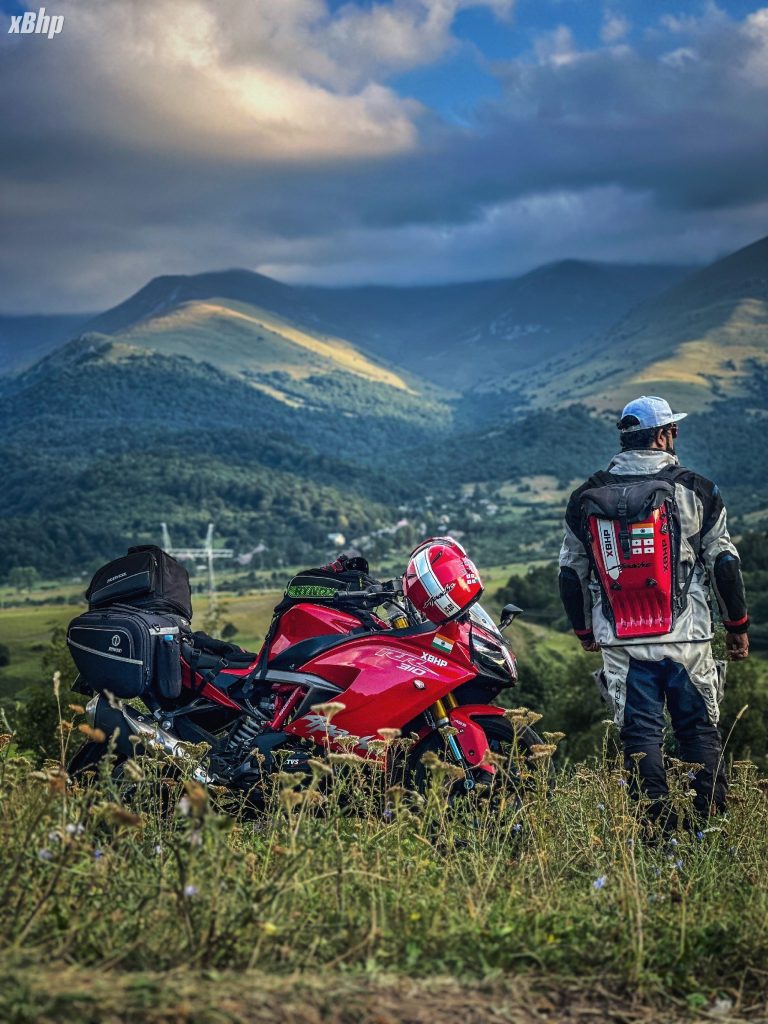
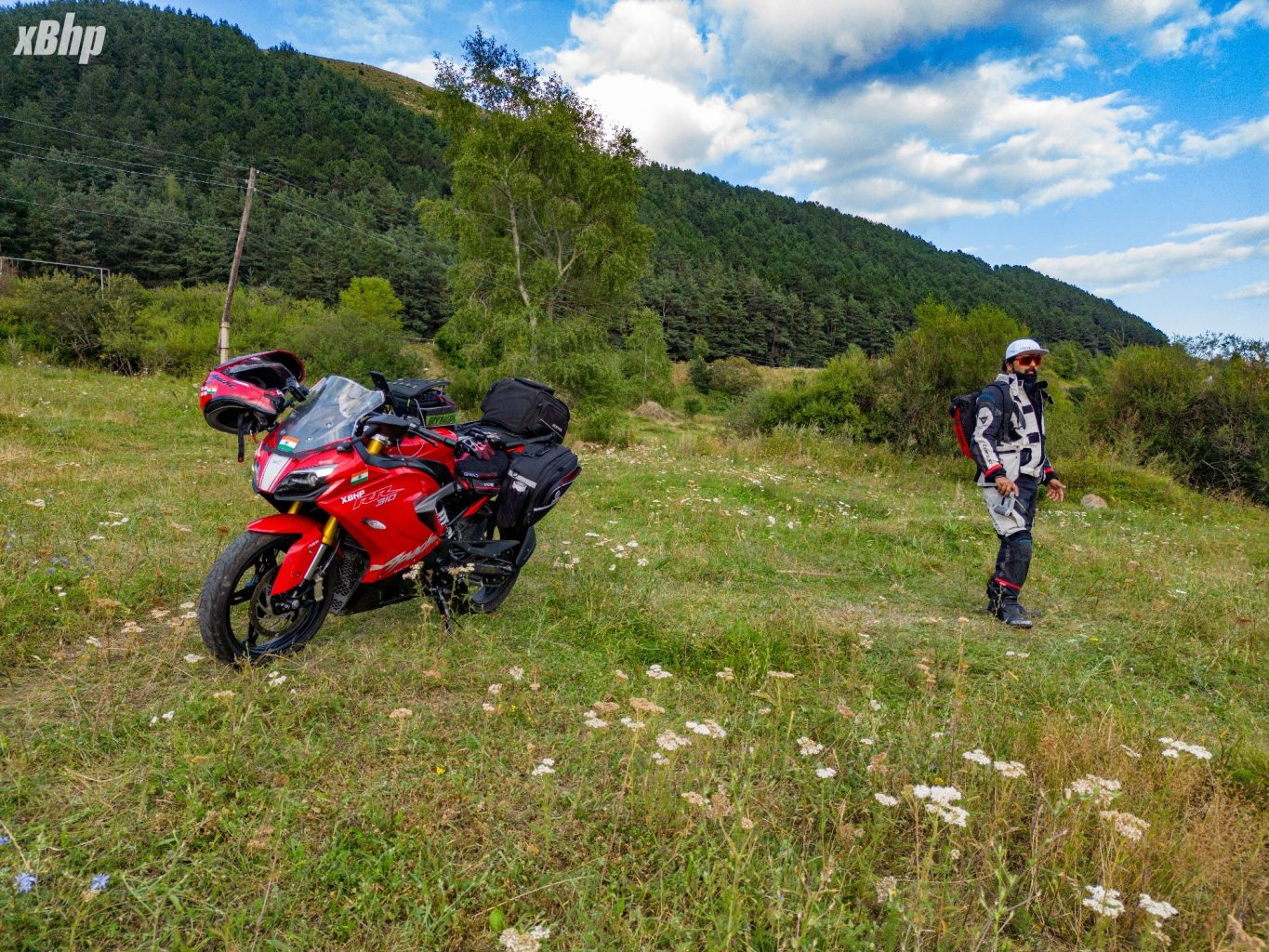
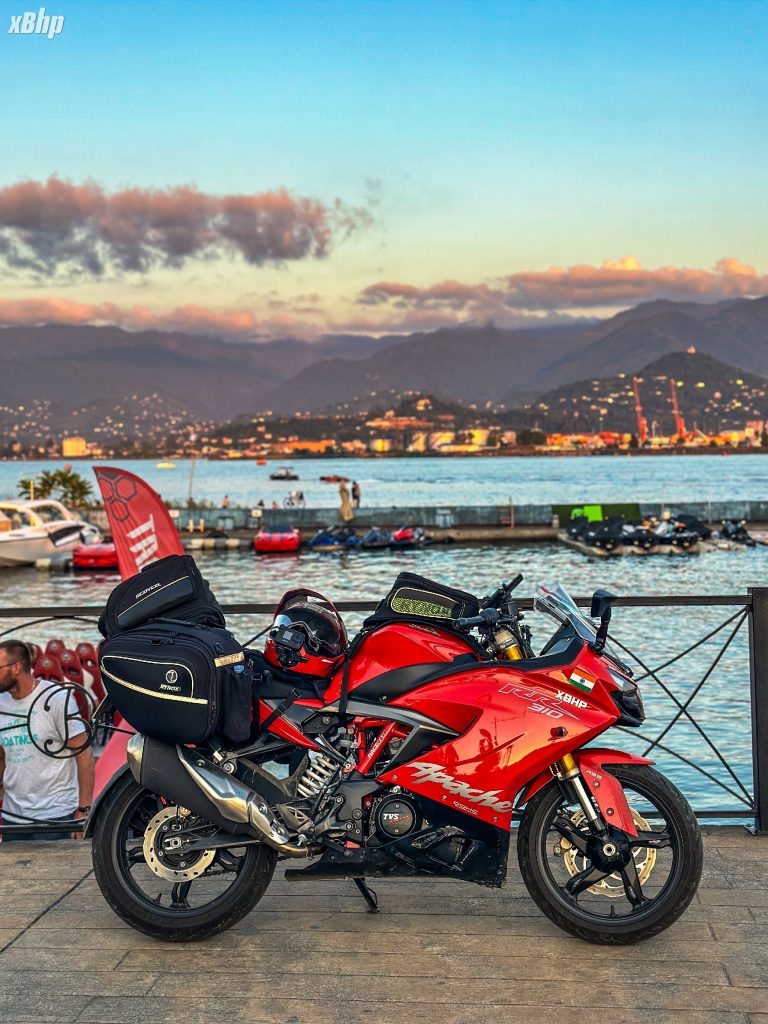
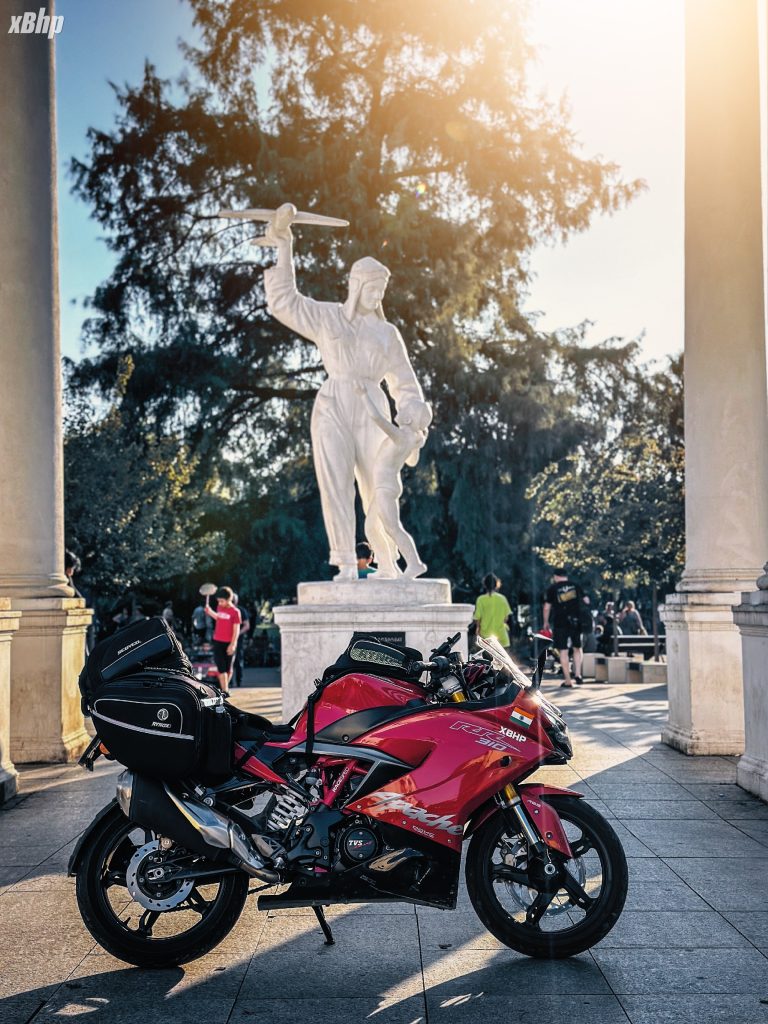
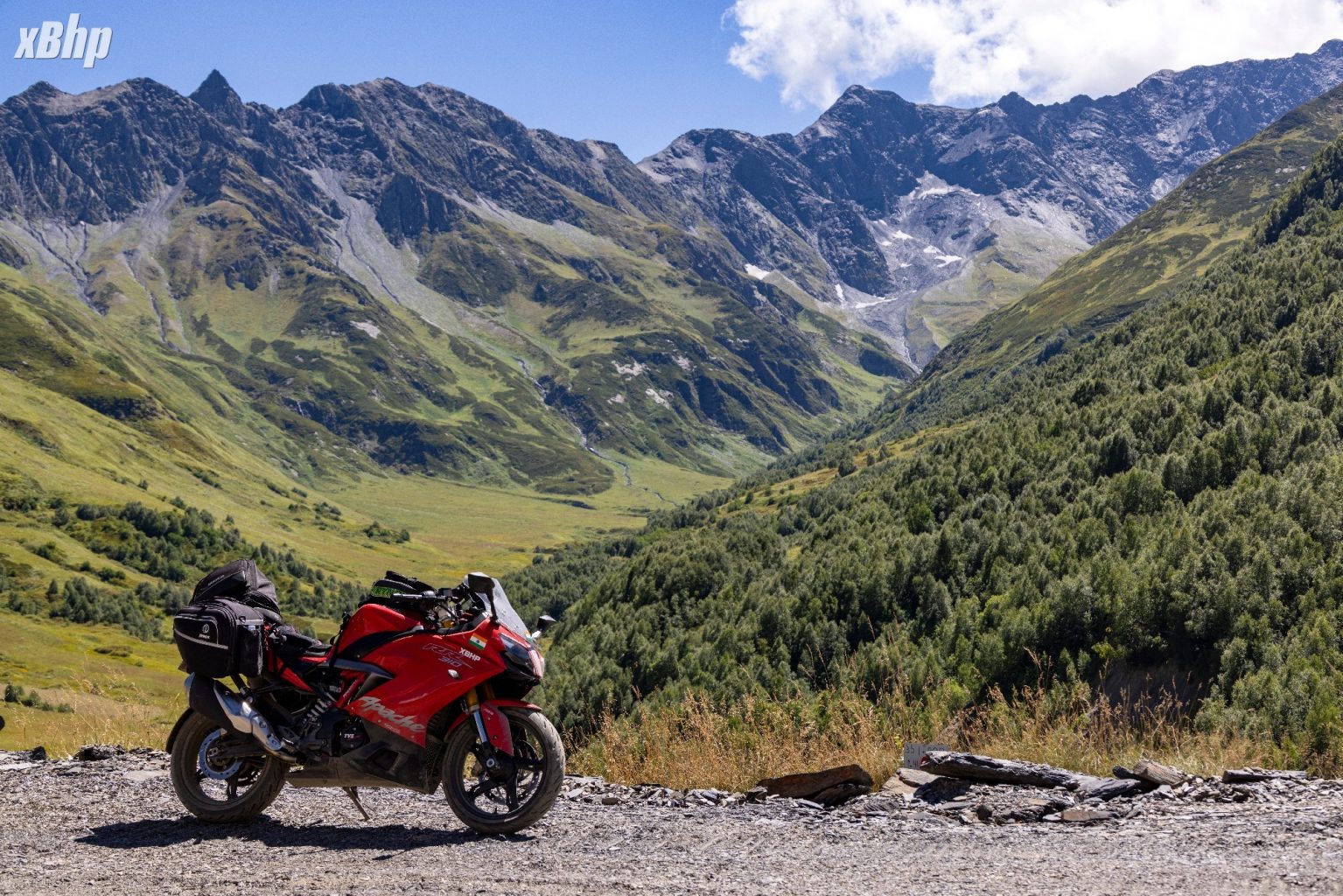
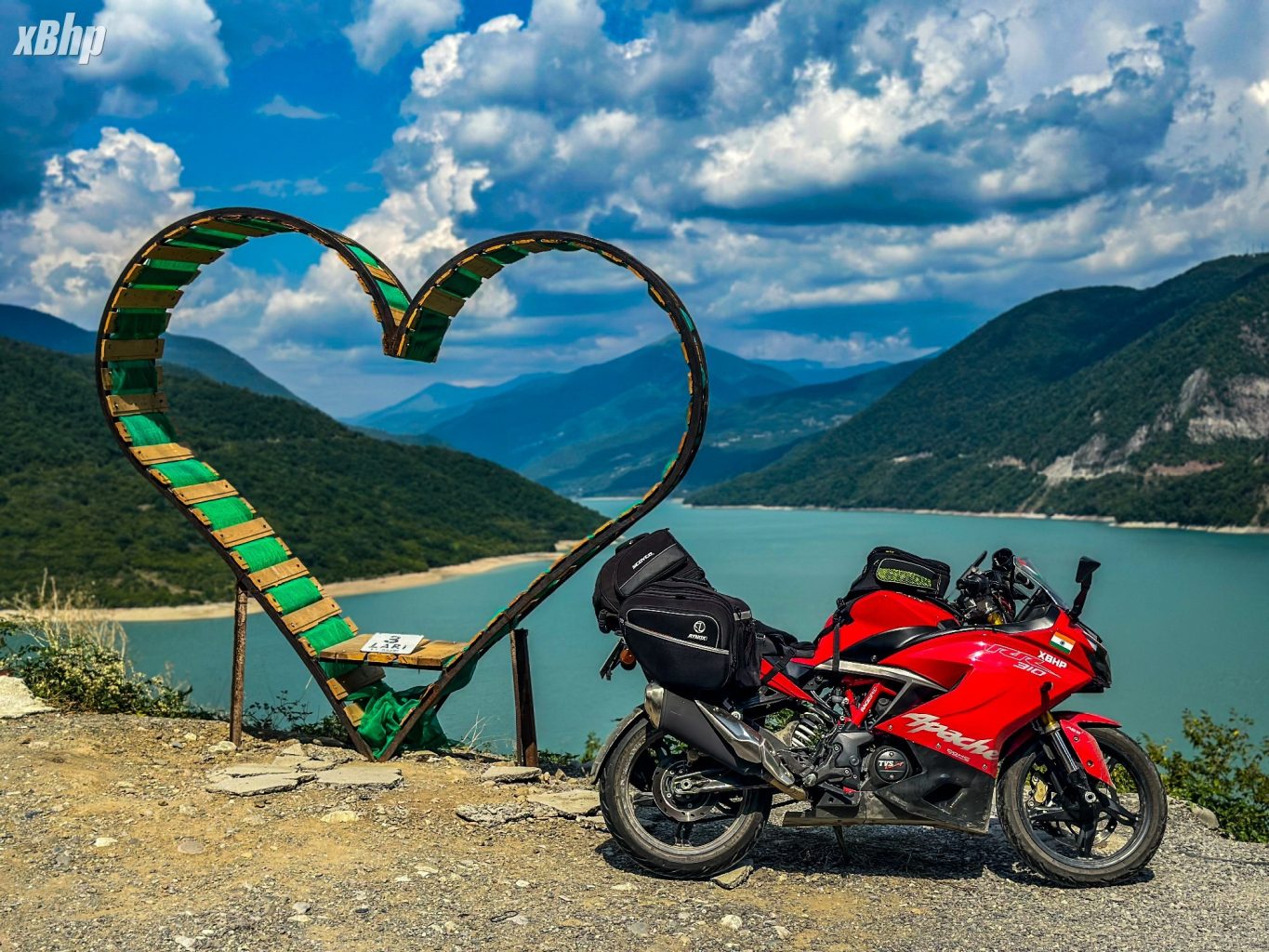
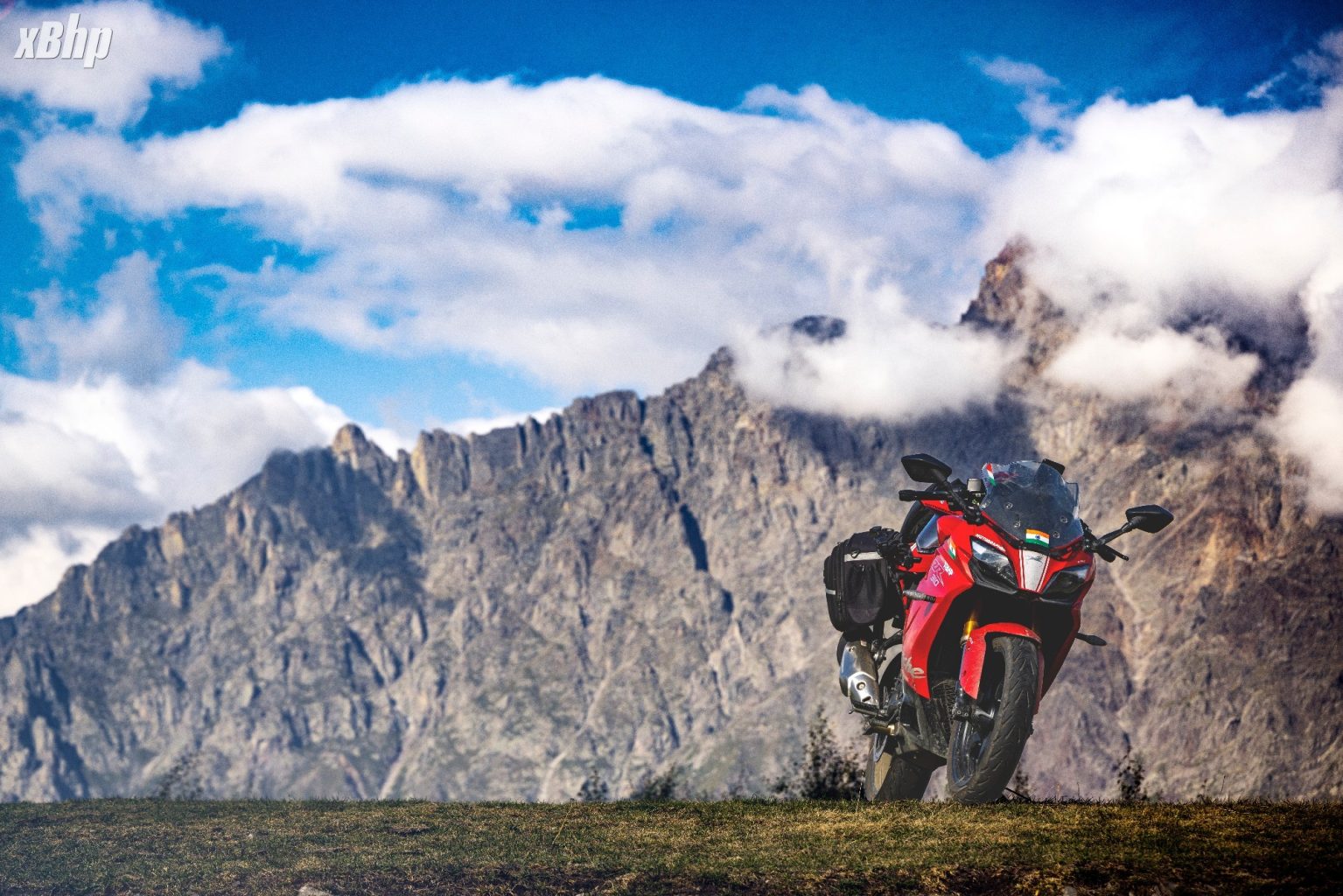
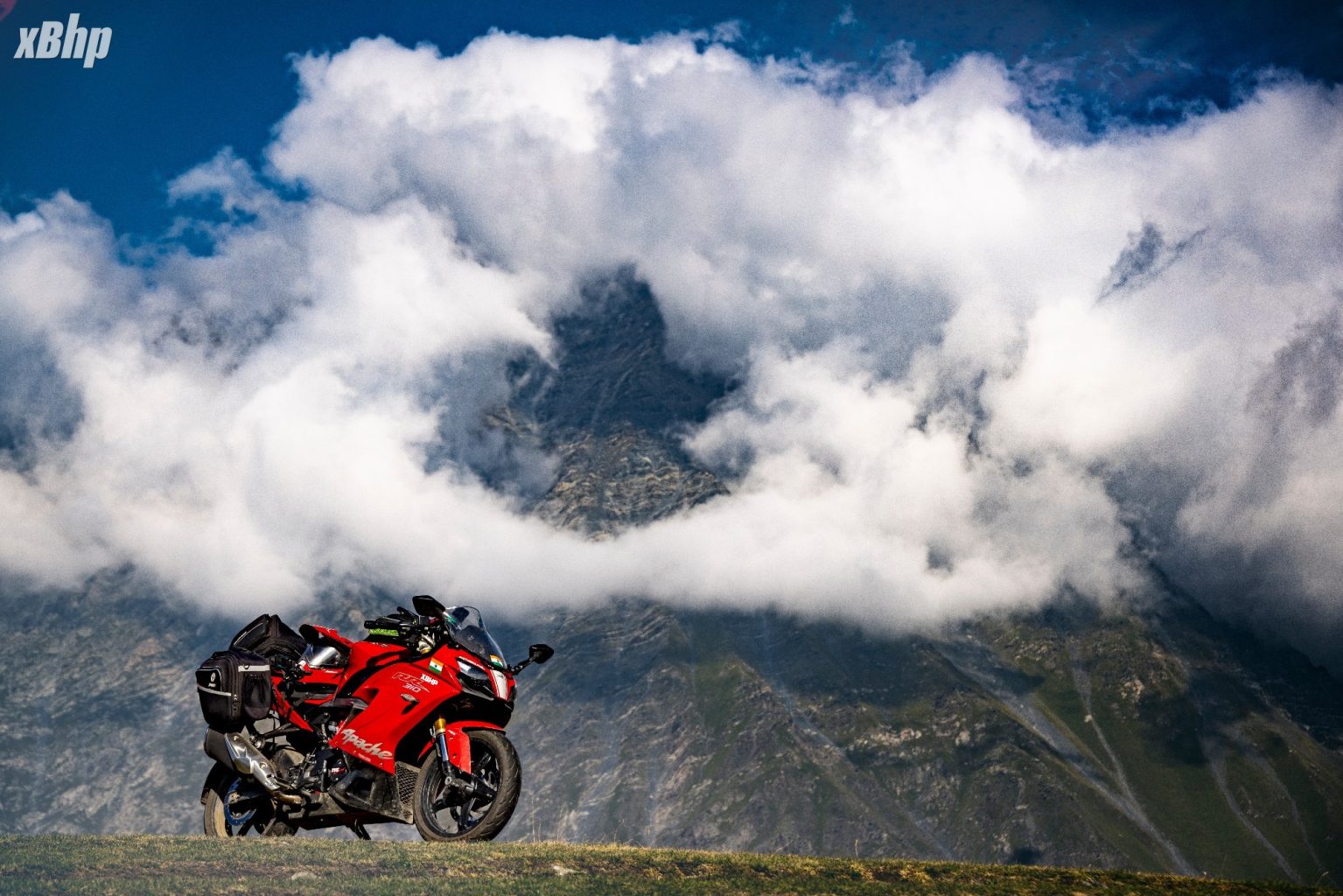
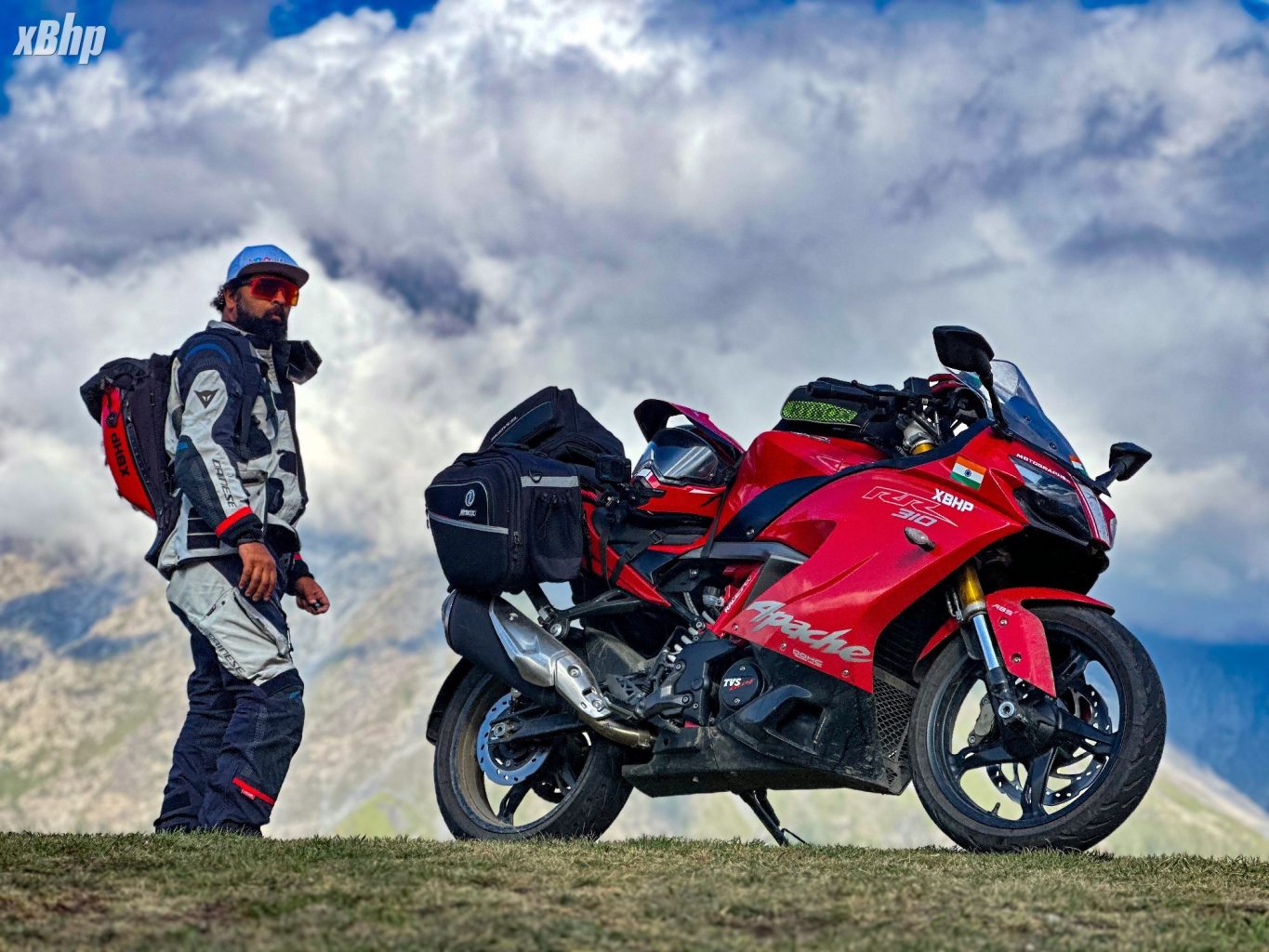
The TVS Apache RR 310 performed exceedingly well throughout the ride. 33 bhp may seem less on paper but the way it is put down with the bike is what matters. The engine is relatively relaxed at a compression ratio of a little less than 11. As a photographer, I found the RR 310 to be a delight, instantly elevating the photos to a new level, especially the one in red.
Throughout the ride, I used engine braking quite a lot since Georgia has an insane amount of mountains and sinuous roads. Reaching Europe’s Highest village settlement and crossing borders on an Indian thoroughbred motorcycle was a very proud feeling. The only necessary modification I recommend is using the JEM handlebar riser and GPS bar mount which made a lot of difference in riding comfort for long distances and bad roads.
On the highways, I touched 167 km/h, with the panniers and all the luggage, and it can cruise all day long at 120 km/h without getting stressed. In the end, a special mention must be also made about the handling characteristics of the bike. I do some pretty hard riding in the mountains when it’s empty and the tarmac is good and I never felt a lack of control. The use of top-quality rubber and components also matters. The next obvious upgrade for the RR 310 is adopting the suite of electronics from the RTR 310.
Overall, it was a surreal experience to ride in the Caucasian region, especially visiting Europe’s highest village and the first Cathedral in the world.