Since '02 xBhp is different things to different people. From a close knit national community of
bikers to India's only motorcycling lifestyle magazine and a place to make like-minded biker
friends. Join us
Since our first roadtrip in 2006, xBhp has ridden in more than 63 countries on some of the most exotic
motorcycles and cars that this planet has to offer... And the ride is still on. In these pages, let us take
you on a journey through memory lanes of all these roadtrips. We are publishing one roadtrip at a time, so keep coming back for more!
Measurement System: Speed in km/h and fuel in litres
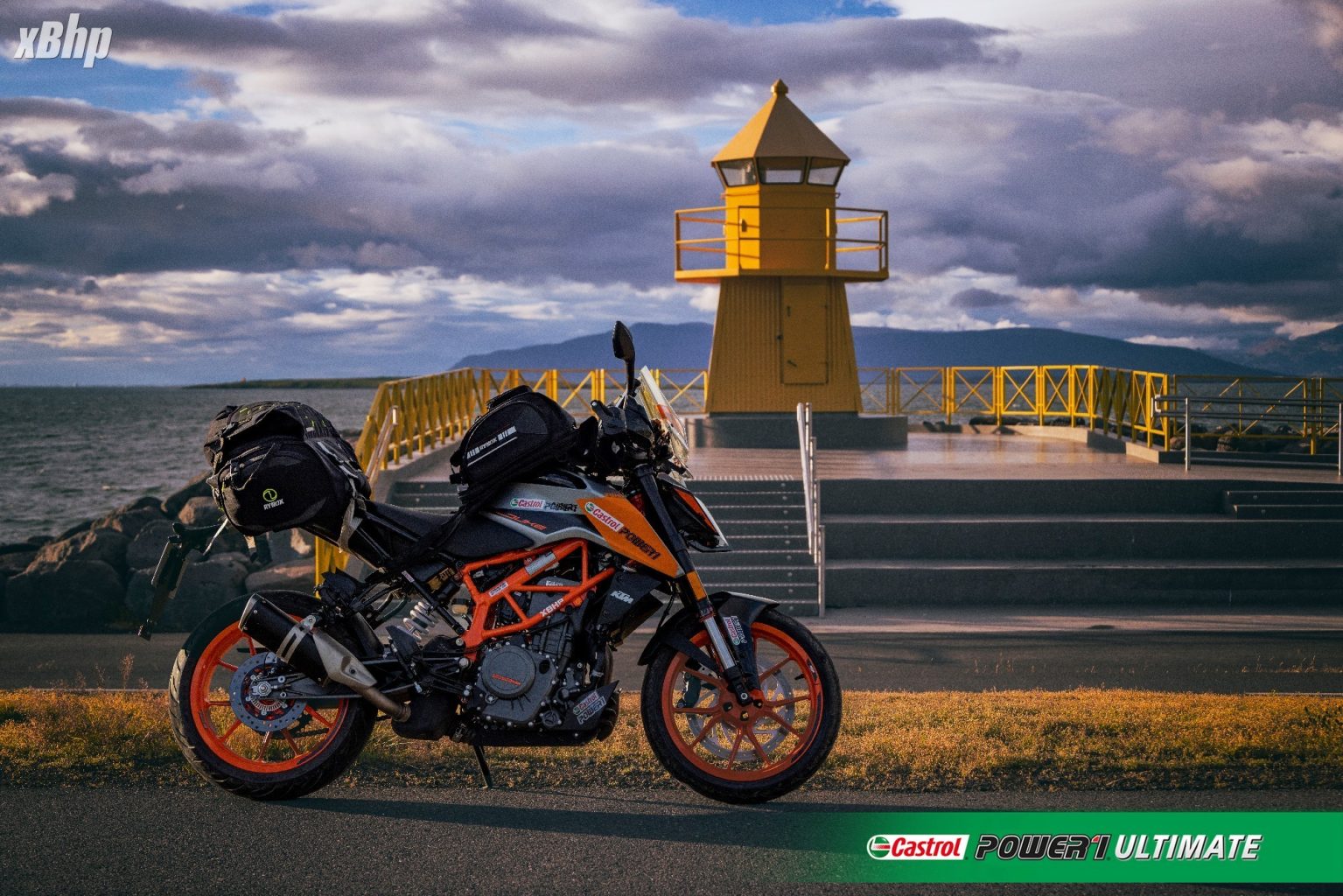
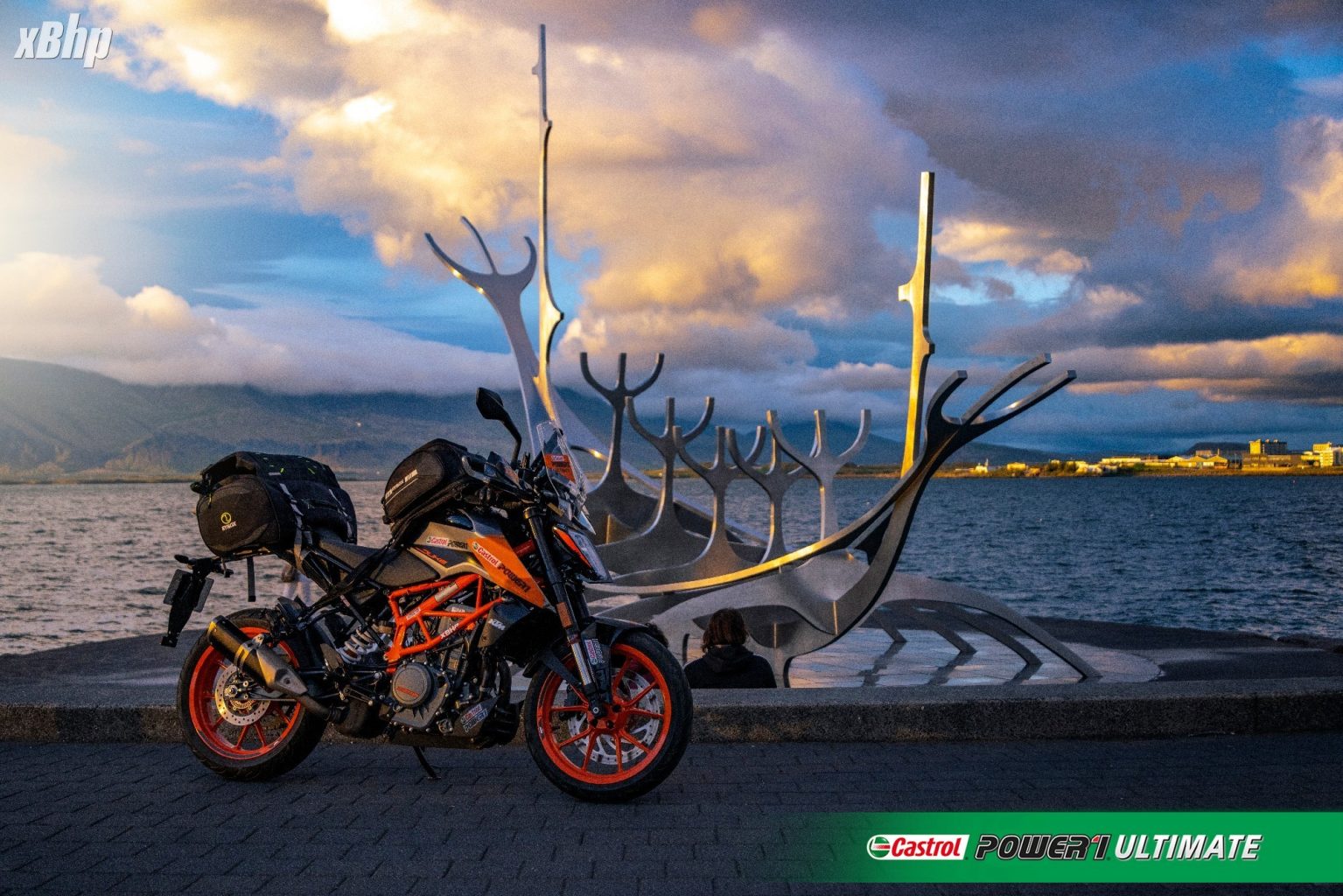
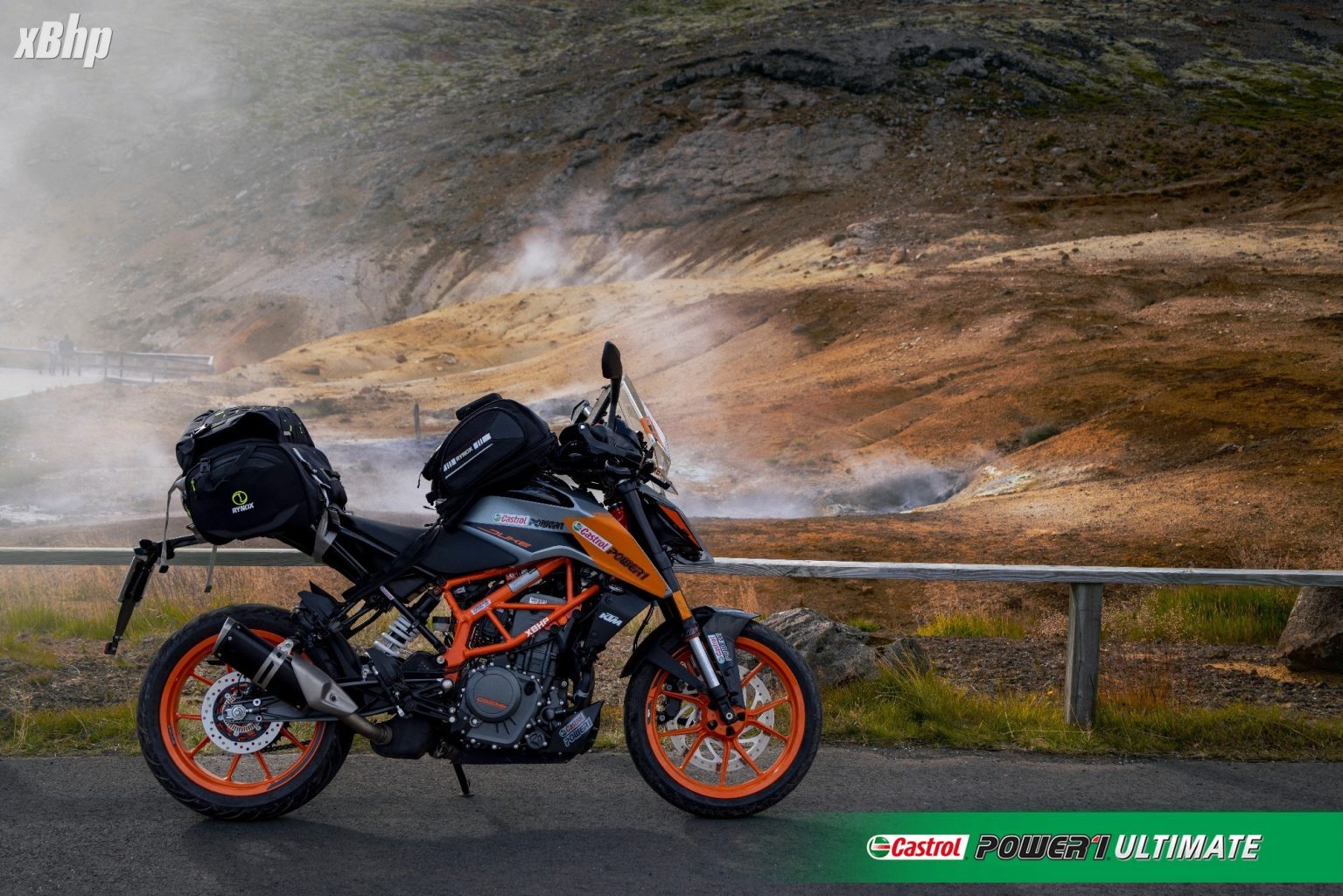
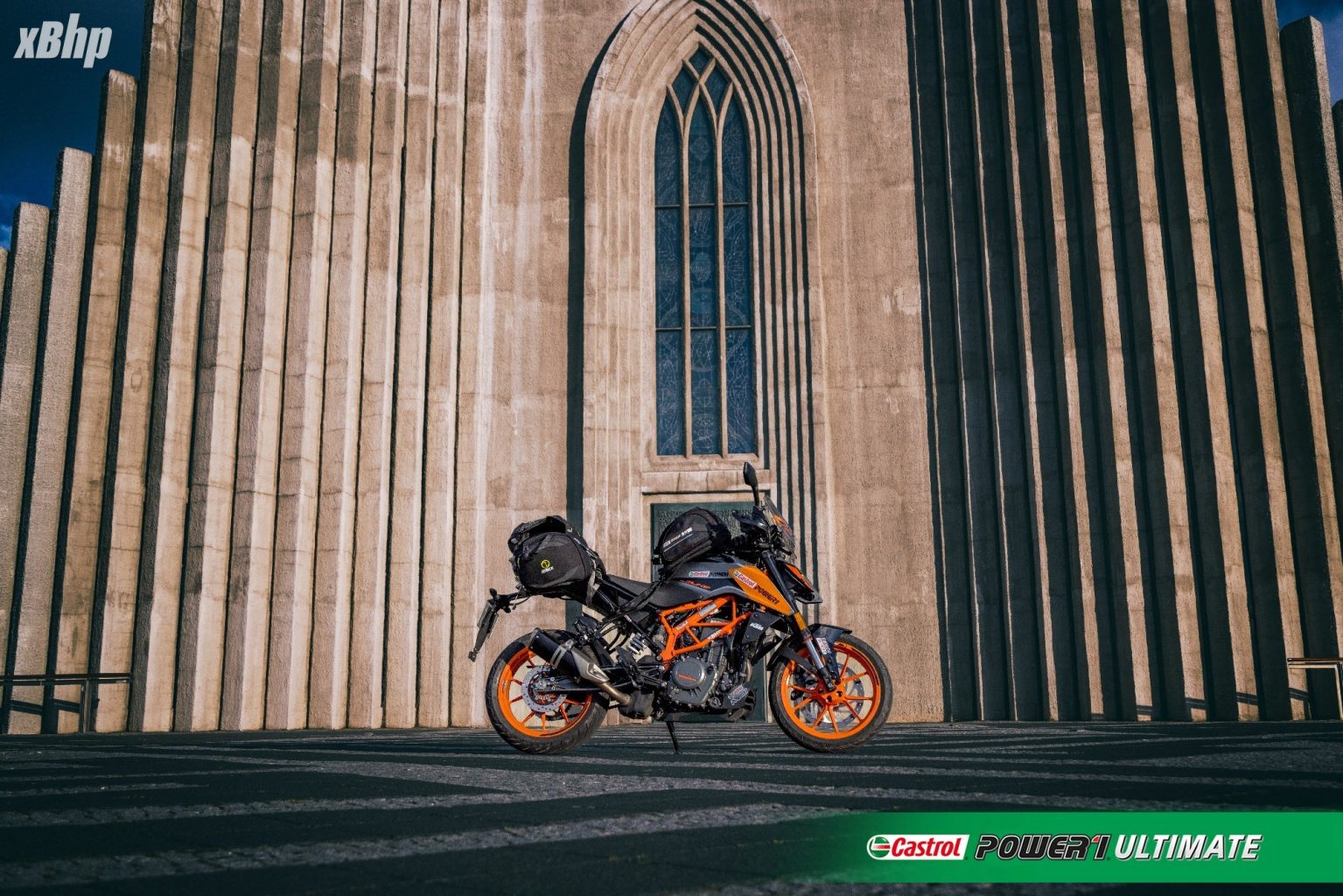
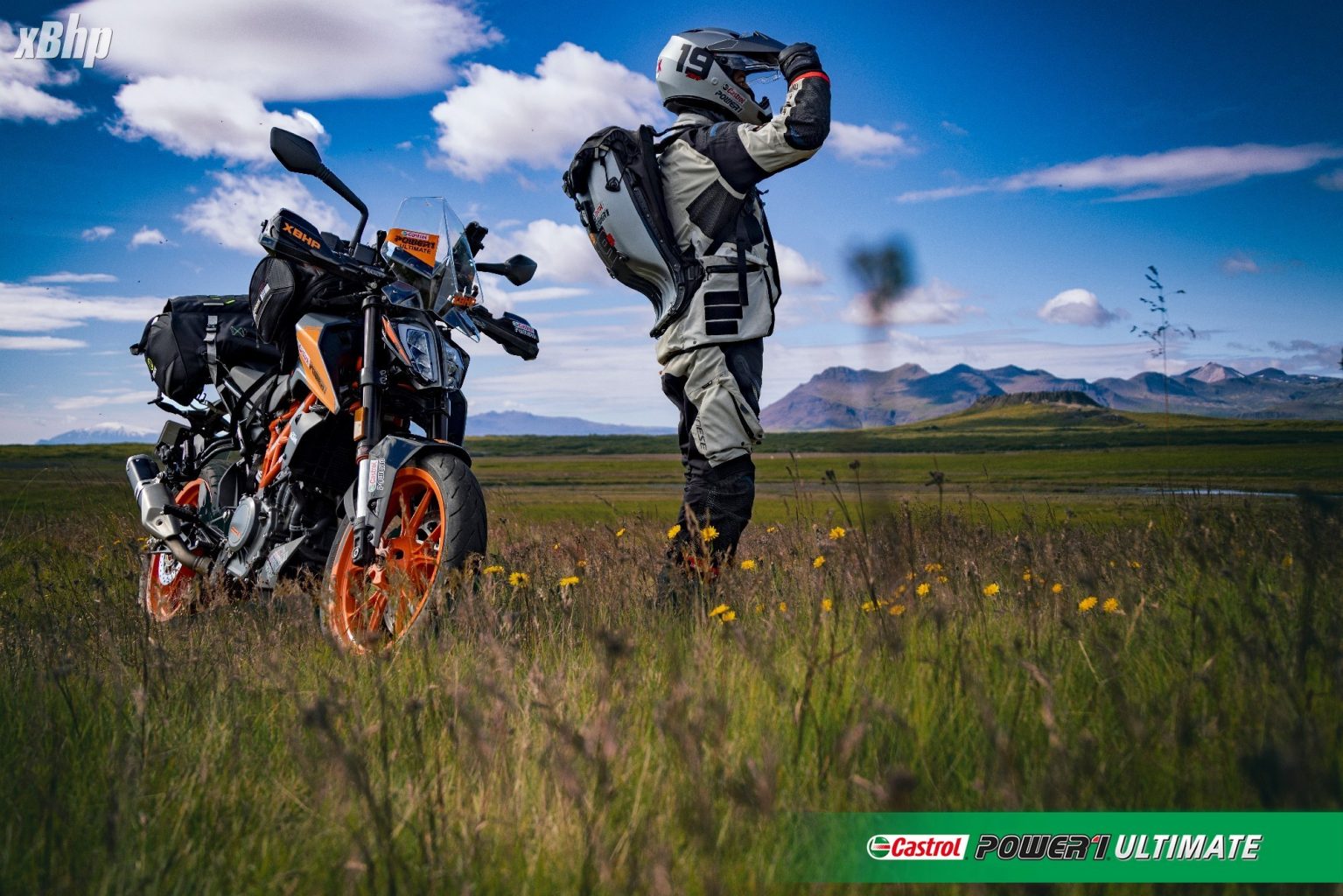
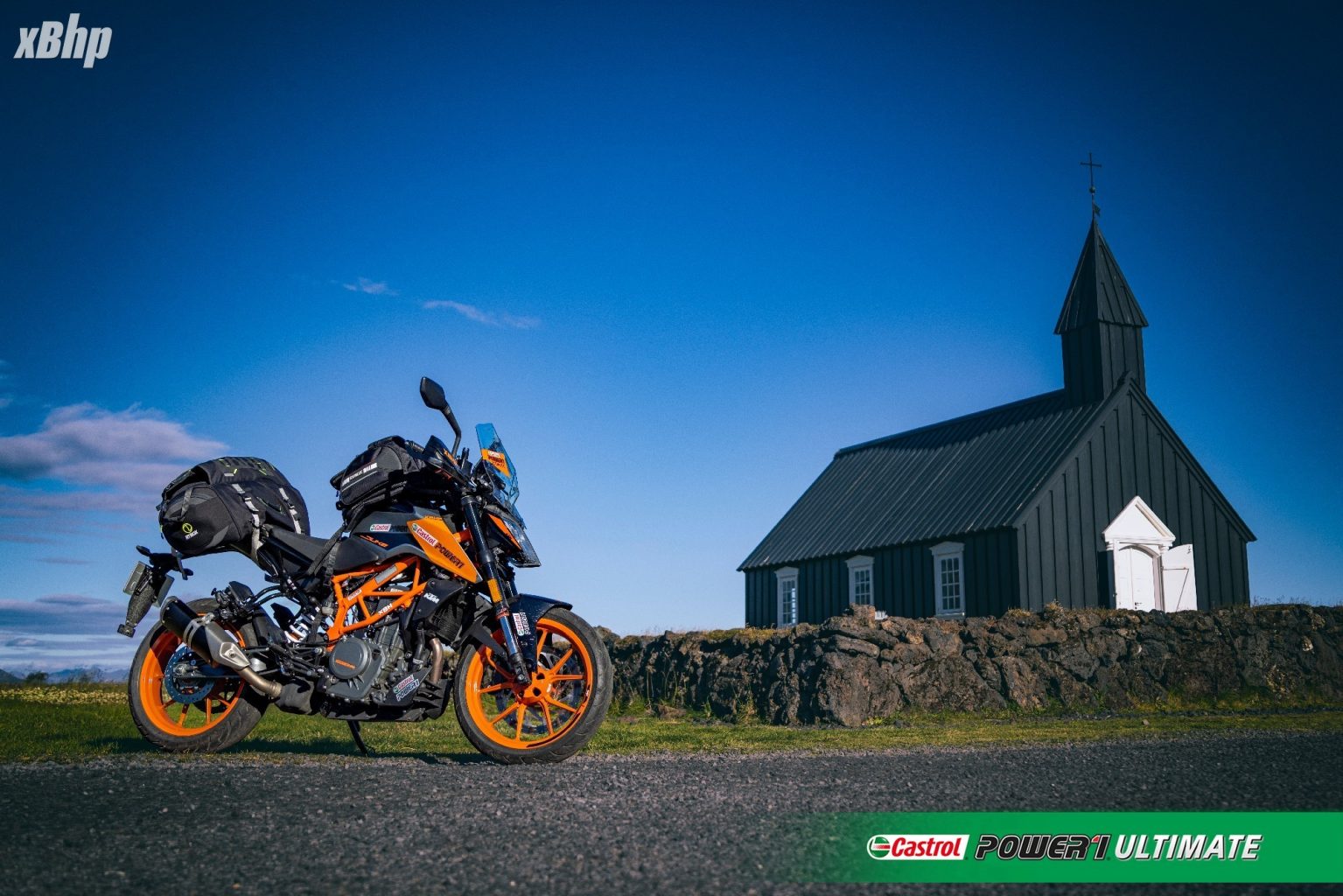
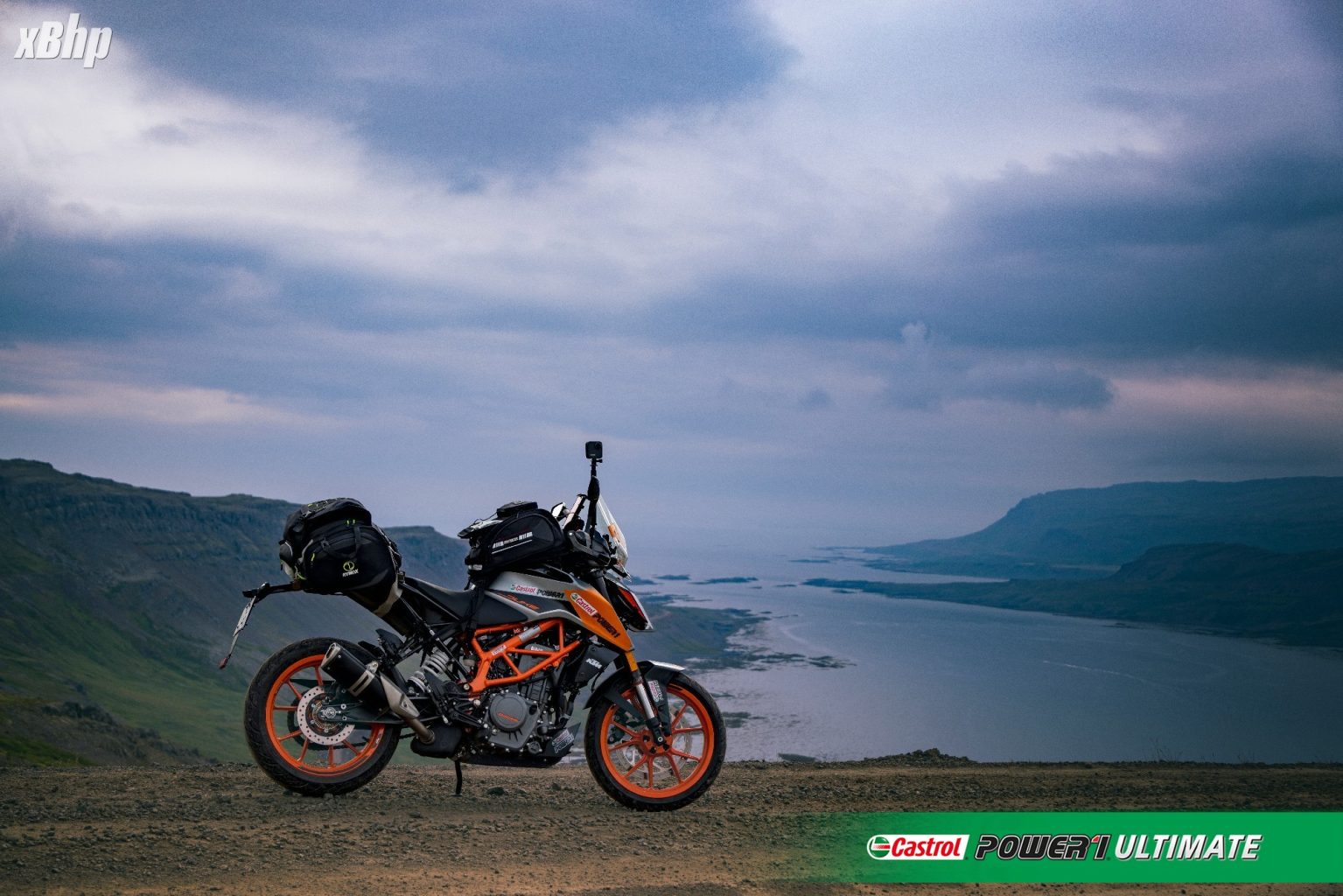
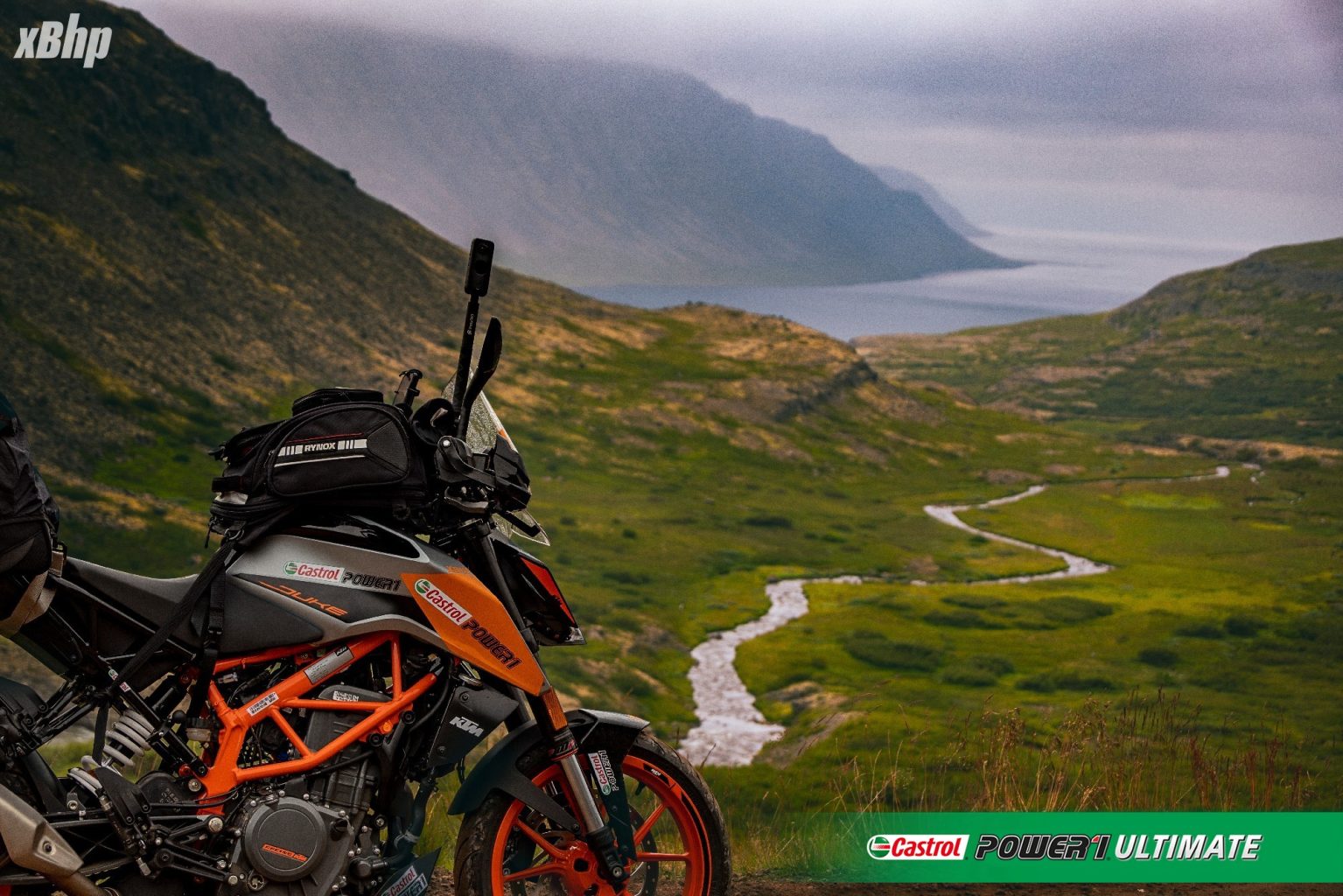
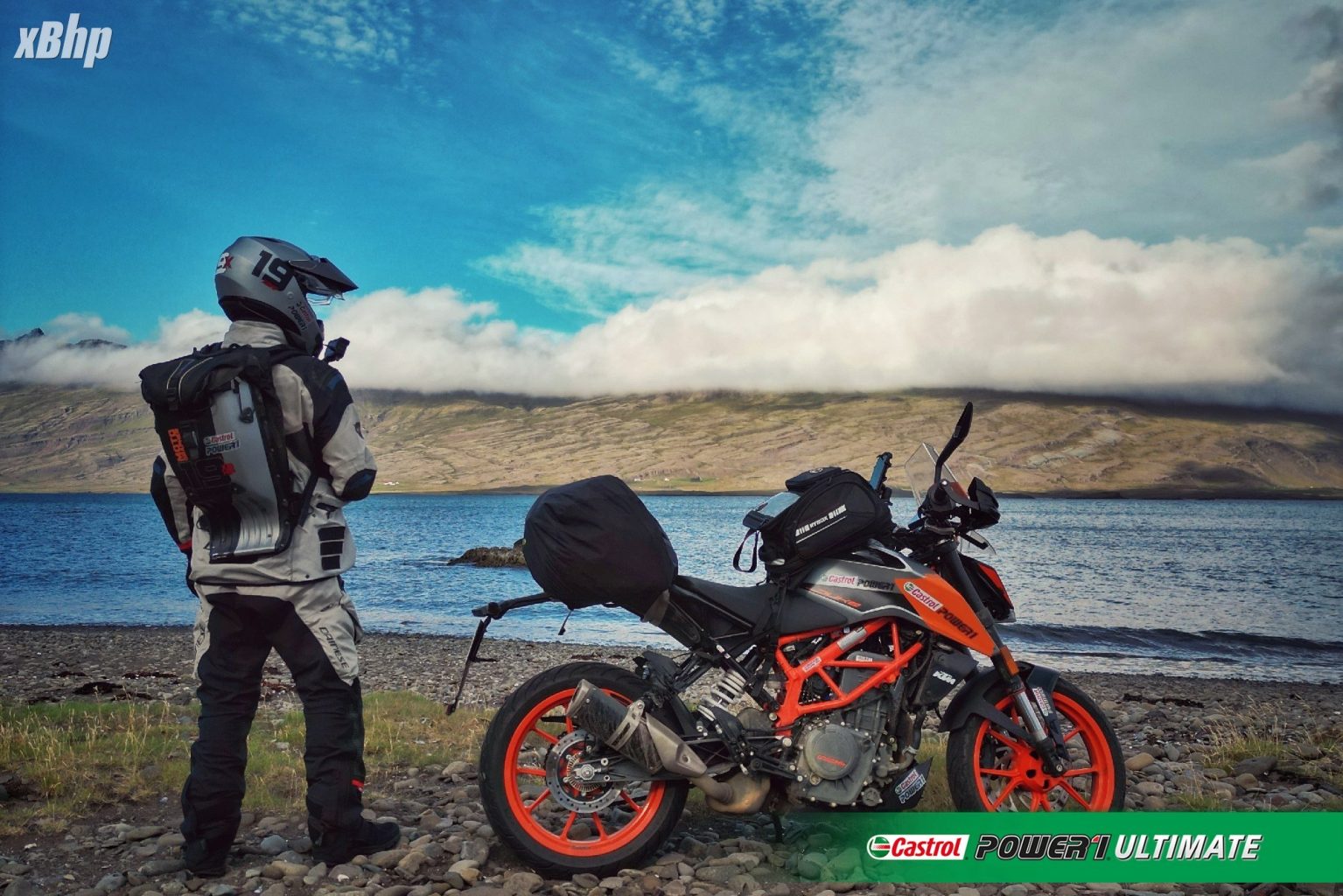
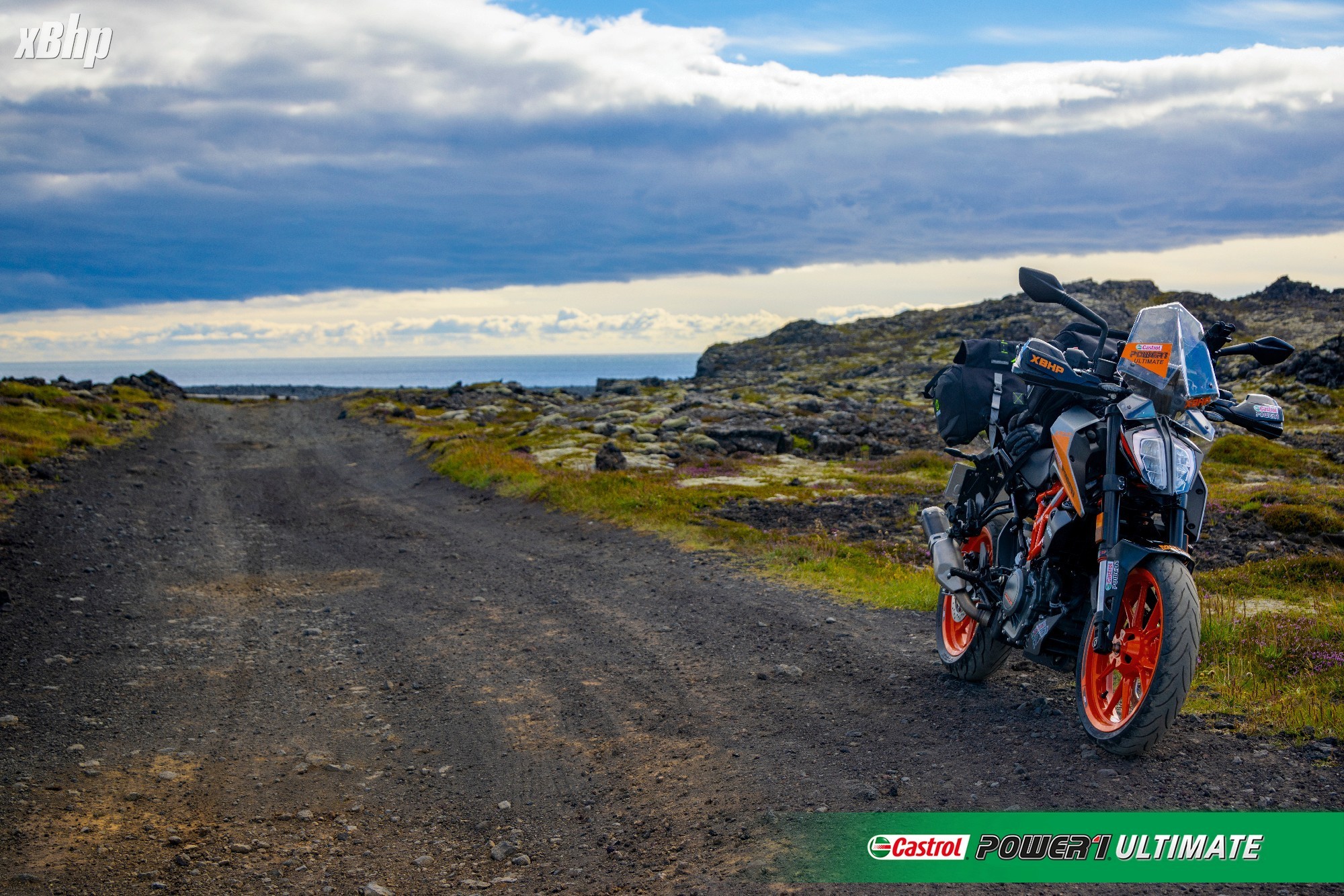
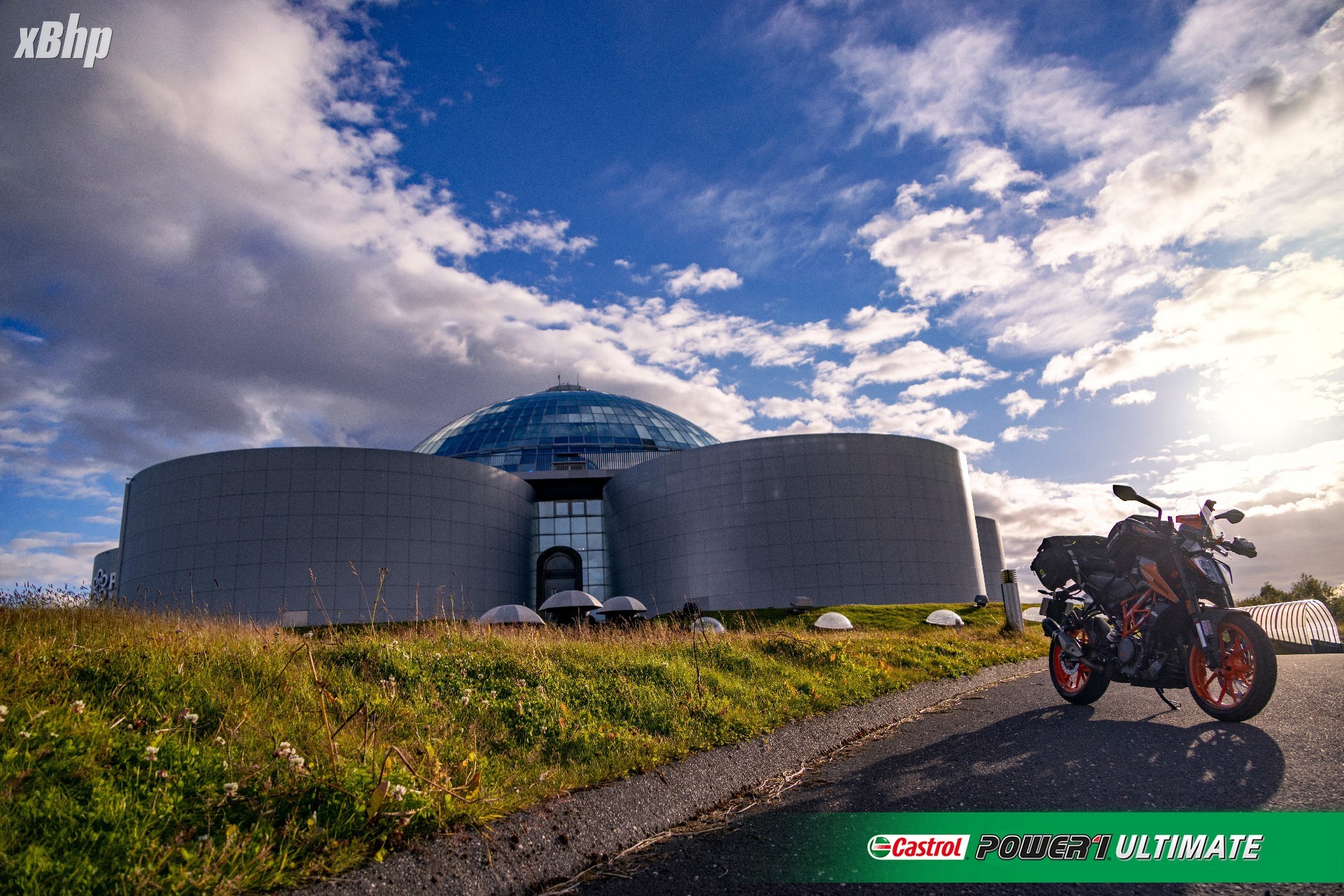
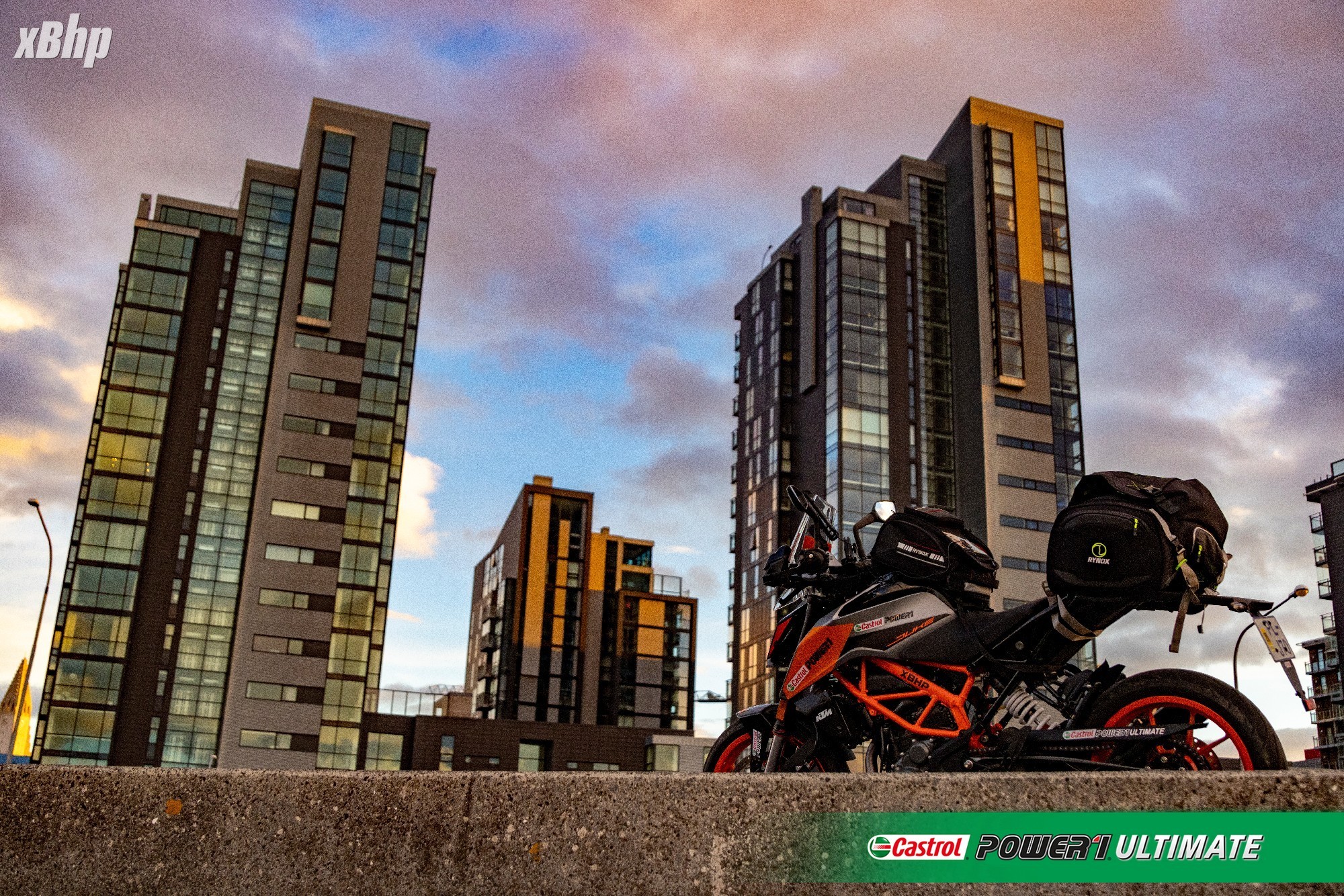
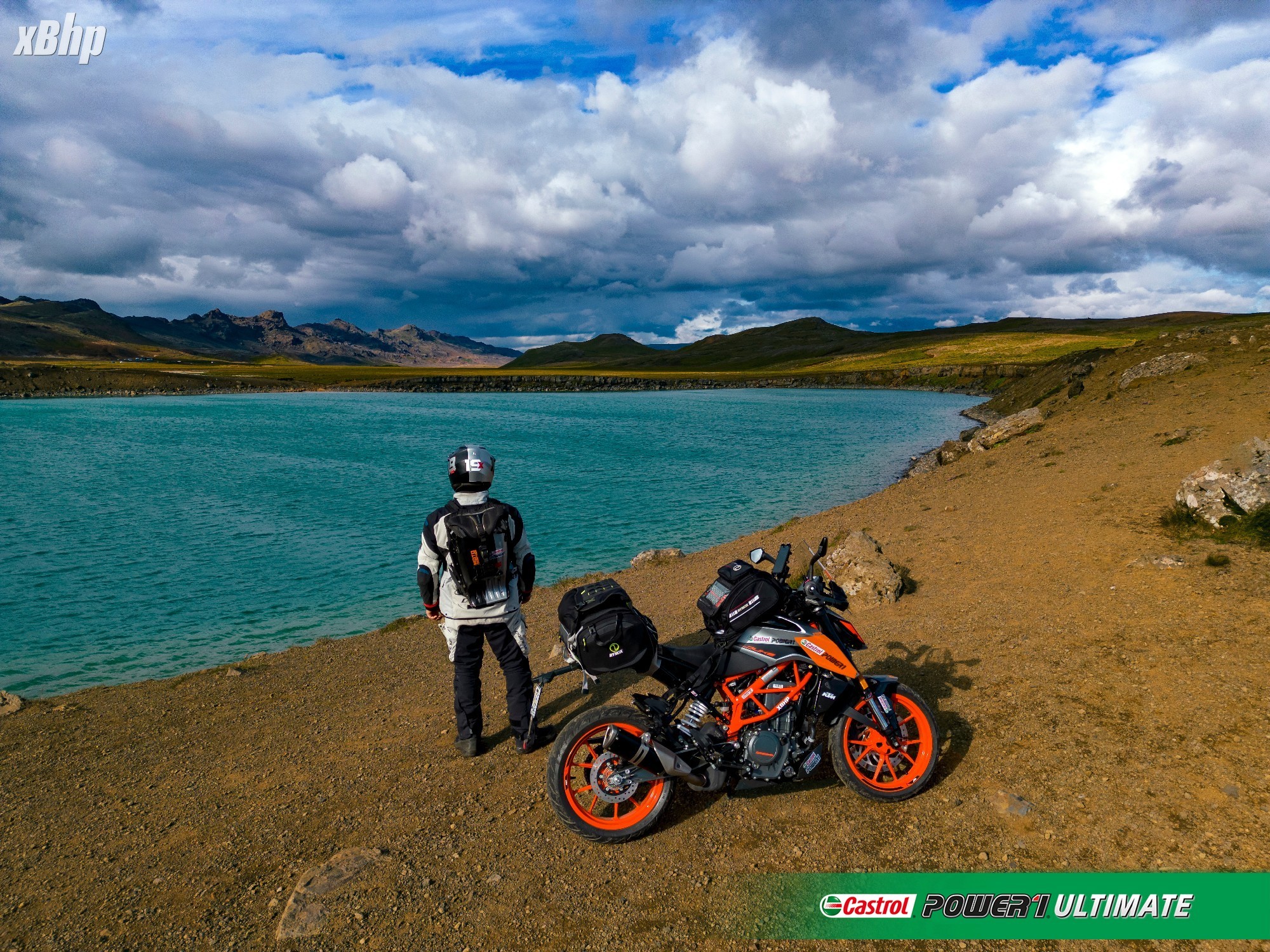
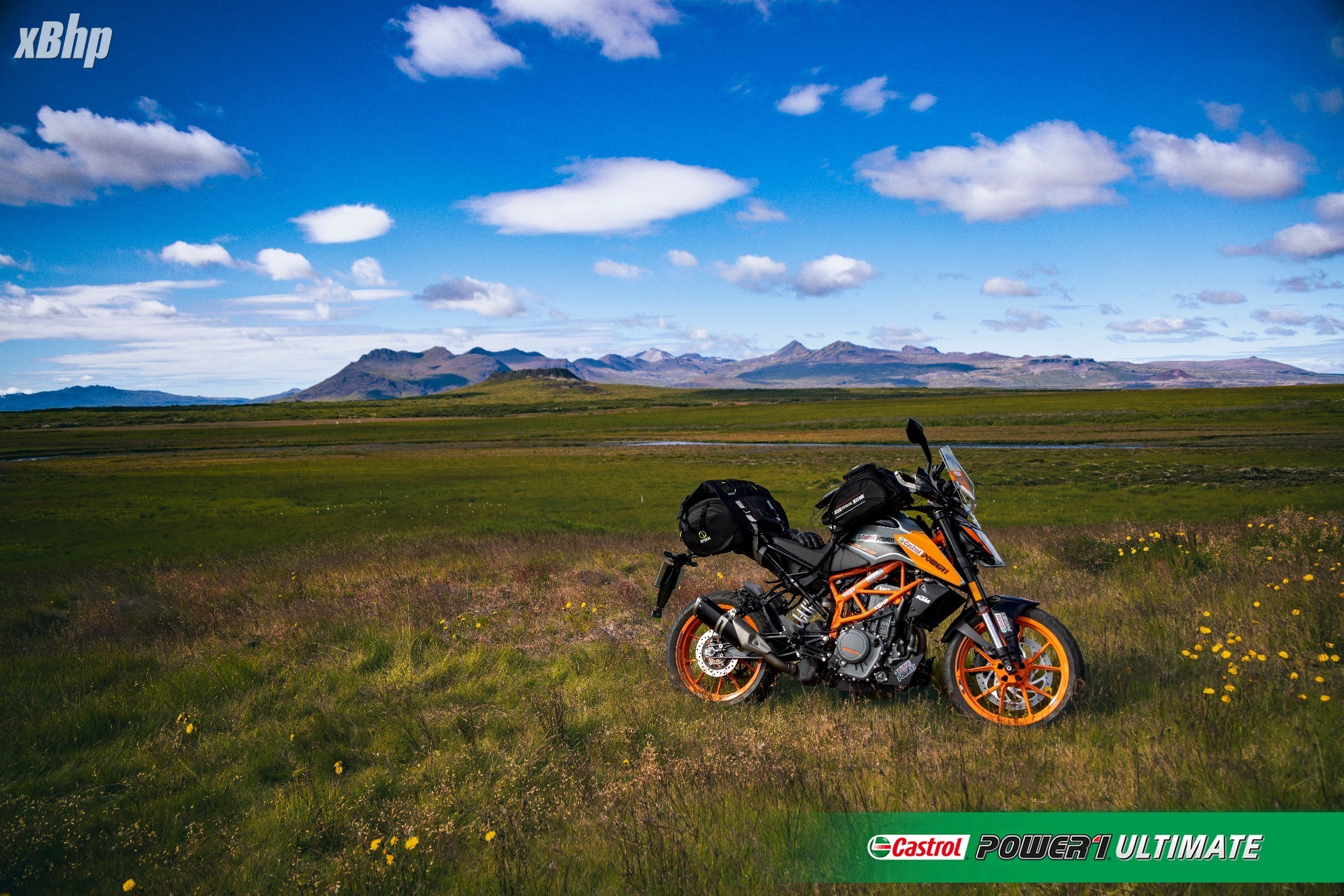
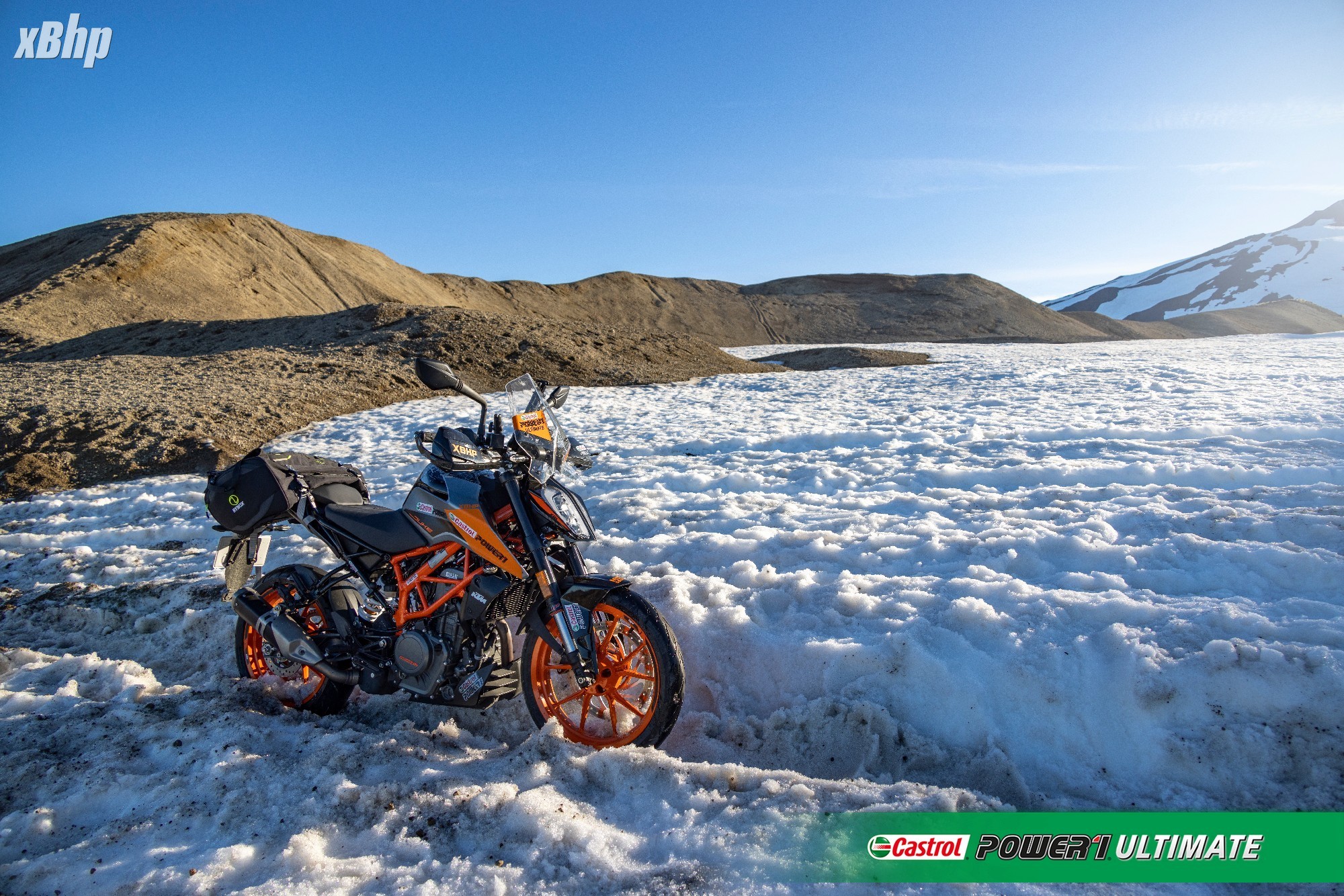
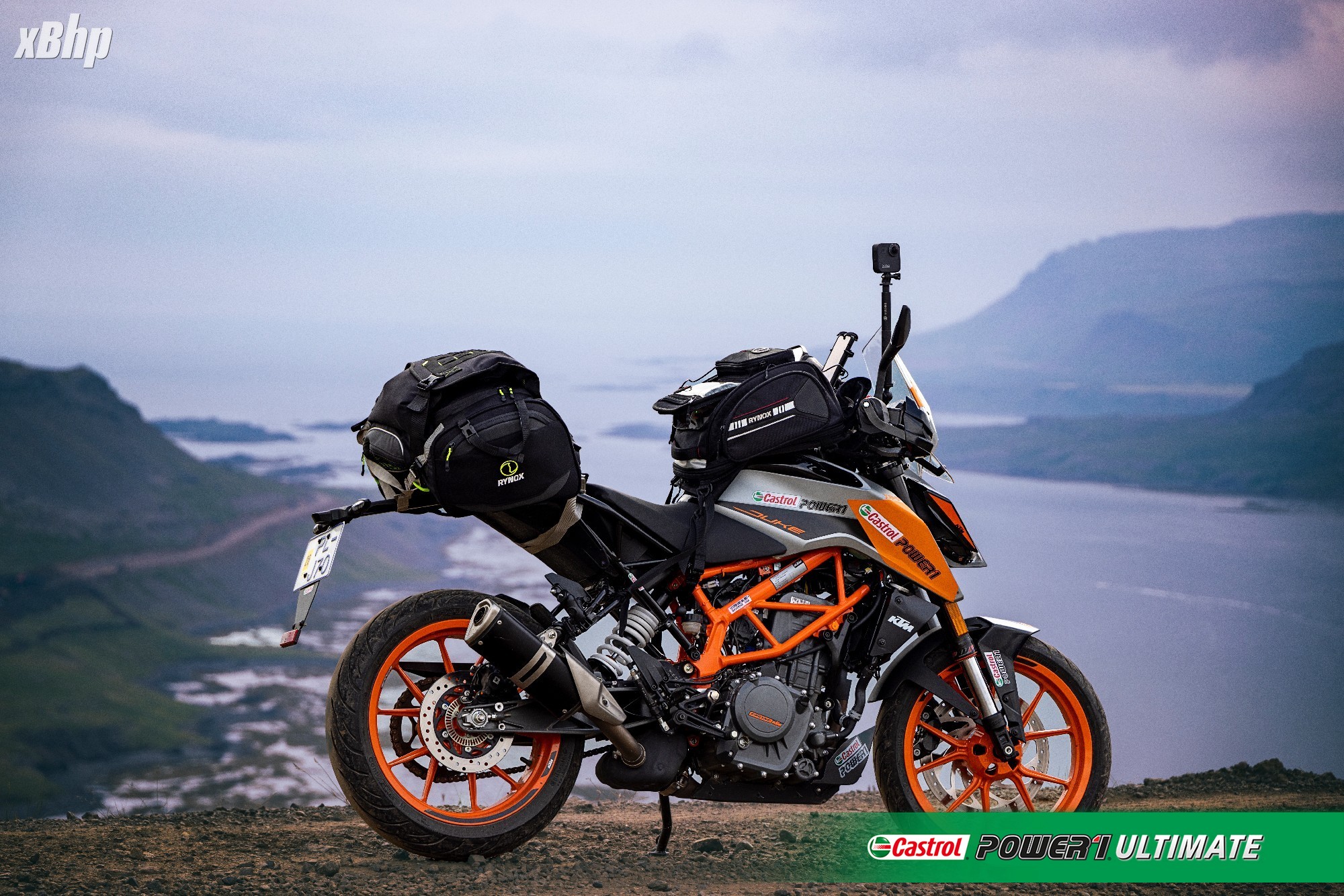
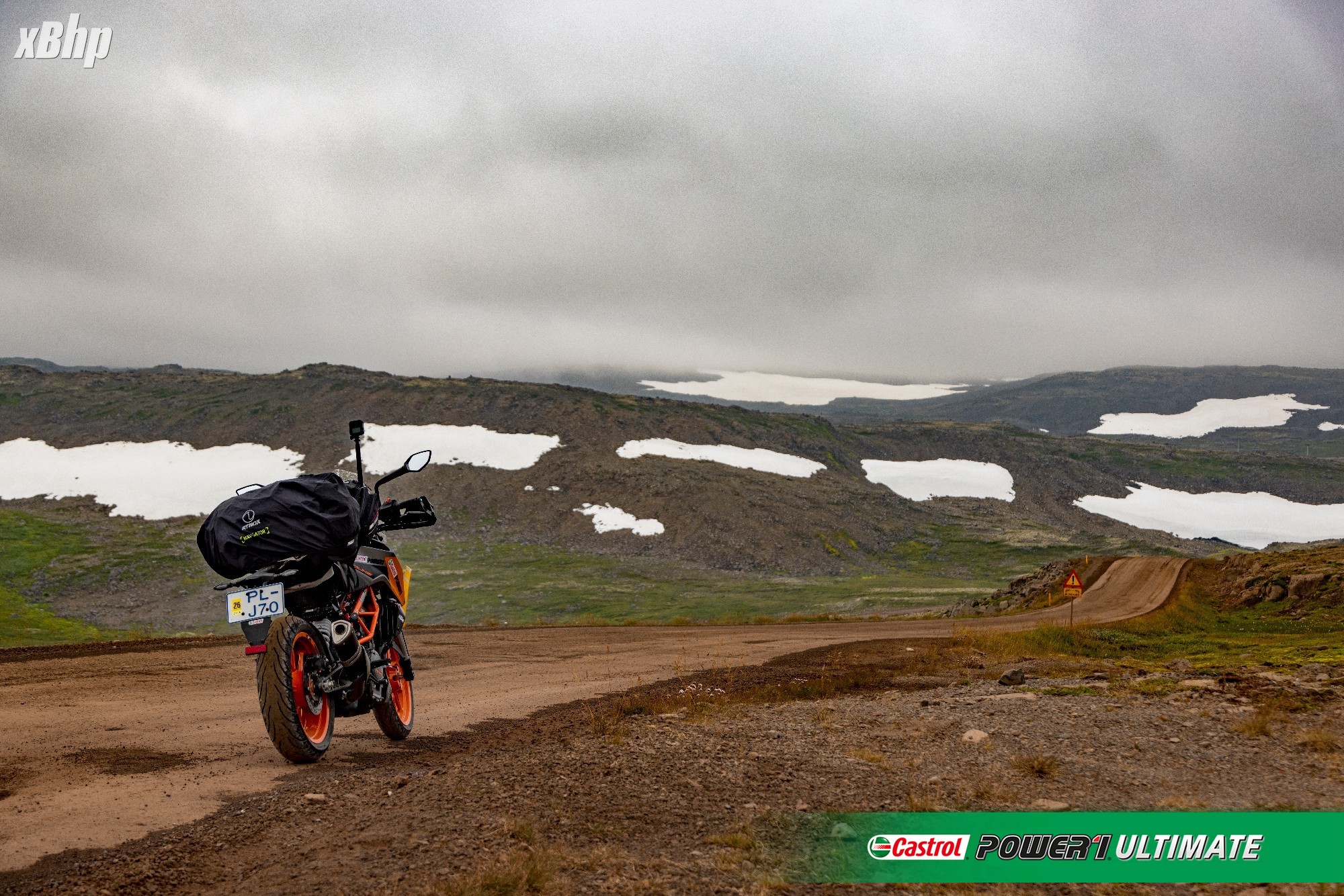
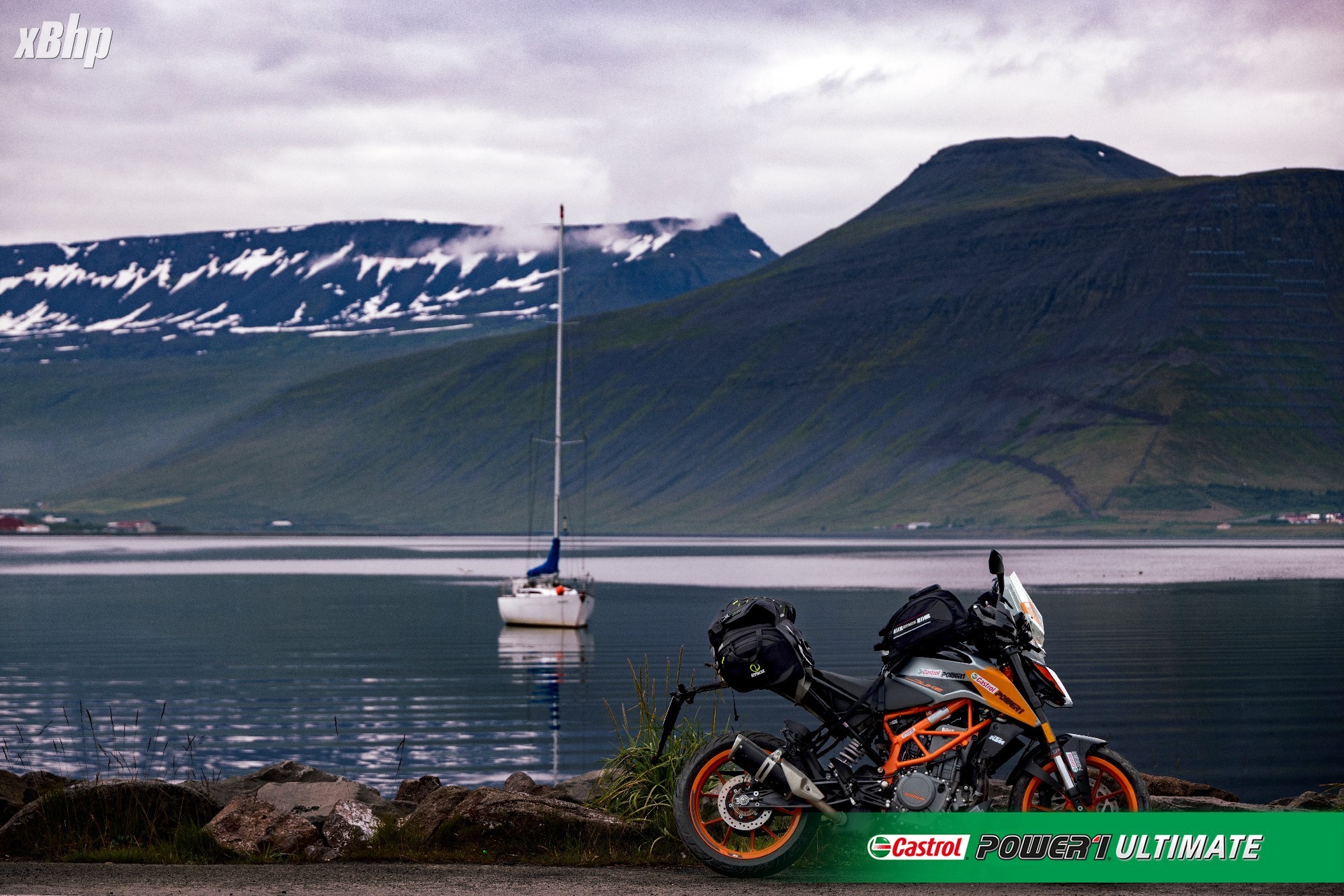
Machine: KTM 390 Duke
You can watch all the episodes from this roadtrip below. Episode 1 is linked here and you can navigate to the following episodes at the end of each video.
Setting the stage
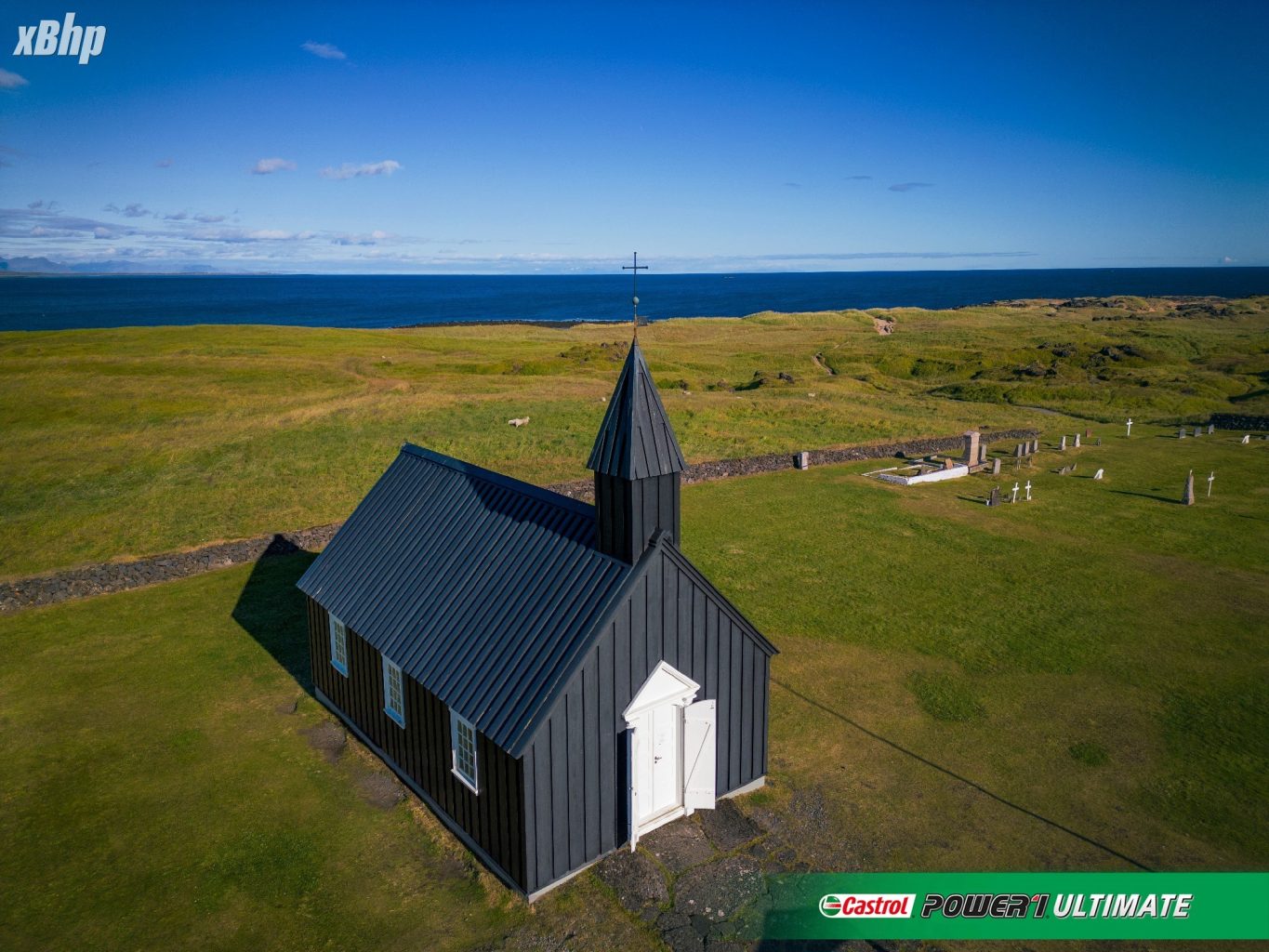
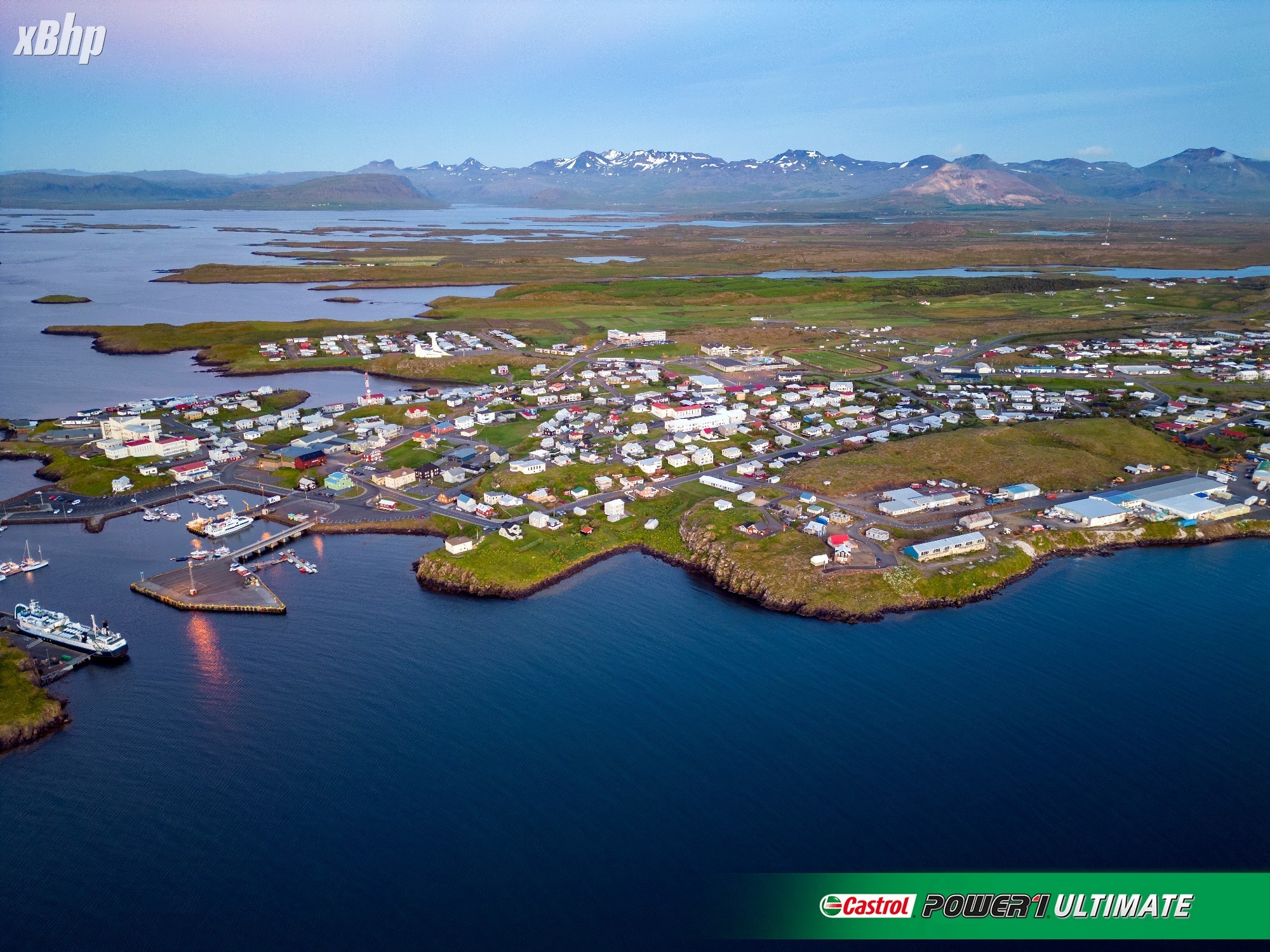
Iceland. There are many visual guides on the internet describing how to traverse this far-flung country with a name befitting a stage in a role-playing video game rather than real life. Heck, it even has a place named Bifrost and a lot of people named Thor.
So, it was pretty hard for me to decide how to present my Icelandic experience to you. My perspective is that of a motorcyclist and a content creator with a time of 10 days at hand and a fixed itinerary.
Being an Indian who had ridden and travelled across 63 countries before Iceland, including the fabled outlandish lands of Spiti Valley and Ladakh Region in India, I knew what to expect in Iceland, and was sceptical if it would impress me as a motorcyclist first and then as a content creator. After all, if you are looking for outlandish terrains and experiences on a motorcycle, the incredible Himalayas are tough to beat.
Being stuck in India for two years since the COVID pandemic began I wanted to restart my international travels with a bang. After sorting out the incredibly difficult situation of actually getting a Schengen visa, due to worldwide staff shortage, I head out to Italy for the World Ducati Week 2022 and then drove in a BMW M4 Competition for 4000 km across Italy, Switzerland and Germany before I finally boarded the flight to Iceland from Munich.
I was already on the road for a good two weeks daily in Europe, driving and creating content and I knew that the jump to a motorcycle would be the polar opposite of the comfort of a luxury performance car.
But I had no idea by what margin. Now that we have set my perspective and experience parameters, you would be in a better position to understand how I ‘processed Iceland’.
I took an Iceland Air from Munich after dropping off the insane BMW M4 Competition back at the BMW HQ. Flights were still extremely expensive. Airports are busy and short-staffed. Iceland is generally around forty per cent more expensive than the rest of Europe. Yes, it is that expensive. But it gets even more expensive in the peak season, as I found out.
Preparations (and the shocks of it!)
Best Time
June to August is both the best and worst time to visit Iceland. Warmer temperatures and practically unlimited daylight hours make it easier to ride and shoot. At the same time it is the busiest part of the year and a person like me won’t have the patience to drive beyond a plethora of tourist cars or find a parking spot.
The hotels and guest houses are prohibitively expensive and extremely hard to find a free room. More about this later.
But I still went in the first week of August.
The vehicle
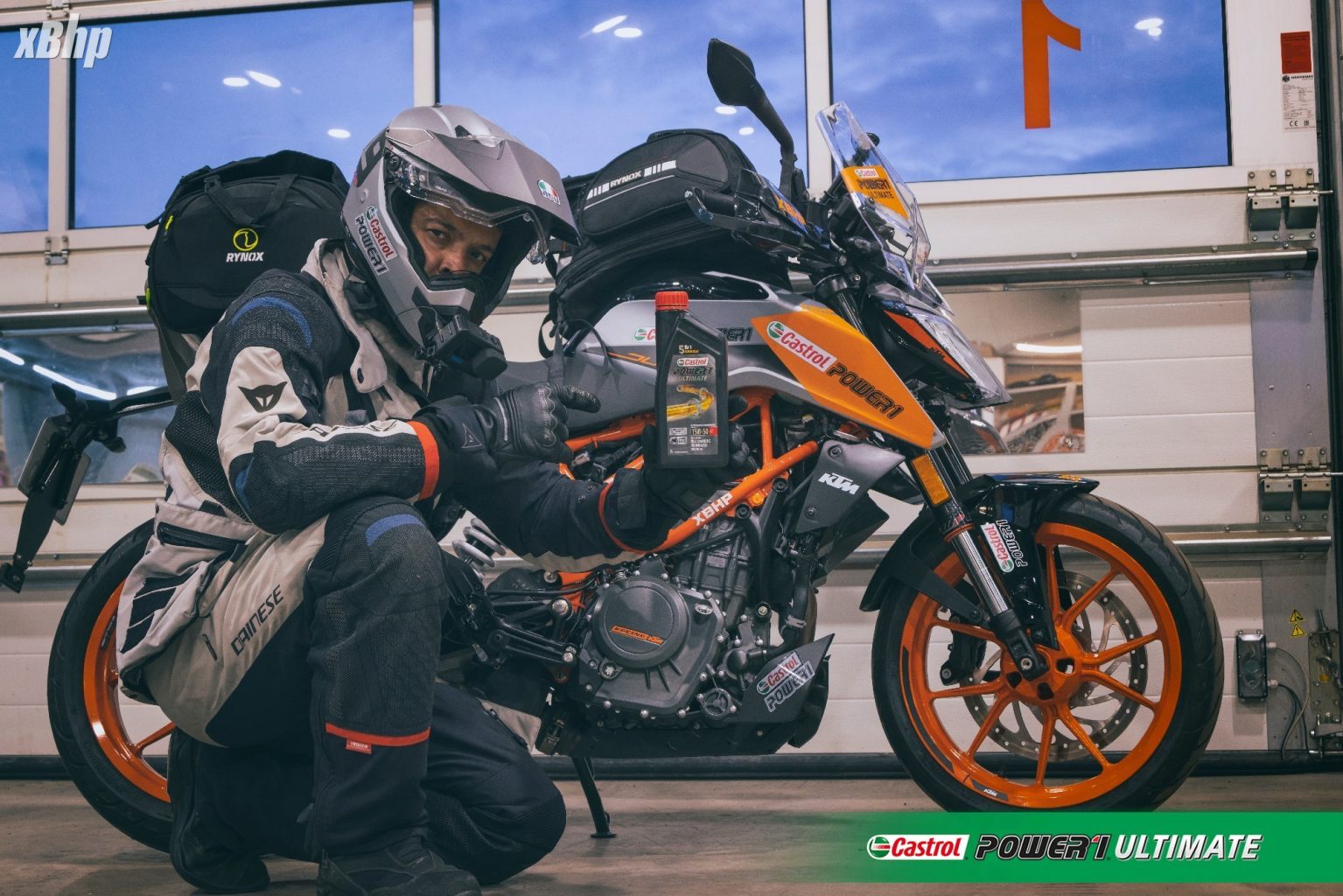
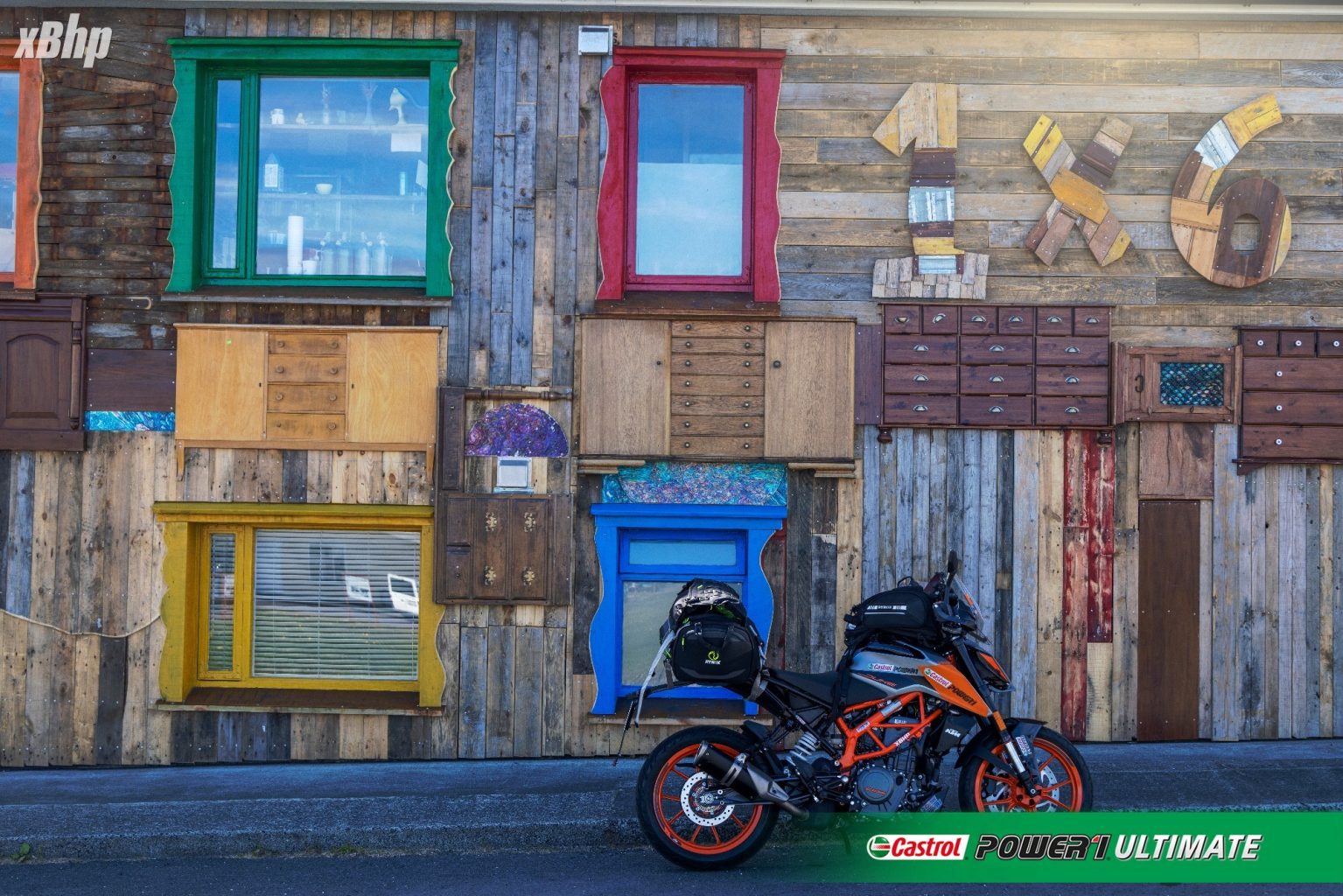
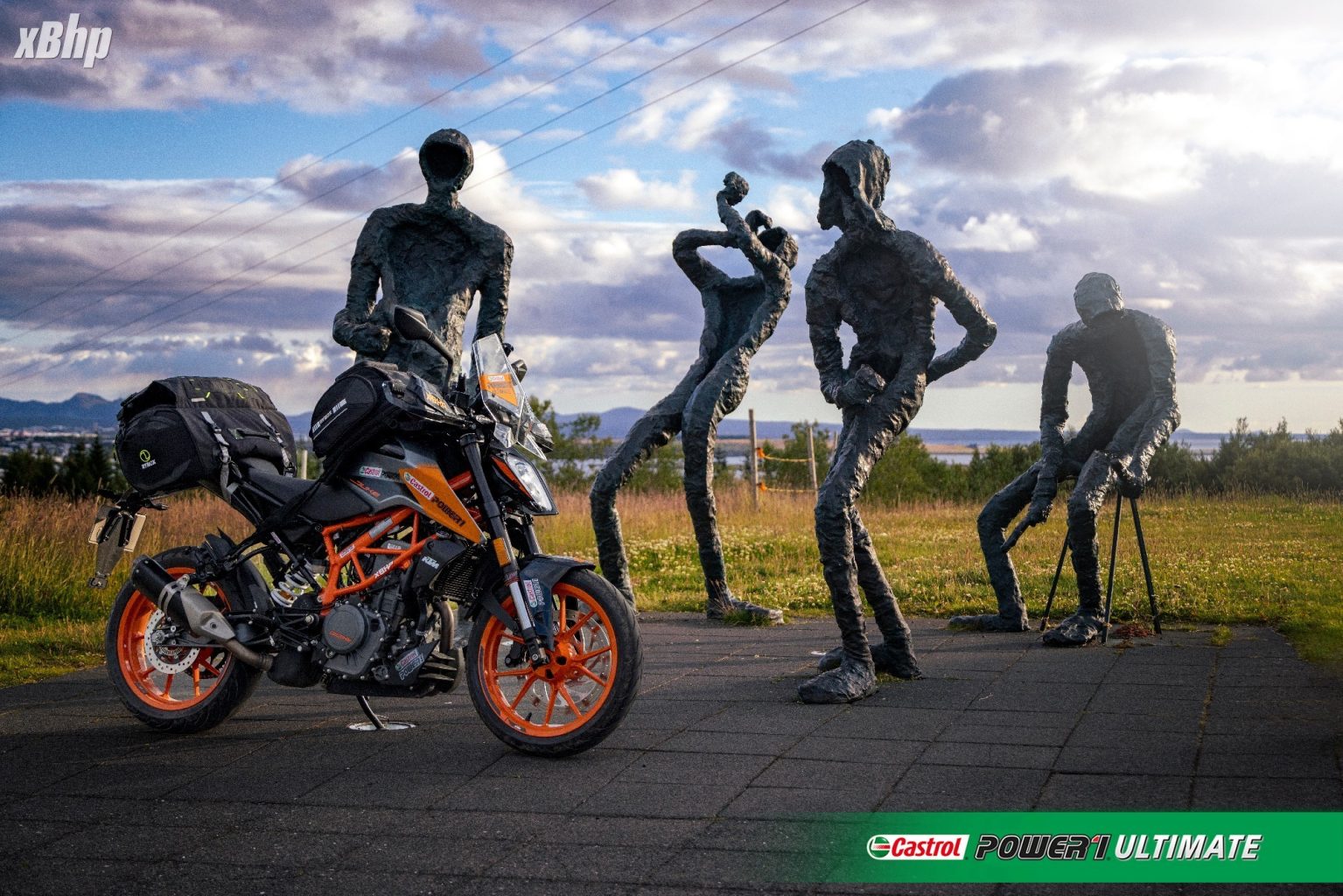
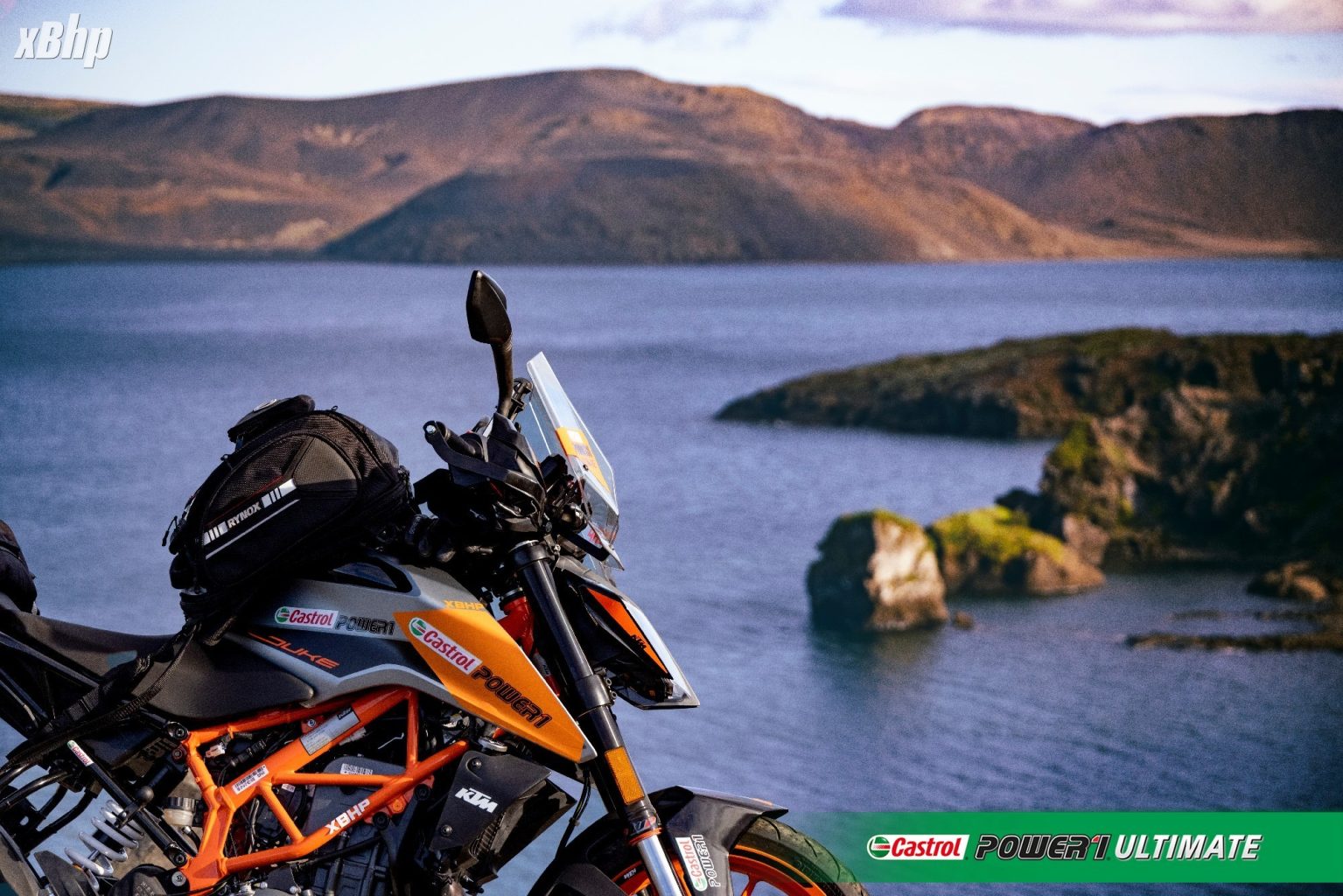
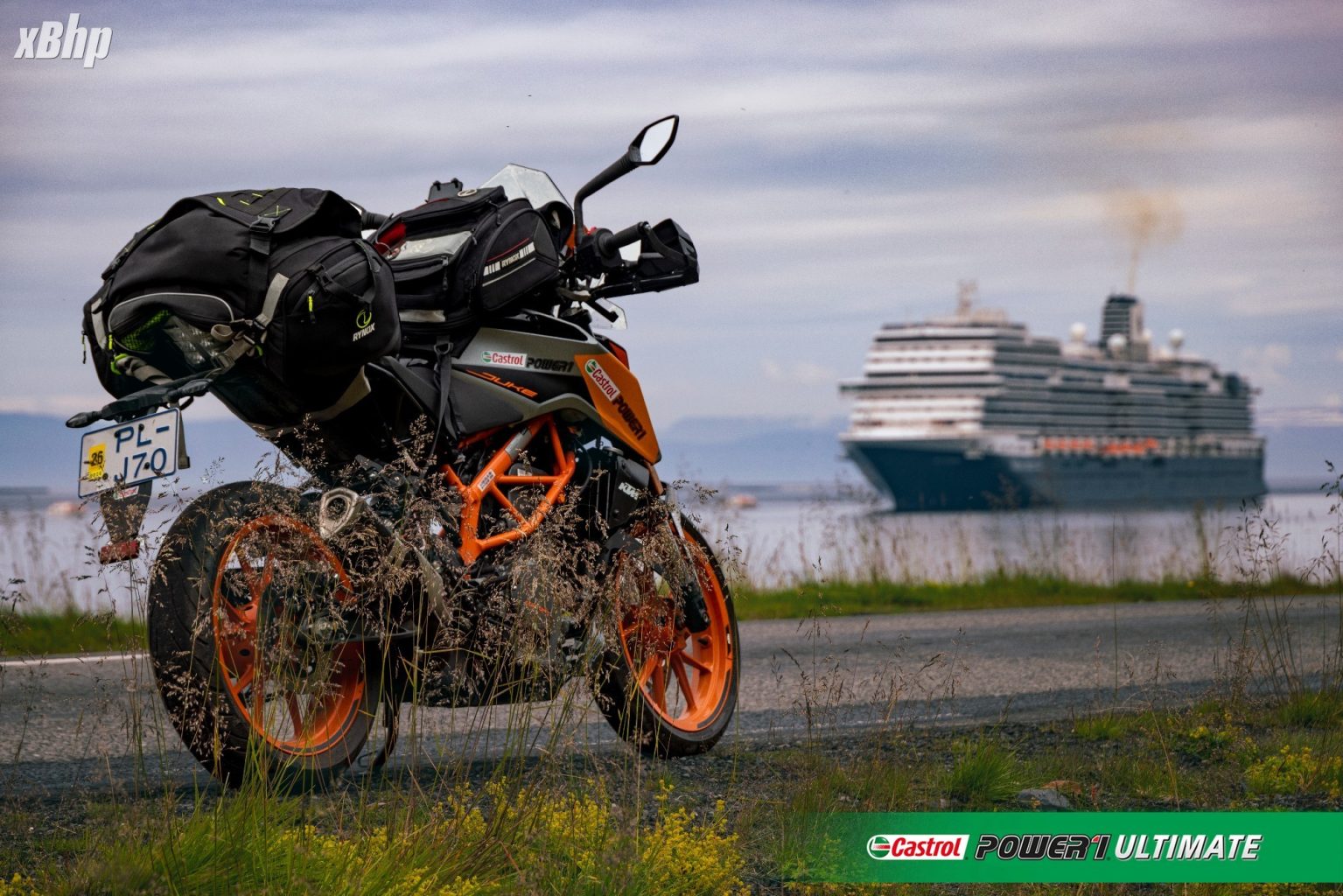
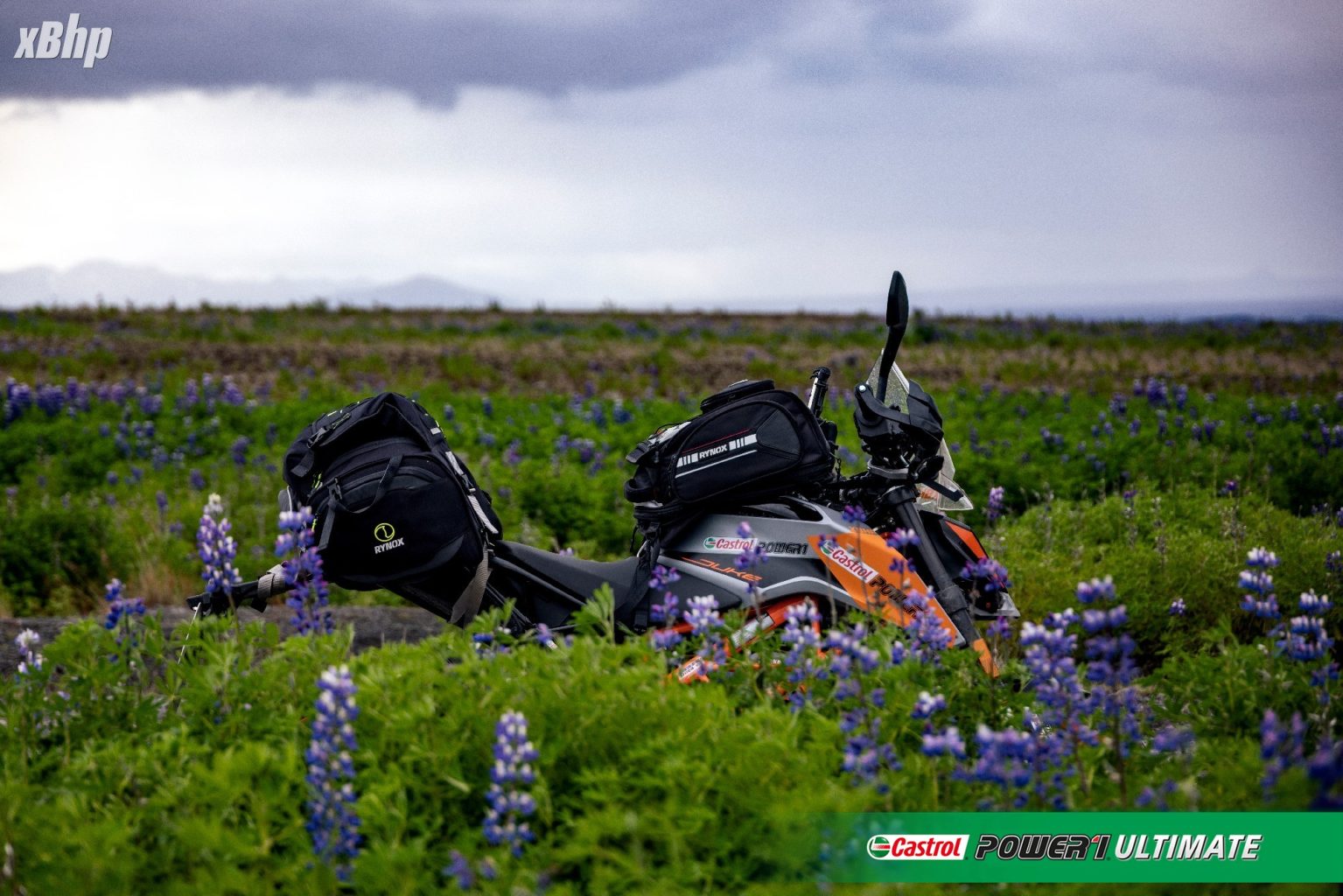
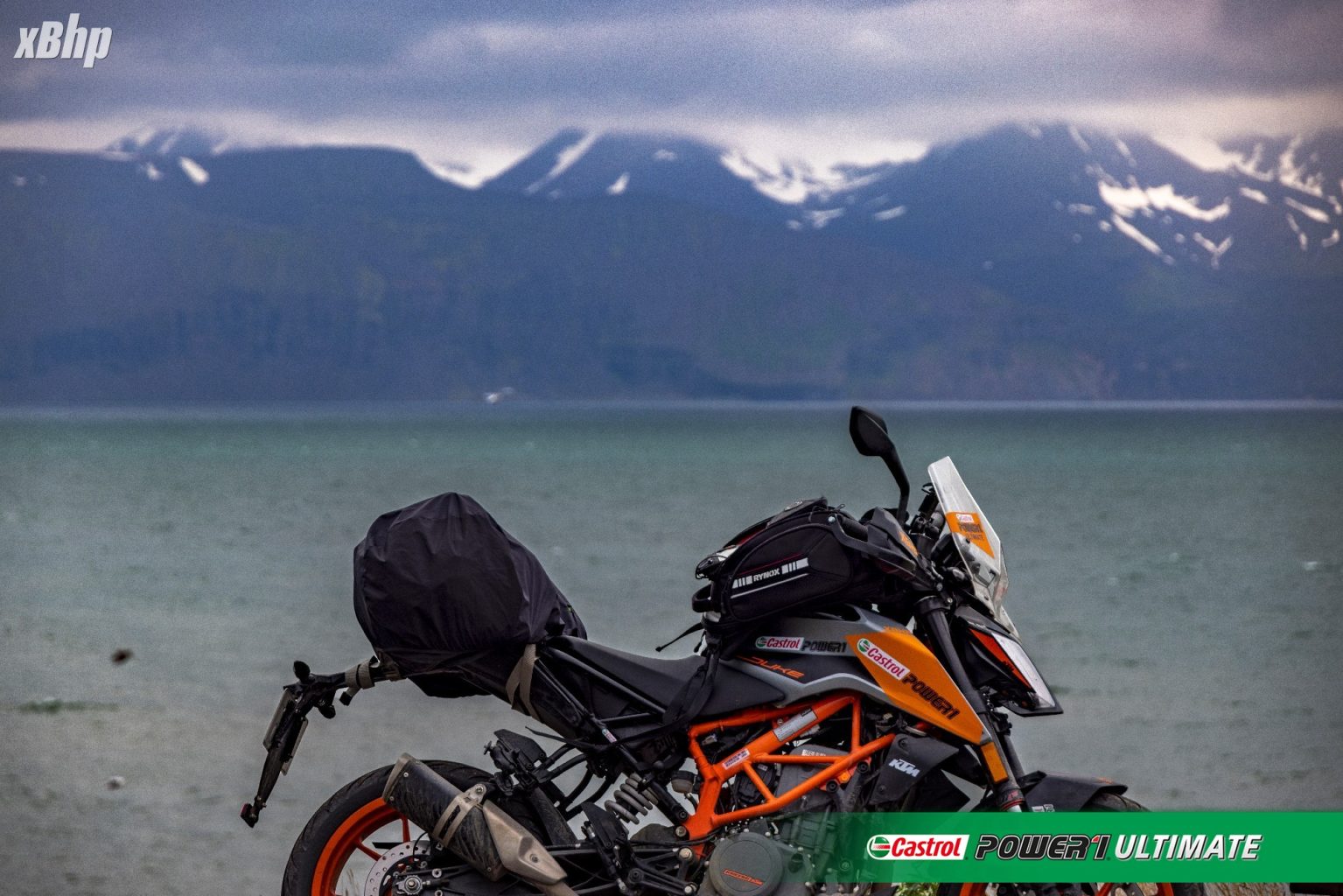
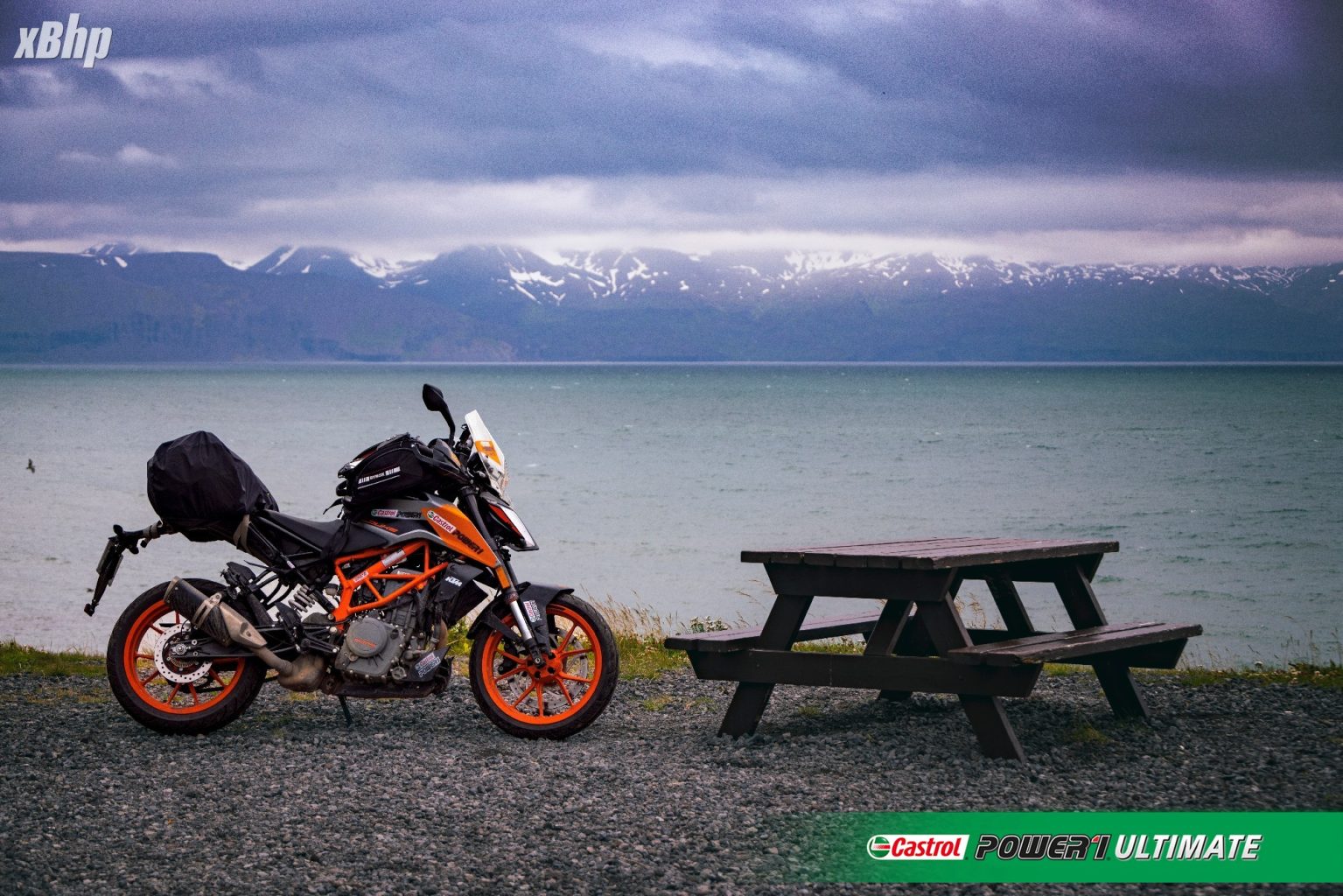
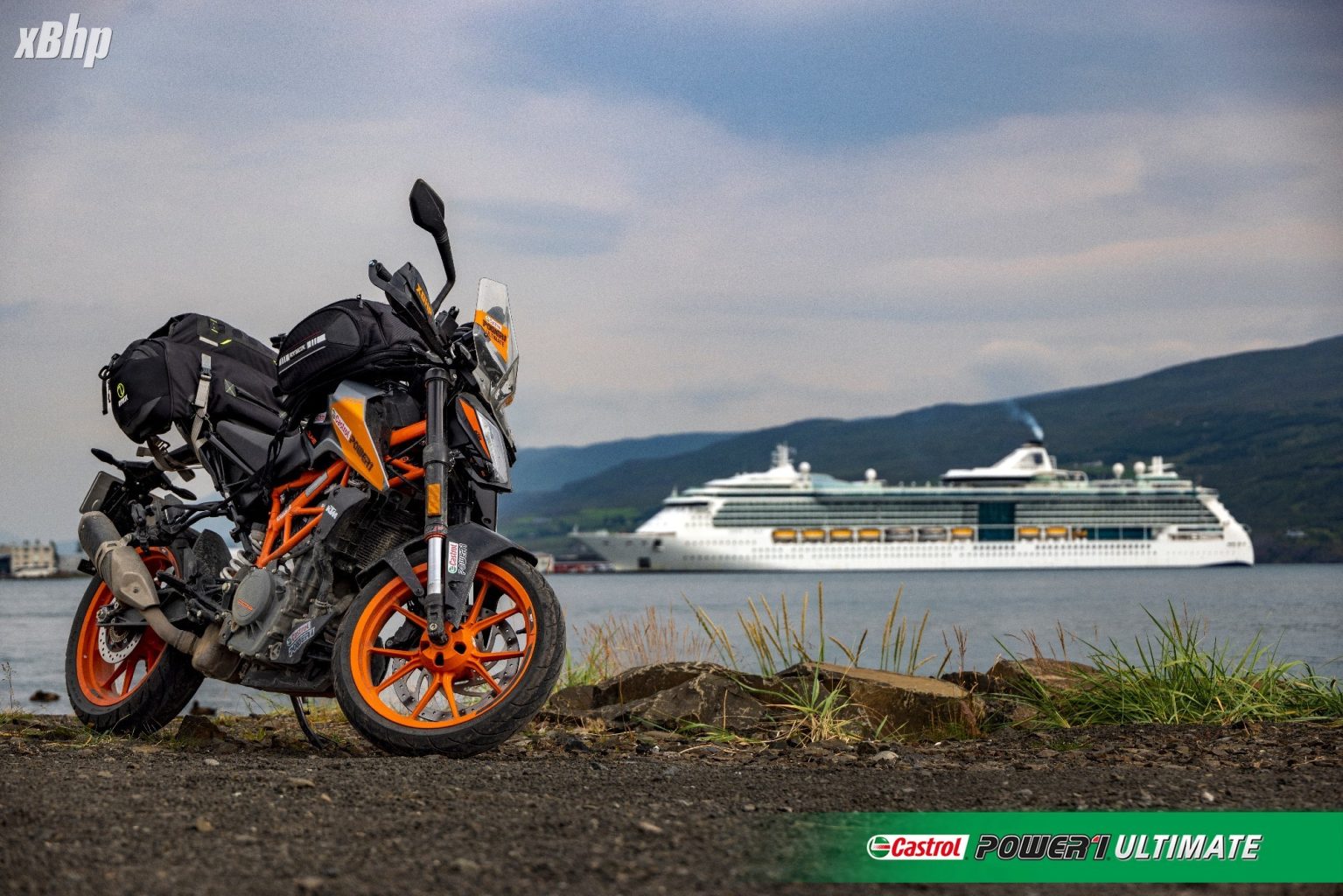
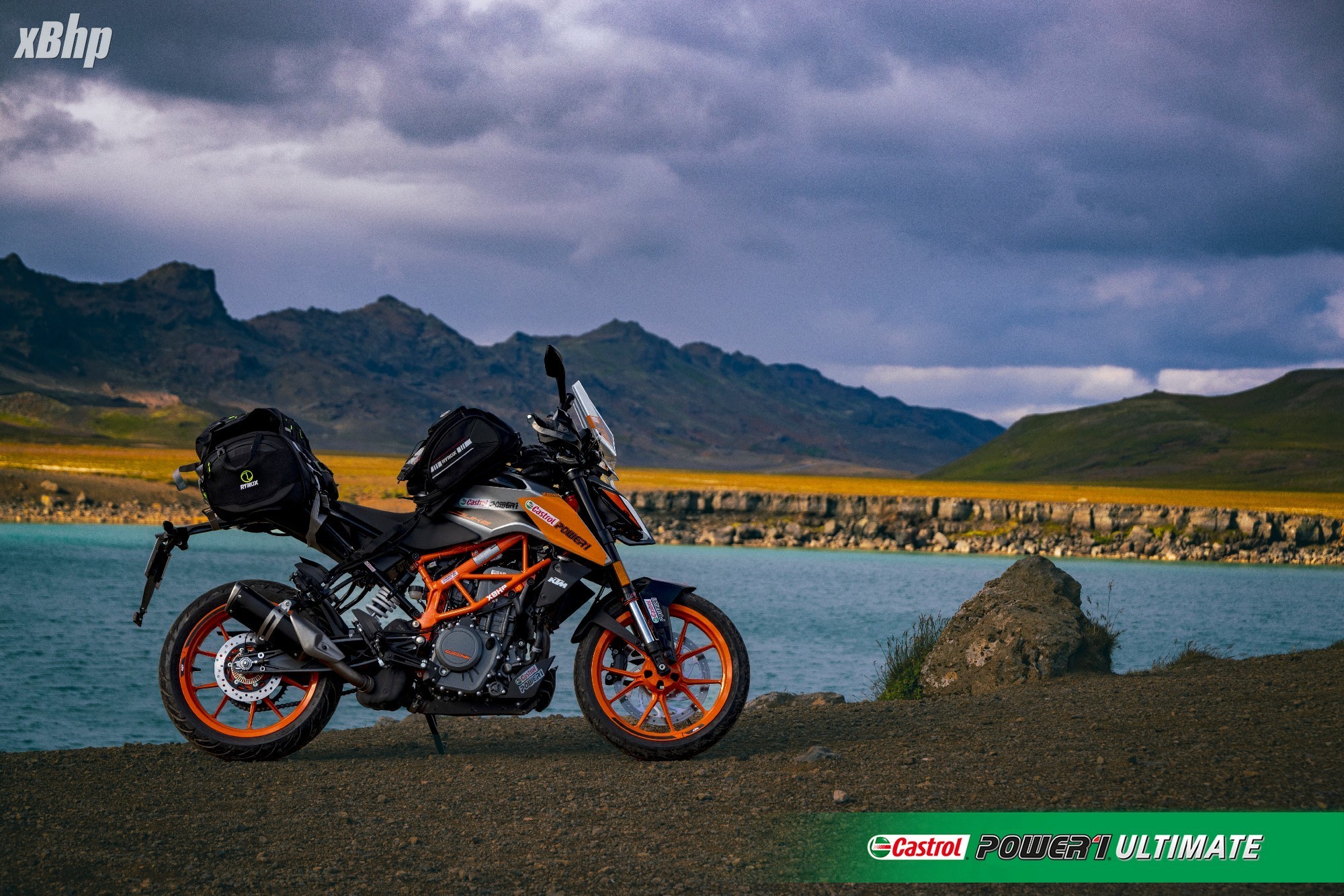
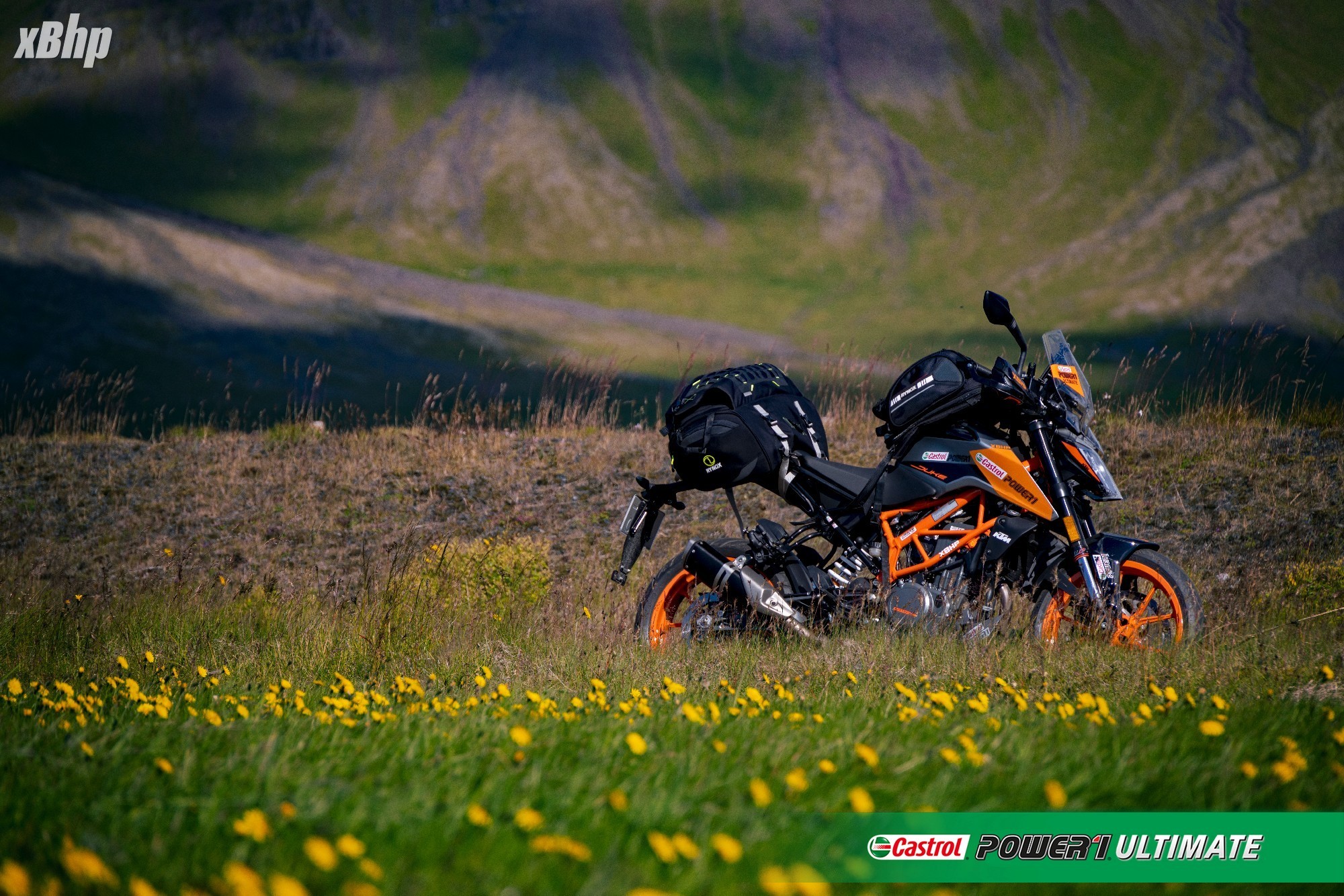
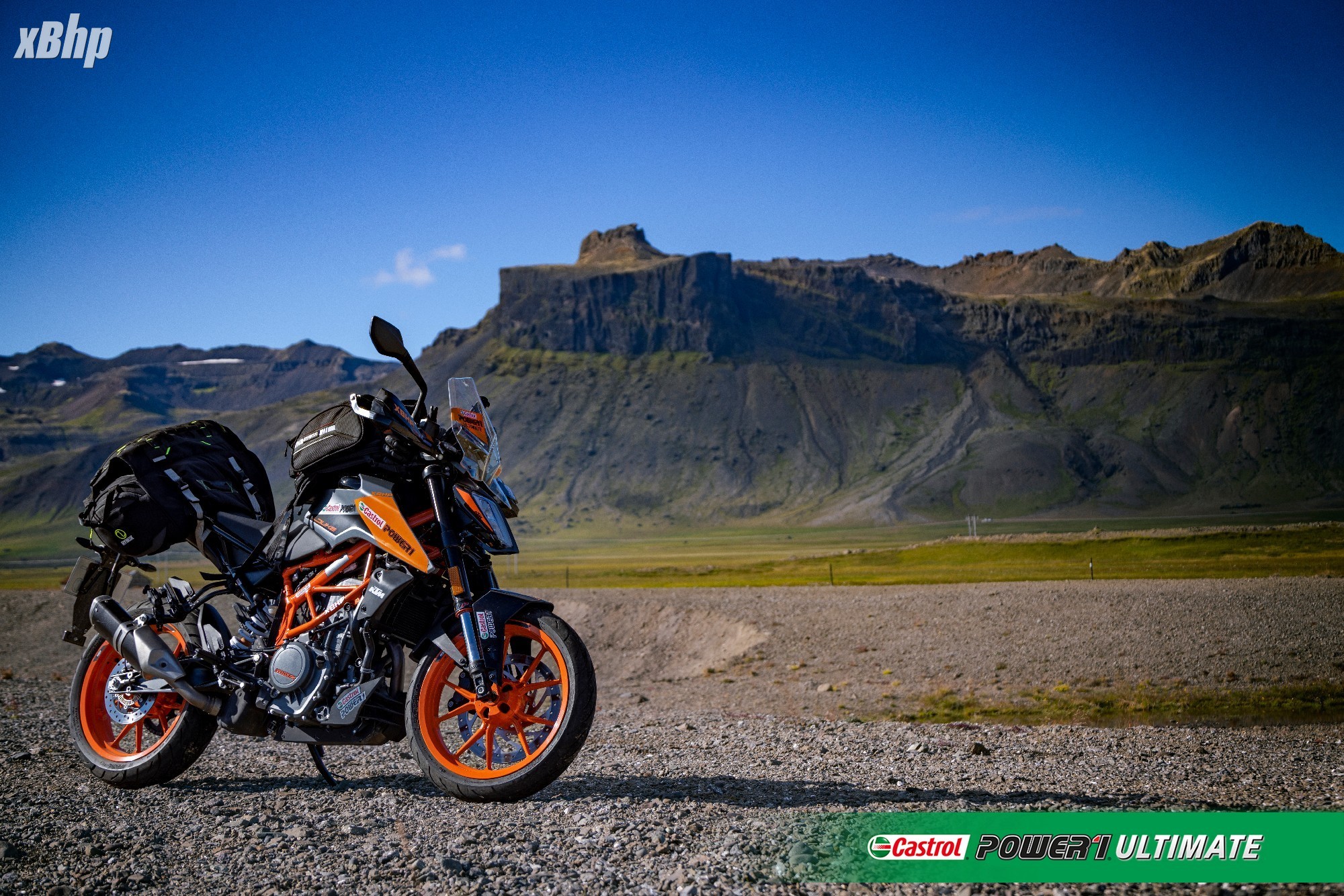
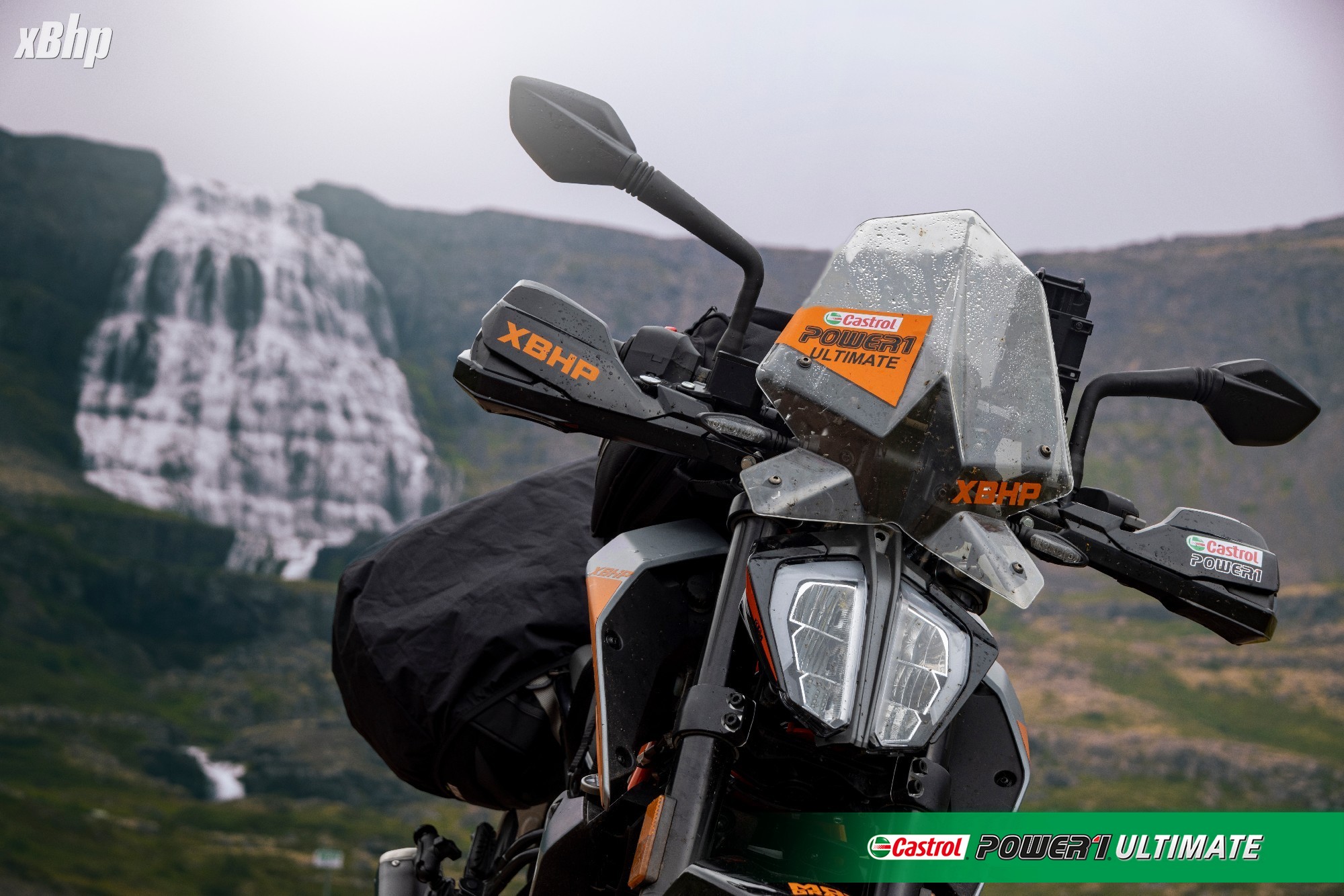
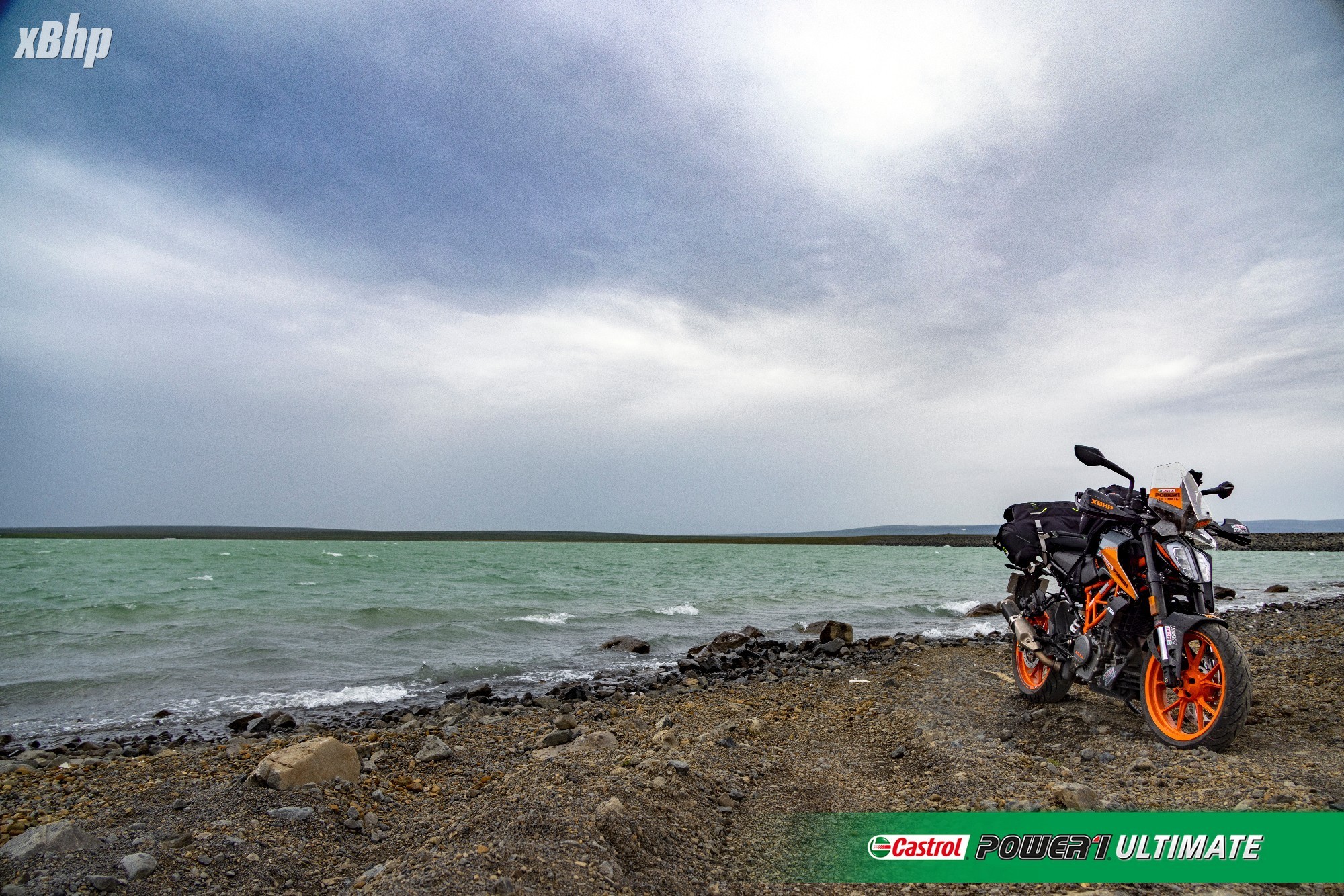
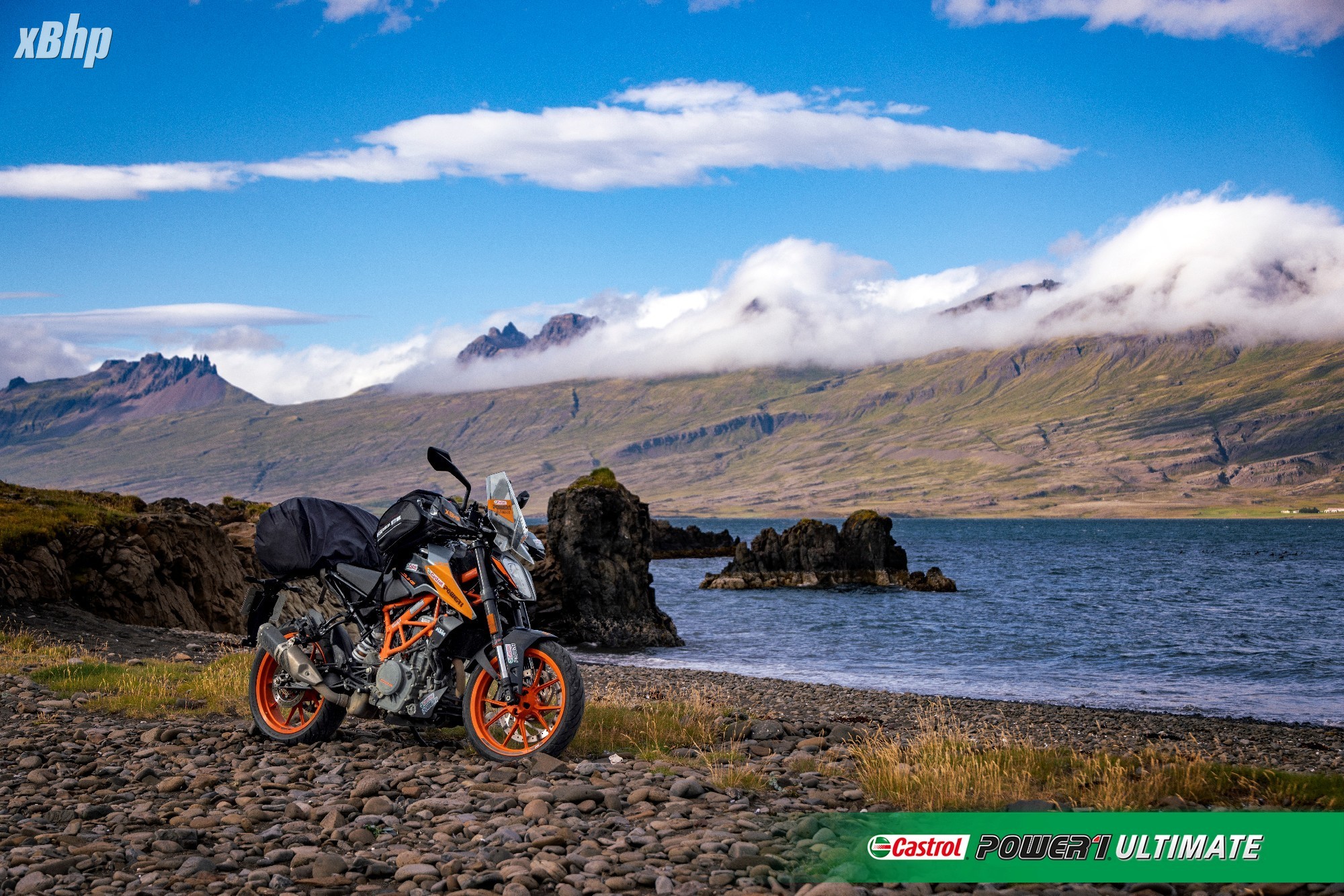
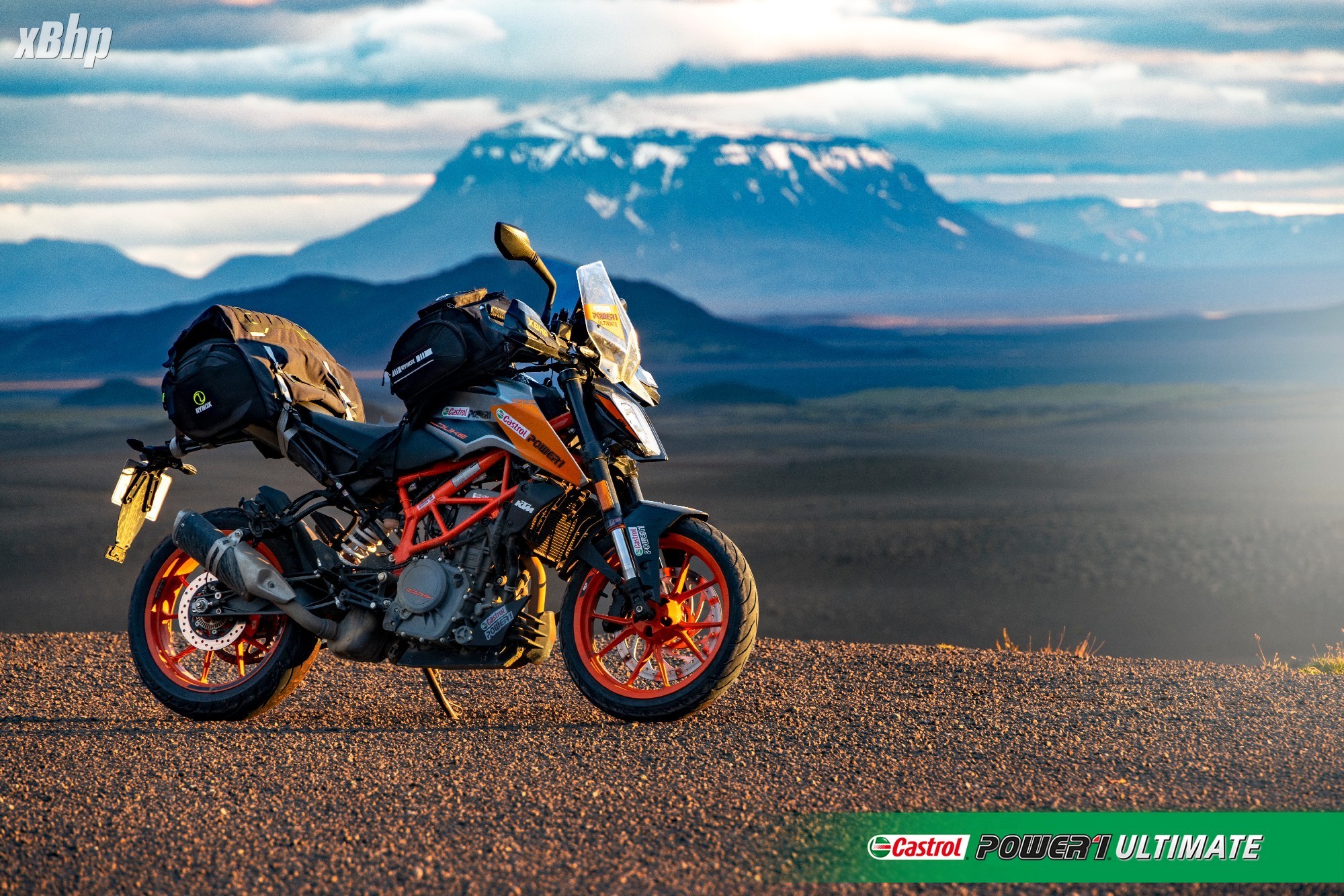
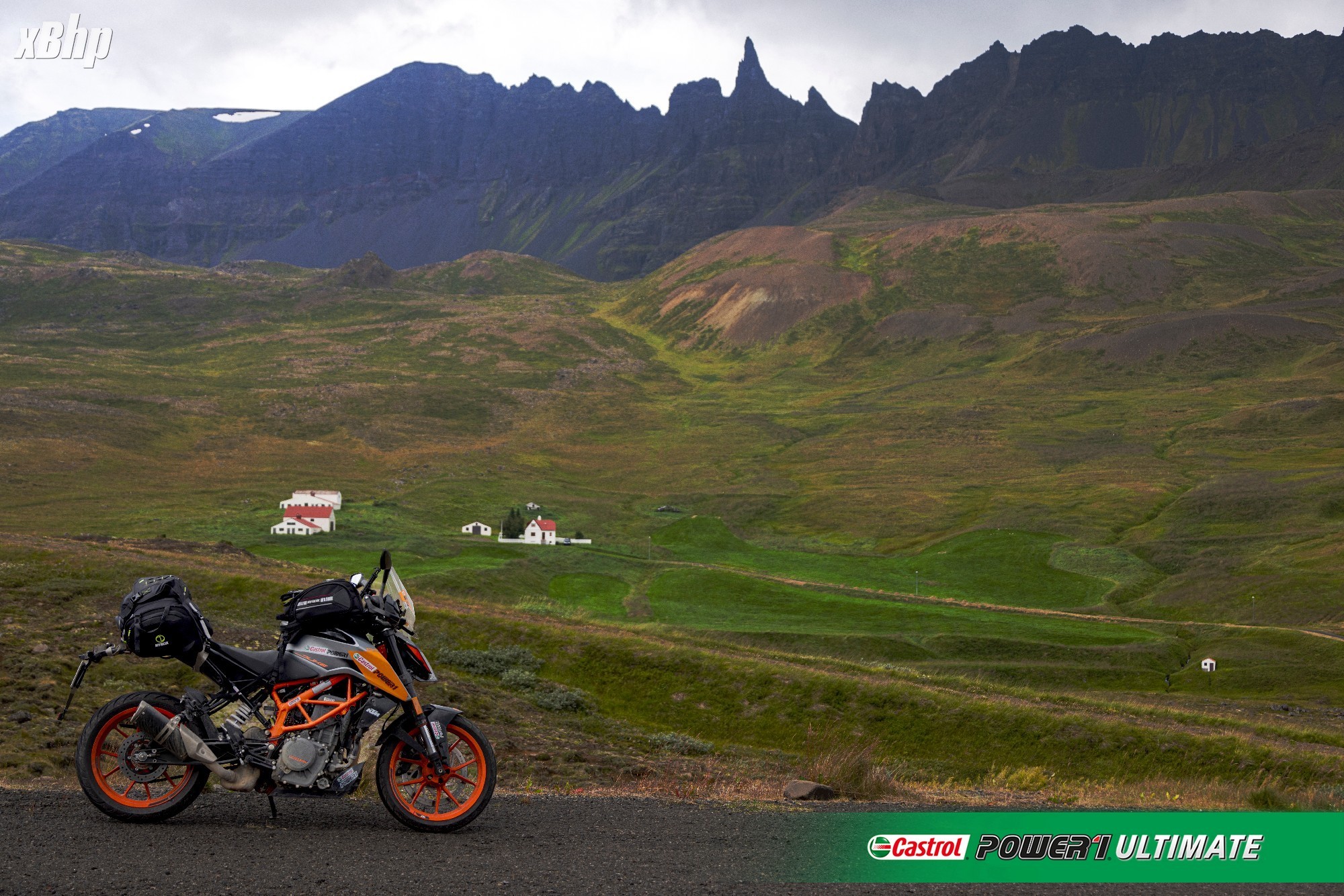
For me, it had to be a motorcycle. Having ridden high-capacity motorcycles all the time, a breath of fresh air would have been an ultra-light yet powerful motorcycle. Being an Indian what would be better, than having a Made In India motorcycle, the KTM Duke 390? I do not transport my motorcycles or cars, they are usually press test machines. Yes, one of the perks of being a journalist and having a print magazine as well. The bike, as you would know, is powered by a 44 Bhp single-cylinder 373 CC mill. I wanted an Adventure 390, but Iceland didn’t have it. We knew that this was going to be an amazing roadtrip but we also knew that it was going to put the KTM 390 Duke to the test. High-speed sections, tough terrains, extreme cold and all that Iceland entails; we needed something special that could take care of our KTM 390 Duke’s engine.
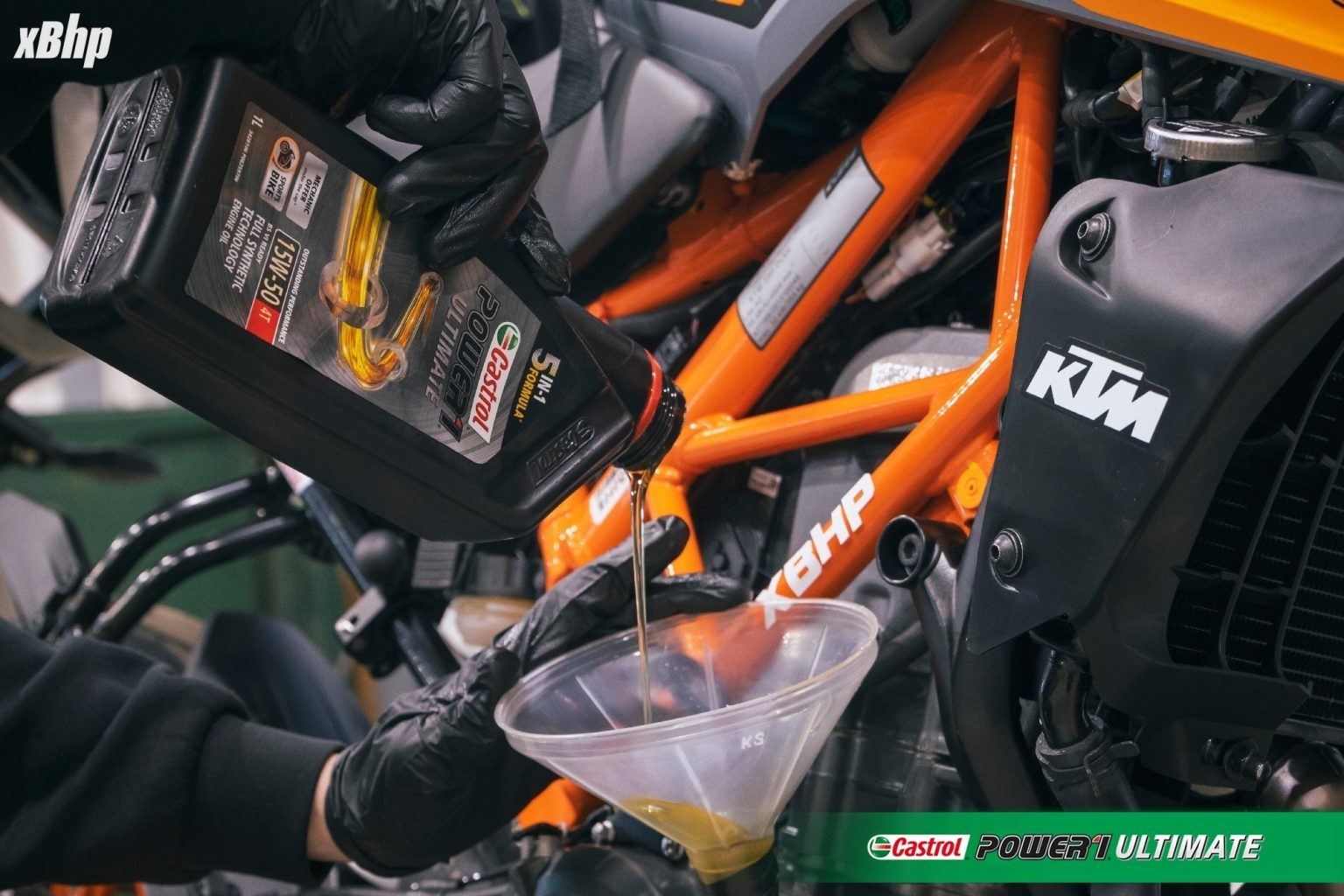
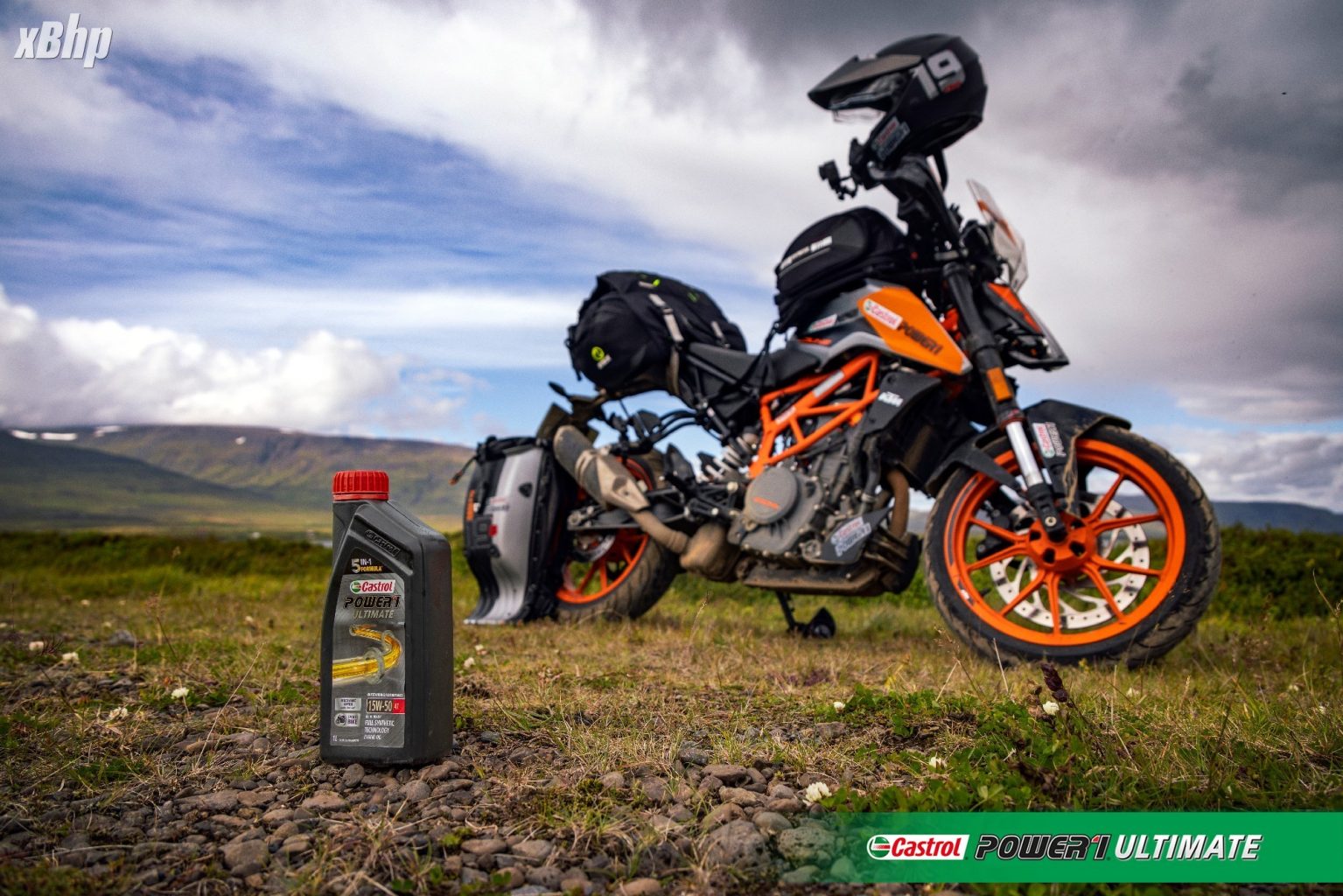
We went with Castrol POWER1 ULTIMATE 15W50. We have had plenty of experience with Castrol POWER1 ULTIMATE and we have the utmost faith in its 5-in-1 Full-Synthetic Formula. So, we fed our KTM 390 Duke with the best engine oil out there and we were ready to go. Be aware that there are limited motorcycles for rent in Iceland, however, there is practically no dearth of the available rental cars. However, I researched that you can ship your bike/car from Amsterdam to Iceland pretty much throughout the year.
It takes 2 and a half days one way and the cost is approximately 800 Euros return or more depending on the season. You land in east Iceland, far from the capital city of Reykjavik, if that is of any importance to you. So you need to budget five more days and a few hundred more euros depending on how far you have to ride your motorcycle from the seaport in the Netherlands. Alternatively, you can also send your motorcycle via a cargo ship from Rotterdam to Reykjavik and fly to Iceland yourself. But it takes a week to ship and you need to give the motorcycle approximately a week in advance. I feel that this option is costlier concerning time and money.
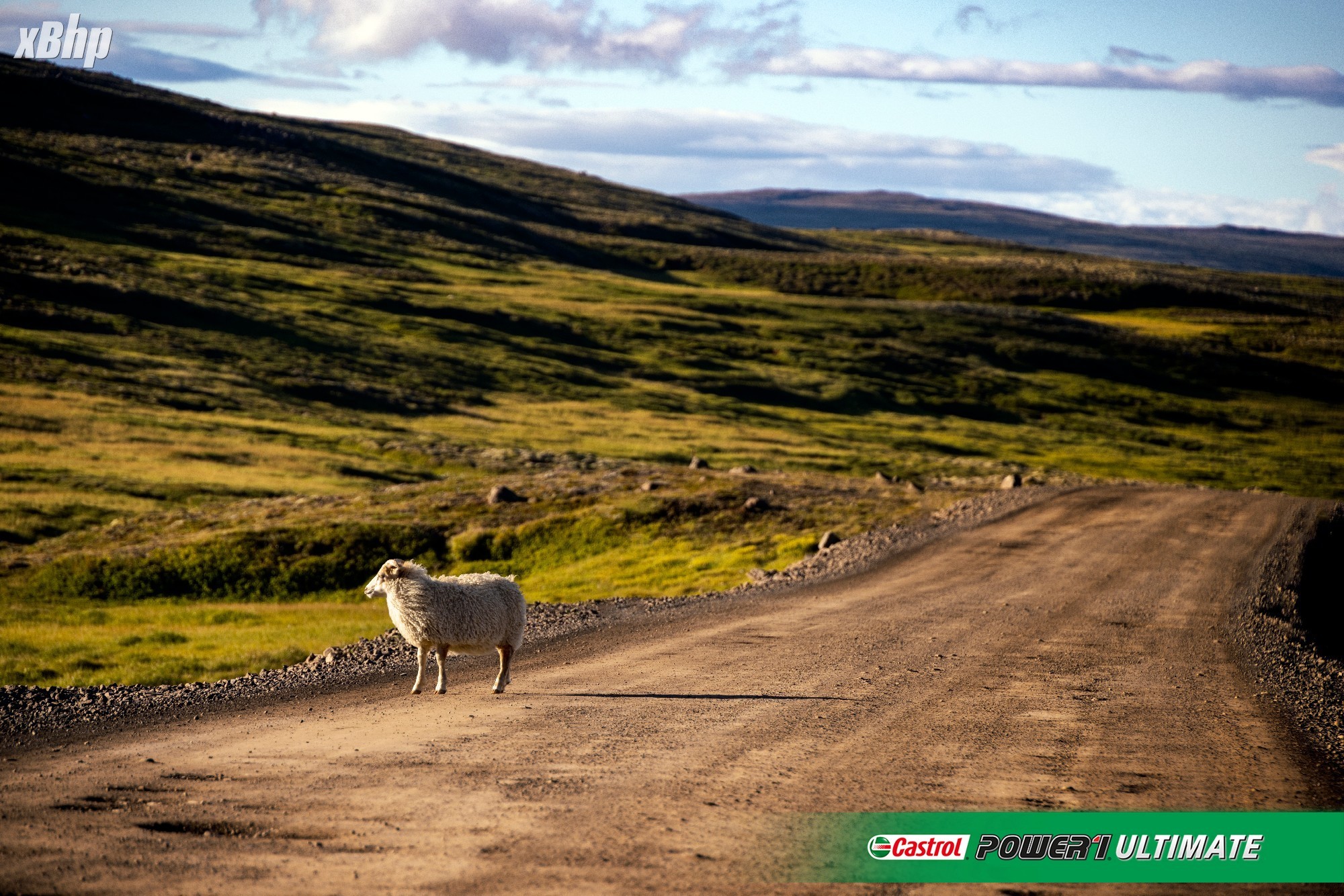
Cars and bikes in Iceland are not covered under insurance in case of a crash with any animal on the road. That was a shocker for me, especially after riding so much in Australia where so many animals cross the road at twilight. There are a lot of sheep in Iceland, and some tend to dart in the wrong direction if they hear a loud motorcycle coming.
Many insurance companies will also not cover you on F Roads (ungraded gravel tracks are usually open only in the summer and recommended only for 4×4 vehicles). More about them later.
Things to Take
Clothes and riding gear: You need to take the usual stuff, a puncture repair kit, a clear visor with a system like a pin-lock to avoid fogging of the helmet visor. A basic toolkit. Some energy bars. A bottle for water, Icelandic tap water is one of the cleanest in the world and you will save a lot of money by avoiding buying bottles from gas stations. Plus clothes from top to bottom to shield you from the cold and rain. And of course good and comfortable riding gears beneath. Ensure you get waterproof boots and gloves, a neck warmer and a balaclava. Good thermal inners would help. If you forget anything, look for an Icewear shop near you.
Phone and Connectivity: On landing you definitely should buy a prepaid SIM card which is available at the convenience store just before exiting the Keflavik International Airport. I got a SIMINN card for 2900 Icelandic Krona with 10 GB of Data and the ability to top up later online. A word of advice. None of my international credit cards worked online on the Icelandic SIMINN website. The same credit cards were being used every single day for all transactions in Iceland. I had to request a local restaurant owner to use his credit card because I had exhausted all my data!
I got an Icelandic SIM card even though I had enabled international roaming on two of my Indian SIM cards that worked just fine in Germany. Just to be sure. Later I found out that the coverage and internet speed were stupendously good in most places, no matter how isolated, with SIMINN. I was truly amazed!
Money: Iceland does not use Euros, leave alone any kind of dollars. They have an independent currency – ISK (Icelandic Króna). I did not need even a single physical Krona in my entire time in Iceland! You can pay for everything using a credit card with a PIN.
Fuel: Check the latest fuel prices, if you are bothered, otherwise it will cost what it will cost. You have a lot of unmanned self-service stations. Many times you will see just a fuel pump with no other structure, but even that will dispense fuel if you have a credit card with a PIN. Before filling up ensure that you do not select the ‘complete tank’ or ‘full fill up’ or anything open-ended. Try to guess how much fuel your bike will take based on the fuel gauge and then enter the ISK value. Otherwise, you may end up with a couple of hundred Euros blocked on your credit card. It does get refunded based on how much fuel you fill up, but can take a few working days depending on your car processor. Try and fuel up just before you reach the hotel so that the next day you can hit the road immediately.
Food: For me, food begins with breakfast in the hotel or guesthouse. Lunch is always at a fuel station and dinner was almost another story. Look for places that offer breakfast, it will save you time and energy. A lot of gas stations have pre-made sandwiches or fresh hot dogs, which is almost a staple food for people on the go in Iceland.
Accommodation: Be warned that accommodation in Iceland during the recommended season above is very expensive. Even finding a room is a matter of luck. I didn’t know about this and I almost had to pay 600 USD for a night in a couple of places had there been no lucky cancellations. The average accommodation for me was 200 USD per night, it doesn’t matter if it’s just a guesthouse or a hotel, you will be exploited. After all, this is how they have to earn – in a short period of tourism.
Wifi is decent in most places.
Police and other matters of the road: The maximum speed limit in Iceland is 90 km/h on the highways. There are speed cameras along the roads, even in remote areas, but usually, there is a signboard before the actual speed camera. From what I have heard and experienced the cameras are majorly ‘interested’ in four-wheelers. Motorcyclists can ride faster, should the need arise. Almost everyone on the road will be a tourist in the countryside in all sorts of four-wheelers. I hardly saw motorcycles. There were some amazing four-wheelers, like souped-up G wagons and Wranglers with glacier tyres that gave them a monster truck vibe.
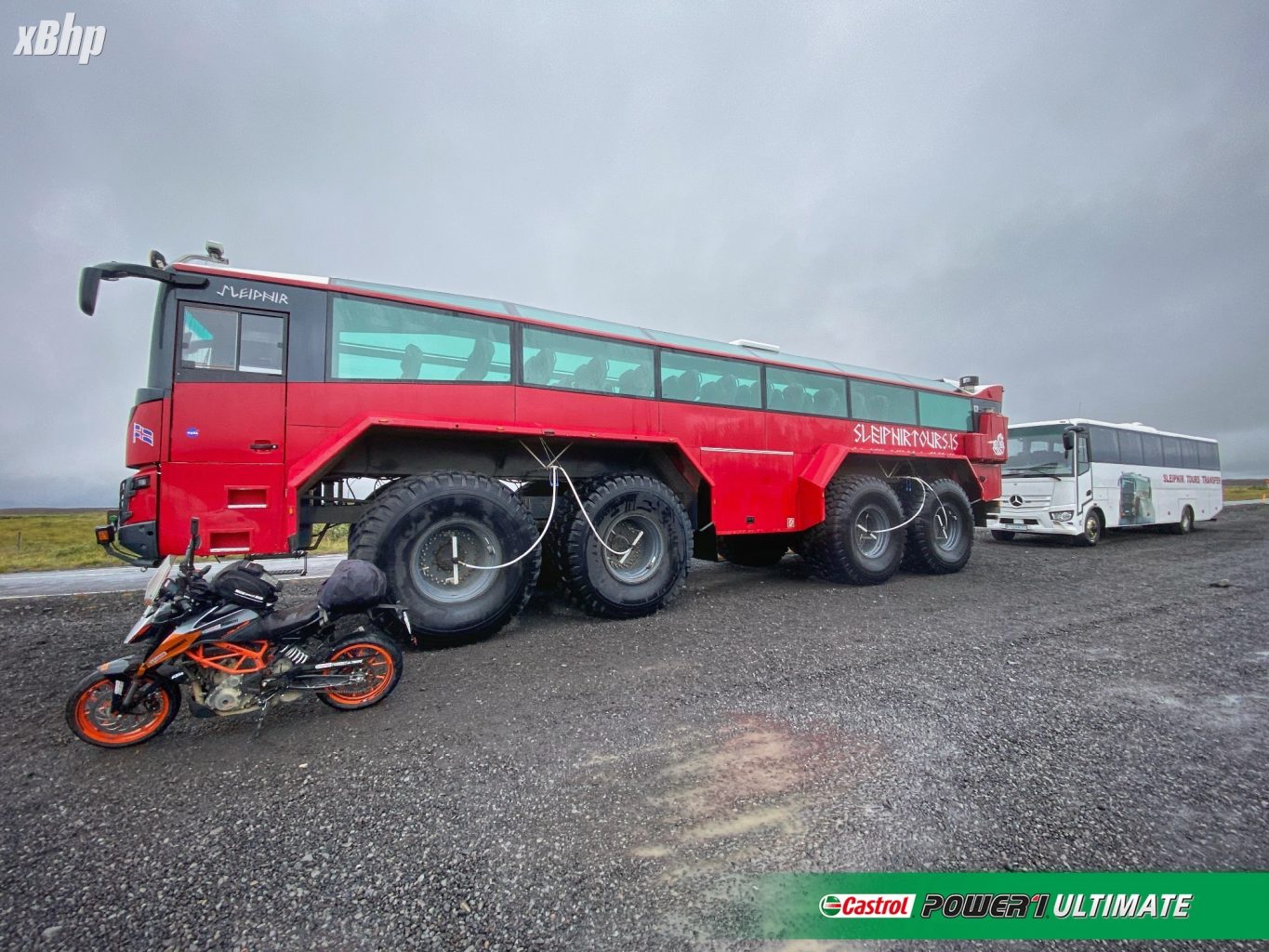
Then there are some insane machines as well, like an 8×8 ice truck that you can buy a ticket for and go on actual glaciers! It looks right out of a sci-fi movie! I saw one. It has a 13000 CC 520 Bhp engine and can do 60 km/h even on a glacier (www.sleipnirtours.is). I didn’t go for the experience as I just saw this in a parking lot!
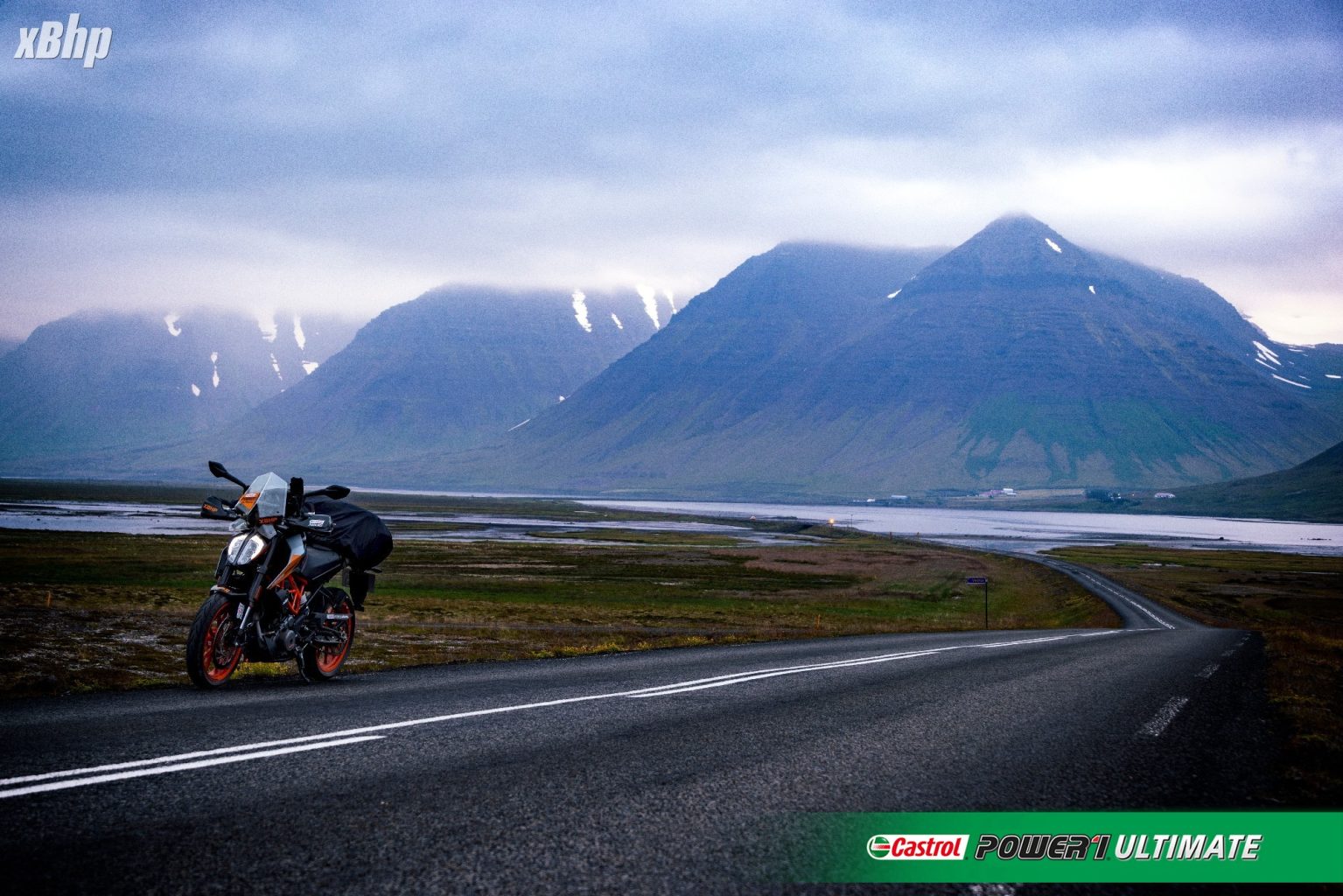
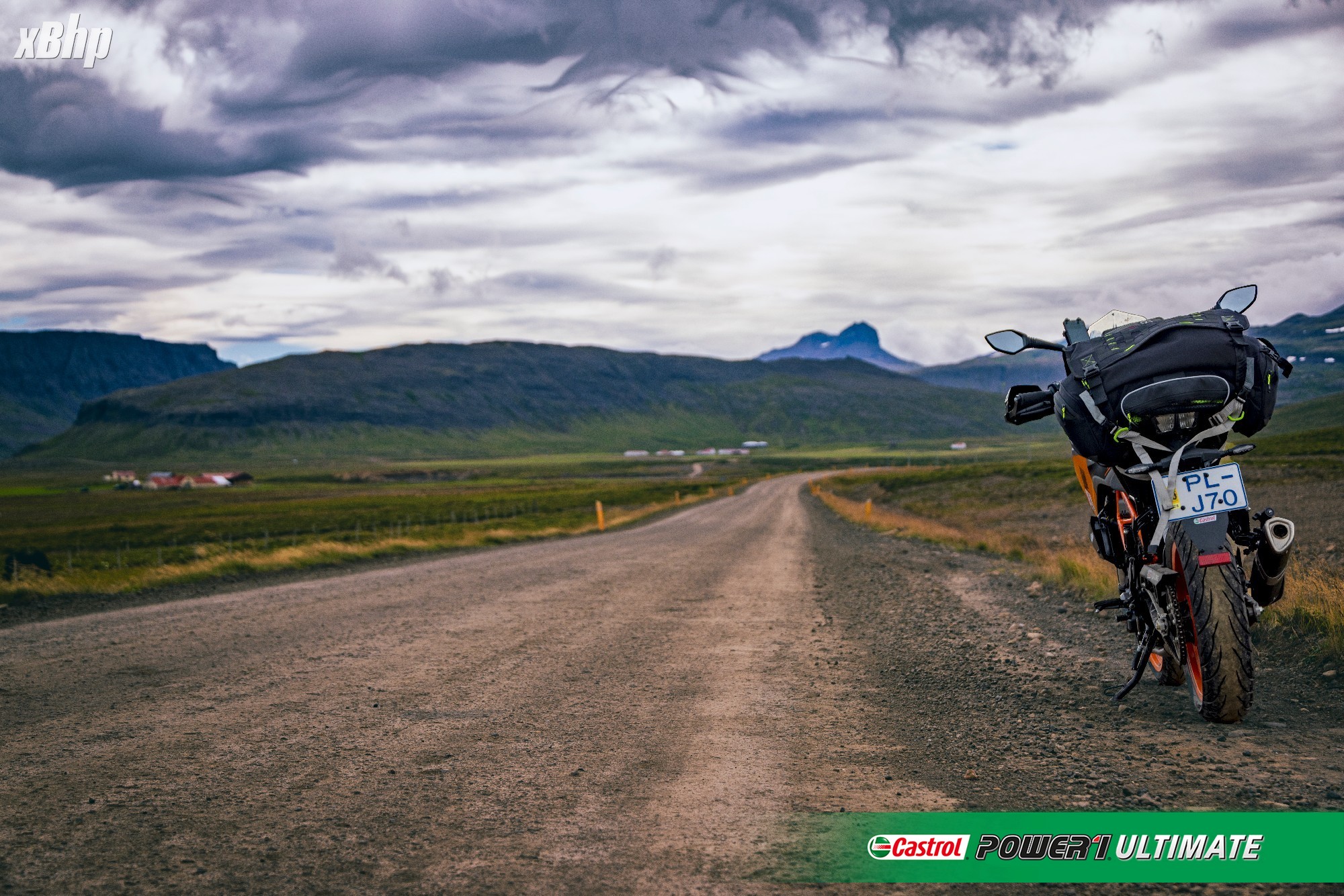
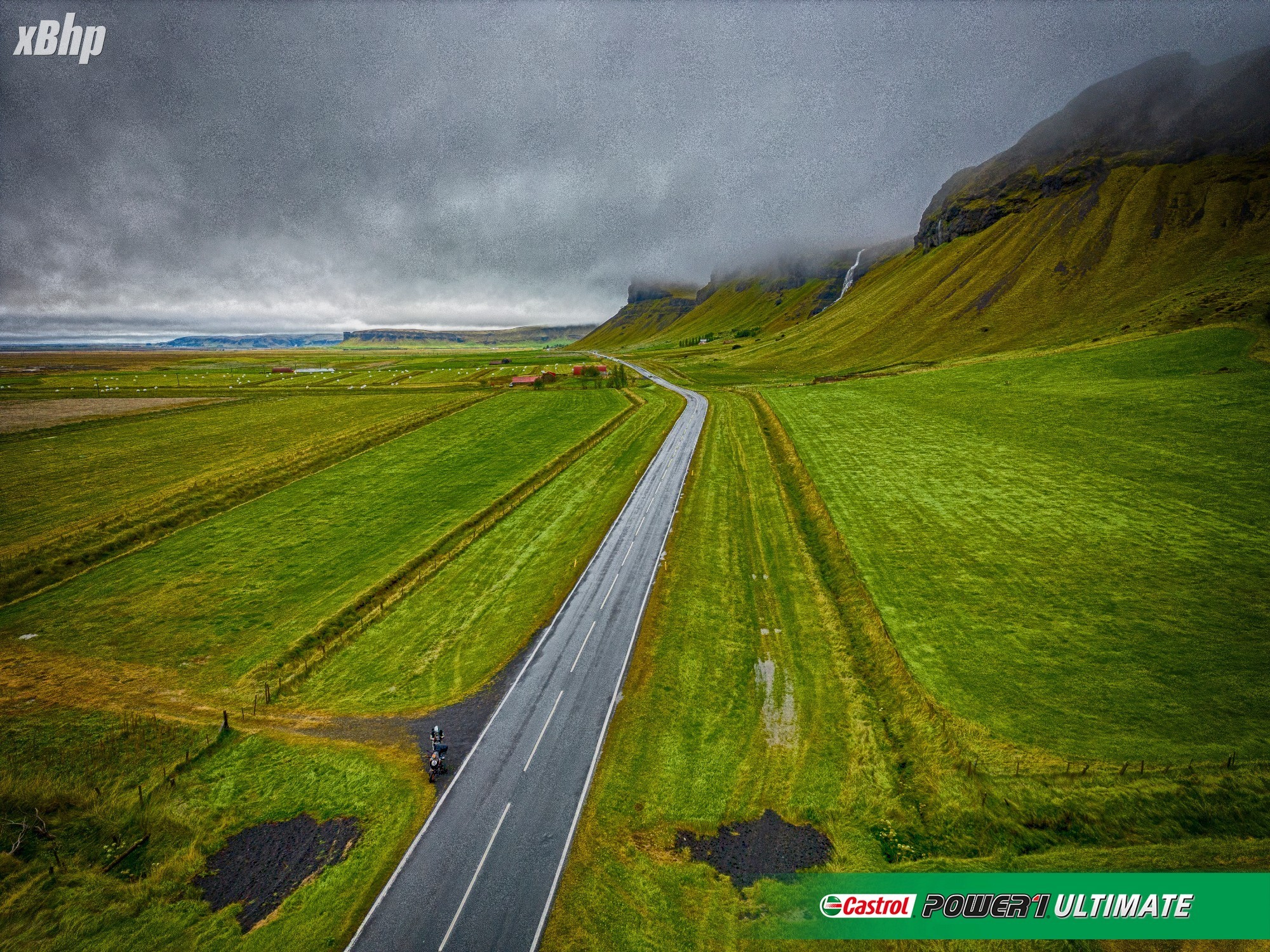
Most highways in Iceland are undivided single-lane. Considering the relatively sparse traffic that is just fine. However in many places (except the ring road), the roads can end abruptly and turn into gravel ones and then back again after a few kilometres. There are very few police patrol cars in Iceland.
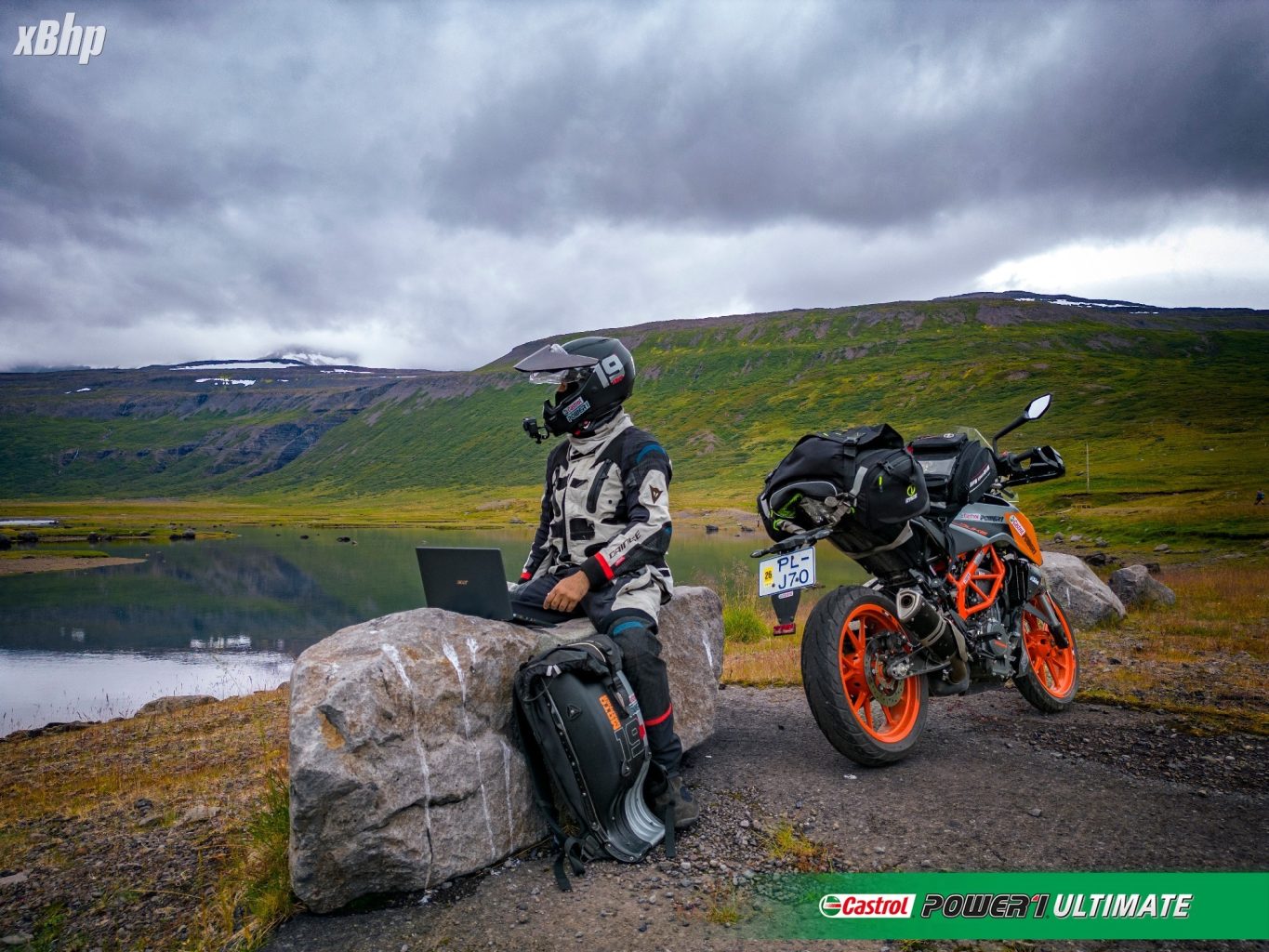
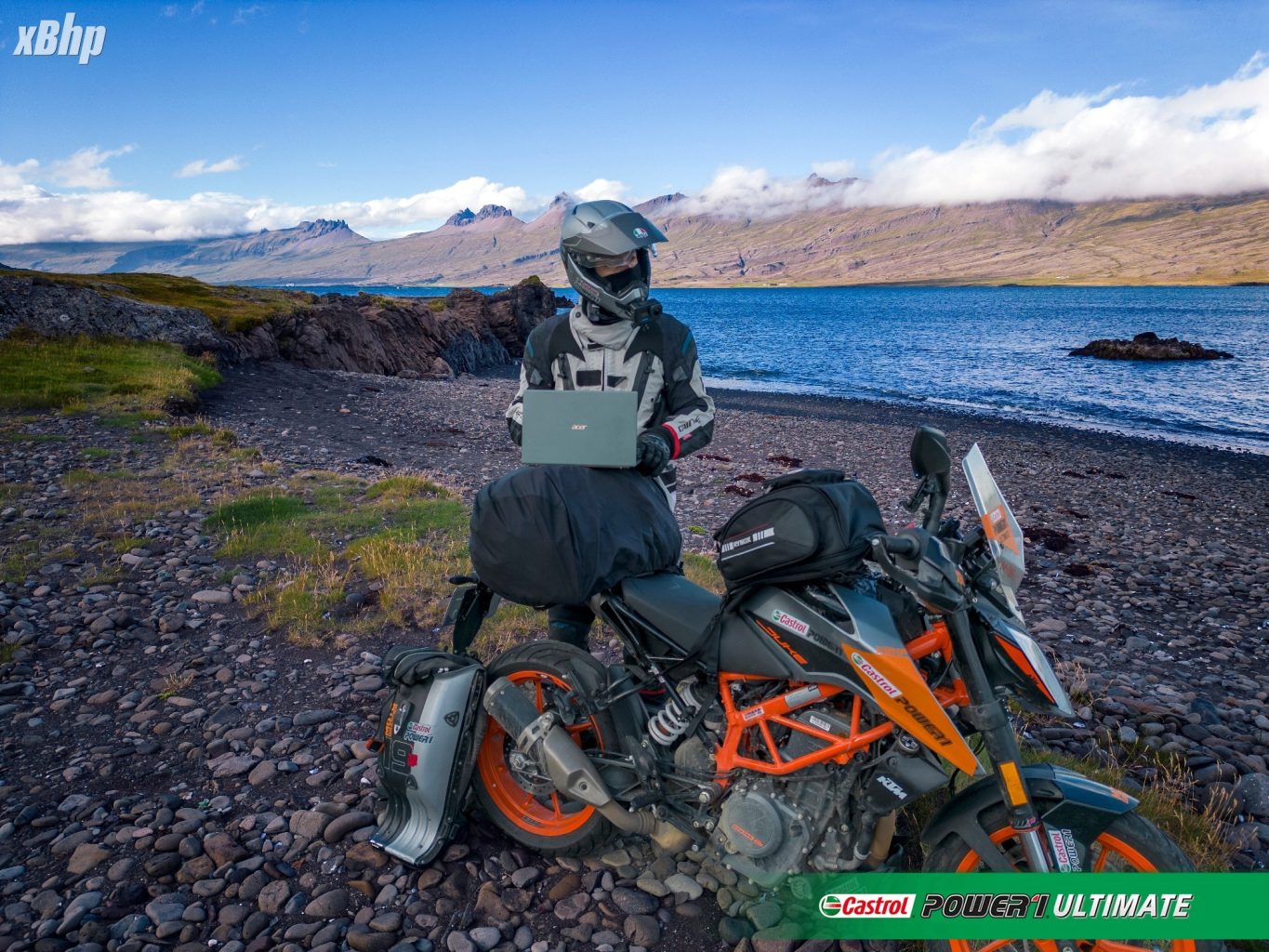
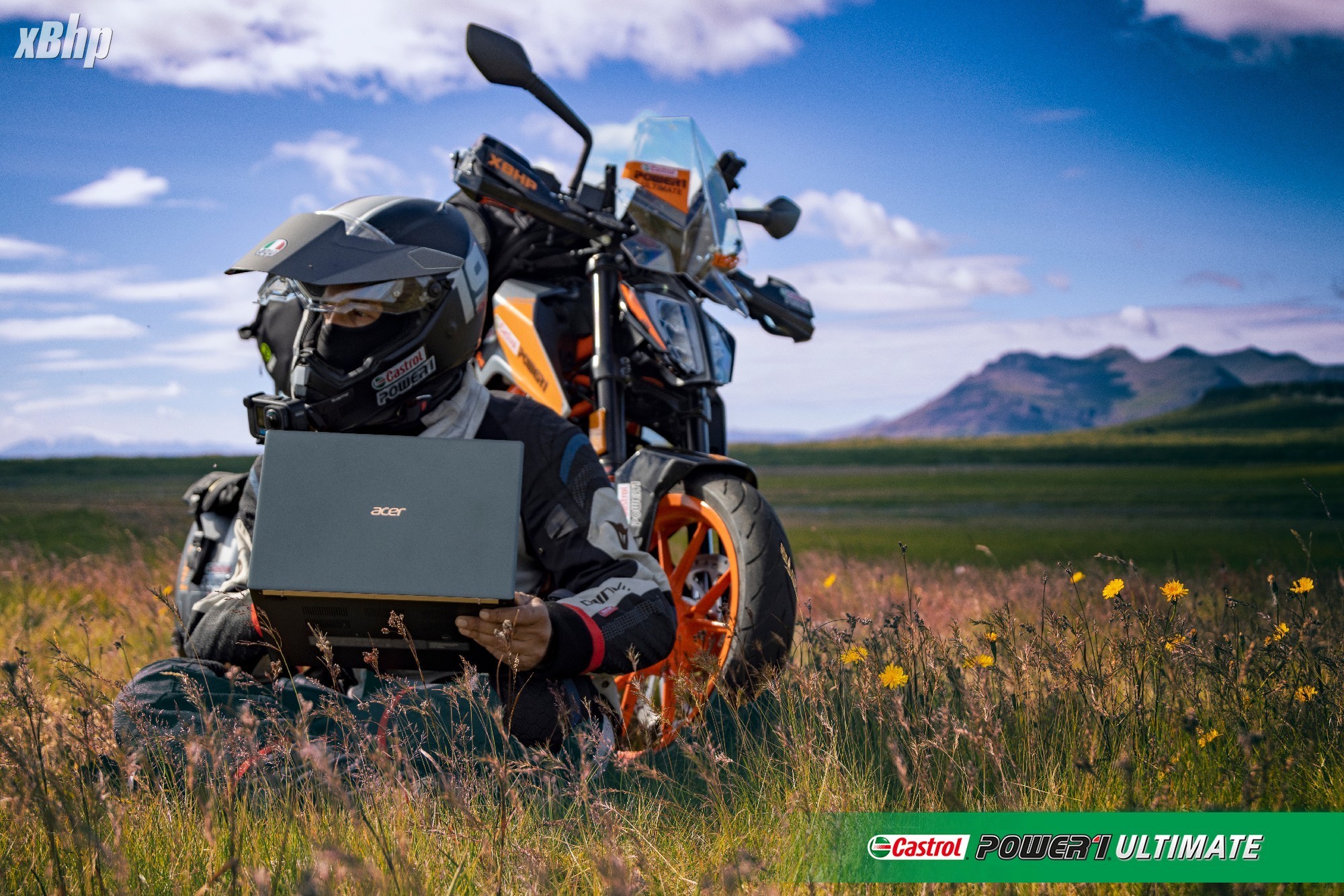
Electronics: I had an Acer Swift5 ultralight laptop with an external 1 TB HDD for a daily backup. Cameras include Canon EOS R5 and Canon RF 24-240mm f/4-6.3 IS USM Lens, Insta Go2, GoPro MAX, and GoPro 10 Black mounted as helmet cam with Rode Lavalier short wire length mic. An Insta X2 was my secondary 360 camera. Besides this, I had an X-grip RAM mount for the tube-type handlebar and a similar mounting setup.
A brief guide to content creation in Iceland on a Motorcycle
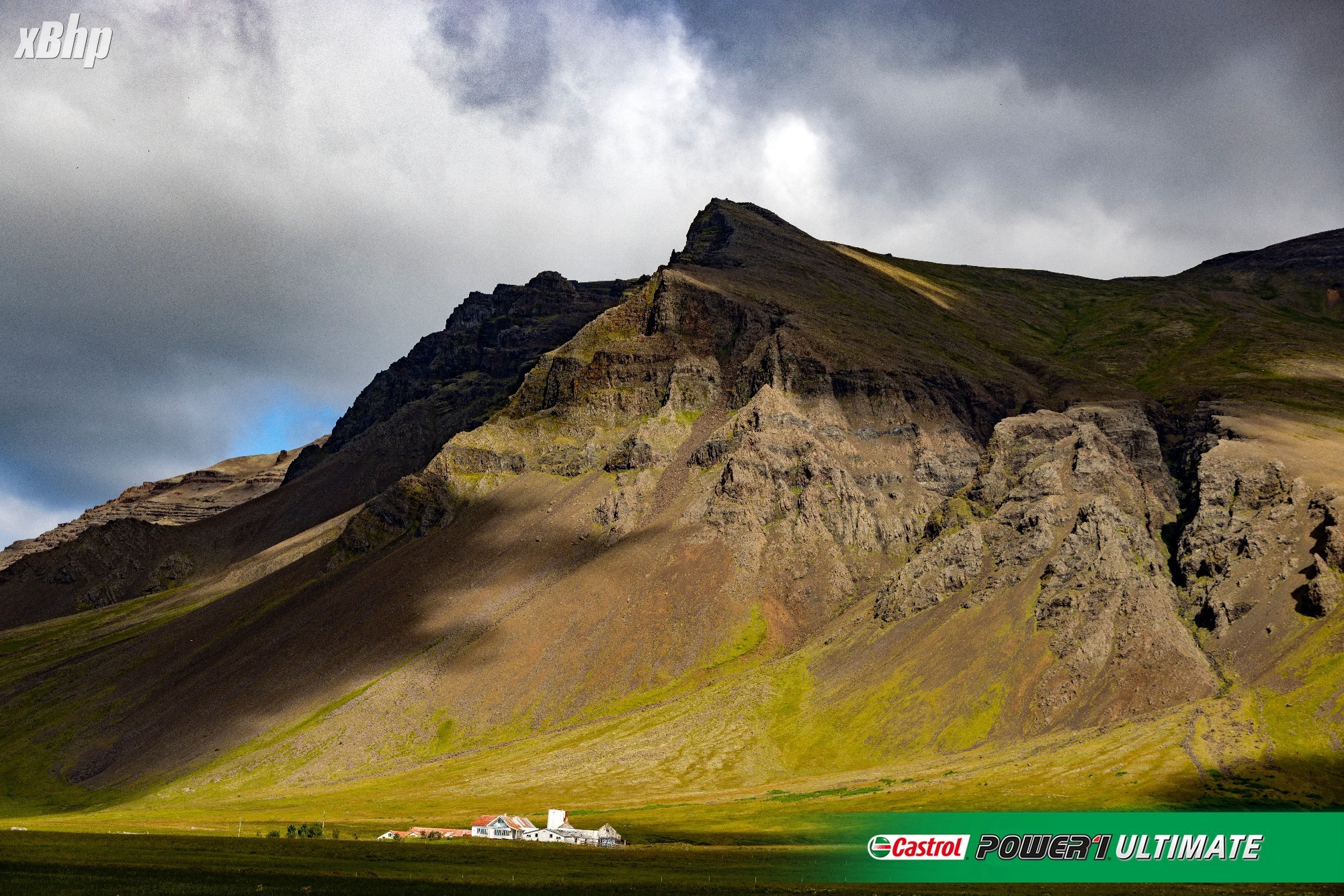
Don’t expect to cover it all. There will always be a photo or a video online that you will stumble upon making you go wow in awe, no matter how much time you spend shooting in Iceland on your roadtrip. The infinite variations of light and weather in the same place combined with the fact that Iceland has thousands of small picturesque opportunities at every nook and corner ensure this! This makes the ‘replayability’ of Iceland, so to say if it were a video game, much higher than other countries that I have visited. It just leaves you more in awe when you realize that Iceland is not that big, yet it has so many inroads and loops that are impossible to do unless you have many more days in hand and the weather is favourable.
Weather will be your greatest enemy.
Wind, rain and low temperatures will threaten your plans of even taking out your equipment, let alone using them. Remember, I am talking from the perspective of a motorcyclist.
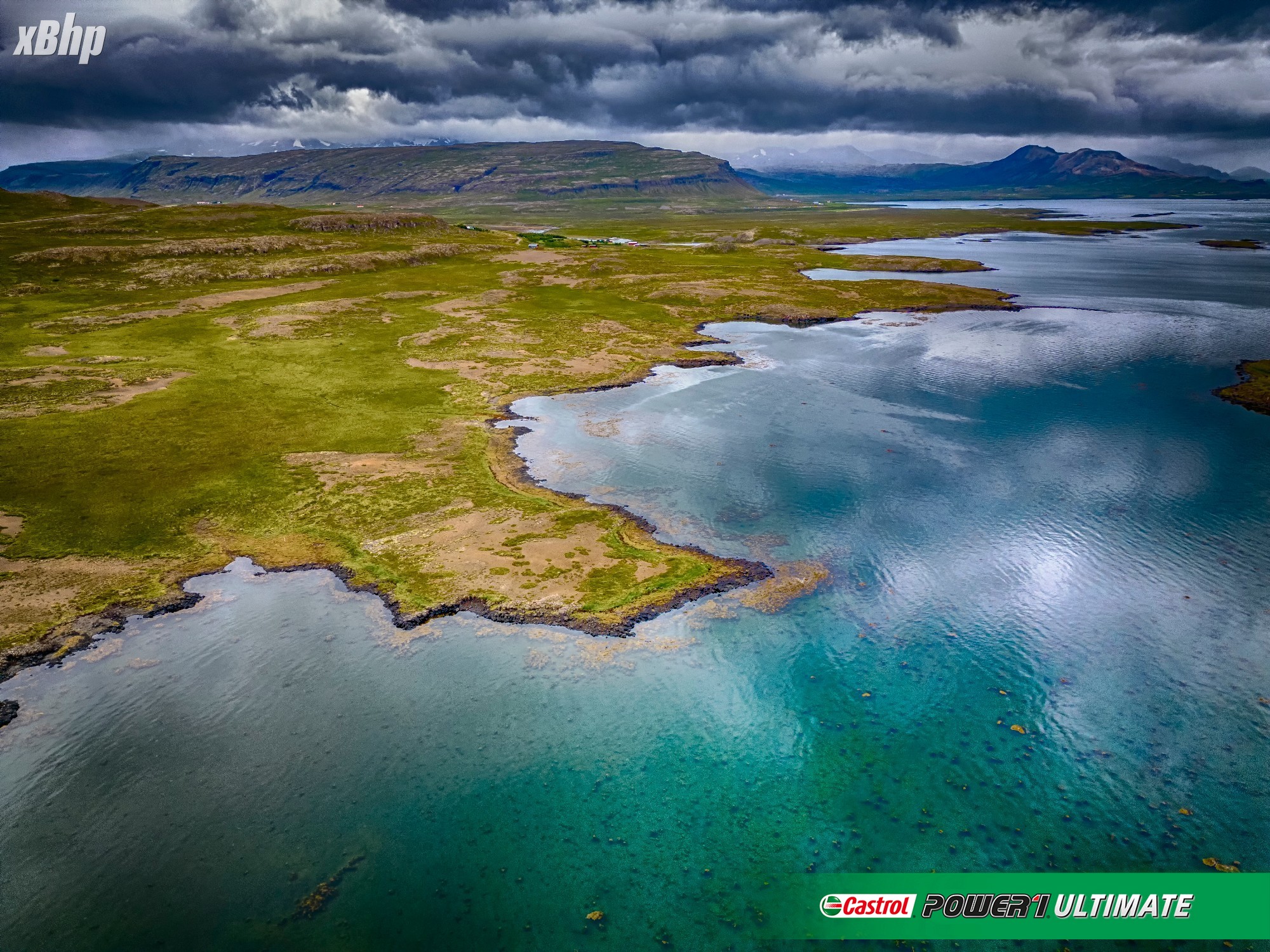
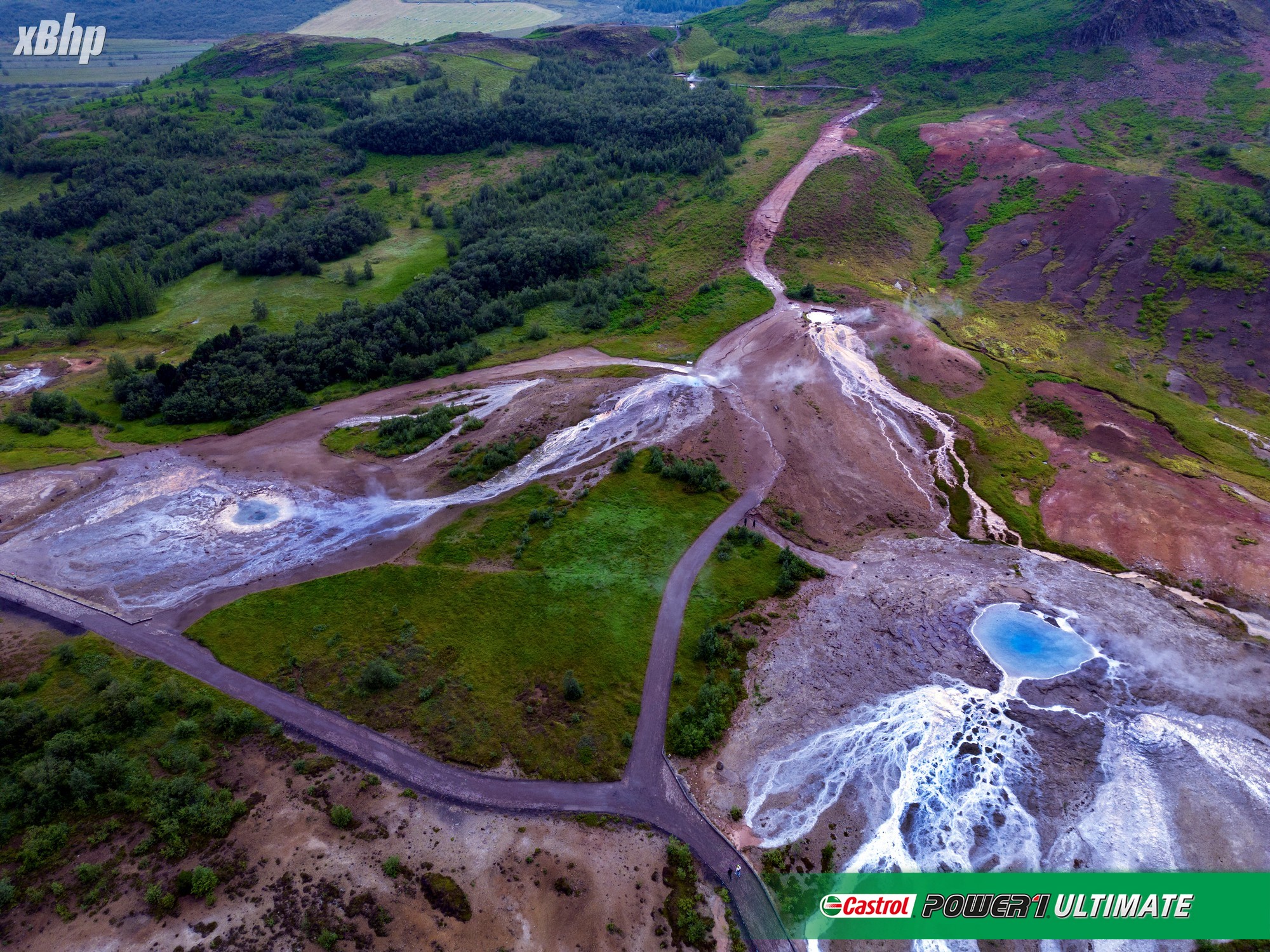
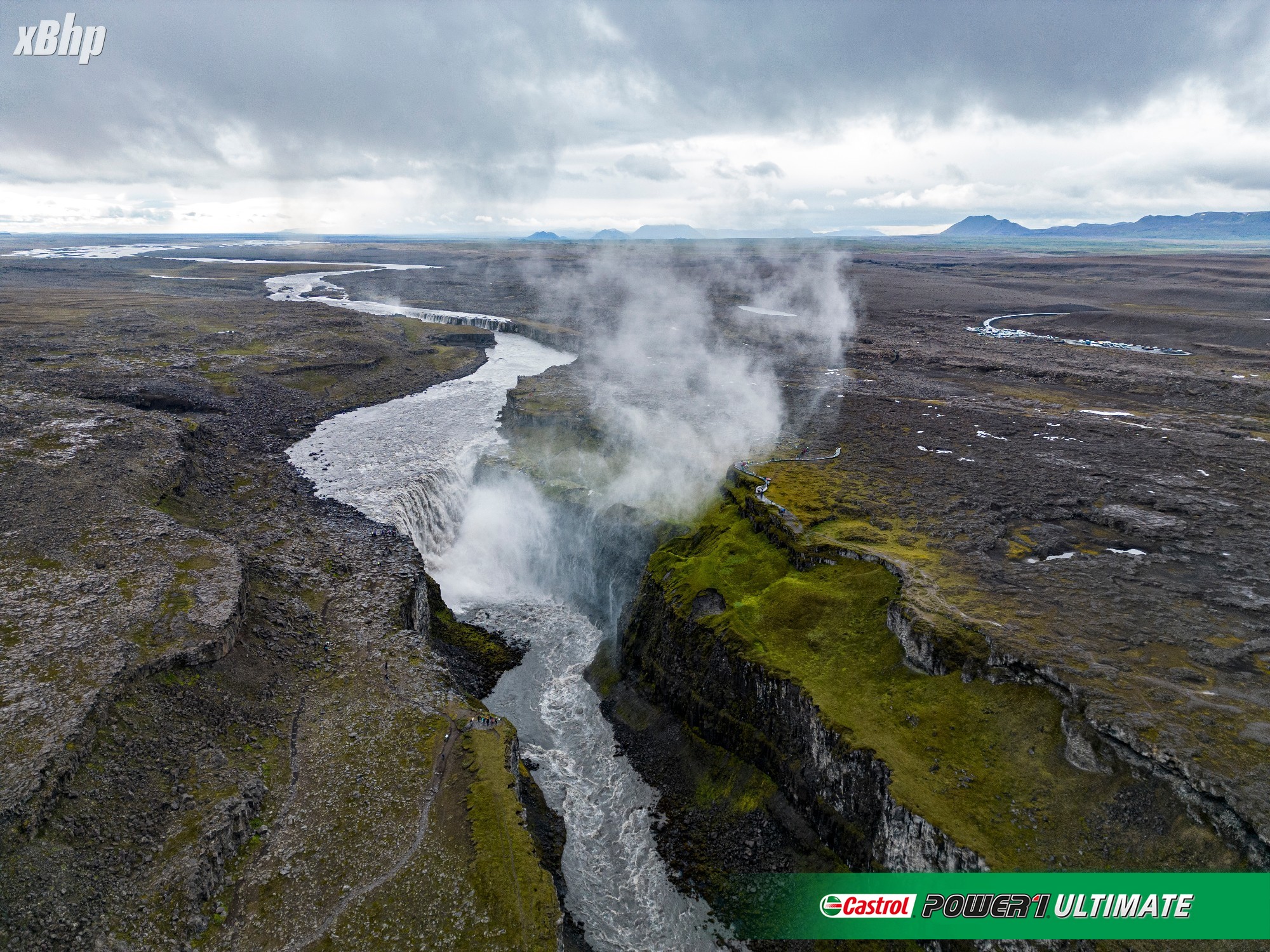
Drone. Technically, in most places, you cannot fly a drone. However, after you look at all the footage online you realize that no one is following the technicalities. Let me be very frank here, I truly respect drone laws, but like thousands of others before me, and after me, spending a small fortune to come to Iceland and not using a drone to capture the landscape as a content creator is sacrilege as well. You have to just make peace with it and not do stupid stuff like flying drones in crowded areas, near airports or close to animals so that they get disturbed. Truth be told a lot of tourism in Iceland is precipitated after people watch the beautiful drone shots that we all create and publish. Many tourists in cars are happy just roaming around, so in effect drones only should be used and allowed by professional content creators that will help Iceland increase their tourism.
The Actual Roadtrip
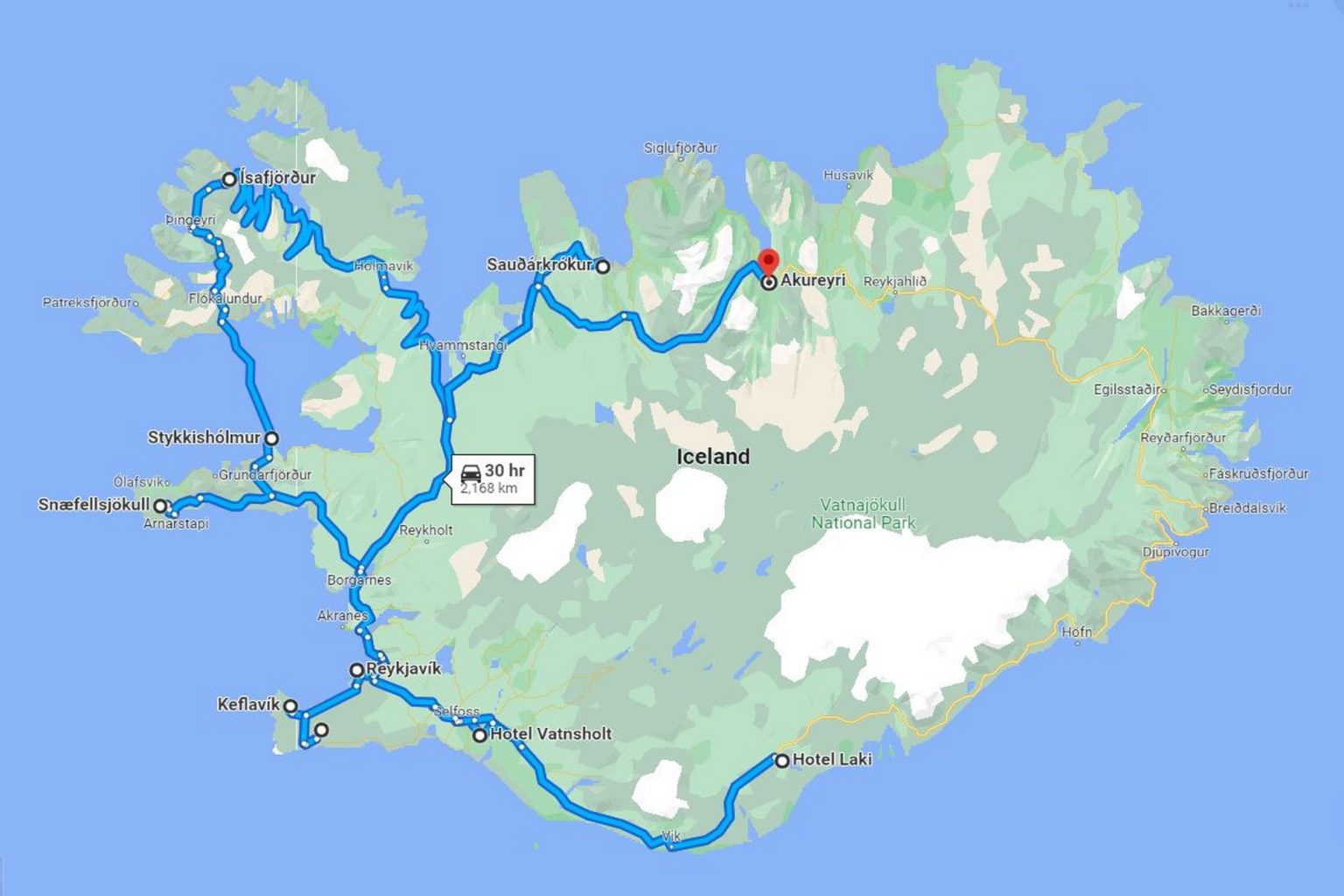
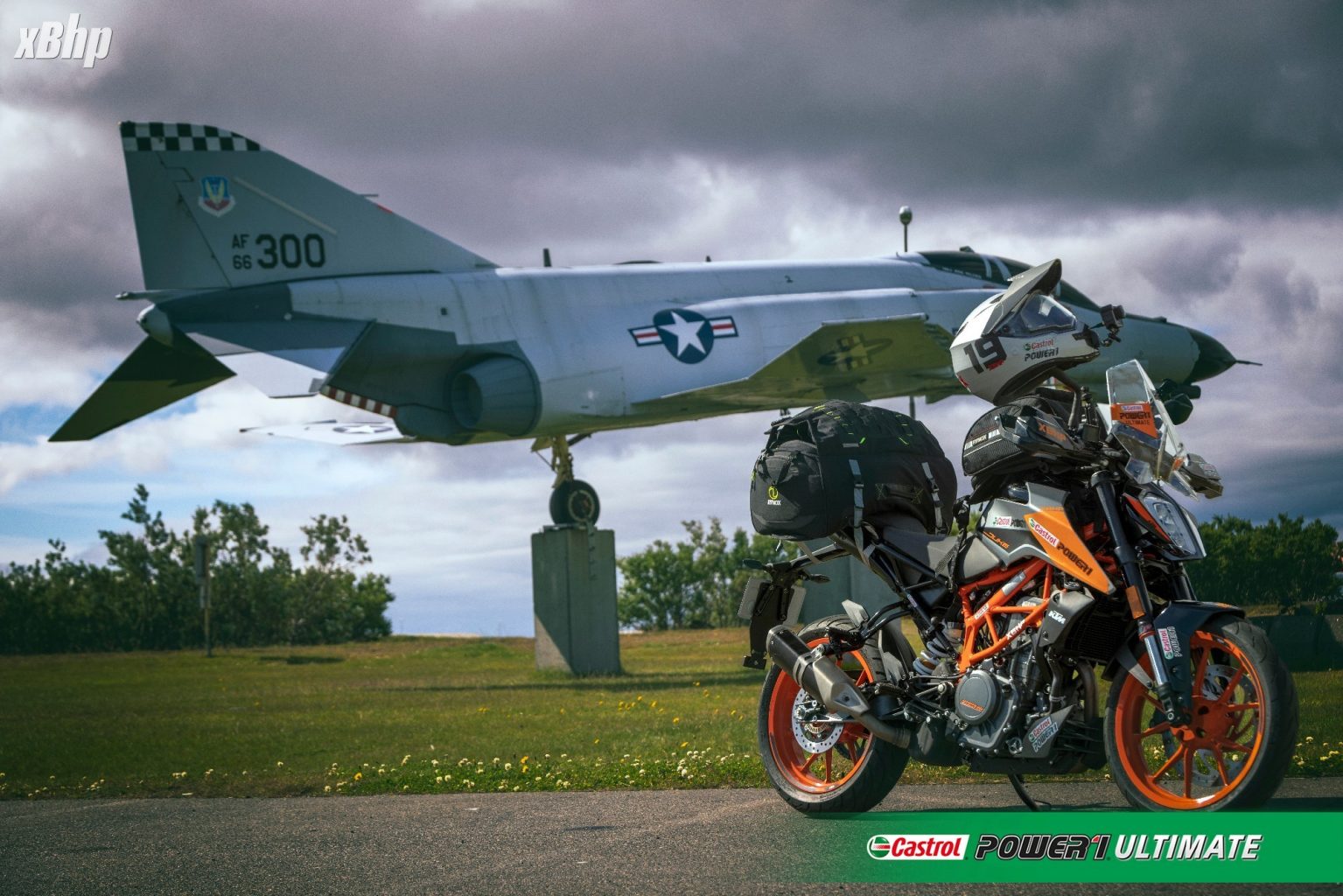
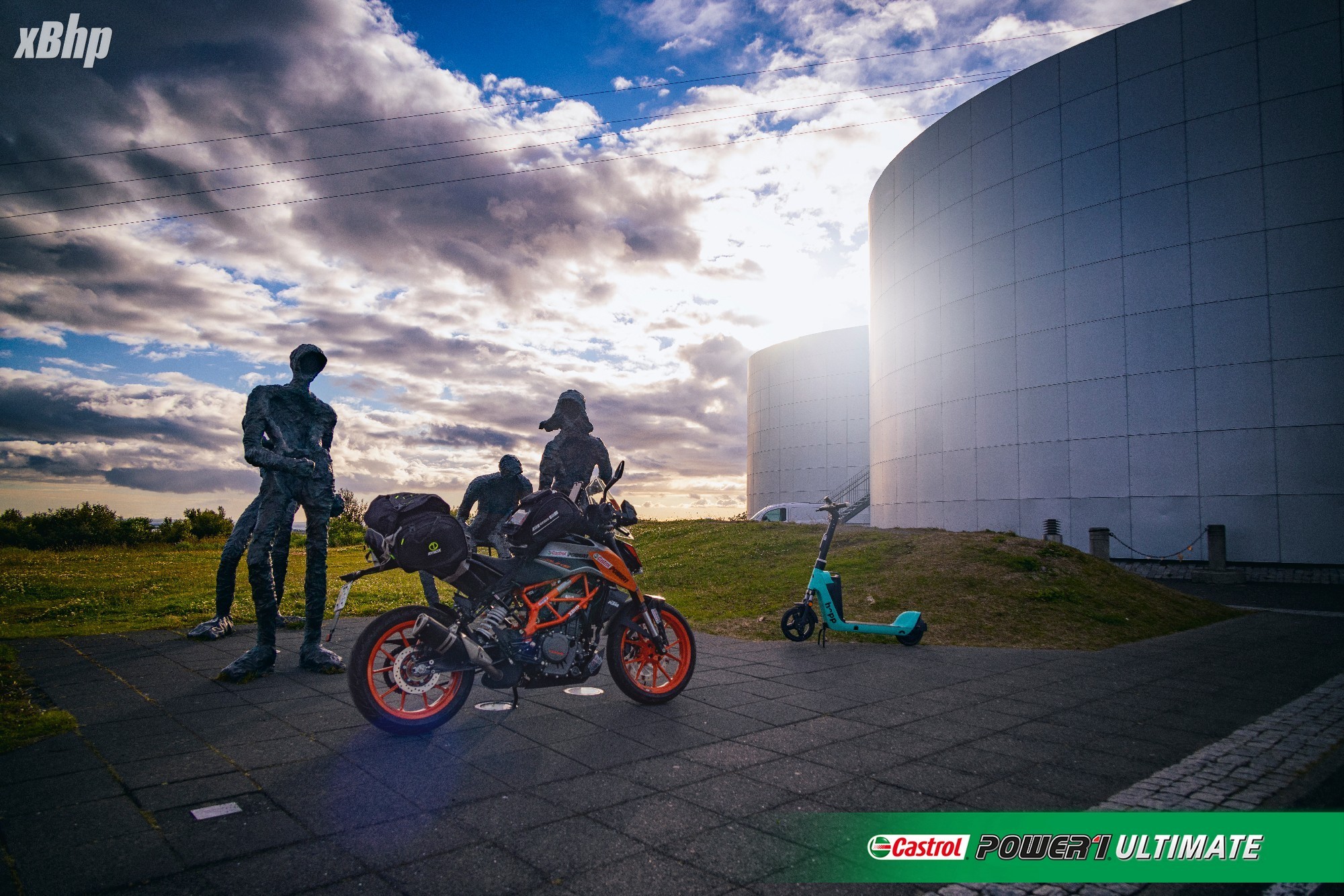
Unless you are shipping your bike from Western Europe, most of us will start by landing at the biggest airport in Iceland, Keflavik. I flew in from Munich on Iceland Air and landed early in the evening which gave me a bit of time to set up my motorcycle with luggage. After a long time, I experienced the midnight sun for the first time, after I rode to Nordkapp in Norway. The bike was finally prepared at 10 PM and I set out in a hurry to find some food in bright sunlight! That was amazing! Talking about food – many places in Iceland just shut down after 8 PM, especially in smaller towns, so if you are on a motorcycle and don’t have spare food, make sure you carry something from a gas station. Many gas stations also have a takeaway fast food section, and many of course have the famous Icelandic hot dogs. So even if the food is cold, you won’t go hungry at night. In any case, I do recommend stocking up on a few protein/energy bars. Keflavik is a kind of satellite town of the capital city of Reykjavik hosting the main airport of Iceland. It has a lot of hotels and a lot of car rental companies here. The next day I came across a US Air Force plane displayed at a roundabout, through which I got to know the history of Keflavik as a US Naval Airbase as well during World War 2.
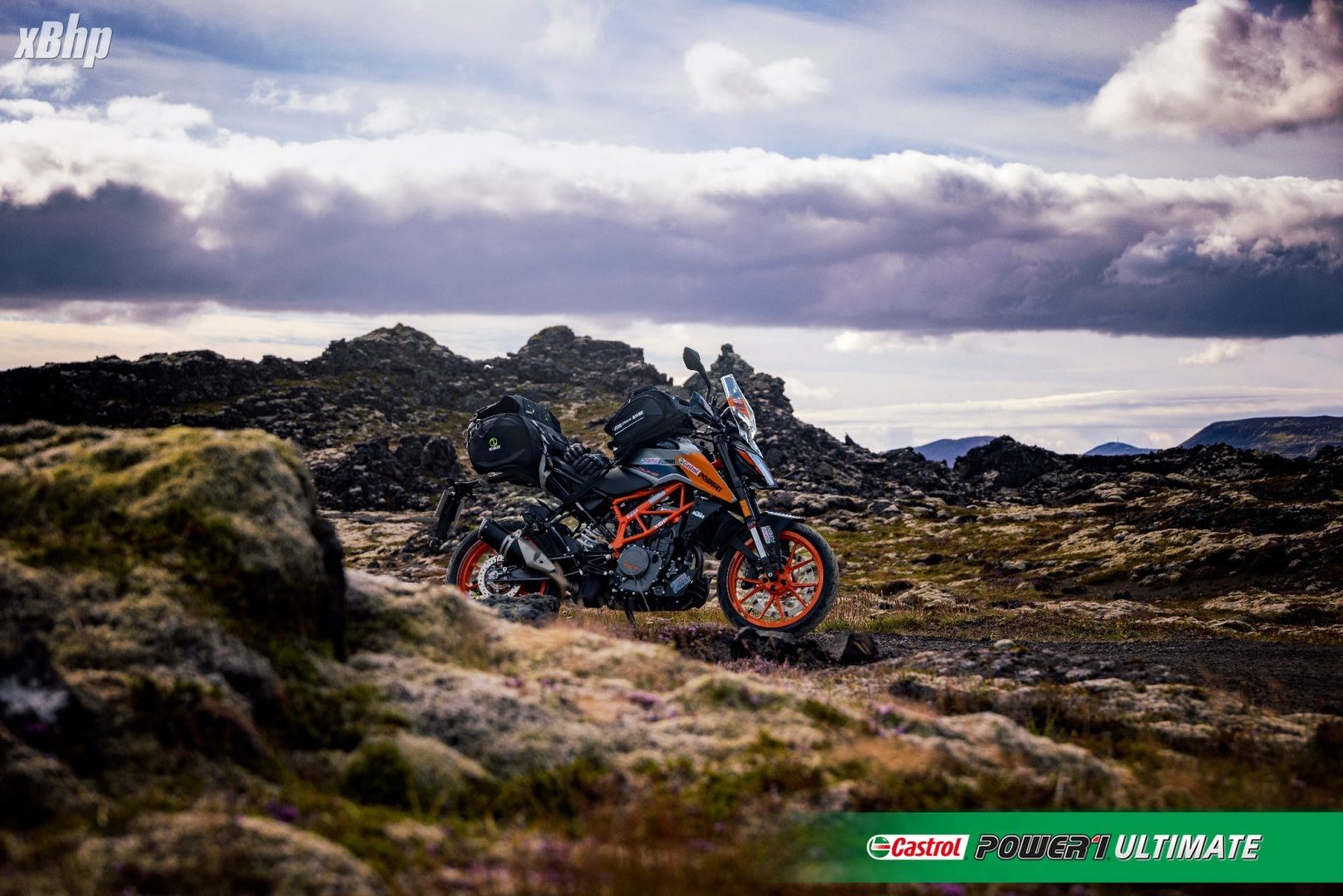
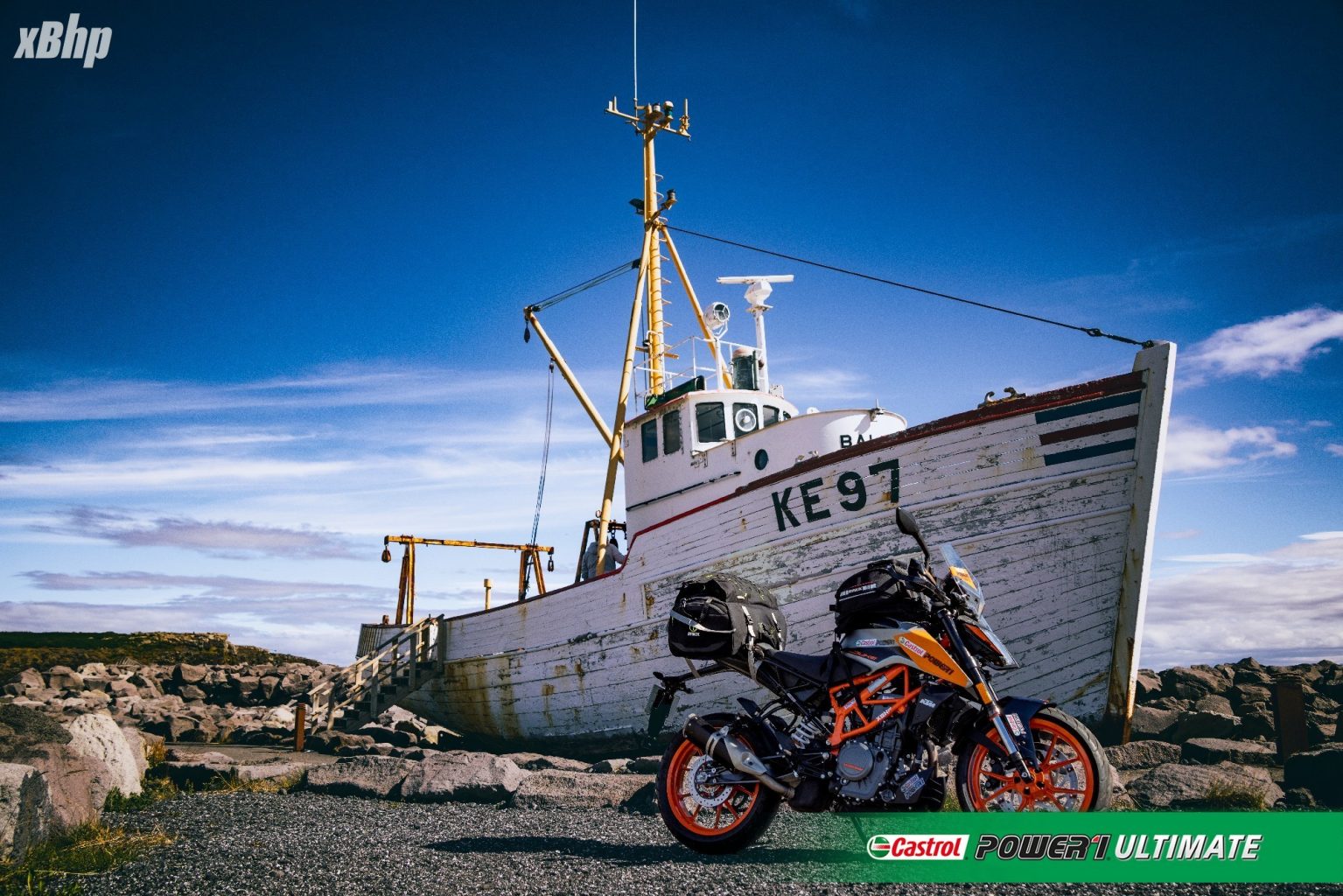
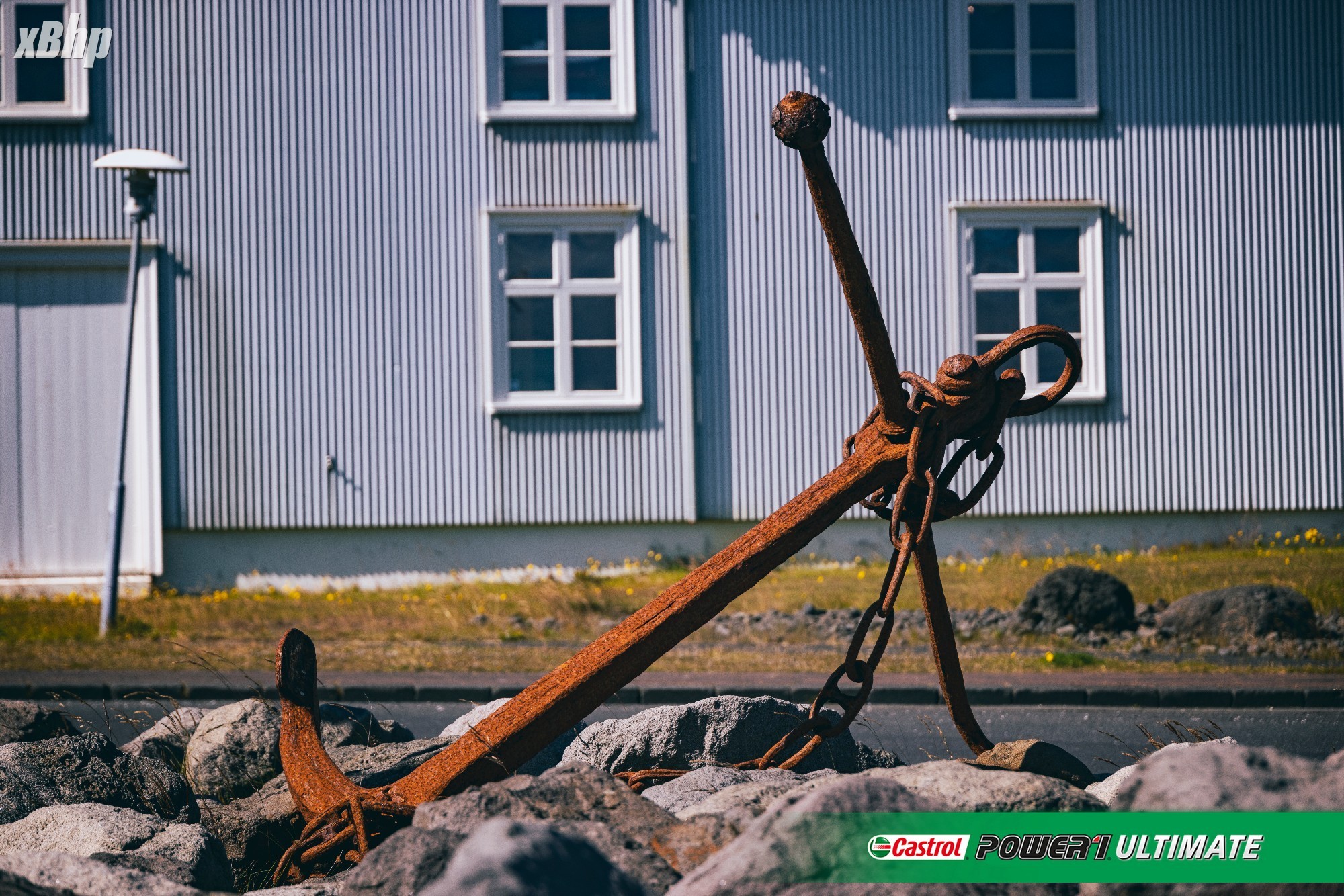
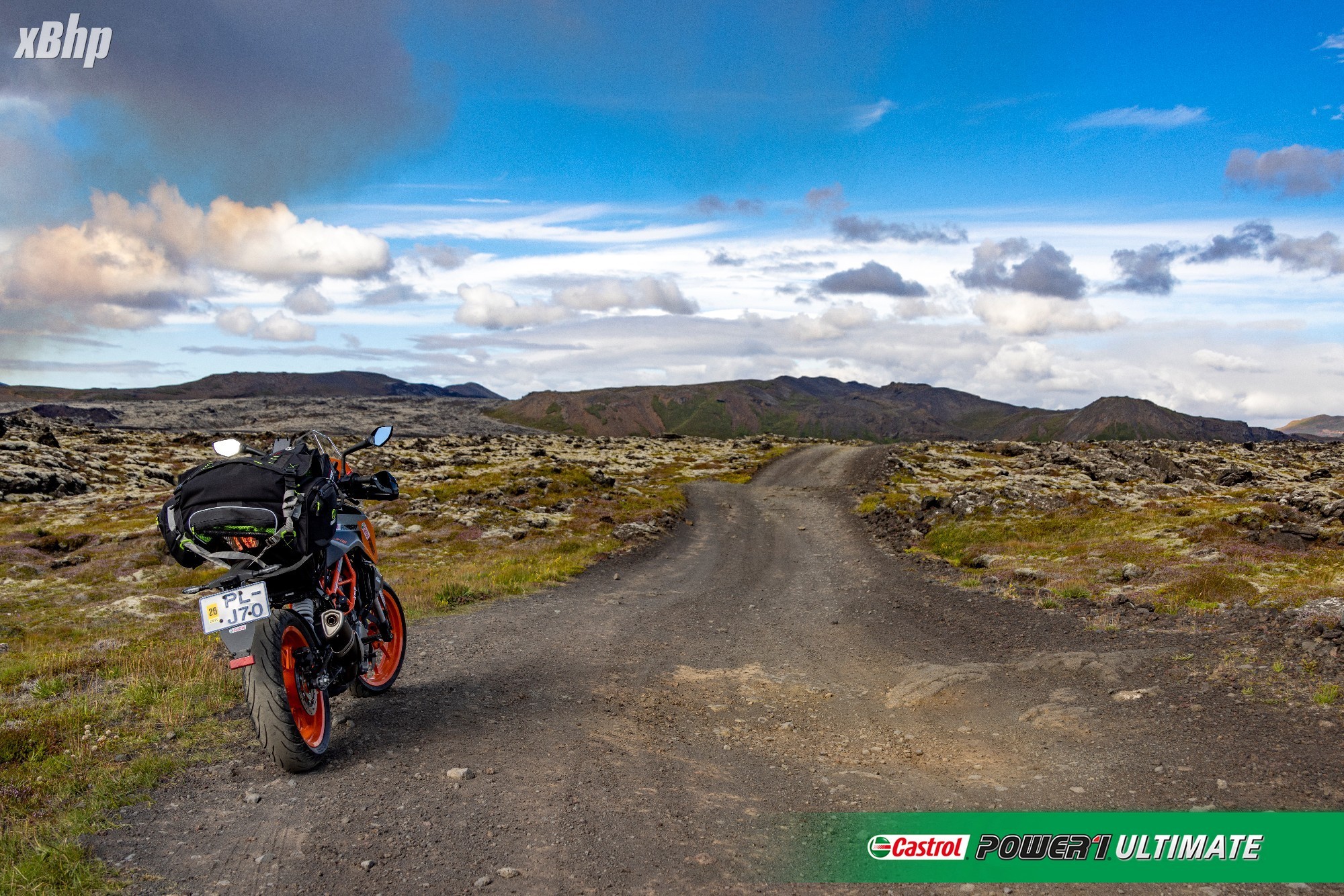
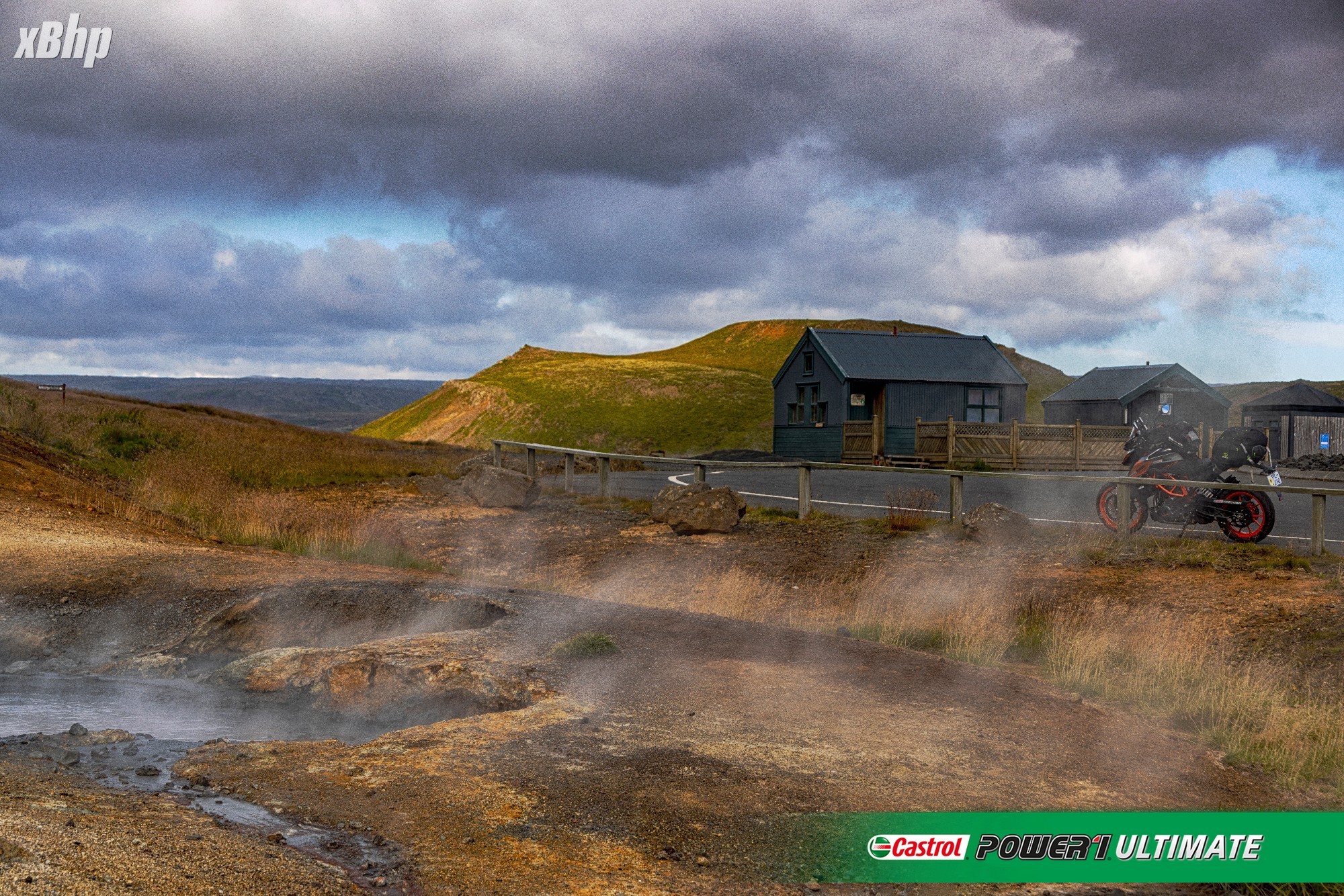
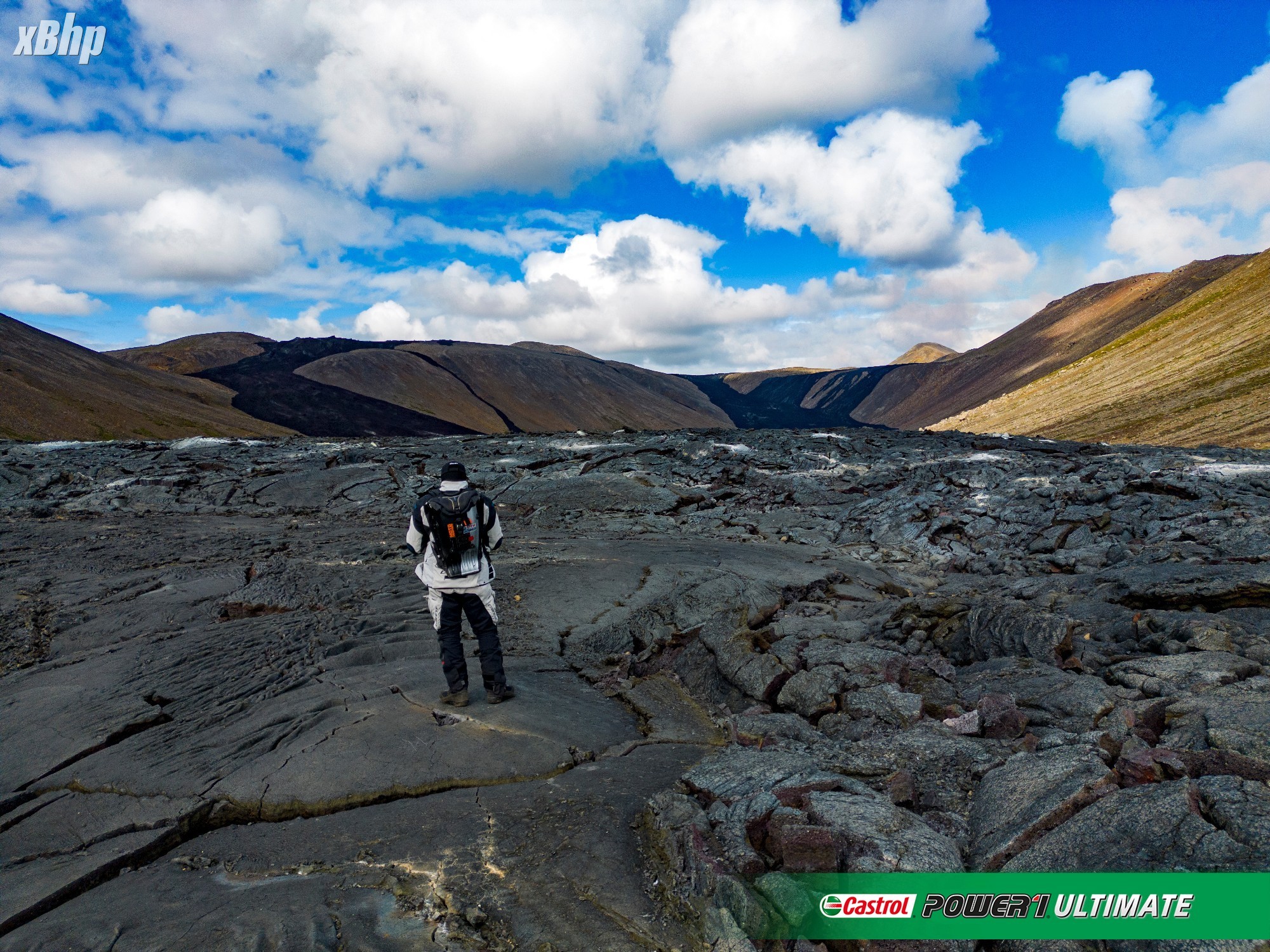
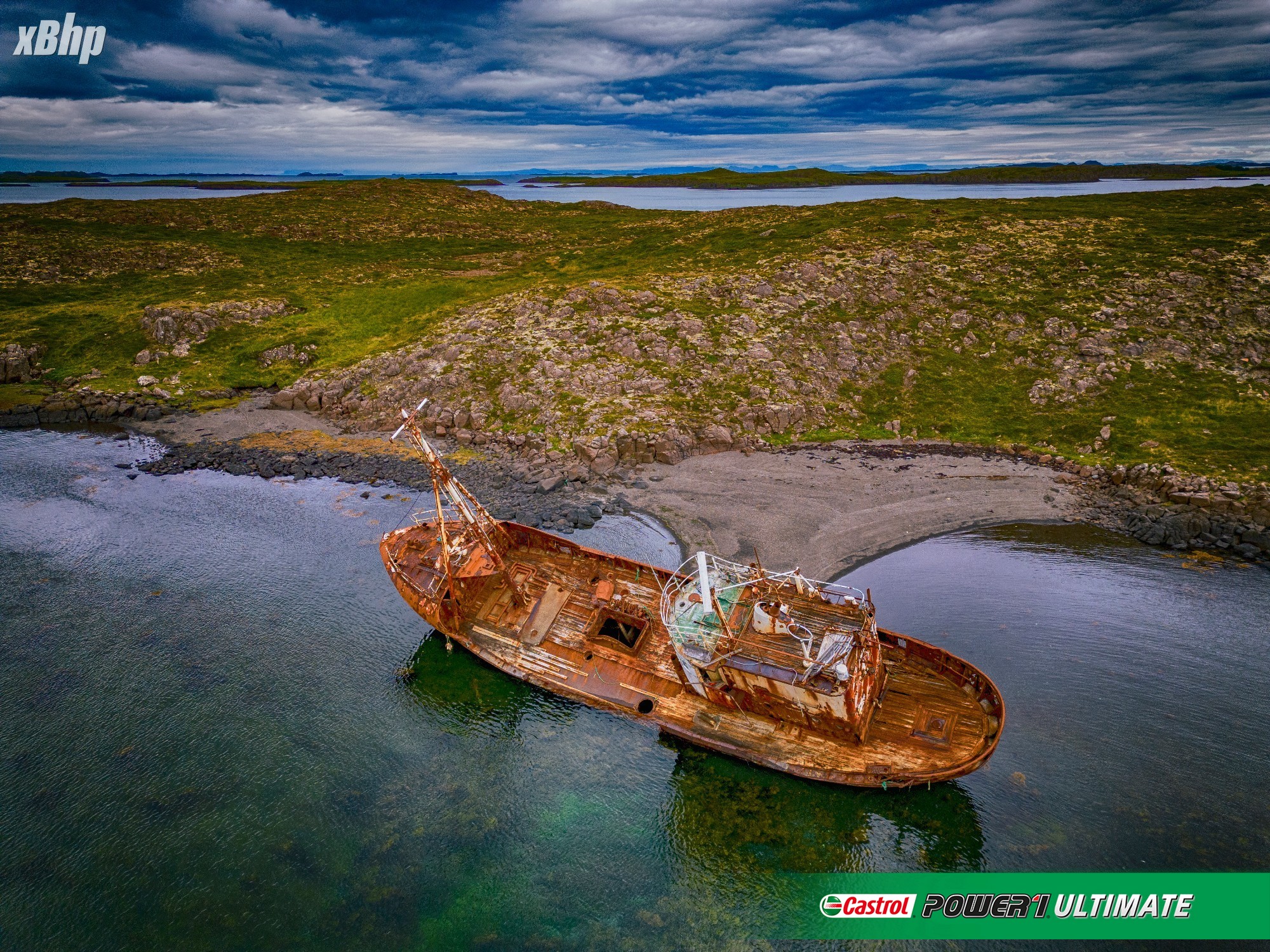
The same day while exploring Keflavik, I came across a few oddities like a stranded ship attraction. At lunchtime, I saw people’s attention sway towards the television that was showing a volcanic eruption – LIVE! Yes, I was incredibly lucky that the Geldingadalir volcano had erupted. This was pretty close to Reykjavik and I hastened on the KTM 390 to visit it. However, because of my heavy riding gear, I couldn’t trek a lot to see it and I ended up just walking on Igneous rock (solidified lava) which was a surreal experience in itself. A trip from Keflavik to Kleifervatn, to Grindavik (and a small detour to a place called Selatangar and then back to Keflavik will be around 100 km but it will give you an incredible preview of what’s coming up ahead. The feeling of something strange about the Icelandic keeps hitting you until you realize that it is the treeless landscape and the black Igneous rocks.
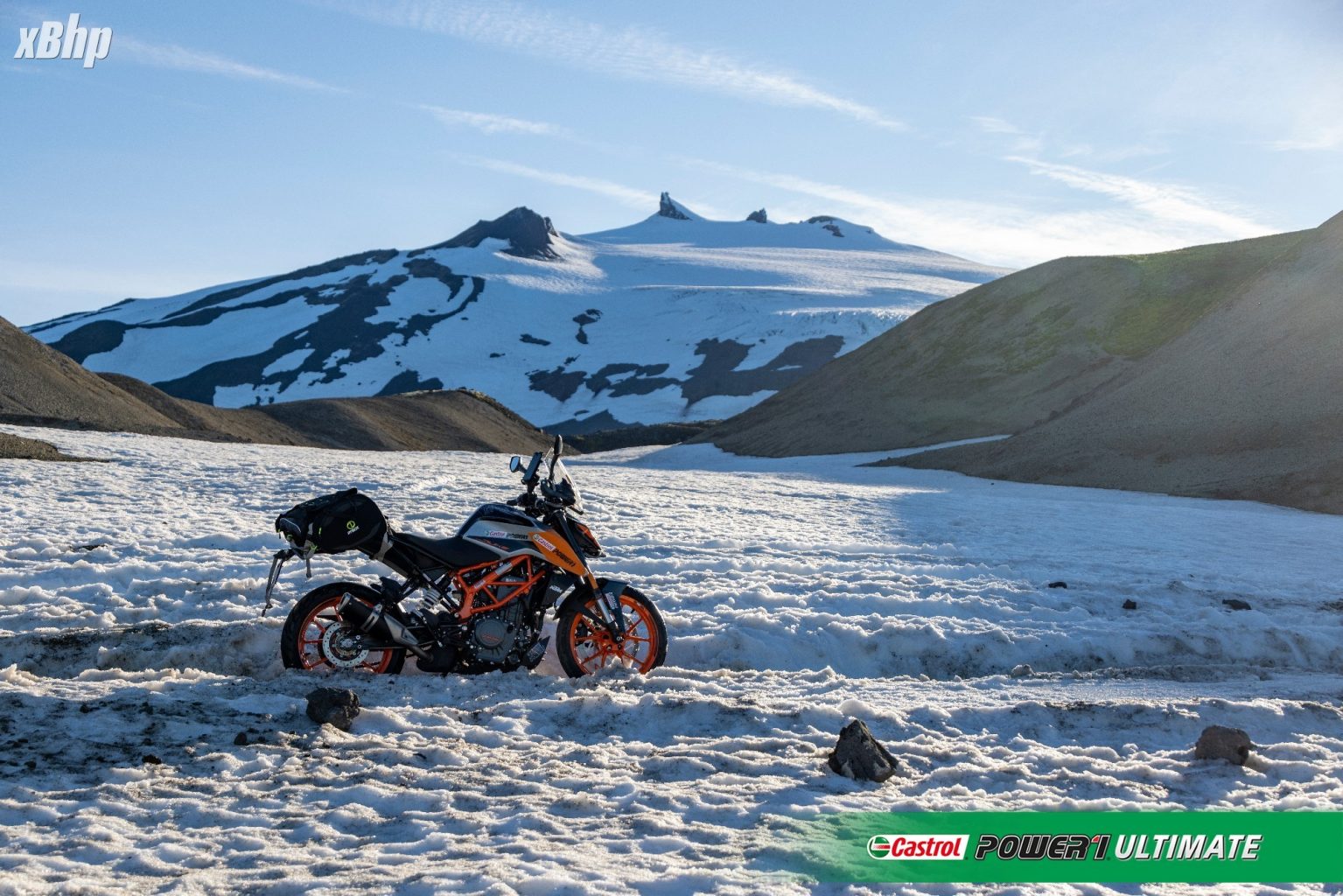
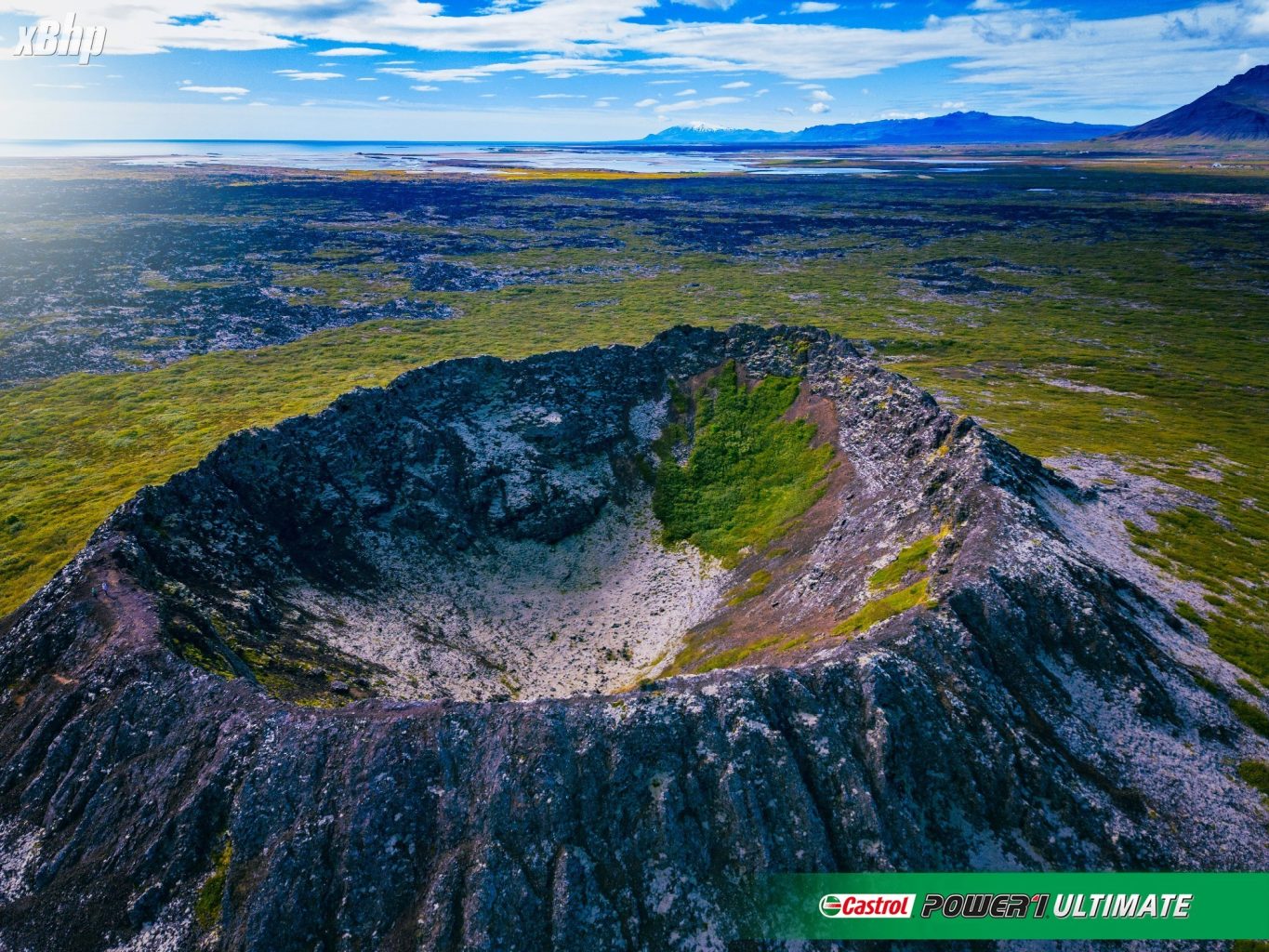
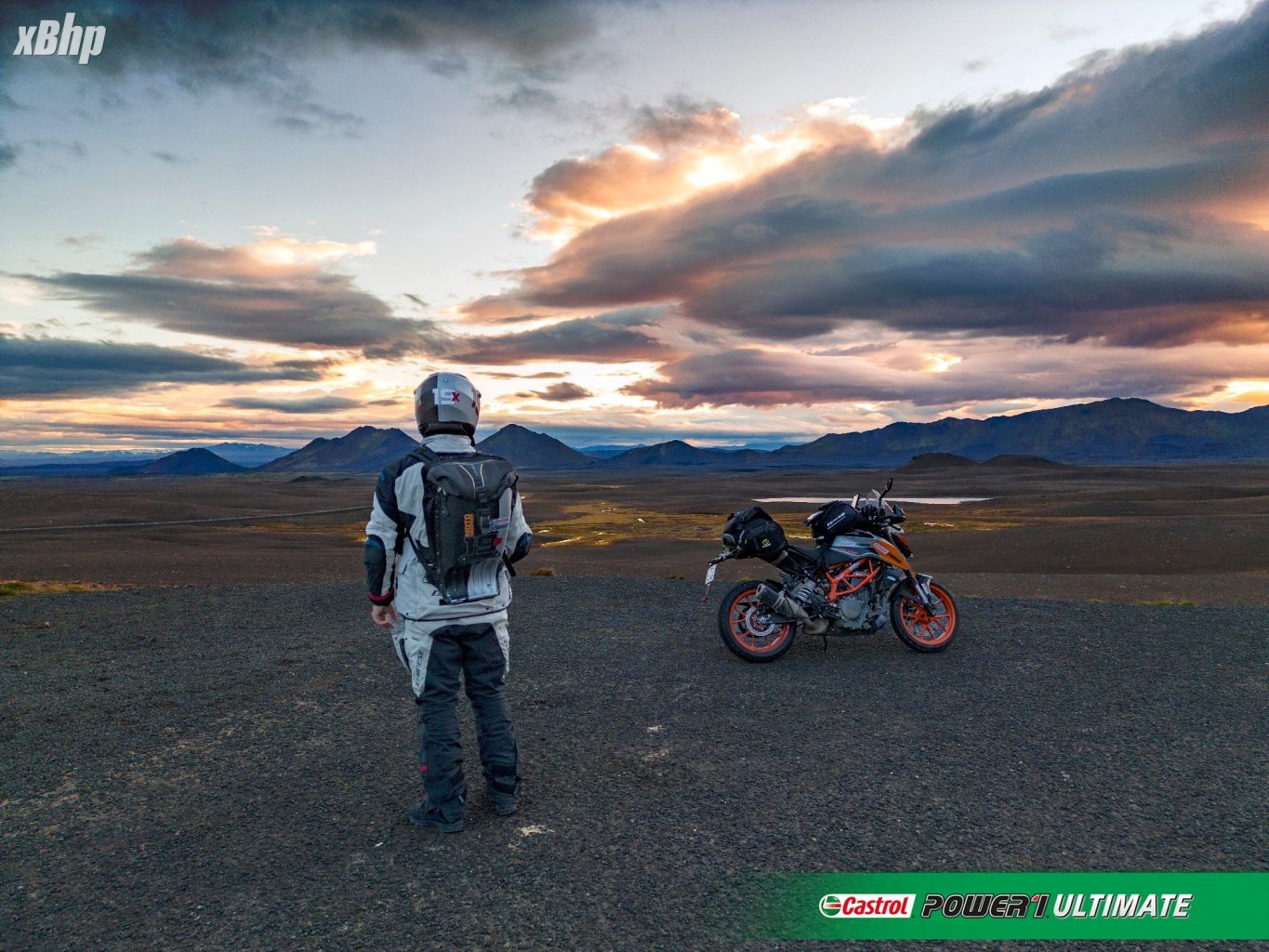
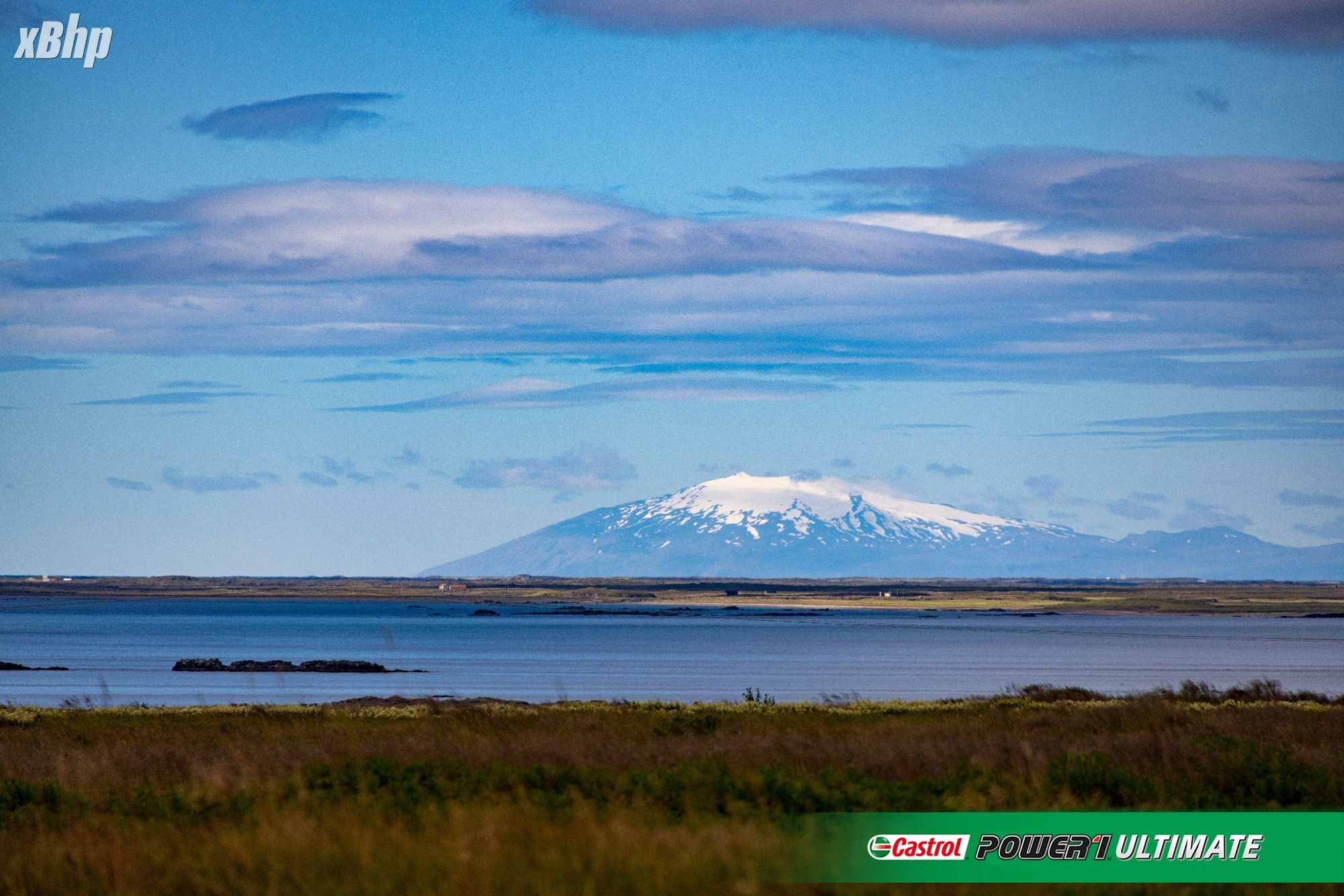
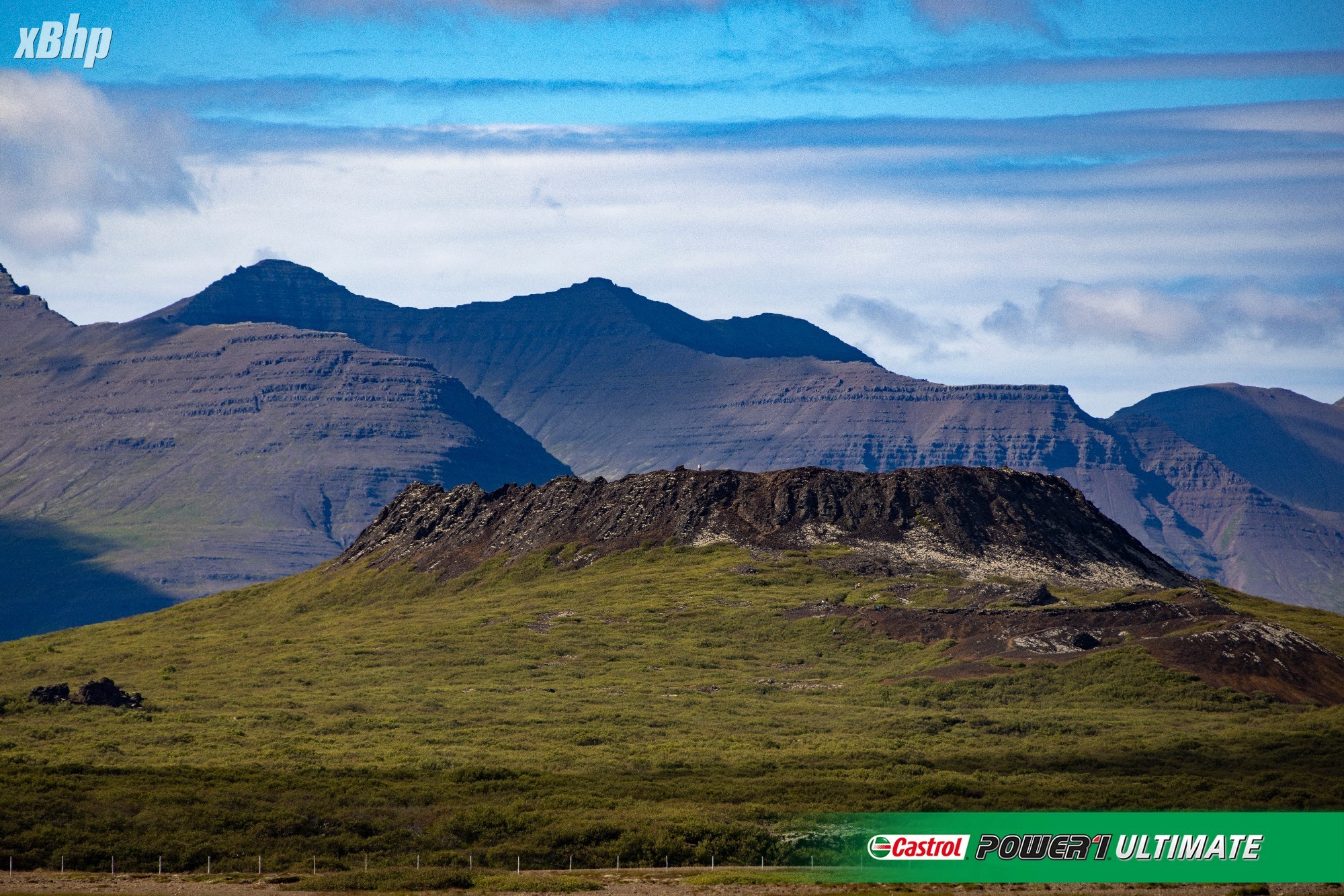
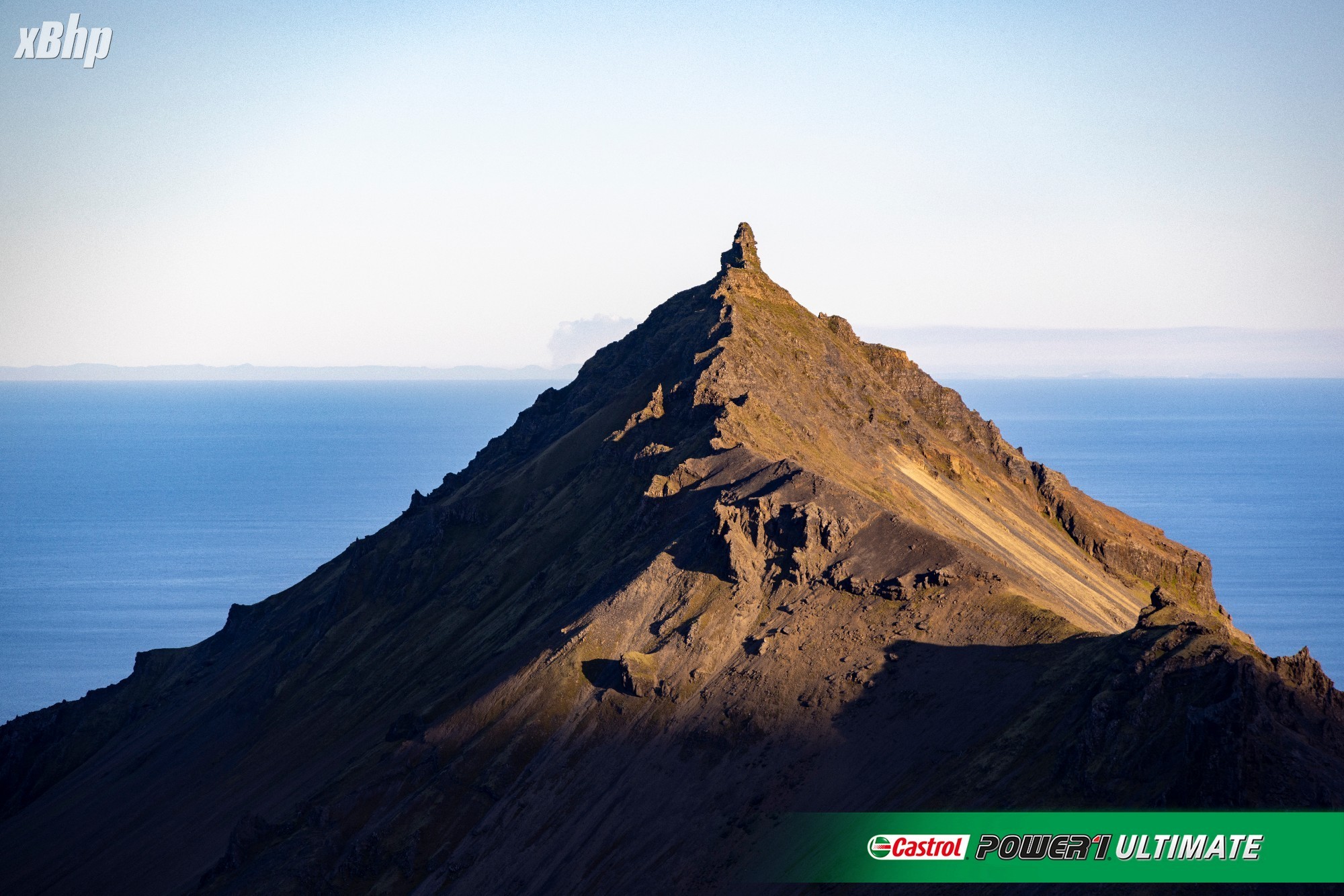
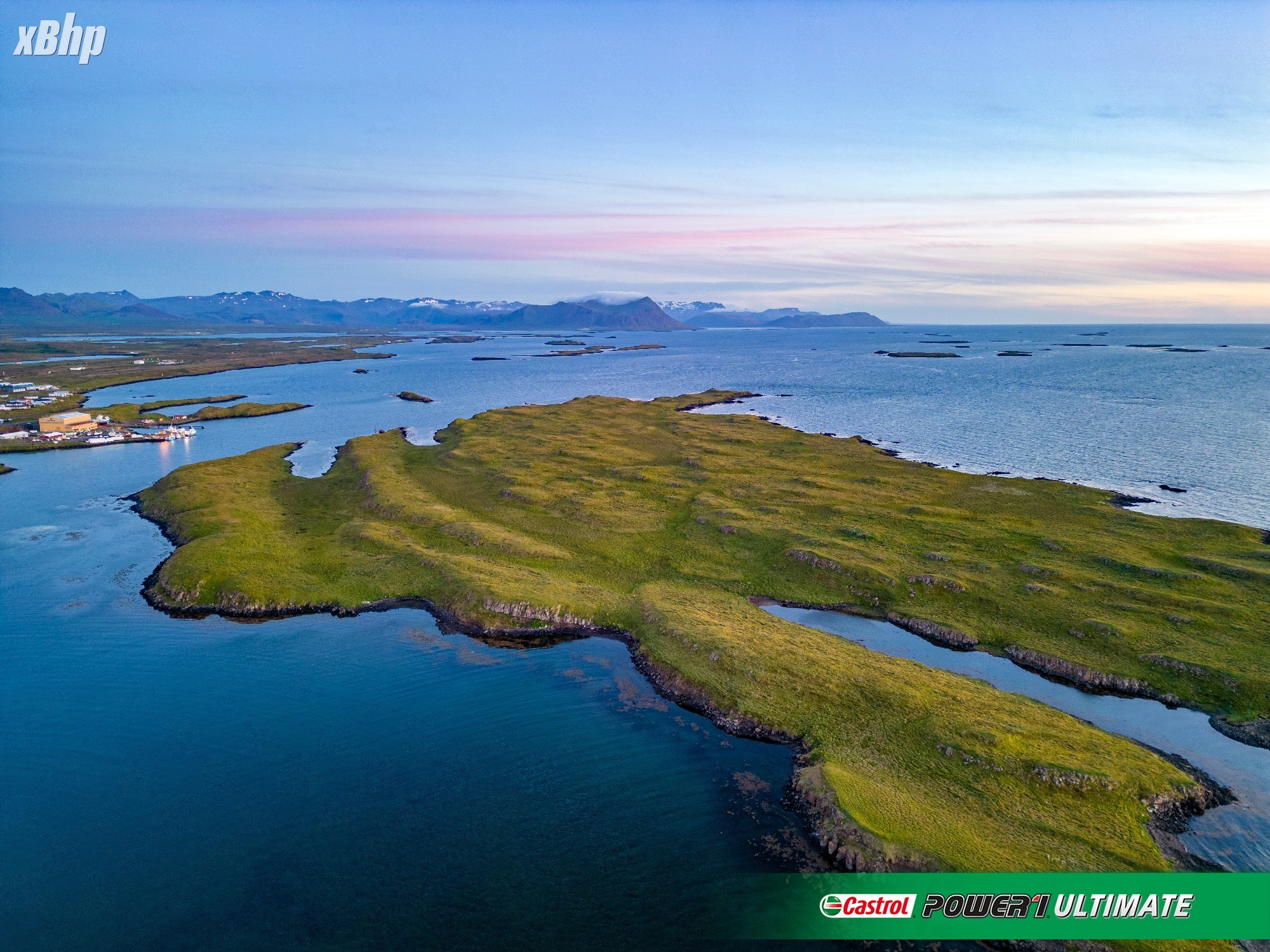
My Second day in Iceland saw me head towards the less visited Snæfellsnes peninsula. It is also referred to as mini Iceland since it has an incredible variety of things to show you that you will see in the rest of Iceland. And it was true. Thanks to the incredible weather, I experienced a ring crater called Eldborg that rises 60 meters above the surrounding lava and was created around 5000 years ago. There is no dearth of waterfalls here. And then there was one of the most incredible experiences I had in Iceland – Snæfellsjökull Glacier. Jökul means glacier in Icelandic. This was a one-way road and I got stuck when I had to cross a section of snow on the road. I had to take out all my bags and then literally drag the KTM 390 Duke out of the snow. It was one of the most terrifying yet beautiful experiences there with no one for miles and zero traffic. Even though the sun didn’t set, it did start to get very cold as it was around 7.30 PM by the time I got myself out of there and started my journey back on an F road! I ended my day in the town of Stykkishólmur for a total of 300 km.
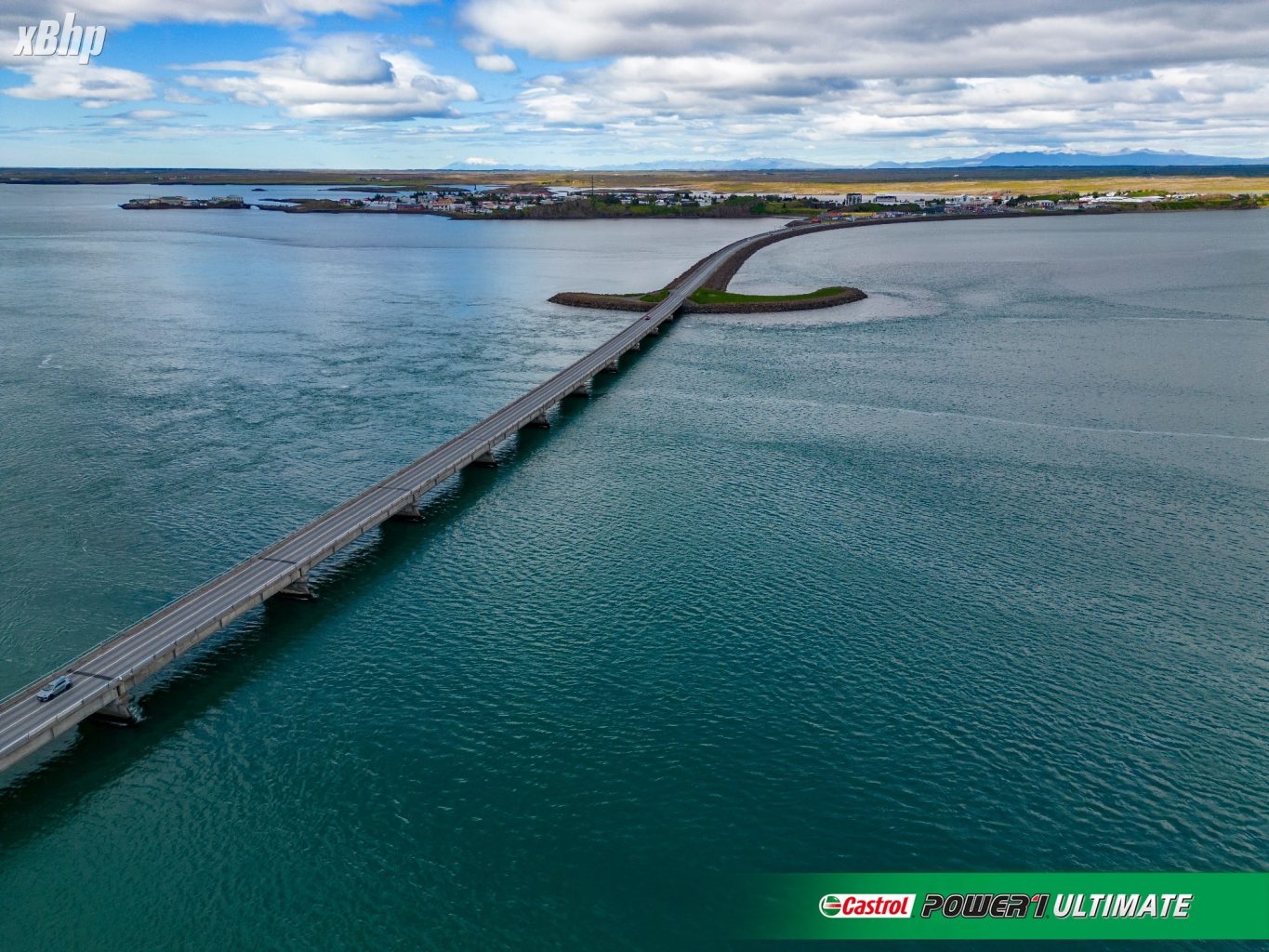
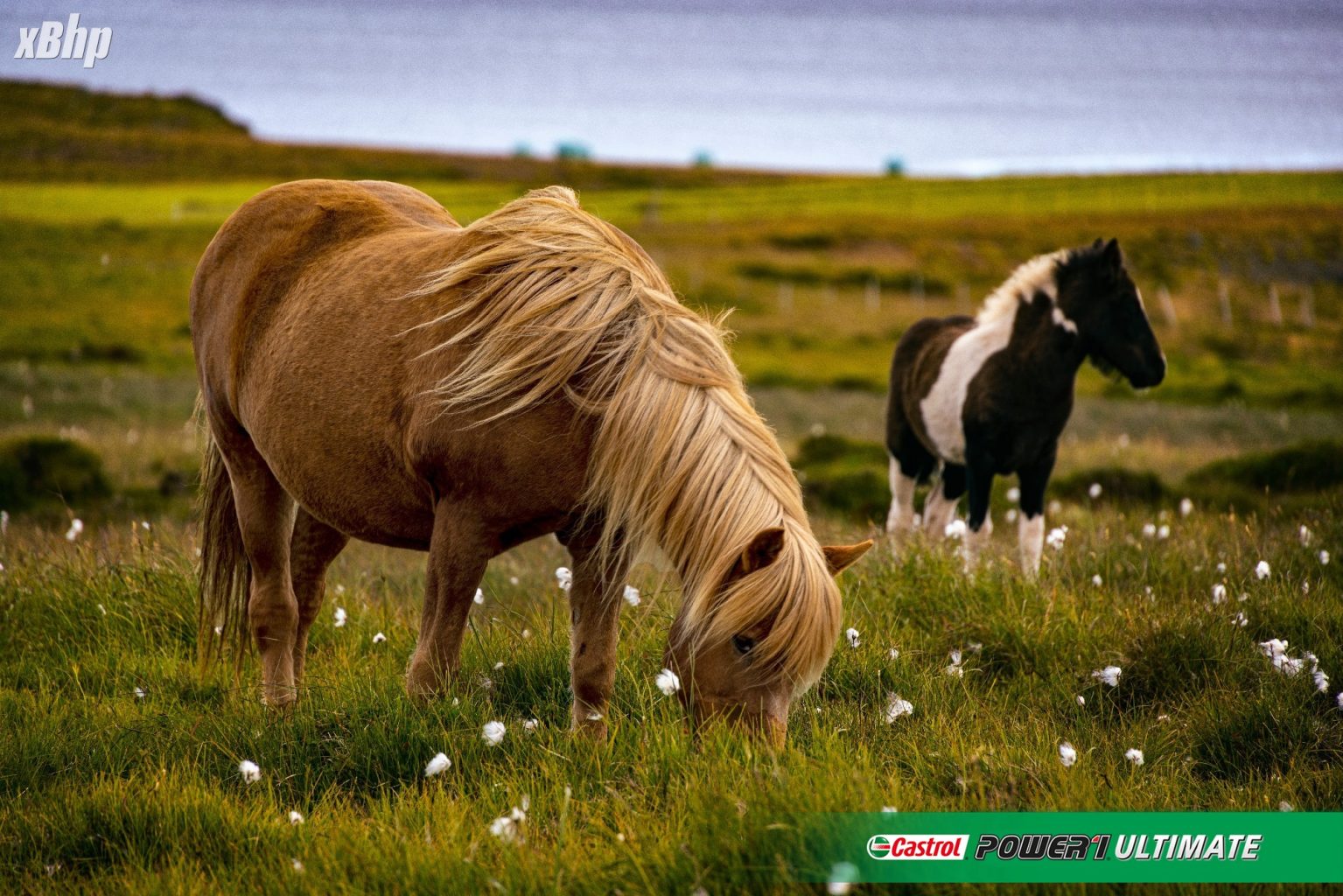
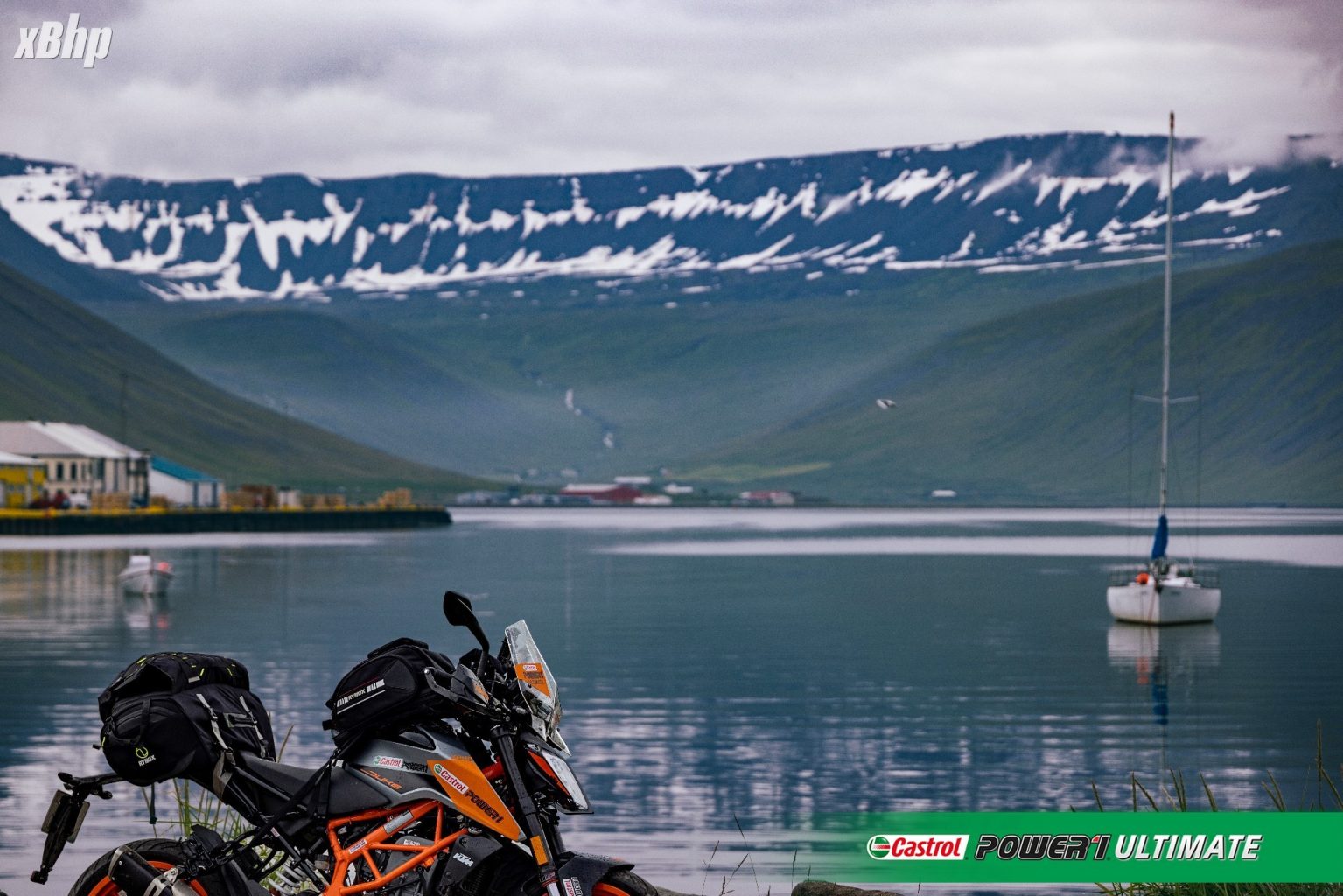
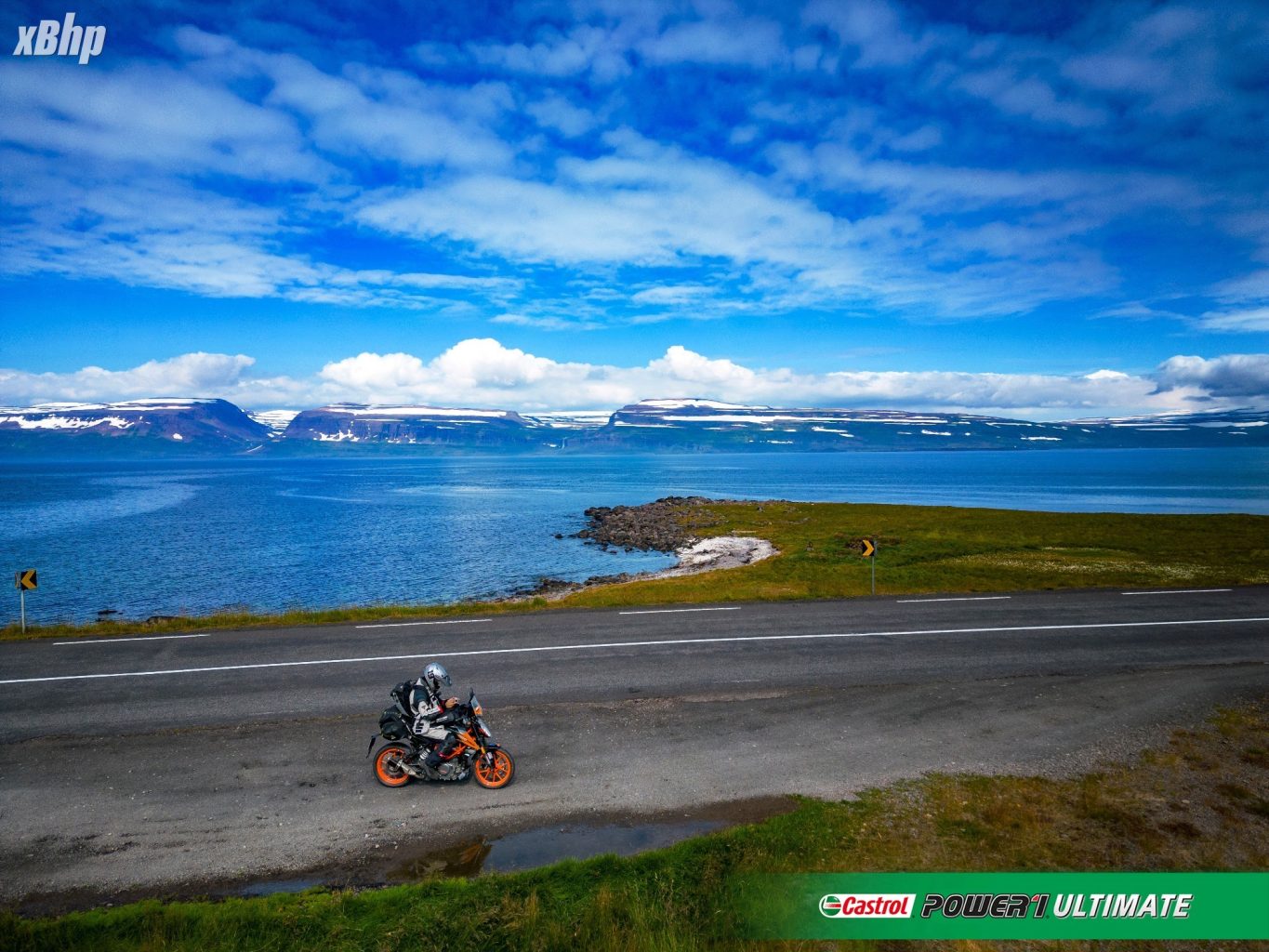
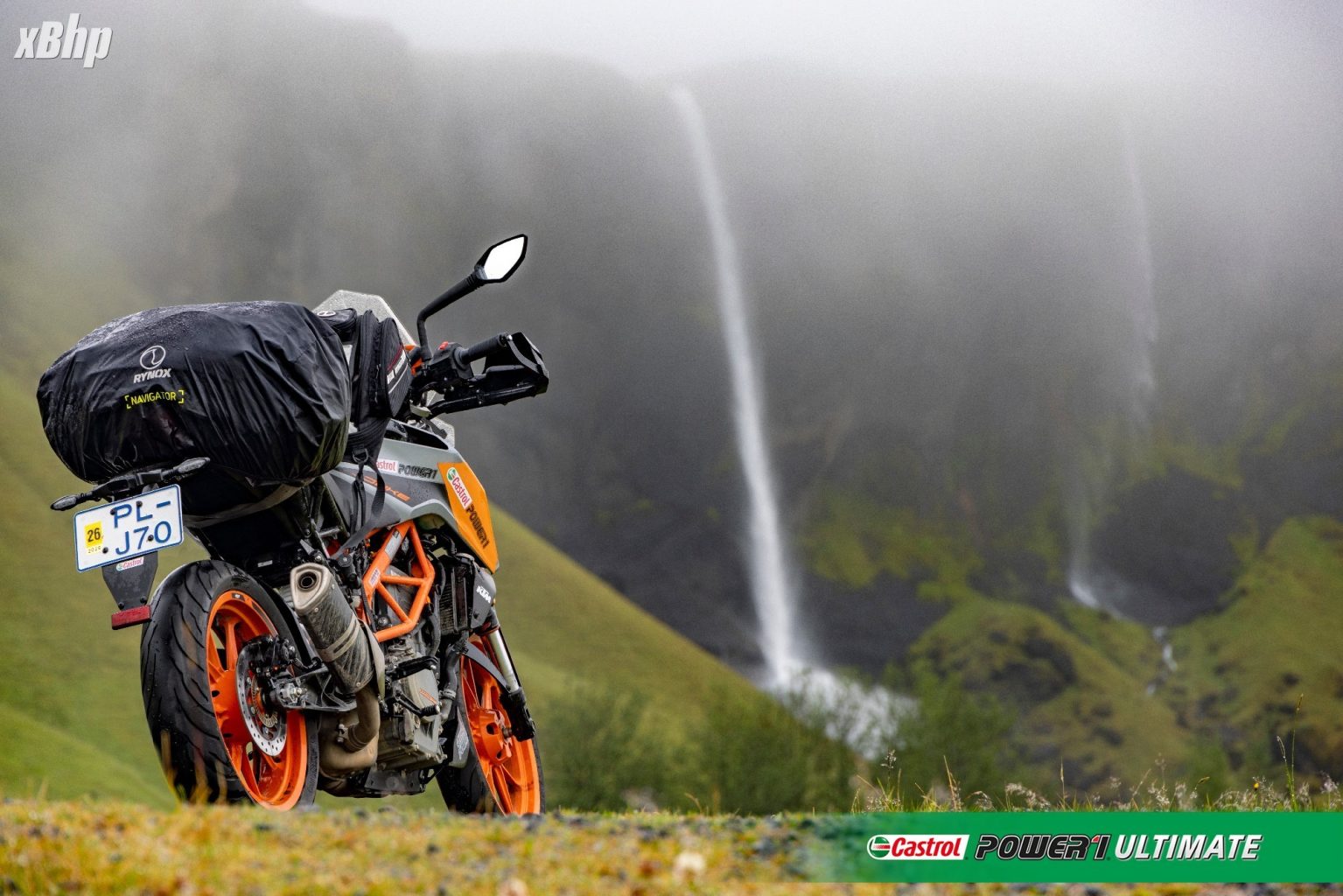
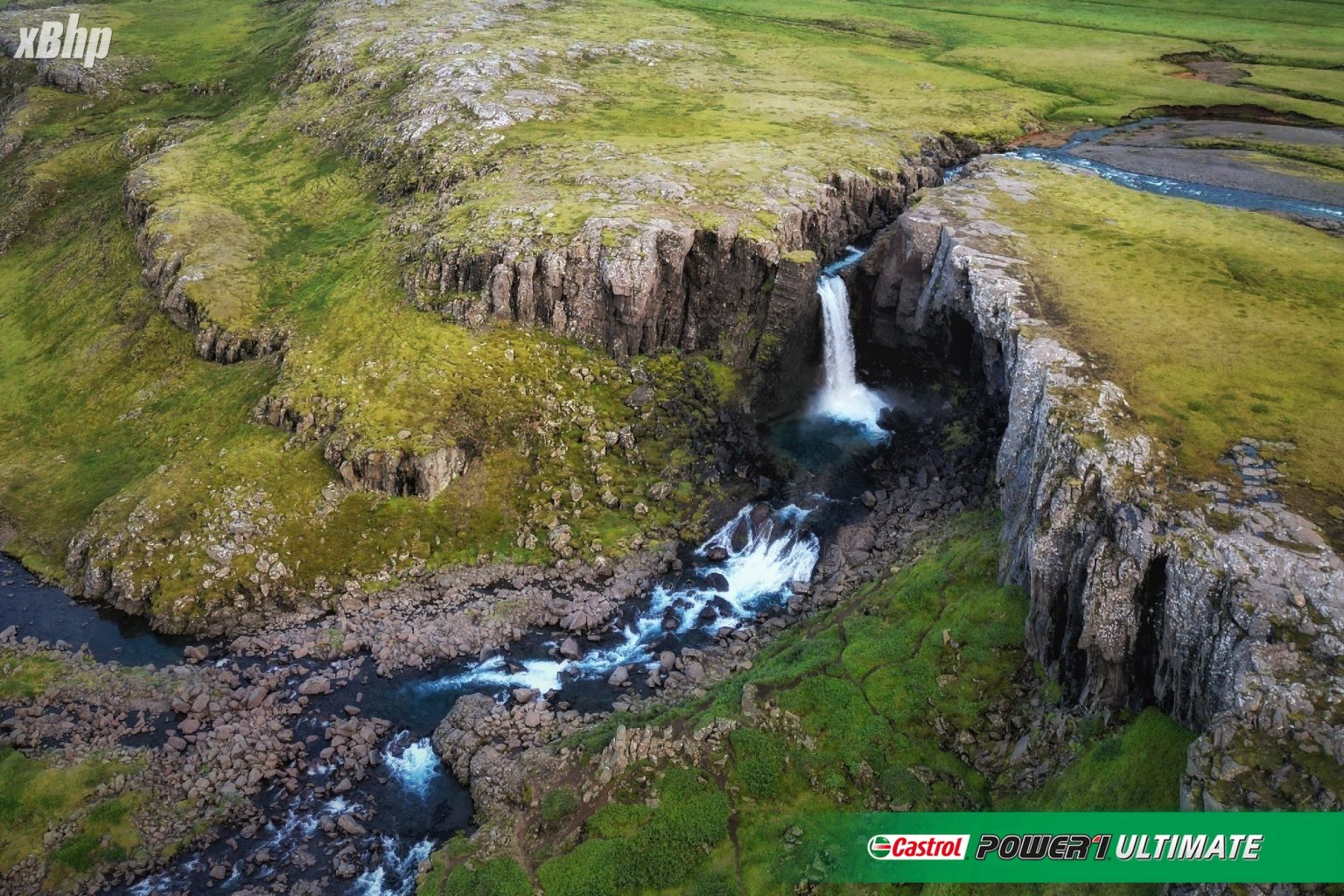
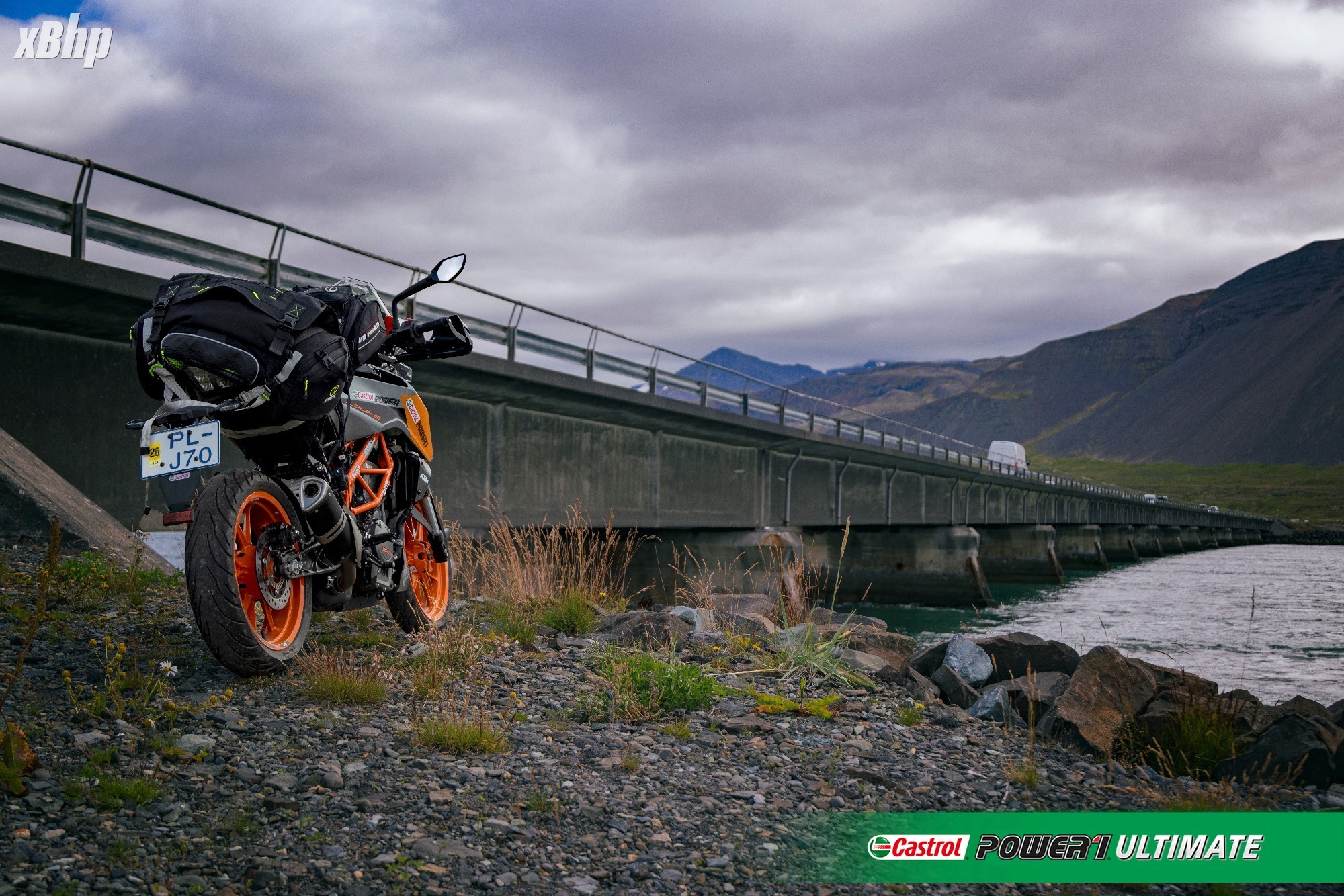
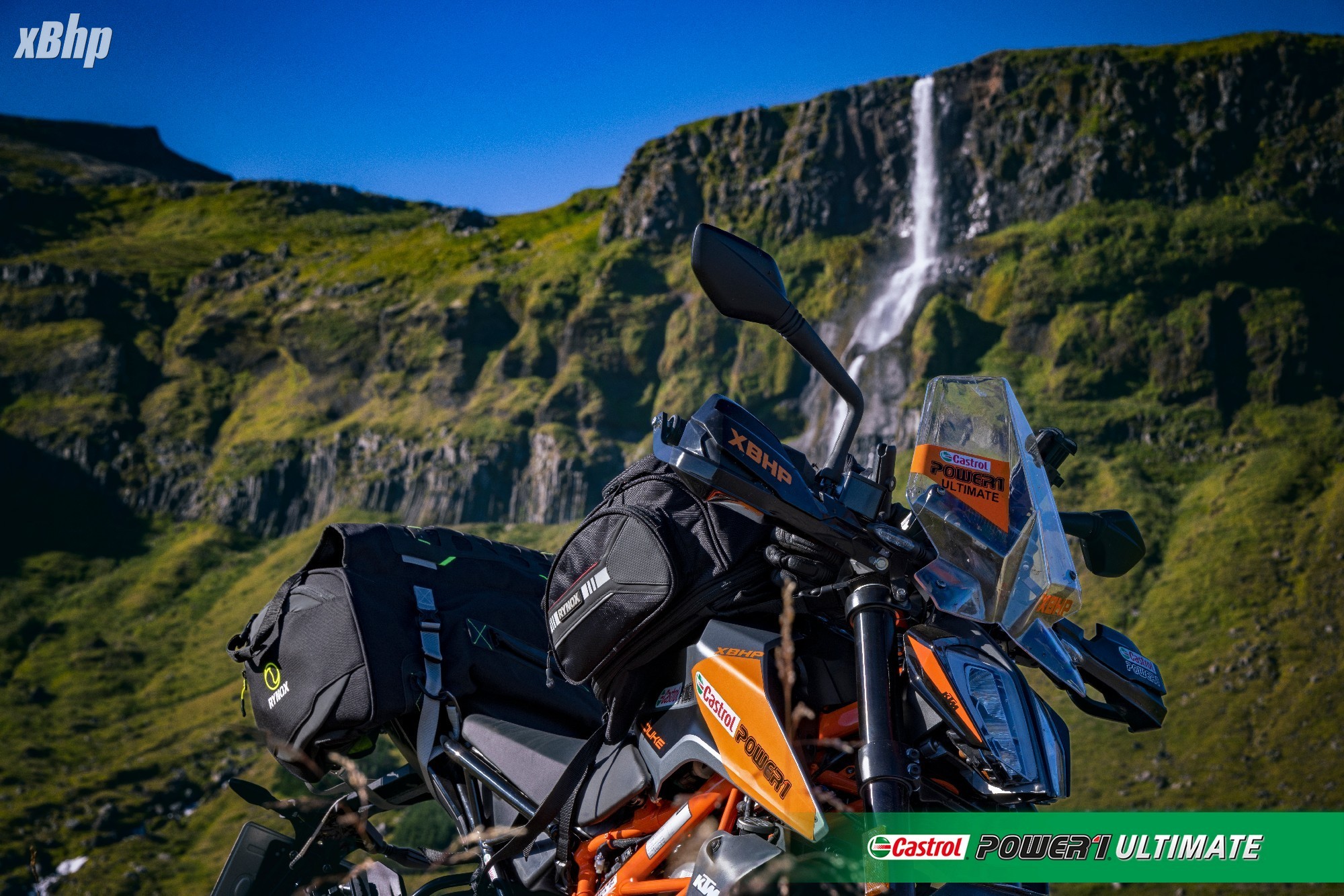
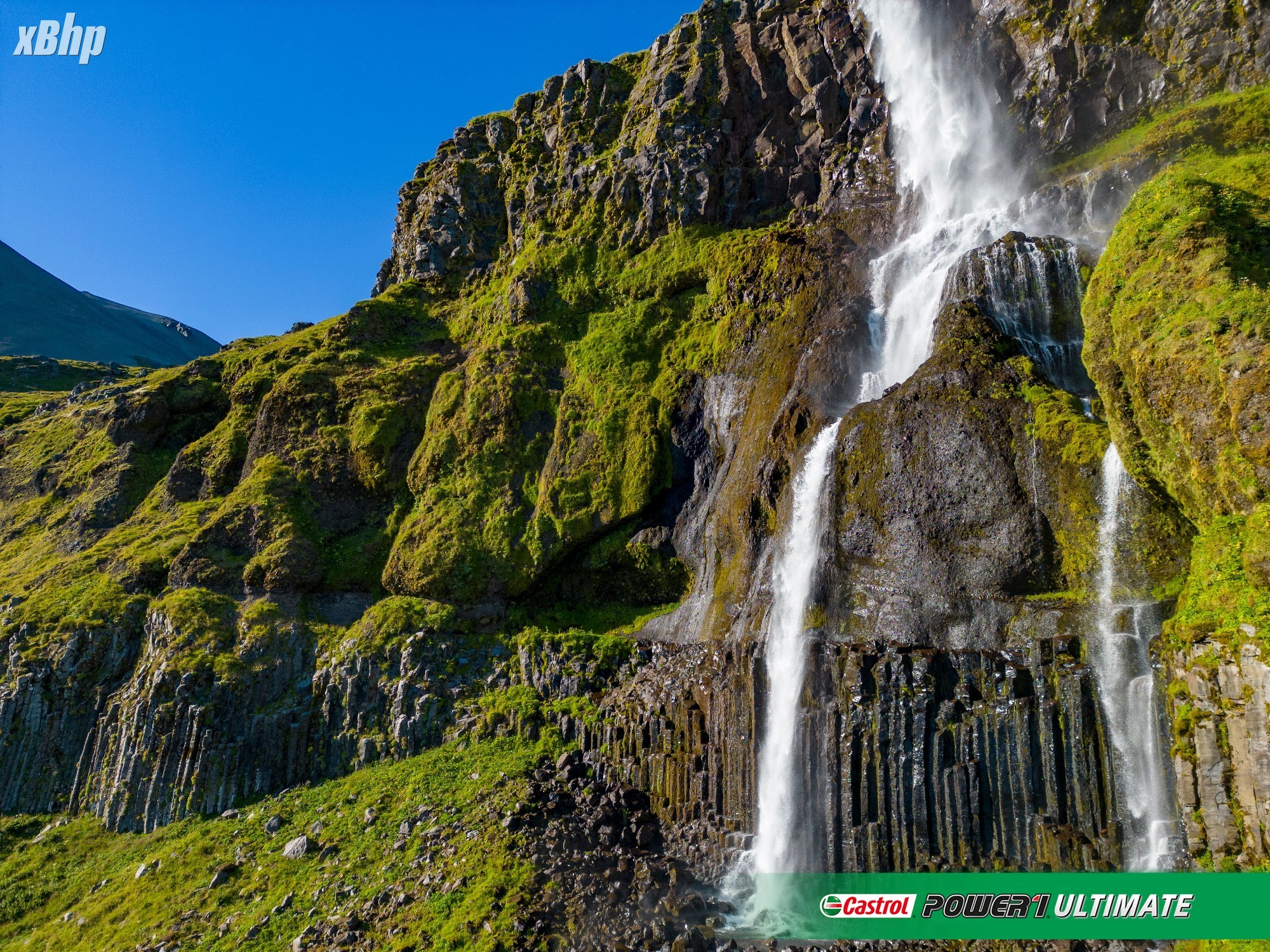
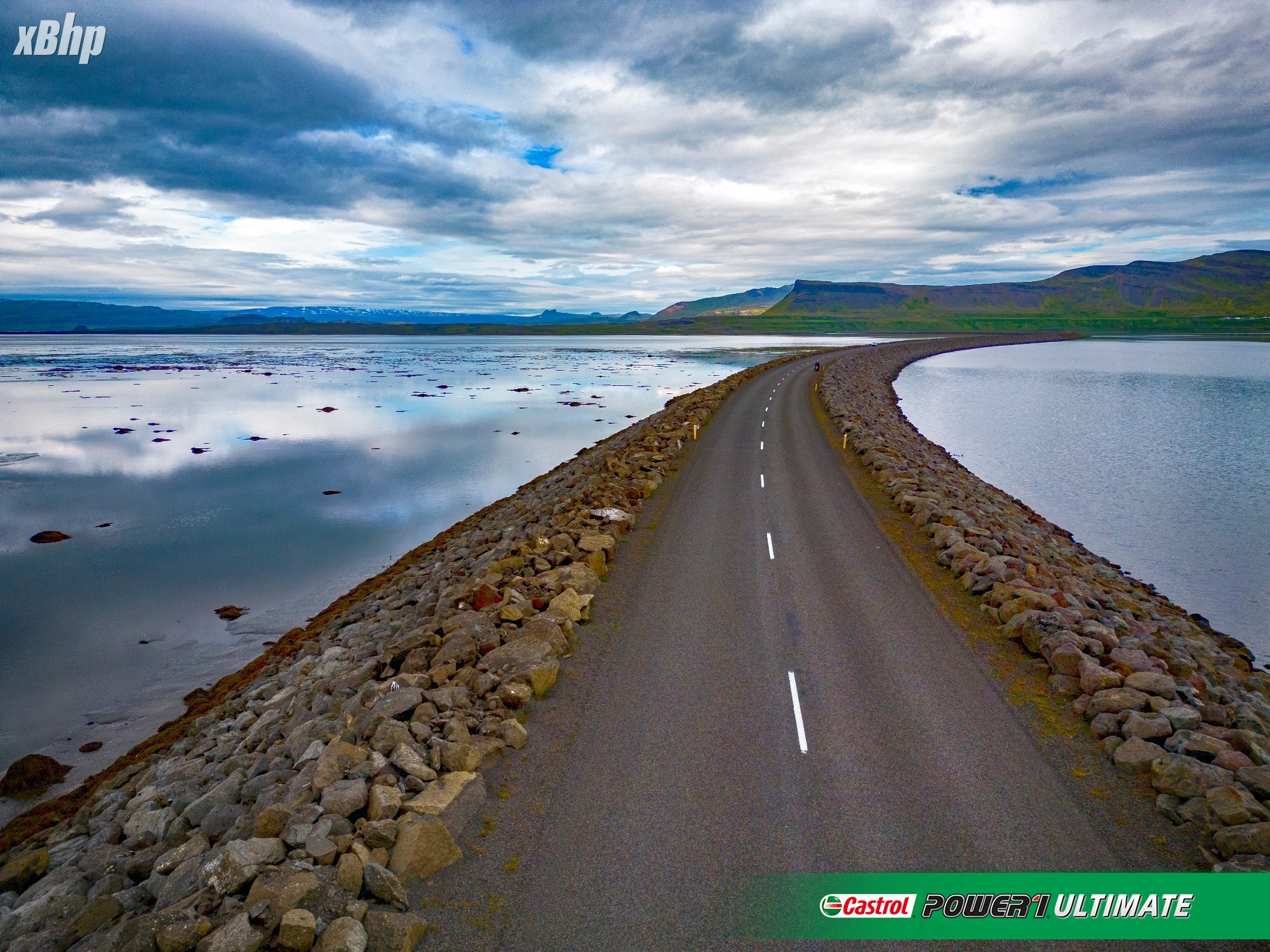
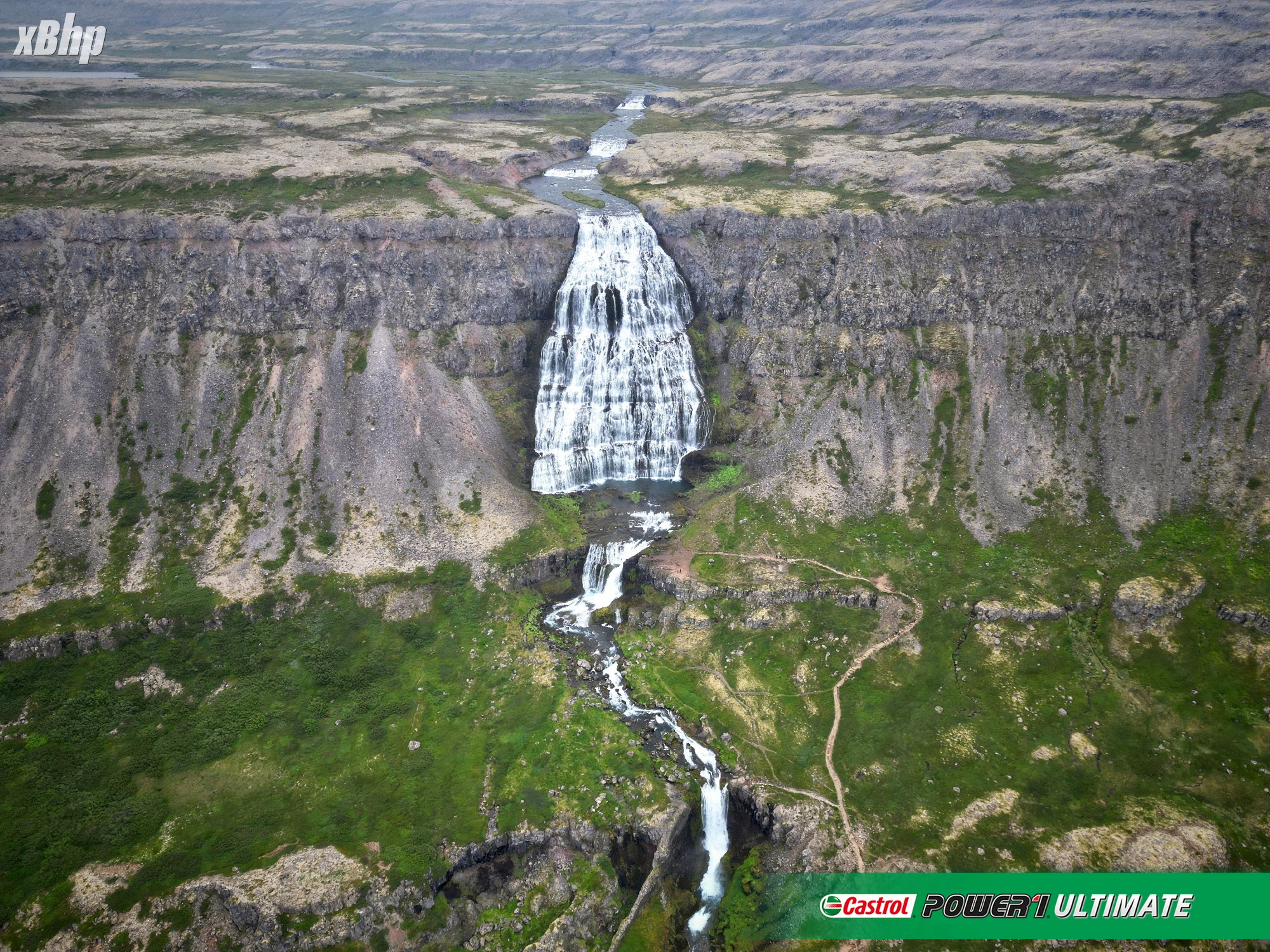
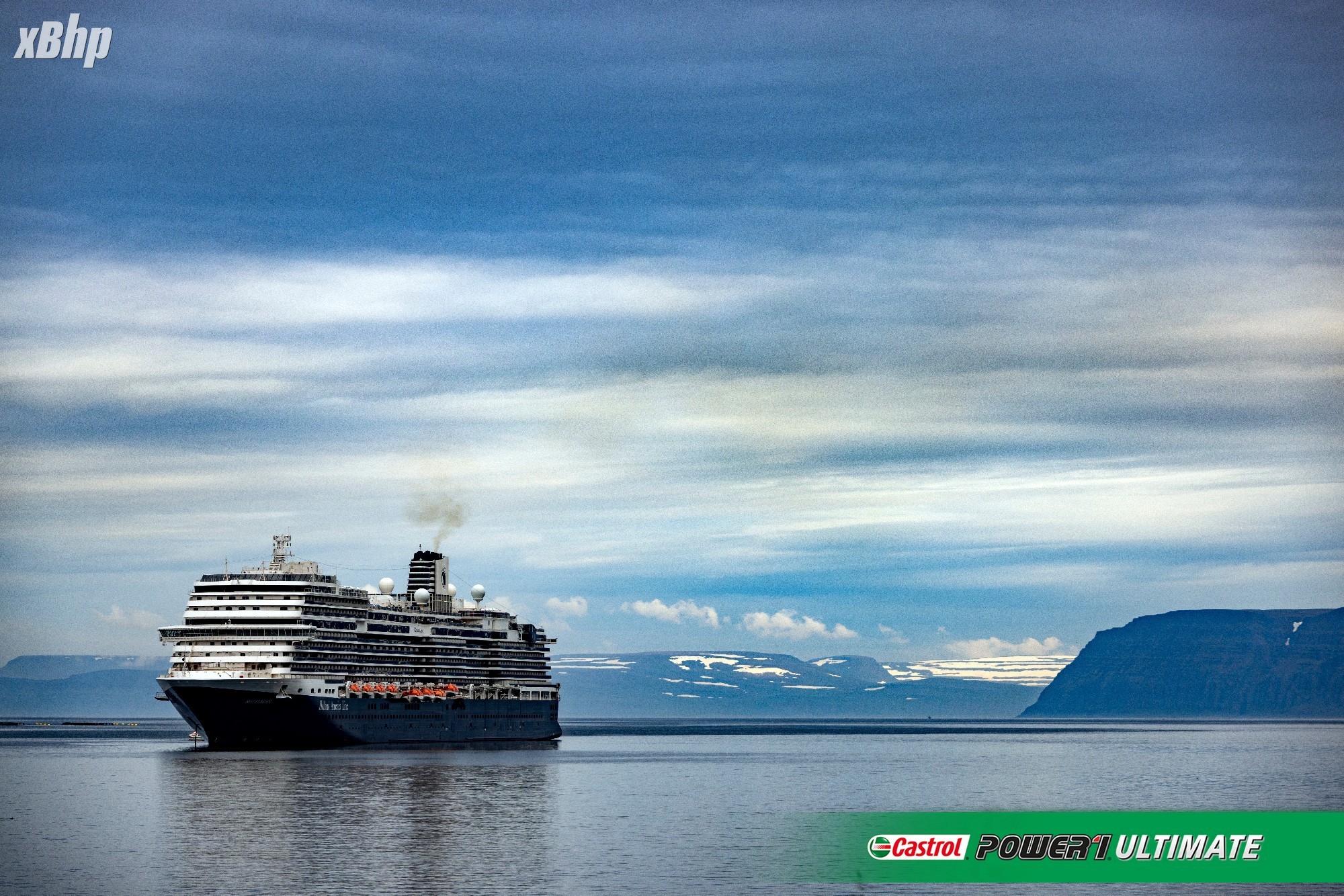
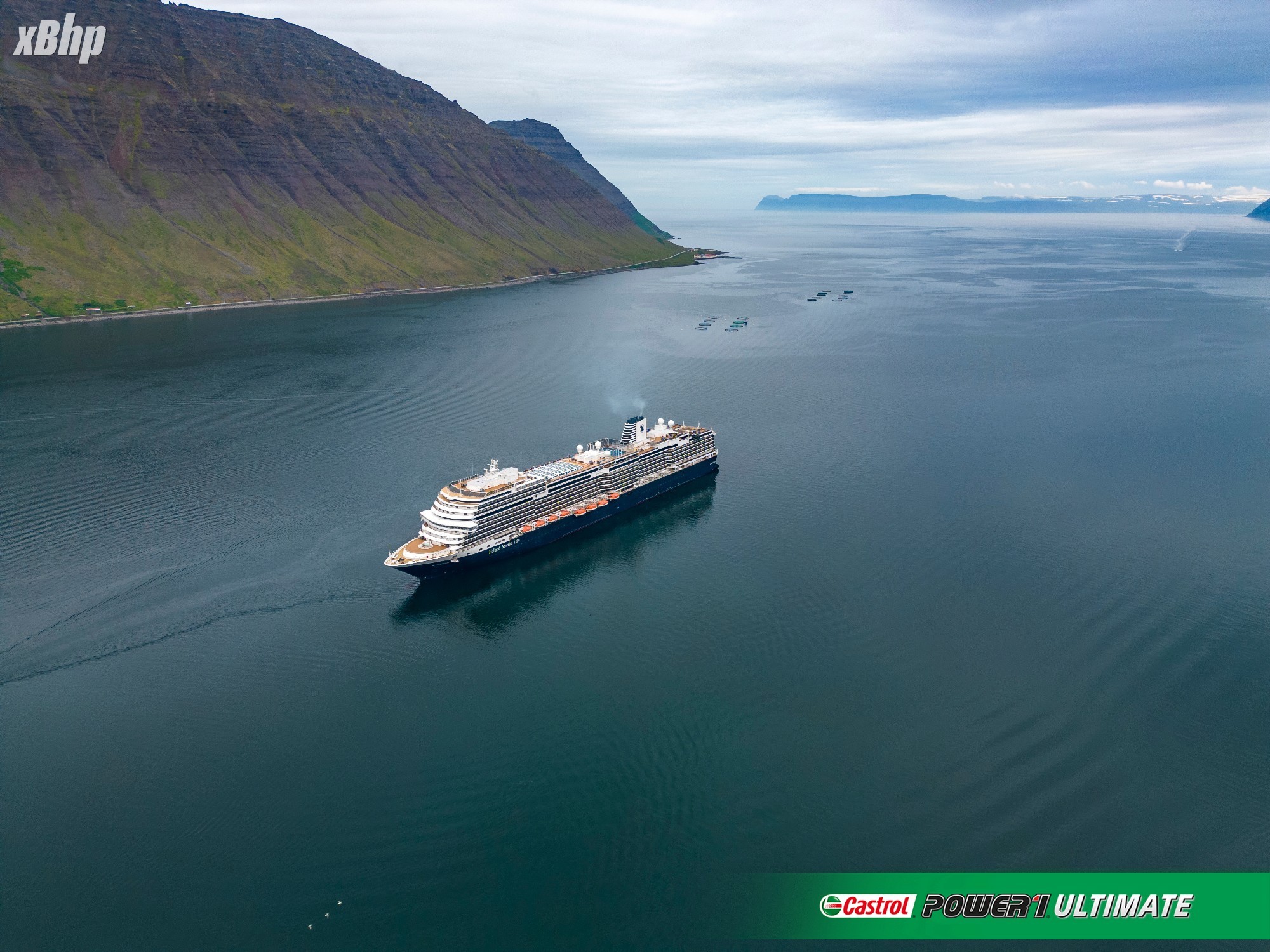
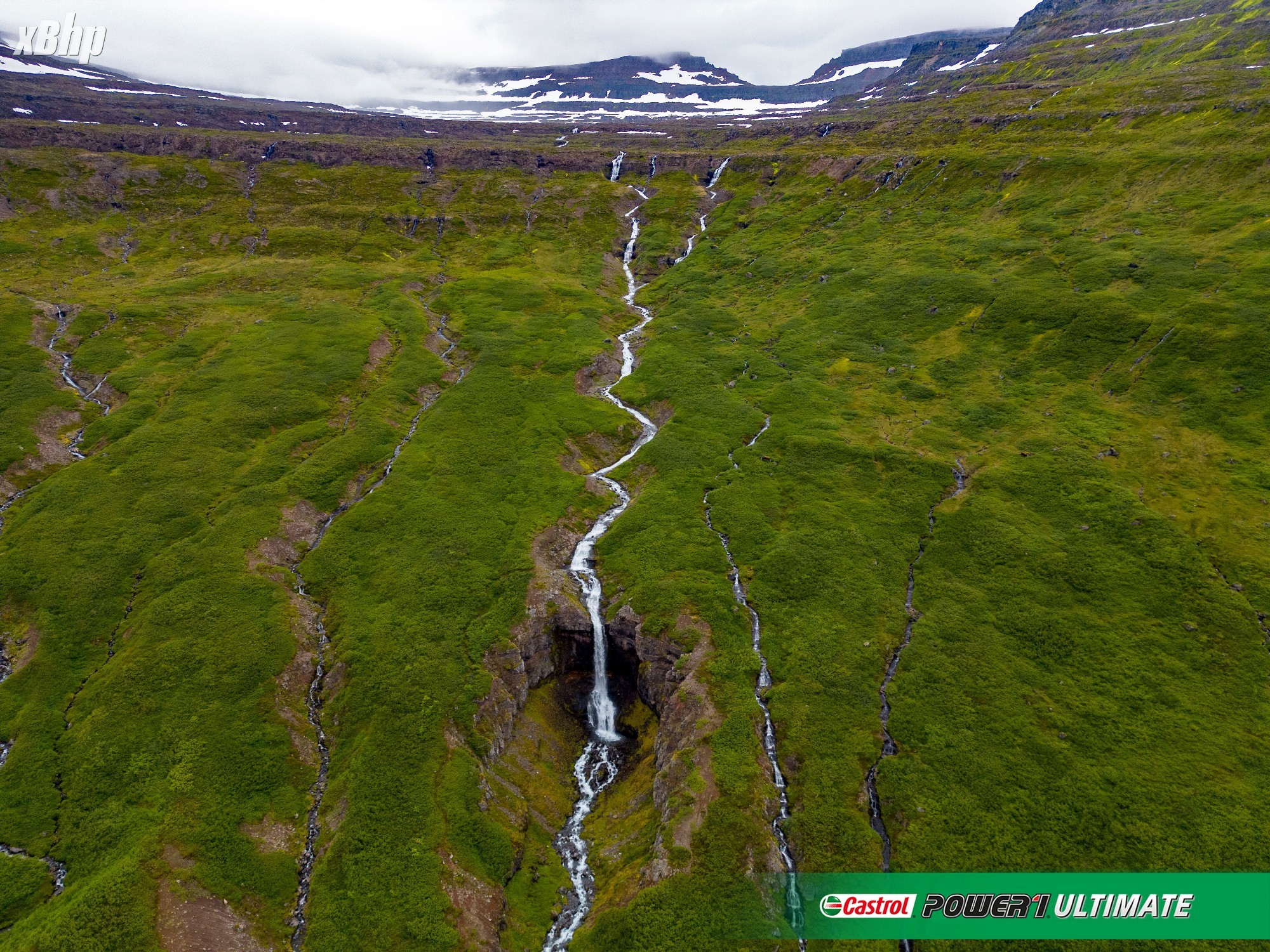
Day three of riding was riding out of the beautiful Snæfellsnes peninsula, from Stykkishólmur and into the Westfjords, to the town of Isafjordur for a day total of around 350 km via the Dynjandi waterfall. It is the largest waterfall in this region with a height of around 100 meters. Today I saw some beautiful Icelandic horses and crossed a particularly beautiful road/bridge passing almost along the water level at the village of Holt along the way.
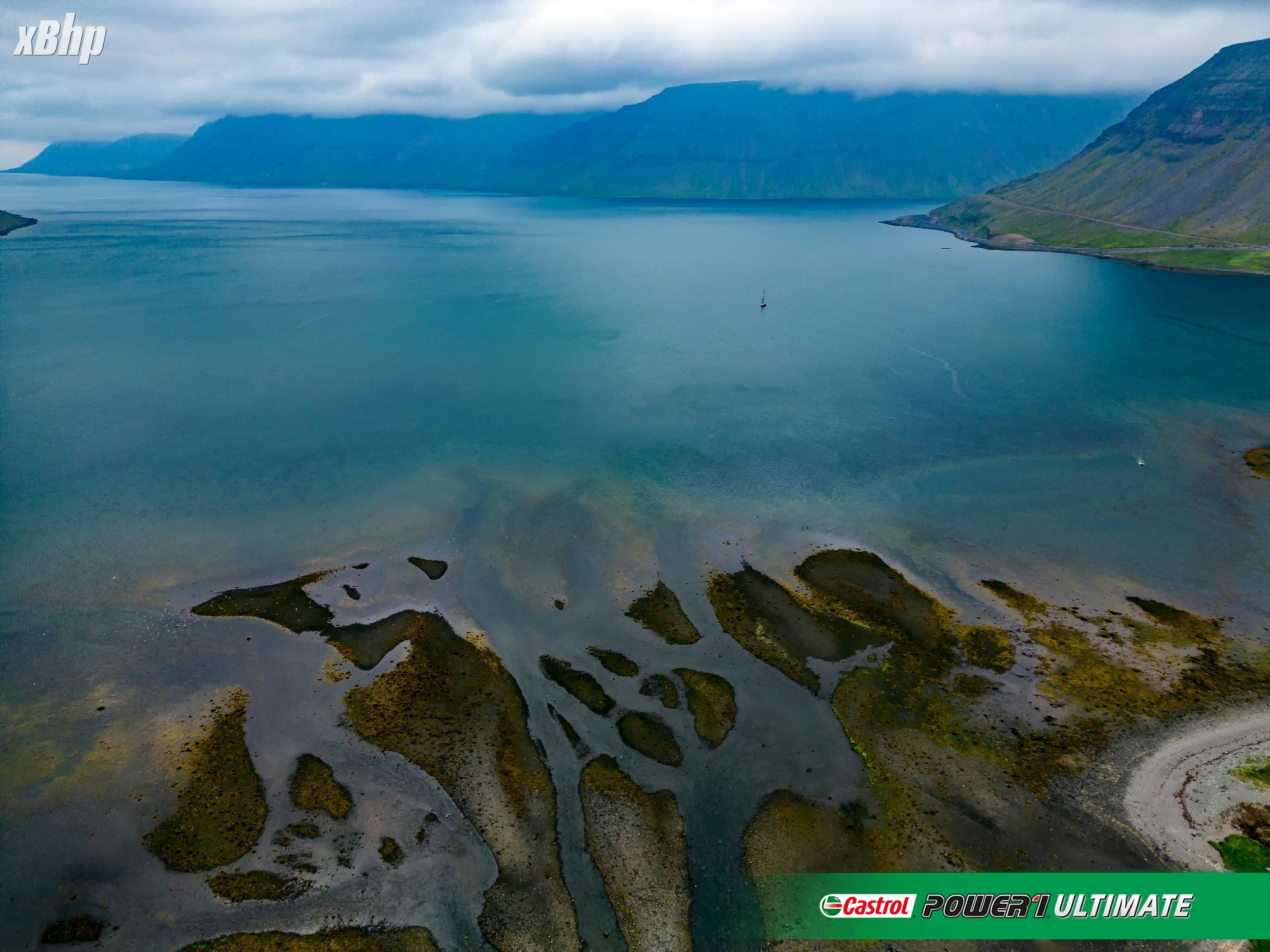
The town of Isafjordur affords fantastic views of snow-capped mountains, of what I feel was Drangajokull, Iceland’s northernmost glacier. It is one of the most beautiful towns I have ever visited in Europe.
Day four was one of the longest days, with 460 km. Today I rode from Isafjordur to Sauðárkrókur in northern Iceland. It is the second-largest town in Northern Iceland with a population of 2500 people. Yes, there are so few people in Iceland. There are so many tourists that it is sometimes hard to distinguish who is even a local on the road. My run with good weather was also seeming to come to an end today with clouds everywhere but still thankfully no rain.
But that was about to change.
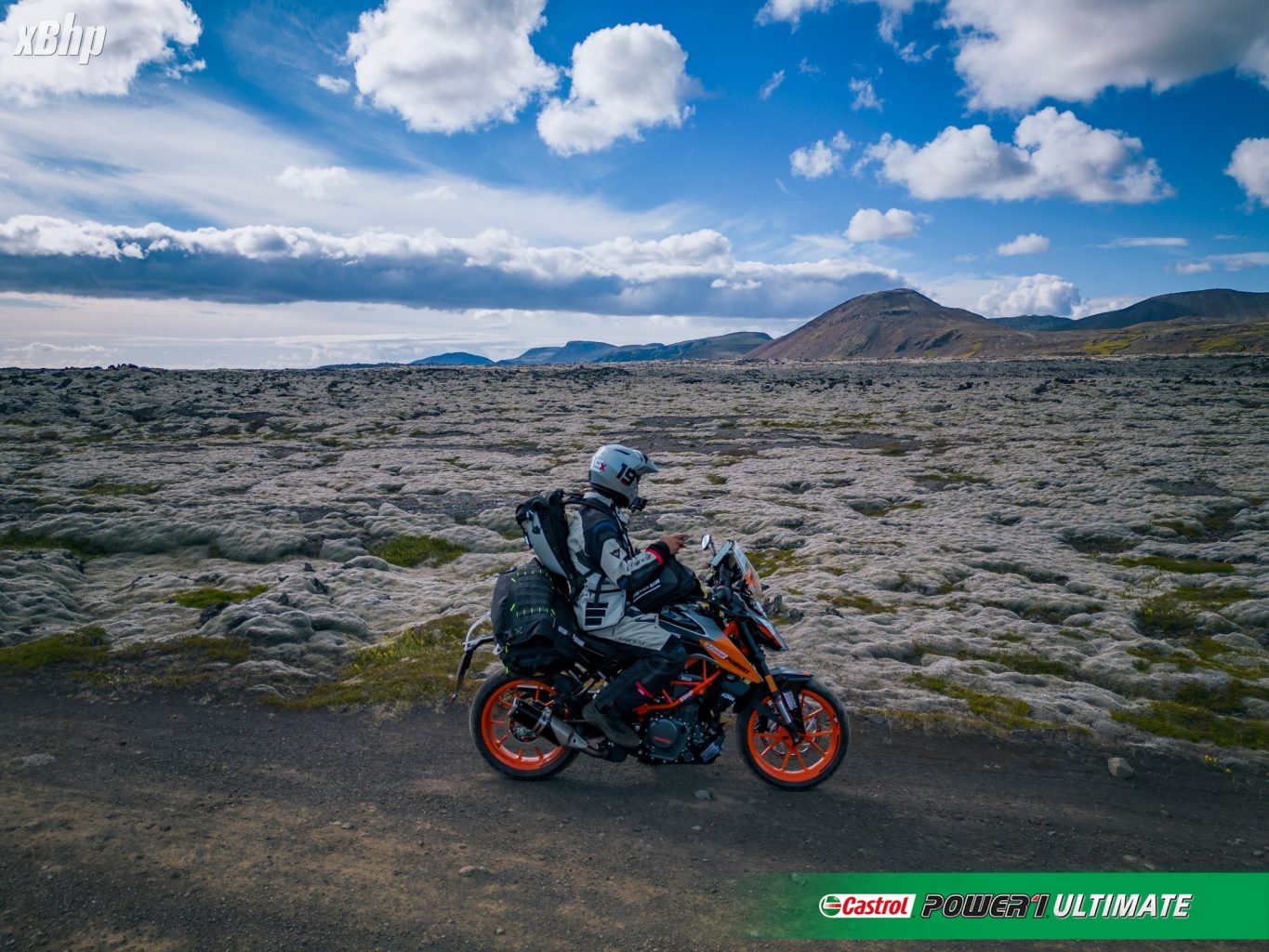
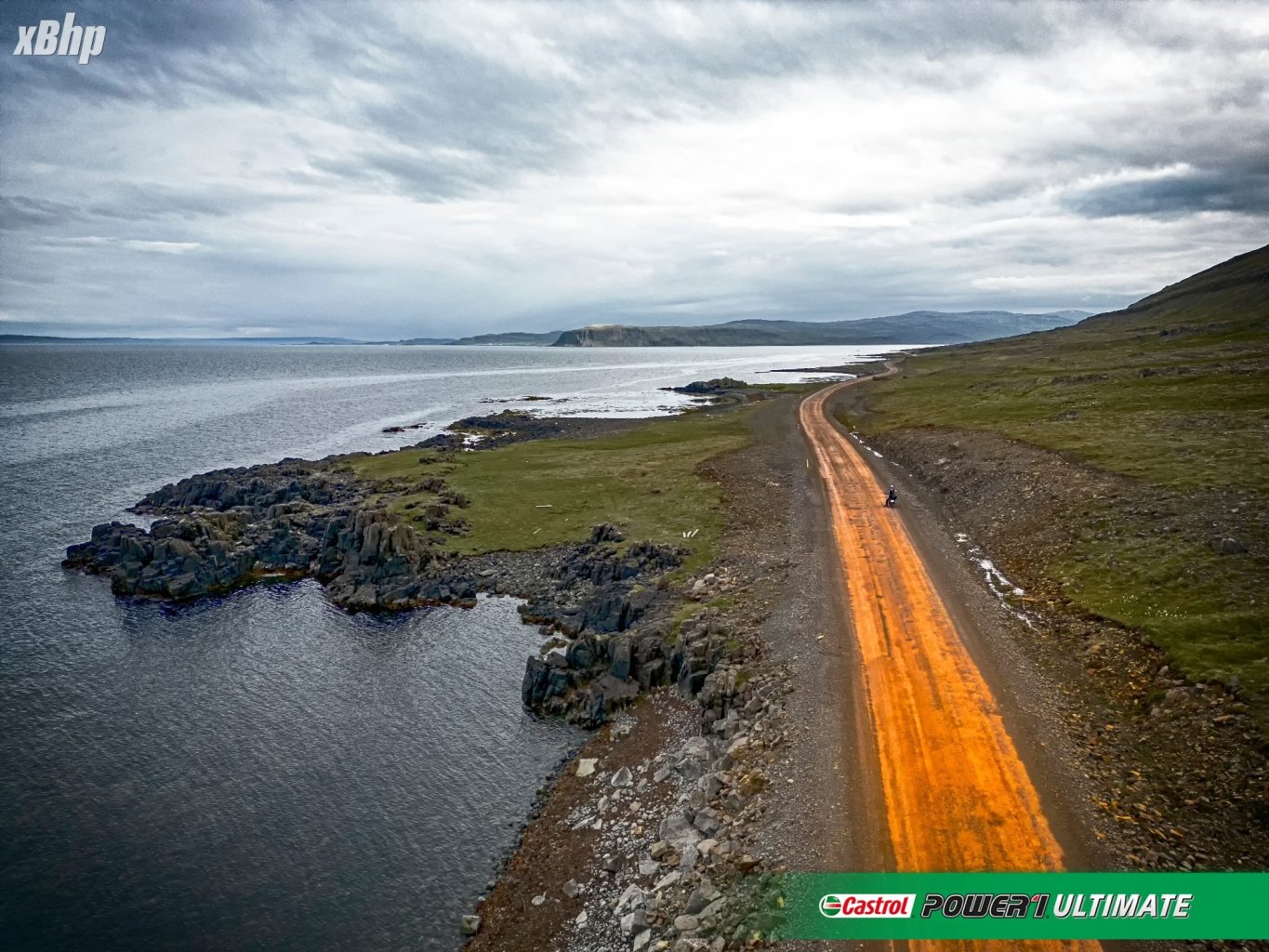
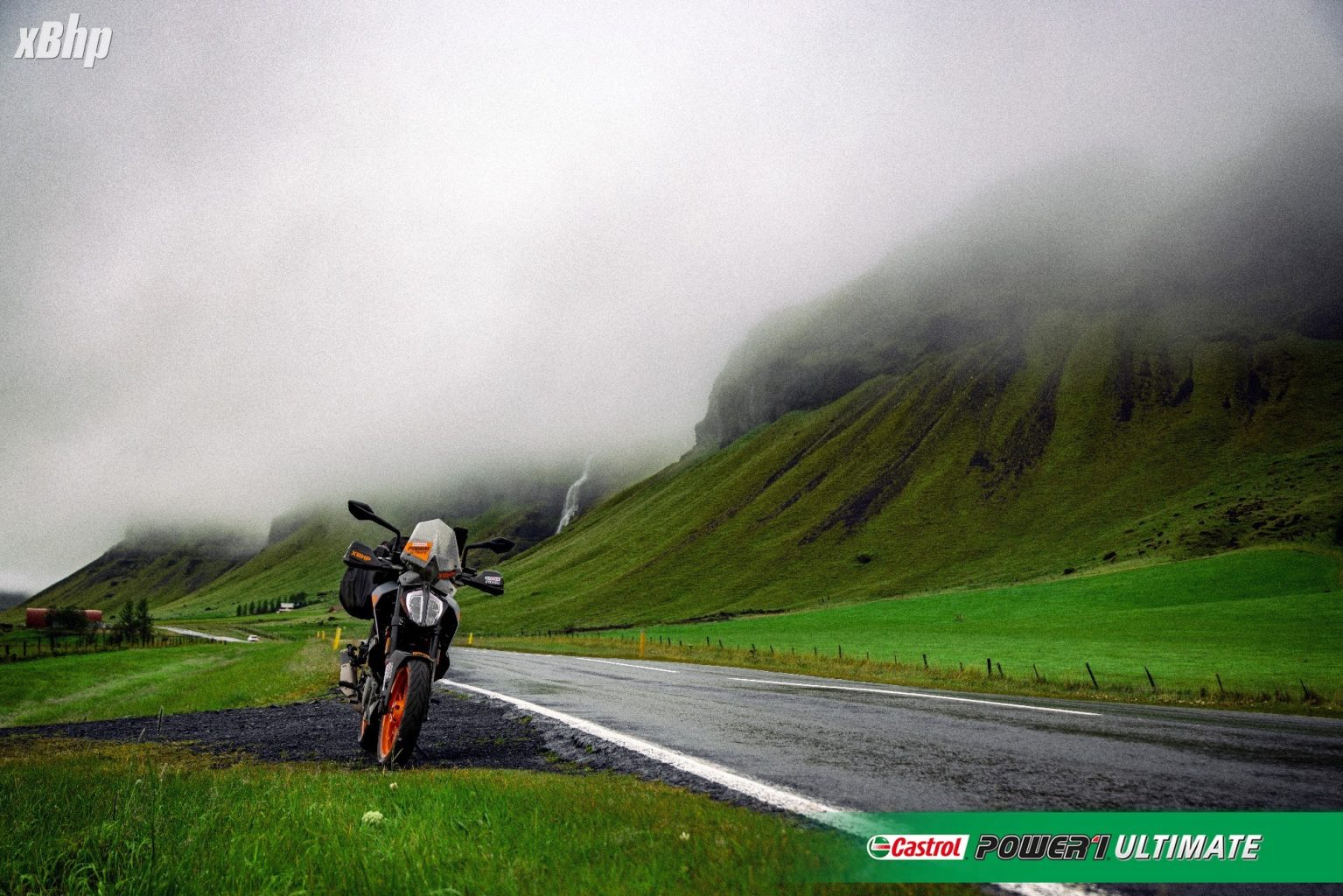
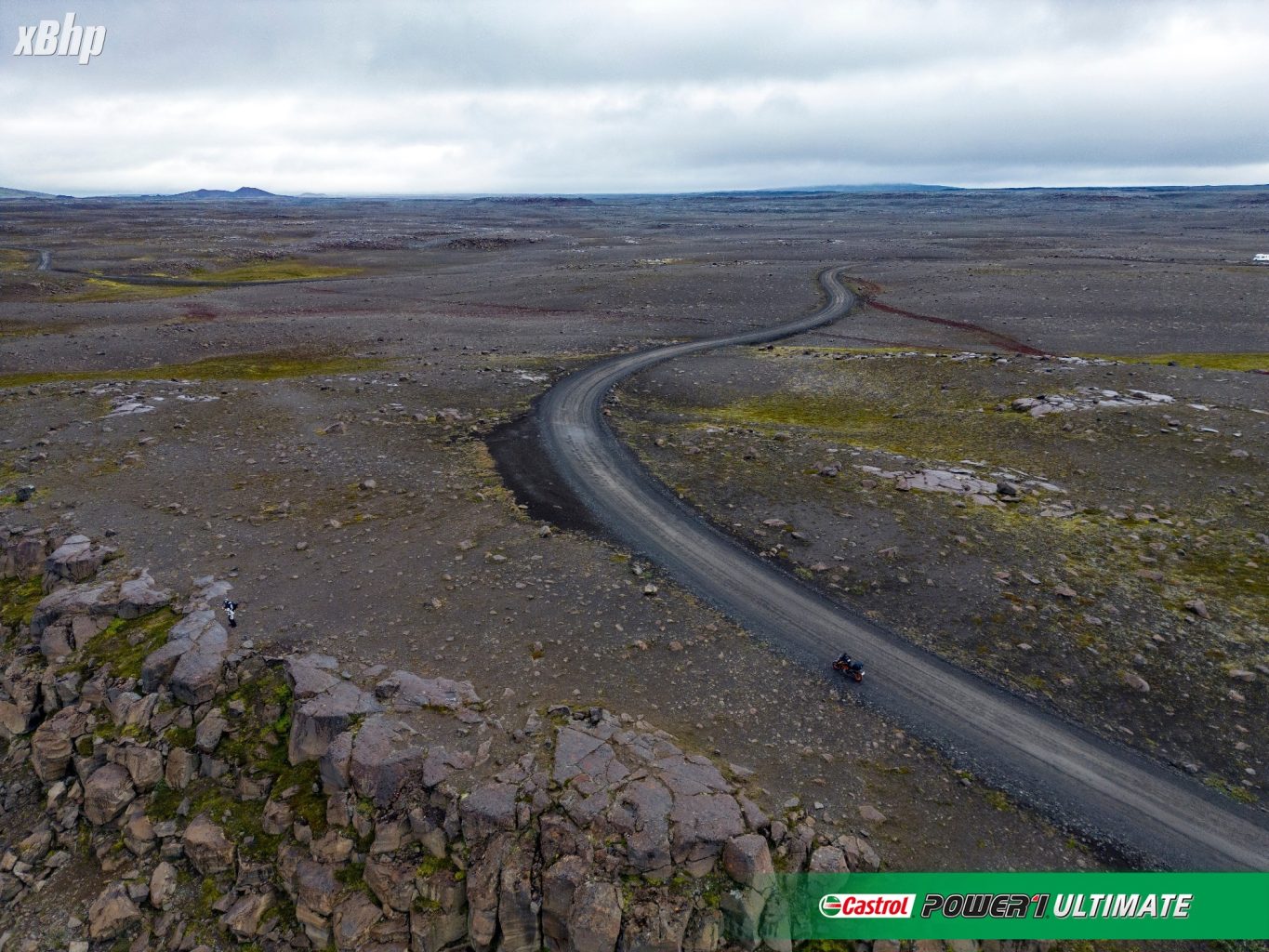
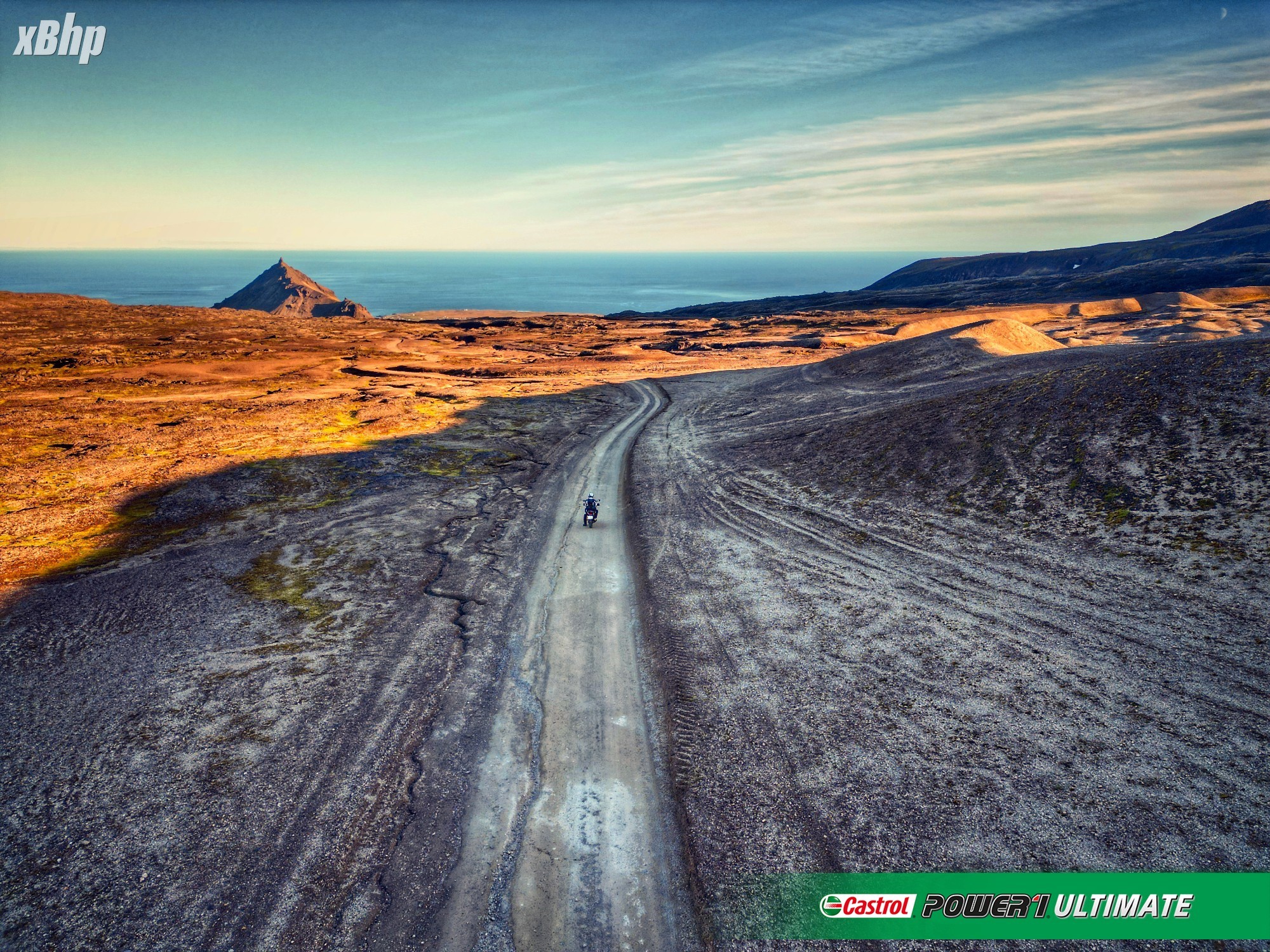
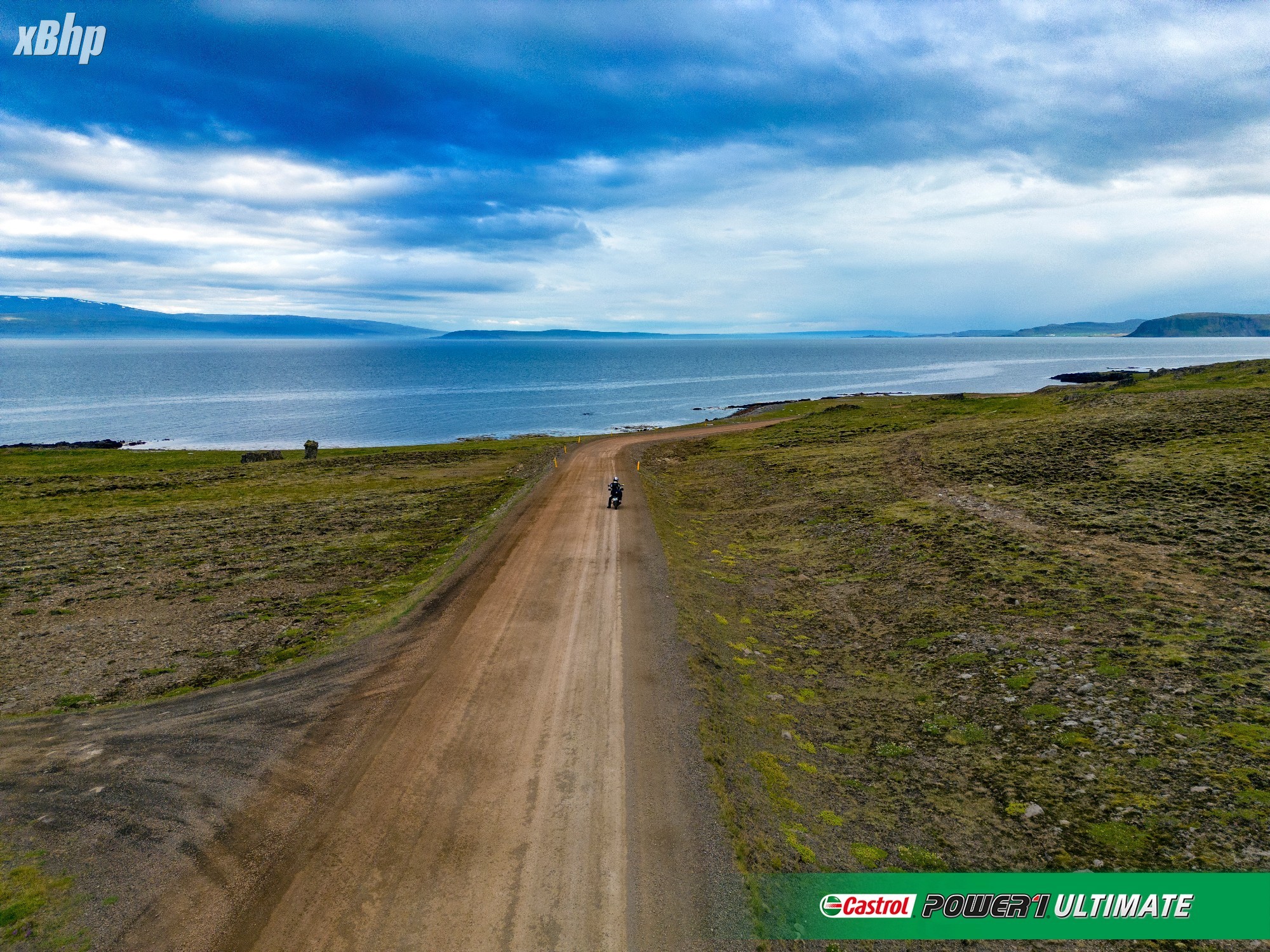
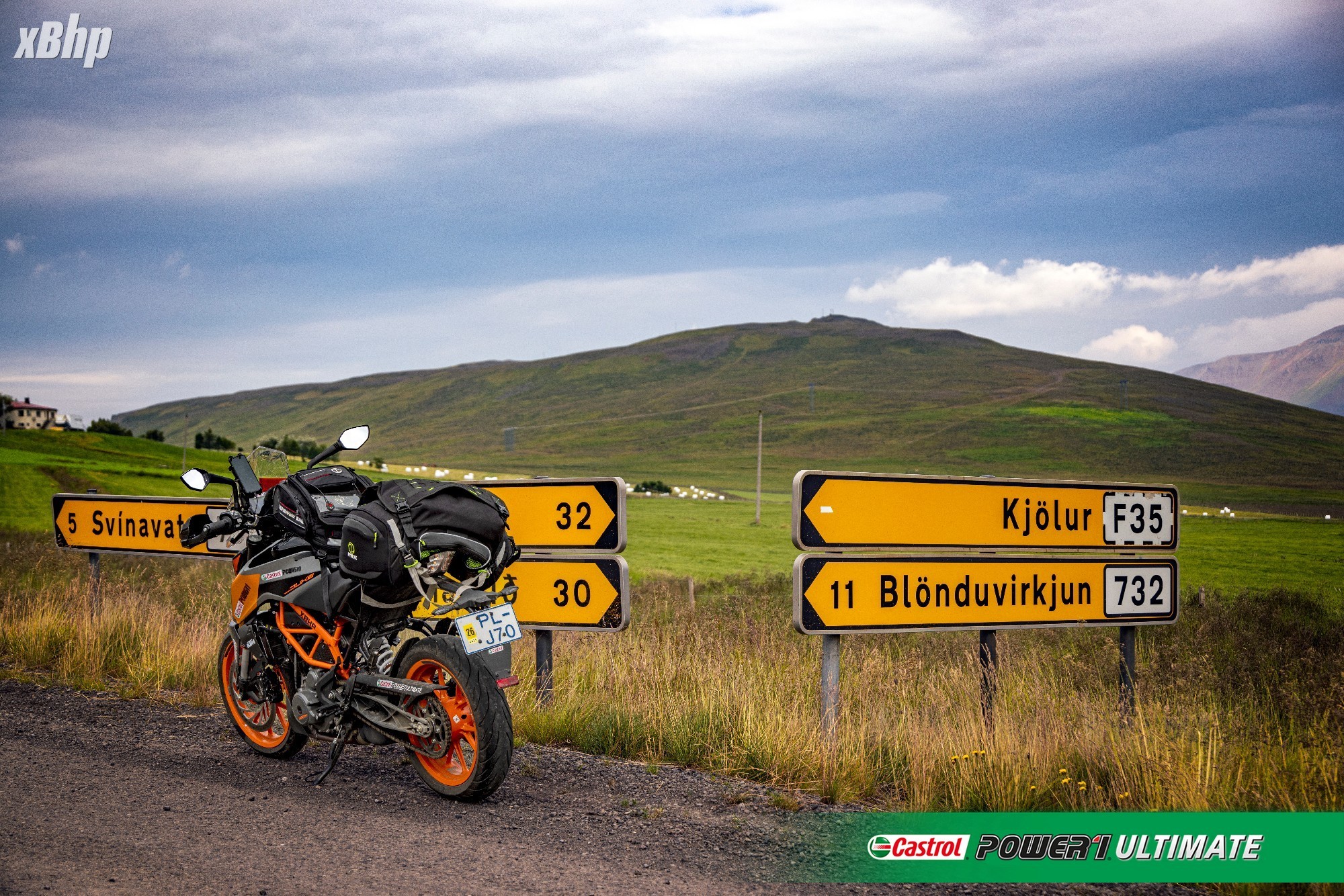
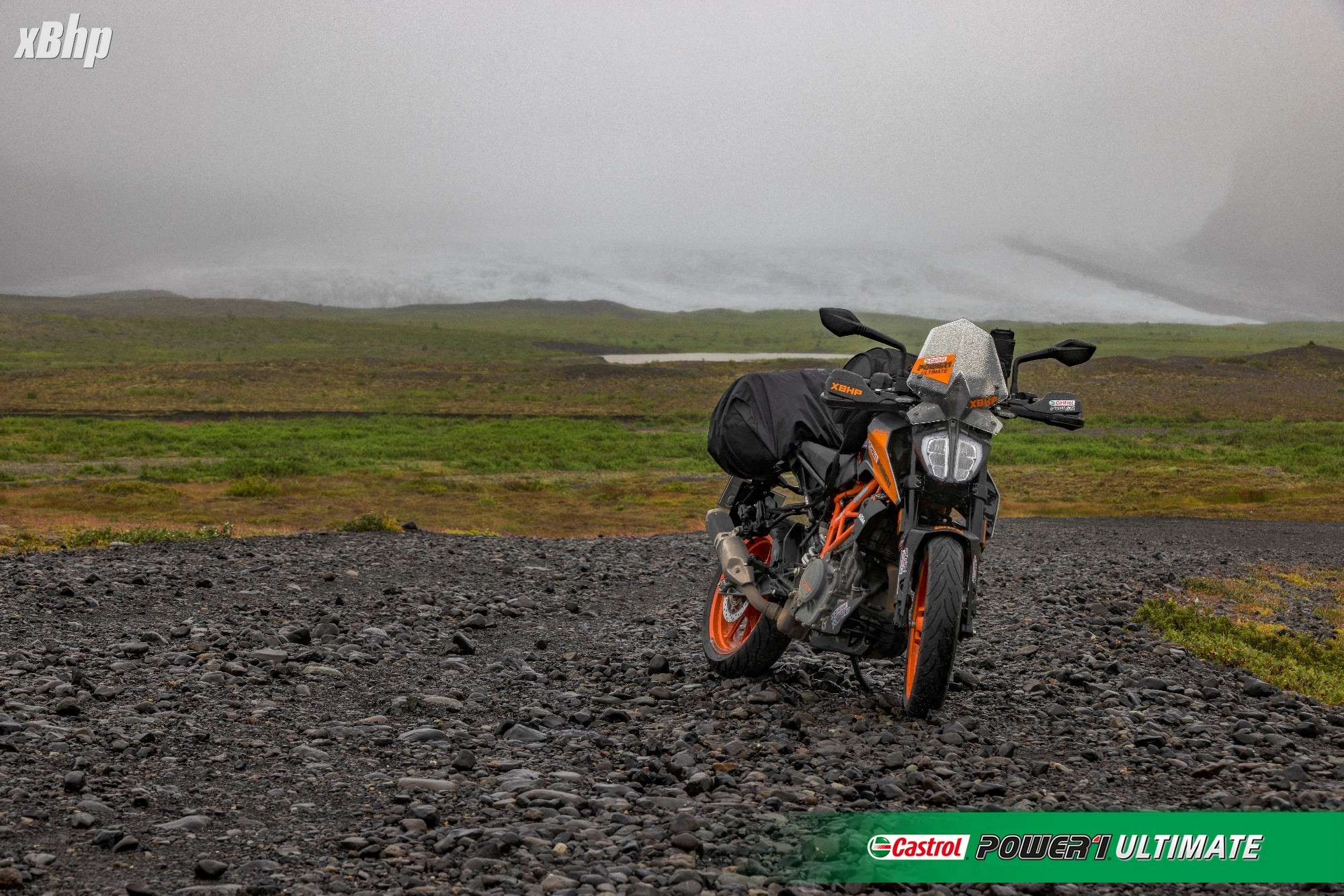
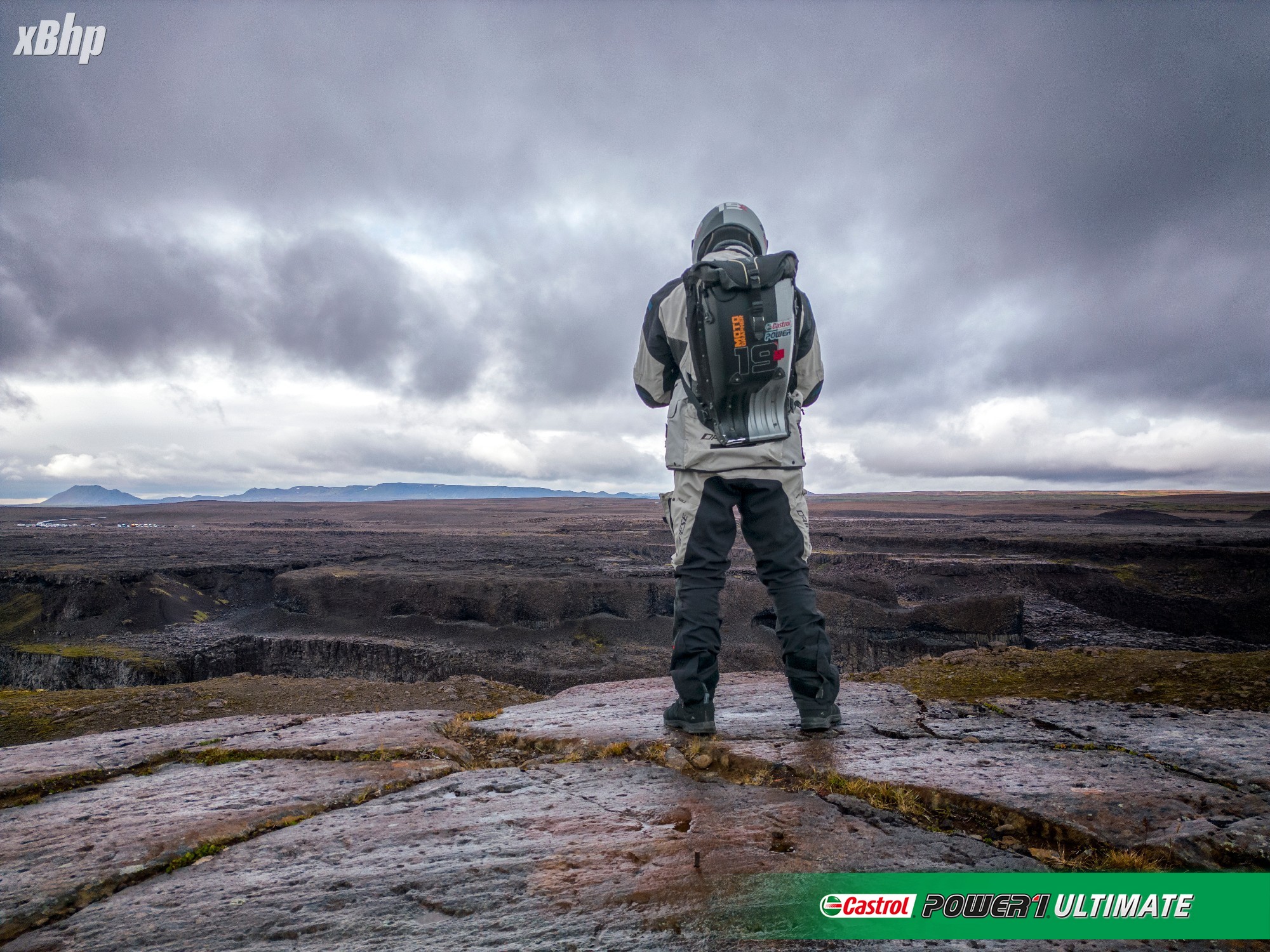
Day five was the toughest day for me on the entire ride. I already knew I was going to an F road, the famous Kjolur F35 route. The moment the tarmac below me vanished it started raining with a gale that threatened to push me over. In between I could take in a bit of the moonscape as I passed through a road made of a lot of round stones and no tarmac. On either side, for many km, I could barely spot the mega glaciers of Langjökull and Hofsjökull. The road length is 170 km and ends at the town of Gullfoss. These were the longest km of my recent rides with extremely unfavourable weather and road conditions. However, since it was not a ravine/cliff on one side like the Himalayas, it was still relatively quite safe. My ordeal ended at Gullfoss where the rain subsided a little bit and into a mild shower. I cut through almost the entire Iceland from top to bottom.
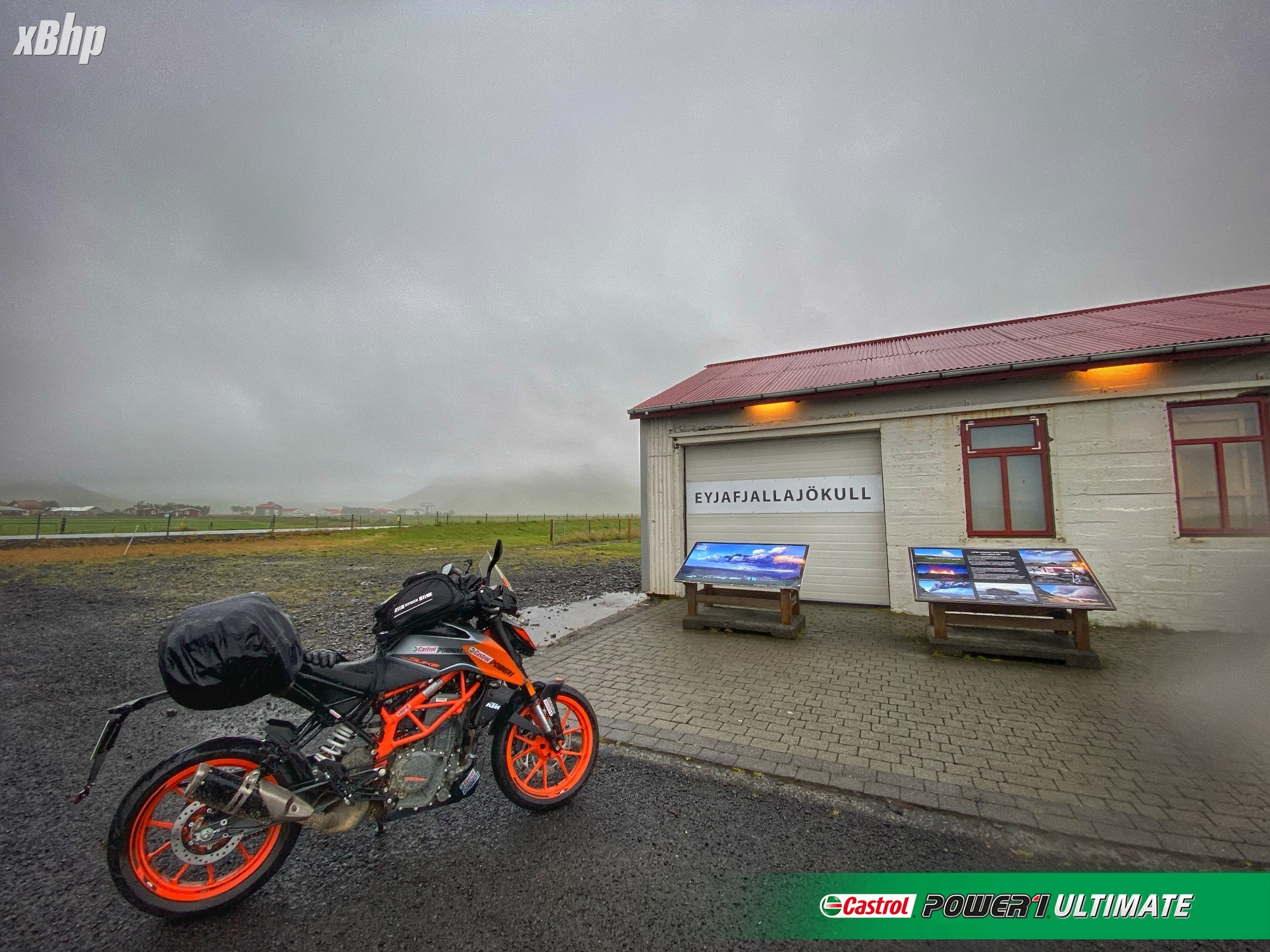
The next day, the sixth, was from Gullfoss to Kirkjubæjarklaustur for a total of 250 km. The entire day was spent riding in the rain and battling icy cold winds. I also ‘saw’ the infamous Eyjafjallajökull volcanic eruption site that erupted in 2010 and caused massive air traffic disruptions all over Europe when around 20 countries had to close their air traffic!
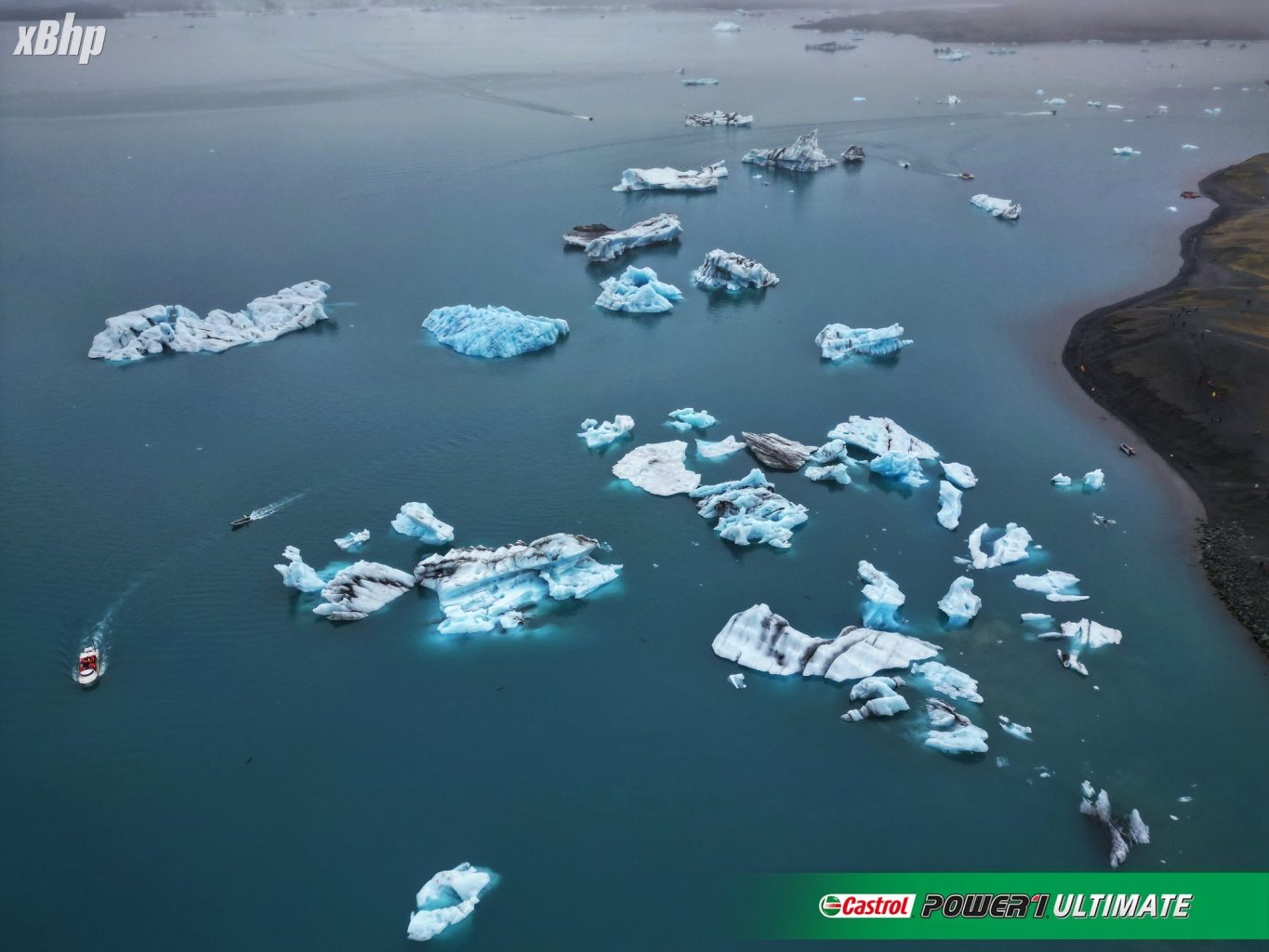
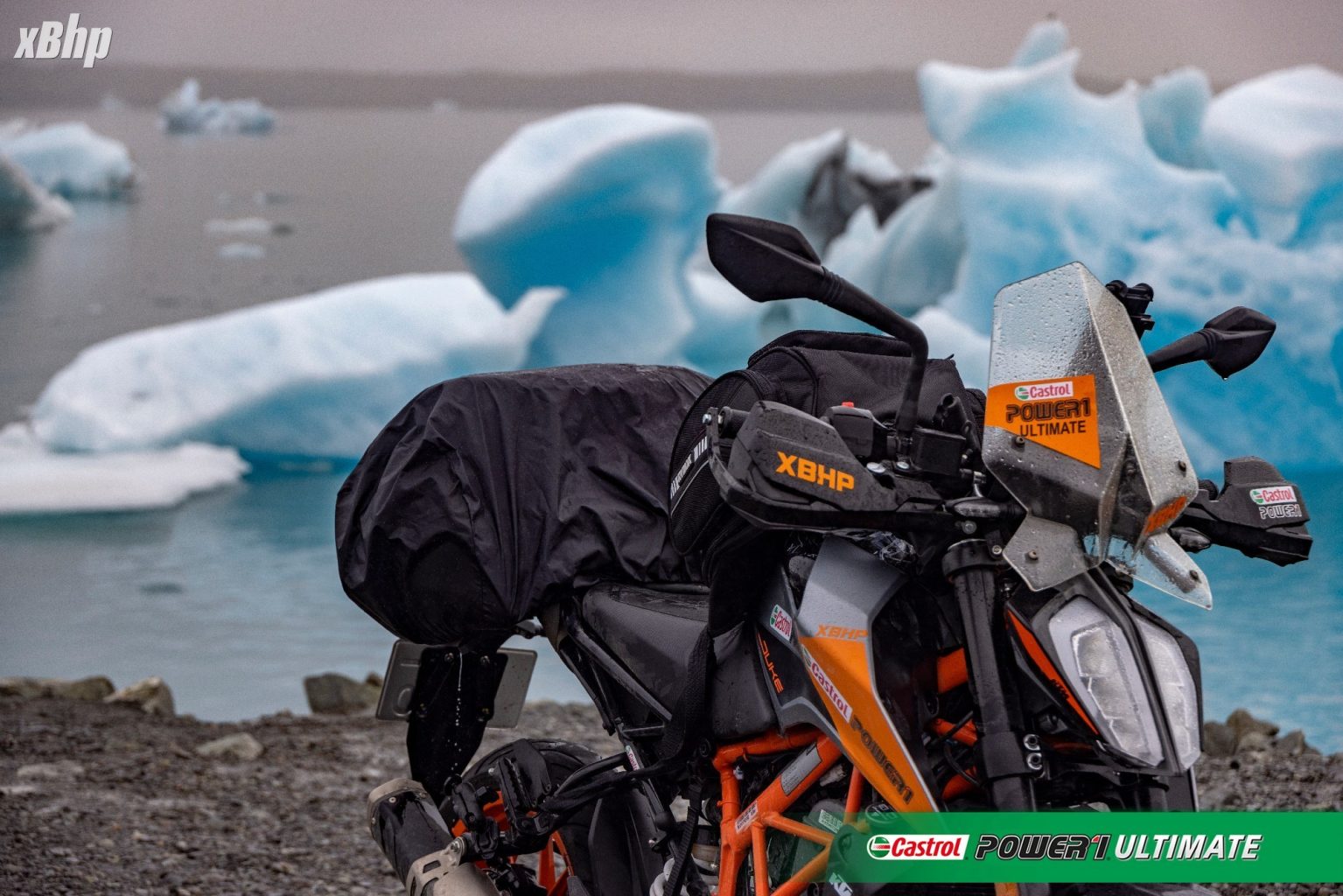
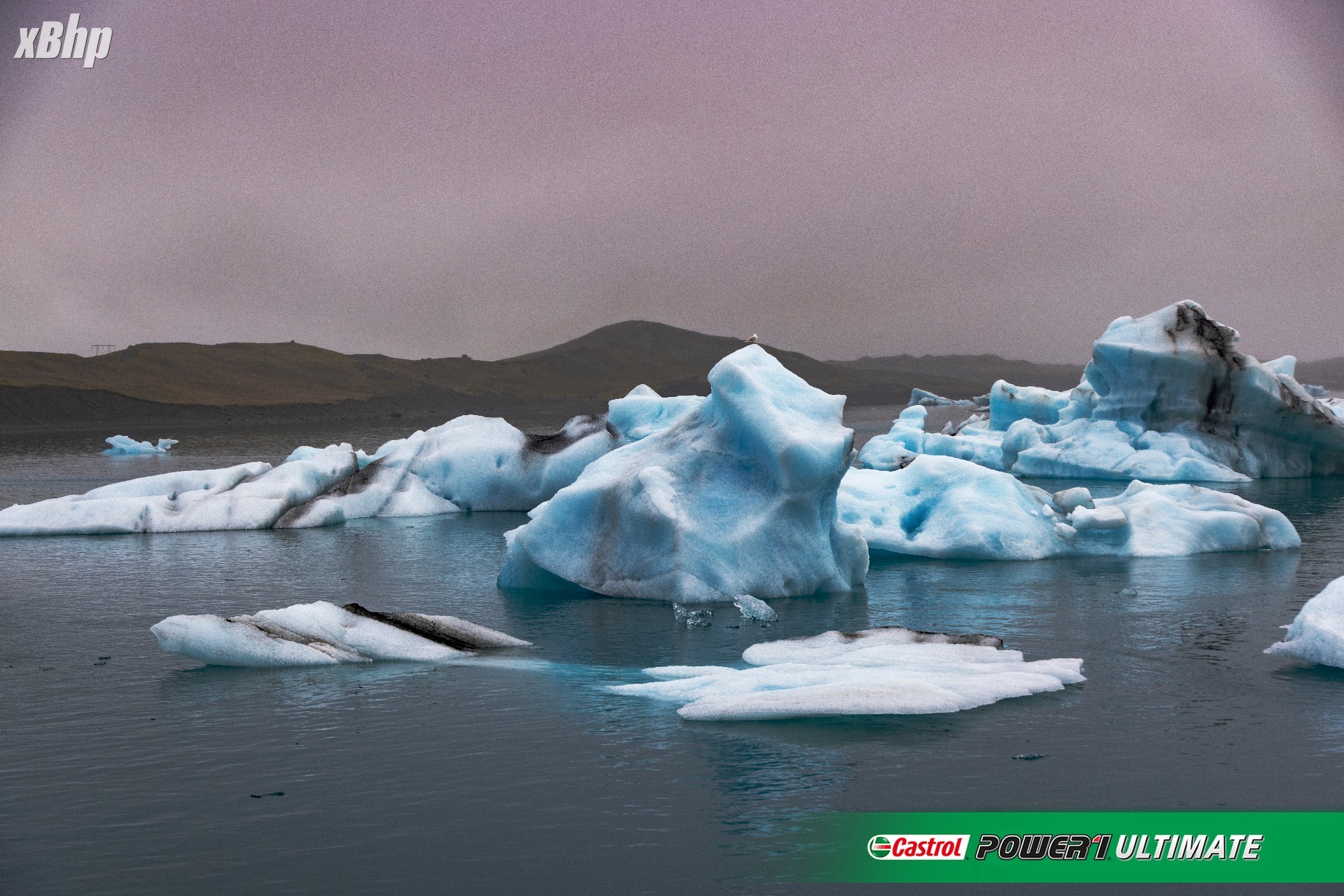
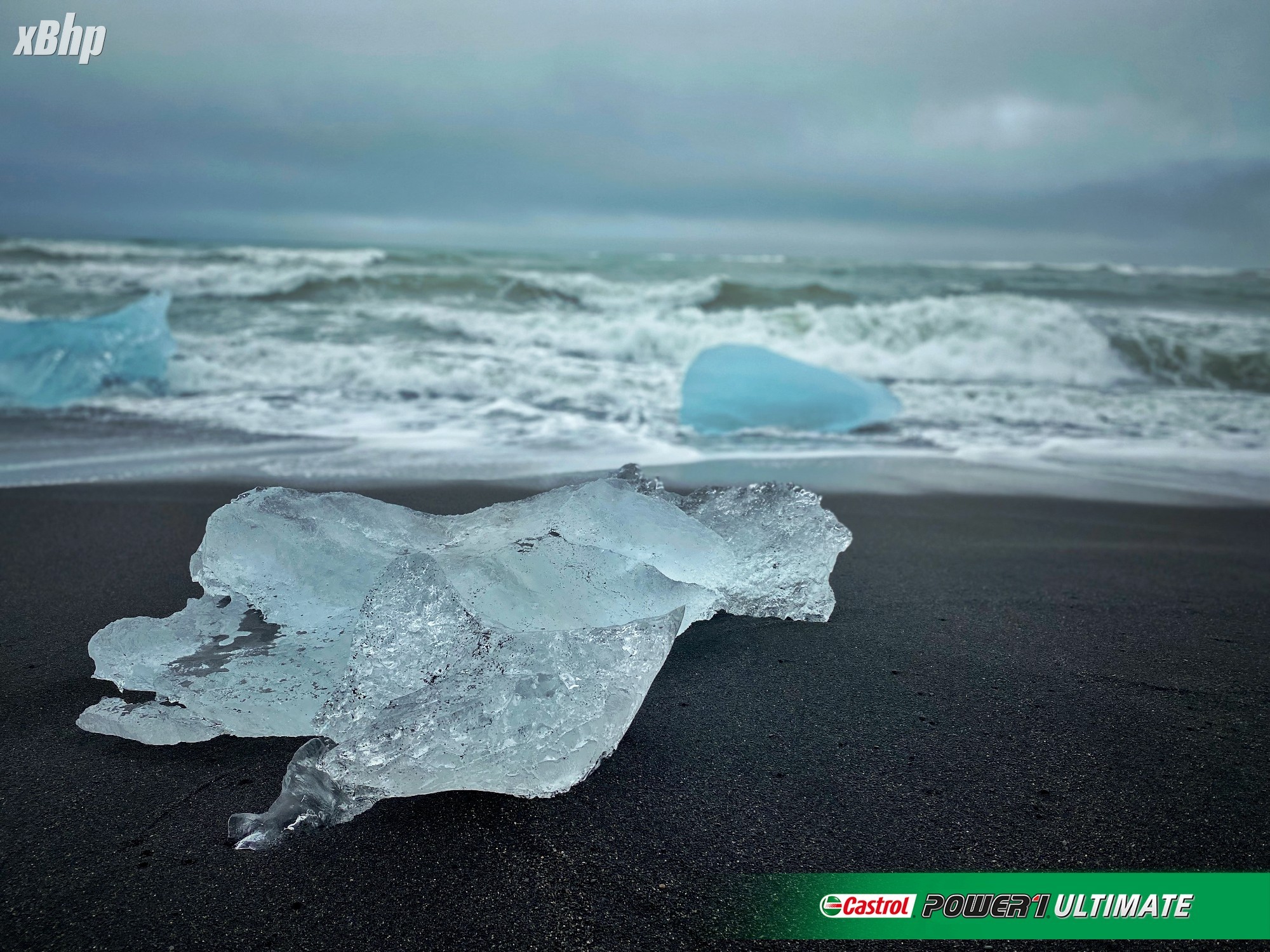
The seventh riding day saw a mild improvement in weather which allowed me to experience the magical glacial lagoon called Jökulsárlón. This place was one of the most amazing roadside experiences I have ever had. Mini icebergs floating almost right to the road! The other side of this road has the diamond beach which gets its name from the ice blocks that float on the beach that look like big diamonds. Truly amazing, even after being overrun with tourists! Today I rode from Kirkjubæjarklaustur to the small village of Grimsstadir for a total of around 500 km. It was getting very difficult to find accommodation, hence I had to go such distances every day in a relatively small country like Iceland.
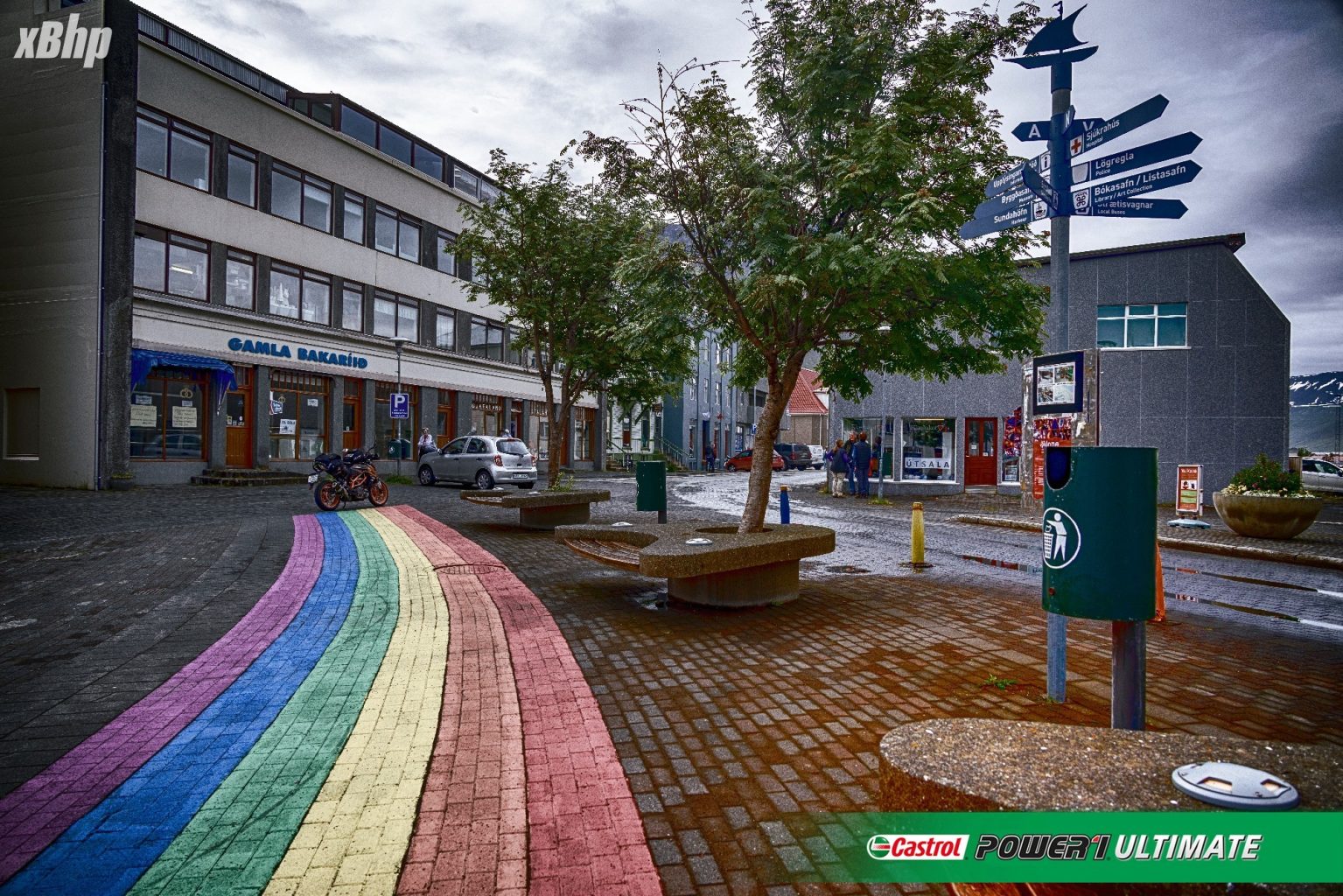
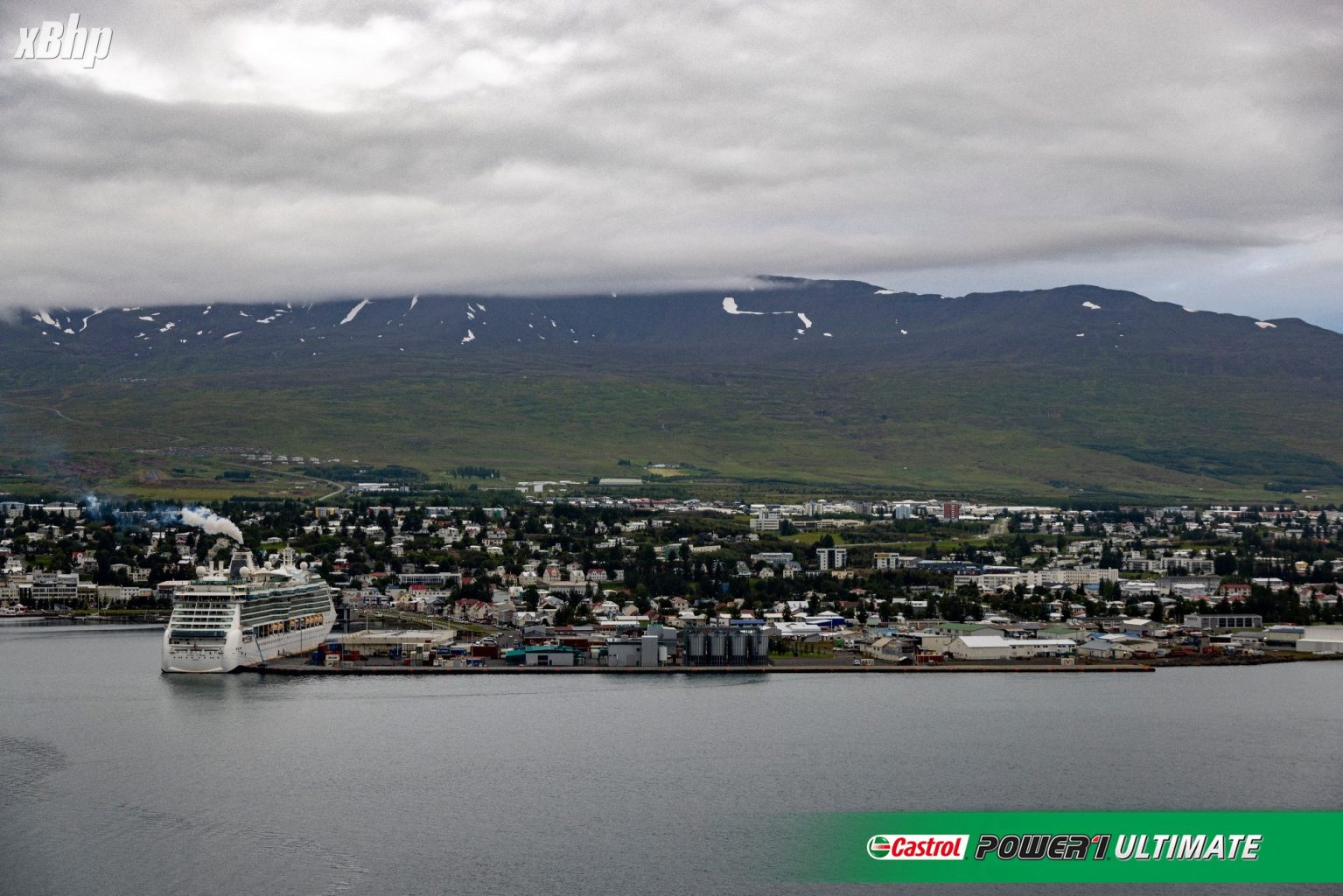
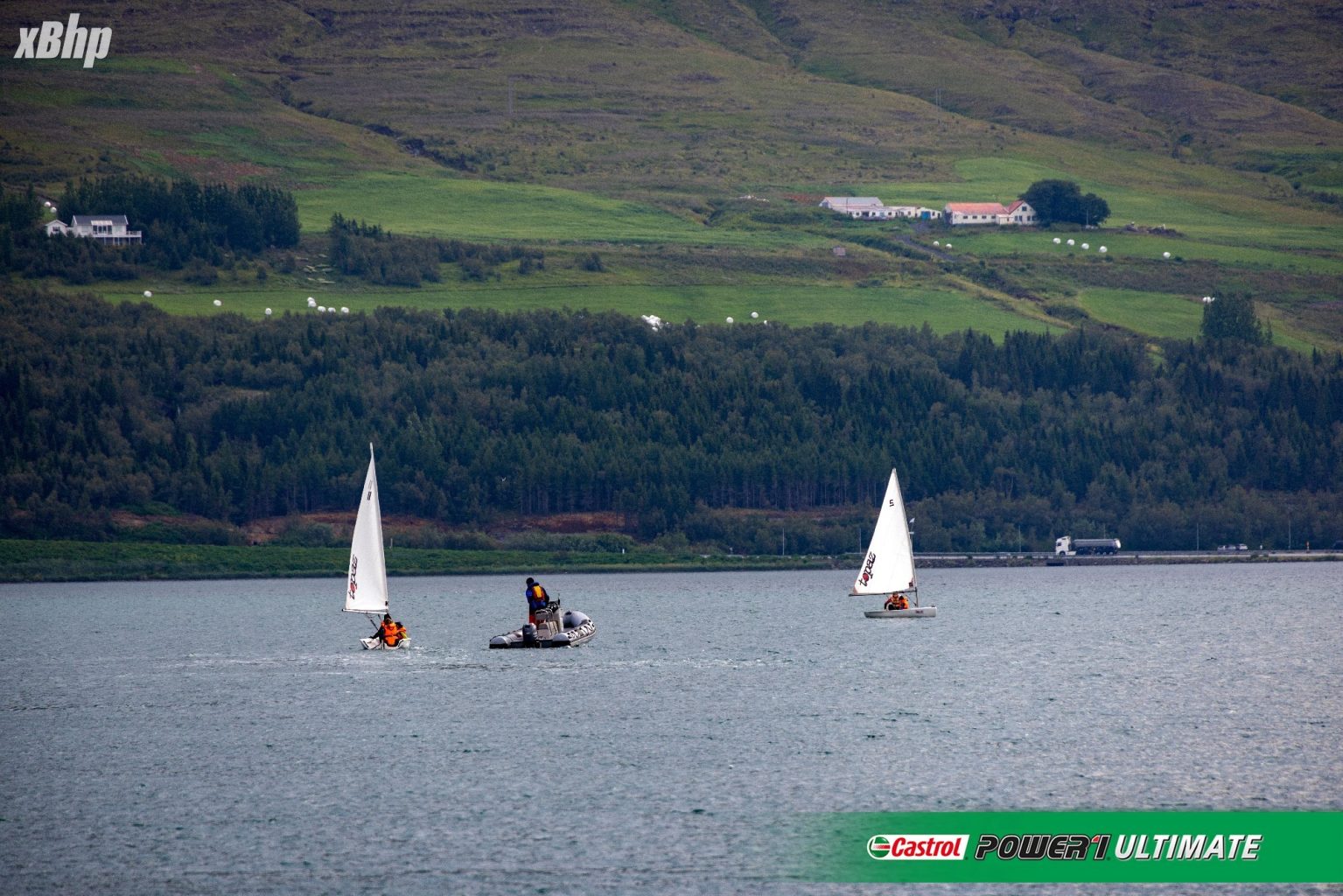
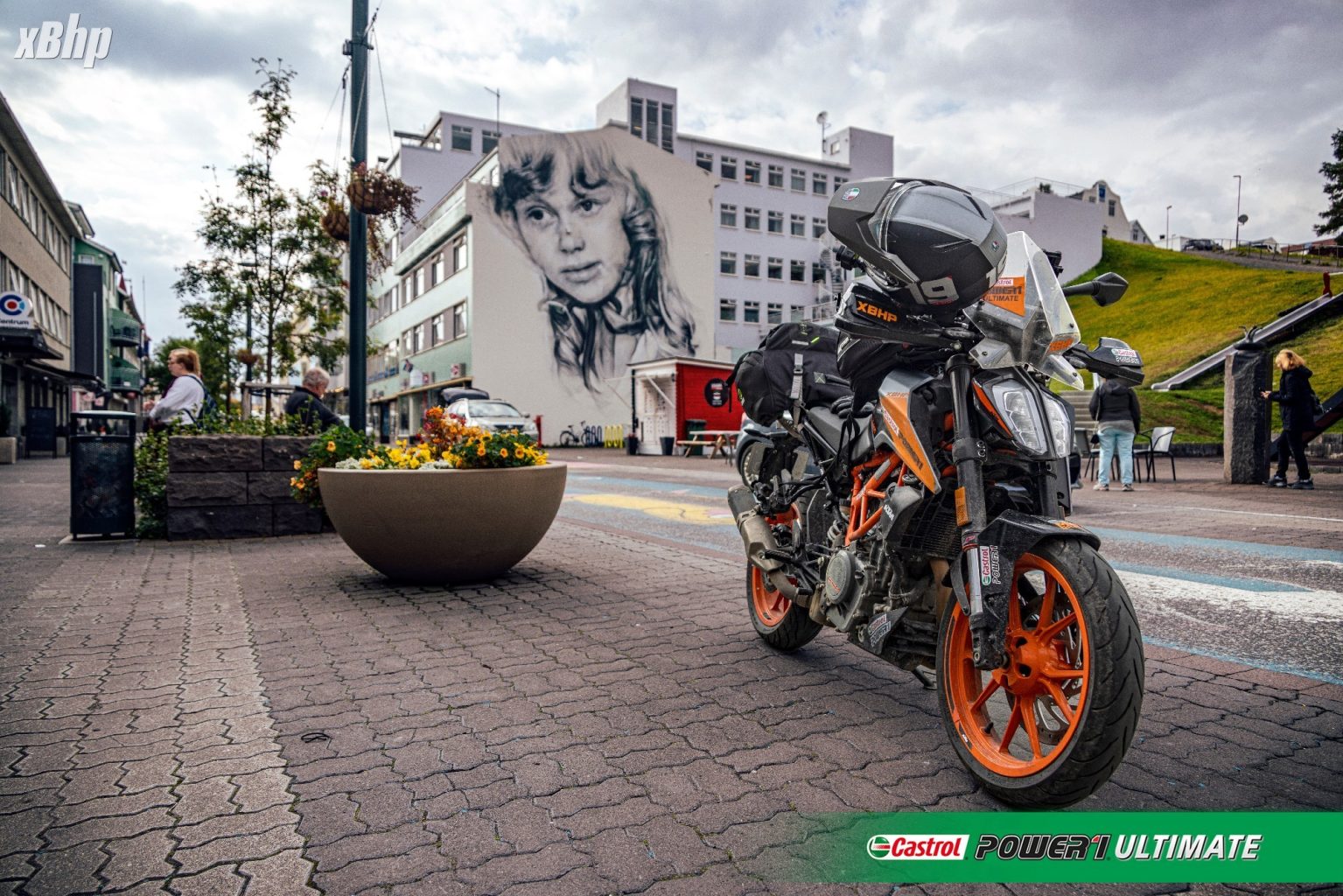
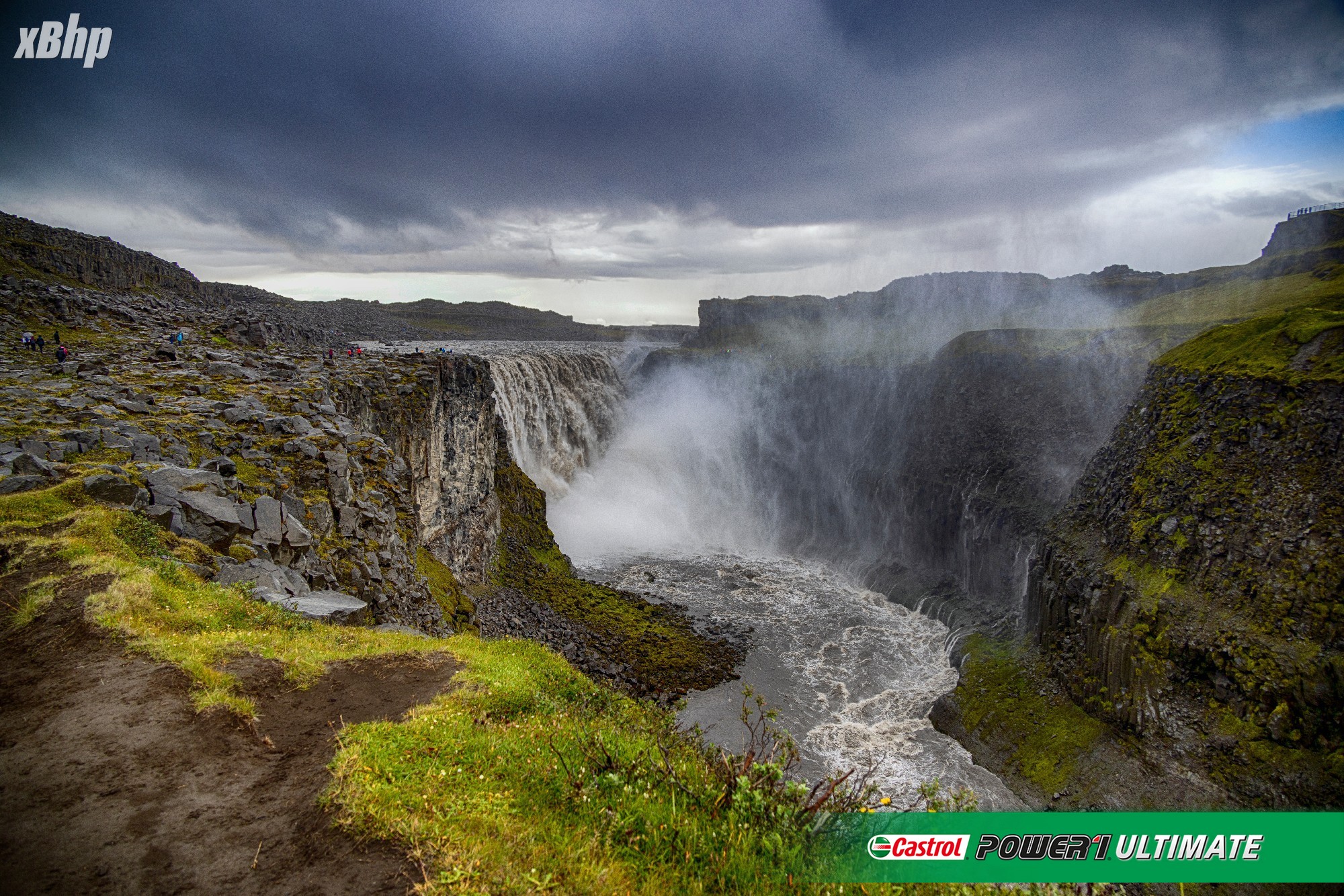
The eighth riding day was relatively small at 150 km. Dettifoss was the highlight. The second most powerful waterfall in Europe after the Rhine waterfall. Today ended in the town of Akureyri, which is the fourth most populous city of Iceland.
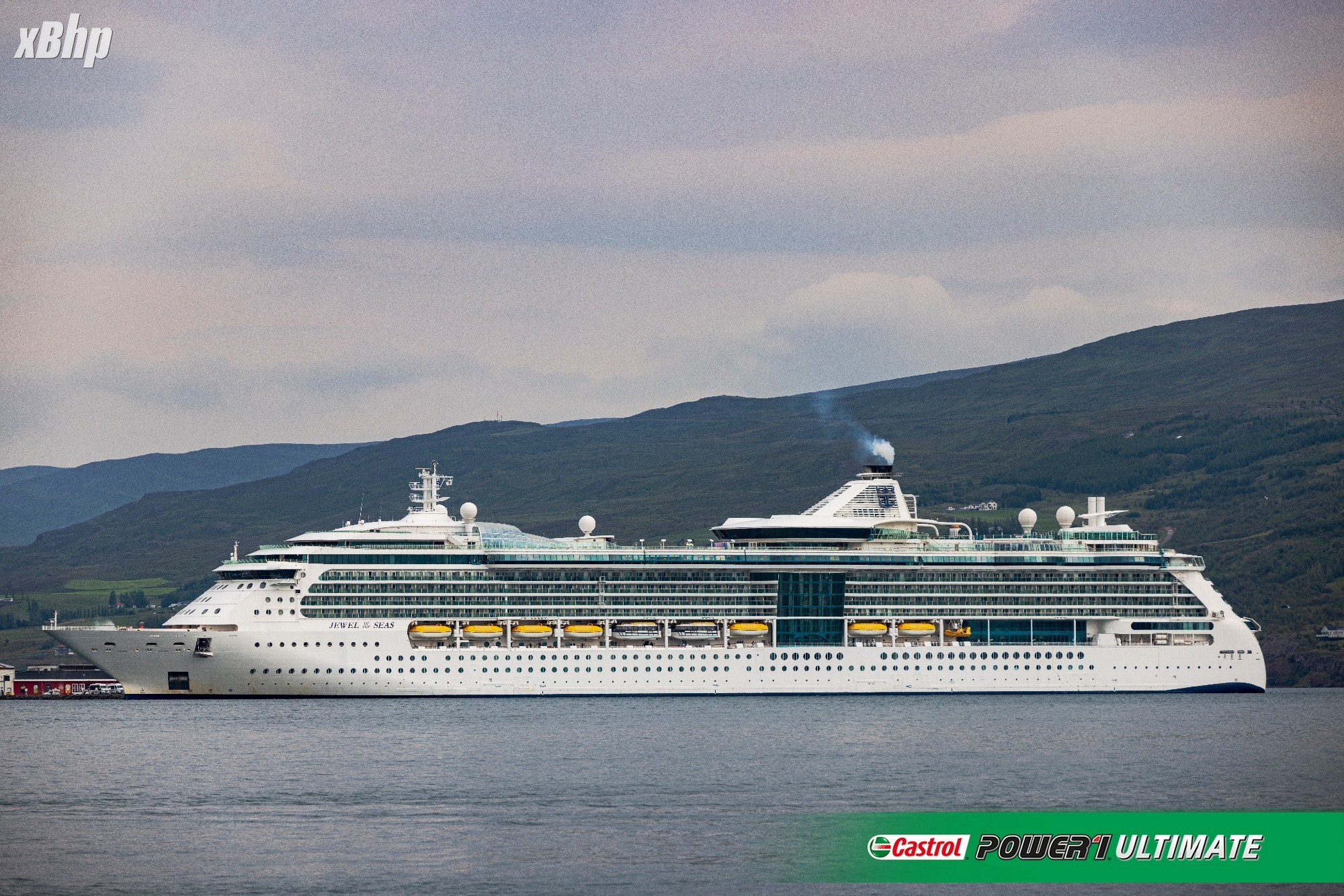
The last riding day in Iceland was from Akureyri back to Keflavik for a total of 430 km. Today was a relatively uneventful day with the usual sights and sounds of Iceland. Beautiful. Stark. Treeless and windy.
Overall Iceland is a place that beckons you to come again. There is something that I cannot quite point out, but I think it is the surreal landscapes that give us the hope of one day actually exploring true alien extraterrestrial worlds. There is a supernatural quality to it. Also, I am glad that I had Castrol POWER1 ULTIMATE 15W50 taking care of the KTM 390 Duke. It ensured that I had ULTIMATE performance on-demand and that the engine remained protected throughout. So, a fair bit of the credit goes to Castrol POWER1 ULTIMATE as well for making sure that the motorcycle saw this trip through without any issues.
Whenever you do Iceland, just have some time for it, actually a bit more than me to allow for the bad weather and more.
Ride safe.
defaultdefault
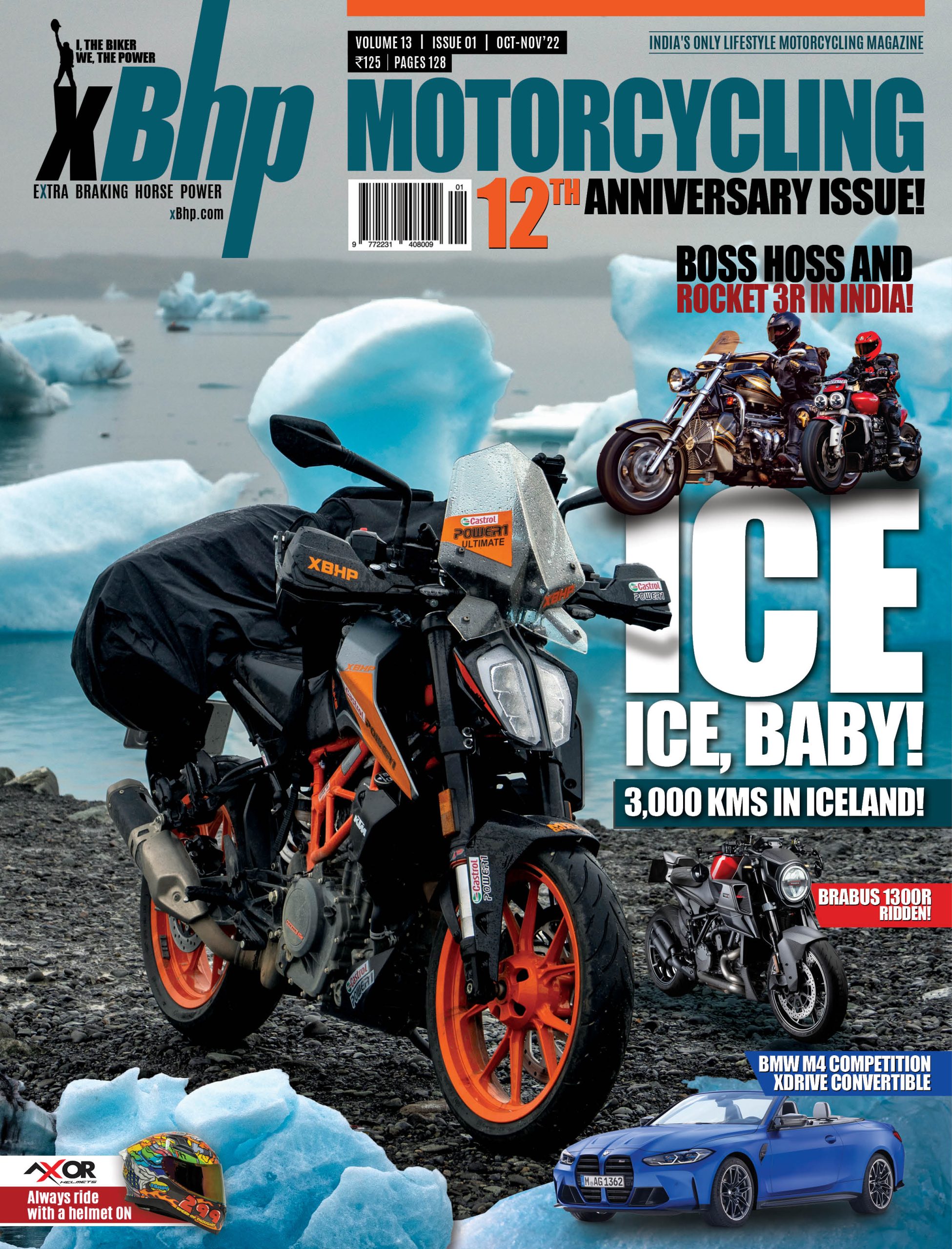
This article was published in the Oct-Nov’22 Issue of the xBhp Print Magazine. Order your copy here, or read it online here.