








 Tweet
Tweet
We recently published a report from TOI which stated that Ministry of Road Transport and Highways might remove the restrictions on import of foreign automotives, including cars and motorcycles. So middleweights like the R6 might finally make it to India. And now we have another great news for motorcycling enthusiasts waiting from a middleweight supersport motorcycle. According to a report from ZigWheels, supersport from Kawasaki’s stable, the ZX-6R was spotted at the ARAI test facility undergoing homologation tests.
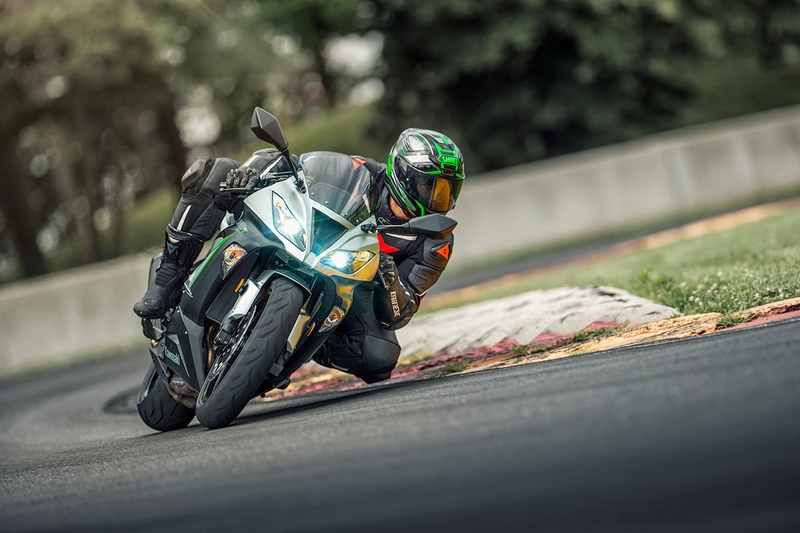
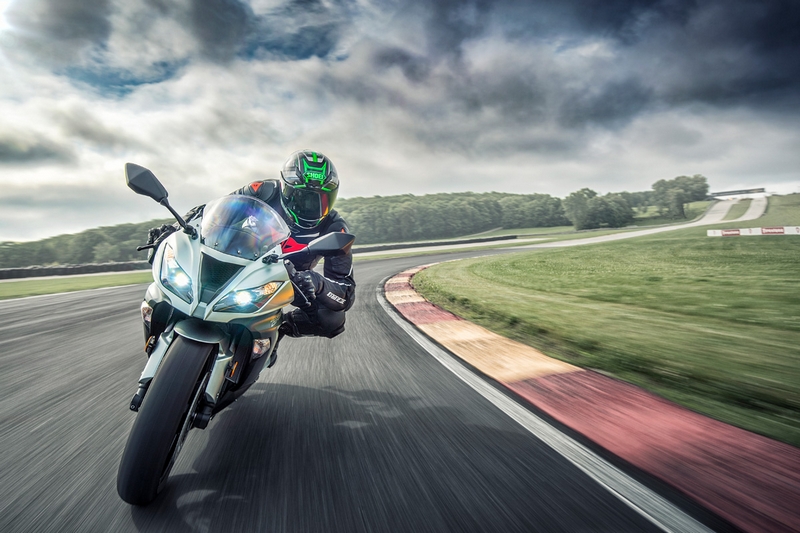
Every bike or car (excluding CBU imports) must undergo a series of tests to determine if they are fit for use in Indian road conditions before being introduced in the market. And homologation of a specific model almost always means that the manufacturer is looking to launch that model in the country. If Kawasaki actually launches the ZX-6R, it will be the first supersport from Japan and we are hopeful that we'll see the bike on the road next year.
In the supersport segment, we only have the Ducati Panigale 959 and the MV Agusta F3 800. We also had the Triumph Daytona 675R which has been discontinued. Now, the Daytona might make a comeback with a 765cc engine (used in the Street Triple 765) because Triumph is going to be the official supplier of engines for Moto2 from 2019 and they had a test bike which was essentially a Daytona albeit with some mods, which housed the 765cc engine.
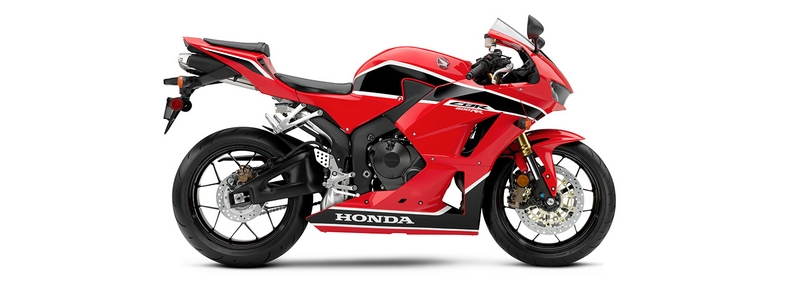
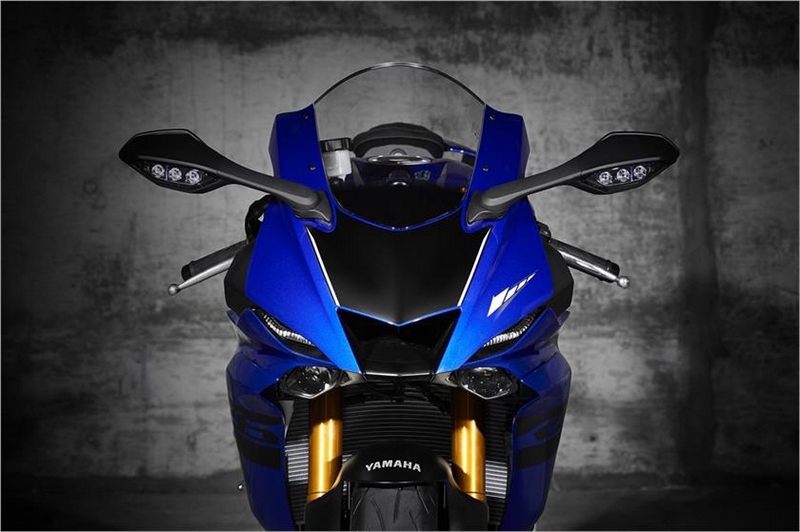
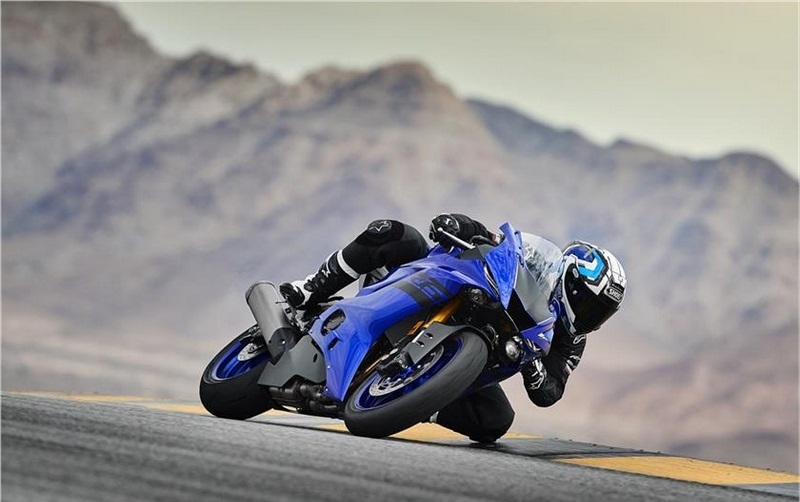
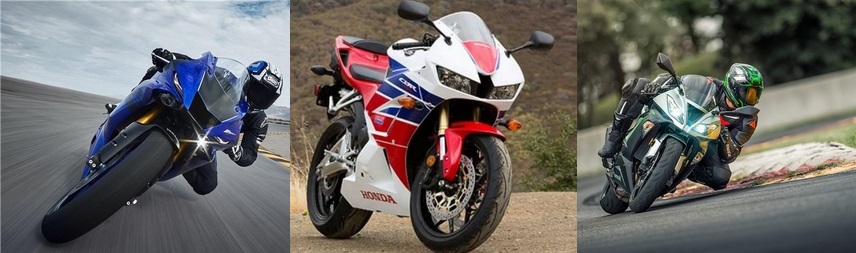
Apart from the two we have and one we might have in the future, the supersport segment is rather vacant. But the changes in import policy and now the homologation testing of the ZX-6R point towards a rather bright future of supersport motorcycles in India. And if the bike is launched here and succeeds, who knows, maybe the remaining 3 of the Big-4 from Japan might also follow suit. Which means we might very well see Yamaha R6, Honda CBR600RR and Suzuki GSX-R 600/750 too.


Another thing to consider here is the rather high pricing of supersport motorcycles which makes them move dangerously close to the superbike category in terms of pricing. Kawasaki recently shook the superbike market by deciding to locally assemble the ZX-10R helping them to price it at INR 12.8 lakh (Ex-Showroom, India) making it the most affordable litre-class superbike in India. If the similar route is followed for the ZX-6R by Kawasaki, they might be able to price it somewhere around INR 10 lakh which would make the ZX-6R a very lucrative deal.
Every bike or car (excluding CBU imports) must undergo a series of tests to determine if they are fit for use in Indian road conditions before being introduced in the market. And homologation of a specific model almost always means that the manufacturer is looking to launch that model in the country. If Kawasaki actually launches the ZX-6R, it will be the first supersport from Japan and we are hopeful that we'll see the bike on the road next year.
In the supersport segment, we only have the Ducati Panigale 959 and the MV Agusta F3 800. We also had the Triumph Daytona 675R which has been discontinued. Now, the Daytona might make a comeback with a 765cc engine (used in the Street Triple 765) because Triumph is going to be the official supplier of engines for Moto2 from 2019 and they had a test bike which was essentially a Daytona albeit with some mods, which housed the 765cc engine.
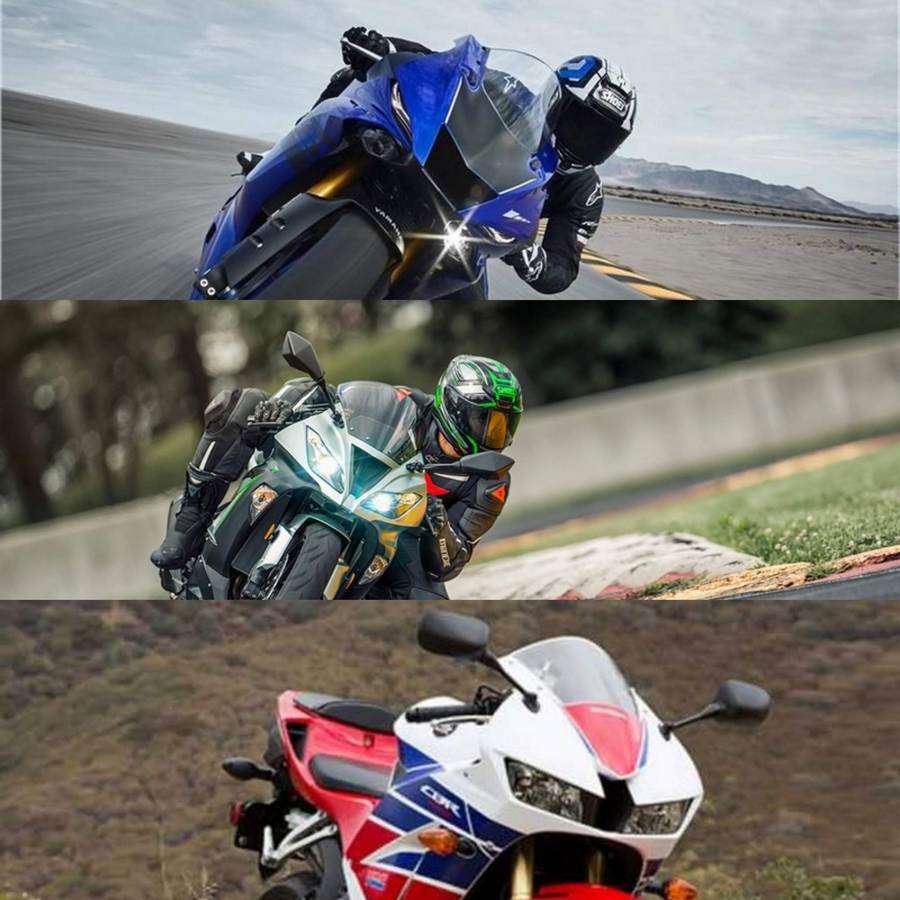
Apart from the two we have and one we might have in the future, the supersport segment is rather vacant. But the changes in import policy and now the homologation testing of the ZX-6R point towards a rather bright future of supersport motorcycles in India. And if the bike is launched here and succeeds, who knows, maybe the remaining 3 of the Big-4 from Japan might also follow suit. Which means we might very well see Yamaha R6, Honda CBR600RR and Suzuki GSX-R 600/750 too.
Another thing to consider here is the rather high pricing of supersport motorcycles which makes them move dangerously close to the superbike category in terms of pricing. Kawasaki recently shook the superbike market by deciding to locally assemble the ZX-10R helping them to price it at INR 12.8 lakh (Ex-Showroom, India) making it the most affordable litre-class superbike in India. If the similar route is followed for the ZX-6R by Kawasaki, they might be able to price it somewhere around INR 10 lakh which would make the ZX-6R a very lucrative deal.


 Why do people always use the crappiest cameras to take these spy shots.



Comment