







 Tweet
Tweet
Special edition GYTR R1 and R3
Yamaha has unveiled two special edition motorcycles. First one is the R1 and the second one is R3. The special editions called GYTR (Genuine Yamaha Technology Racing) pay homage to the 20 years of the R1. The special edition makes both the R1 and R3 more racing focused exuding the racing heritage of the R series of motorcycles from Yamaha. Both the bikes are racing focused and therefore track-only and will be produced in limited numbers.
YZF-R1 GYTR
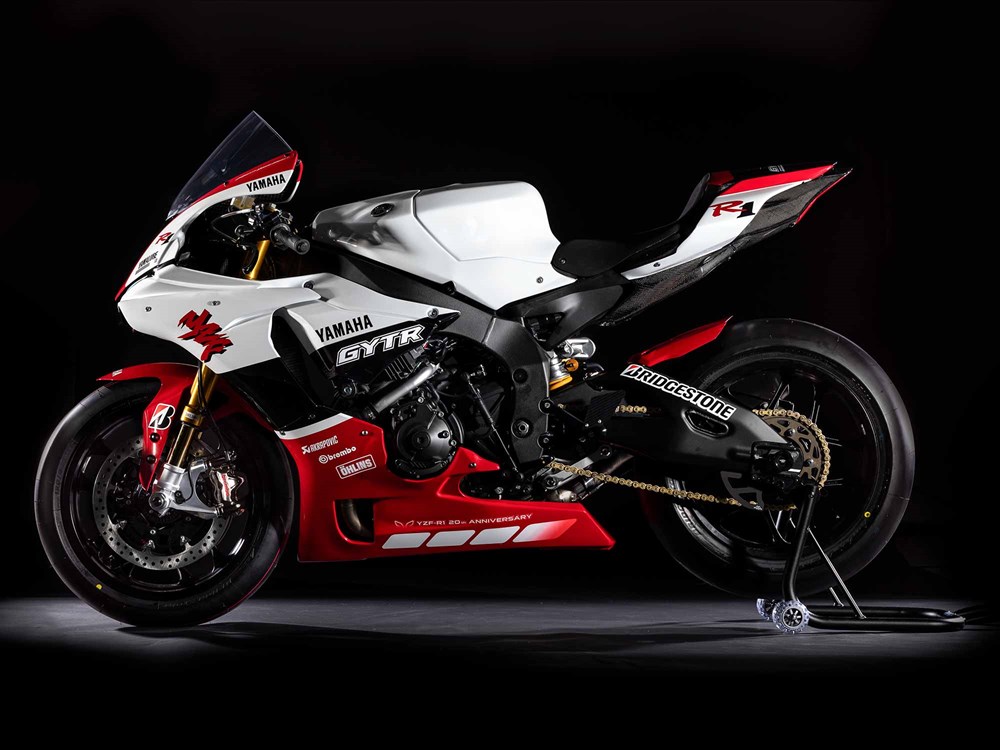
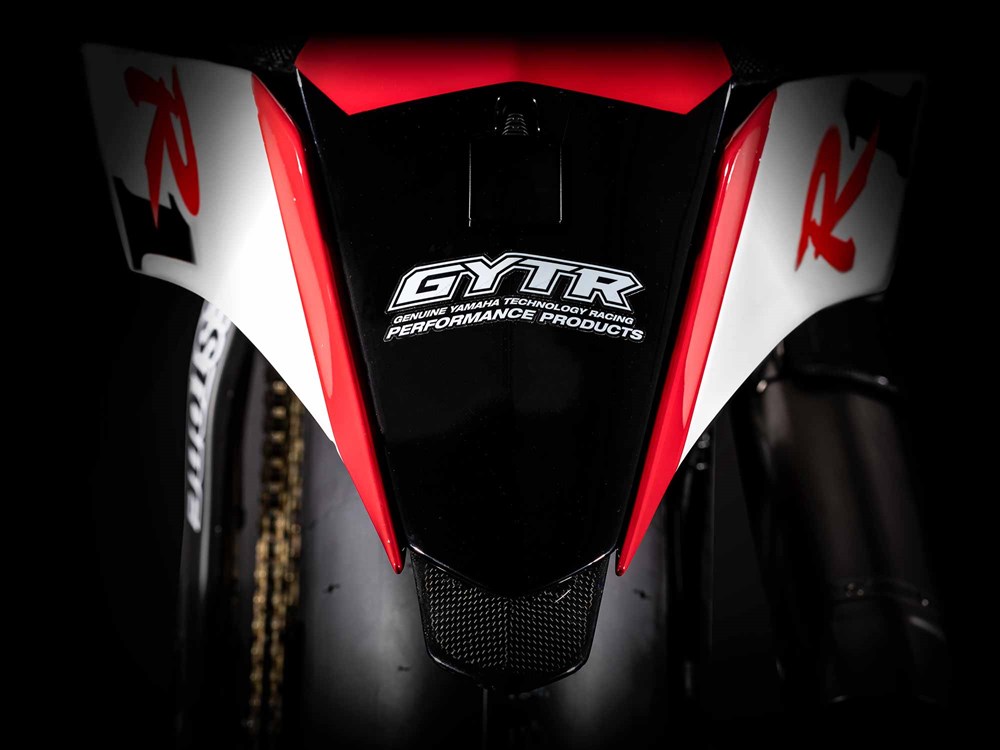
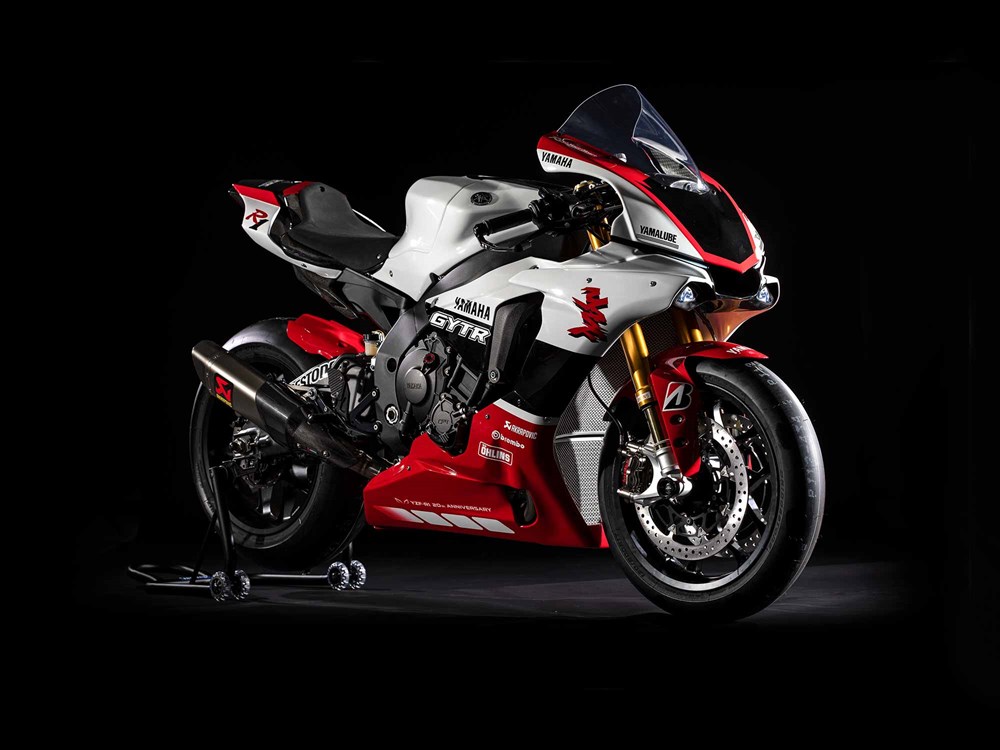
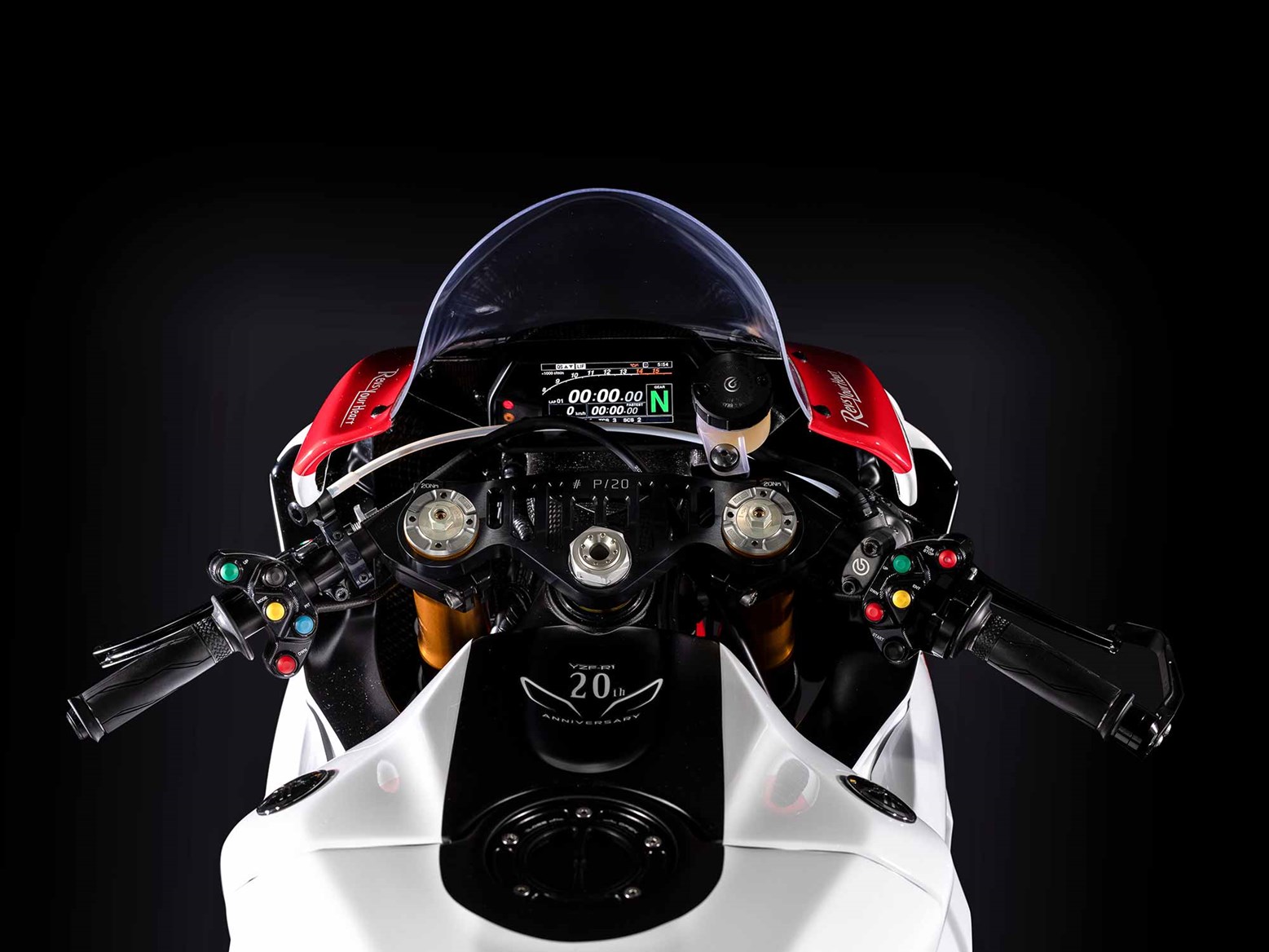
The bike is finished in red and white livery celebrating the 20 years of the R1 which has enjoys the pedestal of a legend. There will only be 20 units of this exquisite motorcycle, laden with parts to make it an extreme track tool. Full specs haven’t been revealed yet. The number of the motorcycle (out of the 20) is etched on the yoke to remind the rider of the exclusivity that the bike offers.
Special parts include:
-A race ECU and CCU (Computer Control Unit) – Analyzes the data from riding to help with improvements.
-Öhlins FGRT 219 front fork package and TTX36 GP rear shock, complete with a fully adjustable steering damper.
-Full titanium Akrapovič exhaust system.
-Armor for crankcase and wheel axles by Gilles Tooling
Apart from all that Yamaha would also give the ‘to be owners’ the option to install non-factory racing extras designed and installed specially by racing engineers. A dyno engine break-in and tailored chassis setup will also be offered. The best part though is a place on the 2019 Yamaha Racing Experience.
YZF-R3 GYTR
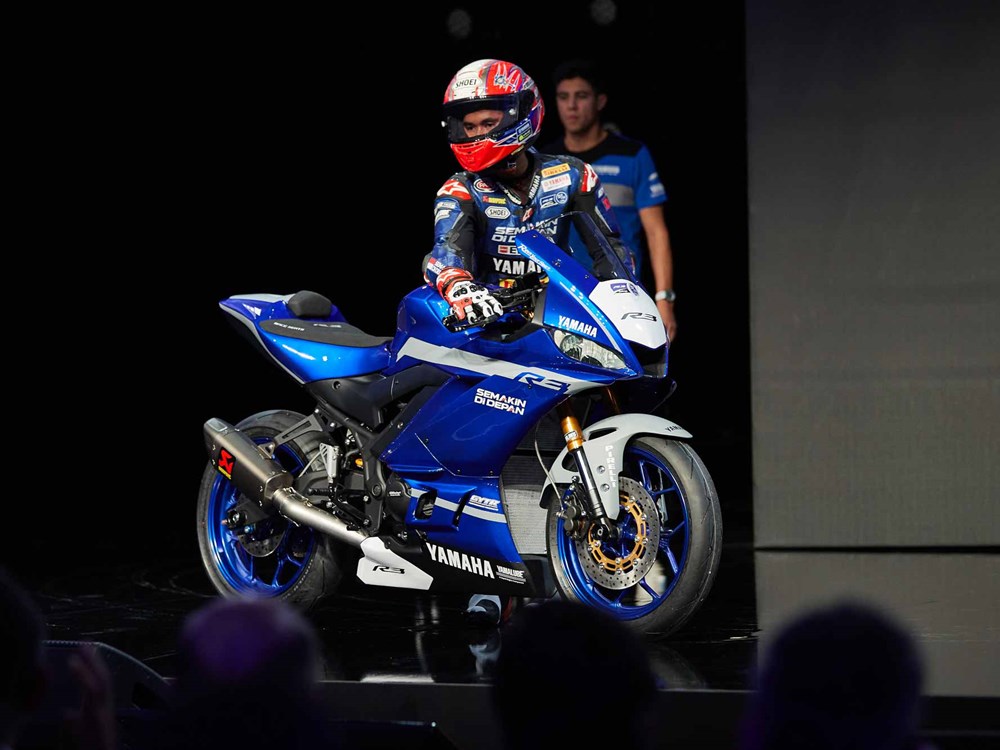
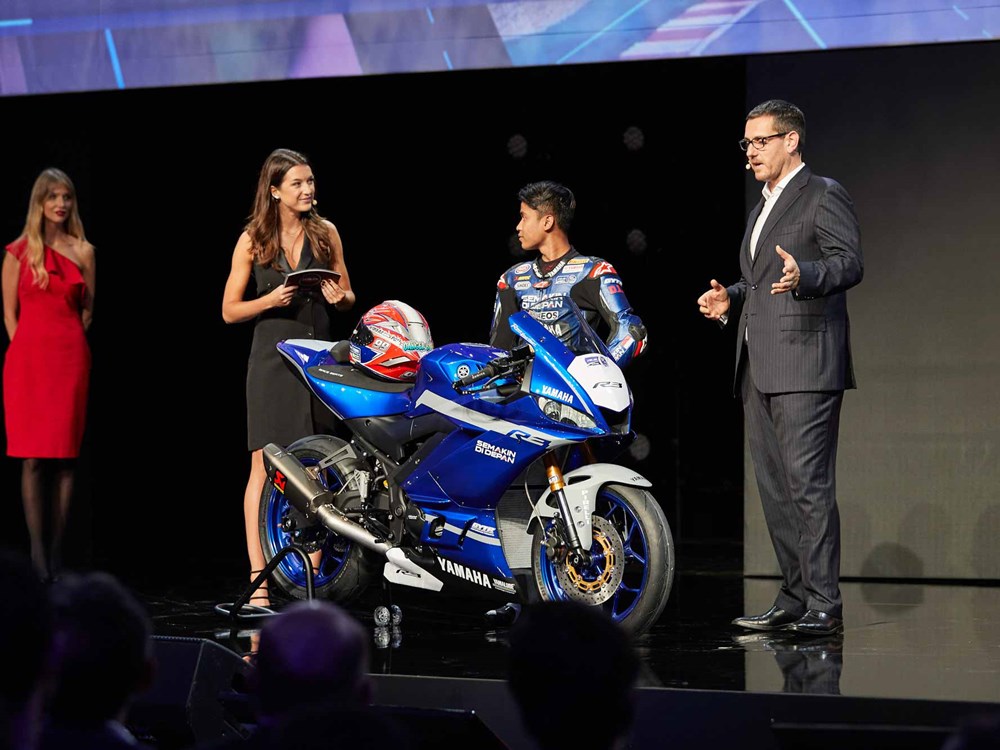
The GYTR special edition of the R3 also works towards making the R3 a full blown supersport racer. And Yamaha has achieved that by the inclusion of Öhlins Racing suspension and Brembo brakes. A titanium Akrapovič exhaust and a special GYTR engine kit make this little monster compliant with the 2019 World Supersport 300 championship FIM regulations.
3CT prototype
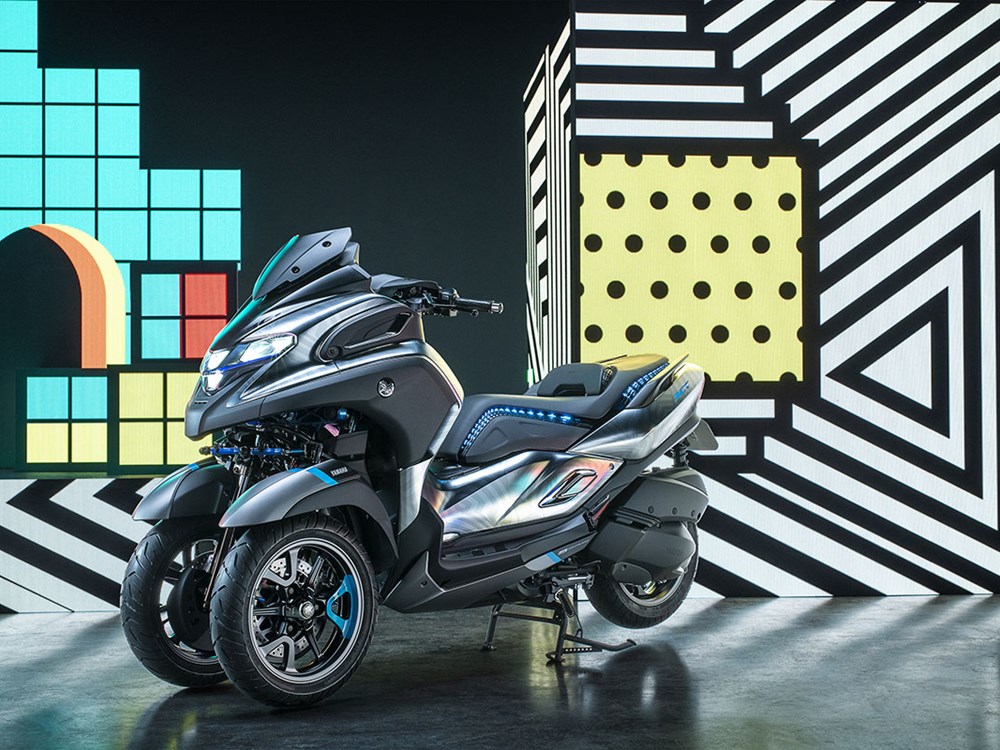
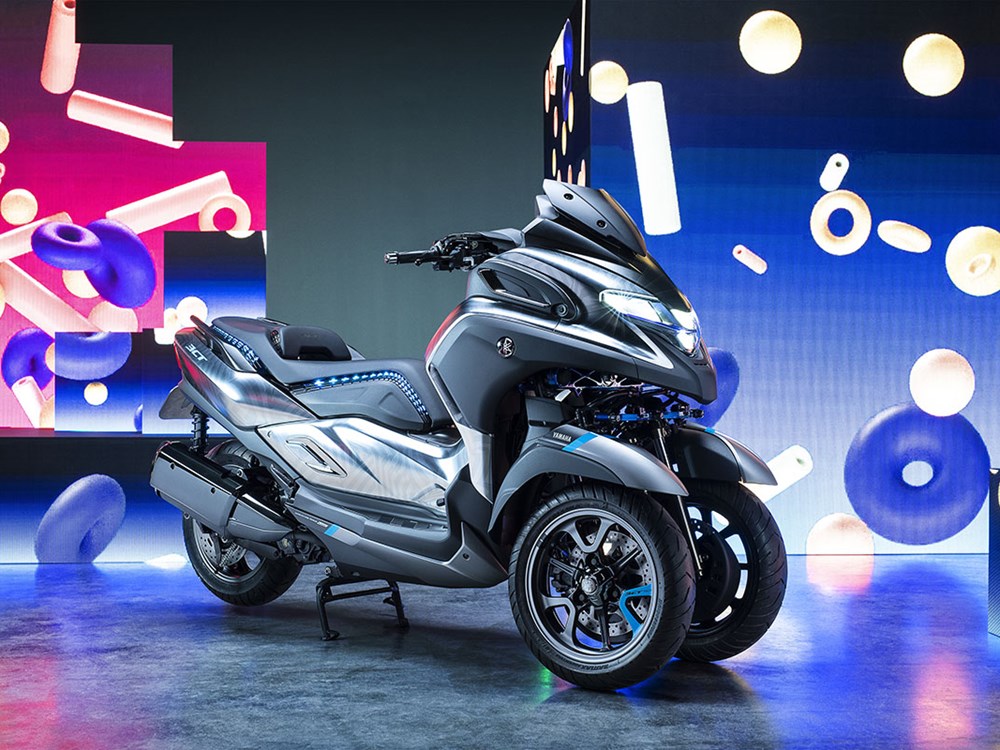
In addition to the special editions, a concept revealed by Yamaha was also getting a lot of attention, a prototype 3-wheeler called the 3CT. The 3CT is powered by the new Blue Core 300cc engine, which has been one of the key elements that has contributed to making the XMAX 300.
Features:
-Tilt lock assist: This aims to support the rider at a stop while remaining upright. The TLA does not lock the front suspension to help create ease when in stop and go maneuvers and to aid pushing it around in say, parking situations.
-The 3CT’s paint scheme features a patchwork of colours randomly shaped as 'jigsaw' pieces consisting of numerous different striped patterns. The wheels and chassis are predominantly grey with electric blue accents easily spotted around the scooter.
-3D printed seat with LED lights
Niken GT
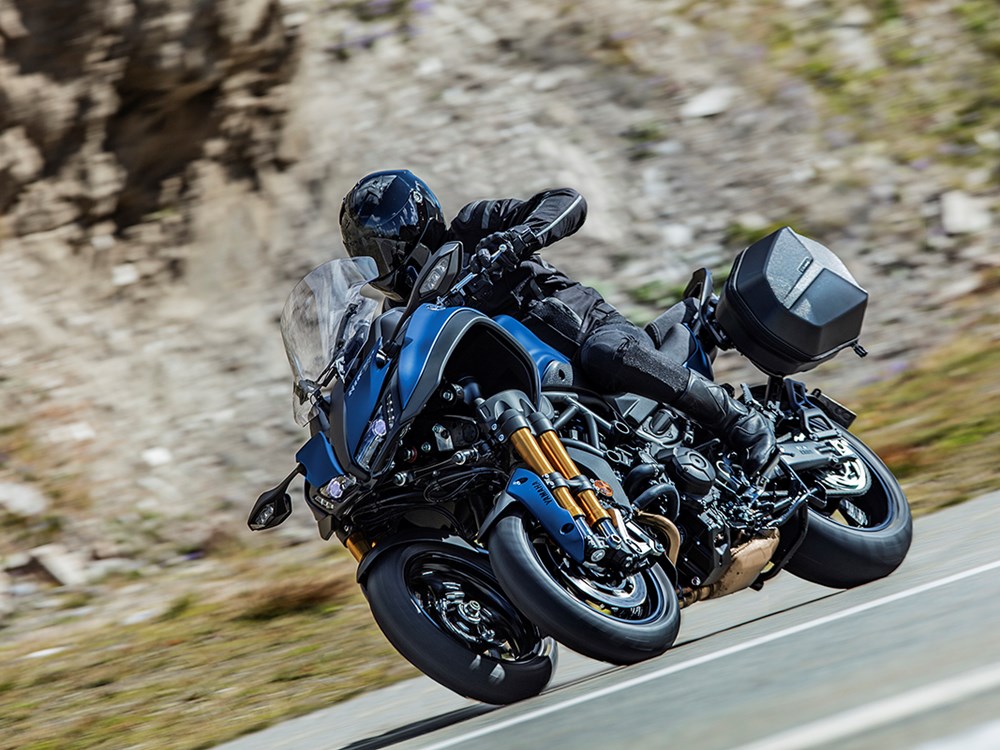
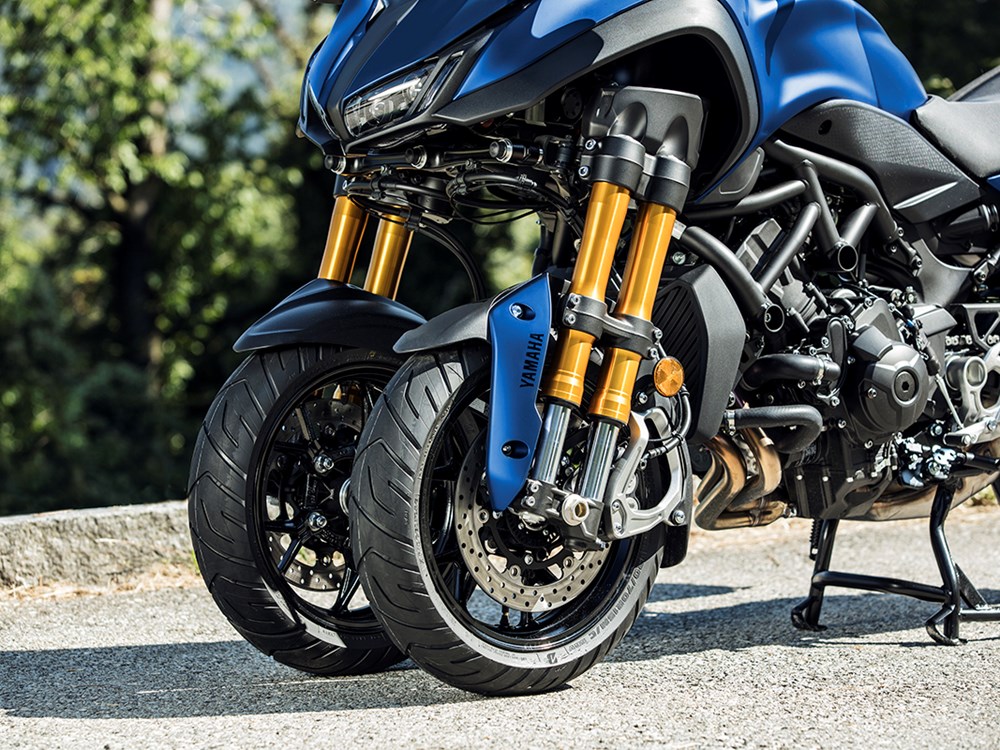
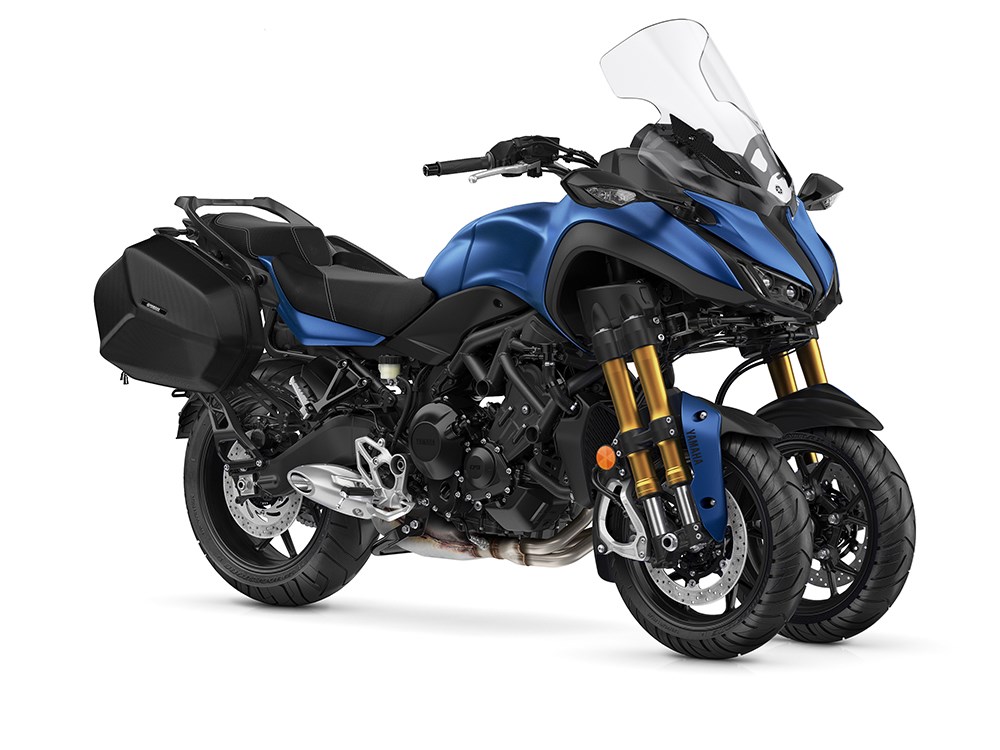
The Niken is a 3-wheeled motorcycle (we guess we can call it that) which was unveiled by Yamaha quite some time ago. The Niken GT is an extension of that concept and aims to turn this radical 3-wheeler into a tourer. The platform is still the same 3-cyclinder/3-wheeler setup and the GT just adds the usual comforts one expects of a sports-tourer. Up front there’s a taller screen, heated grips, an extra power outlet plus a new comfort seat. There’s also a pair of 25-litre semi-soft panniers, the base of which has a set of integrated passenger handles. Finally, it comes with a centre-stand too!
The 847cc 3-cylinder produces 113 Bhp of power and 86.8 Nm of torque which are respectable numbers for the kind of ‘motorcycle’ the Niken is.
XSR700 XTribute
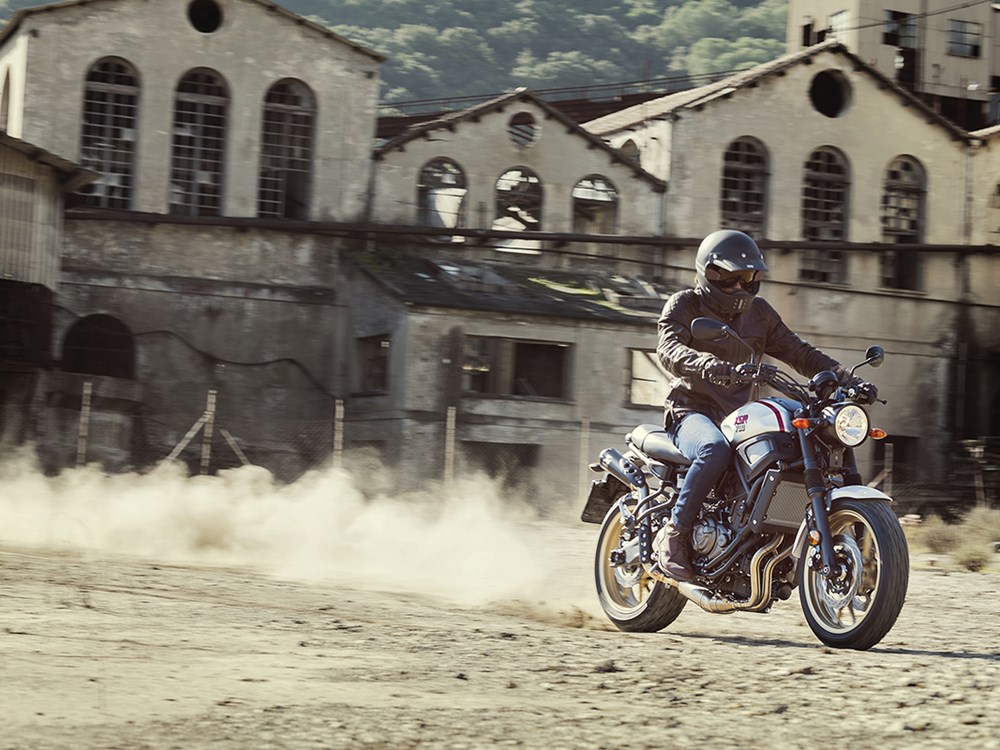
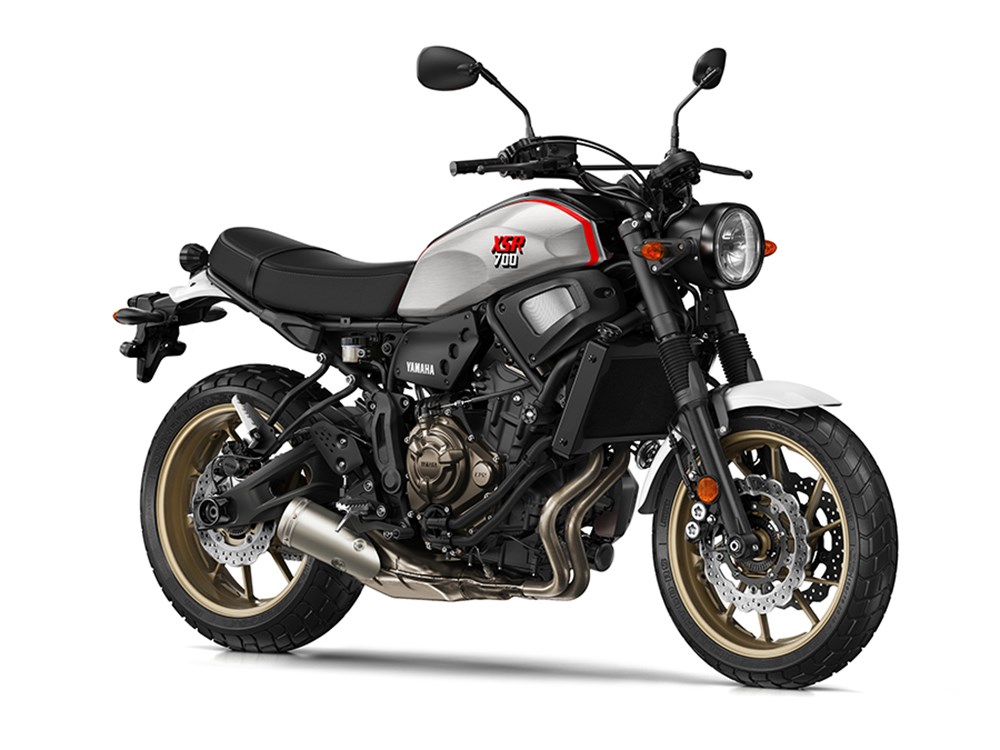
The XSR700 Xtribute is all about paying a tribute to the 1981 XT500, the legendary trail bike from Yamaha. Now, the true descendant of the XT500 would be the Tenere but the retro XSR700 does has a few tricks up its sleeve and is more than just a visual remembrance of the XT500. The rider gets a nice fat tapered handlebar to hold on to, as well as chunky off-road style footpegs for some added grip. The 10-spoke cast wheels also get Pirelli MT60RS rubber (120/70 R17 front and 180/505 R17 rear), and the fork gets old-school rubber gaiters and fork caps.
Powered by a 689cc liquid-cooled parallel twin which makes 74 Bhp of power and 67.8 Nm of torque, this special motorcycle gets a lot of black-treatment too. The engine, frame, forks, handlebar, frame guard, radiator guard, levers, clock bracket along with the special black-faced clock unit (now mounted off-set) get the dark treatment. There’s also an optional black high-level Akrapovic exhaust for that full scrambler look.
Even after all this, this is still more of a visual reminder of the XT. The real off-road fun that is comparable to the original XT, is offered by the Tenere 700.
Yamaha Ténéré 700
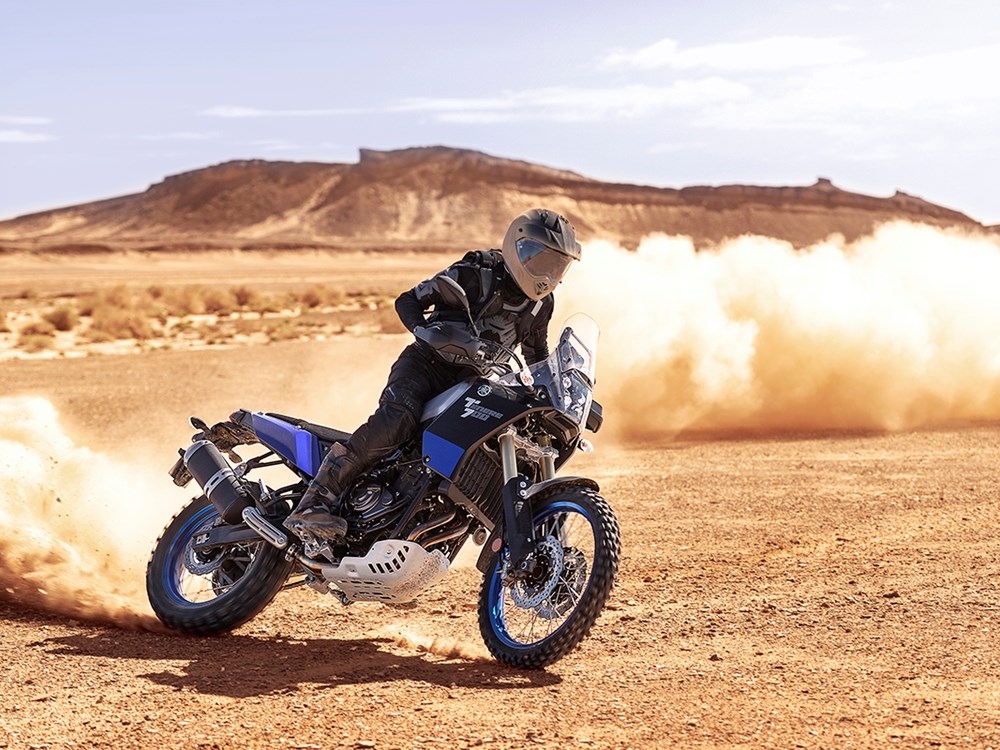
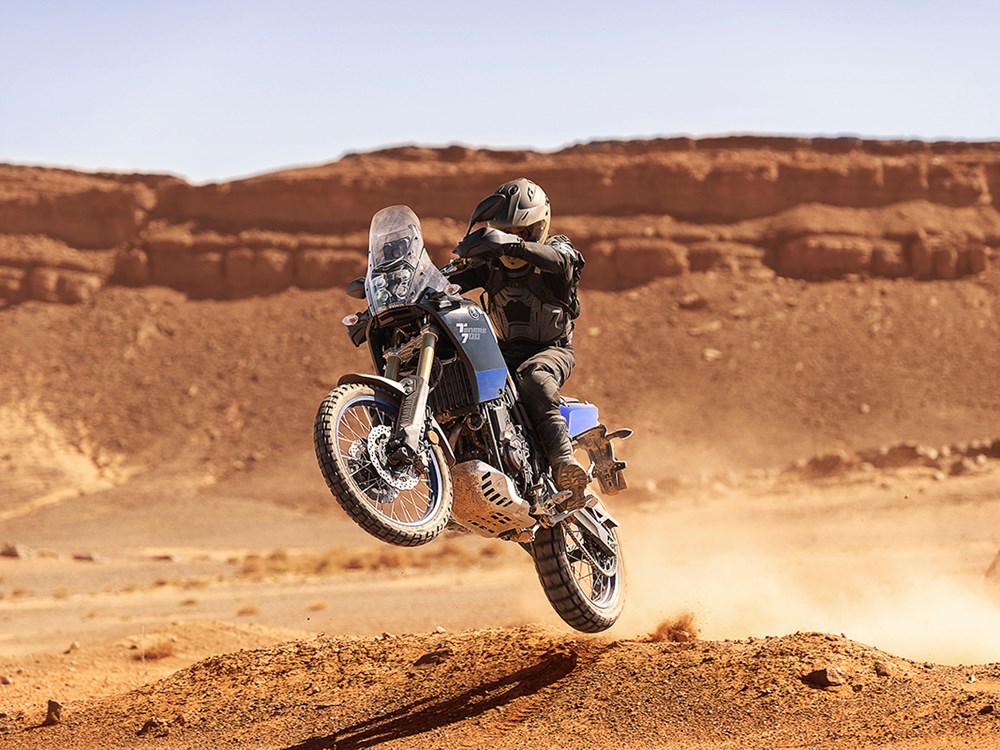
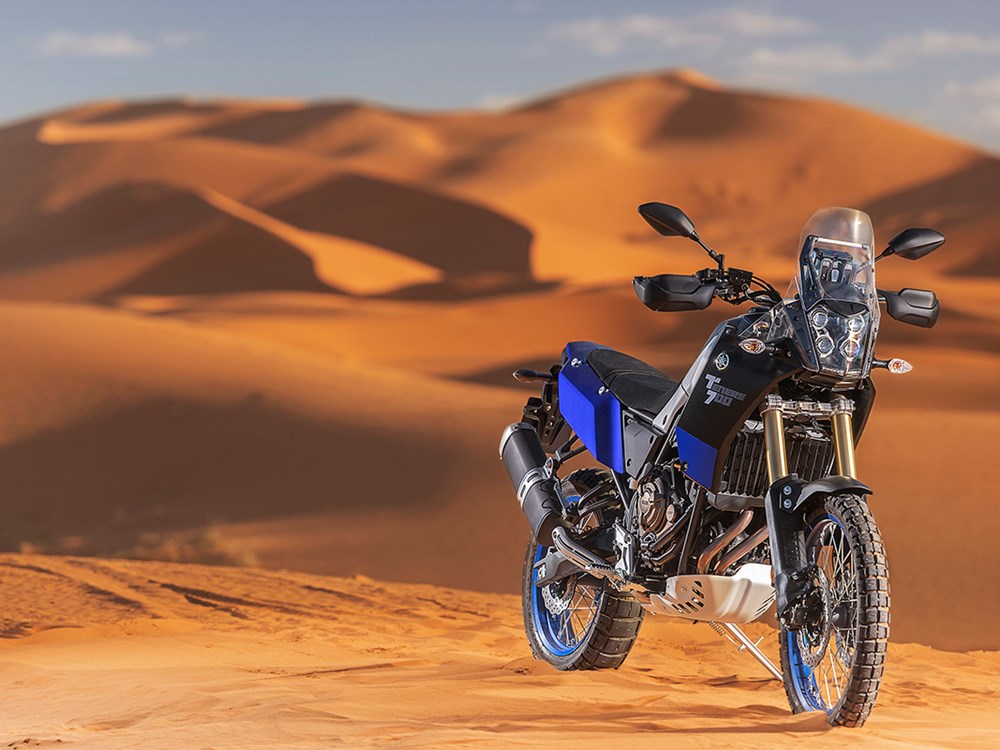
This one might very well be the most important model for Yamaha at EICMA. Given the rise of adventure bikes in the market and this year seeing a lot of those bikes, the Tenere 700 might very well be the most important one of them. The Tenere seems to sport a genuine lightweight adventure ability for the masses in terms of rideability and affordability.
The engine is borrowed from the MT-07 which means that it is a 689cc parallel-twin wrapped in an all new chassis. It runs on proper off-road wheels i.e. 21” at the front and 18” at the rear. The engine has been tuned for a solid off-road experience which means a broad spread of torque, and plenty of power for road or the loose stuff. There’s also been gearbox tweaks to suit its new purpose. Yamaha say the combination of good fuel economy and a 16-litre tank capacity will give a real-world range of around 350 km to the Tenere 700.
The all-new frame is a tubular steel double cradle, designed just for the Ténéré, which Yamaha say offers enough flexibility for good road manners, as well as finding traction in the rough stuff. Upfront we have the quad-LED headlamps nestling behind the tall screen, which also protects the new all-LCD dash tower (showing speed, rpm, fuel level and range, trips and more), above which sits a very useful bar for bolting all your navigational needs to.
There’s a 43mm inverted fork up front, offering full damping adjustment and 210mm of travel, while the rear gets a remote preload-adjustable link-type monoshock giving 200mm of travel for its aluminum swingarm. Braking is courtesy of Brembo, with 282mm discs up front, and a 245mm one at the rear, equipped with switchable ABS (which can be disabled for off-road).
Yamaha has unveiled two special edition motorcycles. First one is the R1 and the second one is R3. The special editions called GYTR (Genuine Yamaha Technology Racing) pay homage to the 20 years of the R1. The special edition makes both the R1 and R3 more racing focused exuding the racing heritage of the R series of motorcycles from Yamaha. Both the bikes are racing focused and therefore track-only and will be produced in limited numbers.
YZF-R1 GYTR
The bike is finished in red and white livery celebrating the 20 years of the R1 which has enjoys the pedestal of a legend. There will only be 20 units of this exquisite motorcycle, laden with parts to make it an extreme track tool. Full specs haven’t been revealed yet. The number of the motorcycle (out of the 20) is etched on the yoke to remind the rider of the exclusivity that the bike offers.
Special parts include:
-A race ECU and CCU (Computer Control Unit) – Analyzes the data from riding to help with improvements.
-Öhlins FGRT 219 front fork package and TTX36 GP rear shock, complete with a fully adjustable steering damper.
-Full titanium Akrapovič exhaust system.
-Armor for crankcase and wheel axles by Gilles Tooling
Apart from all that Yamaha would also give the ‘to be owners’ the option to install non-factory racing extras designed and installed specially by racing engineers. A dyno engine break-in and tailored chassis setup will also be offered. The best part though is a place on the 2019 Yamaha Racing Experience.
YZF-R3 GYTR
The GYTR special edition of the R3 also works towards making the R3 a full blown supersport racer. And Yamaha has achieved that by the inclusion of Öhlins Racing suspension and Brembo brakes. A titanium Akrapovič exhaust and a special GYTR engine kit make this little monster compliant with the 2019 World Supersport 300 championship FIM regulations.
3CT prototype
In addition to the special editions, a concept revealed by Yamaha was also getting a lot of attention, a prototype 3-wheeler called the 3CT. The 3CT is powered by the new Blue Core 300cc engine, which has been one of the key elements that has contributed to making the XMAX 300.
Features:
-Tilt lock assist: This aims to support the rider at a stop while remaining upright. The TLA does not lock the front suspension to help create ease when in stop and go maneuvers and to aid pushing it around in say, parking situations.
-The 3CT’s paint scheme features a patchwork of colours randomly shaped as 'jigsaw' pieces consisting of numerous different striped patterns. The wheels and chassis are predominantly grey with electric blue accents easily spotted around the scooter.
-3D printed seat with LED lights
Niken GT
The Niken is a 3-wheeled motorcycle (we guess we can call it that) which was unveiled by Yamaha quite some time ago. The Niken GT is an extension of that concept and aims to turn this radical 3-wheeler into a tourer. The platform is still the same 3-cyclinder/3-wheeler setup and the GT just adds the usual comforts one expects of a sports-tourer. Up front there’s a taller screen, heated grips, an extra power outlet plus a new comfort seat. There’s also a pair of 25-litre semi-soft panniers, the base of which has a set of integrated passenger handles. Finally, it comes with a centre-stand too!
The 847cc 3-cylinder produces 113 Bhp of power and 86.8 Nm of torque which are respectable numbers for the kind of ‘motorcycle’ the Niken is.
XSR700 XTribute
The XSR700 Xtribute is all about paying a tribute to the 1981 XT500, the legendary trail bike from Yamaha. Now, the true descendant of the XT500 would be the Tenere but the retro XSR700 does has a few tricks up its sleeve and is more than just a visual remembrance of the XT500. The rider gets a nice fat tapered handlebar to hold on to, as well as chunky off-road style footpegs for some added grip. The 10-spoke cast wheels also get Pirelli MT60RS rubber (120/70 R17 front and 180/505 R17 rear), and the fork gets old-school rubber gaiters and fork caps.
Powered by a 689cc liquid-cooled parallel twin which makes 74 Bhp of power and 67.8 Nm of torque, this special motorcycle gets a lot of black-treatment too. The engine, frame, forks, handlebar, frame guard, radiator guard, levers, clock bracket along with the special black-faced clock unit (now mounted off-set) get the dark treatment. There’s also an optional black high-level Akrapovic exhaust for that full scrambler look.
Even after all this, this is still more of a visual reminder of the XT. The real off-road fun that is comparable to the original XT, is offered by the Tenere 700.
Yamaha Ténéré 700
This one might very well be the most important model for Yamaha at EICMA. Given the rise of adventure bikes in the market and this year seeing a lot of those bikes, the Tenere 700 might very well be the most important one of them. The Tenere seems to sport a genuine lightweight adventure ability for the masses in terms of rideability and affordability.
The engine is borrowed from the MT-07 which means that it is a 689cc parallel-twin wrapped in an all new chassis. It runs on proper off-road wheels i.e. 21” at the front and 18” at the rear. The engine has been tuned for a solid off-road experience which means a broad spread of torque, and plenty of power for road or the loose stuff. There’s also been gearbox tweaks to suit its new purpose. Yamaha say the combination of good fuel economy and a 16-litre tank capacity will give a real-world range of around 350 km to the Tenere 700.
The all-new frame is a tubular steel double cradle, designed just for the Ténéré, which Yamaha say offers enough flexibility for good road manners, as well as finding traction in the rough stuff. Upfront we have the quad-LED headlamps nestling behind the tall screen, which also protects the new all-LCD dash tower (showing speed, rpm, fuel level and range, trips and more), above which sits a very useful bar for bolting all your navigational needs to.
There’s a 43mm inverted fork up front, offering full damping adjustment and 210mm of travel, while the rear gets a remote preload-adjustable link-type monoshock giving 200mm of travel for its aluminum swingarm. Braking is courtesy of Brembo, with 282mm discs up front, and a 245mm one at the rear, equipped with switchable ABS (which can be disabled for off-road).





Comment