Since '02 xBhp is different things to different people. From a close knit national community of
bikers to India's only motorcycling lifestyle magazine and a place to make like-minded biker
friends. Join us
xBhp was born more than 16 years ago and since then we've had a chance to ride or drive hundreds of machines
running on two wheels or four wheels, and sometimes even three wheels. We are not done yet, and this list is
still growing. In these pages, we take a deep dive in the treasure trove of our ride experiences and bring
you all that we have ridden or driven.
Machines Done 424
|
Total Cubic Capacity 177549
|
BHP 54589
2022 Indian FTR 1200: One for the road!
1,203CC120+BHP120NM
Sep 2022
xBhp
Bikes,Indian Motorcycle,Motorcycles
In the summer of 2019, I rode the Indian FTR 1200 at its global launch in Los Angeles. It was a shocker as it was unlike anything Indian Motorcycle had sold before. I say sold because the FTR750 was already lighting up the flat tracks in the US. The FTR 1200 was inspired by its flat track cousin and it created a wave amongst the journalists. As fate would have it, a few months later, I became the first customer of the Indian FTR 1200 in India. I still have that motorcycle in my garage but here, we have the 2022 Indian FTR with us. So, let’s see what’s what.
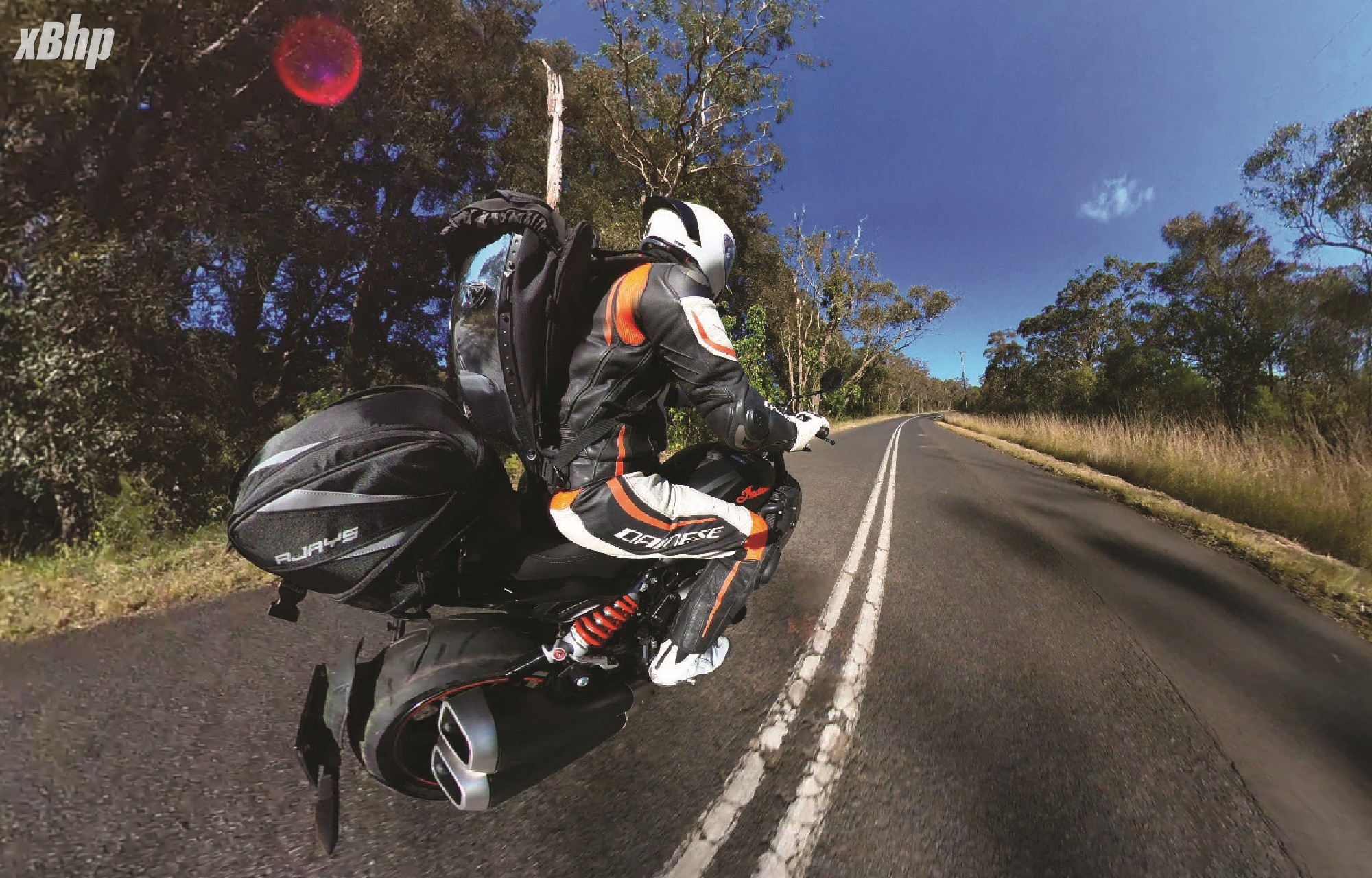
Whenever I visit Australia, Putty Road is one that I always ride. It is quite close to Sydney, it is beautiful, and it is a joy to ride. It is a motoring paradise flooded with riders on weekends and even supercars. My fondest riding memory from here is from 2017 when I rode the H2 here during our 20,000 km #PowerTrip360.
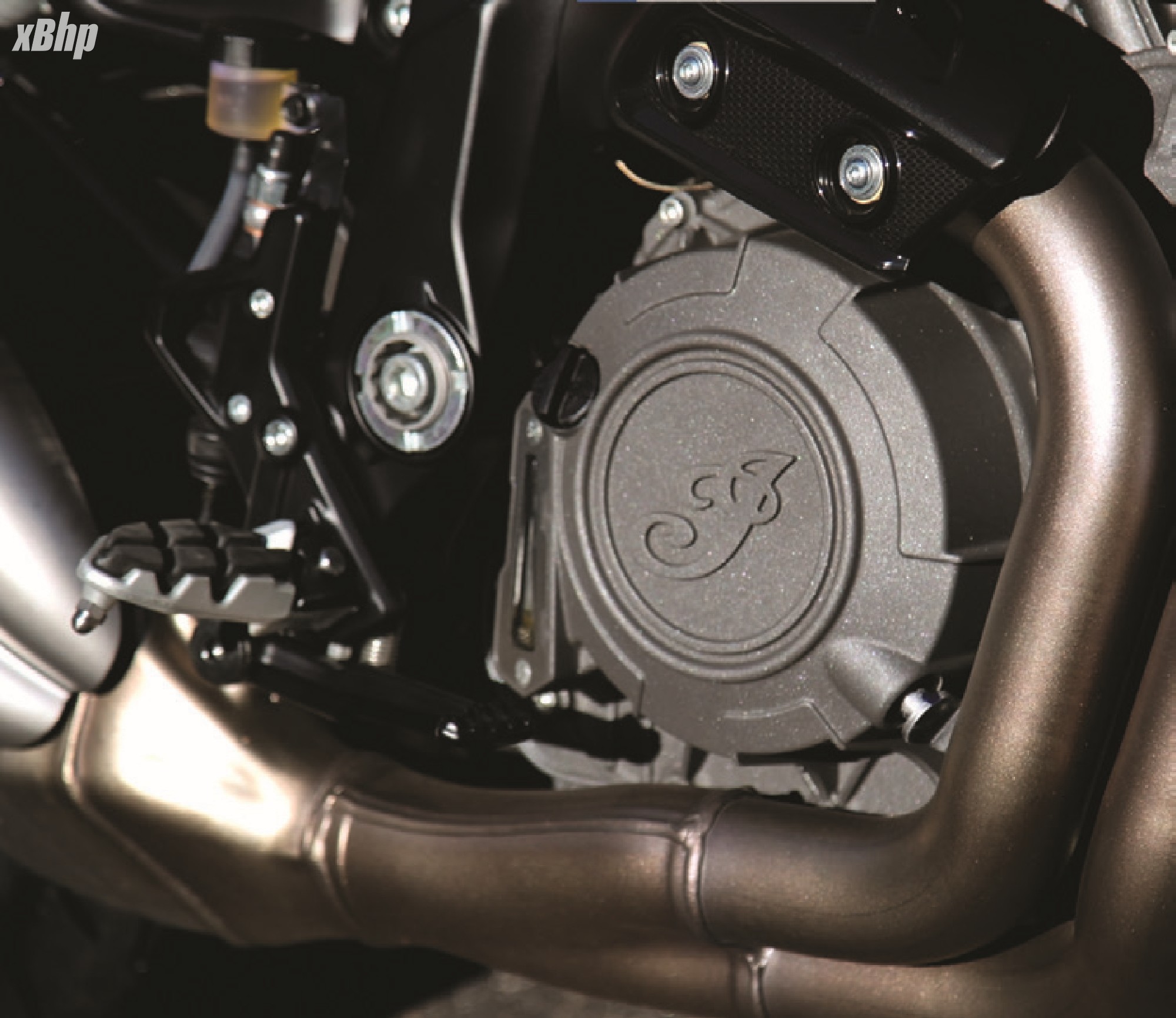
But this time, I had a very different motorcycle with me. It is not low on power per se, but the H2 is something else entirely. That said, this FTR is no docile beast either. The 1,200cc V-twin that powers it, is very, very lively. That said, the new Indian FTR 1200 is a fair bit similar and yet, a fair bit different from the one I have.
So mine is around 3 years old now but has more bells and whistles such as a full-colour TFT touchscreen and Akrapovic exhausts and so on. This one is the base variant but even then, there are some crucial structural and functional differences between the two. We will go over that as I tell you more about my ride with it on Putty Road.
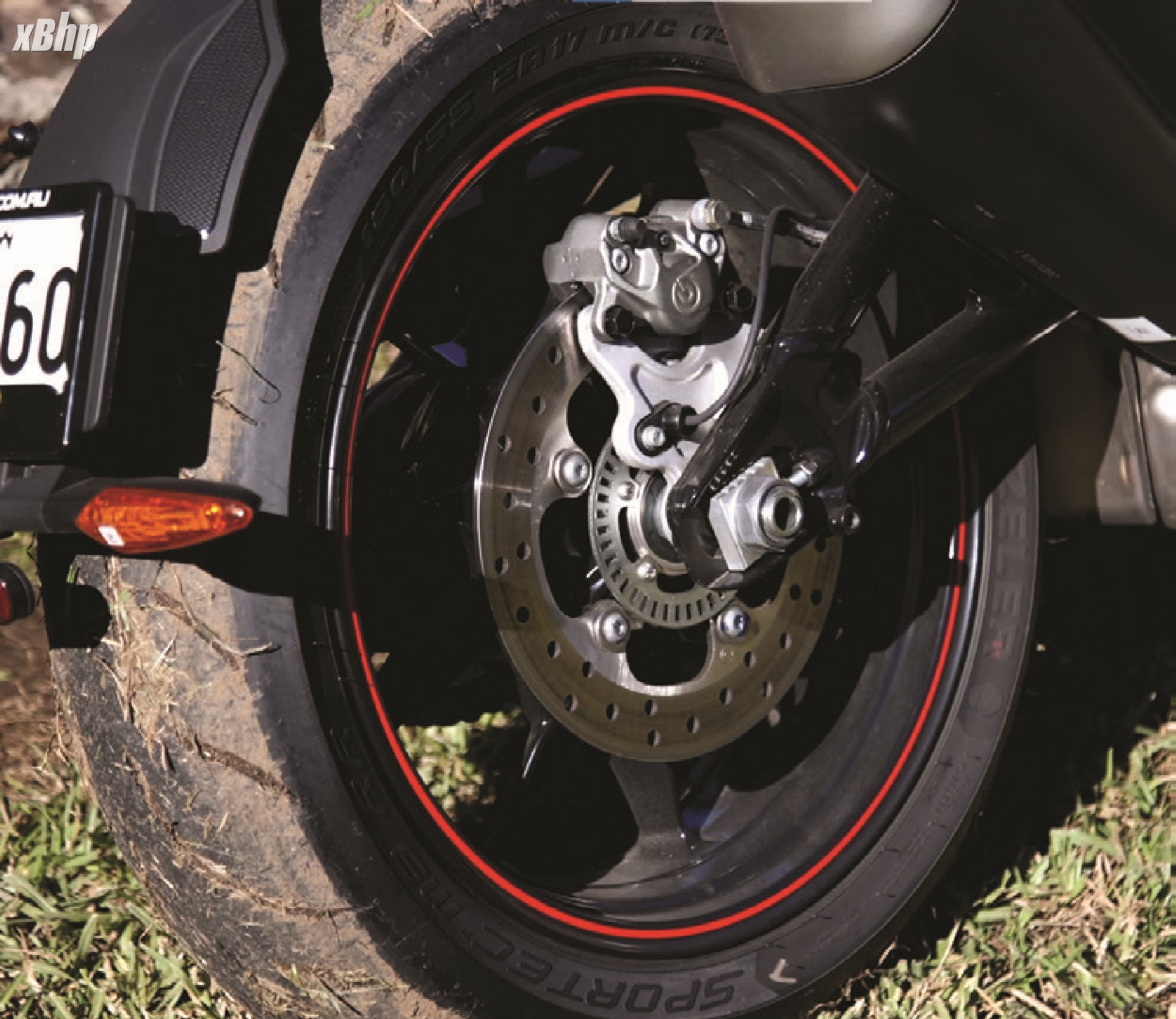
The very first difference is in the wheels and the tyres. Starting with the wheels, this FTR 1200 has got regular 17” wheels on both ends; it is standard on most road bikes. The one that I have has a 19” front wheel. This is a major change but one that was due for the better. Most of the people who would like to get an Indian FTR 1200, would do so to ride it on the road and off it.
If you really want to go off the road though, you can get the FTR 1200 Rally that would serve your purpose. So essentially, Indian now sells two versions of the FTR- the Rally and this one which is thoroughly road-biased. The variant that I am riding is the base variant but there are S and R Carbon versions too that are better spec’d.
The Carbon is the top spec and gets Ohlins suspension, carbon fibre body panels, and so on, along with a TFT screen which is there on the S variant as well. The variant I rode is the base variant but even this one gets Sachs fully-adjustable suspension. For the older variant, only the top-spec FTR 1200 S got an adjustable suspension.
Another major change, as mentioned earlier, is the tyres. While the FTR I have gets bespoke Dunlop DTR-3 tyres, this one gets road-biased Metzeler Sportec. The DTR-3 tyres were sort of dual-purpose while the Metzelers on the new ones are completely road-biased. While the DTR-3 tyres made my FTR 1200 more versatile and better equipped to reach some difficult places, the new FTR 1200’s Metzelers make it a much better-handling motorcycle on the road.
A member of my team took my FTR 1200 S to Ladakh and those tyres were able to deal with a lot of rough stuff with relative ease. The FTR in the discussion here may not be able to do so but it is a breeze to ride on the road now and a much more confident motorcycle in the corners. The chassis of the Indian FTR 1200 was already a gem but this one with the revised geometry and these road-biased tyres is an absolute hoot to ride in the twisties.
Talking about the geometry, of course when the size of the front wheel changed, it required some more changes. So what we have now is a steeper rake which makes the new Indian FTR 1200 sharper than ever. The motorcycle tips into turns much easier and the transitions from one side to another are a breeze too. The handlebars are not as wide as before either because the leverage needed to direct a smaller wheel is lesser. This makes the motorcycle narrower overall.
With all of those changes, the Indian FTR 1200 is more conducive to spirited riding in the mountains than ever. The higher grip you get with the Metzelers gives you more confidence to put the near-120 bhp and near-120 Nm engine to good use. Since the engine is a large-capacity V-twin, the FTR 1200 can dole out a whole lot of torque at the drop of a hat. But with these Metzelers, it is much easier to manage and tame.
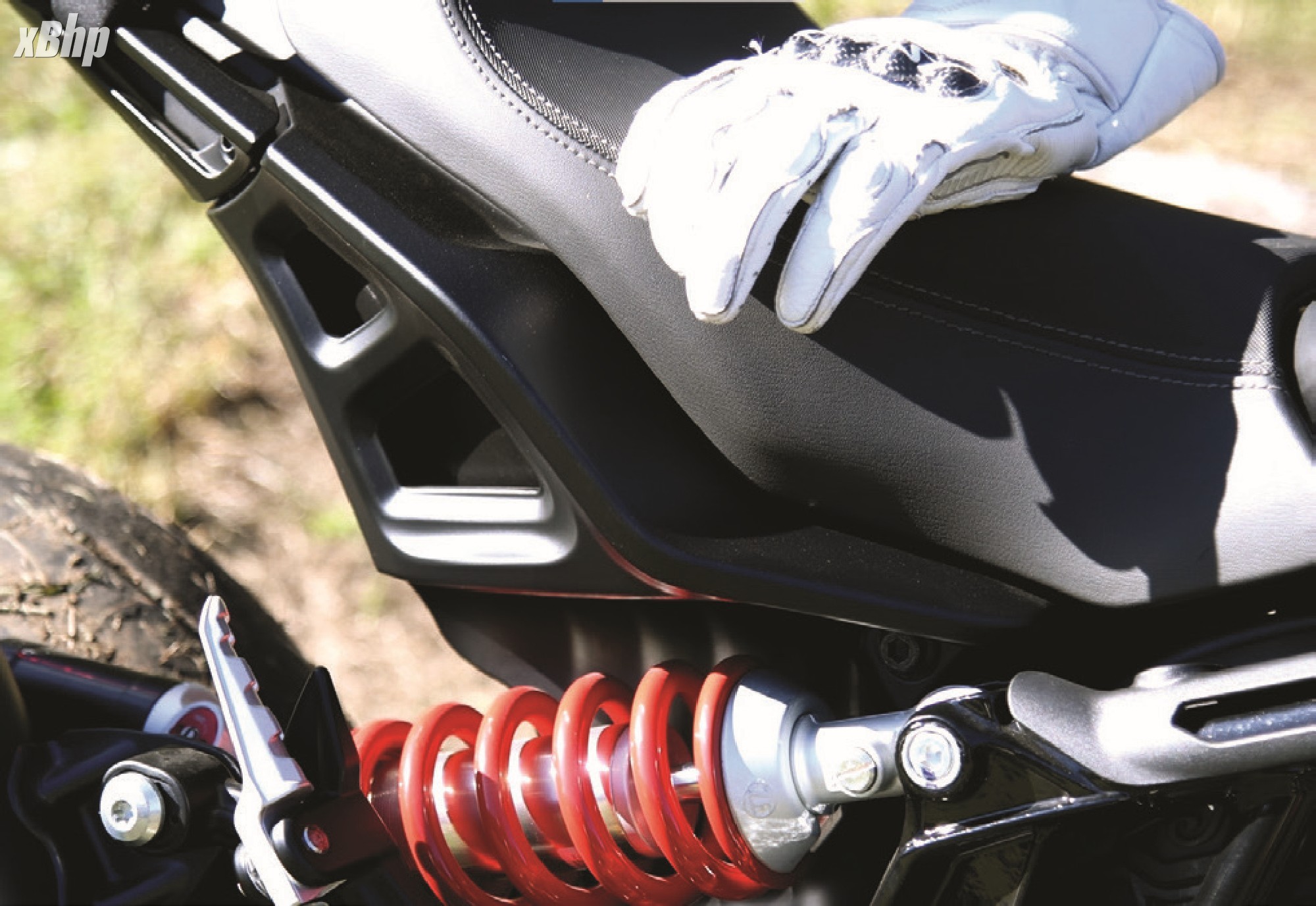
Because of the engine and the powerful figures, it is easy to ride the Indian FTR 1200 as a motorcycle much lighter than its near-232 kg footprint. But then, with the clever weight distribution, it was to be expected. A major chunk of the fuel tank of the Indian FTR 1200 resides under the seat, like a MotoGP motorcycle. This not only lowers the CoG but also makes way for a larger airbox so the FTR’s engine can breathe freer and go harder. The fuel capacity, at 13 litres, is not ideal but I am glad that it was for a purpose that was served- handling.
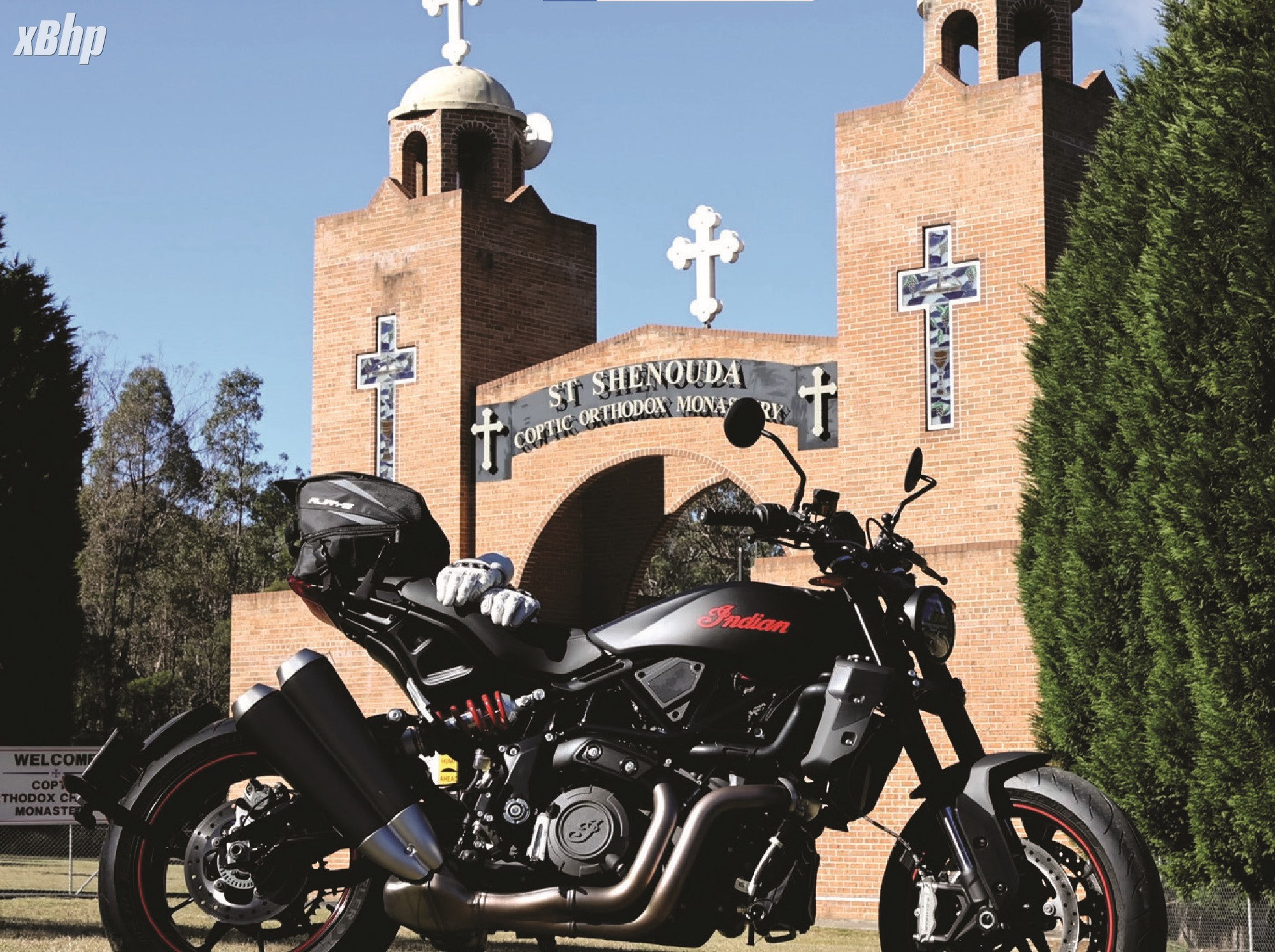
Another thing that I really appreciate is the beauty of the Indian FTR. This is the road-biased new FTR, finished in Black and Red and I can say that it looks beautiful. Being a graphic designer, I appreciate beauty and I can really say that the Indian FTR is one of the most beautiful motorcycles out there. It stands out in the crowd and is unlike anything you’d see on the roads. That stands true for both, the one that I have and the one you see here.
If someone were to ask me which one I’d prefer, the road-biased version that I have here or the one that I have in India, my answer would be my own and for that very reason- that it is my own. It was still a difficult choice though. The new FTR is a much more refined package now. The engine is smoother, the cold starts are better, and of course, it is a hoot on the roads. I believe that with the new FTR 1200, Polaris has broadened its customer base.
The ones who prefer riding on the road can buy one of the three variants on this road-biased FTR 1200 and they will have the time of their lives because as I mentioned earlier, the V-twin’s punchiness and the solid chassis and geometry of this FTR make for a killer combination. Those who are inclined towards off-roading can go for either the Scrambler or the rally version.
But if I am being honest, the FTR is not a motorcycle to be bought for its stellar performance. It is simply a heck of a motorcycle; one of the best I have owned, ridden and shot. And it is a good sport too. 120-odd bhp is more than enough to have fun on the road and its other variants that can go off-road are versatile too. But the biggest draw of the Indian FTR 1200 is how rare and unique it is. And once you take that into account, the other factors dissipate really quickly.
You buy an Indian FTR 1200 not because it looks better and goes like the clappers, you buy an Indian FTR because there isn’t anything quite like it.
This article was published in the Aug-Sep’22 Issue of the xBhp Print Magazine. Order your copy here, or read it online here.