Since '02 xBhp is different things to different people. From a close knit national community of
bikers to India's only motorcycling lifestyle magazine and a place to make like-minded biker
friends. Join us
xBhp was born more than 16 years ago and since then we've had a chance to ride or drive hundreds of machines
running on two wheels or four wheels, and sometimes even three wheels. We are not done yet, and this list is
still growing. In these pages, we take a deep dive in the treasure trove of our ride experiences and bring
you all that we have ridden or driven.
Machines Done 412
|
Total Cubic Capacity 174222
|
BHP 52457
BMW F 450 GS First-Ride Review
420CC48BHP43NM
Apr 2026
Sundeep Gajjar
Bikes,BMW,Motorcycles
There was a time when a light low capacity no nonsense single cylinder motorcycle was considered practical and good enough for around-the-world expeditions. Then came in the big blocks, the heavy-duty stuff. Big capacity engines with 200+ kilos and loads of luggage to boot. It seemed that was the purposeful look ‘serious’ long-distance adventure motorcyclists were aiming for. I, for one, am guilty of it- having done over 25 countries just on the Ducati Multistrada and a few on the BMW R 1250 GS, with the latest being the countries of Albania, Macedonia, Albania and the self-proclaimed state of Kosovo on the BMW R 1300 GS.
Somewhere along the way, BMW also realised, as did many other manufacturers, that real money is in numbers, and bigger bikes were just unaffordable by the rapidly growing young blood motorcyclists who had a thirst to discover the world but just enough money for something smaller. The mid-capacity segment was reborn. Fueled by a mix of the explosion of the creator economy, the YOLO concept, catalysed by COVID and the rapid rise of the young money class of South East Asian countries like India, BMW entered the market with the 310cc bikes made by TVS in India. That and the requirement of a more powerful bike complying with the A2 license in Europe.
The G 310 GS, the G 310 R and the G 310 RR were derived from the same single-cylinder engine made by TVS were a mild success. Reasons were many. TVS was providing almost everything at a lower cost except for the entry into the exclusive BMW owners’ club. But many didn’t consider that as a real BMW. If you just talk about the G 310 GS, the engine was not enough for it to be tractable enough in places where it required low-end torque and then some more. Plus, the premium experience of buying a BMW by walking into a dealership that has some of the world’s fastest bikes being sold was another flex.
It was time for BMW to redeem itself by coming up with a new entry-level GS that would make its grandfather, the R 80 GS, proud. In some ways, the new BMW F 450 GS shares a lot with the first GS. Two cylinders, around 180 kilos and similar engine specs.
Could this be BMW’s ticket to finally hitting the jackpot in this segment with the youth? If it manages to do so, then it will prepare a new generation of riders that will end up buying the bigger GS in the years to come, and the cycle will keep repeating. Good for the coffers! Good for the riders.
Is the F 450 GS for you?
Considering the cost and the mid-range specs, the 450 can be a good second motorcycle for youngsters… or even the first in many cases, as it was made for the A2 licence category in Europe, where its major market stands. In this category, riders over 19 years old can ride a bike that does not exceed 47 horsepower and a power-to-weight ratio not exceeding 0.2 kW/kg.
Let us not forget the other end of the spectrum- if you had taken a long hiatus from motorcycling due to your profession, family commitments or even health issues, and you want to make a comeback. Or you are simply getting too old for big motorcycles. You realise that you still want a premium motorcycle- the F 450 GS could be your answer.
Or, if you have too many bikes, you have the space, and you want a light motorcycle to hit the road but still have the BMW badge, then this is not bad either.
Can the F 450 GS be your first motorcycle?
The Trophy edition with the ERC (Easy Ride Clutch) can be, but it should not be. Your first bike should be where you need to be fully engaged so that you can learn the nuances of riding, without ABS or traction control and arguably at a seat height that you should not be worried about. But then, in a country like India, people also buy the S 1000 RR as their first bike because we do not have any licence stage restrictions like Europe or elsewhere.
Looks: Unmistakably GS
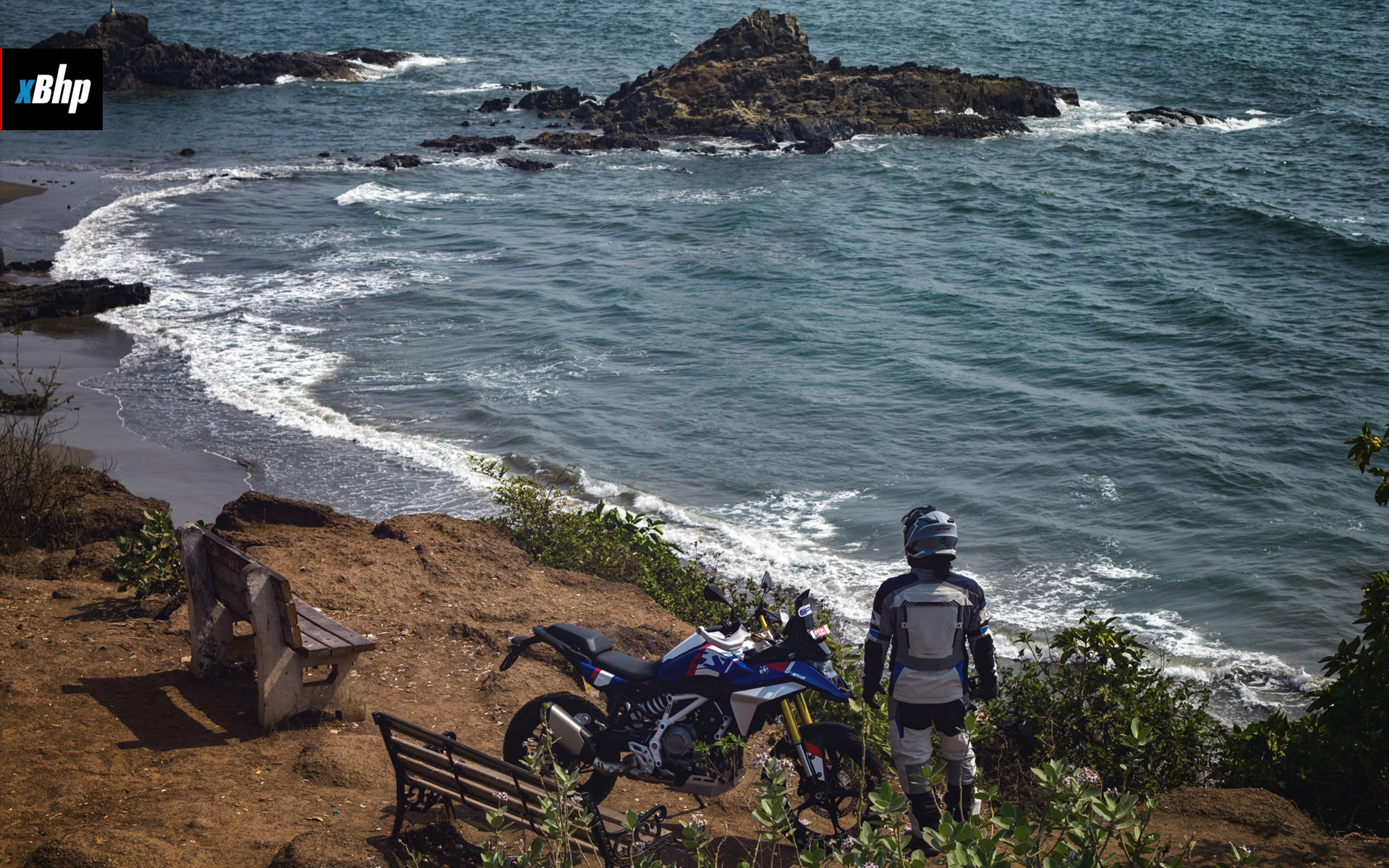
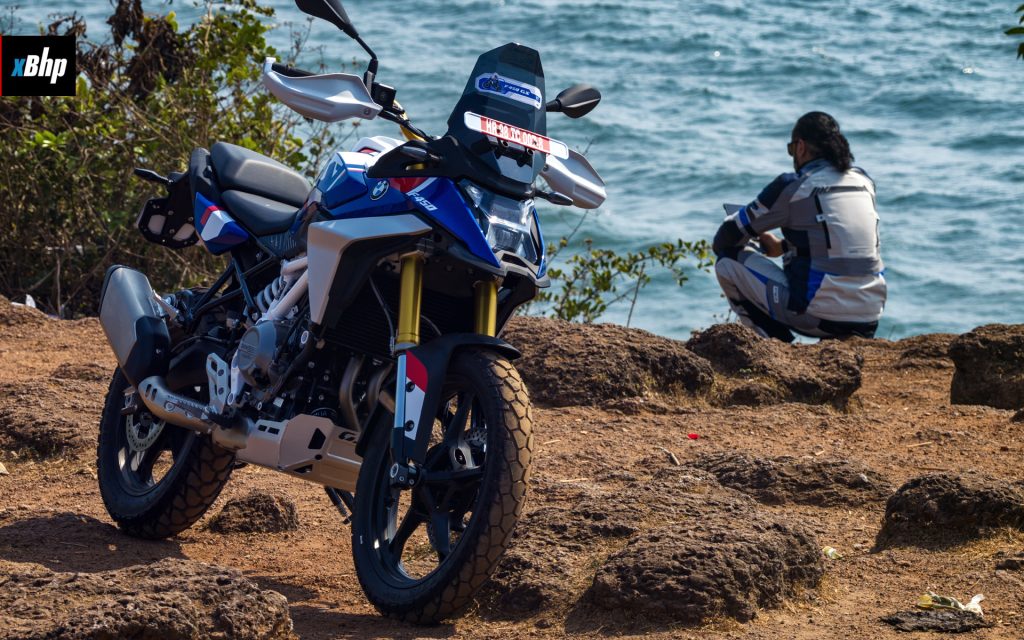
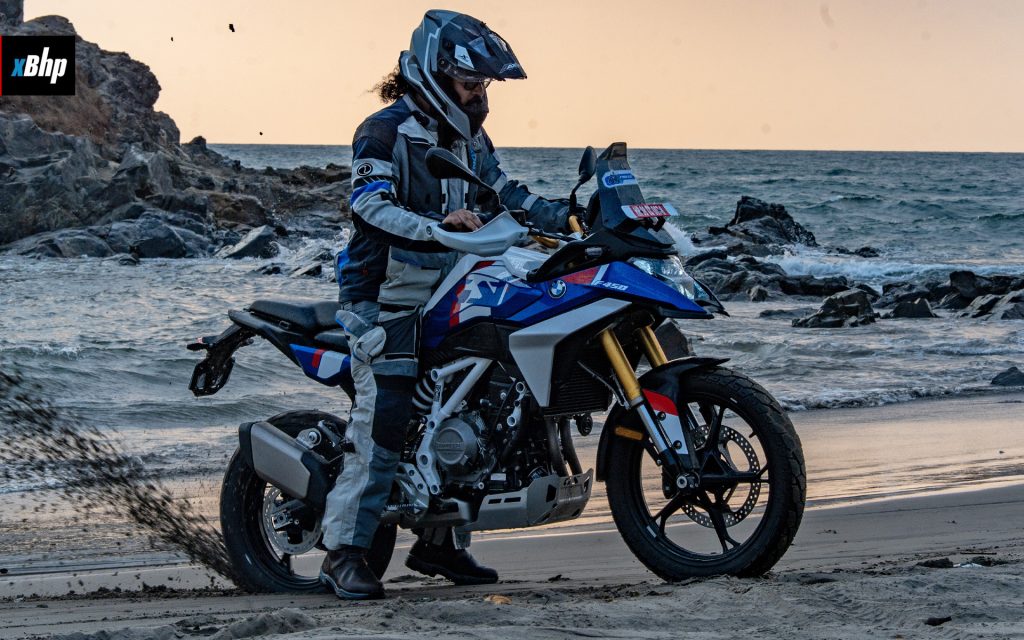
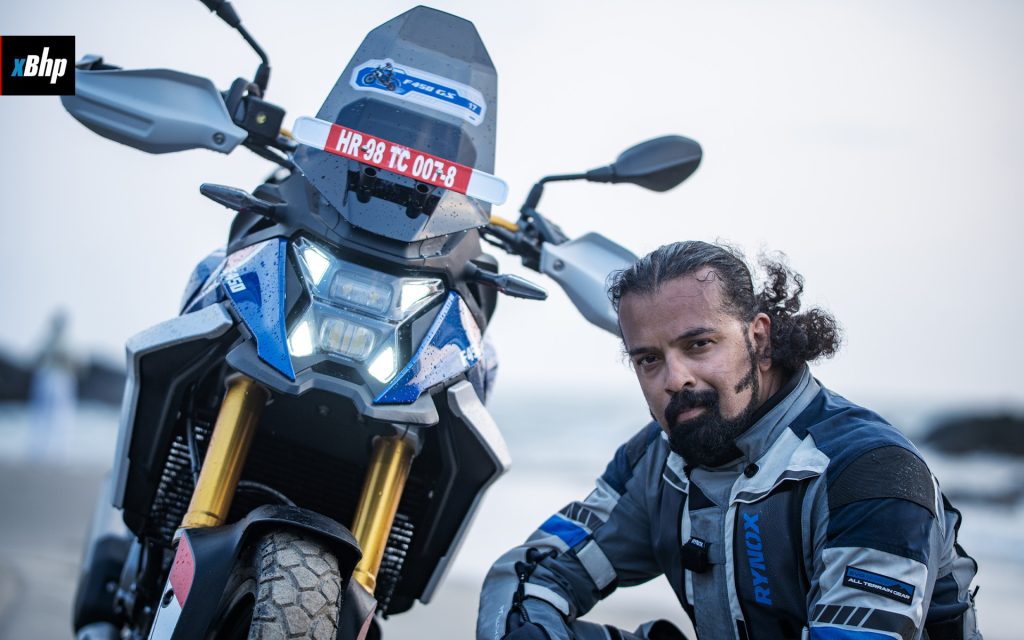
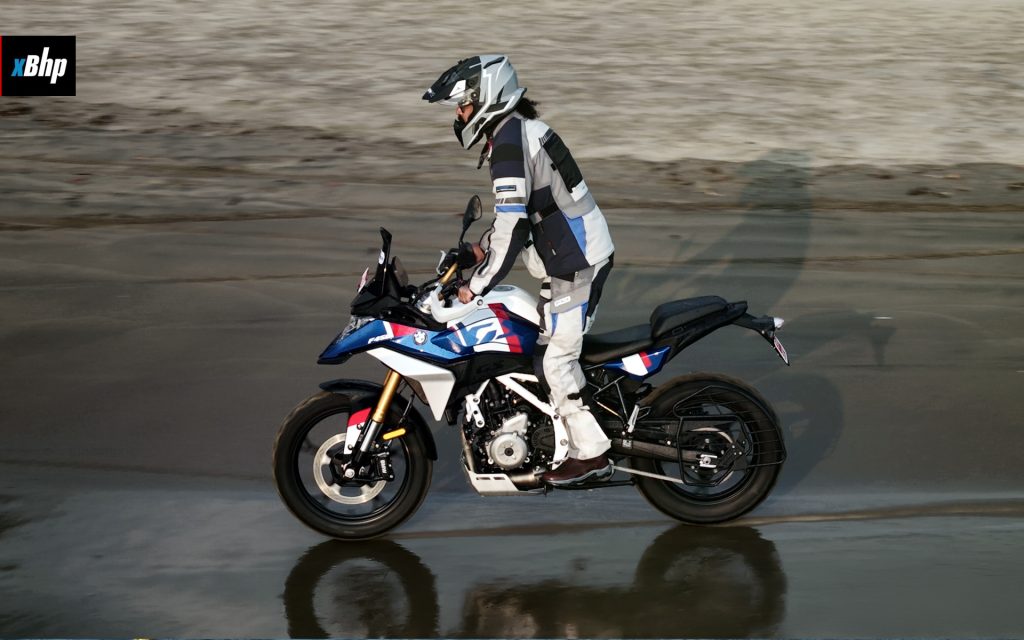
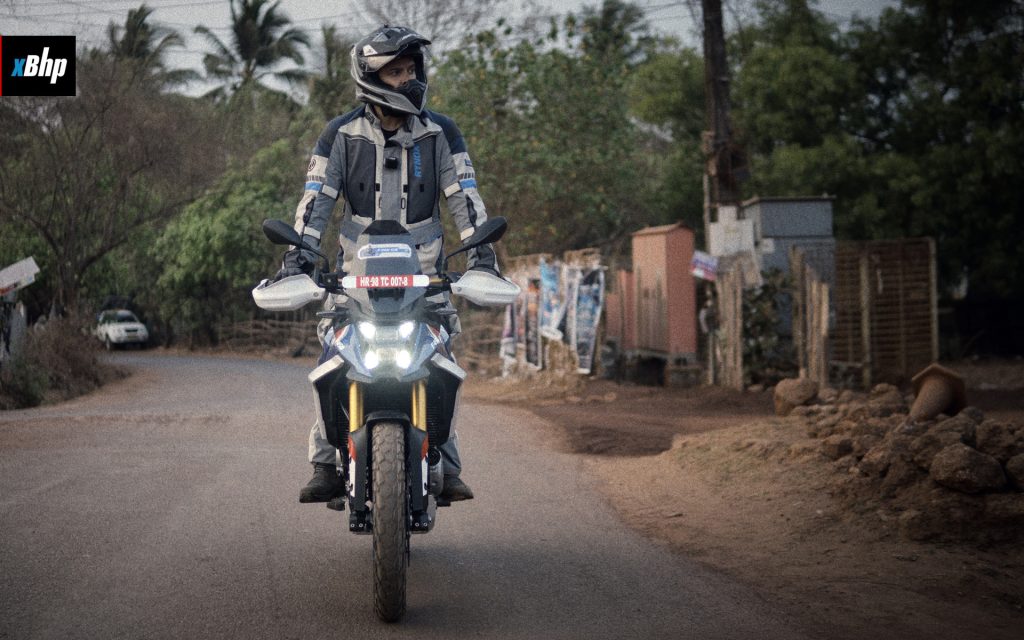
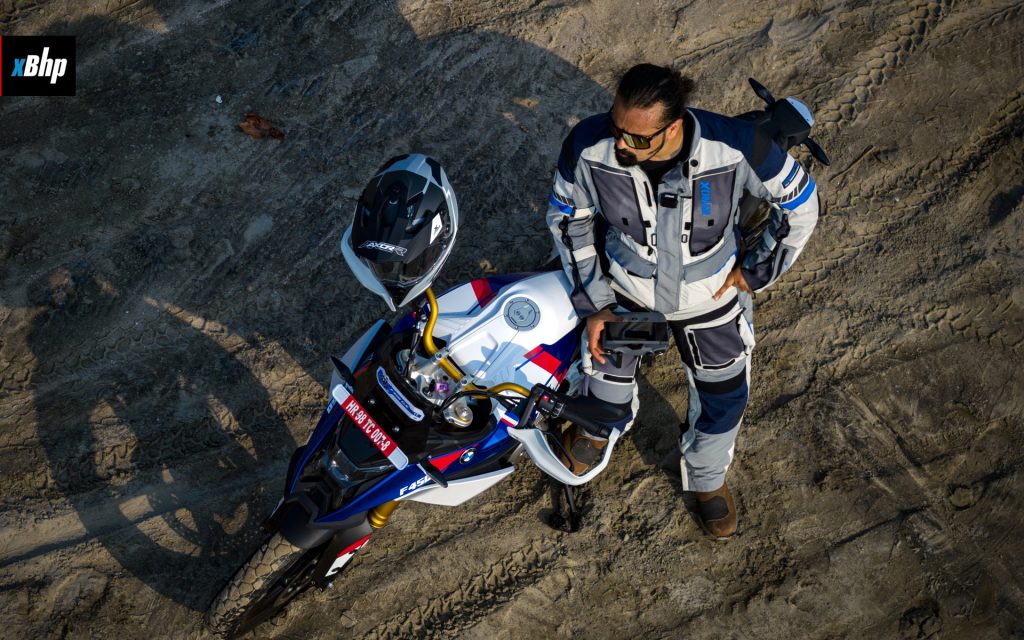
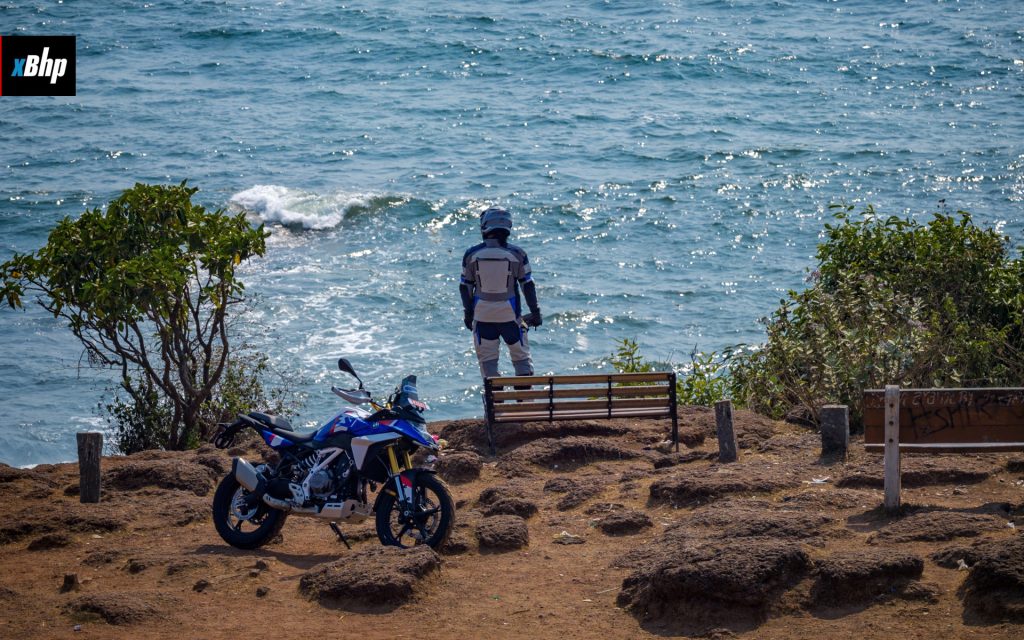
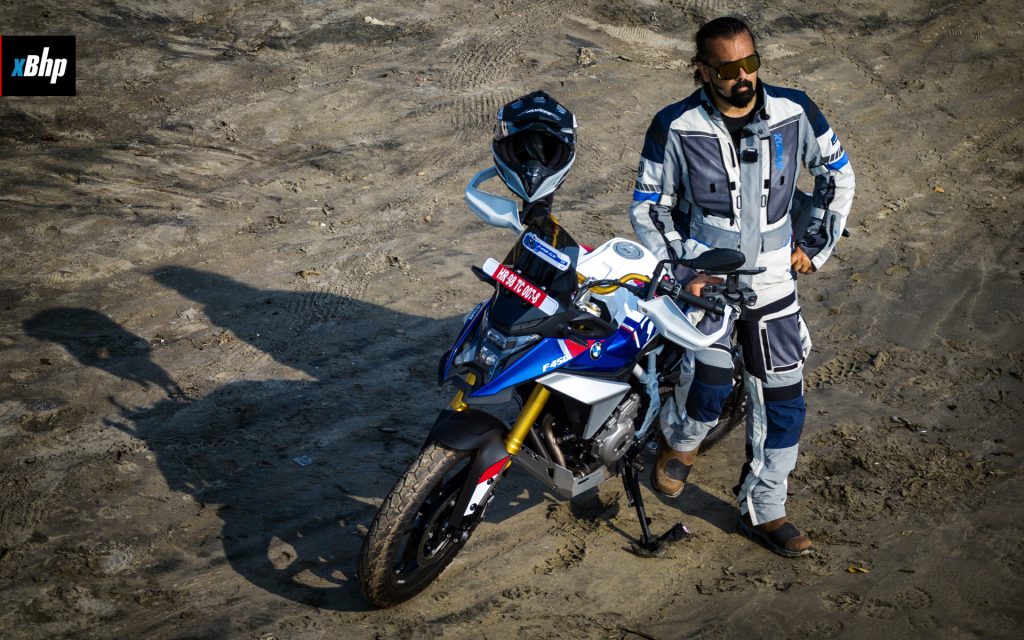
From the front beak, to the profile silhouette, the shoulders, the sleek tail unit, the exhaust and most importantly, the signature full LED X headlight are all borrowed from R 1300 GS. The Trophy Edition colours also scream BMW. If one of the major requirements in your list is to have a bike that looks unmistakably a BMW in this segment, then this is it!
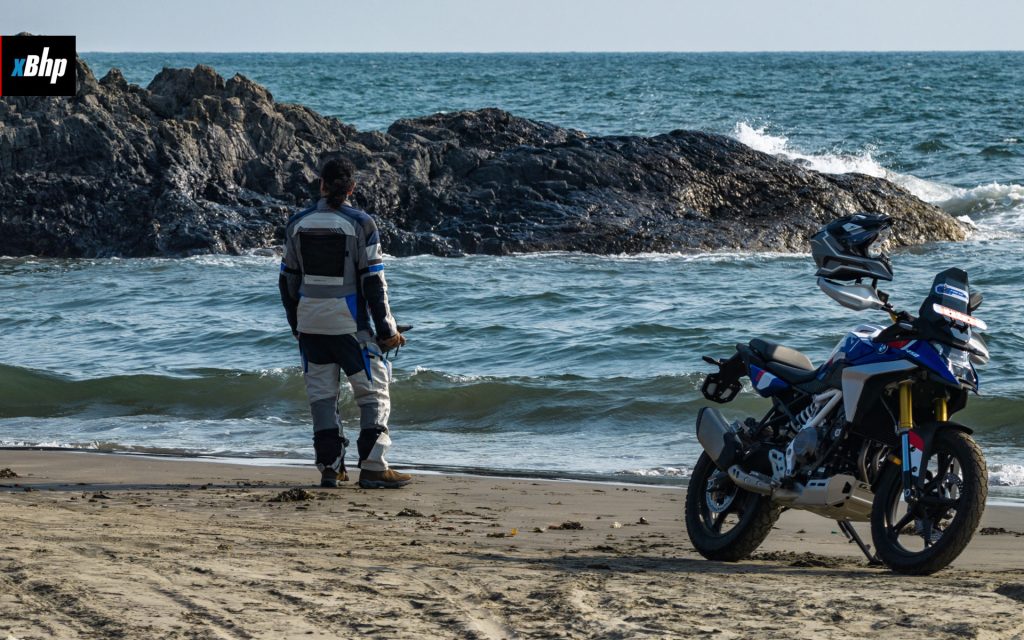
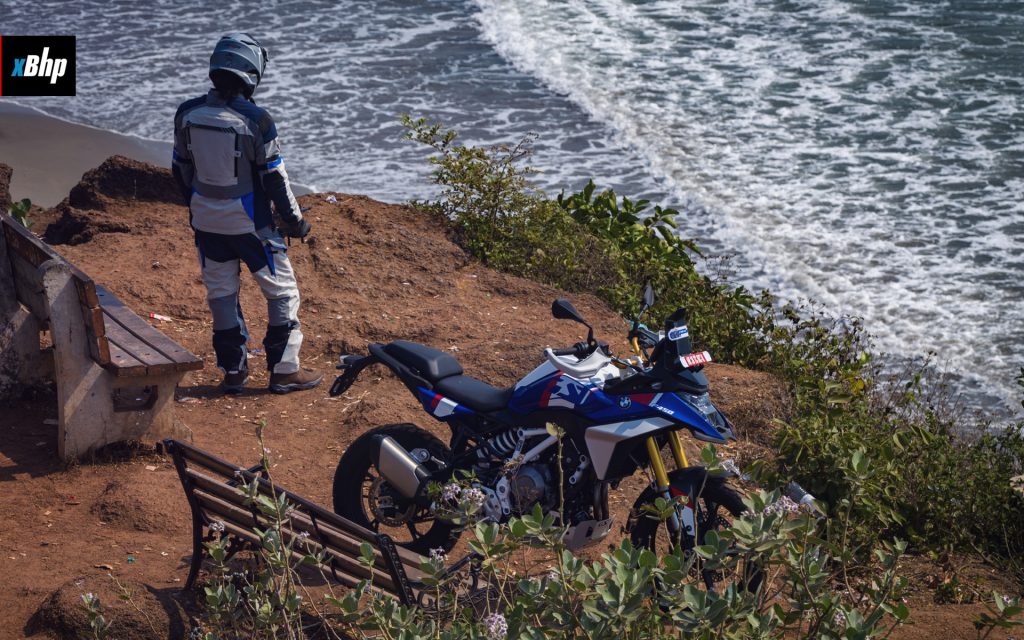
The bike is not as intimidating as a 1300 GS or even the 900, but it does not look or feel like a small bike either. If you are someone looking for that around the world look, you can achieve it with accessorising it for sure and be on your way to new lands and make those reels and vlogs without breaking the bank.
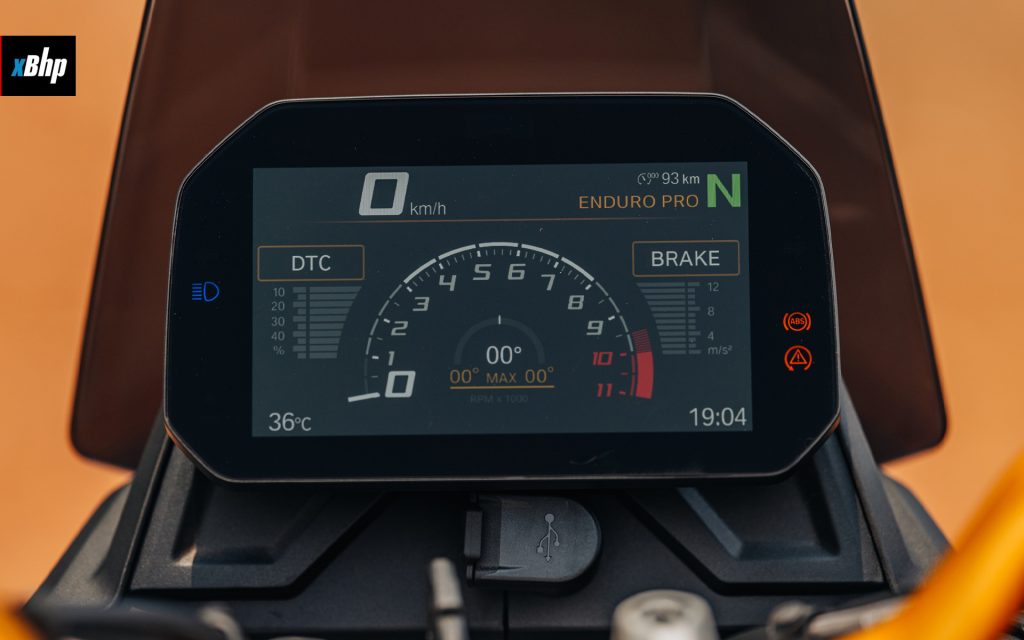
The 6.5-inch colour TFT is the same as on the bigger GS, along with the 4D jog dial control, giving it the full BMW feel.
Performance, geometry and suspension
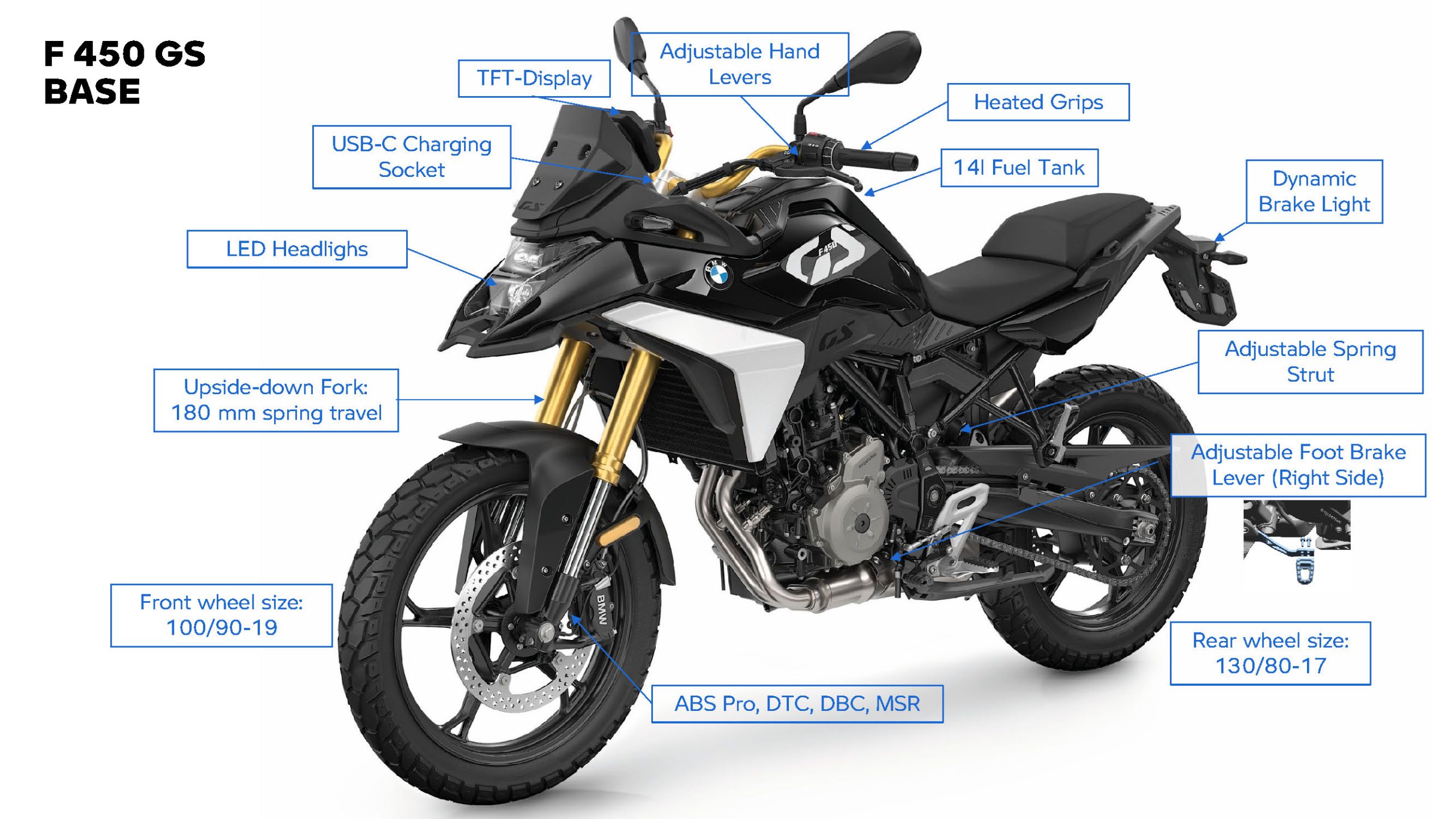
The engine is a 420cc twin cylinder mill producing 48 bhp at 8,750 rpm (right at the A2 license limit) and 43 Nm of torque at 6,750 rpm. 80% of the torque comes at around 3,000 rpm. It weighs 178 kg (kerb) with a 14-litre fuel tank. The engine is less than 45 kilos itself. This helps make it feel more peppier. In comparison, the G 310 GS is 175 kilos, but with a lot fewer features.
BMW claims a top speed of 165 km/h, which doesn’t seem a lot for a two-cylinder engine, but then this bike is more geared towards being a tourer, so a cruising speed of 120 km/h all day long should be possible without stressing the engine too much. However, a key thing is missing- cruise control, yet surprisingly, heated grips are there. Not sure if it can be added as an optional accessory later, but we do really hope so since this is really meant to munch miles, especially on more controlled highways out of India.
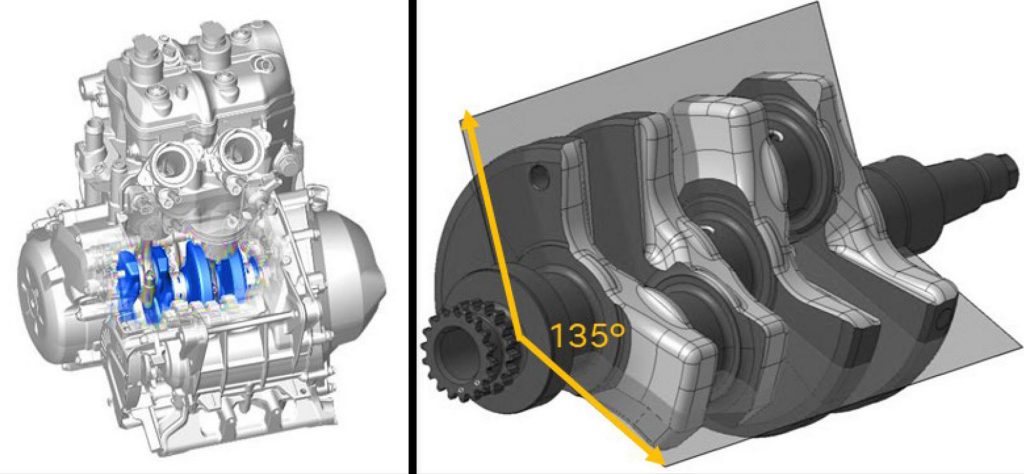
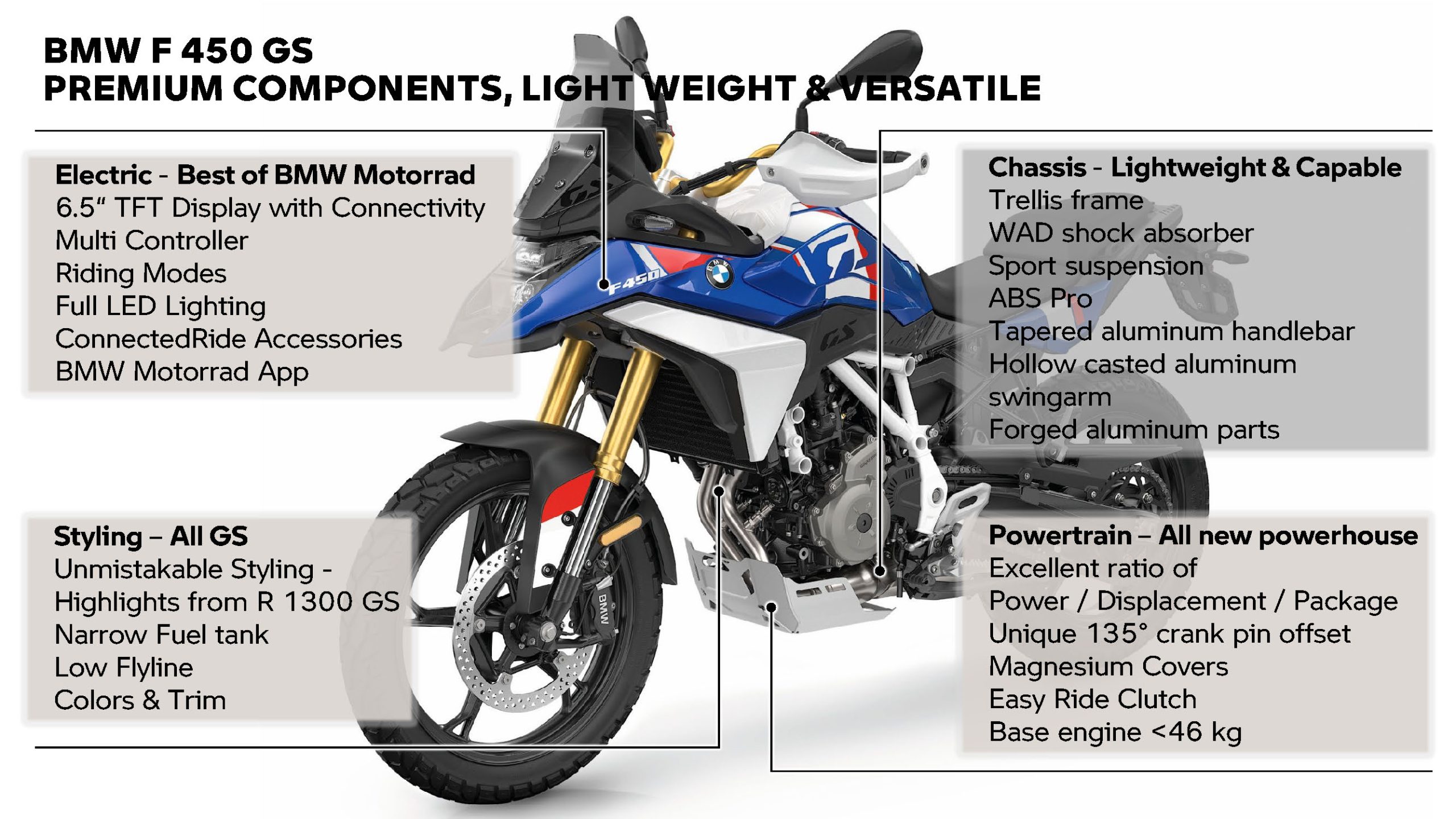
The 135° crankshaft is not a common configuration for parallel-twin motorcycle engines. It falls between 90° and 180°setups, so it creates an uneven firing interval, but a different one than a 270° crank. The resulting balance and characteristics depend on the specific engine design and overall configuration, but it combines some of the benefits of both a 90° V-twin and a 180° parallel-twin.
One of the standout engineering features of the BMW F 450 GS lies in its frame concept. Instead of treating the engine as a separate component, BMW has integrated it as a load-bearing (stressed) element within the chassis. This approach reduces the need for additional structural material, resulting in significant weight savings while also improving overall rigidity and handling precision.
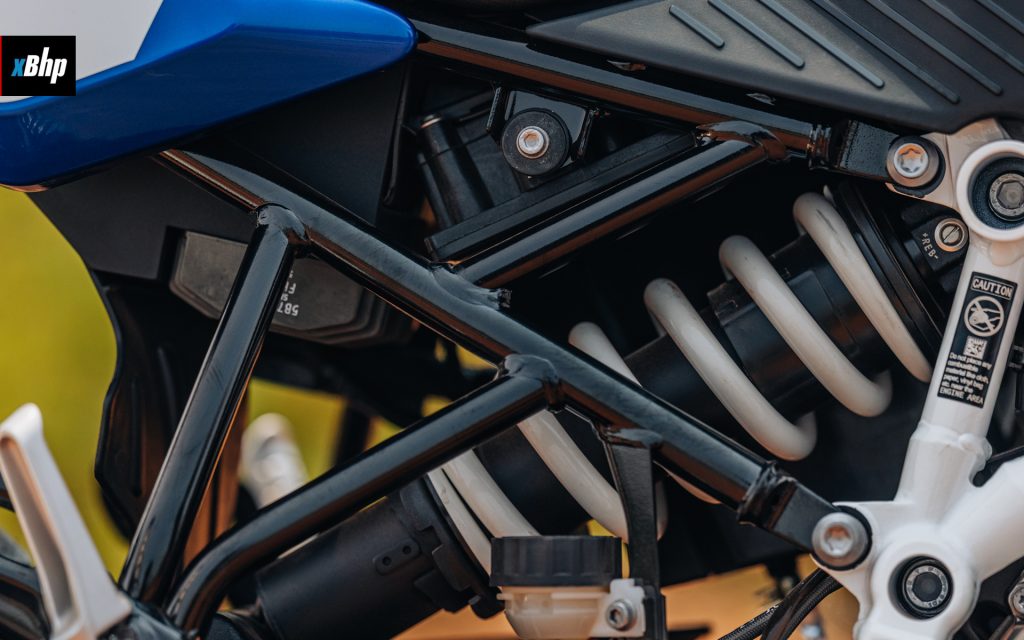
Complementing this is the bike’s closed, hollow-cast aluminium swingarm, which plays a key role in optimising both weight and structural strength. Compared to the swingarm used on the BMW G 310 GS, this unit is approximately 1.5 kg lighter, contributing to the F 450 GS’s agile character. At the same time, its closed construction offers greater rigidity than a conventional open swingarm design, enhancing stability under load and during aggressive riding conditions.
Interestingly, the swingarm technology is closely related to that used on larger models like the F 900 series. However, it has been specifically engineered to be lighter, ensuring that the F 450 GS maintains a balance between durability, performance, and accessibility.
Overall, this combination of engine-integrated frame design and advanced swingarm construction underlines the bike’s focus on delivering a lightweight yet capable adventure platform.
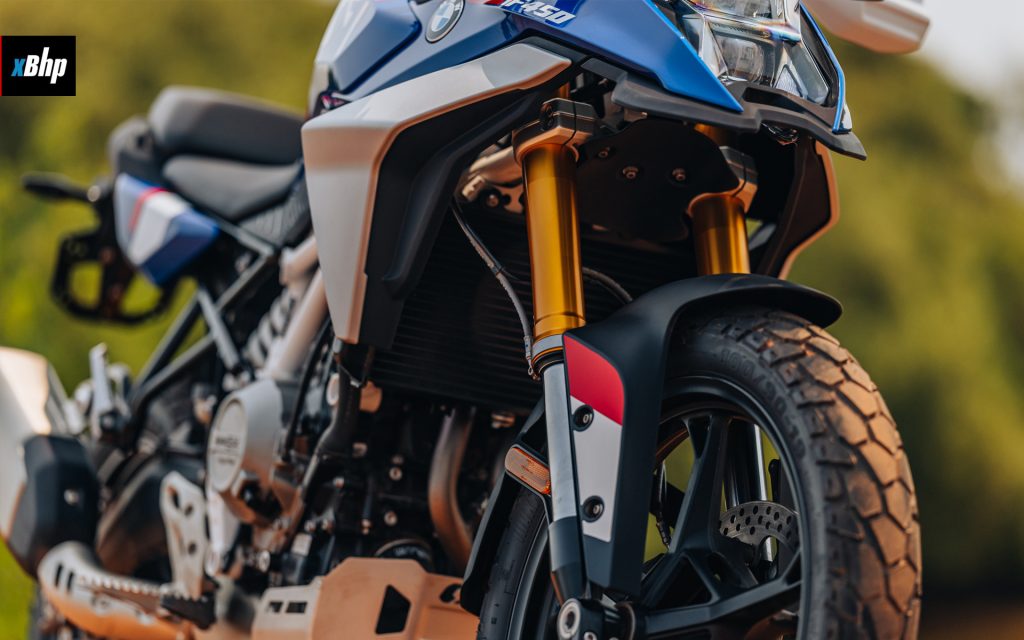
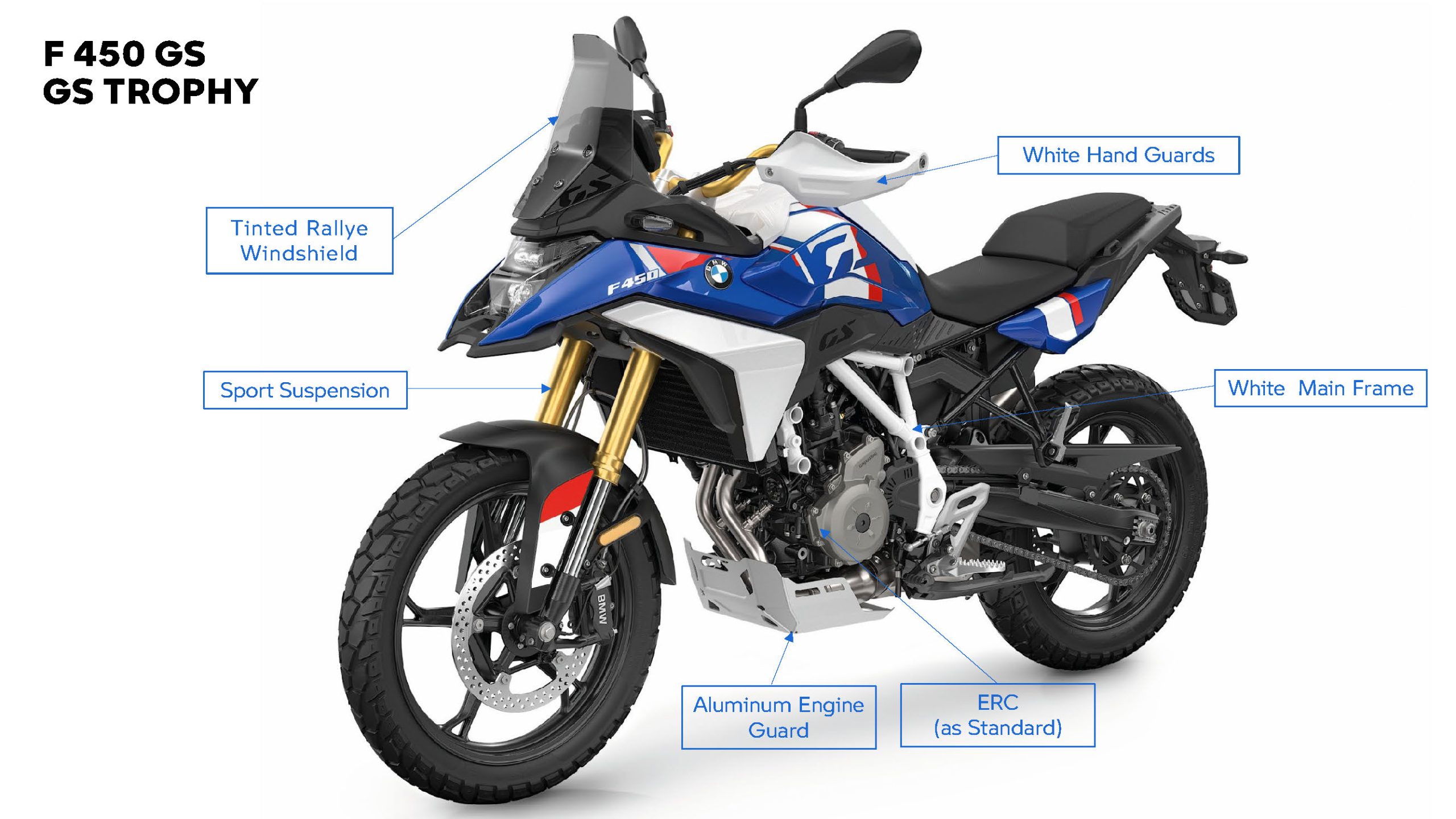
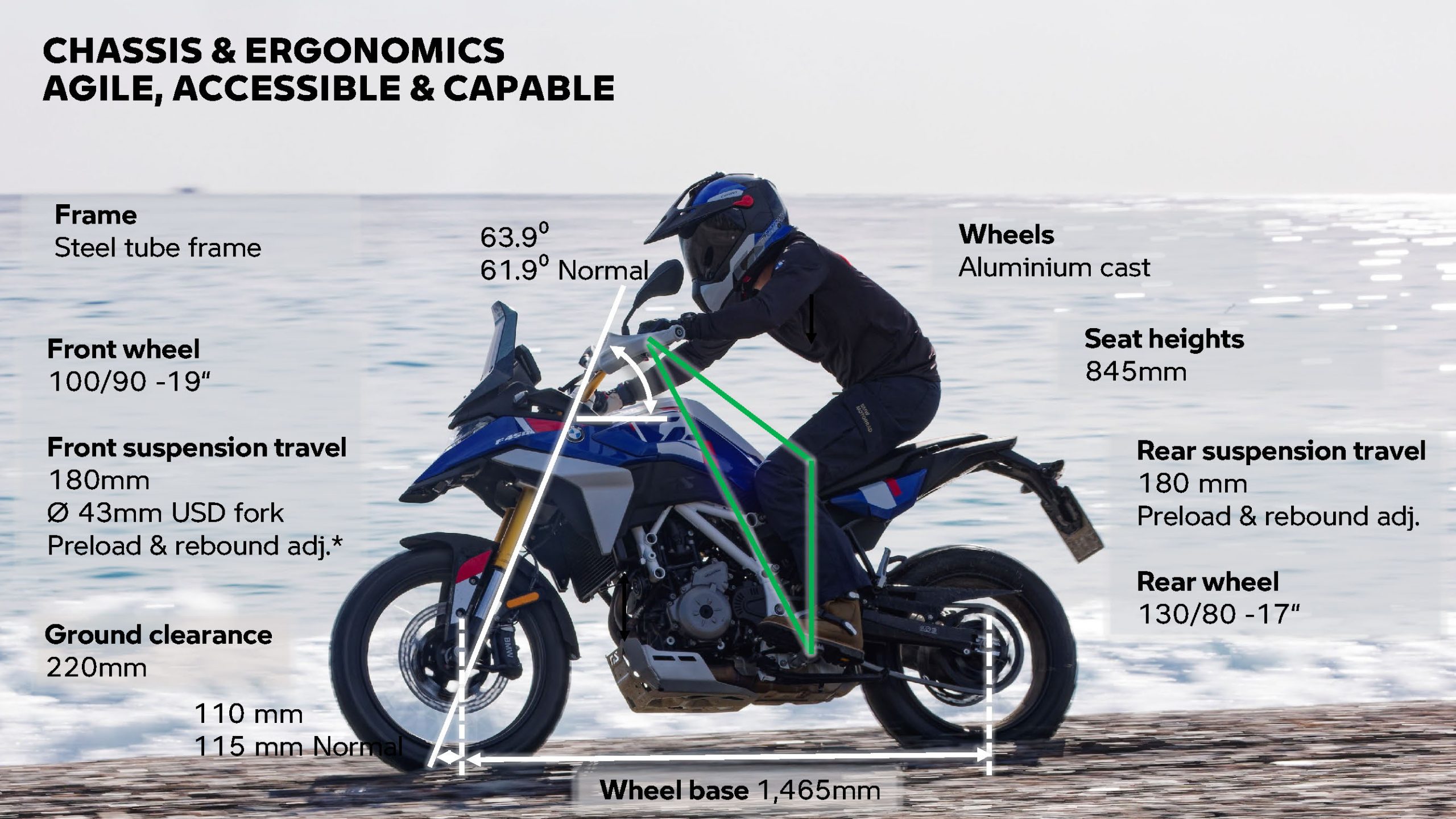
All variants get a rear suspension with adjustable preload and rebound damping, but the Trophy Edition gets a front sports suspension with adjustable compression and rebound damping.
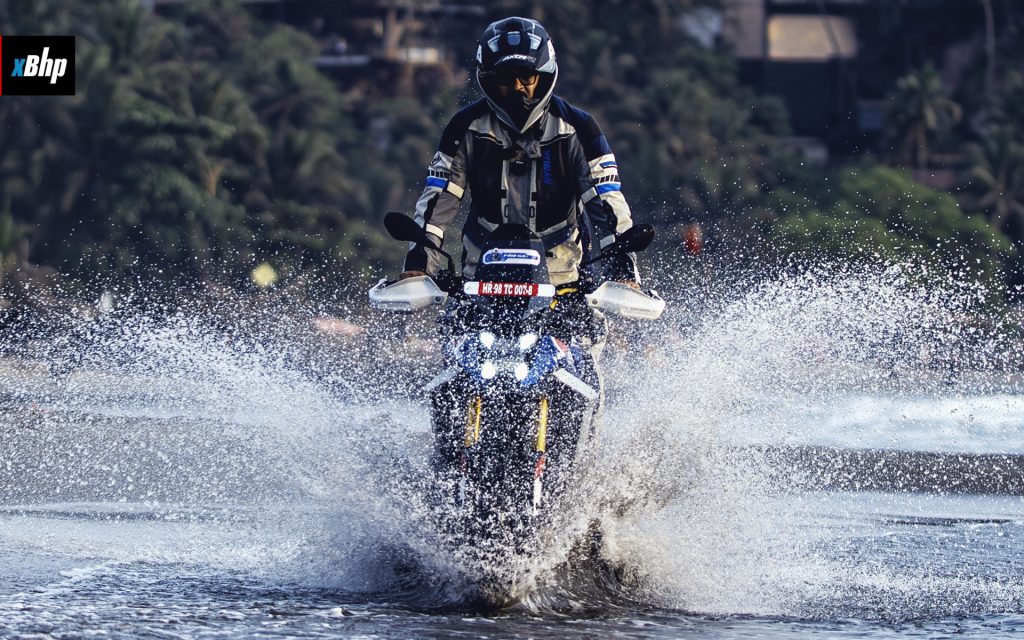
The seat height is 845 mm, with an optional lowered seat. Ground clearance is at 220 mm. A 19-inch front with 17-inch rear shod with Maxxis Maxplore tyres (front 100/90-19 and rear 130/80-17) might put off some who prefer a 21-inch front. But for the most part, this bike will be spending more time on asphalt and a bit of gravel than on proper suspension-busting trails. And even if you want to do that, get some proper off-roading tyres, and you will be good to go.
If you want to nerd out, here’s a gallery for you… enjoy!
Electronics
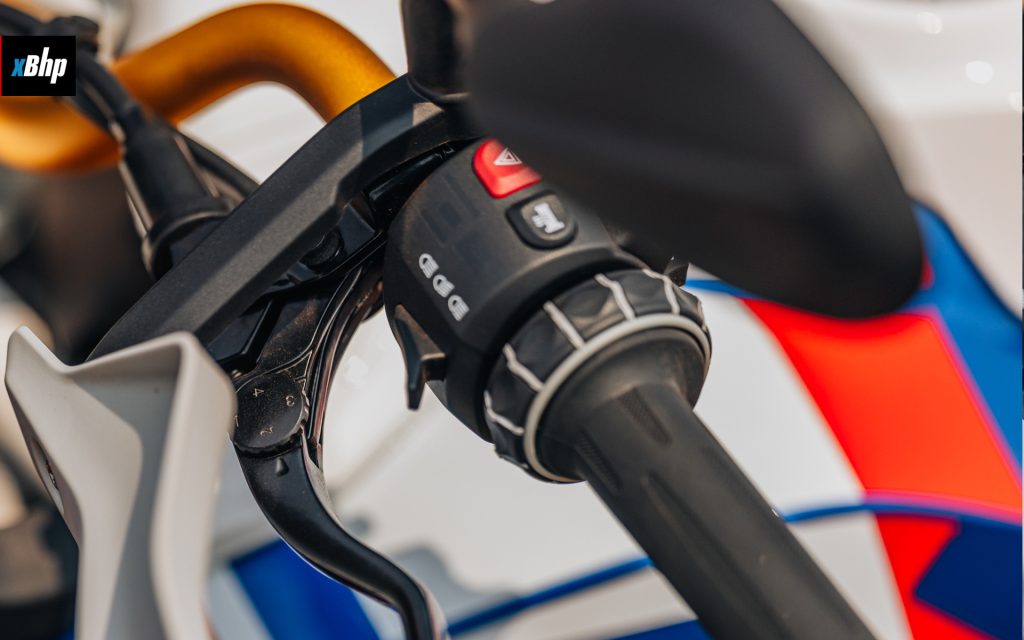
BMW has given the 450 a premium suite of electronics. ABS PRO with cornering ABS. Traction Control. Dynamic Brake Control cuts off engine power when panic braking to minimise bike momentum. MSR, that is, Engine Drag Control (Motor-Schleppmoment-Regelung), prevents rear wheel slip caused by strong engine braking. A ride-by-wire throttle with four riding modes- Rain, Road, Enduro and Enduro Pro (rear ABS inactive, minimal traction control, and direct throttle response).
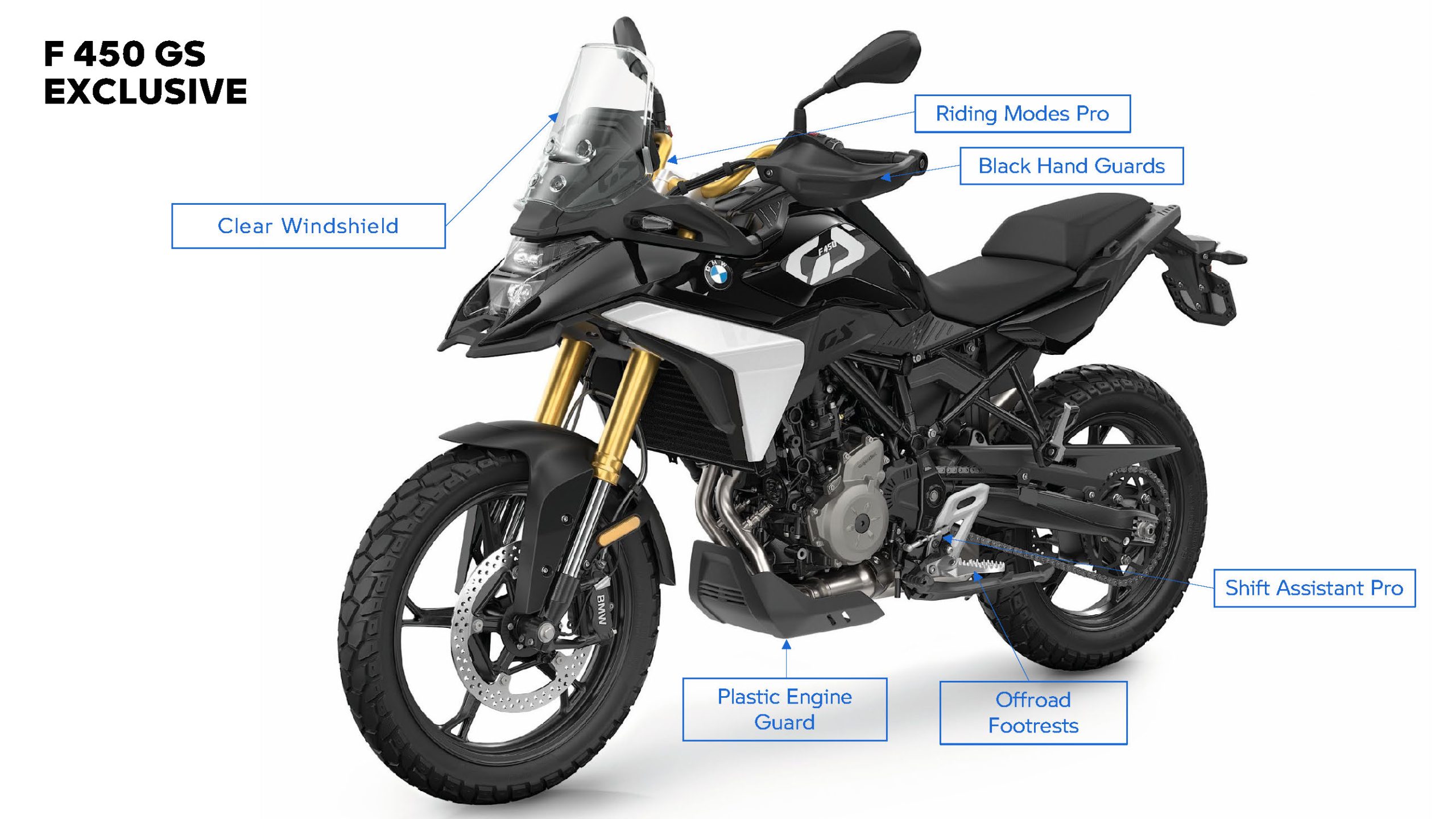
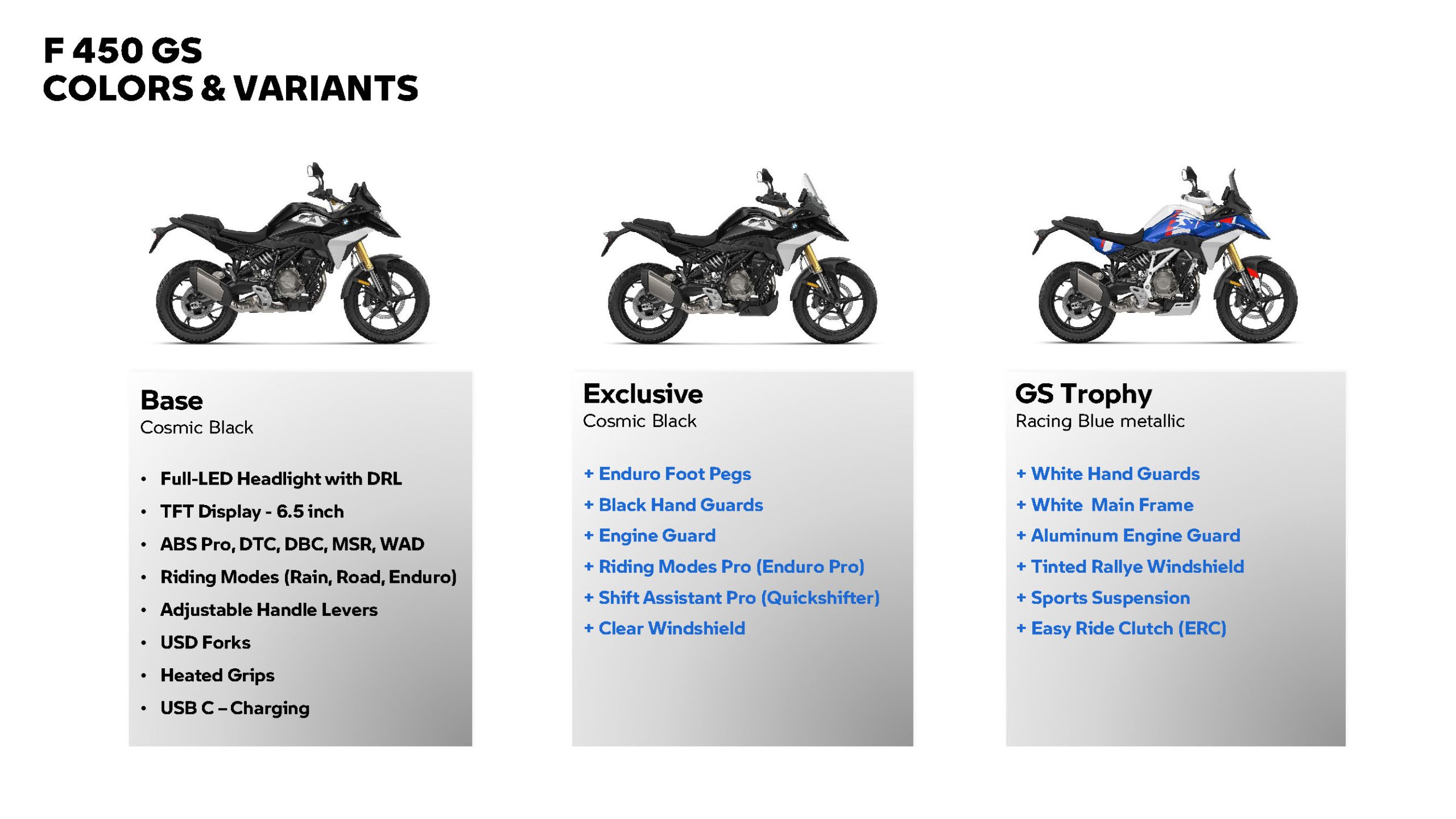
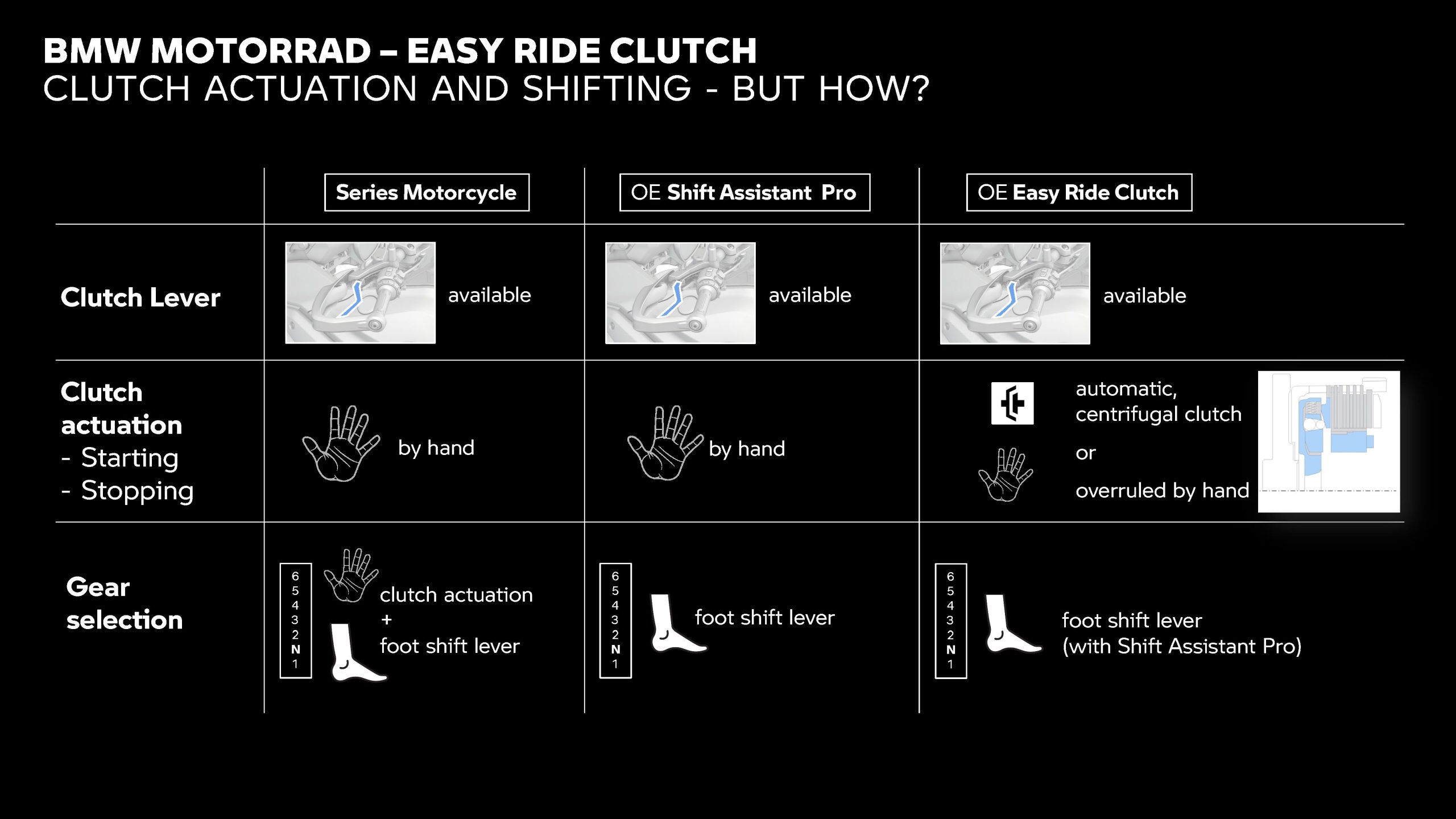
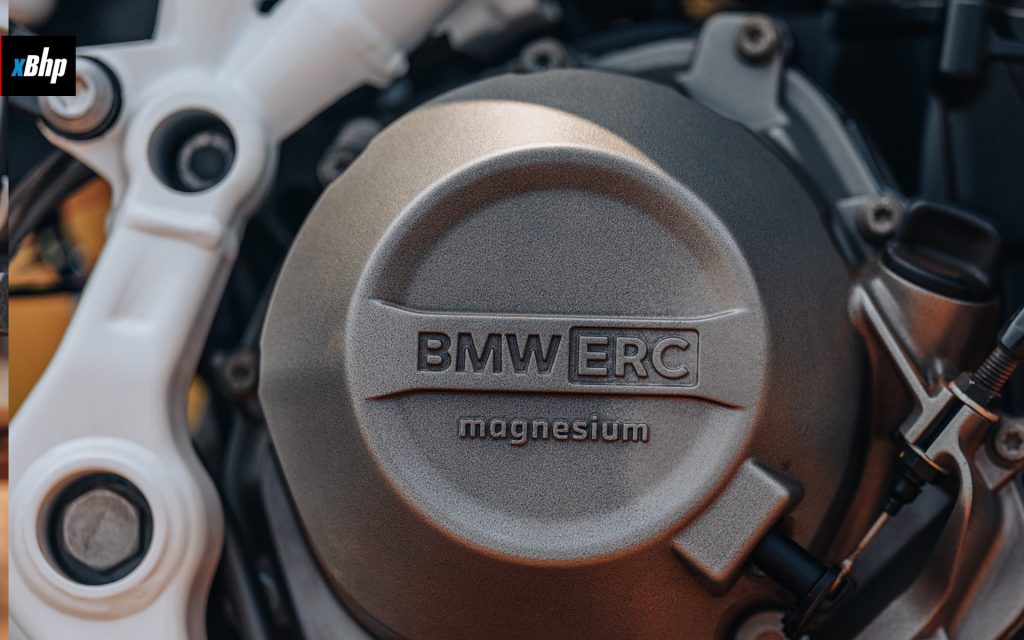
The Exclusive edition also comes with the Shift Assistant Pro quickshifter, and the Trophy edition also adds on the ERC (Easy Ride Clutch), which is one of the major technological talking points, and a first for any bike in this segment. This is a centrifugal clutch, which, when combined with Shift Assistant Pro, removes the need to engage the clutch in any situation, except when you want to override it and want quick bursts of power. Once the RPM crosses the 2,700 rpm mark, the ERC engages, and it will not let the bike stall even when in gear and not using the clutch. Especially helpful in stop-and-start traffic or when you just want to do trails and not use the clutch. However, it will not shift the gears for you; you still have to do that manually, without engaging the clutch lever, thanks to the Shift Assistant.
I have my reservations about ERC. It can make things easier for beginners, but I am of the firm belief that beginner riders should learn on a bike that has no electronics, let alone something like the ERC. However, advanced riders and even older riders can benefit from this in certain situations. I also see a surge in people trying to hold phones and 360 cameras while riding and recording, as one hand will be completely free.
The ERC can also be a bit of a problem when parked on slopes, especially downslope, especially if you are a photographer like me. It acts like a scooter in neutral, no matter what gear and it also doesn’t have any hand brakes to keep it in place.
But it does work well.
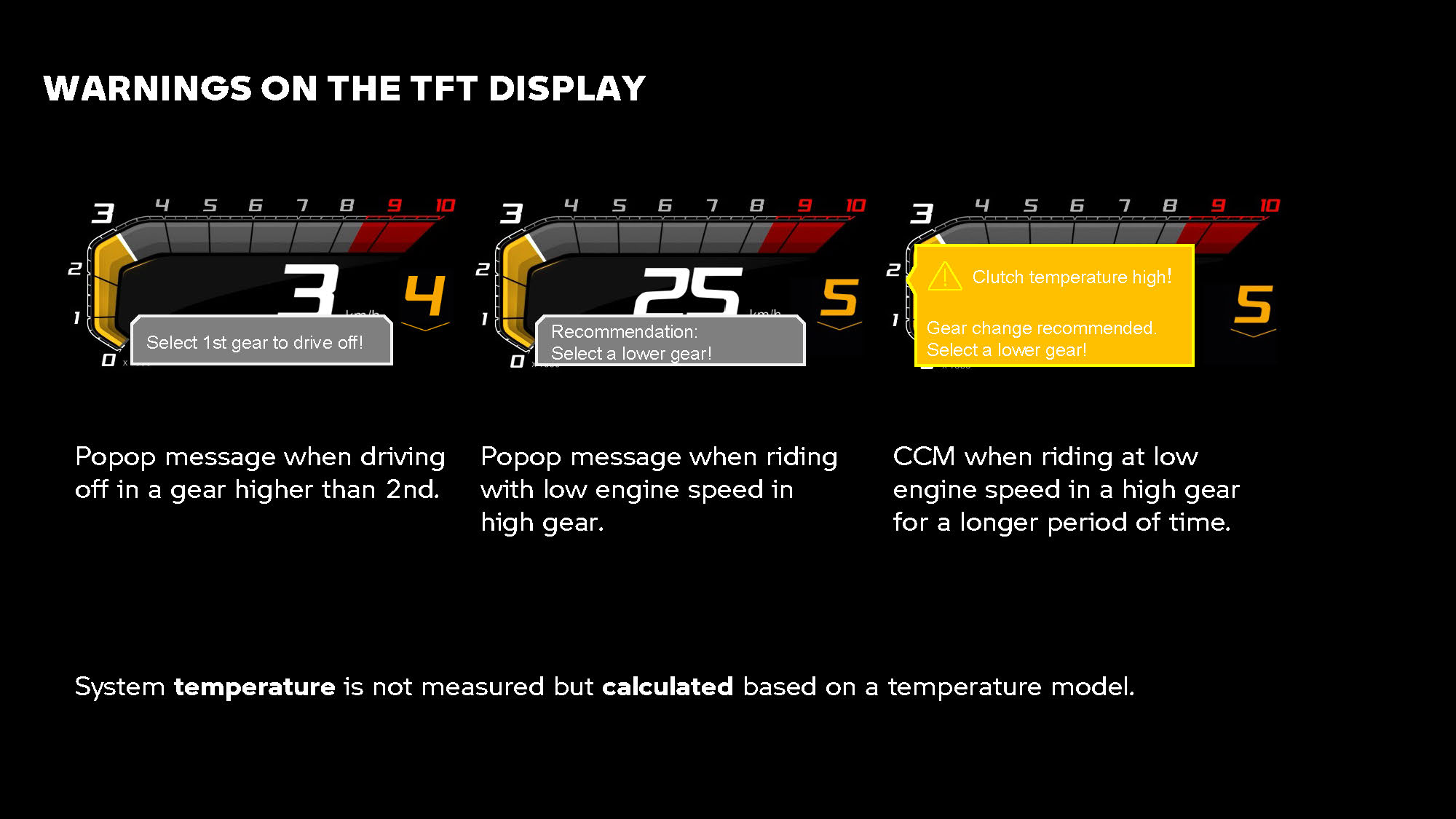
Another mild irritant and almost condescending for me (or any veteran rider) are the pop-up messages on the console that give you recommendations when to shift to avoid clutch burnout.
Rivals
You will get this if you want a BMW in this segment. I know it. But those who just want the best bike in this segment, comparison becomes inevitable. The closest competitor would be the KTM 390 Adventure, while the new TVS RTX 300 cannot be ruled out either. It does produce a healthy 35 horsepower and costs almost 1/3rd of the F 450 GS Trophy variant! We are not talking about the bikes like Versys, Hondas, etc., as they just do not have the numbers or focus for the Indian market.
First Impression (but not the last)
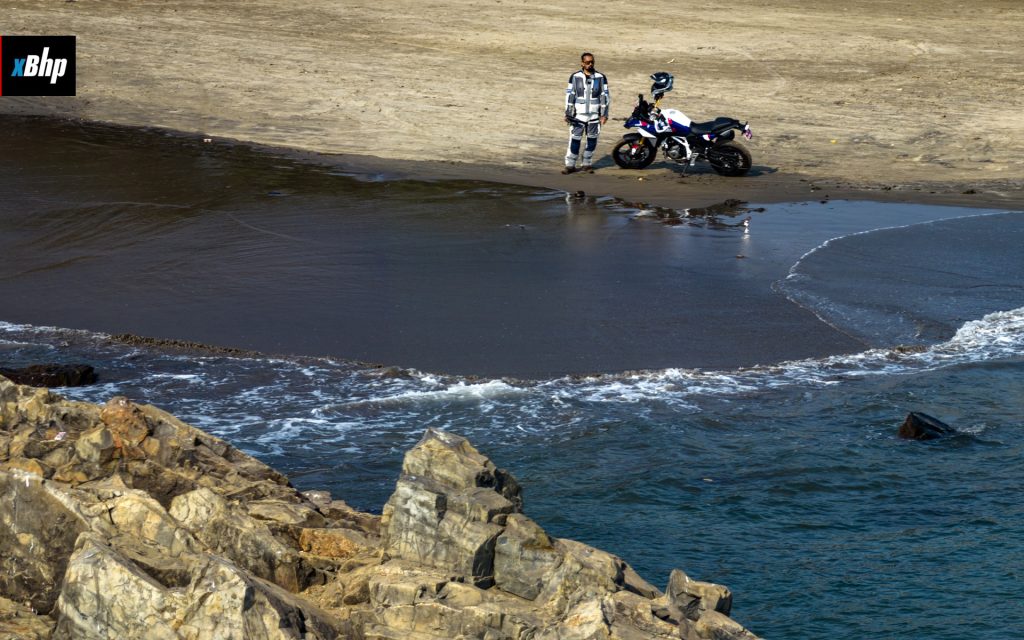
We had only two hours to ride and shoot. Some things grow on you as you own and use them, and I suspect that right from the premium feeling when you get the delivery of this in the showroom to watching it in your parking and creating memories with it, this might become one of your favourite motorcycles ever. It is light, it’s got the tech, it’s got the luxe BMW badge, it’s got the power.
Variants, and where is the spoked wheel?
Three variants were launched in India. Base, Exclusive and Trophy priced at INR 4.70 lakh, 4.90 lakh, and 5.30 lakh, respectively. Also, these are the ex-showroom prices, I know you know, but it is my job to be specific about such things.
All the variants have certain segment premium features as standard. ABS Pro, heated grips, riding Modes, adjustable clutch and foot Levers, Travel-Dependent Damping and a 6.5“ TFT Display with Connectivity that is the same as found on the bigger GS.
The GS Trophy Variant has Sport Suspension and Easy Ride Clutch (ERC).
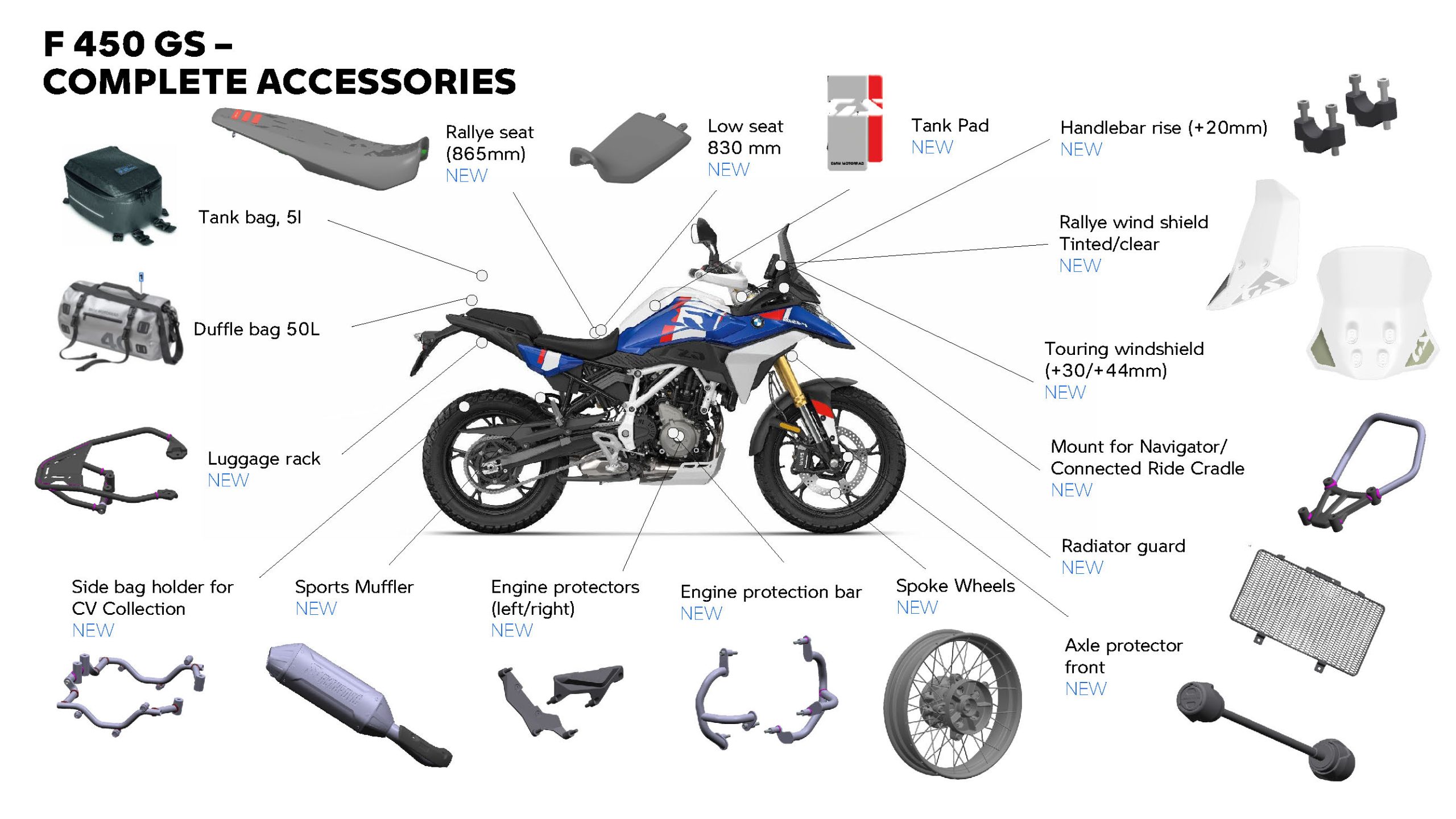
Spoke wheels and more come as an accessory, which will keep on adding to the cost, of course!
The perpetual traveller’s perfect friend. With understated aesthetics and a super-functional design, the Stealth Evo 4 is engineered for the perpetual traveller who is unfazed by any terrain, weather or ride.
Motorcycling is an intense sport that’s mostly sweaty, tiring and drains your body. To help keep one fresh and comfortable through the day, the Vapour Pro Performance upper base layer is perfect not only for motorcycling but for all outdoor sports.
Made from 92% Polyamide and 8% Elastane, the HyperFlex Base Layer is perfect for use in hot and humid conditions. 4-way stretch for utmost freedom of movement and durability during your rides. The anti-microbial properties assist in eliminating or inhibiting the growth of microbes and bacteria, while also preventing the accumulation of sweat odours.
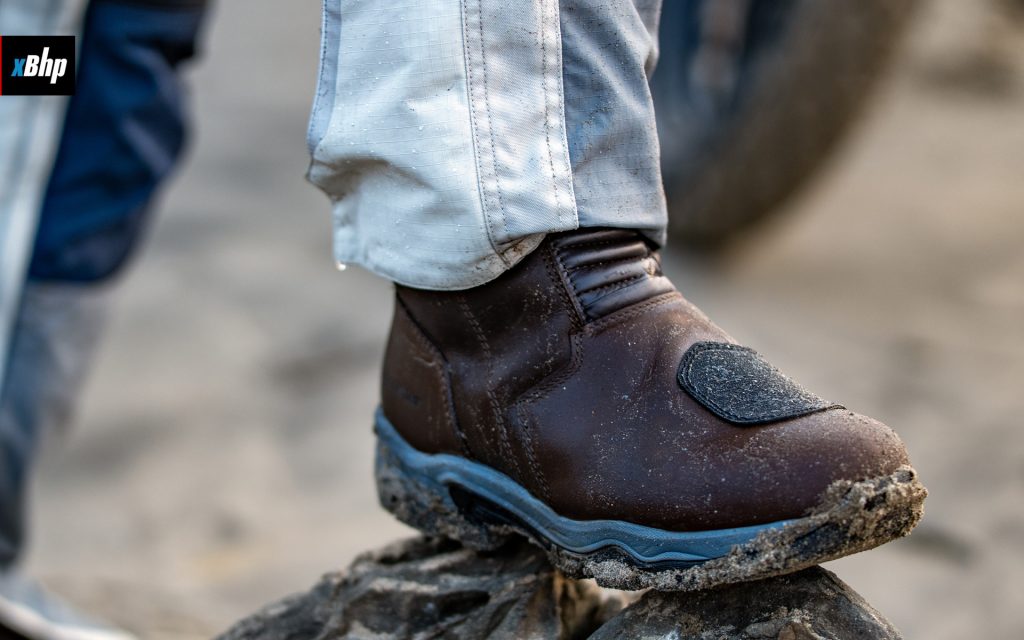
Experience the perfect combination of protection, durability, and comfort with the Cramster Flux Motorcycle Touring Boots. Whether you’re tackling rough terrains or cruising the highways, these boots are designed to meet the demands of every adventure. Get yours today and ride with confidence!