Since '02 xBhp is different things to different people. From a close knit national community of
bikers to India's only motorcycling lifestyle magazine and a place to make like-minded biker
friends. Join us
xBhp was born more than 16 years ago and since then we've had a chance to ride or drive hundreds of machines
running on two wheels or four wheels, and sometimes even three wheels. We are not done yet, and this list is
still growing. In these pages, we take a deep dive in the treasure trove of our ride experiences and bring
you all that we have ridden or driven.
Machines Done 422
|
Total Cubic Capacity 177221
|
BHP 54552
Kawasaki Ninja 7 & Z7 Hybrid
451 HybridCC69BHP60.4NM
Oct 2024
Sundeep Gajjar
Bikes,Kawasaki,Motorcycles
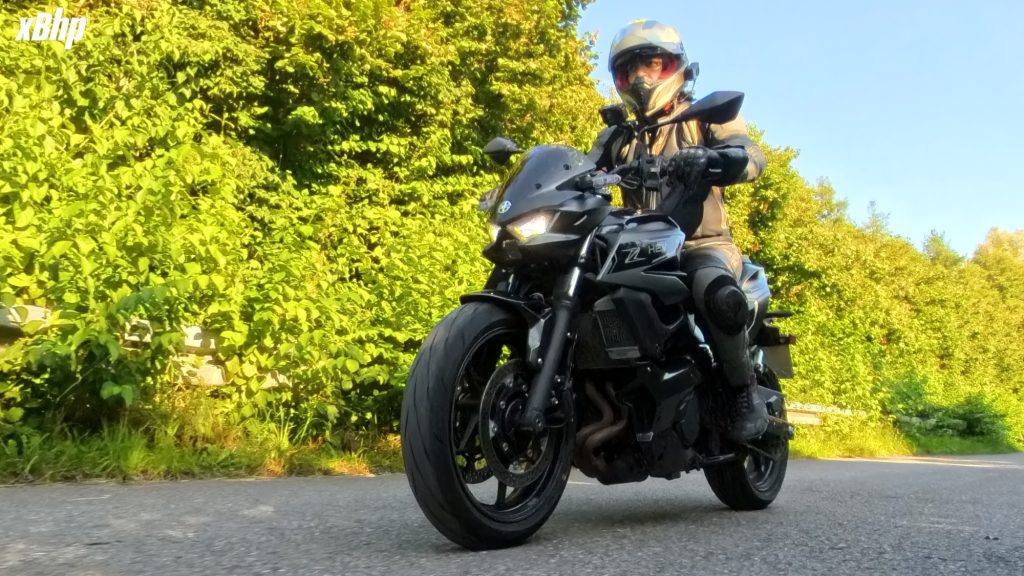
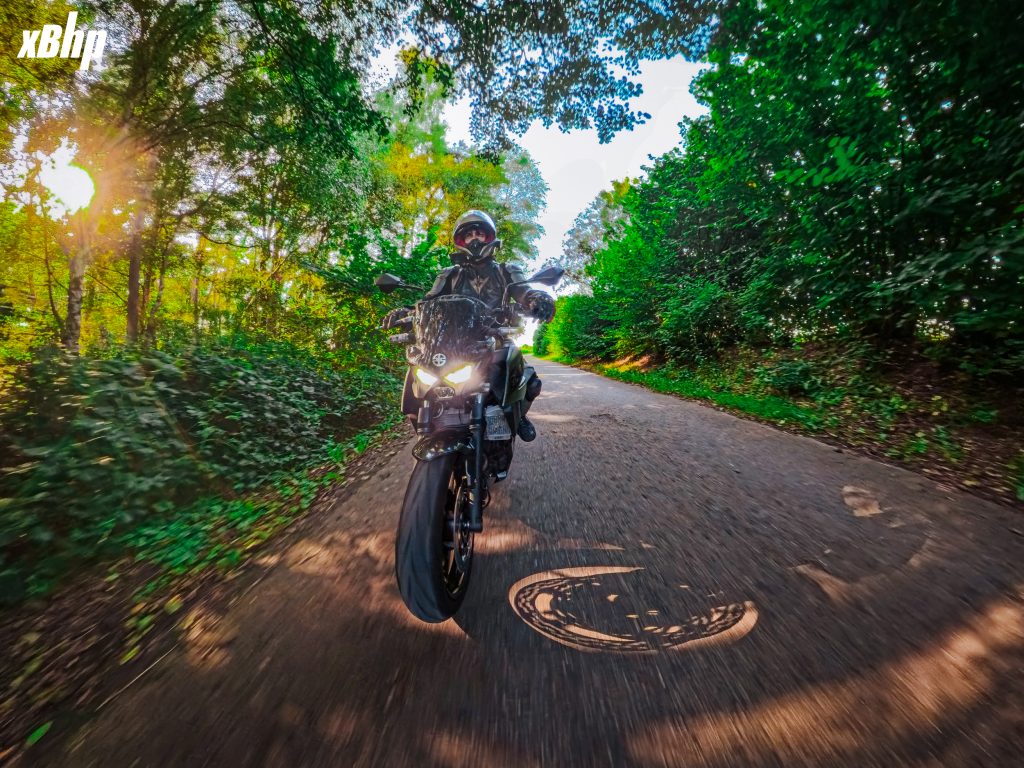
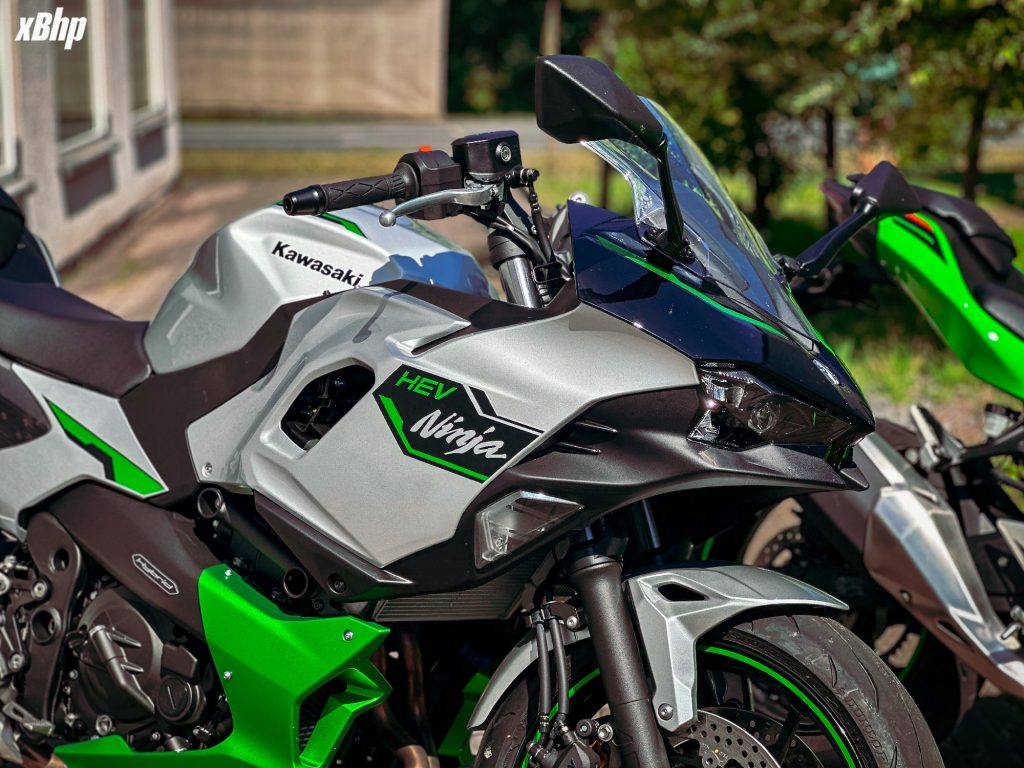
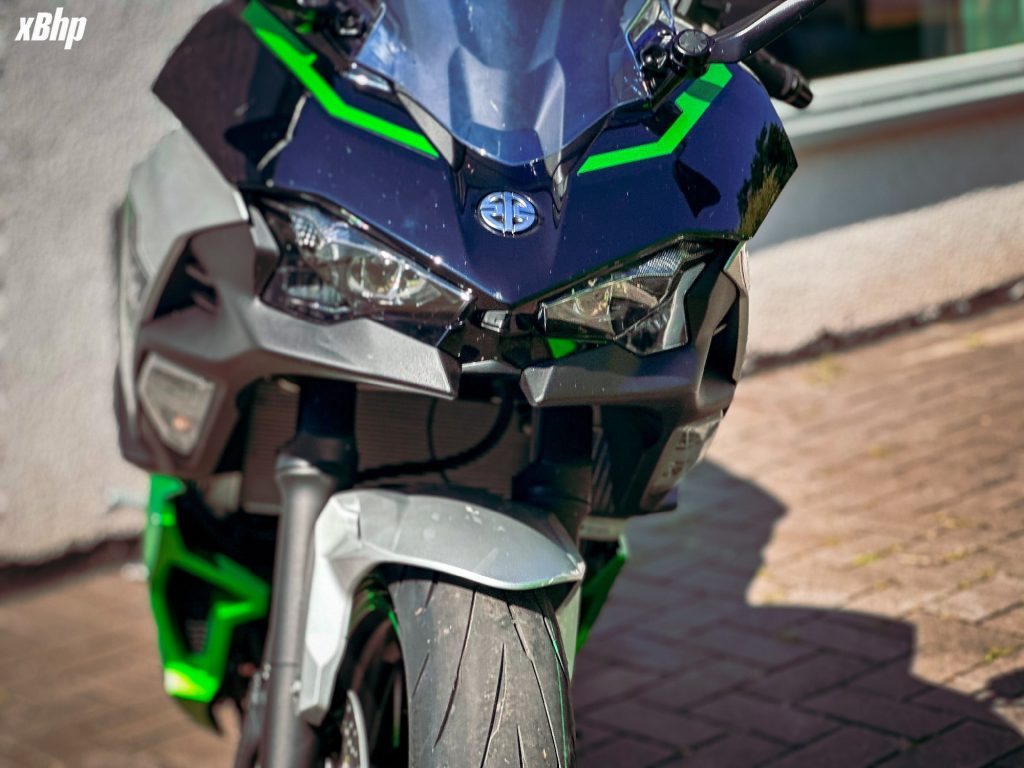
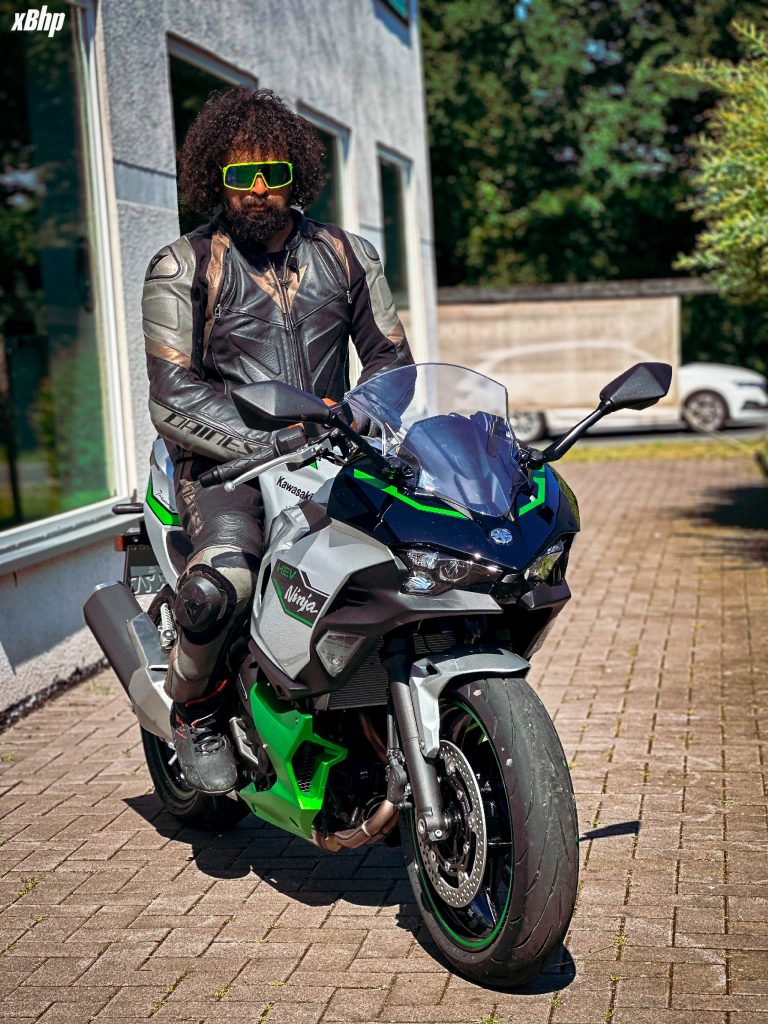
During the #xBhpPowerTour2024, I have ridden some phenomenal motorcycles and driven some pretty extraordinary cars. There have been some unique vehicles such as the Rewaco as well. But the one here is perhaps the most complex, advanced, and exciting one I have ridden to date. It reminds me of the time when I first rode the Ninja H2. The catch is… it is the same brand again. Kawasaki is at it again as it adorns another motorcycle with the River Mark logo and that alone should be a testament to the fact that it is pretty special. Let me introduce the Kawasaki Ninja 7 Hybrid and the Z7 Hybrid.
Hybrid appears to be an odd addition to the name of a motorcycle. It is a terminology more akin to cars. But Kawasaki has outdone itself again to be the frontrunner in what might be the true disruption in the ICE vs EV debate. It was not easy. True Hybrid, or Strong Hybrid as Kawasaki calls it, is a complex technology to implement on a motorcycle. The reason is simple: motorcycles are much more compact than cars. Then again, supercharging was also something exclusive to cars but Kawasaki broke that mould with the H2. They have done the same with the Ninja 7 and the Z7 Hybrid.
To begin with, let me clarify the ‘exclusivity’ aspect of the motorcycle. Firstly, the world’s first strong hybrid refers to mass-production motorcycles and they have not included scooters… or low-volume or one-off experiments. Secondly, strong hybrid refers to motorcycles having both an ICE and an electric motor. The catch is the implementation; Ninja 7 Hybrid and Z7 Hybrid can operate in EV-only mode, in addition to hybrid mode, thanks to the battery pack. The former though is limited to lower speeds and shorter distances. Finally, there is no way to charge the battery pack. The system implements regen to charge the battery pack which can either be used for a boost or for riding in EV-only modes.
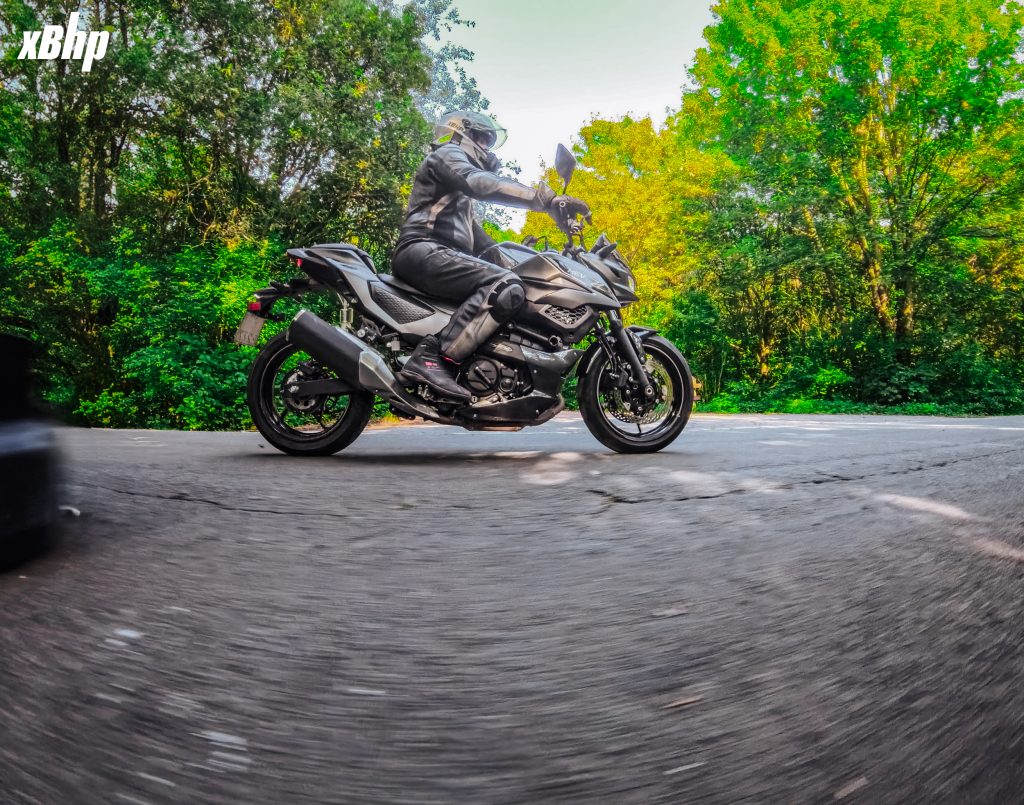
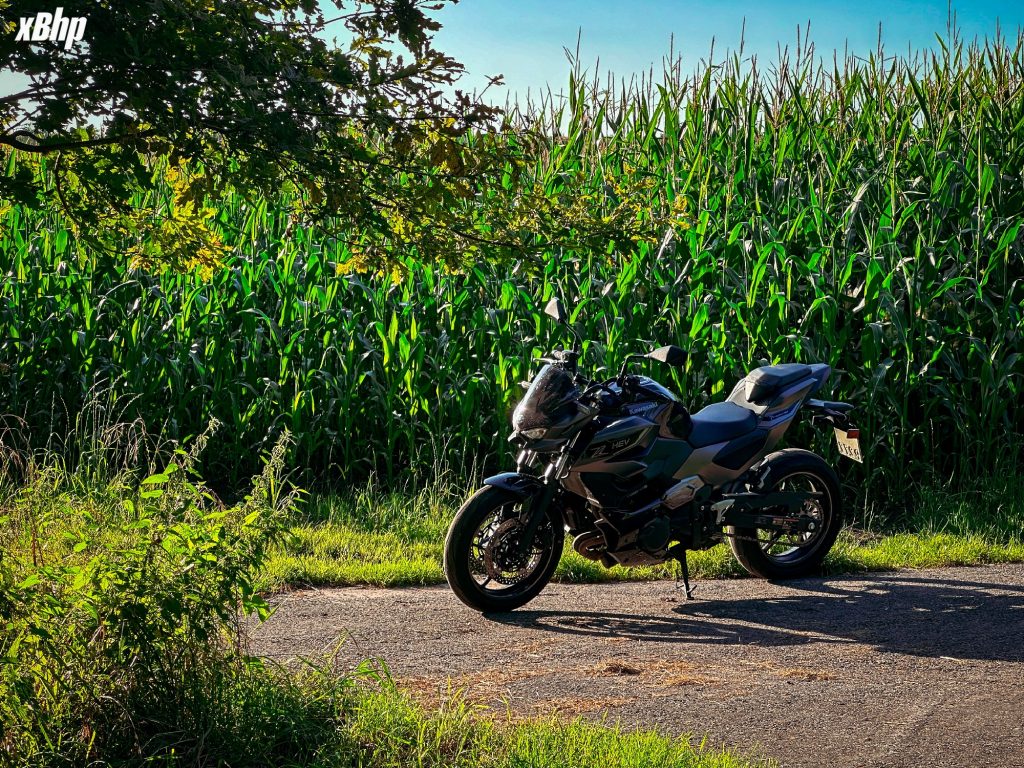
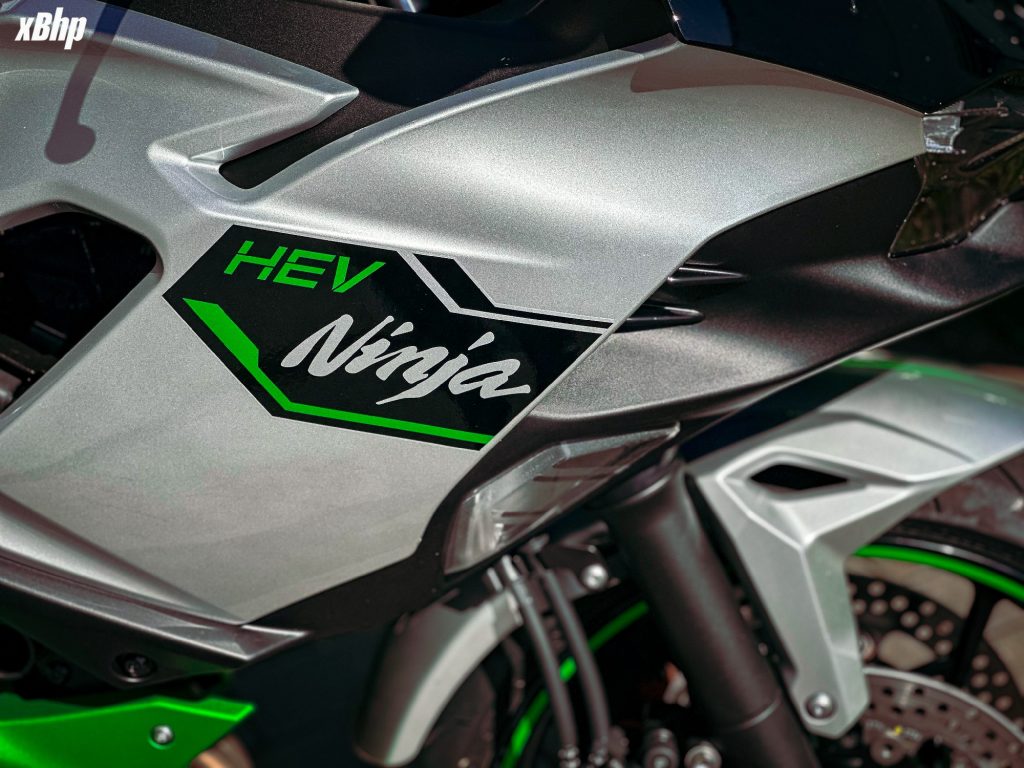
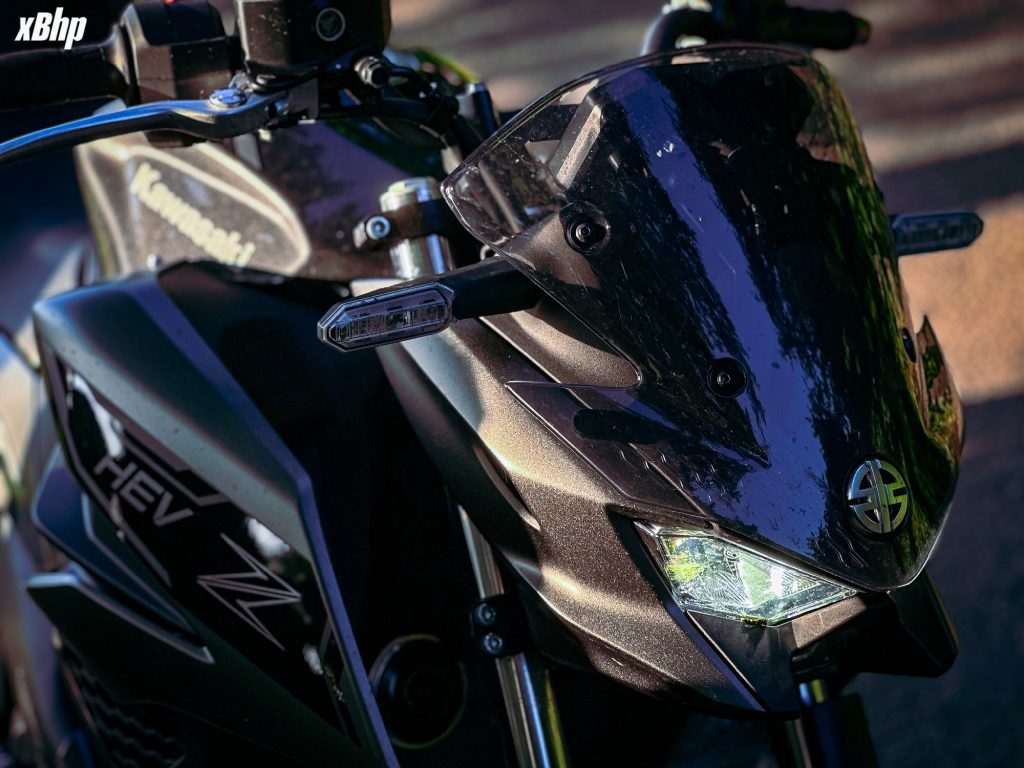
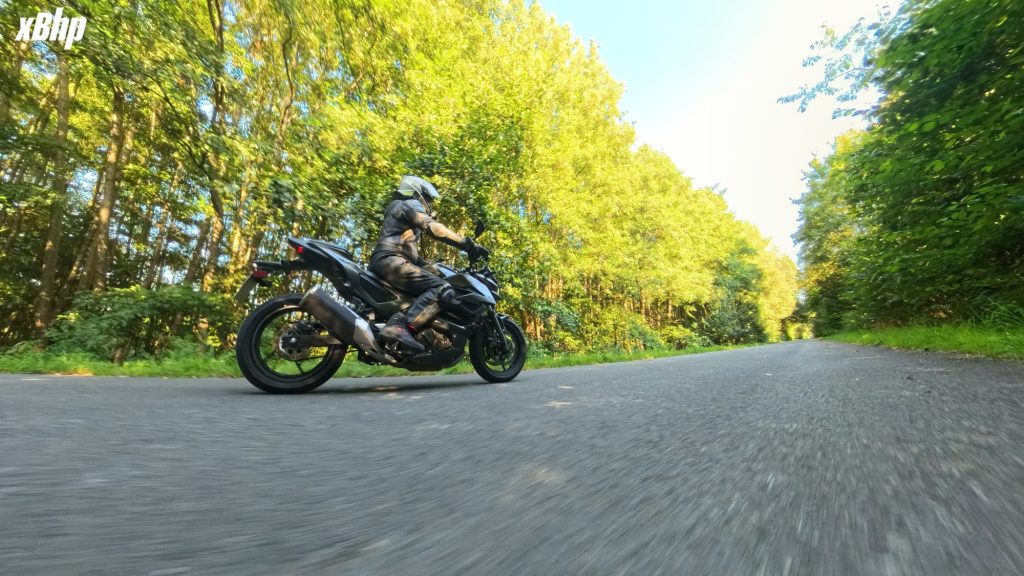
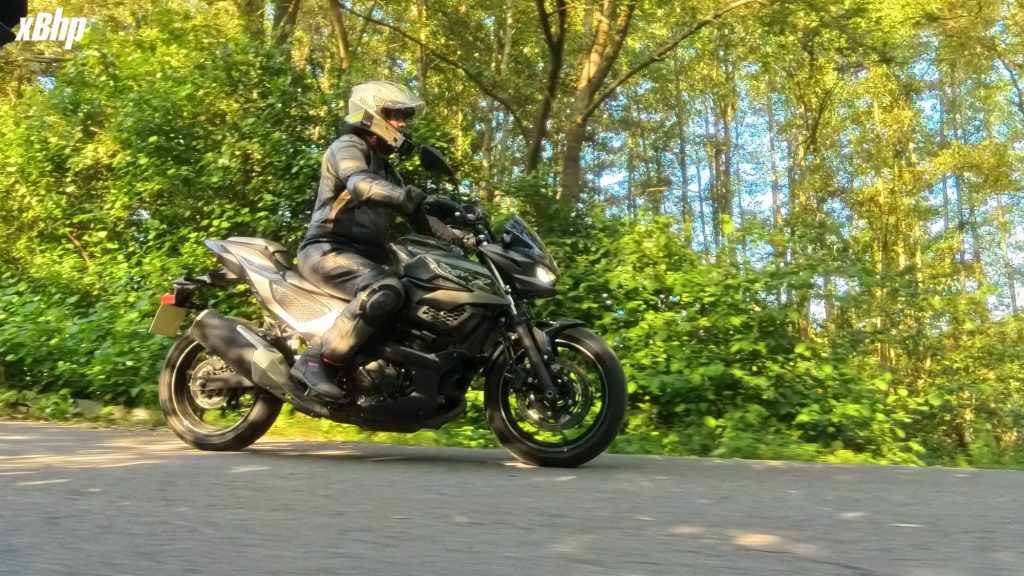
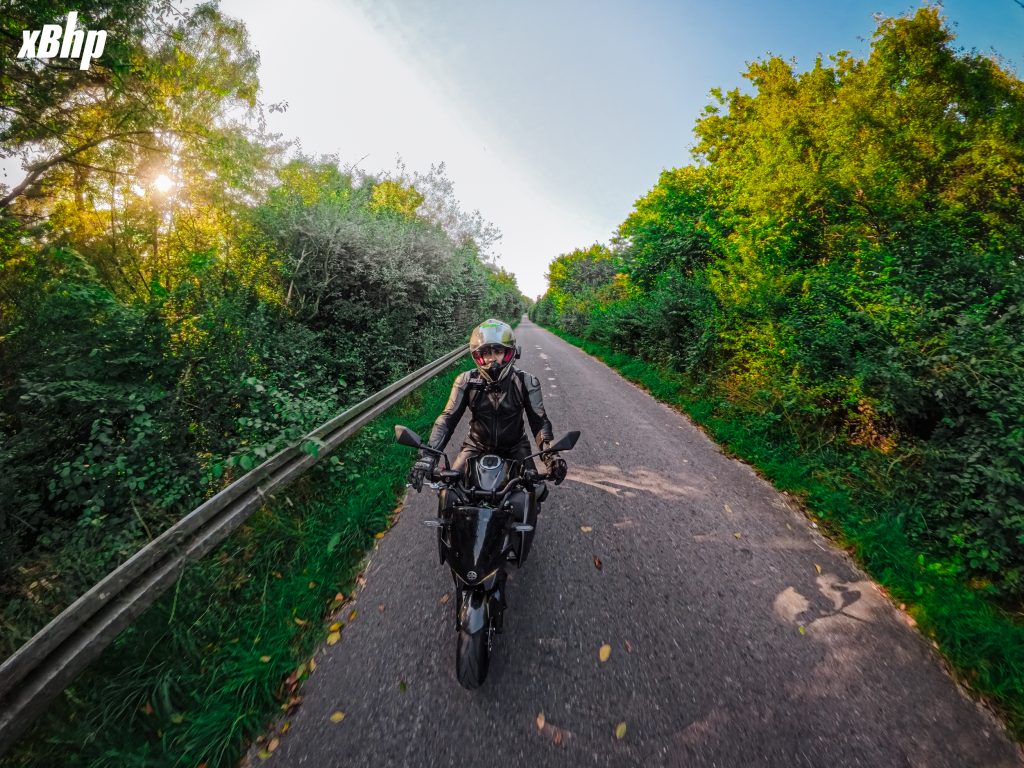
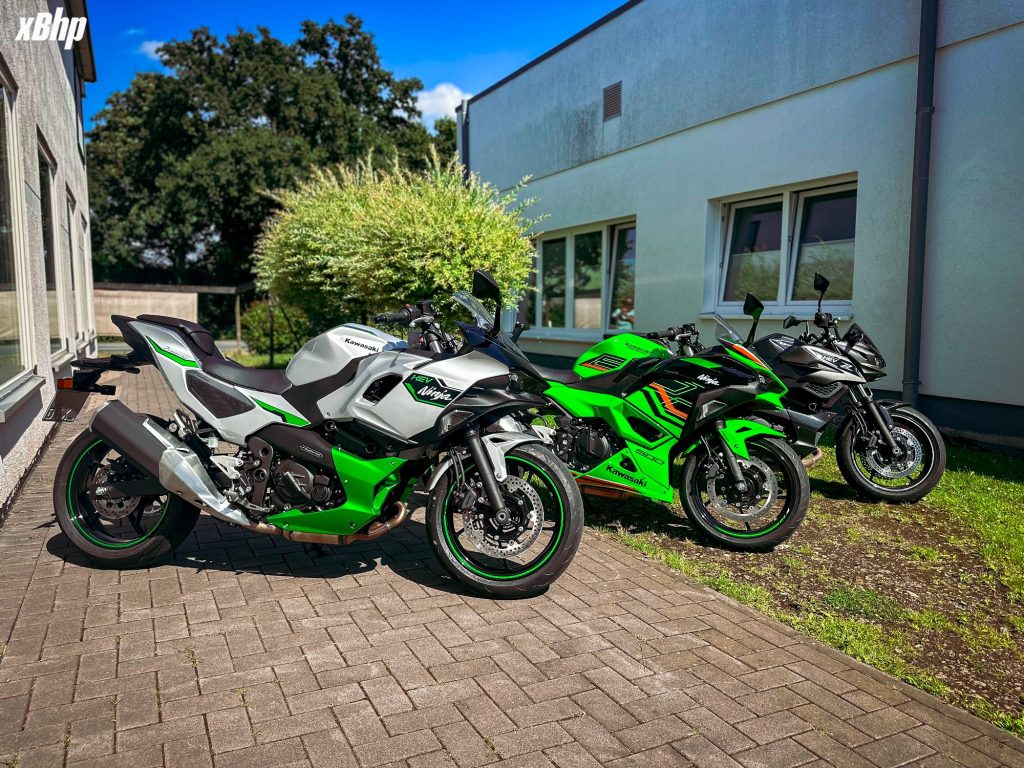
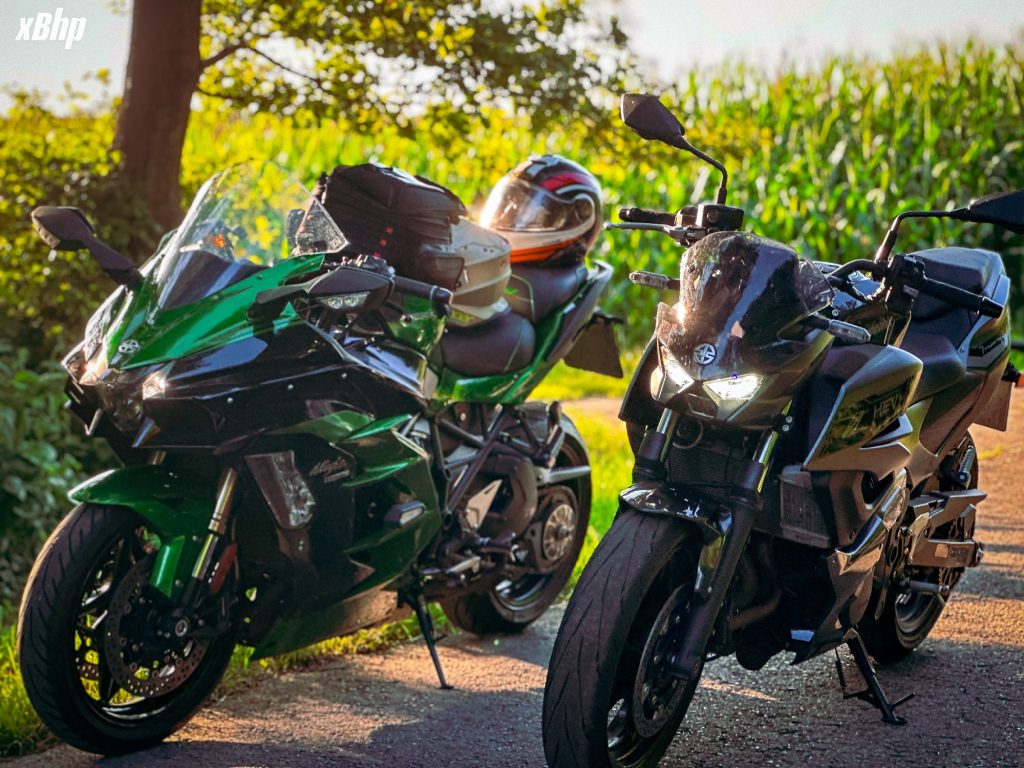
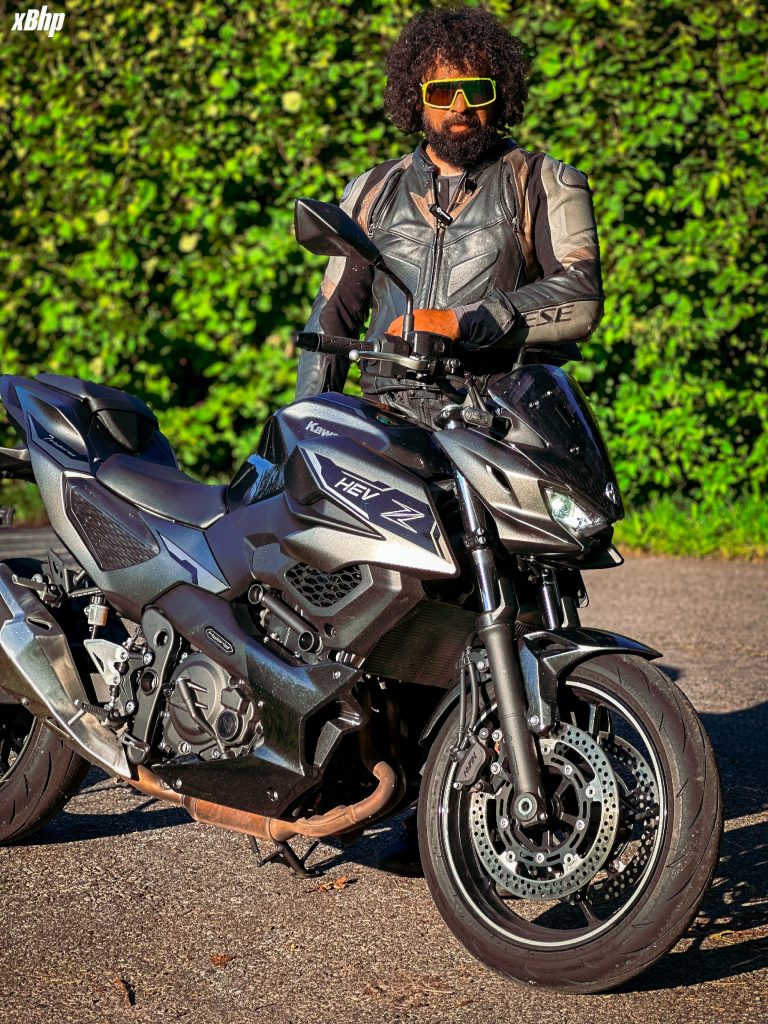
Before I talk about the riding experience, which is going to be a long section considering the complexity, I will talk about the looks. Right off the bat, both of these motorcycles look big and for obvious reasons. In addition to the ICE, they have an electric motor, a battery pack, and a lot of stuff to keep them working in harmony. The design cues come from existing motorcycles in the Kawasaki stable. The Ninja 7 Hybrid borrows from the Ninja line and the Z7 Hybrid from, no prizes for guessing, the Z series. The differentiating factors between the Ninja 500, from which these motorcycles get their ICE engines as well, are the size and the colours.
The Ninja 7 Hybrid gets a Silver-Green colour and the Z7 Hybrid gets a Silver-Green along with a Black-Grey variant as well. The 7 in the name signifies their equivalence to a 700cc middleweight. So they are not just bigger visually but in terms of performance as well. Now, let us get to the complex and exciting technical bits. This is not a motorcycle that you just hop on and start riding. It needs some getting used to. It may seem daunting at first but it is just a matter of figuring things out.
It has a 451cc parallel twin from the Ninja 500 with 51 bhp and 42.6 Nm. India gets the 45 bhp version, I know. Besides that, the Ninja 7 Hybrid and the Z7 Hybrid also get an electric motor adding another 18 bhp. So the total output our hybrid motorcycles are capable of is 69 bhp and 60.4 Nm. The transmission is just as unique as the powerplant… or powerplants. The motorcycle can operate the clutch and shift gears itself but you can also select M/T and then, you get to use button shifters on the left side of the handlebar. Those who have been fans of pedal shifts on supercars, here’s your chance to enjoy that on a motorcycle.
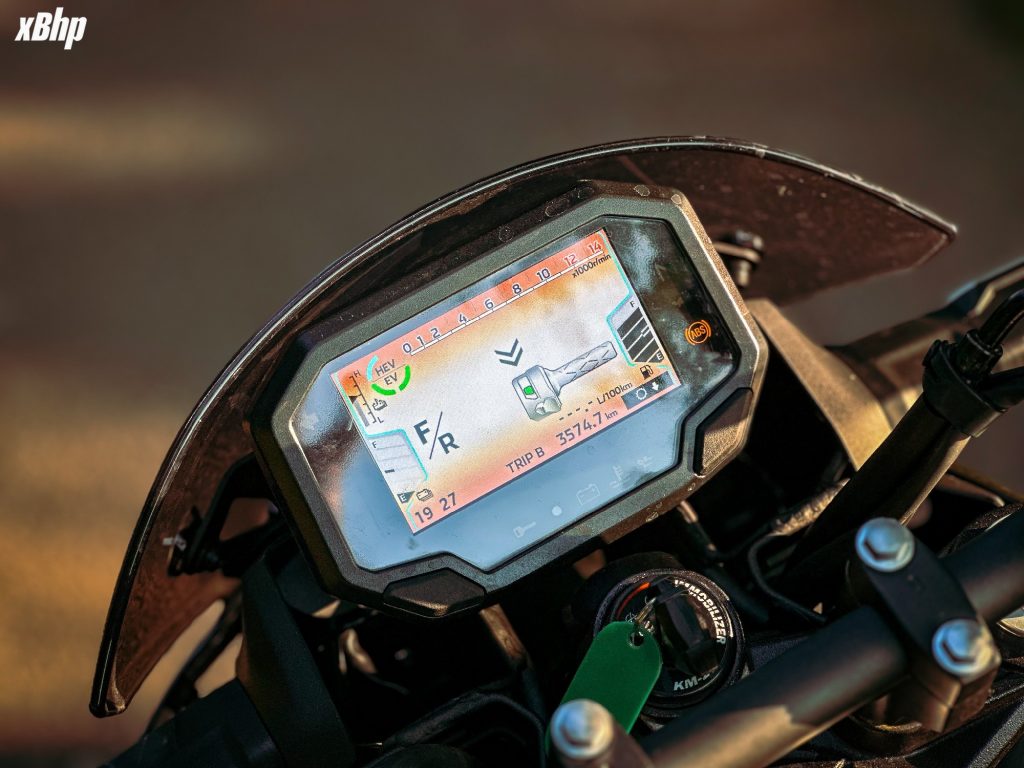
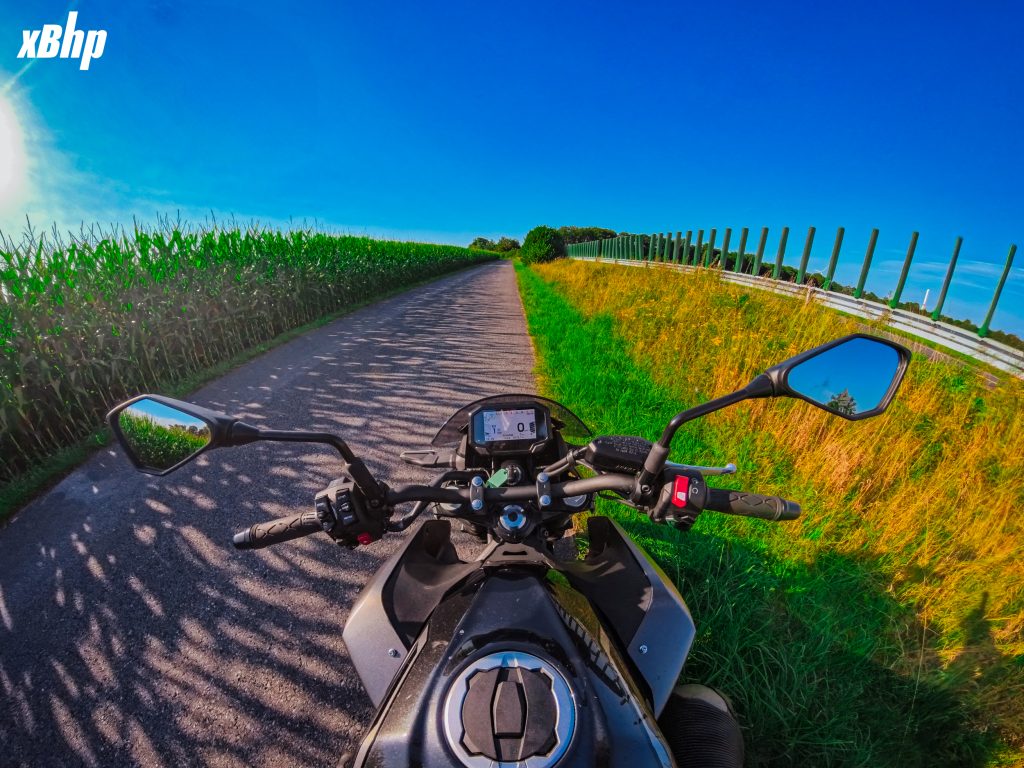
To explain how this motorcycle works, I must first take you for a tour of the switchgear and the console. There’s a TFT screen where you see everything happening. There’s a battery gauge on the left and a fuel gauge on the right. A speedometer in the middle and a tachometer on the top. On the top left there’s a temperature gauge and a dial of sorts that shows HEV/EV based on the mode.
There is a gear position indicator and on its right, it shows the transmission mode i.e. whether you are using automatic transmission or the manual automatic option. Below the speedo, things go back to normal with stuff like EV range, dual trip/odometer and a clock on the bottom left. Again, in reading, it looks very complex and it is to a minor extent. But overall, the screen is intuitive and informative and helps you in getting used to the system.
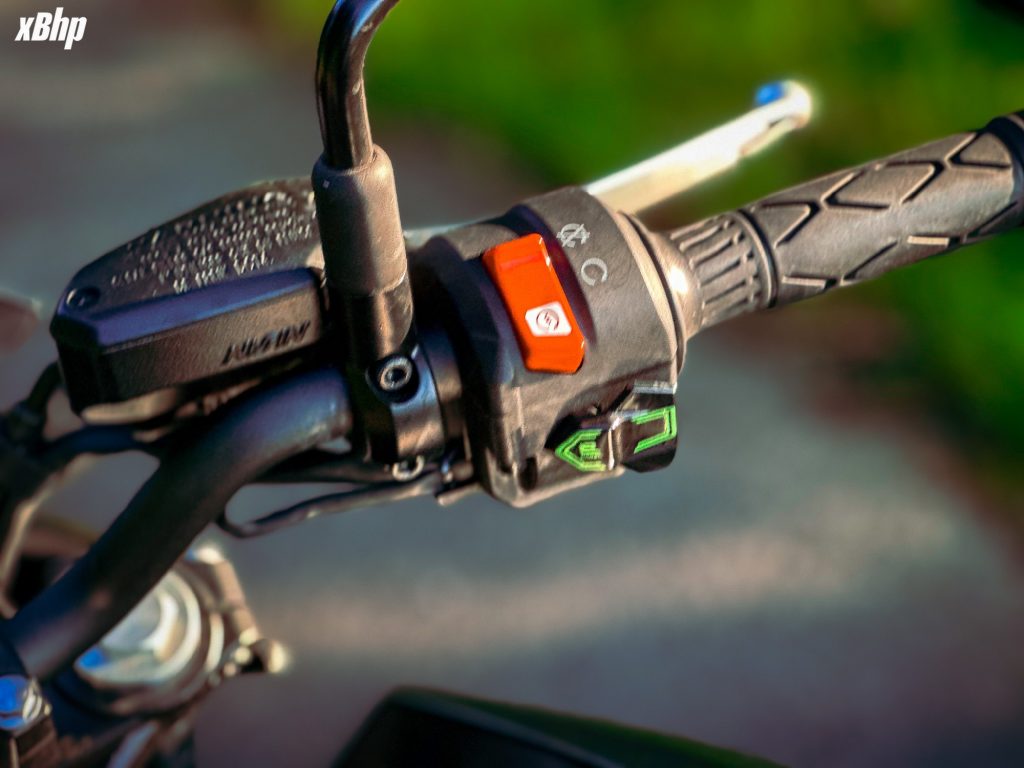
Let us move to the switchgear now. On the left side of the handlebar, things are a little crowded. I will try to move chronologically to make it easier to perceive. There are two selectors in parallel which let you toggle between the various ‘modes’ of the motorcycle. On the right, there is a button that lets you switch between transmission and automatic manual. The one below it lets you select the ride type which is either HEV or EV. These are self-explanatory. Then in the middle, there’s a button called Walk and this mode limits the motorcycle to 3 km/h and you can walk with it. Interestingly, if you twist the throttle the other way, it reverses. It is a 229 kg motorcycle so the walk mode with reverse-assist is appreciated.
Moving towards the left of these buttons, there is a ride mode selector which lets you switch between Sport and Eco and both of these pertain to the HEV mode. It lets you choose between whether you want Eco HEV or Sport HEV. Other than that, you have the turn indicator, the horn, and the button shifters. On your thumb side of the switchgear, you have the downshift button and on the index finger side, you have the upshift button. There’s a pass light button as well.
On the right side of the handlebar, things are much simpler. A starter/engine kill switch along with a fancy button that says e-boost. E-boost in Sport HEV mode gives you that bump of torque and power that enhances the ICE. You can use it on corner exits or a high-speed overtake. More importantly, it is not a gimmick. It works and it works really well. There’s a boost gauge on the screen in Sport HEV mode which lets you keep track of it. The only caveat is that when you are applying throttle and using E-boost with your thumb, it is a little difficult to operate the front brake so it has to be used carefully.
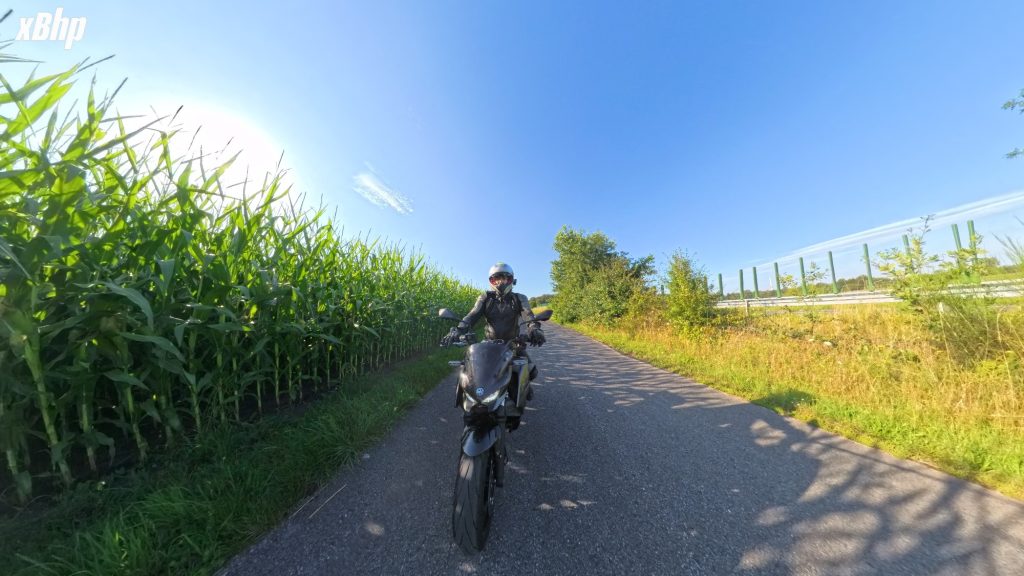
That’s about it when it comes to the control of this motorcycle. Once you get used to it, it is a fun motorcycle to ride. The ICE is powerful enough and there’s the electric motor for an added boost. So even on the highways, there’s never a lack of power. Because of the ‘instant torque’ characteristic of the electric motor, the acceleration is exceptional if you use the system efficiently… almost superbike good.
The electric motor not only helps the Ninja 7 hybrid and Z7 Hybrid in terms of performance but fuel efficiency as well. Kawasaki says something along the lines of ‘acceleration of a superbike and fuel efficiency of a 250cc motorcycle’. It is not quite here or there but still in the ballpark. So the engine+motor performance is impressive, to say the least.
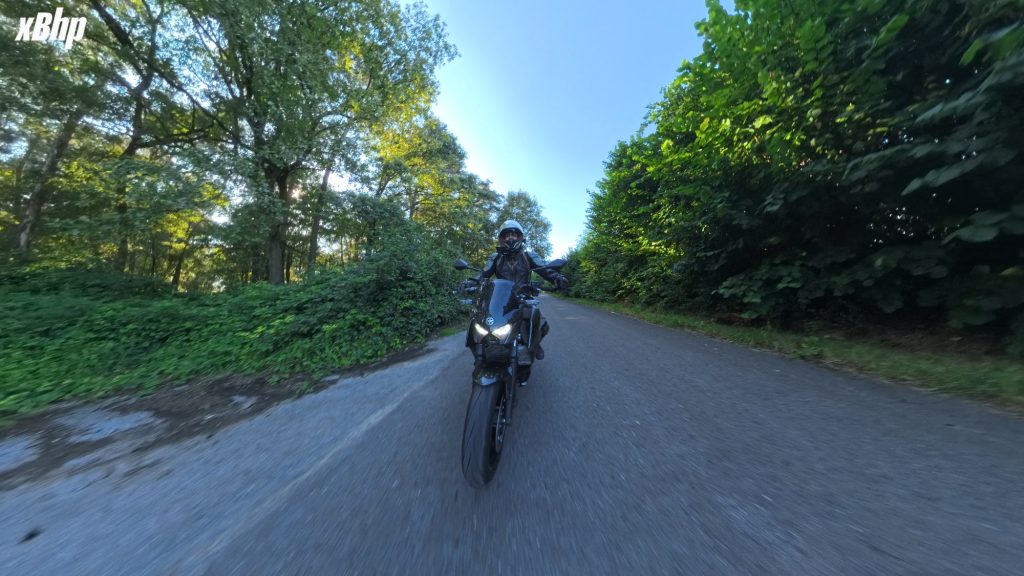
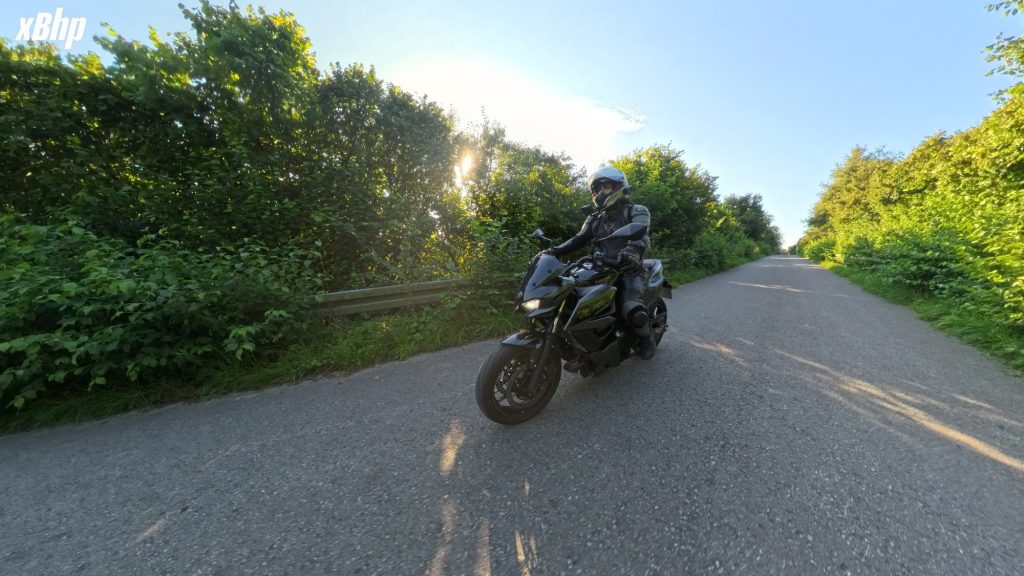
In terms of handling, it is quite neutral. 229 kilos is a fair bit of heft (a few kilos less in the case of the Z7 Hybrid). Moreover, it is a motorcycle so there’s no floorboard to pack the battery pack as low as possible. In comparison, the CoG is slightly high and you can feel that. It is fairly composed in the corners but only once it settles down. The initial bit when you start to tip the motorcycle does not feel as good as… say, the Ninja 500. It is also rather sluggish in side-to-side transitions.
This was not a review but more of an introduction to something new (and potentially disruptive). Reviewing it like conventional motorcycles is not too fair. These Kawasaki hybrids are two-of-a-kind motorcycles. There are some kinks but nothing that cannot be fixed over time. One needs to appreciate the incredible complexity of the mechanicals and electricals and the finesse of the software that manages everything. The mere fact that a complex system like this works seamlessly is impressive. The fact that it works this well is more than commendable.