Since '02 xBhp is different things to different people. From a close knit national community of
bikers to India's only motorcycling lifestyle magazine and a place to make like-minded biker
friends. Join us
xBhp was born more than 16 years ago and since then we've had a chance to ride or drive hundreds of machines
running on two wheels or four wheels, and sometimes even three wheels. We are not done yet, and this list is
still growing. In these pages, we take a deep dive in the treasure trove of our ride experiences and bring
you all that we have ridden or driven.
Machines Done 422
|
Total Cubic Capacity 177221
|
BHP 54552
TVS Apache RTX Review :: For the road… and more!
299CC35.5BHP28.5NM
Oct 2025
xBhp
Bikes,Motorcycles,TVS
There are bikes you ride, and bikes you grow up with. For me, Apache has never been just a motorcycle. It has been a timeline. A reminder of where I started, who I became, and how riding shaped me. From the original Apache 150 to the 160, to 160 FI, to 180, 180 ABS, 200… and later, through xBhp, even the RR 310 and RTR 310, every Apache I owned or rode and lived with wasn’t just a machine parked in the garage. It was a stage in life.
So when TVS announced the Apache RTX, not a sport-naked or a supersport, but an ADV with rally intentions, it didn’t feel like just another launch. It felt like a question addressed to people like me: “Are you ready to take this bond off-road and uphill?”
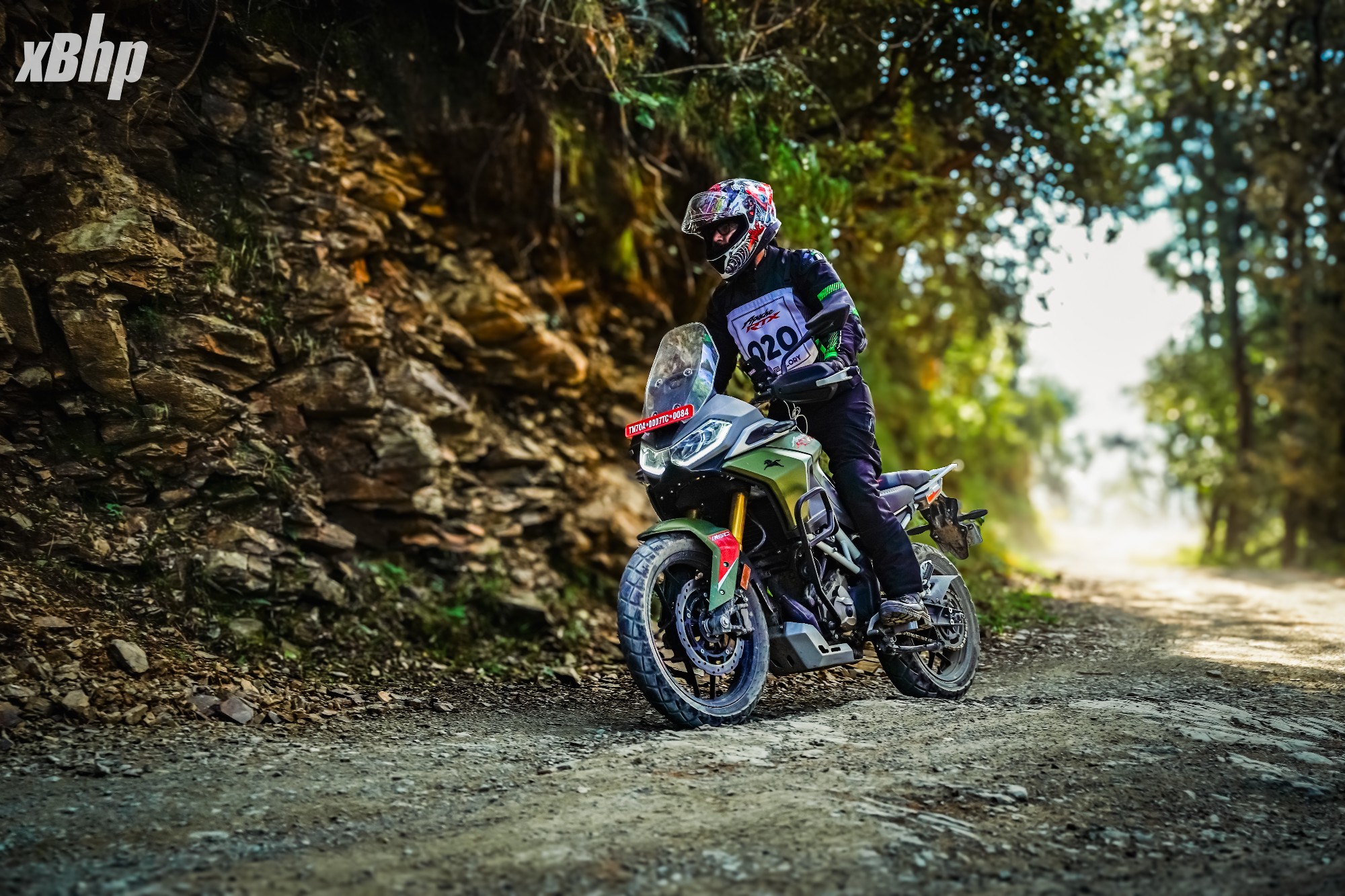
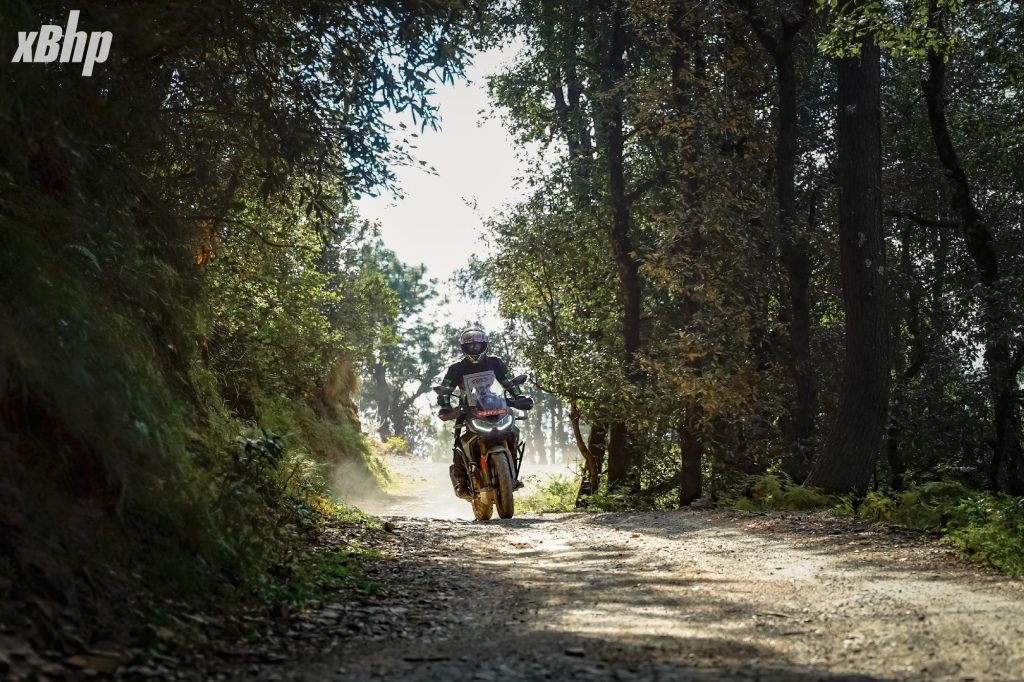
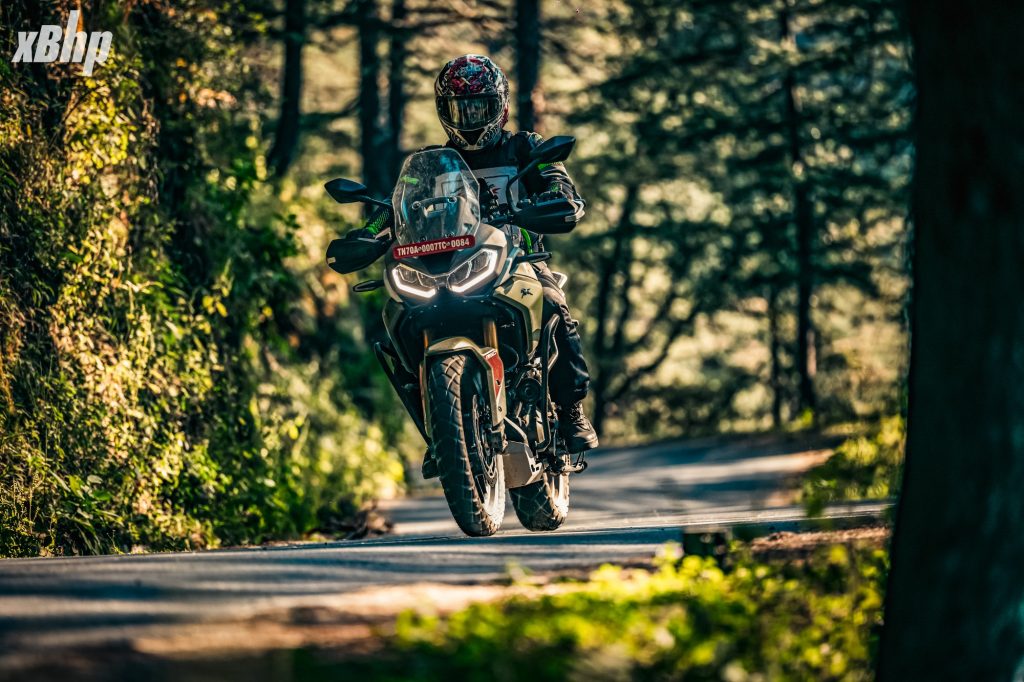
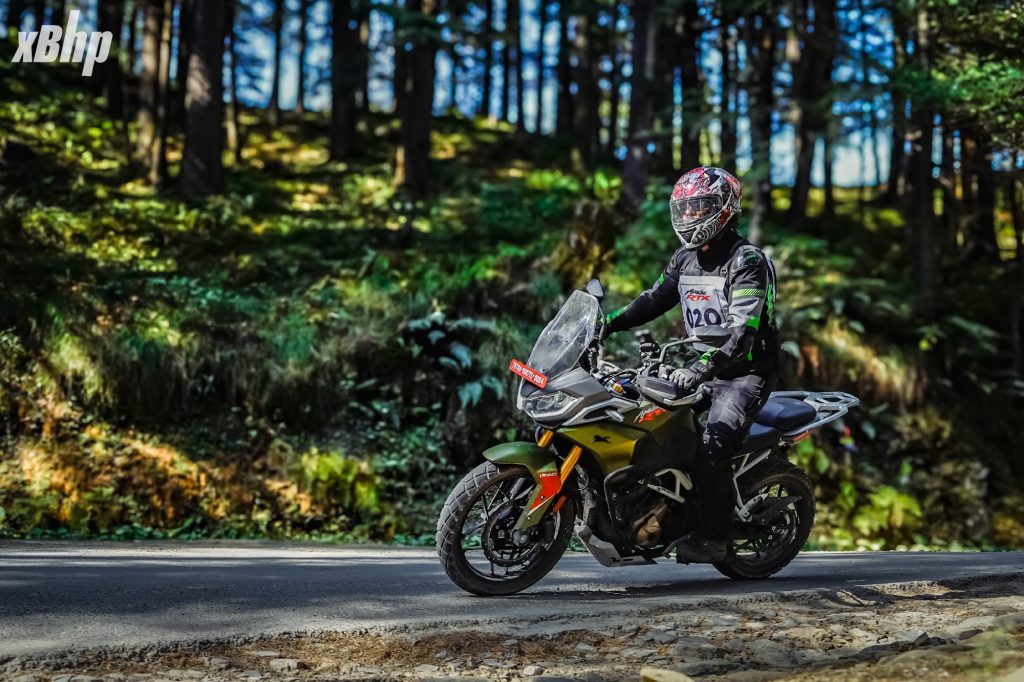
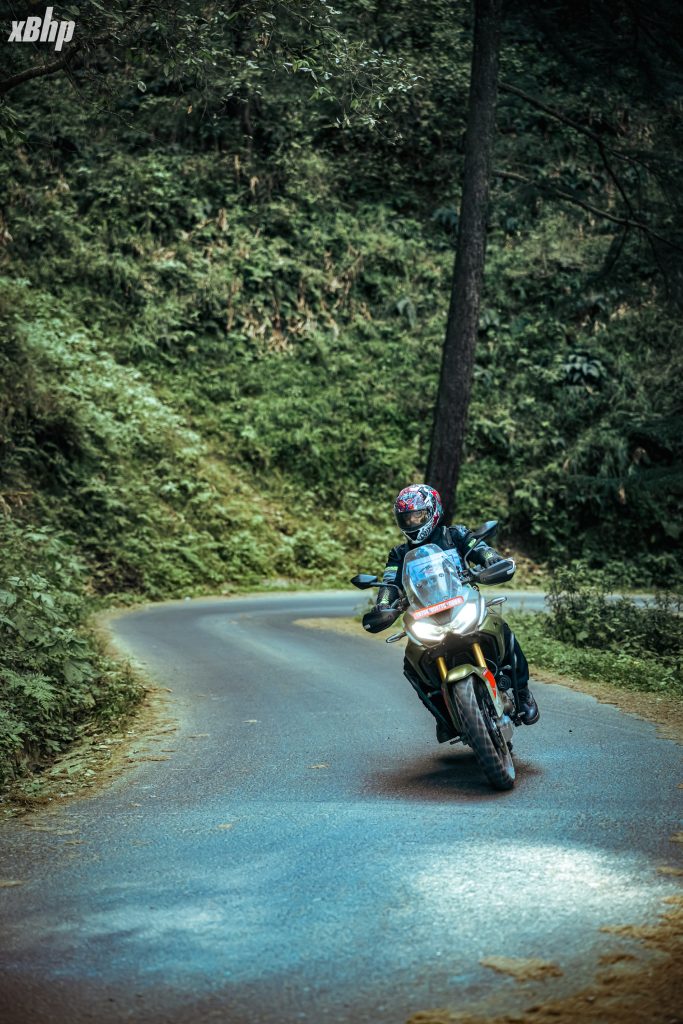
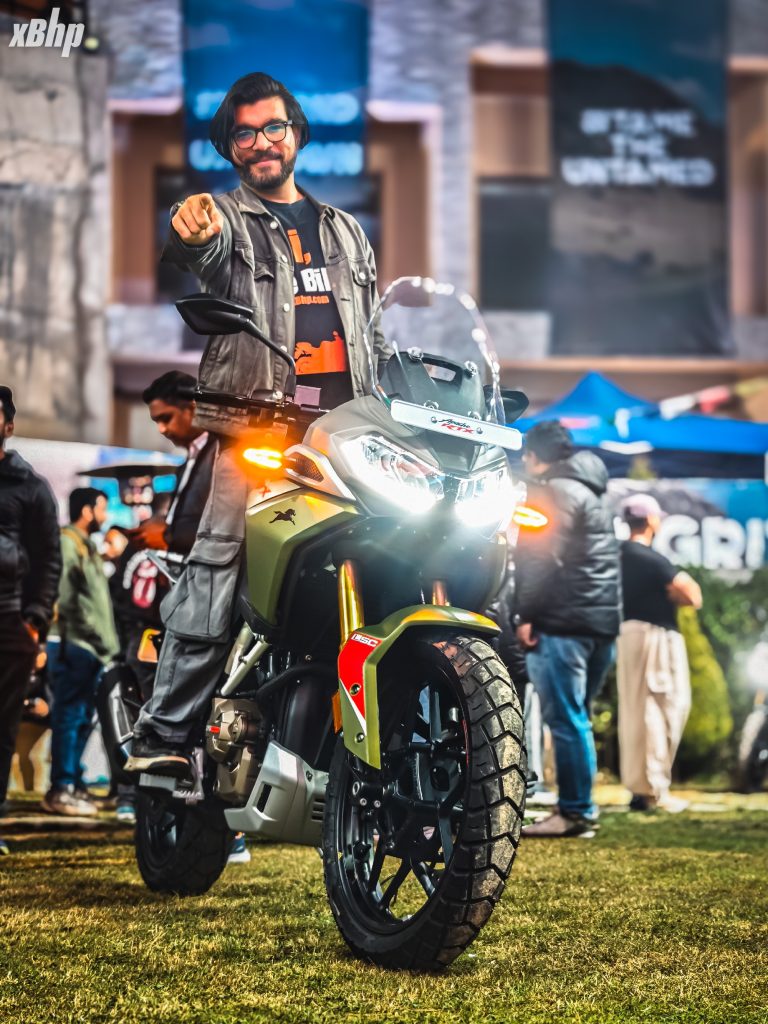
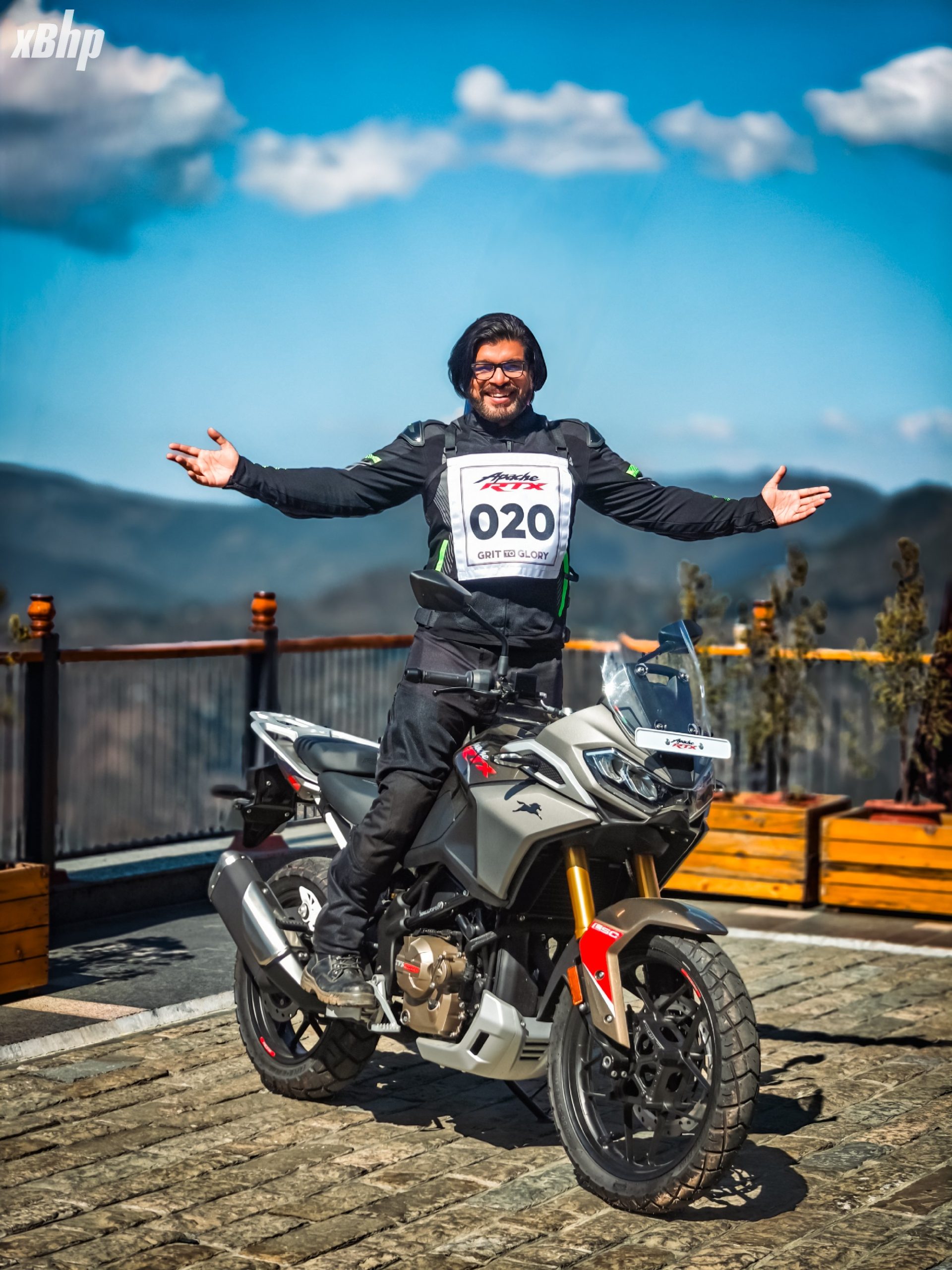
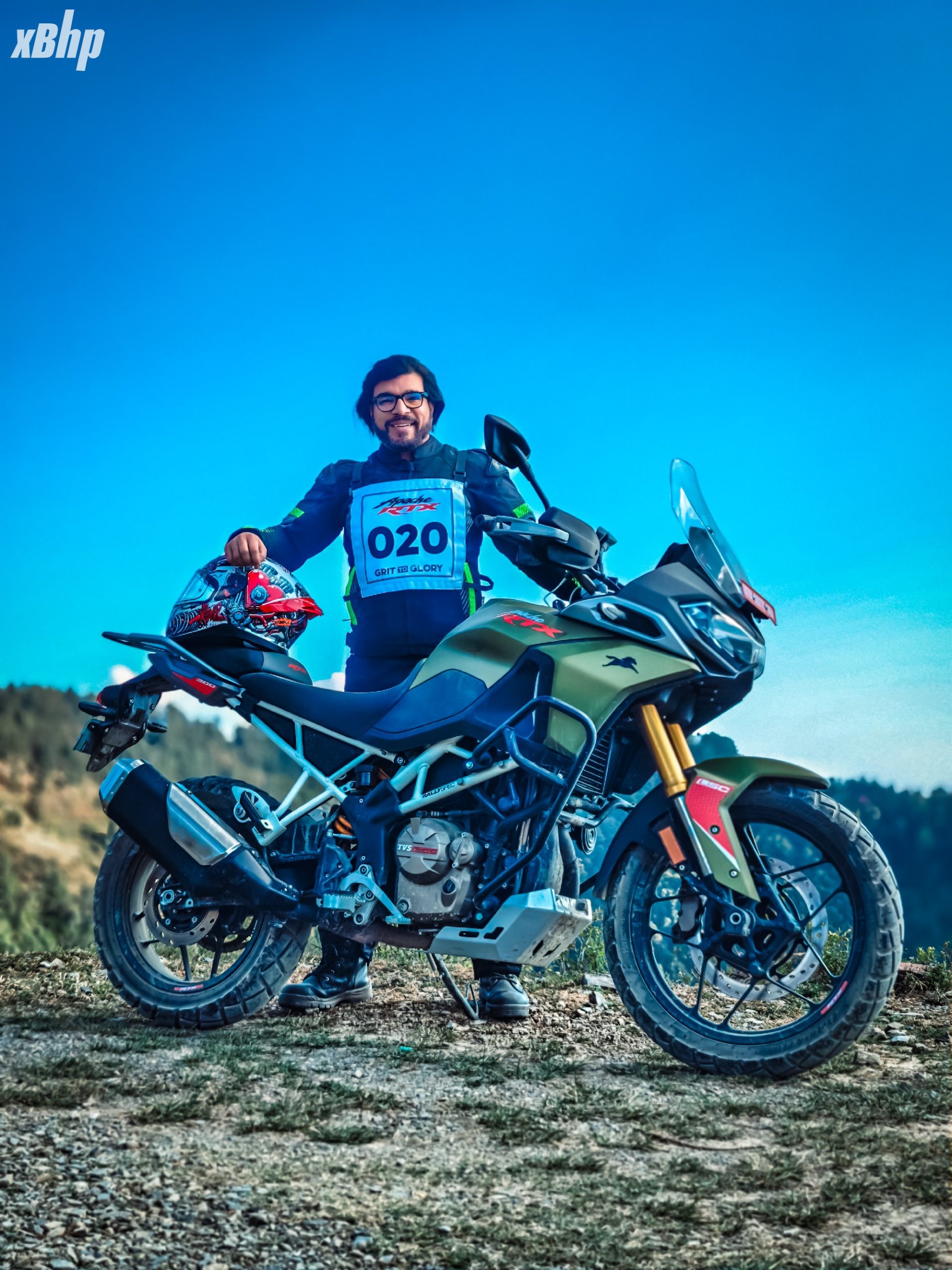
And that’s how I found myself in Fagu, Himachal Pradesh, standing in the cold morning air, looking at the RTX against a backdrop of pine forests and misty curves, wondering if this truly was an Apache that could leave tarmac behind and still feel like home.
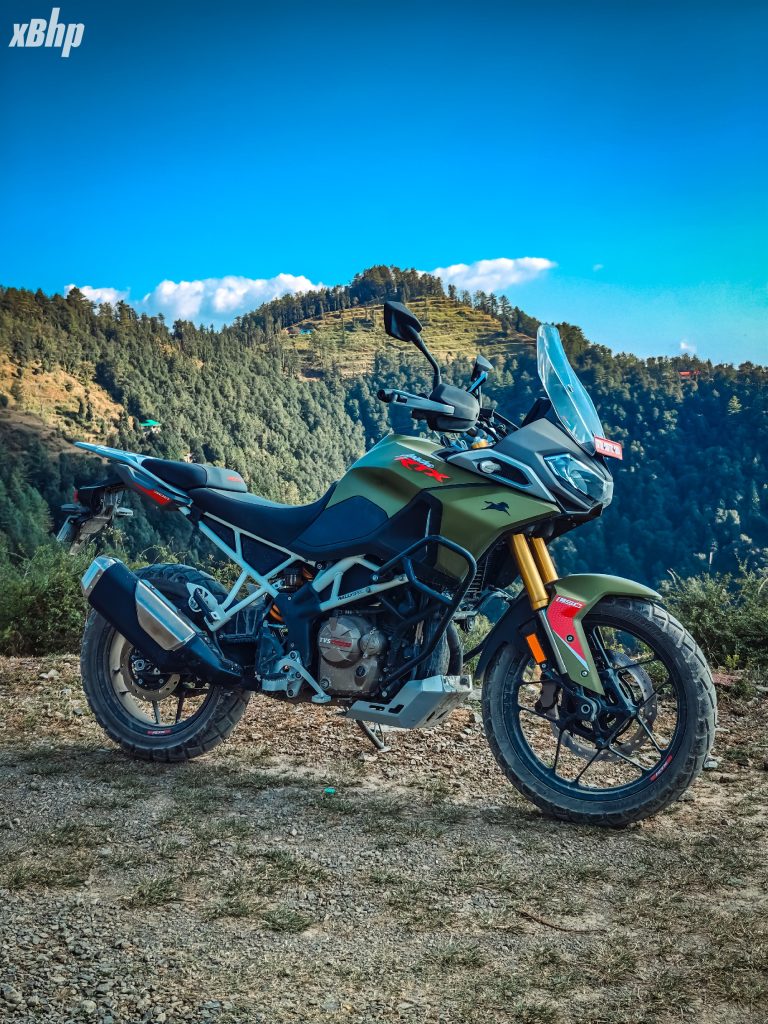
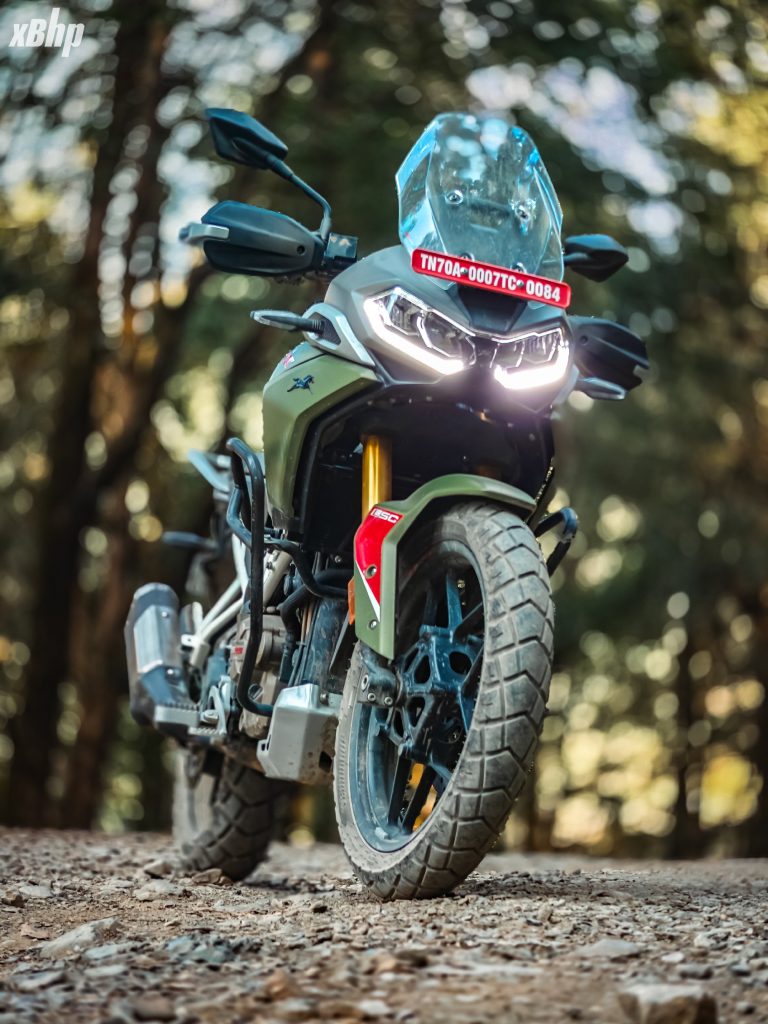
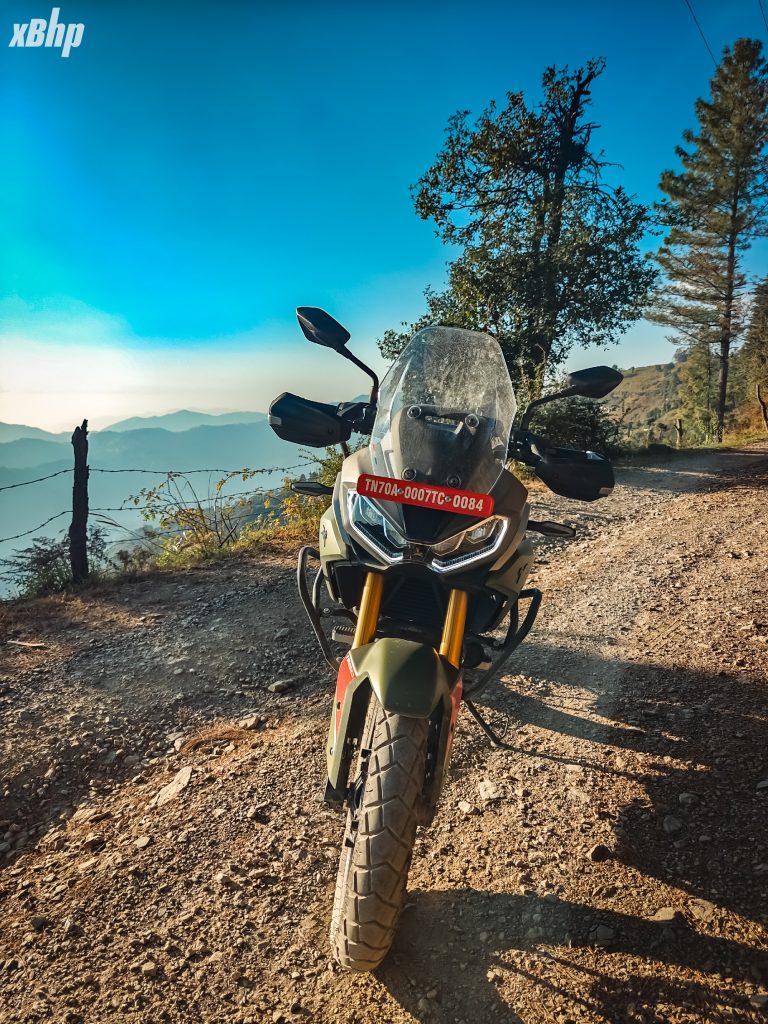
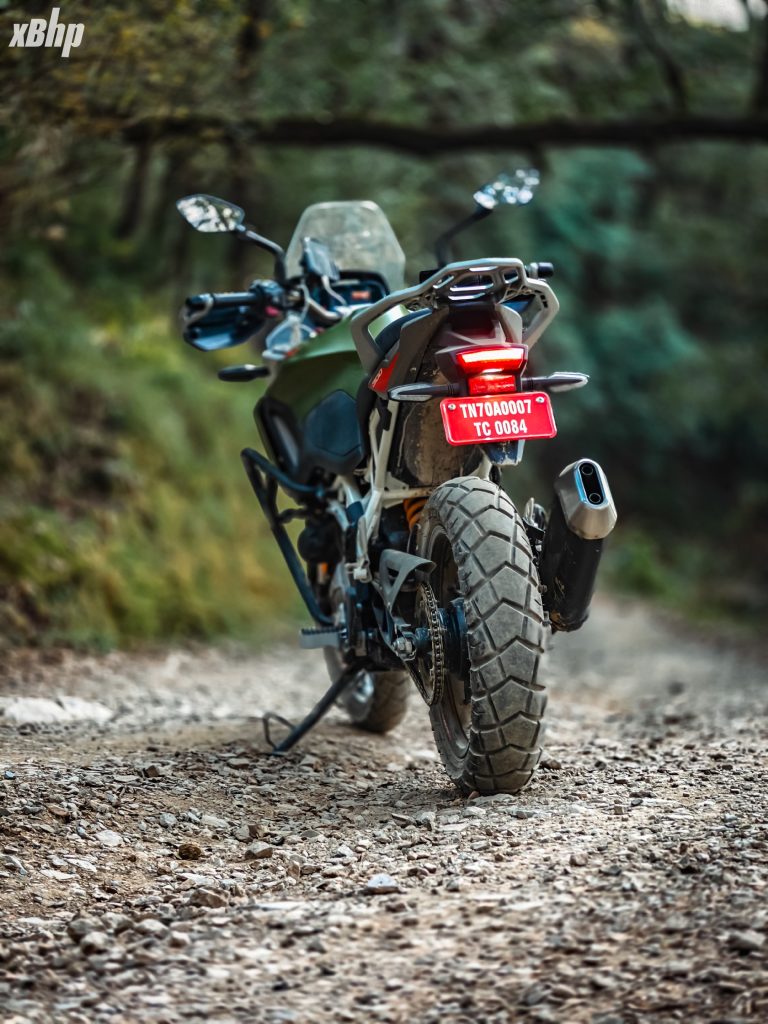
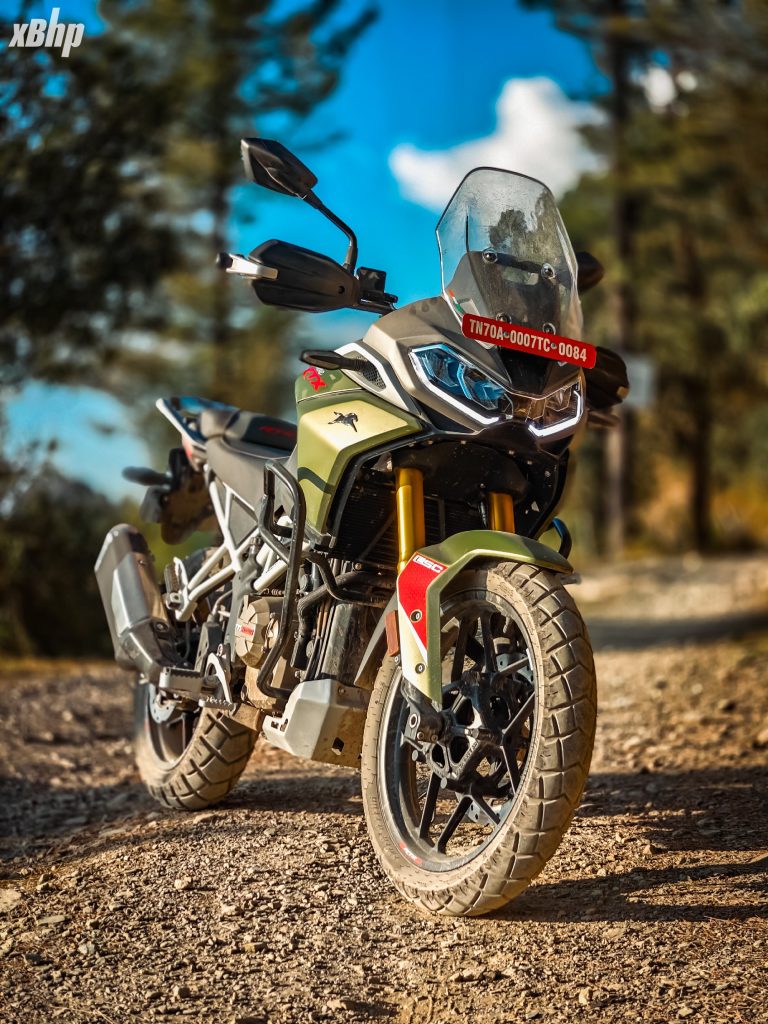
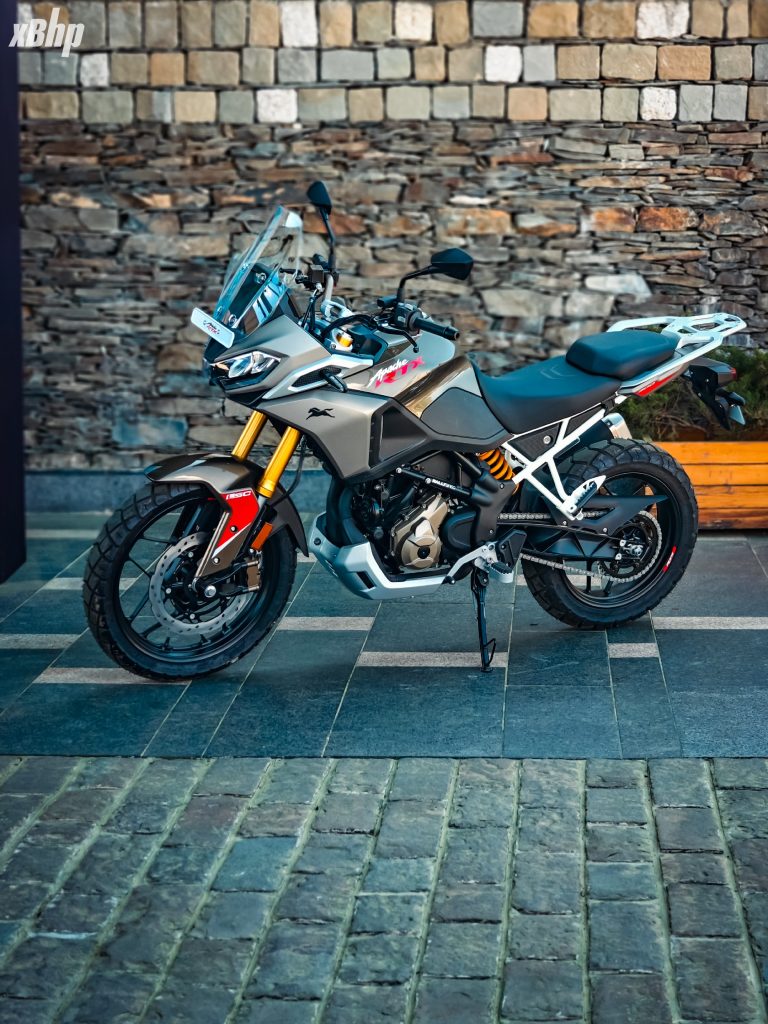
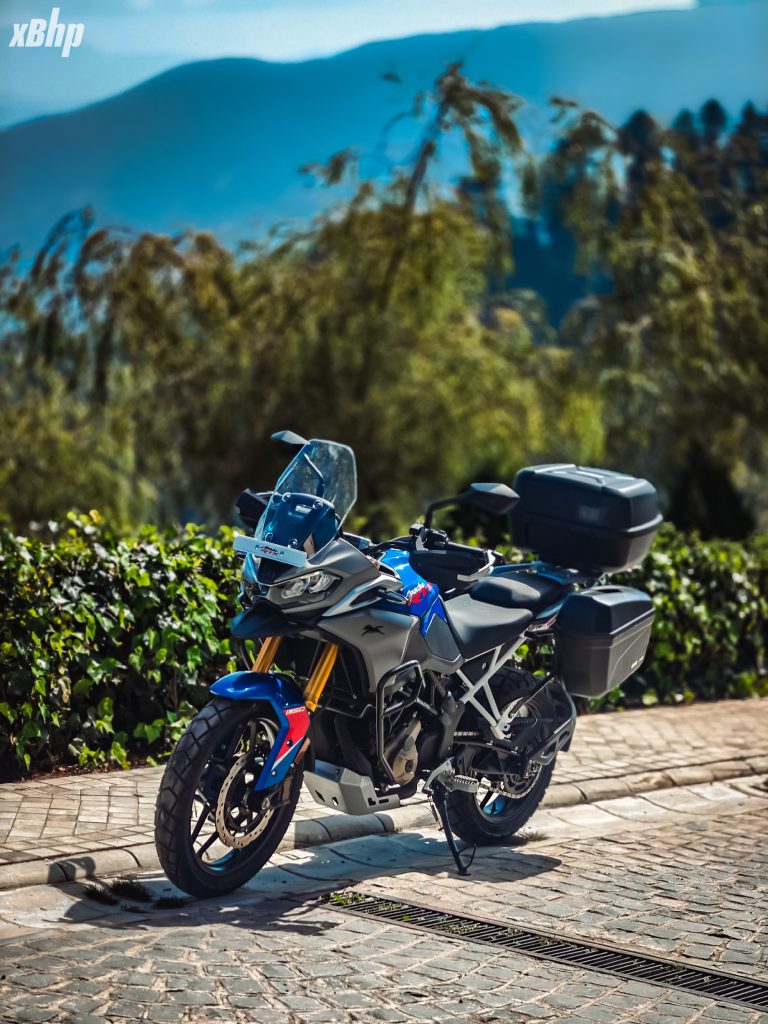
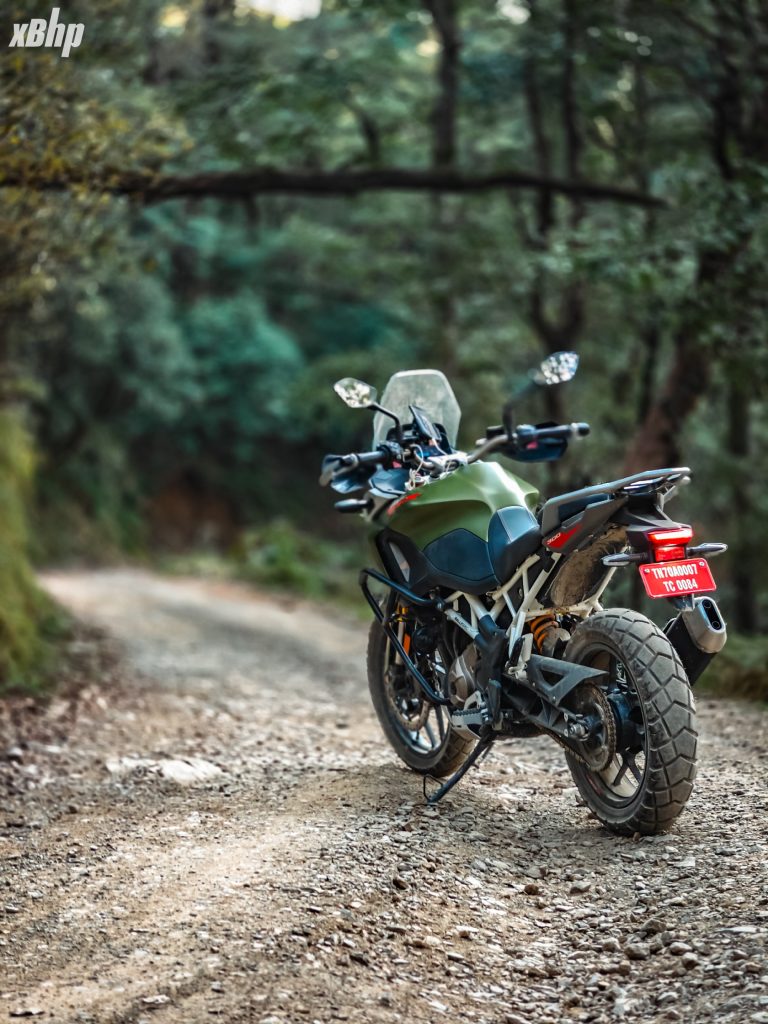
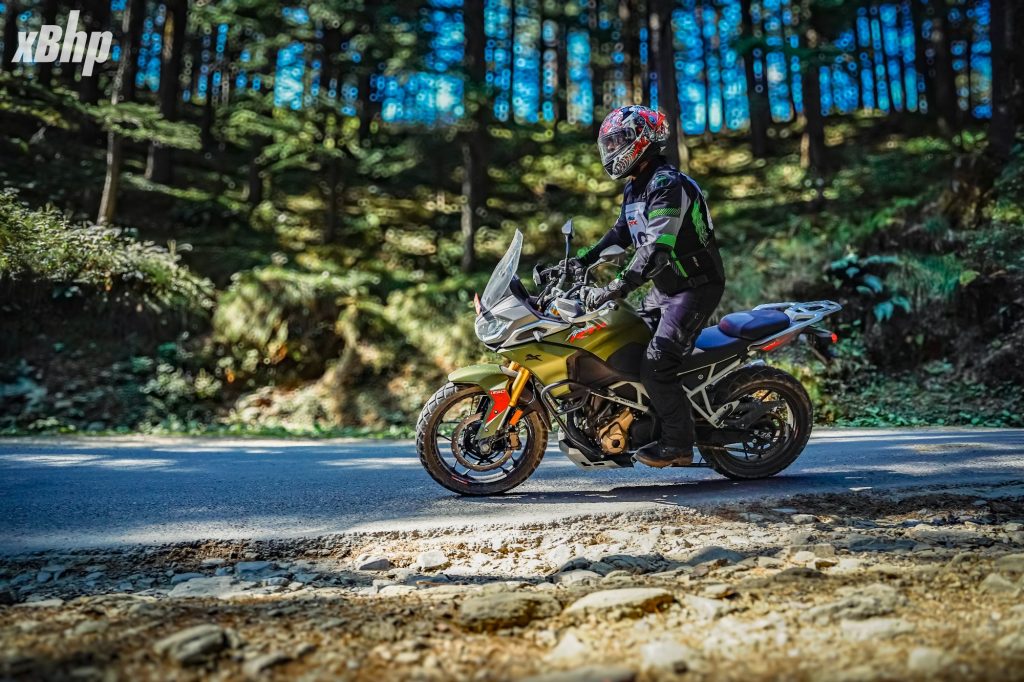
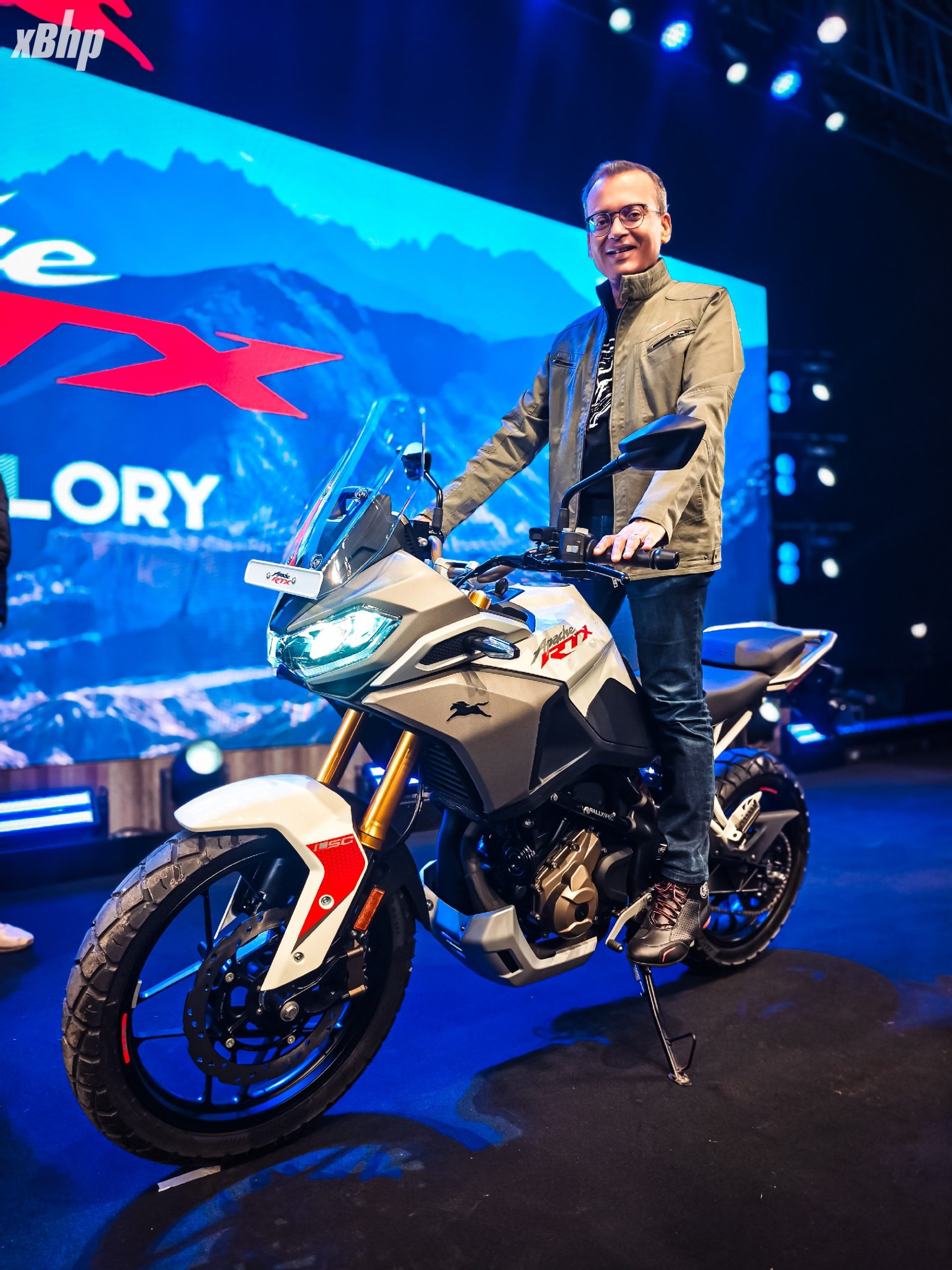
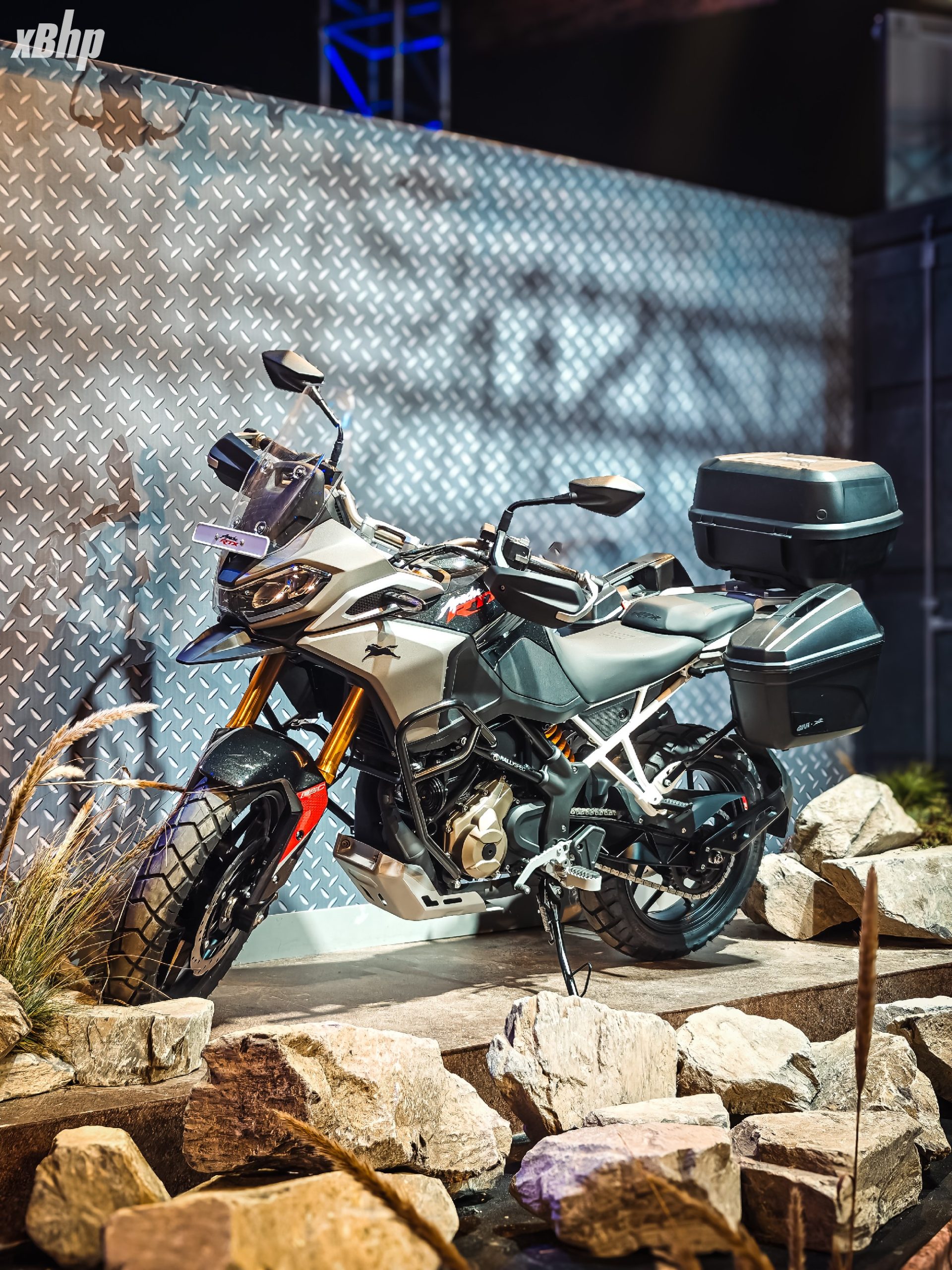
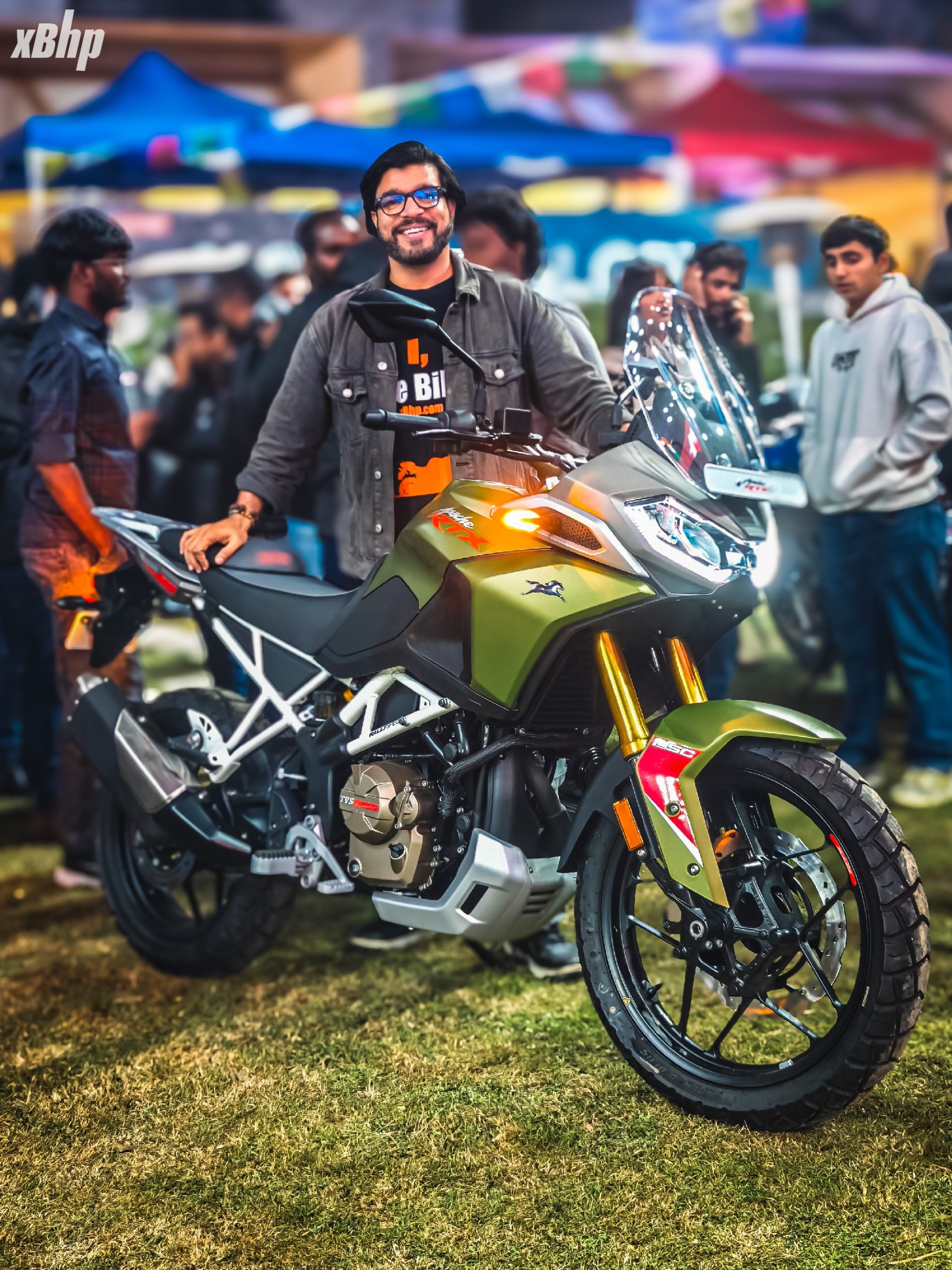
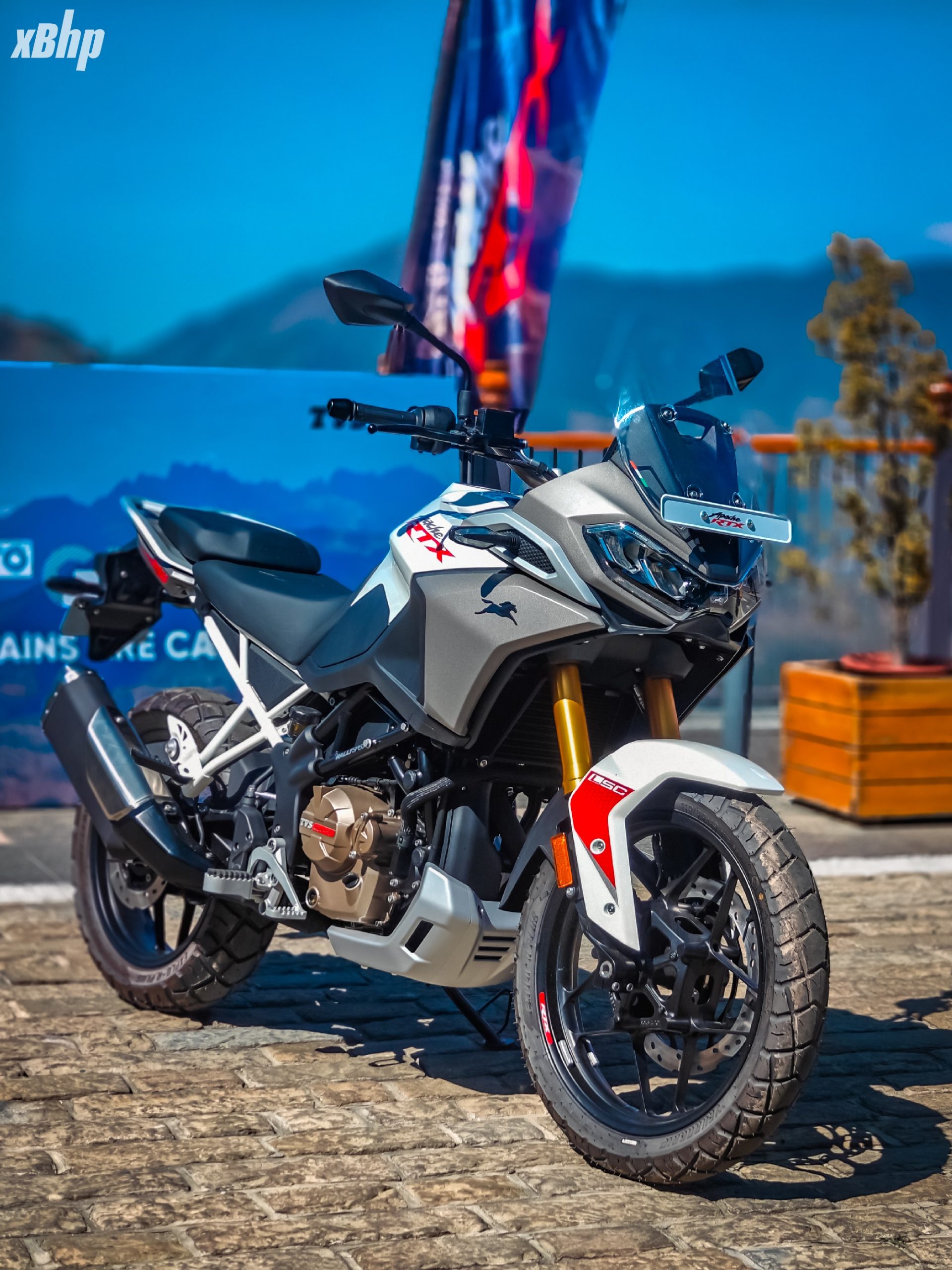
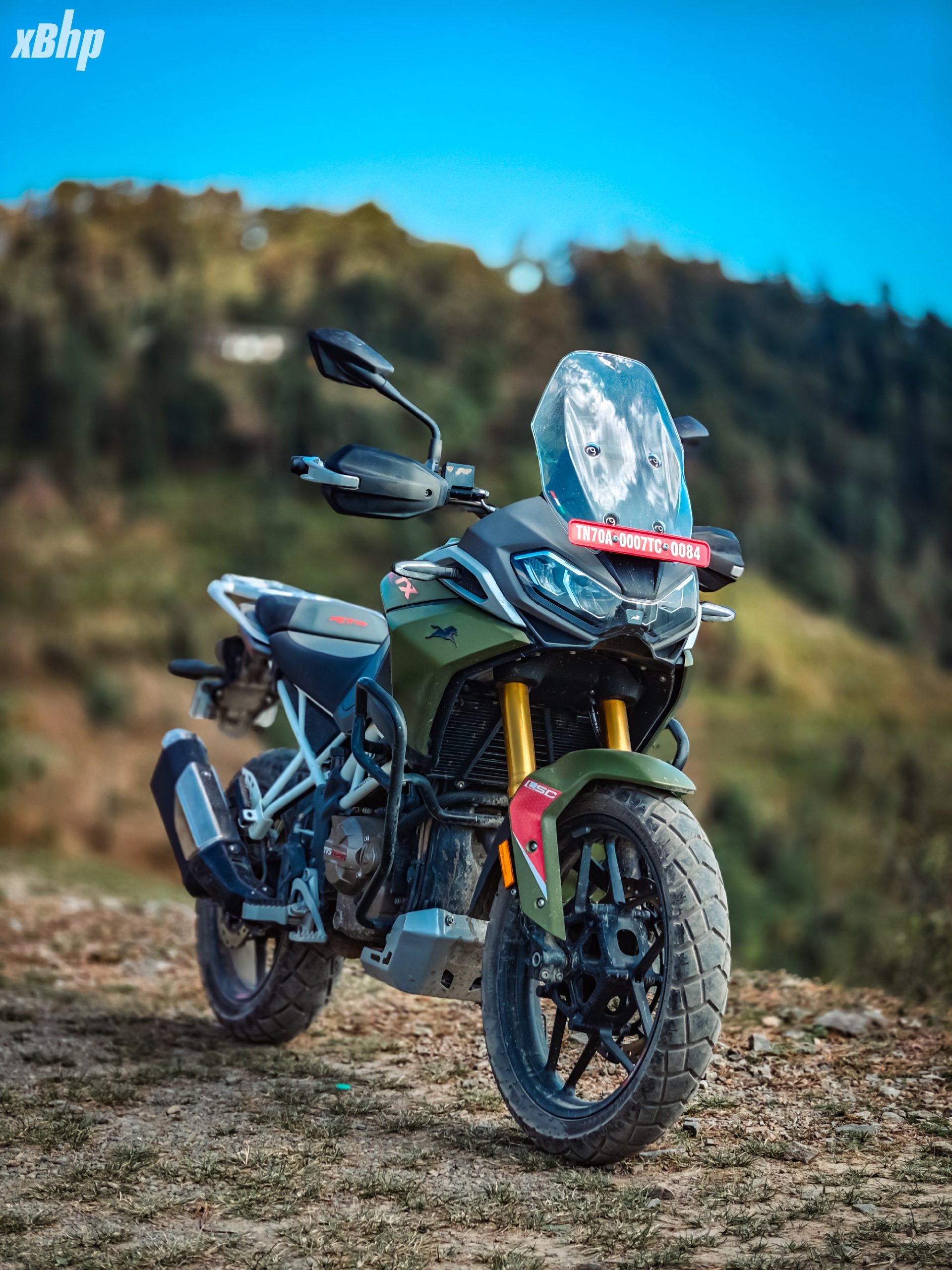
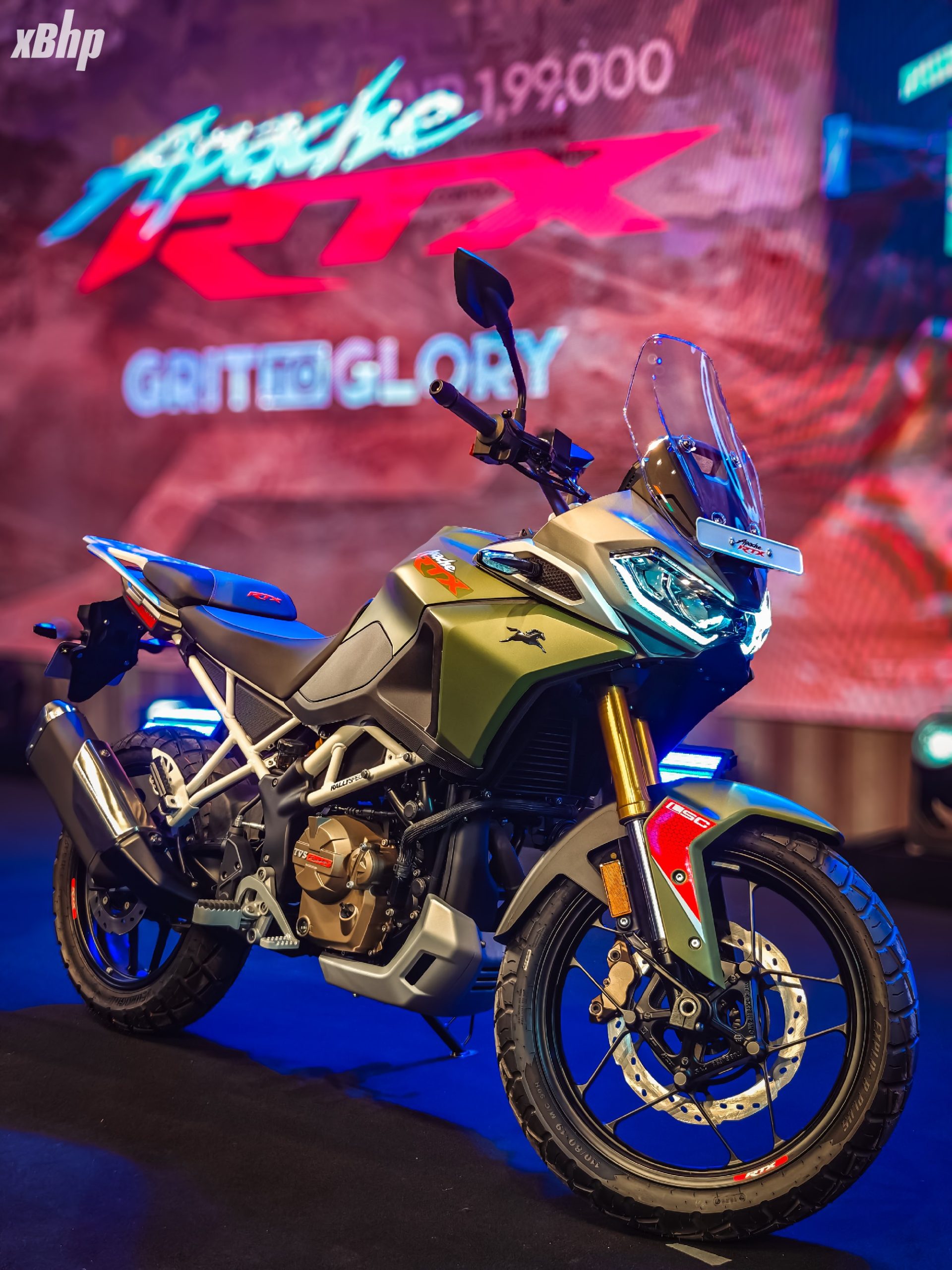
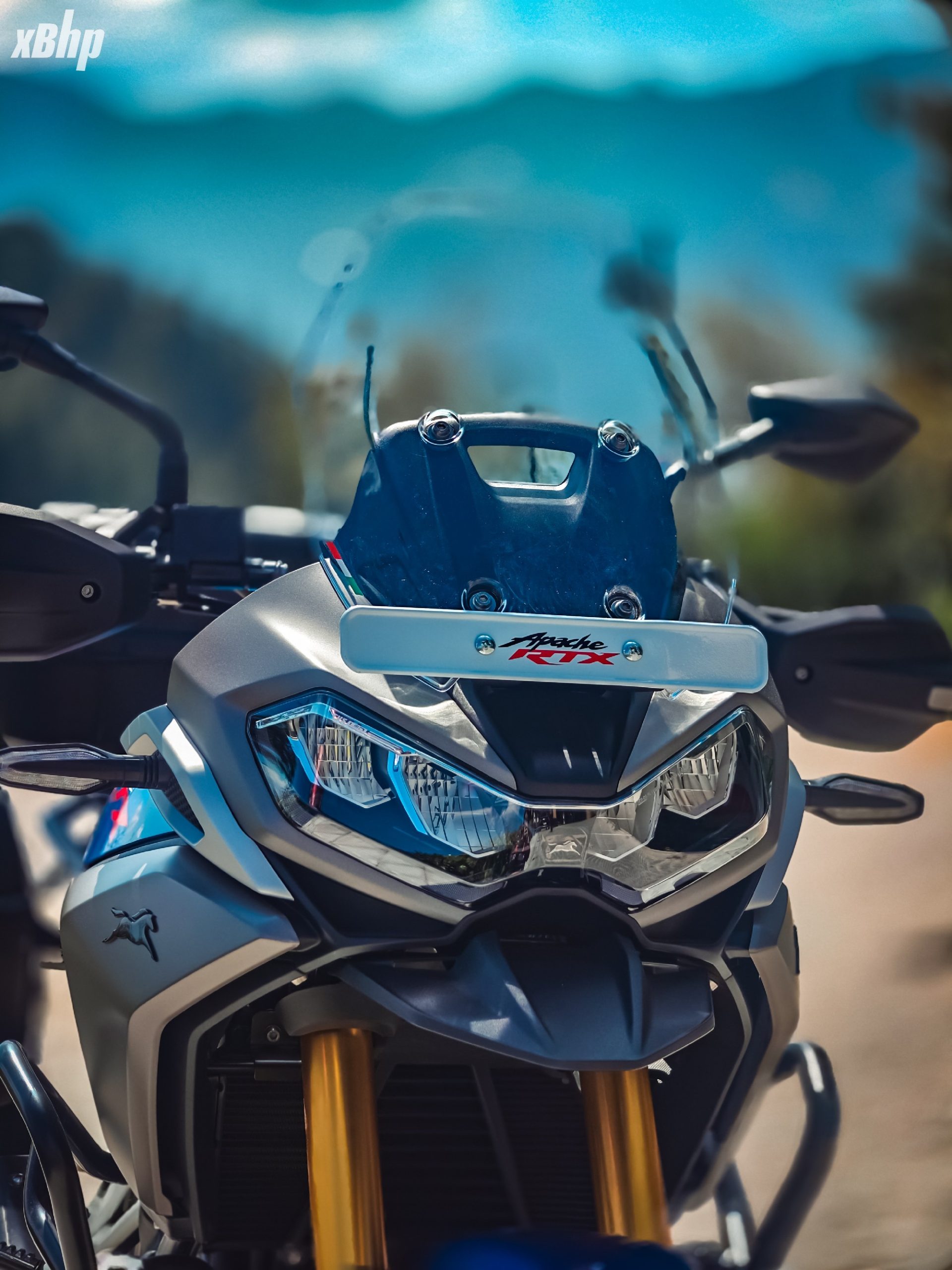
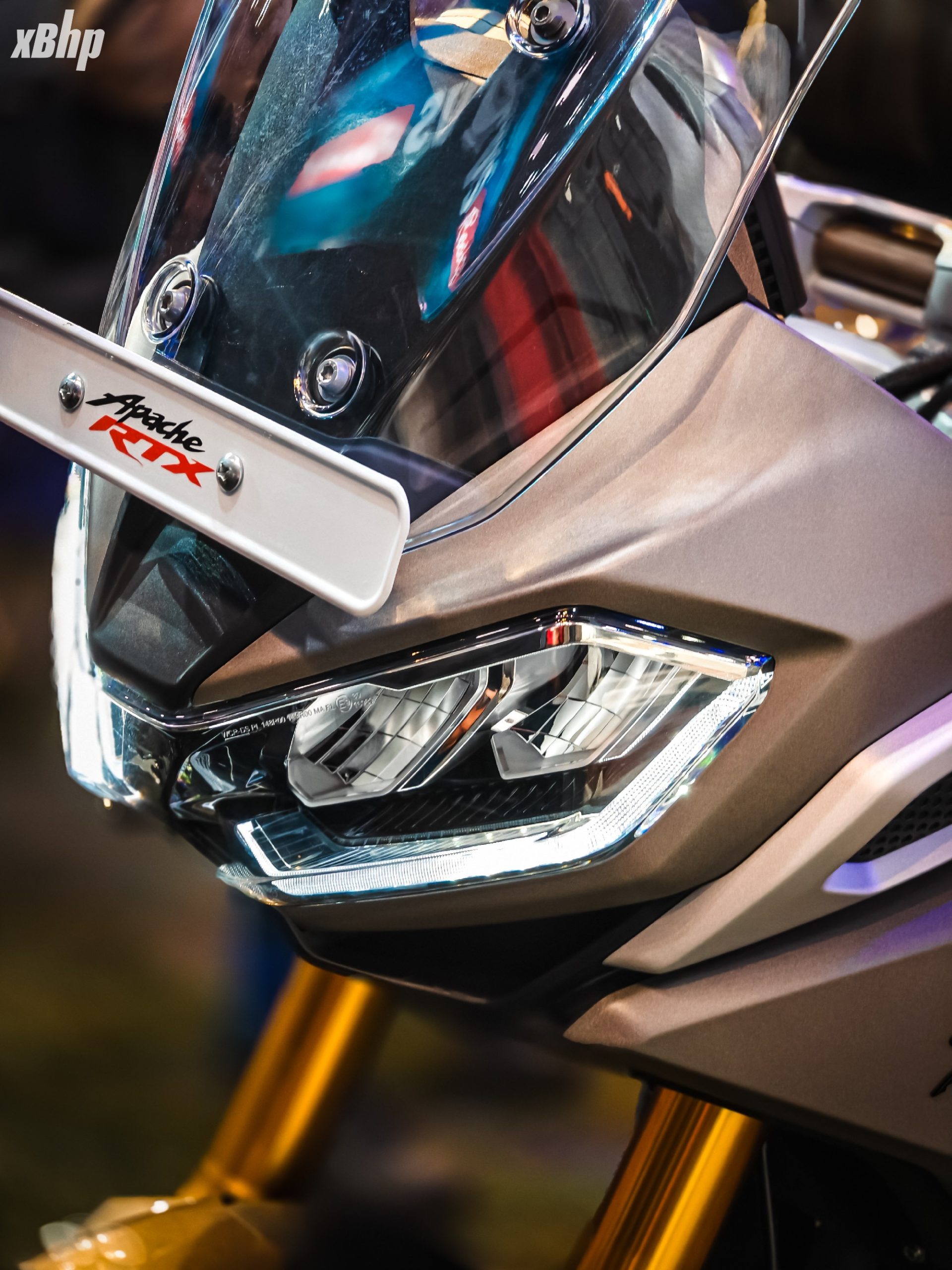
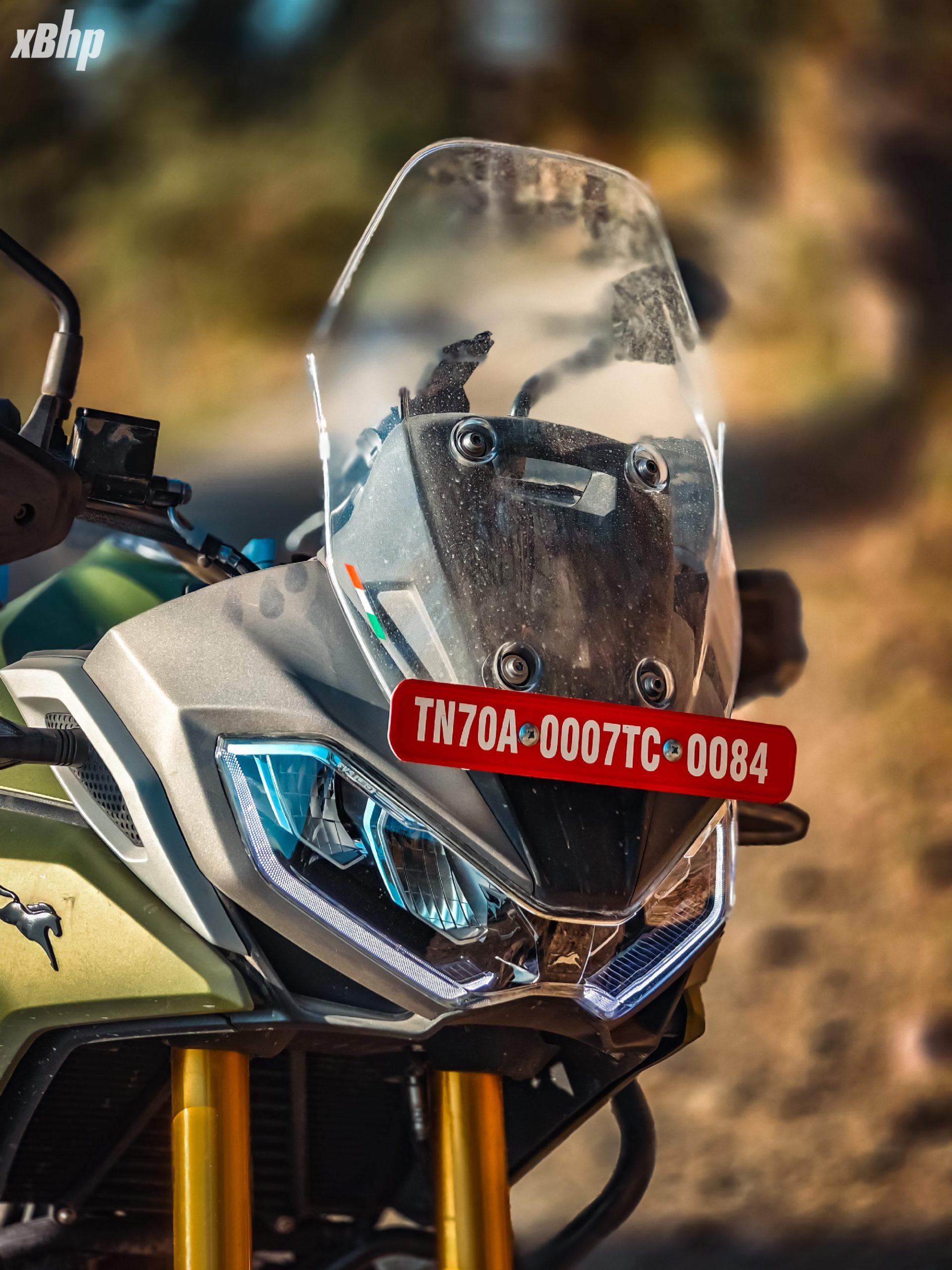
At first glance, the RTX 300 doesn’t try to be overly dramatic, and yet, it commands attention. The forward-leaning stance, the mono-volume silhouette where tank and headlamp merge into one sculpted flow, speaks more “purpose” than “posing”. The angular DRL blades with twin-chamber headlamps give it a gaze that feels alive, not violent, but determined.
There’s no boyish aggression here like the early Apaches. This one feels mature. Built for a rider who has seen miles, not just dreams.
I remember thinking, this isn’t an Apache that belongs on a boulevard. It belongs here, in the chill of thin air, waiting for a trail.
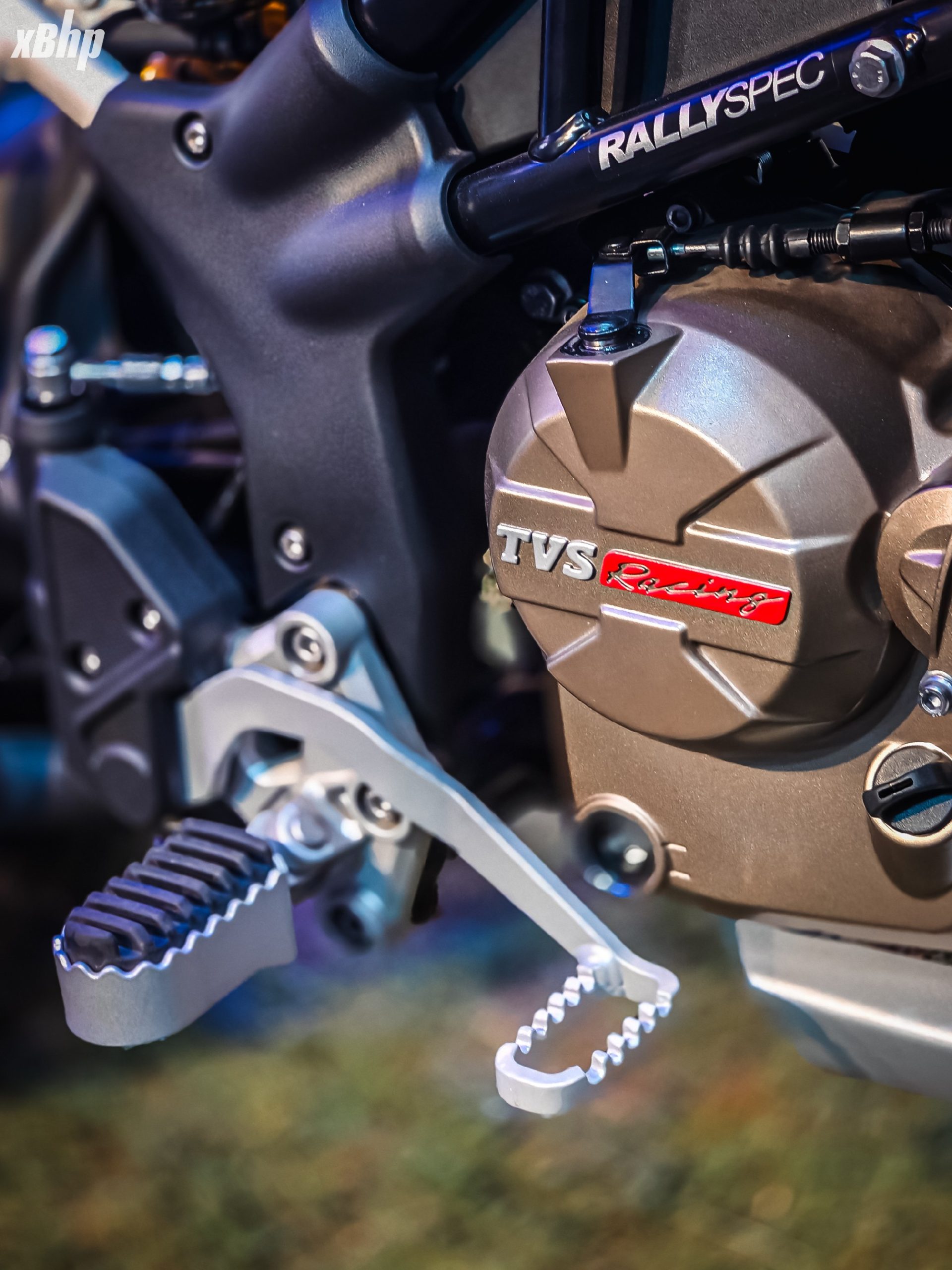
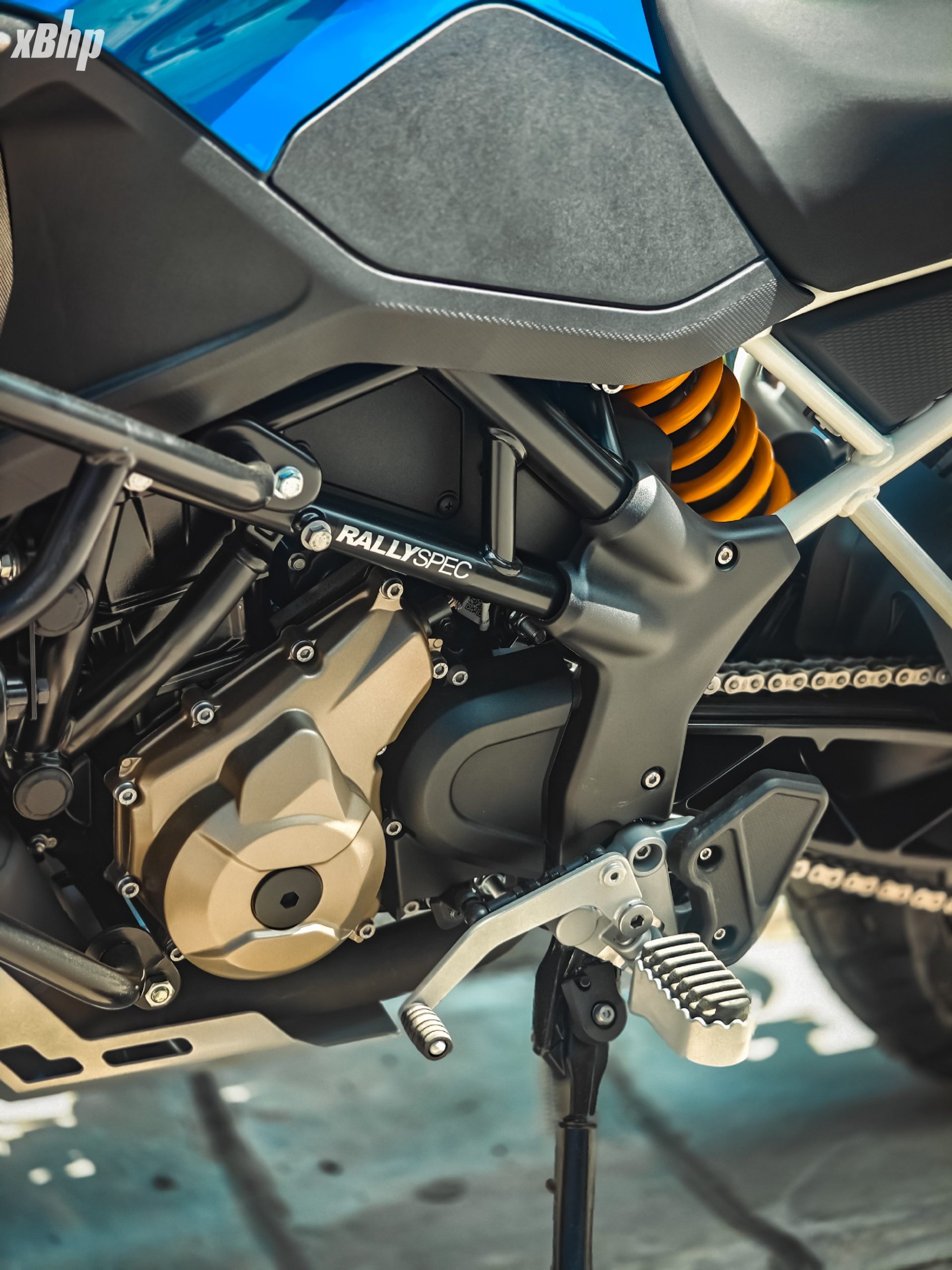
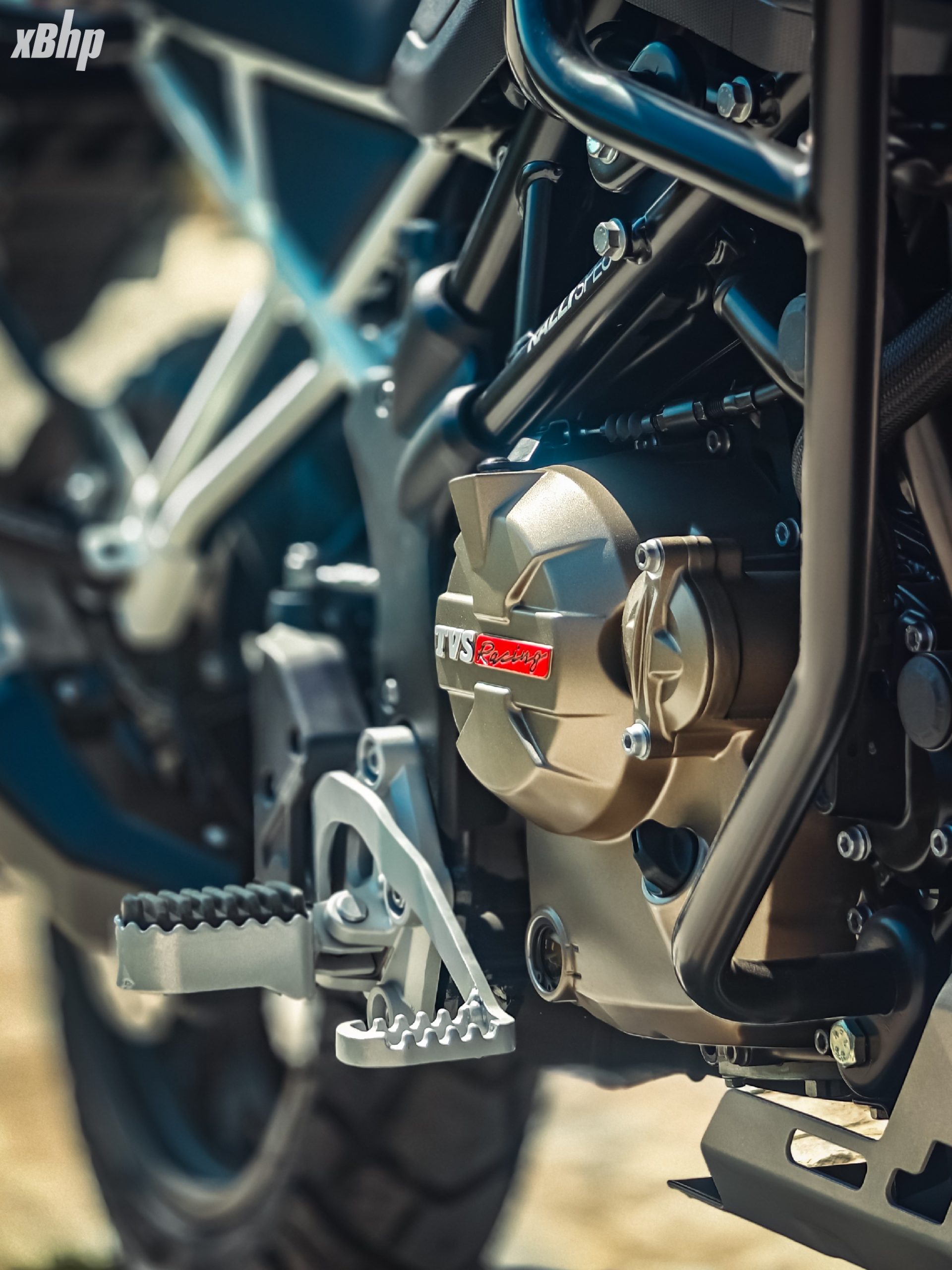
The 299.1cc engine, the first of the new RT-XD4 platform, makes 35.5 BHP at 9000 rpm and 28.5 Nm at 7000 rpm. But those are just numbers. What matters is how it speaks when you twist the throttle.
The fourth collaboration between xBhp and Axor brings to you the xBhp-Axor Bionic helmet. Based on the tried and tested Axor Apex platform, the helmet promises top-notch safety, comfort, and style that is augmented by the graphics symbolizing the connection between man and machine, the bond of flesh and metal that this helmet brings to life everytime you take your beloved machine out for a ride.
There’s a refined, measured surge as revs climb. Nothing jerky. Nothing unpredictable. The power delivery is linear, like someone guiding your hand onto the right pace gradually.
On flat stretches leaving Fagu, third gear held calmly at low revs. On a tighter climb, shift to second and the engine wakes up without panic. Past 4,000 rpm, the RTX begins to feel more alive, and above 6,500, there’s a sense of controlled eagerness.
This isn’t the low-end thump of a torquey single meant to grunt forward lazily. This is smoother. More composed. More road-trip than trail-slash, more evolution of Apache smoothness than rumble.
If you’re used to bottom-heavy torque machines like some of the competitors, you’ll find the RTX a bit less “lazy-relaxed” below 3,000 rpm. But if you love engines that wake up progressively and reward smooth throttle work, this motor feels right.
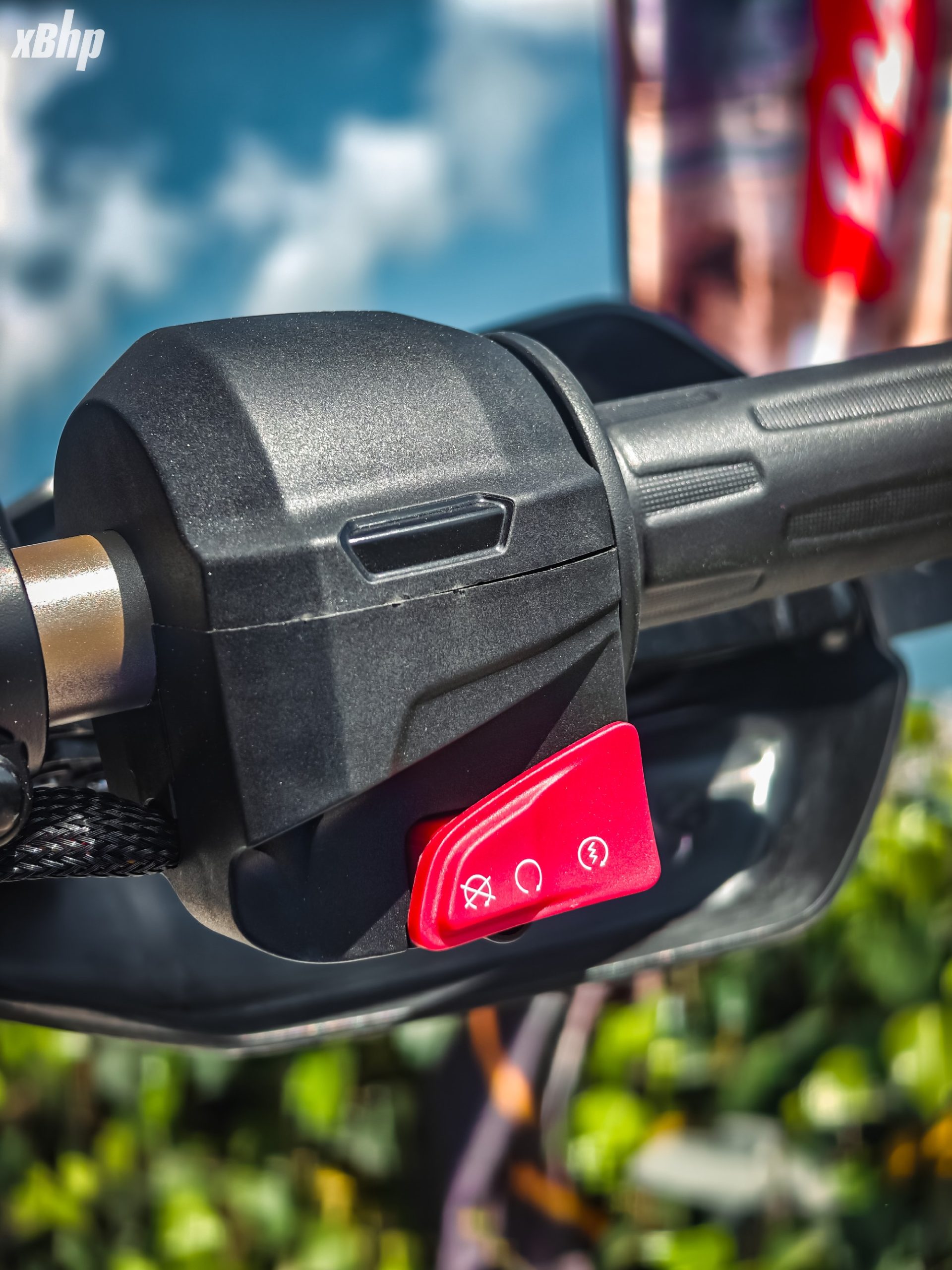
TVS didn’t just give it ride modes for show. Urban, Rain, Tour, and Rally all change the throttle sensitivity, traction control, and ABS calibration. In Tour mode, the bike felt the most natural for mountain riding, predictable and smooth.
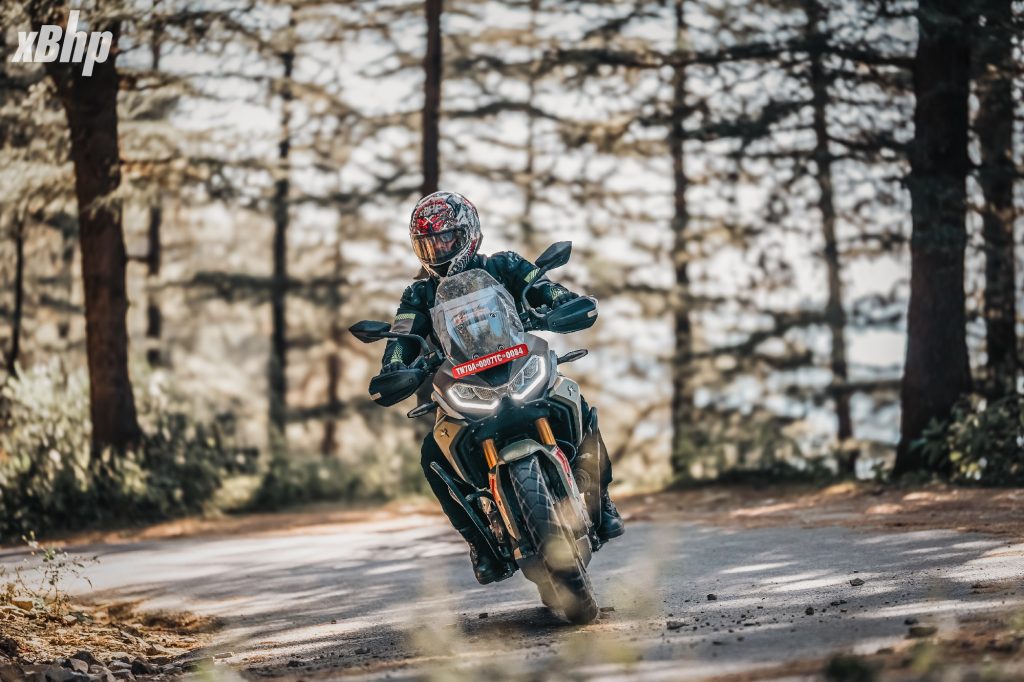
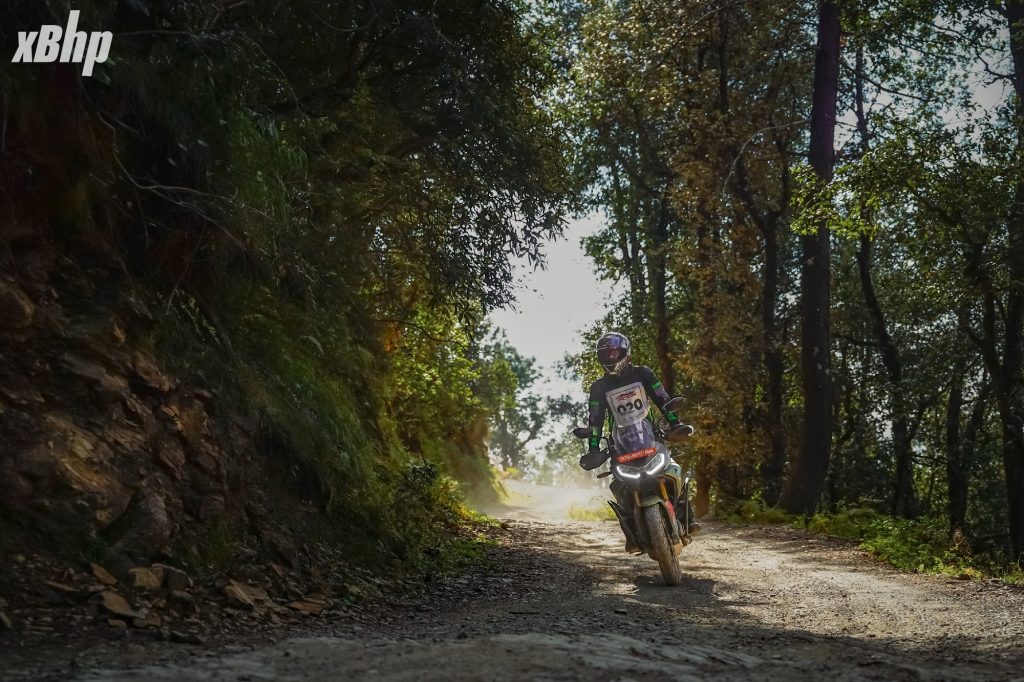
Switch to Rally mode on gravel patches, and the bike becomes easier to steer with weight shifts, letting the rear slide slightly yet safely.
The bi-directional quickshifter works well on open uphill stretches — not razor sharp like a supersport, but intuitive enough to add fluidity to the ride. Downshifts are especially satisfying while prepping for hairpins.
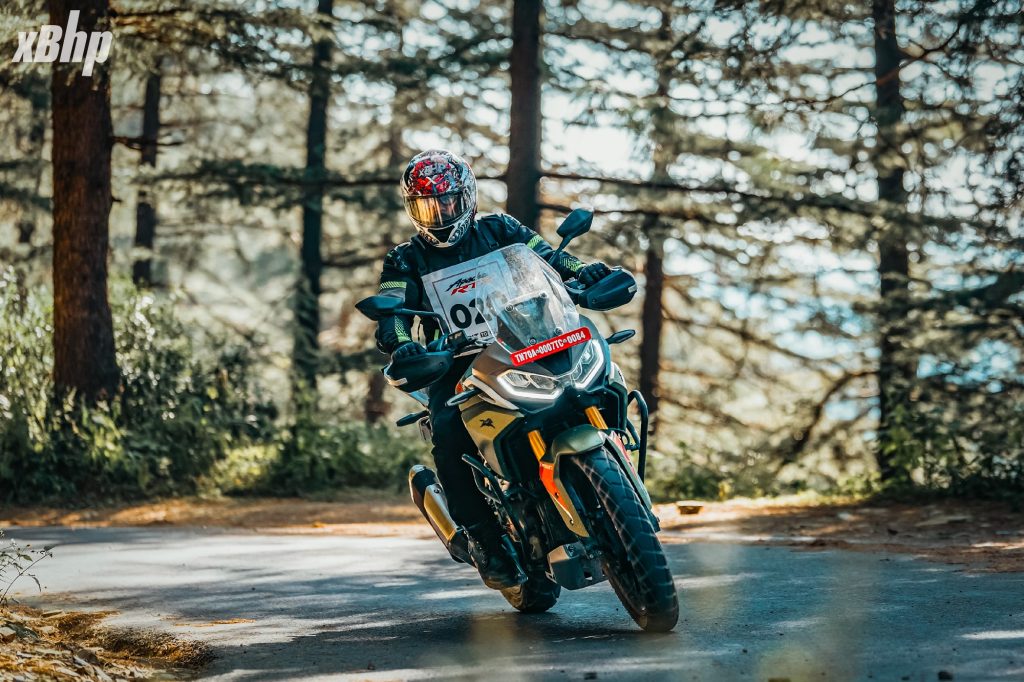
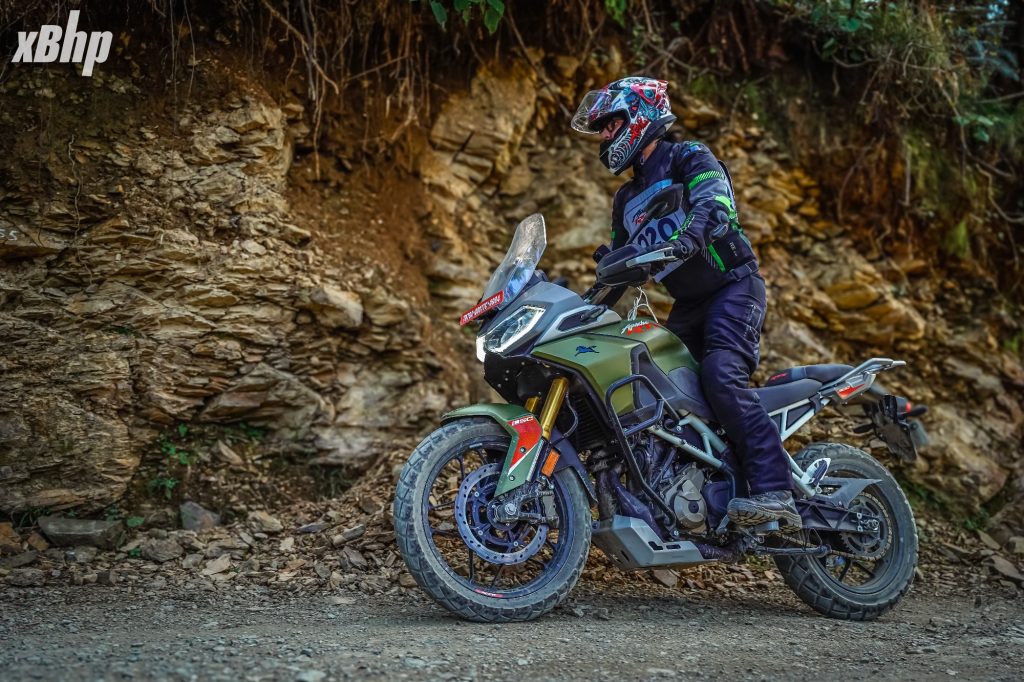
Riding in Fagu is a test of patience and precision, narrow twisties, occasional broken tarmac, misty patches that make grip uncertain, and surprise gravel corners that test suspension in real time.
This is where the RTX impressed me the most.
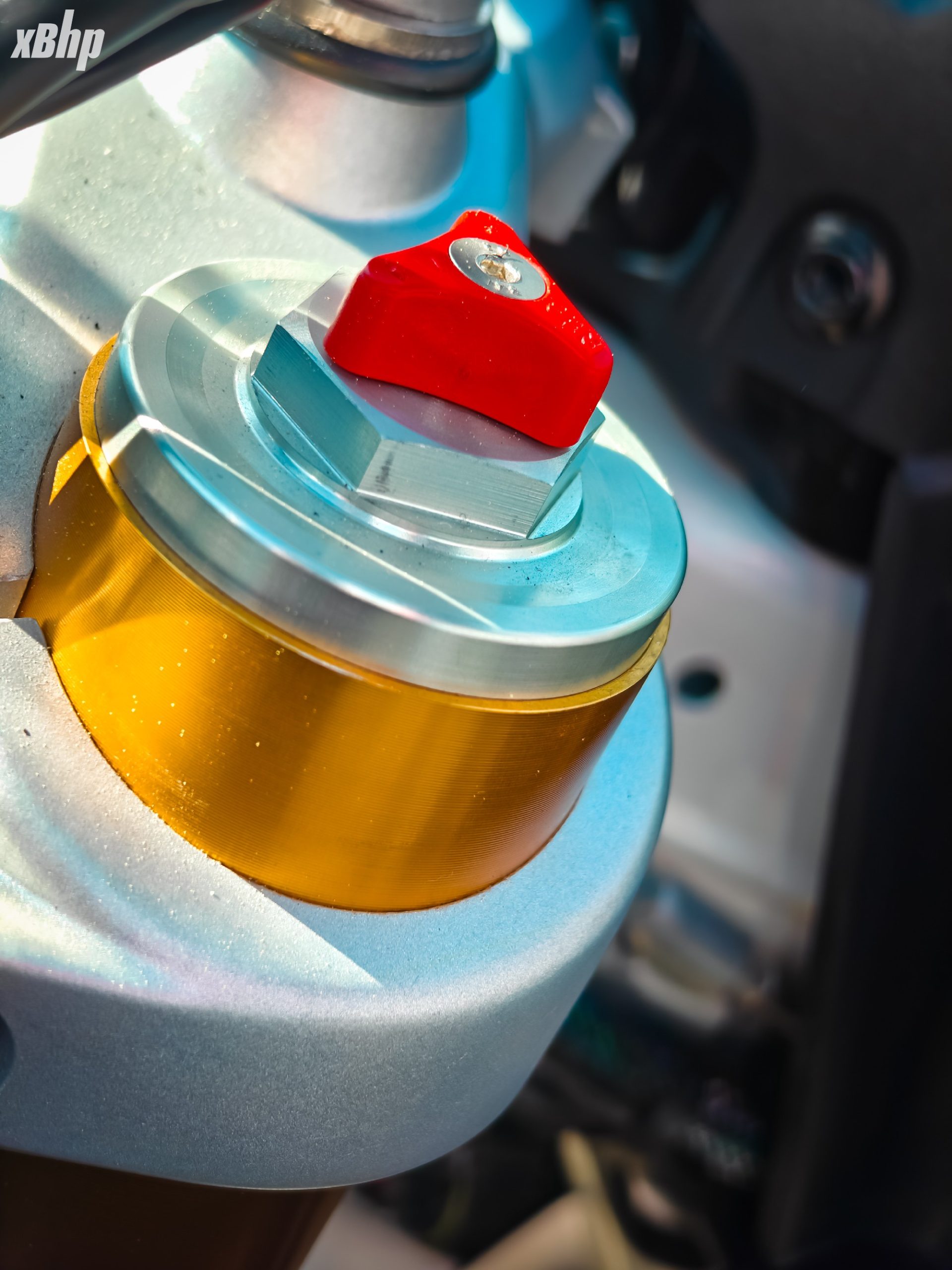
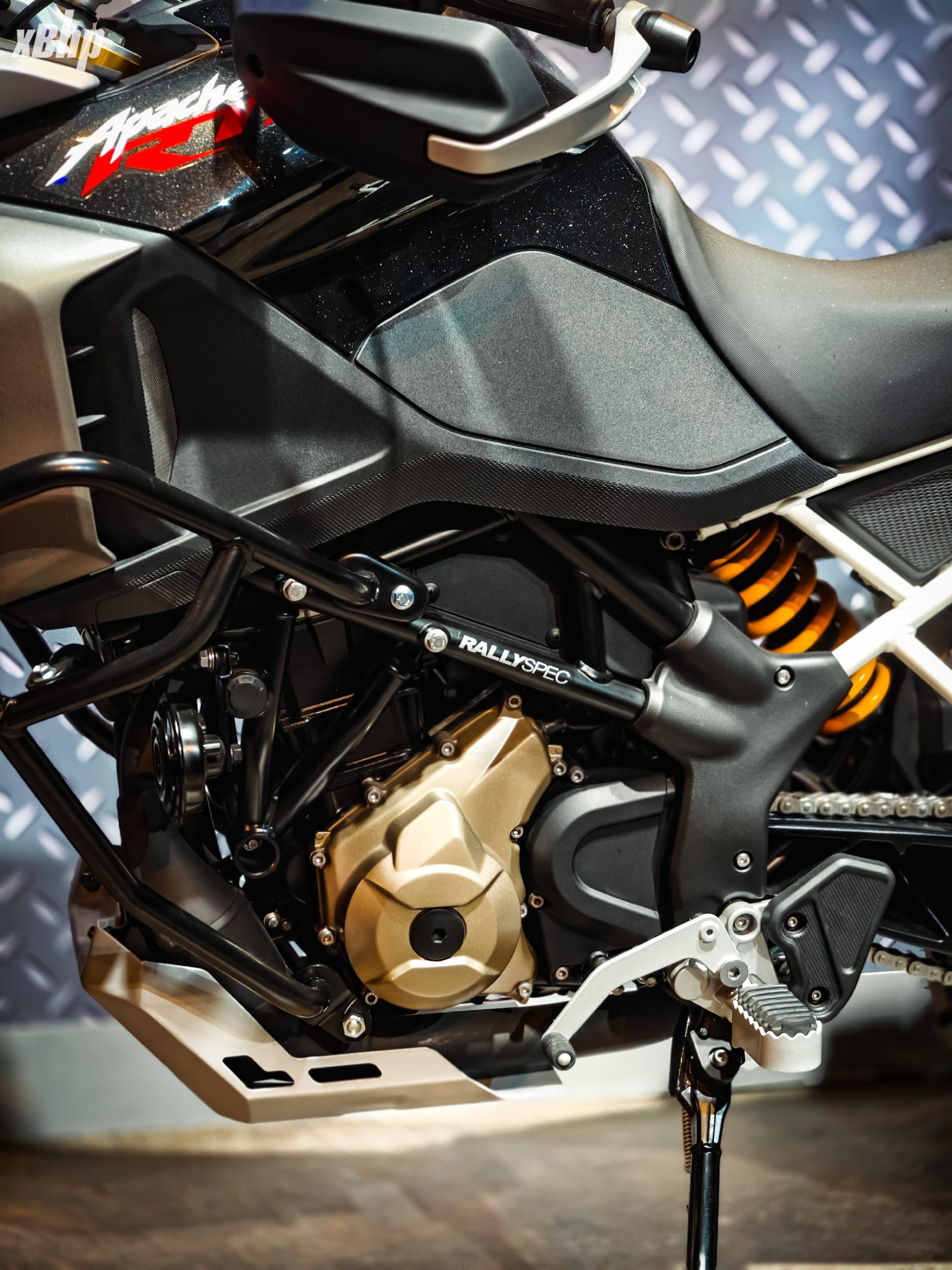
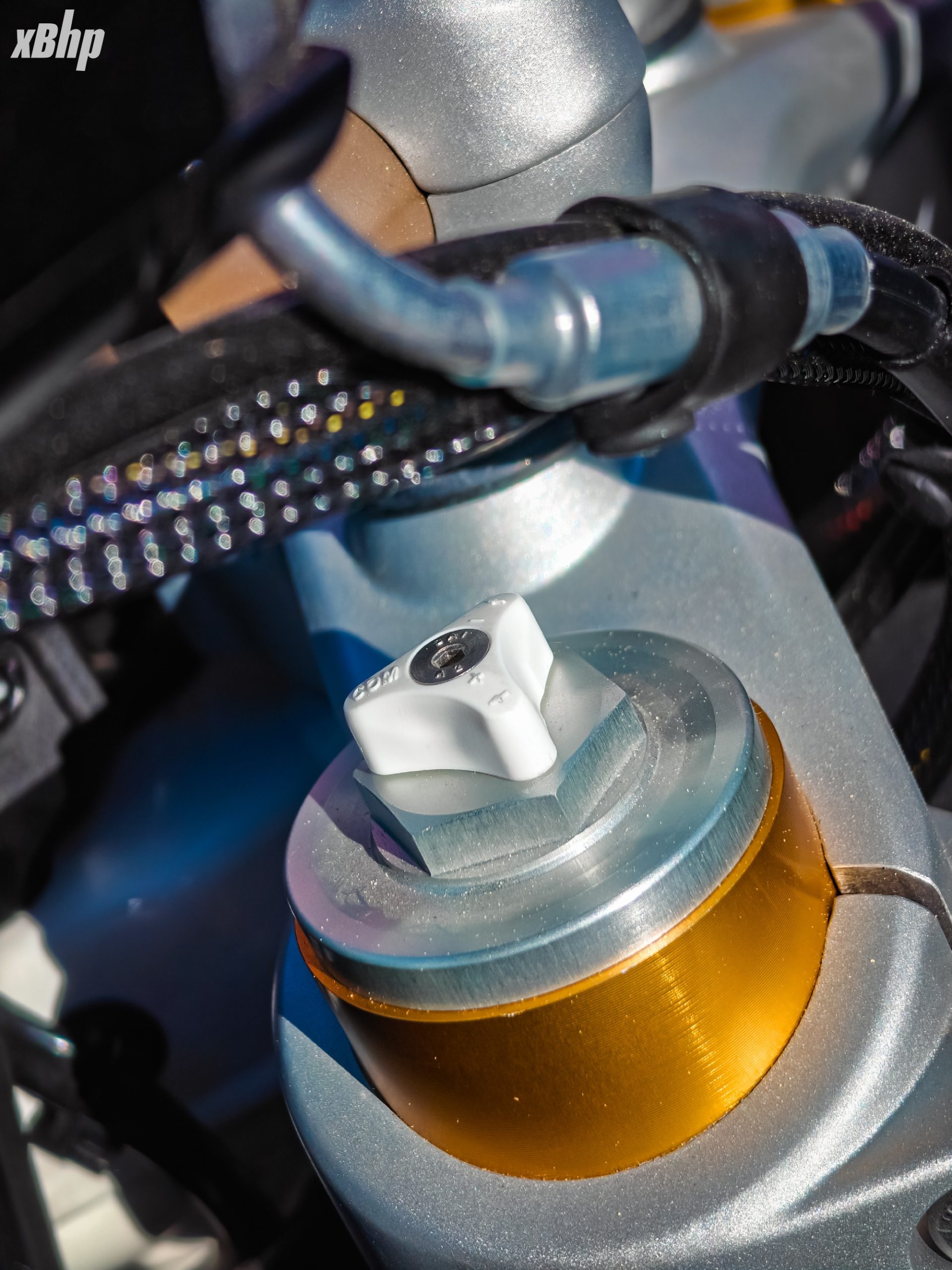
The steel trellis frame and WP suspension with 41mm USD cartridge forks up front and a floating piston monoshock at the rear, which makes the bike feel planted but not stiff. You feel the terrain, but not the tremors. There’s confidence even when line choice is imperfect. The chassis doesn’t panic; it guides.
After a few corners, I found myself trusting it, a priceless thing for an ADV in unknown terrain.
This wasn’t a street bike trying to be tall.
It was a motorcycle that understood bad roads without getting scared.
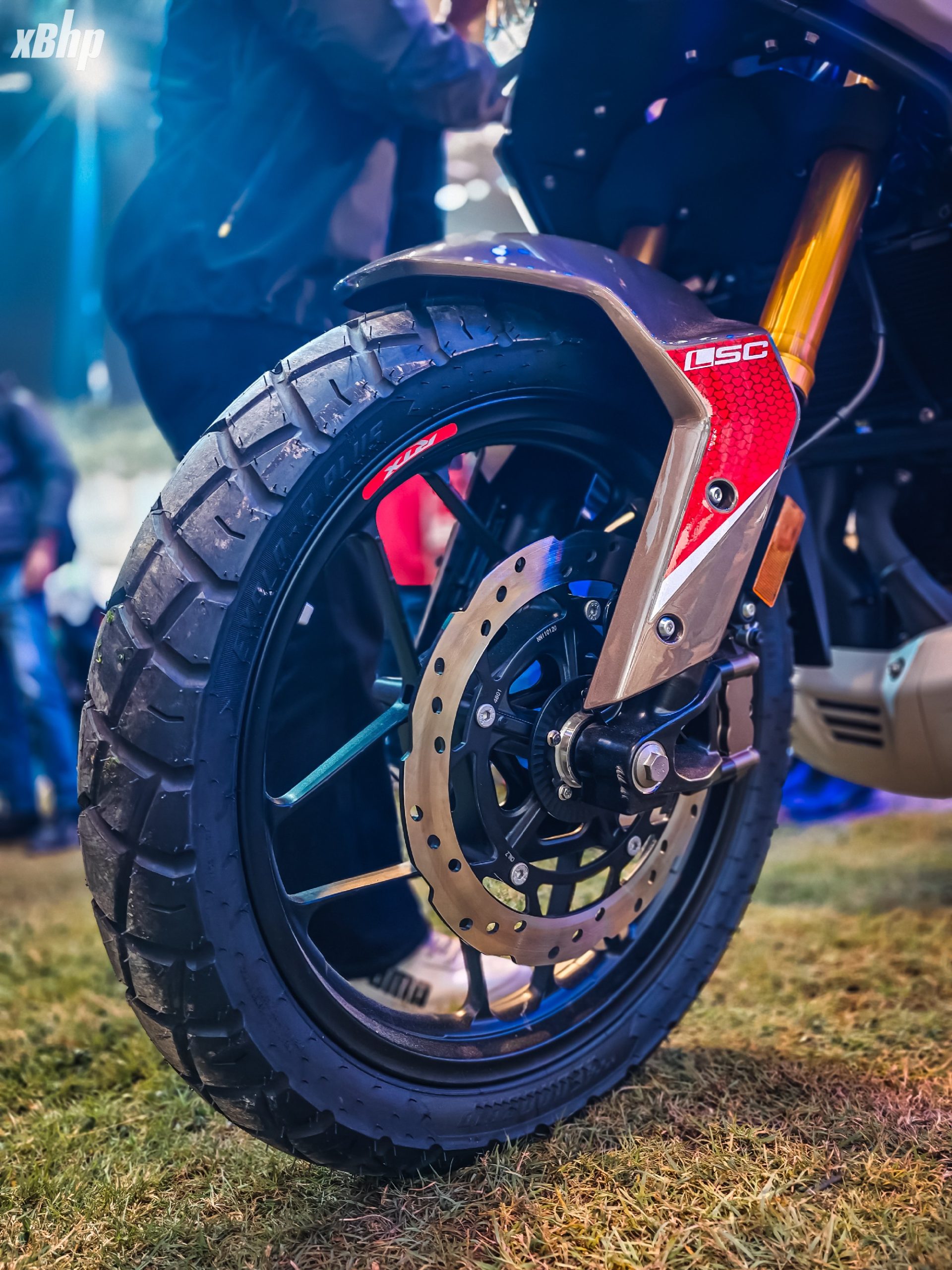
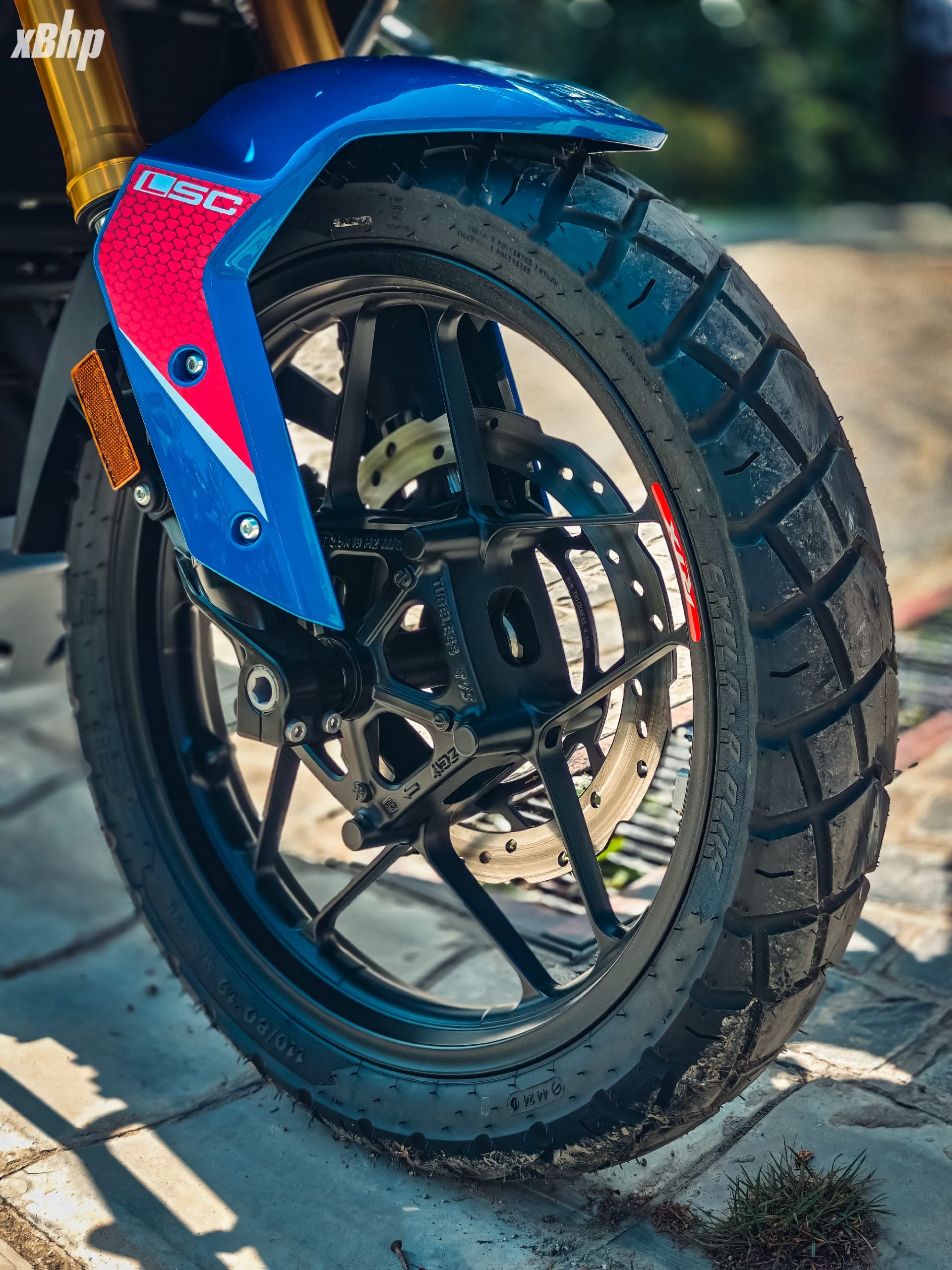
A 320mm front disc with radial calliper, combined with terrain-adaptive ABS, gives you stopping confidence without locking panic into your fingers. Braking on wet descending patches didn’t trigger fear; the bike retained its line without sudden skids or front-end dive drama.
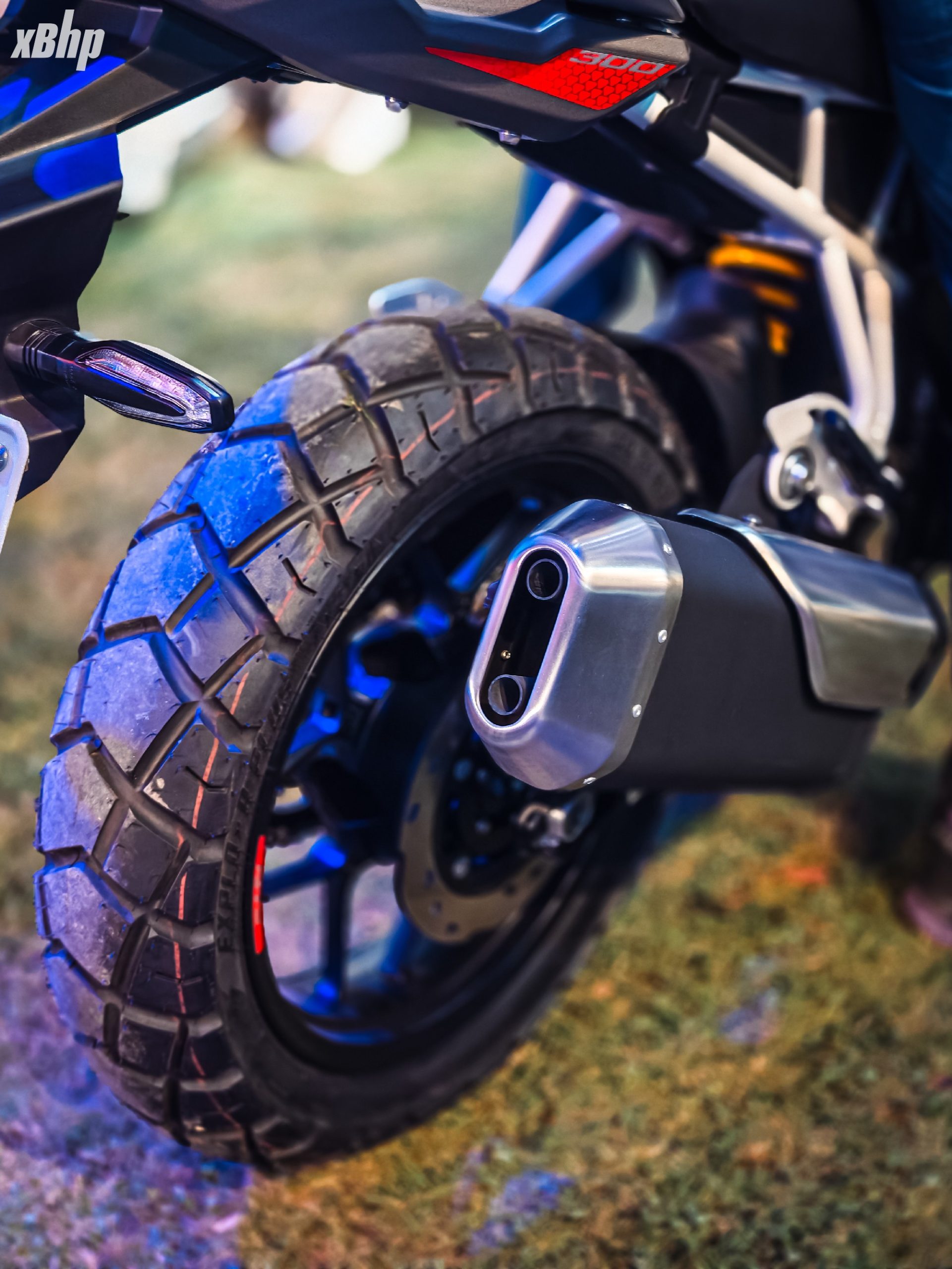
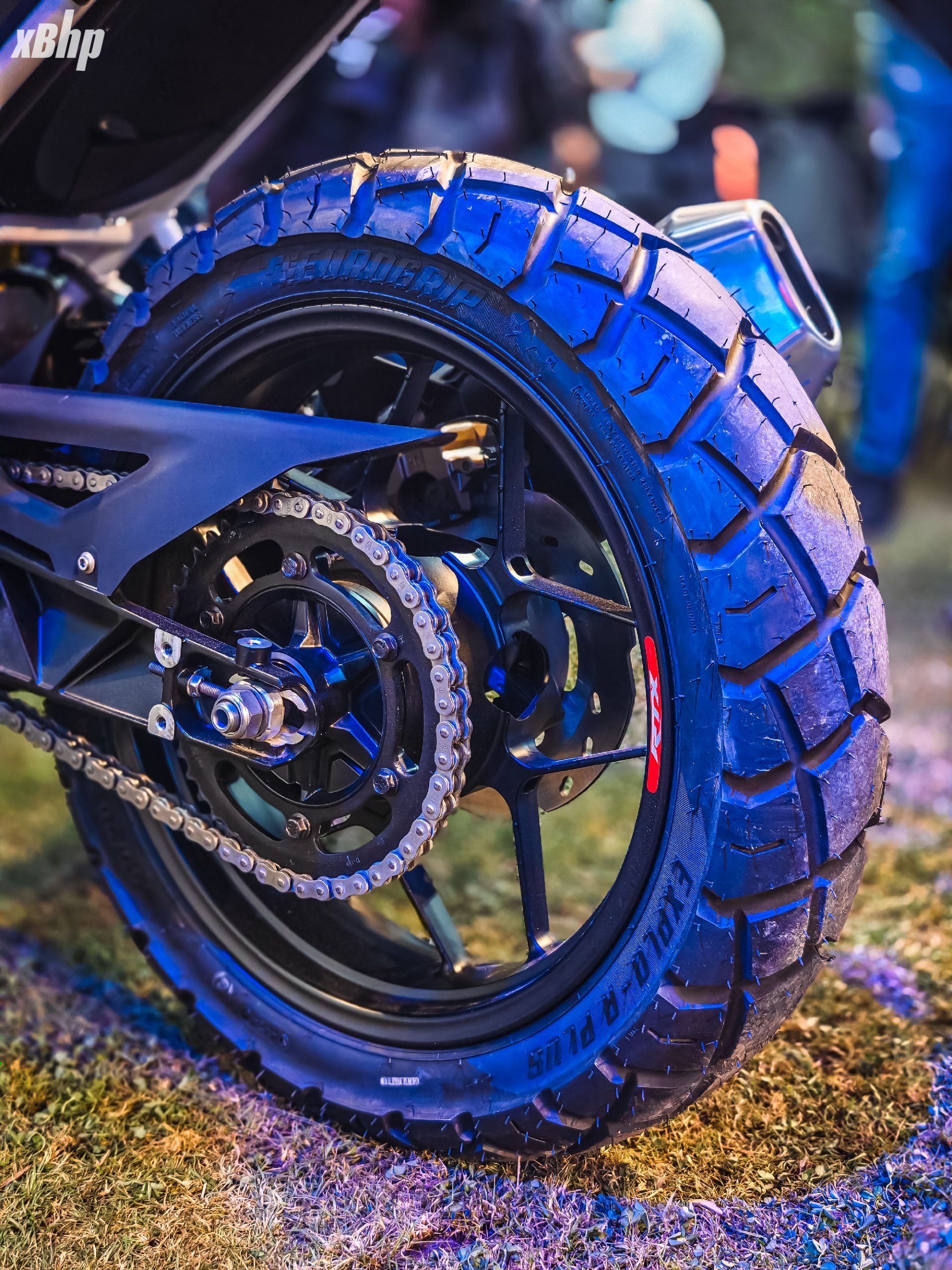
Tyres offered solid grip, not motocross-aggressive, but balanced for road-dominant ADV riding with weekend off-road intent. Push it in corners, and it won’t betray you unless you try to race physics.
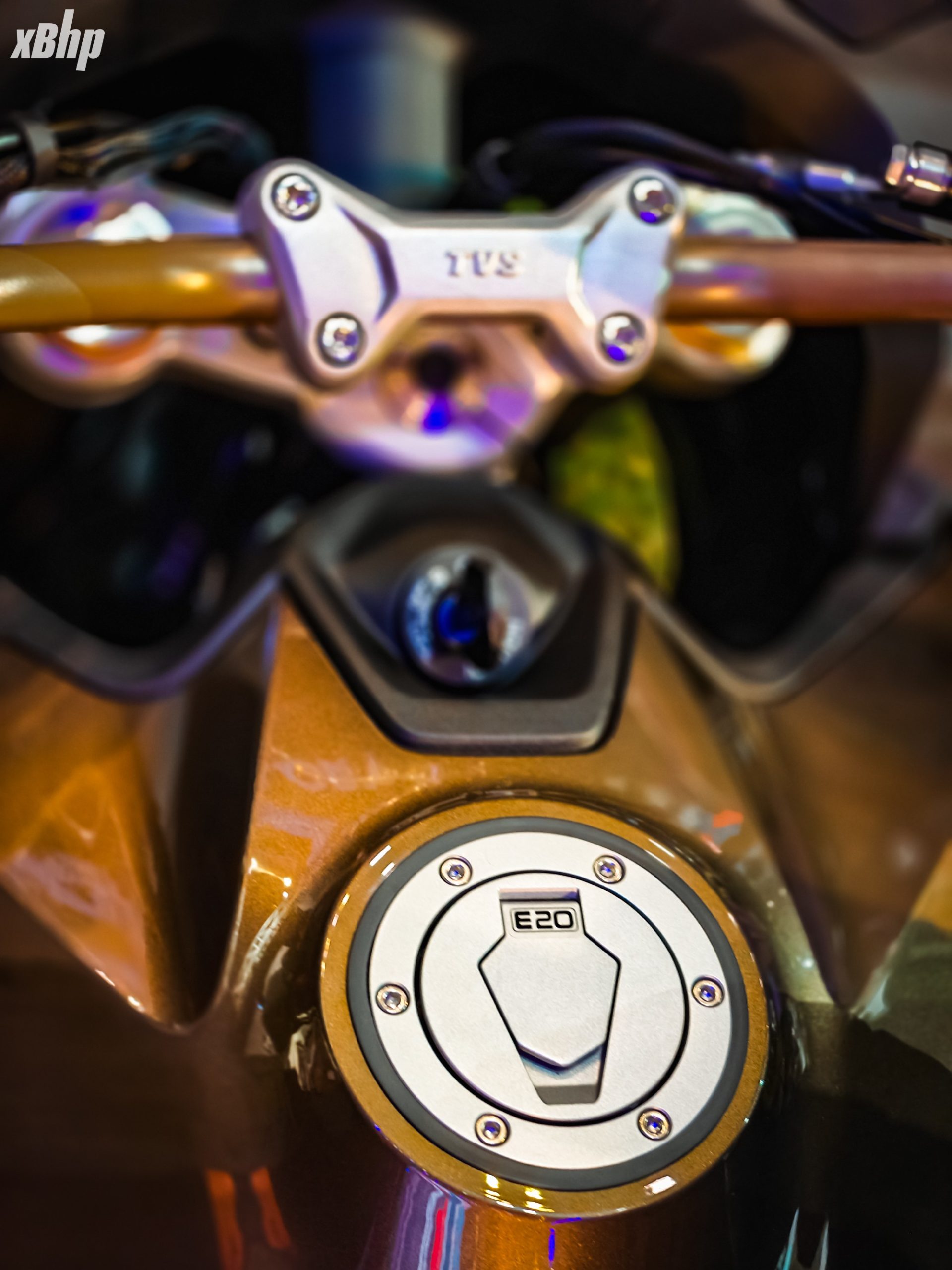
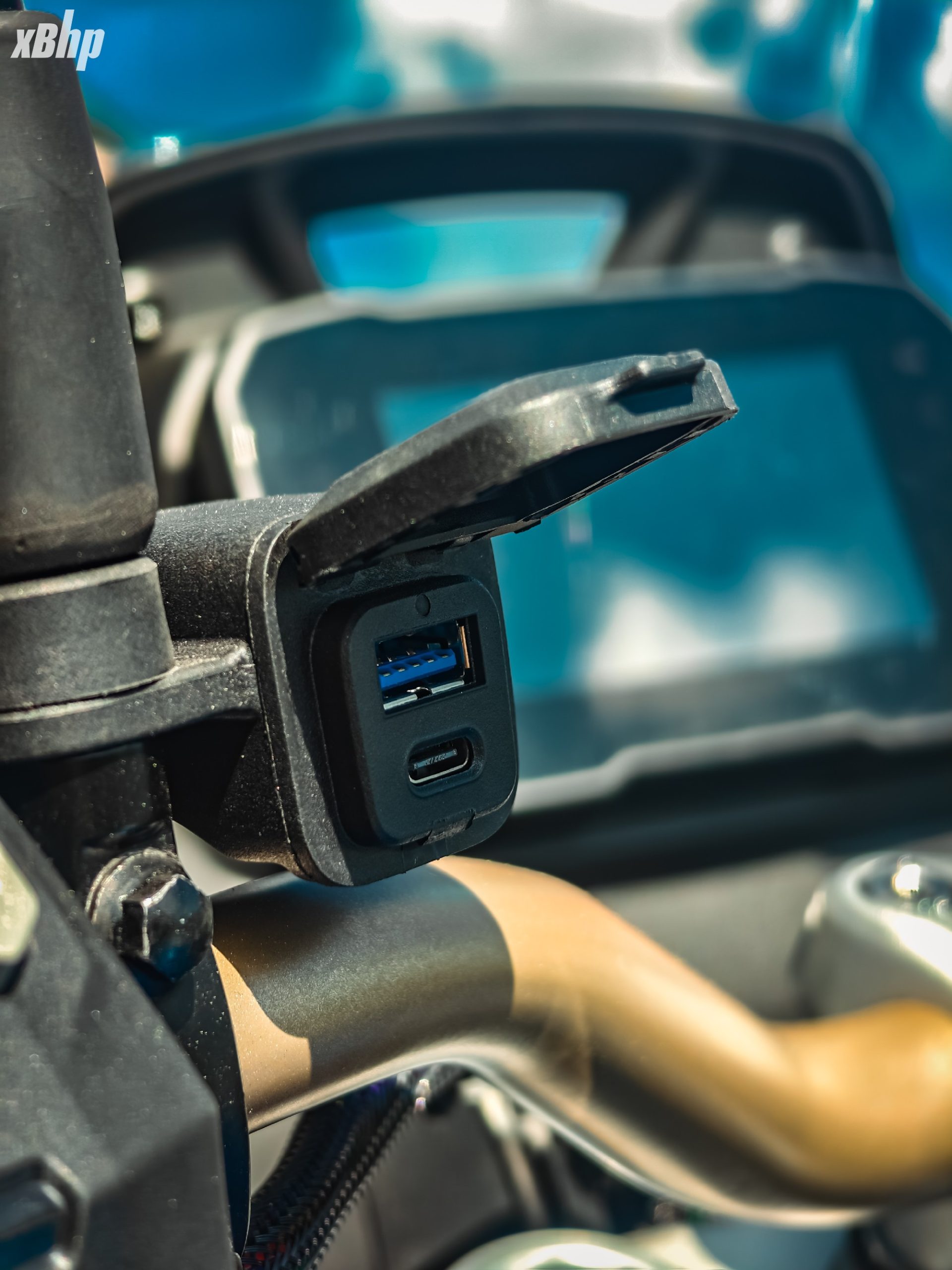
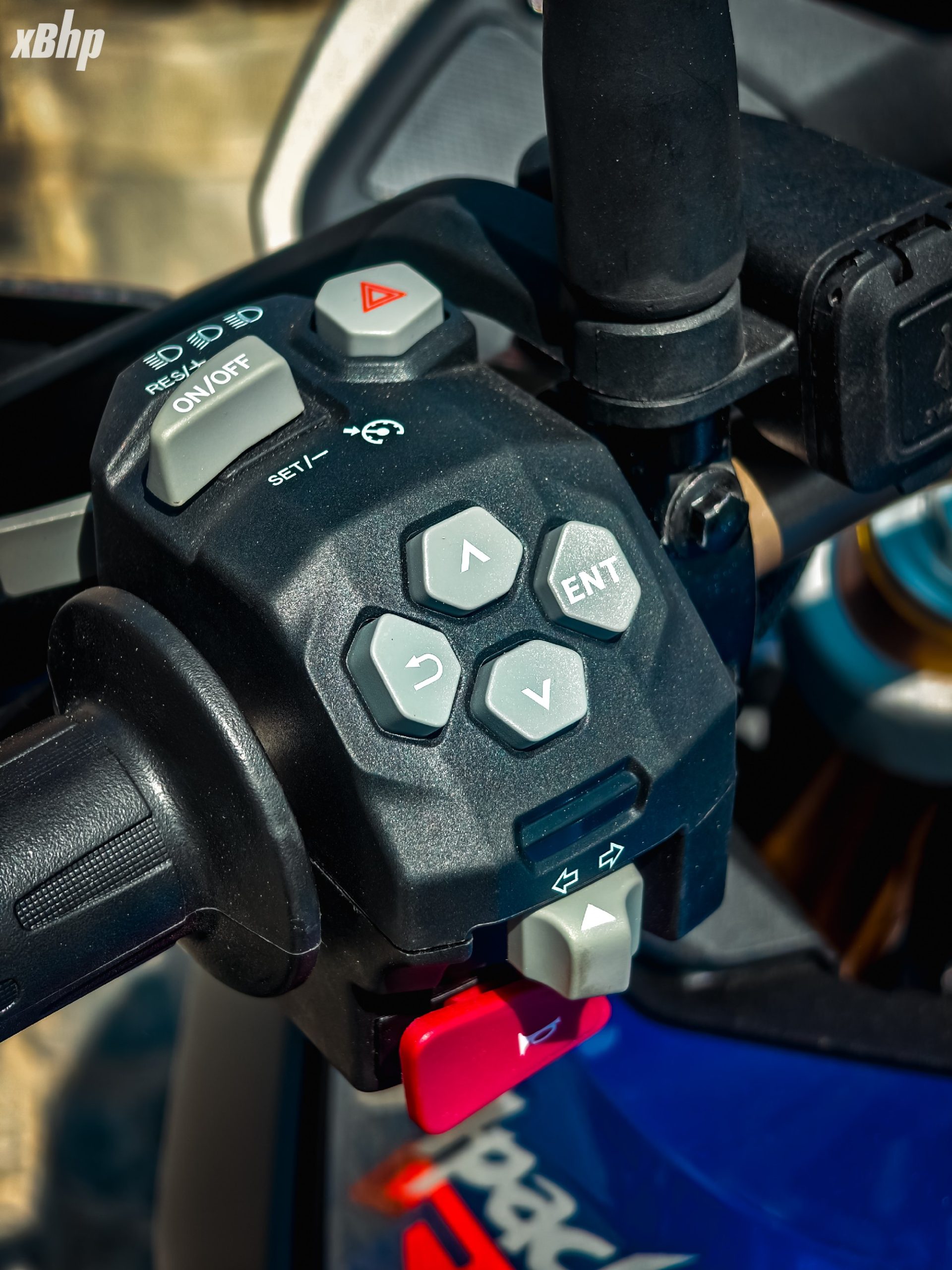
The 5-inch TFT screen feels crisp, readable, and functional — especially with map mirroring, which genuinely helps when riding in unfamiliar hill terrain. Cruise control was smooth and actually usable on open stretches. TPMS is a blessing for long-distance safety. Ride-by-wire makes throttle inputs refined.
None of this feels like tech dumped for brochure appeal. It feels like someone tested it for real roads first.
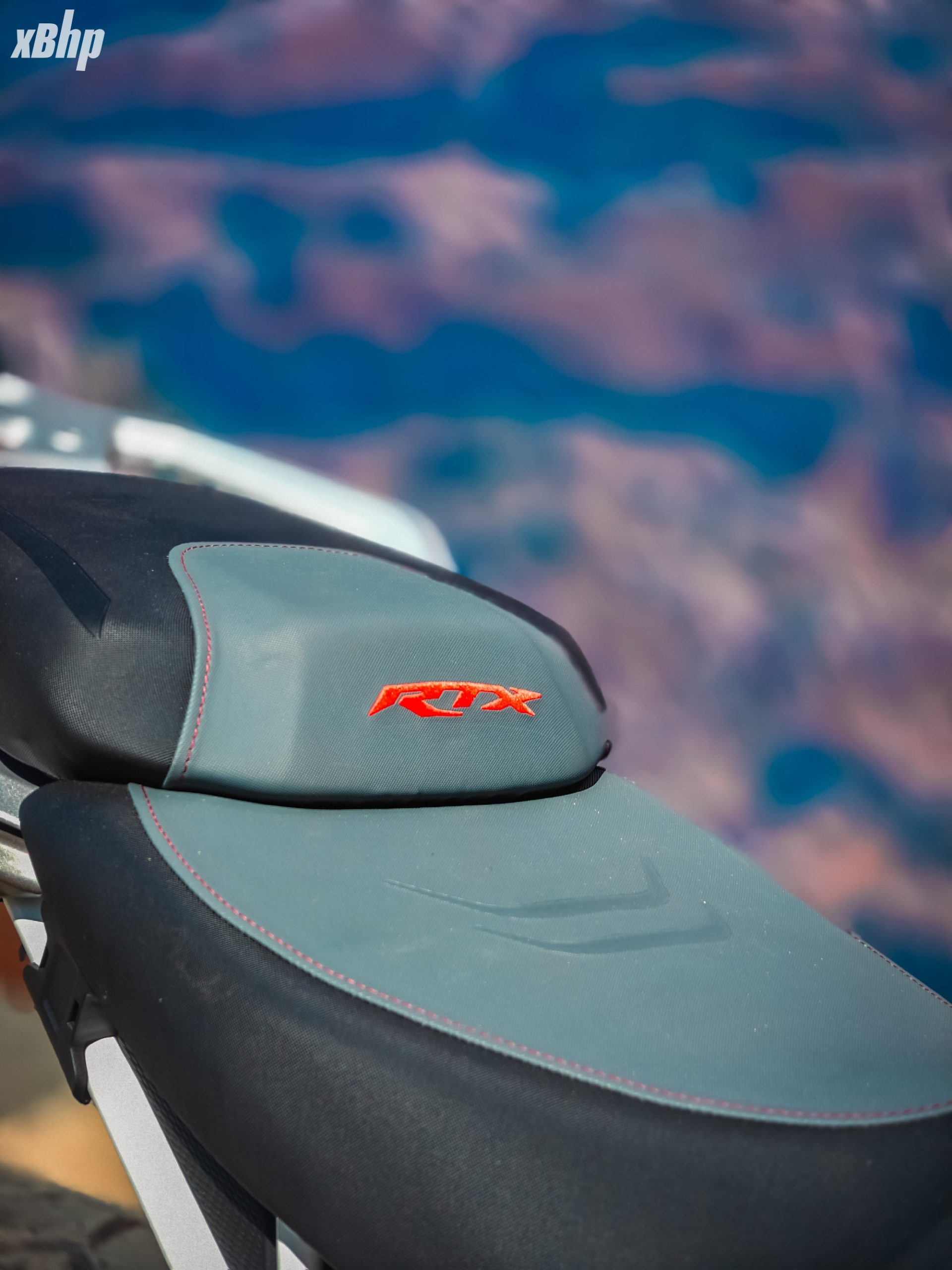
The seating triangle is upright, natural, and fatigue-resistant. Standing up on the pegs felt comfortable without awkward reach. The transition between seated road riding and standing trail posture was smoother than I expected.
Seat comfort is decent for medium rides like our Fagu loop; longer hauls may warrant personal customisation based on rider size. And yes, a slightly plusher touring seat wouldn’t hurt as an accessory option.
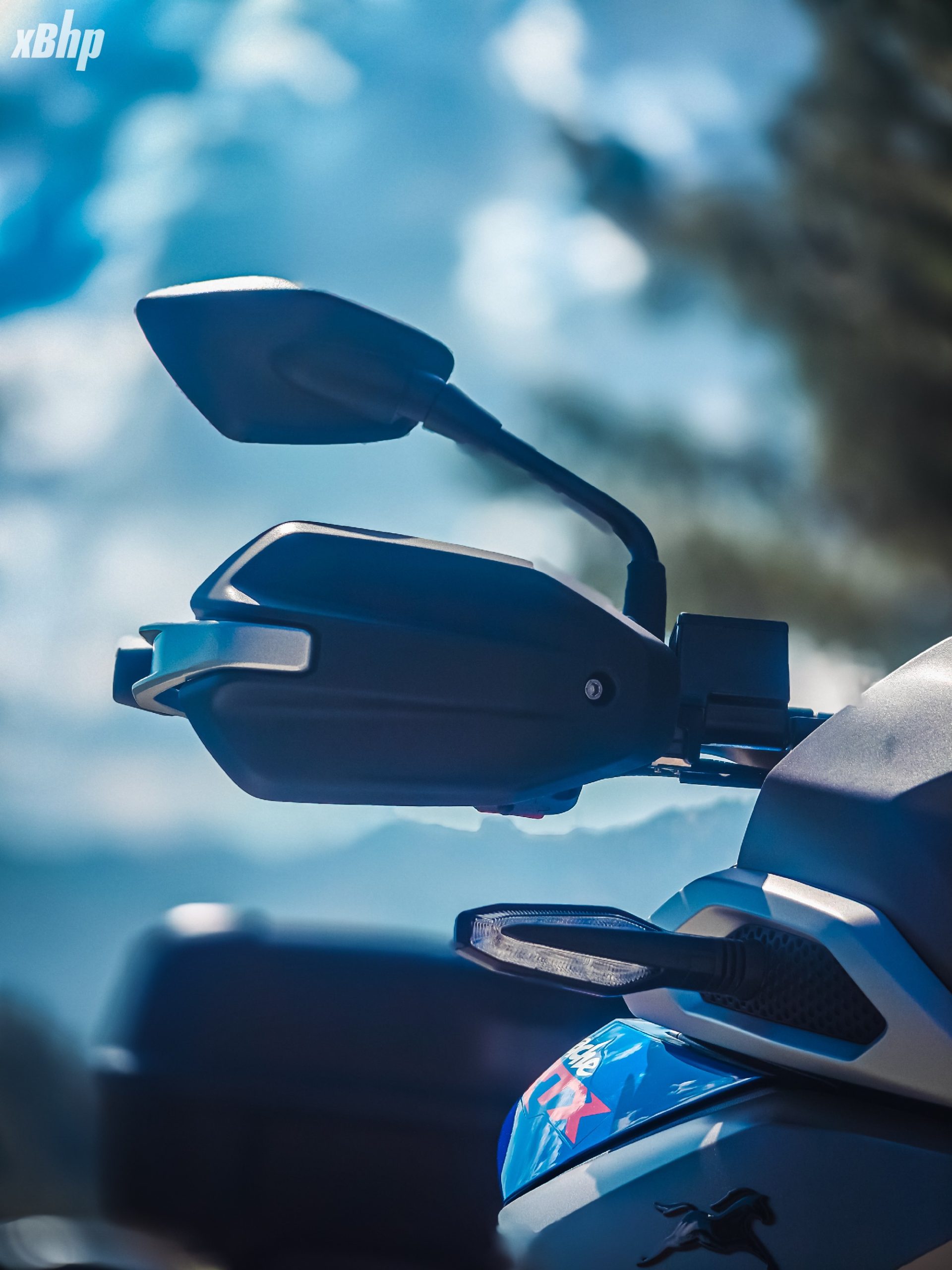
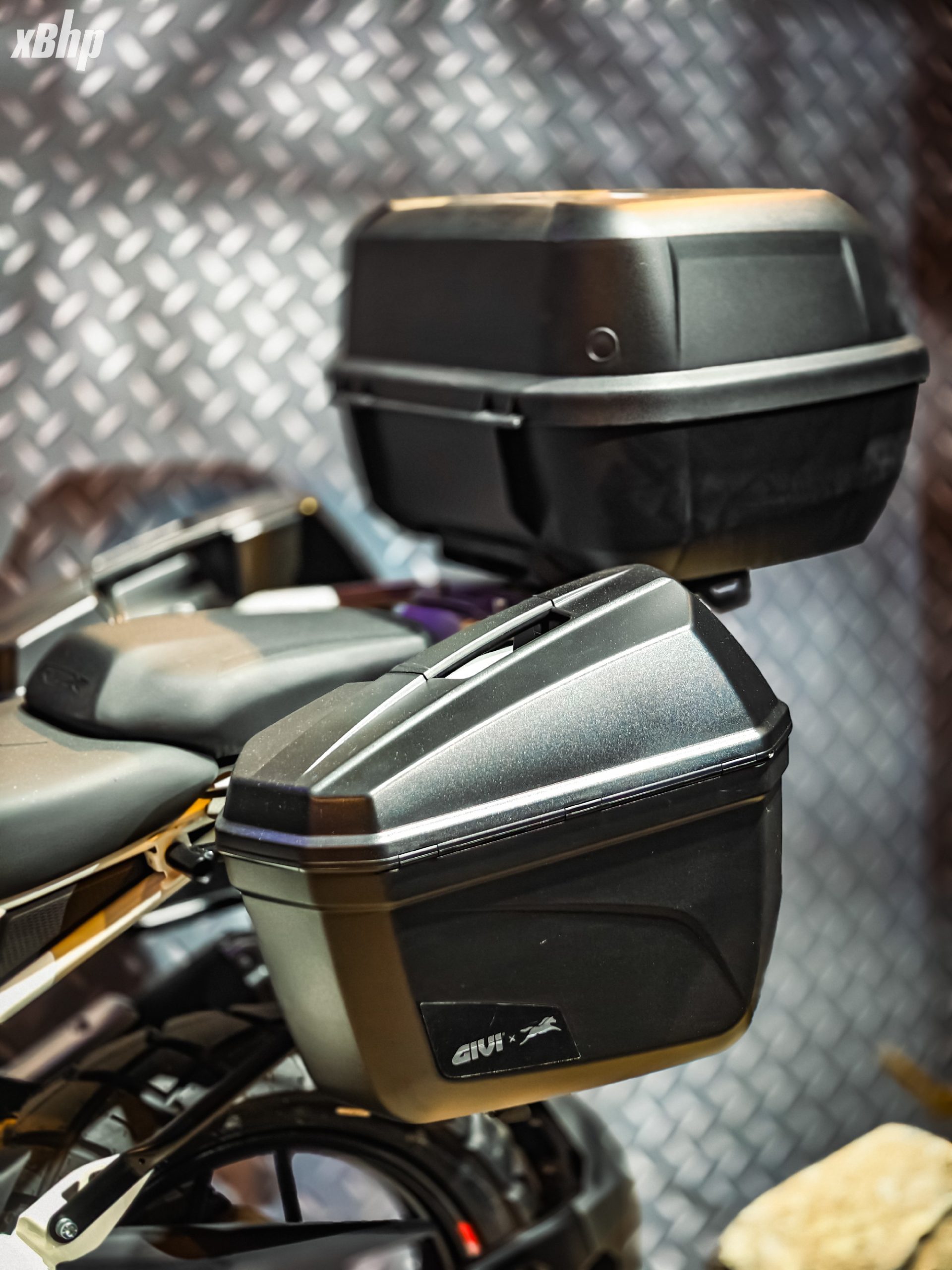
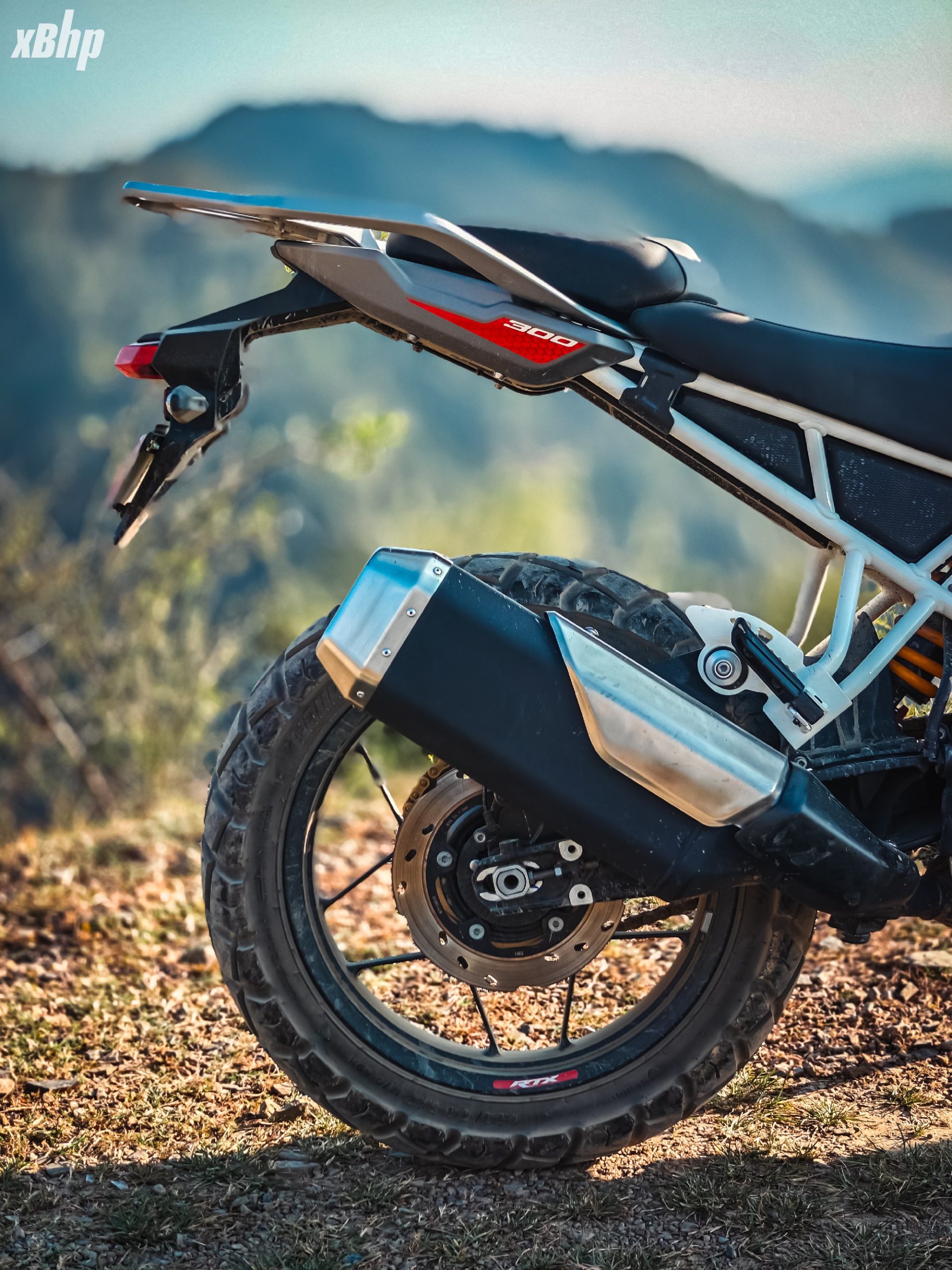
What I loved: the RTX feels like it wants to be packed and taken places. The built-in mounts for panniers, top box, and guards show that touring was not a later thought.
This isn’t a commuter pretending to be an explorer. It’s a traveller that has already packed its bags.
Points at which we felt the bike shone…
Refined, linear engine that feels composed and capable Excellent suspension balance for mixed riding terrains Confident chassis that encourages exploration Real-world usable tech (TFT with map mirroring, cruise control, TPMS) Smooth gearbox with functional quickshifter Touring-ready with mounting provisions Feels like an Apache that matured for the mountains
Areas That Could Be Better…
Slight fuelling hesitation below 3,000 rpm in higher gears during ultra-slow crawls The stock seat may feel slightly firm on very long rides for some riders Riders wanting instant low-end grunt may find the delivery more progressive than punchy
Does it Still Feel Like an Apache?
If someone asks if it feels like an Apache, the answer is Yes. But it’s an Apache that evolved.
Gone is the youthful impatience of the Apache 160. Gone is the razor-sharp aggression of the 180 ABS. This feels closer to the mature confidence of the RR 310, but reimagined for open horizons instead of apexes.
It rides like an Apache that grew up with me. One that’s no longer trying to prove speed, but aiming to go further.
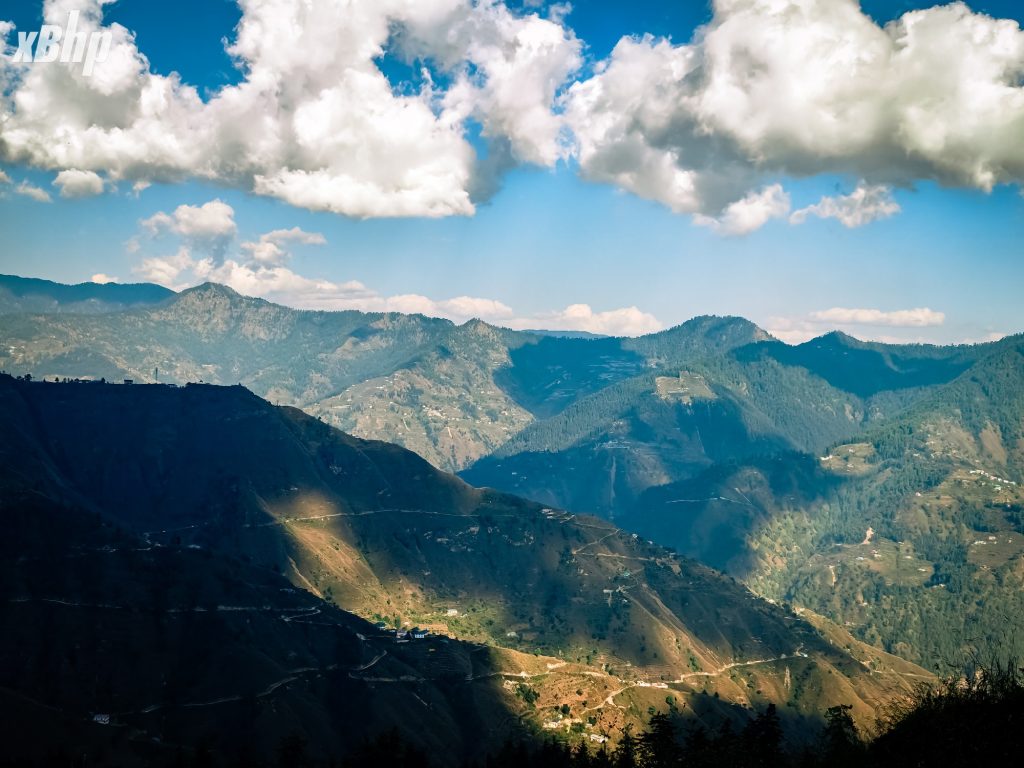
Overall, as we stood overlooking the valleys after the last stretch of the ride, I couldn’t help but think, this bike could be a first ADV for TVS and maybe for many. But for someone who has been through every Apache, it felt like meeting an old friend who now wears hiking boots instead of racing sneakers.
If your riding heart is beginning to look beyond short rides… if curves mean more to you now than speedometers… if you want a machine that feels like a trustworthy travel companion rather than an impatient performer… then yes, the Apache RTX 300 is worth riding before judging any spec sheet.
Because some bikes aren’t built just to be faster. They’re built to take you somewhere new and still feel like home.