Since '02 xBhp is different things to different people. From a close knit national community of
bikers to India's only motorcycling lifestyle magazine and a place to make like-minded biker
friends. Join us
xBhp was born more than 16 years ago and since then we've had a chance to ride or drive hundreds of machines
running on two wheels or four wheels, and sometimes even three wheels. We are not done yet, and this list is
still growing. In these pages, we take a deep dive in the treasure trove of our ride experiences and bring
you all that we have ridden or driven.
Machines Done 422
|
Total Cubic Capacity 177221
|
BHP 54552
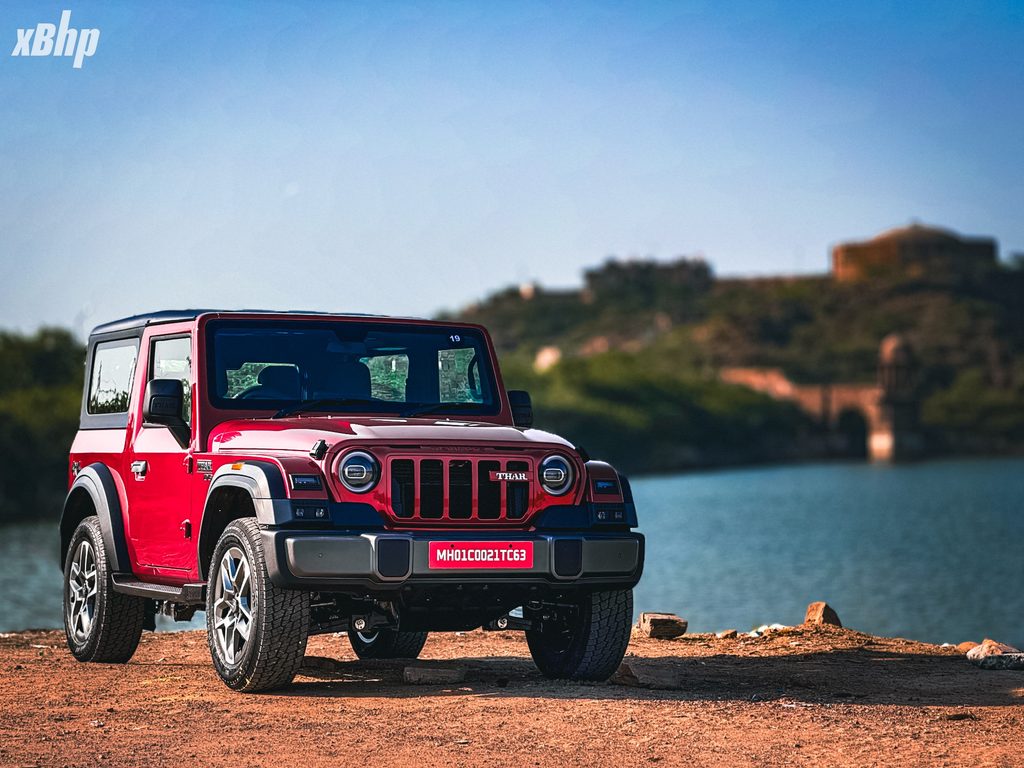
Mahindra Thar OG Review | Grown-up but the same spirit
2.2L mHAWKCC150BHP330NM
Sep 2026
xBhp
Brands,Cars,Mahindra
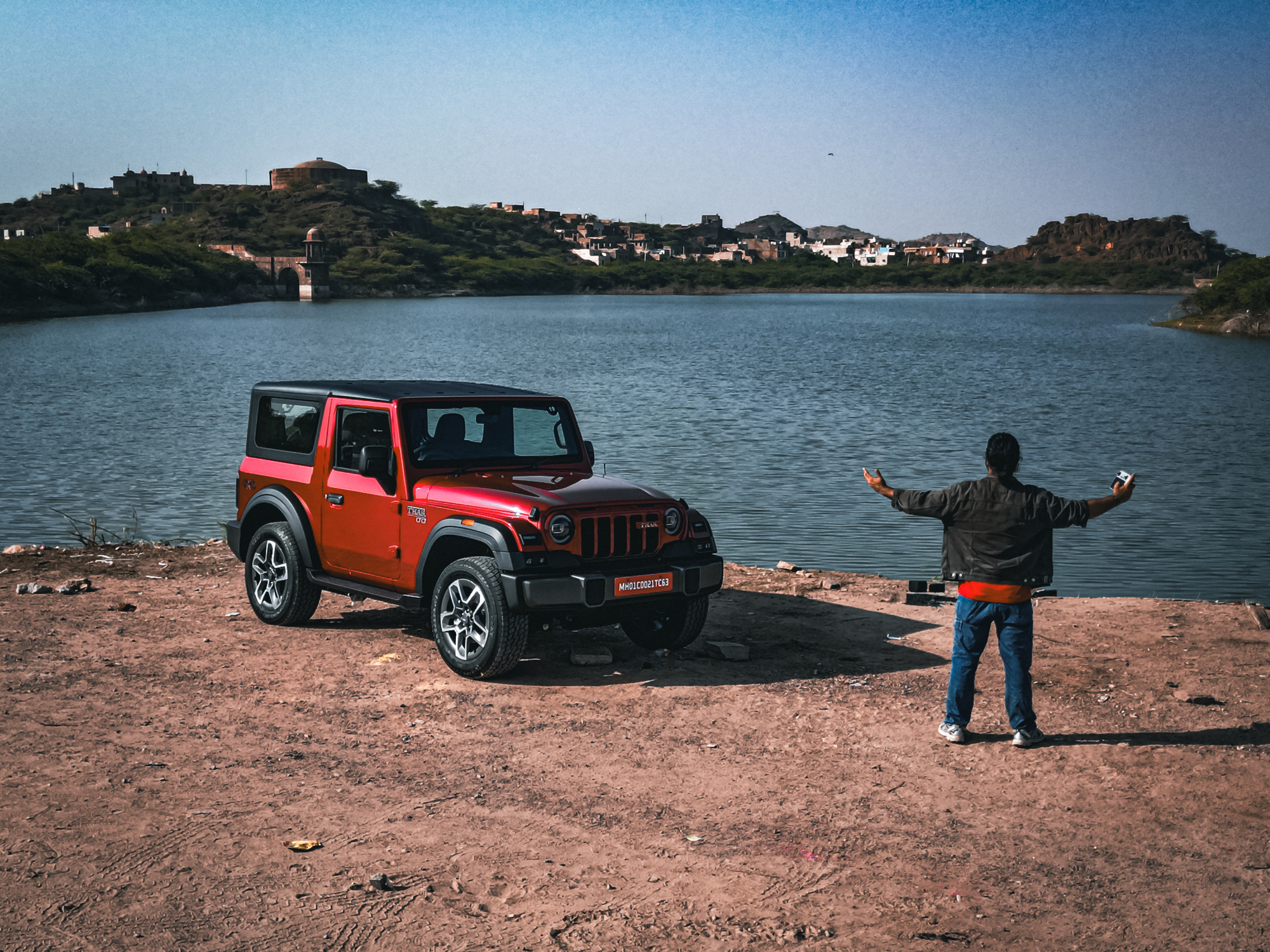
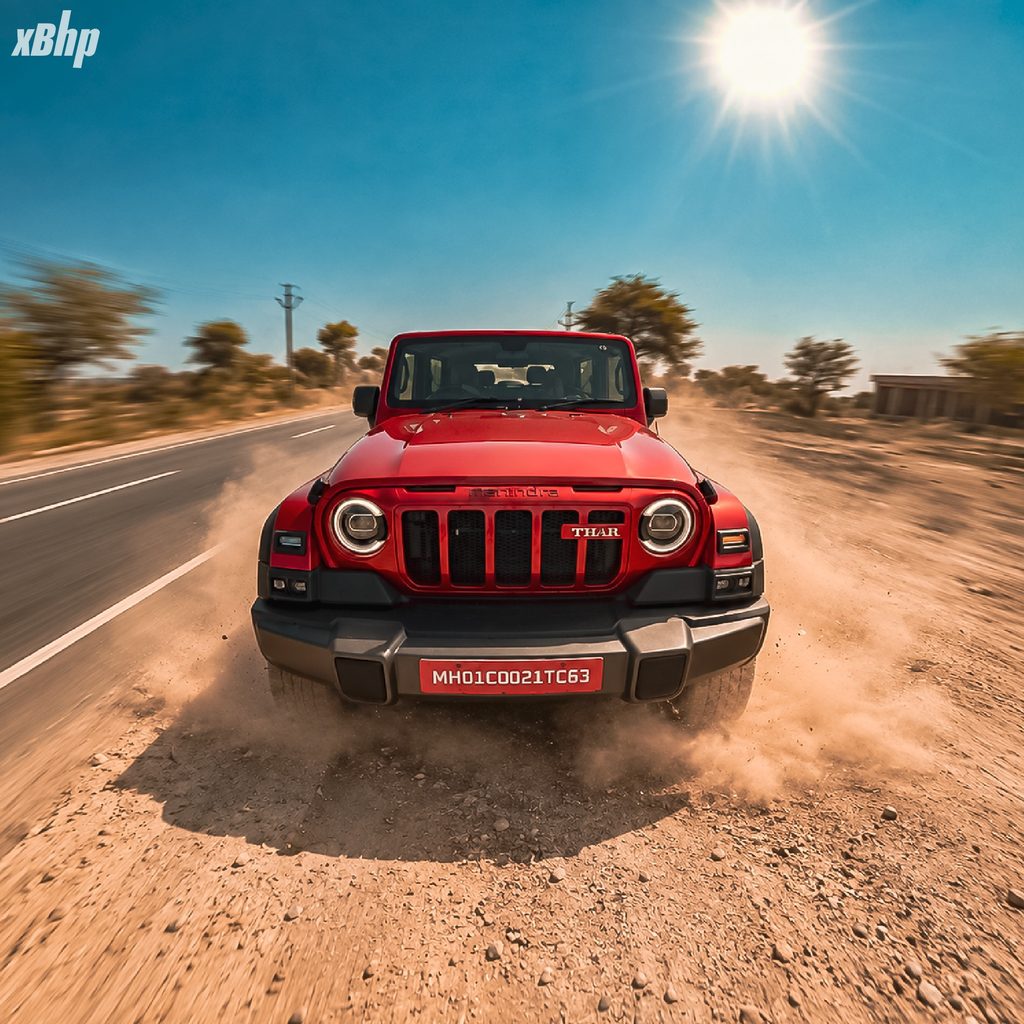
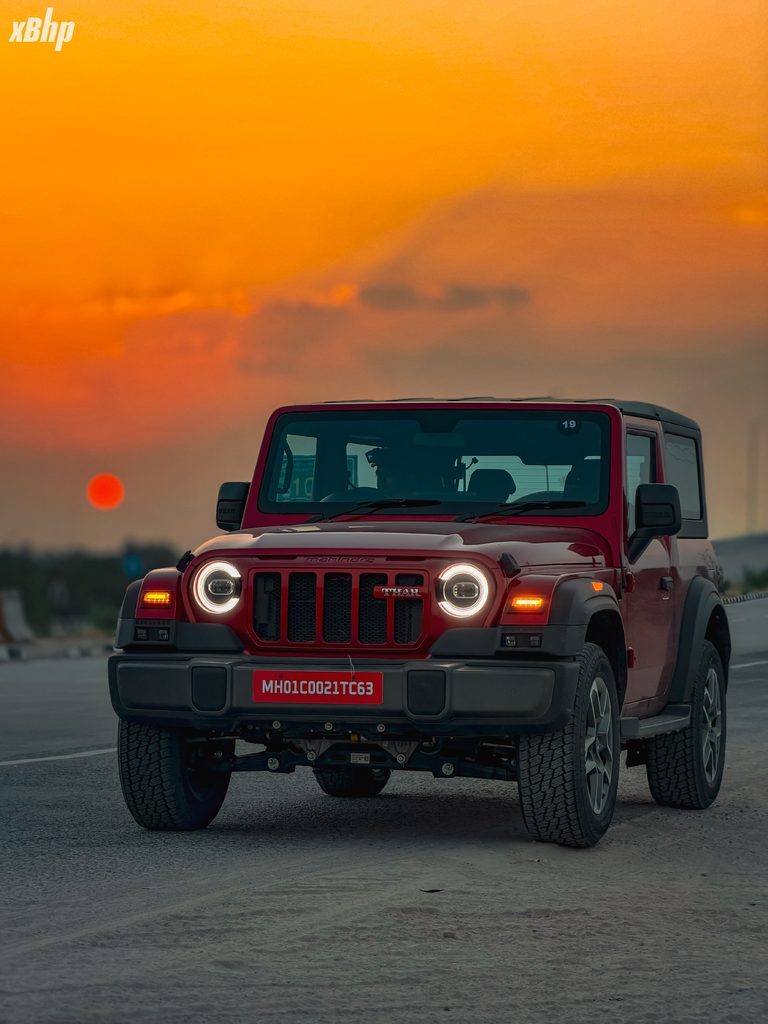
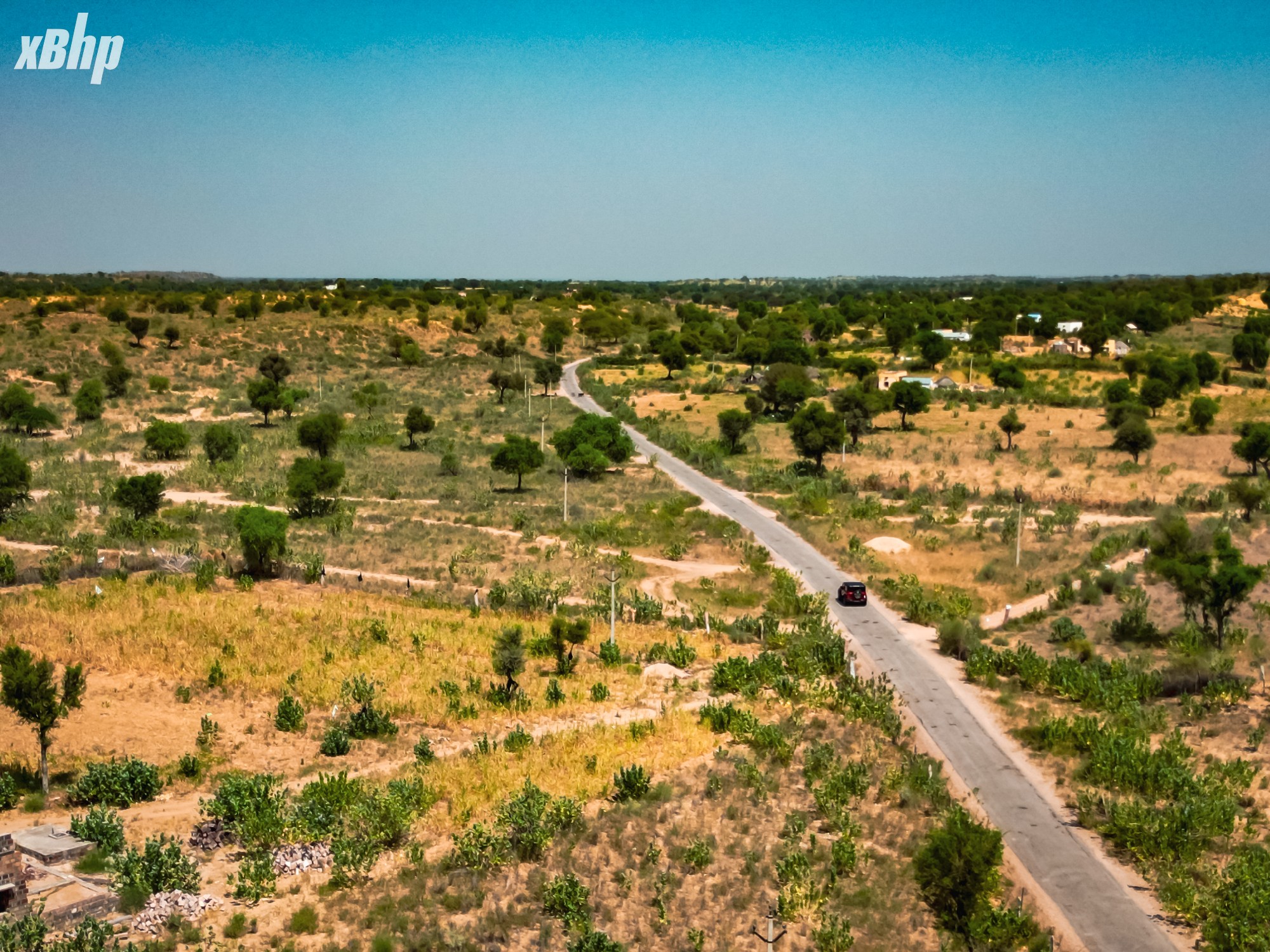
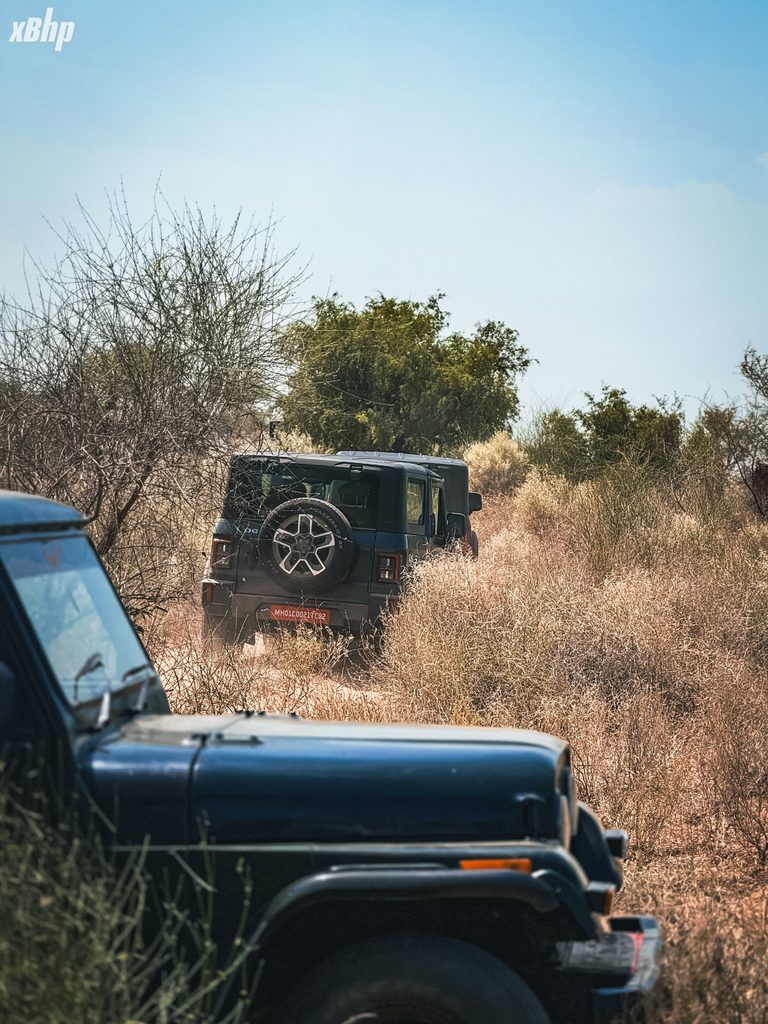
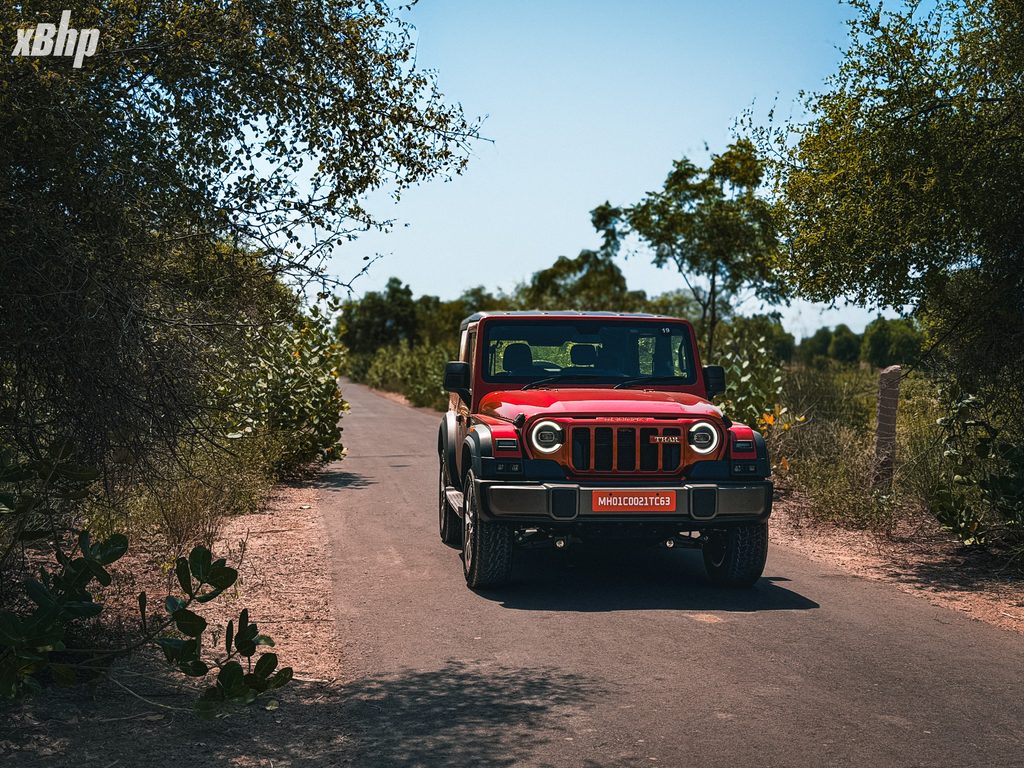
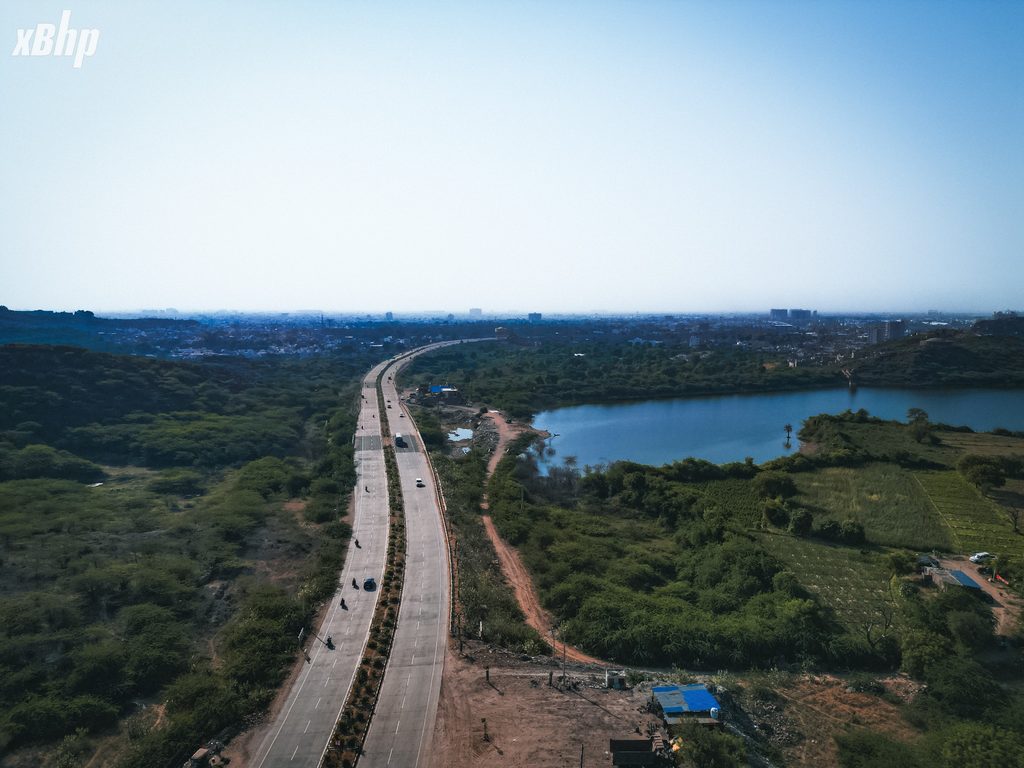
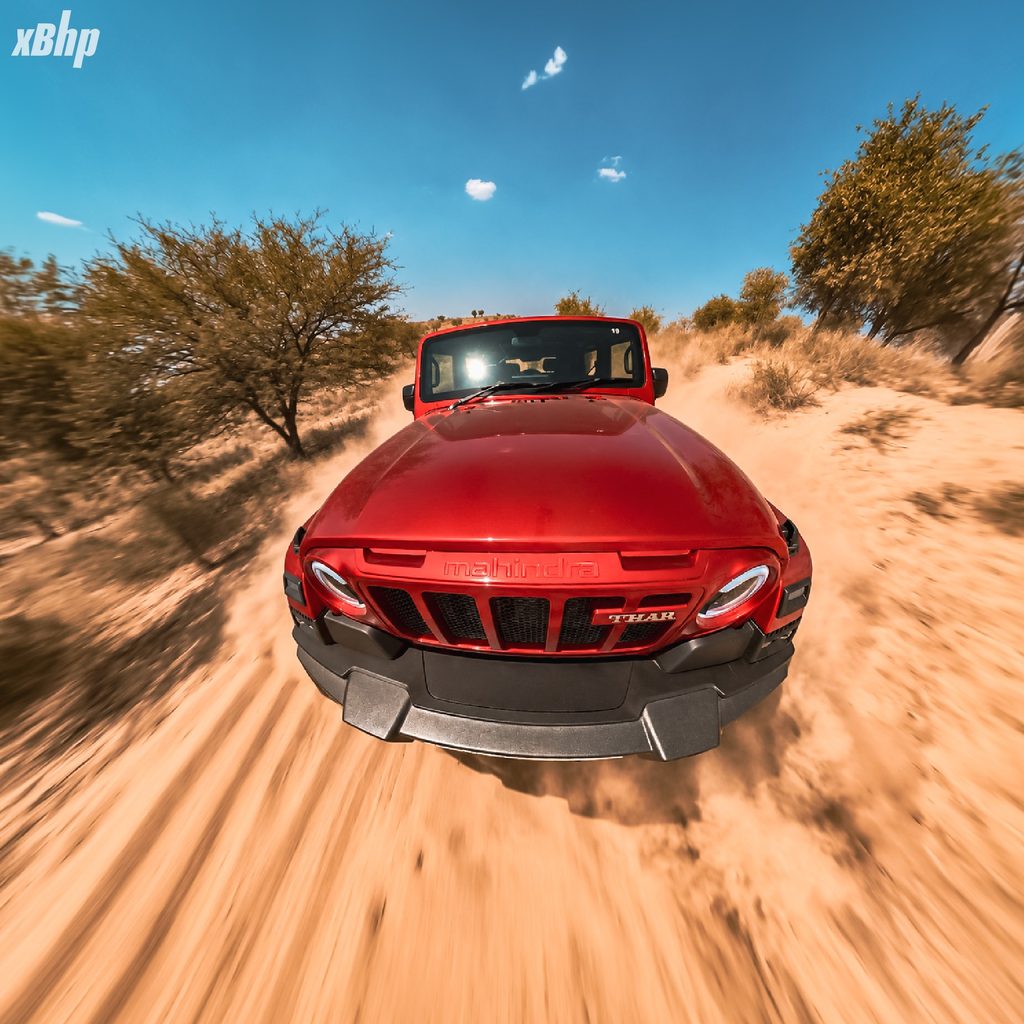
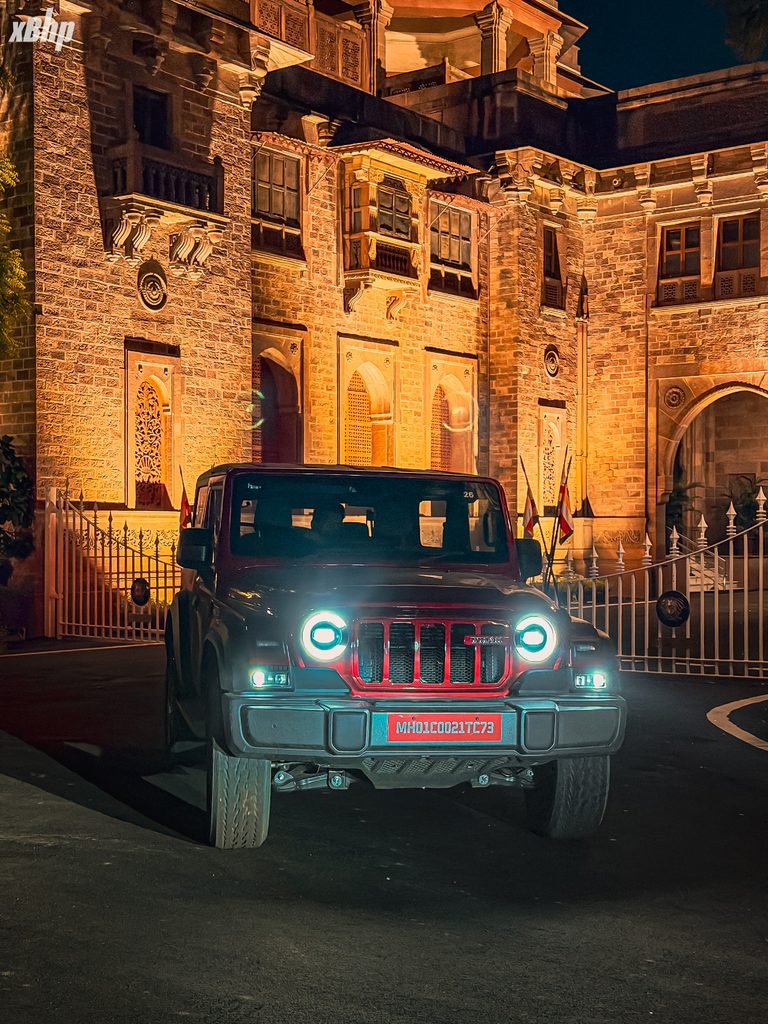
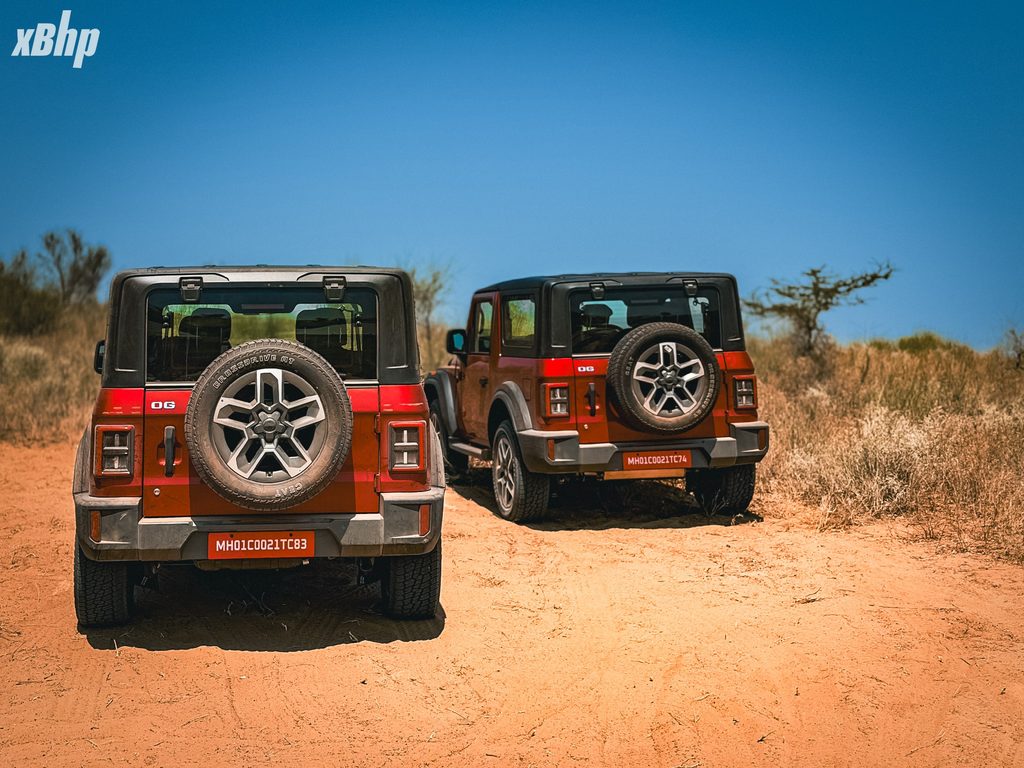
At xBhp, our relationship with the Mahindra Thar has gone beyond a typical review. We have spent substantial time with the three-door Thar, and more recently with the Thar ROXX Star Edition, both top-spec petrol variants. So, when Mahindra handed us the keys to the new Thar OG in Jodhpur, the experience took an interesting turn. This time it was the three-door, top-spec diesel, and our route would take us from Ajit Bhawan in Jodhpur, out onto Rajasthan’s highways and eventually into the dunes around Dhora Desert Resort. So, without further ado, here’s our Mahindra Thar OG review.
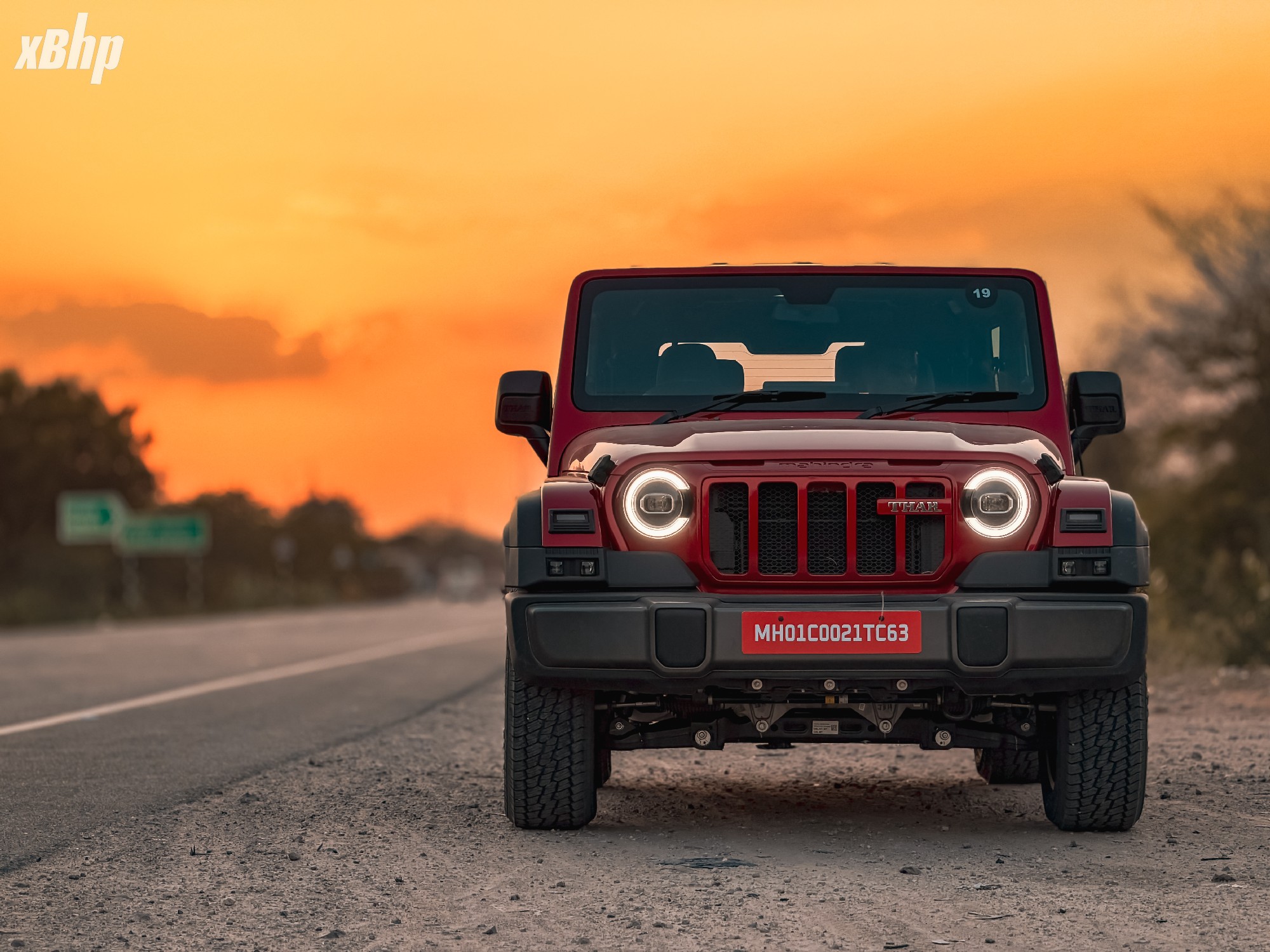
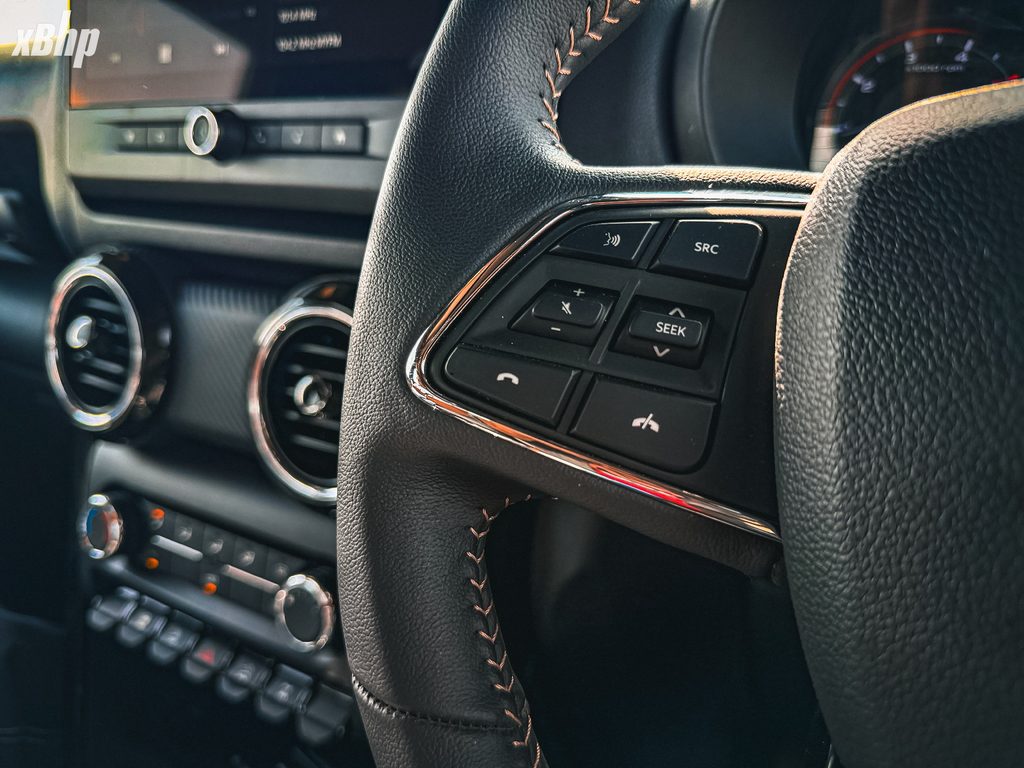
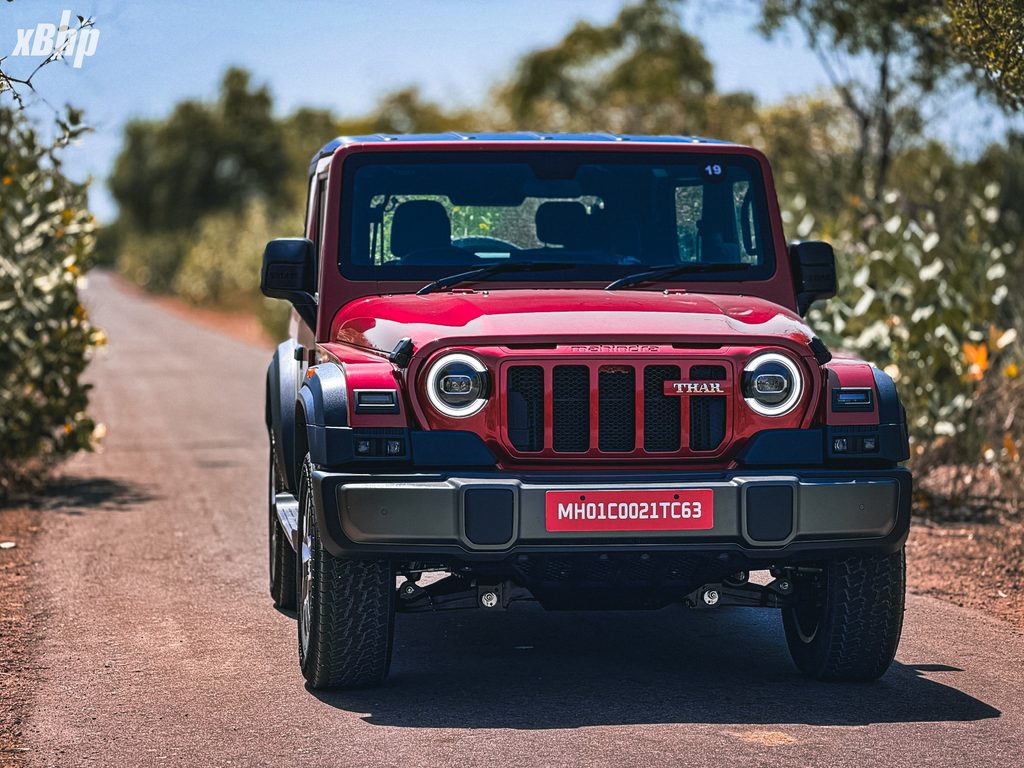
And after spending the day with it, the biggest takeaway was surprisingly simple: the Thar OG does not merely feel like an updated Thar. In some of the areas that matter most when you actually drive one, it feels like Mahindra has gone back to the drawing board. Mahindra describes the Thar OG as the successor to the three-door Thar introduced in 2020, with a greater focus on on-road refinement, off-road capability and everyday usability. The underlying changes include the new M_Glyde 4G platform, PENTALINK rear suspension with Watts Link, frequency-dependent damping, electric power steering and improved NVH insulation.
Having lived with the petrol Thar and then the petrol Thar ROXX, jumping into the diesel Thar OG immediately changed the character of the experience. The petrol Thars have always had an energetic personality. The turbo-petrol feels eager, responsive and, particularly in the three-door, adds a slightly playful side to the Thar experience.
The diesel is different. The 2.2-litre mHawk diesel in the Thar OG produces 111.9 kW and 330 Nm, while the 2.0-litre mStallion petrol produces 150 bhp and the same 330 Nm. Yet numbers only tell a part of the story. On the road, the diesel feels more relaxed and purposeful. The powerband is broad, and there’s ample torque right from the get-go. It can really go without the engine having to work too hard, and that character suits the Thar remarkably well. There is a sense of effortlessness that works wonders on long highway stretches. And Rajasthan gave us plenty of those.
The drive out of Jodhpur gave us our first real indication of just how much work has gone into the chassis. One of the characteristics traditionally associated with a short-wheelbase, ladder-frame off-roader is movement. Broken surfaces, expansion joints and undulations can result in more vertical motion and secondary body movement than you would experience in a road-focused SUV. That is one of the areas where the Thar OG feels noticeably more mature.
Mahindra has introduced a higher-stiffness M_Glyde 4G platform, a rear PENTALINK suspension with Watts Link, and DAVINCI Damping with Frequency Dependent Damping. The company says these changes are intended to improve cornering stability, control and ride comfort.
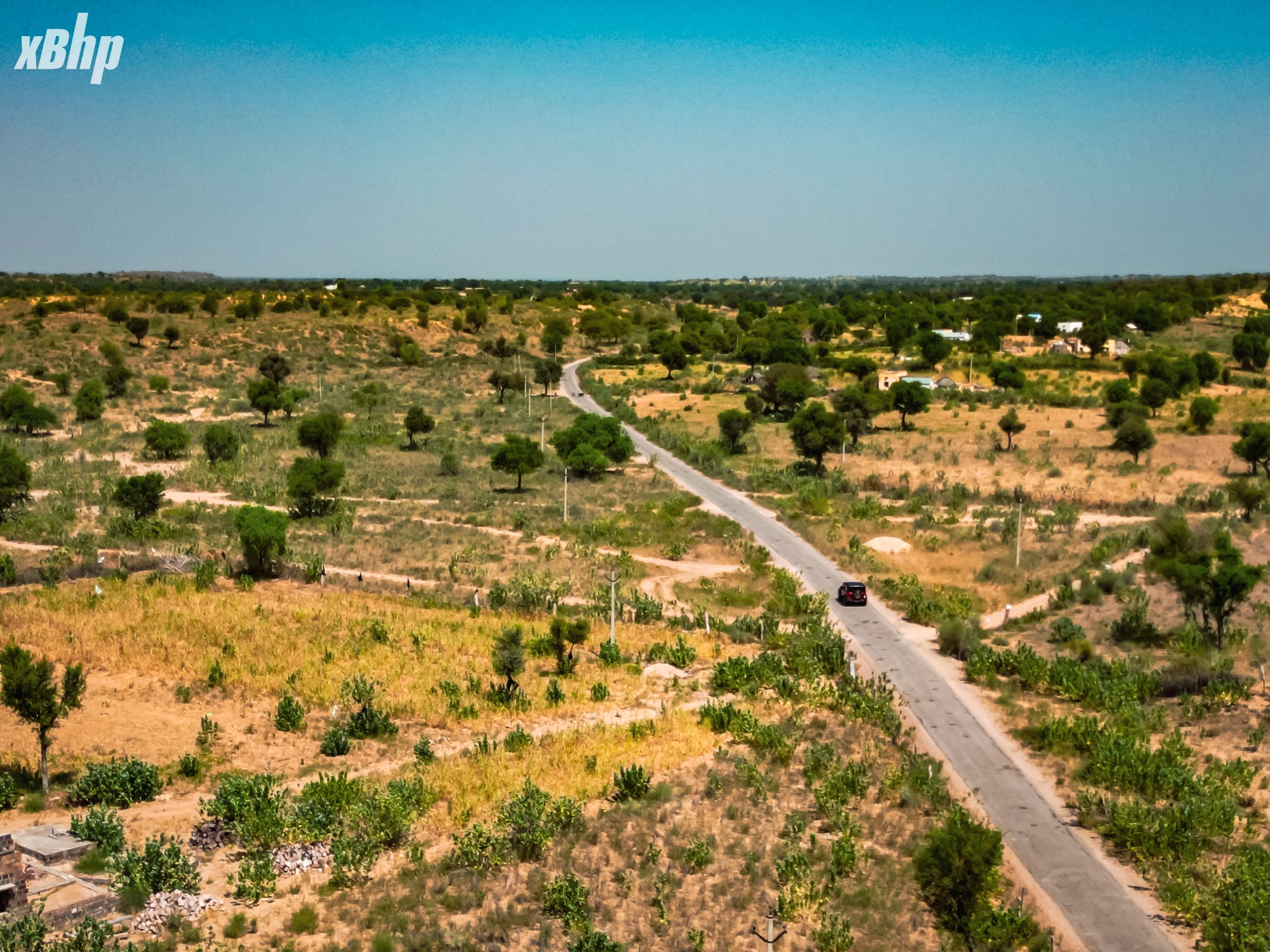
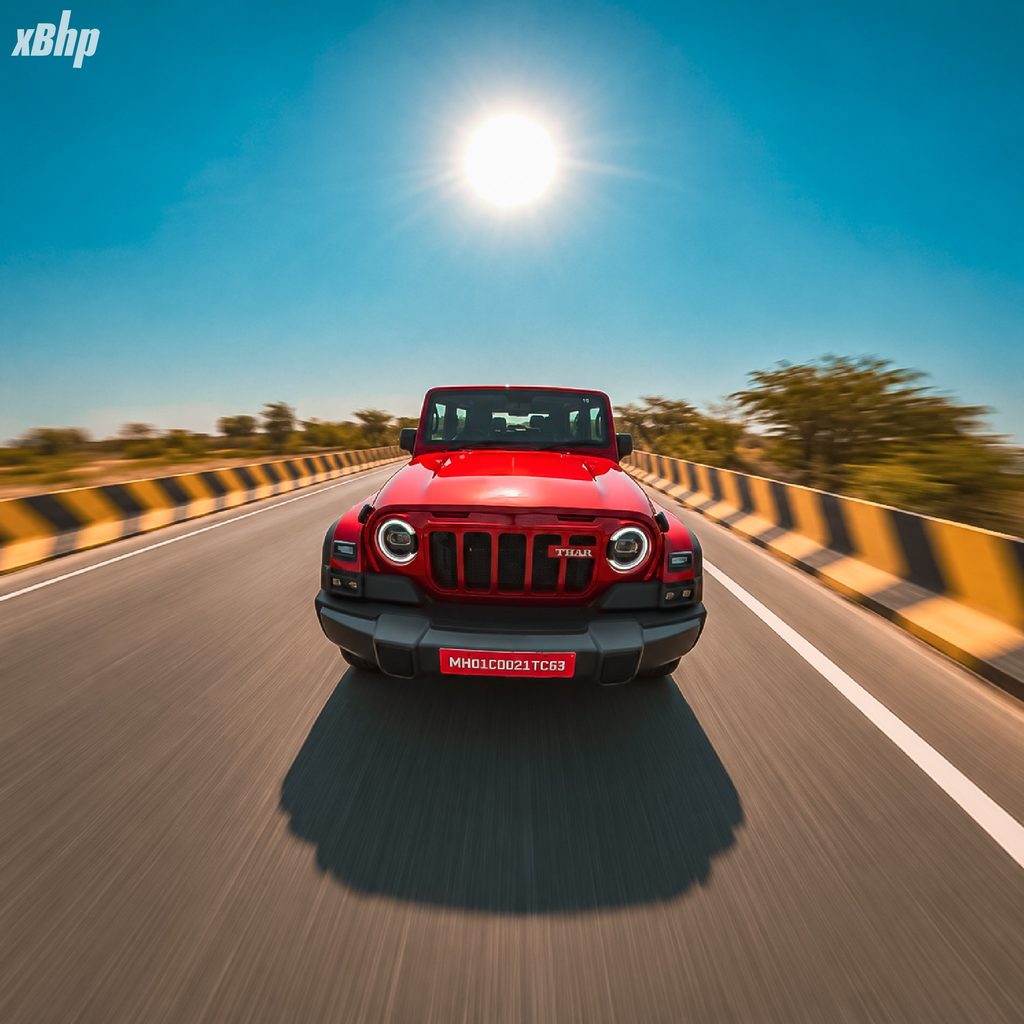
On the highway, the benefits are easy to understand. The Thar feels more composed over varying road surfaces. There is still enough movement to remind you that you are sitting in a serious body-on-frame 4×4, but the unnecessary bouncing and side-to-side movement are better controlled. The Thar OG settles faster after a bump and feels more comfortable maintaining highway speeds.
The other substantial change is the move to Electric Power Steering. For everyday driving, this may be one of the most useful improvements of all. The steering is lighter when manoeuvring through the city or making slow-speed corrections, yet once the speeds rise, the Thar does not feel nervous or disconnected.
Having experienced both the petrol three-door and the larger Thar ROXX, the OG feels like it sits at an interesting point between them. It retains the compactness and immediacy that make the three-door fun, while gaining some of the refinement one normally associates with a more mature SUV. Once the highway opened up, we started appreciating the mHawk engine even more.
Our recent Thar experiences had largely been petrol-powered, so there was an adjustment in driving style. Instead of extending the engine and chasing revs, the diesel encourages you to use the torque. Get into the useful part of the rev range, ask for an overtake, and the Thar simply gets going without any drama. On long stretches, the diesel feels unstressed, making it particularly well suited to the sort of inter-city touring that many Thar owners now routinely undertake.
Mahindra has also worked on NVH damping, and that contributes to a cabin that feels more refined than the rugged appearance might suggest. It is still very much a diesel 4×4, and we would not want its mechanical character completely filtered out anyway. But the overall experience now feels less tiring over distance.
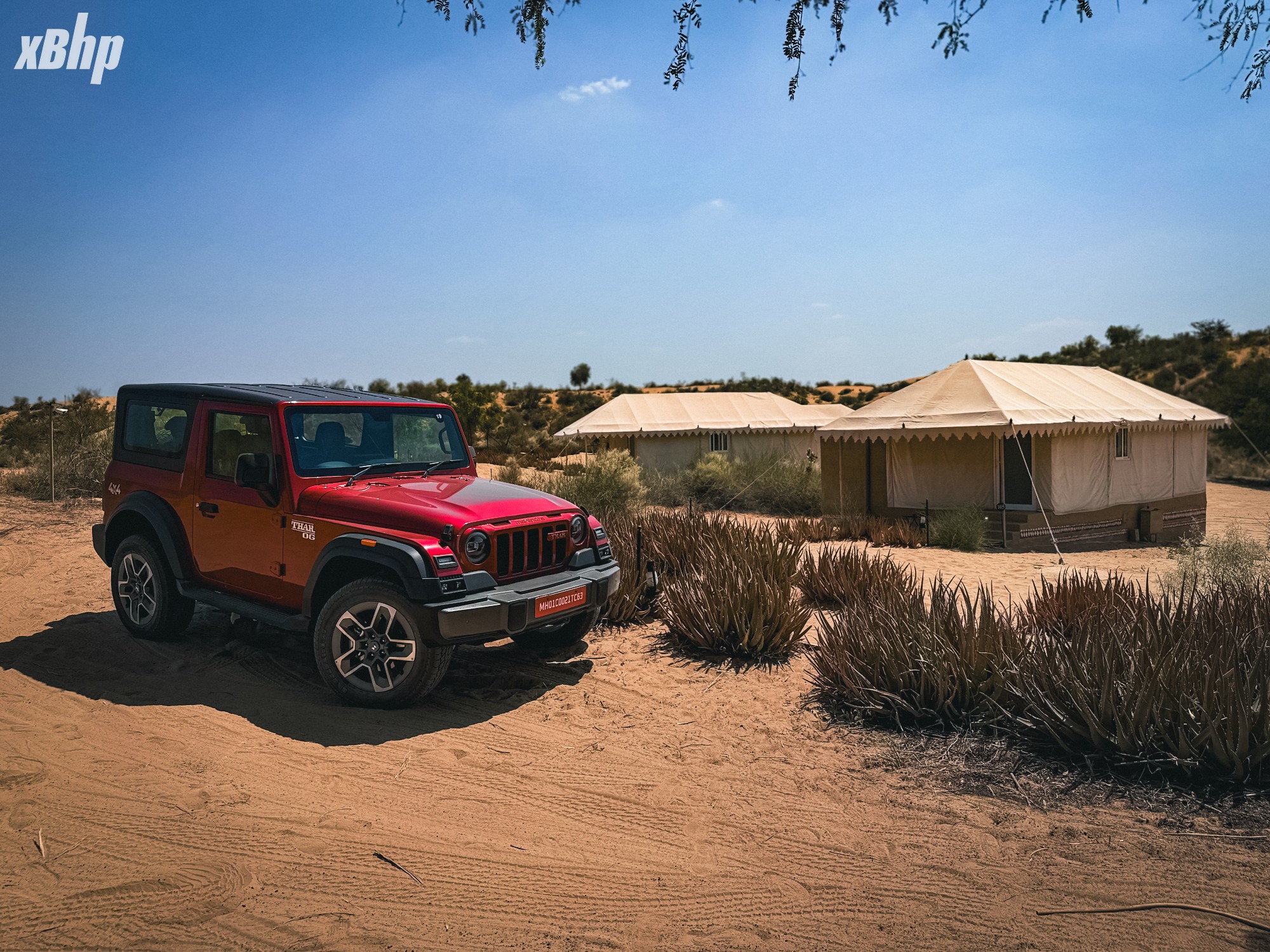
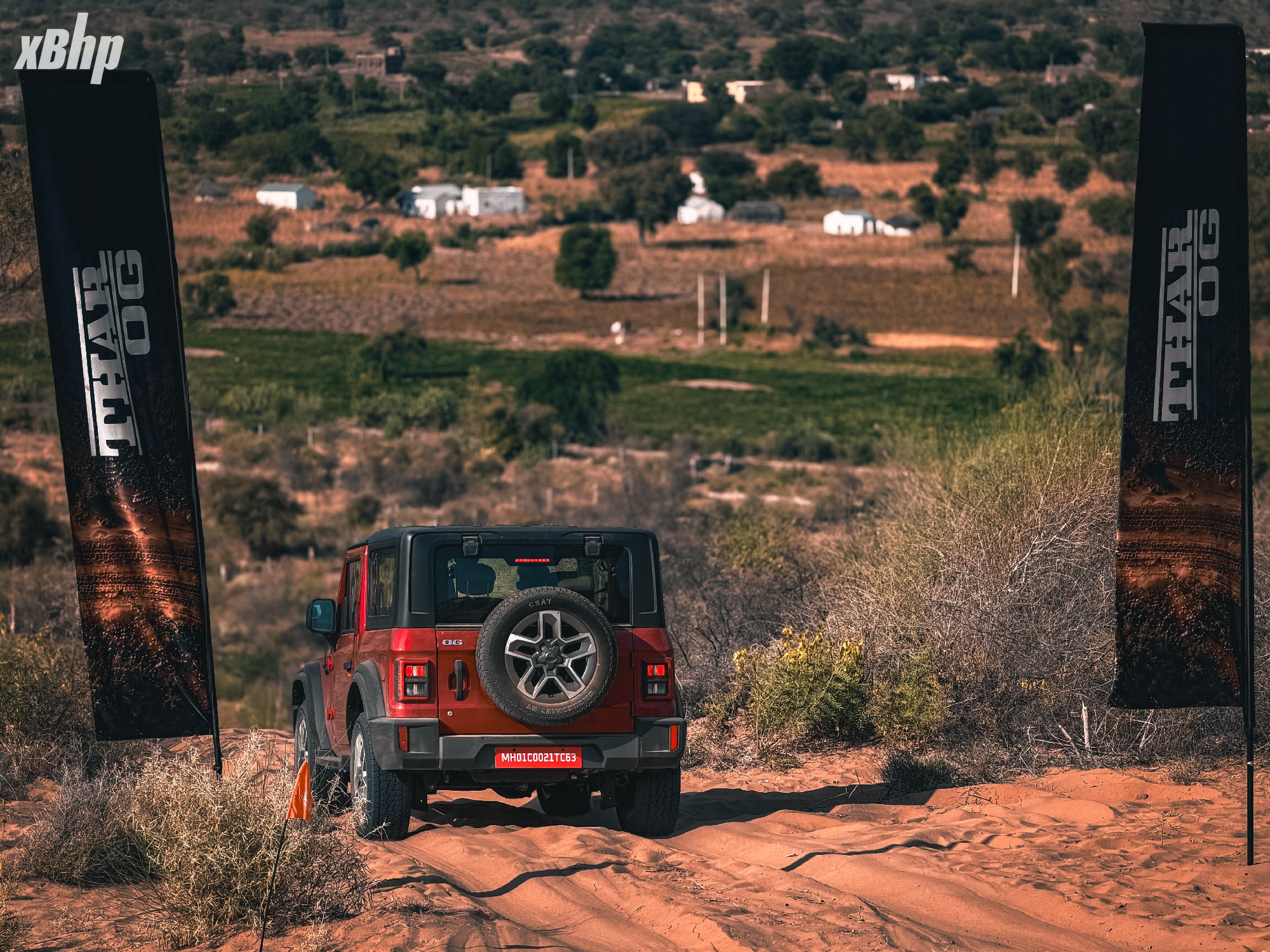
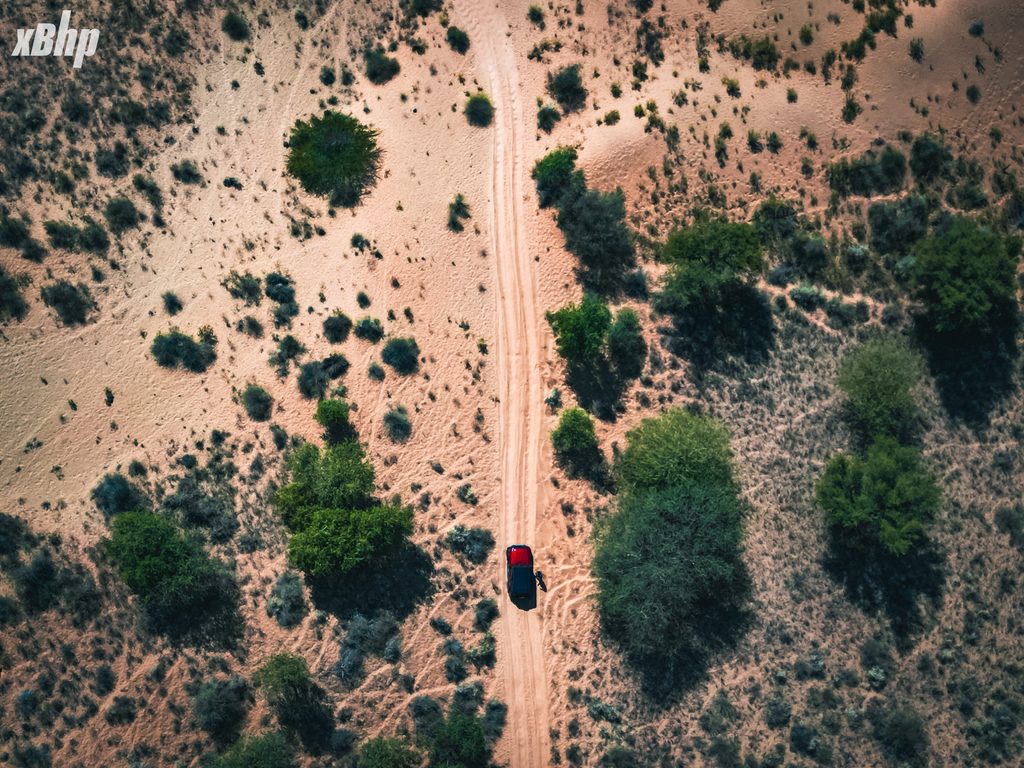
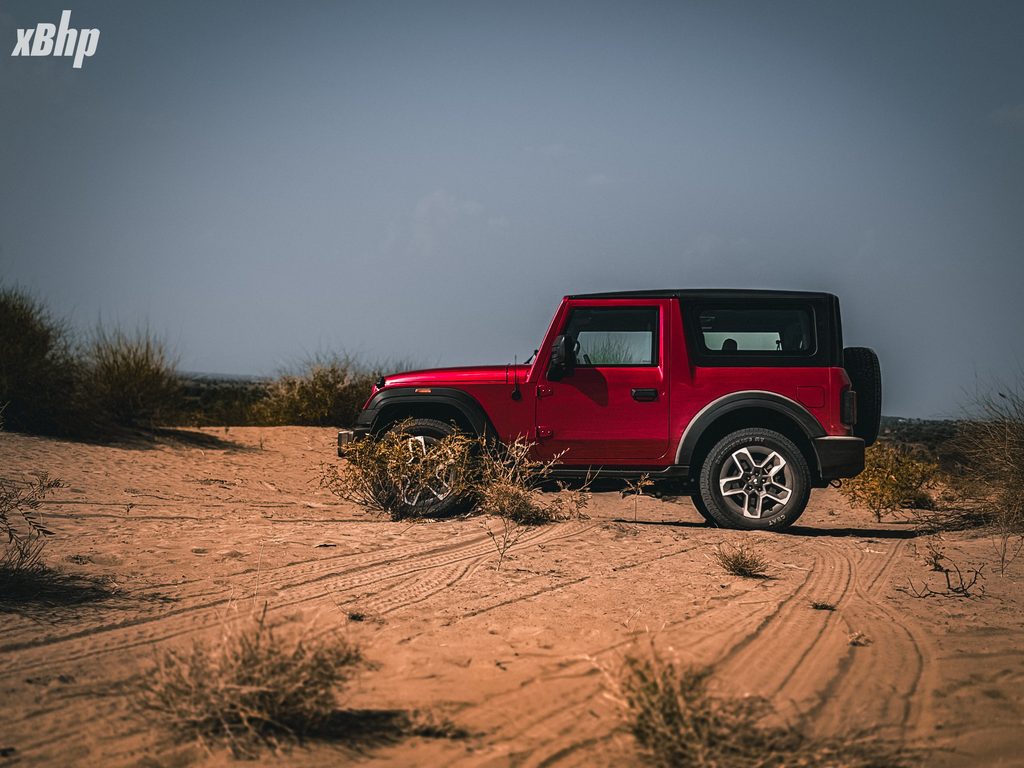
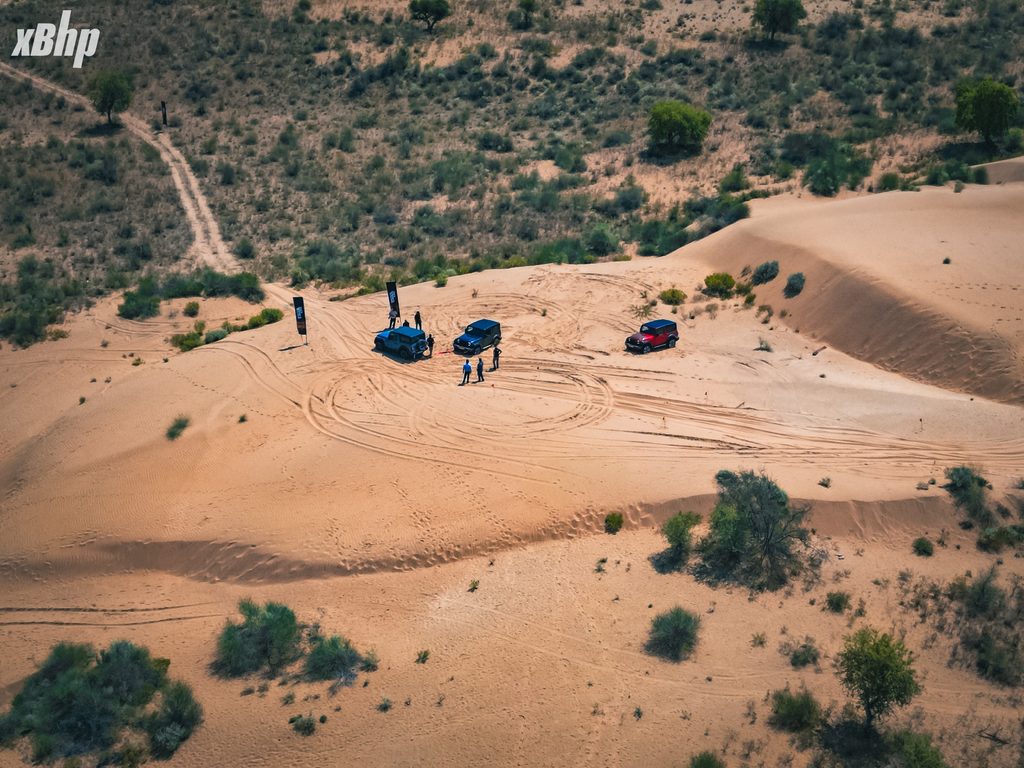
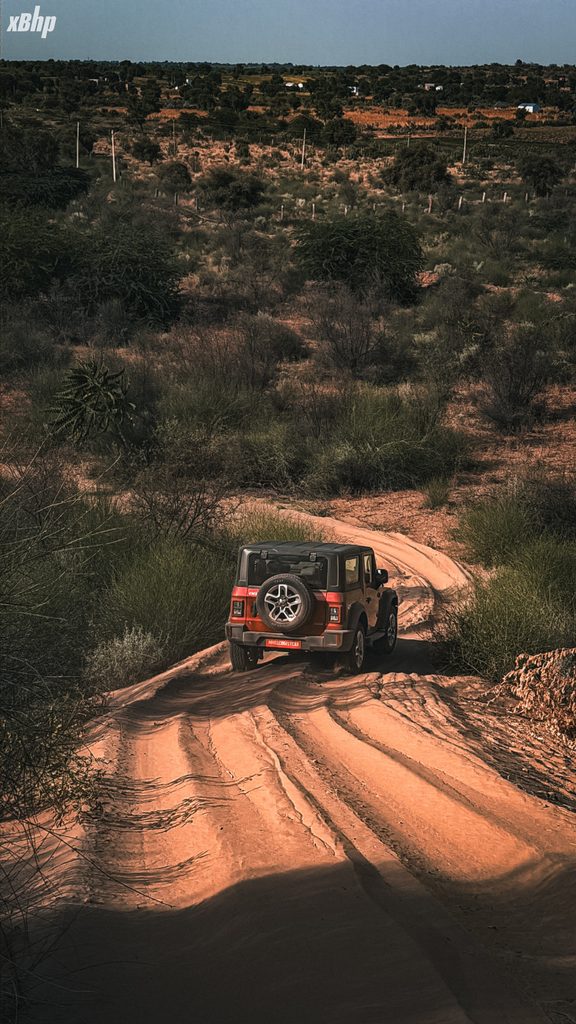
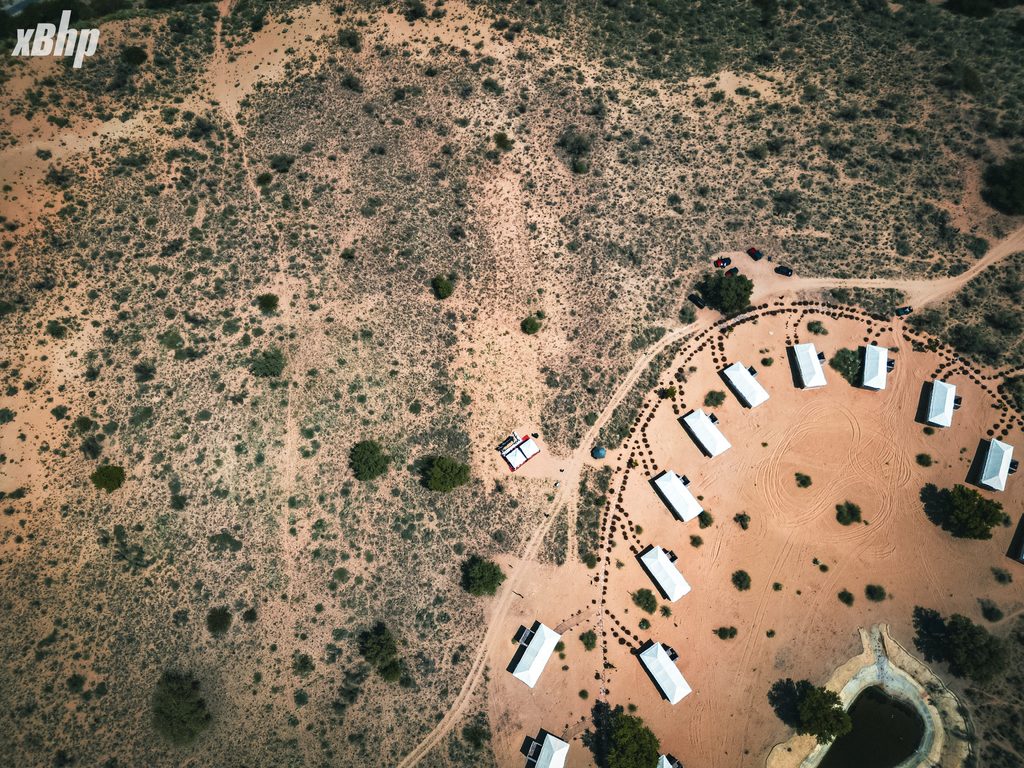
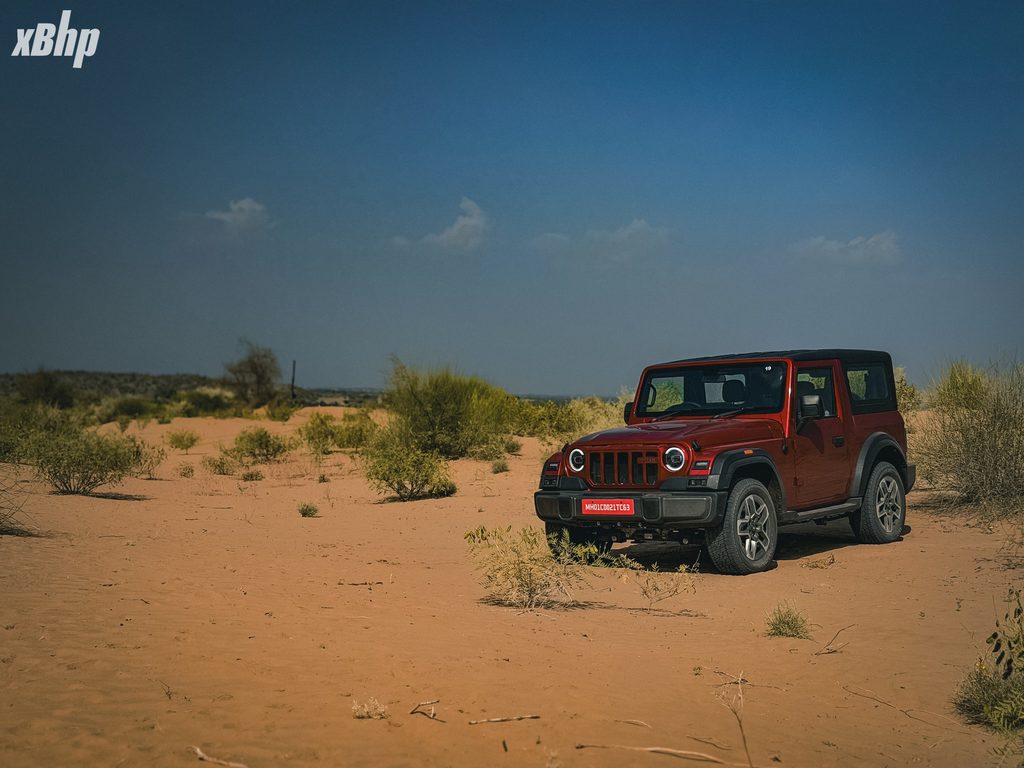
Our route eventually brought us to the dunes around Dhora Desert Resort, and this was perhaps the best environment to understand the other side of the Thar OG. Because however much Mahindra has improved the on-road experience, the Thar cannot afford to lose what made the badge special in the first place. Thankfully, it hasn’t.
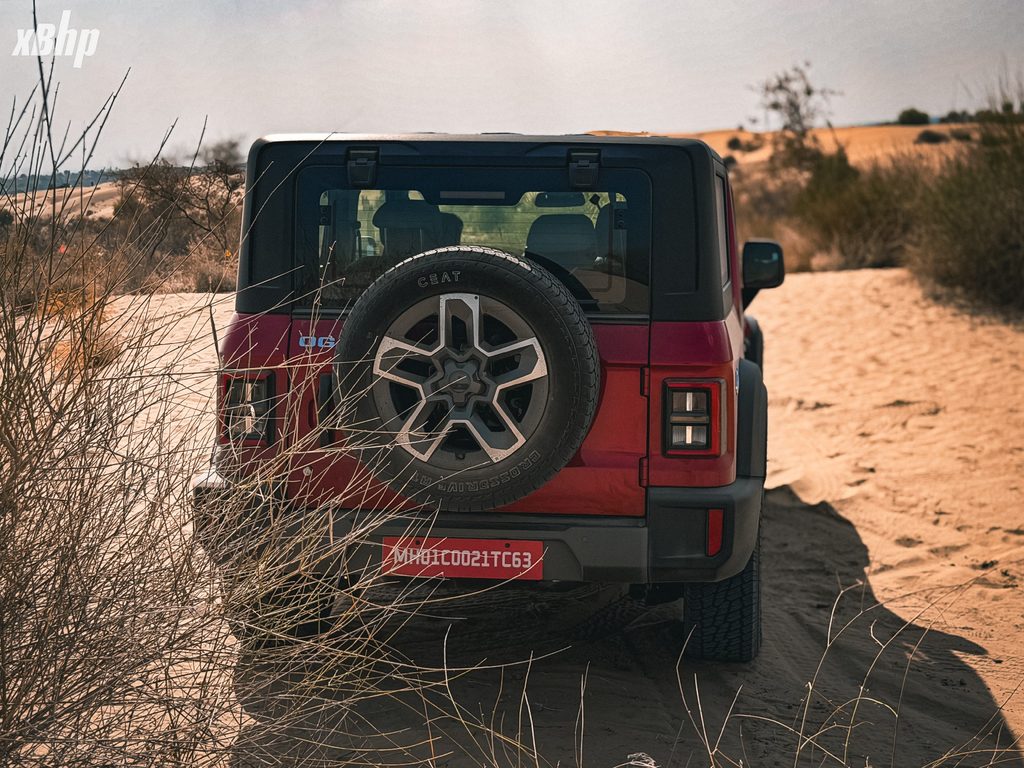
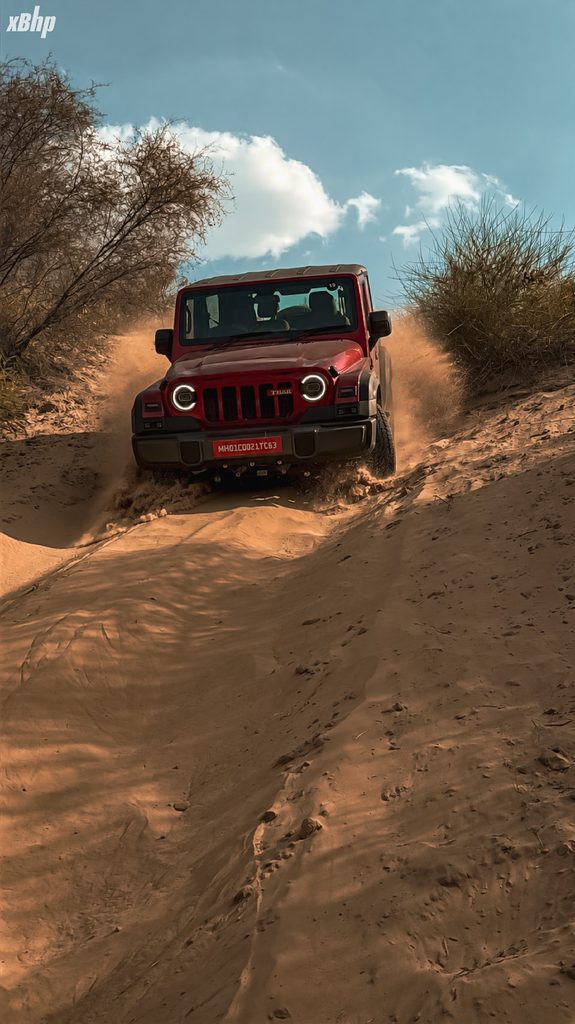
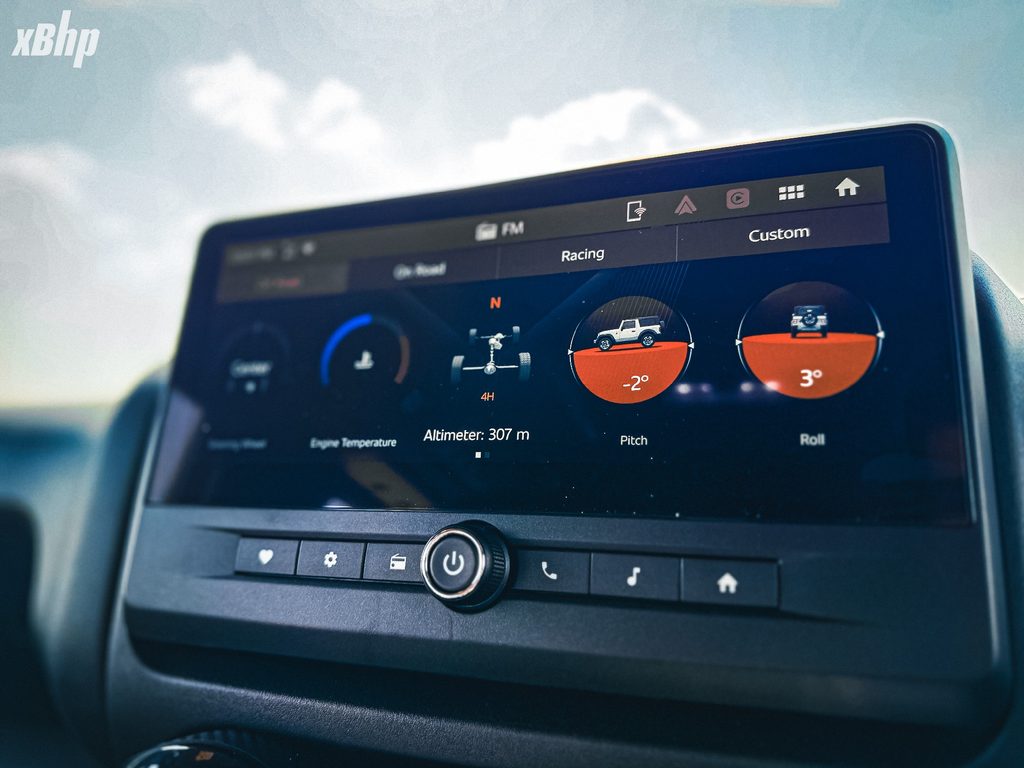
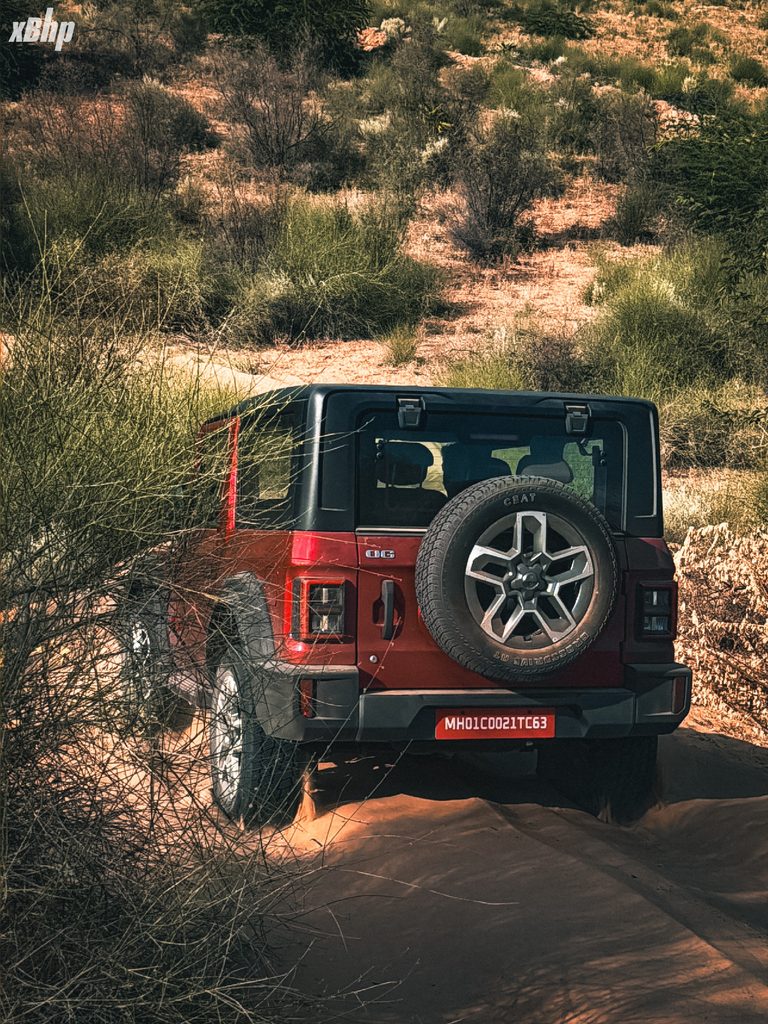
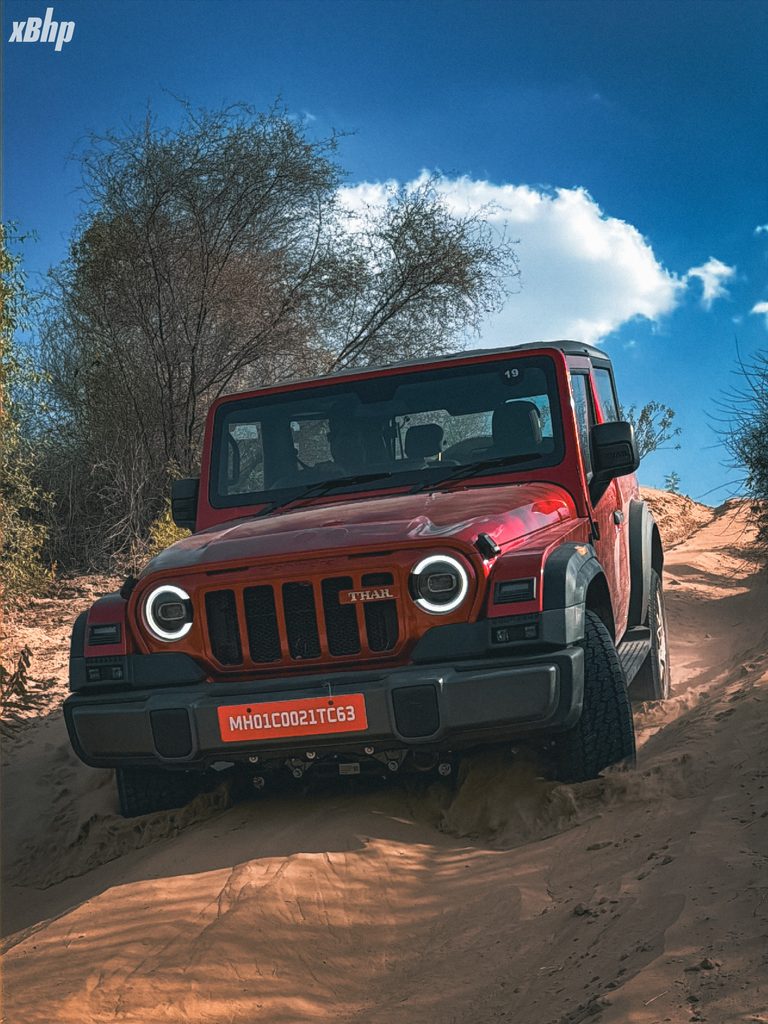
The new OG gets an Electronic Locking Differential on the appropriate 4WD variants along with dedicated Mud, Sand and Snow Modes, designed to optimise the vehicle’s behaviour depending on the surface. On loose sand, the change in environment was dramatic. One moment we were cruising comfortably on Rajasthan’s roads; the next, the tyres were digging into soft dunes, and the Thar was being asked to find traction where there was very little of it.
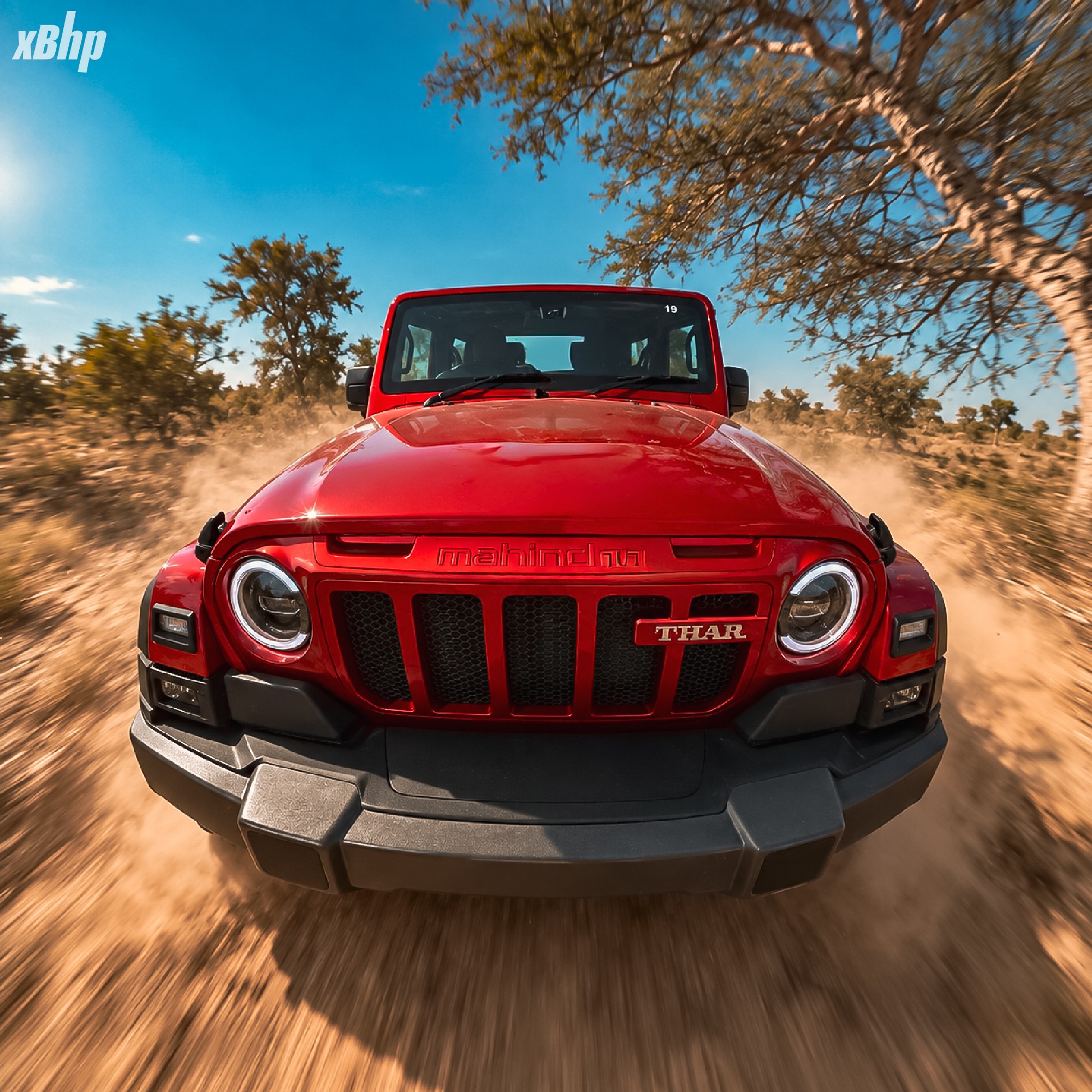
This is where the diesel’s torque delivery felt completely at home. Rather than needing frantic throttle inputs, the Thar could use that low- and mid-range torque to maintain momentum through the sand. The compact three-door dimensions also make it inherently enjoyable in this environment. You feel connected to what the vehicle is doing underneath you, and there is a sense of agility that is difficult to replicate in a larger SUV.
Sand driving also gave us another opportunity to appreciate the improved body control. On uneven surfaces, where the suspension is constantly working, the Thar OG manages its movements with more sophistication without removing the ruggedness that you expect from a Thar. And that may be the most important achievement here.
To sum it up, the frequency-dependent damping and revised rear suspension address ride quality and excessive body movement. The electric steering reduces the effort required in everyday conditions. The stiffer platform and Watts Link arrangement bring greater stability and predictability. Better NVH insulation improves long-distance comfort, while four-wheel disc brakes, front parking sensors and an expanded safety package improve confidence in daily use. The top ZXT specification also receives six airbags, including four HPTS airbags. Off-road, the electronic locking differential and terrain modes make the capability easier to access rather than relying only on driver experience.
None of these changes individually redefine the Thar. Collectively, however, they make a substantial difference to how complete it feels now. We have enjoyed our time with the petrol Thar. We have enjoyed how significantly the Thar ROXX expands the formula. And after driving the new Thar OG across highways and Rajasthan’s desert dunes, it becomes clear that Mahindra is not trying to make all three experiences identical.
The petrol versions have their own energetic appeal. The ROXX offers more space and greater everyday versatility. But the diesel three-door OG somehow feels closest to the traditional idea of a Thar, compact, torquey, capable and full of character, while being considerably easier to live with than before. That is perhaps why the OG name works. The essence remains old-school. The execution is no longer so old-school.
The Thar OG range starts at an introductory ex-showroom price of INR 10.32 lakh. For the top ZXT 2.2-litre mHawk diesel 4WD, introductory ex-showroom pricing is INR 17.49 lakh with the manual gearbox and INR 18.99 lakh with the automatic, with the announced introductory prices applicable to deliveries until November 30, 2026.
For us, the drive from Jodhpur’s streets to open highways and finally into the desert summed up the Thar OG rather perfectly: far more civilised when the road exists, and still very much a Thar when it doesn’t.