










All posts by xBhp
KTM 160 Duke Review :: Equipped to Dethrone!

 Aug 2025
 xBhp
xBhp Bikes,KTM,Motorcycles
We often discuss how motorcycling is about passion, freedom, and brotherhood. In addition to all that, it is business as well… and pretty good business, at that! So when a brand sees what a hot seller the Yamaha MT-15 is, it is only natural to want a piece of that action. Well, KTM seems to have had enough of being on the sidelines in this particular segment. So, we welcome the KTM 160 Duke. Now, let us begin the first-ride review of the KTM’s little streetfighter that’s big on goalzz.

Let us start by saying that this isn’t KTM’s first foray into the under-200cc category. Before the 160 Duke, there was the 125 Duke. It was a true KTM, but that engine and the power figures were a hard sell at that price.

That was the only problem with it, and KTM fixed it with the 160 Duke. If this were the motorcycle that came before, it would have been ruling the segment. That was not to be, and we have the 160 Duke aiming straight at the MT-15’s crown.

As always, we start with the looks. It is a spitting image of the KTM 200 Duke. The 200 Duke is handsome. So, by extension, the KTM 160 Duke is handsome as well. The difference between the two is mostly in the finer details, but the big one is the colours available: Electronic Orange, Atlantic Blue & Silver Metallic Matte.

No matter which colourway you go with, though, you get a traditional-looking KTM. An aggressive front fascia that tapers into a slim tail. On the side, the trellises or the trelli also give the 160 Duke’s KTM-ness away.

The result of the third collaboration between xBhp and Axor, the iNineteen builds upon the qualities of the Axor Apex helmet augmented by stunning graphics and a beautiful message for the younger generation.
The quality and finish levels are pretty nice as well. A few things that we’d like to point out are that it gets the latest-gen wheels, brake discs, and switchgear (similar to the latest 390 Duke). Pretty neat.

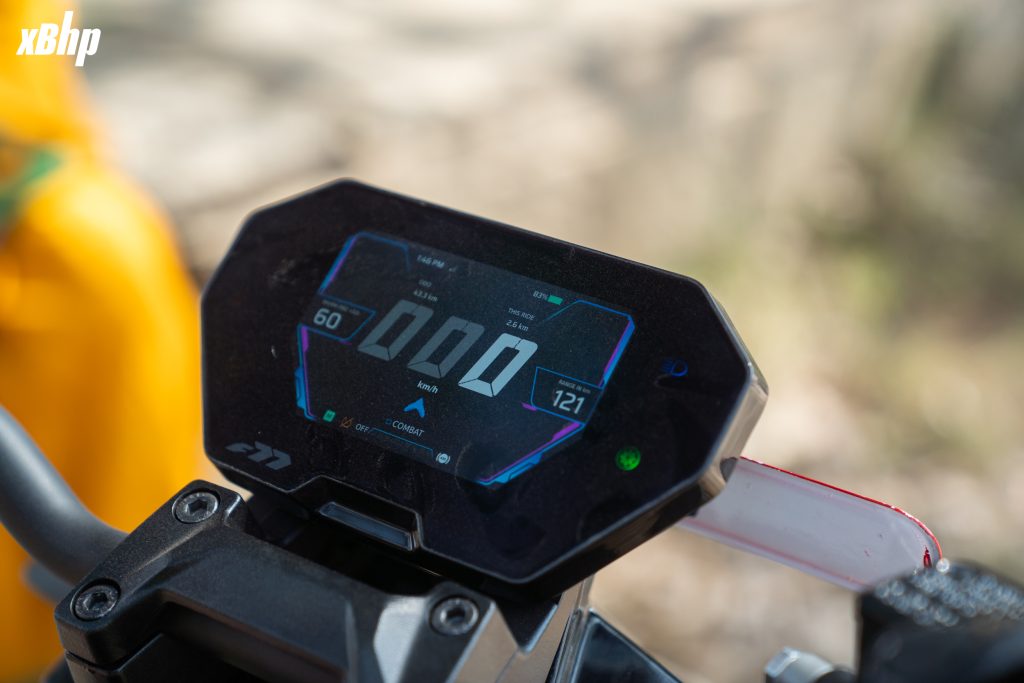
The LCD instrument cluster is okay, but at this point, we believe that a TFT would have made more sense. You get standard dual-channel ABS with Supermoto mode, slip-and-assist clutch, and even turn-by-turn navigation (with the Bluetooth console). So, the equipment on offer is quite alright for the class as well.

Now, performance. The KTM 160 Duke is powered by a 164.2cc, single-cylinder, liquid-cooled engine that makes 19 Ps of power at 9,500 rpm and 15.5 Nm of torque at 7,500 rpm. This makes it the most powerful motorcycle in the class yada yada yada. Those are just numbers. But the performance is anything but yada yada yada.

Apparently, that is enough power to push, no, shove this 147 kg (kerb) motorcycle to sprightly speeds really, really quickly. The engine has a lot of punch, but in true KTM fashion, the action lies in the higher RPMs. You rev it and it rewards you. Moreover, the engine is refined as well. Slight vibrations do creep in around 6,500-7,000 rpm, but they aren’t deal-breaking or anything.

In the city, the KTM 160 Duke is a very, very fun motorcycle to ride. The light clutch and the peppy engine make it a fun little number. The large radiator also has more than enough surface area to cool the mill, so the heat management is really good as well. You will find yourself wringing the throttle more often than not because the power is not outrageous, but the delivery is super fun.

Another thing that contributes to the manic acceleration is the uber-short gearing. That comes at the cost of top speed, but over 120 kays an hour is quite respectable, in our opinion. Especially when it means that off the line, the 160 Duke is quite the launcher. This also proves that the power-to-weight ratio is more significant than one thinks.

On the highways, the aero takes over, and the engine’s seemingly unlimited potential is brought back to reality. Still, it keeps you adrenaline-flush till around 90 kays an hour, which, in our opinion, is not too bad for a 160cc motorcycle.

Onwards to handling. Talking about any KTM’s handling feels almost like an insult at this point. The split-trellis frame, the WP USD forks, the 320 disc, and the aggressive ergonomics (relatively… for a streetfighter); need we say more? But this is a review, so we must.

The KTM 160 Duke is as intuitive as they come. In the city, it urges you to gallop through every gap you see. Show it a corner and it just wants to dive right for the apex. The braking is sharp and progressive. All of it inspires a lot of confidence for newer riders to push. The potential of the chassis is limited just a little because of two things: the slightly softer suspension and the tyres.

There are reasons for that as well. A stiffer suspension setup aids handling and feel, but breaks your back. This is a motorcycle aimed at beginners. Also, beginners tend not to have an unlimited supply of soft-compound rubber, so they need something that can do just enough and last long enough. So, these are justified sacrifices.

Overall, the KTM 160 Duke seems like a really good motorcycle. For 1.85 lakhs (Ex-Showroom, Delhi). The MT-15 costs around 1.7 lakhs (Ex-Showroom, Delhi). The 160 Duke has more power and a fair bit more torque. The MT-15 is around 6 kilos lighter. These two can trade blows all day.

The Yamaha MT-15 has a sneaky trick. The price mentioned above is for the base variant. It is devoid of the LED-flasher and Y-Connect. Other colours and turn-by-turn navigation cost more. But KTM’s Bluetooth module for turn-by-turn navigation also sets one back by around INR 5,000. As mentioned earlier, these two can trade blows all day.

Finally, it is down to individual choice. In terms of all metrics, both of these motorcycles are quite close, so it’s down to which one’s style you like more or which one’s power delivery you like more. The MT-15’s linear build-up or the 160 Duke’s explosiveness off the line.

In our opinion, you can’t go wrong with either, but to be honest, it feels good that there’s another choice in the class now… and that it is a KTM!


Triumph Thruxton 400 Review :: Boy, oh Boy!
 Aug 2025 xBhp
Bikes,Triumph
Aug 2025 xBhp
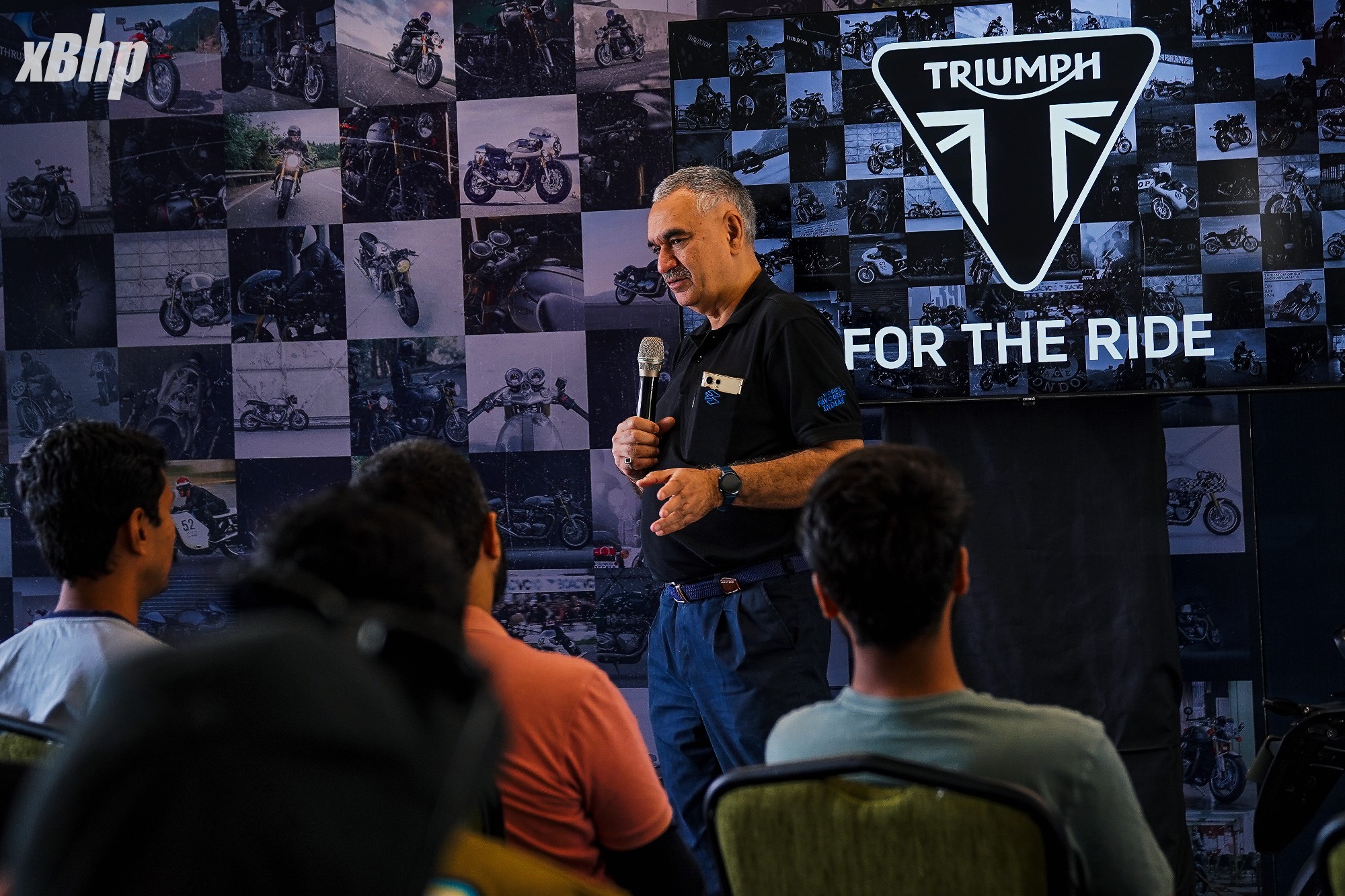
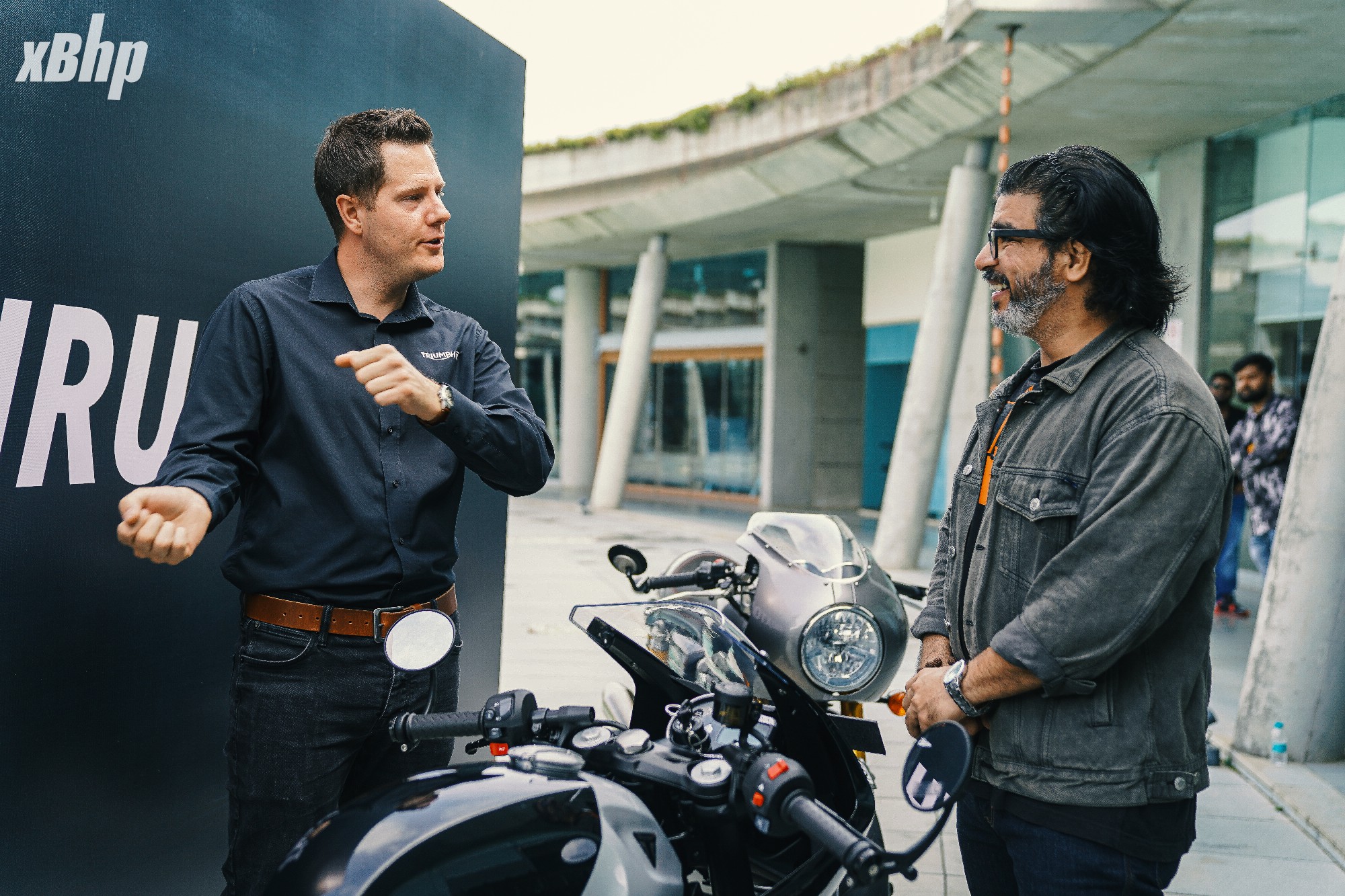
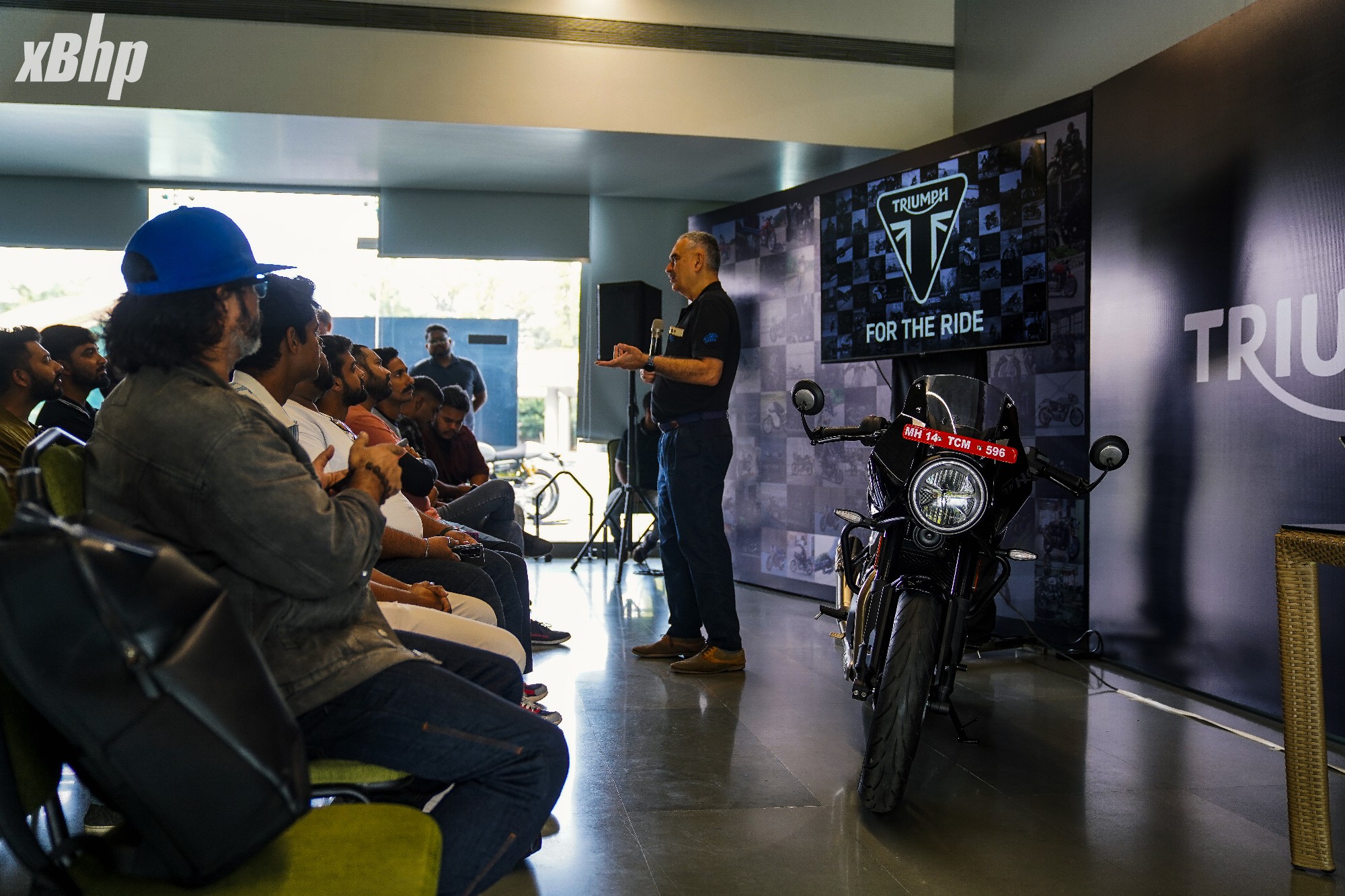
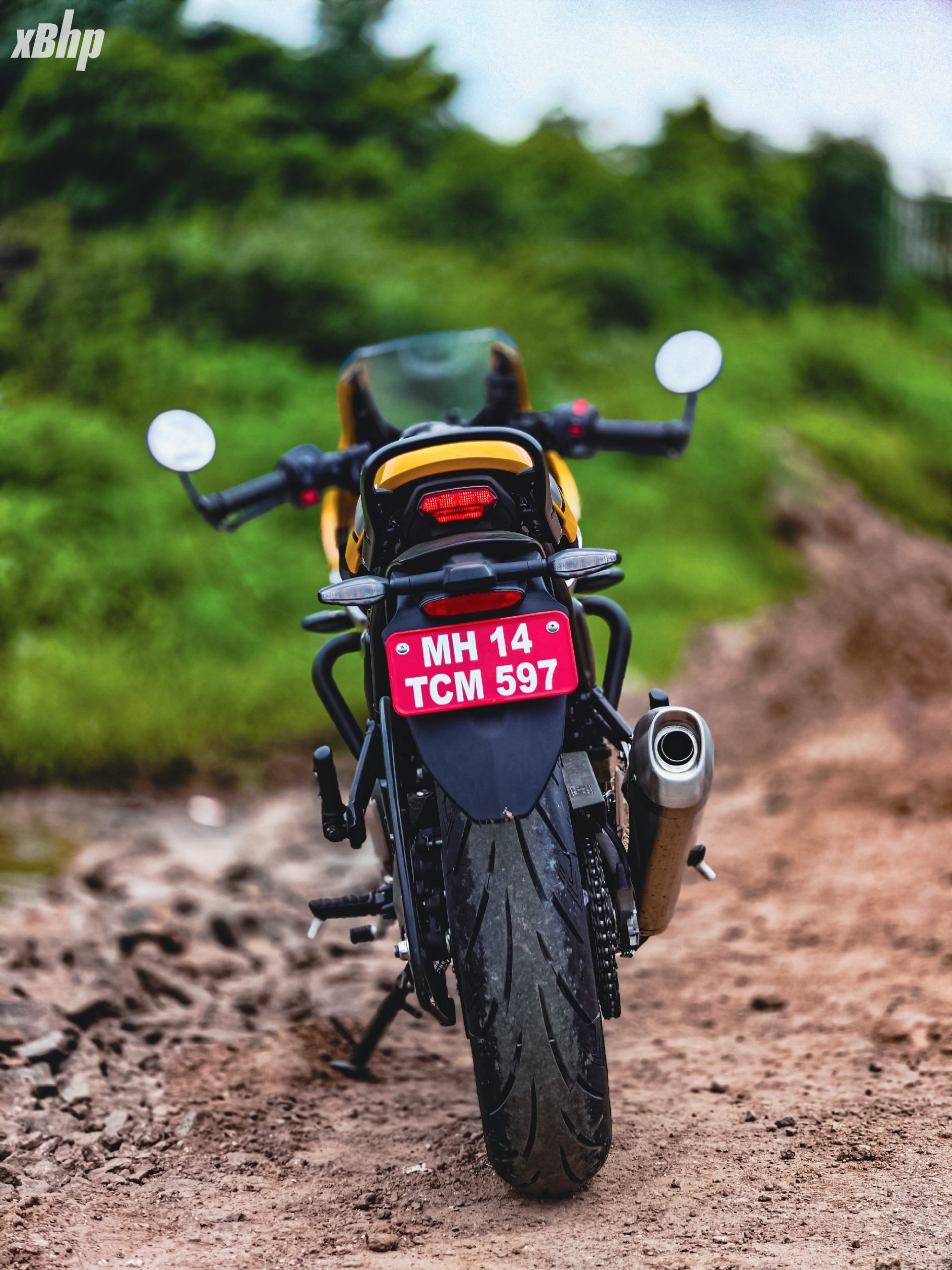
Bikes,TriumphAny motorcyclist worth their salt is aware of the fact that Triumph makes some of the most desired motorcycles in the world. They have been at it for a long time, and they certainly have not slowed down. However, for the most part, their motorcycles have been out of reach for a lot of people. That all changed when Triumph came with the 400cc TR range. And fortunately for us, that very prolific range has another member now. This, ladies and gentlemen, is the Triumph Thruxton 400 and here’s our review of it. Man… what a time to be a biker!
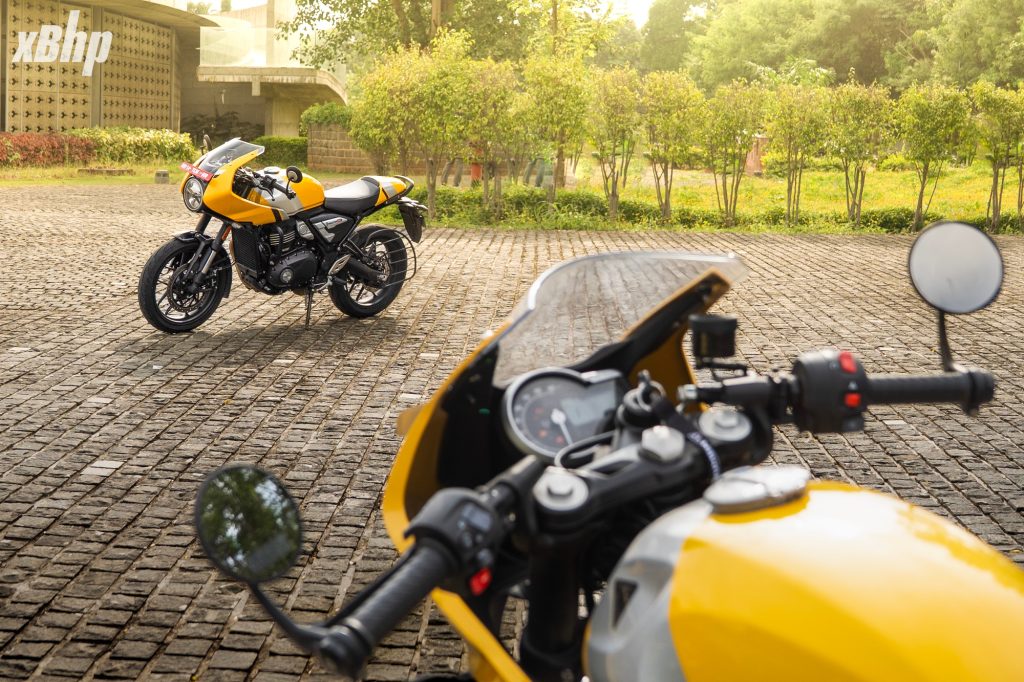
Backtracking a little, when Triumph announced that they were going to enter the entry-level market, we were overjoyed. Even then, we did not expect Triumph to price their motorcycles so aggressively. We expected a premium because, well, it is a Triumph for God’s sake.
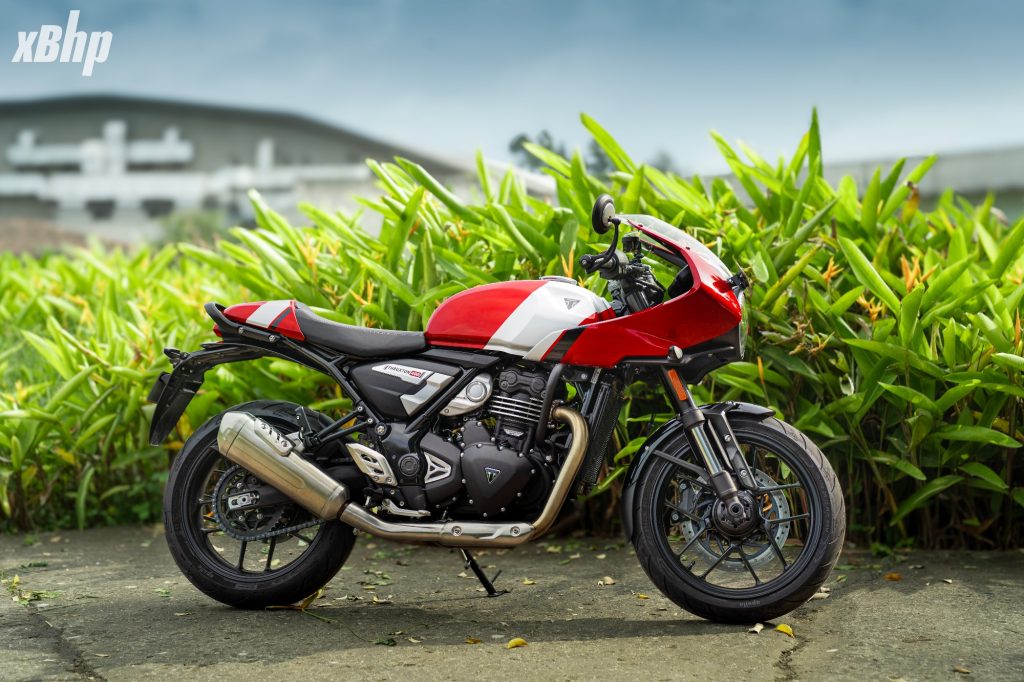
But the Speed 400 and the Scrambler 400 X, in addition to being stellar motorcycles, knocked it out of the park with their price. Then came the T4 to make matters even betters. Ignore that, please.
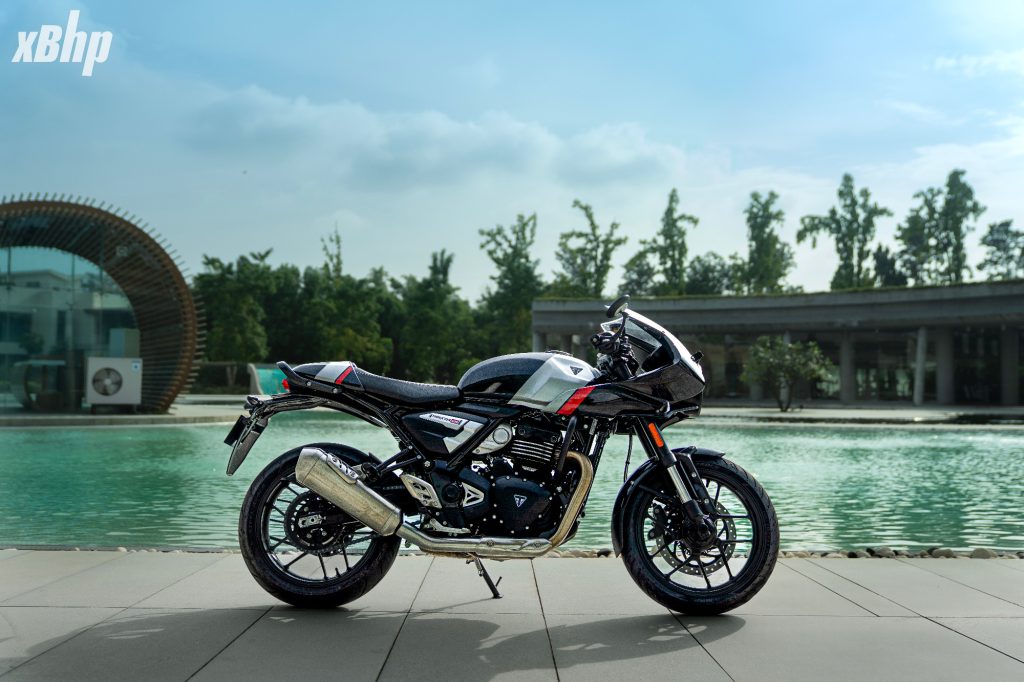
Then came the announcement that there was going to be another motorcycle in Triumph’s 400cc Modern-Classic range. A legendary name, no less. Thruxton. Now, when manufacturers use the same platform for many models, things tend to remain… not too distinct, to put it mildly.
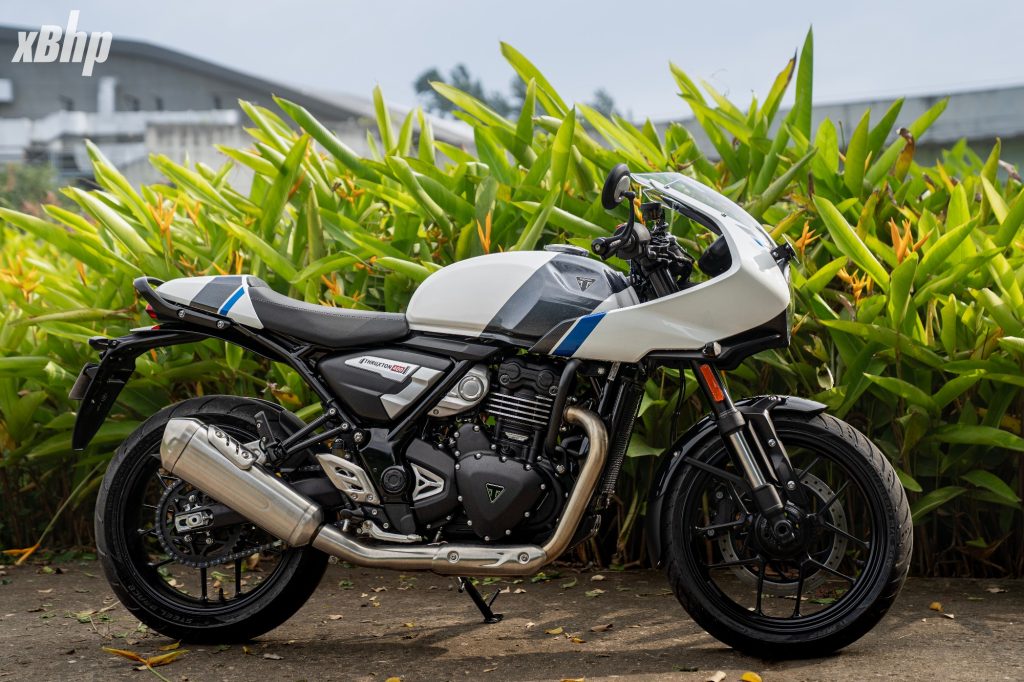
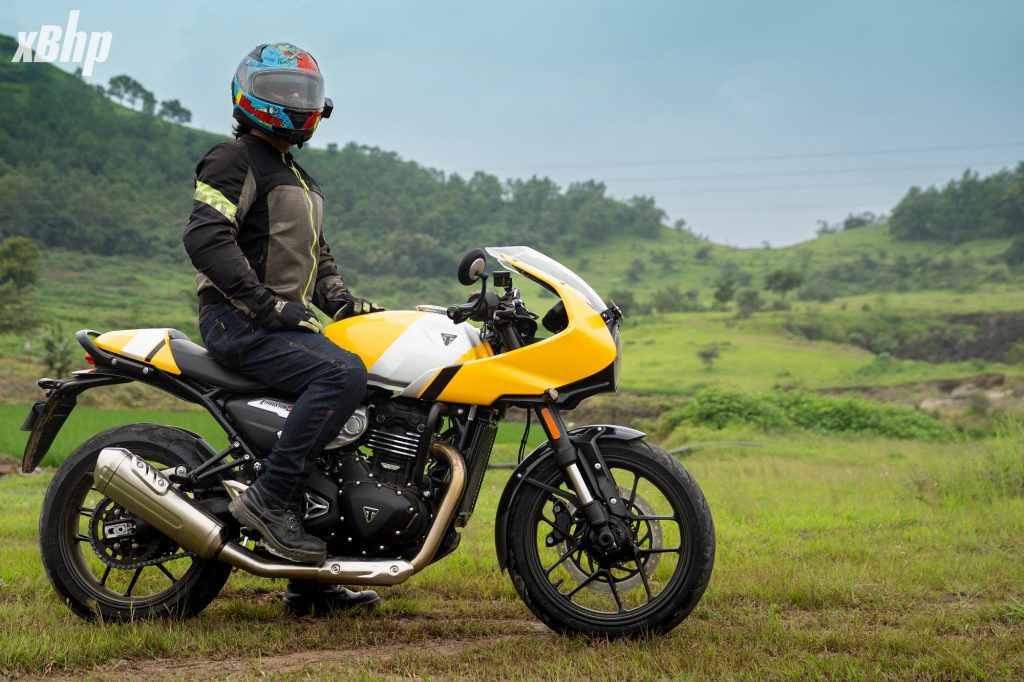
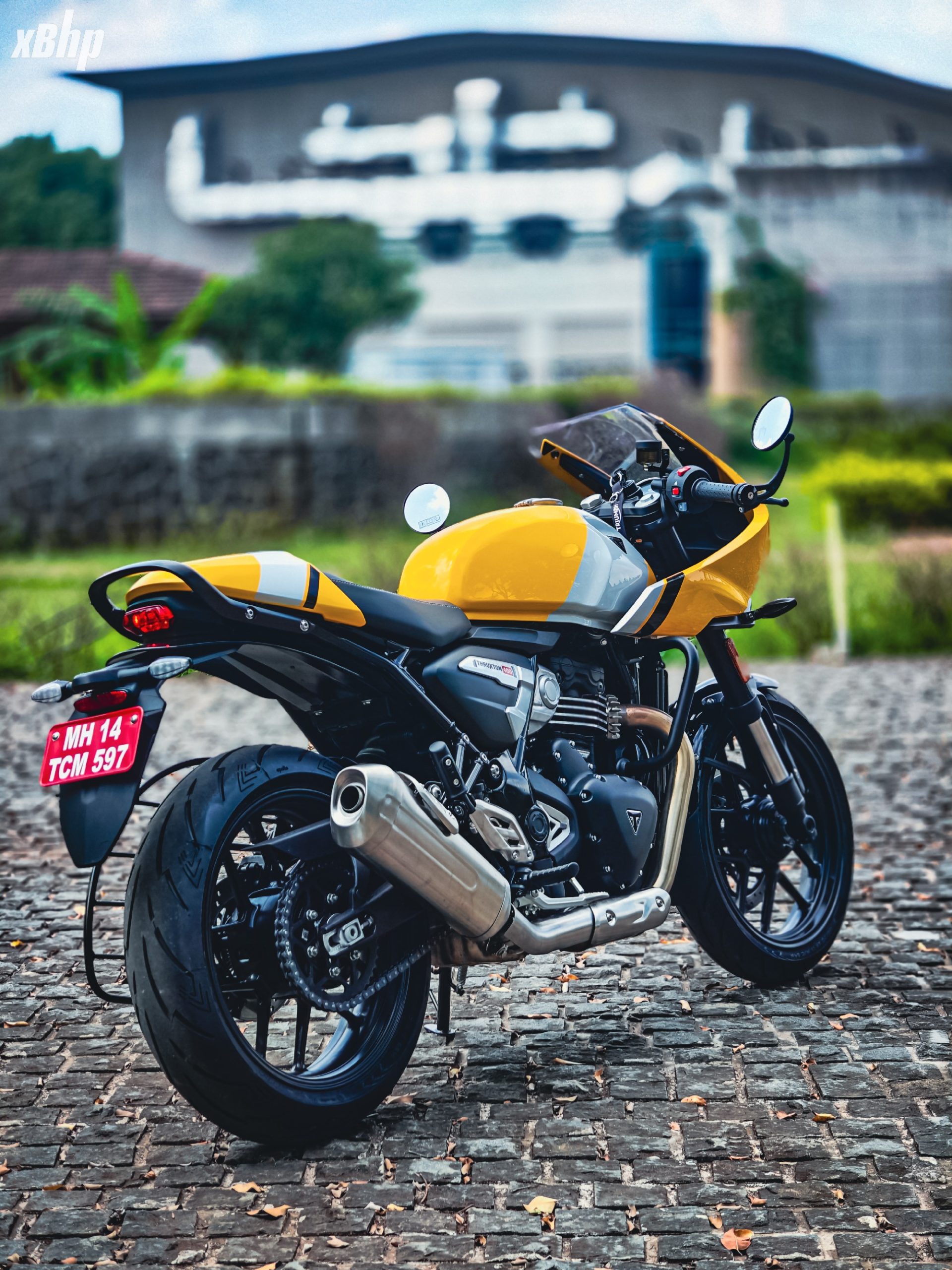
So when the Thruxton 400 was announced, we thought it would be a Speed 400 with a fairing. But Triumph, despite using more or less the same underpinnings as the Speed 400, have managed to create a motorcycle that is so distinct that the Speed 400 feels like a very distant cousin to it… in a good way, of course.
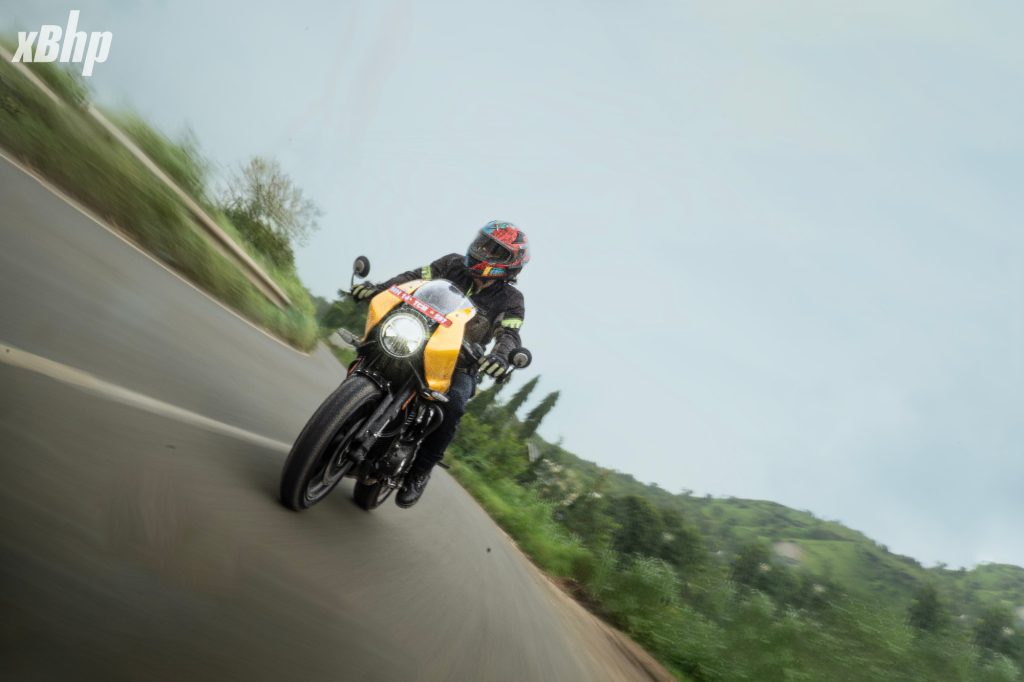
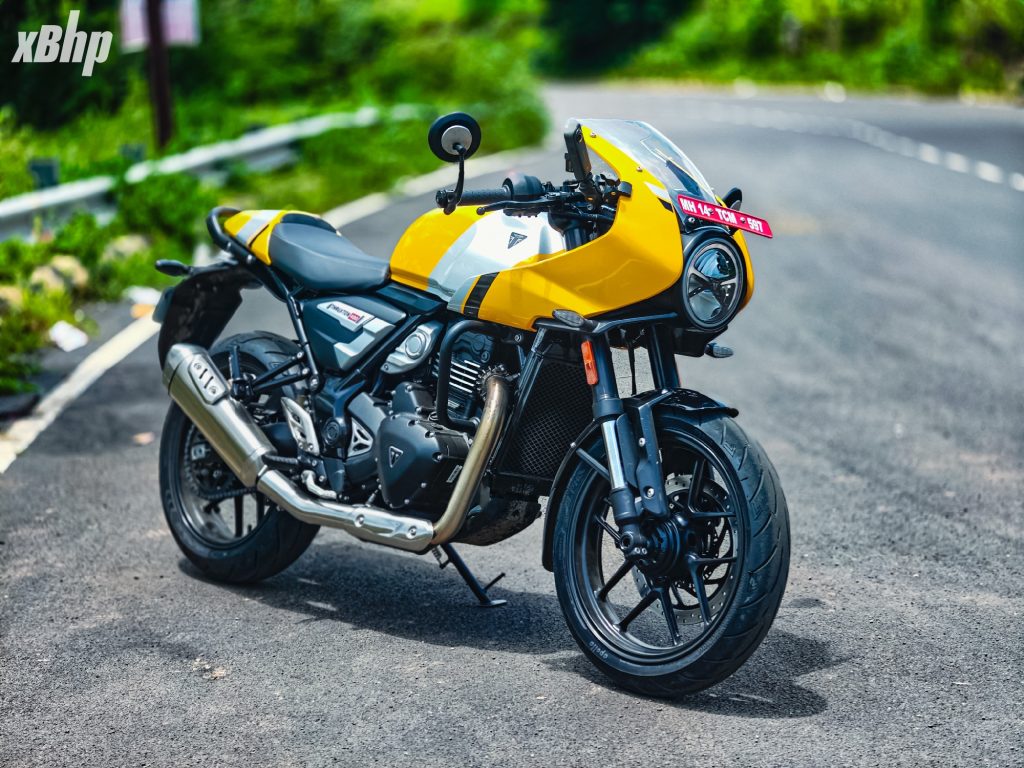
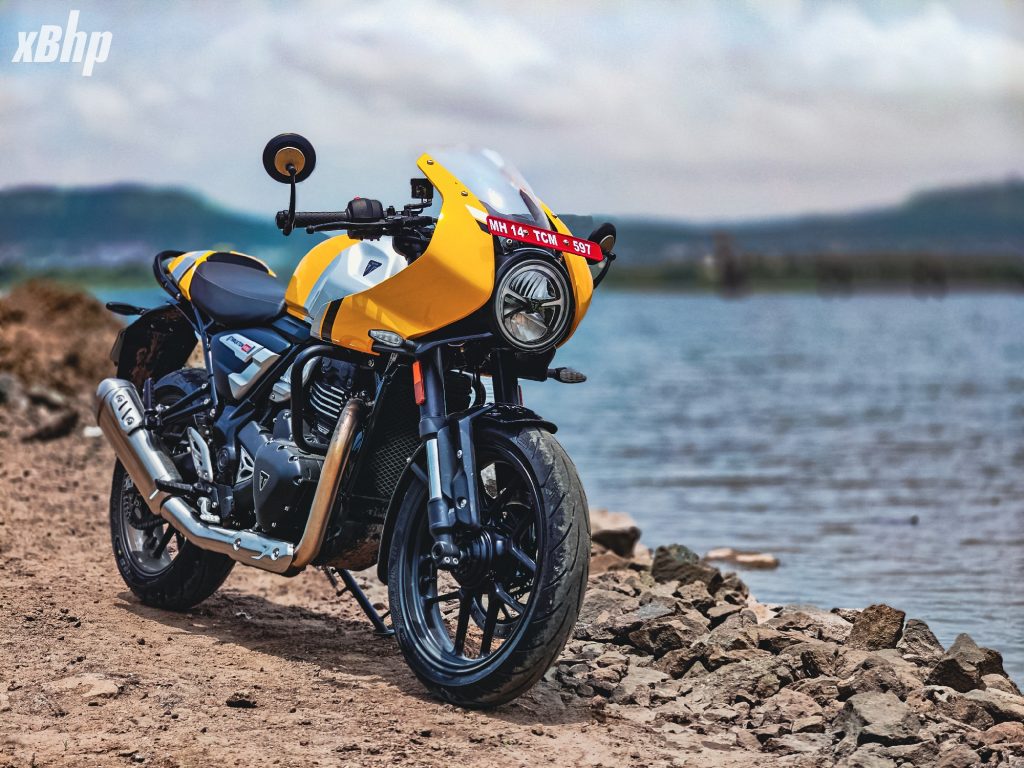
As always, we will start with the looks. The initial reaction to the Thruxton 400 was polarising, to say the least. Some people liked it, some found it okay, and some did not like it at all. Social media became a warzone with people bashing heads, sticking to their opinions.
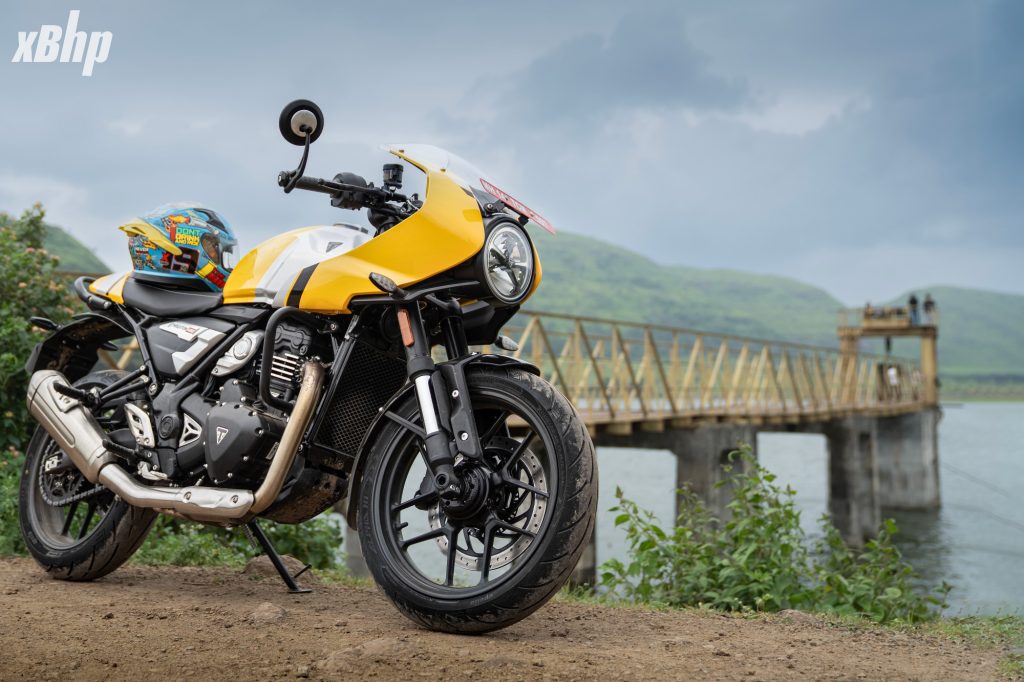
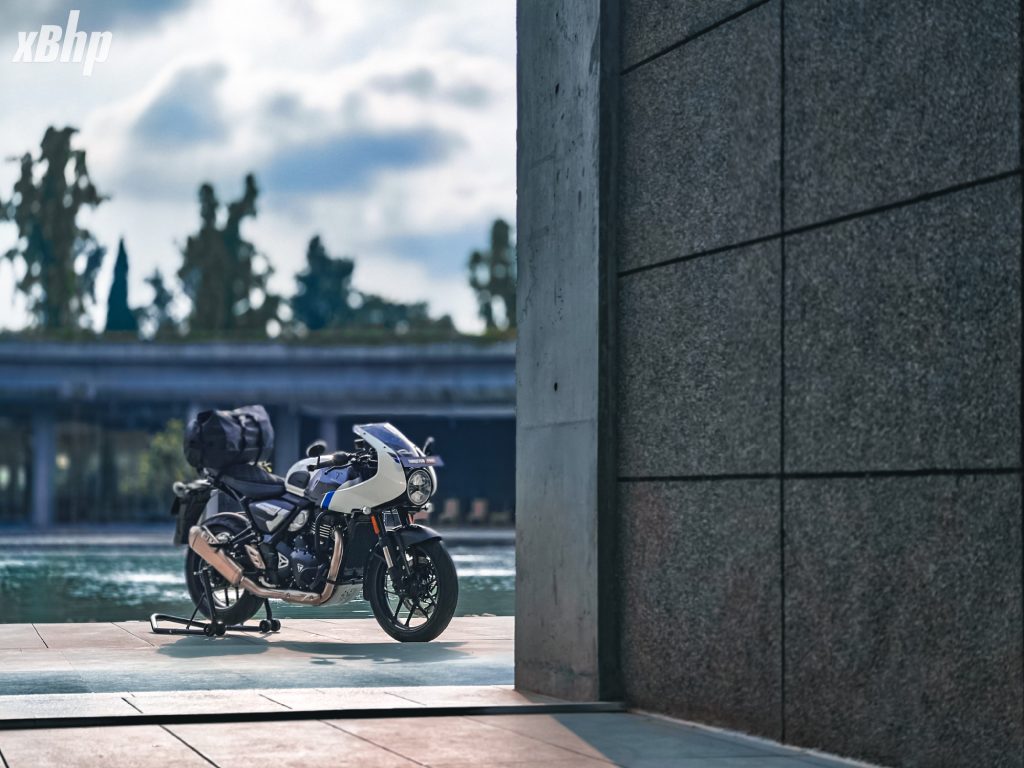
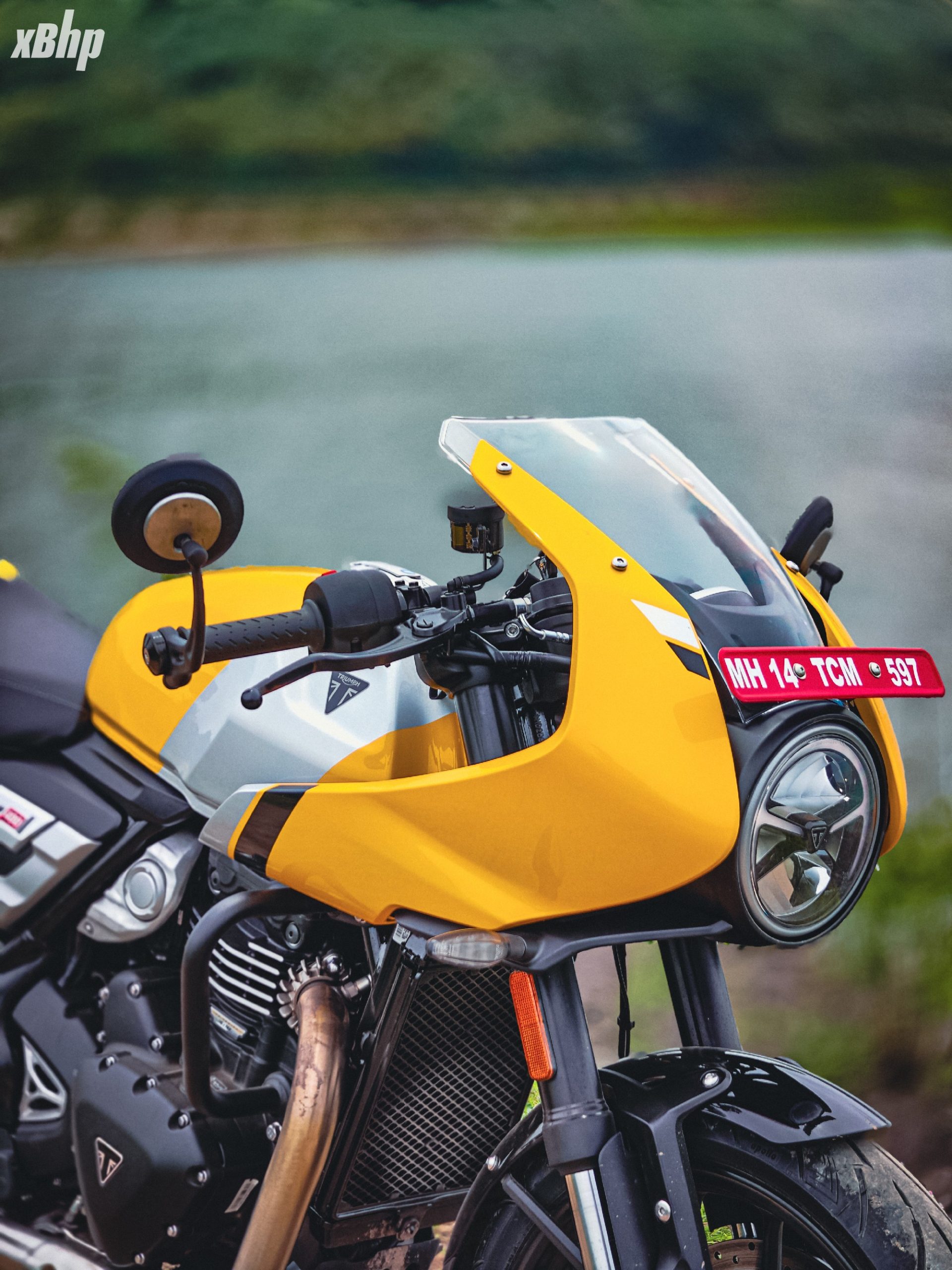
So, it is clear that this is a subjective matter. In our opinion, the Thruxton 400 looks quite nice. Compared to the Speed 400, the tank is narrower (same capacity), the subframe is different, and it has that old-school fairing bolted on.
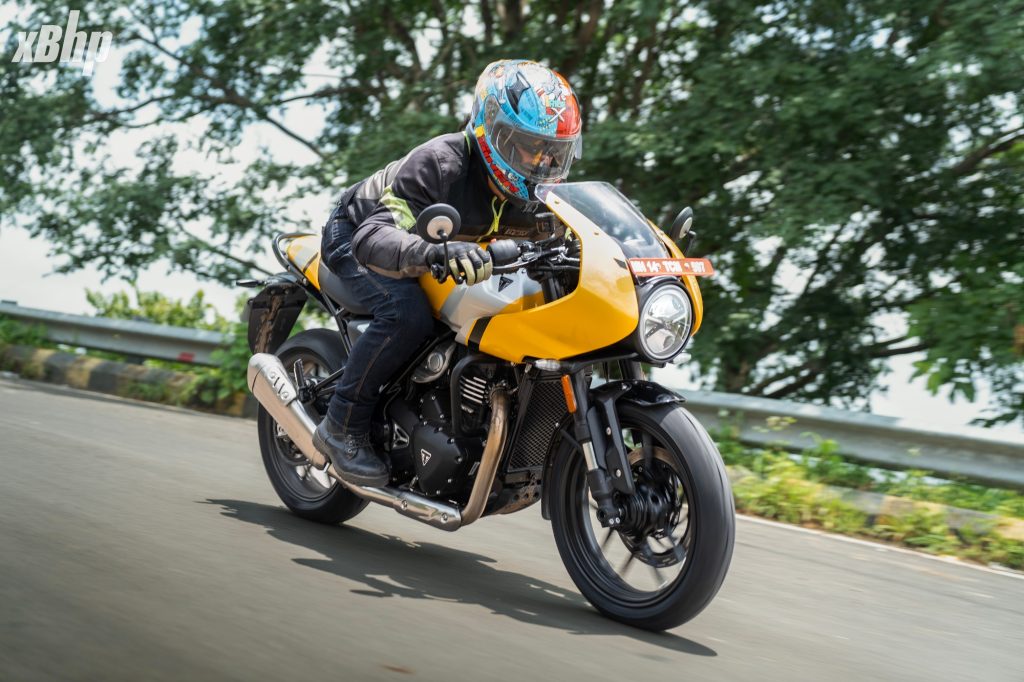
The result of the third collaboration between xBhp and Axor, the iNineteen builds upon the qualities of the Axor Apex helmet augmented by stunning graphics and a beautiful message for the younger generation.
Now, we say bolted on because it looks that way. The gaps between the tank and the panels are a tad bit much to make it look coherent. Another thing we did not like was the rear. It could have been done better. Finally, the colours. They are all alright, but we wish there were some solid colours on offer as well.
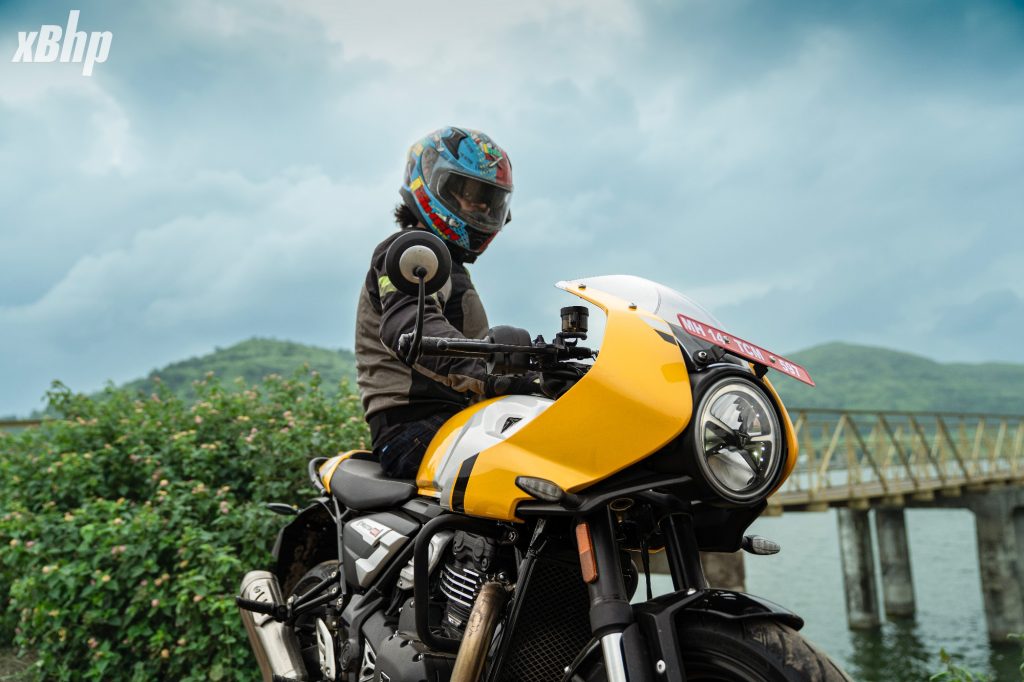
In essence, if you take a look at the overall silhouette and leading lines, the Thruxton 400 looks closer to a Speed 1200 RR than the OG Thruxton. That puts it in a bit of a limbo where it is stuck between those two in terms of the design.
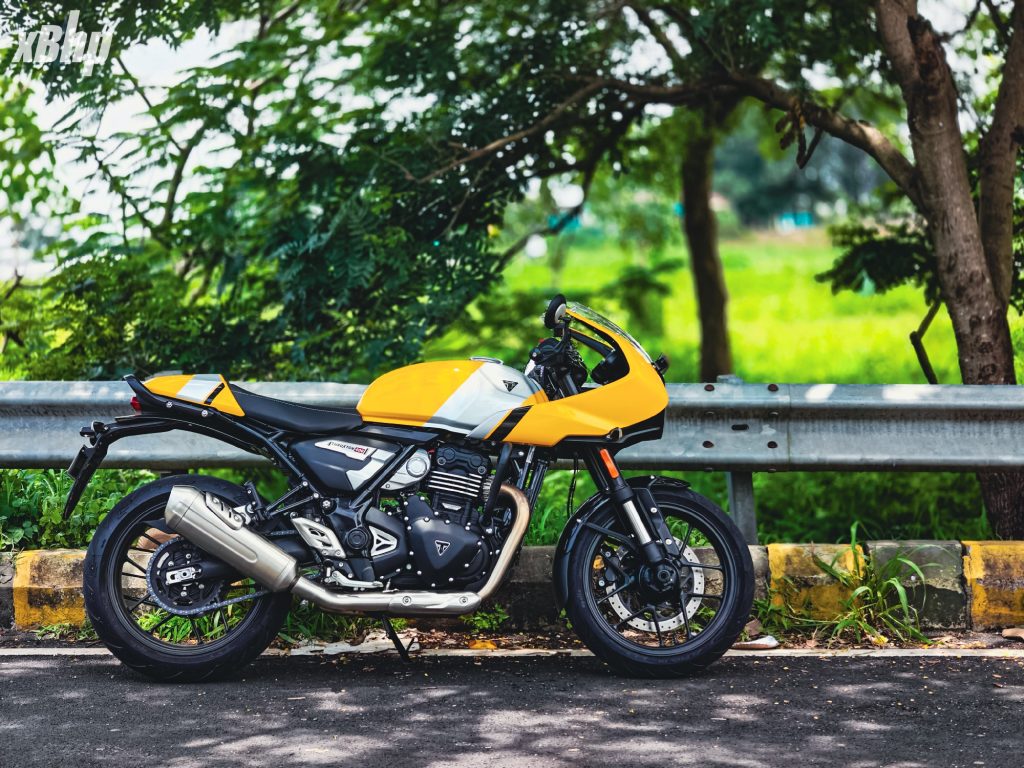
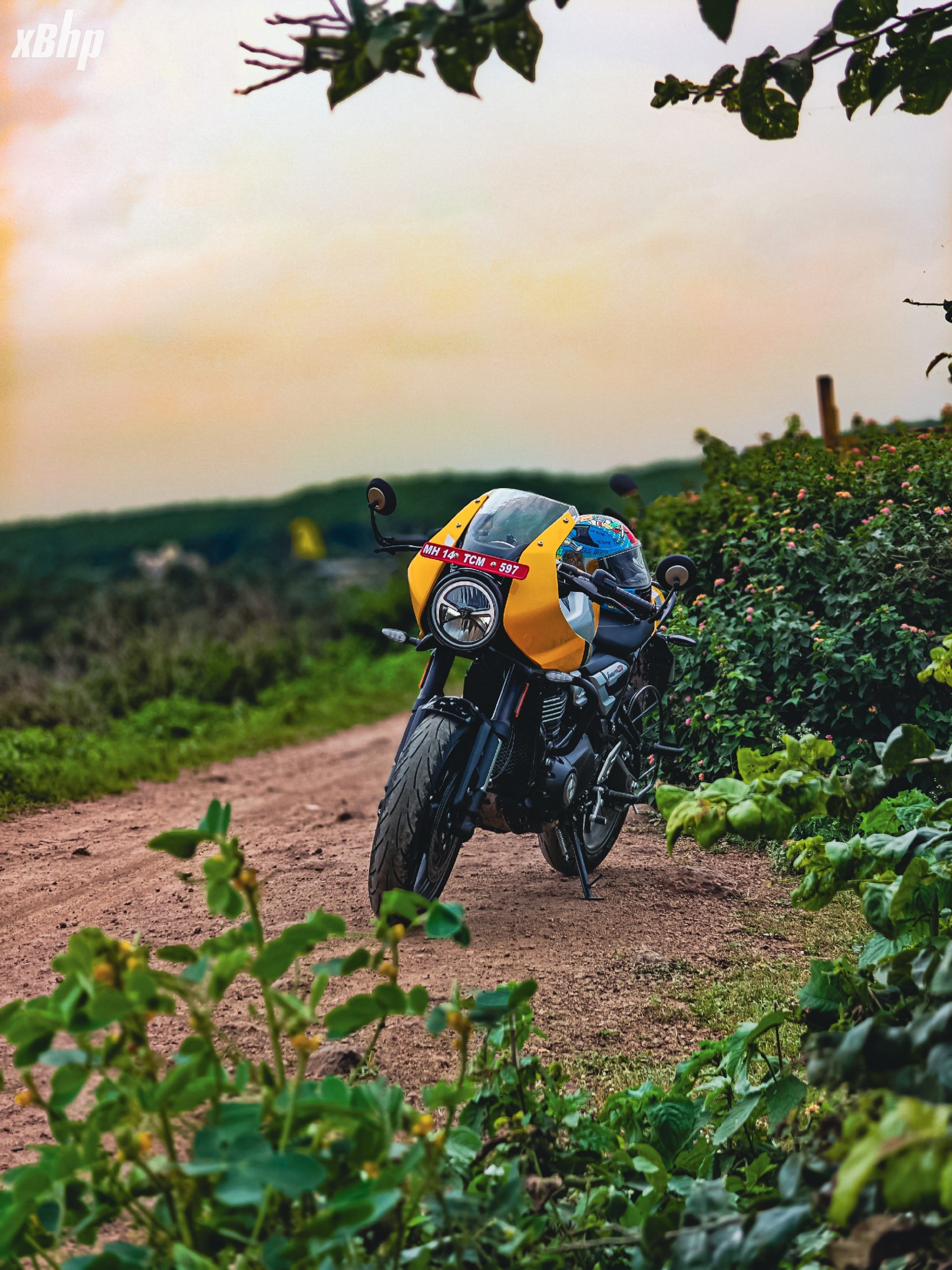
That said, we’d say you look at the motorcycle in flesh before forming an opinion. It looks better in real life than it does in photos. Overall, Triumph has done a decent job with the Thruxton 400, but it would have really torn the roof off with a few tweaks.
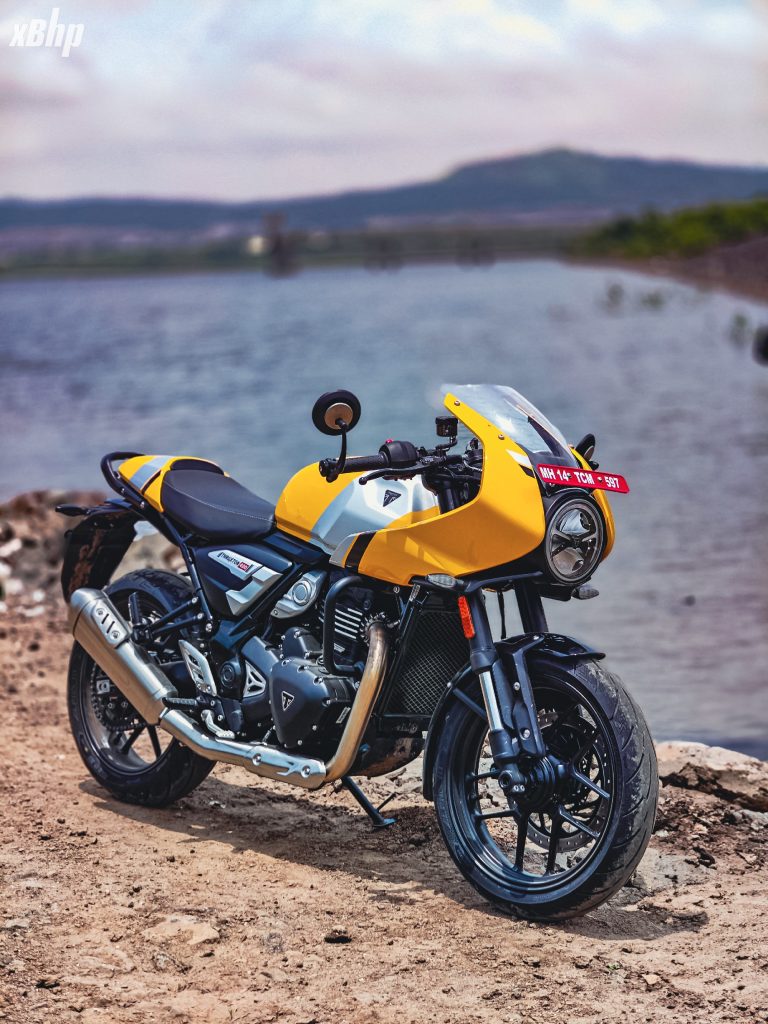
Now, time for a loaded (heavily) opinion. The Thruxton 400 is the first motorcycle in a very long time where we’d say looks do not matter… or at least, one can look past that aspect. And we say that because in terms of performance, the Thruxton 400 is simply stellar.
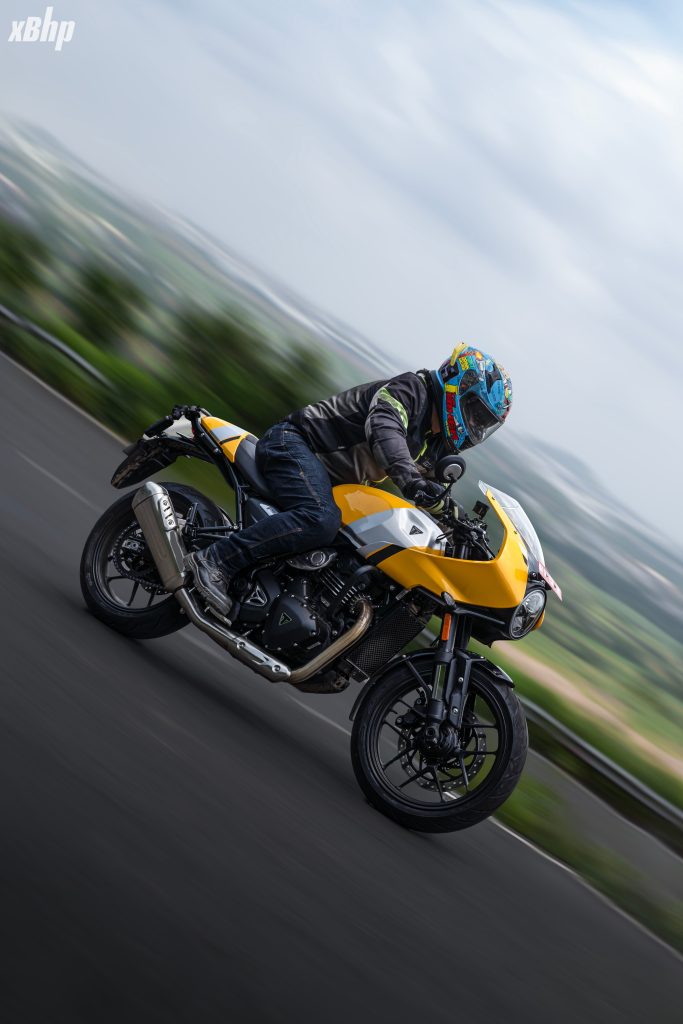
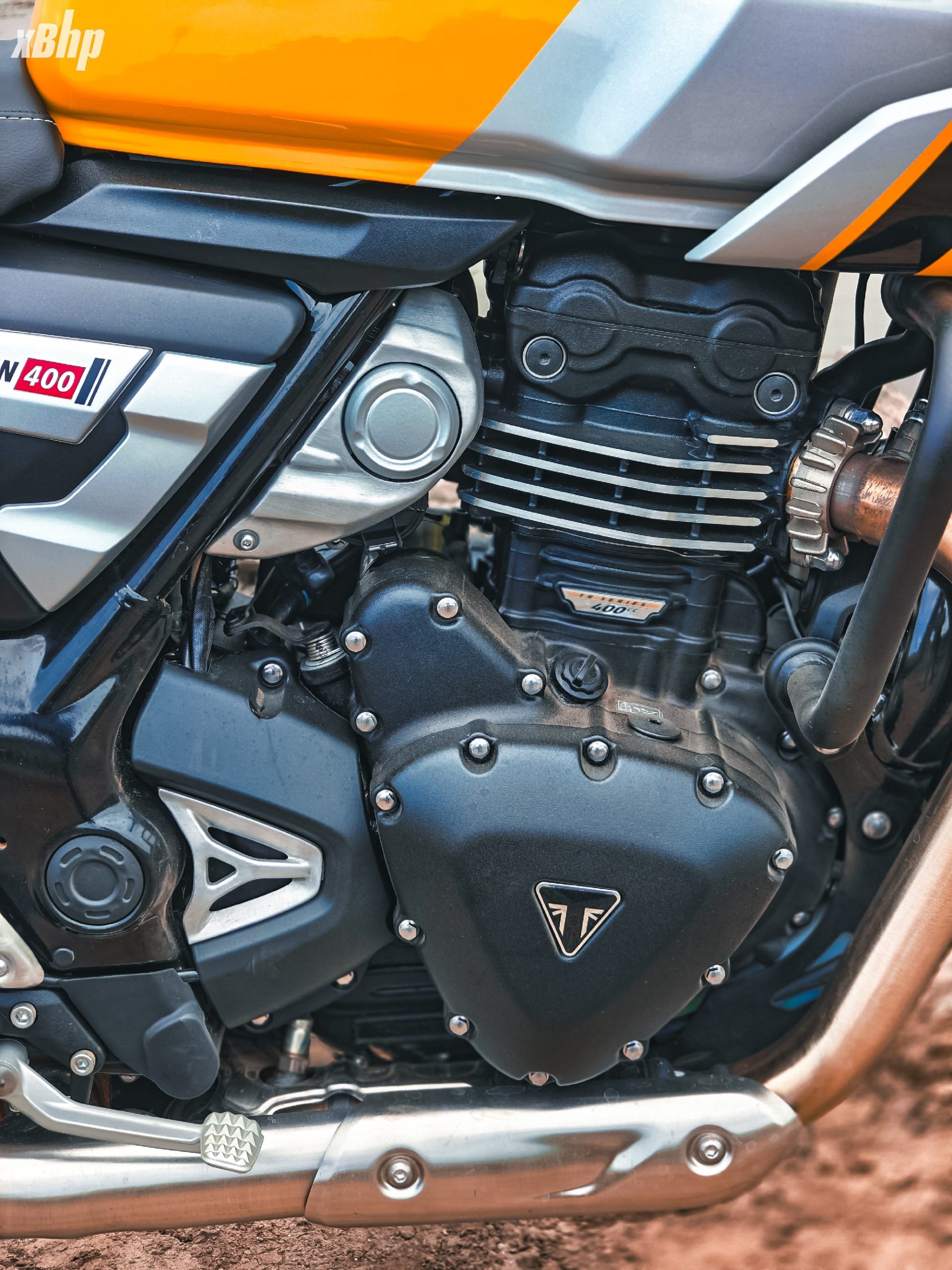
It has the same 398cc, liquid-cooled, single-cylinder engine as the Speed 400. So, it was bound to be pretty rad. But on the Thruxton 400, you get that same engine with extra spice. It makes more power at 42 PS and the same amount of torque, but at higher rpms. So, it revs higher and has shed two teeth from the rear sprocket. That means a top speed of over 160 kays an hour. Pretty rad.
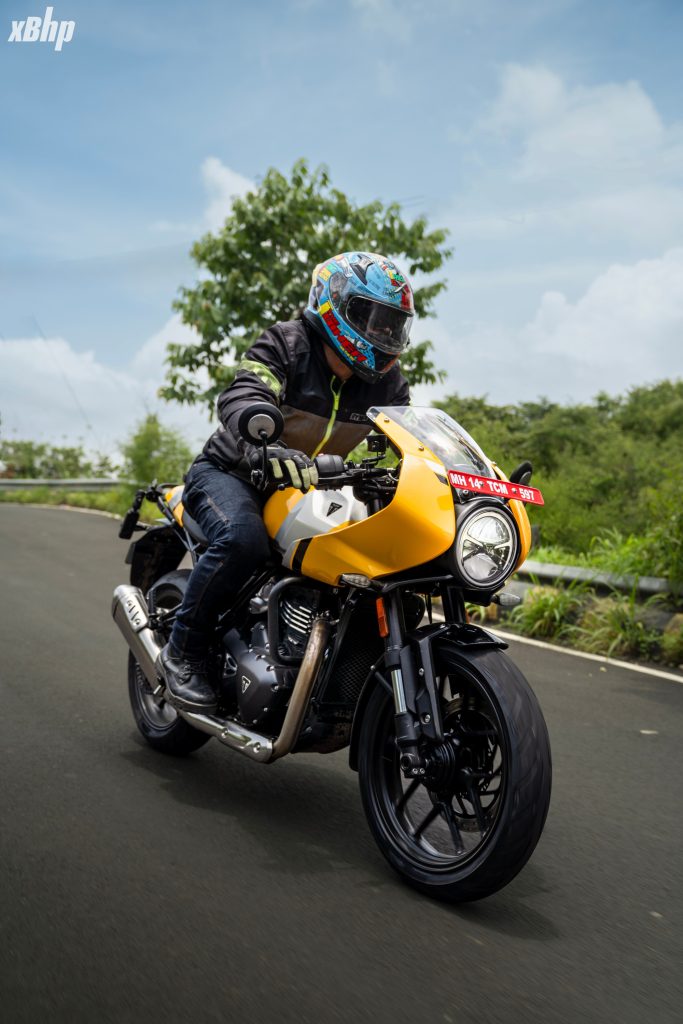
On paper, it all seems impressive, but in the real world, the Thruxton 400 blows you away. The top-end grunt has not come at the cost of lower-end shove. The Thruxton 400 is still very tractable and torquey. It does not stutter even when pulling from lower speeds in higher gears. The fueling is immaculate, which makes the throttle response smooth and sharp.
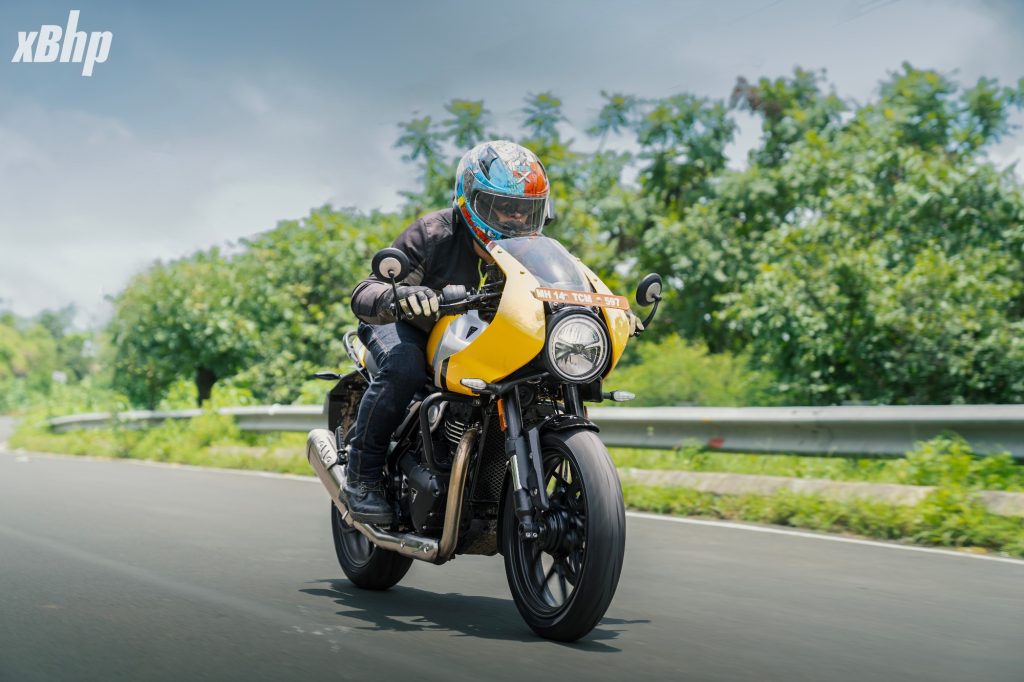
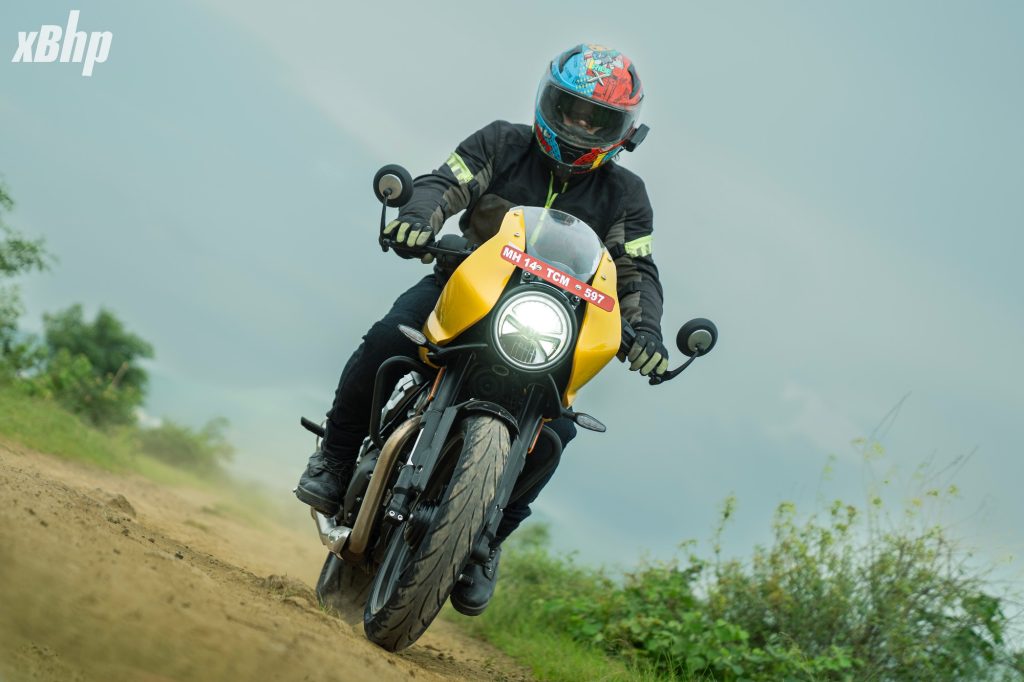
The engine is also very refined, and NVH is well in control. This results in a motorcycle that you want to ride hard all day long, and the engine loves that. It likes to rev, it does not feel out of breath at any point, and it just keeps going on and on and on… It is addictive. The Thruxton 400 may have the same engine as the Speed 400, but the character is so distinct and suited to the cafe-racer aspirations of this motorcycle.
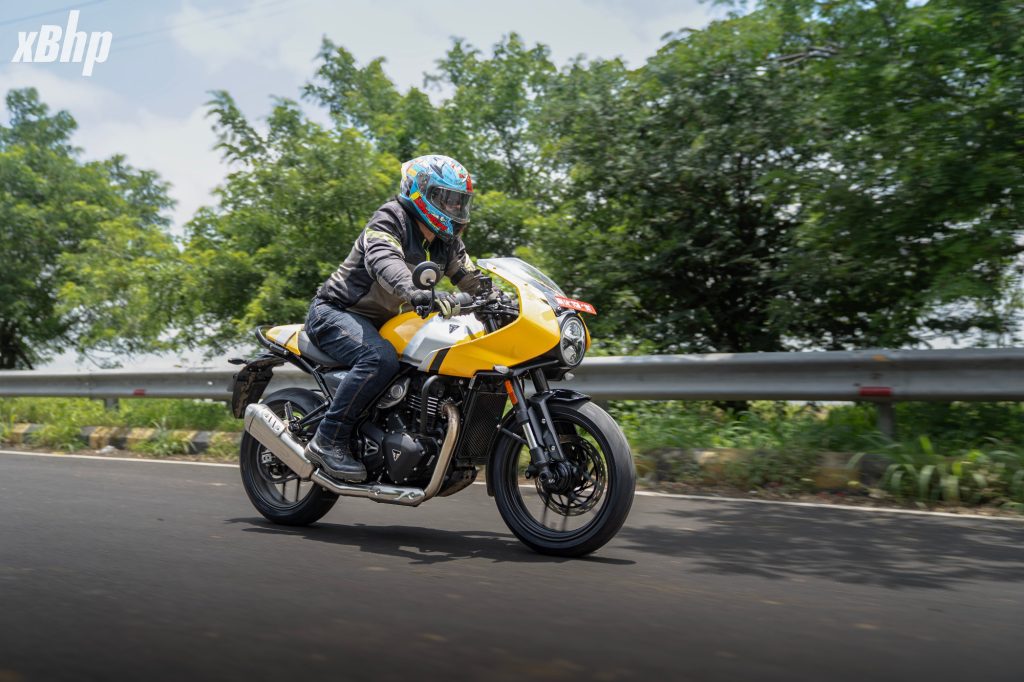
Shown here are the stellar riding gear from Rynox, including the Downtown Pro Motorcycle Jeans with D3O protectors. Comfort, style, and protection; all in one sleek package!
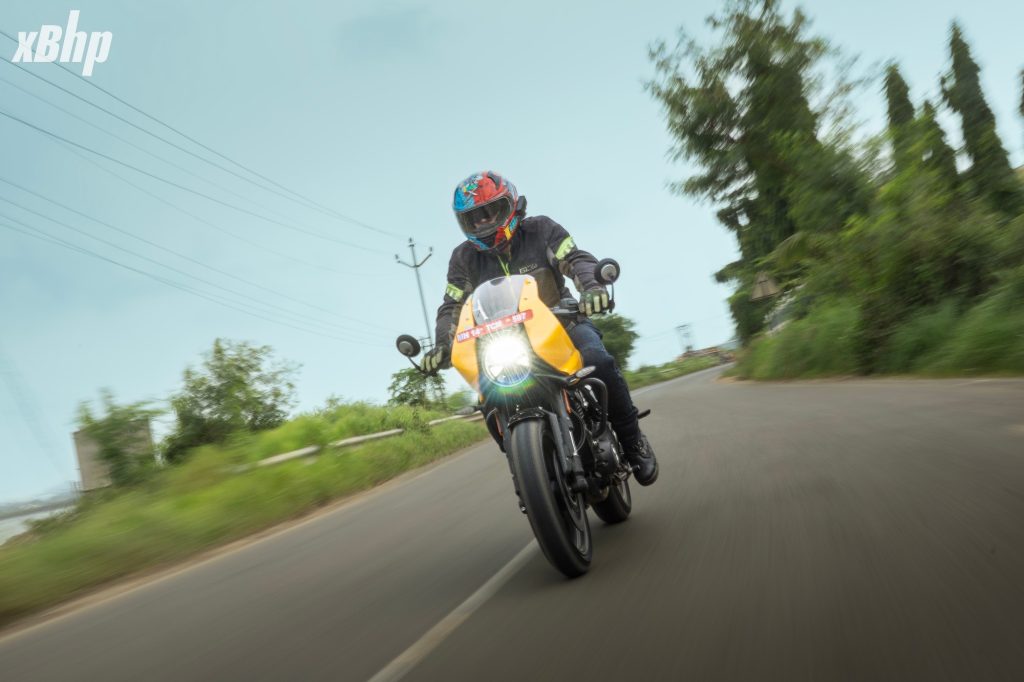
The handling is just as impressive. The Thruxton 400 has clip-ons, footpegs that are higher and more rear-set. So the riding position is that of a properly committed sportbike. In addition to the narrow tank, the clip-ons are also narrow, making it possible to be in a proper tuck. The suspension has also been tweaked quite a bit. The Thruxton 400, even with the same hardware as the Speed 400, feels like a very different motorcycle in the corners.
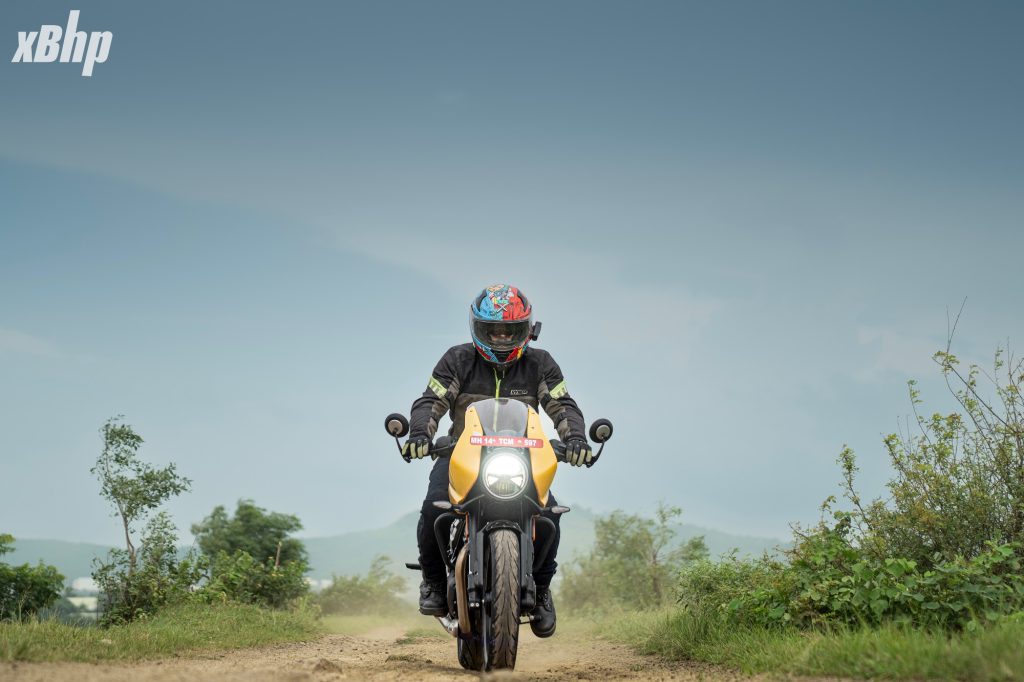
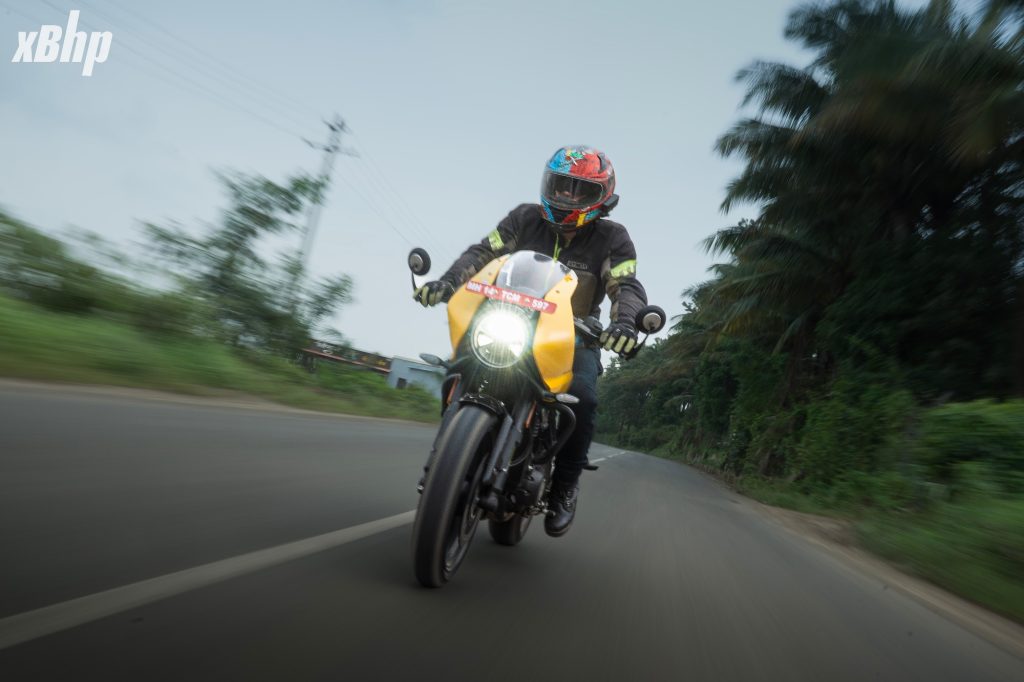
It offers proper support during hard braking, and you have the confidence to attack corners like you mean it. And despite that, they absorb nearly all sorts of bumps and undulations you might encounter. We also loved the brakes as they offer a lot of bite and feel. Though we did not get a chance to really rip it, we are confident that the Thruxton 400 is going to be an absolute treat on winding roads. Only if it had a quickshifter… but greed is a sin.
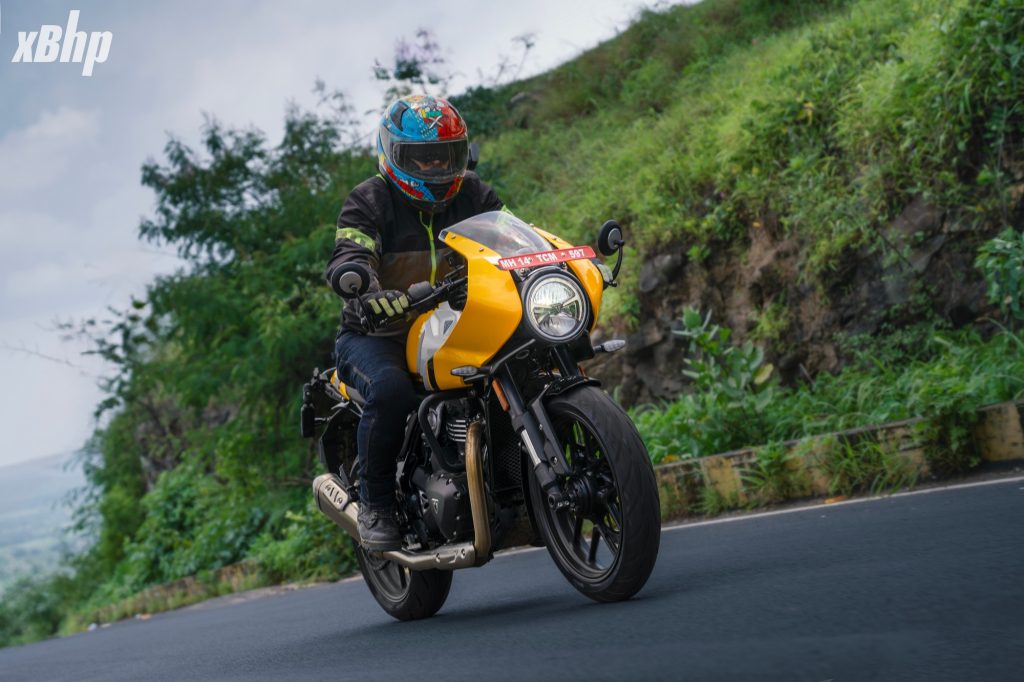
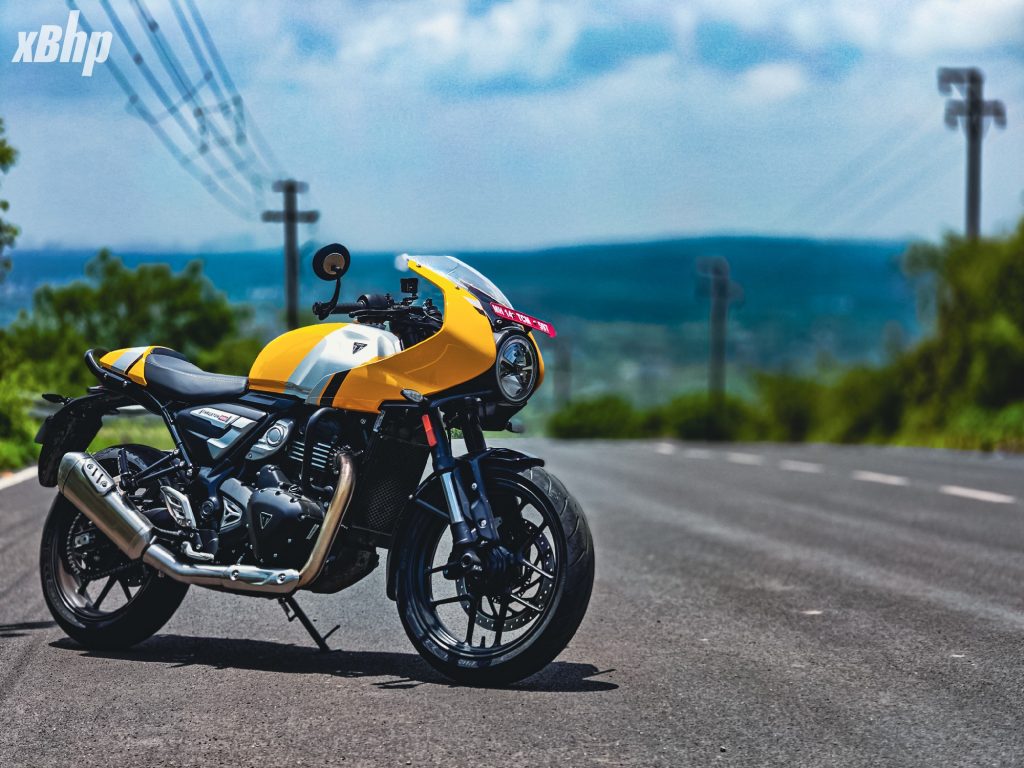
For those who’d like to ride it hard, the Thruxton 400 comes with switchable traction control, torque-assist clutch, and ABS. So in case you are overzealous with the throttle, or too aggressive with your downshifts, or too rough with the brakes, the electronics have your back.
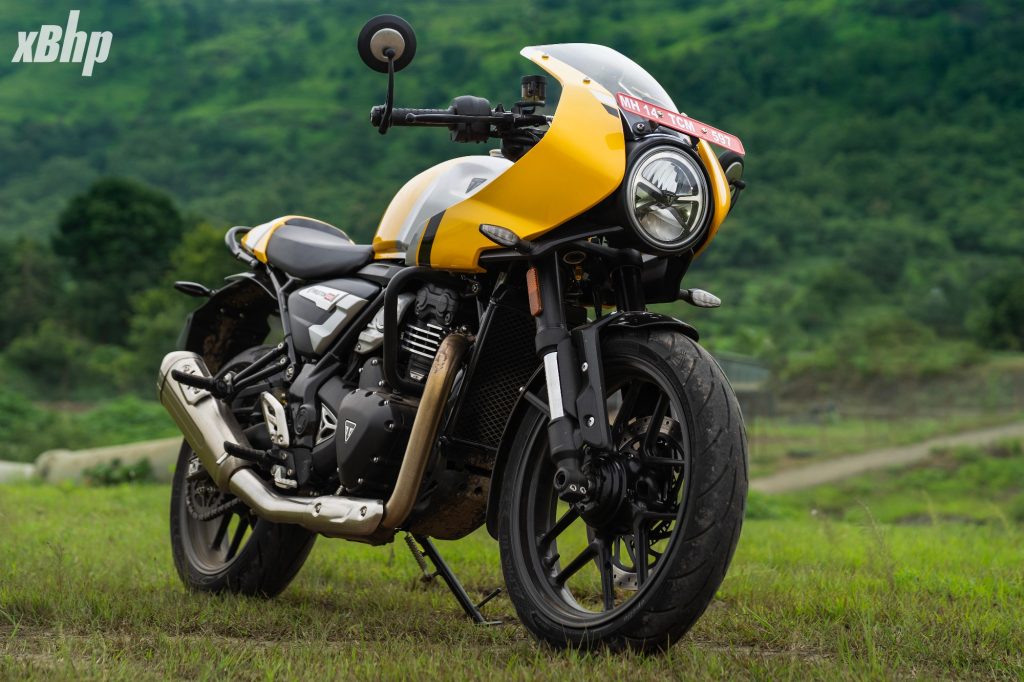
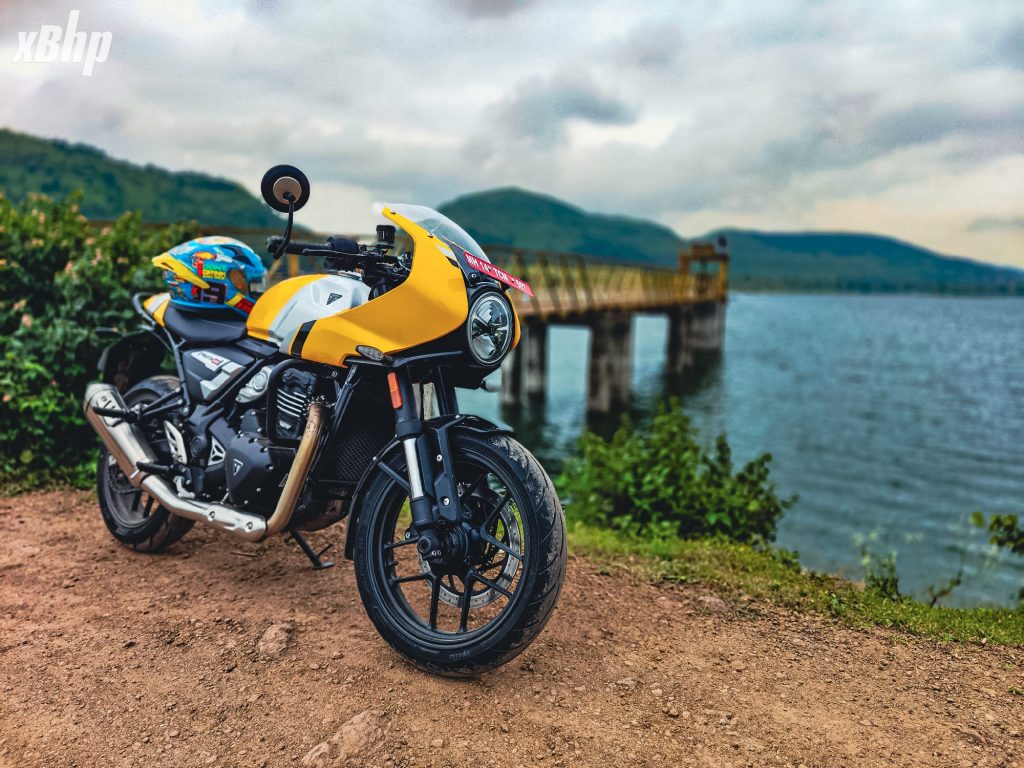
To be honest, we were not expecting this. We are still trying to shake the feelings that the Thruxton 400 invokes when you give it the beans and even more so, how different and distinct it feels despite sharing the platform with two other motorcycles… Very well done, Triumph!
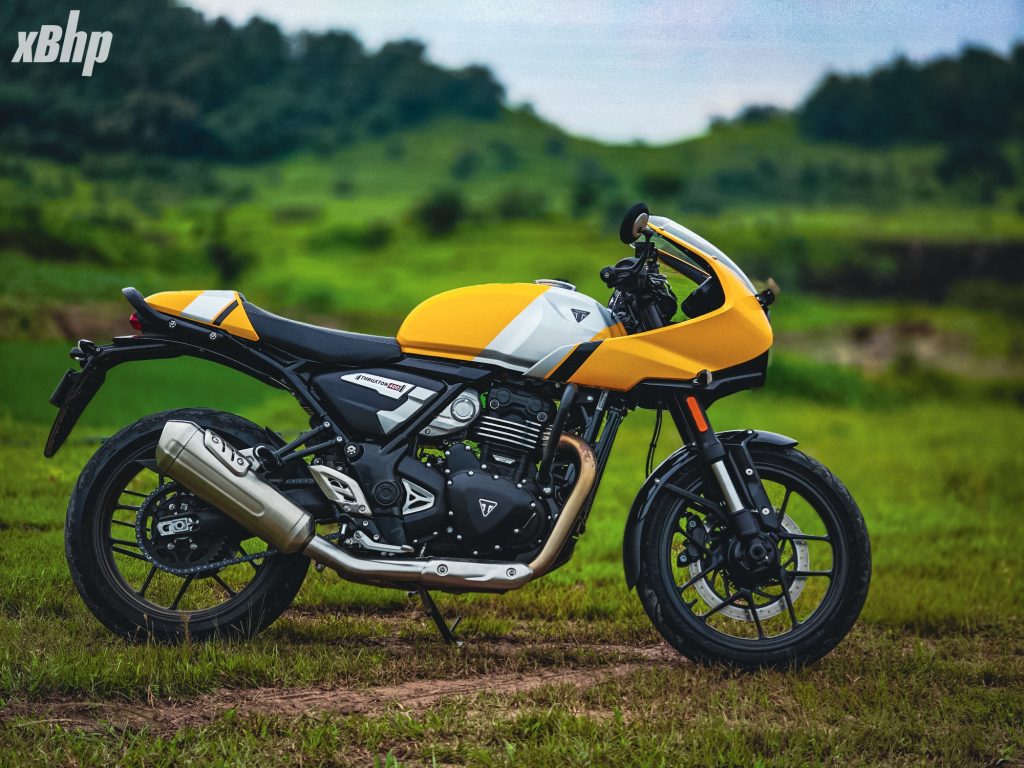
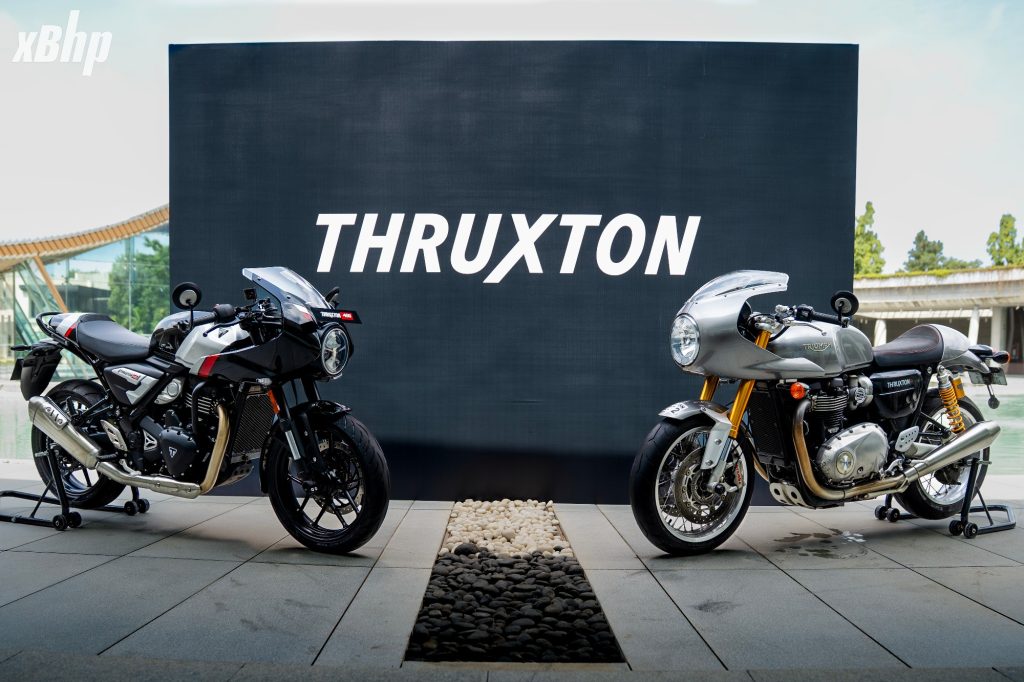
The Thruxton 400 has been launched at INR 2.74 lakhs (Ex-Showroom), and it is a steal at that price. No motorcycle around that price comes close to the Thruxton 400 in terms of what it offers. Could it have looked better with solid colours and golden USD forks? Of course. So, an R variant in the future can fix that… Triumph, you listenin’?
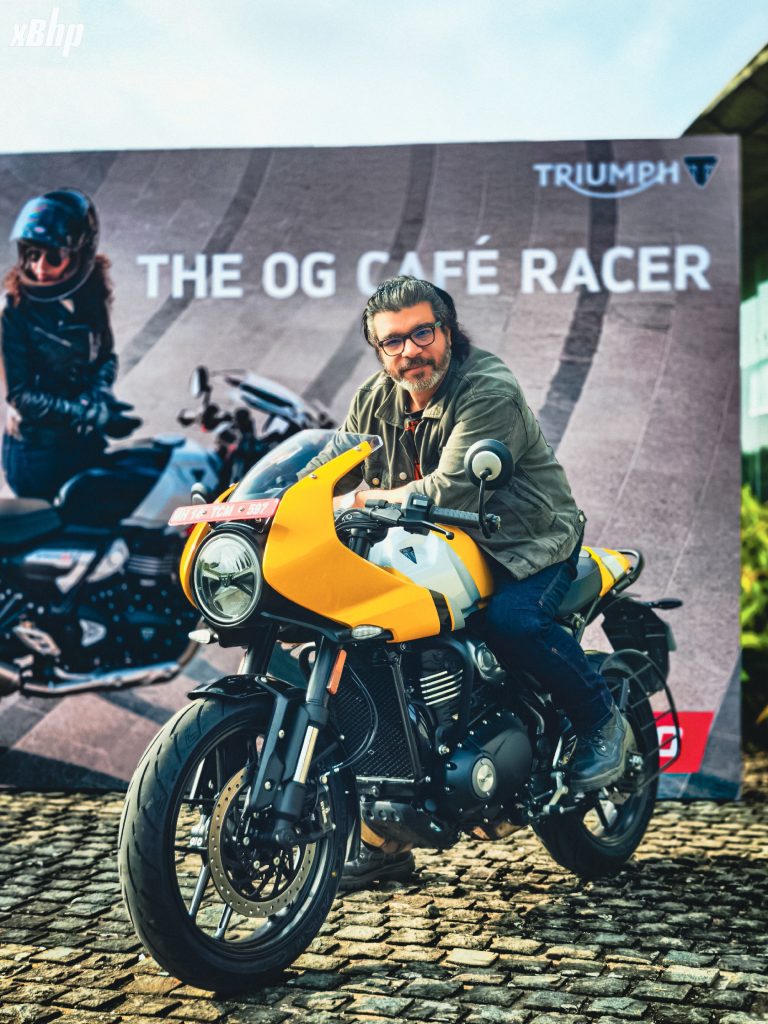
2025 TVS Apache RTR 310 | Evolving from Greatness
 Jul 2025 xBhp
Bikes,TVS
Jul 2025 xBhp
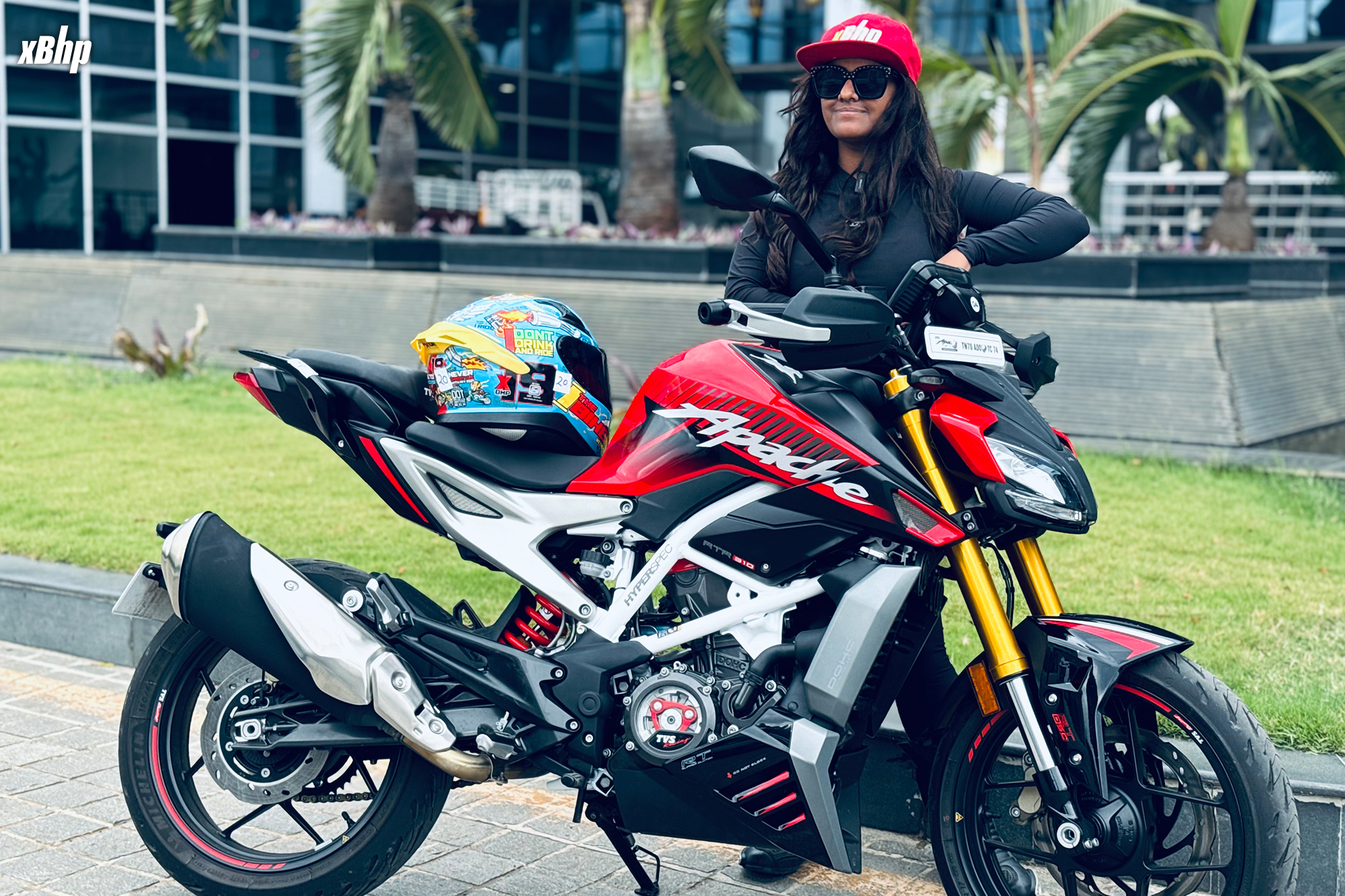
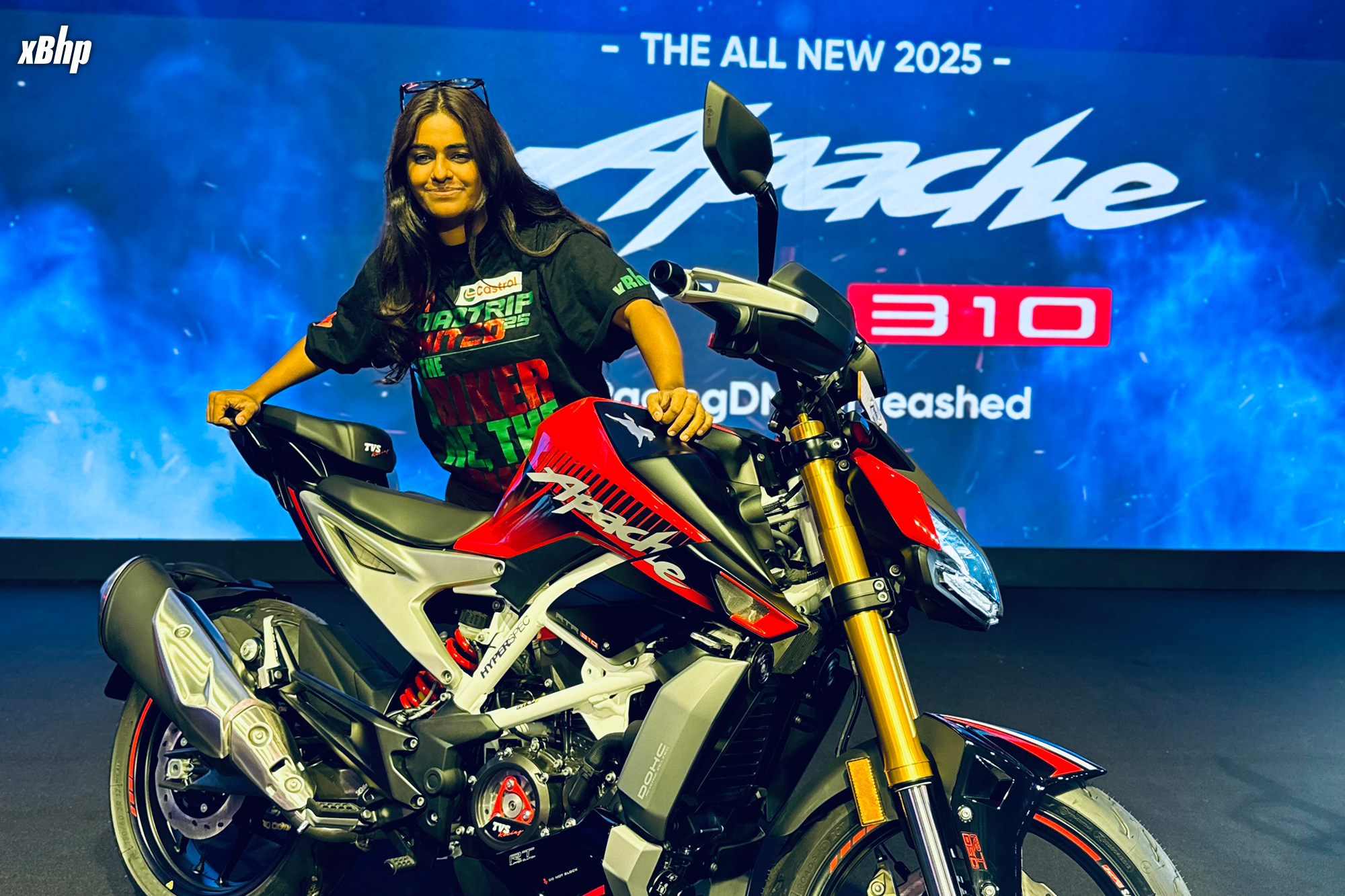
Bikes,TVSWhen it comes to the kind of motorcycle that the TVS Apache RTR 310 is, it was already near-perfect. RR 310’s pedigree, with a more approachable riding position and tons of street cred, we can have something of that sort all day long. And if so, why change it? Well, that has been TVS’s mantra for all their motorcycles. They make one and then they hone it… continually and consistently. They did it for the Apache RR 310, and so, it would be unwise to expect anything different when it comes to the Apache RTR 310.
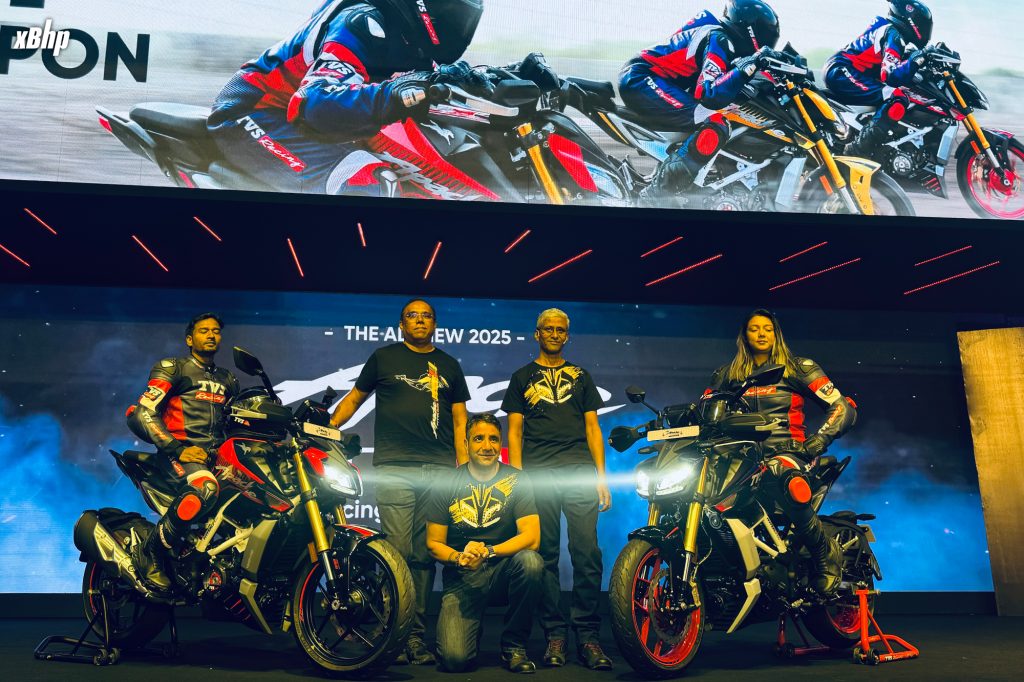
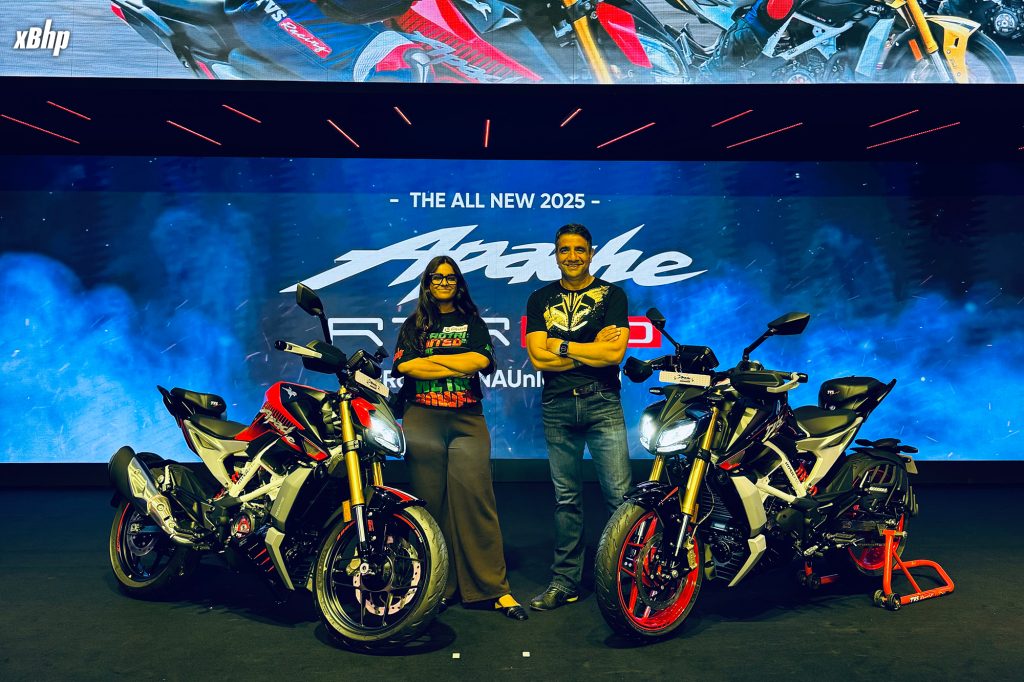
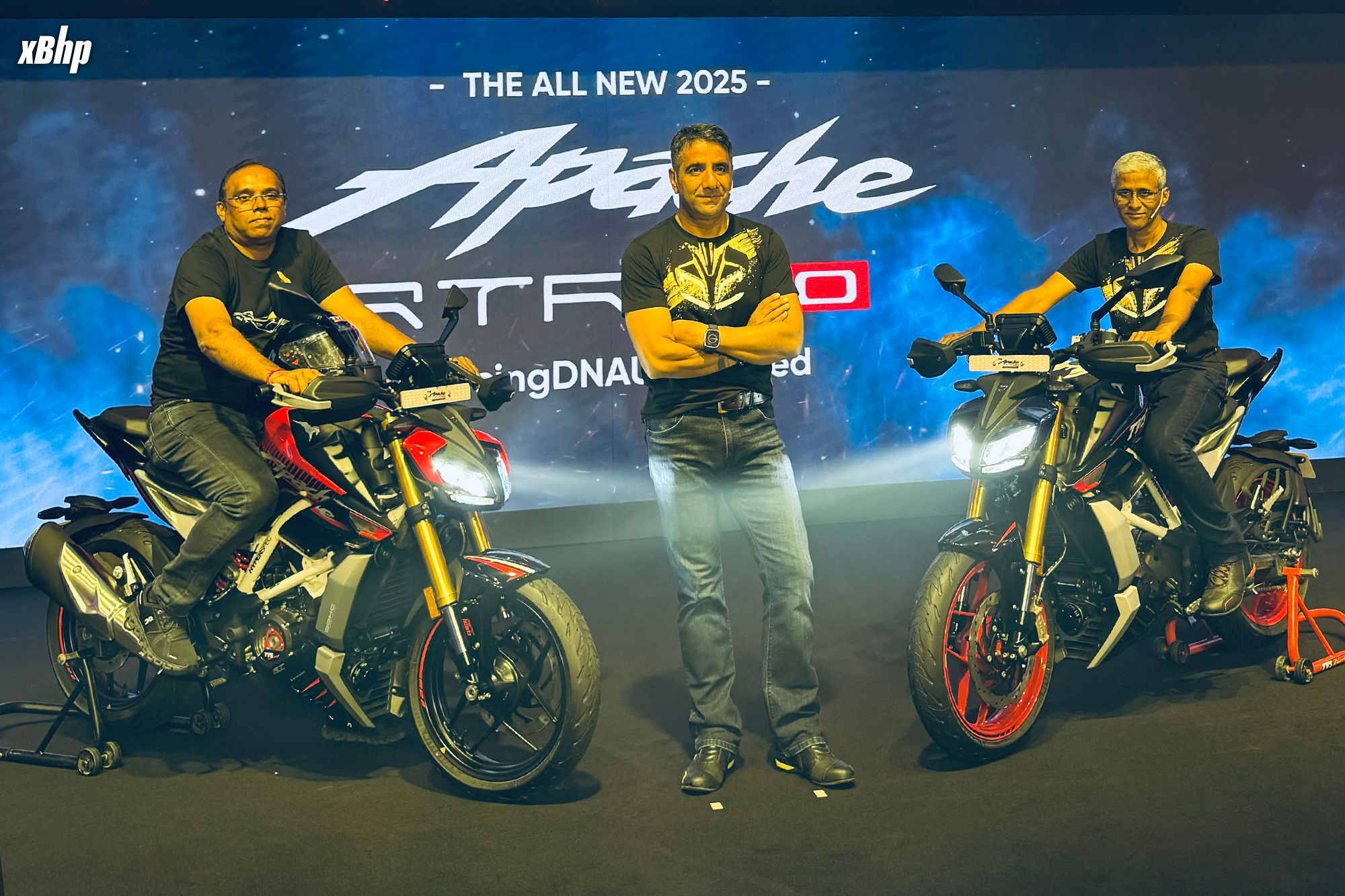
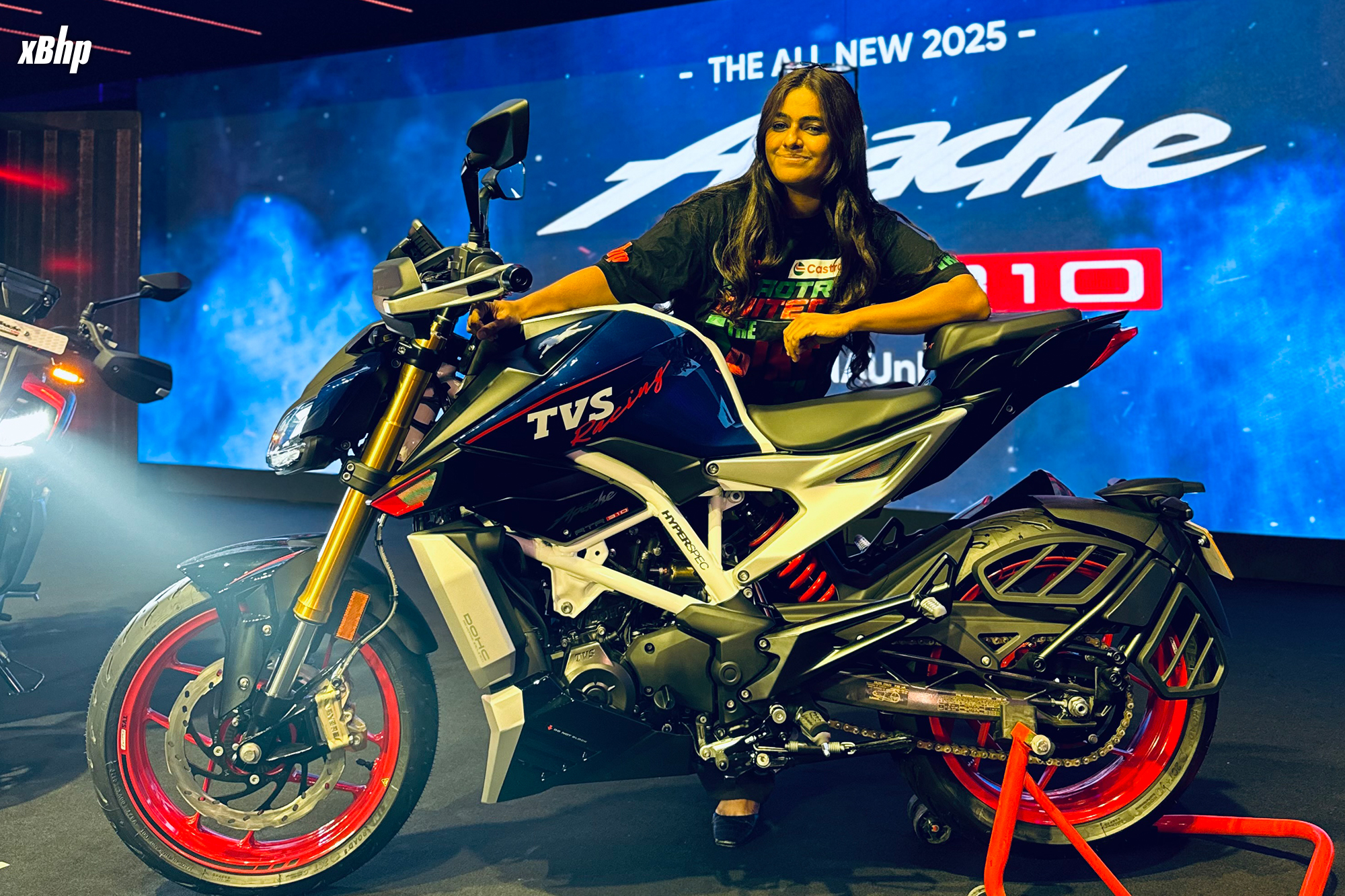
The new TVS Apache RTR 310 is essentially the same motorcycle with some refinements and some additions as well. There are some additions to the already comprehensive electronics suite and some meaningful changes to the power delivery. We rode the first one in Thailand, and it was mighty impressive. So much so that we added it to the xBhp Garage and did a lot with it, too. From writing songs about it to a stunt ride to some creative shoots, it has been a mainstay in the xBhp Garage in a very meaningful way.
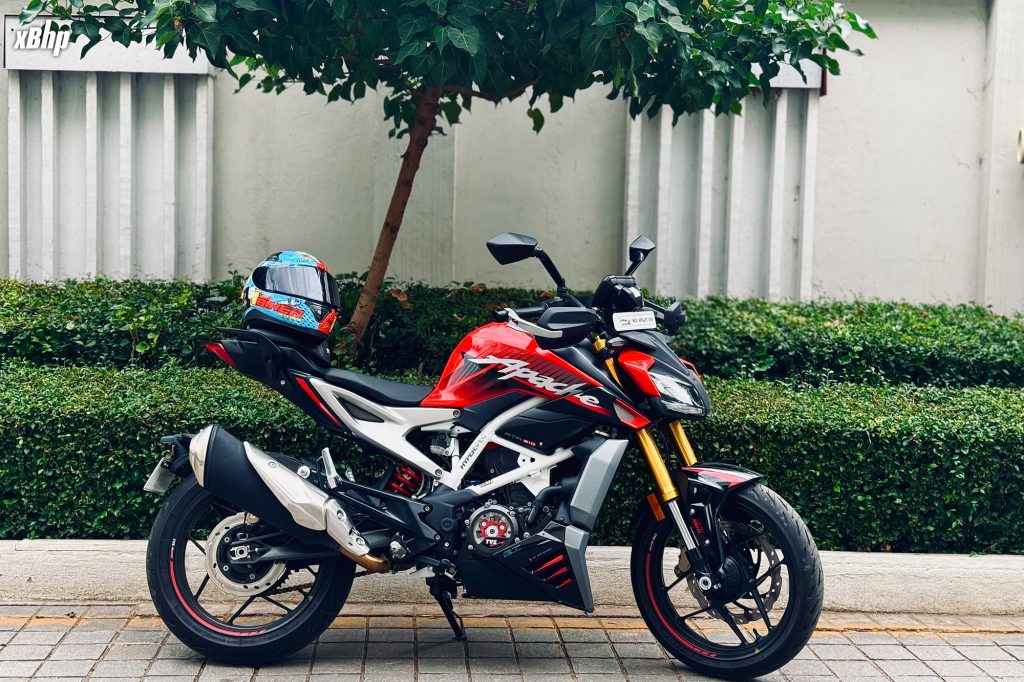
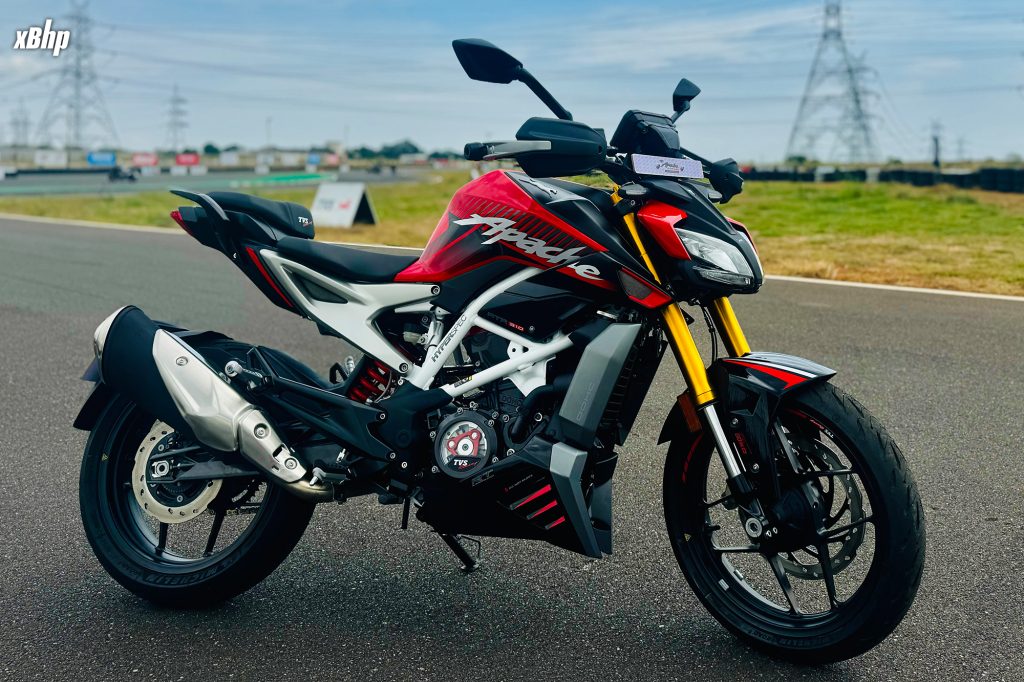
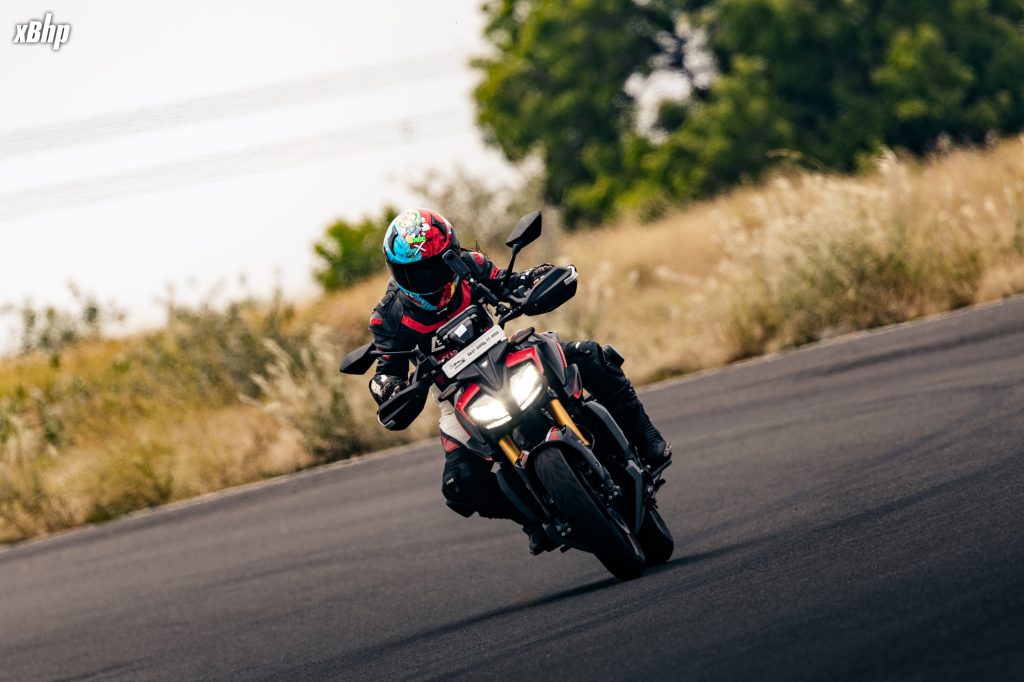
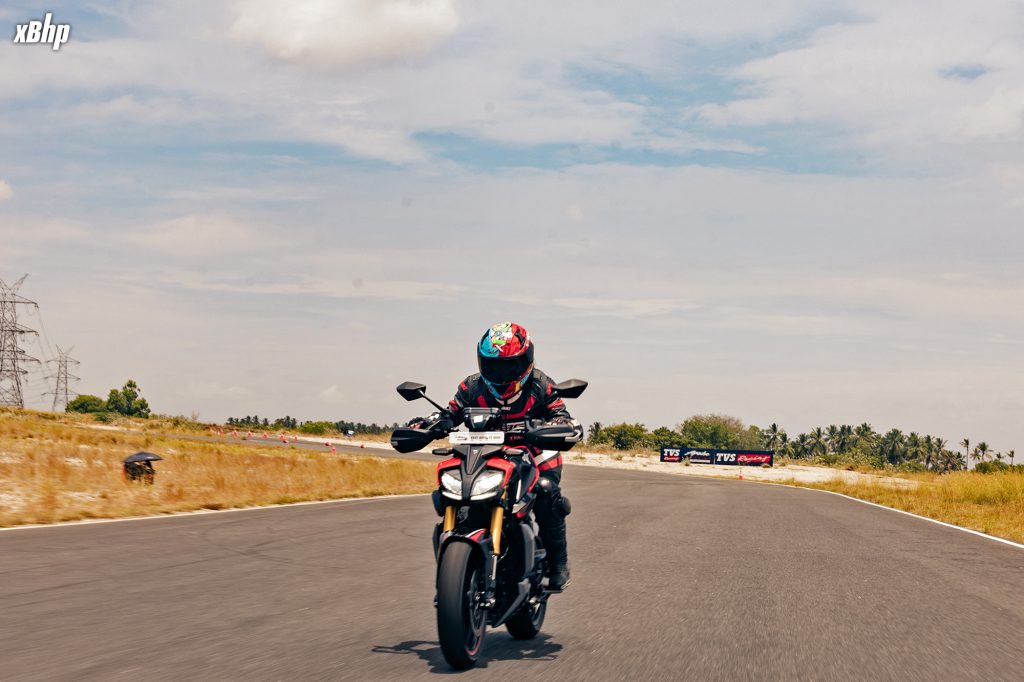
Anyway, coming back to the new Apache RTR 310, we got to ride it in India this time… on India’s first anti-clockwise circuit- the CoASTT racetrack in Coimbatore. Despite TVS calling it the Ultimate Street Weapon, it felt more or less at home even on the racetrack. In addition to the racetrack, we also rode the new Apache RTR 310 on the open roads, including dealing with traffic. So, we have got a decent idea of what the new TVS Apache RTR 310 is all about.
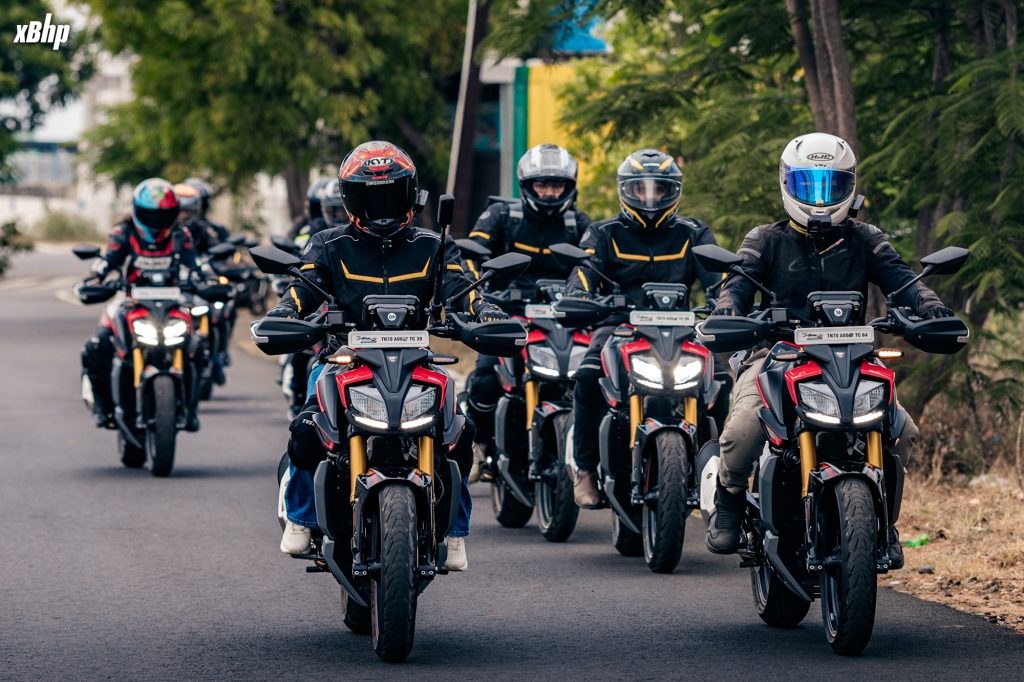
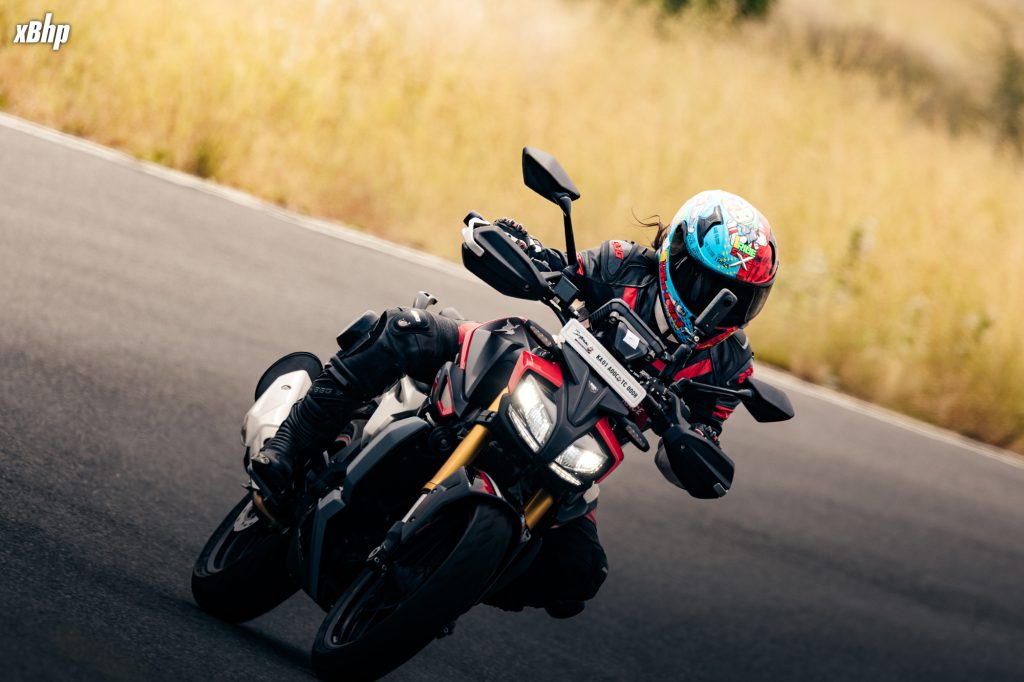
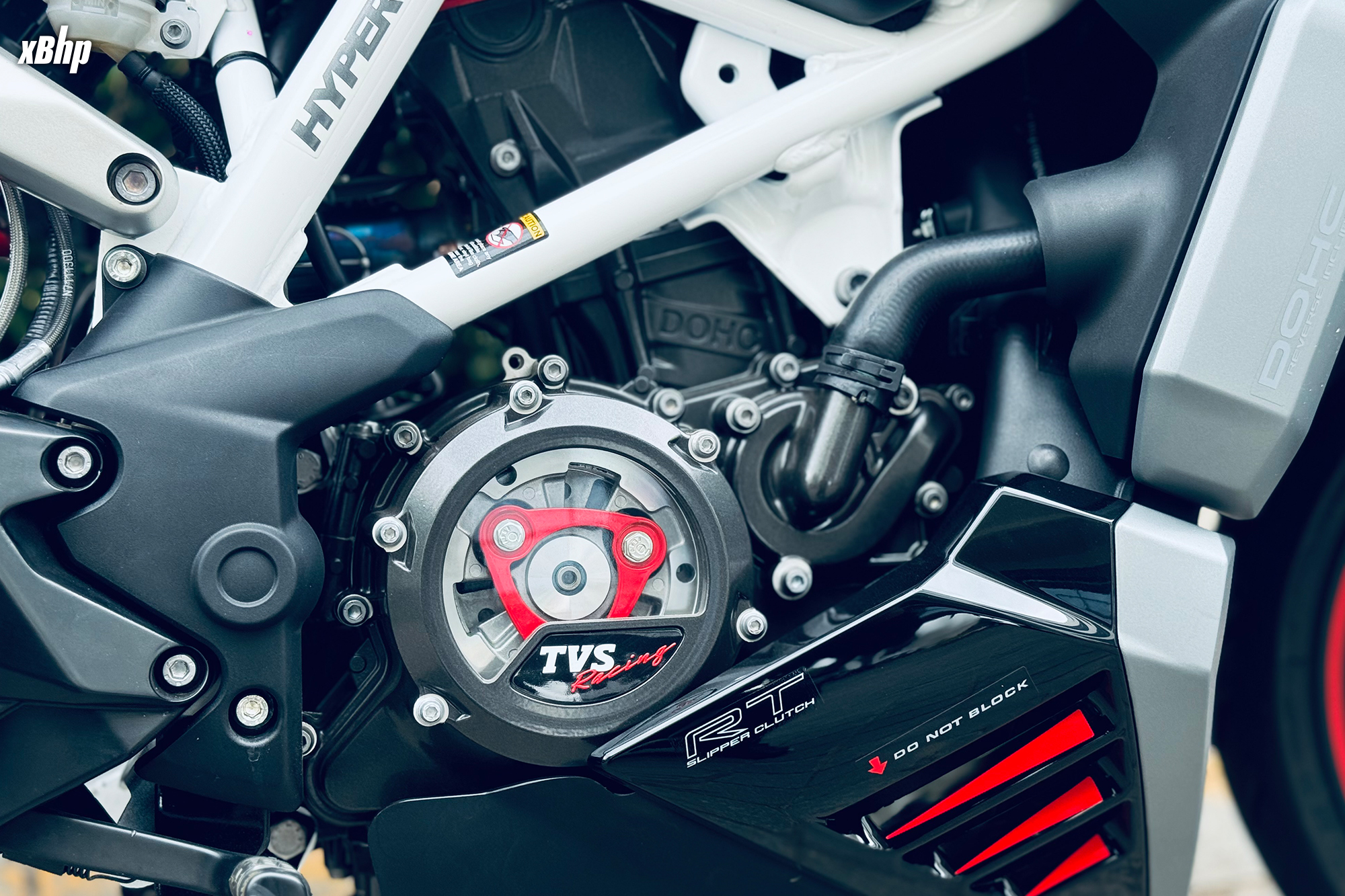
Since the design remains more or less the same, except for the new colourways that we will talk about later, let us start with the engine. On second thought, the engine remains the same as well. There are some minor tweaks, though. TVS has recalibrated the engine and has made some other changes as well. So let us talk about that.
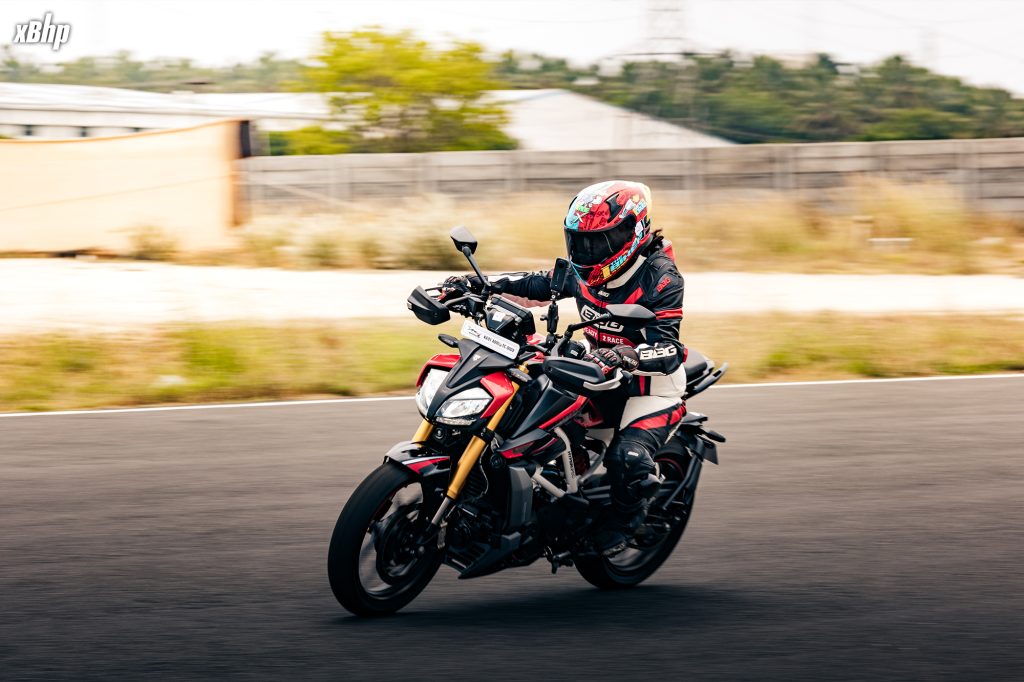
The result of the third collaboration between xBhp and Axor, the iNineteen builds upon the qualities of the Axor Apex helmet augmented by stunning graphics and a beautiful message for the younger generation.
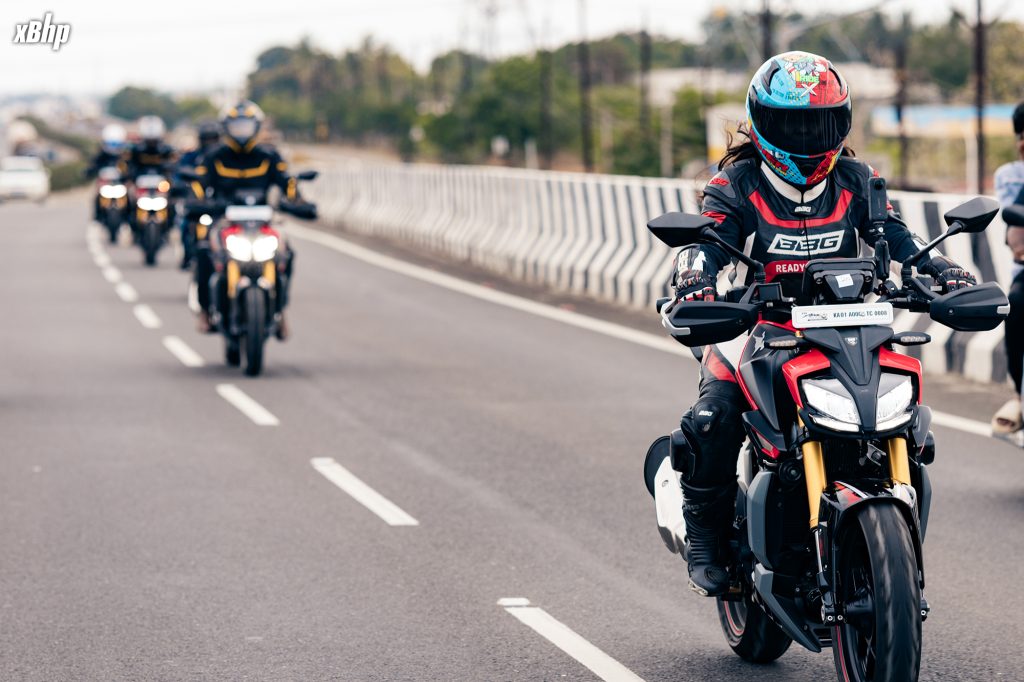
First of all, the previous RTR 310 was a very aggressive motorcycle. We like an aggressive motorcycle, but the older one was a little too eager all the time. So TVS made a clever tweak to the throttle in the sense that it now not only registers how much the throttle is opened but also the speed at which it is opened. That means that if you are gentle with it, the engine reciprocates. Give it the beans, though, and it is still just as manic. This makes the Apache RTR 310 more street-friendly than ever.
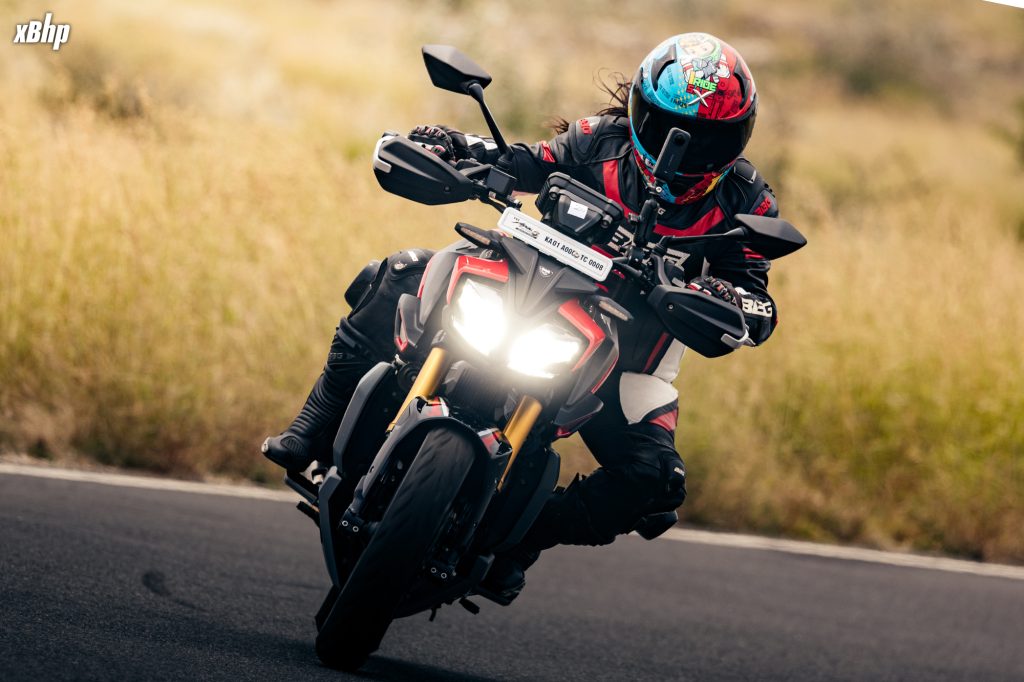
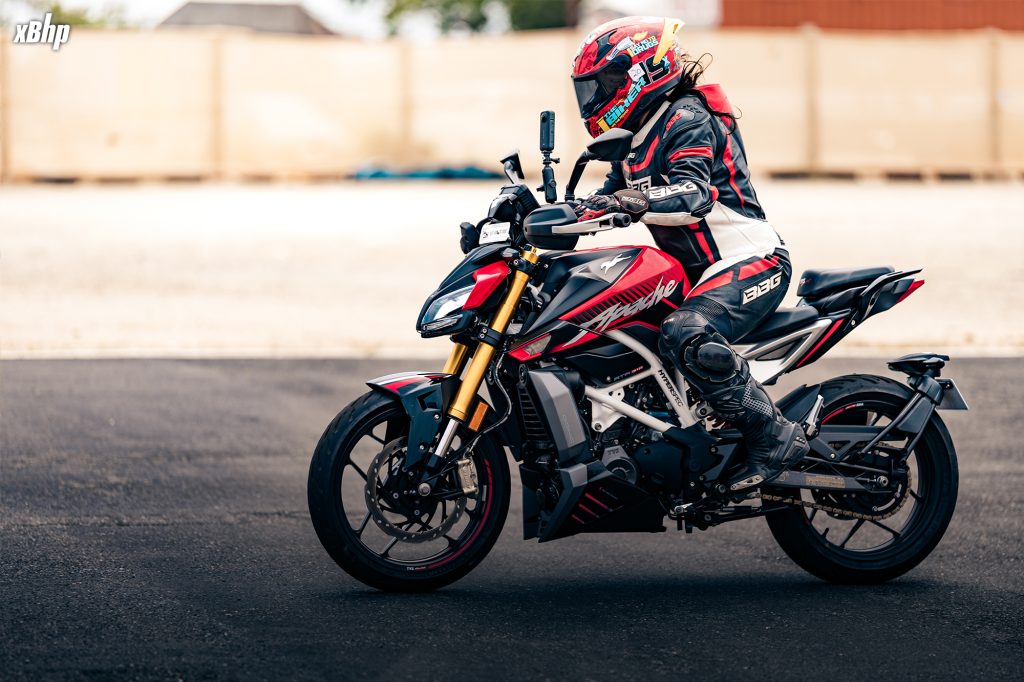
Another change is the rear sprocket, which now has the same size as the RR 310. So, despite still being quite short-geared, the new Apache RTR 310 is much more manageable for even newer riders. Overall, the new Apache RTR 310 will still throw wheelies; it won’t do it on a whim, but only when the rider demands. But then again, it is so much fun that a rider might demand just that more often than not.
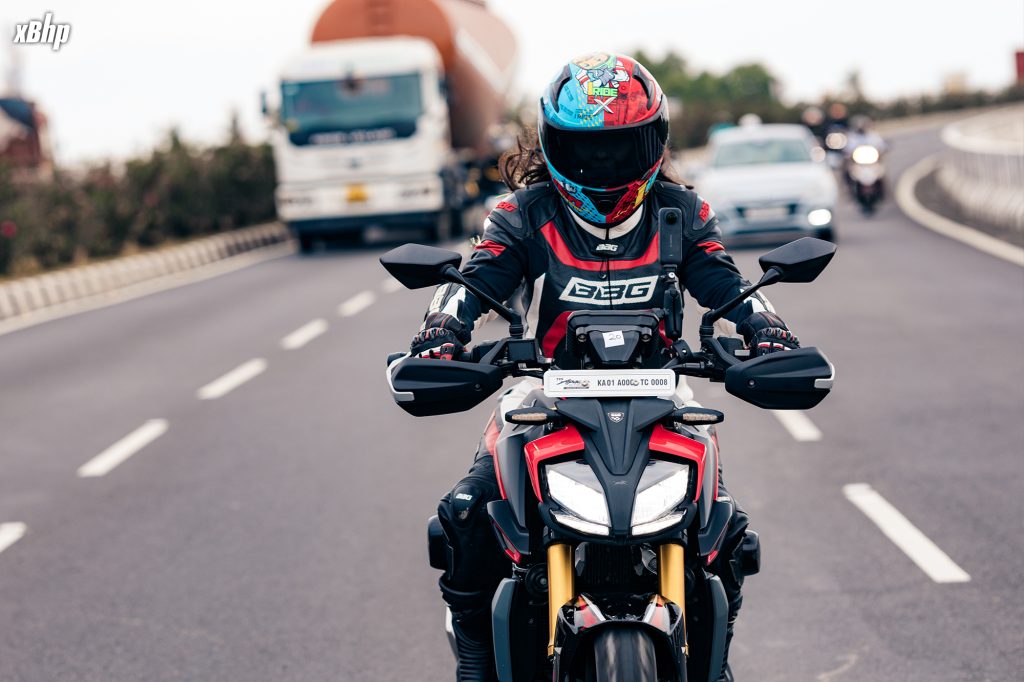
Overall, the new Apache RTR 310 is a more usable and friendlier motorcycle on the streets and just as much fun, if not more, on the racetrack. Let us move on to the dynamics, then.
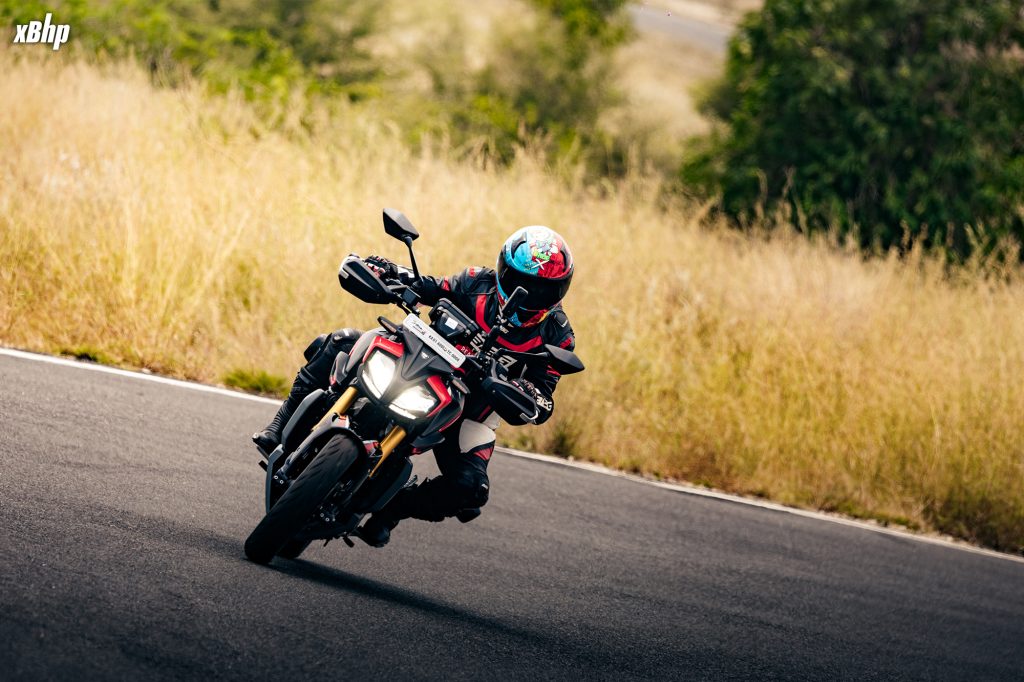
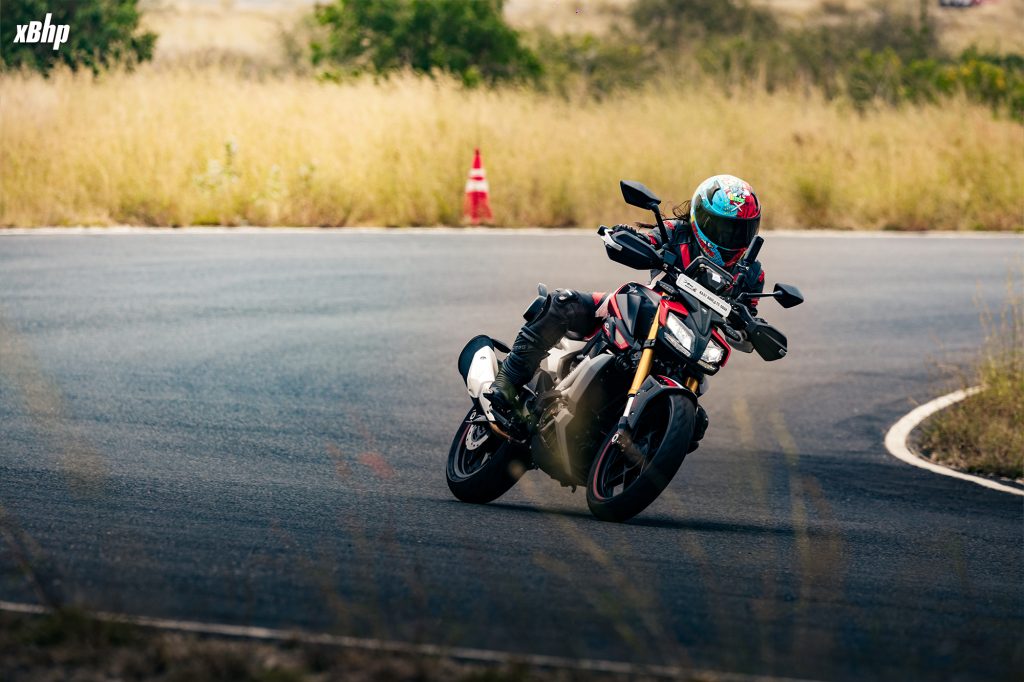
Dynamically, the Apache RTR 310 remains the same. The same sporty yet comfortable ergonomics, the same supportive yet pliant suspension, the same leverage from the wide handlebars, the same confidence-inspiring braking, and of course, the same reverse-inclined engine that keeps the wheelbase short for quick handling and swingarm long for stability. So no changes here… not that any were needed.
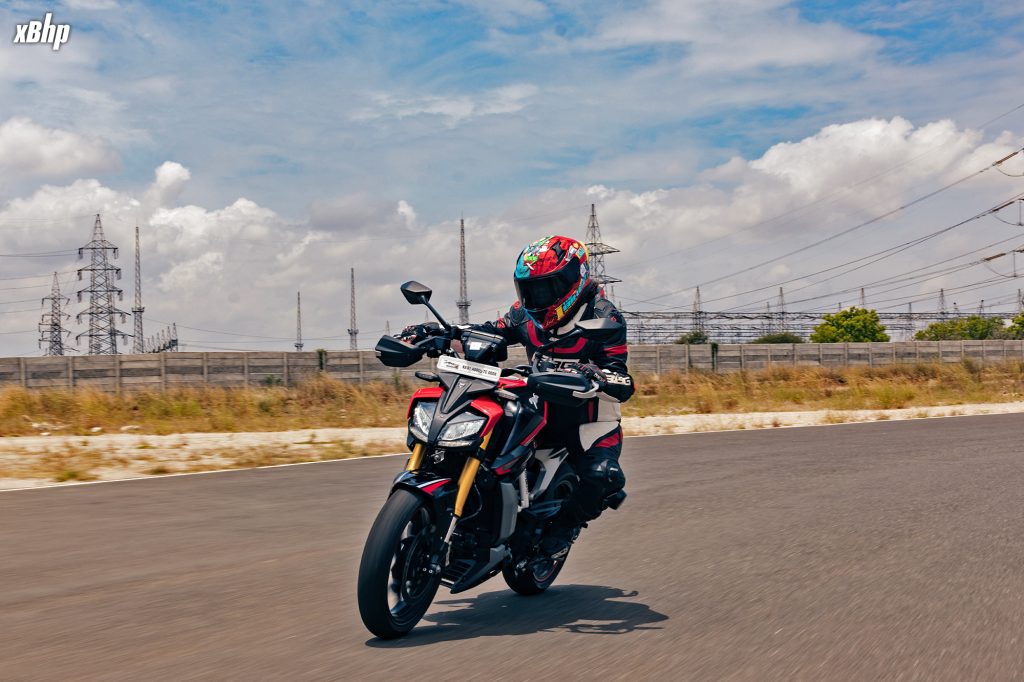
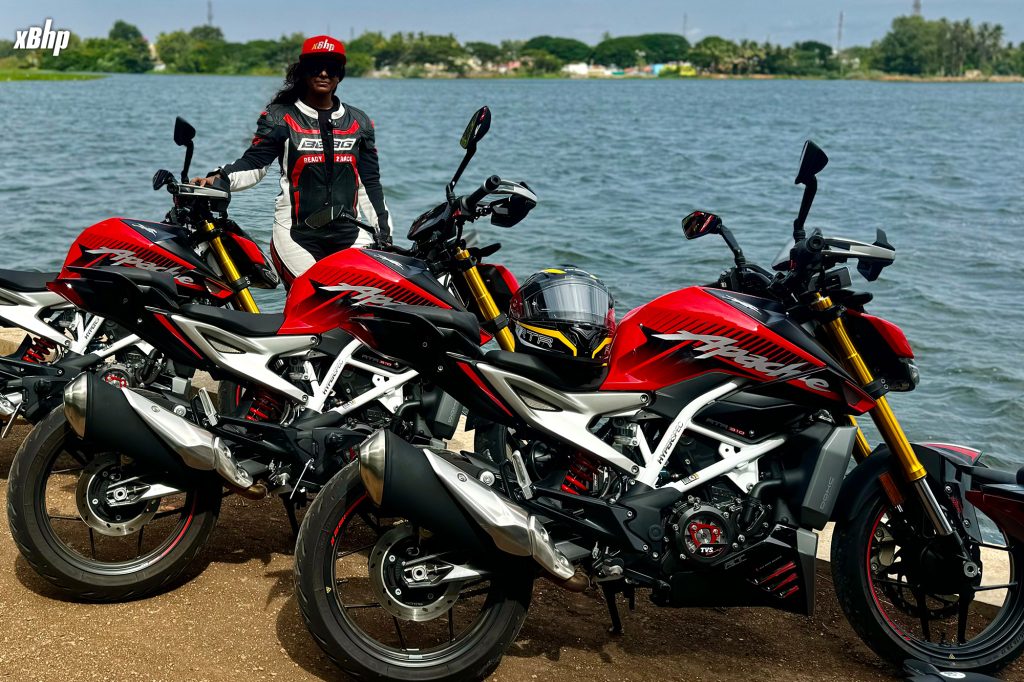
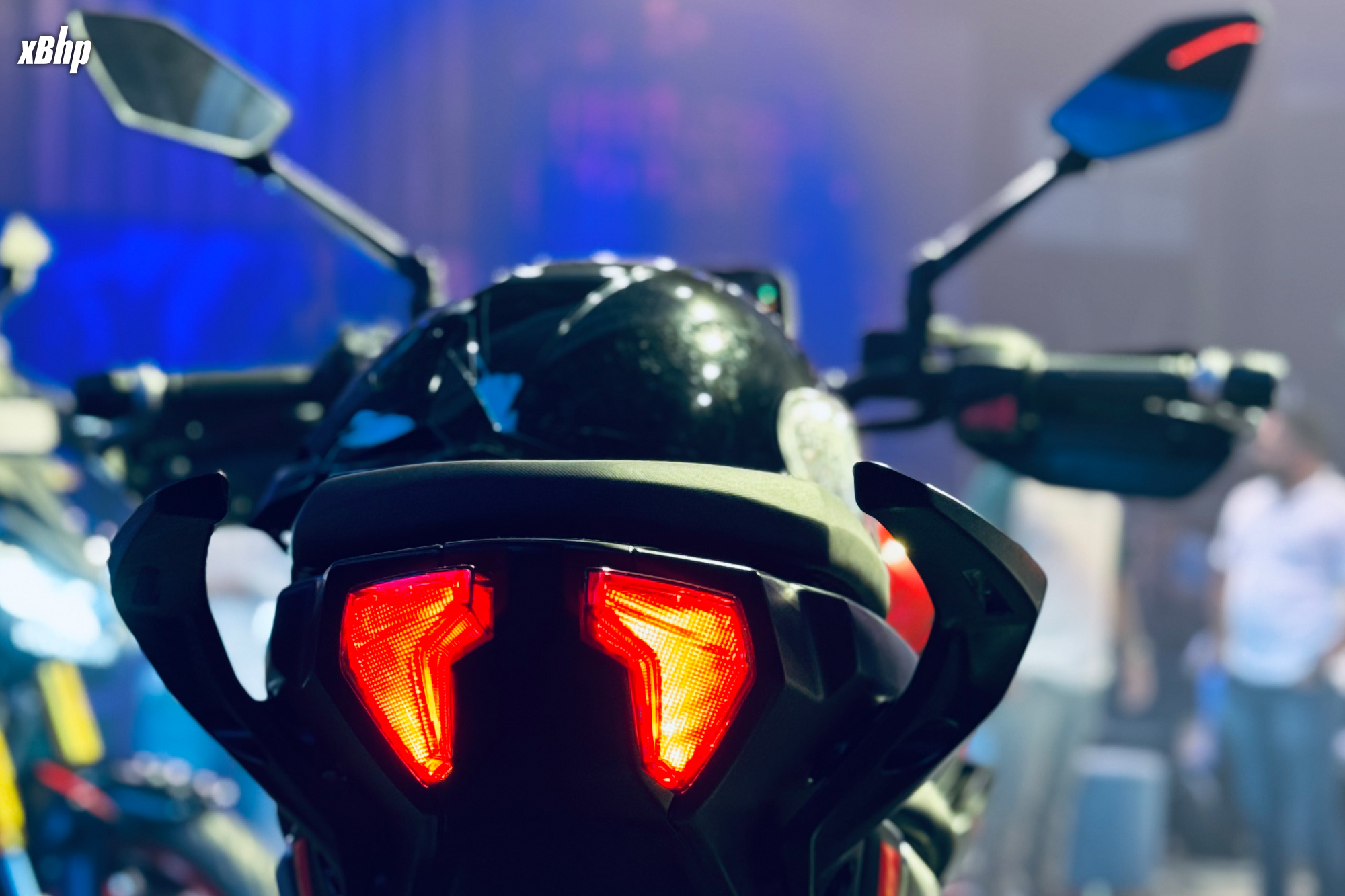
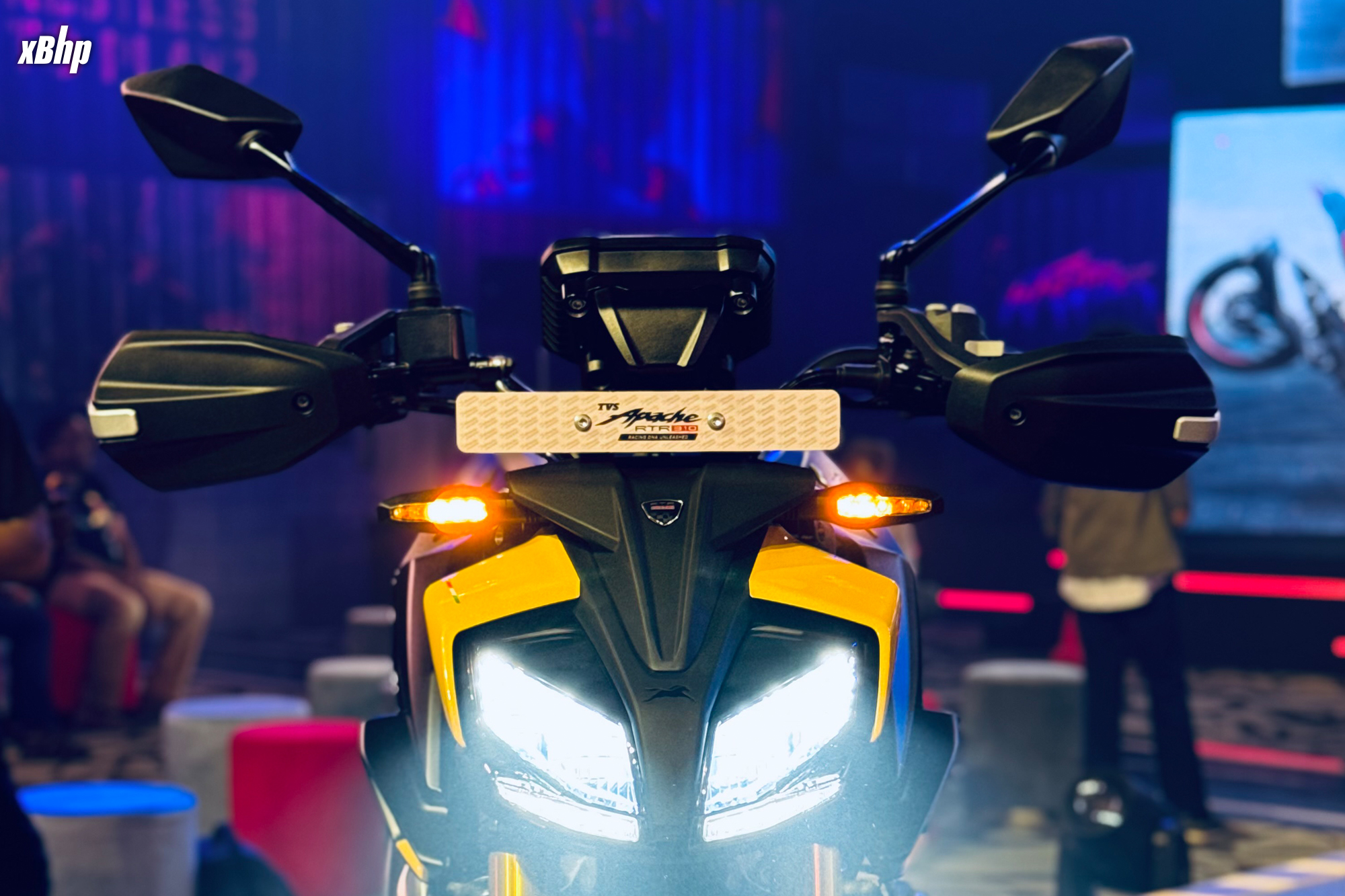
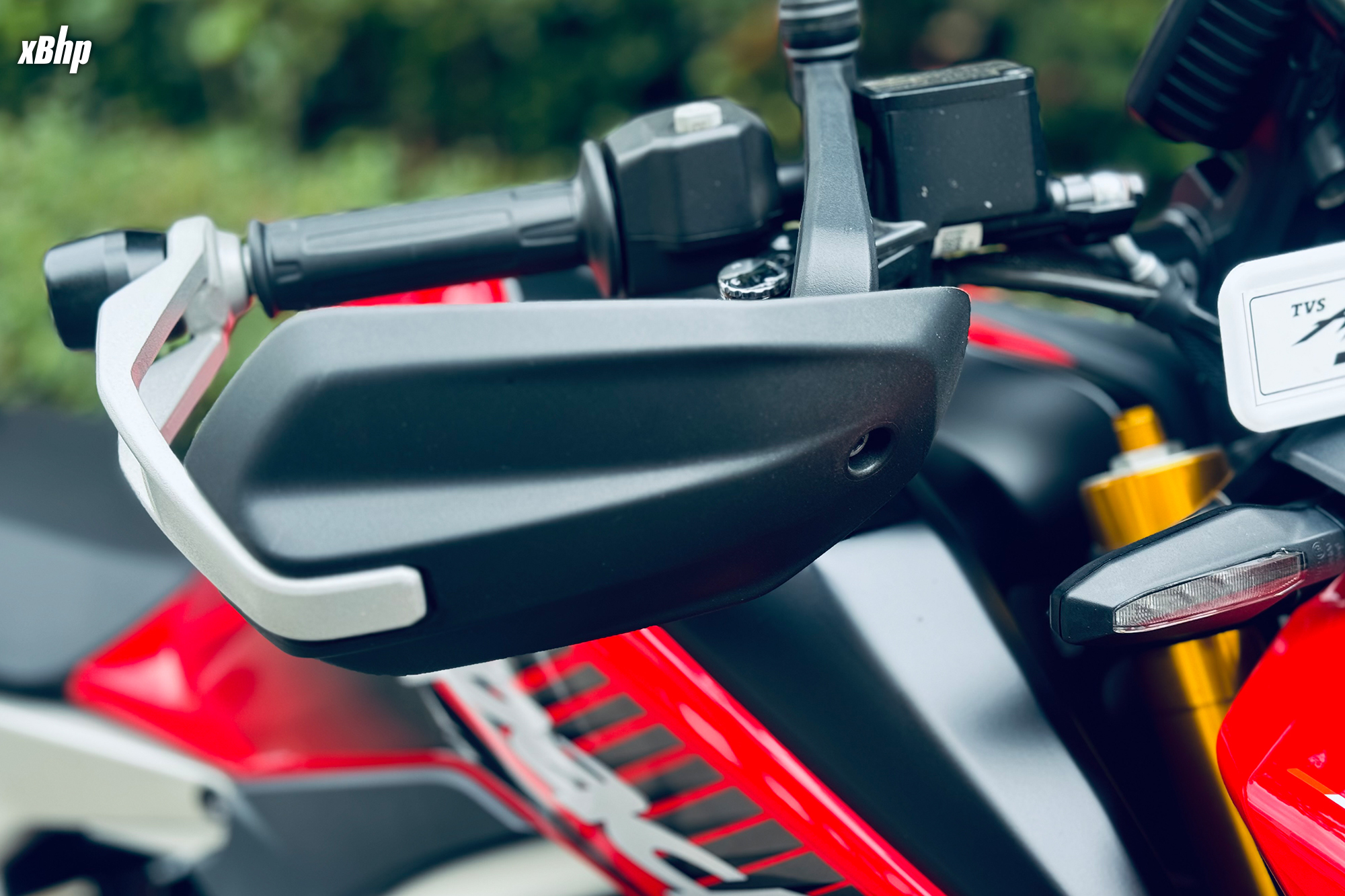
Now, we will come back to the design before talking about electronics, the department where the new Apache RTR 310 has changed the most. The new Apache RTR 310 gets knuckle guards, a transparent clutch cover, and sequential LEDs for the turn signals. Other than that, we have the new colourways: Arsenal Black, Fury yellow, Fiery Red, and Sepang Blue. The latter two are going to cost more, and you can find more details on the official website.
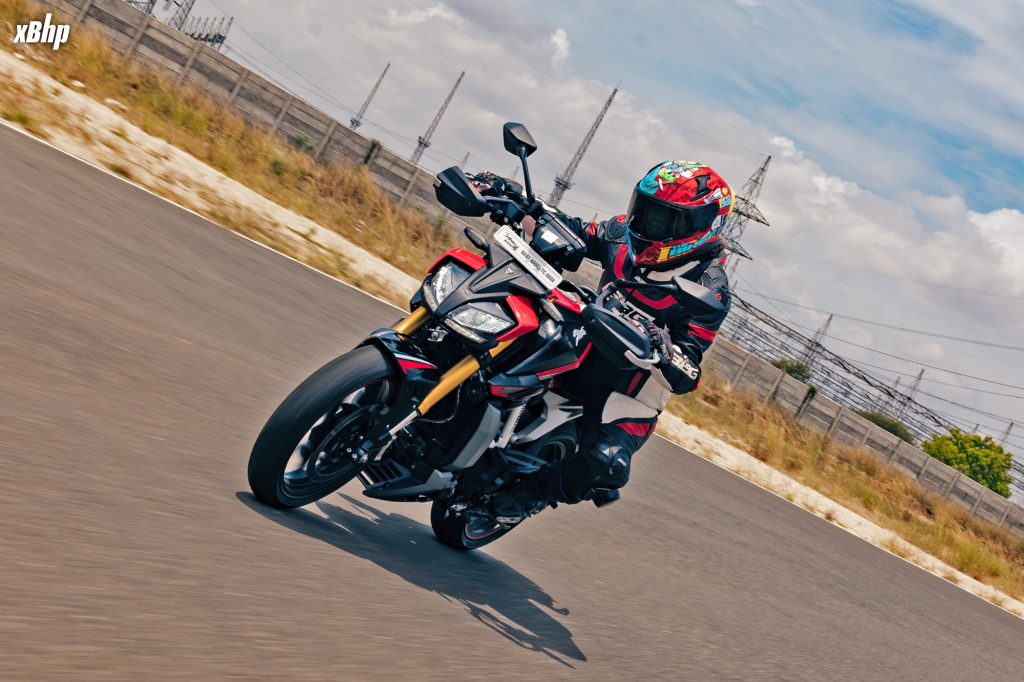
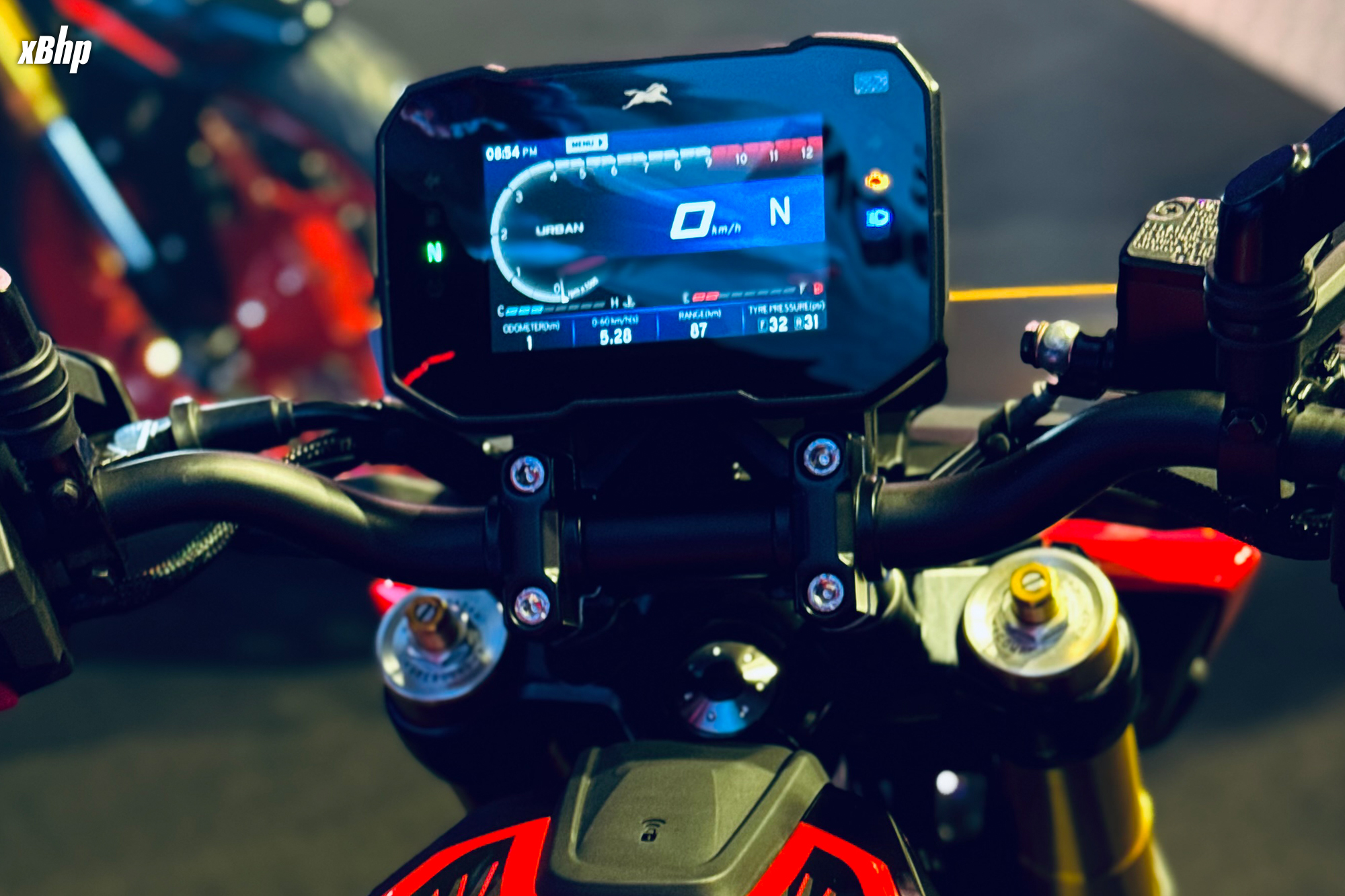
Now, let us talk about the new stuff. First, we have Launch Control. It is the first motorcycle to have this feature in the class, but then again, it is the TVS we are talking about… this is the norm. So, you simply put the motorcycle in Track Mode, activate launch control, hold the throttle wide open and dump the clutch. What you get is a blast off the line, and it does not get old, no matter how many times you do it.
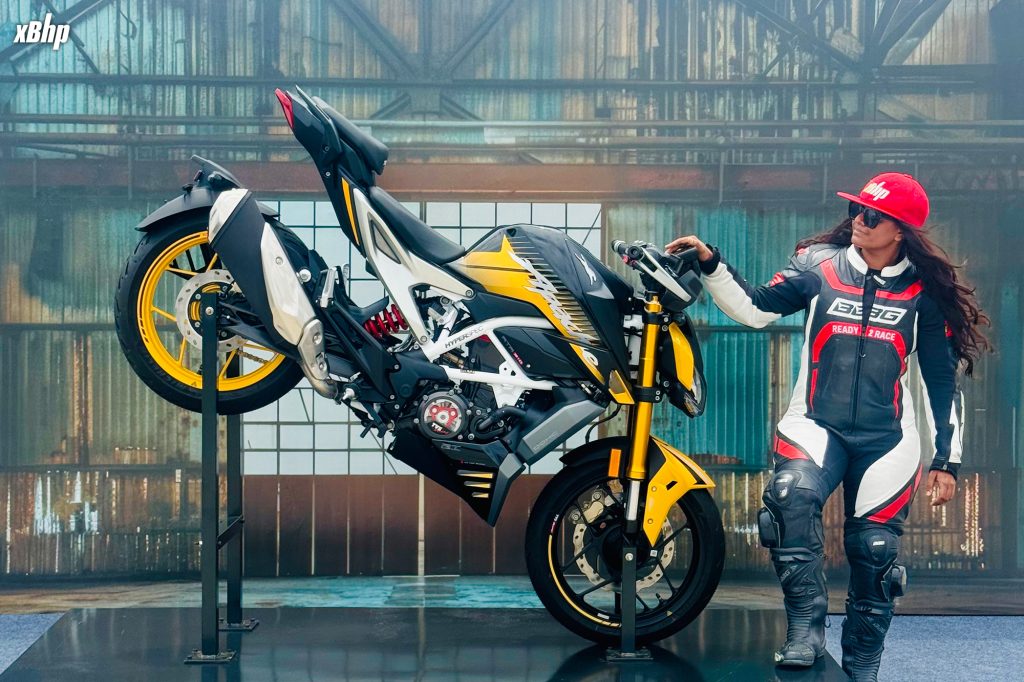
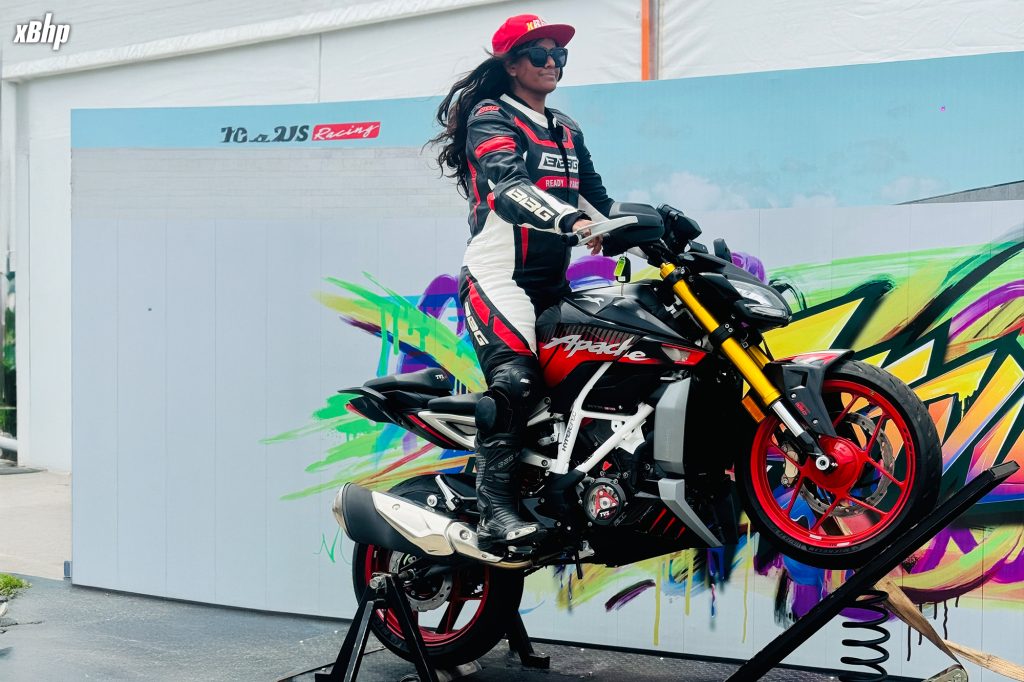
Then we have Drag Torque Control. So even with the slip-and-assist clutch, rapid downshifts on the racetrack can make wheel hop a little and destabilise the motorcycle. With this addition, no matter how rapid the downshift, the motorcycle remains composed, making corner entry and rapid deceleration a breeze.
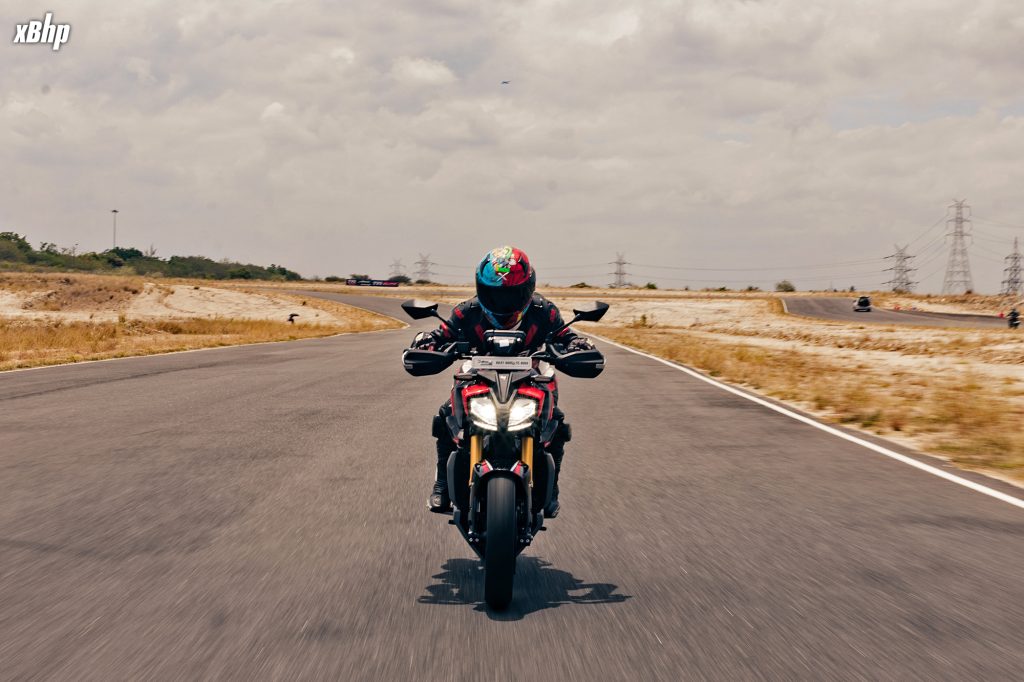
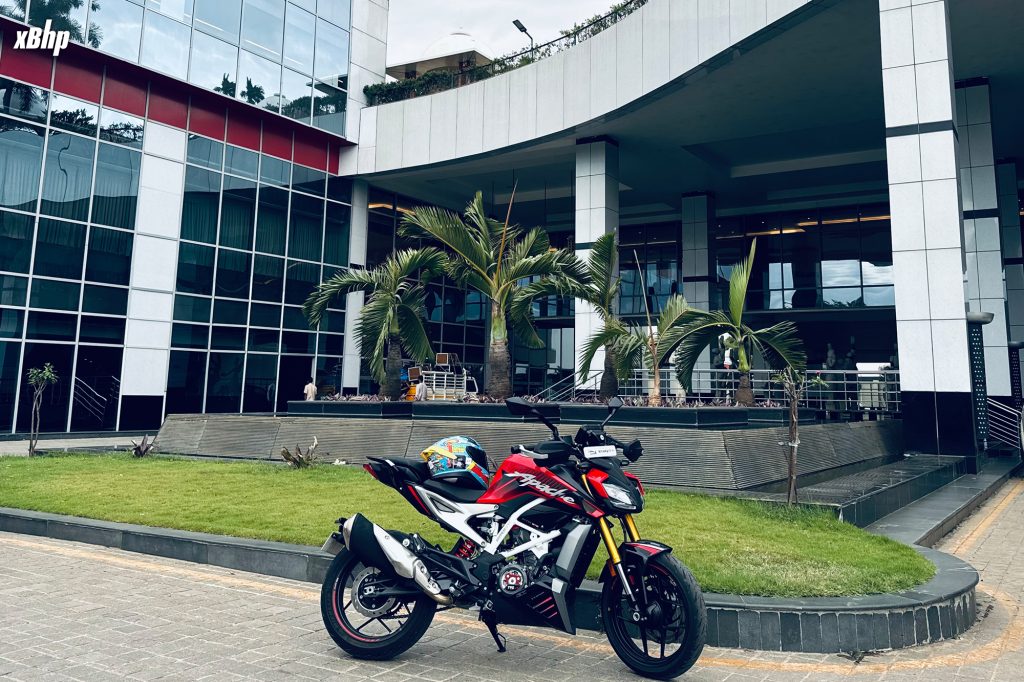
In this iteration of the TVS Apache RTR 310, you also get Keyless Ride. More or less self-explanatory and a bit gimmicky, maybe… but for people like us who are always on the move with a camera taking pictures, this feature is more than just a gimmick. However, it may not be the same for everyone.
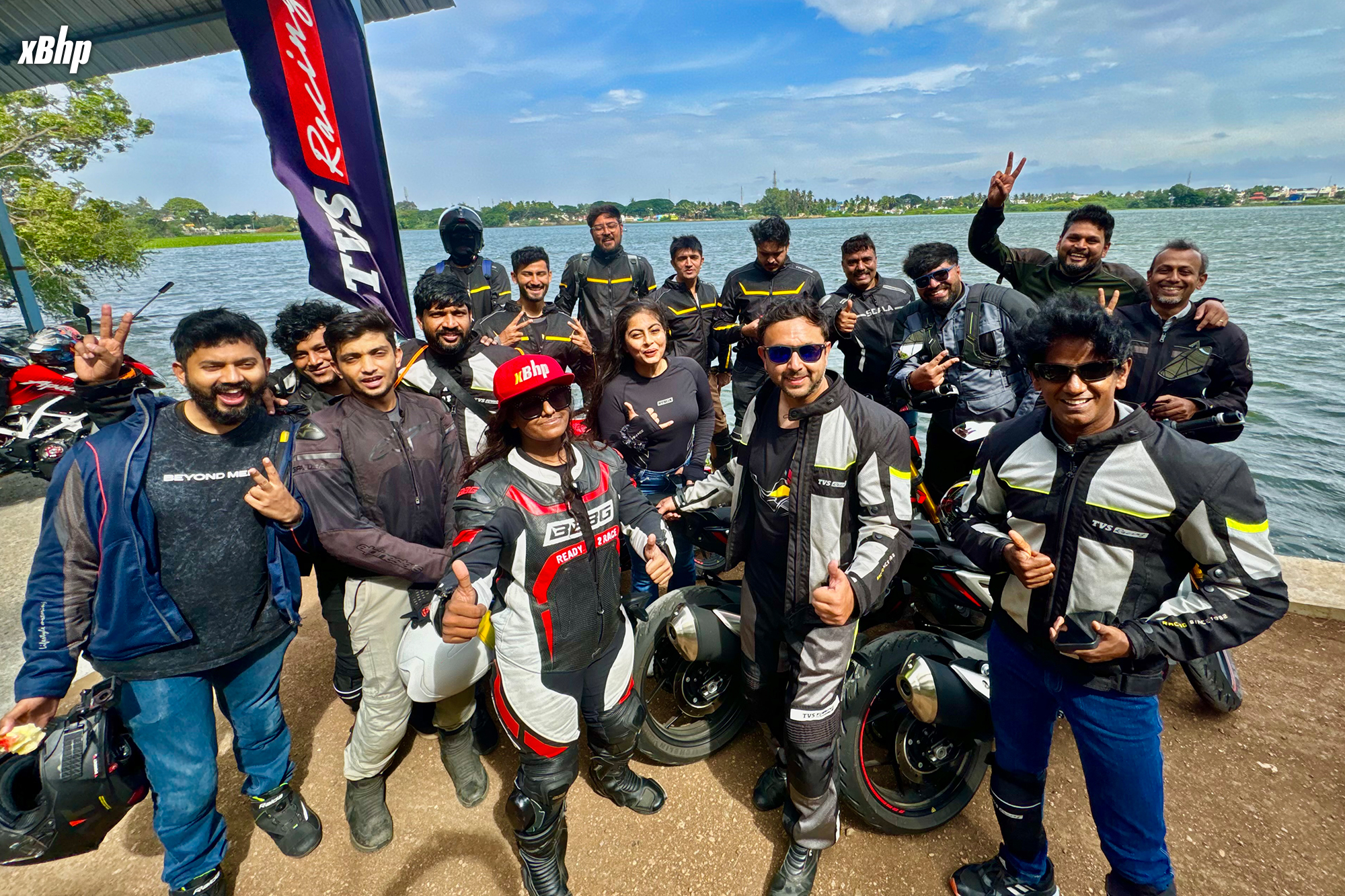
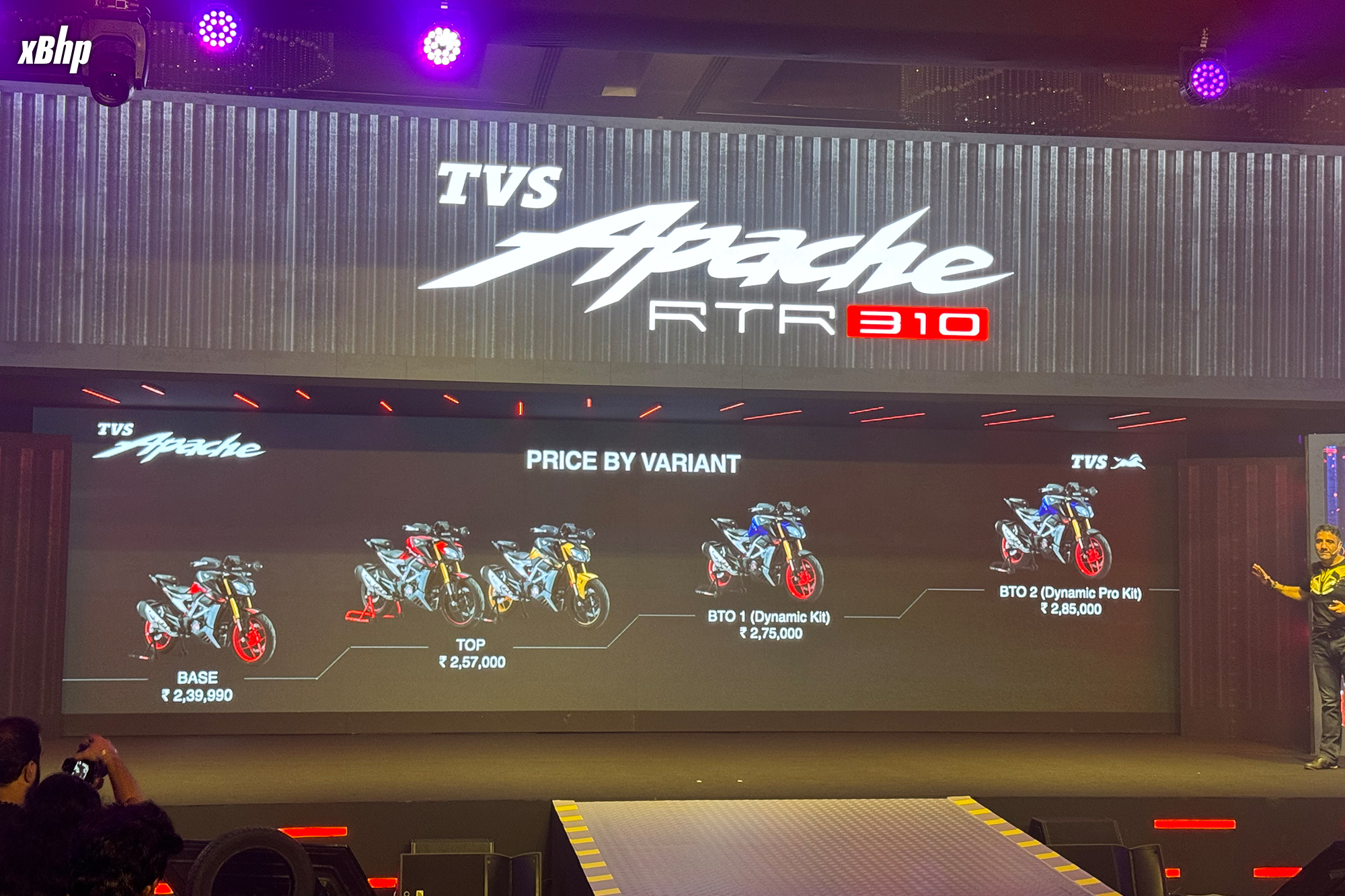
Finally, the Apache RTR 310 also comes with TVS’ BTO option as well. Now, let us talk about the price. The base variant has an introductory price of INR 2,39,990, and the top variant will cost you INR 2,57,000. The BTO 1 kit (Dynamic) will cost INR 2,75,000, and the BTO 2 kit (Dynamic Pro) will set you back by INR 2,85,000.
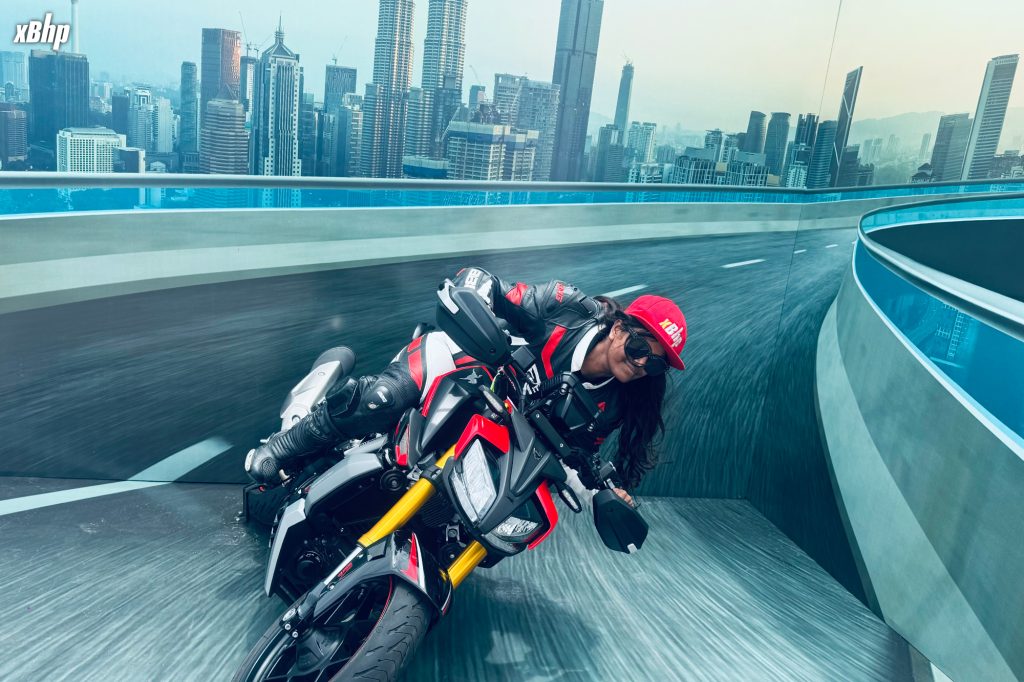
To us, the base variant of the Apache RTR 310 is a fantastic deal. You still get most of the electronics (non-cornering versions) and at just INR 2.4 lakhs, making this variant an absolute steal. The higher-spec variants are for enthusiasts and still a bang for buck for the people who want those features. Overall, it seems like TVS is going in the same direction with the Apache RTR 310 as they did with the Apache RR 310… continual and consistent improvements!
Suzuki e-Access :: Away from the rat-race
 Jun 2025 xBhp
Electric,Scooters,Suzuki
Jun 2025 xBhp
Electric,Scooters,SuzukiWhenever one thinks of Suzuki, they think of legendary motorcycles like the Hayabusa, the Katana, and the GSX series. Along with those, another thing that is associated with Suzuki all around the world is bulletproof reliability. They may take their sweet time to build things, but when they do, they are built to last. Now, we have the Suzuki e-Access on hand, and it embodies everything Suzuki stands for and more. So, let us talk about it.


For a while now, a handful of established Indian manufacturers and a fair few newcomers have been fighting it out in the electric scooter space. India is one of the largest two-wheeler markets in the world, and scooters are an integral part of it. Moreover, in the scooter market, the Suzuki Access has been around the block for a long time. Naturally, it left us wondering about when Suzuki was going to make their presence felt in the electric scooter market.


They took their time, deservedly so, to build something that stands out in more ways than one. And in a crowded place, standing out is the first thing you have to think of. When we heard about the Suzuki e-Access, expectations were high. And they have been met in a lot of ways. First, instead of joining the spec-sheet rat race, Suzuki has taken a refreshingly different route, prioritising reliability and rider safety over “impressive numbers”. We will talk about it in more detail after taking it for a spin around a go-karting track.


The e-Access carries forward the Access 125’s legacy with a modern twist. It boasts a sleek, futuristic design with sharp lines and a compact stance. It is not a radical departure from the tried and tested Access design, but has enough new bits and changes to clearly distinguish it from its ICE brethren. In terms of colour options, we have three dual-tone colourways: Metallic Mat Black, Pearl Grace White, and Pearl Jade Green.


The first thing I noticed was how light the Suzuki e-Access felt for an electric scooter. It tips the scales at 122 kg. That made it agile and easy to manoeuvre on the track, and I reckon that’s a boon for daily commuting. It should be easily manageable in the city traffic and daily commuting. The ergonomics were also amiable, and overall, the e-Access felt like a very comfortable and accommodating scooter.


Under the hood, the e-Access is powered by a 4.1kW motor delivering 15 Nm of torque. It reaches a top speed of 71 km/h, which is good for city commuting. The Suzuki e-Access also gets three riding modes: Eco, which is self-explanatory and two customizable modes called Ride A and Ride B so that you can tailor it to your needs or according to the riding conditions. There’s also a reverse mode for easy parking and help over difficult surfaces.


The Suzuki e-Access felt quite peppy on the track, and that should help in the outside world as well. Whether filtering through traffic or overtakes, the e-Access has enough punch for all of that. Moreover, the throttle also felt quite natural and progressive, unlike many other products. The inherent jerkiness of electric vehicles has been mitigated to a great extent, which makes the e-Access very easy to ride.

Now, what truly sets the e-Access apart is its power source. While many manufacturers chase range with NCM (Nickel Cobalt Manganese) batteries, Suzuki has opted for a 3.07 kWh LFP (Lithium Iron Phosphate) battery. Why is that important? Well, LFP batteries may sacrifice a bit of range, but they’re more thermally stable, significantly safer, and longer-lasting, exactly the kind of thinking you’d expect from a brand like Suzuki. And even in terms of range, you get around 95 km per charge, which is more than enough for the daily grind.

Charging is quite convenient as well. There are two options: a portable charger supplied with the scooter that takes around 6 hours and 42 minutes for a full charge, and then there’s the DC fast charger that does the job in approximately 2 hours and 12 minutes. Suzuki also has plans to install the fast charger at all their outlets across the country within the next two or three months.


The ride quality also felt nice, though a more comprehensive test in the city would have helped in driving the point home. The Suzuki e-Access is equipped with telescopic front forks and a monoshock rear suspension. On the track, it felt very supple, which is why we say that the ride quality should be quite comfortable even on bad roads. On the racetrack, the suspension and braking setup provided enough stability and confidence to push it a fair bit.

Shown here is the Rynox Trident Leather Riding Jacket (10-Year Anniversary Edition), celebrating the essence of Rynox’s journey as India’s leading riding gear provider.

In terms of features too, the Suzuki e-Access does really well. It comes with a 4.2-inch colored TFT display that offers smartphone connectivity, keyless ignition, and a multi-function starter. Another neat trick is the Boot Lock mechanism, where you can open your boot to keep the stuff, and you need not worry about holding it as it gets locked by their lock system and stays open till you close it. Additional features include regenerative braking, a belt drive system which Suzuki claims will last for 7 years or 70,000 km, and Suzuki Drive pMode Selector (SDMS-e), enhancing both efficiency and riding pleasure.


Overall, the Suzuki e-Access is genuinely one of the cutest and safest scooters I’ve ridden. I could easily ride it all day, it’s that comfortable and confidence-inspiring. What truly won me over was Suzuki’s decision to go with an LFP battery. We’ve long advocated for safer EV technology, and in a market obsessed with range and speed, Suzuki took a bold, responsible stand for safety, and that resonated with me. So, if you’re looking for an electric scooter that puts your safety first without compromising on everyday usability, the e-Access deserves serious consideration.

Shown here is the xBhp-Axor Speed Of Thought helmet, the second one from our collaborations with Axor and based on the already awesome Axor Apex platform.


Aprilia Tuono 457 :: Noale’s Streak Continues!
 Apr 2025 xBhp
Aprilia,Bikes,Motorcycles
Apr 2025 xBhp
Aprilia,Bikes,MotorcyclesWhen Aprilia first announced the RS 457, it turned out to be quite exciting news for motorcyclists worldwide. After all, it came with the promise of legendary Aprilia performance for the masses and marked Aprilia’s entry into the entry-level performance motorcycle segment. Now with the idea to extend that promise even further, Aprilia launched the Tuono 457. We got the invite to check it out and we bring our findings to you.


Before that, let us talk a little about why this launch is so exciting. Going back to the RS 457, it was especially exciting for the Indian motorcyclists as the motorcycle is being manufactured right here in India. Not only is that a matter of pride for us but it helped Aprilia in pricing the RS 457 very aggressively. At 4.10 lakhs (4.20 now) (Ex-Showroom), the RS 457 is a banger of a motorcycle at the price.


So it only made sense to make the platform even more accessible. That… and then there’s the fact that to every RS, there’s a Tuono in the Aprilia lineup. Still, for those who are not too familiar with the idea of a Tuono, imagine all the performance and features of the RS 457 in a street-friendly package. It is already starting to seem like a winner, is it not?!


As always, we start with the design. The Tuono 457 is a slight departure from the bigger ones. Generally, the Tuonos, be it 660 or V4, take a lot of their design cues from their respective RS cousins. The only difference is the handlebar and less fairing. The front fascia is almost identical between the Tuonos and the RSs.


In the case of the Tuono 457, Aprilia has decided to ditch that strategy and it seems like a good idea in the sense that it lends the motorcycle a very distinct identity. In person, I find the Tuono 457 to be a very likeable motorcycle but this is a subjective… well, subject. So it may not be to everyone’s taste. Still, do not simply judge the Tuono 457 from the photos… go take a look at it in the flesh as it looks way, way better in person especially, in the grey and white colour.

Another major difference between the RS 457 and the Tuono 457 appears when you sit on the motorcycle. The Tuono 457 is decidedly more upright and the rider’s triangle is more comfortable. There is less weight on the wrists and the footpegs are also not as rear-set as the RS 457. The wider handlebar not only makes the Tuono 457 more comfortable but it also gives the rider more leverage to point the motorcycle wherever they want.


In the ergonomics department, the Tuono 457 scores big because a committed riding stance, while enjoyable, is not for everyone. So I think that the people who were dissuaded by the riding posture of the RS 457 will be delighted to have the 457 experience with a much more relaxed stance.


The headline remains the same though. The Tuono 457 continues to be powered by the stunning 457cc parallel twin that is nestled in the stellar aluminium frame. 47.6 horsepower is a lot but even more than that, it is the torque that is intoxicating. 43.5 Nm. Considering the Tuono 457 weighs the same as the RS 457, you can expect this to be a formula for mayhem too. The only change in the drivetrain is that the Tuono 457 gets an extra tooth in the rear sprocket for even more acceleration.


And it shows when you ride the motorcycle. Starting the engine is followed by the same delightful exhaust note that I loved about the RS 457. When you get going though, the Tuono 457 feels even more urgent and ballistic. Considering it lacks fairing and proper wind protection, it is not as confidence-inspiring as the RS 457 at higher speeds, but it is a motorcyclist that is meant for acceleration and the thrill of wheelie-ing launches! That extra tooth makes a noticeable difference too plus the upright stance makes the acceleration ‘felt’ even more.


In terms of handling too, it leaves nothing to be desired. After all, it has the same platform and cycle parts as the RS 457 so there is no reason to expect anything less. If anything, the wider and more upright handlebars give the rider more leverage to steer this nimble little beast around. It is a delight on the roads and the racetrack (I believe).


In terms of electronics too, it is the same as the RS 457 so you can expect one of the most comprehensive suites of electronics in the class and even beyond. From riding modes to traction control and from the stunning display to the Bluetooth connectivity, it is all there. That makes the Tuono 457 a properly loaded motorcycle.


Now, let’s talk competition. While I personally think that Tuono 457 has everyone beat handily, let us still talk about it. First, we have the single-cylinders; the Apache RTR 310 and the 390 Duke. While both of them are very accomplished motorcycles in their own right, they are beat in the power department. Moreover, the additional cylinder in the Tuono 457 gives it an edge.

More importantly, that edge does not come at the cost of peppiness. Despite being a twin, the Tuono 457 is mighty punchy and has no problems absolutely rocketing off the line. Twins may be notorious for being peaky when compared to single-cylinders, but that is not the case with the Tuono 457. The only advantage the other two have is the price but then again, for the asking price of INR 3.95L (Ex-Showroom), the Tuono 457 is a stellar deal.

Then there is the MT-03. It is a Yamaha and it is based on their tried and tested twin so it is a very, very good motorcycle. But it pales in comparison to the Tuono 457. The latter has more power, more features, and tons of character. Still, at 3.5L (Ex-showroom), the MT-03 is a very good motorcycle. That said, there is already a new R3 and there might be a new MT-03 as well. So at around 40,000 more, the Tuono 457 packs more power, more electronics, better looks (my opinion) and overall better value.

So in my eyes, if one can stretch a little for the Tuono 457, one should. Kawasaki has a history of pairing their Ninjas with their Zs but for the Ninja 500, there isn’t one here yet. So we’ll just have to wait and that is… even if Kawasaki is planning for one.

To summarize, the Tuono 457 is a more comfortable and more accessible RS 457 which is a winning formula in my opinion and that is not just on paper. Aprilia has done a wonderful job in the execution of that plan as well which makes the Tuono 457 a motorcycle to be reckoned with. And for the price, it is a steal for someone who wants to experience the Aprilia legacy without breaking the bank… or their back!

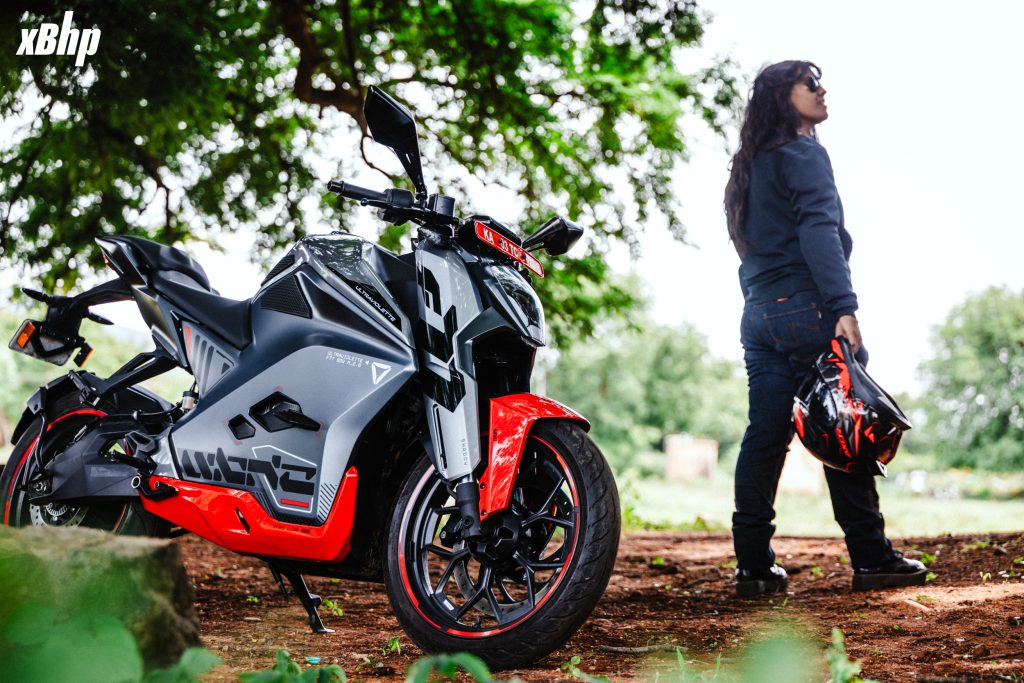
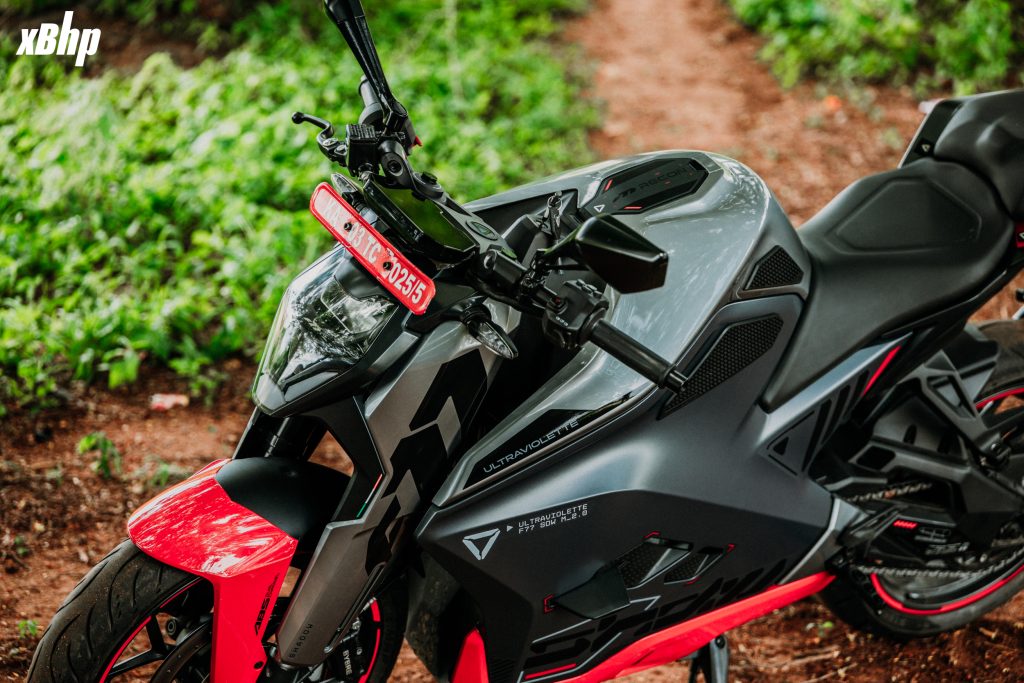
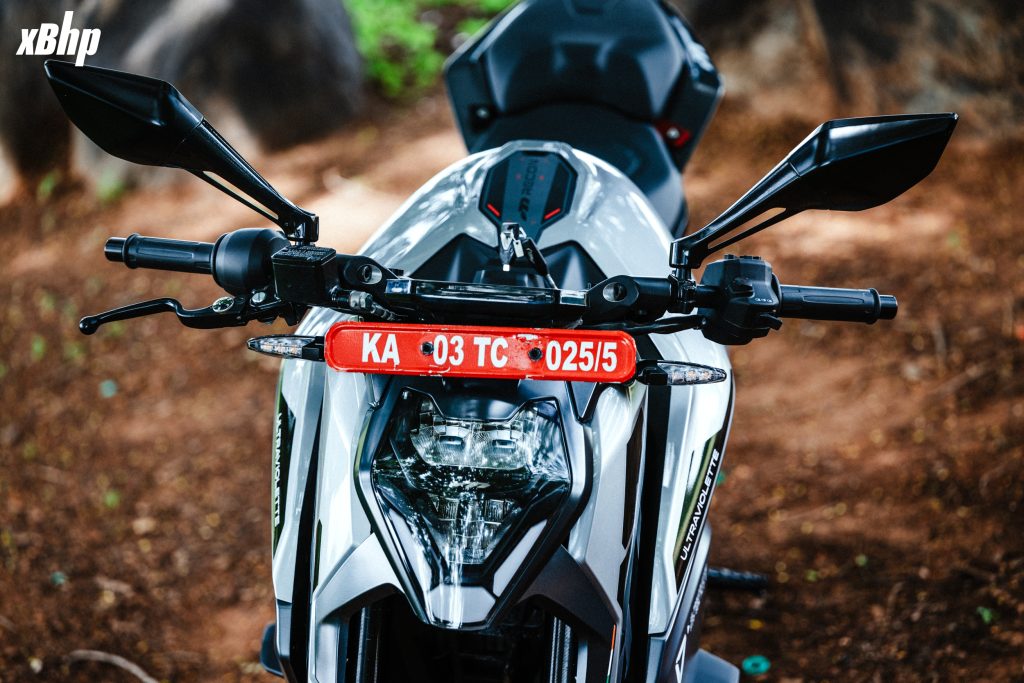
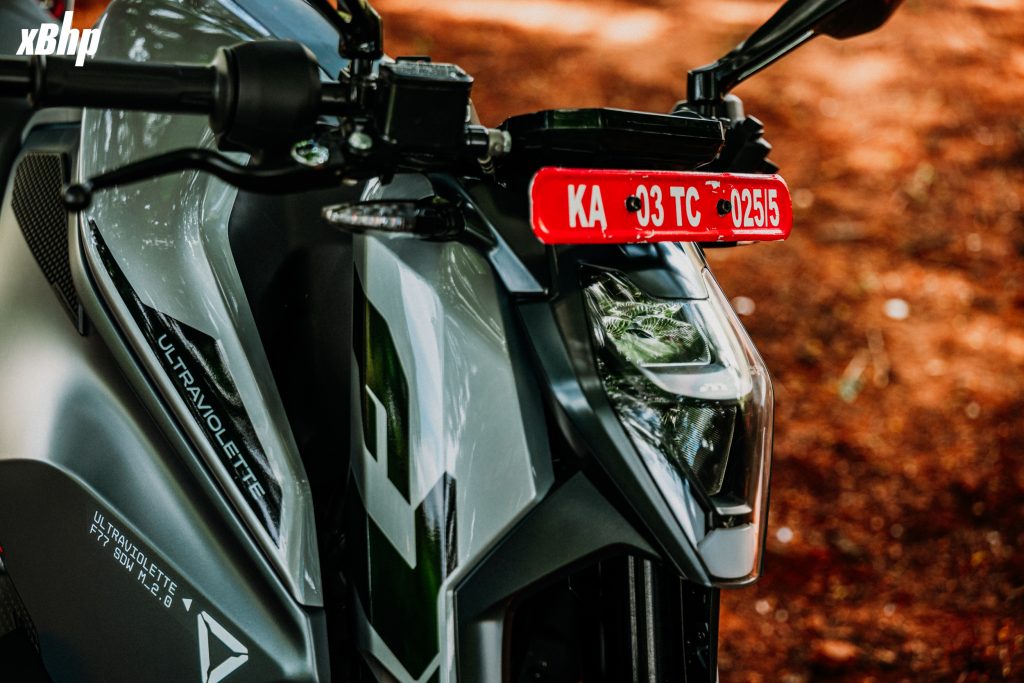
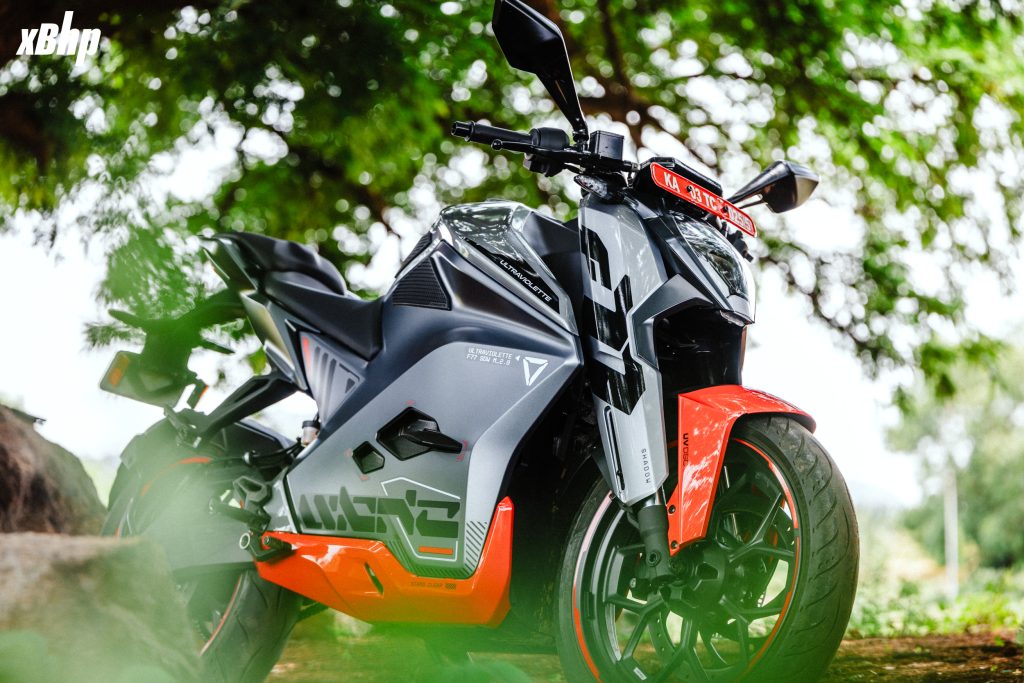
Ultraviolette F77 SuperStreet :: Built for the Streets!
 Feb 2025 xBhp
Bikes,Motorcycles,Ultraviolette
Feb 2025 xBhp
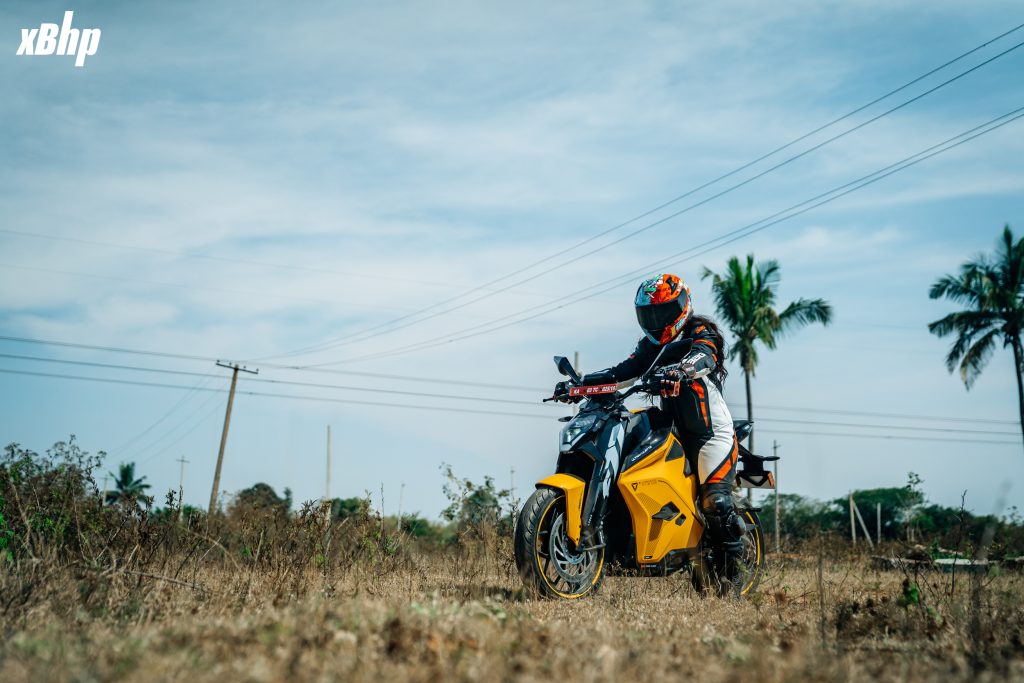
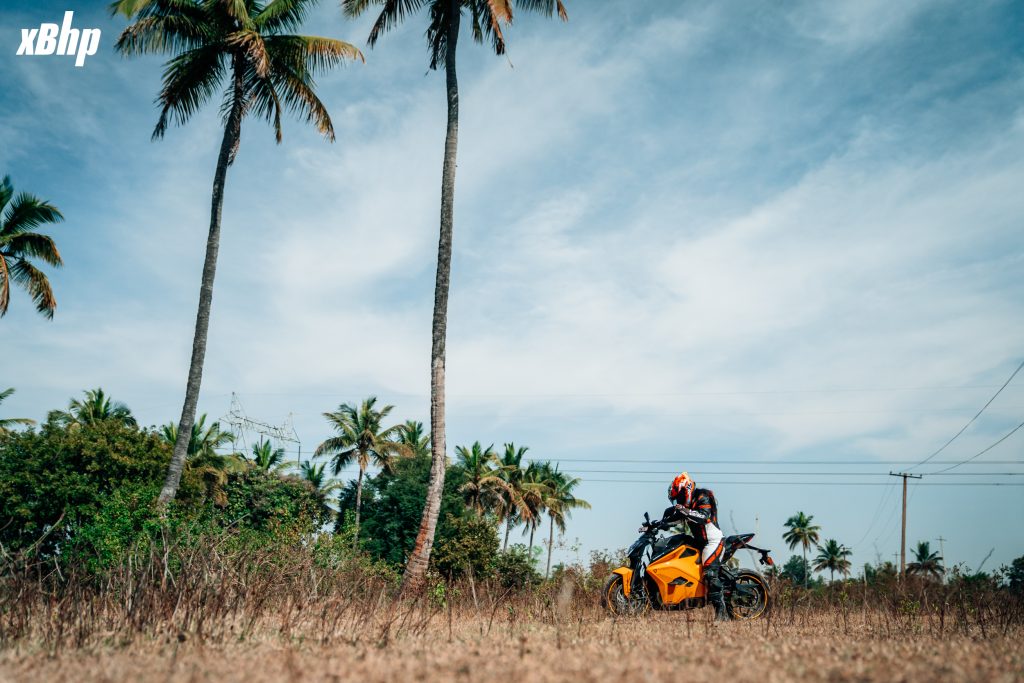
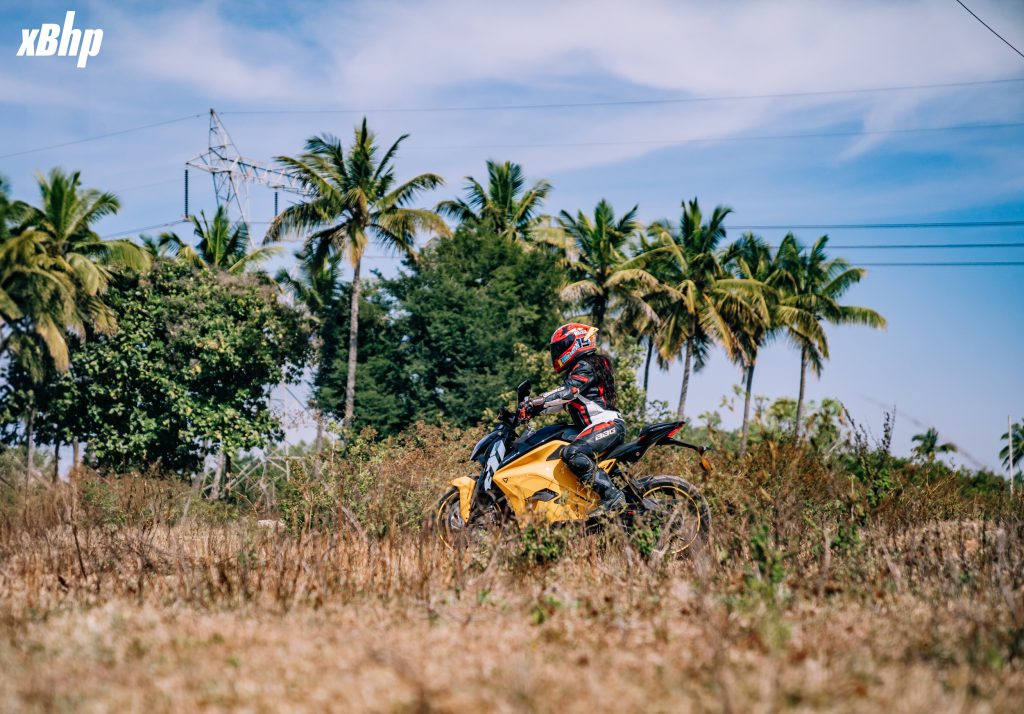
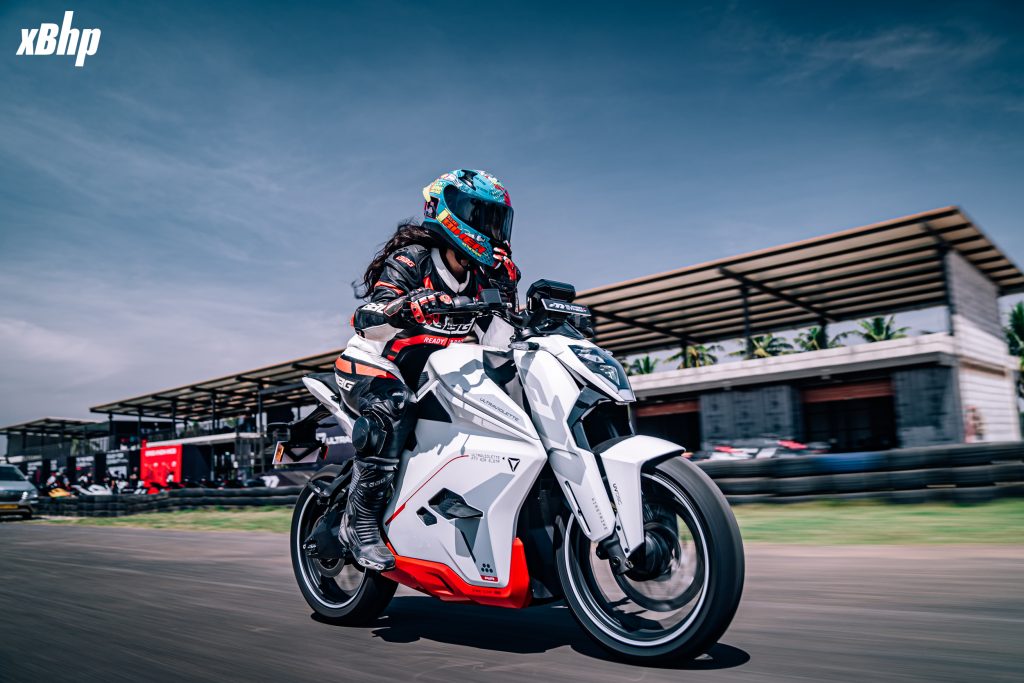
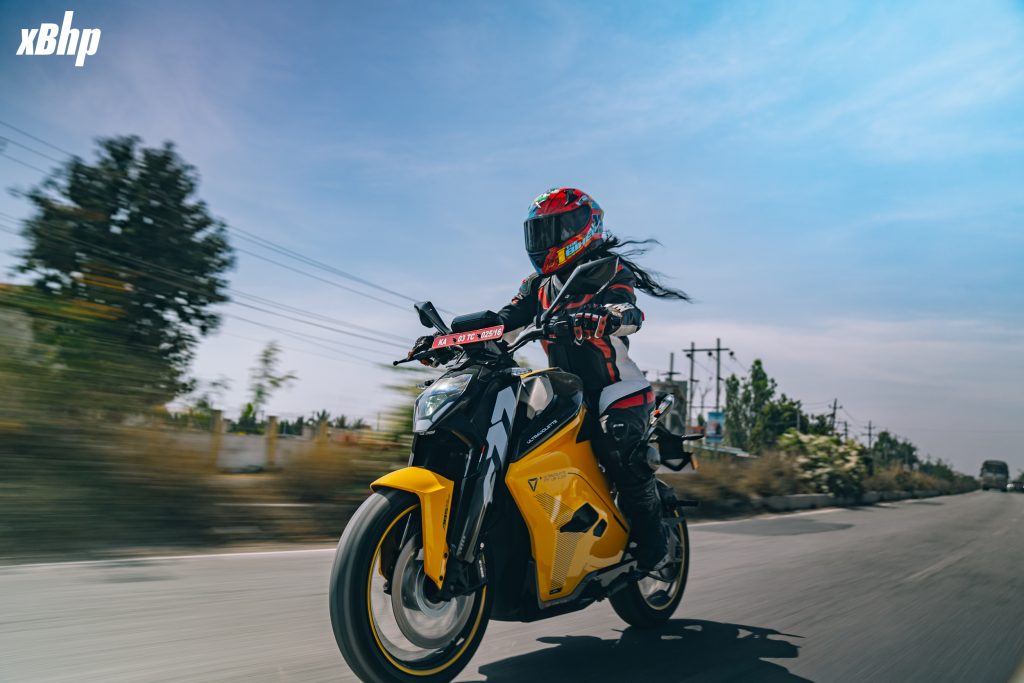
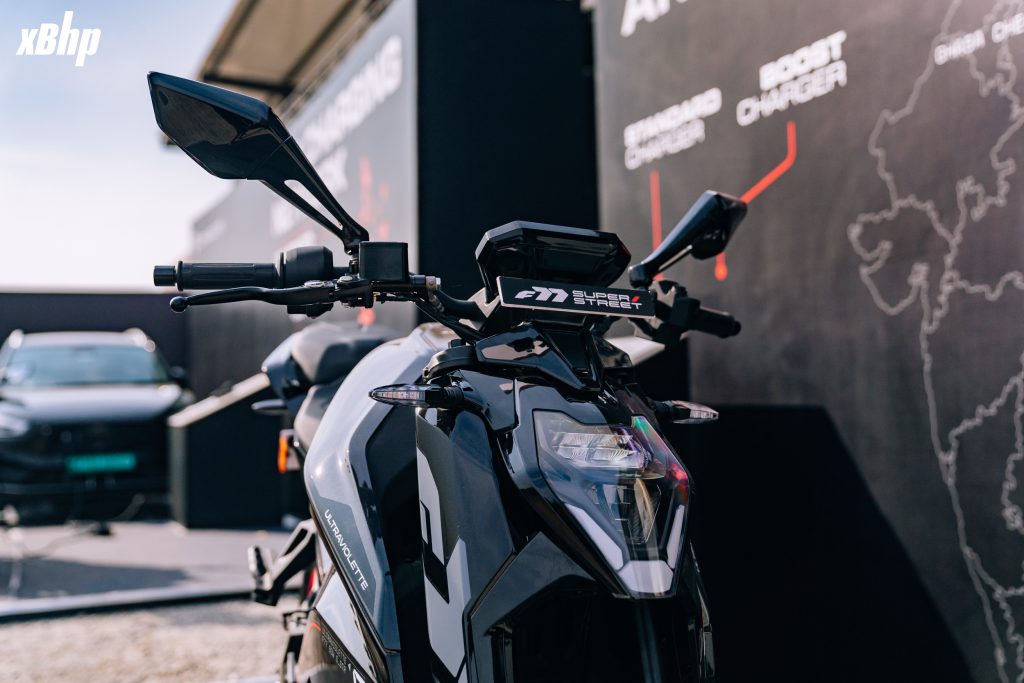
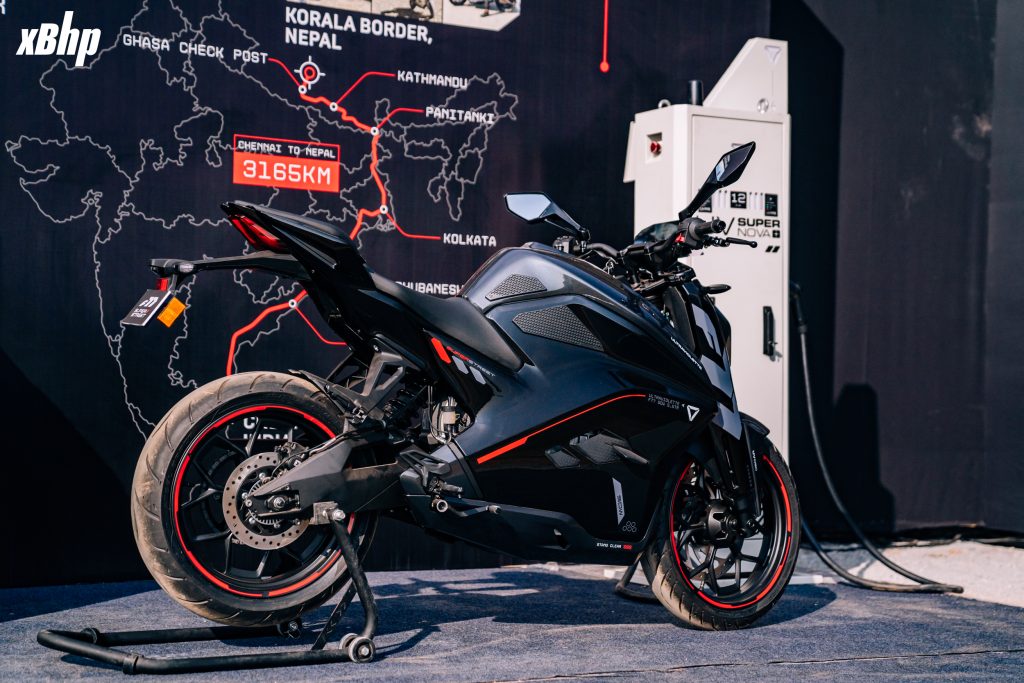
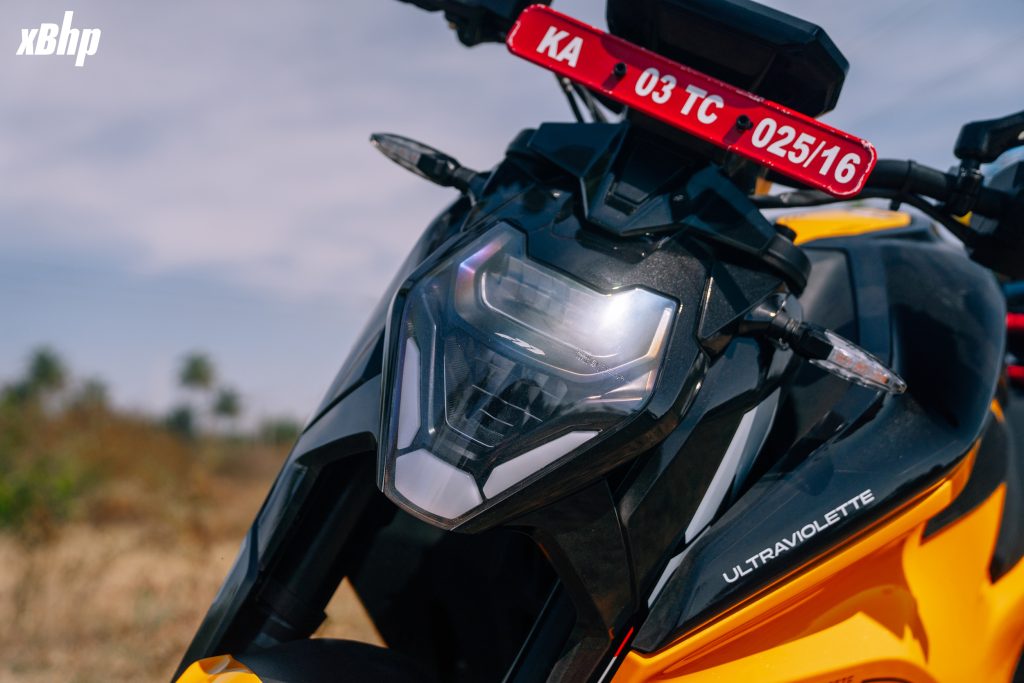
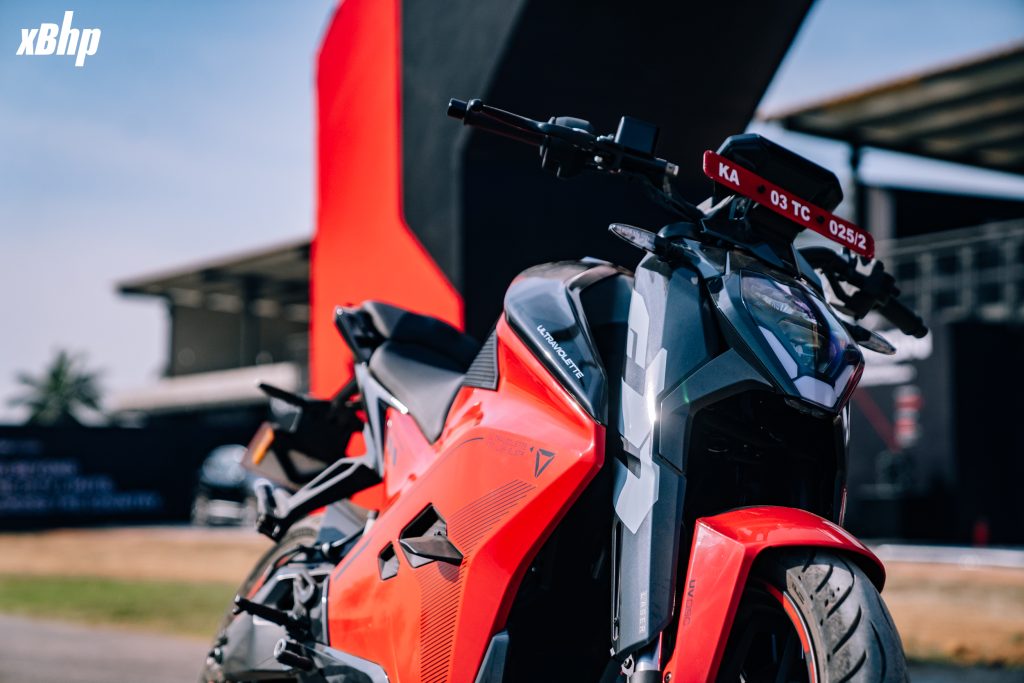
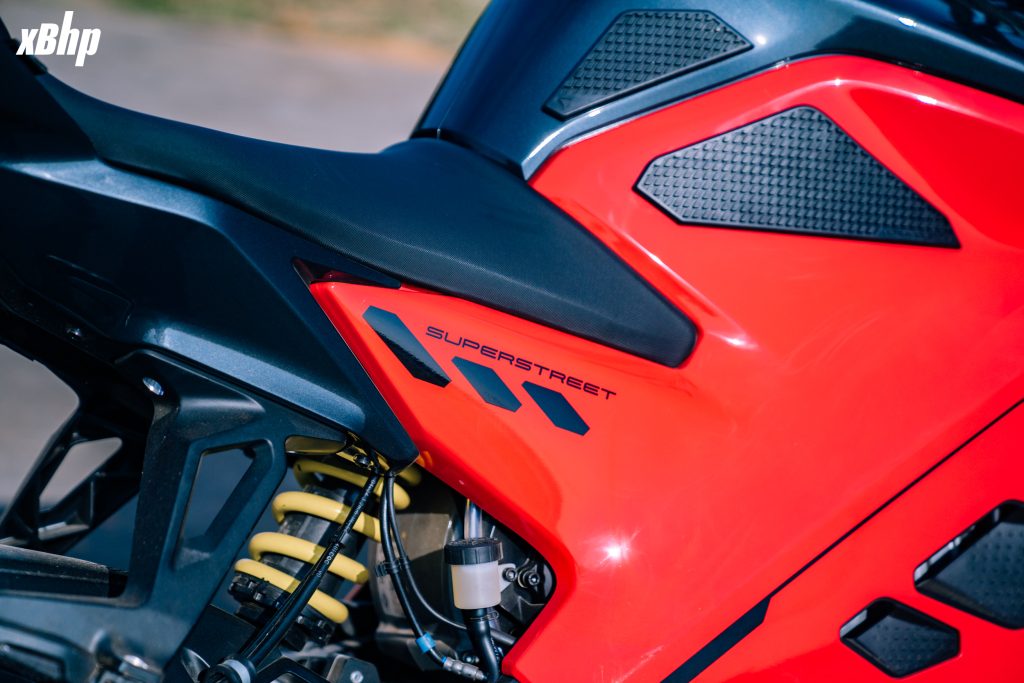
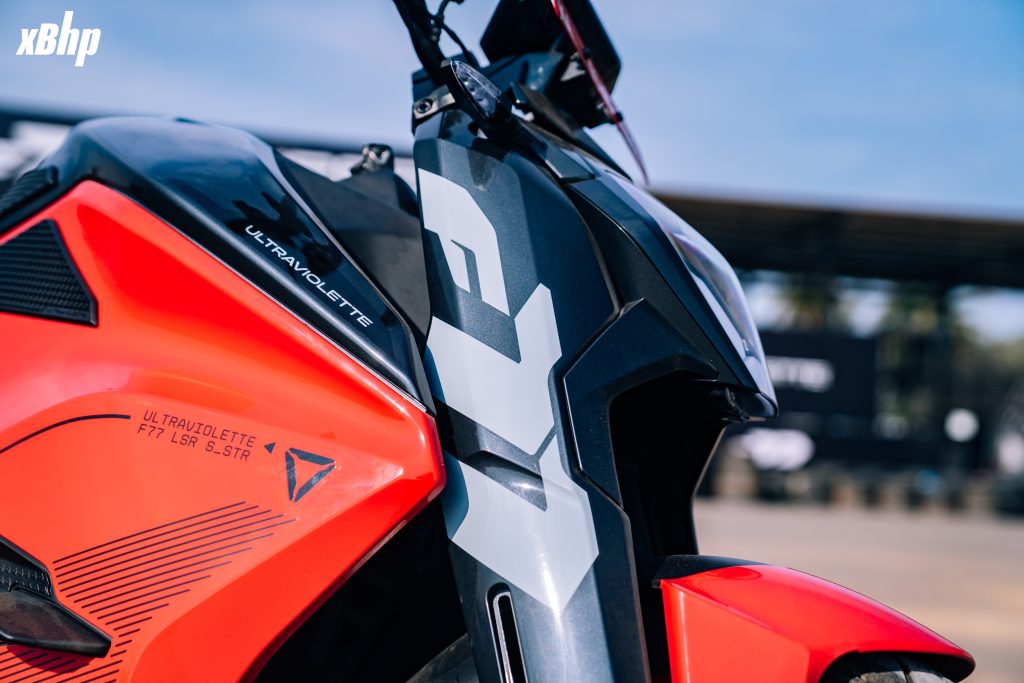
Bikes,Motorcycles,UltravioletteUltraviolette has been on a roll lately. They have been expanding their footprint throughout the country with their experience centres now open in many major cities. Continuing this, they have launched the Ultraviolette F77 SuperStreet. We rode the F77 Mach 2 not too long ago and came away impressed. The Ultraviolette F77 SuperStreet is geared more towards the street, as the name suggests. To that end, they have used the base of the F77 Mach 2, made some changes, and now it seems to be ready for the daily grind. Does it make a difference? We flew to Bangalore to find out.
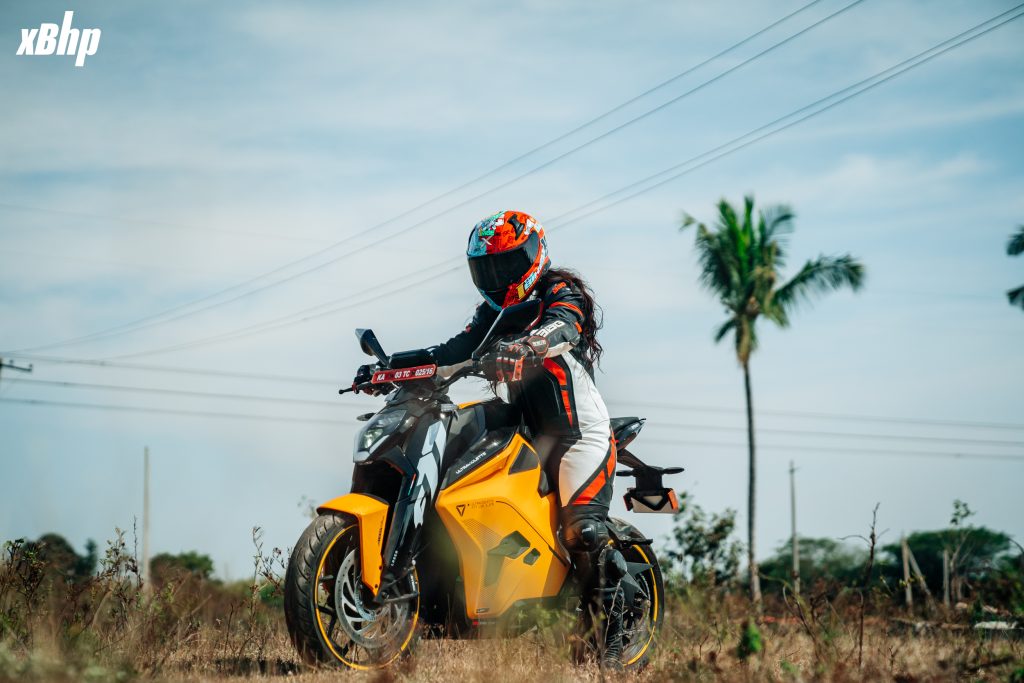
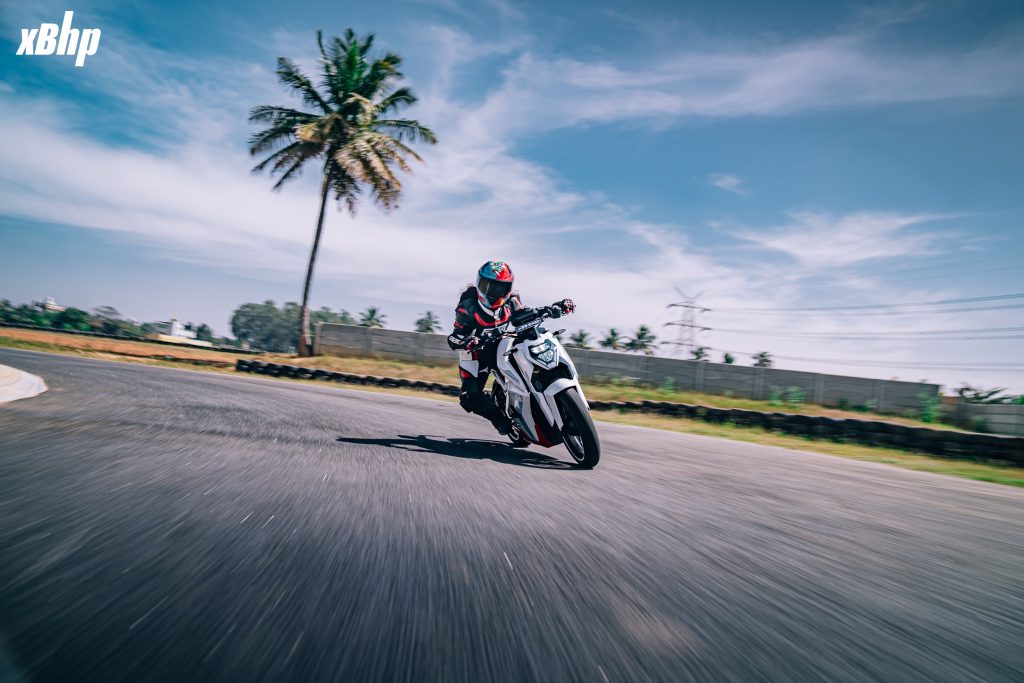
We will take some time out to rewind to the F77 Mach 2 as the SuperStreet is built upon it. We still remember riding the thing and the experience was unlike any other motorcycle. Especially in the Ballistic mode, it lived up to the name of this particular mode. The design too was quite futuristic. It looked sleek and aggressive and had the mettle to back up its sporty looks. We also had it with us for a longer time as we got one in Delhi. Living with it, we found out that it was a pretty good road bike except for the slightly aggressive riding stance that takes its toll on longer runs.
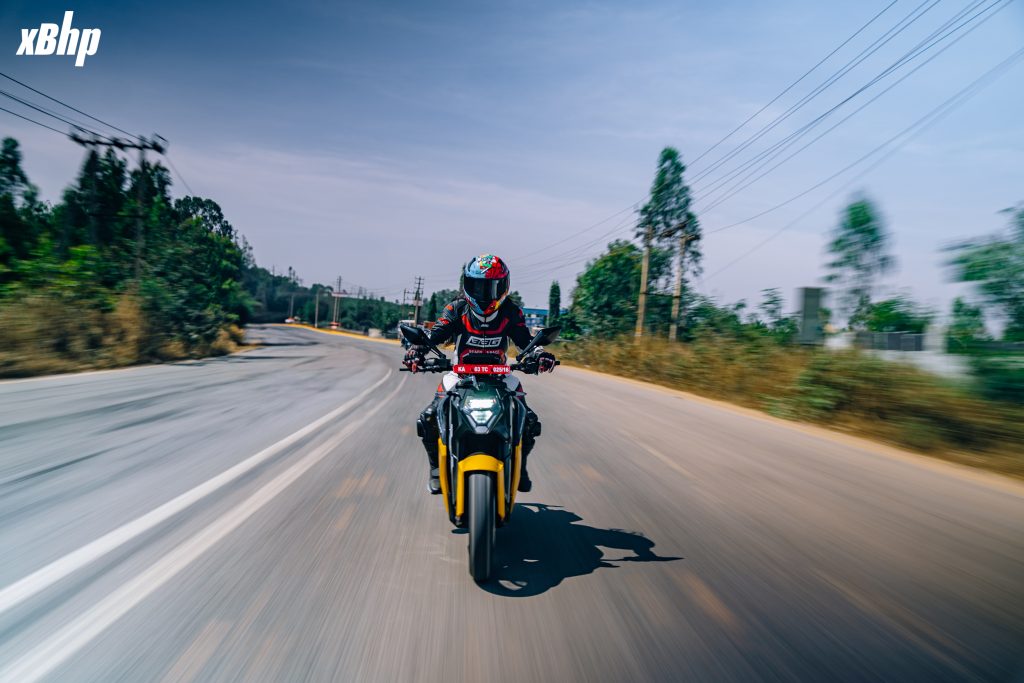
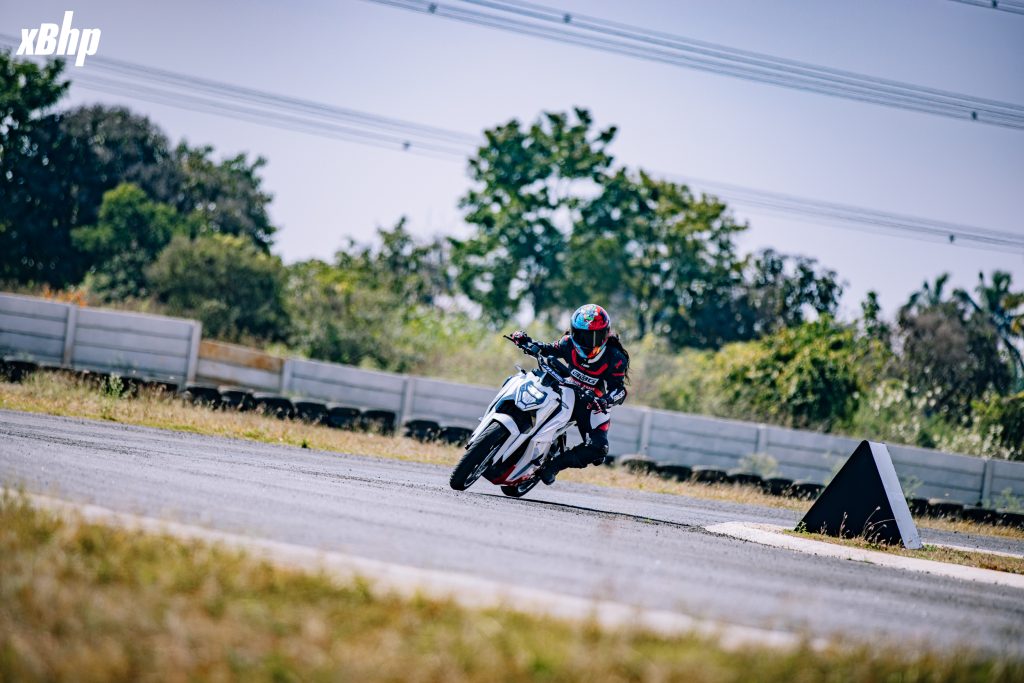
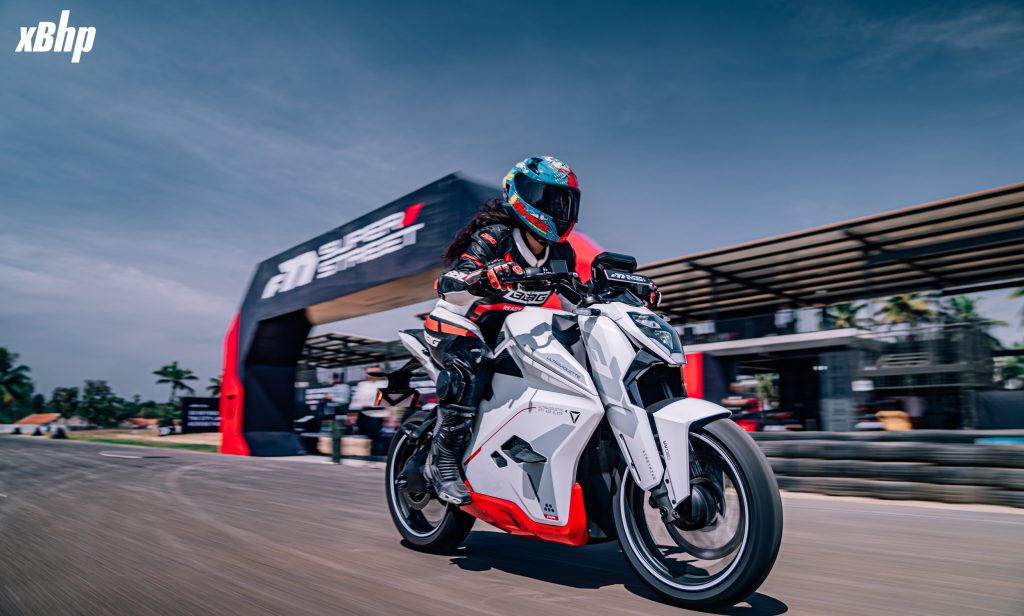
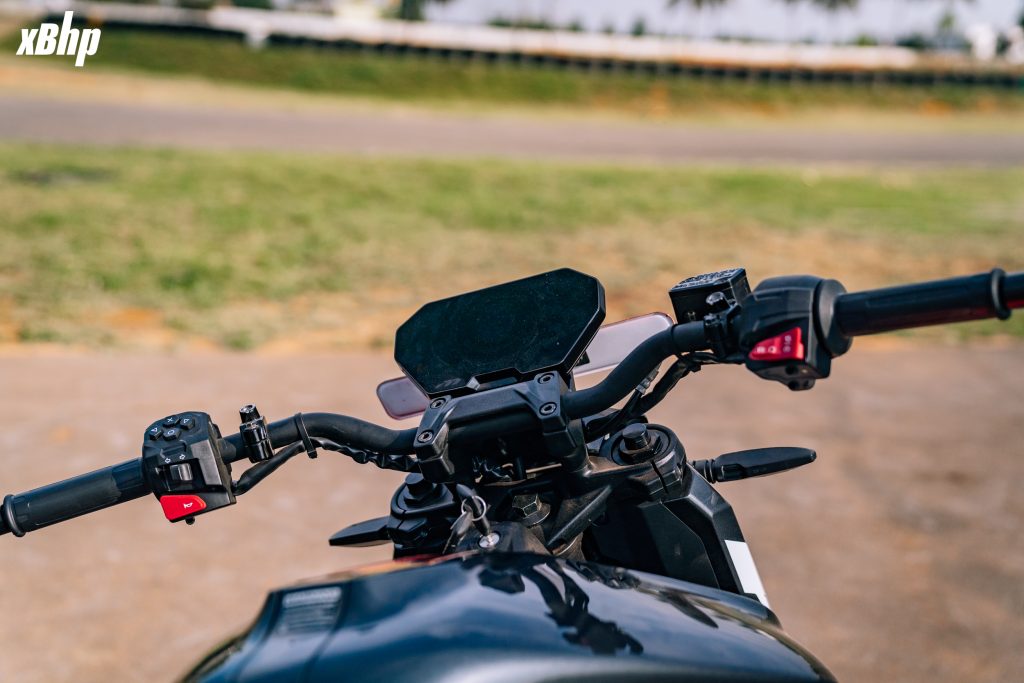
With the F77 SuperStreet, Ultraviolette aims to fix just that. The handlebar has been raised slightly which makes the riding posture more relaxed and therefore, more comfortable over longer distances or even daily riding. An aggressive rider’s triangle puts a lot of weight on the wrists in stop-and-go traffic but with the more upright riding stance, the F77 SuperStreet feels much easier to live with. This goes on to show Ultraviolette’s dedication and awareness towards the needs of the motorcycling community.
The result of the third collaboration between xBhp and Axor, the iNineteen builds upon the qualities of the Axor Apex helmet augmented by stunning graphics and a beautiful message for the younger generation.
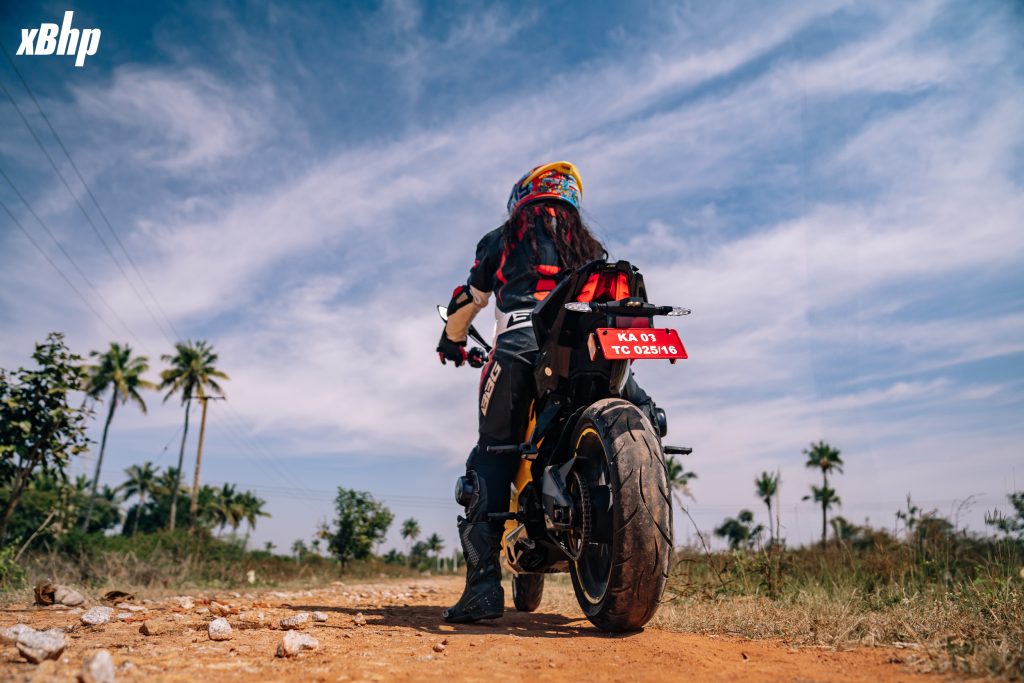
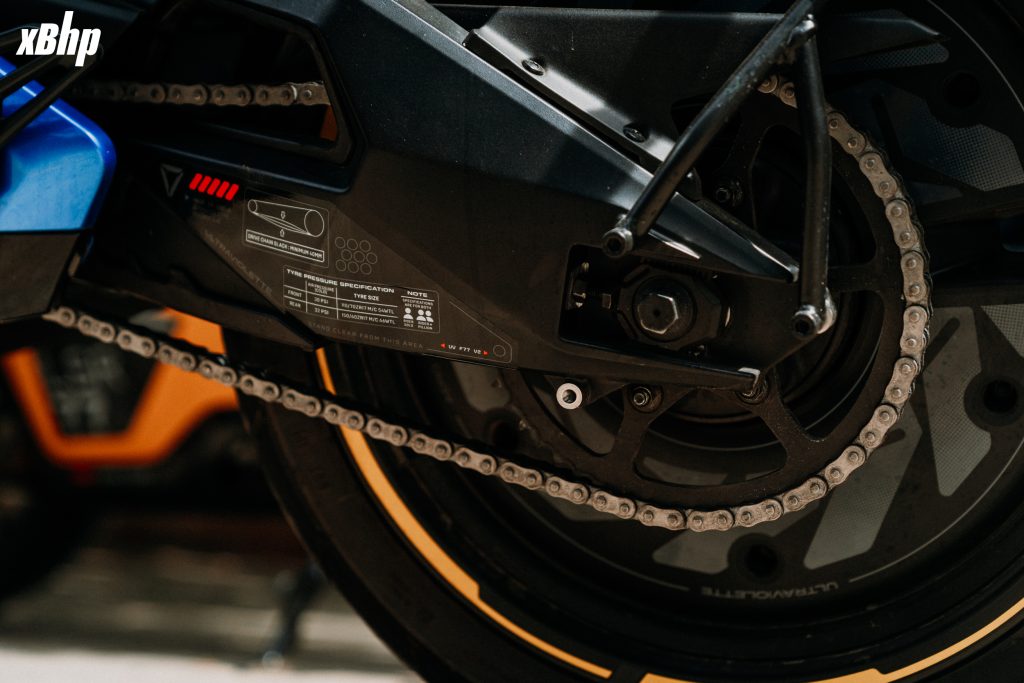
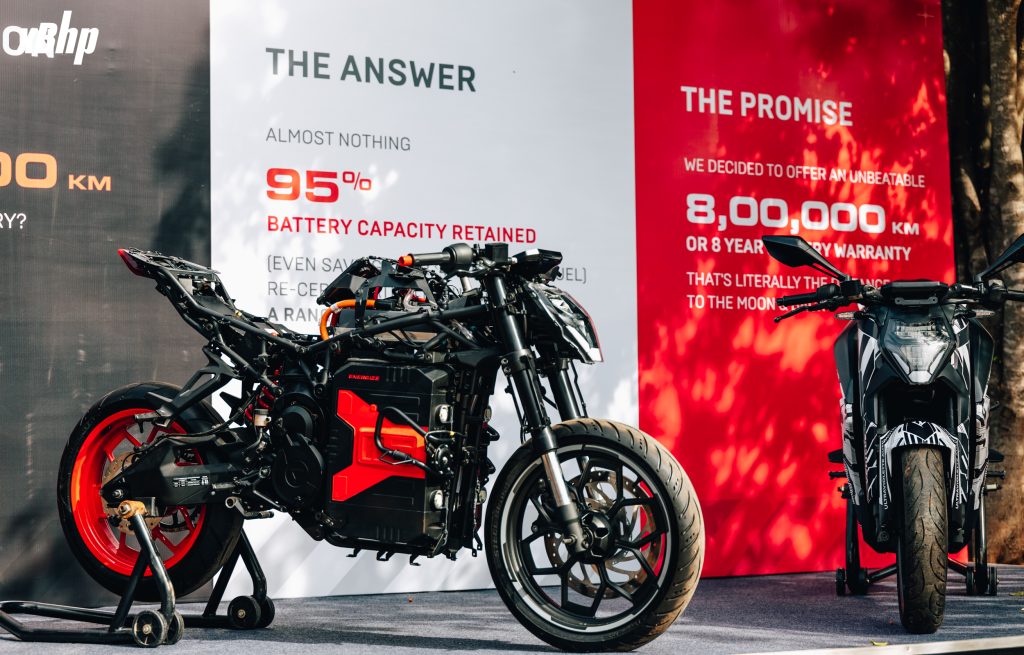
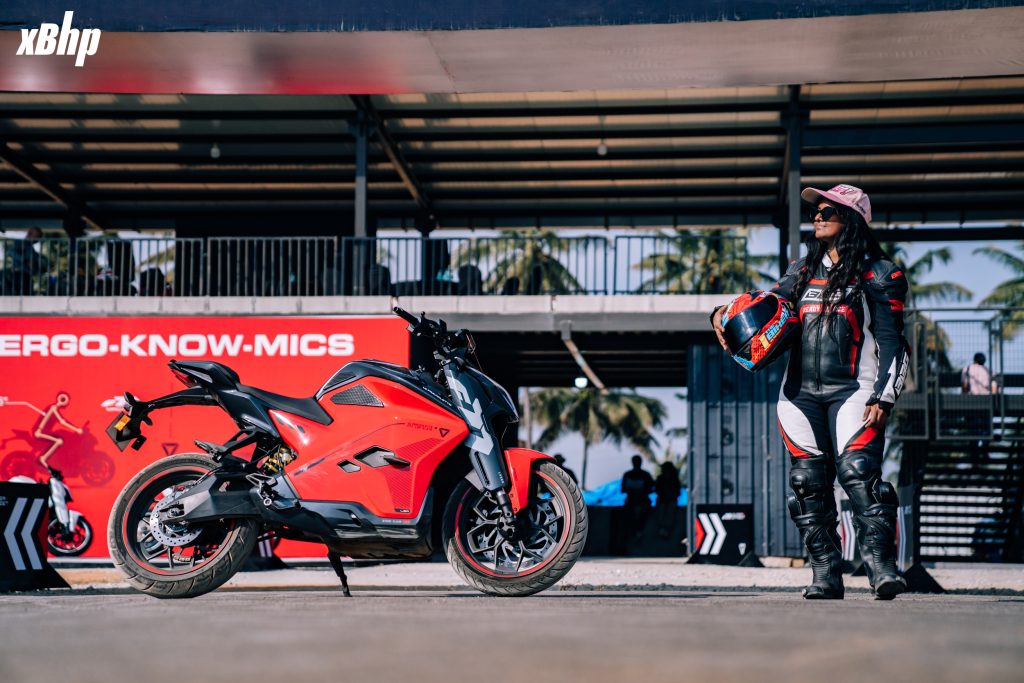
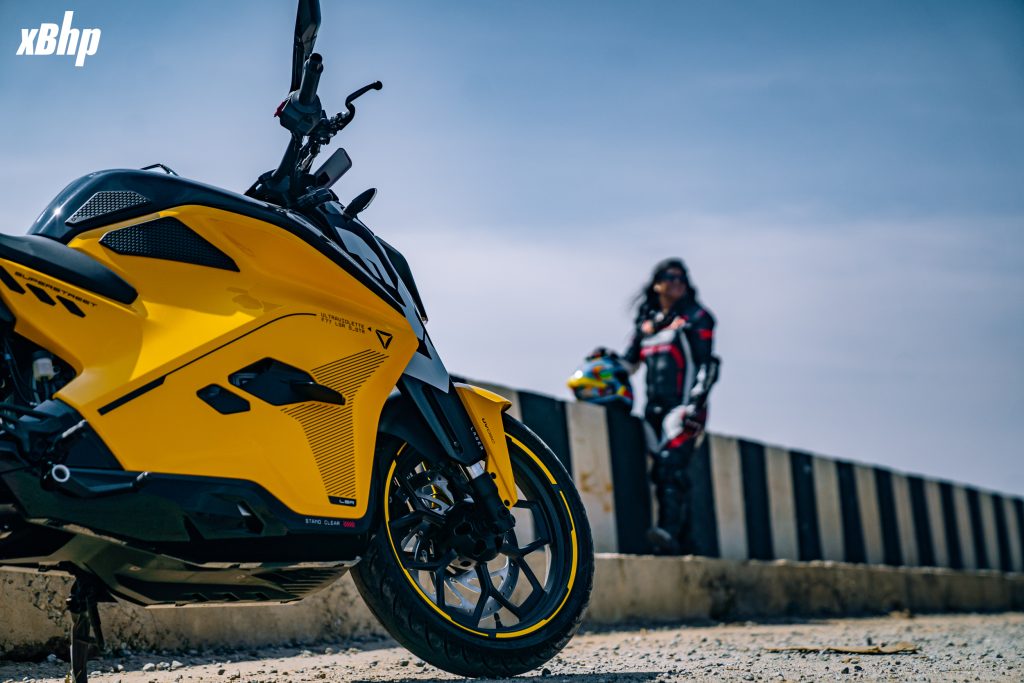
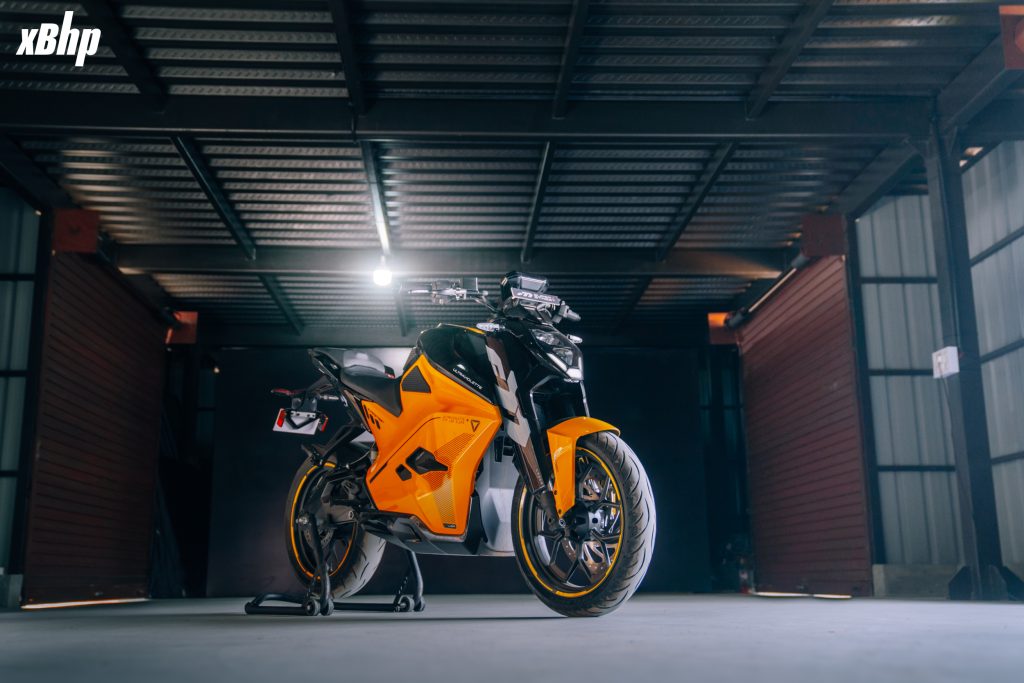
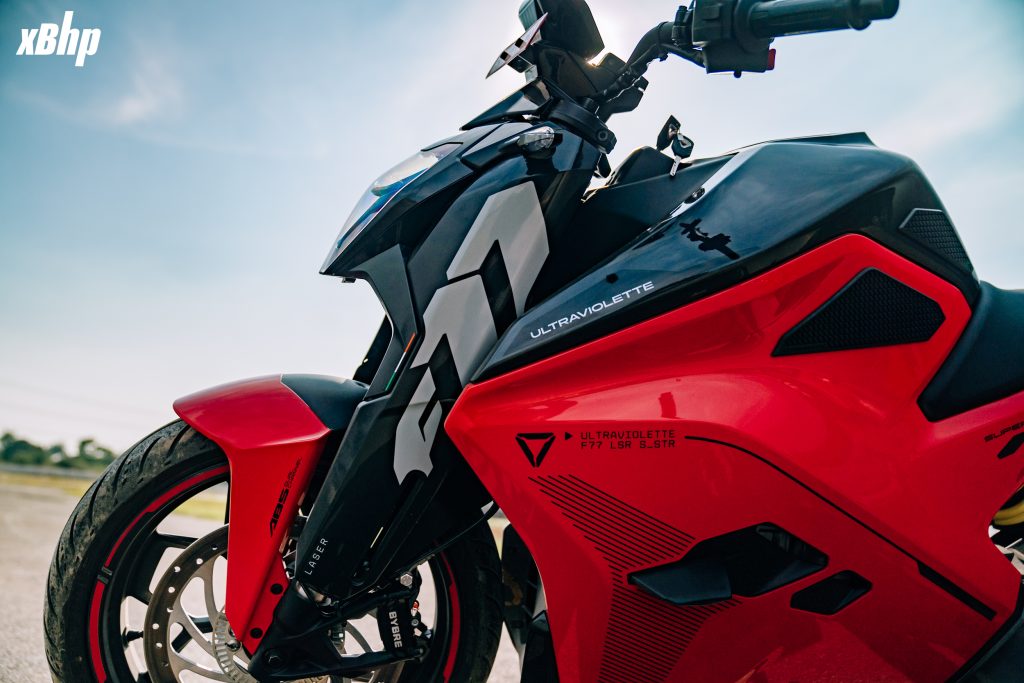
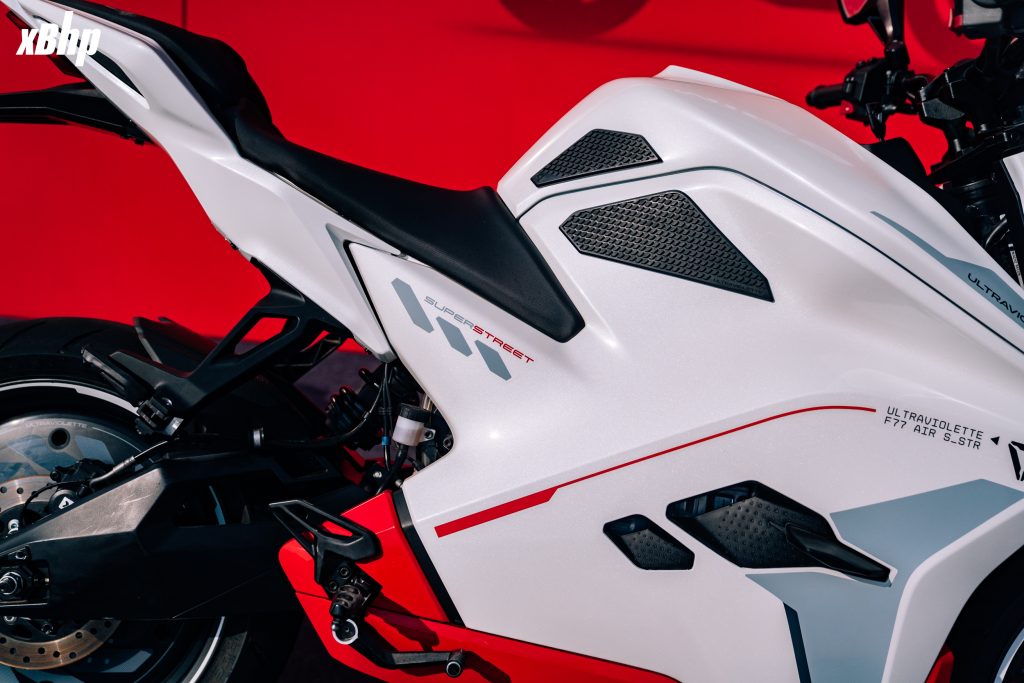
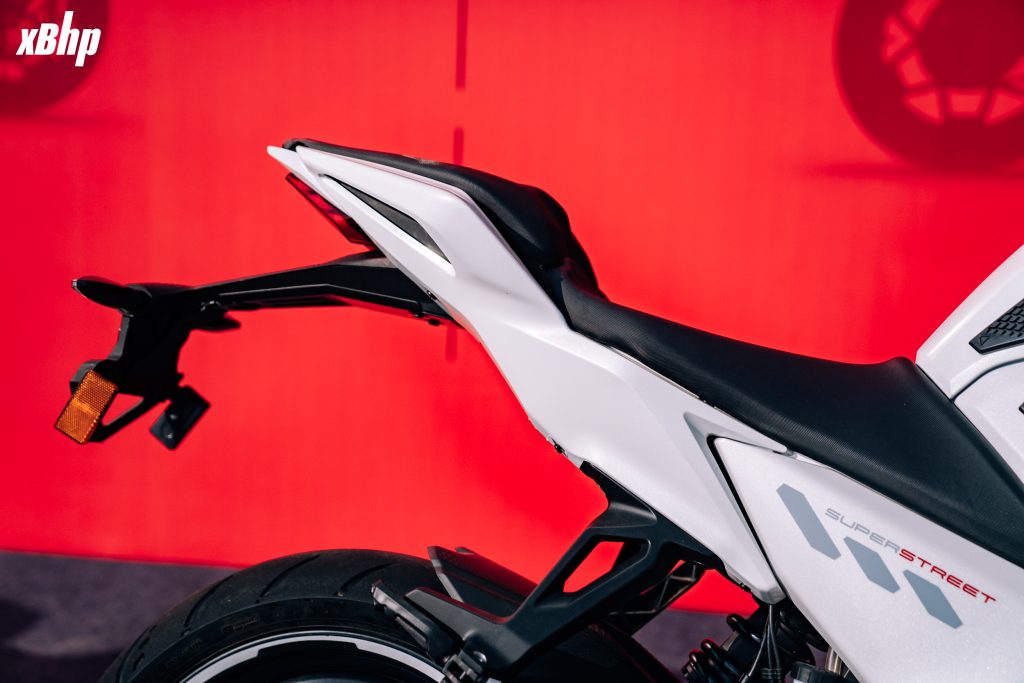
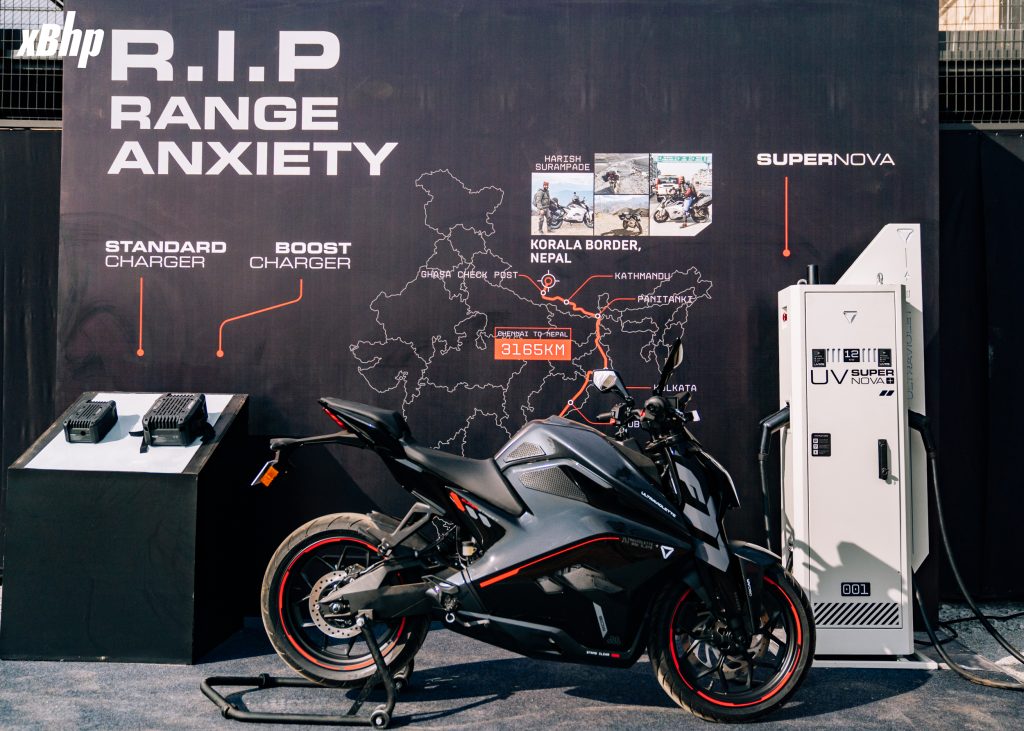
In terms of the design, the F77 SuperStreet is pretty much identical to the F77 Mach 2 except for the raised handlebars. Under the skin too, the F77 SuperStreet is similar to the Mach 2. So the F77 SuperStreet gets a 10.3 kWh battery pack with a power output of 40.2 hp and 100 Nm of torque. It can do 0-60 km/h in just 2.8 seconds and 0-100 km/h in around 7.7 seconds. Also, it is claimed to have a top speed of 155 km/h and an IDC range of 323 km.
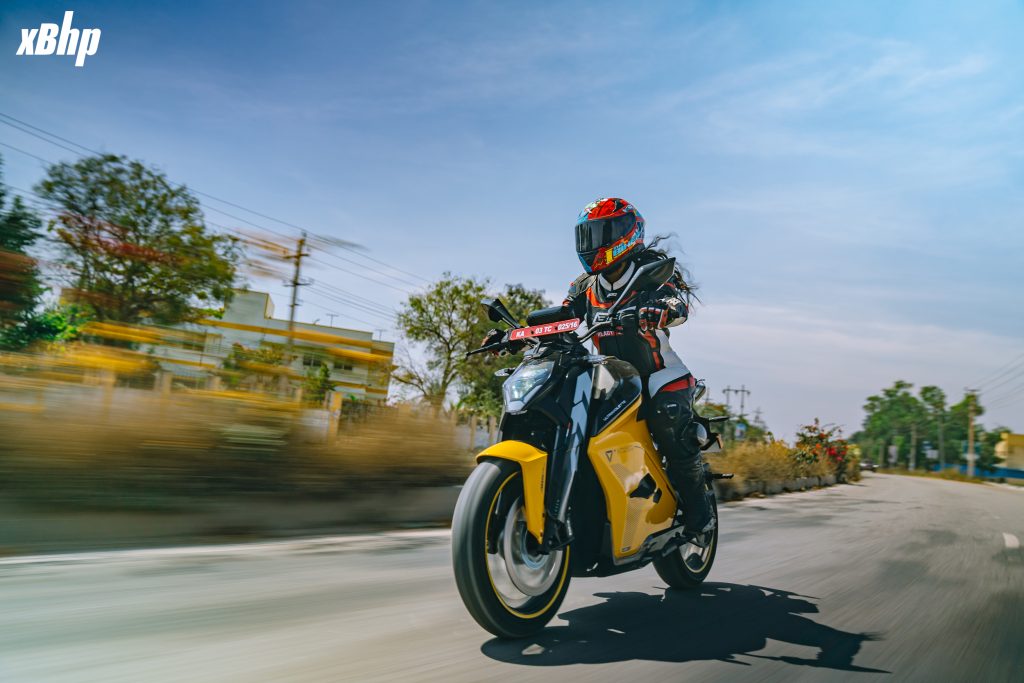
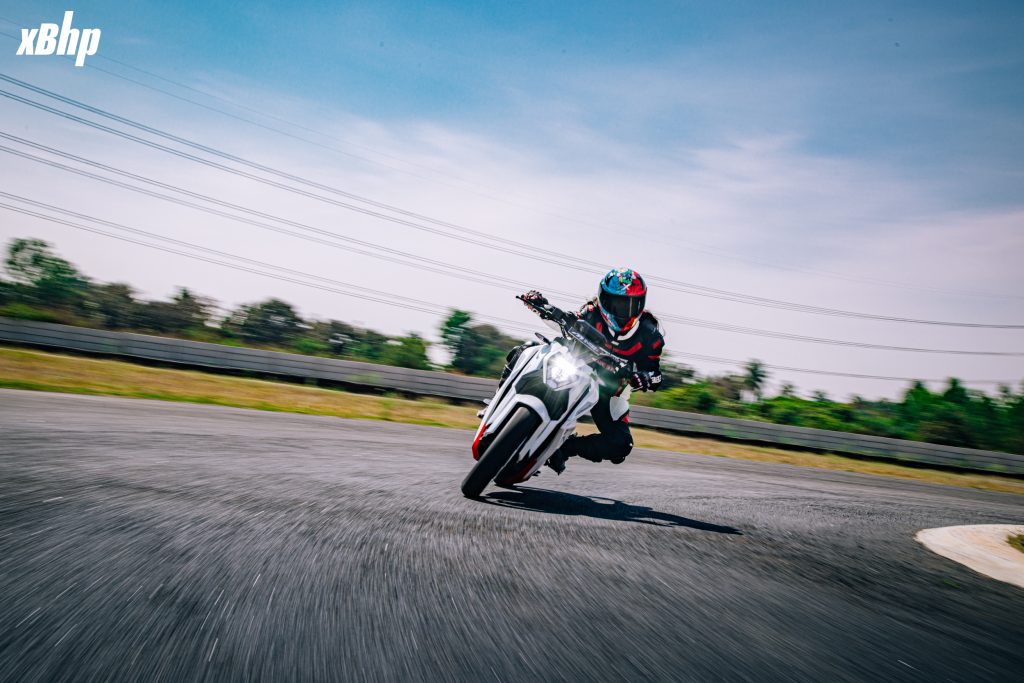
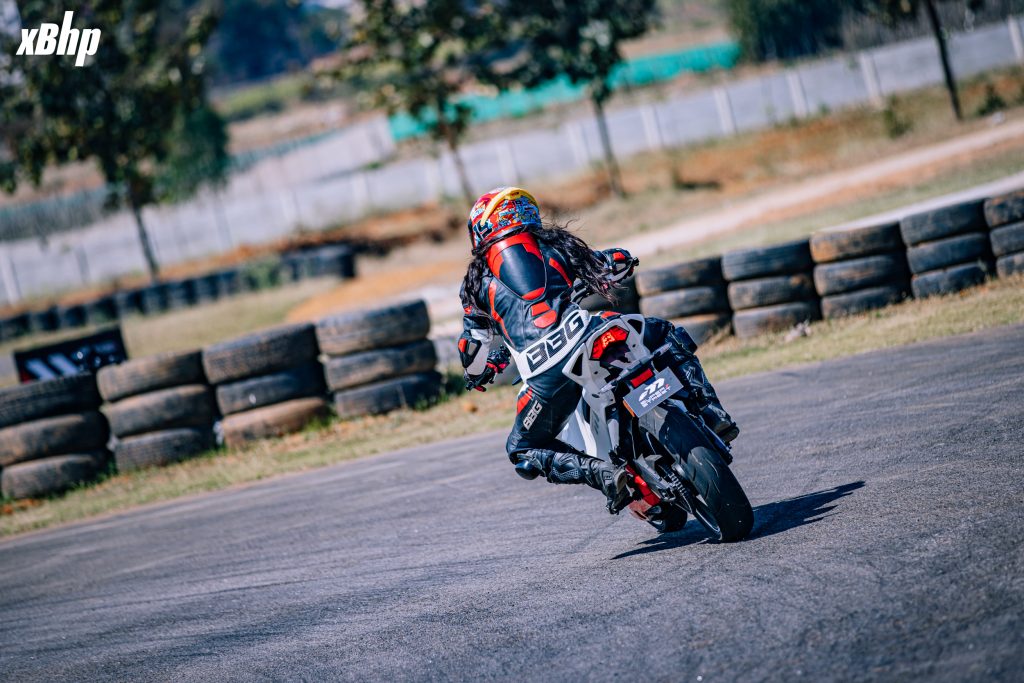
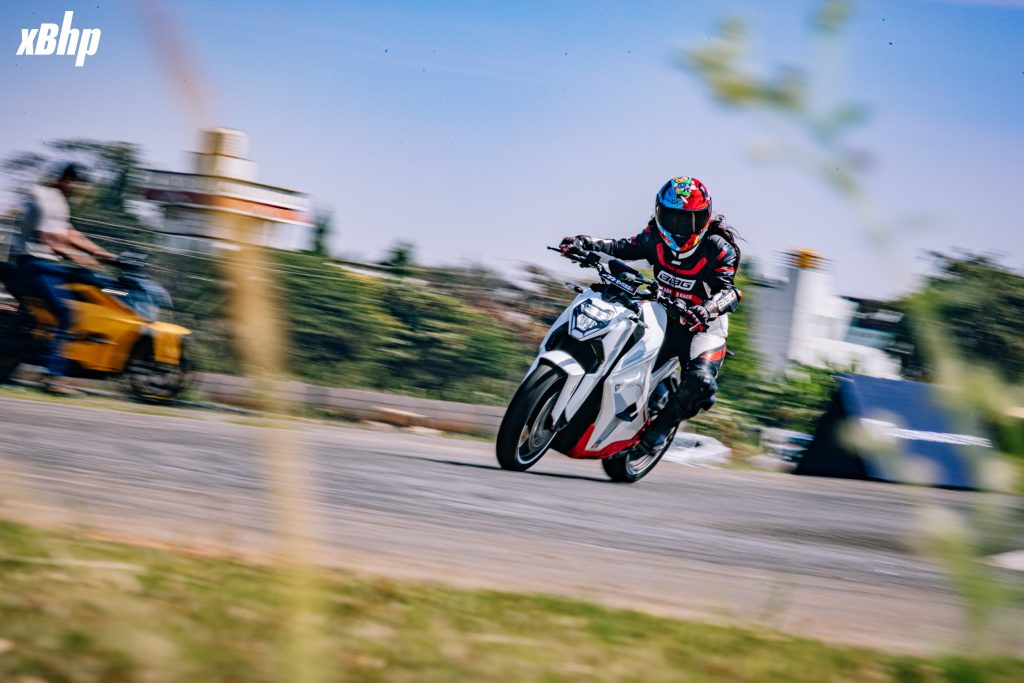
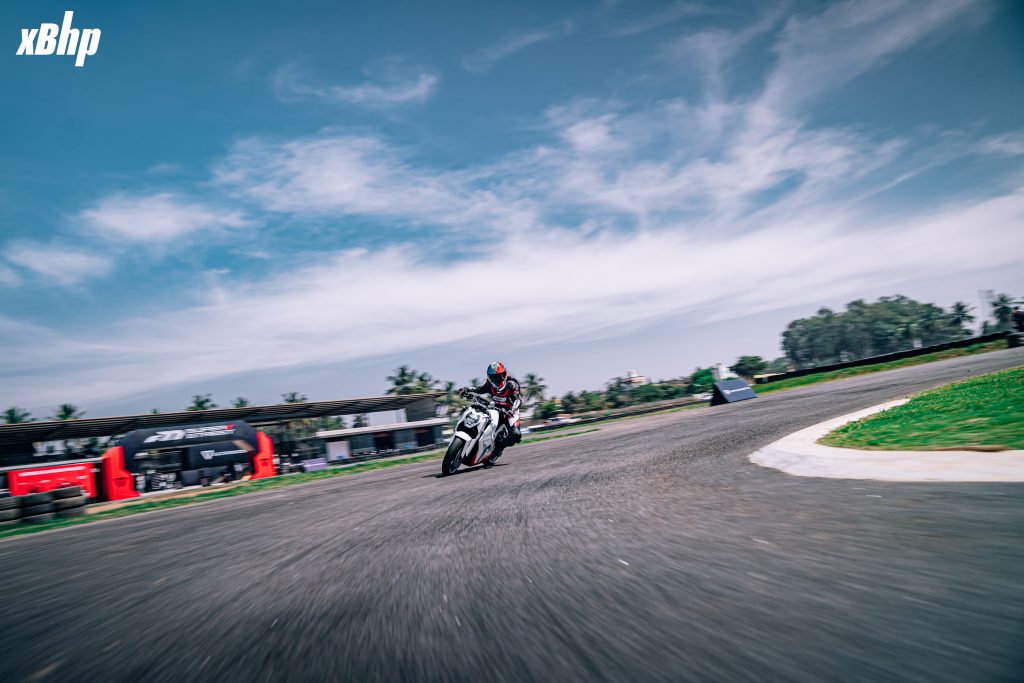
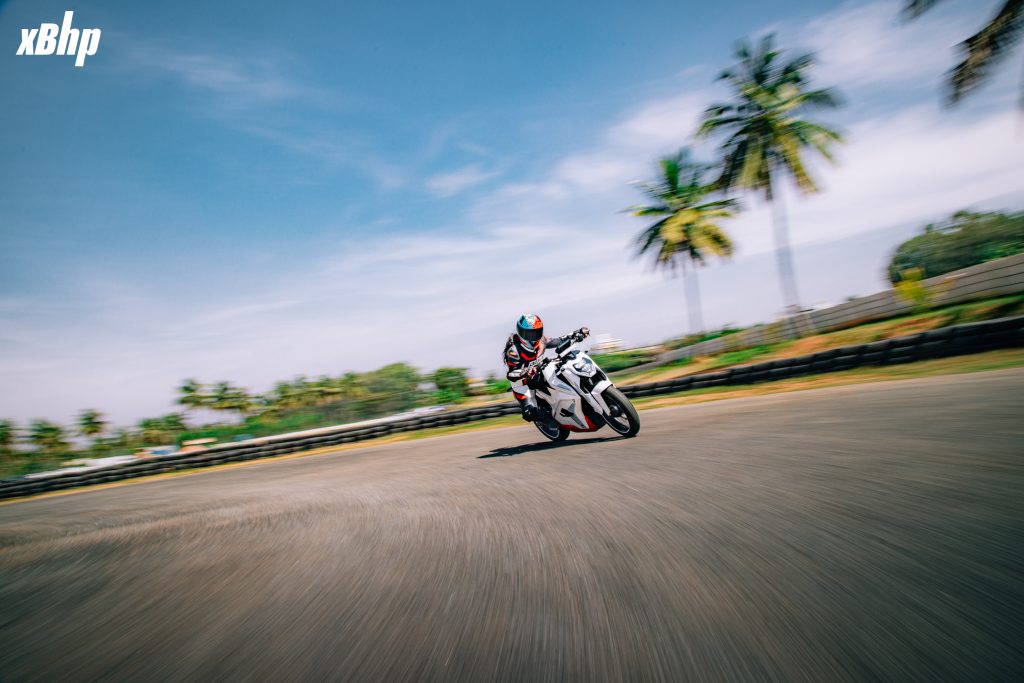
Overall, the riding experience of the F77 SuperStreet felt very similar to the F77 Mach 2 which you can read about here. The acceleration remains phenomenal and though we did not get to verify the top speed claims thanks to the limitations of the proving ground, we can tell that it may have no difficulty getting up to over 150 kays an hour. As before, Ballistic mode was the most engaging one and we set engine braking a little higher as well to help in shedding speed at the racetrack.
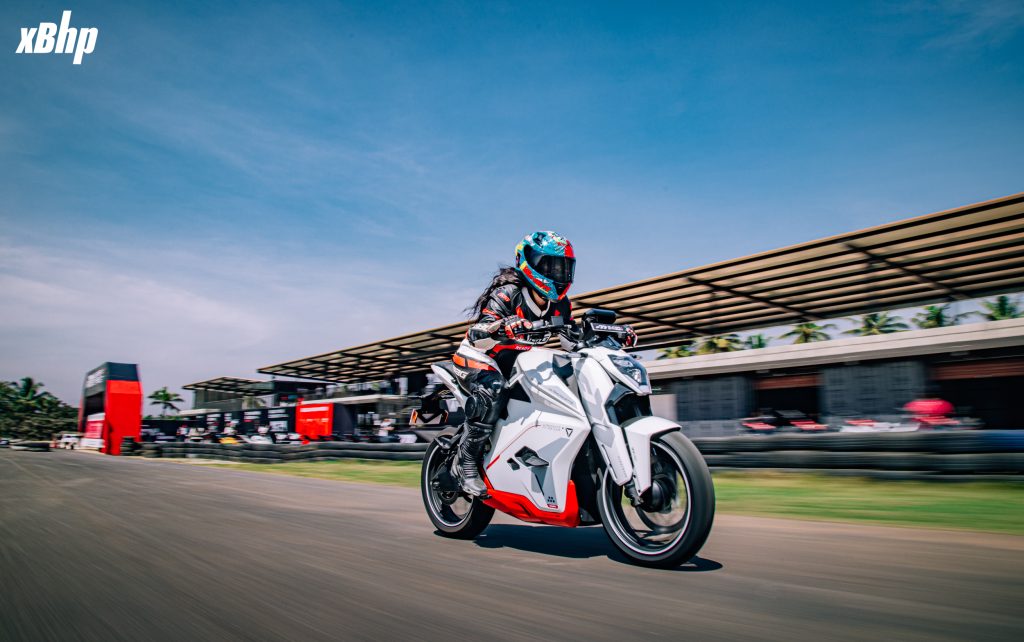

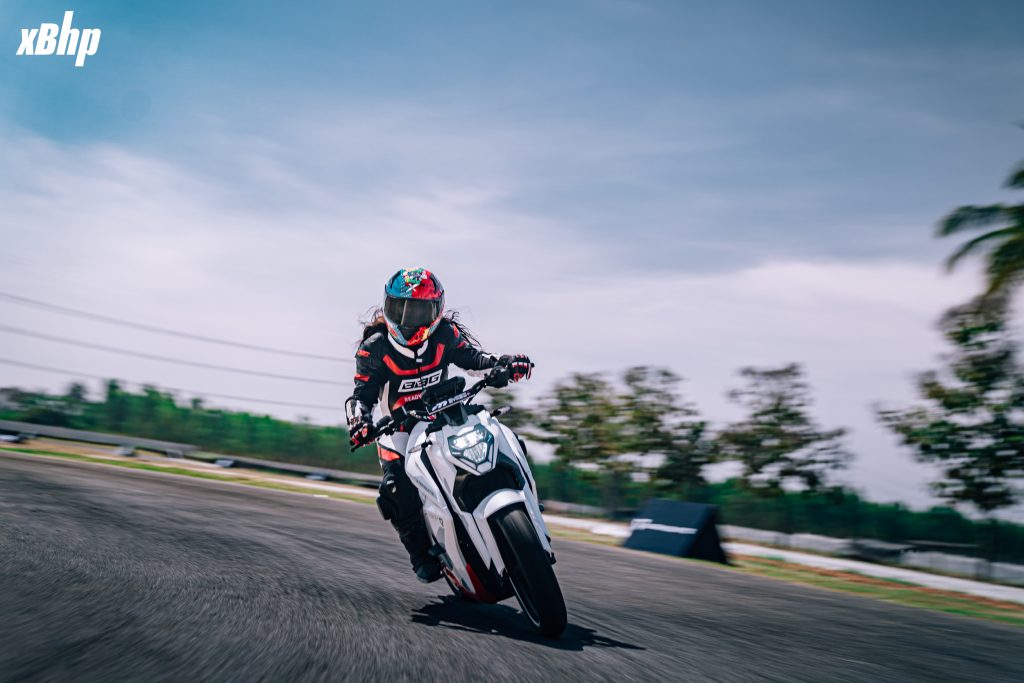
Now for the change, the riding stance actually made a difference as we could tell that there was less weight on the wrists. Though we spent most of our time on the racetrack where we would have liked the Mach 2 better, the SuperStreet was not too different. Despite that, we believe that it would make a significant difference on regular roads. While we tested the F77 SuperStreet on the racetrack, we tried to gauge how it would fare on public roads. The handlebar made a real difference as we could tell during the deceleration phases. They have also added a wind deflector to make things even more comfortable.
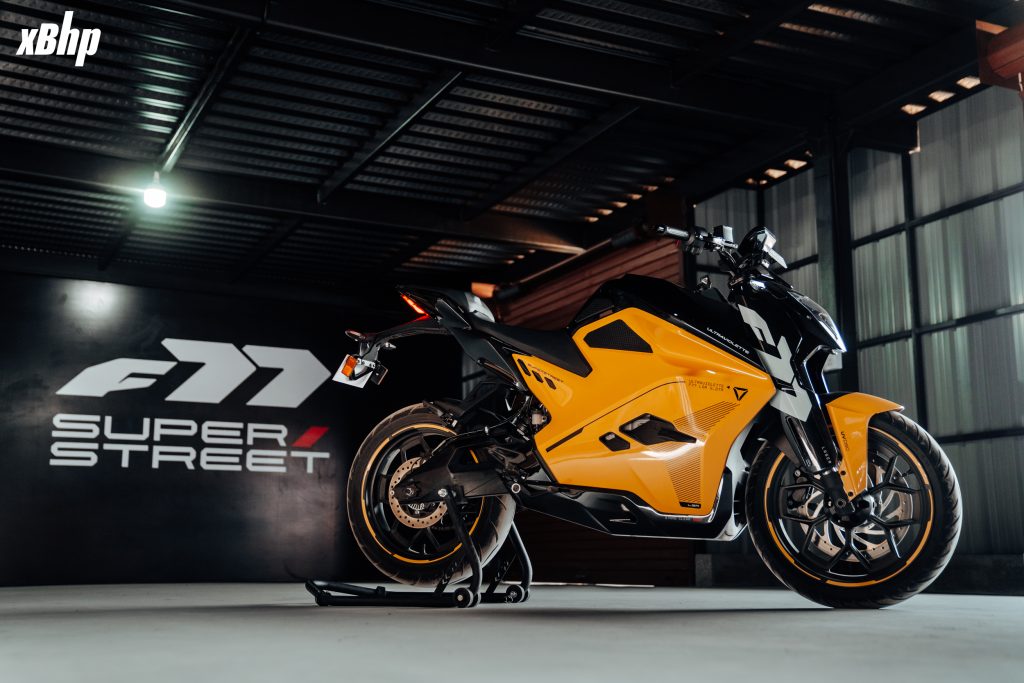
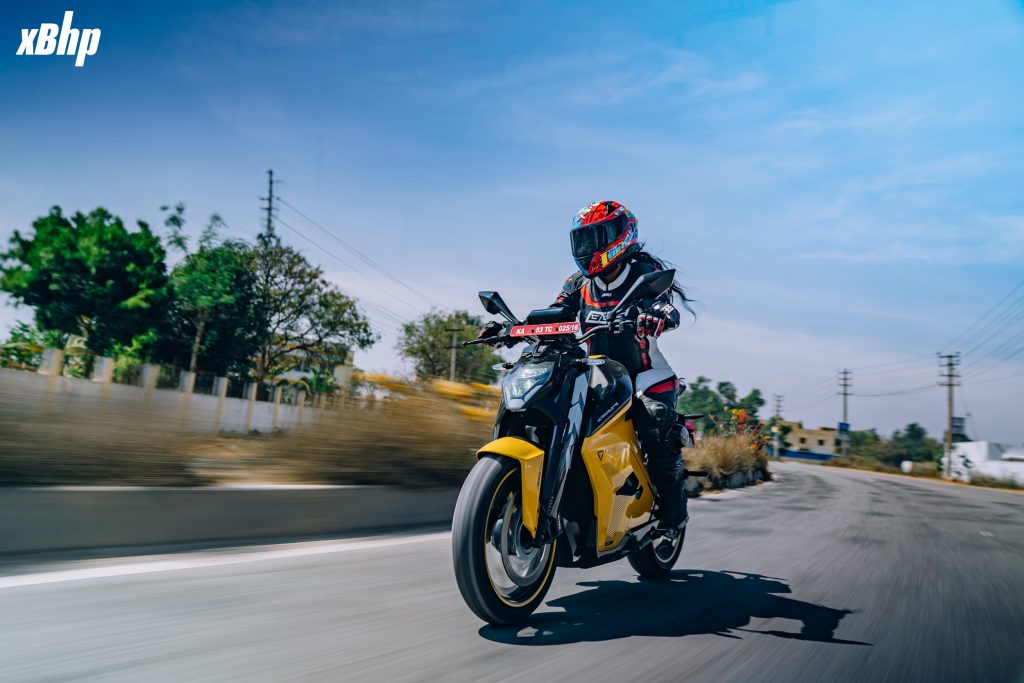
Now, the question is… why did it take Ultraviolette so long to do which riders get done on their ICE motorcycles all the time? If you think about it, a lot of people get their handlebars raised to make their motorcycles more comfortable. The answer to that question is the way the cluster and the wiring are set up on the F77. On this particular motorcycle, it was not as simple as retrofitting a raised single-piece handlebar. So it took a bit of work on the brand’s end to get it done reliably and we are glad that they did.
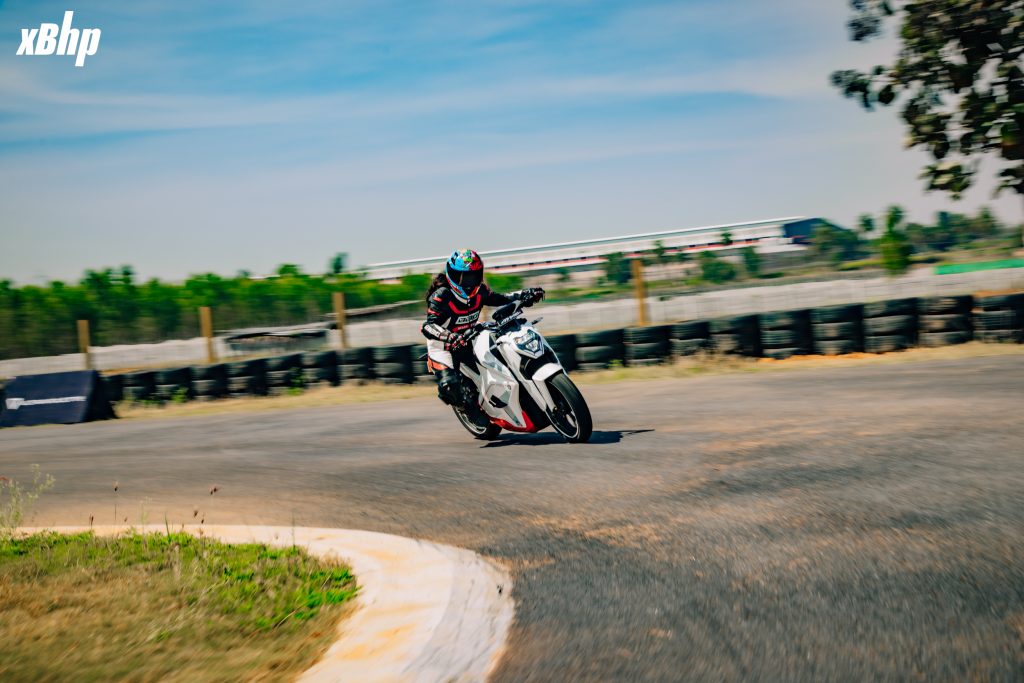
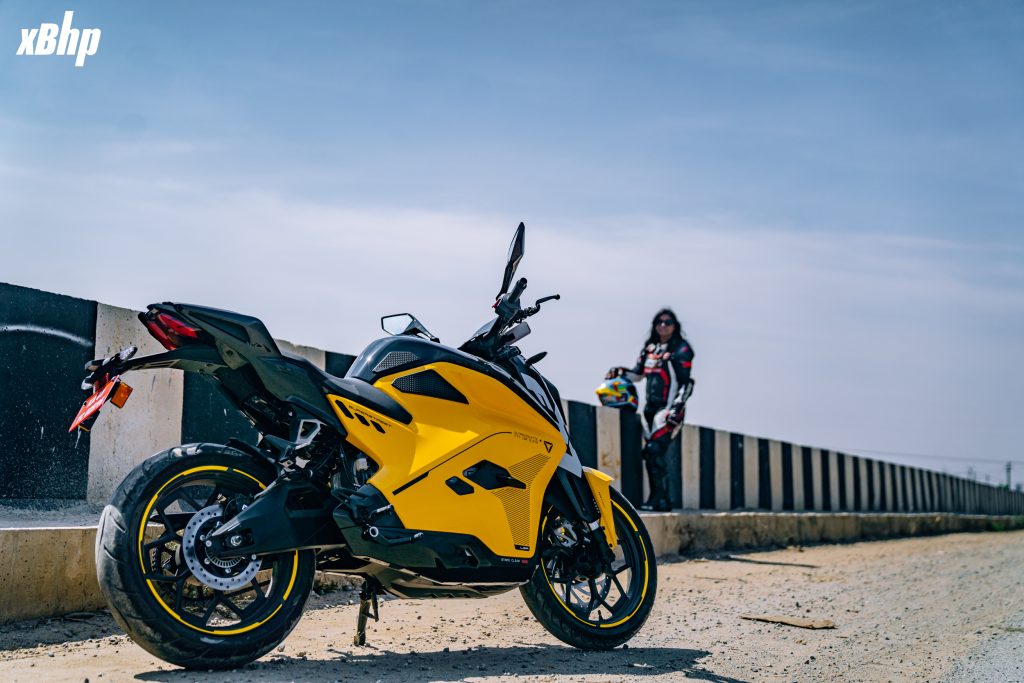
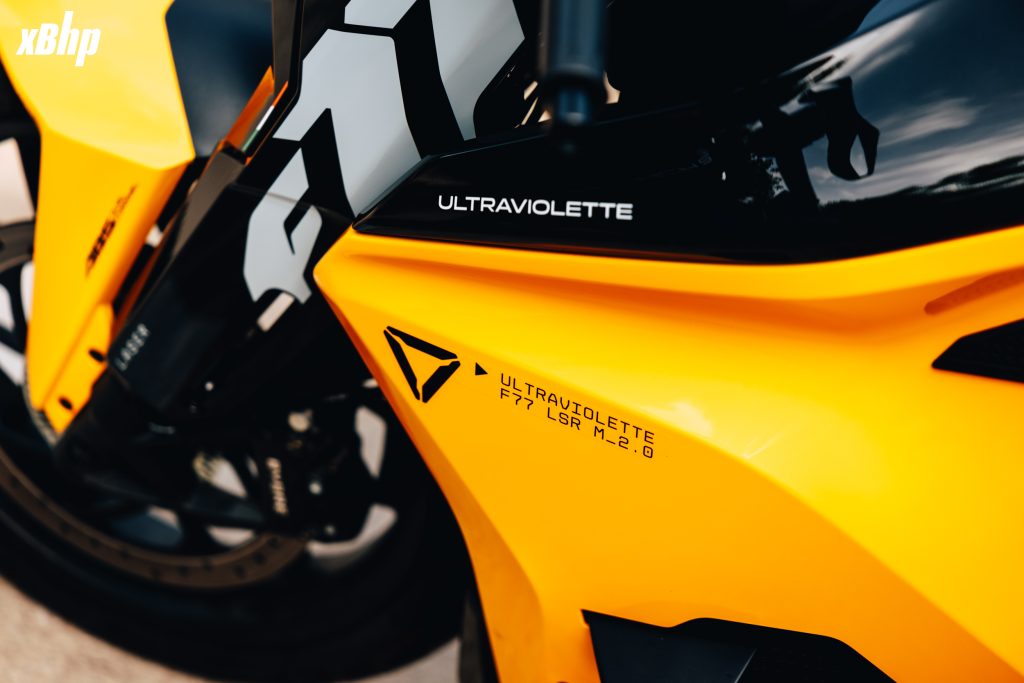
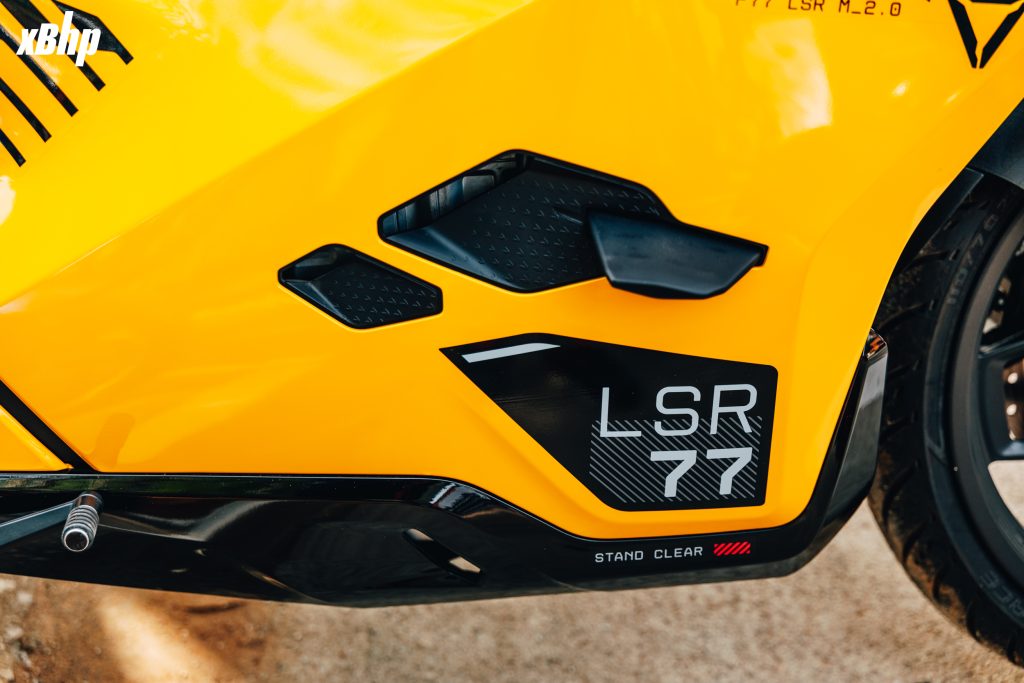
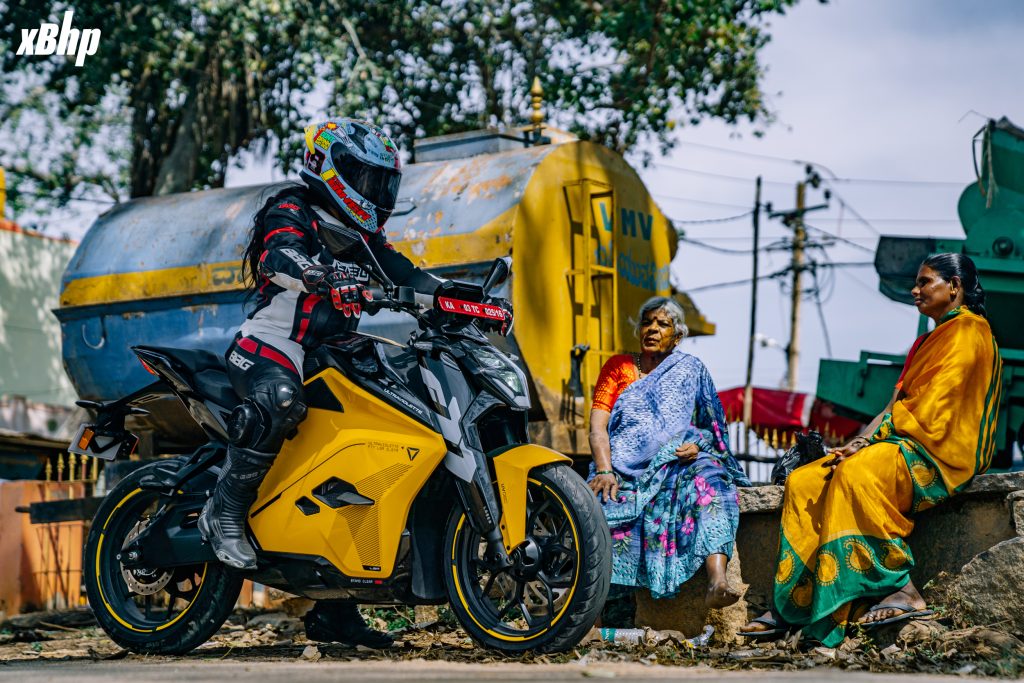
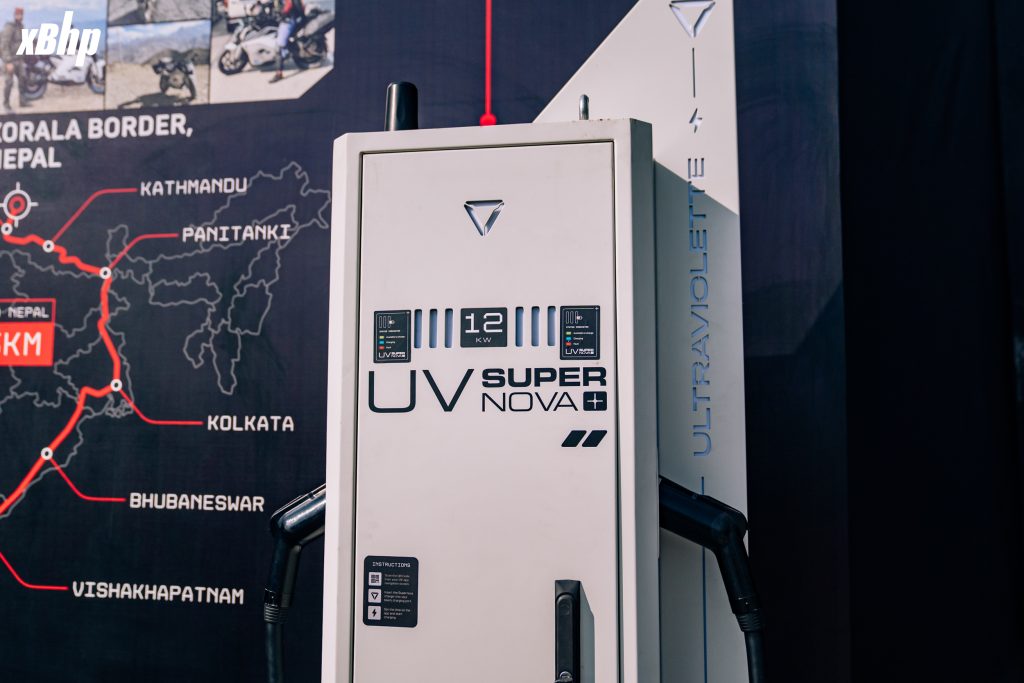
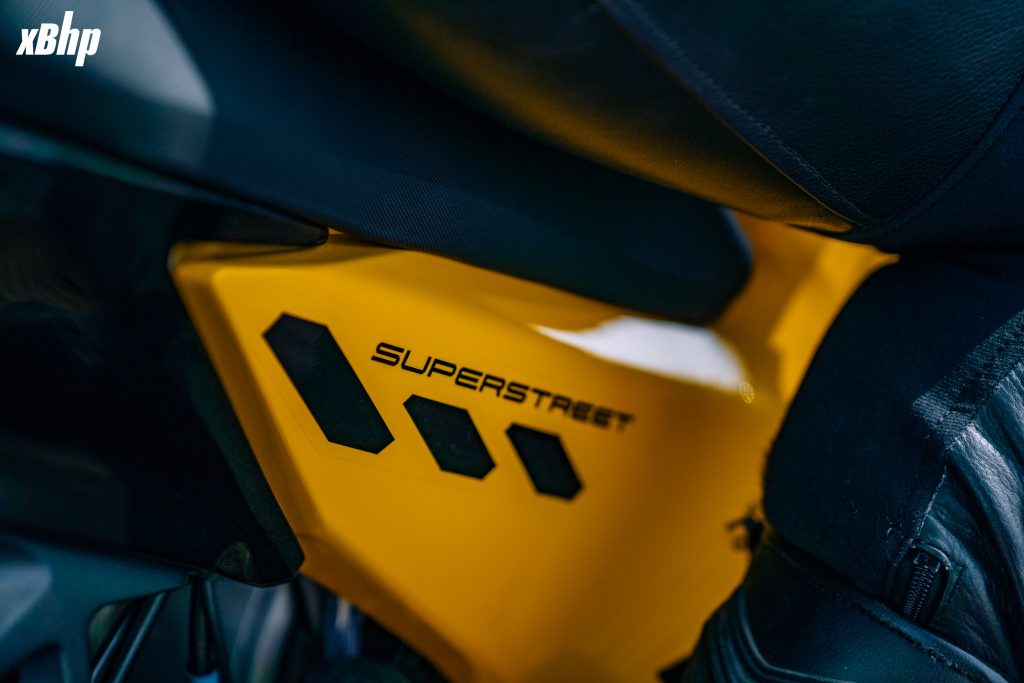
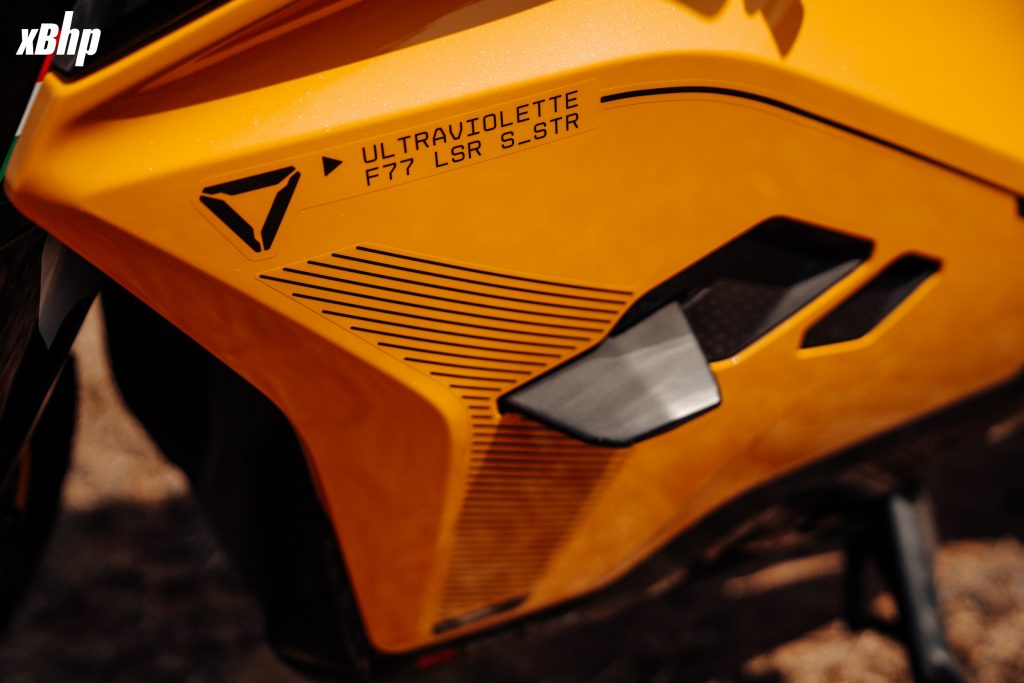
As was the case with the Mach 2, the F77 SuperStreet is available in two variants; the F77 SuperStreet and F77 SuperStreet Recon. The colour options available at the moment are; Turbo Red, Afterburner Yellow, Stellar White and Cosmic Black. Ultraviolette also announced a whole range of accessories, now available to all customers. These include Aero Discs, Tank Grips, Lever Guards, TPMS, Puncture Kit, Screen Guard, Top Box, Soft Panniers, Hard Panniers, and a Type 2 Charging Interface.
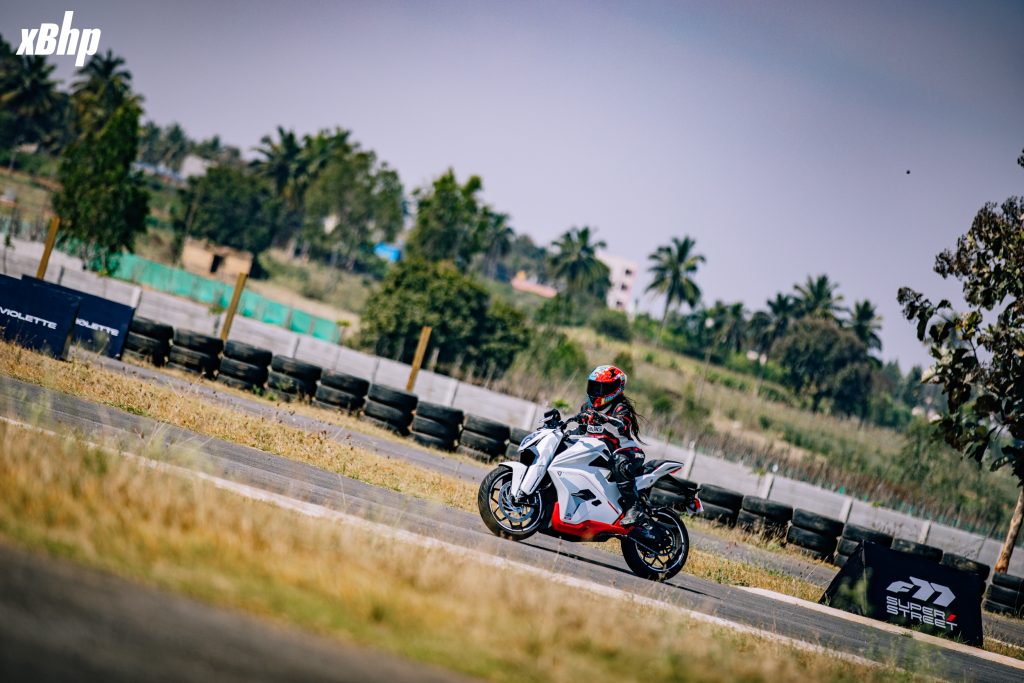
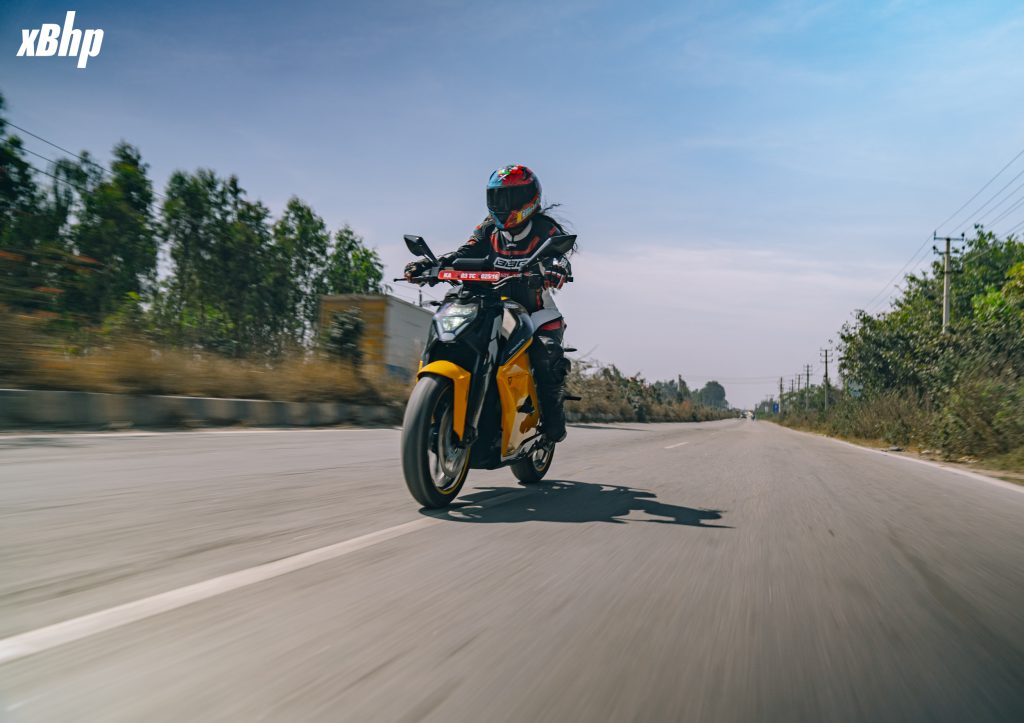
We have said this before and we have said it again that Ultraviolette has their work cut out for them going up against manufacturers that have been around for decades more. Yet, the pace at which they have been going is commendable. From the Mach 2 to the F99 (it became India’s fastest motorcycle clocking 258 km/h), they are doing all the right things.
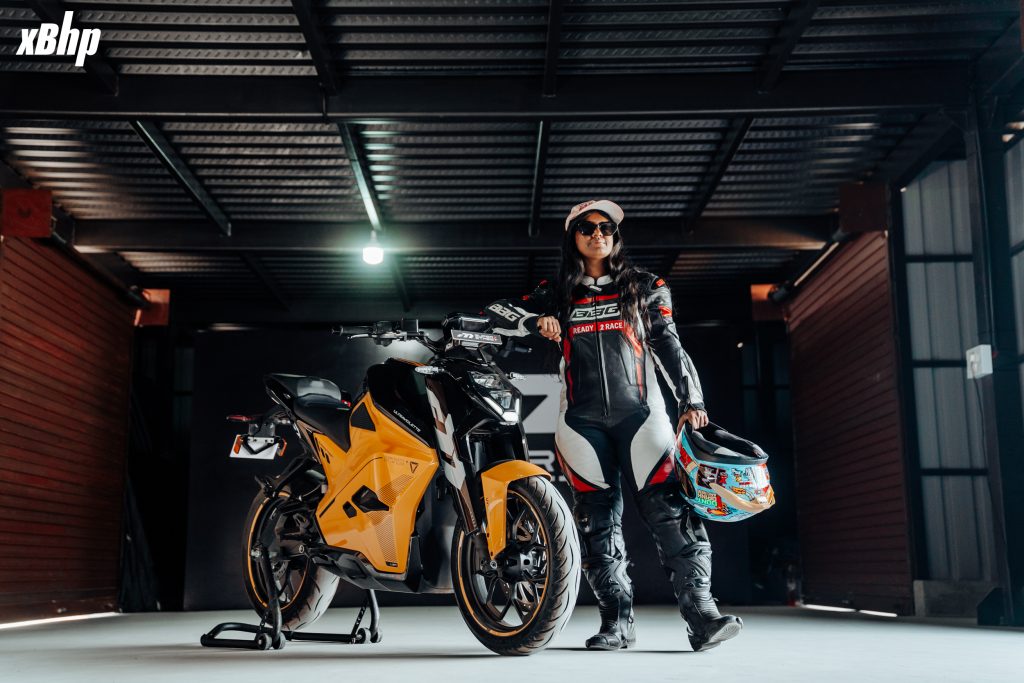
Developed with insights from national champions, the BBG Racing Suit was the perfect companion for this track outing of ours and it has everything we can ask for; comfort, protection, and lots of style.
The introductory price of the base model starts at INR 2.99 lacs (Ex-Showroom) and bookings are open all over India with deliveries commencing in March 2025. As for a verdict for the F77 SuperStreet, it remains the same as the Mach 2– a stellar motorcycle at a killer price and now, it is more approachable than ever.
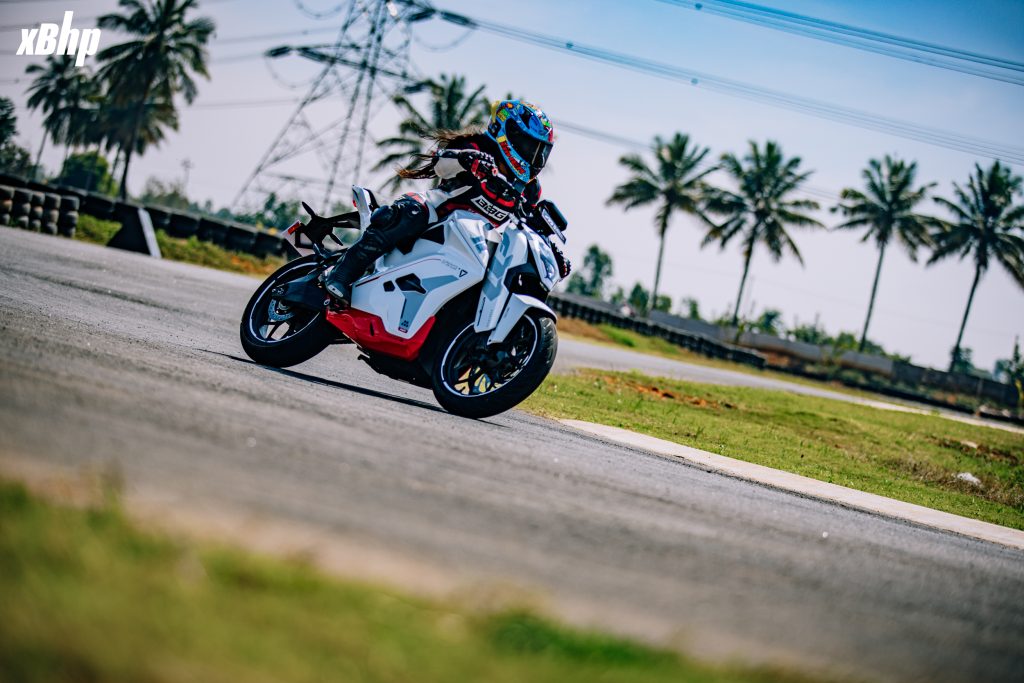
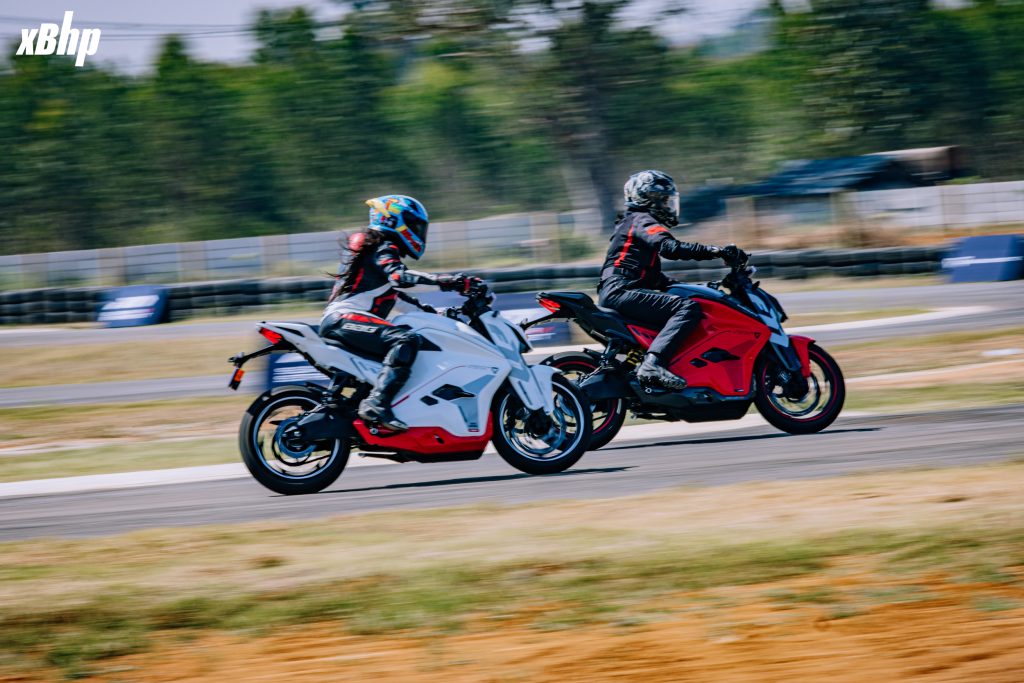
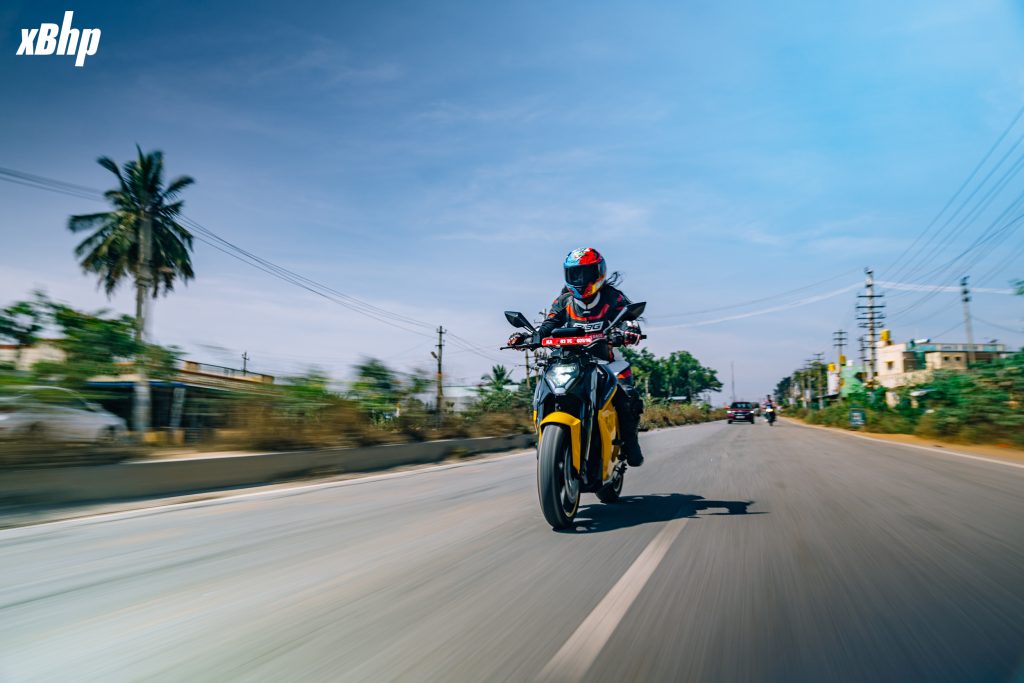
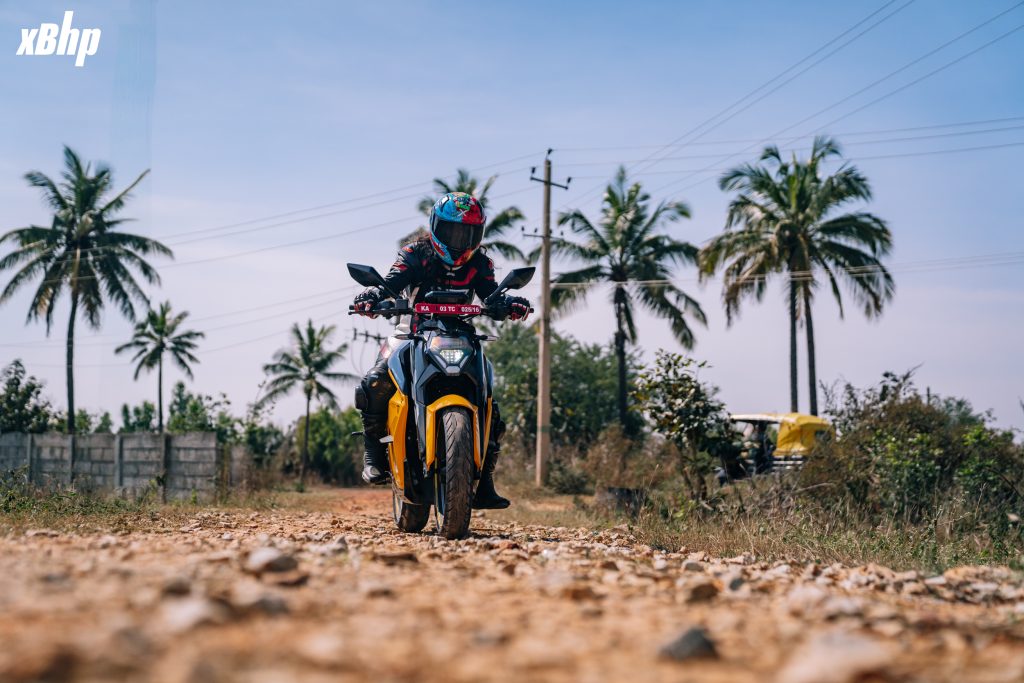
New TVS Apache RR 310 Ridden
 Sep 2024 xBhp
Bikes,Motorcycles,TVS
Sep 2024 xBhp
Bikes,Motorcycles,TVSSince its launch, the best thing TVS has done with the Apache RR 310 (besides the utterly beautiful design) is continuous updates. We are in 2024 and this year brings the most significant update to the Apache RR 310 so far. In Coimbatore, we put the new Apache RR 310 through its paces at COASTT, India’s first anticlockwise circuit. Here’s our first ride review of the new Apache RR 310.


As always we will start with the looks and unfortunately, the ‘significant update’ bit does not apply here when it comes to the new Apache RR 310. There are winglets, a transparent clutch cover, and a new colour. The Apache RR 310 has always been a handsome motorcycle so we can understand the ‘why fix what’s not broke’ idea but it does leave one a little wanting.


Do not get us wrong. The winglets look cool and so does the new colour, Bomber Grey. But nothing truly separates the new Apache RR 310 from the older one. The transparent clutch cover is a thing of beauty, yes, but it is not a very significant or immediately noticeable change. A new livery or a few more changes to the design could have done the trick. Again, nothing wrong with how it looks, it does not look different enough from the previous iteration.


Thankfully, performance is where the new Apache RR 310 stands out easily. There are significant updates to the engine. It now makes more power and torque than before. It is quite expected as well. TVS has a racing heritage spanning over 4 decades and the new Apache RR 310 is based on the motorcycle that hit a top speed of 215.9 km/h at the Asia Road Racing Championship.


For those hungry for numbers, it now makes ~38 bhp which is ~4 more than before. The torque is now 29 Nm which is 1.7 more than before. This bump in power and torque is beyond impressive considering how the old engine already felt highly strung. TVS explained the changes that helped them achieve this feat; the modified air intake system increases the volumetric efficiency by 13% and the 10% lighter aluminium forged piston helps the engine rev more freely producing more power.

The result of the third collaboration between xBhp and Axor, the iNineteen builds upon the qualities of the Axor Apex helmet augmented by stunning graphics and a beautiful message for the younger generation.

That is the technical and on-paper side of it. Out on the track, the difference in the engine performance was palpable. It is not a difference between night and day but the fact that it is significant enough to be felt profoundly is impressive. The revs feel even quicker, the acceleration more urgent, and overall, the new Apache RR 310 does feel like a quicker and faster motorcycle.


We had our concerns about the refinement but the increase in power has not affected the new Apache RR 310 much in that regard. It was never the smoothest of engines, which is also quite expected considering how high-capacity single-cylinder engines do in this regard. But continuous improvements made it much better and we are happy to report that the new Apache RR 310 is just as good even with the increased output. It might have even felt a little smoother but that could just be our excitement.

Developed with insights from national champions, the BBG Racing Suit was the perfect companion for this track outing of ours and it has everything we can ask for; comfort, protection, and lots of style.

The bi-directional quick-shifter is a stunning unit. It works flawlessly and you can run through the gearbox and be as aggressive with it as you want. Moreover, the anti-hopping clutch takes care of the back torque that might upset the rear in case of too-aggressive downshifts. There are also a lot of electronics on offer including the RTDSC or Race-Tuned Dynamic Stability Control. It monitors various parameters to prevent wheel slip and loss of traction.


TVS explained how it works and what it brings to the table.
“The RT-DSC features a first-in-segment 6D IMU that provides the ultimate safety package – Cornering ABS, Cornering traction control, Cornering Cruise control, Wheelie Control, Slope Dependent Control and Rear Lift-off Control. The IMU is also paired with the cruise function to offer a first-in-segment cornering cruise control that adjusts the cruising speed of the motorcycle based on the lean angle allowing the rider to cruise for longer periods.”
Yep. That.


With TVS’ racing pedigree comes the sharp and intuitive handling that the Apache RR 310 always had. So the electronics do not get to intervene frequently in optimum riding conditions on a racetrack. But in less-than-ideal conditions or on public roads, you can rest assured that the electronics suite has your back. That said, you also get Cruise Control, Tyre Pressure Monitoring System, and so on controlled by the brilliant screen and TVS’ ever-improving SmartXonnect system.


And now, the winglets. According to TVS, they aren’t just visual additions but increase the weight at the front by up to 3 kilos at high speeds. It is not felt outright unless one rides the new Apache RR 310 with the old one back-to-back, pushing them to the absolute limit. Again, it could be a placebo that the braking stability feels a little improved but COASTT is a flowing circuit and unless you carry tons of corner speed, super-hard braking zones are rare.


Overall, the new Apache RR 310 retains everything that made it good and comes with updates on fronts that make it a better motorcycle than before. The engine performance is enhanced. It handles beautifully around a racetrack. The braking is spot-on. There are more electronics than before. The riding position is sporty but the Apache RR 310 can still be a viable tourer. The RR 310 has always been a good prospect but with segment-first features and more power, the new Apache RR 310 feels like an even better proposition.

You can find the details of the colours, variants, options, and pricing below:
Colours/variant: Price (Ex-Showroom, India)
Red/Without quick-shifter): INR 2,75,000/-
Red/With quick-shifter): INR 2,92,000/-
Bomber Grey/ With quick-shifter: INR 2,97,000/-


BTO Options
Dynamic Kit: INR 18,000/-
Dynamic Pro Kit: INR 16,000/-
Race Replica Colour: INR 7,000/-


TVS Jupiter 110: Redefining the Daily Commute
 Aug 2024 xBhp
Scooters,TVS
Aug 2024 xBhp
Scooters,TVSThe TVS Jupiter has been around for a long time. It has had some evolutions through changing times, but the idea behind it has remained the same, the idea of more; giving more to the customers with every ride. In 2024, the idea of ‘more’ has changed and so has the TVS Jupiter. TVS invited us to test the new TVS Jupiter 110 and here is how it went.
As I swung a leg over the new TVS Jupiter 110, it felt so familiar. There is a reason that TVS Jupiter has been a prominent part of the Indian scooter market. There is a reason why the TVS Jupiter family is more than 5 million strong. Building on that success and the expectations people have for Jupiter, TVS decided to build on the idea, refine it, and add to it. So in simple terms, the new TVS Jupiter 110 is not only an upgrade, it aims to redefine what a modern-day commuter scooter should be.
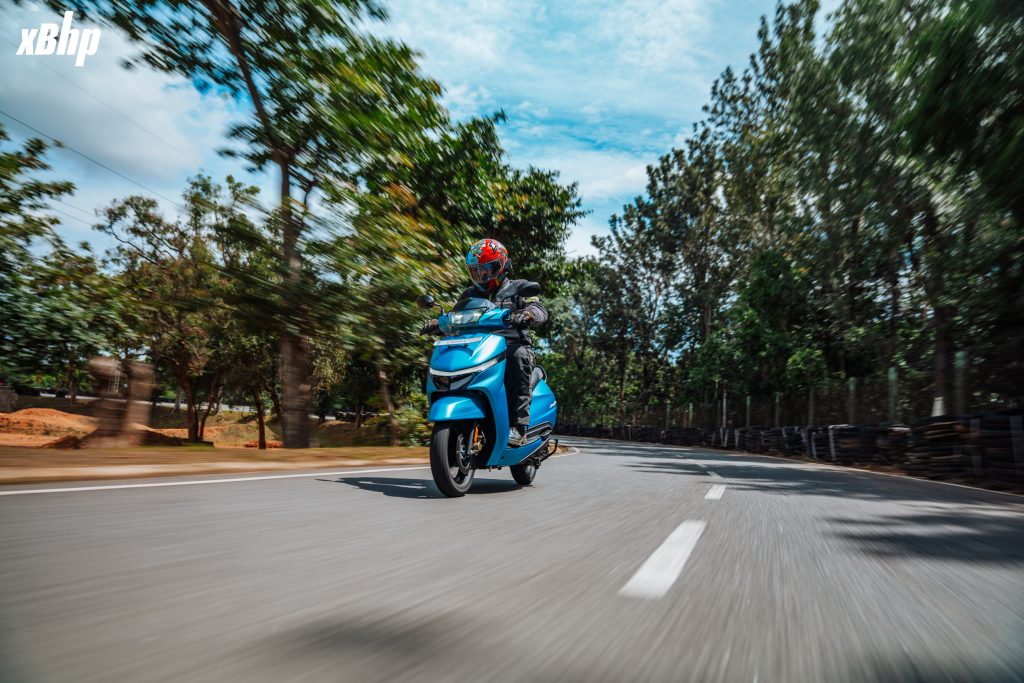
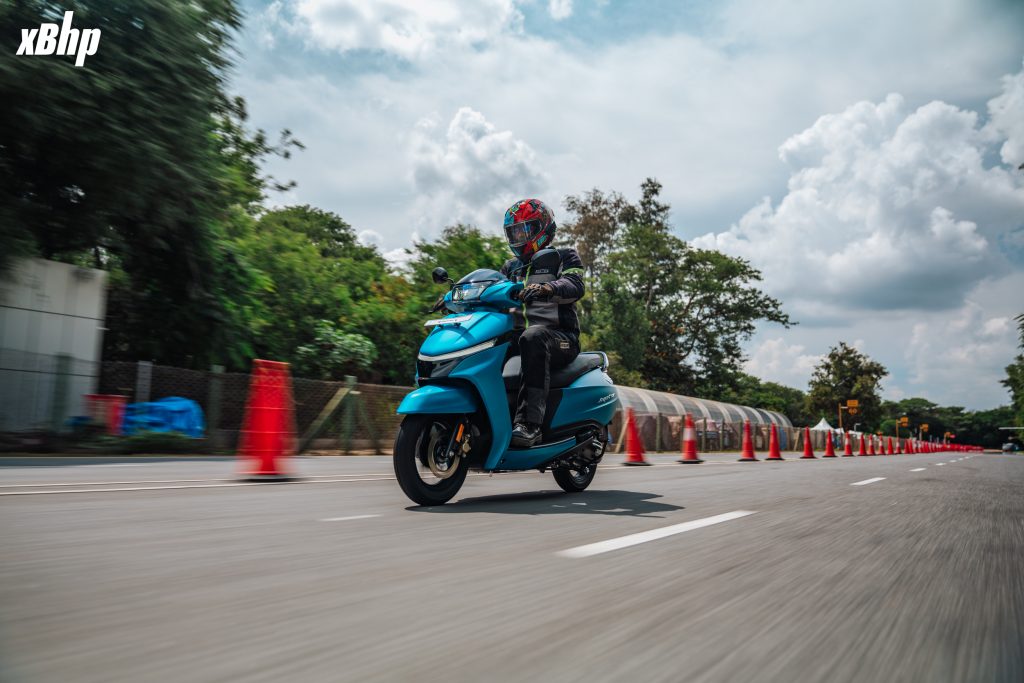
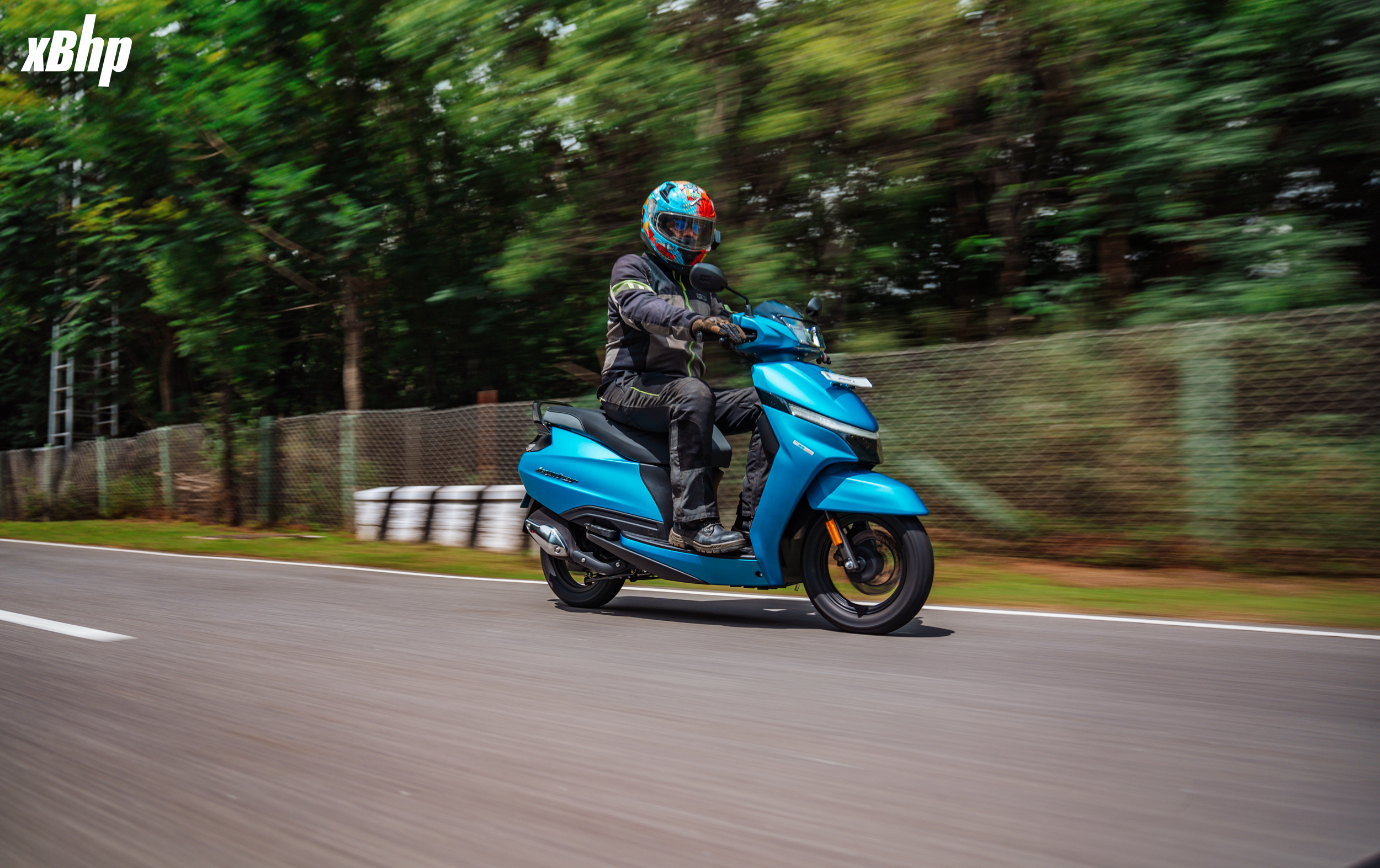
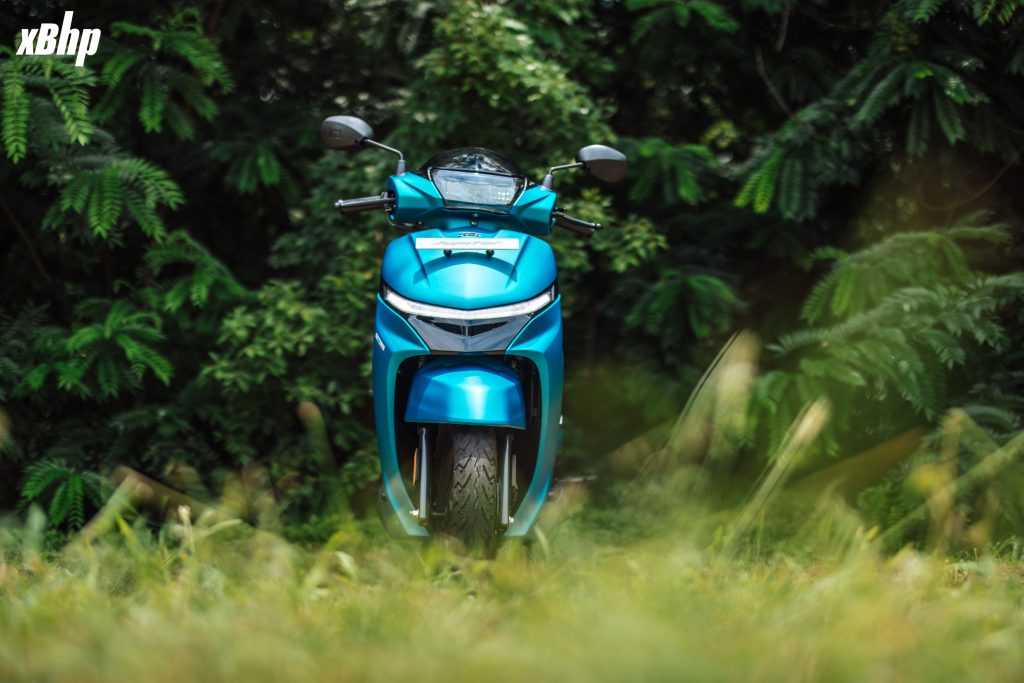
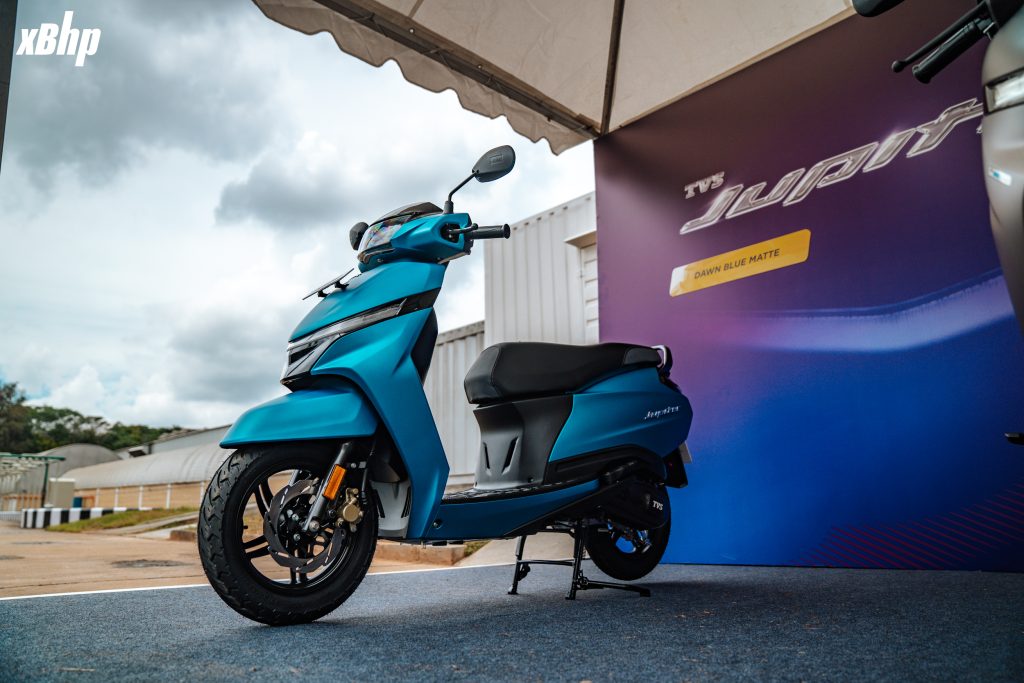
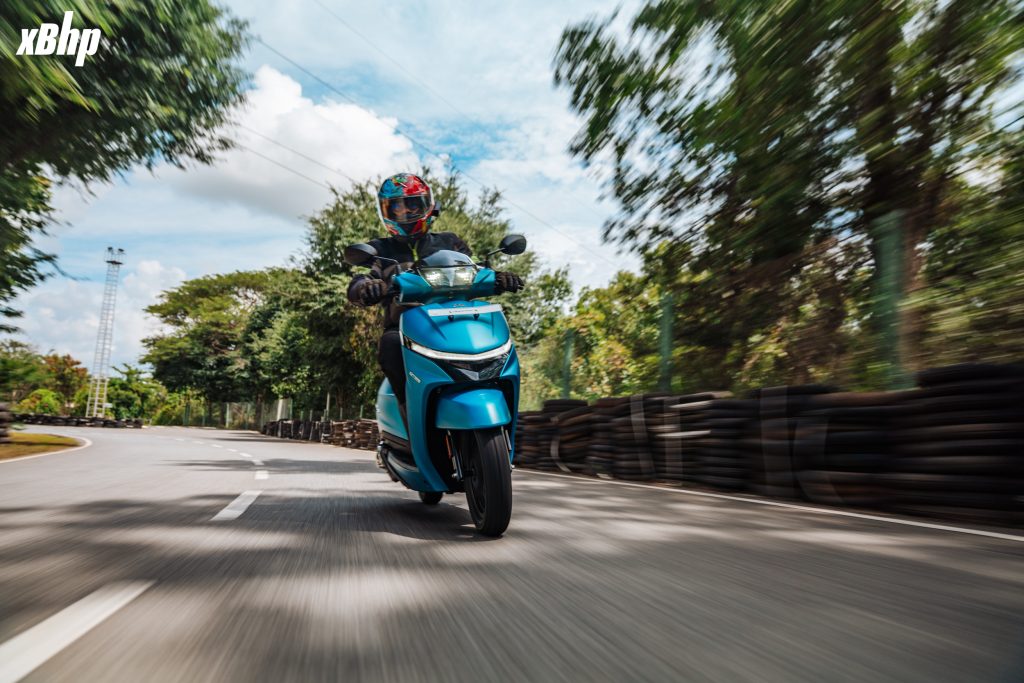
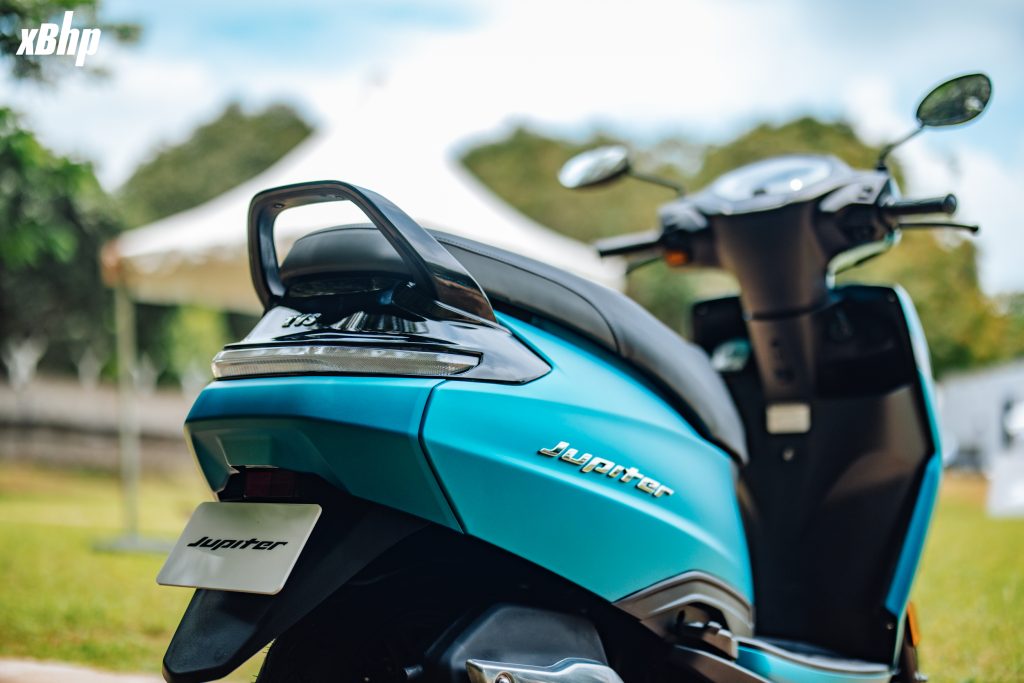
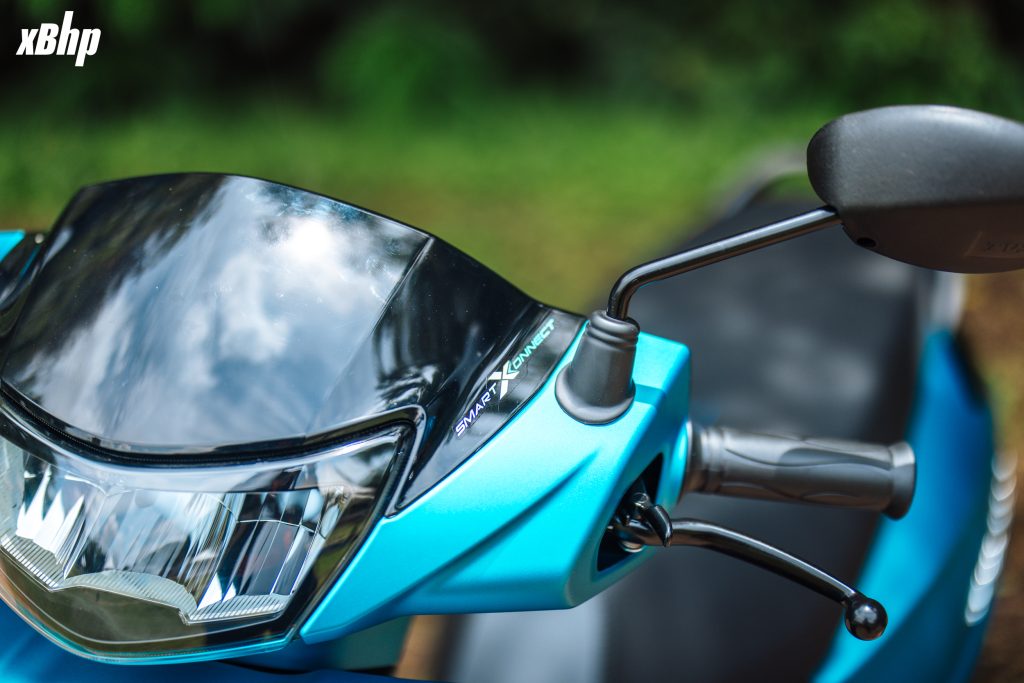
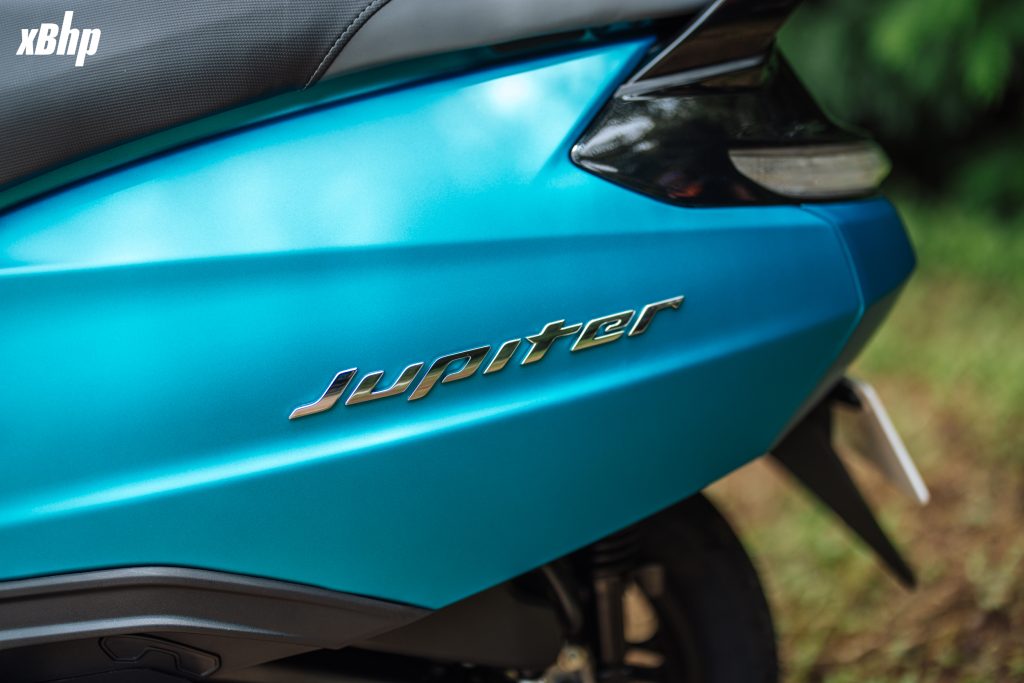
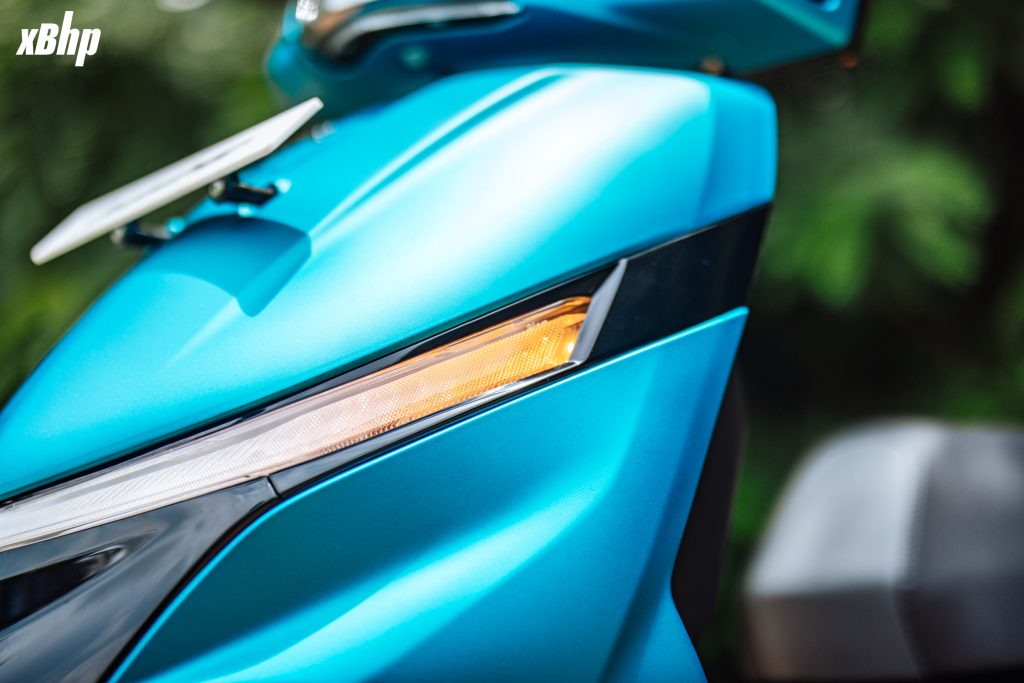
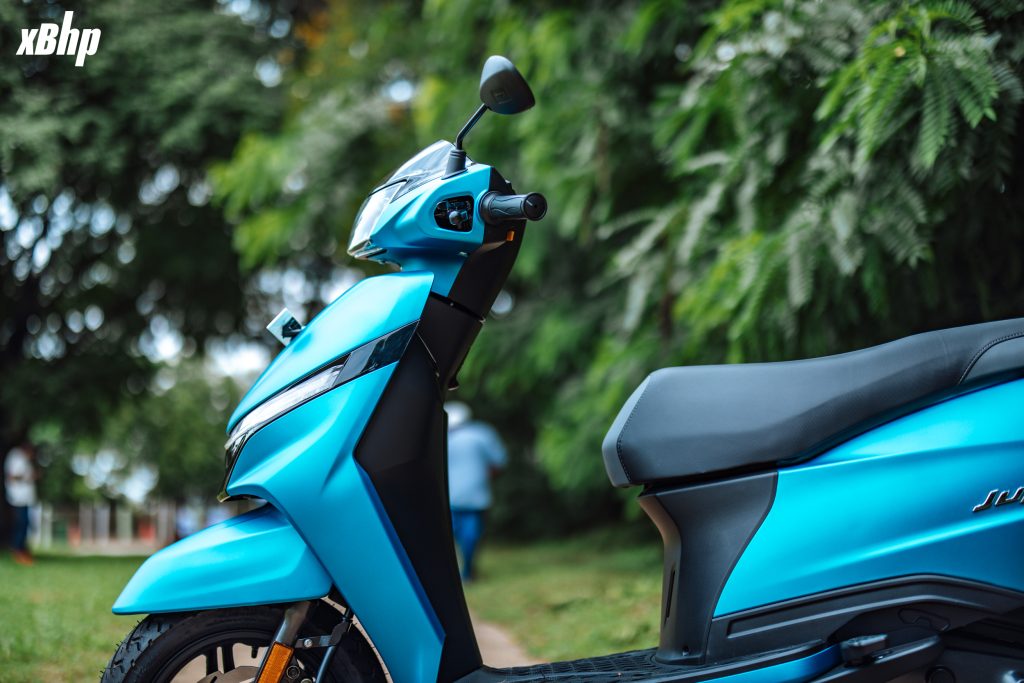
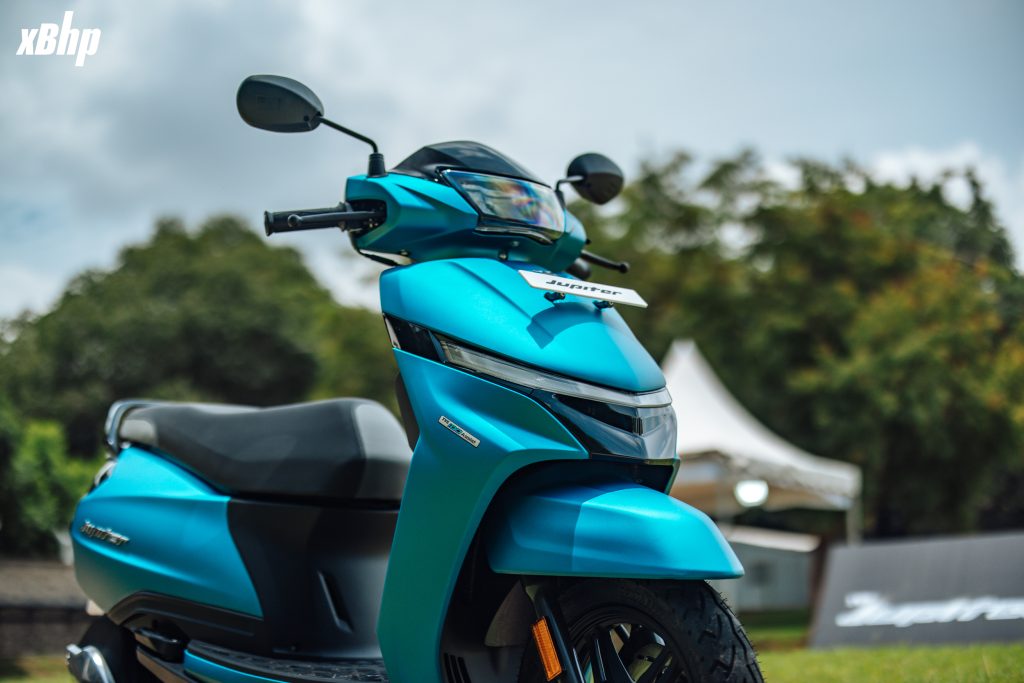
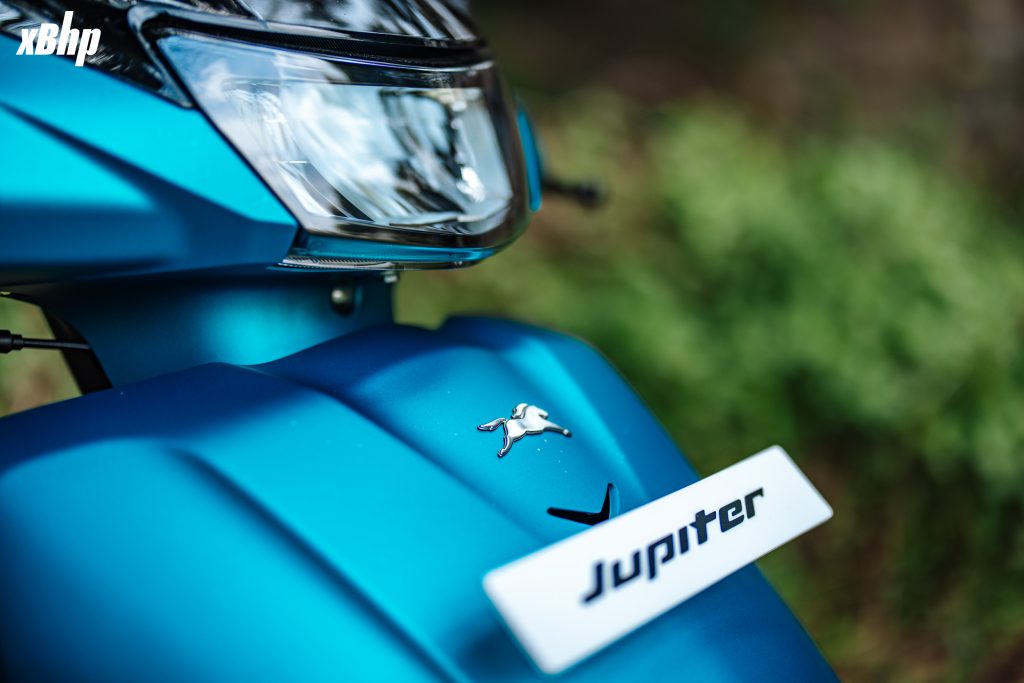
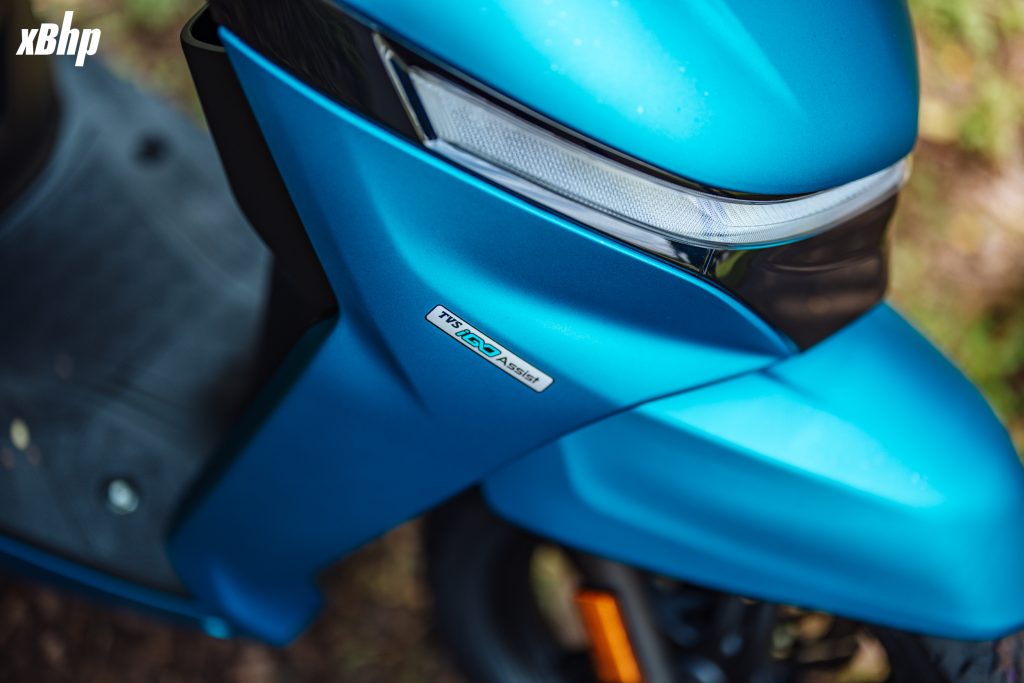
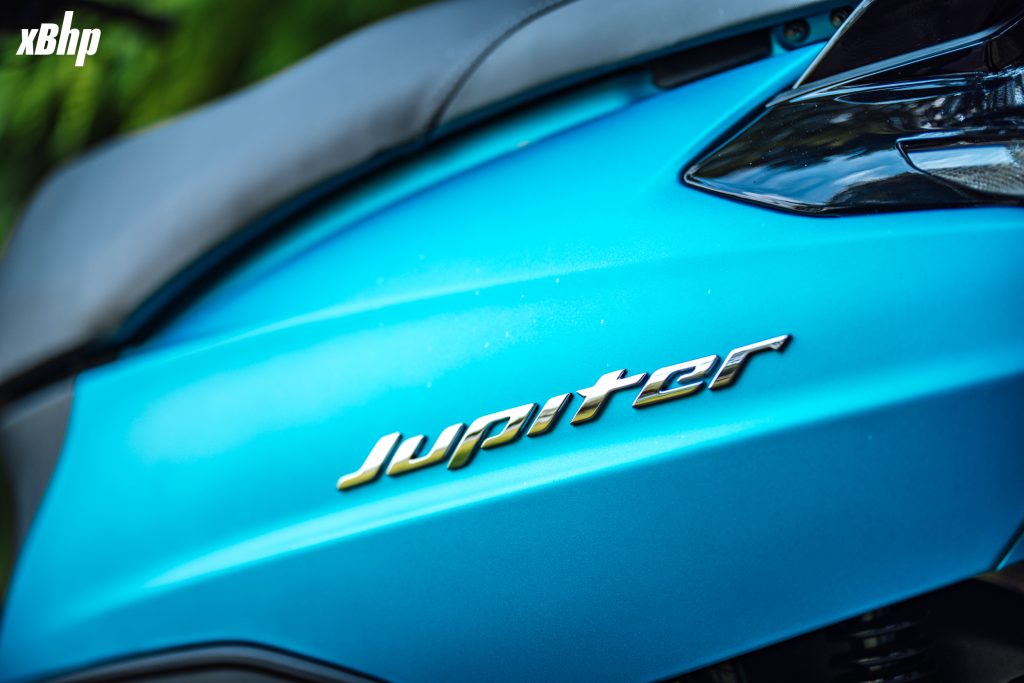
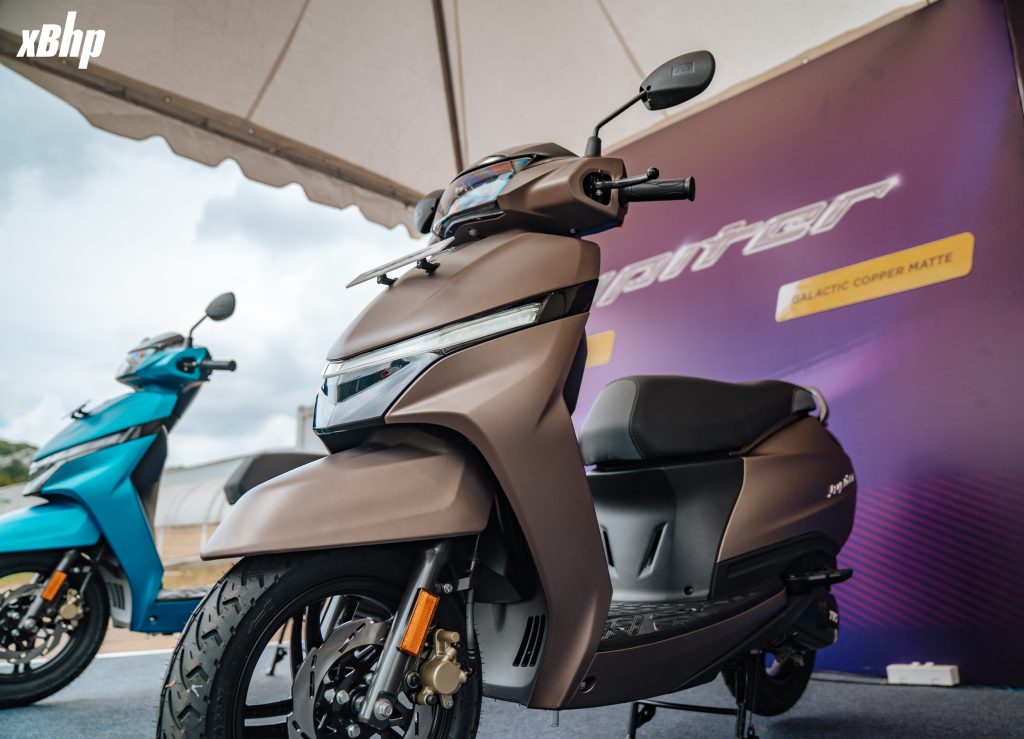
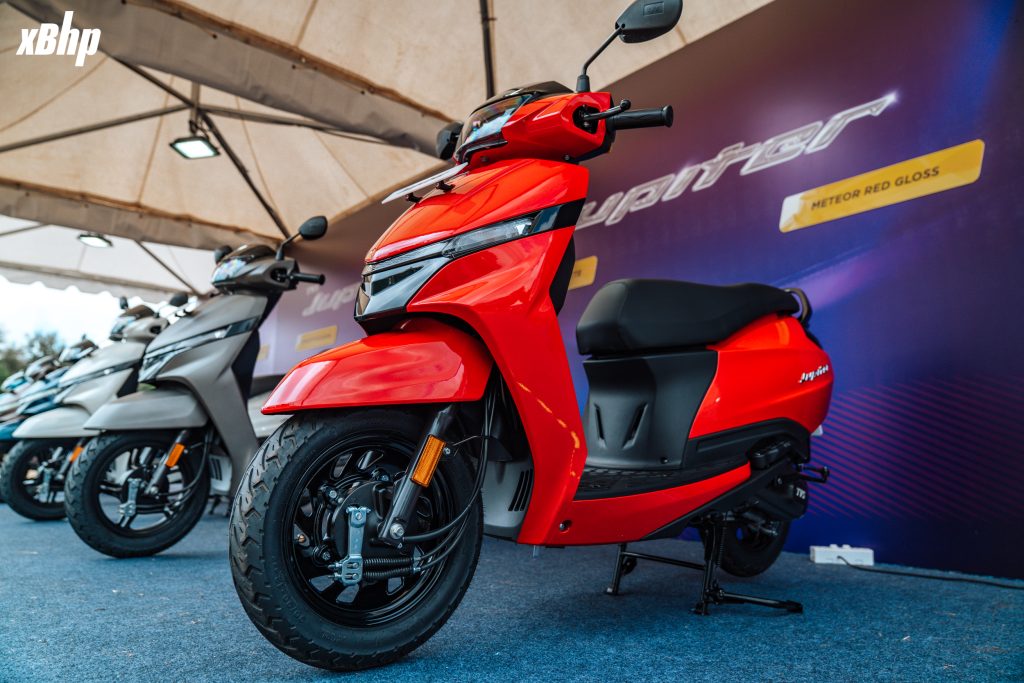
The first thing that caught my eye was the refreshed design of the Jupiter 110. TVS has done a commendable job in updating the scooter’s look while maintaining the essence of the Jupiter lineage. The bodywork is more aerodynamic, and the lines are sharper, giving the scooter a modern yet familiar feel. The LED headlamps not only enhance visibility during night rides but also add a modern touch to the scooter’s aesthetics. The updated body graphics further elevate its appeal, making it a head-turner in the crowded commuter scooter segment.
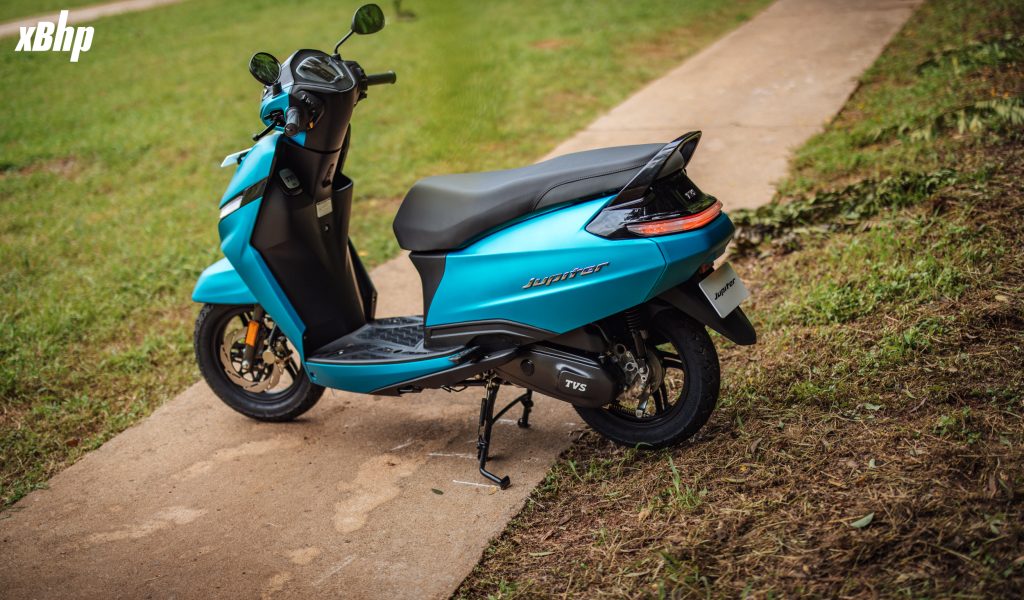
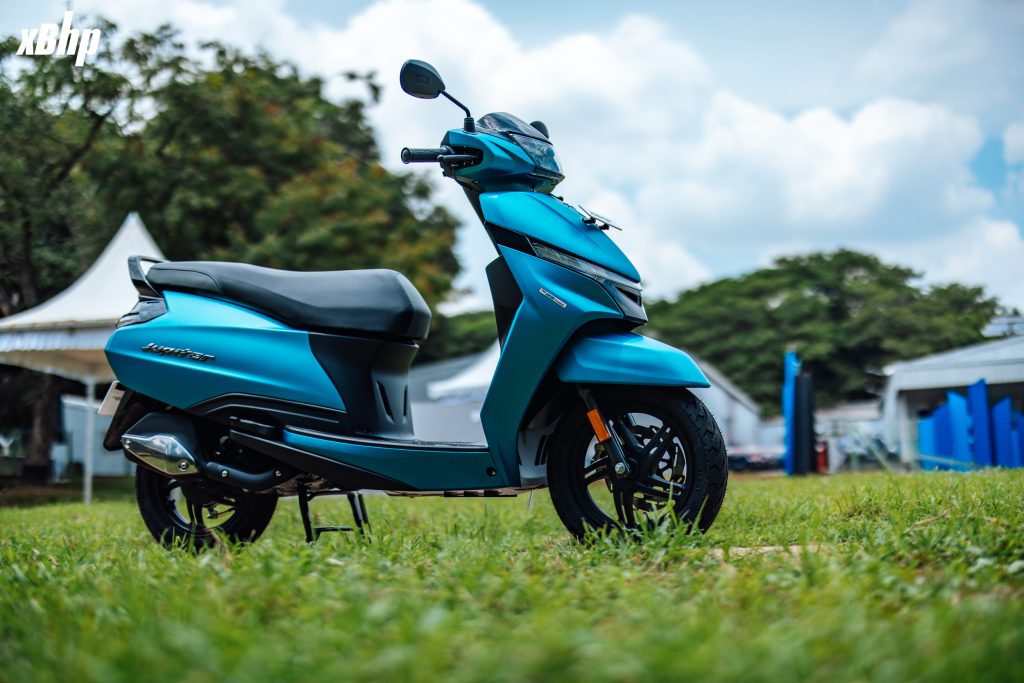
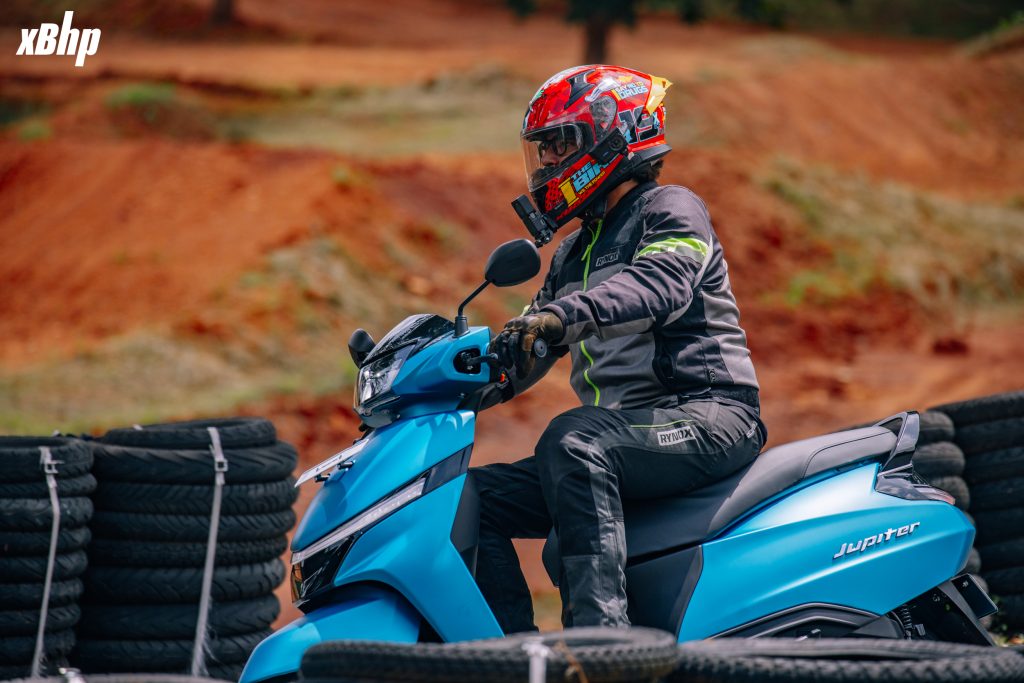
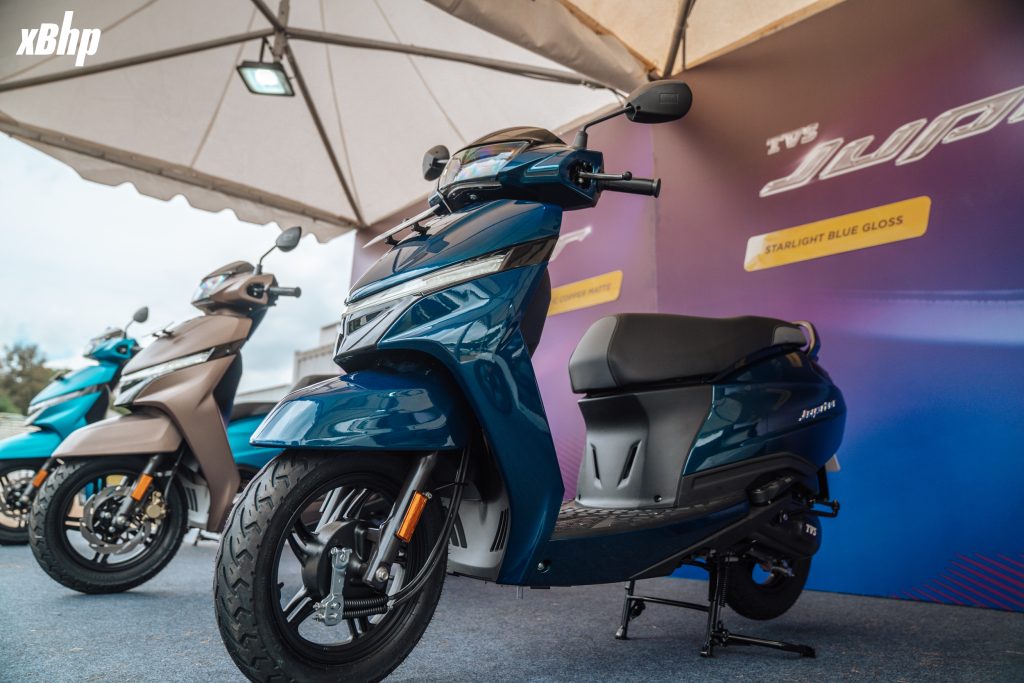
Adding to the looks are the colourways. You get a fair few colour options for the new TVS Jupiter 110 and most of them look striking. My favourite though was the one I rode- Dawn Blue Matte. I am just going to list the others out; Galactic Copper Matte, Straight Blue Gloss, Lunar White Gloss, Titanium Grey Matte, and Meteor Red Gloss. Rest you can check them out here.
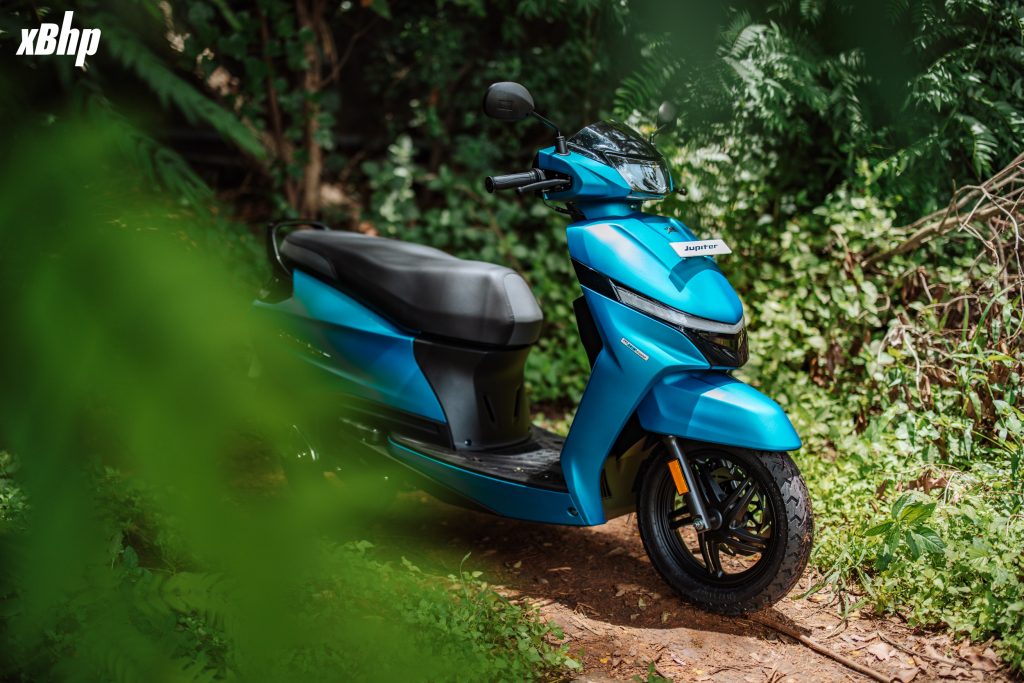
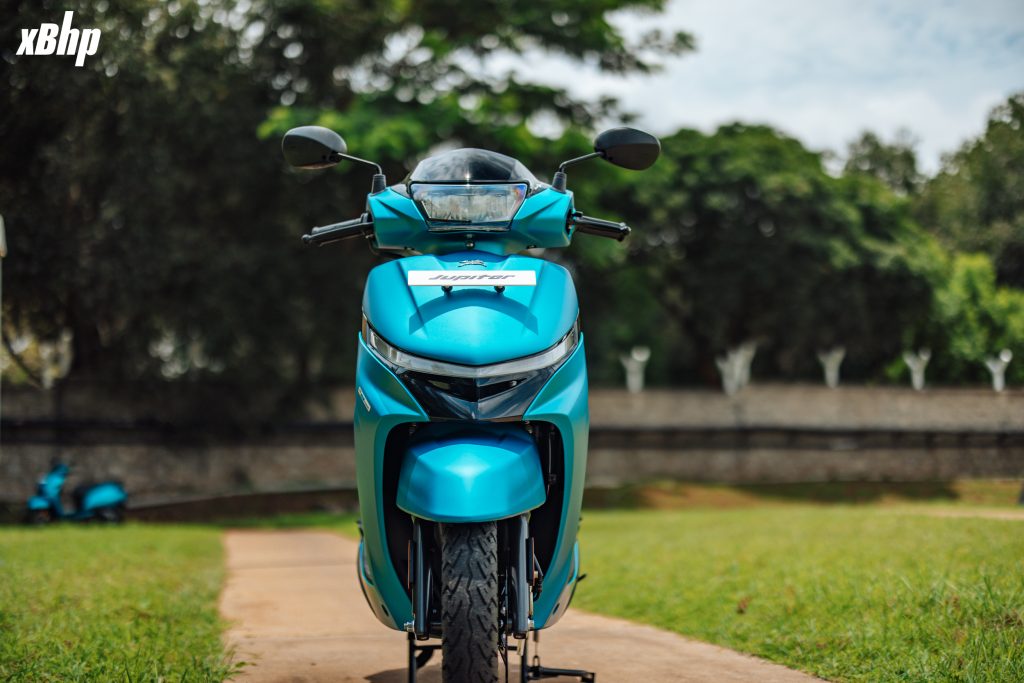
As I twisted the throttle and took off, the first thing I noticed was the smoothness of the ride. The 113.3 cc single-cylinder, 4-stroke, fuel-injected, air-cooled engine offers a perfect balance of power and efficiency. The engine felt punchy yet teady in the way it delivers the 5.9 kW of power and 9.2 Nm of torque. The iGO assist takes that to 9.8 Nm but more on that later. It reacts to throttle inputs almost instantly but never feels jerky.
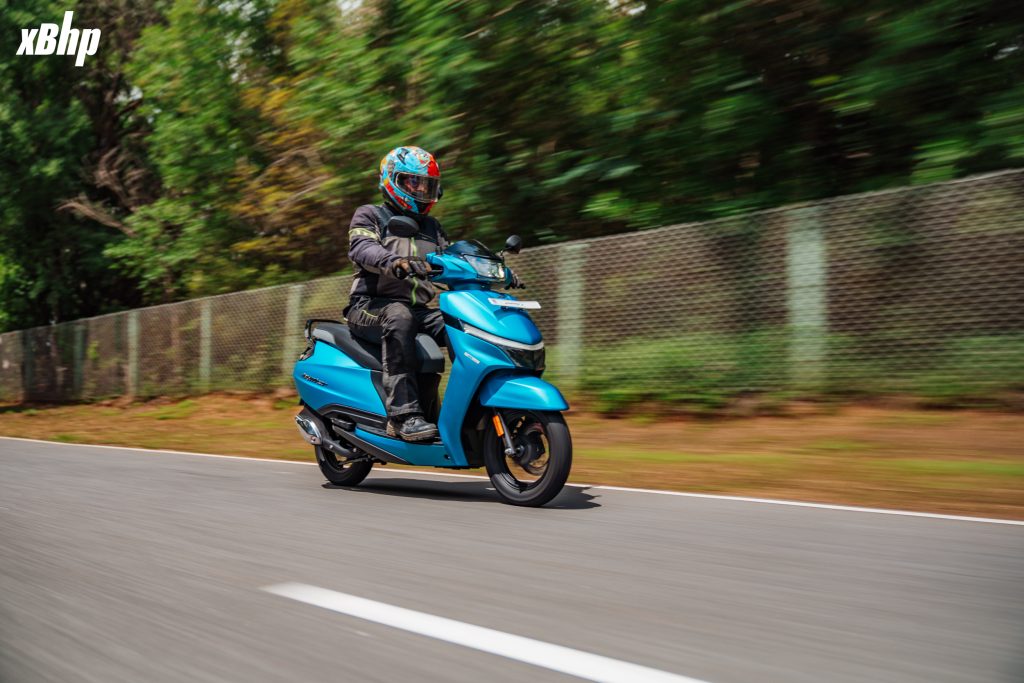
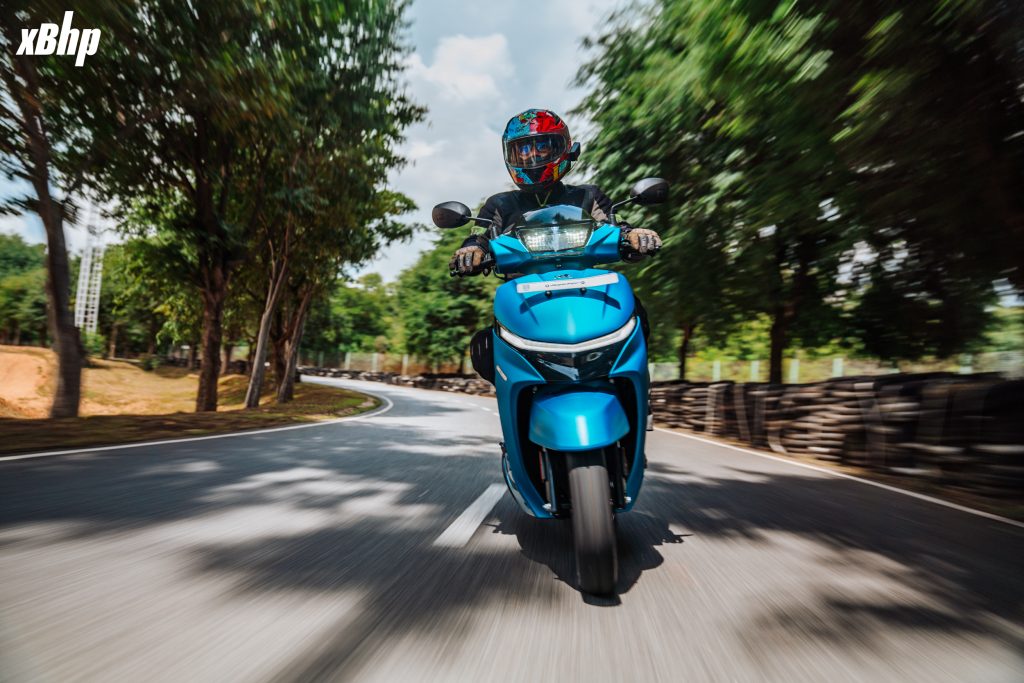
I believe that grunt will make the scooter a boon in the traffic but the overall power and a top speed of 82 km/h is more than enough for slightly longer runs as well. The CVT transmission paired with a dry centrifugal clutch makes the ride effortless. Again, it will be a godsend in stop-and-go traffic and even on the open roads. After having ridden motorcycles for the most part, the lack of gear shifts felt rather welcome.
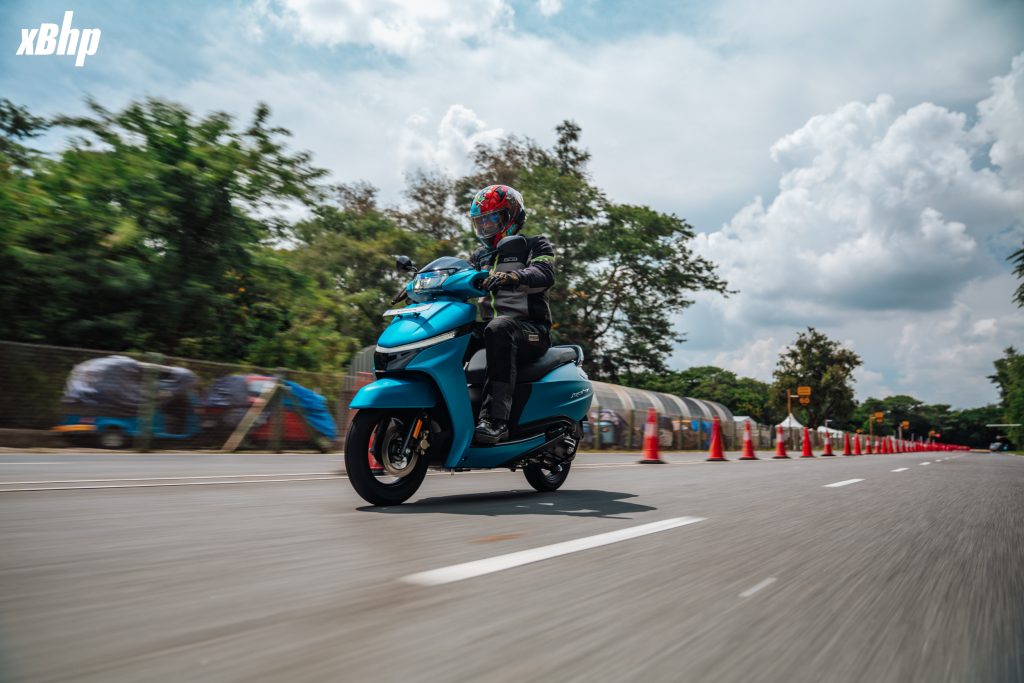
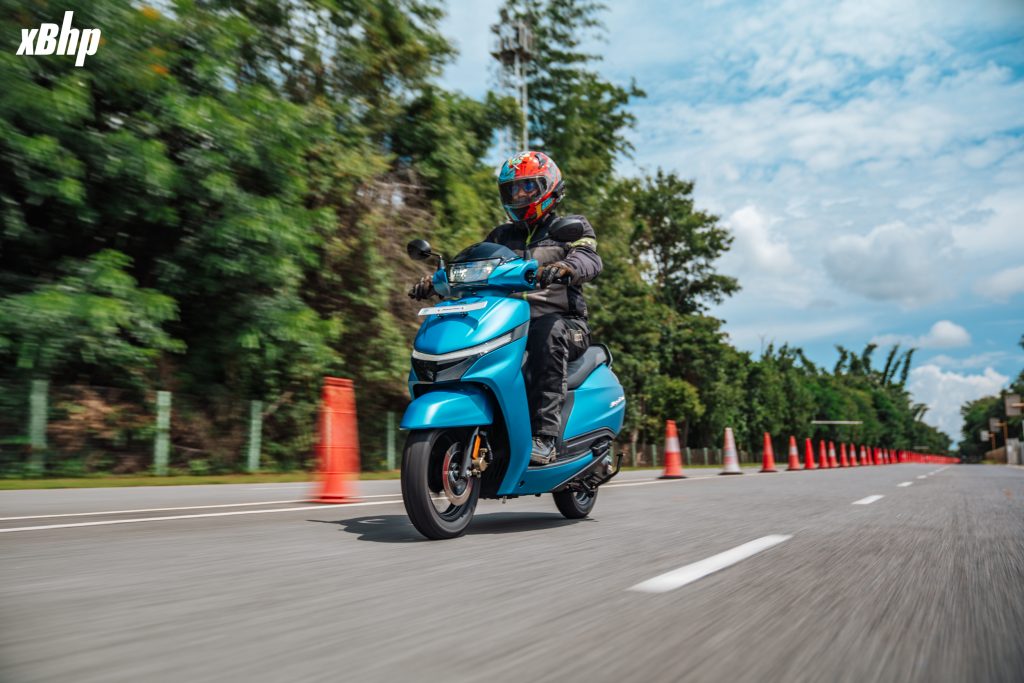
One of the standout aspects of the Jupiter 110 is its comfort. The scooter’s dimensions—1848 mm in length, 665 mm in width, and 1158 mm in height—offer a spacious and ergonomic seating position. The 1275 mm wheelbase provides an excellent balance between stability and maneuverability. The seat length of 756 mm ensures ample room for both the rider and a passenger, making it a great choice for daily commutes and short weekend rides alike.
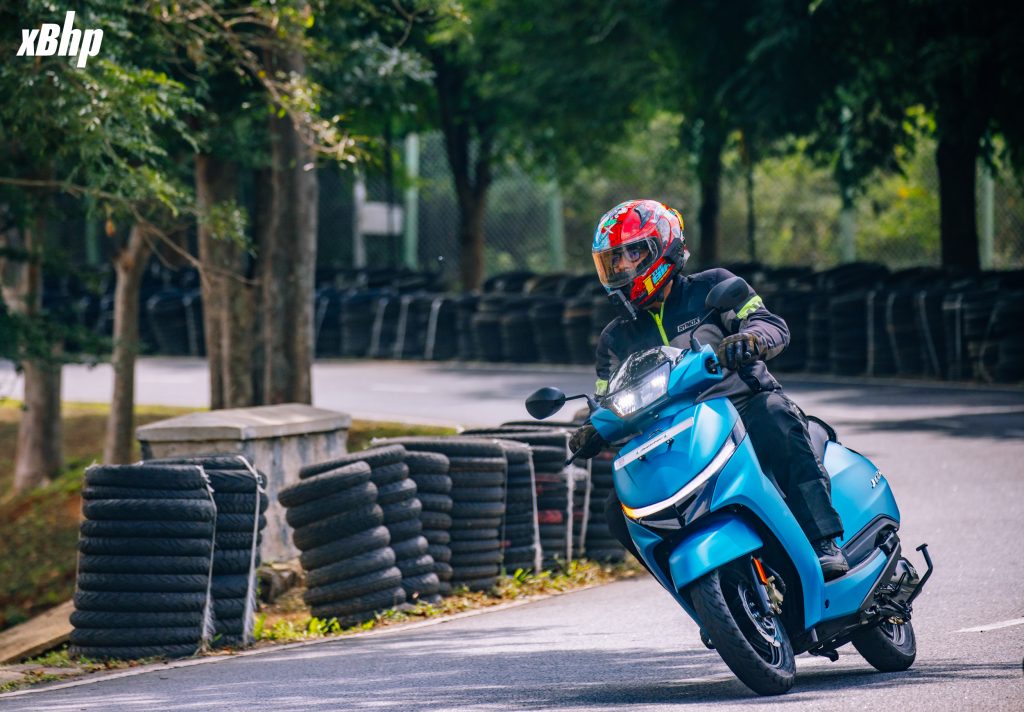
Seen in action here are the Rynox Helium GT jacket and Rynox Storm Evo Noctex pants. The perfect blend of style, comfort, and protection, these riding gears from Rynox have proven to be our perfect riding companion.
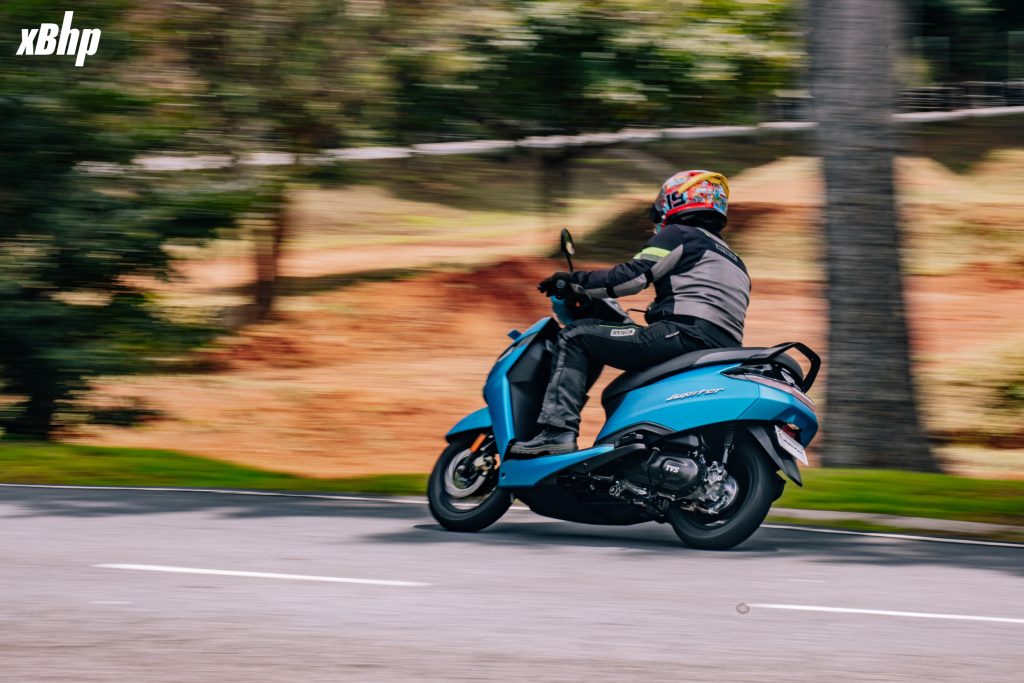
The telescopic hydraulic front suspension and gas-filled emulsion damper rear suspension felt plush and well-equipped to absorb all sorts of irregularities on the road. I am quite sure that the new TVS Jupiter 110 will offer a smooth and comfortable ride in most conditions. The scooter’s kerb weight of 105 kg struck a perfect balance between being light enough for easy manoeuvrability and heavy enough to maintain stability at higher speeds.
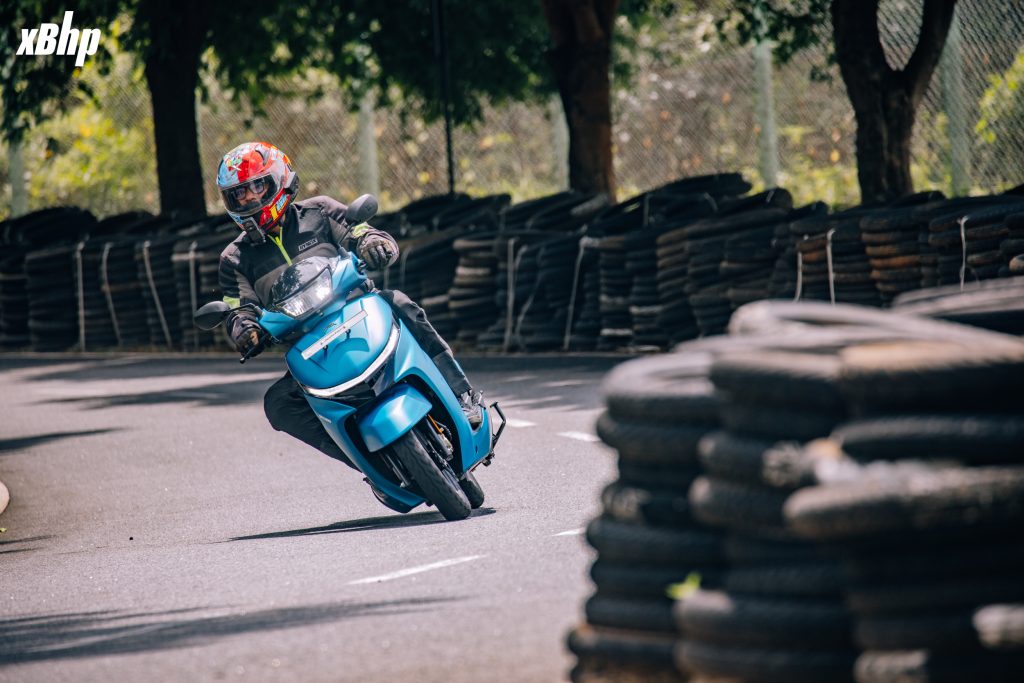
The result of the third collaboration between xBhp and Axor, TheNineteen builds upon the qualities of the Axor Apex helmet augmented by stunning graphics and a beautiful message for the younger generation.
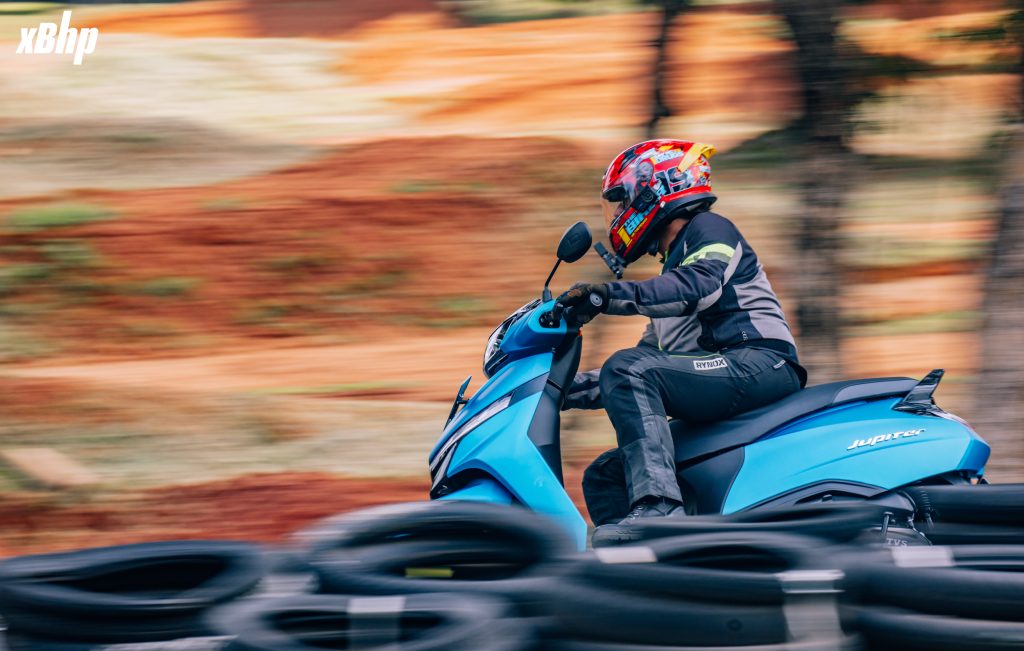
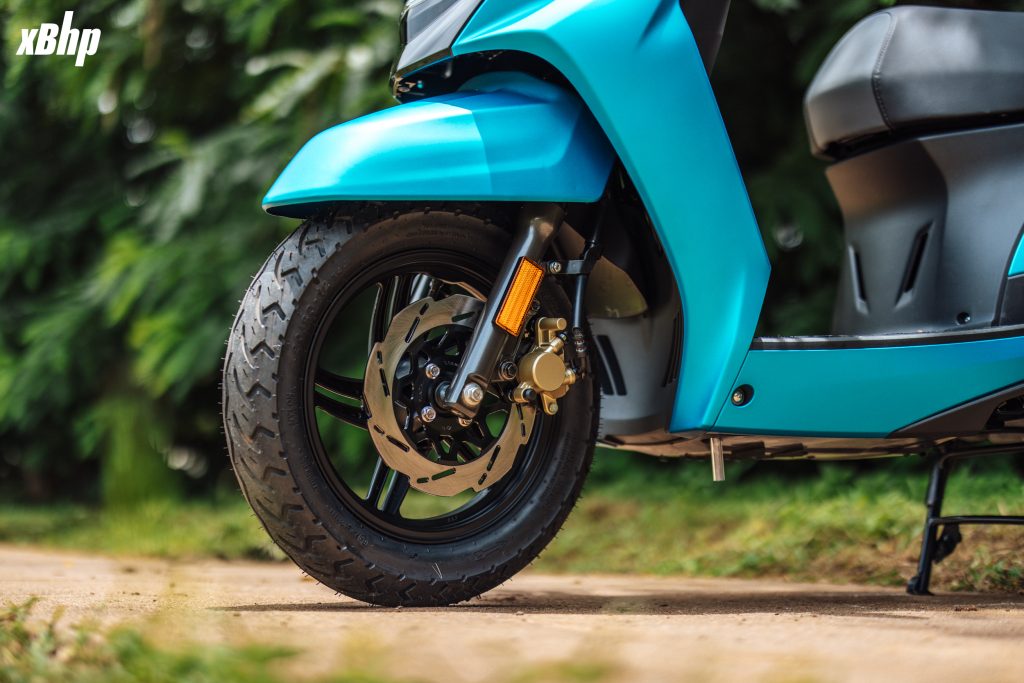
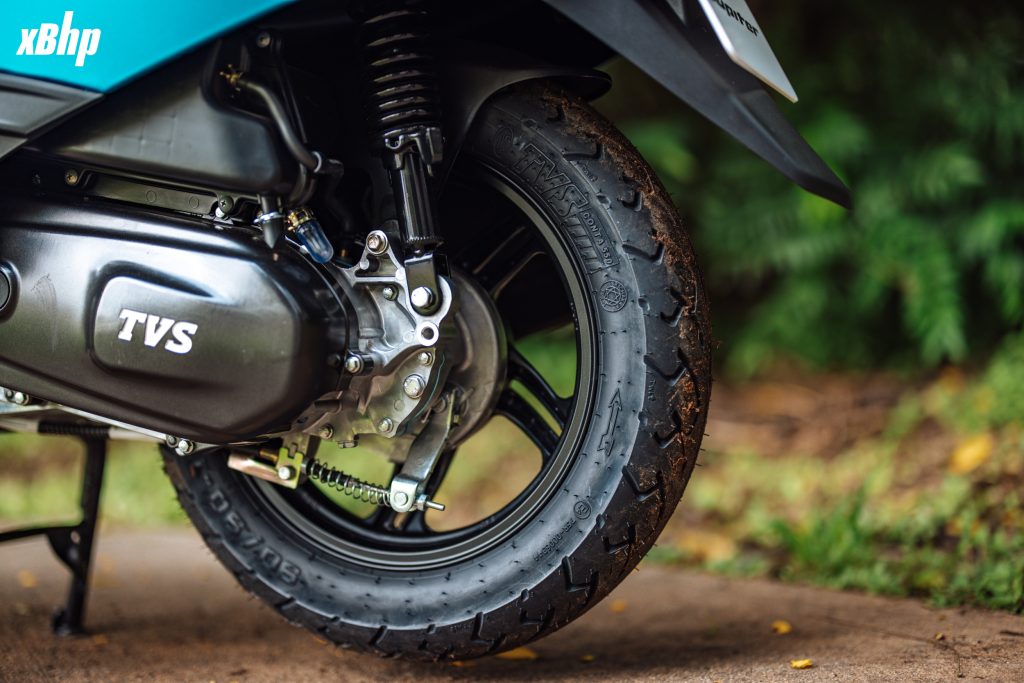
Safety is a crucial aspect of any scooter, and the Jupiter 110 doesn’t disappoint. The combination of a 220 mm diameter front disc brake and a 130 mm diameter rear drum brake, offered reliable stopping power, which gives you the confidence to put the hammer down when you need to. Whether I was making sudden stops or gradually slowing down, the brakes responded precisely, ensuring safety at all times.
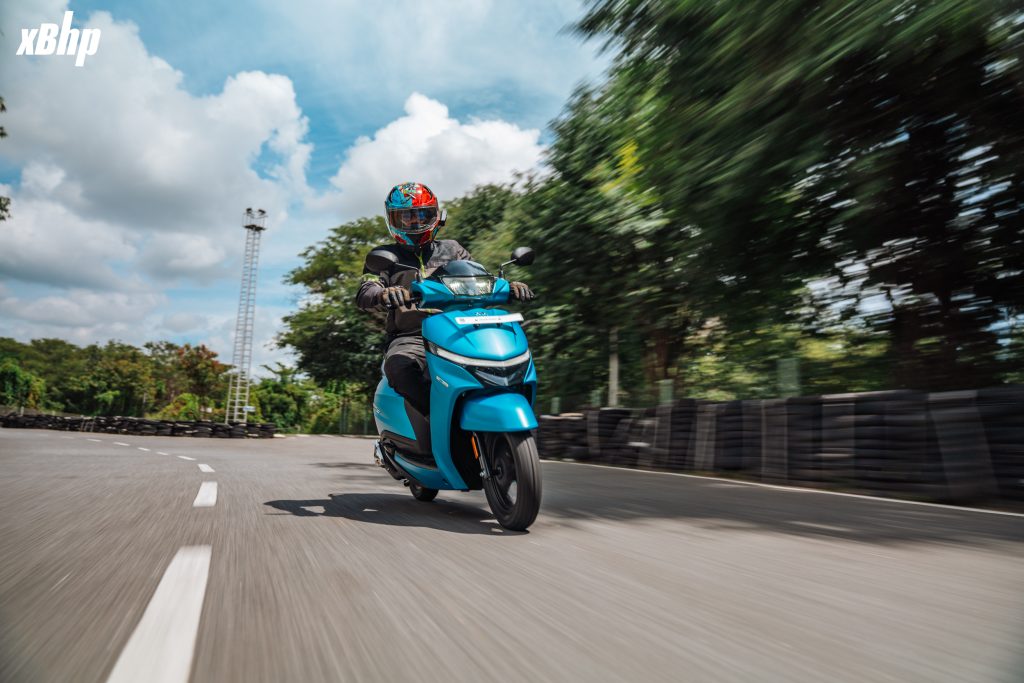
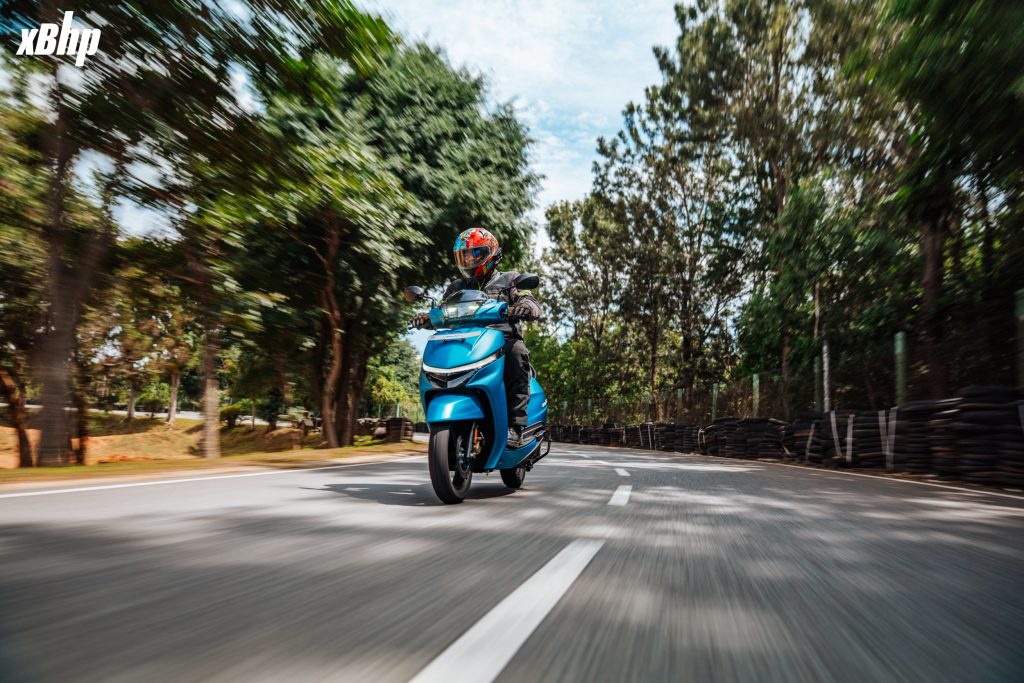
The scooter’s 90/90 – 12 54J tubeless tyres on both the front and rear provided excellent grip, even on wet and slippery surfaces. Whether I was cornering or riding straight, the tyres offered stability and control, making the ride feel secure and planted. The 12” wheel also goes a long way in adding to the sense stability when compared to other scooters in the class.
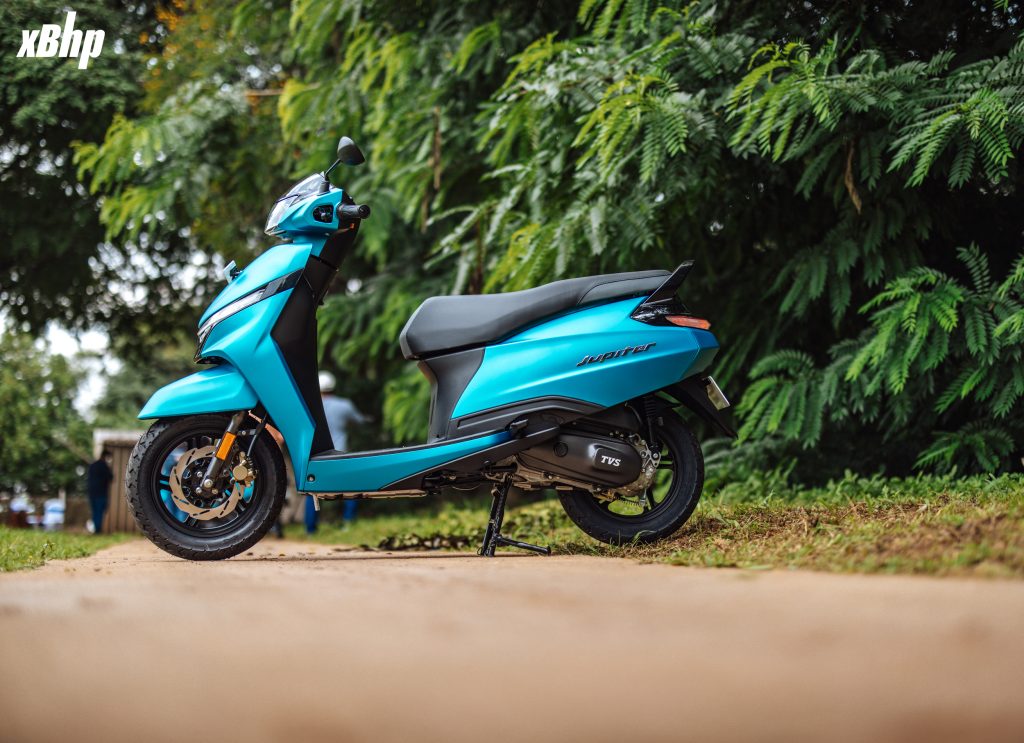
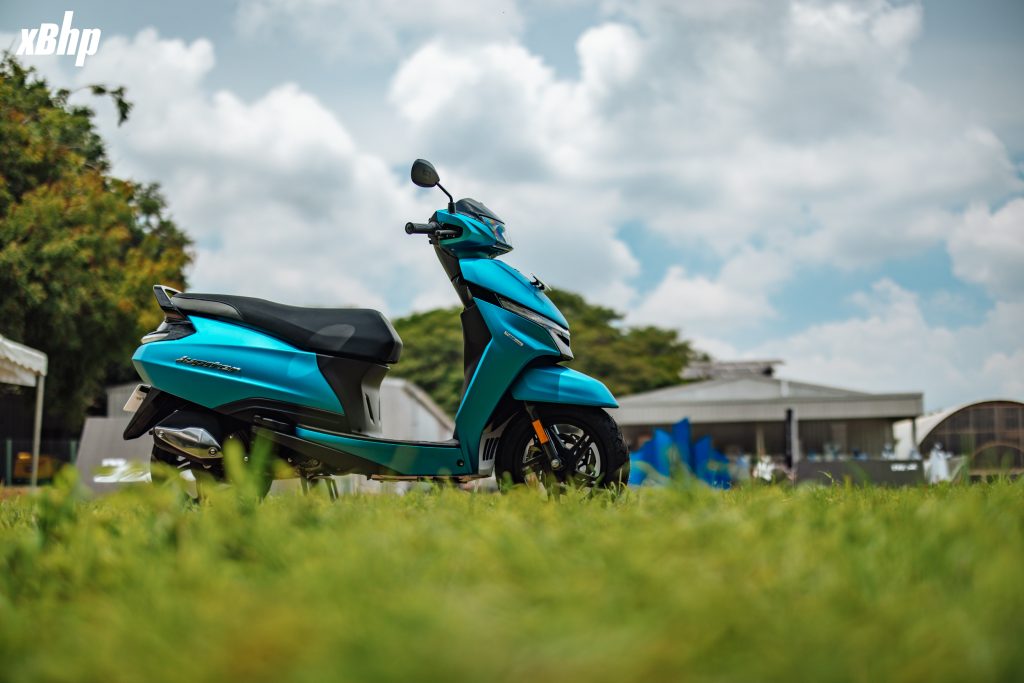
TVS has packed the Jupiter 110 with a range of features that cater to the needs of today’s riders. The iGO Assist Technology is a game-changer, offering instant power boosts when needed and enhancing fuel efficiency. The combination of the ISG machine, ISG controller, and high-performance battery worked seamlessly in providing a little more oomph in case you need it for an overtake or… just some fun.
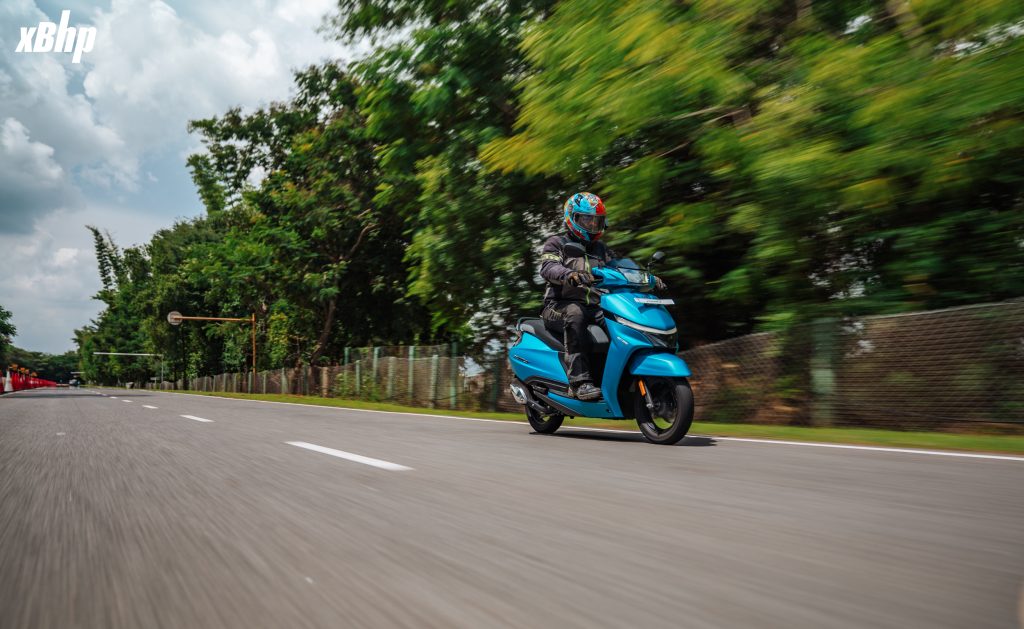
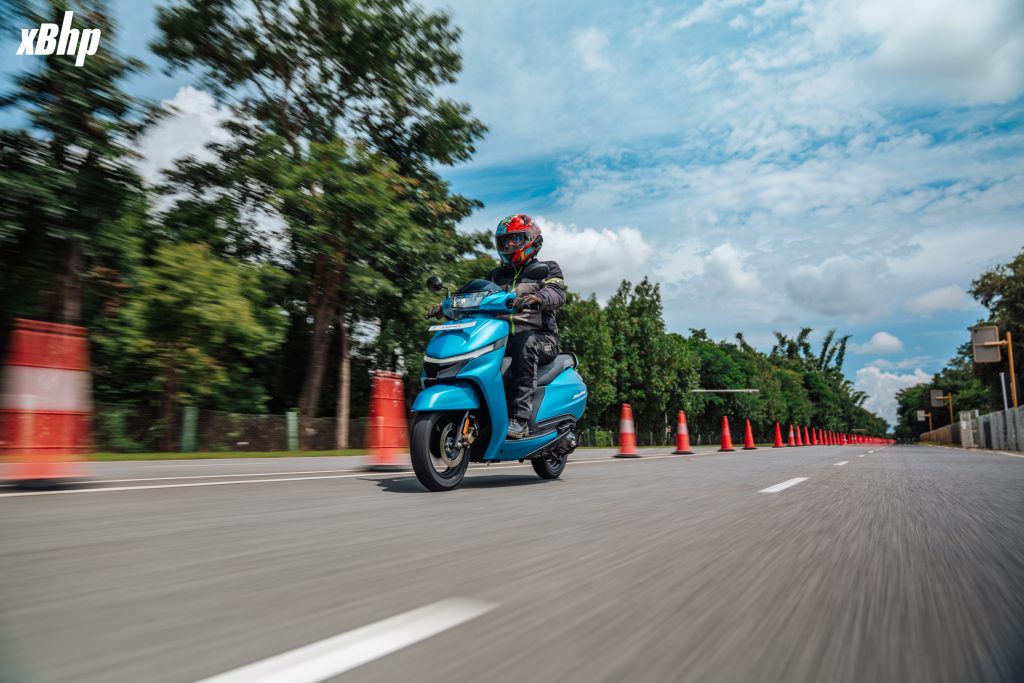
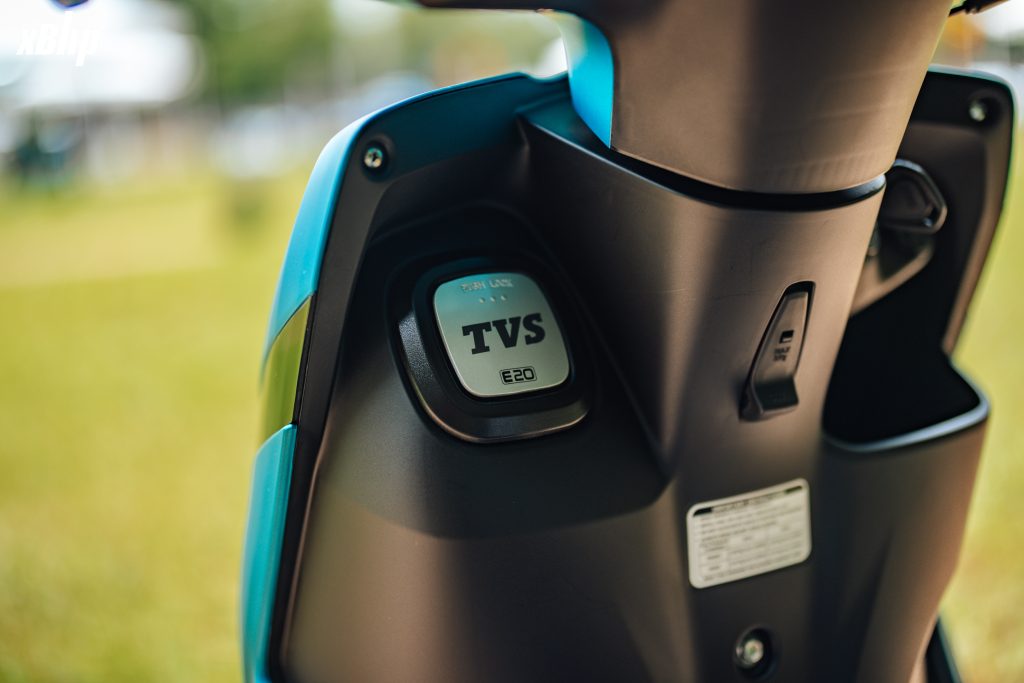
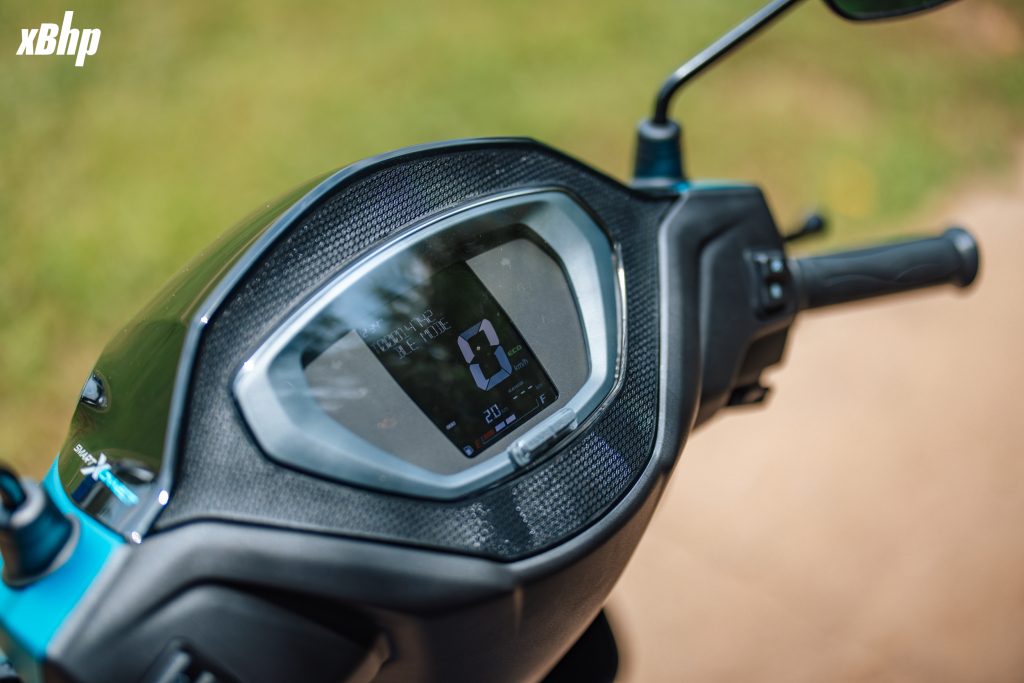
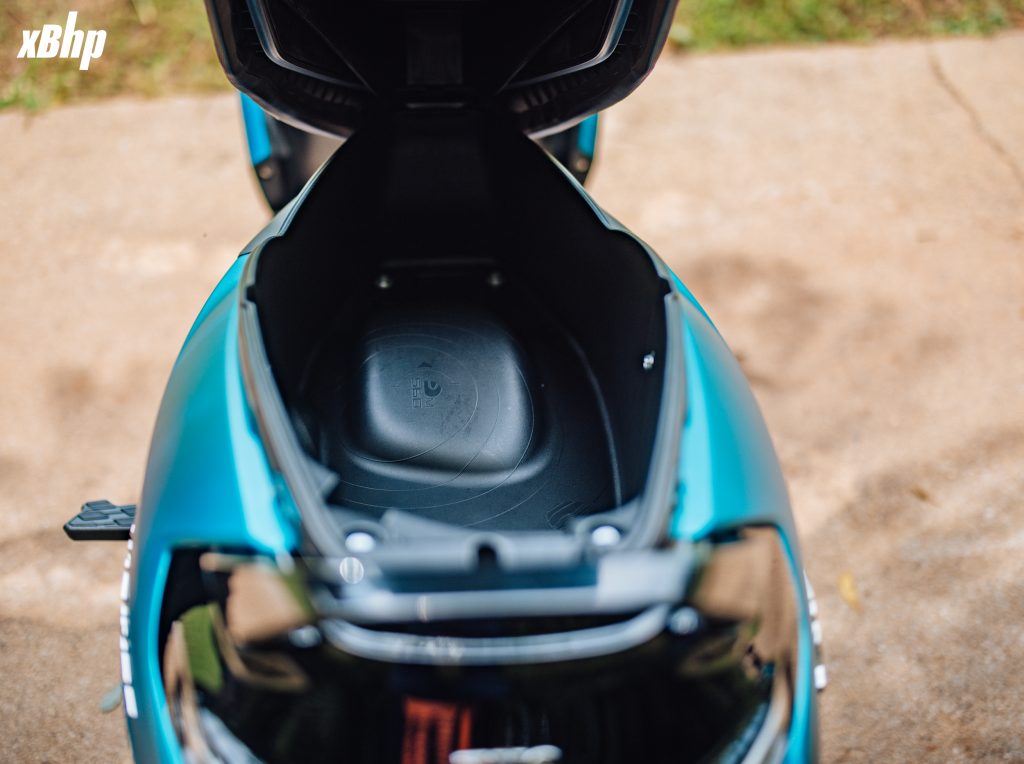
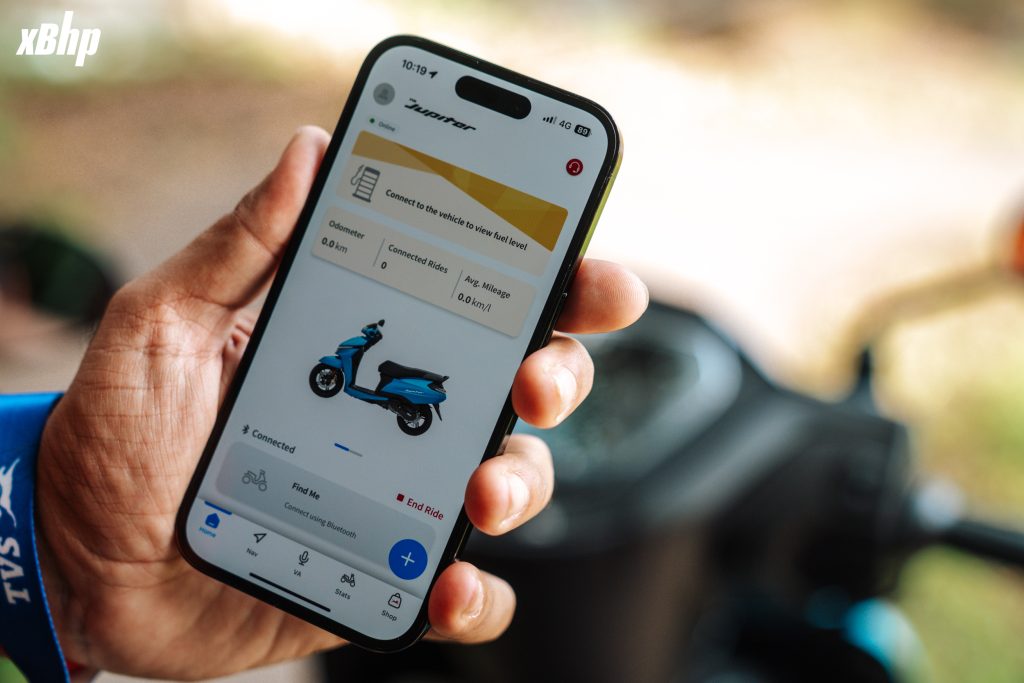
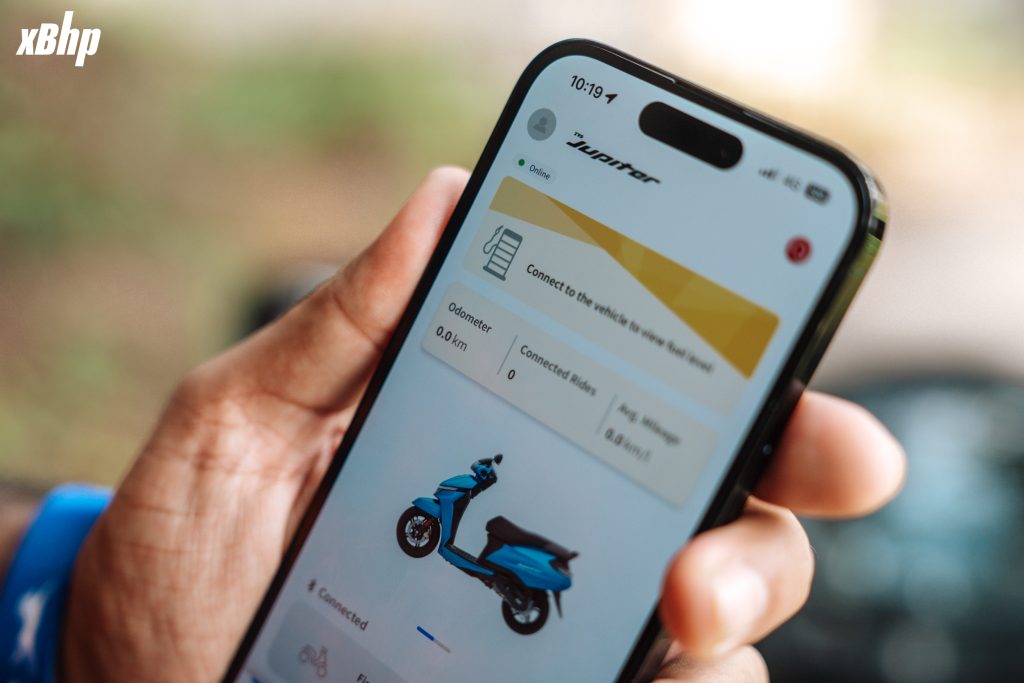
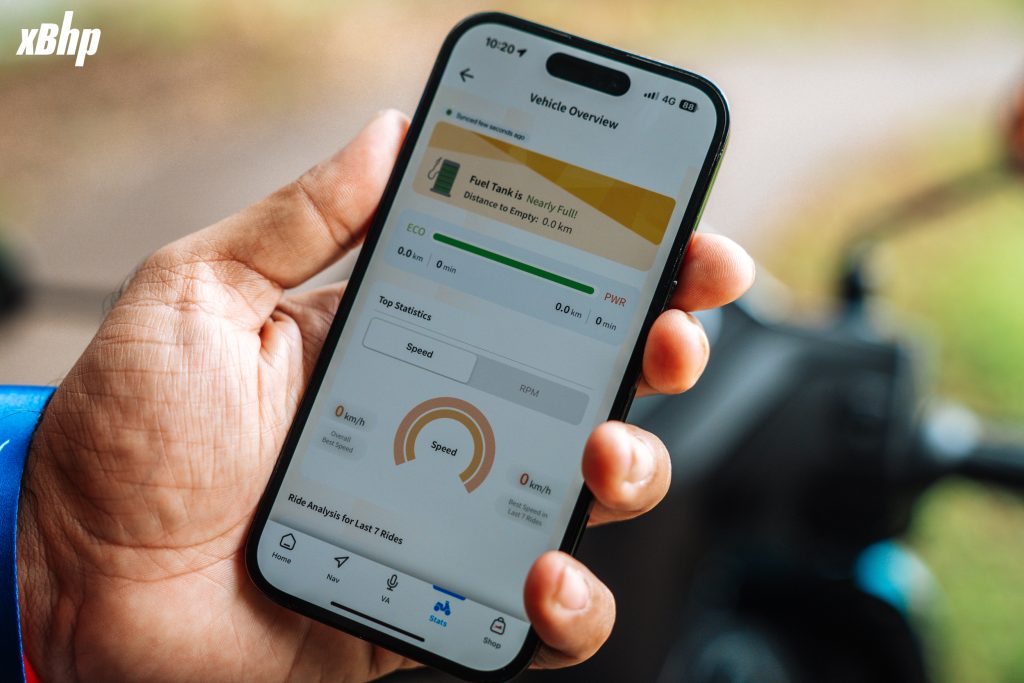
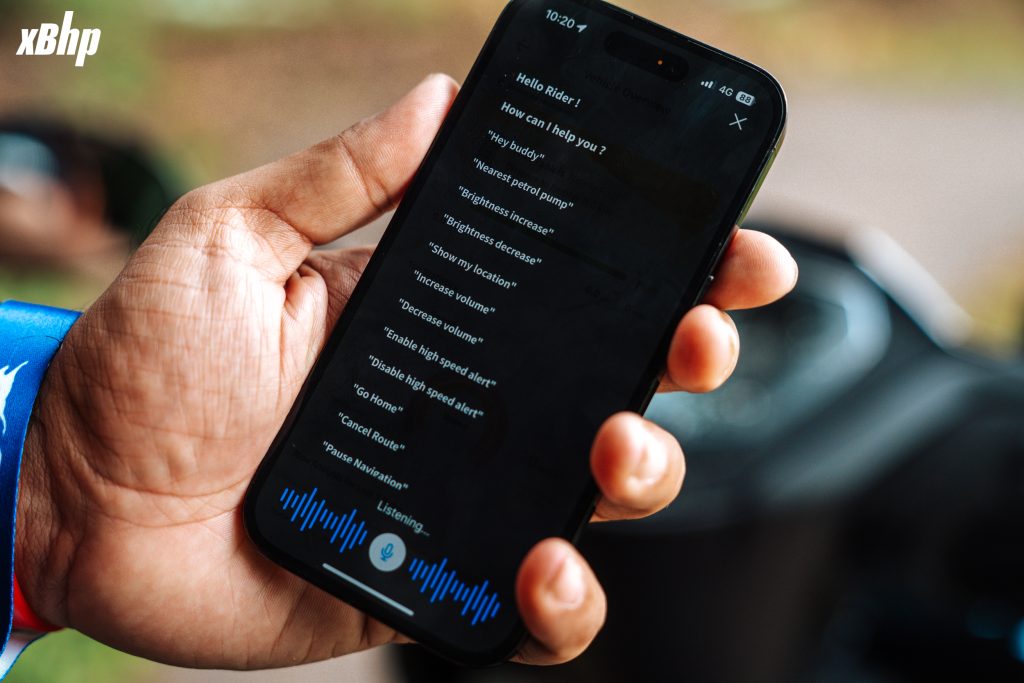
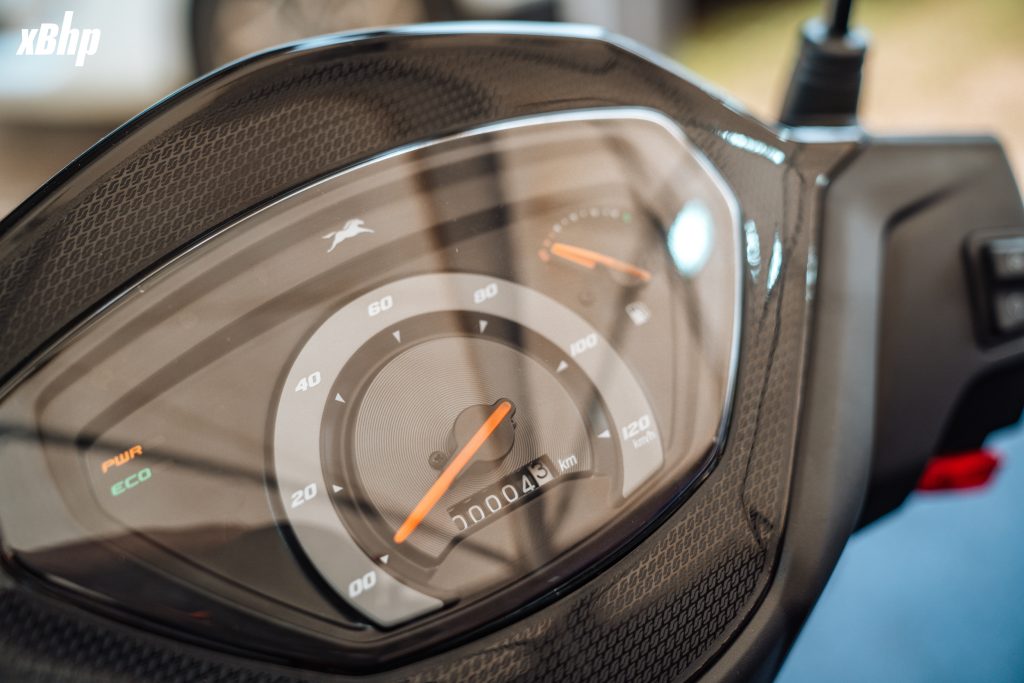
The first-in-class features like front fuel filling, a spacious 33-liter under-seat storage, and a mobile charger added to the convenience, making the Jupiter 110 a practical choice for daily commuting. The color LCD speedometer with Bluetooth connectivity and voice assist features took the ride experience to the next level, integrating modern technology into the scooter’s design.
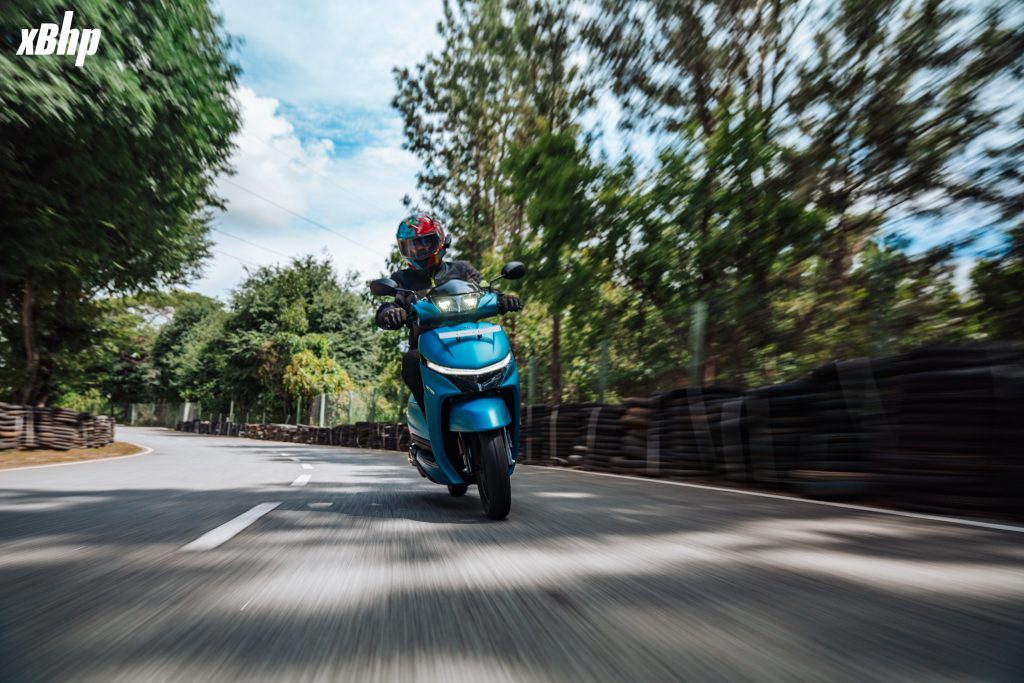
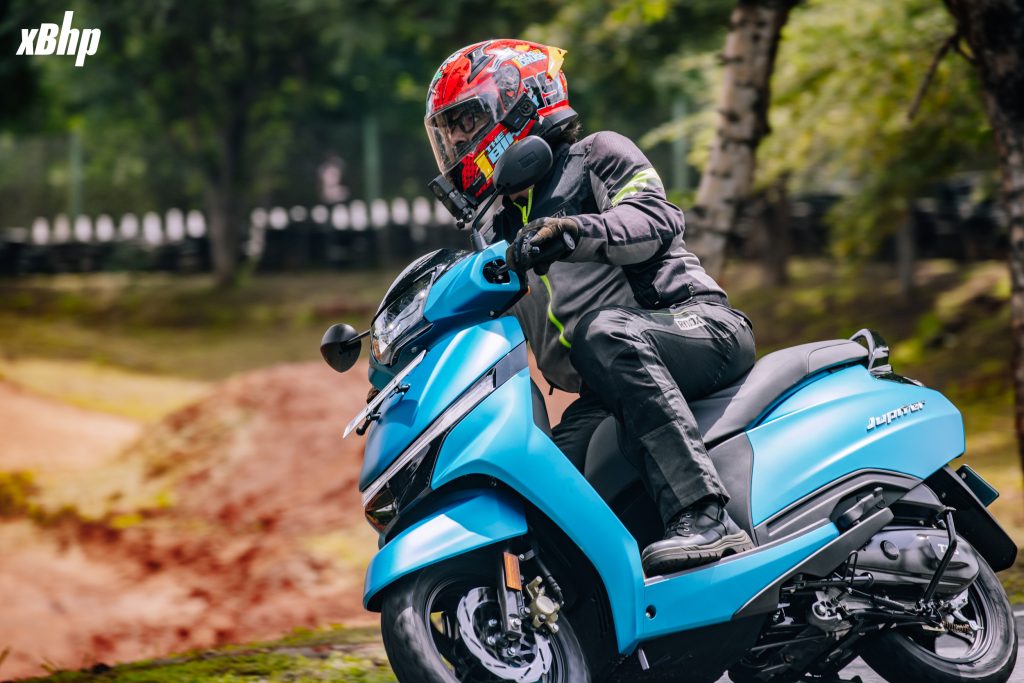
After spending time with the new TVS Jupiter 110, it’s clear that this scooter is designed to offer more—more style, more comfort, more safety, and more performance. TVS has managed to create a scooter that not only meets the demands of the modern-day commuter but also exceeds expectations. Whether you’re a seasoned rider or someone new to the world of scooters, the Jupiter 110 offers a riding experience that’s hard to beat.
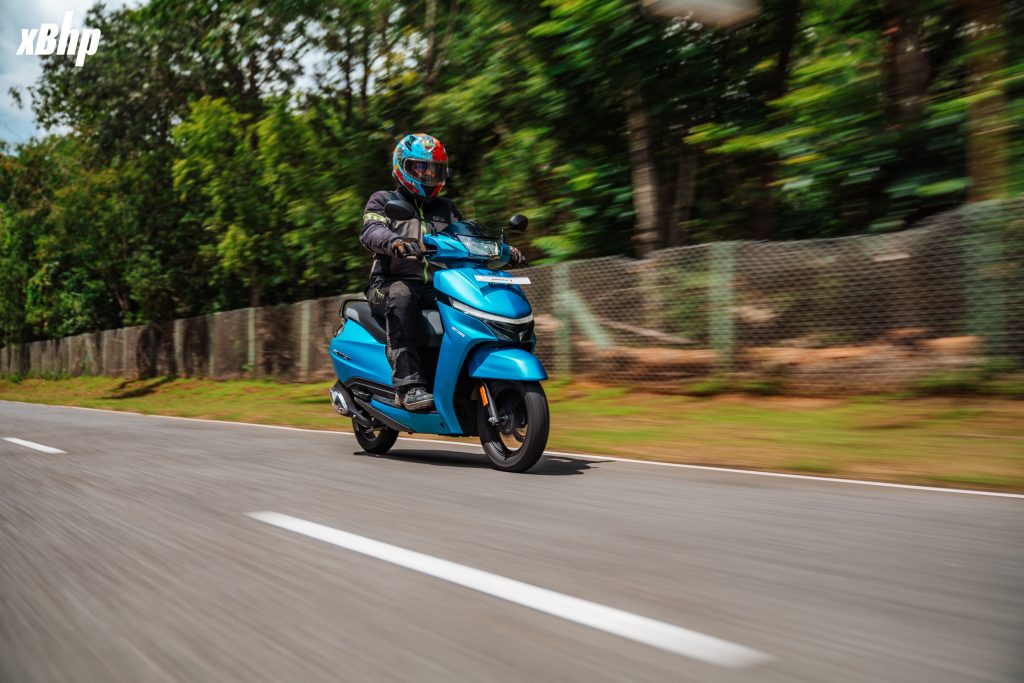
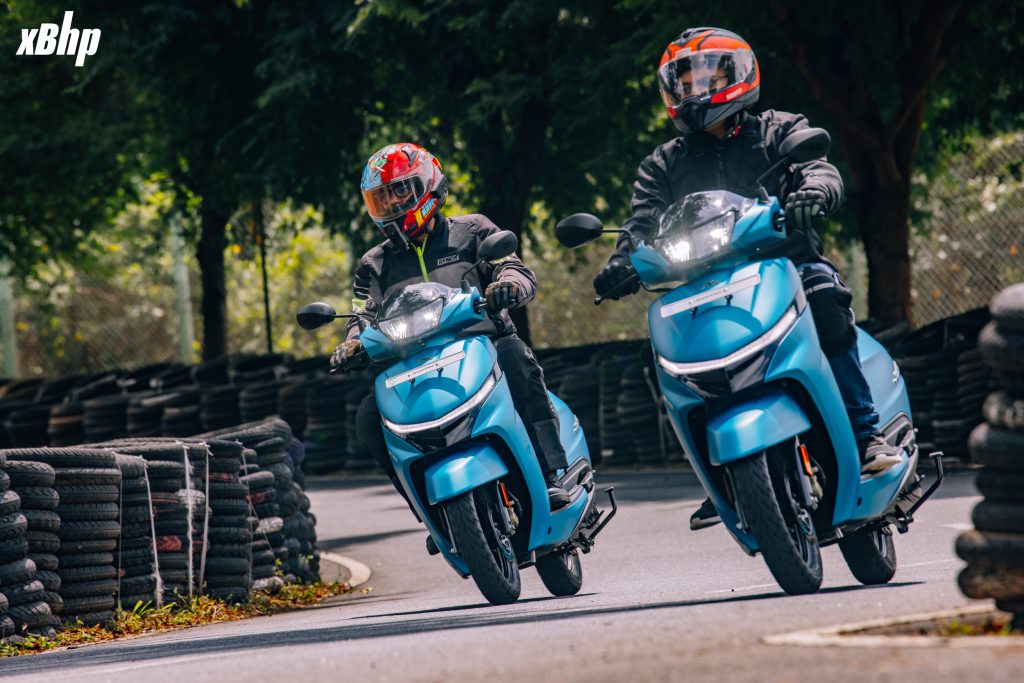
In a market crowded with options, the TVS Jupiter 110 stands out as a well-rounded, feature-packed scooter that’s ready to take on the challenges of urban commuting. If you’re in the market for a new scooter that offers a perfect blend of style, performance, and practicality, the new Jupiter 110 is definitely worth a test ride.
Yezdi Adventure :: Name of the Game
 Aug 2024 xBhp
Bikes,Motorcycles,Yezdi
Aug 2024 xBhp
Bikes,Motorcycles,YezdiThe Indian motorcycle market has been on a roll for a while now. Numerous motorcycles have been launched in all kinds of categories and some of them have been impressive. While the flurry of launches has kept us busy, we’d never miss a chance to try a new motorcycle, not the least bit one that promises to be a knockout. So once again, we found ourselves flying; the setting was Pune, the weather fantastic, and the motorcycle… Yezdi Adventure.


Motorcycling aficionados already know the brand and its history which goes back more than 50 years. The Yezdi name holds a lot of clout among motorcyclists and why not, after all, who can forget the Roadking? So when the news broke that Yezdi was making a comeback, it caused a stir. Among the motorcycles launched, the Yezdi Adventure was the one that truly made waves. It looked purposeful and had the performance to back it up.


Now, after just a few years, Yezdi has decided to update the motorcycle to make it an even more enticing prospect. According to the brand, the new Yezdi Adventure is an improvement on almost all fronts. We decided to hold off echoing that verdict for a while… at least till we got some saddle time, which we did. Now the question is… is the Yezdi Adventure better than ever? And is it ready for the challenging stage that the Indian motorcycle market has become? Let us find out.


We will start with the looks. The Yezdi Adventure looks the part and it does the job well. It gets the message across without being too loud or fussy. The message is as follows: “You are looking at an adventure motorcycle made by a brand that is known for its rugged motorcycles.” On that front, we agree with it. The beak, the tall stance, the high-mounted exhaust and all else; there’s little on the motorcycle that does not scream for some off-roading.


In addition to the visual bits, there are functional bits as well which aid that particular pursuit. A metal skid plate and engine guards further echo the call of off-roading. So regardless of the angle you look at it, the Yezdi Adventure will seem like a thoroughbred off-roader. All that if you miss the dual-purpose tyres over a cursory glance.


In addition to off-roading, another theme that the Yezdi Adventure has to stick to is modern-classic. That too it does well. The round headlamp, broad shoulders and slightly boxy approach shout classic. LED lighting, rider aids, a fully digital instrument cluster, switchable ABS, and a USB charging port shout modern. So in terms of looks, there’s little to dislike about the Yezdi Adventure.


The real star of the show is the engine though; a 334cc, liquid-cooled, single-cylinder engine that makes 30 bhp of power and 30 Nm of torque. The numbers remain largely unchanged but there have been a host of changes in the engine. The new mill, dubbed Alpha 2, has been refined and tuned further to extract as much from it as possible. The addition of slipper clutch and gear ratio changes further augment the changes in the drivetrain.


In addition to those, there is further optimization and fine-tuning which makes this new engine a peach. Even if you look at the numbers on the spec sheet, it looks so balanced and even. And it is. The powerband is nice and wide and there’s torque everywhere in the rev range. That makes the Yezdi Adventure very tractable and very exciting when you want to kick some dirt.


The 6-speed transmission and engine itself go a long way in delivering the power in the most predictable manner. On the highways, you will find yourself cruising at a brisk pace without the engine huffing and puffing. In the same beat, you can jump off the tarmac, onto a trail, and sideways through every corner because the engine makes it very much possible.


When you wring the throttle, the dollops of torque sent to the rear wheel not only propels you forward on the road, it can also help you get your ‘sideways’ on a trail. You can use that grunt to steer or just to show off; the Yezdi Adventure looks pretty cool either way. You also get three riding modes; Road, Rain, and Off-Road. These modes alter the power delivery to suit the terrain and the riding conditions. We stuck to our guns though and used only Road and Off-Road.


That is how much confidence the Yezdi Adventure inspires. The geometry, the dimensions, and the chassis; everything plays a part in making this motorcycle so much fun off-road. There is 220mm of ground clearance so everything you can throw at it, it’ll scale over. The geometry ensures that there’s a balance between stability and feedback. So on the highways, it can cruise on a rock-solid line and off the road, you will find it quite communicative which makes the process a lot of fun.


The robust steel frame is complemented by the long travel suspension. 200mm of travel on the front and 180mm on the rear makes the Yezdi Adventure ideal for not just soft trails but fairly rocky terrain as well. Also, the suspension is well-judged and does not feel too squishy on the road but absorbs nearly everything that you can expect to encounter on an excursion. Through ruts and dips and jumps, you can expect the suspension to hold its own with ease. The brakes are more than adequate and the option to disengage ABS on the rear is a godsend for off-roading.


There is one thing that we believe could have been better. It is nitpicking but it is what it is. The Yezdi Adventure tips the scales at 188 kg which is not a lot considering the rugged nature and the add-on protection bits but still, if it weighed a little less, it would have made this really good motorcycle splendid. On the move, the weight dissipates rather quickly but at a standstill and at slow speeds, it makes its presence felt.


In terms of ergonomics, the Yezdi Adventure is spot-on. The seat is spacious and comfortable and we are sure that long riding sessions will come easy on this motorcycle. The reach to the handlebars is nice and relaxed for the highways and saddling alike. The wide handlebars present a lot of leverage to control the motorcycle. So the riding triangle is just what one can expect it to be. The windscreen is a boon on the highways.


Overall, apart from the weight which is a tad bit more than I would have expected or preferred, the Yezdi Adventure is a very capable motorcycle for both touring and off-roading. The power is ample but not intimidating, the handling is very neutral and likeable, and the ergonomics are spot on. The riding modes, switchable ABS, and other modern bits also go a long way in making the Yezdi Adventure an exciting proposition.


Now, the price starts at INR 2,09,900 lacs (Ex-Showroom). For the money, you get a Tornado Black Yezdi Adventure which offers a lot for the price tag. We believe that Yezdi Adventure is worth the moolah for what it brings. Still, a little less would have been a little more… Anyway, that’s wishful thinking.


Ultraviolette F77 Mach 2 :: Requesting Permission for Flyby!
 Jul 2024 xBhp
Bikes,Ultraviolette
Jul 2024 xBhp
Bikes,UltravioletteElectric vehicles are the talk of the town nowadays. Even in India, the segment is growing in popularity by the hour. We have progressed from parts-bin projects to a fairly crowded EV segment. Every manufacturer is trying to one-up the other and the competition is heating up. Among the many electric scooters and not more than a few electric motorcycles, Bengaluru-based Ultraviolette has leapfrogged the competition in more than one way.
Instead of starting with commuter-geared two-wheelers with nominal power chipping away at ICEs, Ultraviolette has decided to go for the jugular with their performance machines. They started the game with the F77 which was received fairly well but in a game of constant evolution, no manufacturer has the luxury of sitting on their laurels. So, there’s now an F77 Mach 2 and we got to test it recently in Bengaluru.
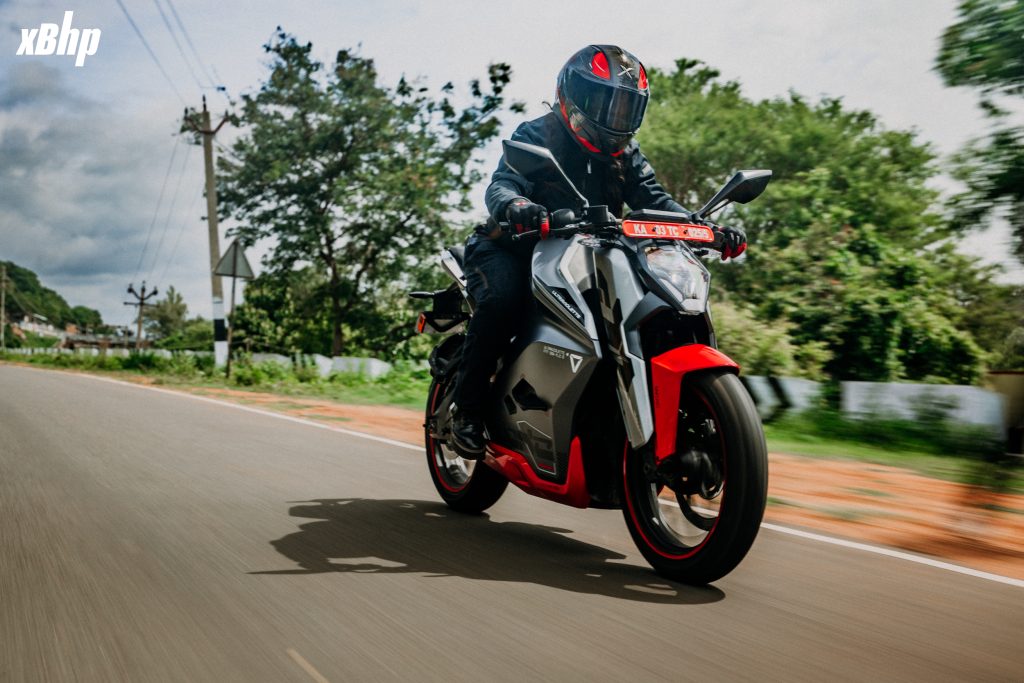
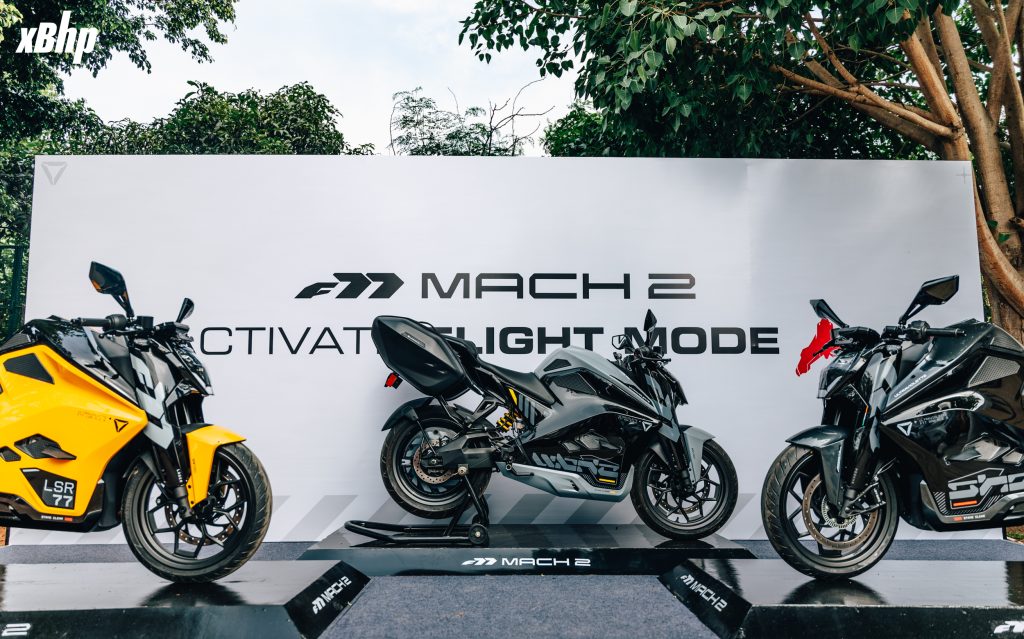
One of the first things that stands out is the naming scheme that Ultraviolette has gone with. Combat, Ballistic, Recon; stuff like this sets the stage for the experience. And we are delighted to say that the experience lives up to those names. Riding the F77 Mach 2 feels like you are playing a combat flight simulation video game. More on that in just a little bit.
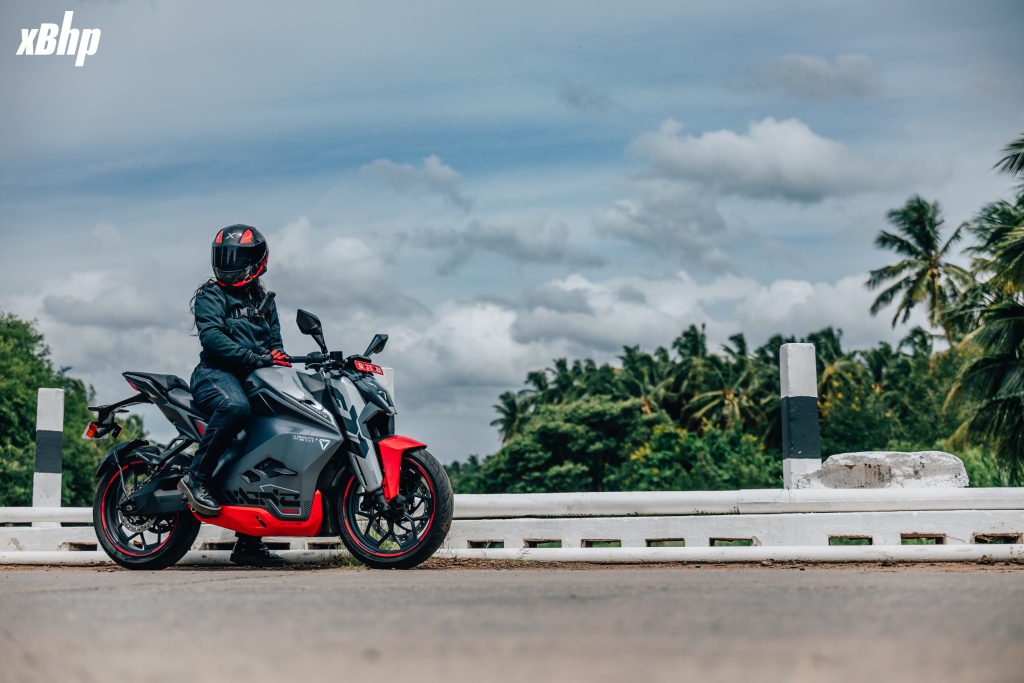
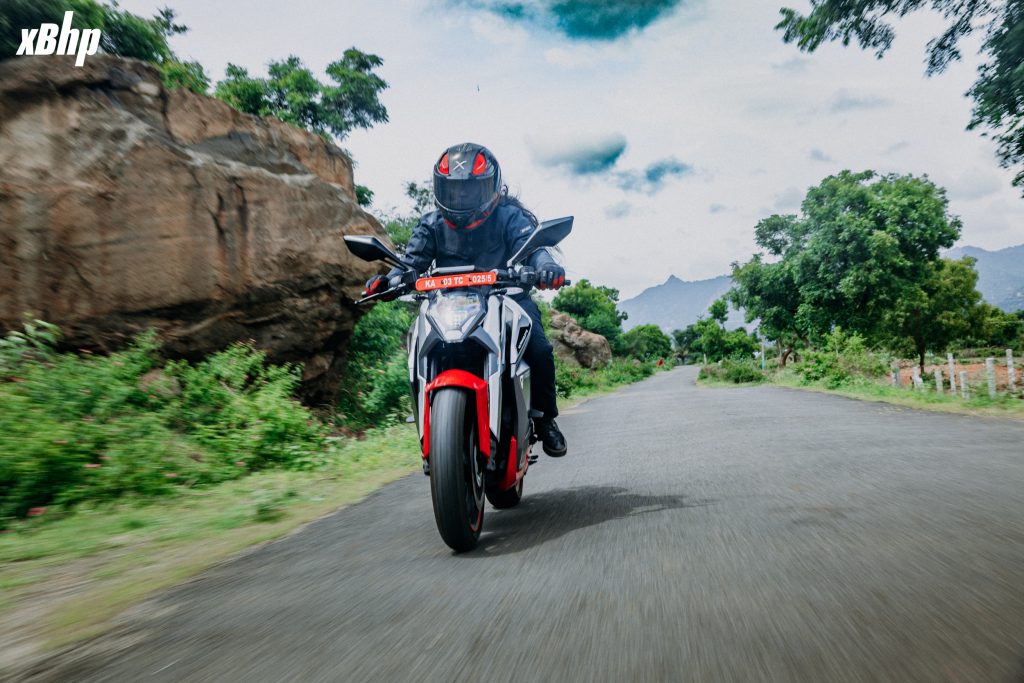
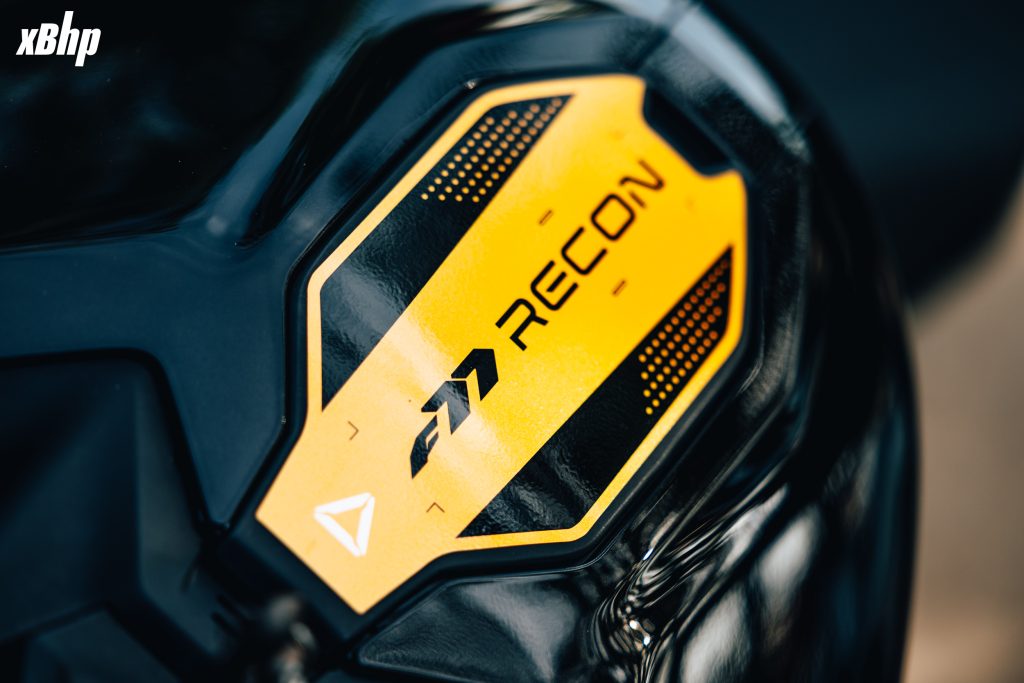
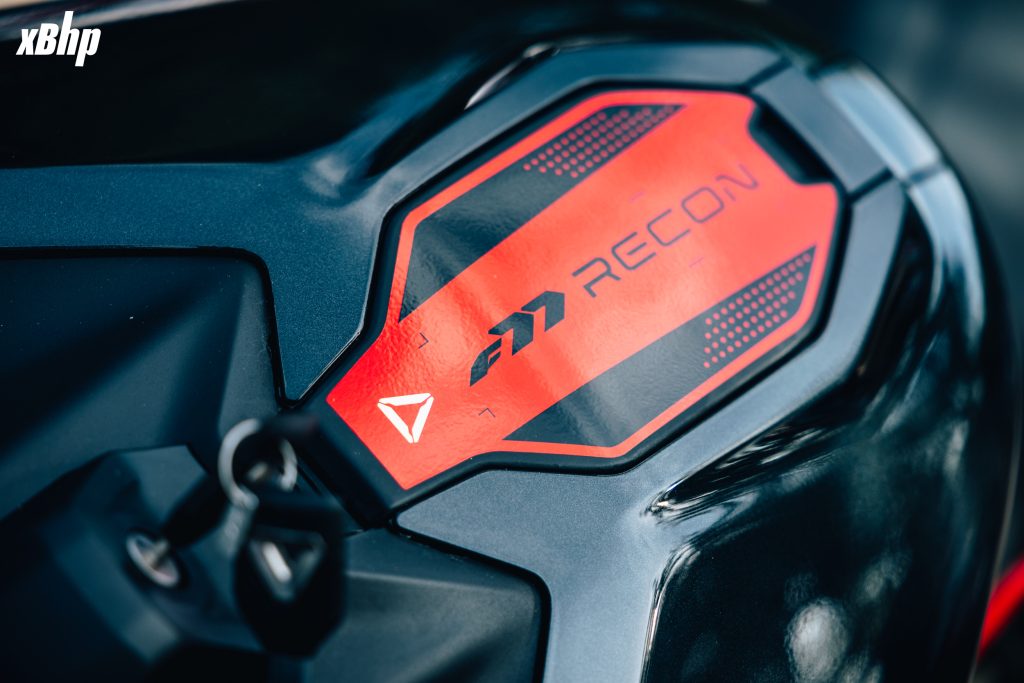
We’ll do away with the important basics first. The F77 Mach 2 has two variants; Mach 2 and Mach 2 Recon. There are some differences between the F77 Mach 2 and the Recon variant. A little more power, a little more torque, a bigger battery pack, and more range for the former are a few differences. Both variants have regenerative braking but the Recon variant gets 10 levels for it compared to the 3 for the base variant. The Recon variant also gets 4 levels of traction control. Though making the platform modular, Ultraviolette offers these as options for the base variant as well.
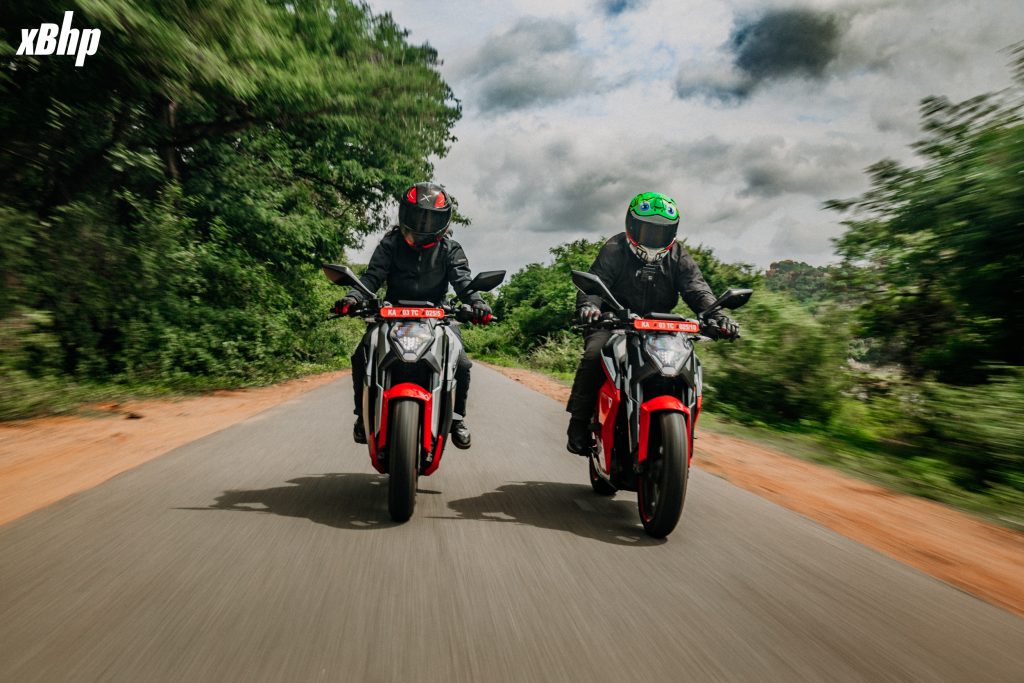
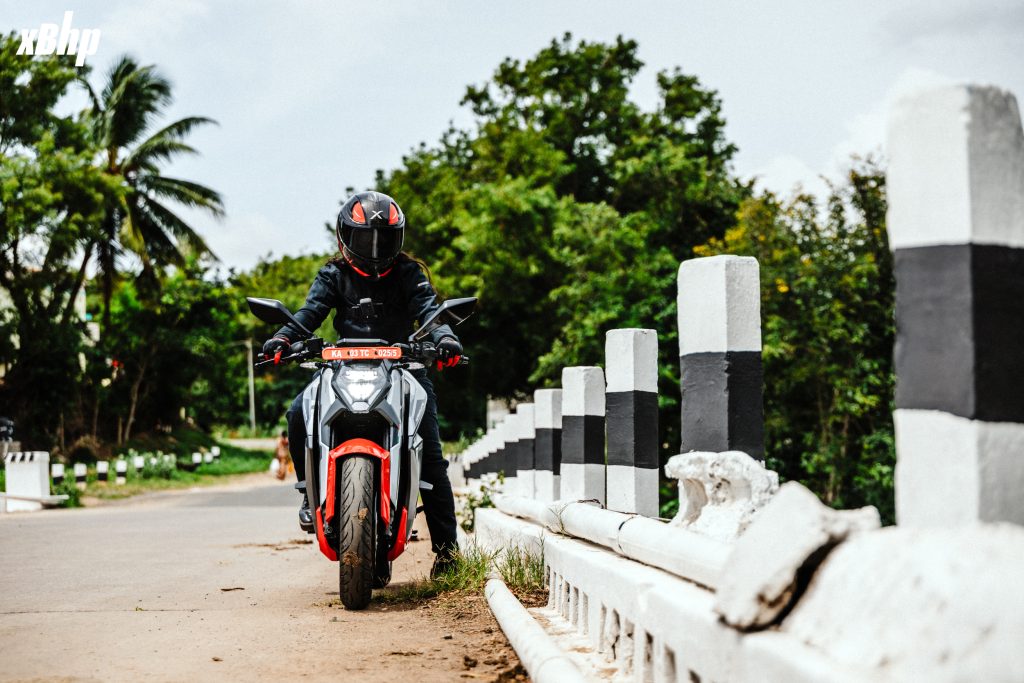
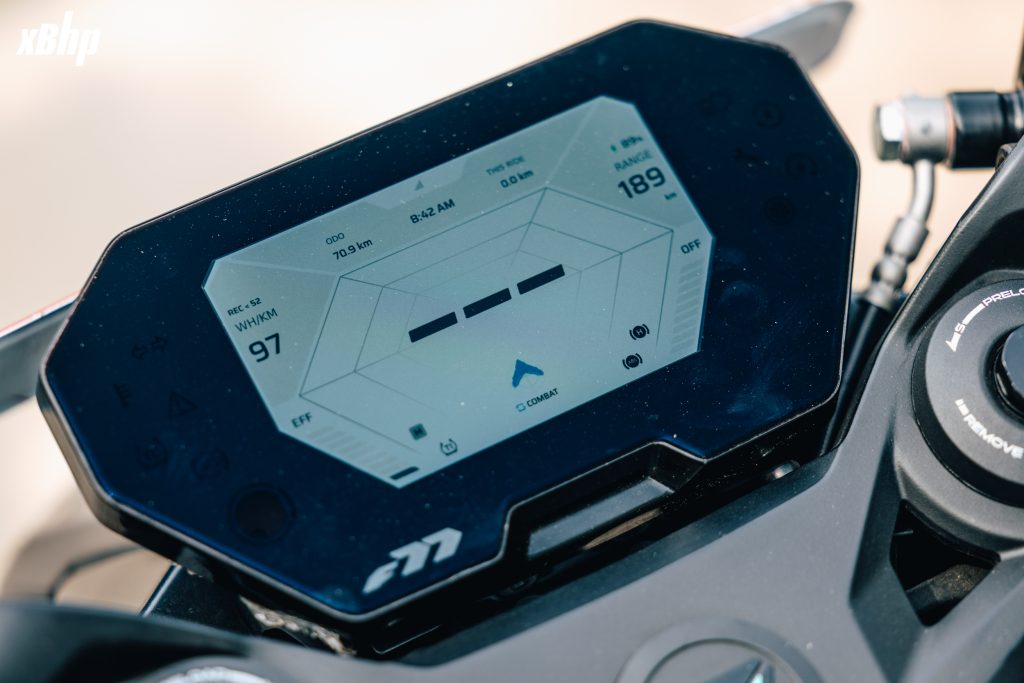
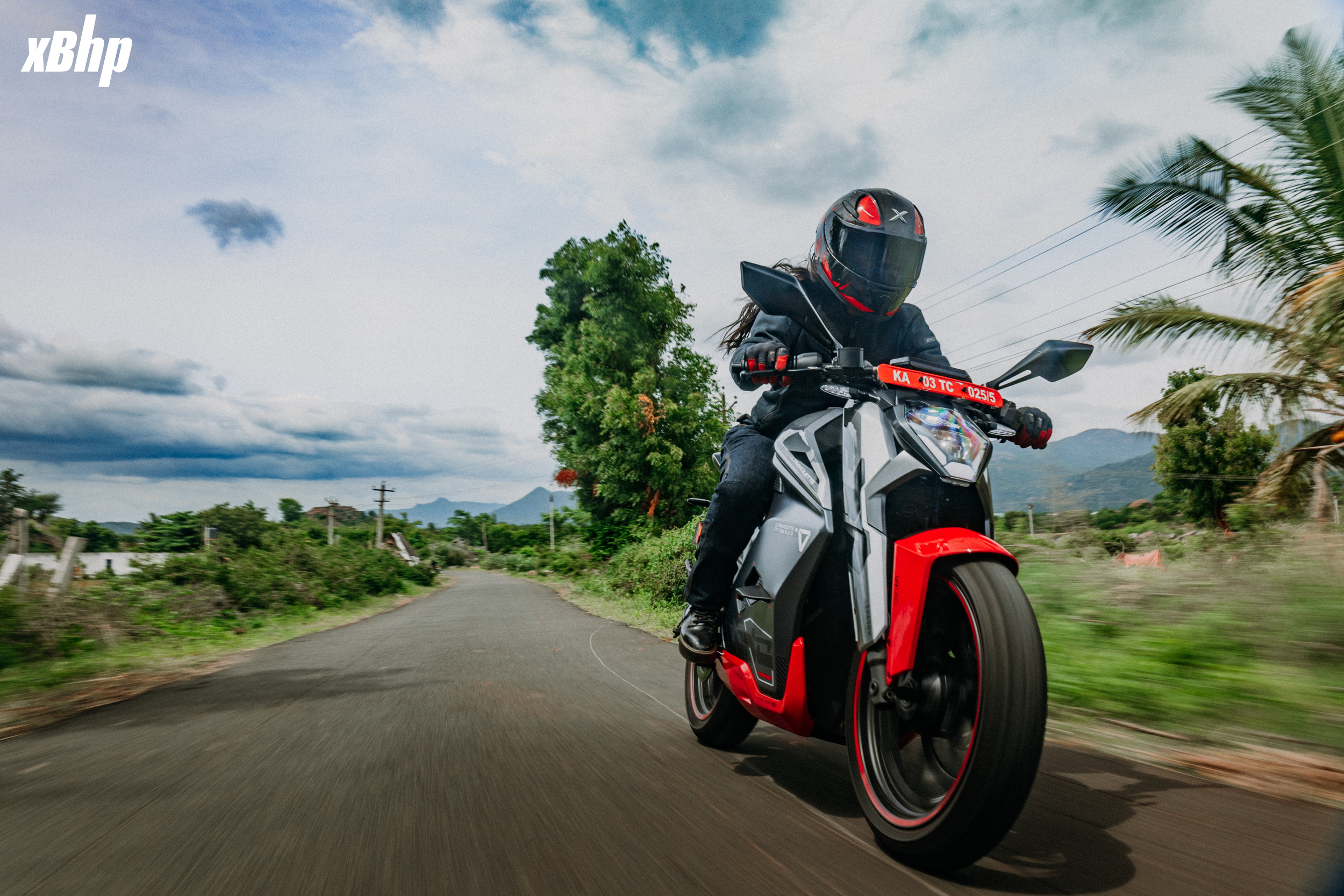
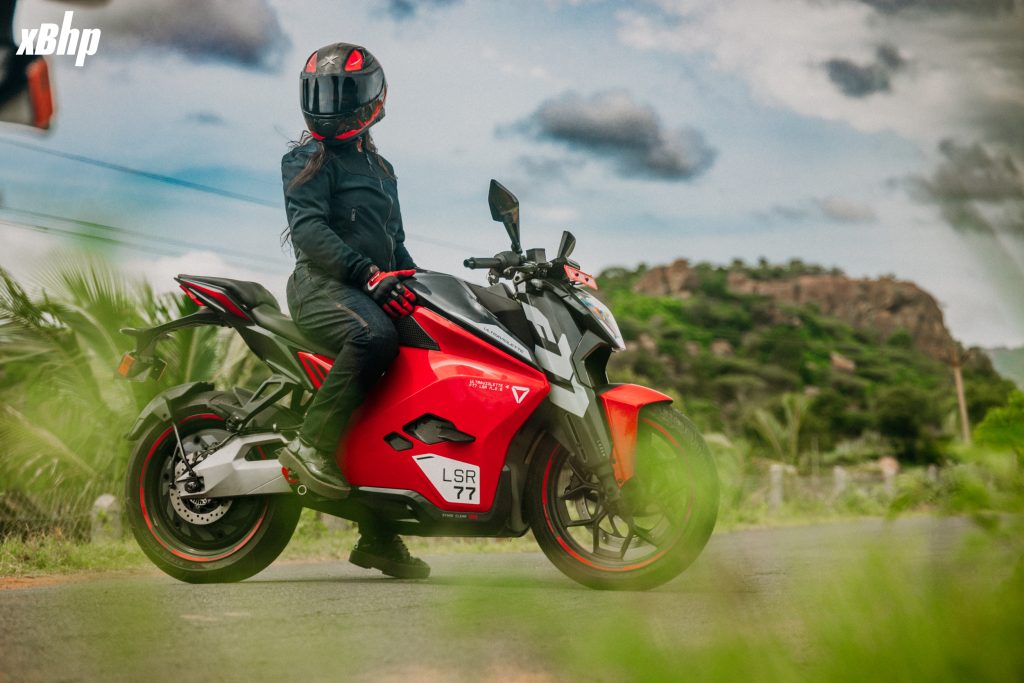
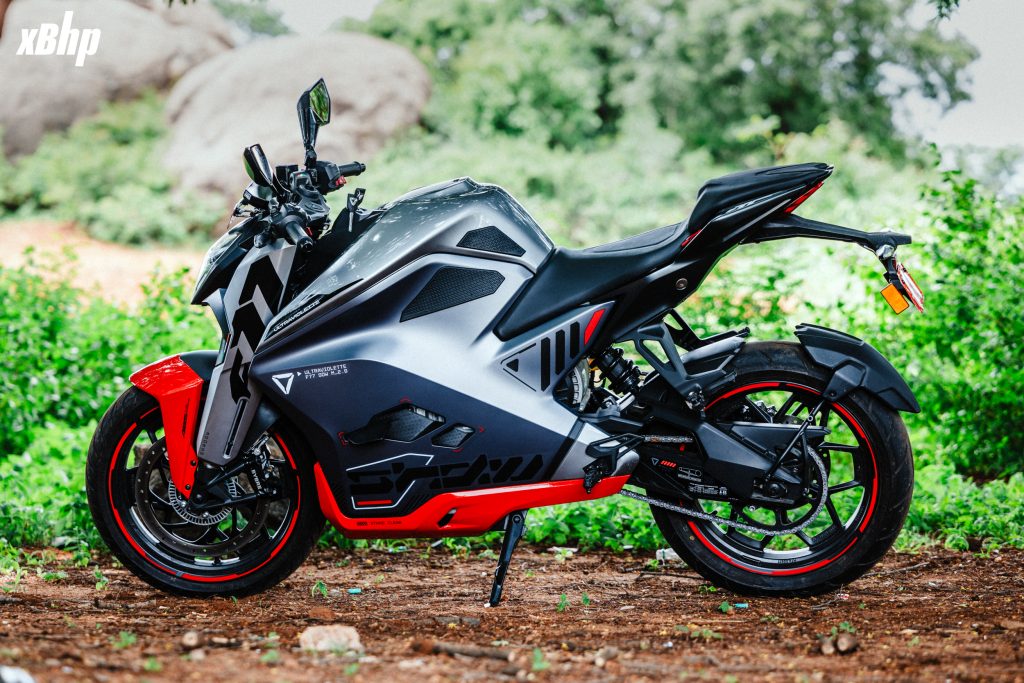
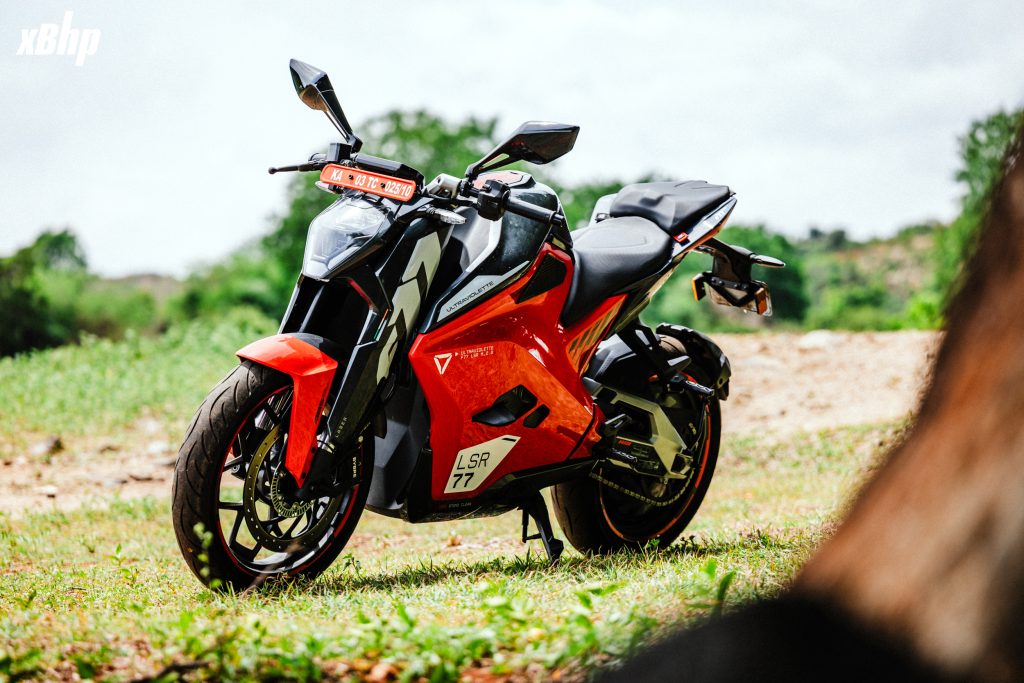
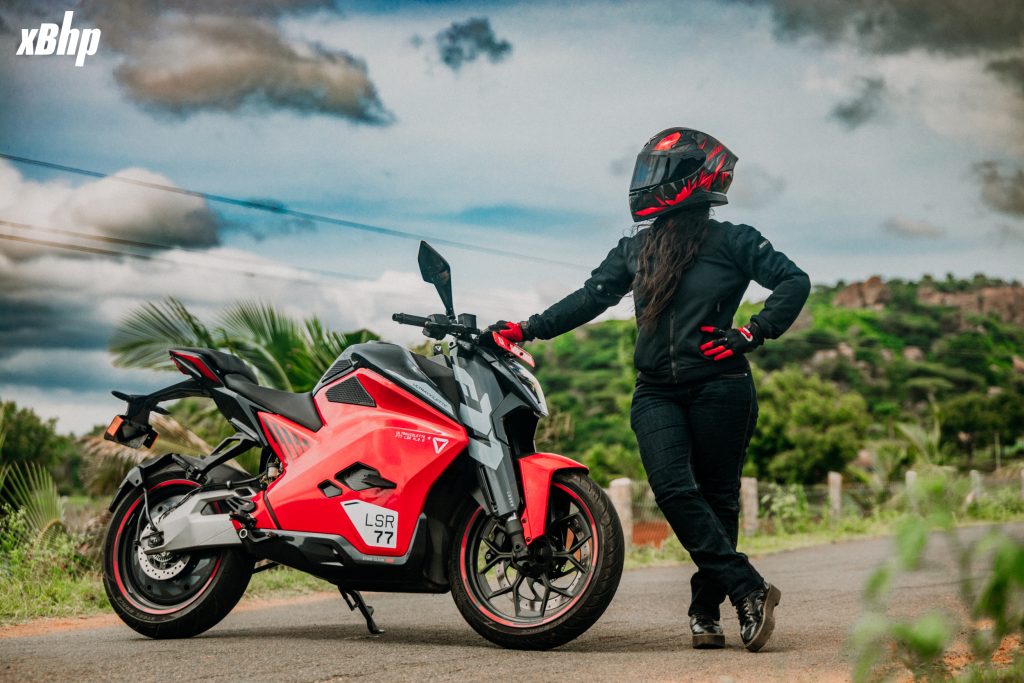
Now, let us get to the experience. As always, starting with the looks, we loved the design theme of the F77 Mach 2. In the promotional material, the F77 Mach 2 is said to be inspired by fighter jets. It is fairly true as well and not just a gimmick. You can tell right from the first time you lay eyes on one. Even the console theme feels like the HUD in a fighter jet simulation video game.
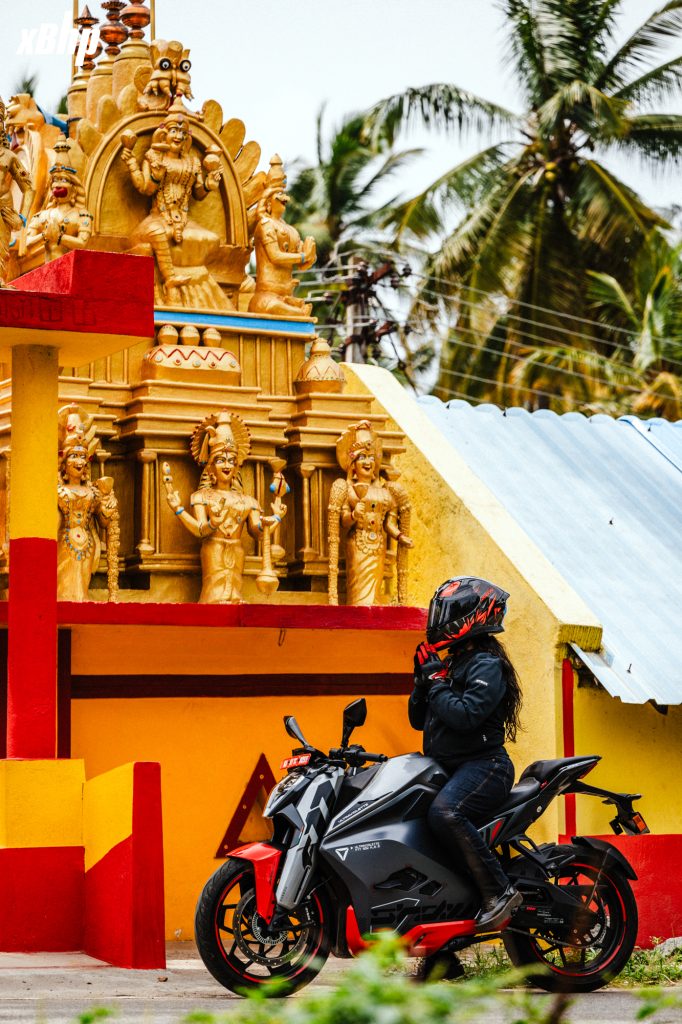
Technically, the F77 Mach 2 is a streetfighter but it does get a fair bit of fairing. A streetfighter with fairing may not make a lot of sense and that is why it is not easy to balance these two conceptually opposite themes. Ultraviolette though has done a tremendous job of it. The F77 Mach 2 retains a fair bit of streetfighter-ness despite the nearly fully covered sides. The stance of the motorcycle is very aggressive and yet, the riding position is fairly comfortable once you saddle up.
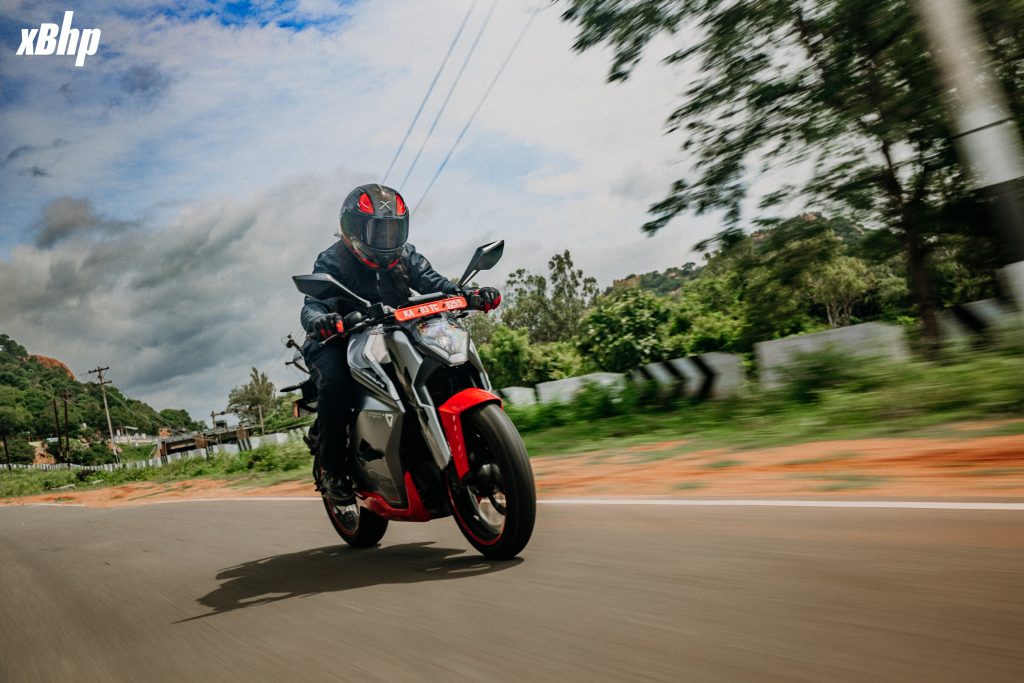
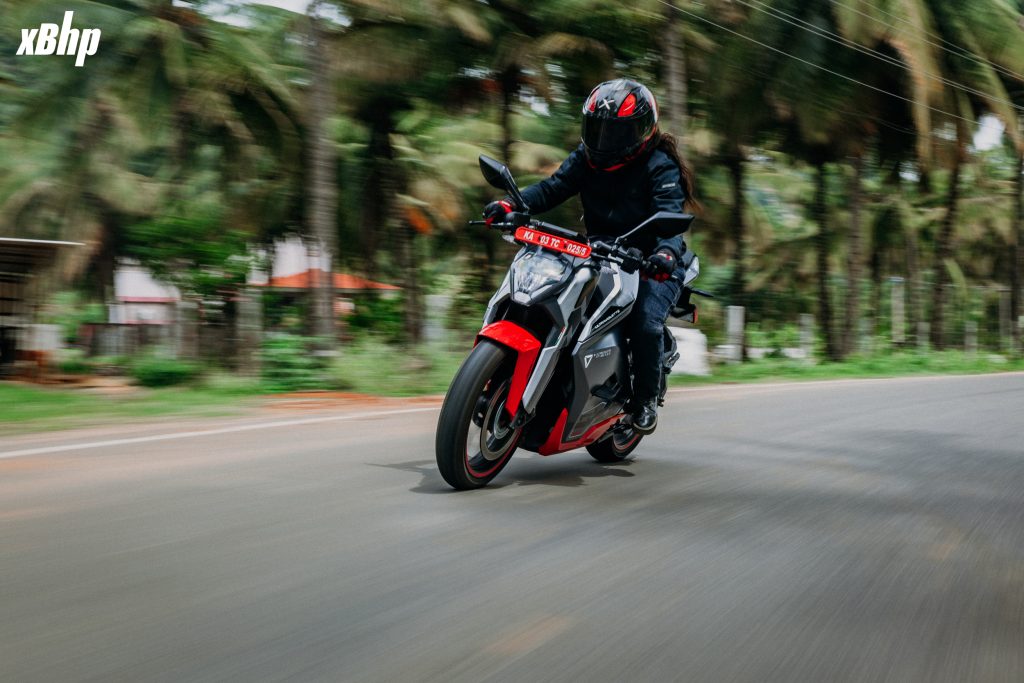
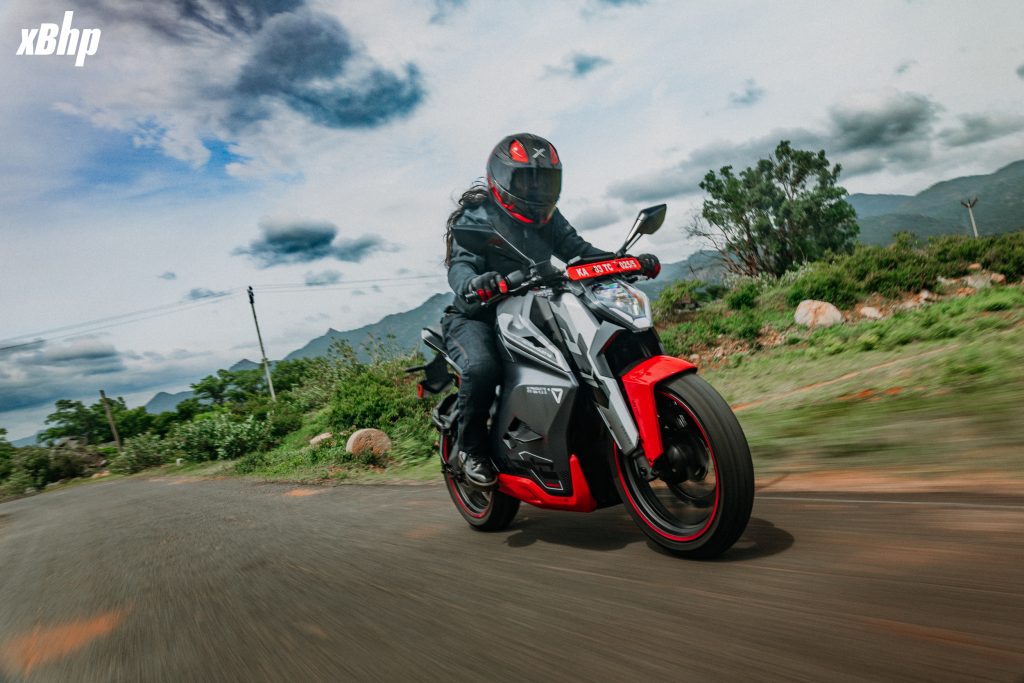
There are sharp lines all around that intertwine with the smooth body panels to aid aerodynamic efficiency. This not only helps with the performance but with the range as well. The front fascia is really likeable. LED lighting all-around keeps the modern theme going. Overall, the F77 Mach 2 looks quite stunning from all angles. A special mention for the wheels that look absolutely smashing. So with the F77 Mach 2, you can rest assured that many eyeballs will find themselves chasing it until it disappears out of sight… and based on the mode and your right wrist, that can happen fairly quickly!
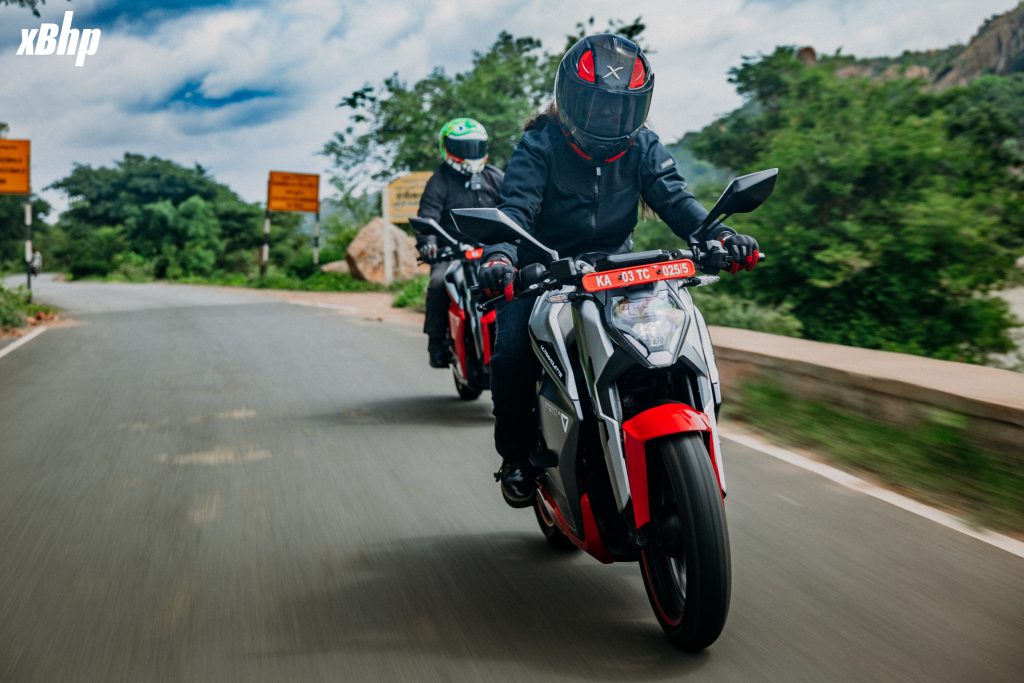
We have talked about the subtle differences between the F77 Mach 2 and the F77 Mach 2 Recon. On the road though, the differences between the two variants are really hard to tell unless you have a team of technicians in a pit somewhere analysing your ride data and helping you shave off tenths off of your lap time. With that little tidbit out of the way, let us get to the thick of it.
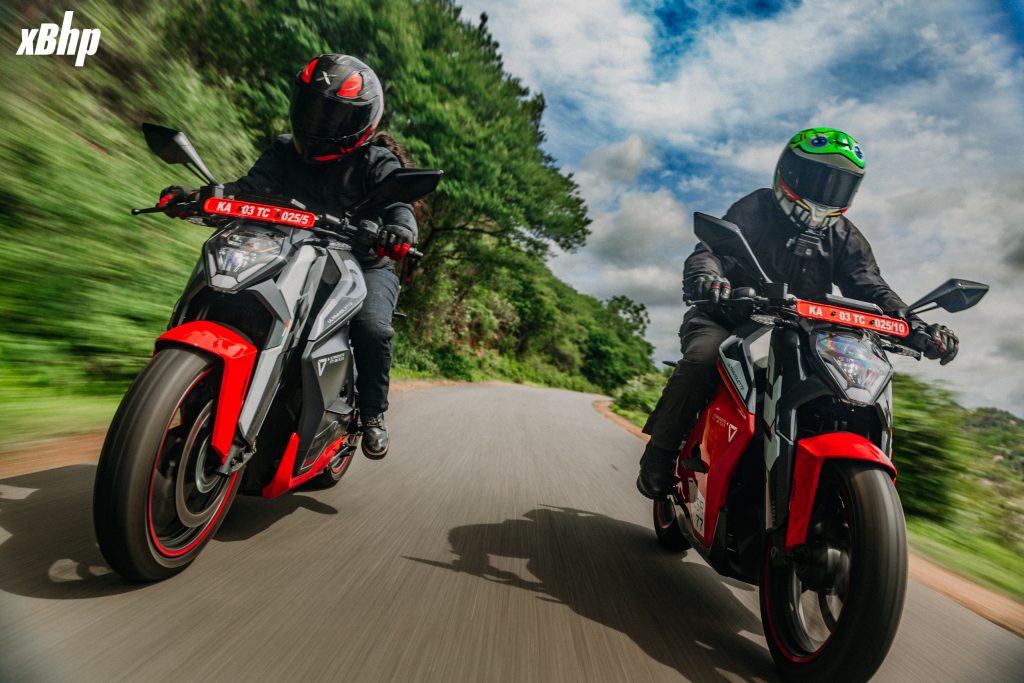
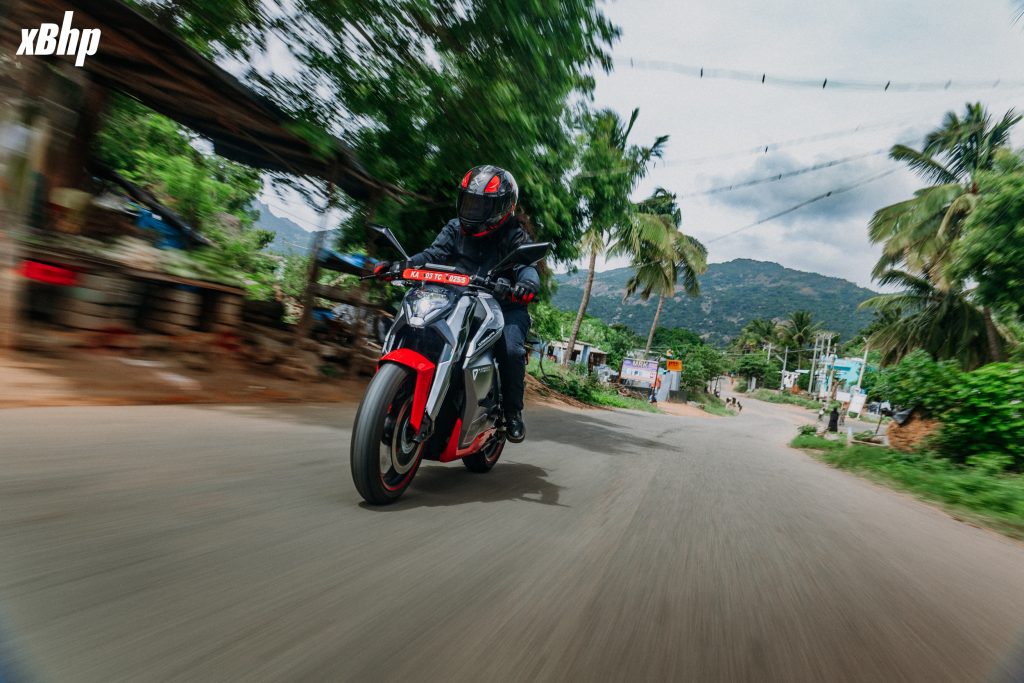
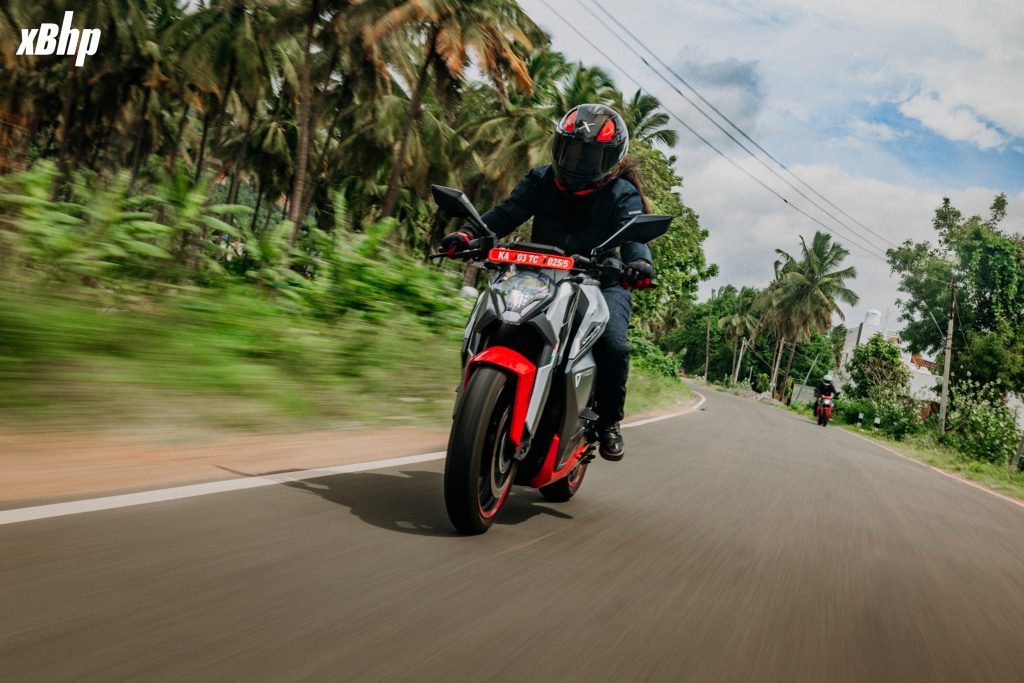
The acceleration that the F77 Mach 2 hits you with is ballistic (classic foreshadowing). Both the variants offer 3 riding modes; Glide, Combat, and Ballistic (told ya). You can tell which mode was the most fun just by the names and that is the mode I spent the most time in. After all, if one gets the opportunity to test it all out, why dawdle?
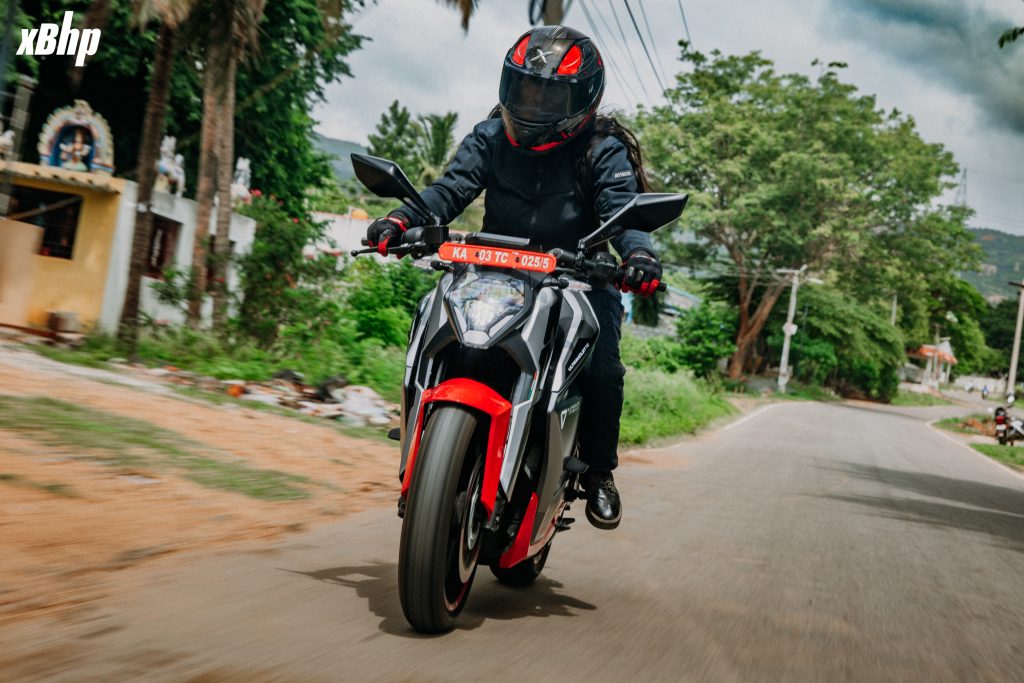
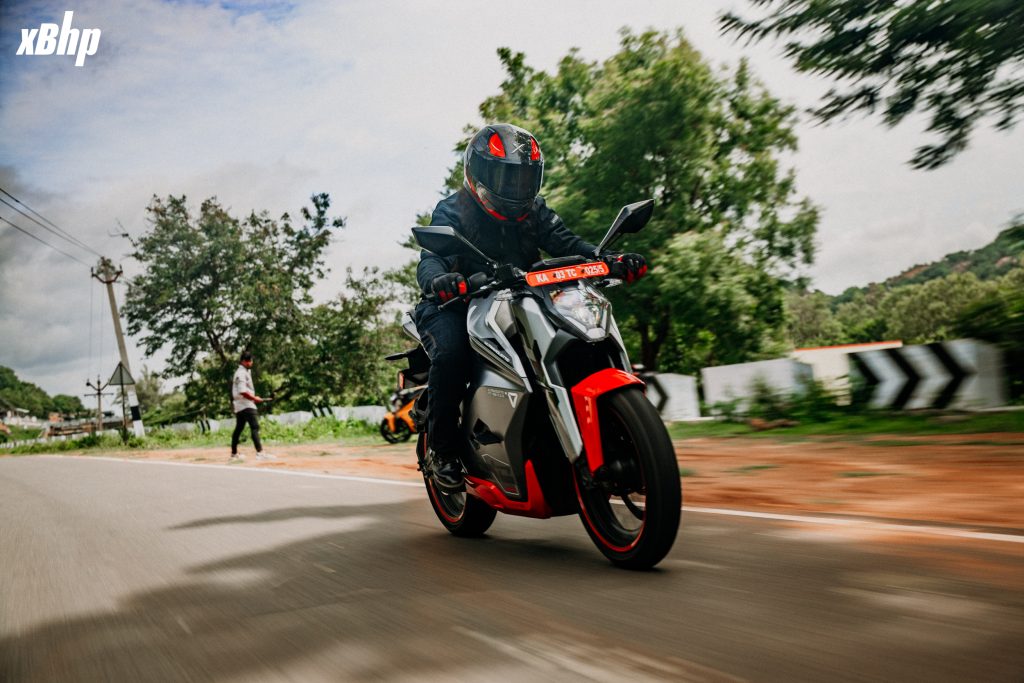
With EVs, you kind of expect acceleration but on the F77 Mach 2, it can still catch you off guard. There’s tons of torque and as standard with EVs, it is all right there. No need to wait for RPMs to spool like in ICEs. Be too reckless with the throttle and woosh. That is what instant torque can do for you. Moreover, the throttle transitions are butter smooth even in the most aggressive mode. So that jerky feeling is well-contained.
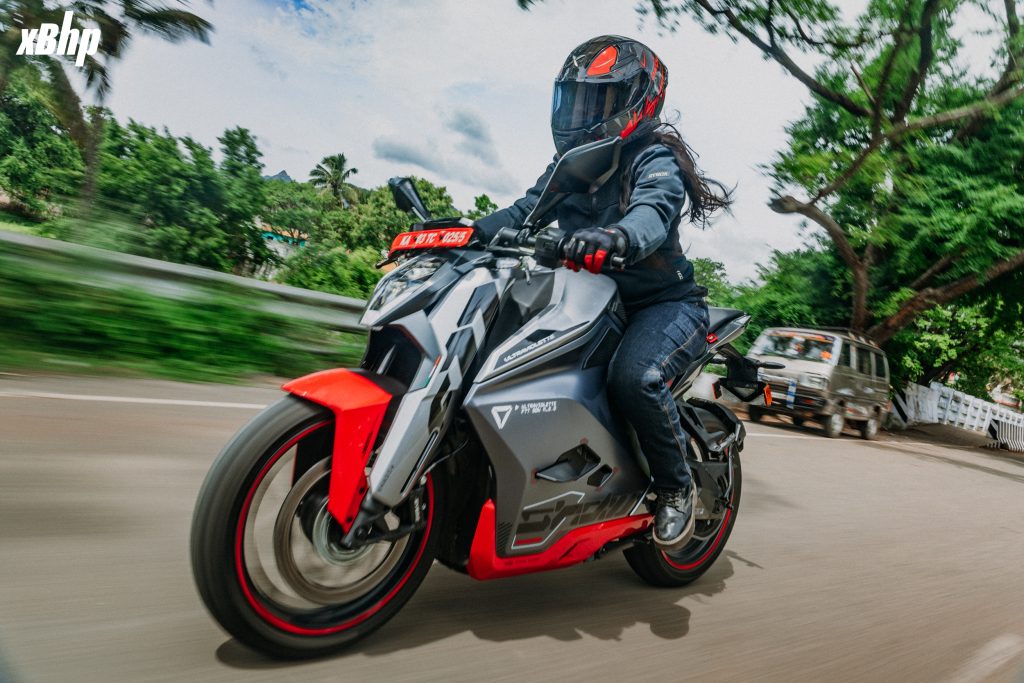
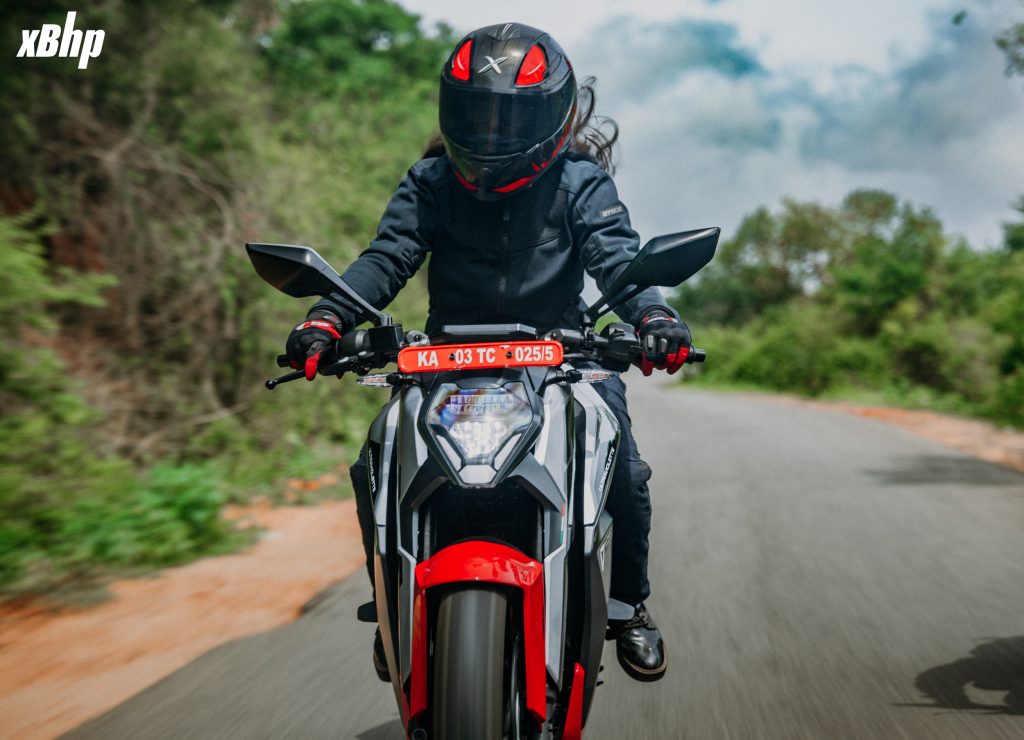
The Axor Apex Hunter combines everything that the Apex series is known for with a menacing design that captures the attention of onlookers everywhere. And with unmatched comfort, protection, and aerodynamic features, that influx of attention goes on for miles on end!
The top speed is 155 km/h which is very respectable. But it was a review done on public roads so the need to be responsible overpowers the desire to stretch the F77 Mach 2’s legs. Despite that, it is easy to tell that it won’t take long for this motorcycle to get there. To sum up the performance of the electric motor… it is exhilarating! The other two modes are quite alright as well. If you’d like to cruise on the highway within the speed limit, Glide works just fine. In the city, Combat works fine. Ballistic though remains where you’ll have the most fun… and the least range.
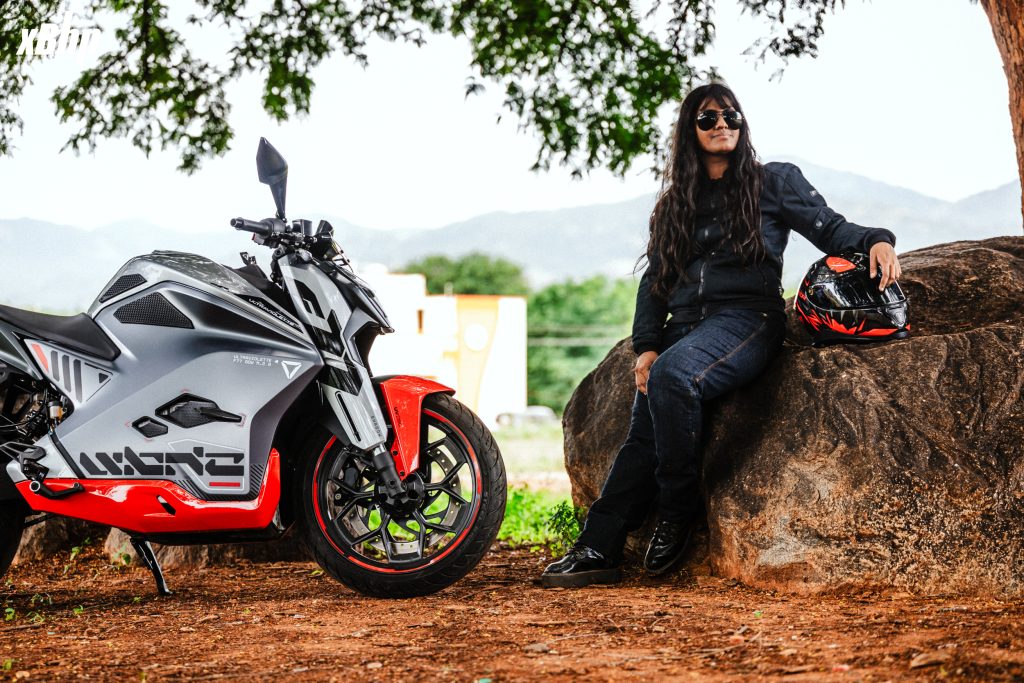
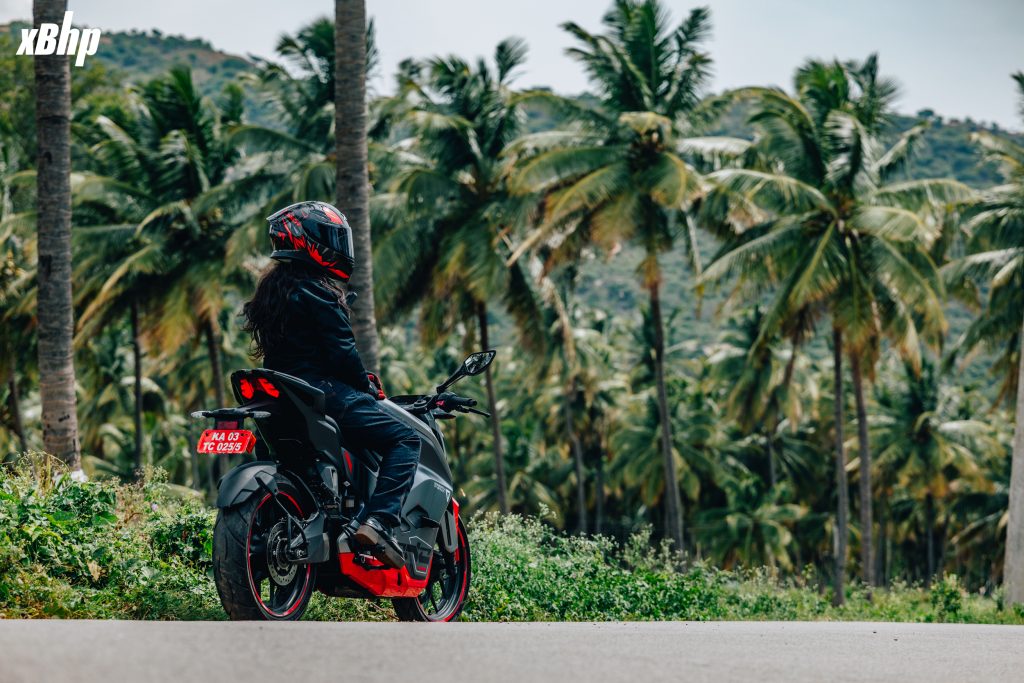
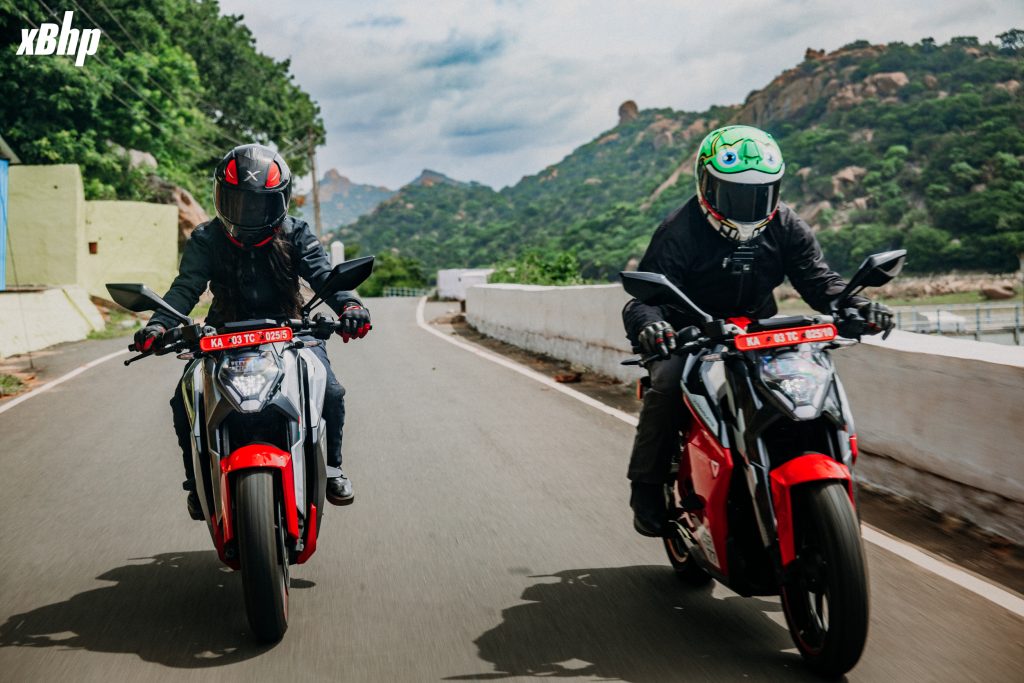
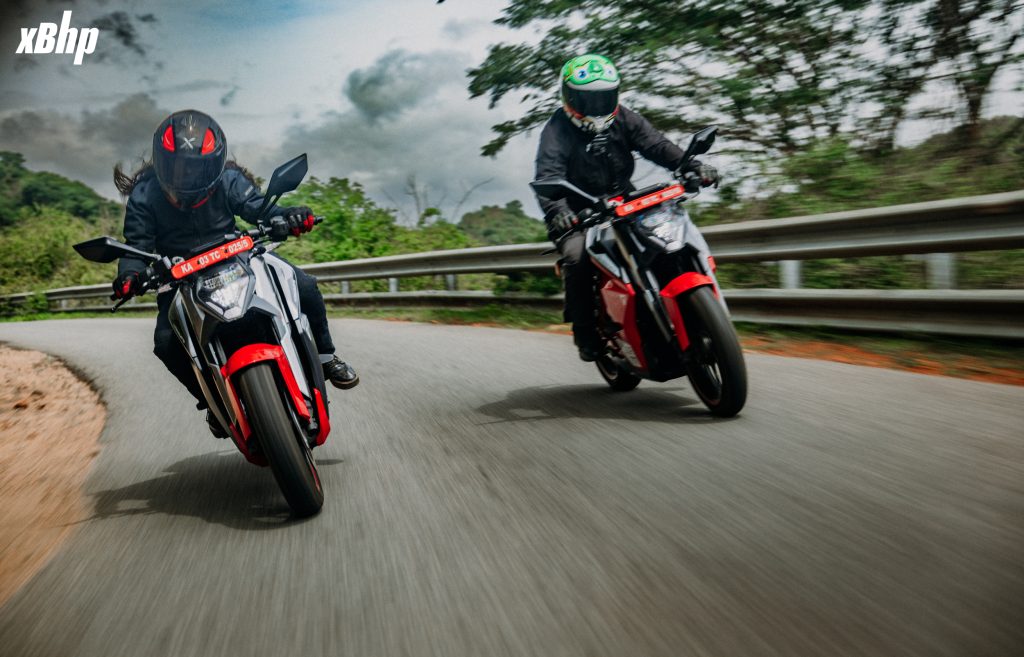
In terms of handling too, the F77 Mach 2 impresses. With the 197 kg kerb weight (207 kg for the Recon variant) one might expect it to be a little sluggish. But that is not the case at all. With a fair few corners to test out this particular aspect, we came away impressed. The trellis frame is well-judged, most of the weight is down low (lower CoG), and the suspension is well set up for a fairly entertaining ride.
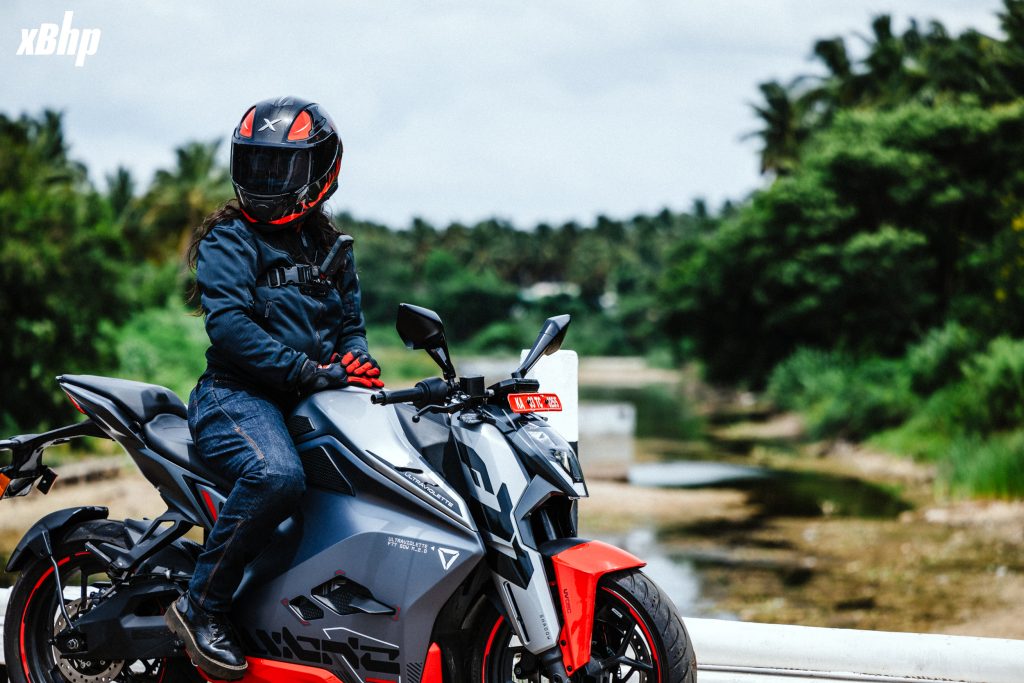
The Downtown Pro Jacket by Rynox Gears is their latest in the line of products meant to be geared towards a particular use case; in this case urban rides. Combined with the everyday-ready Downtown Pro Jeans, these riding gears combine protection, comfort, and everyday usability in a slick design.
Quick transitions from one side to the other do give away the heft of the motorcycle but even then, the aggressive geometry offsets most of that impact. In long sweeping corners though, it feels planted and confidence-inspiring. The braking is on point as well. ABS is well-calibrated and not too intrusive and you get the option for ‘Mono’, fancy for disabling ABS on the rear. But we had no inclination to put the traction control to test so we did not go there. Moreover, the harsher modes of Regen Braking mimic engine braking a bit too well. So you have to spend some time adjusting to the jolt of deceleration in stronger modes.
The reverse gear adds another layer of convenience. Talking about that, the F77 Mach 2 is loaded with tech. We’ll link the website here so you can get all nerdy and crunch all the numbers you want in the spec sheet. Just to skim over it, you get an eSim with 5G capabilities, WiFi, Bluetooth, GPS/GLONASS, DSC and Hill-Hold, among other features. Again, some bits are standard on both the variants and some are standard on the Recon and optional on the base variant. Do check out the website to get the low-down on that.
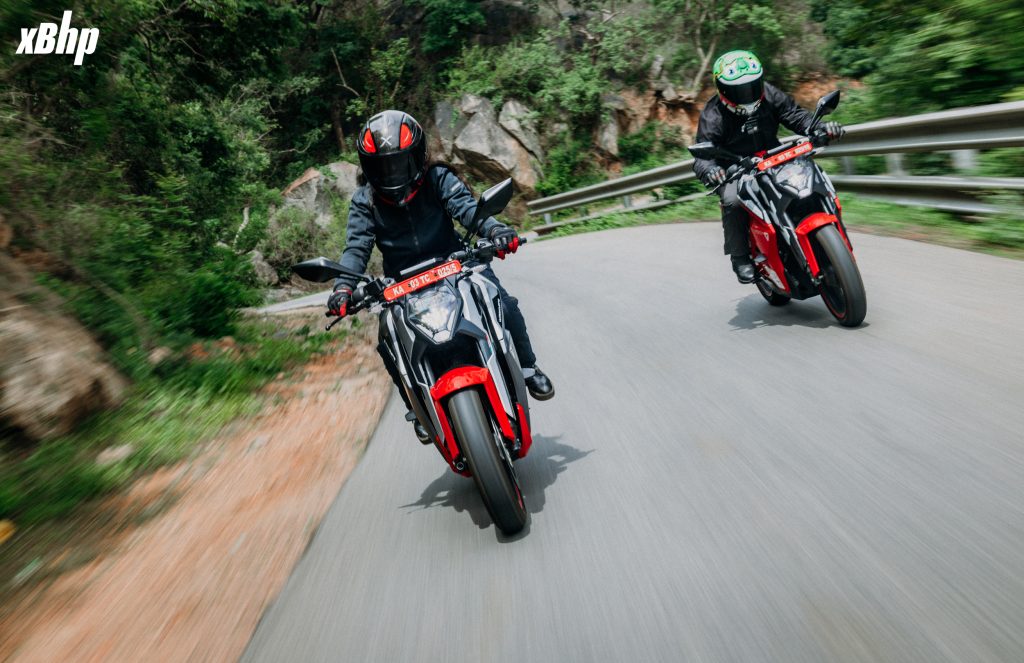
Now, perhaps the bit you’d like to know about the most- the range. In Glide mode, which is still fairly quick, you can get around 323 km on the Recon and 211 km on the base variant (IDC estimate). This is where you probably won’t mind the extra 10 kilos that the Recon tips on the scales. The bigger means more range and less anxiety. Sticking strictly to Glide, a gentle right wrist and strong regen will help you squeeze the most out of the F77 Mach 2. Though we won’t blame you if you go Ballistic every once in a while.
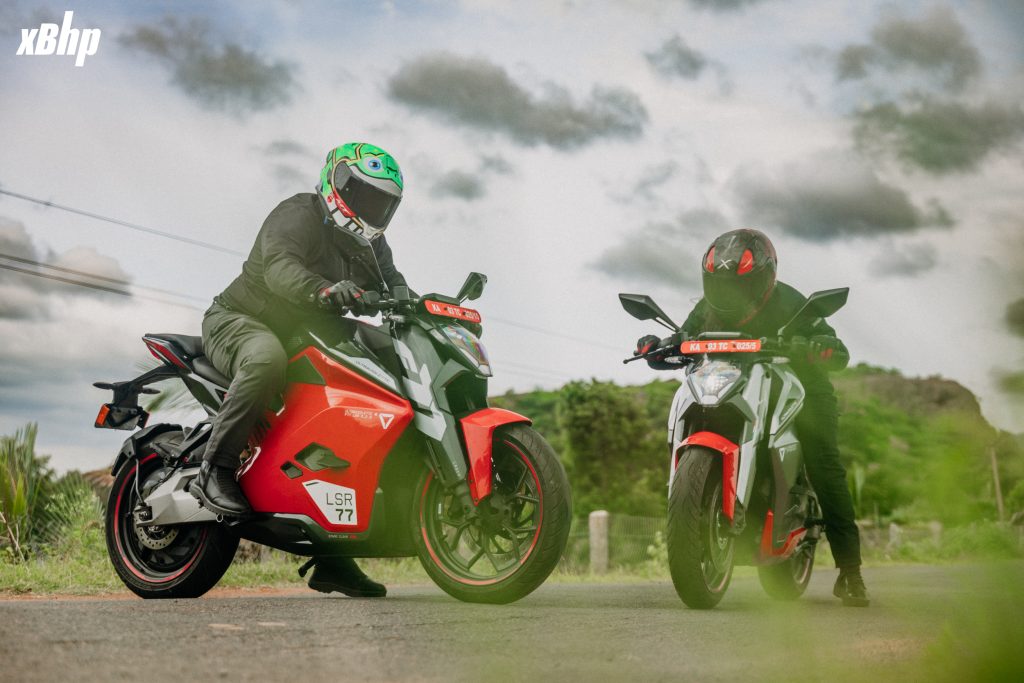
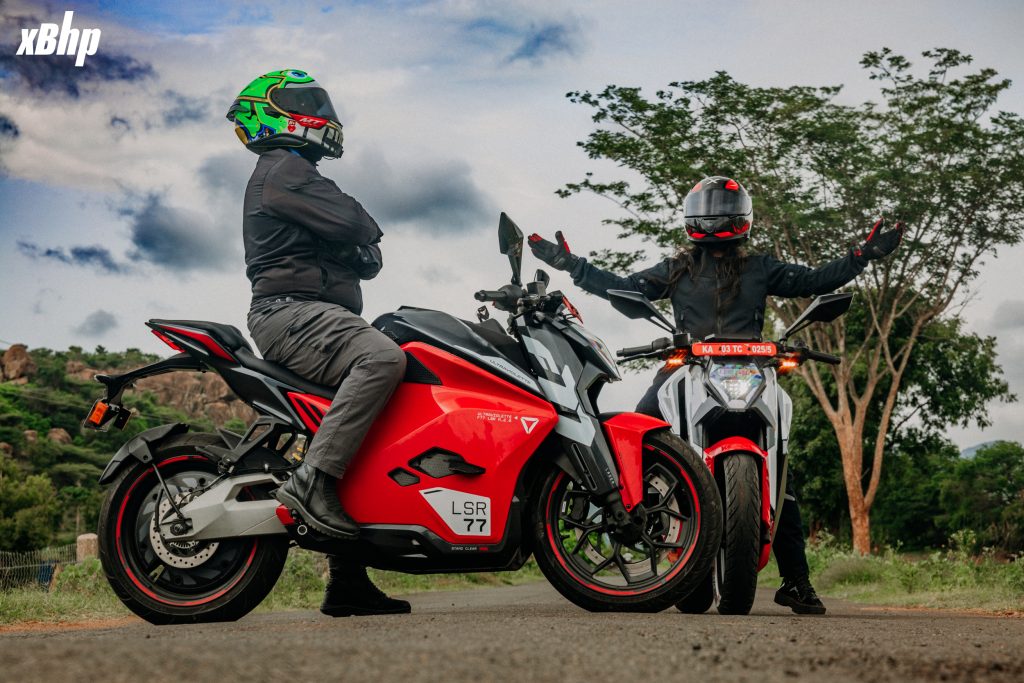
Then comes the matter of money. The base variant is priced at 2.99 lakhs and the Recon variant starts at 3.99 lakhs. On paper, it seems a fair bit and it is a fair bit. But then there are some savings to be considered; monetary and environmental. While the performance is enough to justify the price tag, the features go a long way in making the F77 Mach 2 a decent proposition. After all, you can’t put a price tag on being able to enjoy a little (too much) without the carbon footprint weighing heavy on your conscience.