Since '02 xBhp is different things to different people. From a close knit national community of
bikers to India's only motorcycling lifestyle magazine and a place to make like-minded biker
friends. Join us
xBhp was born more than 16 years ago and since then we've had a chance to ride or drive hundreds of machines
running on two wheels or four wheels, and sometimes even three wheels. We are not done yet, and this list is
still growing. In these pages, we take a deep dive in the treasure trove of our ride experiences and bring
you all that we have ridden or driven.
Machines Done 431
|
Total Cubic Capacity 178725
|
BHP 55886
Royal Enfield Desert Eagle: Shotgun 650 Off the Rails
N/ACCN/ABHPN/ANM
Oct 2026
Sundeep Gajjar
Bikes,Motorcycles,Royal Enfield
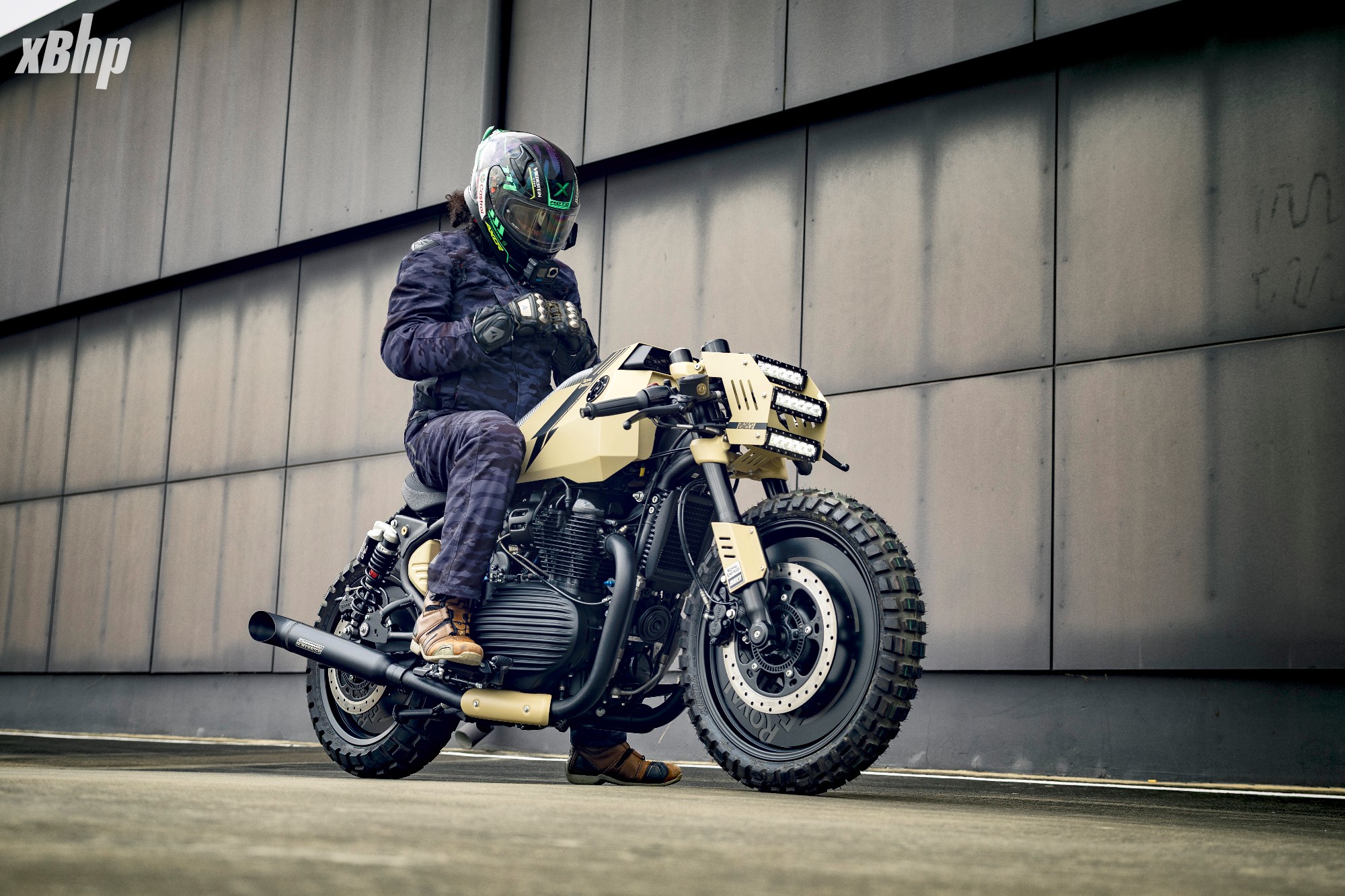
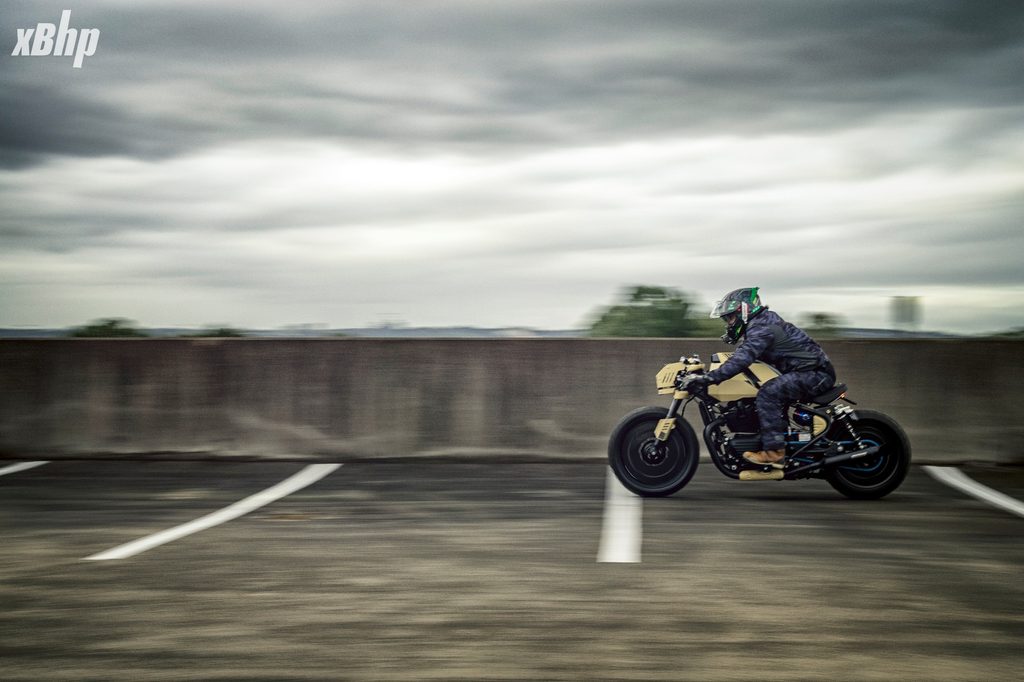
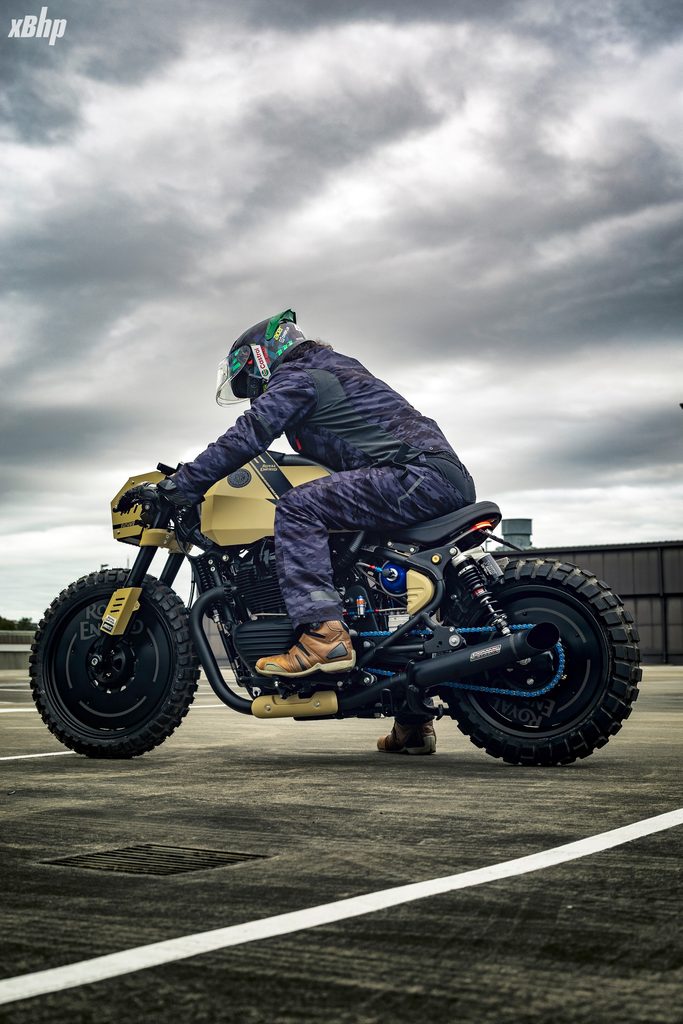
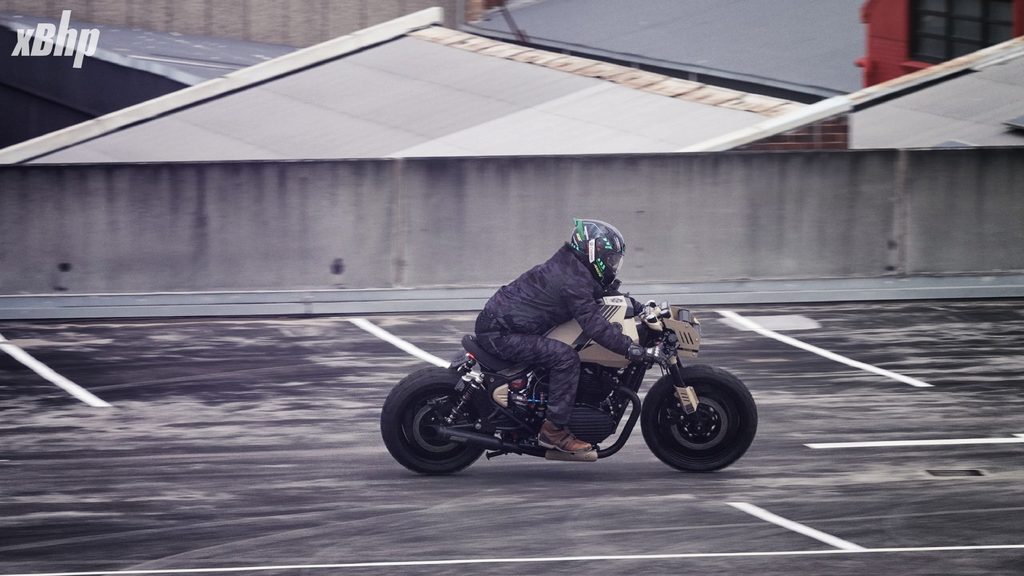
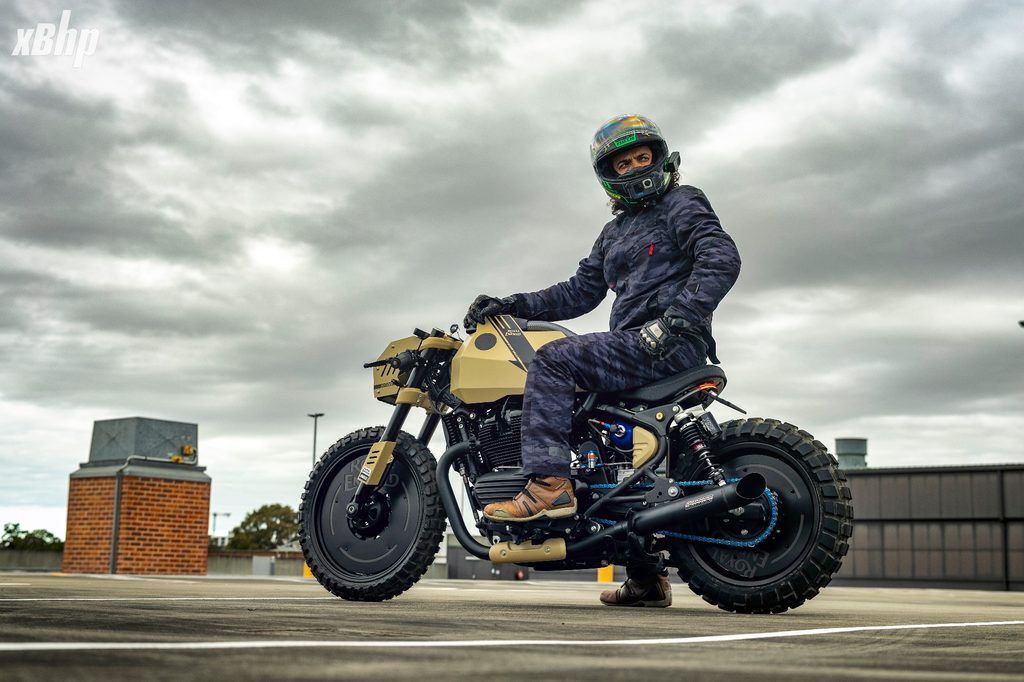
During our recent visit to Australia, we came across a Royal Enfield in Sydney that was unlike anything else in the showroom. This was the Desert Eagle, a heavily customised Shotgun 650 built by Moto Machine, Royal Enfield’s global flagship store in Sydney. And, so that you know, this was the motorcycle that won the global People’s Choice award in the 2026 season of the Busted Knuckles Build Off.
The competition brings together Royal Enfield dealers from around the world and gives them a simple brief: take a Royal Enfield and build something unique. Something that hasn’t been done before. Something that is one of one. The Desert Eagle certainly seems to have taken that brief seriously. We had David Tong, who runs the Royal Enfield flagship store in Sydney, walk us through the motorcycle. Interestingly, this was not a project built by a specialist custom shop. Moto Machine is a dealership, and this was its first proper foray into custom motorcycle building.
The Desert Eagle started life in Chennai before David and his team rebuilt it in Australia in their own garage, or, more accurately, their showroom. And while there was plenty of ambition behind the project, there were plenty of limitations as well. They didn’t have a huge amount of tooling or years of experience building custom motorcycles, which meant that getting some of the more ambitious ideas from paper into metal was one of the biggest challenges. But looking at the finished bike, you don’t see any of that.
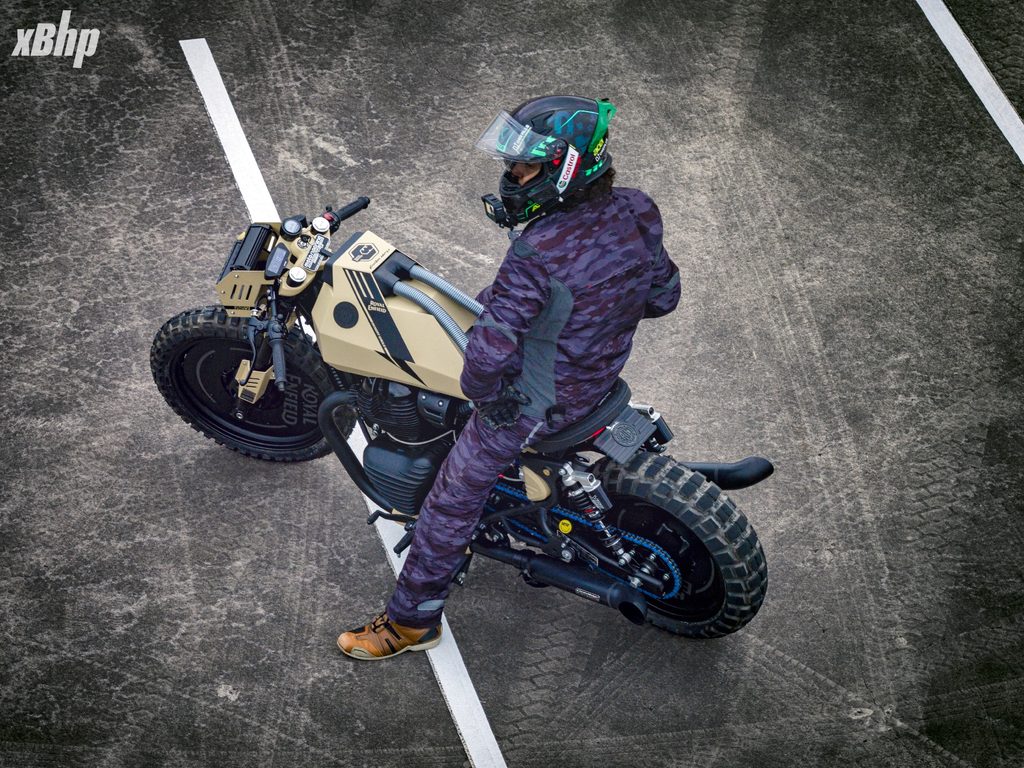
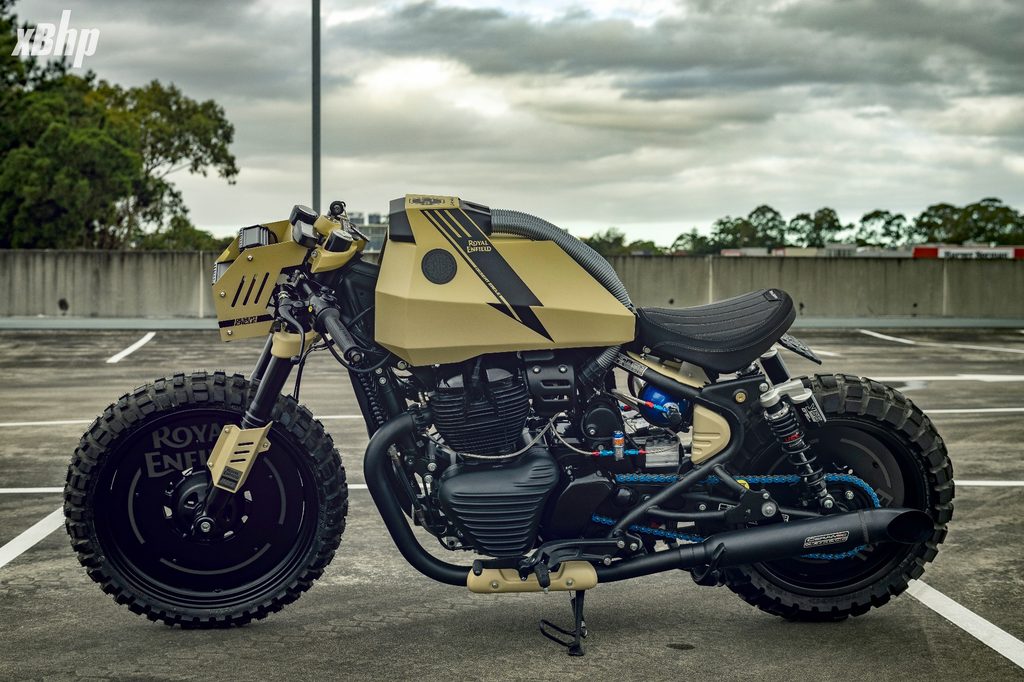
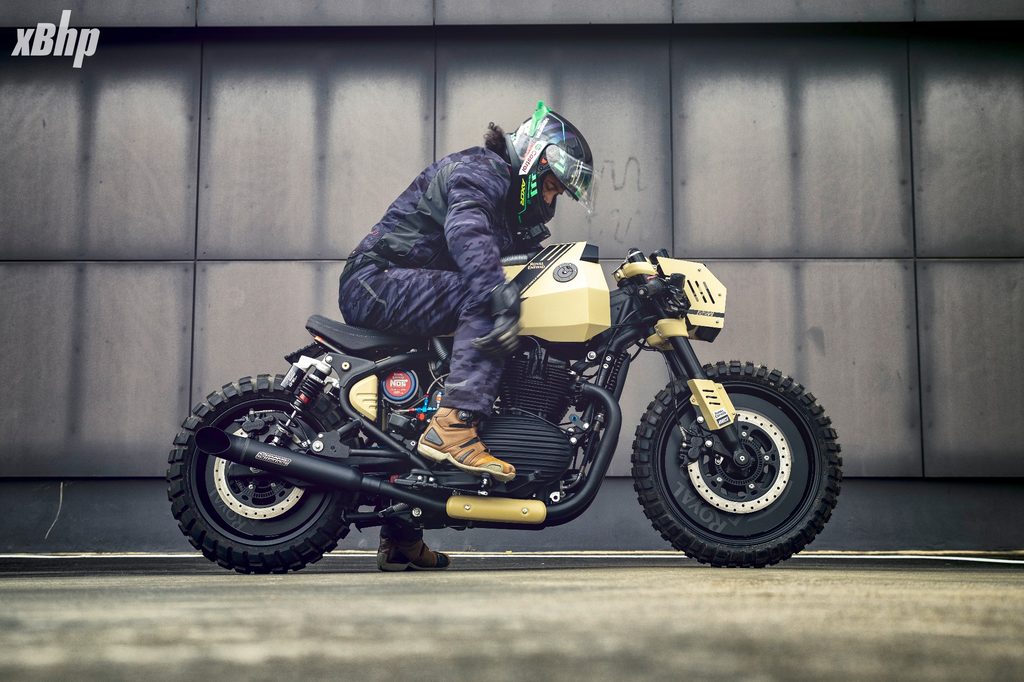
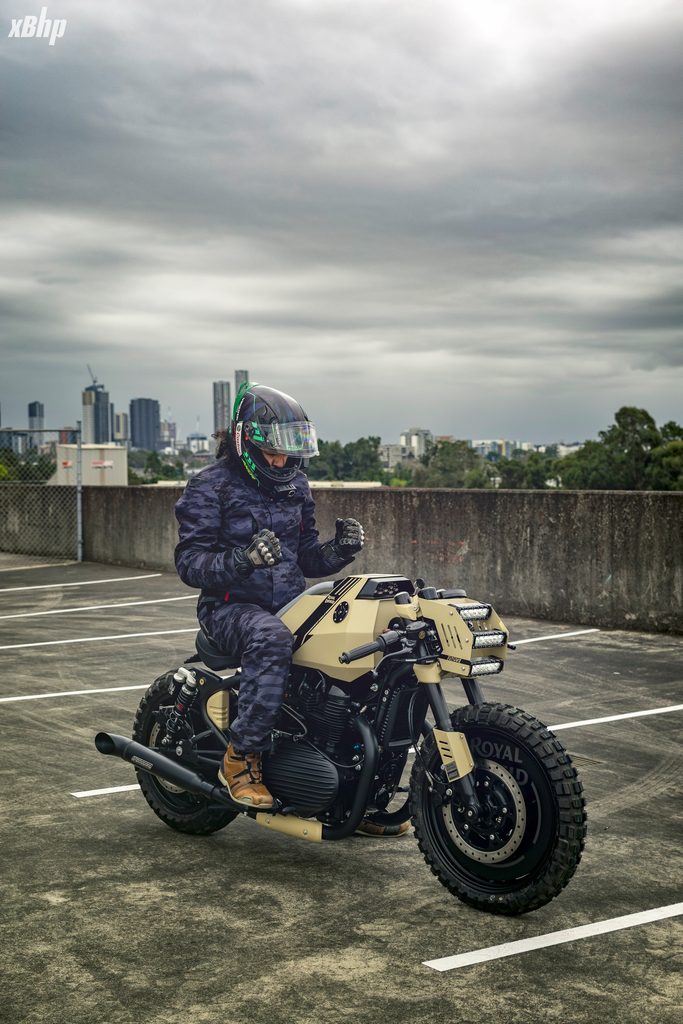
The first thing that grabs your attention is the fuel tank. This isn’t a bolt-on cover or some cosmetic modification over the original tank. It is a fully fabricated steel fuel tank, built from the ground up, with an integrated ram-air duct on top. That duct is inspired by the air scoops found on Dakar and desert rally machines. It helps give the Desert Eagle its slightly post-apocalyptic desert racer-meets-bobber appearance.
The hoses coming out of the tank aren’t there for show either. The air filter elements sit inside the structure, with the air being fed through the hoses and into the throttle bodies. David is quick to point out that the system isn’t really about making more power. It is primarily part of the design, although the bike does breathe through the top-mounted duct.
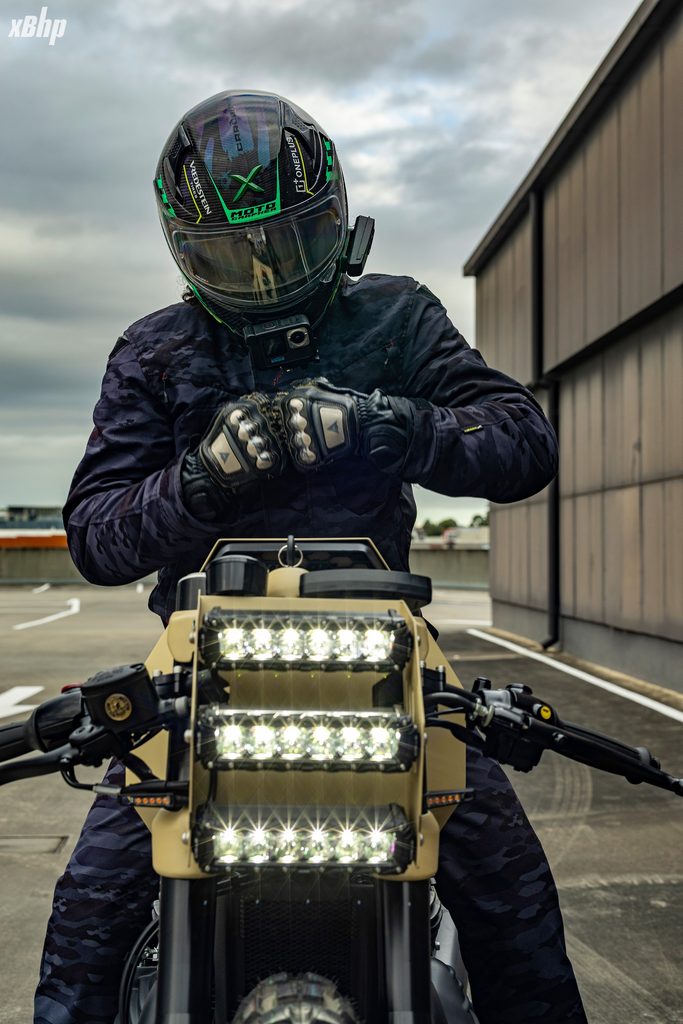
And then there is the rather unusual source of one of its components. The duct itself incorporates a part taken from a vacuum cleaner. It is the sort of detail that tells you a lot about this build. Not everything has to be expensive aftermarket parts. Sometimes you look at something completely unrelated, decide it will work, and make it part of the motorcycle. The overall look is not subtle. At one point while looking at it, we joked that if Batman’s Bane ever became a motorcyclist, this might be what he would ride.
If the Desert Eagle had stopped at the wild bodywork, it would still have been quite a motorcycle. But David and his team wanted to do something mechanically interesting as well. So, sitting on the motorcycle is a two-pound nitrous oxide bottle. The idea was to give the build some mechanical madness to go along with its visual character. Integrating a nitrous system into the engine wasn’t a simple bolt-on exercise, either. When we saw the bike, the engine mapping for the system had not yet been finalised, meaning it would still need to be properly tuned on a dyno before the nitrous could be used.
Then there is the exhaust. The system exits from the side, giving the bike another visual cue that feels more at home on something like a Dodge Viper or a Brabus-built machine than on a Royal Enfield. There is also plenty of fabrication around the bodywork, along with 3D-printed components. Even the wheels get some attention with aero discs that work surprisingly well with the blocky tread pattern of the tyres.
Despite all the changes, there was one thing David and his team were careful about. They didn’t want the Desert Eagle to lose the character of the Shotgun 650. The idea wasn’t to build something that was so heavily modified that you could no longer recognise the motorcycle underneath. Instead, they wanted to take the existing bobber character and make it tougher and more aggressive.
That balance seems to have worked. The Shotgun is still recognisable beneath all the… work. It has simply been pushed into a completely different personality. And the response from India was particularly encouraging for the team. David says the motorcycle had received nearly five million views on Instagram, with a large part of that attention coming from India. Considering the Shotgun is a Royal Enfield motorcycle born in India, there was a certain sense of pride around seeing a bike based on it get this kind of global attention.
We asked David and his team if they expected to win. Their answer was a nonchalant, “Not really.” For their first custom build, the competition was more about challenging themselves to complete the project than beating everyone else. They were hopeful, but the People’s Choice award was something they were genuinely thrilled to receive.
That is one of the reasons why we loved it. This wasn’t a specialist custom builder showing off what it could do with unlimited resources. It was a Royal Enfield dealership taking on something completely new, figuring things out along the way, and working within its own limitations. The most difficult part, according to David, wasn’t necessarily fabricating a particular component. It was coming up with an idea that could actually be built. The possibilities were practically limitless on paper. Reality was a little different. “We had a lot of limitations. We don’t have a lot of tooling,” David explained. Connecting the ideas in his head to something that could actually be made was the real challenge.
Naturally, the next question is what happens to the Desert Eagle now. David would love to see Royal Enfield take the motorcycle around the world and display it at different shows, including potentially bringing it back to India. There were also plenty of other possibilities thrown around while we were standing next to it, from drag racing to various forms of competition.
Although, as David pointed out, it probably isn’t going to make a particularly good race bike. There isn’t enough ground clearance. But that didn’t stop us from coming up with a few ideas of our own. With the right tyres and a trip to Sydney Dragway, the Desert Eagle could make for a rather entertaining machine. And the funny thing is, it would probably look the part no matter what you did with it.
That is what makes this particular Royal Enfield so interesting. There are custom motorcycles that are beautifully finished, and there are others that are technically impressive. The Desert Eagle manages to be both, while still having enough madness about it to make you stop and stare. For a first attempt by a dealership that doesn’t even consider itself a custom builder, that is quite an achievement.
And now that Moto Machine has won the People’s Choice with its first build, we’re left wondering what David and his team are going to come up with the next time they decide to bust their knuckles!