Since '02 xBhp is different things to different people. From a close knit national community of
bikers to India's only motorcycling lifestyle magazine and a place to make like-minded biker
friends. Join us
xBhp was born more than 16 years ago and since then we've had a chance to ride or drive hundreds of machines
running on two wheels or four wheels, and sometimes even three wheels. We are not done yet, and this list is
still growing. In these pages, we take a deep dive in the treasure trove of our ride experiences and bring
you all that we have ridden or driven.
Machines Done 424
|
Total Cubic Capacity 177549
|
BHP 54589
TVS Orbiter Review | Future of Urban Mobility?
N/ACCN/ABHPN/ANM
Oct 2025
xBhp
Scooters,TVS
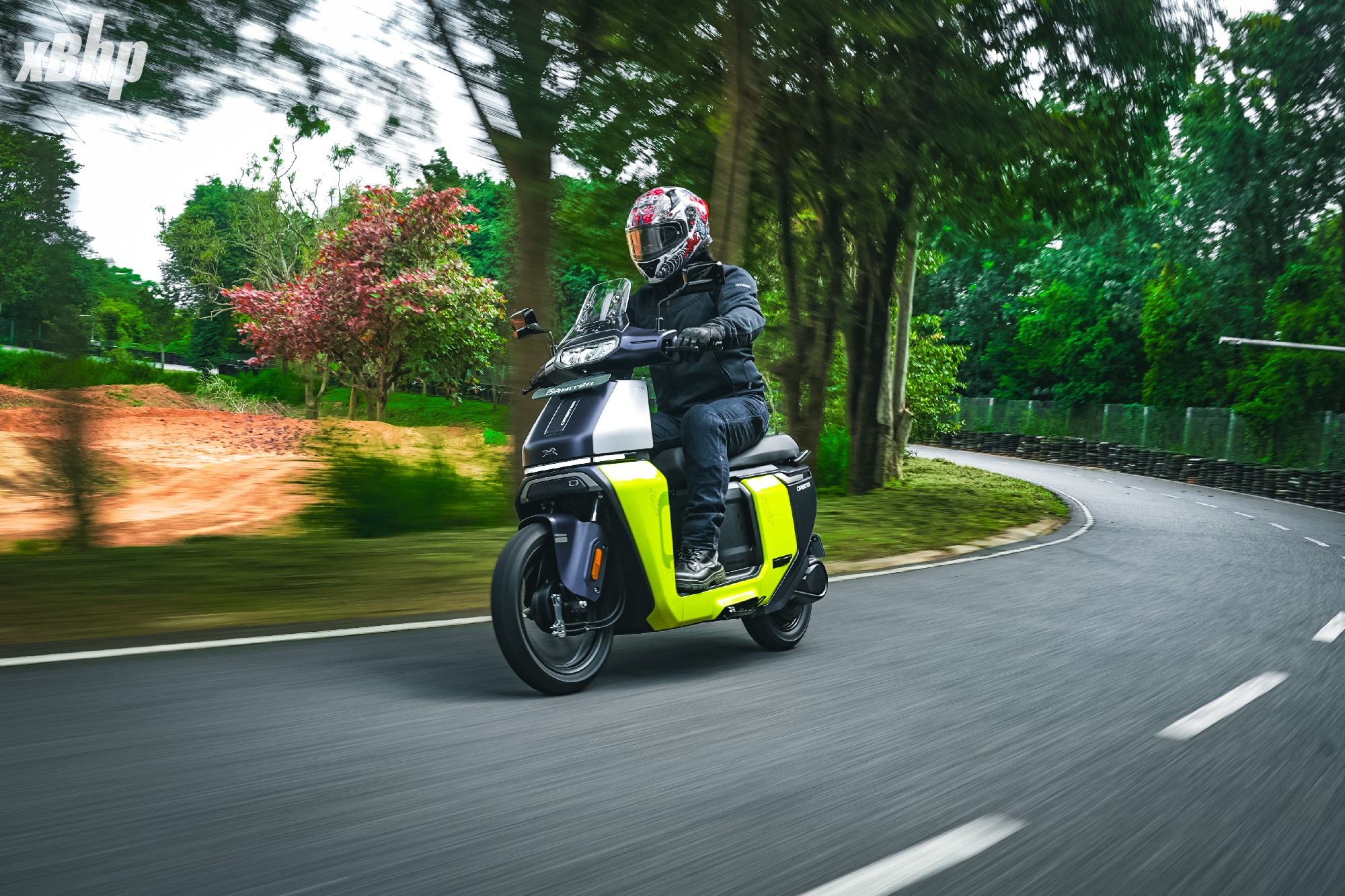
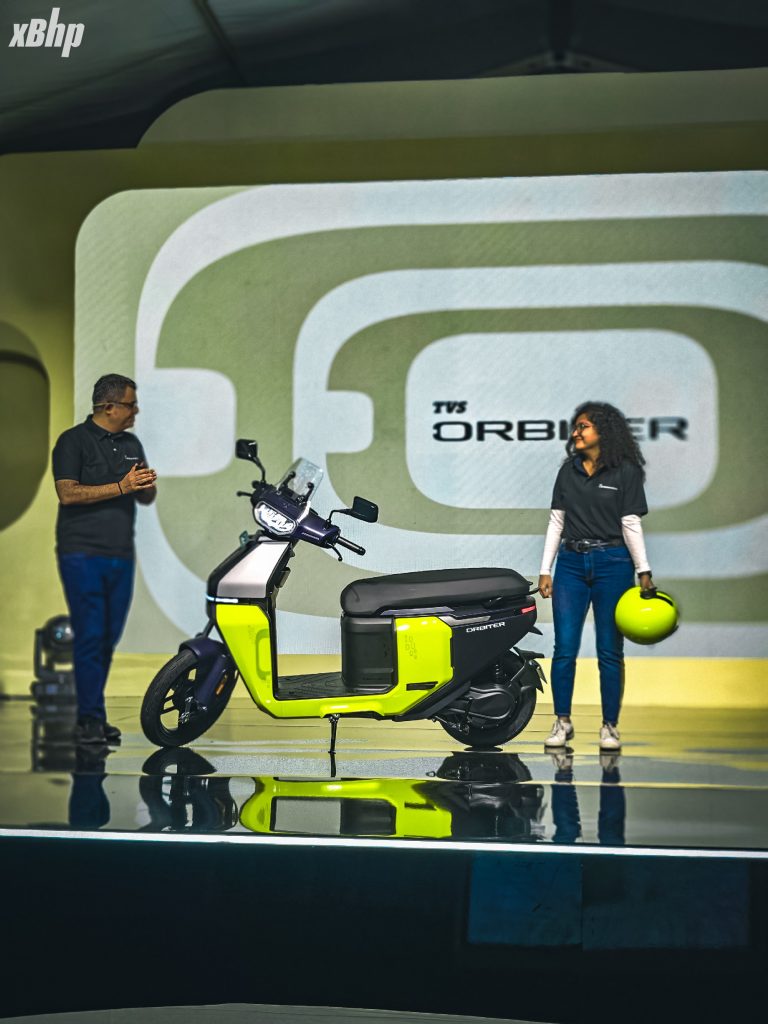
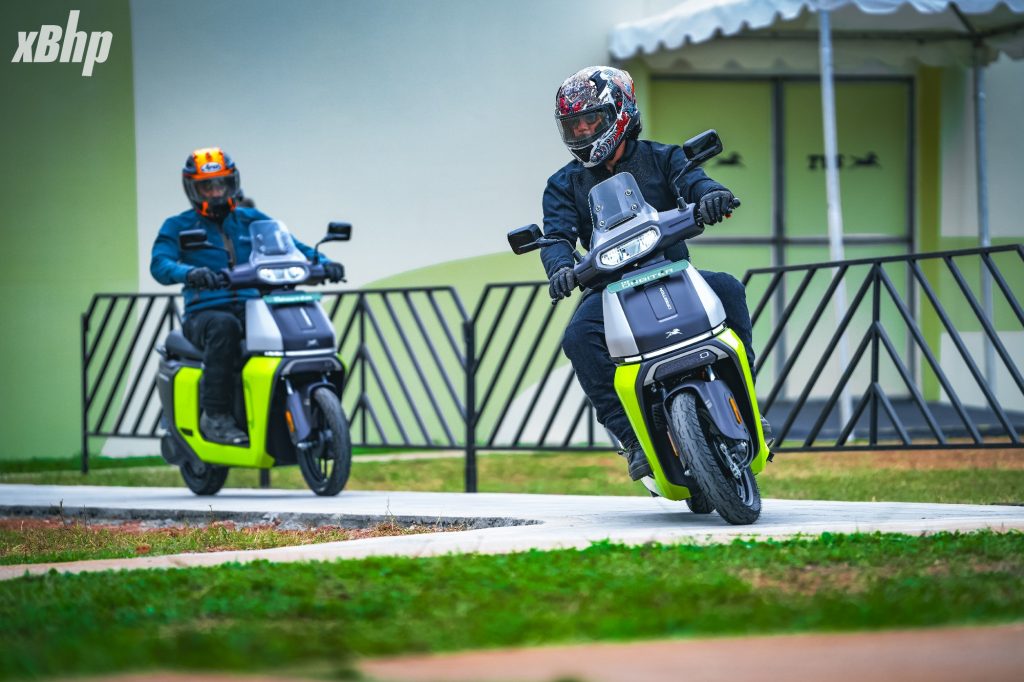
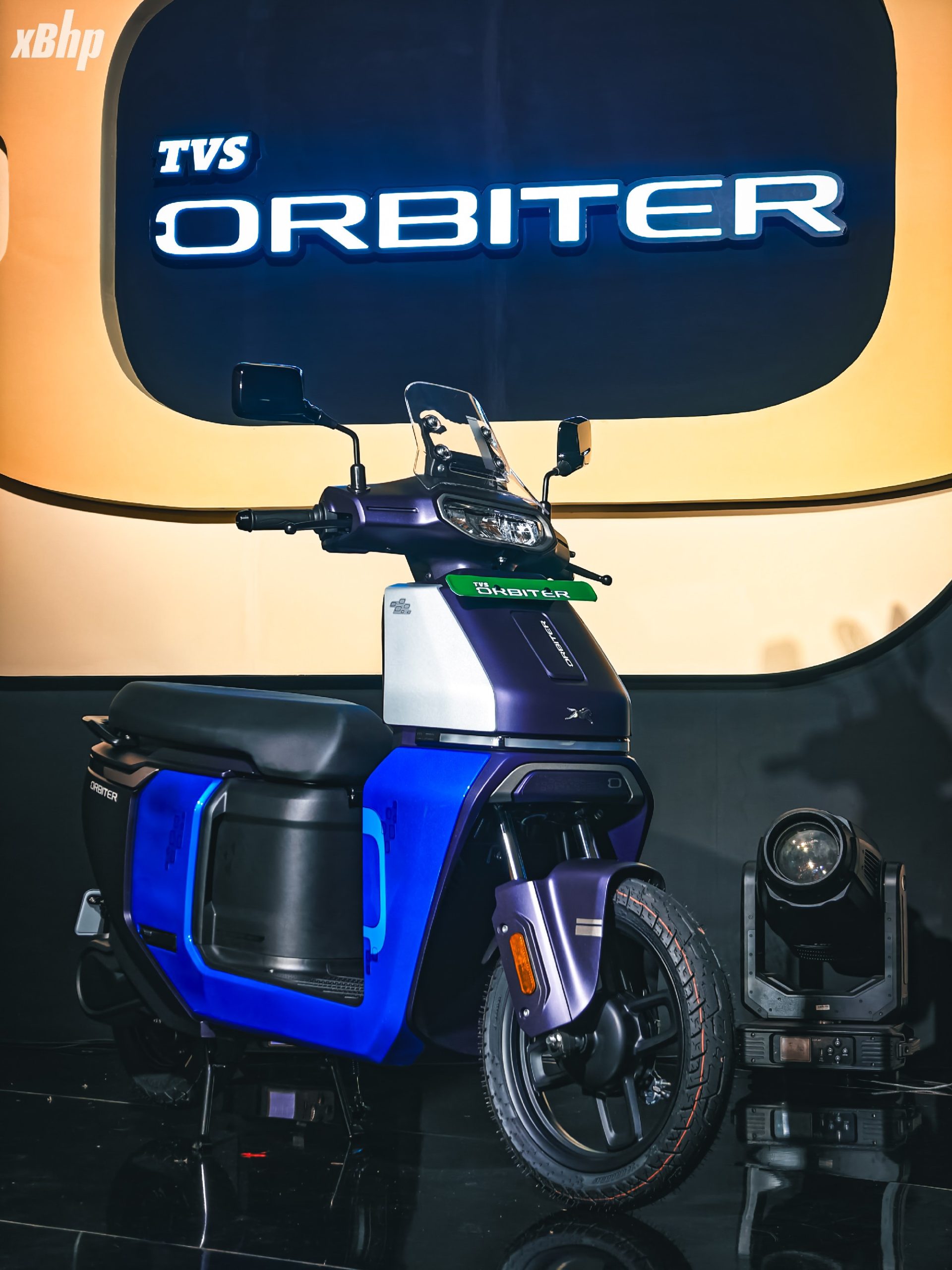
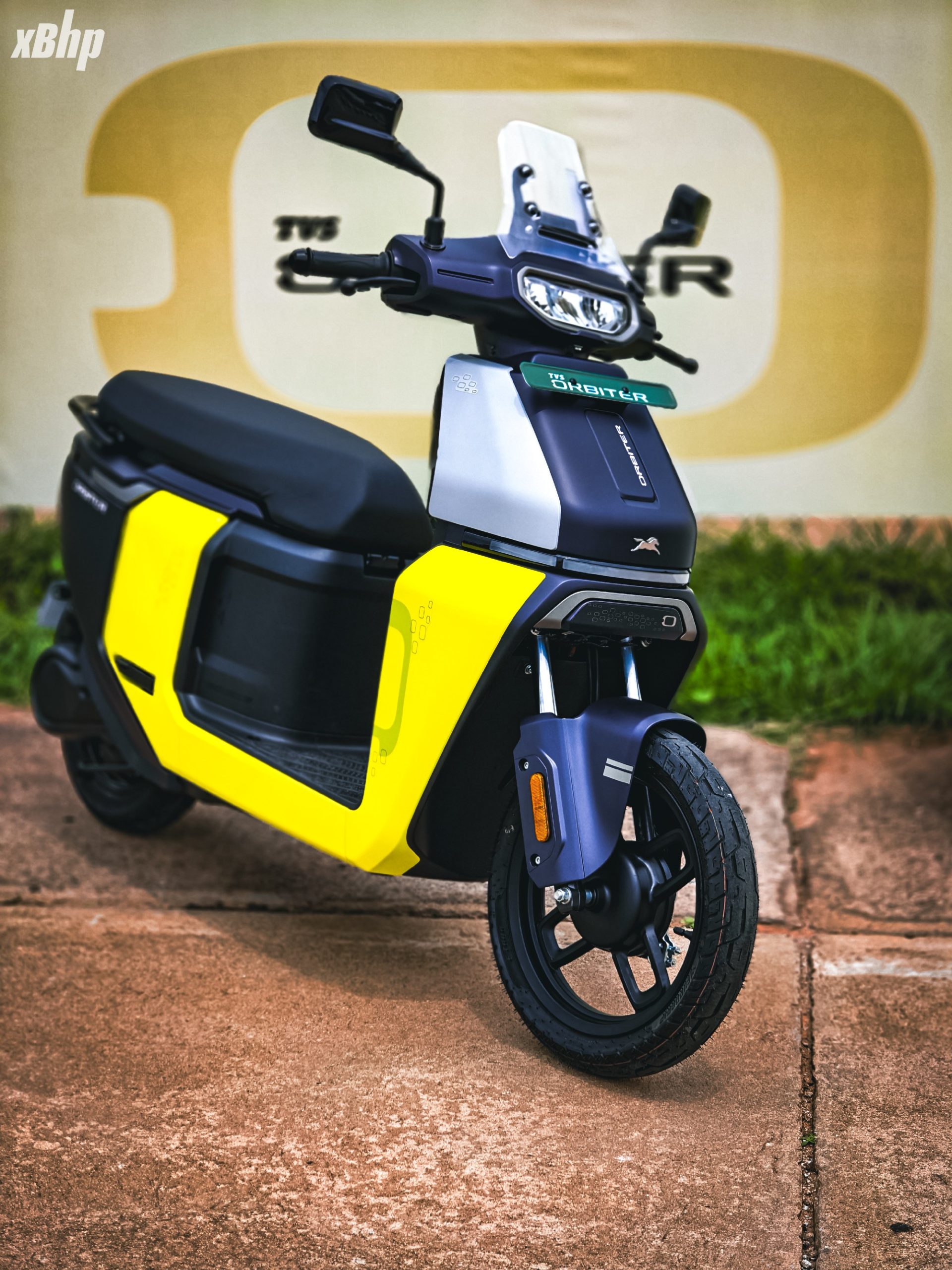
When I first swung my leg over the TVS Orbiter at TVS’s Bangalore facility, it didn’t feel like just another EV launch. It felt like TVS had put its foot down and said, this is how everyday electric commuting in India should be. Practical, smart, and approachable.
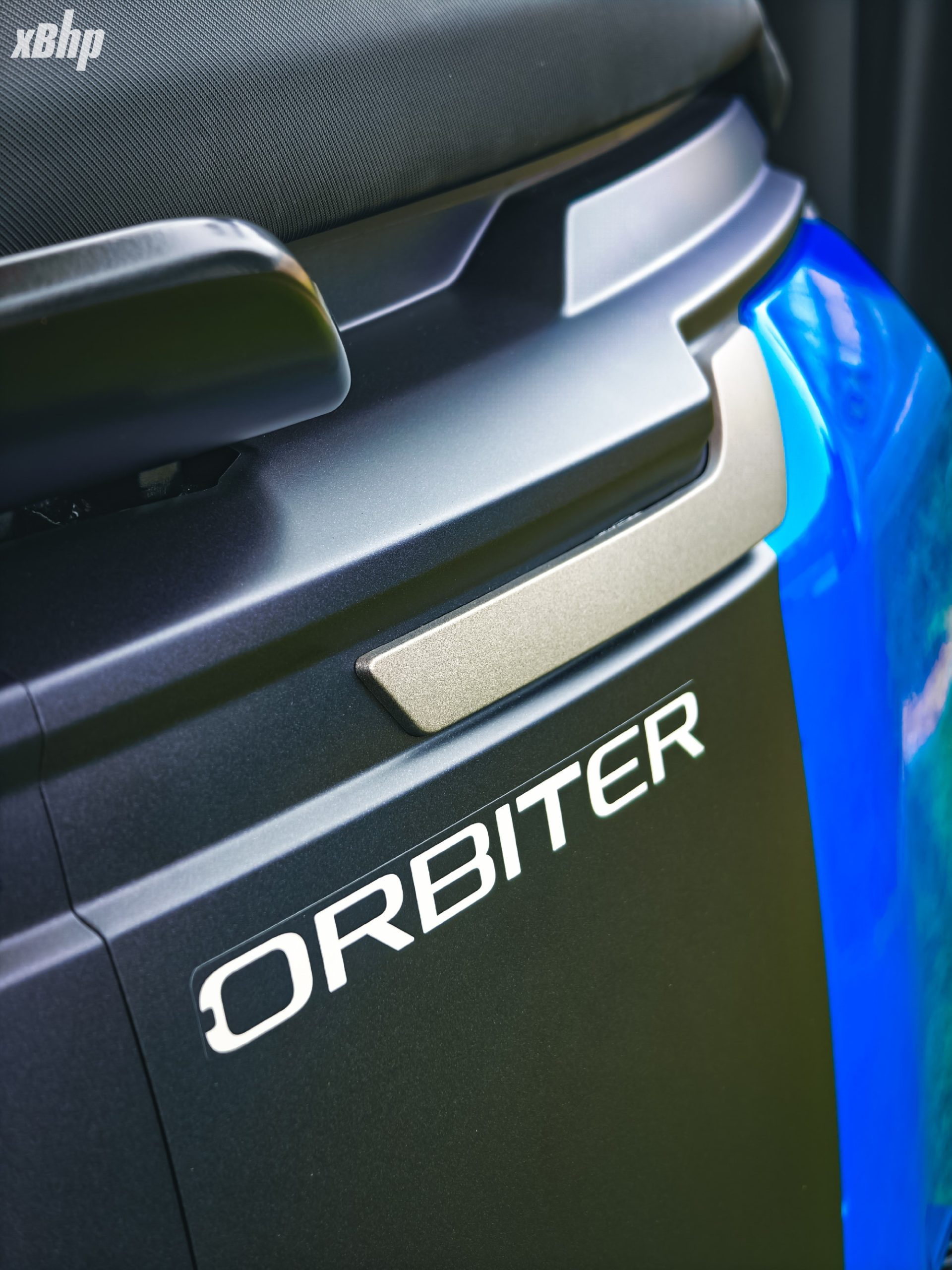
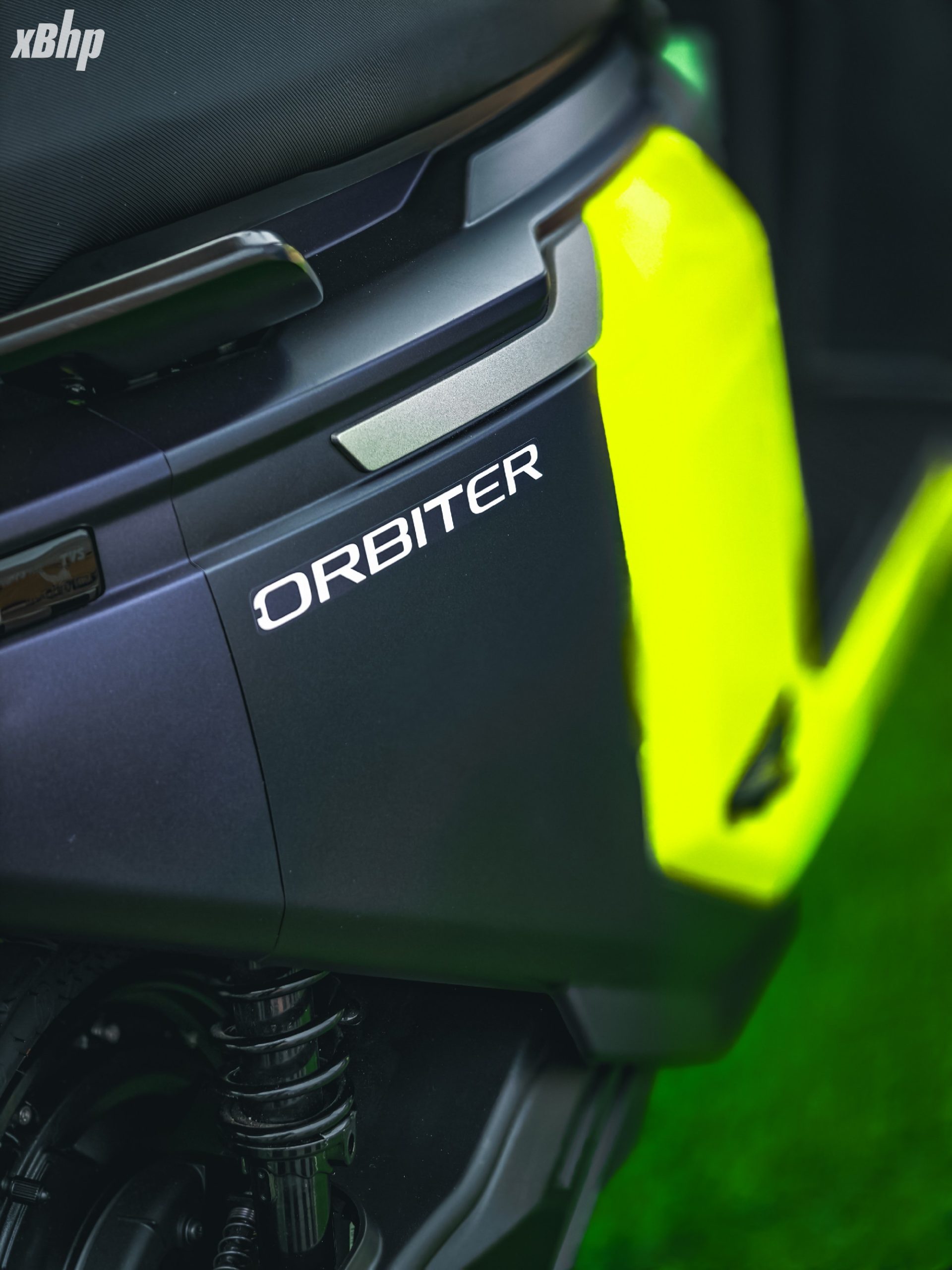
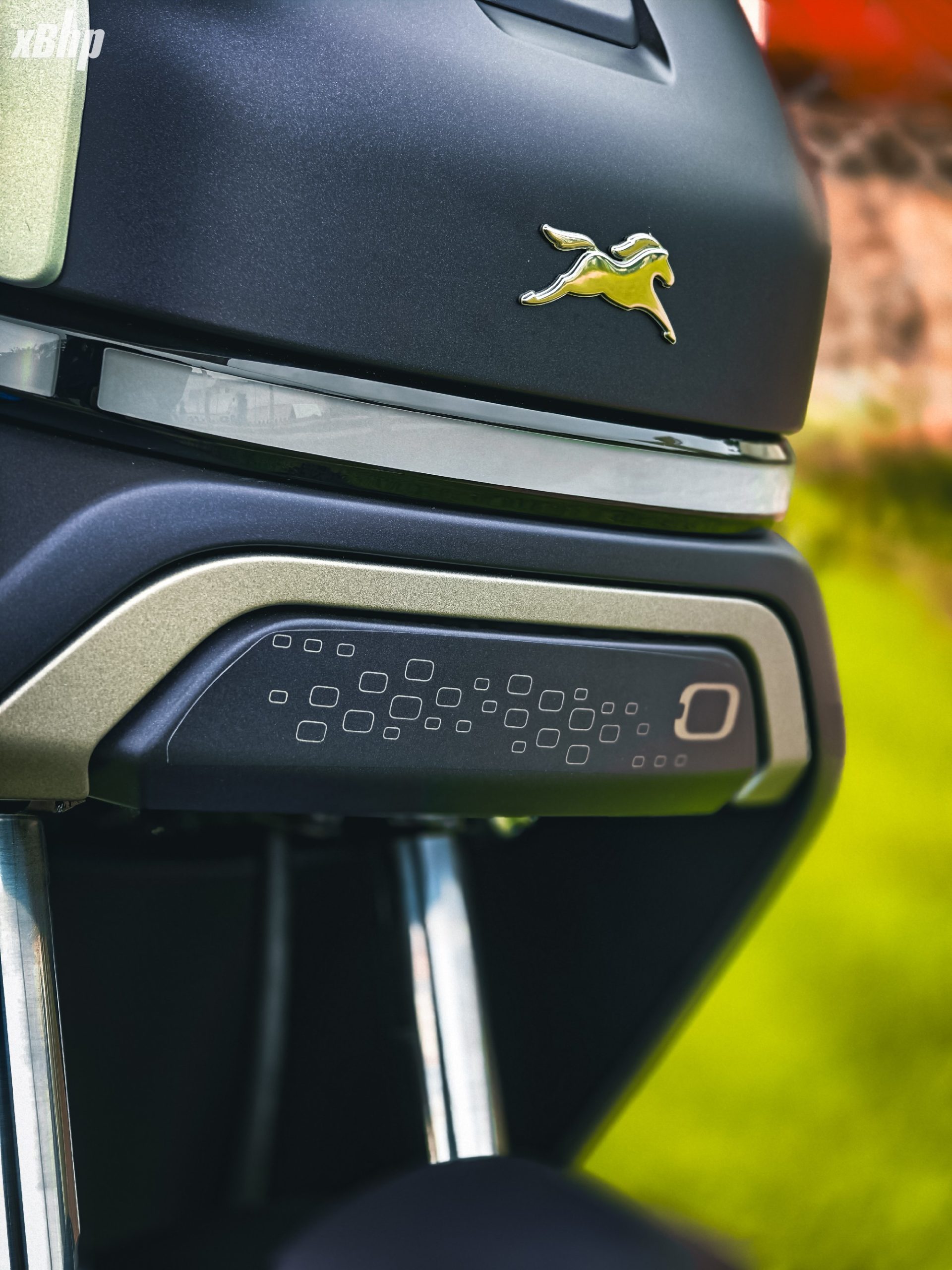
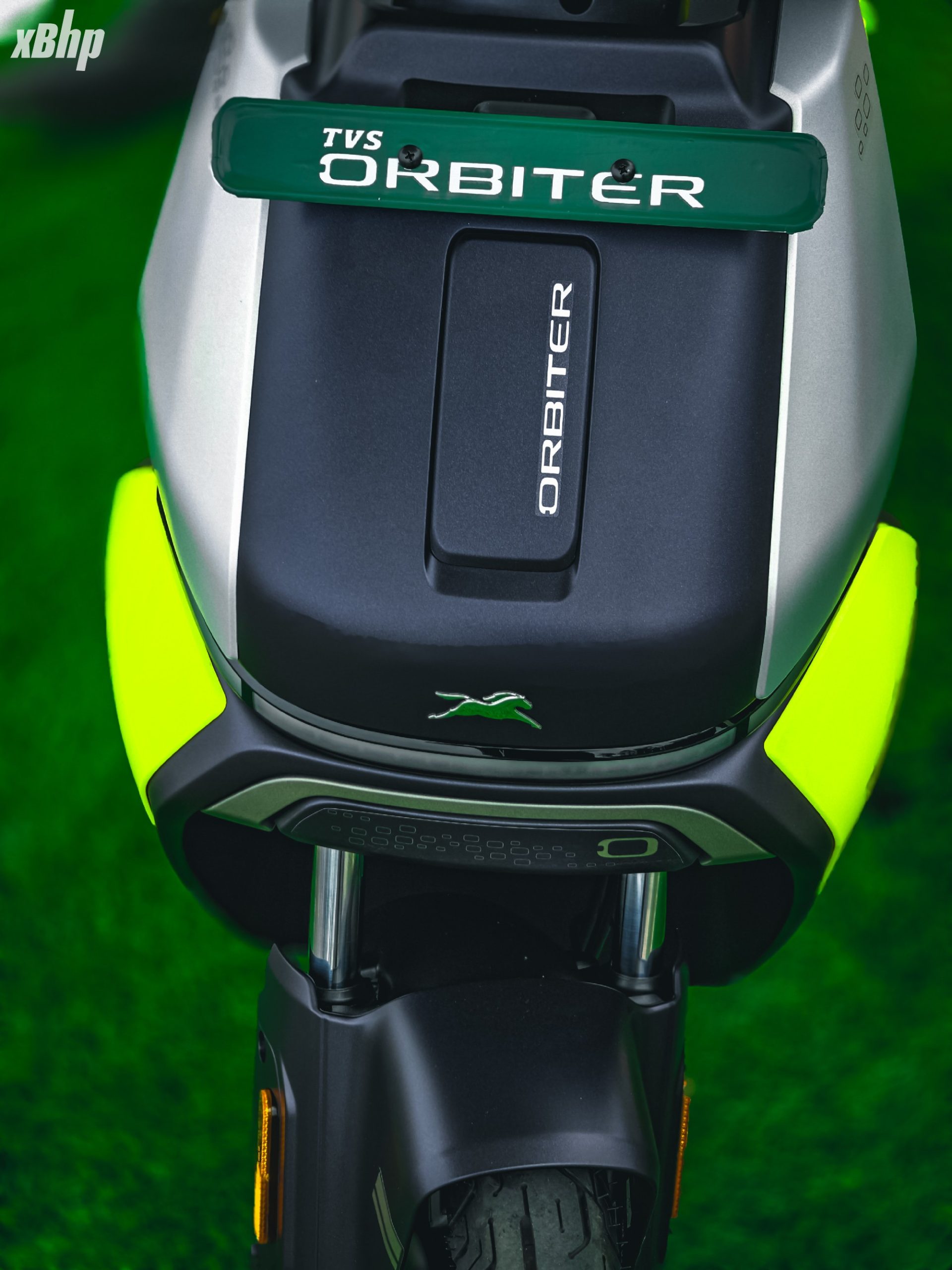
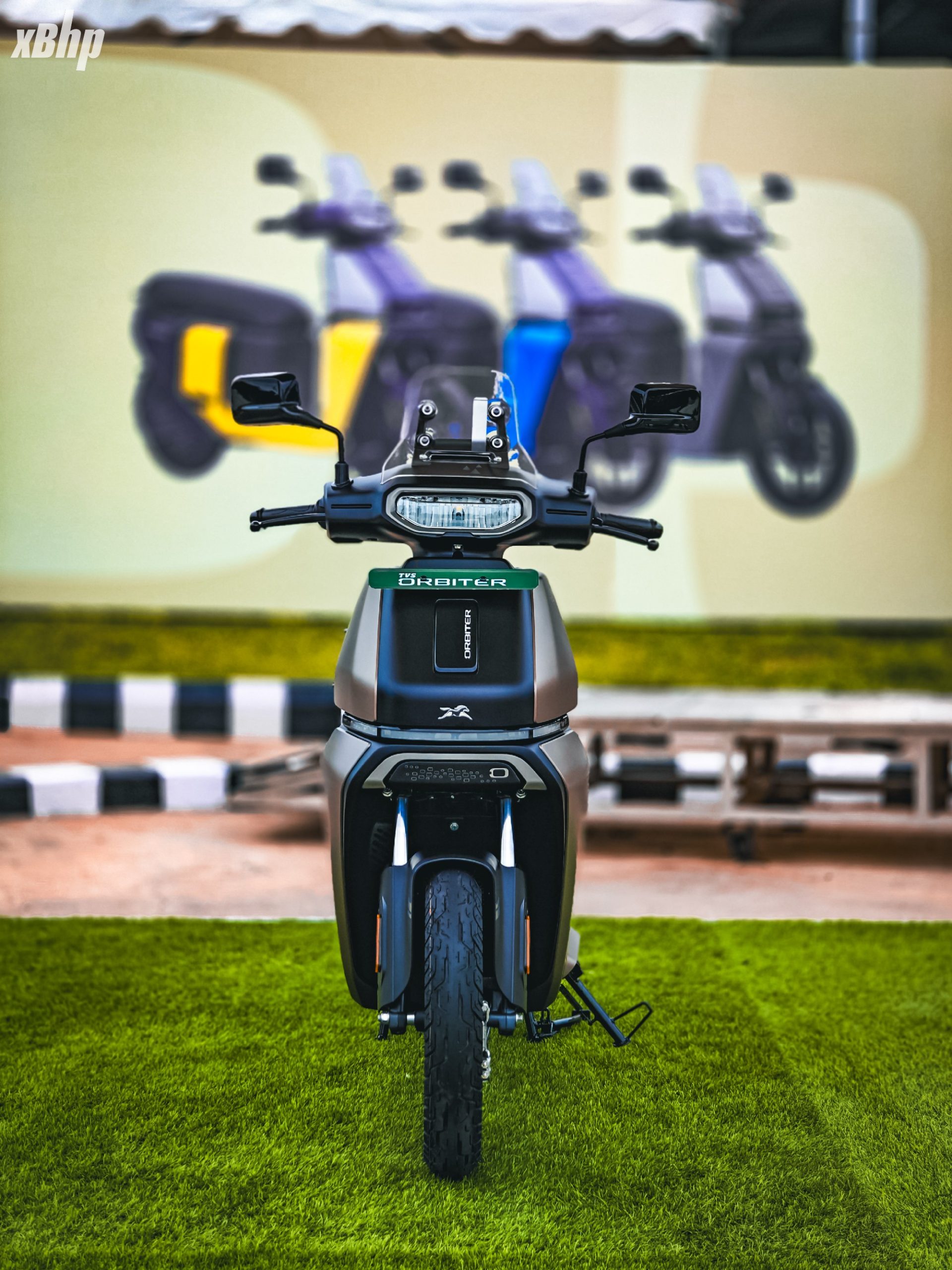
No lofty price tags, no quirky gimmicks, just a proper scooter with the quiet confidence to get the job done. And from the very first moment, that confidence was tangible. The design language reflects it perfectly: sharp, clean, functional, yet understated, without shouting for attention.
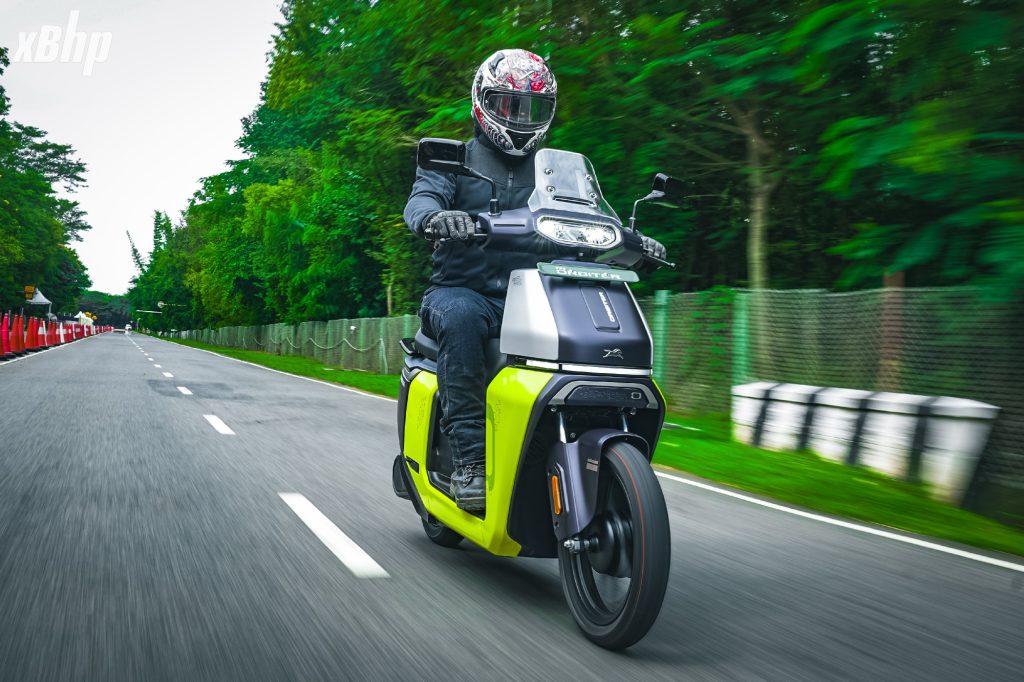
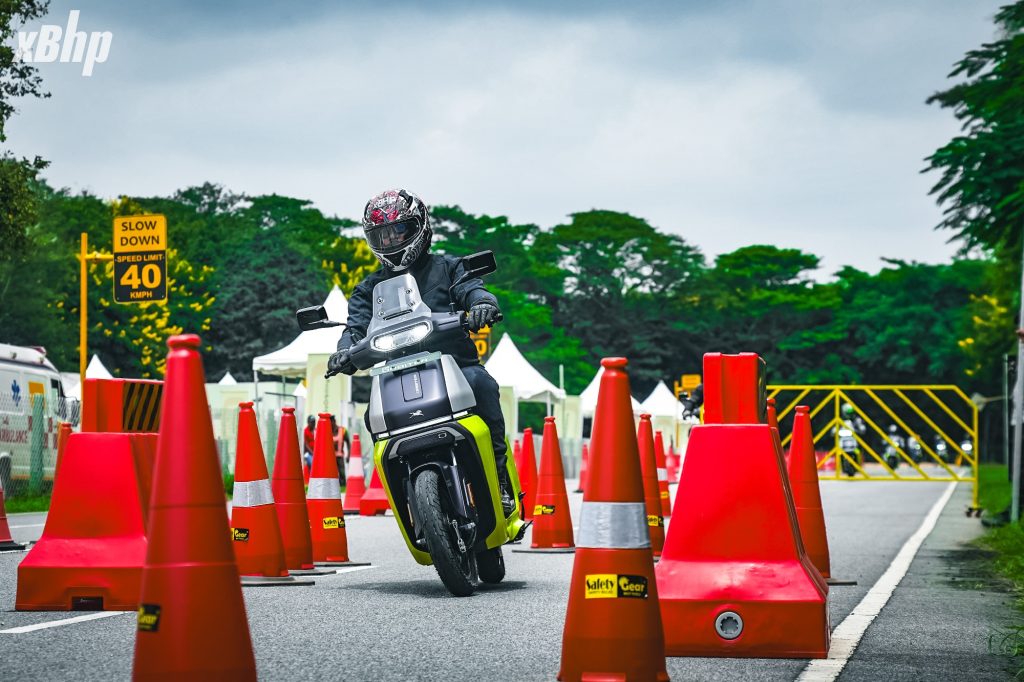
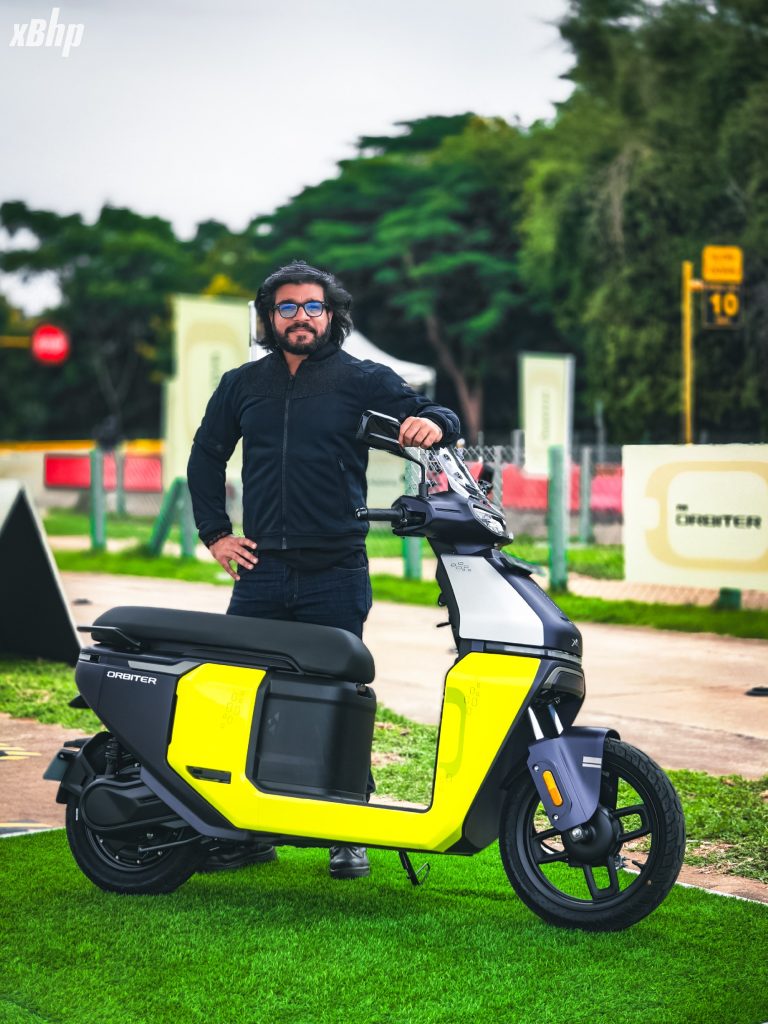
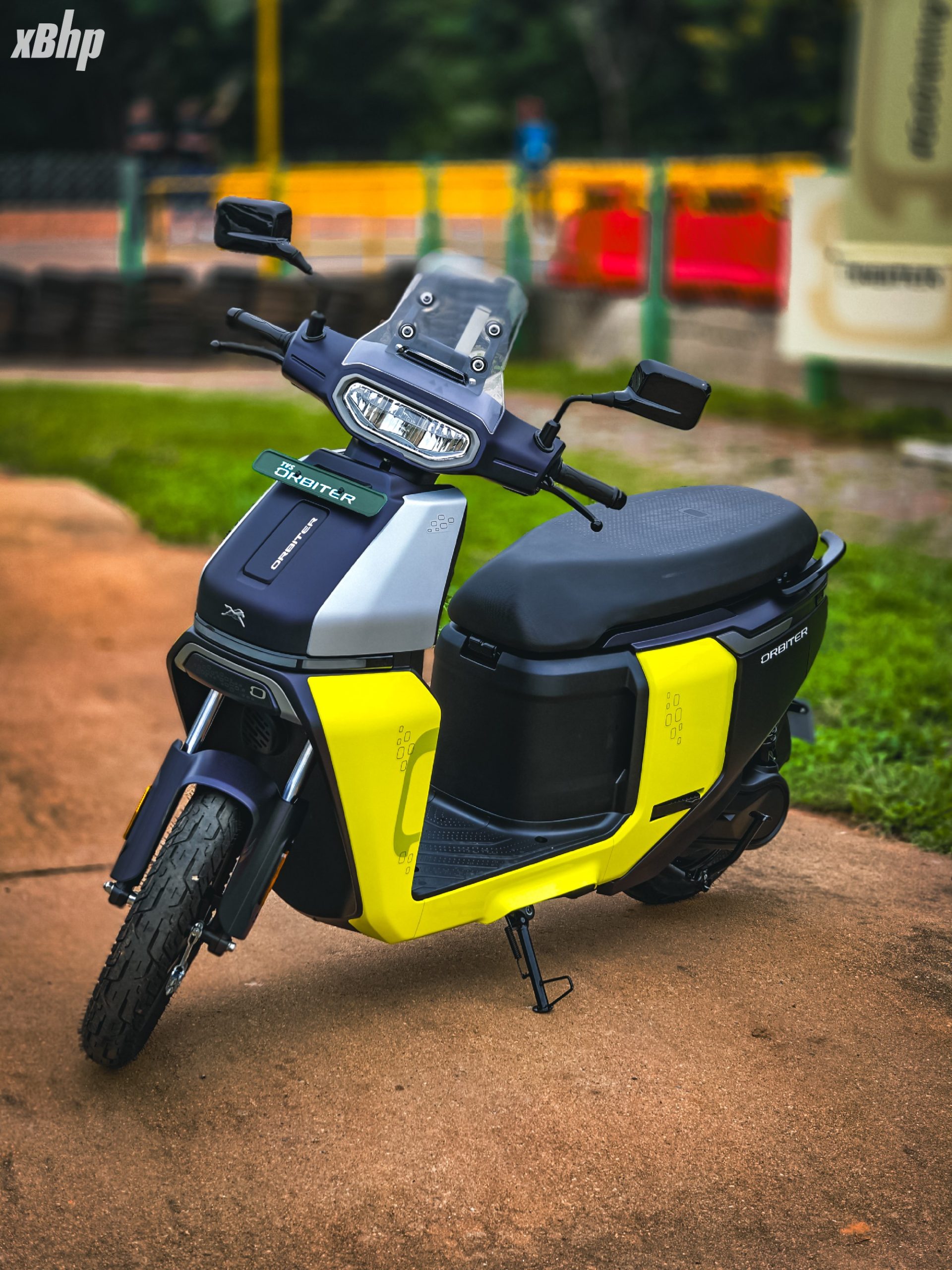
At 1,850 mm long and 734 mm wide, the Orbiter feels compact but not fragile. Perched at 1,294 mm with a rider-friendly 763 mm seat height, it fits a wide range of riders comfortably. At over 5’9”, I had plenty of room for my knees and elbows, without ever feeling cramped. The kerb weight of 112 kg makes it light enough to manoeuvre through peak-hour Bangalore traffic, yet substantial enough that it doesn’t feel nervous at speed.
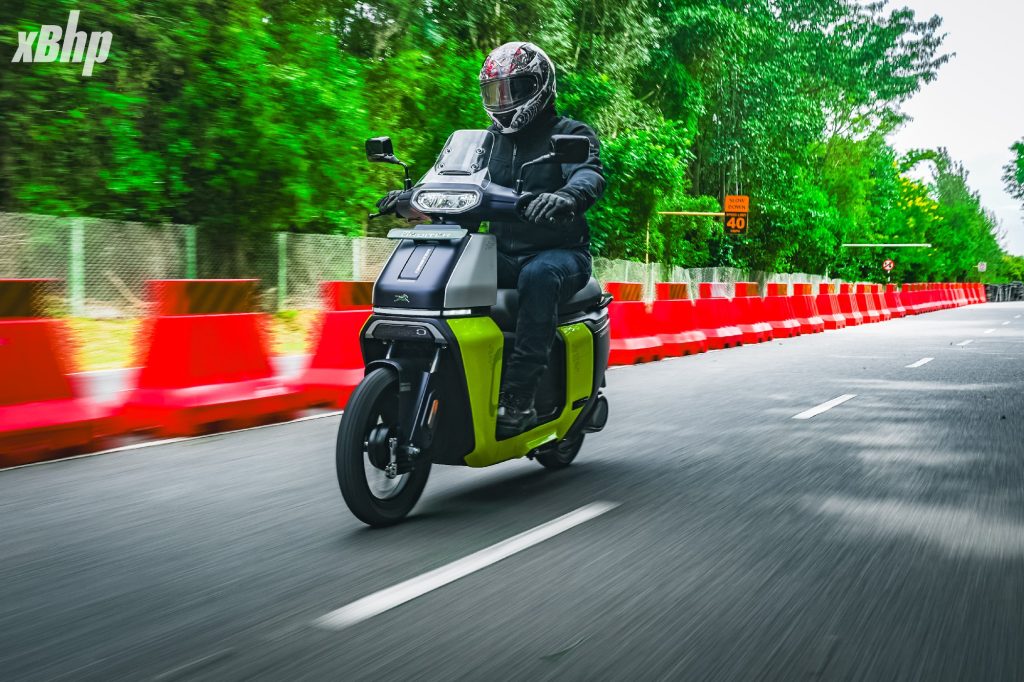
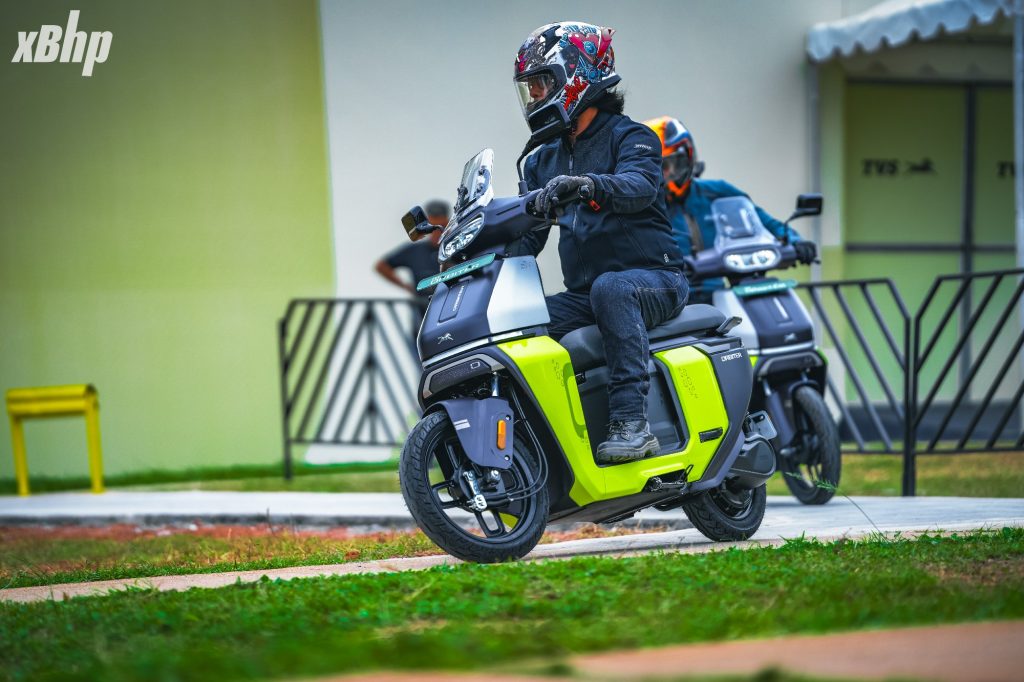
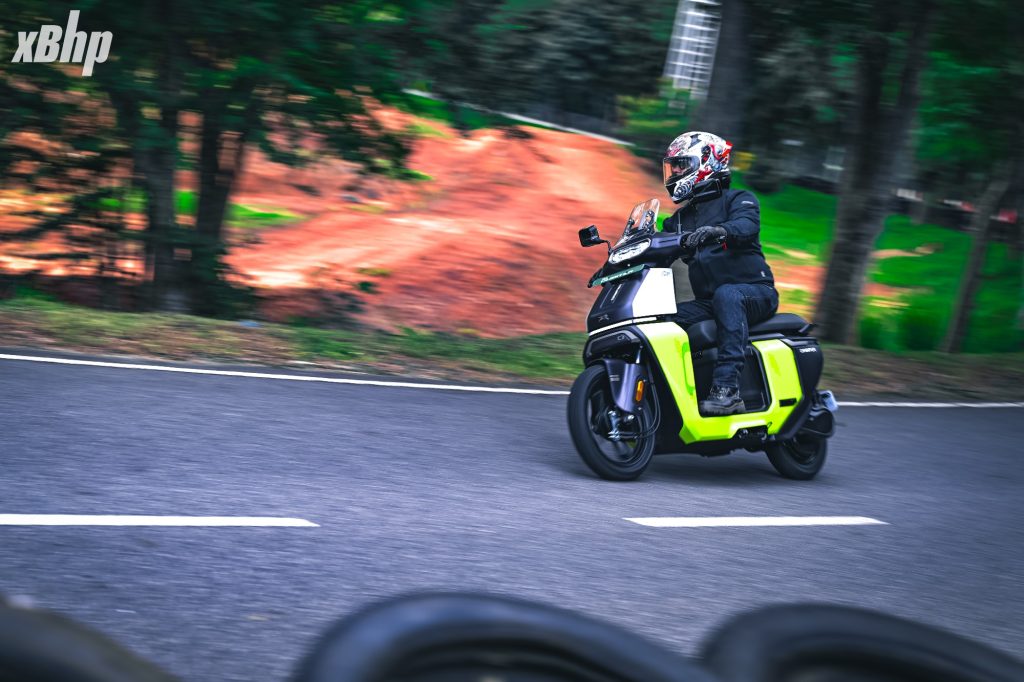
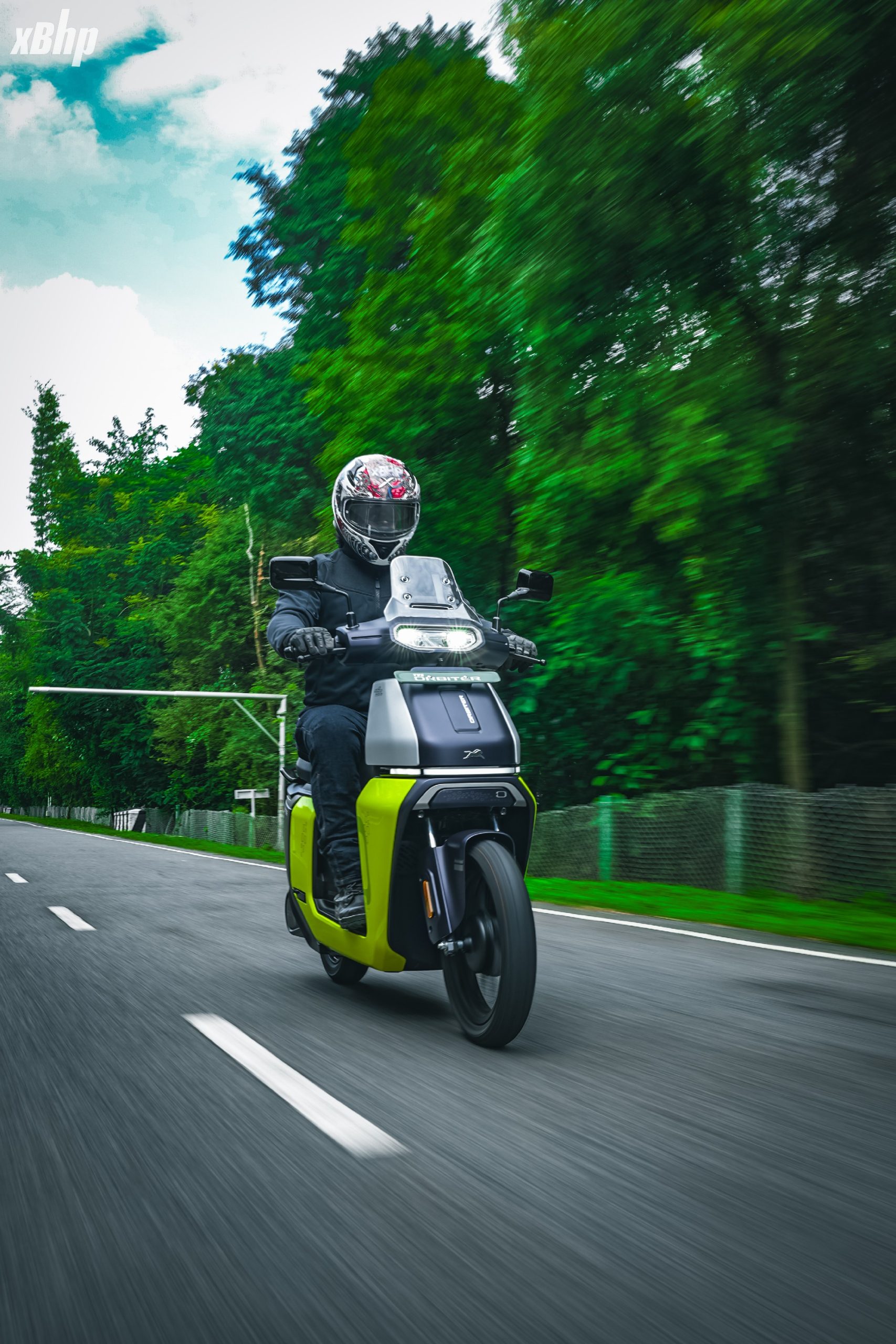
The fourth collaboration between xBhp and Axor brings to you the xBhp-Axor Bionic helmet. Based on the tried and tested Axor Apex platform, the helmet promises top-notch safety, comfort, and style that is augmented by the graphics symbolizing the connection between man and machine, the bond of flesh and metal that this helmet brings to life everytime you take your beloved machine out for a ride.
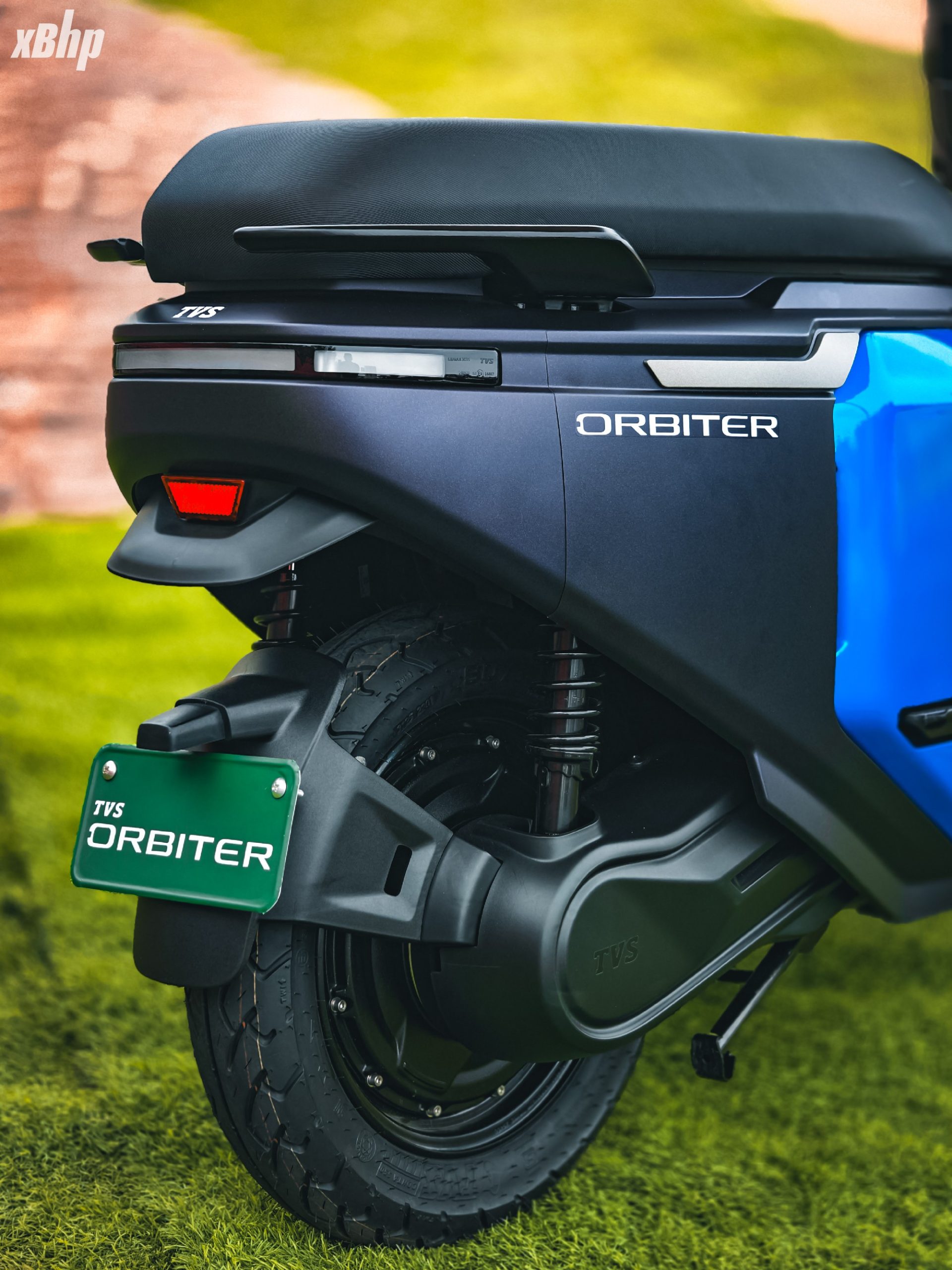
With an 845 mm-long seat, both I and a pillion would be comfortable, and 165 mm of ground clearance keeps the Orbiter from scraping over even the most aggressive speed breakers. The steel-tube frame underpins this practicality with durability and agility, showing that TVS designed it with real Indian roads in mind.
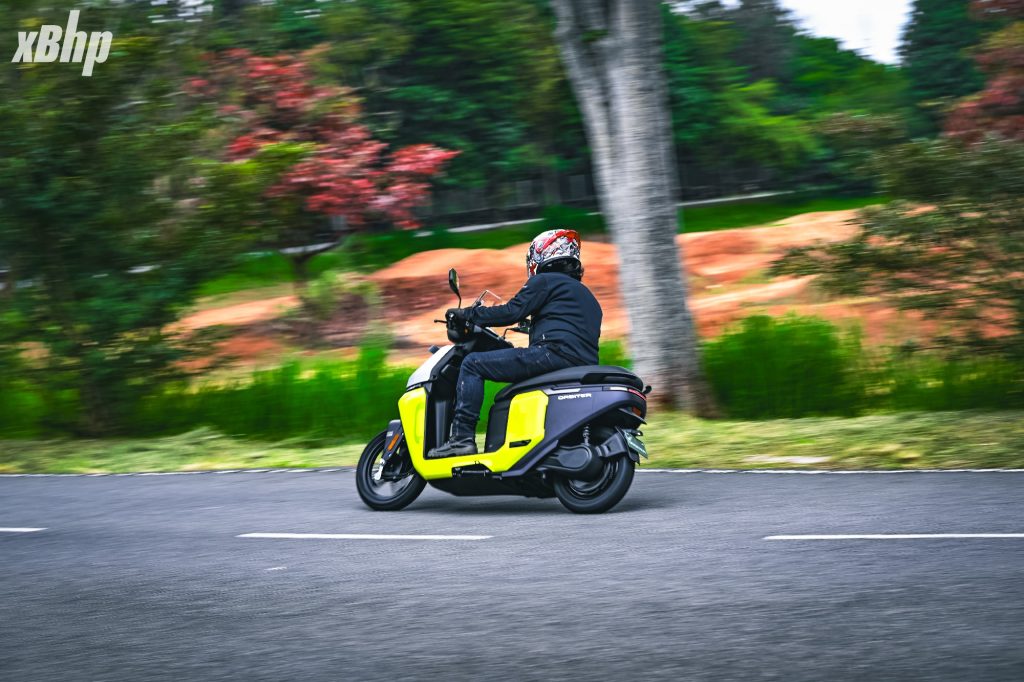
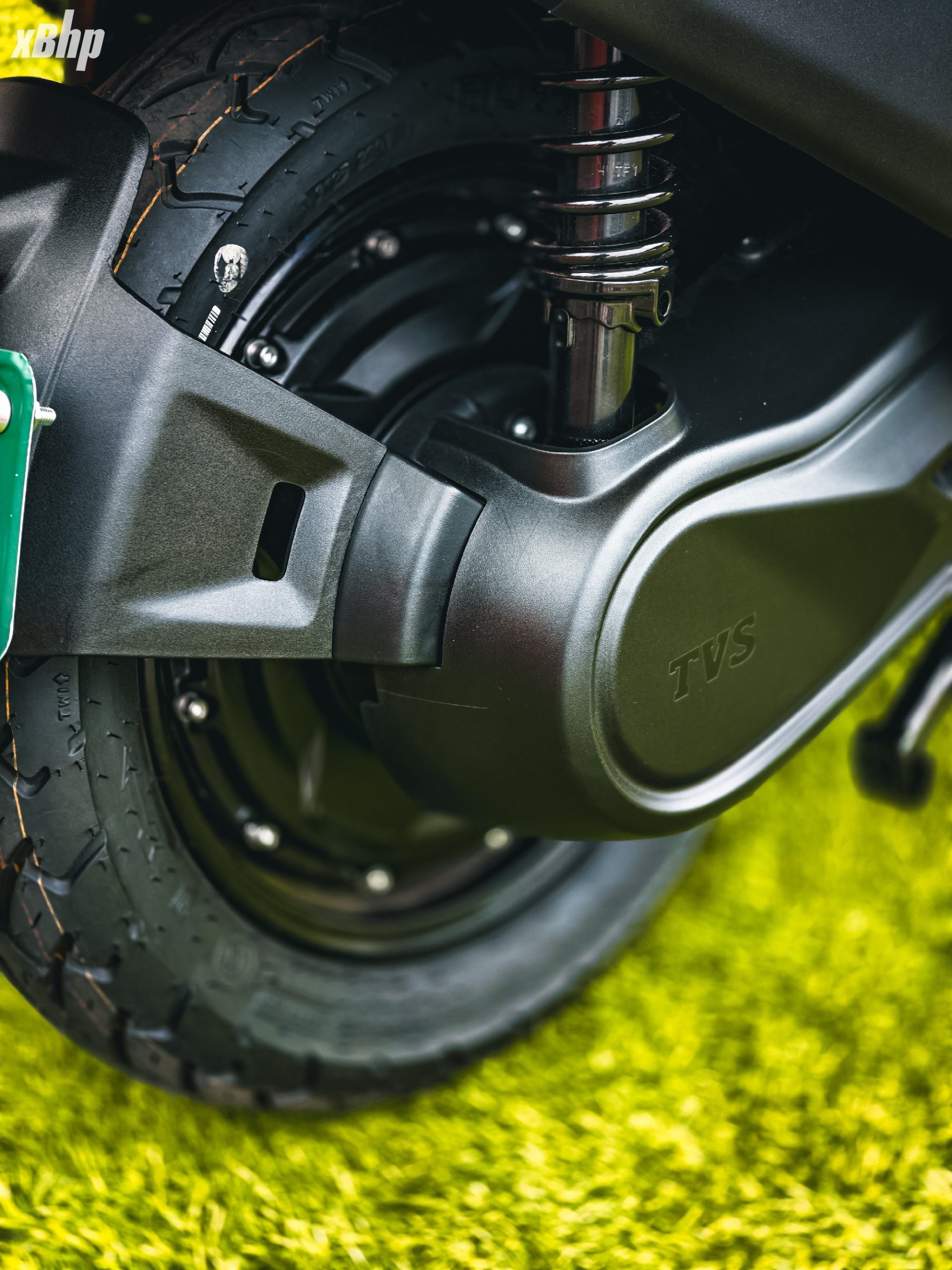
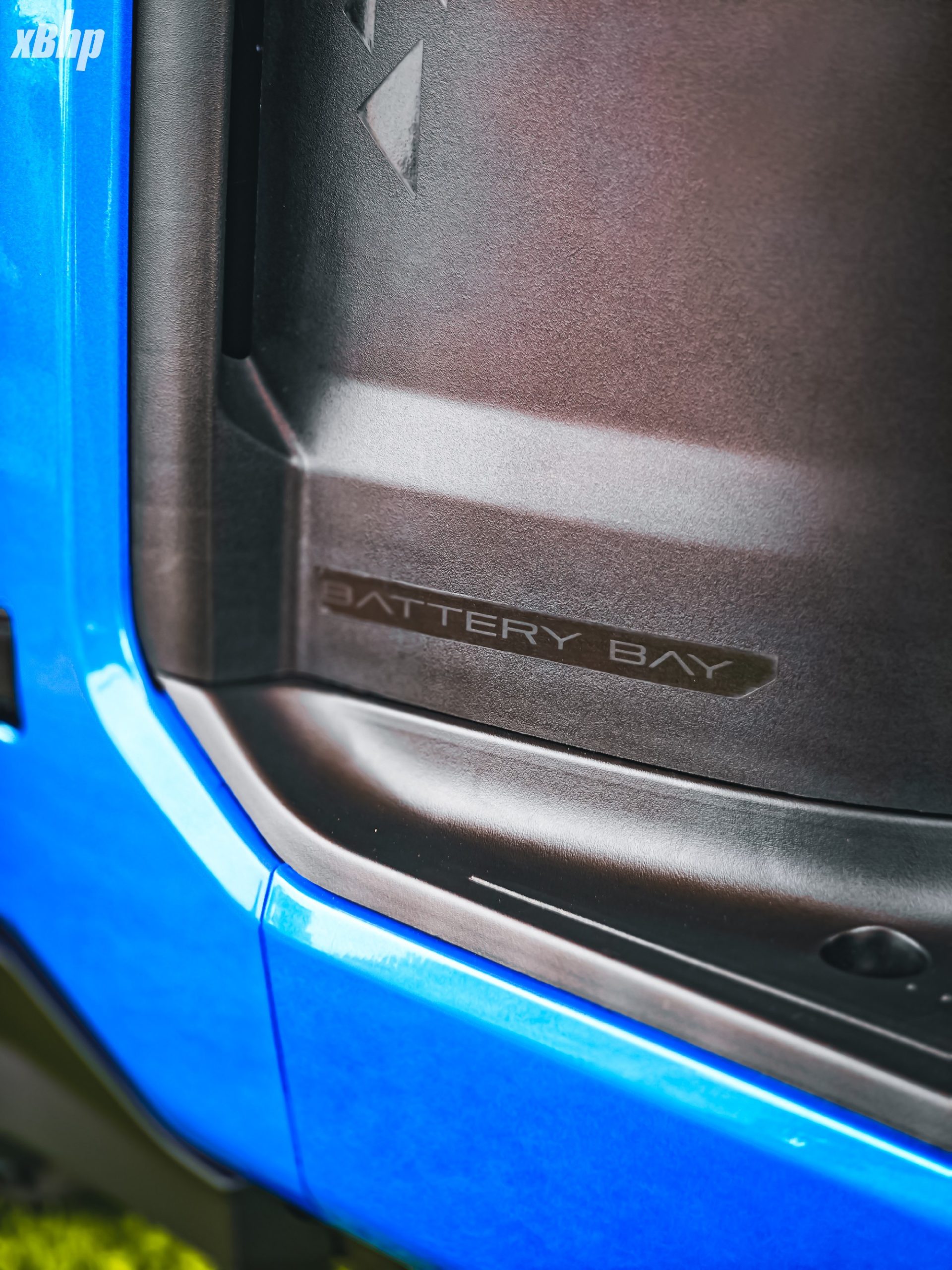
The heart of the Orbiter is a 3.1 kWh lithium-ion battery, IP67-rated against dust and water, promising resilience through monsoons and dusty streets. Paired with a 2.5 kW BLDC hub motor, it delivers a silent, linear surge of power that’s both predictable and confidence-inspiring. Twist the throttle, and the scooter glides forward with no chains rattling or belts whining, a stark reminder that EV simplicity can be rewarding.
It isn’t going to pin me back in my seat, but a 0–40 km/h sprint in 6.8 seconds feels lively enough in urban conditions. Two ride modes, Eco for conserving range and City for unleashing its 68 km/h top speed, allow me to pick the right balance depending on traffic and terrain. Even inclines are handled confidently, thanks to a 7° gradeability at 20 km/h with a 150 kg payload.
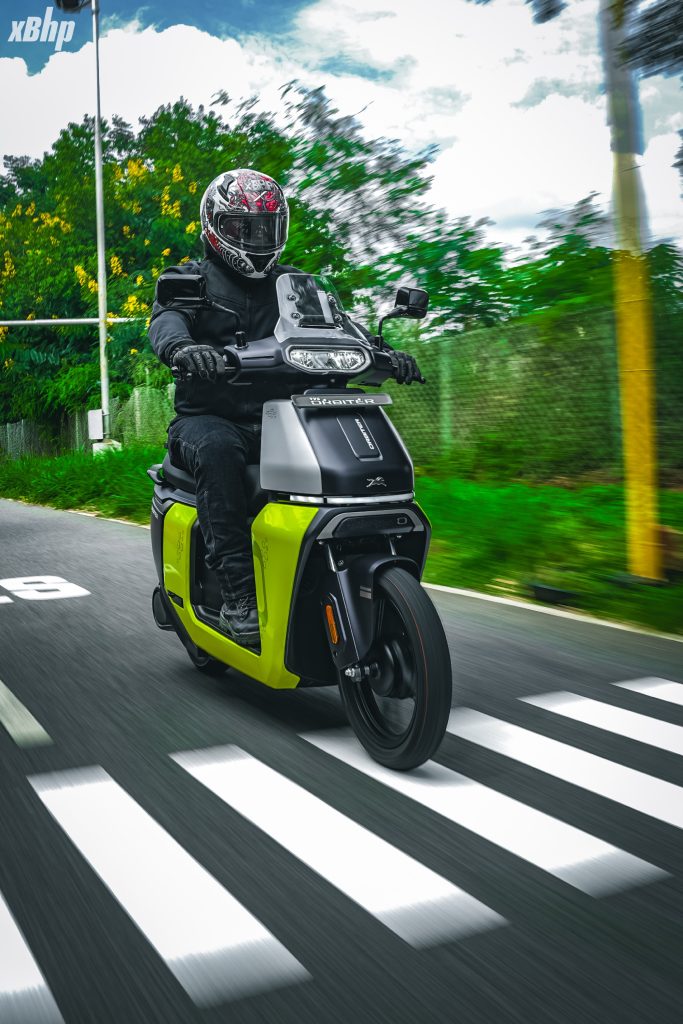
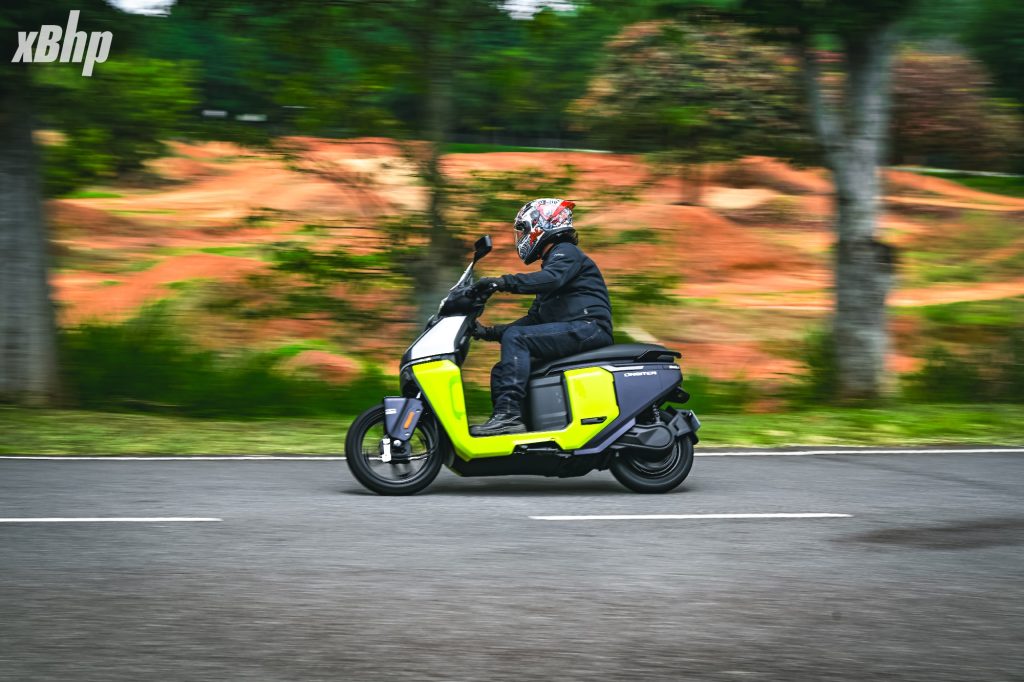
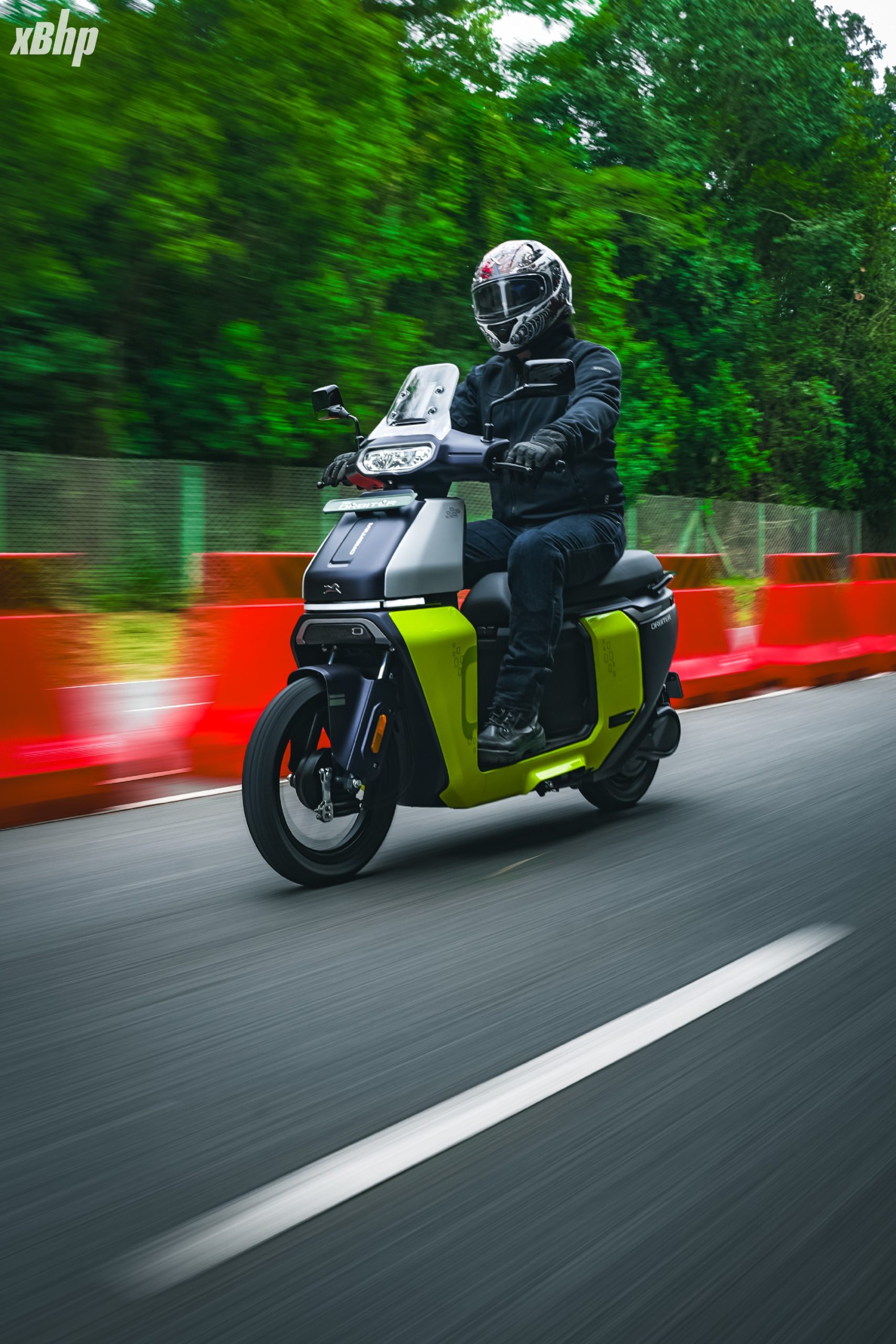
The riding gear seen here comes from Rynox, and these three are perfect for everyday rides and even longer hauls. The Downtown Pro Jacket, the Downtown Pro Motorcycle Jeans, and the Urban Pro 2 Gloves are a stellar combination that blend comfort, everyday usability and protection in a package that makes you stand out from the crowd!
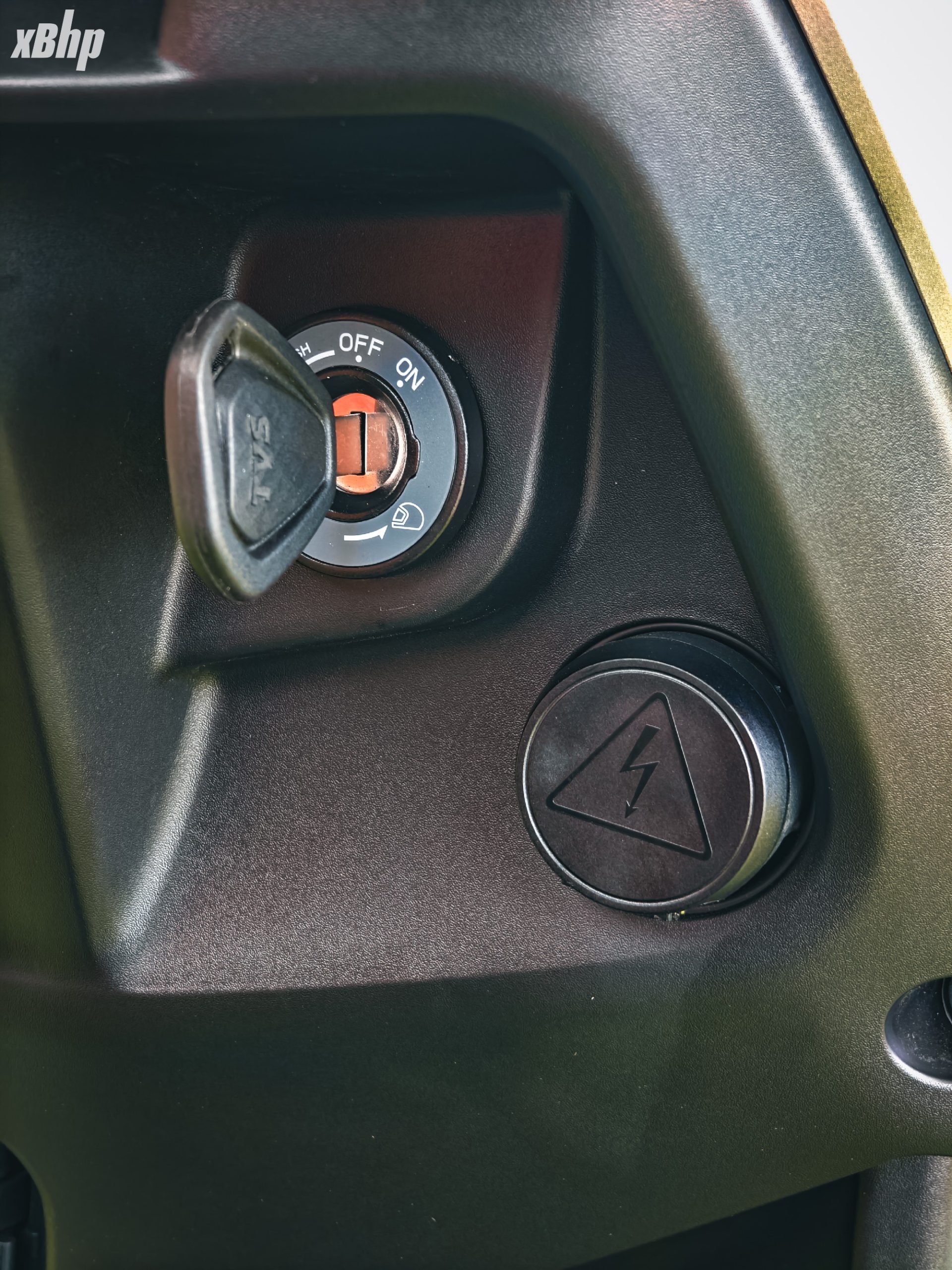
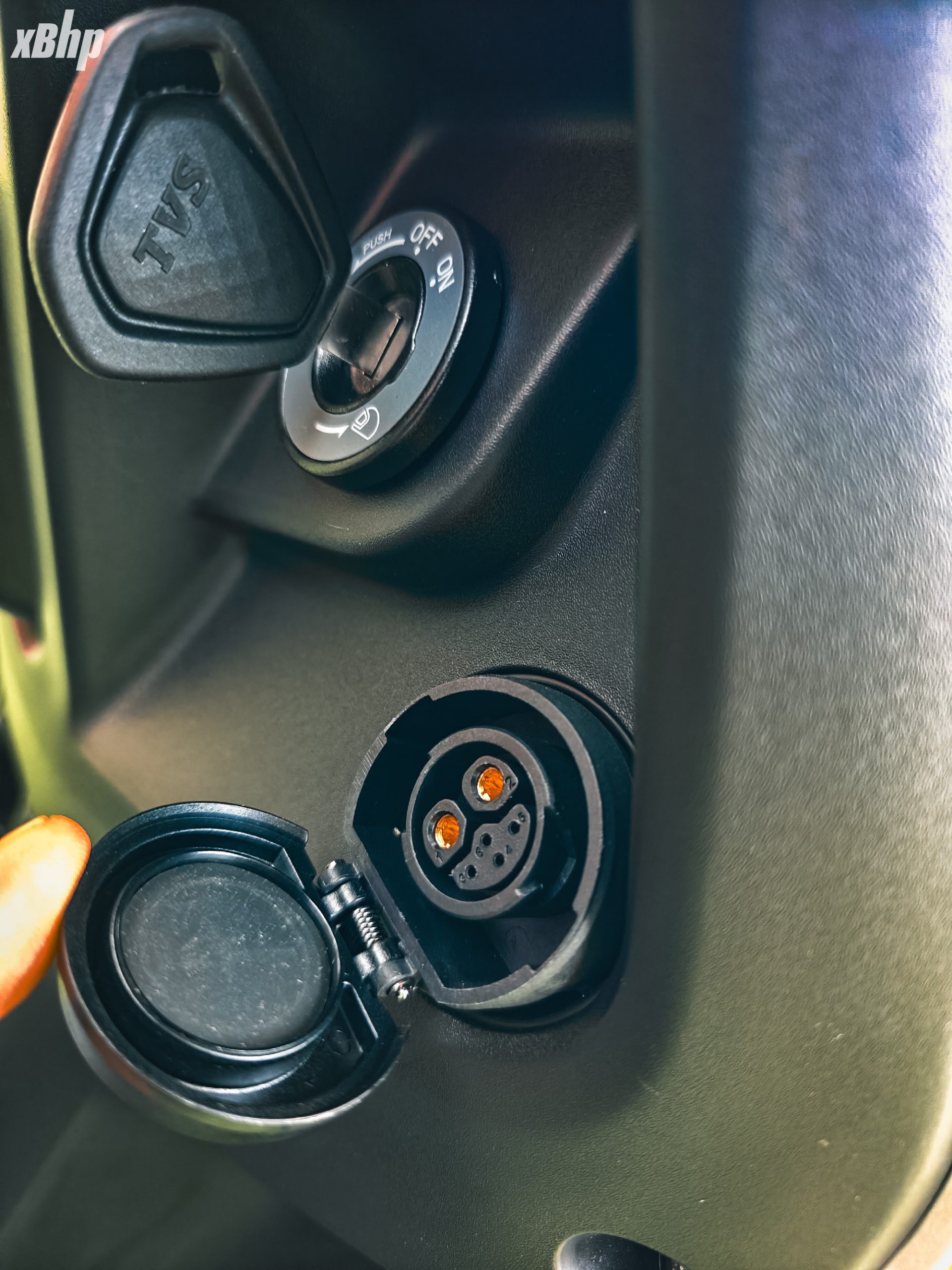
Charging is straightforward, too. With the supplied 650 W charger, a 0–80% charge takes just over 4 hours. That fits perfectly into an overnight top-up or a workday plug-in. TVS claims a 158 km range under the Indian Driving Cycle, and while real-world usage brings it closer to 90–120 km, that’s still more than enough for daily commuting and errands. TVS isn’t shy about backing it up either: a 3-year or 50,000 km warranty covering vehicle, battery, and charger gives me a lot of peace of mind.
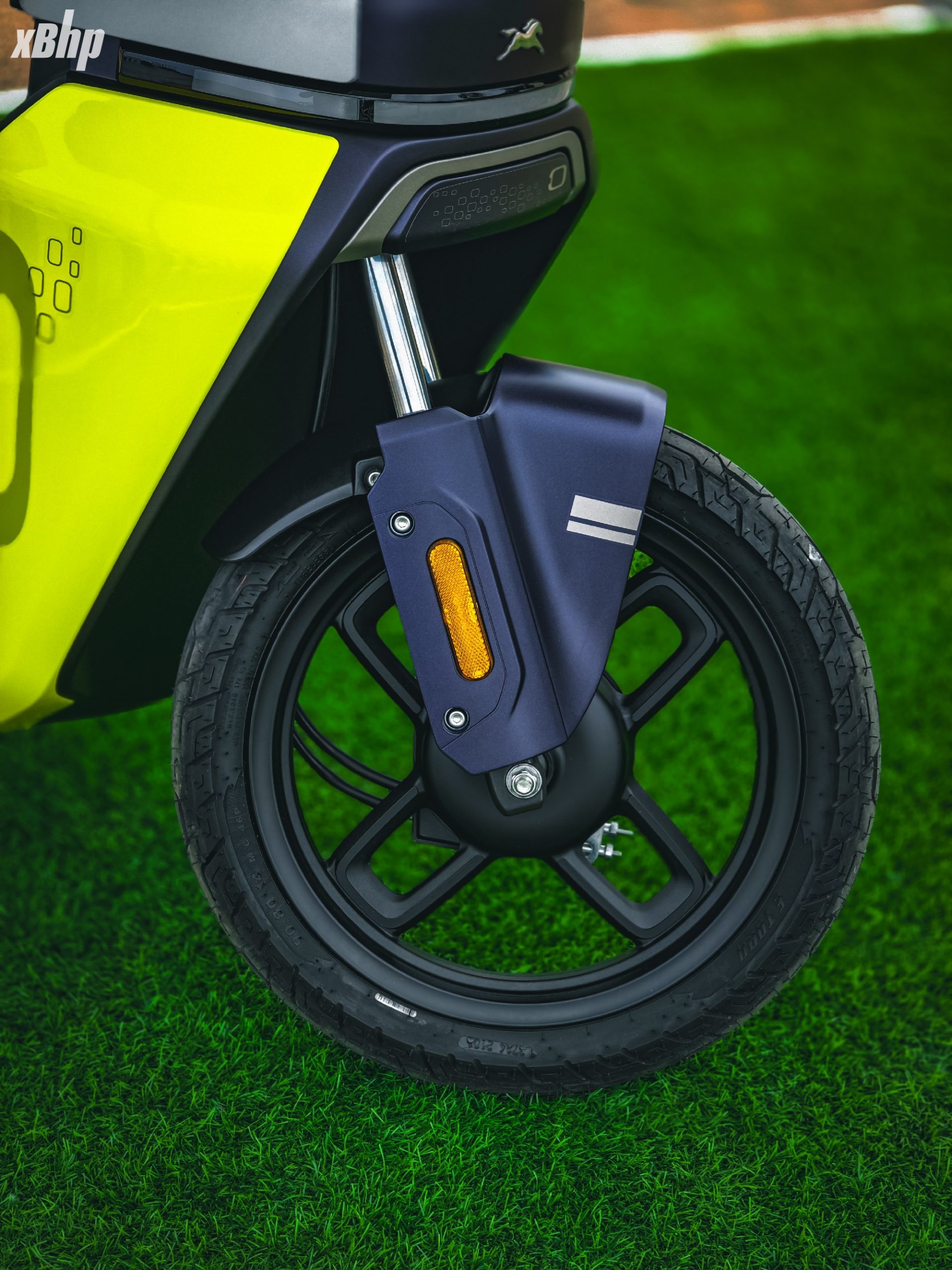
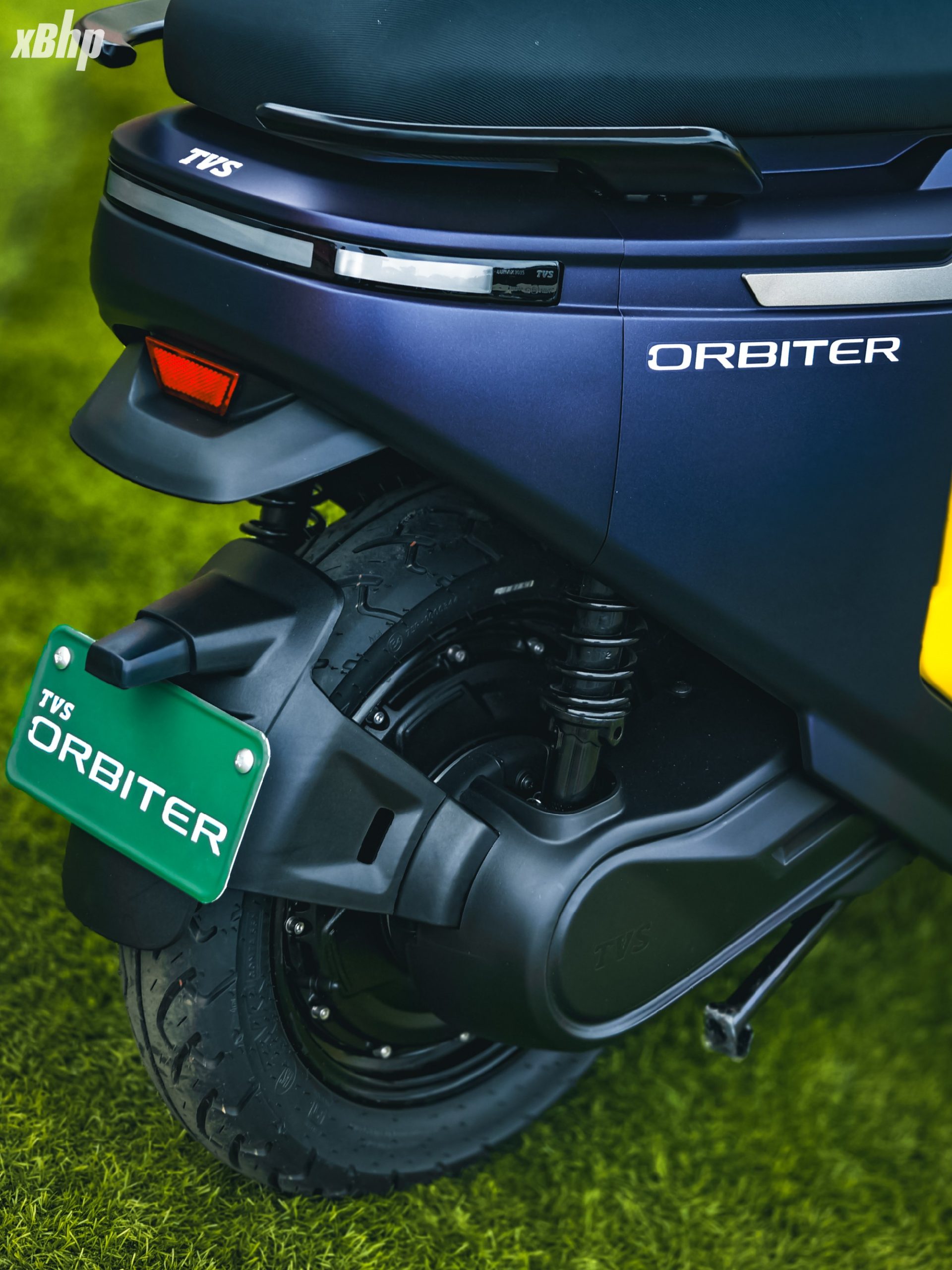
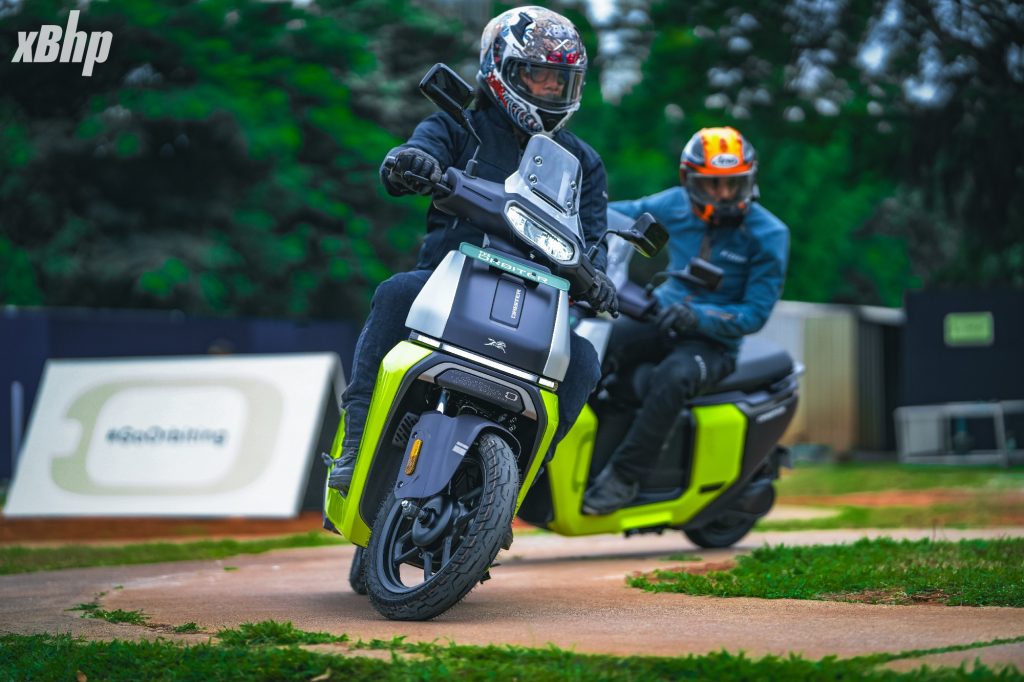
Ride quality is where the Orbiter really impressed me. It sports an unusual but clever wheel setup: 14-inch up front and 12-inch at the rear. That bigger front wheel completely changes the feel. Over potholes, expansion joints, and broken surfaces, it tracks straighter and feels more planted than most scooters in this price range.
Suspension duties are handled by a telescopic fork up front and dual shocks at the rear, tuned softly to absorb bumps and rough patches while keeping the ride comfortable and confidence-inspiring. Braking is via drum brakes at both ends, linked with CBS. While a front disc could’ve sharpened stopping power, the current setup is friendly and adequate, especially for new or less experienced riders.
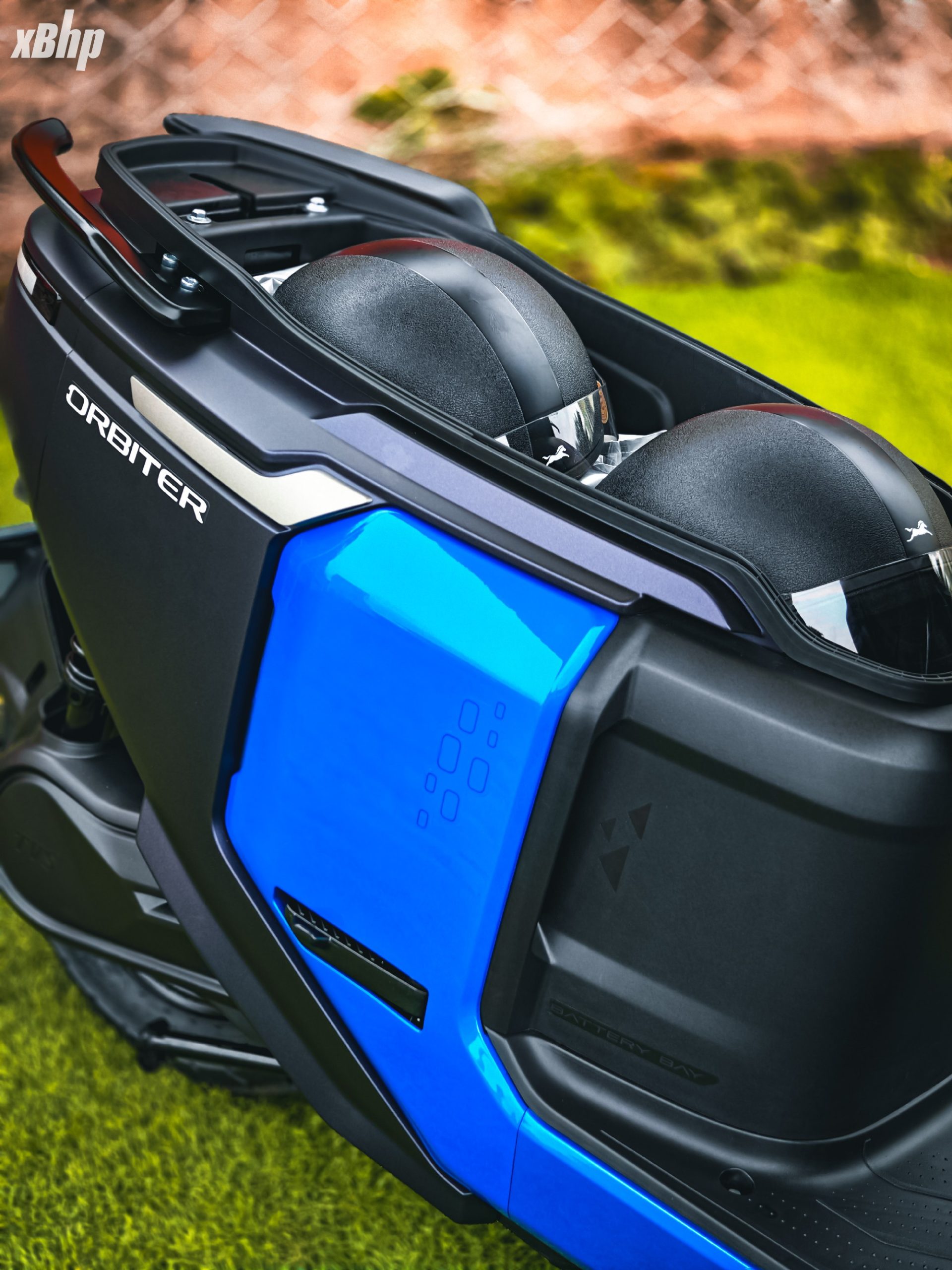
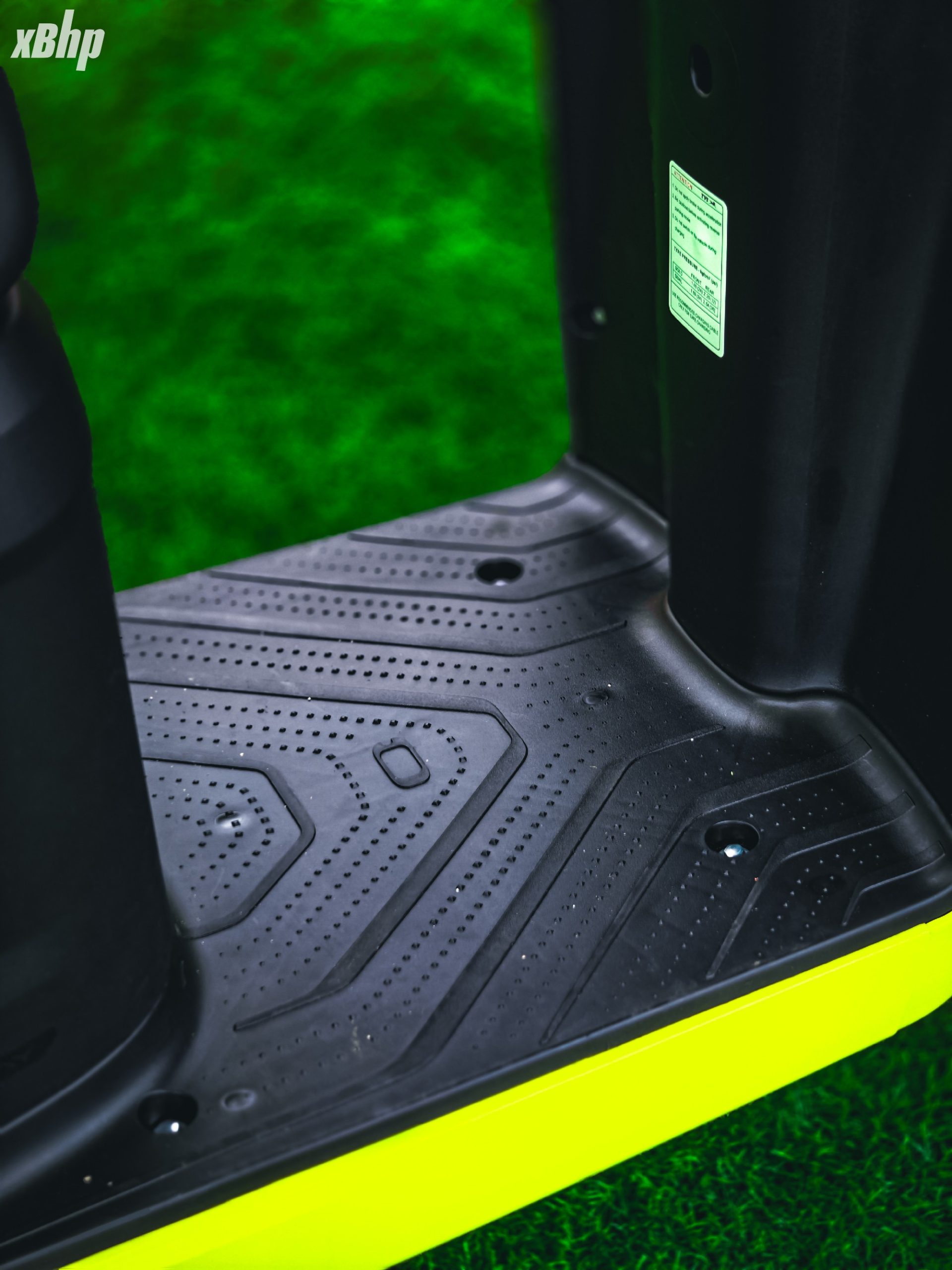
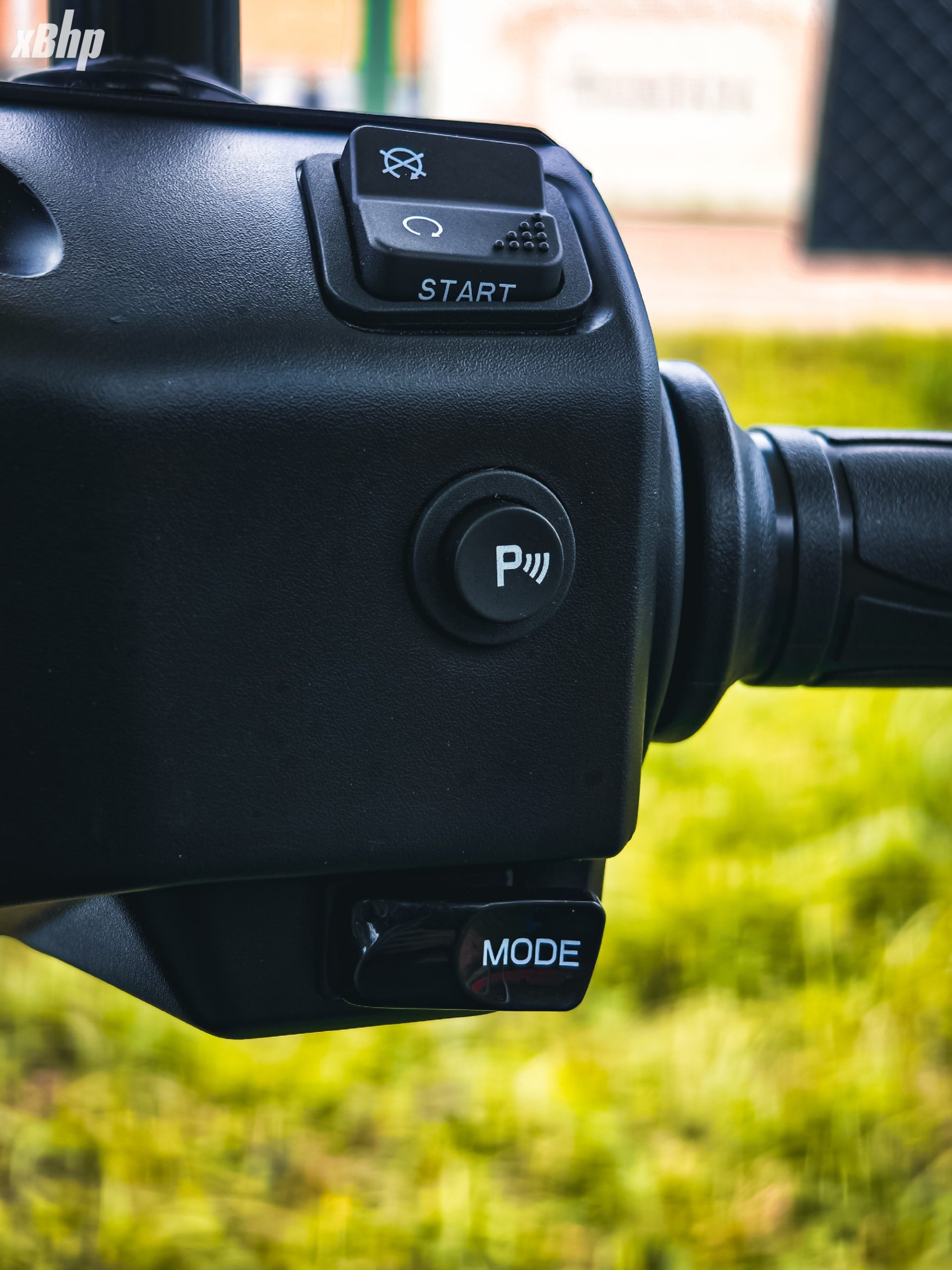
Practicality is another highlight. The 34-litre under-seat boot swallows two helmets easily, a rare feat in the EV scooter space. The flat floorboard gives room for groceries, office bags, or weekend shopping hauls. Forward and reverse parking assist make basement manoeuvres effortless. In a crowded Indian city, those small conveniences make a huge difference.
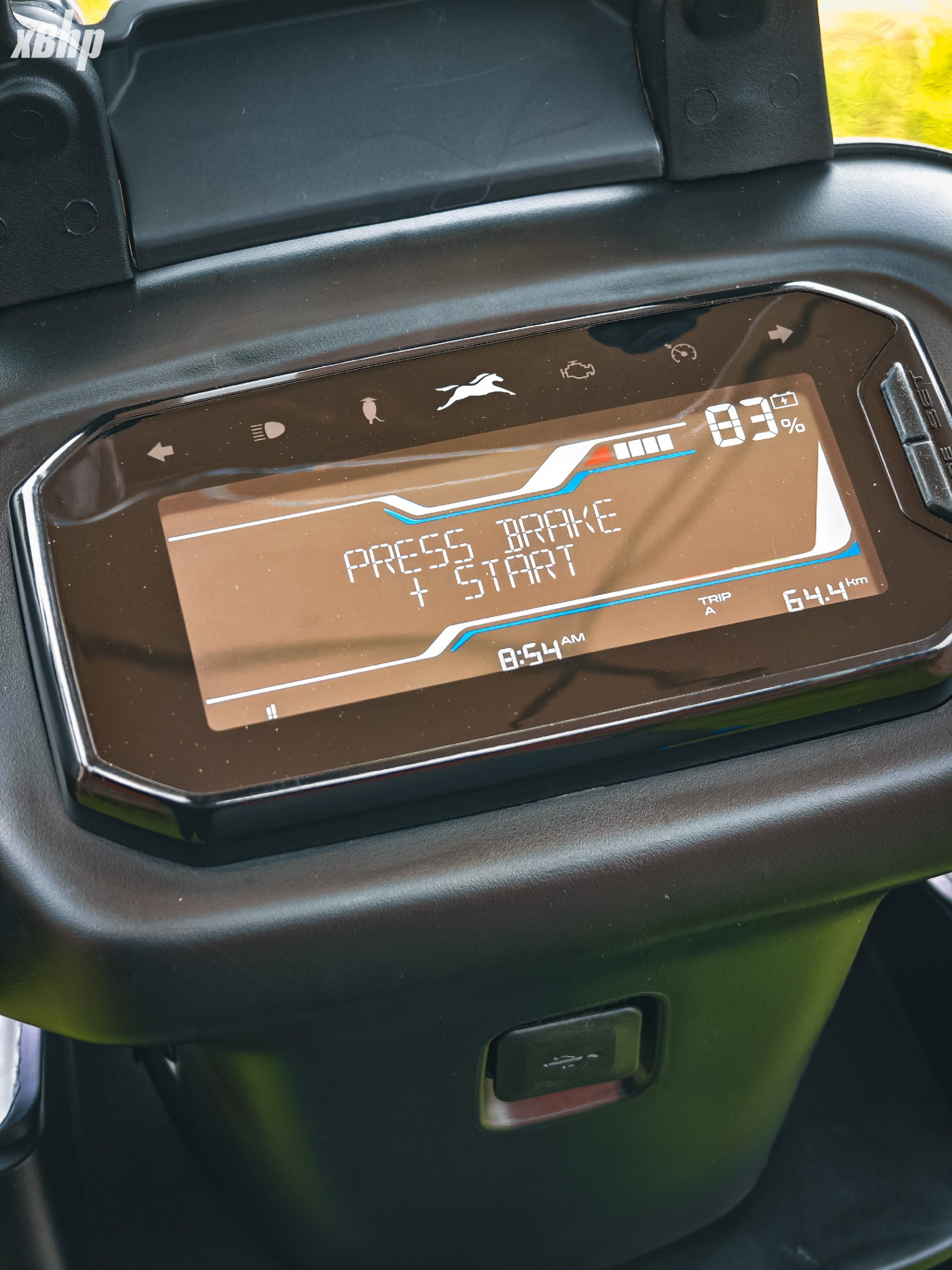
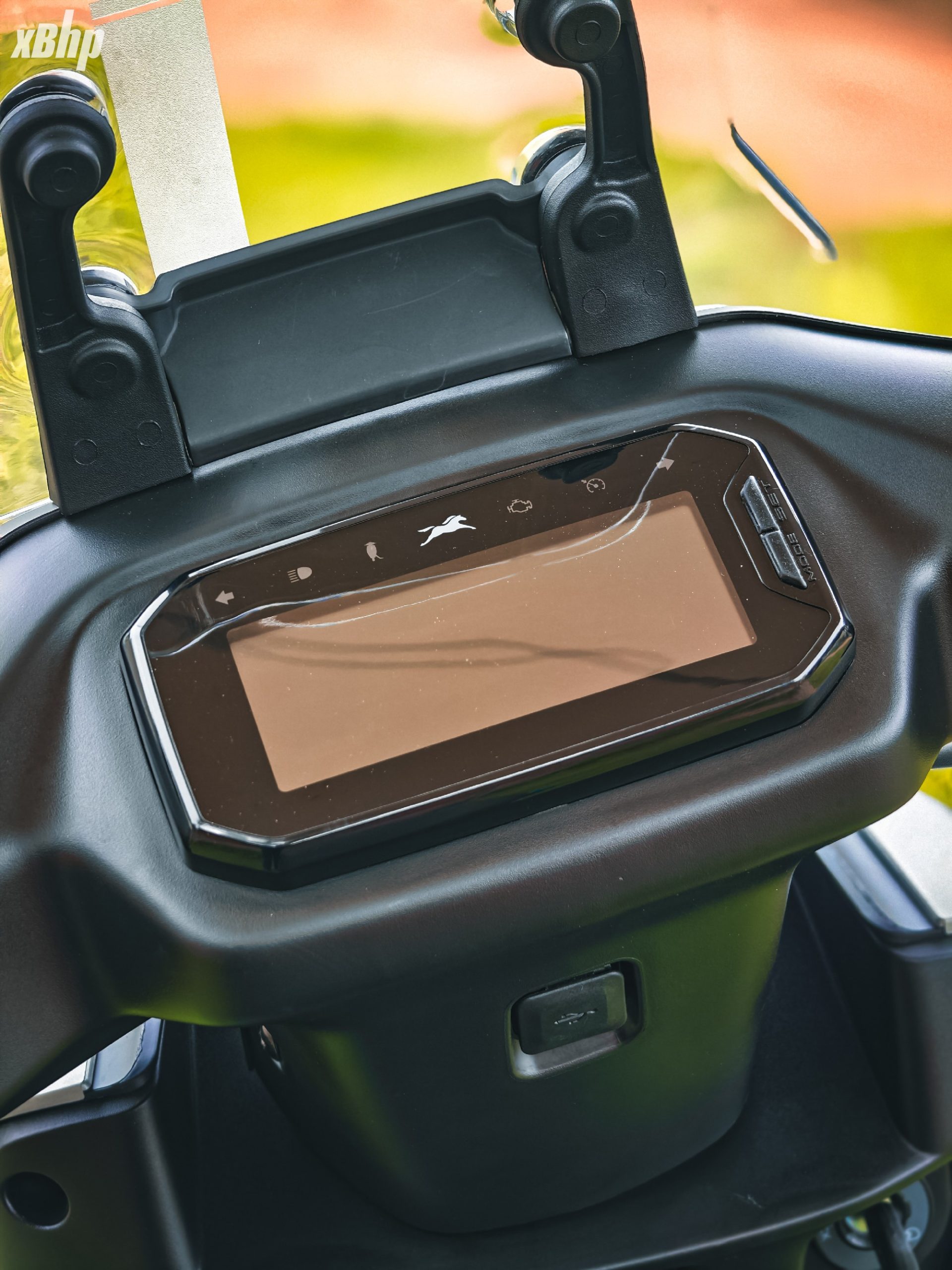
The Orbiter’s technology package is equally thoughtful. A 5.5-inch colour LCD screen sits front and centre, offering Bluetooth connectivity, incoming call alerts, turn-by-turn navigation, and distance-to-empty. Beyond the basics, the scooter works seamlessly with TVS’s connected ecosystem, supporting OTA updates, along with a companion mobile app.
Through it, I can track live location, set up geofencing and time-fencing, get crash or fall alerts, monitor anti-theft warnings, and even navigate back to the parked scooter. Unlike some EVs that throw in technology for the sake of it, everything here feels genuinely useful, intuitive, and rider-focused.
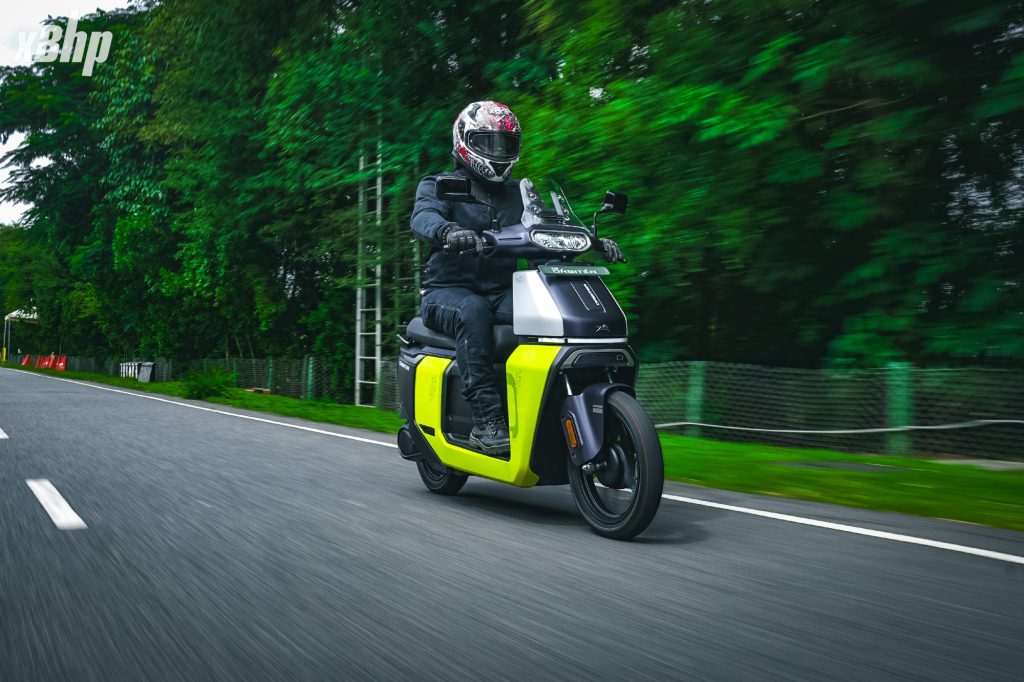
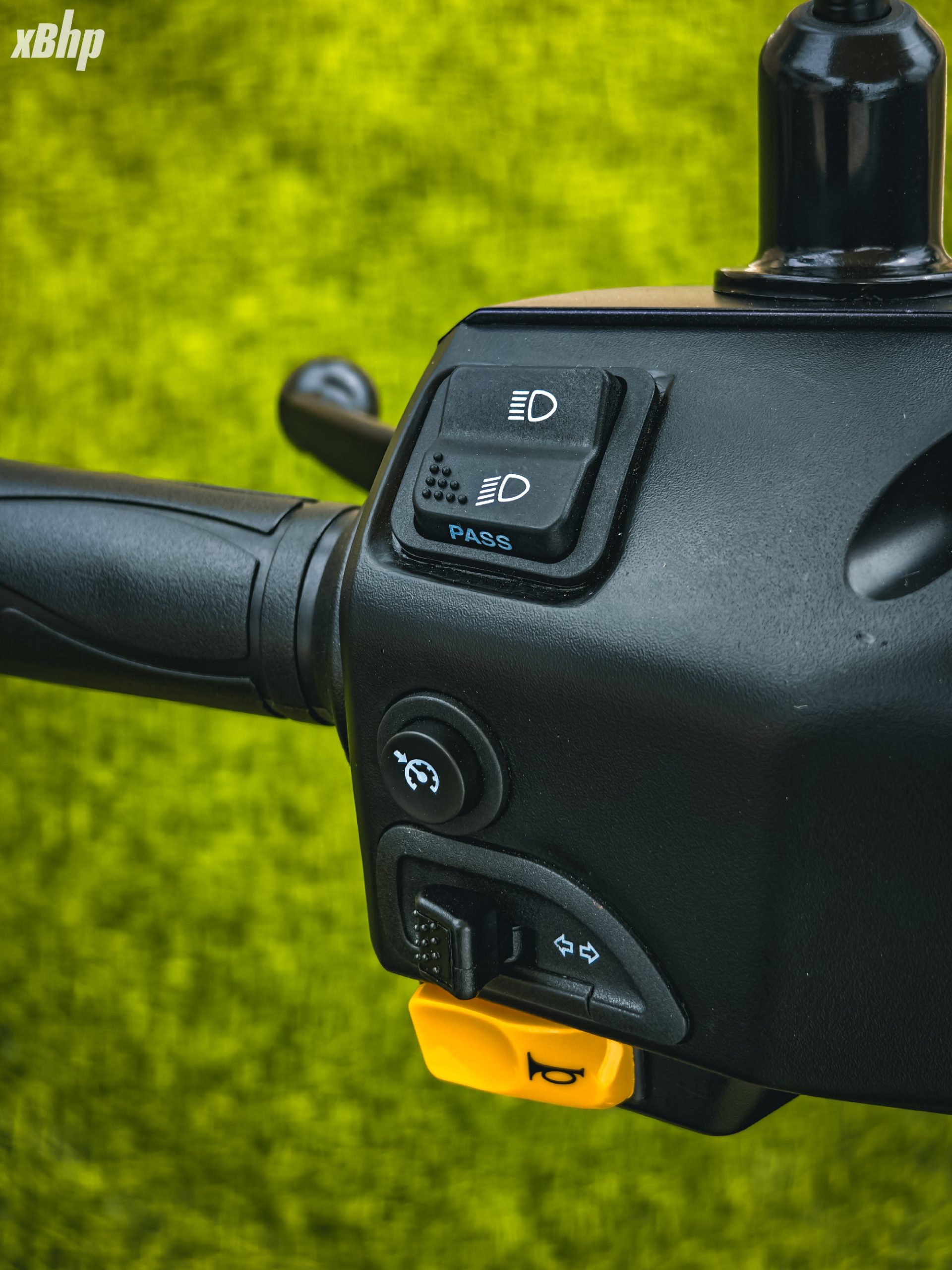
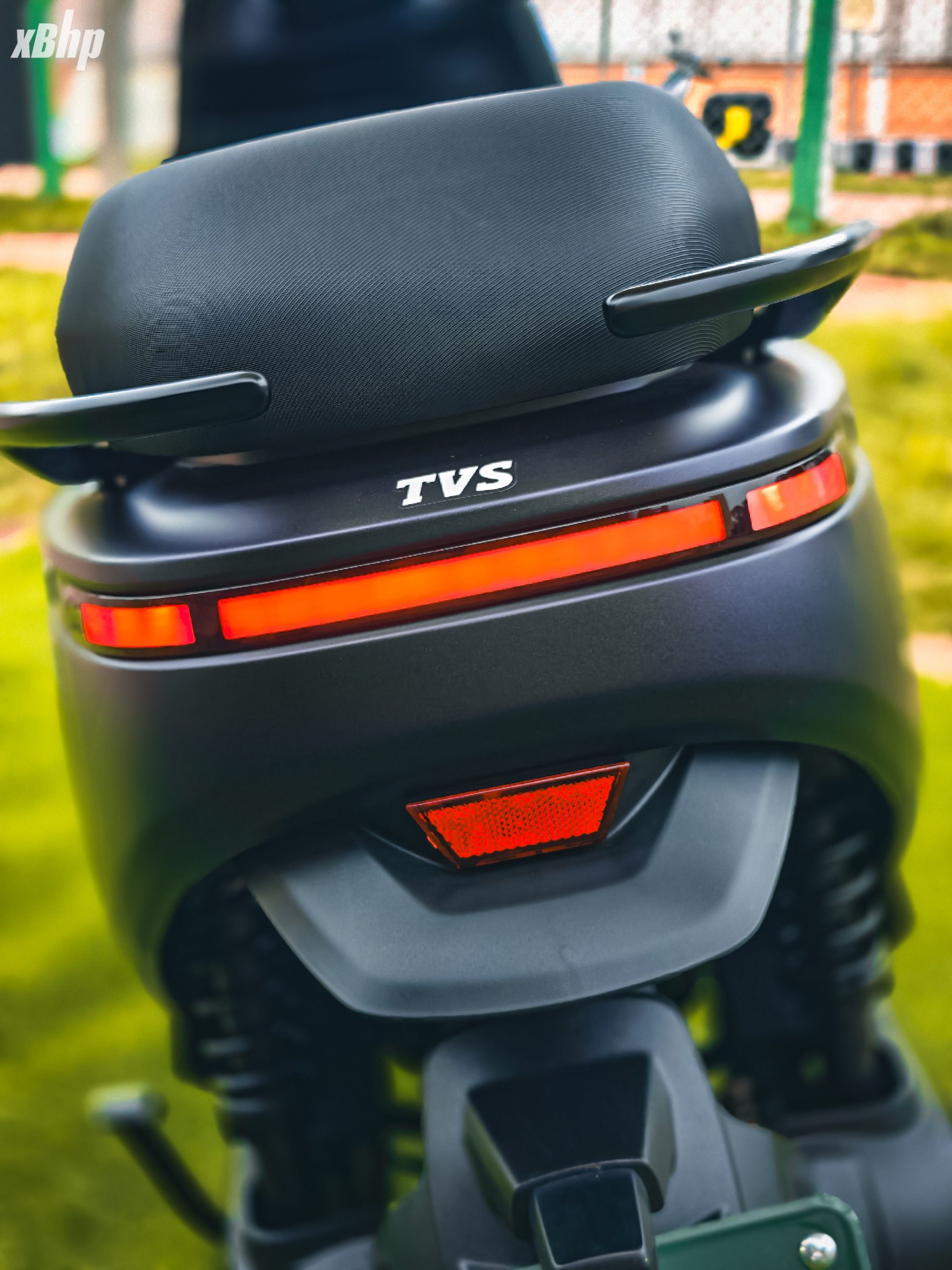
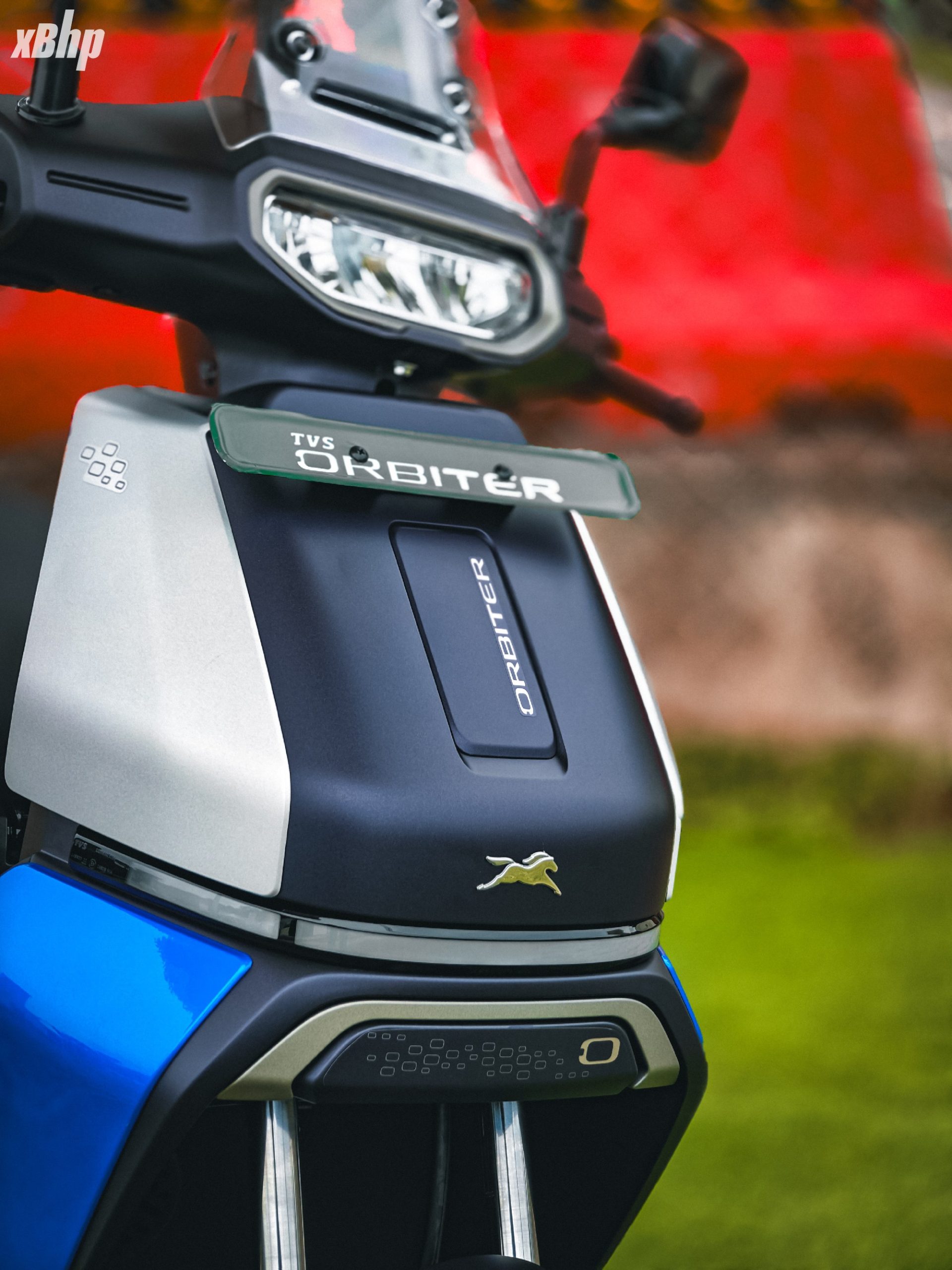
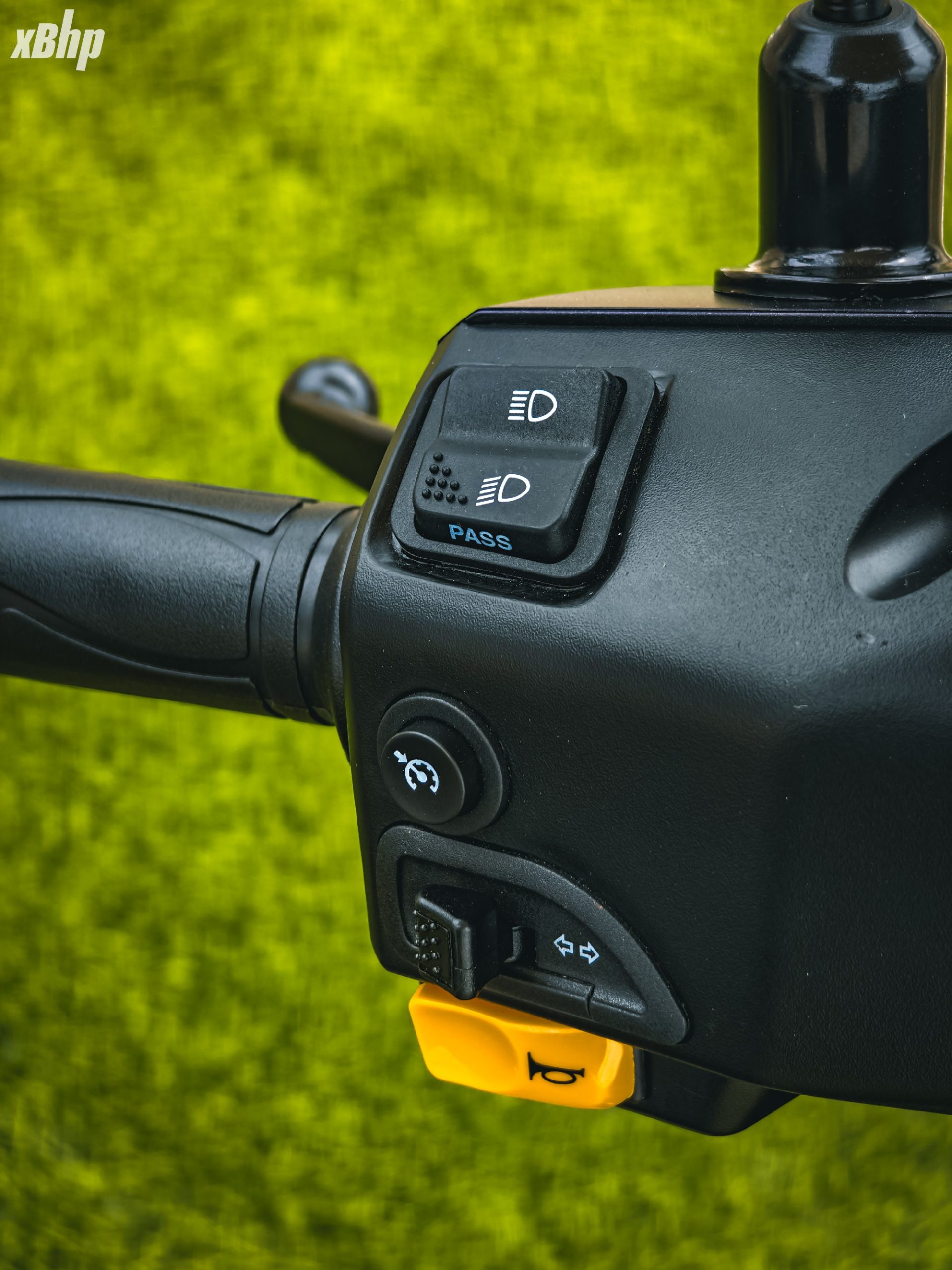
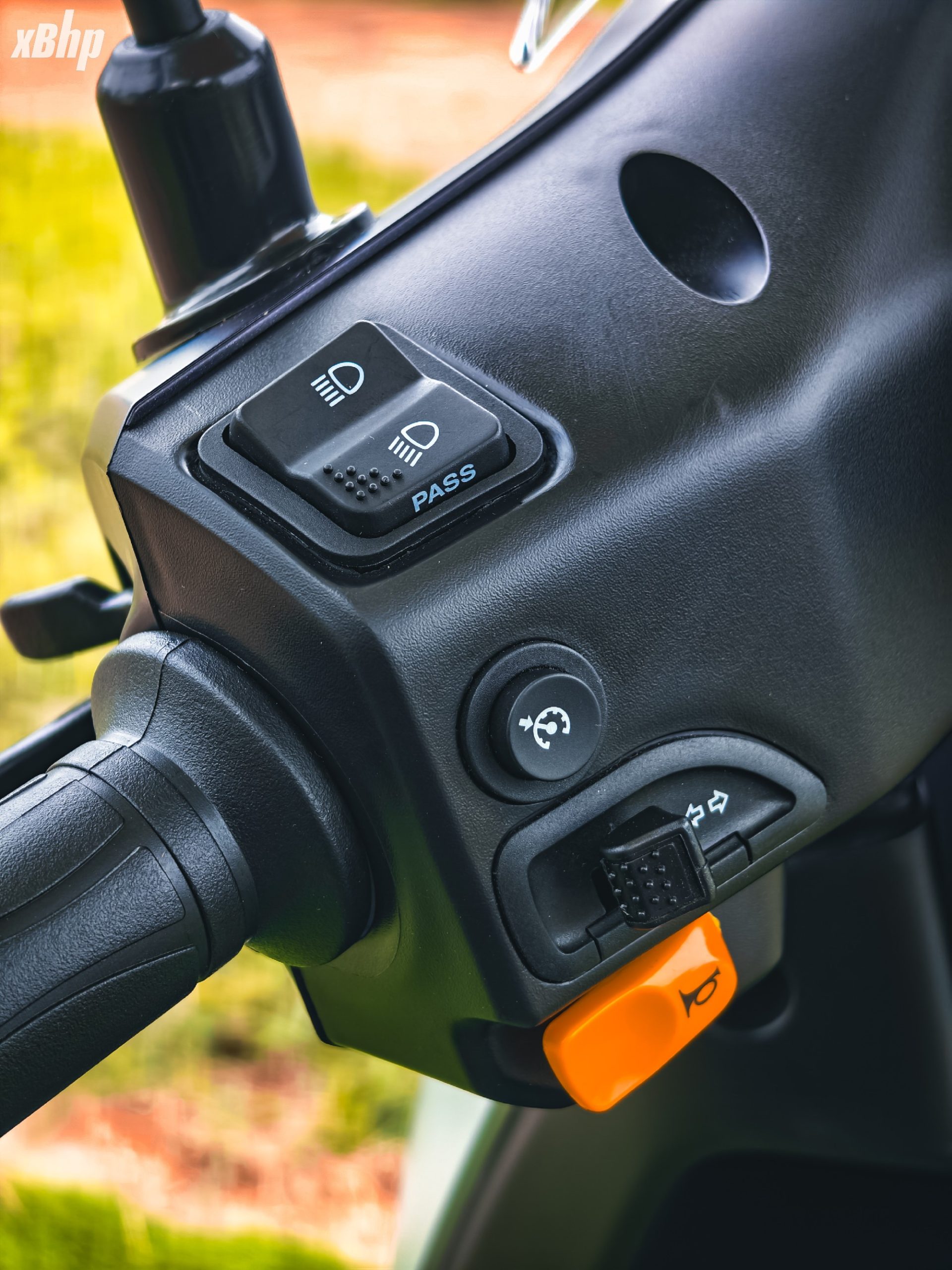
Safety hasn’t been compromised either. Beyond CBS braking, the Orbiter offers cruise control, hill-hold assist, and a motor cut-off that engages during falls. Lighting consists of crisp LED headlamps and LED tail/indicator combinations. All of these features come together to make riding easier, safer, and more confidence-inspiring.
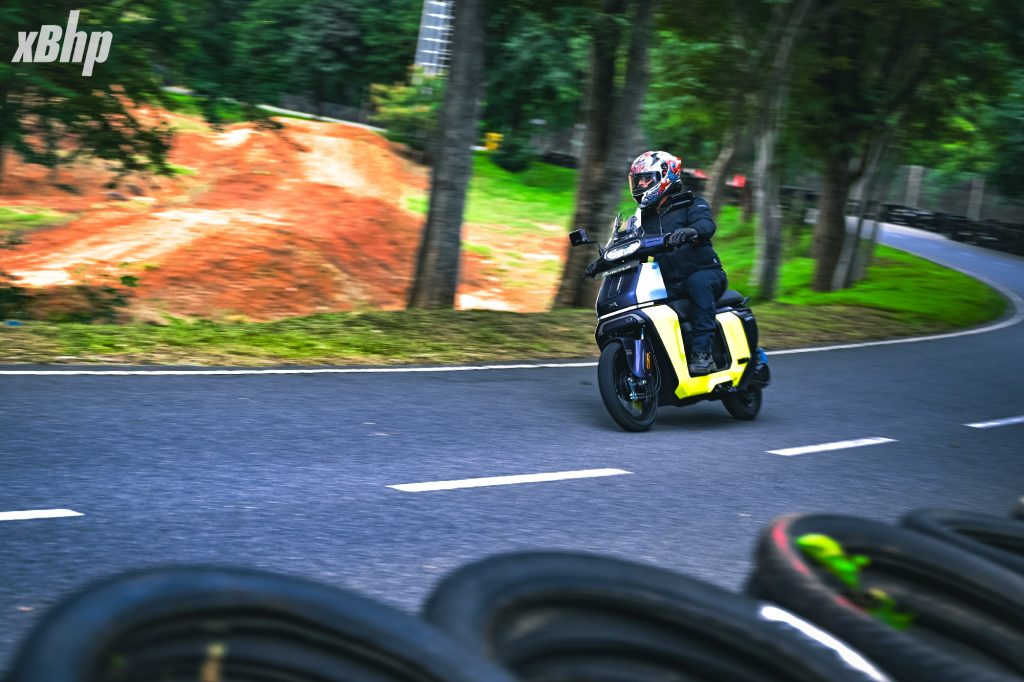
In terms of dynamics, the Orbiter impresses again. The riding stance is upright, and the centre of gravity is kept low. This makes the scooter a breeze to handle in traffic. The geometry is also spot on, and the Orbiter reacts predictably to all the inputs from the rider. Even on open roads, it feels planted thanks to the wheelbase.
Price-wise, at ₹99,900 ex-showroom (Delhi/Bangalore), the Orbiter lands in a sweet spot. It isn’t trying to be flashy or boast headline-grabbing numbers. Instead, it solves real problems, reliable commuting, easy manoeuvrability, comfortable ergonomics, safety, and low running costs, while being fully electric. In essence, the TVS Orbiter is the kind of EV India truly needs: accessible, practical, and built for everyday life on our roads..
Riding it, I can see how this scooter could quietly become the workhorse of urban India. It isn’t an experiment, it isn’t a lifestyle accessory, it’s a scooter that gets the job done, every day. And in doing so, it makes the Orbiter one of the most compelling and well-rounded electric scooters in the market today.