Since '02 xBhp is different things to different people. From a close knit national community of
bikers to India's only motorcycling lifestyle magazine and a place to make like-minded biker
friends. Join us
xBhp was born more than 16 years ago and since then we've had a chance to ride or drive hundreds of machines
running on two wheels or four wheels, and sometimes even three wheels. We are not done yet, and this list is
still growing. In these pages, we take a deep dive in the treasure trove of our ride experiences and bring
you all that we have ridden or driven.
Machines Done 424
|
Total Cubic Capacity 177549
|
BHP 54589
New Pulsar 125 & Pulsar 150 Review | Familiar Faces, A Different Ride
124.5/149.5CC11.9/13.8BHP11.4/14.1NM
Oct 2026
Karan Bansatta
Bajaj,Bikes,Motorcycles
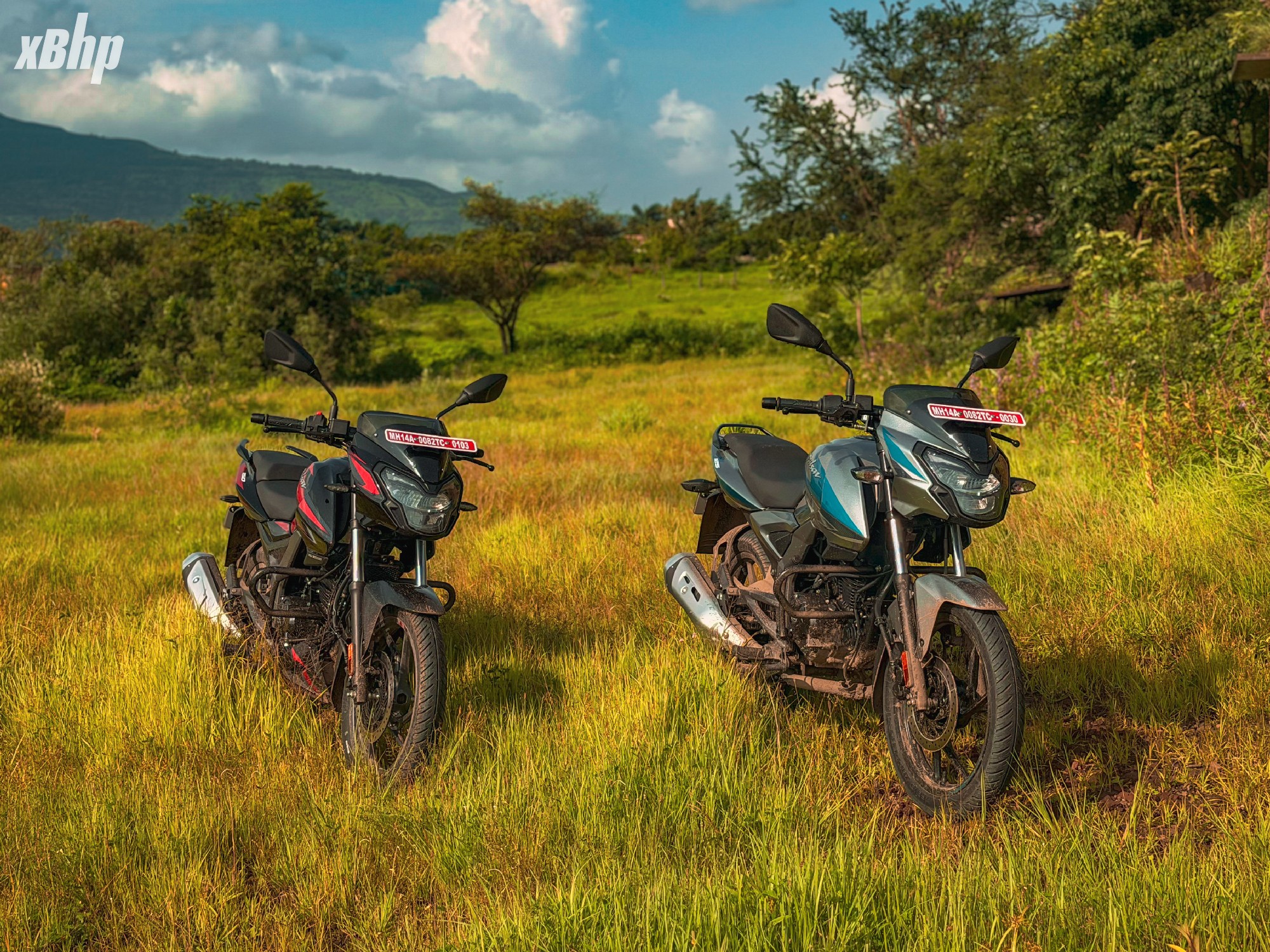
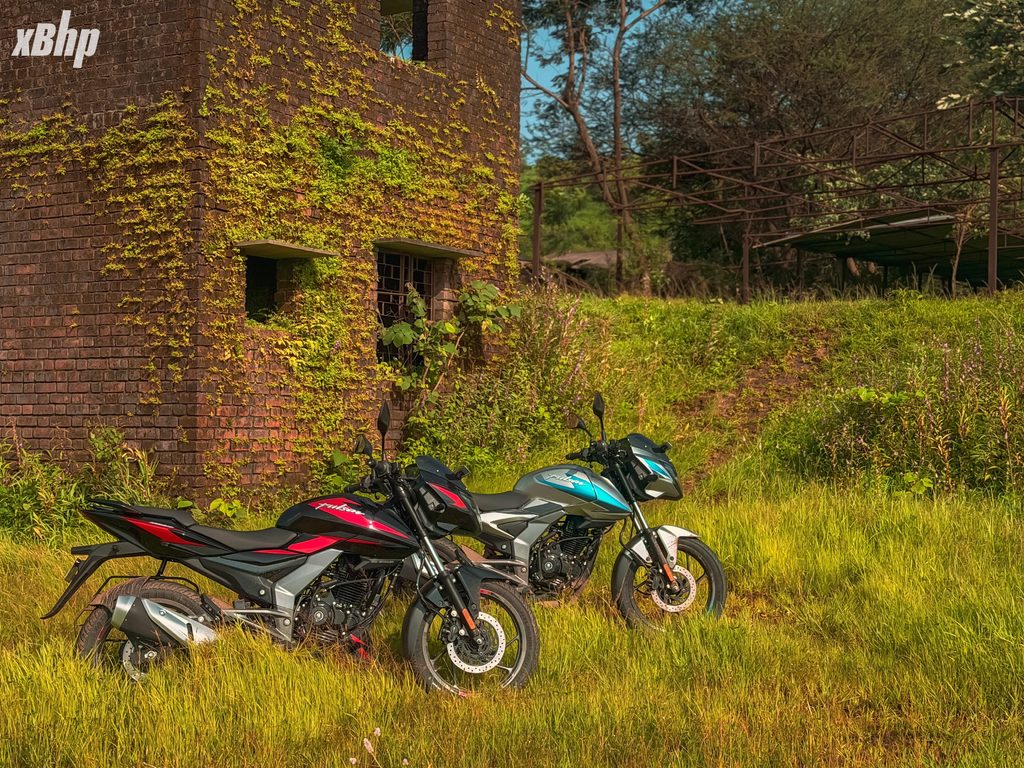
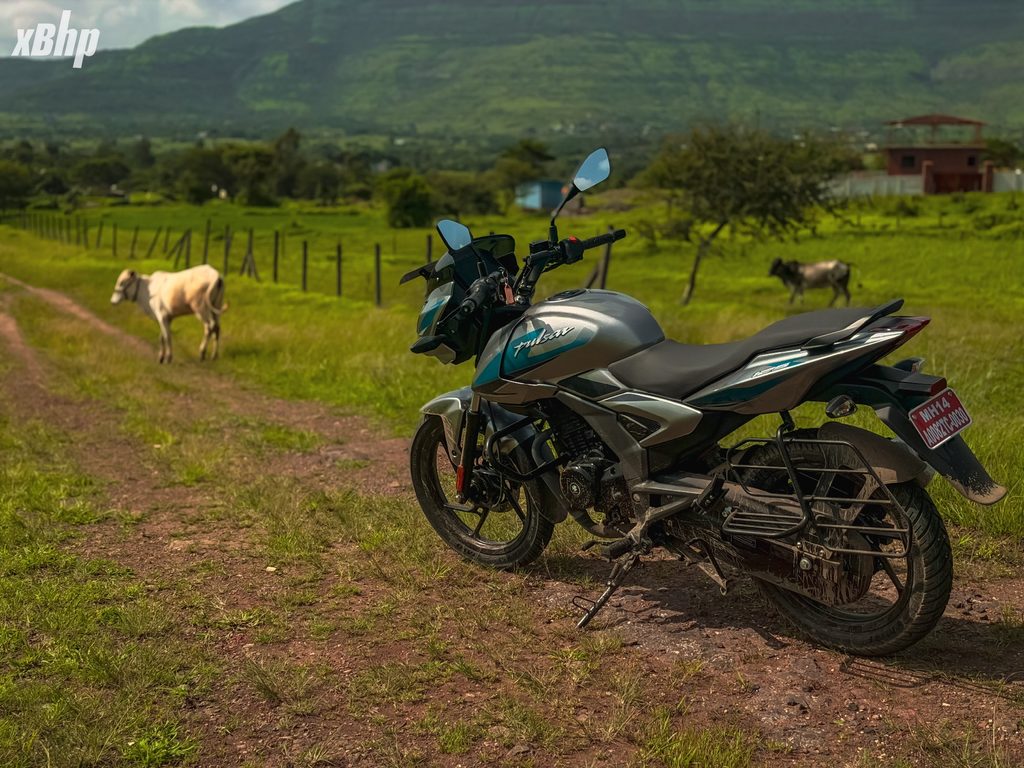
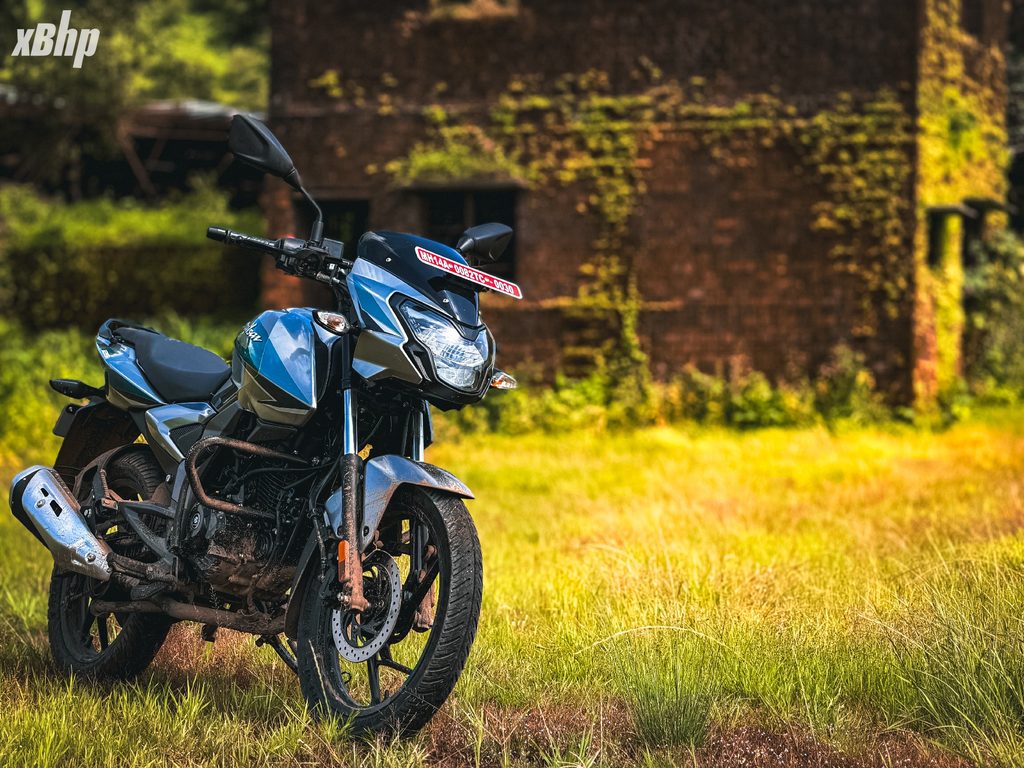
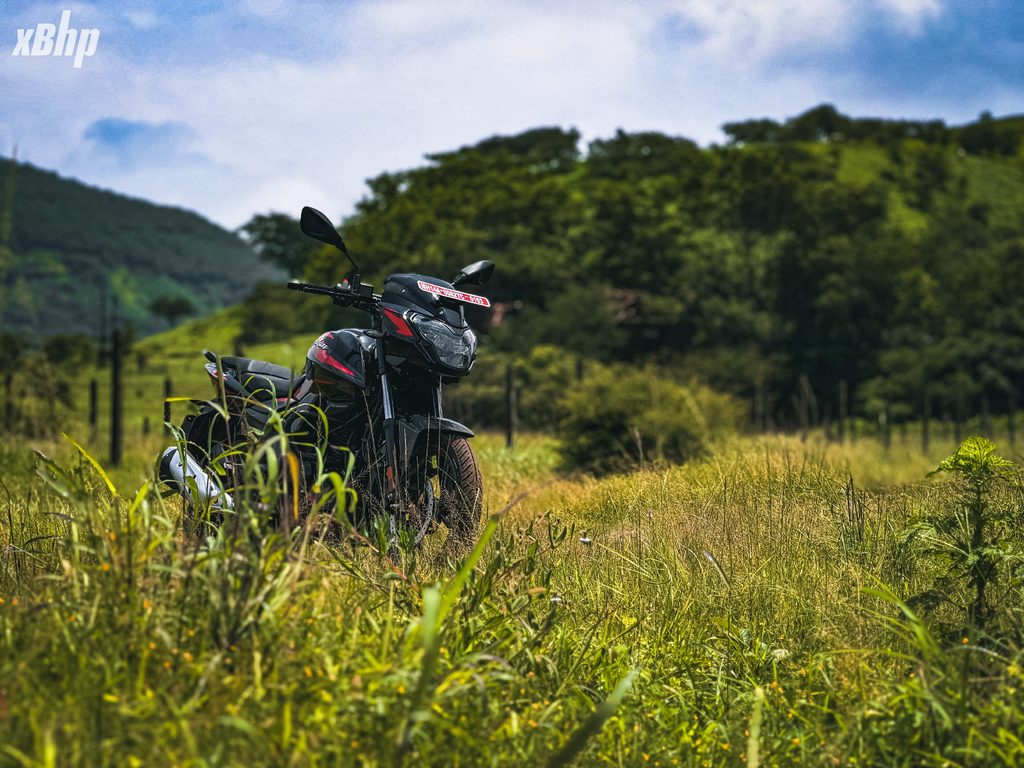
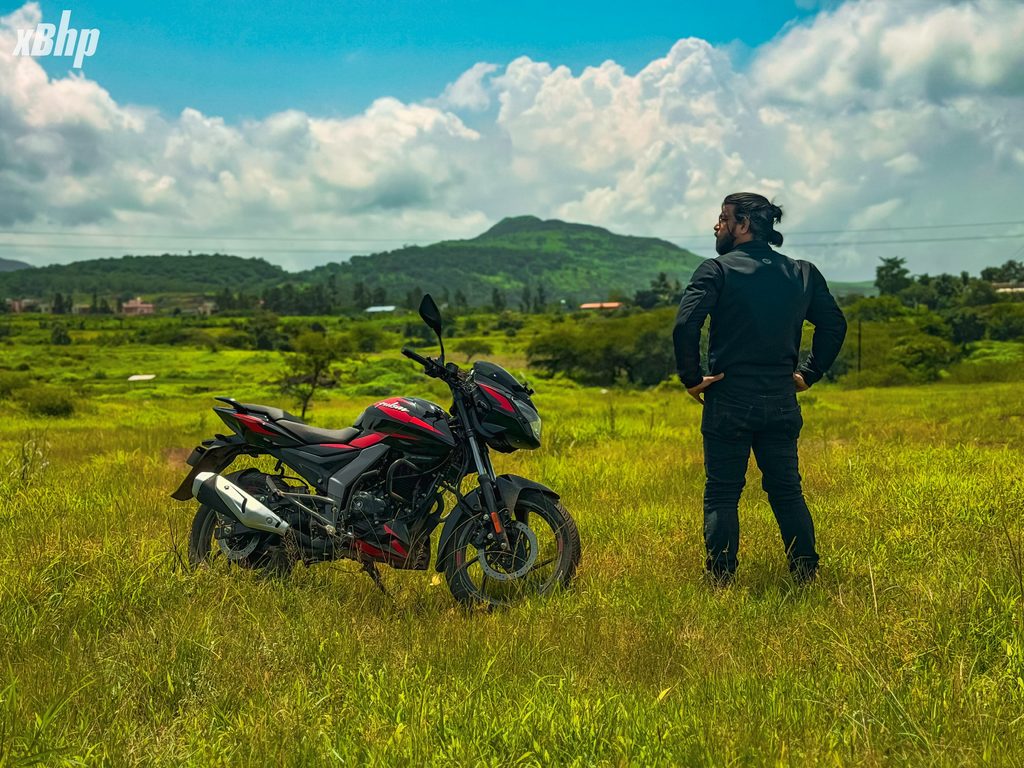
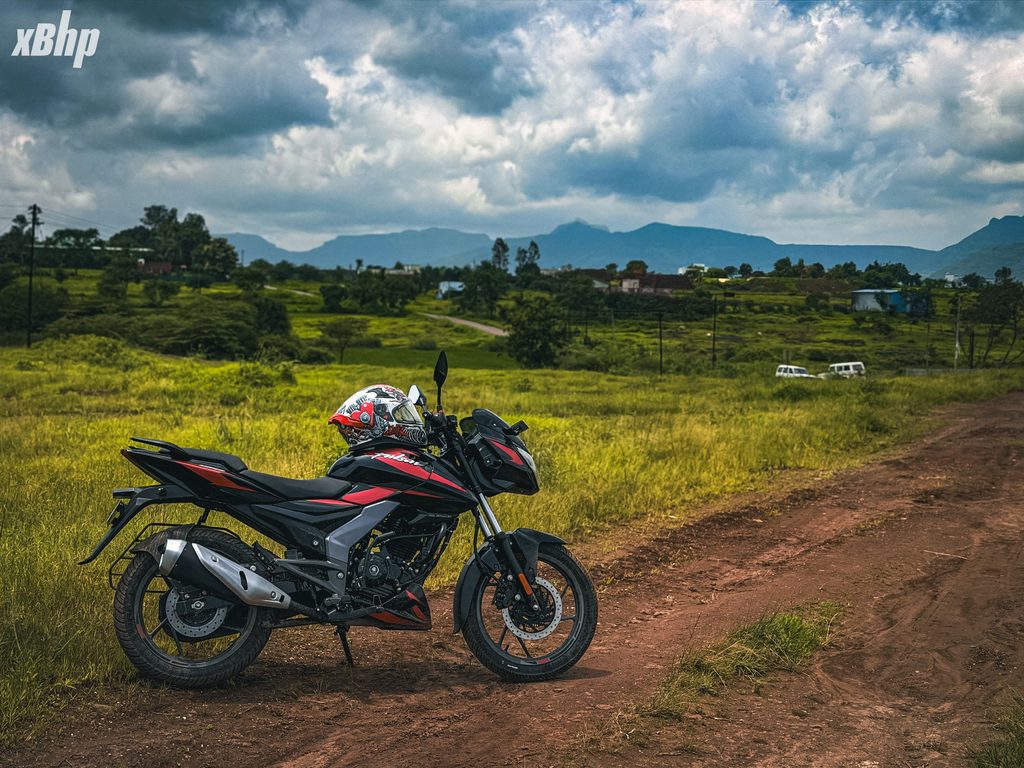
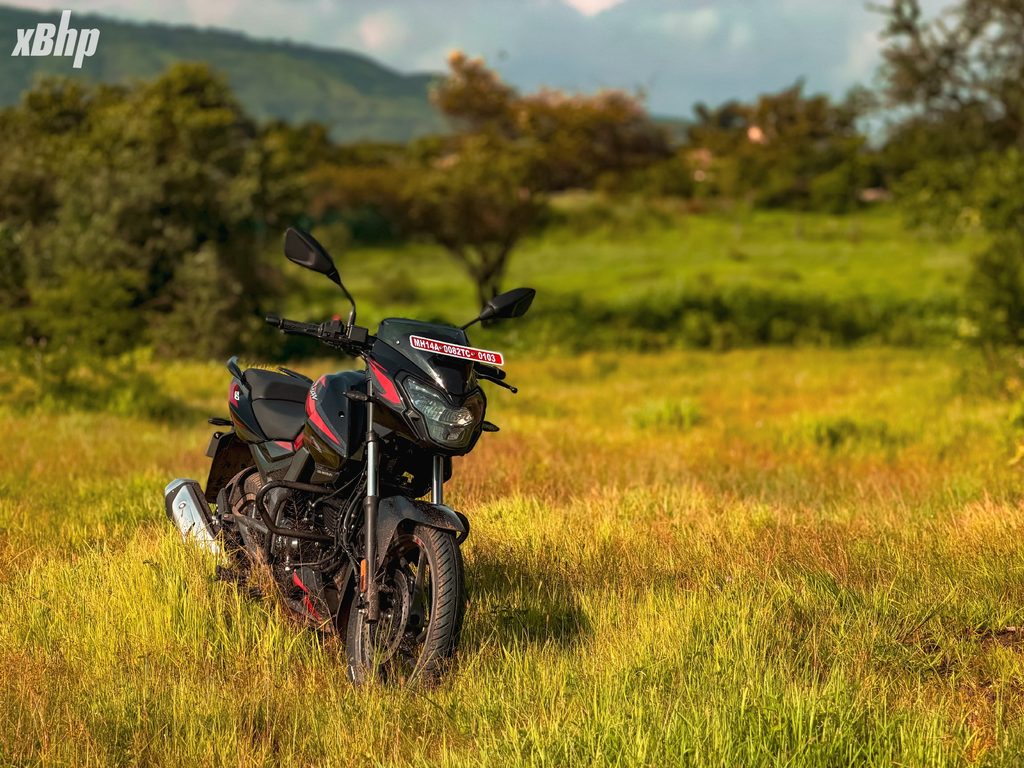
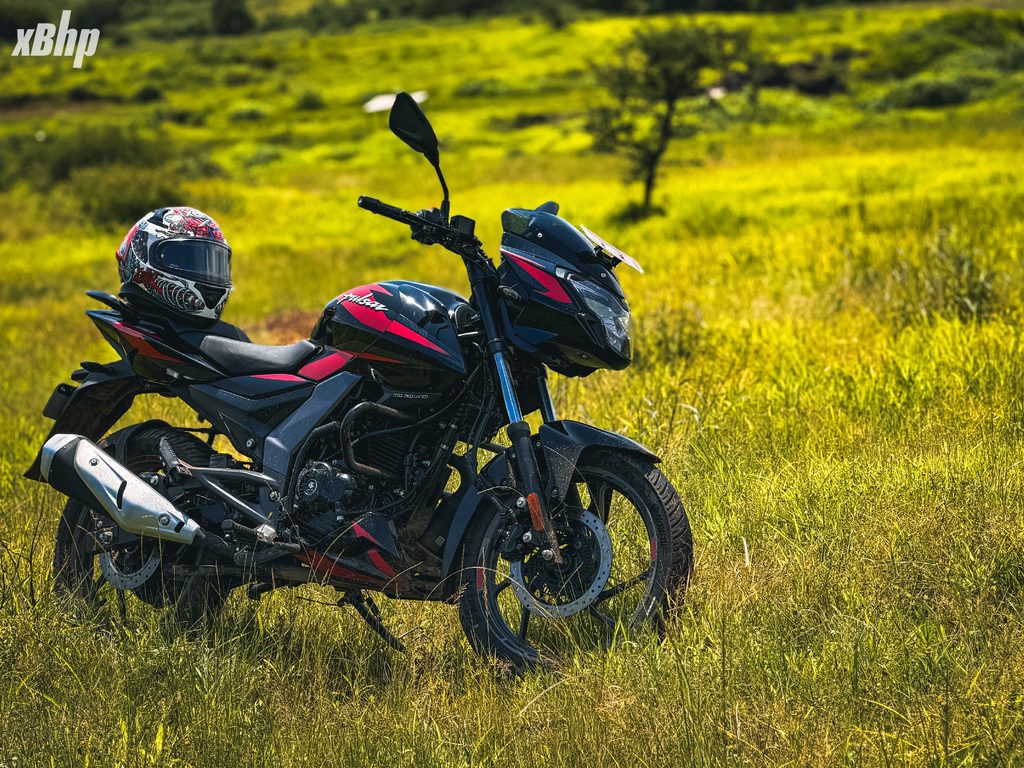
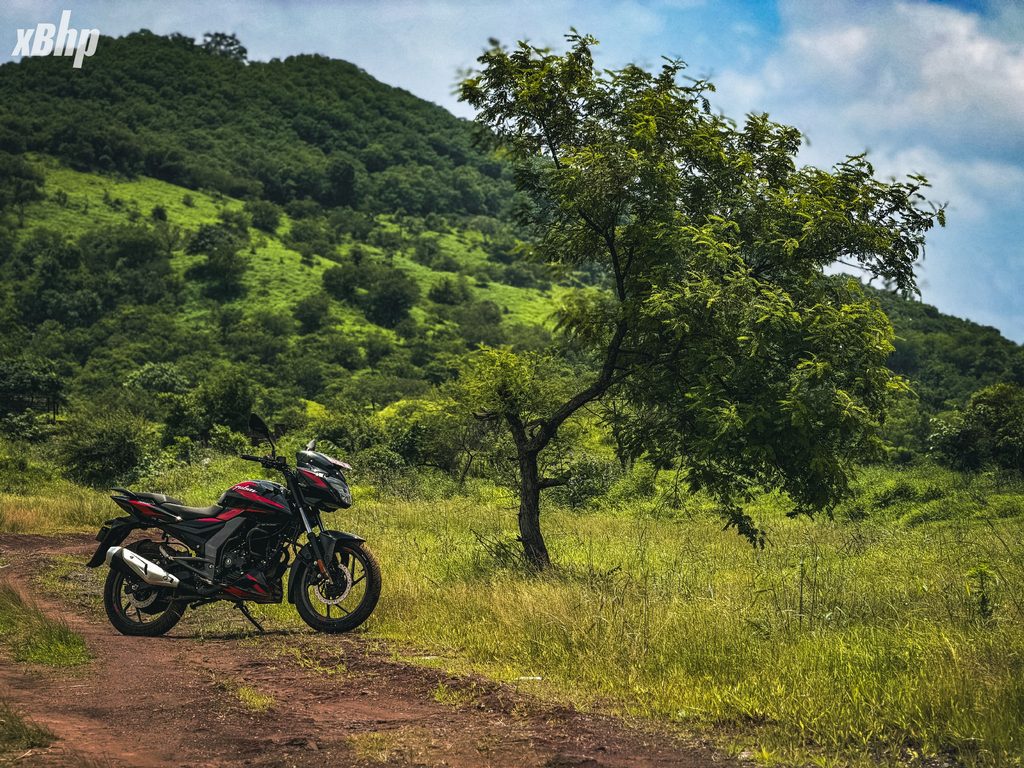
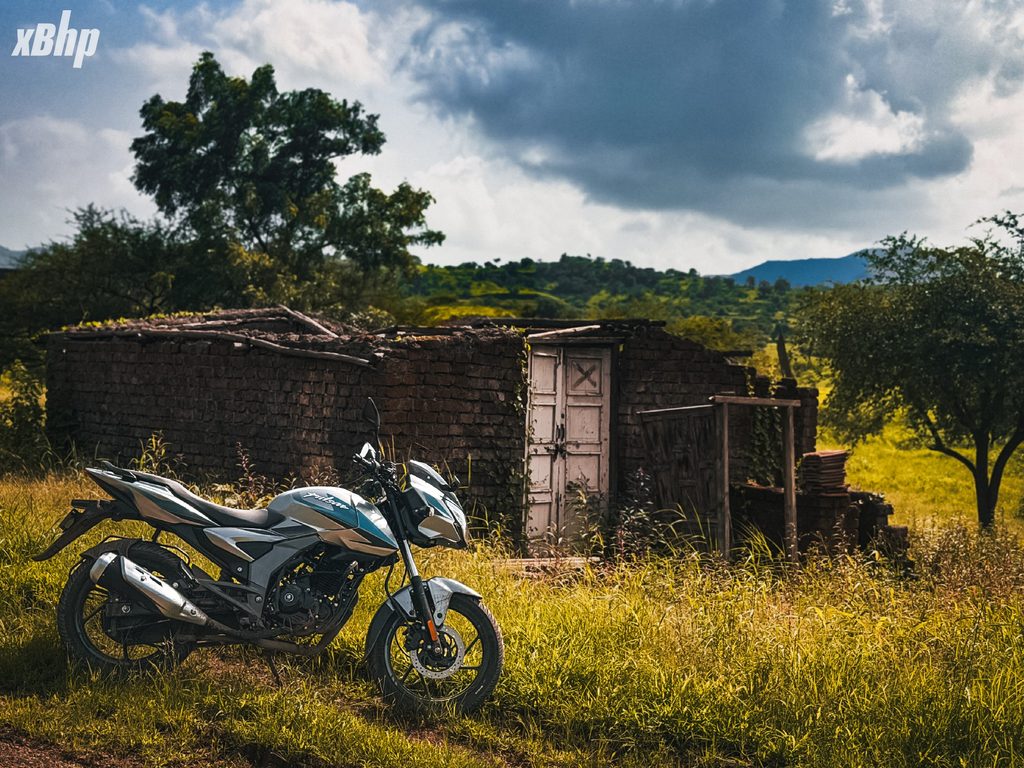
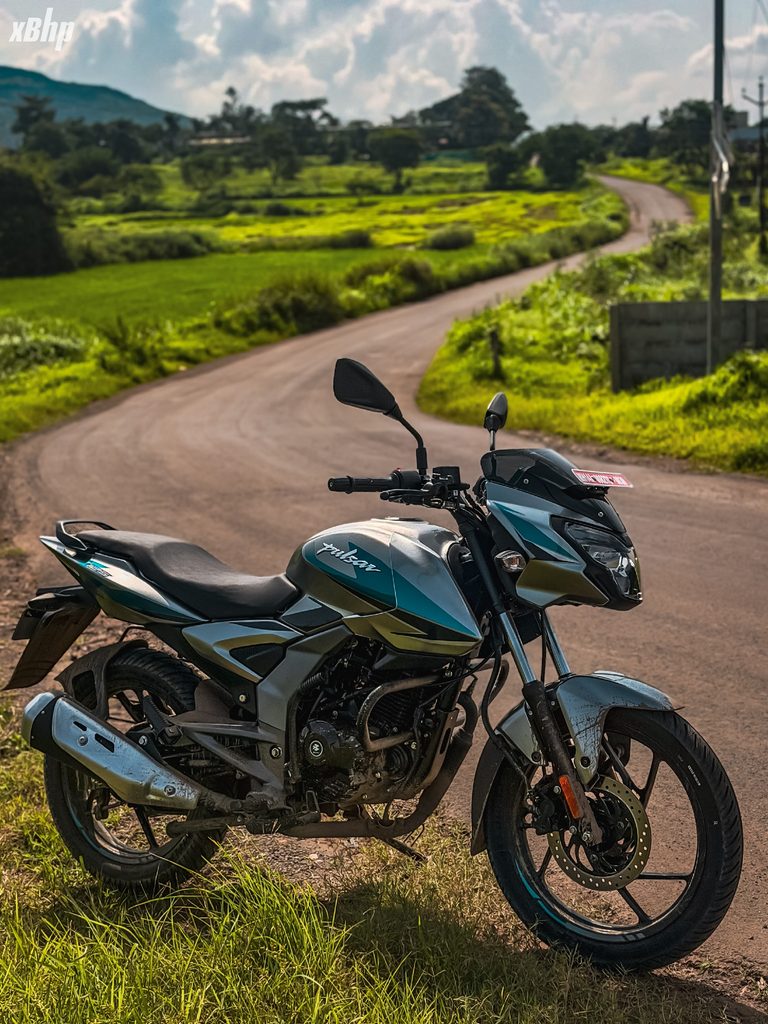
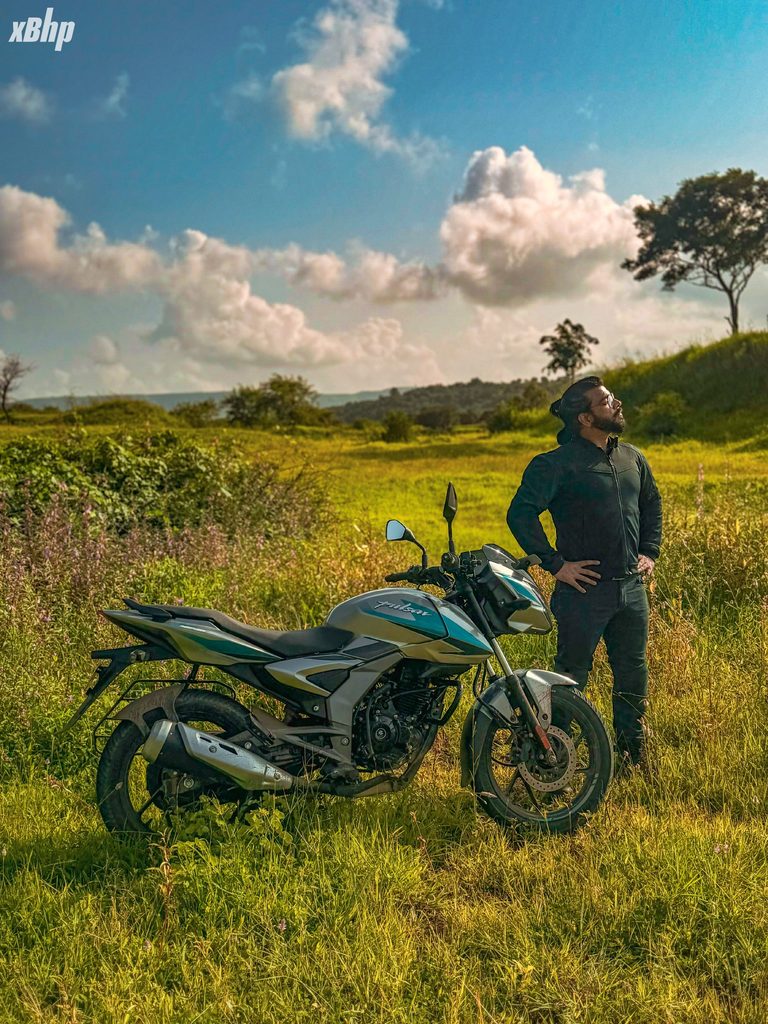
Usually, we assume that we know a motorcycle because it has been around for years. The Pulsar is a prime example of such a motorcycle. The tank, the stance, and the badge: the all-familiar Pulsar has been around for ages now. With each new iteration, the consensus is… a facelift. This time around, the new Pulsar 125 and the new Pulsar 150 have changed a fair bit, even under the skin. The walkaround gives one a general idea of what’s what, but the real differences make themselves known when you swing a leg over them. So, let’s do that. Without further ado, here’s our new Pulsar 125 and Pulsar 150 review.
Pulsar 125
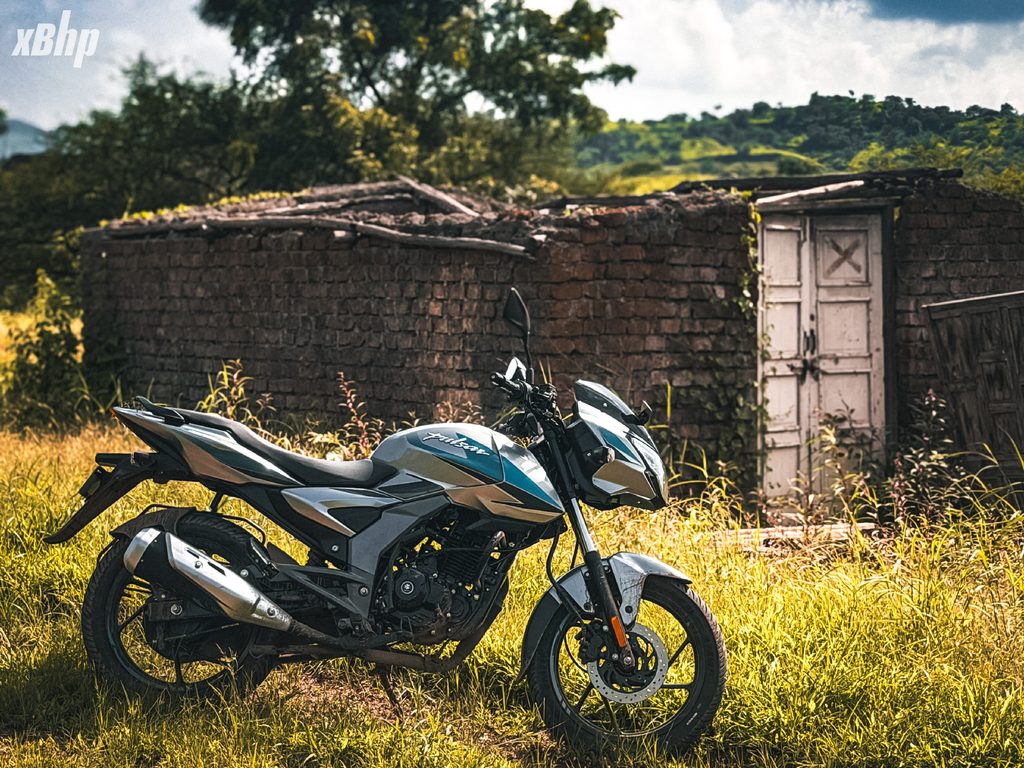
With this one, the biggest change is the weight. The new Pulsar 125 sits at 131 kilos. Compared to the older variants that Bajaj used for comparison, the new one is 15 kilos lighter, which is more than significant.
The frame is also new, a diamond-type with a rear monoshock. According to Bajaj’s claims, the frame is 20% lighter and yet 60% stiffer. The stiffness is immediately equated with a harsher ride, but that part is taken care of by the suspension. In the new Pulsar 125, it translates to more feedback and more awareness of what the tyres and the motorcycle as a whole are doing.
The engine, a 124.58cc air-cooled unit, makes 12.1 PS of power and 11.4 Nm of torque. That is 0.3 PS and 0.6 Nm more than before. These numbers do not feel significant till you take the weight into account. As a net result, the new Pulsar 125 feels more eager out in the real world. It pulls effortlessly and even on inclines, it does not feel like it is being tortured. The revised gearbox is also a better fit this time, with the engine providing enough poke to mitigate frequent gear shifts.
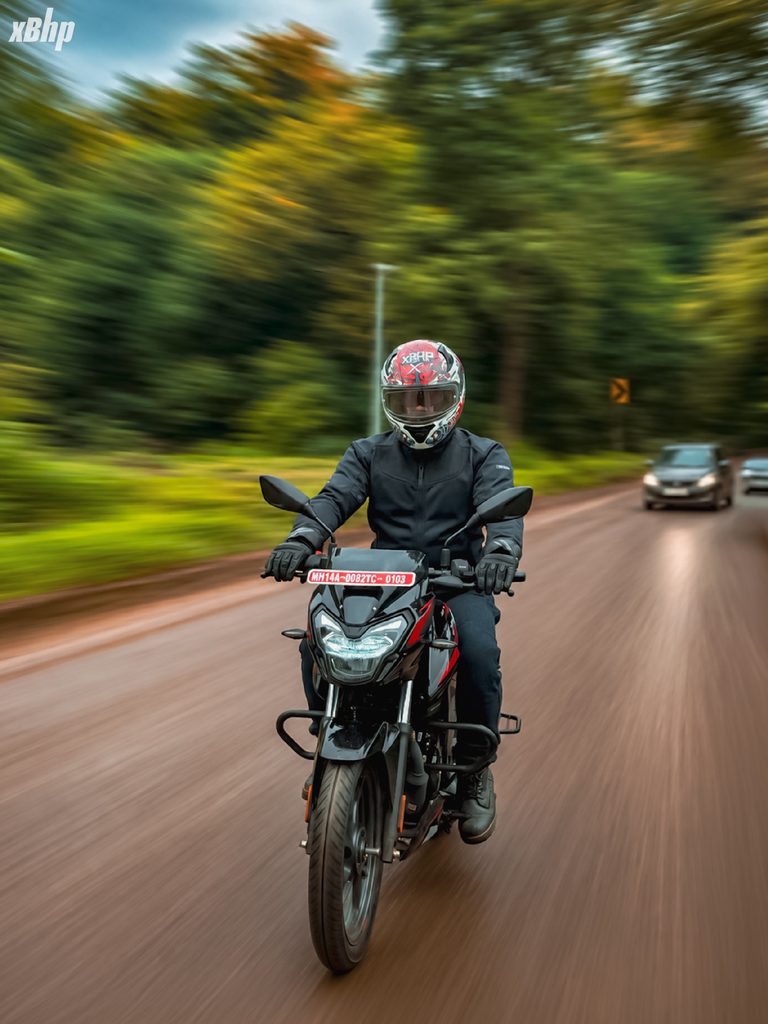
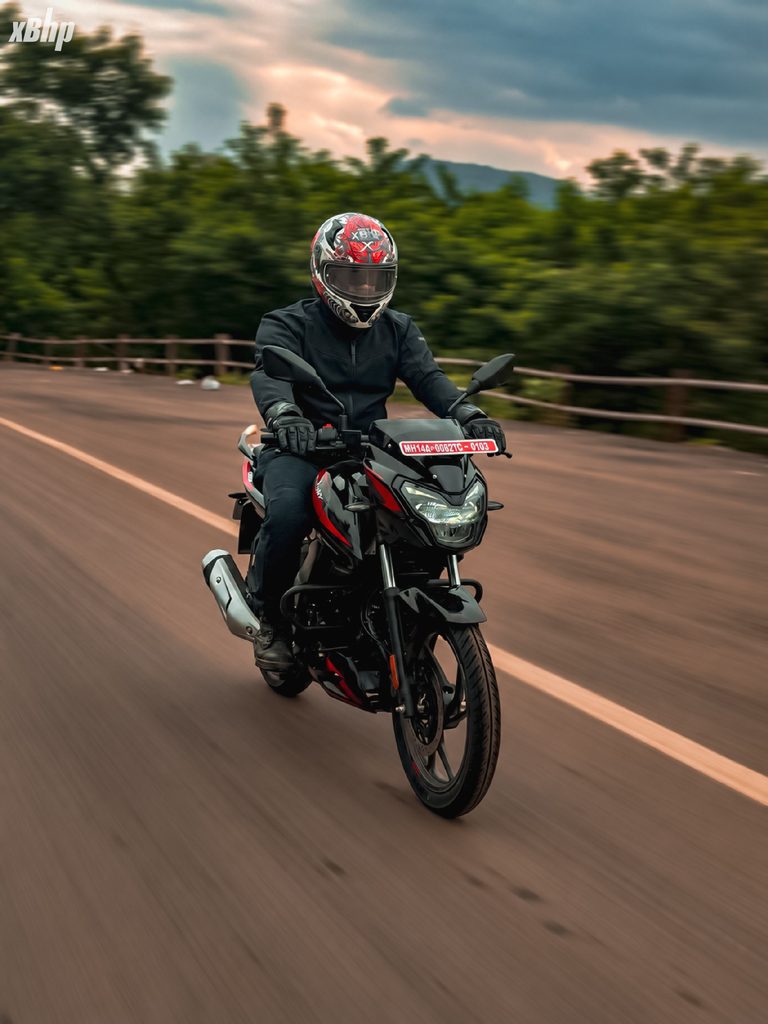
The weight reduction also makes its presence felt in the handling department. Changing direction, even at lower speeds, feels more effortless. Through corners, it feels more composed, and over broken patches, it feels more forgiving. The suspension has also been revised in accordance with the weight, and overall, it results in a much better ride.
See, none of this sounds like a big deal on paper. It is not like the new Pulsar 125 is suddenly a track-bred weapon. The point is it does not need to be. It needs to be easy to ride every day. And all the changes that have been made, the sum of those is something you are going to feel if you ride it every day. In that sense, the new Pulsar 125 has left me mighty impressed.
Pulsar 150
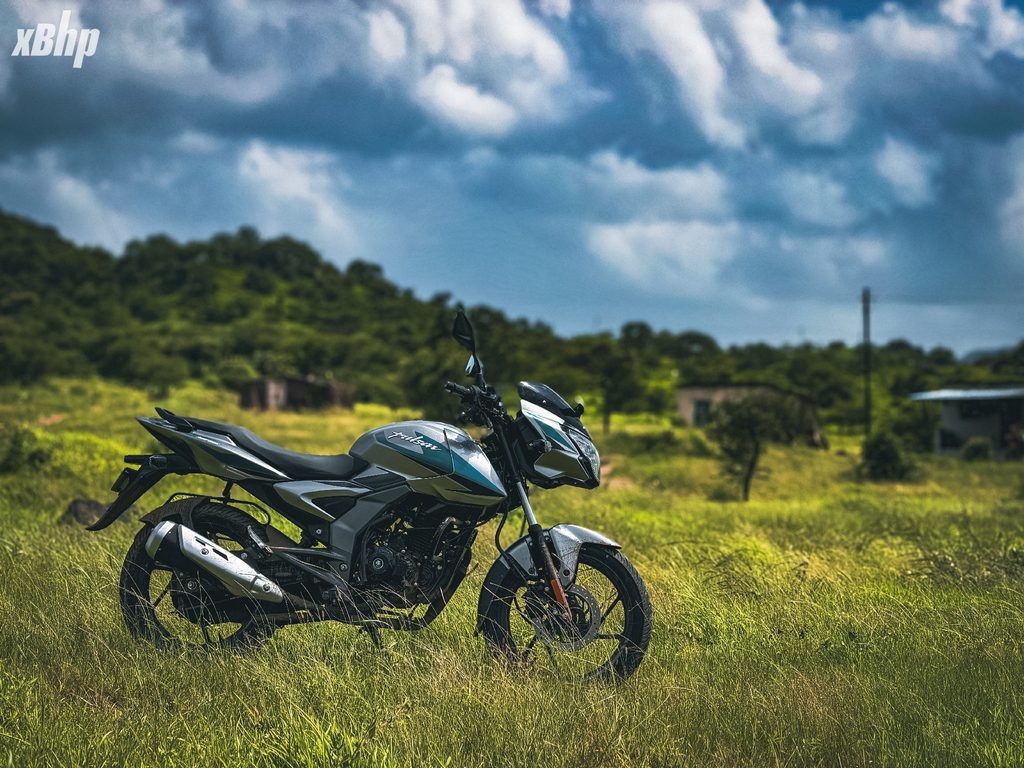
Now, the new Pulsar 150. This one has undergone even more work. The 149.5cc engine makes the same power as before, 14 PS, but it arrives 500 rpm earlier, at 8,000 rpm. The more significant change is the fact that the engine is now air-cooled, and the torque output has risen from 13.25 Nm to 14.1 Nm. In motorcycles of this class, ~1 Nm is significant.
More torque and less weight means more acceleration. More acceleration does not mean it is a dragster now; I mean that in a more ‘everyday’ sense. Moreover, for motorcycles like these, bigger numbers aren’t the point. It is about ability in a more regular-usage sense, say, overtakes.
The new Pulsar 150 also gets a new chassis with a monoshock at the rear. Some significant changes that I feel the need to mention are the seat height, down to 795mm from 805mm, and the ground clearance, up from 165mm to 186mm. You see? The theme is practicality, and Bajaj has done a great job with these sorts of meaningful changes.
The chassis is new as well, with a monoshock at the rear. Seat height drops from 805 to 795 mm, while ground clearance goes up from 165 to 186 mm. That is a useful combination for a motorcycle that will spend much of its life dealing with traffic, speed breakers and the occasional patch of road that clearly wasn’t designed with motorcycles in mind.
There is another interesting change in the tyre sizes. Compared with the older split-seat version, the new bike uses an 80-section front and 100-section rear instead of 90 and 120 sections. That is a fairly significant difference in width, but tyre size by itself doesn’t tell us how much grip a motorcycle has. The compound, construction and overall chassis package matter just as much.
In a visual sense, the reduction in tyre size may seem like a miss, but take it out on the road, and you won’t feel that ‘perceived lack’. The new Pulsar 150 remains a pleasant motorcycle to ride with enough in its holster for the occasional spirited run.
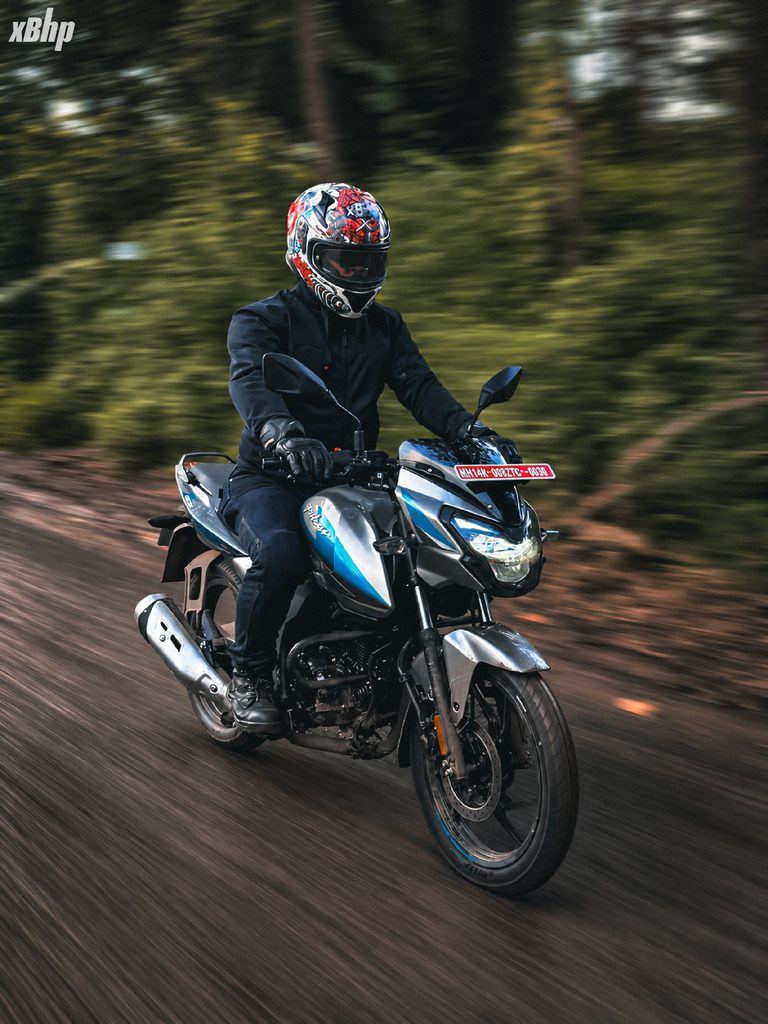
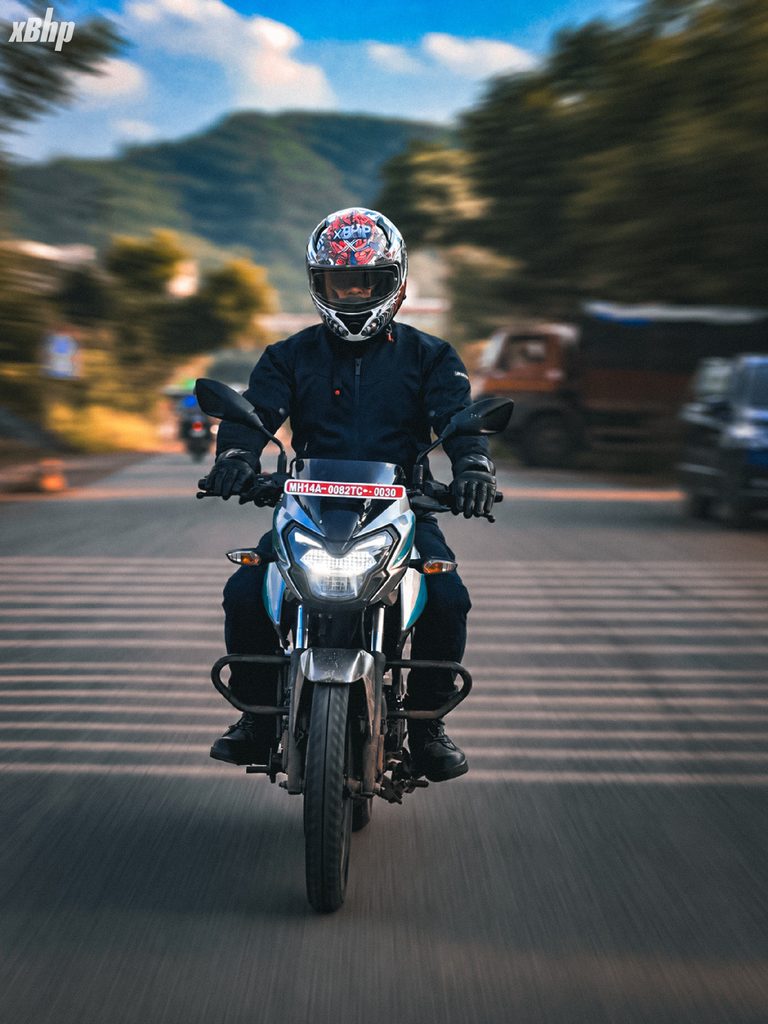
The fourth collaboration between xBhp and Axor brings to you the xBhp-Axor Bionic helmet. Based on the tried and tested Axor Apex platform, the helmet promises top-notch safety, comfort, and style that is augmented by the graphics symbolising the connection between man and machine, the bond of flesh and metal that this helmet brings to life every time you take your beloved machine out for a ride.
Features
Both motorcycles now get Crawl Tech, which is intended to assist at very low speeds. It isn’t the sort of feature that is going to make a headline on a Sunday morning ride, but it should prove useful in the queues, slow-moving traffic and cautious approaches to junctions that make up a good part of everyday riding.
There are LCD and TFT instrument options as well. Both can display turn-by-turn navigation and phone information, while the TFT adds music controls and a more elaborate graphical interface.
One important clarification: our top-spec test motorcycles did not have phone mirroring. Turn-by-turn navigation is not the same thing as displaying your phone’s map on the motorcycle’s screen. Earlier material had mentioned mirroring, so this is something worth checking on the exact variant before you put your money down. The base LCD 125 also doesn’t get ride modes, while the TFT-equipped versions do. Ride modes are available across the new 150 range.
Braking hardware varies across the range too. The 125 retains CBS and a rear drum, with a 240 mm front disc on the base version and a 260 mm disc on the TFT variants. And, just to be clear, CBS is not a substitute for ABS and does not provide the same protection against wheel lock.
All 150 variants get a 260 mm front disc and single-channel ABS. The base version uses a rear drum, while the twin-disc versions add a 230 mm rear disc. Twin discs, however, do not mean dual-channel ABS. Interestingly, the front disc is actually smaller than the 280 mm unit used on the older split-seat 150. But again, disc diameter on its own doesn’t tell us how well a motorcycle stops. Pad compound, calliper, tyre and the rest of the braking system all play their part.
Bajaj has claimed an improvement of 5 km/l in terms of efficiency for both motorcycles. It is a claimed figure and not something we have verified, but any betterment in fuel efficiency is a welcome addition. For the new Pulsar 150, which retains its 15L fuel tank, this means much better range. On the flip side, the new Pulsar 125’s fuel-tank capacity has gone down to 11L, so despite the better fuel efficiency, it may not translate to fewer fuel stops. But considering the sort of figures you get from the 125cc mill, I do not think it should be a problem.
Now, the price. Also, please note that all the prices are Ex-Showroom, Delhi. So, the new Pulsar 125 starts from INR 92,990/- and goes up to INR 1,04,318/-. The new Pulsar 150 starts at INR 1,15,233/- and goes up to INR 1,23,186/-. The good thing here is that all the variants have the revised engine, chassis, and monoshock, so no nasty surprises in any of the variants on the mechanical front.
So, what’s really changed?
My strongest takeaway from the 125 is how much easier it feels to ride. The cleaner engine response, lower weight and greater composure all add up, even if none of those changes sounds revolutionary on their own. The 150 has more going on under the skin, particularly with its revised engine and chassis.
Both of these motorcycles feel like the Pulsars always have. The changes have only made them more Pulsar. Lighter, more composed, and significantly easier to ride on a daily basis. To me, that is a win for me because that is what these motorcycles are aimed at: being everyday companions. In that regard, the new Pulsar 125 and Pulsar 150 score big.