Since '02 xBhp is different things to different people. From a close knit national community of
bikers to India's only motorcycling lifestyle magazine and a place to make like-minded biker
friends. Join us
xBhp was born more than 16 years ago and since then we've had a chance to ride or drive hundreds of machines
running on two wheels or four wheels, and sometimes even three wheels. We are not done yet, and this list is
still growing. In these pages, we take a deep dive in the treasure trove of our ride experiences and bring
you all that we have ridden or driven.
Machines Done 423
|
Total Cubic Capacity 177425
|
BHP 54578
Yamaha R2 Review | Living up to tall expectations
204CC26.1BHP19.1NM
Oct 2026
xBhp
Bikes,Motorcycles,Yamaha
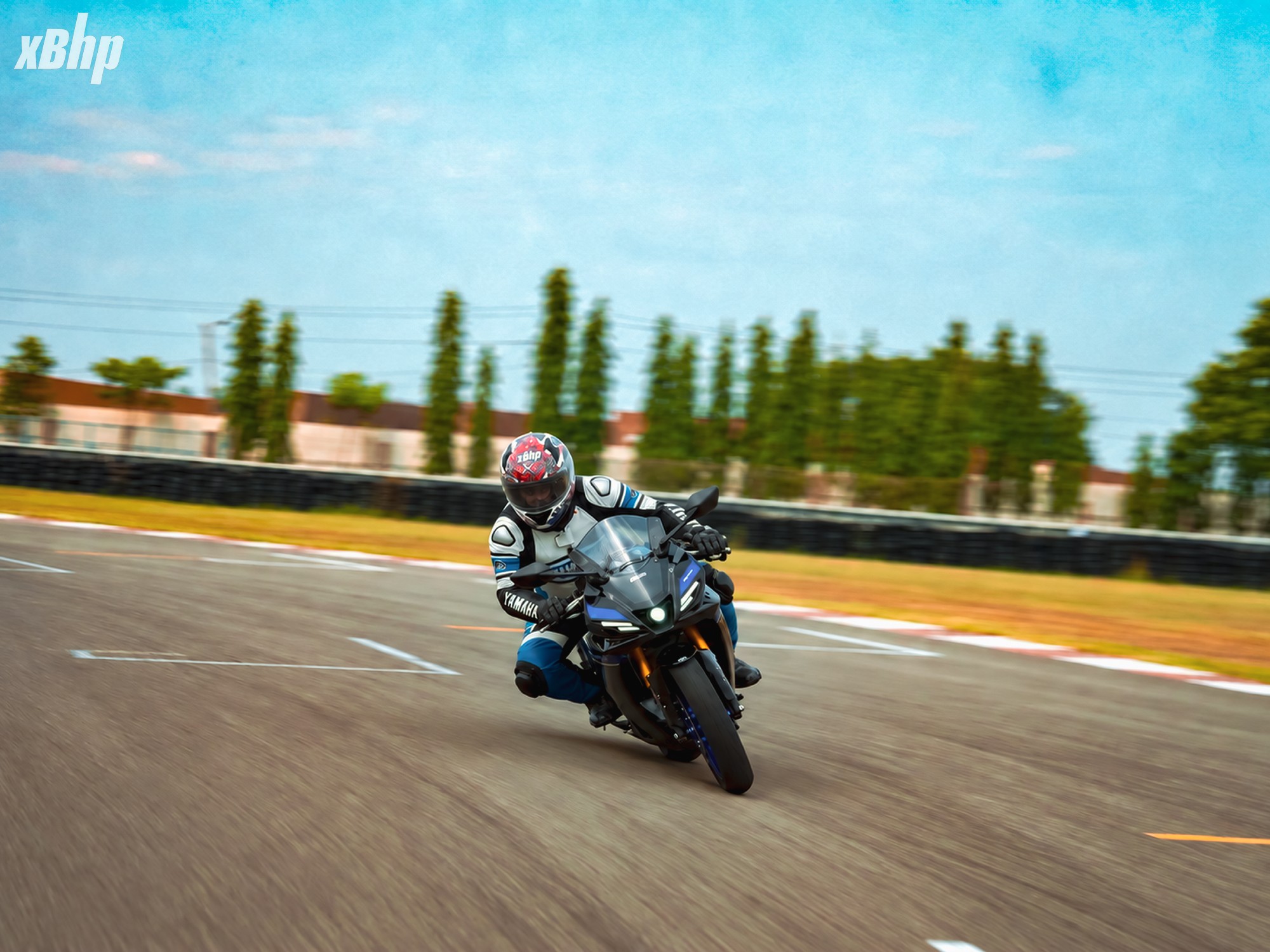
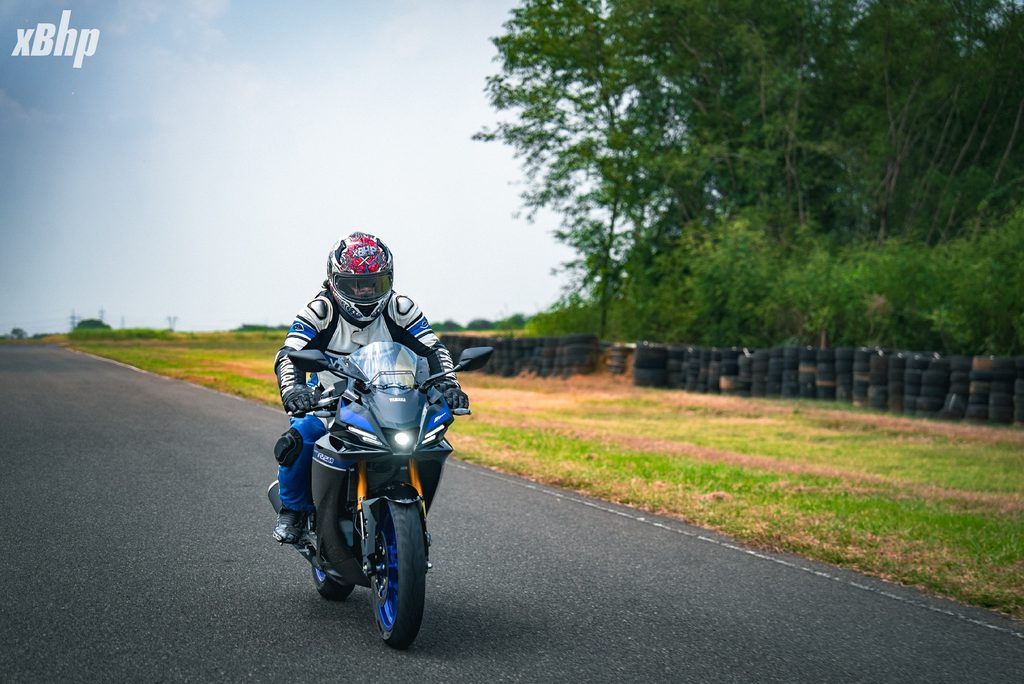
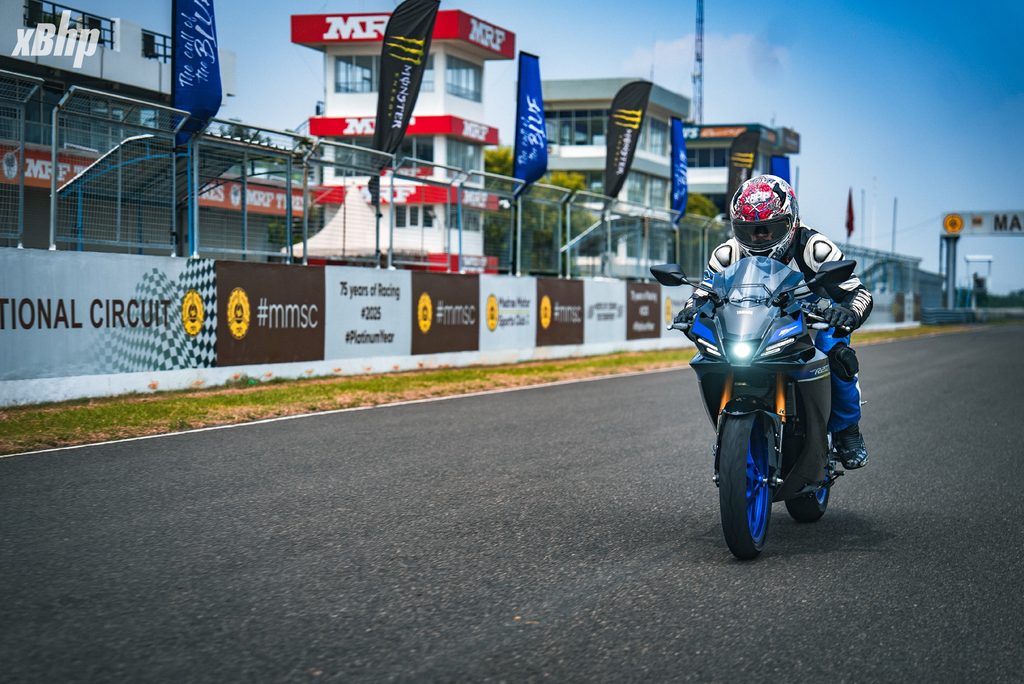
It has been nearly two decades since the R15 burst onto the scene and took the Indian motorcycling scene by storm. In essence, it was a 150cc superbike. Lightweight, high-revving, fully-faired, and a superb handler: it was the true R motorcycle for the masses. Now, Yamaha has launched the R2 and considering the legend that the R15 is, we’d say that the R2 has massive shoes to fill. So… does it succeed? Well, we had a few laps with the R2 on MMRT, and here’s our review.
To answer that particular question, and a few more that stem from it, we’ll go with no. The R2 is no R15. But that does not have to be a bad thing. The R2 is actually a more mature motorcycle. It is more powerful and yet more forgiving and more practical. It may not look all that different from the R15, and in some ways, it isn’t. But in a lot of ways, it is.
Moreover, it cannot really be a phenomenon like the R15 was when it first arrived. The R15 came to India at a time when the sportbike market was pretty nascent. Now, the market is flooded with high-performance motorcycles, and the R2 has stiff competition, both in its class and in its price bracket.
Also, we’ll address a few things right at the beginning. There is a lot of noise on the internet about the R2 ditching the iconic Deltabox and VVA. In a word, it does not matter. The R2 is built on a formula. That formula is a light, rev-happy, and quick motorcycle for the road that can handle itself around a racetrack too. On that front, the R2 delivers in spades.
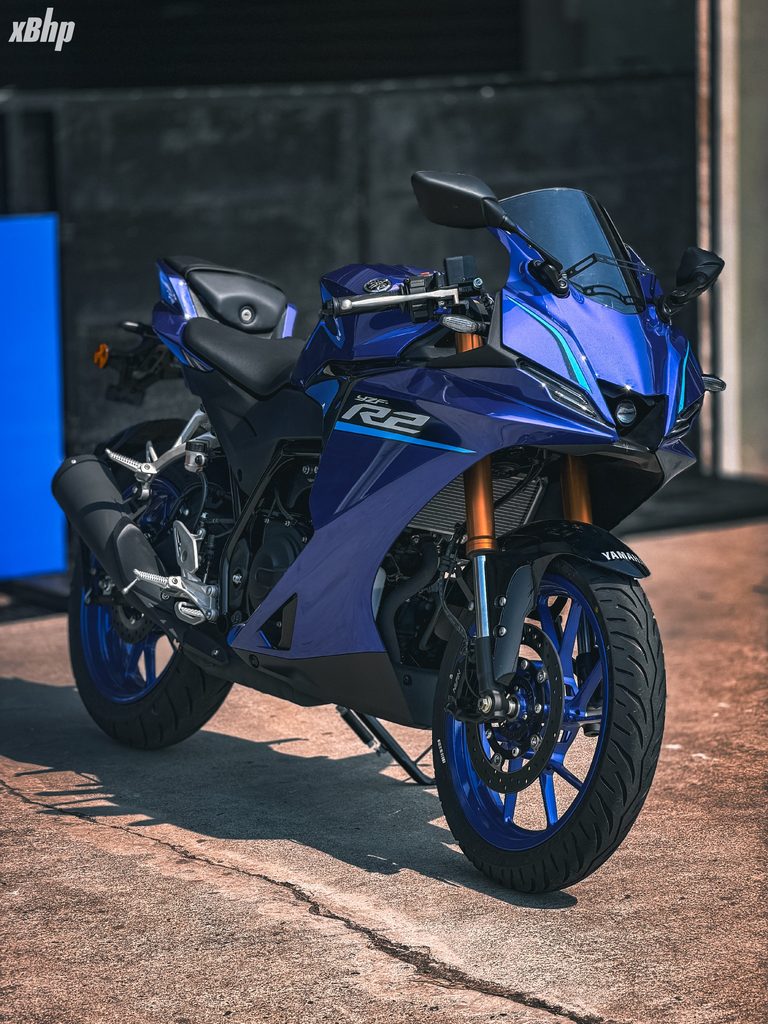
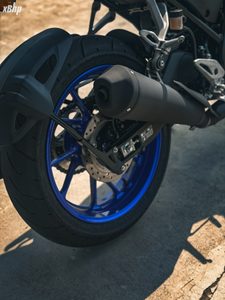
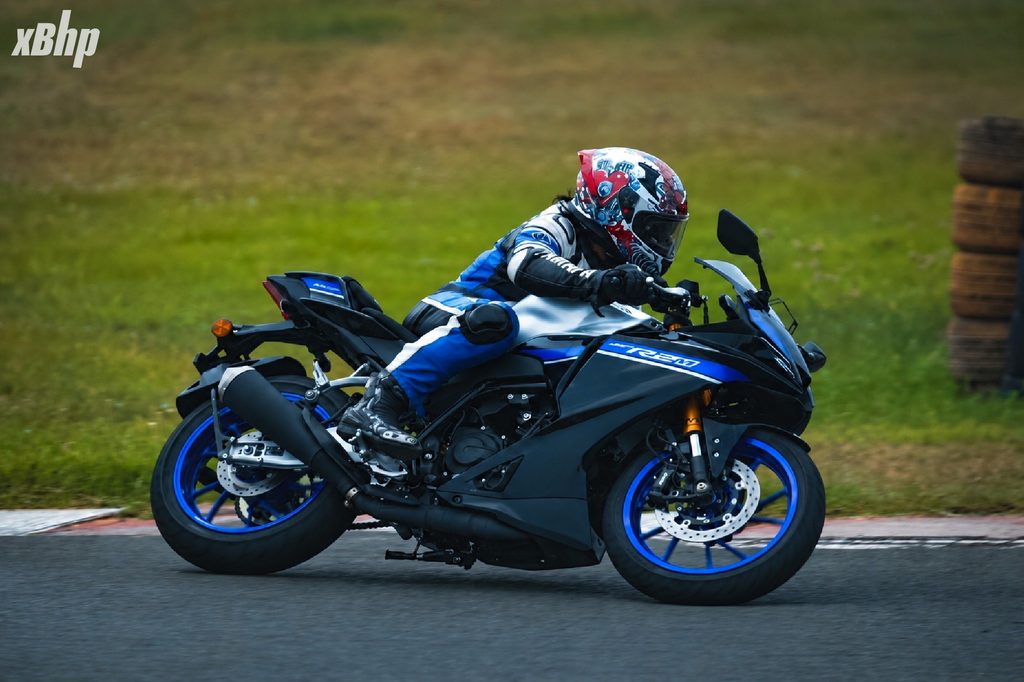
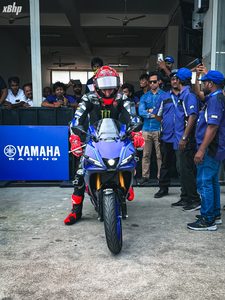
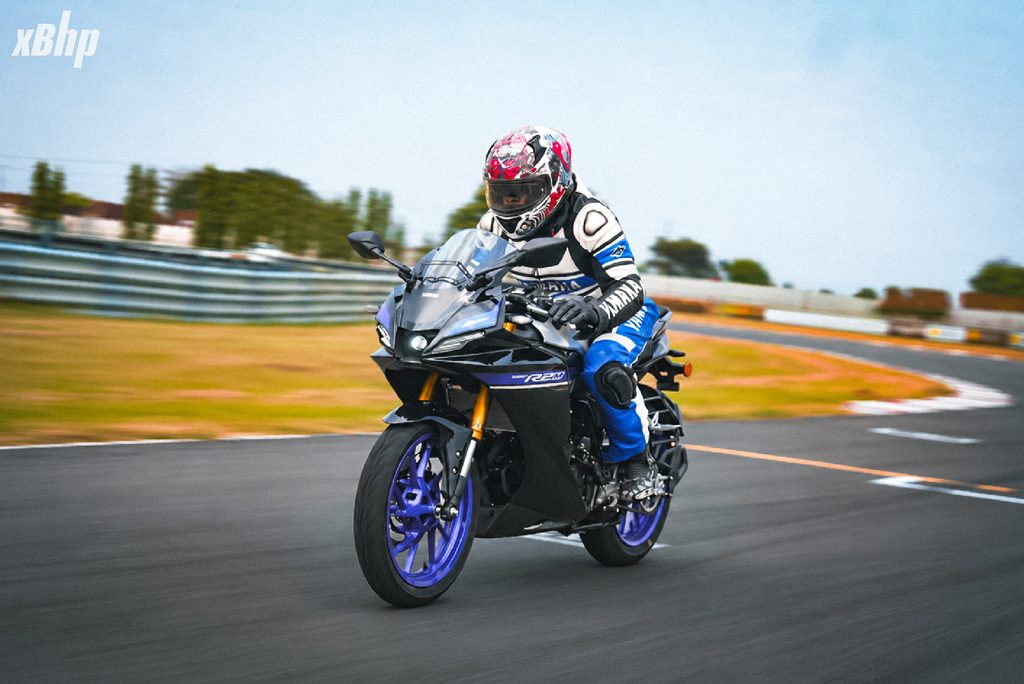
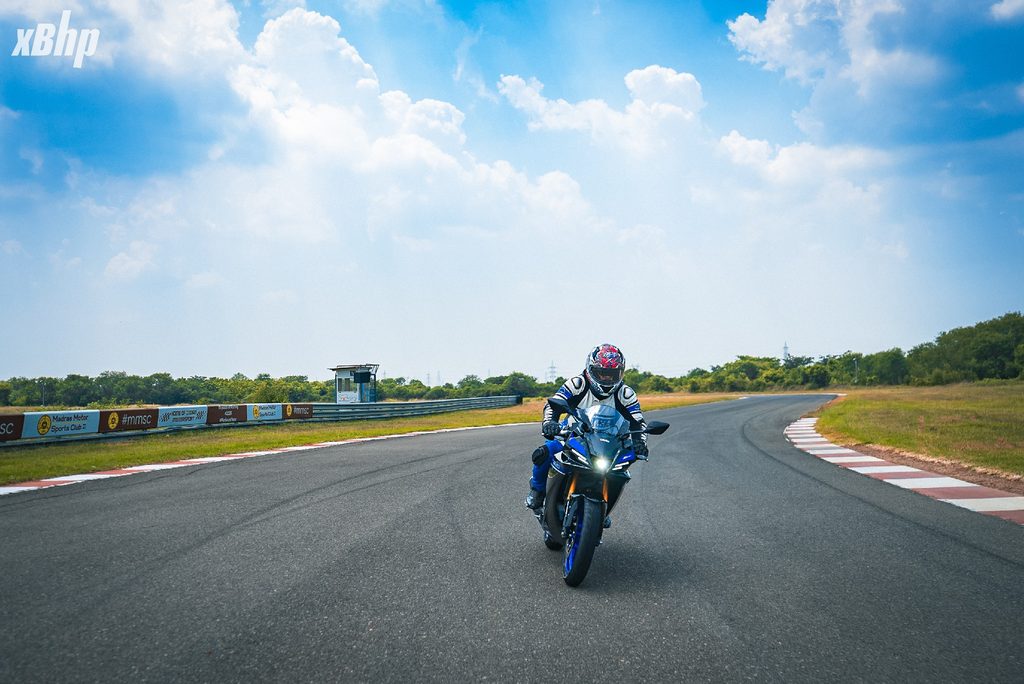
Let us start with the variants first. There’s the base R2. It gets traction control, an assist & slipper clutch, riding modes, 37 mm USD forks, and dual-channel ABS. The second variant adds a bi-directional quickshifter to all that. And the top variant, R2M, gets preload-adjustable front fork & rear shock, and adjustable clutch lever and brake lever, along with some visual stuff. For reference, we rode the R2M, the one seen in the photos. Also, the so-called shot-blasted muffler end cap, the silver swingarm, the faux suede seat, and the metallic grey colourway are exclusive to the M variant.
This was the tedious part. Now, to the interesting bits. First off, the looks. The new Yamaha design language seems to be taking shape throughout the lineup now. The R2 looks quite similar to the R3 that we rode in Australia… or the R9 that we rode in Australia… or the Yamaha R7 that we rode in Aus… nah, that one looks slightly different. You get the gist. The new identity of the modern Yamaha YZF lineup seems to be forming, and the design is a giveaway.
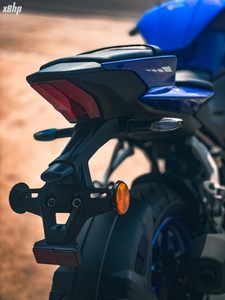
Staying with the R2M, it is a handsome-looking motorcycle, especially the M variant. That swingarm and the muffler end cap accentuate the colourway. The one niggle might be that it is not too different from the R15. Except for the hollowed-out rear section or the layered DRL, and, of course, the Deltabox, it is quite similar to the R15. Regardless, the new R15 is closer to the R7, while the R2 is closer to the R3 and R9. The point is, it is a good-looking motorcycle, and it’ll still get you a fair bit of attention. Not as much as the first couple of R15s because design fatigue is real.
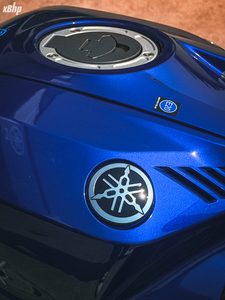
Now, ergonomics. As soon as you climb aboard, there’s a feeling of familiarity. It feels like the R15, though the tank feels more substantial. It is a 12L tank, 1 more than the R15, but visually, it feels more substantial. Also, the ergonomics are slightly different. It feels a bit more relaxed than the very committed R15. That should make living with it every day relatively easier. That’s your first sign of this being a more mature motorcycle. Also, the seat height is 810mm, quite approachable.
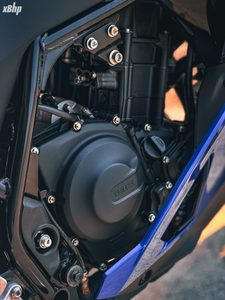
Then, there’s the engine. It is an all-new 204cc, liquid-cooled, four-valve, DOHC single-cylinder engine. It produces 26.1 bhp of power at 10,000 rpm and 19.1 Nm of torque at 8,000 rpm. Let us address the first demon here. No VVA. In the R15, there’s that distinct kick at around 6,500-7,000 rpm because of the VVA, quite characterful. The R2 does not have that, but it has nearly 5 Nm more torque than the R15. And there’s still a surge in power at higher revs, just not a kick like the VVA.
Instead, what you get with the R2 is a constant flow of torque that swells towards the higher end of the rev range. It is still a rev-happy mill, and the engine feels quite eager to get going. What the additional torque does is that you do not have to be right around that VVA zone as you exit a corner. Even if you are a gear too high, it has enough grunt to get you going in a jiffy. It never felt like the lack of VVA was something that was bothering the R2 at any point.
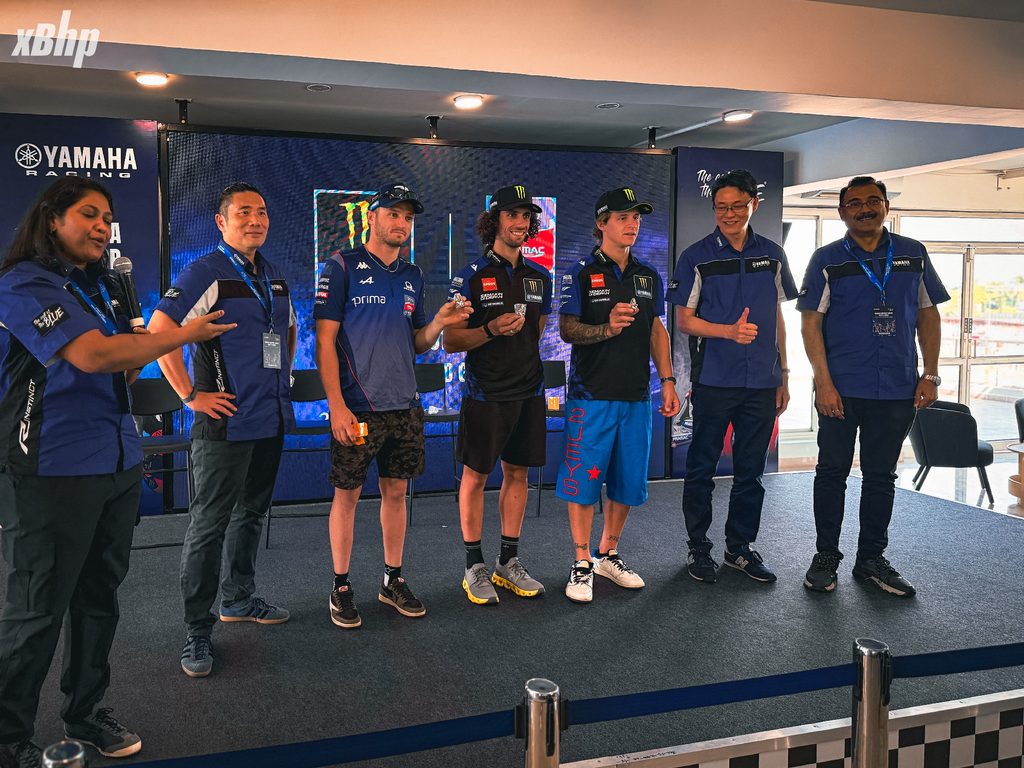
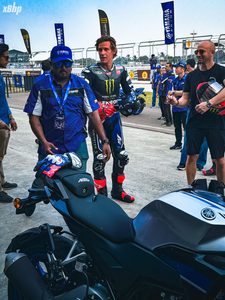
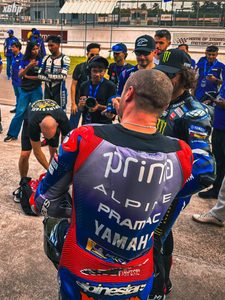
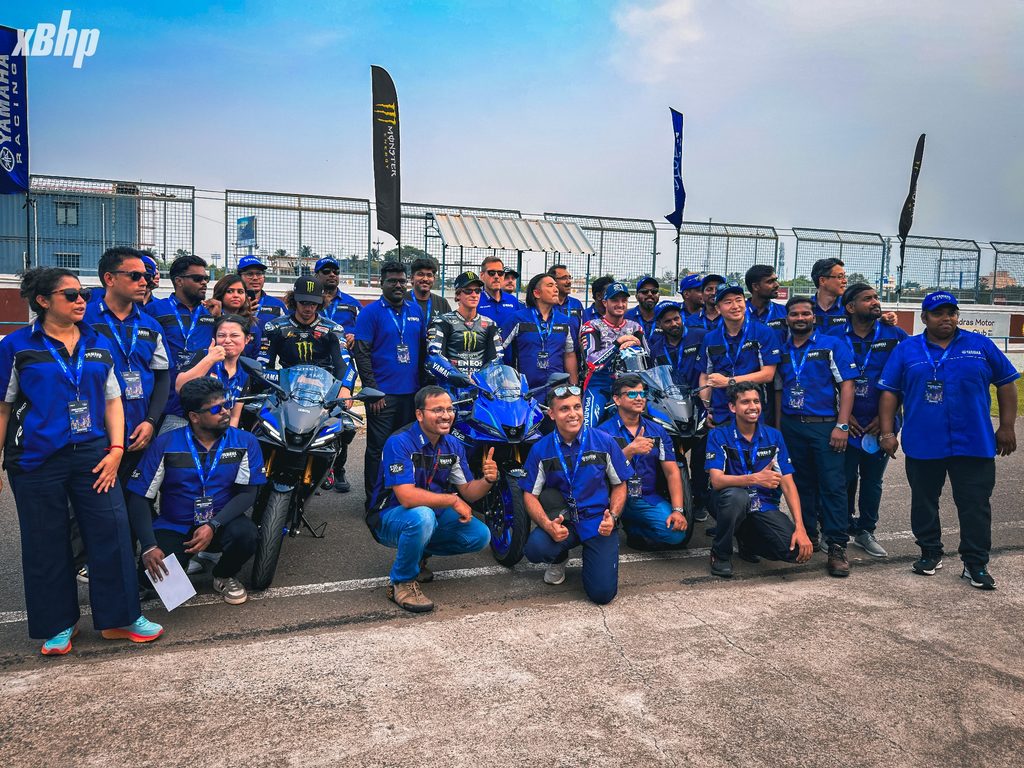
It is a dream come true for a lot of us motorcyclists when we get to meet MotoGP stars in person, some of the fastest people on two wheels on the planet! At the Yamaha R2 review event, we got to meet Jack Miller, Alex Rins, and Fabio Quartararo (L to R); the latter two ride for the Yamaha Factory Team in MotoGP, while Jack Miller is a part of the Prima Pramac Yamaha squad.
The one thing that we expected, and that came to pass, was refinement. It is not a gruff motorcycle by a long shot. But with the R2, you have a higher displacement, and therefore, slightly more vibrations compared to the R15. Not a deal breaker, and they may settle further after there are a few more km on the odo, but we had to let you know, so we did. All in all, this engine is a peach, but then again, we are not surprised. This is something we expect from a Yamaha anyway.
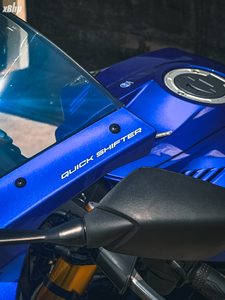
Let us talk about transmission now. The 6-speed gearbox is slick. The bi-directional quickshifter works well, and even if you are going through it like a thoughtless oaf, it rarely protests. Use it well, and it accentuates the experience. Again, Yamaha vehicles are nearly always mechanically sound, so this should not come as a surprise. Oh, and you have the slip-and-assist clutch too. So you can be really evil to the gearbox, and there won’t be any rear-tyre-hopping-related issues.
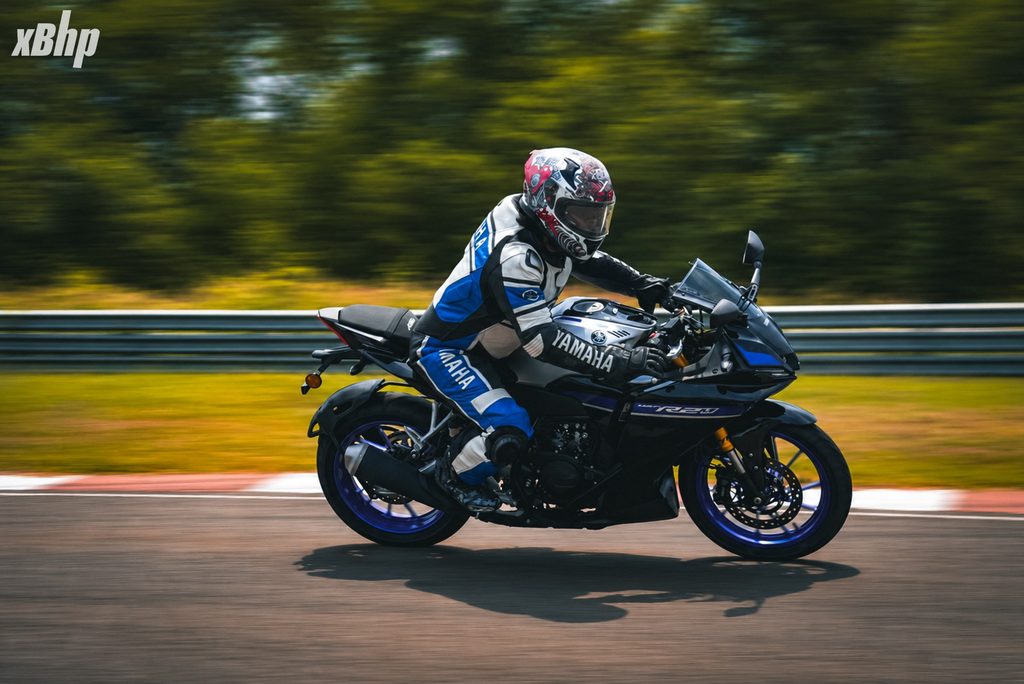
So the engine is a hoot on the racetrack. How about the handling? Even better. The R2 weighs 149 kilos (kerb). It has some class-topping numbers going for it. But again, there’s that familiarity. It still tips into the corners like an R15, holds its line like an R15, and rockets out like an R15. Only, it does not demand as much skill as the R15. Thanks to the light kerb weight and a forgiving chassis, it is a sublime machine to thrash around a racetrack. So yeah, you are not going to miss that Deltabox on it.
The suspension does a pretty good job as well. The dive under heavy braking is progressive and controlled. There’s no hoppiness or waviness to it. Whether you are braking hard entering a corner or exiting hard out of one, the R2’s suspension is up for it. With the M variant, you can fine-tune it further, but we did not have any complaints with the stock setup either. How it’ll do on the roads is something we’ll have to see.
Braking is, again, quite similar to the R15. It is not overly sharp, yes, but we’d have liked a little more bite on the racetrack. On the roads, this setup should be more than enough, welcomed even. No complaints in this department… just some wishful thinking. Finally, the R2 also gets a 5” colour TFT with Bluetooth connectivity and connected features, including turn-by-turn navigation. While these features are shared across variants, the R2M also gets a smart key system with keyless ignition.
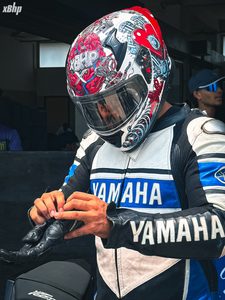
The fourth collaboration between xBhp and Axor brings to you the xBhp-Axor Bionic helmet. Based on the tried and tested Axor Apex platform, the helmet promises top-notch safety, comfort, and style that is augmented by the graphics symbolising the connection between man and machine, the bond of flesh and metal that this helmet brings to life every time you take your beloved machine out for a ride.
That’s about it. So, how is the R2? Well, it is pretty fantastic. How does it compare to the R15? It does not. Not because of capability, but because of the times. The R15 was the R1 for the masses, when the latter was the flagship. The R2 is the R9 for the masses, the current or to-be flagship. In that regard, the R2 is a genuinely impressive motorcycle. Now, we just need Yamaha to bring the R7 and R9 to India so that we can repeat something like our Passion Hunt ride from 2009… till then, Ride Hard, Ride Safe.