











All posts by Sunil Gupta
Suzuki GSX-S1000 Review – The Naked Fury!

 Dec 2015
 Sunil Gupta
 Bikes,Motorcycles,Suzuki
When I think of Suzuki, I think of the Hayabusa. I also think of the legend of the Ghostrider somewhere in Sweden doing insane speeds on one of his all black GSXRs. Somewhere along the way Suzuki forgot to update and keep up with the Joneses as far as the GSX-R 1000 is concerned. It is the least talked about litre class superbike out there, but by no means less potent than any other. Though that might change soon, as per the concept bike displayed at EICMA 2015 by Suzuki.
However, I have been a great fan of naked streetfighters. I had the raw and brutal Yamaha FZ1, on which I went around India and did various other rides as well. And currently the futuristic Benelli TNT 899 is there in my garage.
However, the GSX-S1000 catches my interest. It is visually bulky and carries itself like a fully purposeful streetfighter –I’ll-do-my-own-hooligan-s#*t look right off the showroom. The blue colour that I rode is the ‘official’ Suzuki colour and does look good but to me a streetfighter is best dressed in black.

It has got all the right visual cues to have substantial road presence and carries an explosive performance in a small package. The engine produces a very healthy 145bhp (still less than one of the most powerful nakeds out there, the FZ1 at 150bhp). It is just a little less bulky than the FZ1 in the way it feels. The engine is super smooth as you would expect from a Japanese motorcycle and it is as flickable as it gets. I suspect it would be a decent track machine with better rear-sets, though a naked isn’t really built for the track. The street is where the real fun begins with it, where it lives and where it plasters a manic grin on the face of the rider.
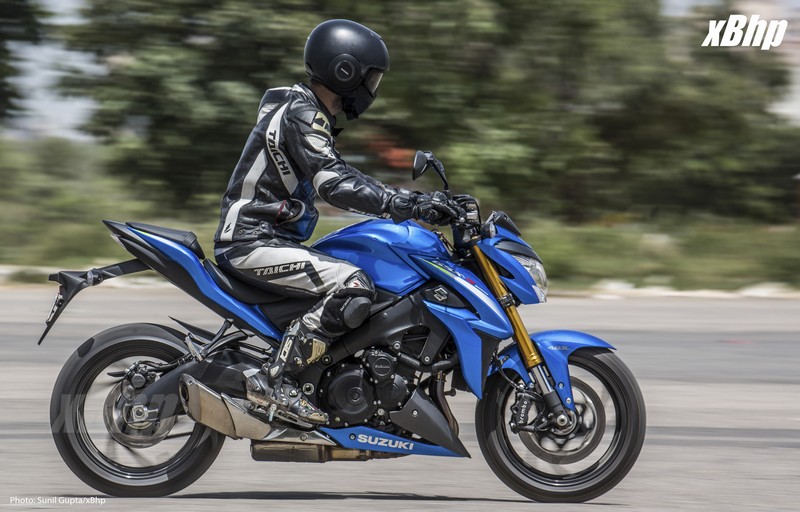

Though this street naked’s engine is derived from the GSX-R1000, the engine on the bike is tweaked for the street and not the track. So different engine internals find their way into the heart of the S1000 to improve its bottom and mid-range. The powerband where you will find yourself most of the time in the city and on the highways. The bike is surprisingly easy to manage at slow speeds and doesn’t cause any heart-in-the-mouth moments as you let go of the clutch and start rolling. But get the engine revving into its meaty mid-range and you can fully appreciate the power all the way to its redline at 11500rpm.

Yes, this isn’t a litre class full blown sportsbike, but it has got enough to keep most riders happy. In addition to it, the comfortable ergonomics and saddle which allow the rider to flatfoot the bike. Suzuki does seem to have a winner on its hands ready to join the party alongside the FZ1, CB1000R and Z1000; albeit a few years late. The Suzuki in this group doesn’t get any fancy electronics or tech wizardry, but the bike is a solidly built unit, which oozes quality and attention to detail that we have come to expect from Suzuki. Though you do get 3-mode Traction Control and ABS for those who are looking for the safety net that these two provide.

The S1000 handles very well. You can pick it and throw it around with minimal effort. It is not as sharp as the superbike, but it will surprise at how easy it is to point and shoot! The wheels are shod with Dunlop rubber, which does a reasonably good job of aiding the handling. But the sweetest deal on the bike is the suspension. An aggressively set-up unit allows the bike to handle as well as you can hope and expect from a 209kg motorcycle, but the downside is that you might find it a trifle hard on not so smooth roads, that our cities are filled with. The suspension is easy to adjust, so softening it a bit should work well for most riders. Suzuki also claims that the chassis on this bike is actually lighter than the one used on the GSX-R1000 currently, which goes to show the effort the company has put into making this bike a potent machine.
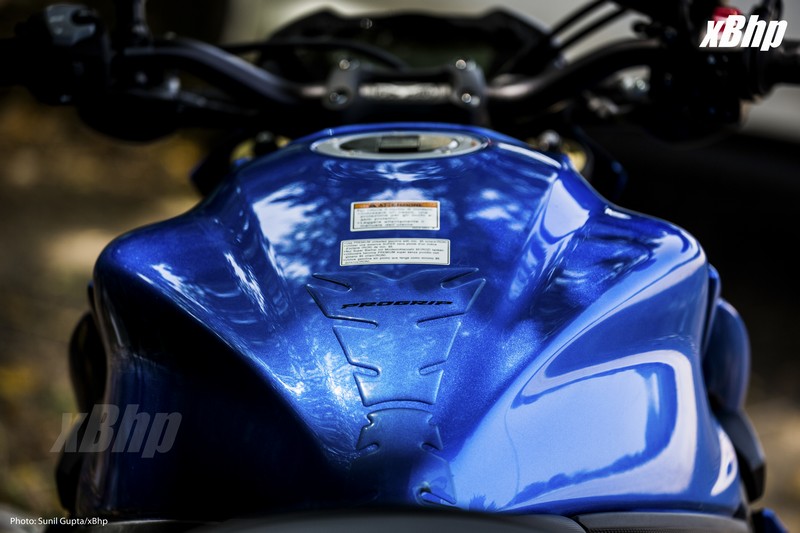


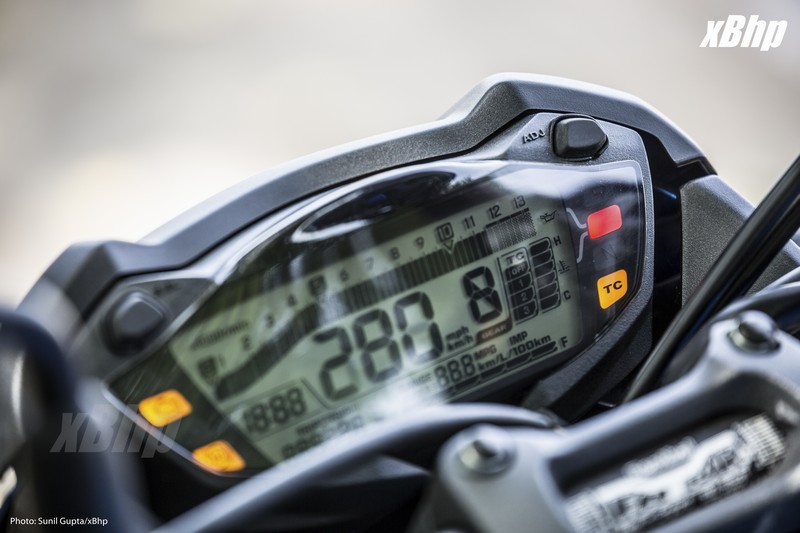
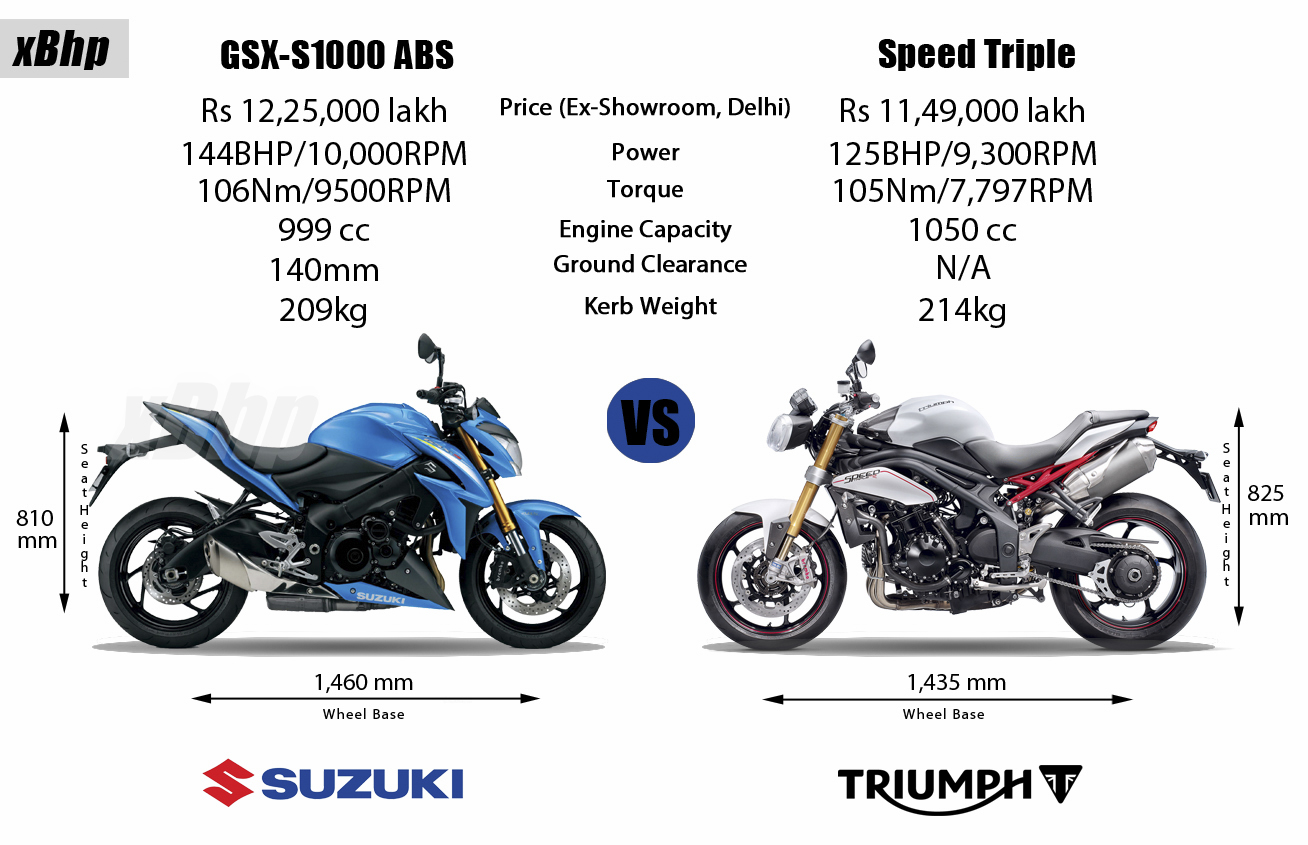
As an all-round package you realize that Suzuki has done a fine job of giving something for everybody. An easy handling bike for the city, a stable bike for the highways and a bike which should do reasonably well on a track once in a while. And all of this with great looks, though for the more highway biased rider, a S1000F would probably make more sense. All this at an Ex-showroom Delhi price for INR 1225000 does make it a very tempting proposition indeed, especially taking into account that Suzuki has a number of Hayabusas on Indian roads and thus a decent after sales network. In comparison the Honda CB1000R ABS and Yamaha FZ1 retail for Rs 1326600/- and Rs 1143000/-, both prices ex-showroom Delhi. Though the FZ1 doesn’t have ABS.
Suzuki GSX-S1000 Review Technical Specifications

See how the Suzuki GSX-S1000 fares when put in comparison with similar products from other manufacturers







New Bajaj Avenger Street 150 & Cruise 220 – reviewed!
 Dec 2015 Sunil Gupta
Bajaj,Bikes,Motorcycles
Dec 2015 Sunil Gupta
Bajaj,Bikes,MotorcyclesThe Indian motorcycle market has seen a tremendous growth over the last decade or so. Every manufacturer worth its salt is either already here or is planning to set up shop in India. This growth has brought in all kinds of motorcycles for the prospective buyers, from street bike to cruisers to adventure touring machines. Especially, the big bike market is dominated by cruiser sales and Harley-Davidson sits right there on top. Royal Enfield undoubtedly owns the mid-size cruiser category and in fact is one of the fastest growing motorcycle manufacturers in the country of late. Bajaj is the only player catering to the bottom end of this market with its sole offering – the Avenger 220. Of course Hyosung is there with the GV250, but its price bracket sets it further apart in this category. The Avenger has done decent numbers (around 4000 units per month) for Bajaj despite seemingly almost zero efforts from Bajaj’s end to promote it. The last big upgrade the Avenger has seen was in 2010 when it was fitted with a 220cc engine. Yet the Avenger has held its ground. But the recent upheavals in the market have forced Bajaj to shift gear and give the Avenger the kind of attention it needs.
Bajaj recently launched an entire range of Avenger and there is not one, not two, but three different variants of the Avenger now on sale, with which Bajaj is aiming to touch the 20k units per month sales target. The Avenger is now available in 220cc Cruise and 220cc Street versions. The Street version is also available in a 150cc variant, which is aimed at people who want the styling and comfort of a cruiser but need to take care of their budget and fuel economy restraints as well.

Bajaj Avenger Street 220
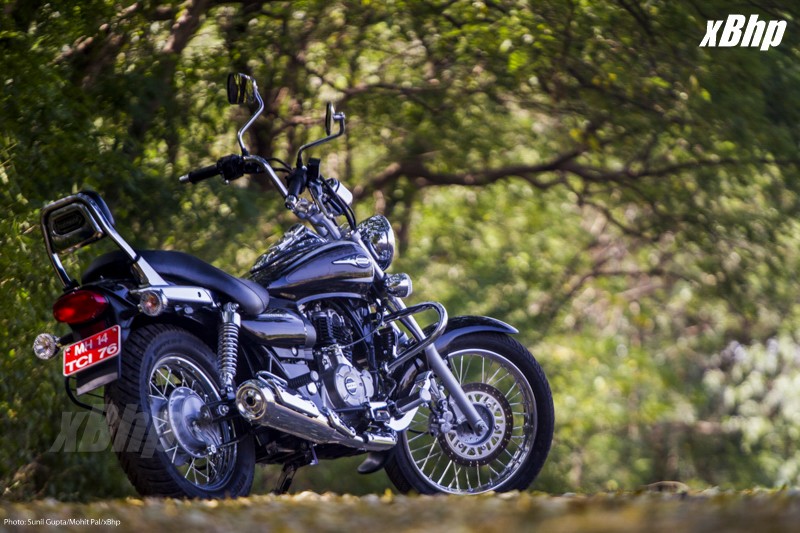
Bajaj Avenger Cruise 220
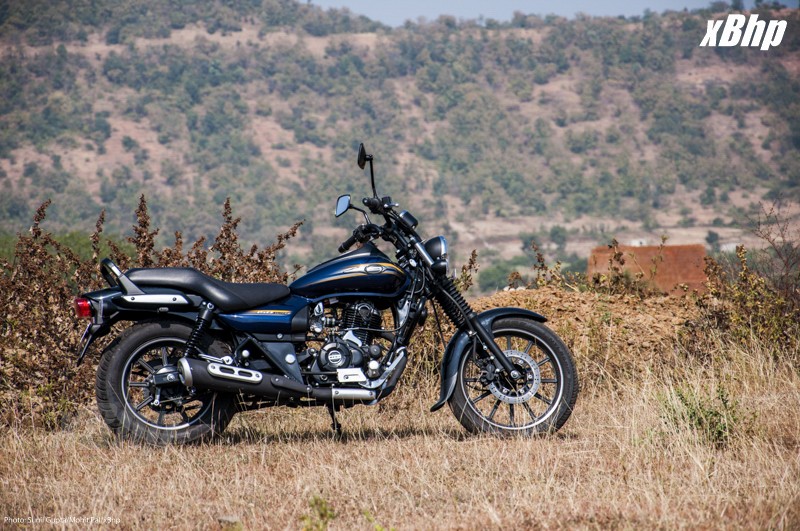
Bajaj Avenger Street 150
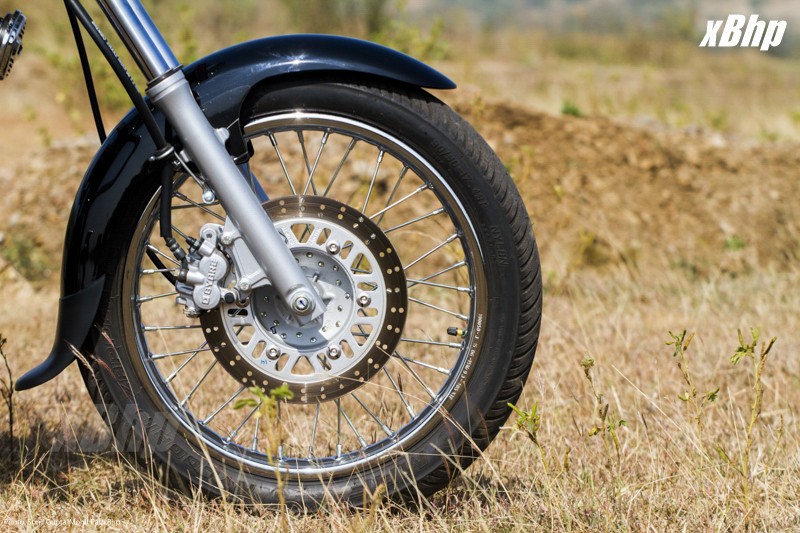
Styling wise, broadly, the new Avenger series is the same old Avenger that we’re used to seeing. However, there are some major changes that make these bikes as new as they can be. As suggested by its name, the Avenger Cruise 220 carries all the things a cruiser would have. Firstly, it has chrome and lots of it! It also has a new handlebar and a more relaxed riding posture for those long hauls on the highway. There’s also an optional wind screen for those who are willing to shell out a few extra bucks. The Street 220 and the Street 150 on the other hand get an all-black treatment, including the engine, alloy wheels, and the grab rail. The handlebar on the Avenger Street is flatter and lower to make it more manoeuvrable in city traffic. The Cruise 220 comes fitted with spoke wheels whereas the Streets get a 12-spoke blackened alloy wheel at the front and 9 spoke alloy at the rear. The Cruise 220 also gets a pillion backrest. The seat height of new Avengers is raised by 15mm and that is contributed by the extra foam on the seats for extra comfort. The new Avengers also get a white headlamp, which Bajaj claims helps in better visibility after dark, though we couldn’t test it as we rode the bikes during daytime. Flexible indicators also find their way into the Avenger Street and Cruise. There is a new design analogue speedometer with a tiny LCD screen within, which displays odometer and trip meter readings. And obviously, the Avenger Cruise gets chrome plating on the speedo, wherein the Street 220 and 150 have got it black. The fuel gauge is fitted onto the tank itself. The overall fit and finish is top notch.
You Might Also Want to Read Bajaj Avenger Owners’ Experience
Some closeups of the Avenger Cruise 220


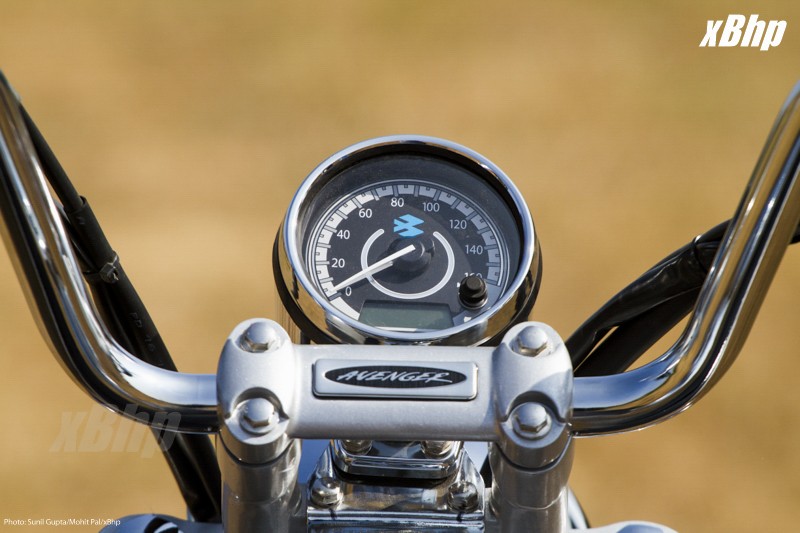
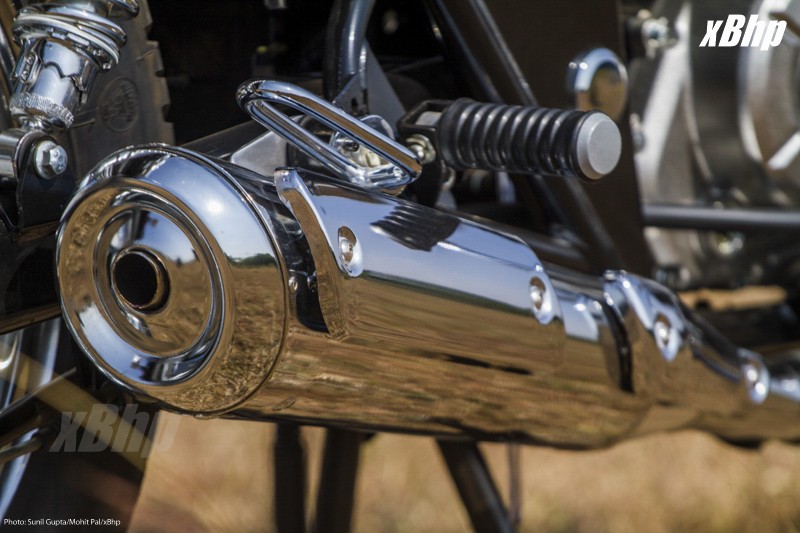


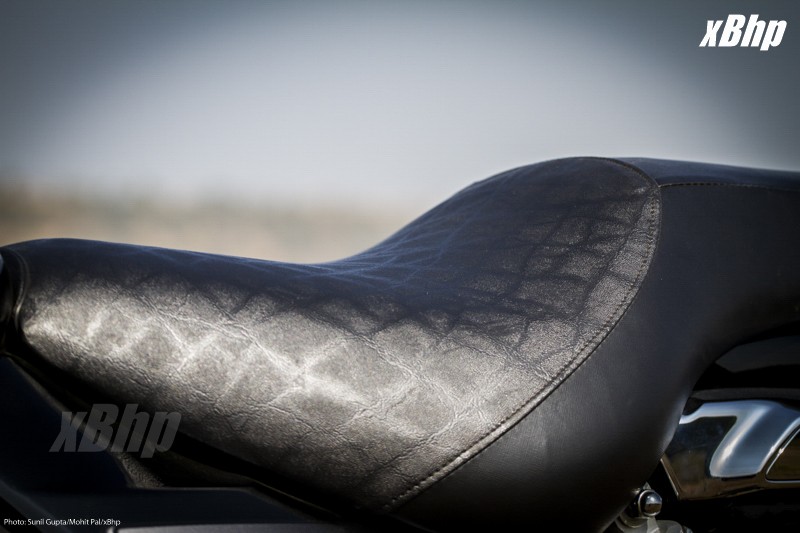

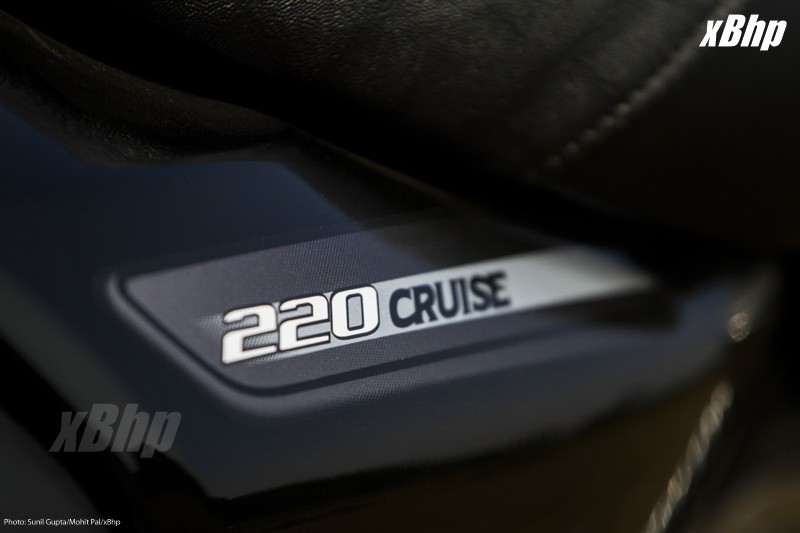

The Cruise 220 has got a very solid presence on the road and it will surely grab a lot of eyeballs. The Avenger Street 150 and Street 220 look pretty much identical except for some minor differences, the most notable of them being the blue colour of the Avenger 150. The Street 220 comes in black-red dual colour tone. It is hard to miss the influence of Harley Davidson’s Street 750 on the Avenger Street bikes. From the black alloy wheels to black rubber bellows on the front suspension to a minimalistic single pod instrument cluster to a round headlight. But it is a well-executed product in the end and that is what matters. Ticking the final box in the Cruiser checklist is a slightly bigger wheel at the front (17 inches) than the rear (15 inches).
Bajaj Avenger Street 150 closeups


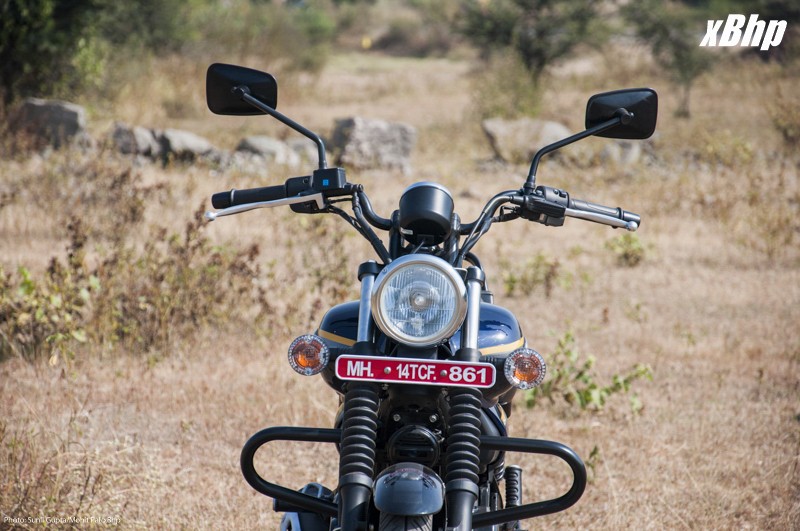

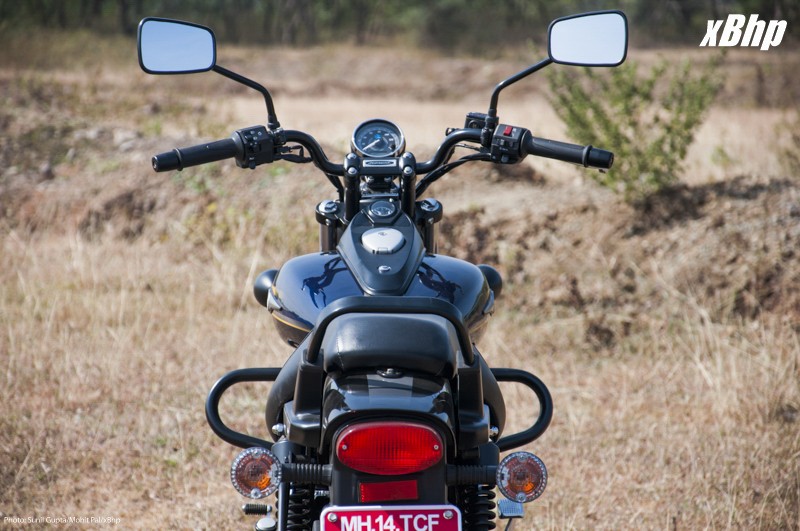


Coming to the performance, let’s talk about the Street 150 first. The Avenger Street 150 surprised us by its performance. It uses the same tried and tested 150cc engine that Bajaj has for a very long time. This engine is tuned for a better low and mid-range torque and is mated to a 5-speed gearbox. It makes a healthy 14.5BHP at 9000RPM (at par with most of 150s in the country) and a torque of 12.5Nm at 6500RPM mark. The engine was smooth and vibration free even at high RPMs. The torque seemed to kick in rather early and evenly throughout the rev range. The gear shifts were positive and smooth as well. The bike seemed good enough to be able to cruise around 90kmph throughout the day without much fuss. The Street 150 also gets a 38-teeth sprocket at the rear and a larger air filter for improved low and mid-range.
The Avenger Cruise 220 and Street 220 retain the same old 220cc oil cooled DTSi engine that makes 19PS at 8400RPM and 17.5Nm of max torque at 7000RPM. These figures remain unchanged from the earlier avatar of Avenger. There is a very solid and planted feel to the Avenger when you ride it. The bike is quick off the mark, but obviously not the quickest of the lot. The engine responds readily to rider inputs and is smooth. The 5-speed gearbox also didn’t show any signs of distress or false neutrals. On the handling front, the Cruise 220 true to its name acts in a very relaxed and sedate manner. It loves to go straight and feels a bit hesitant when put it through the zigzags of city traffic. The Avenger Street 220 on the other hand is 5 kg lighter and, thanks to its flatter handlebar, feels much more eager to turn quickly and wants you to push it more. Overall the Avenger 220s behave reasonably well on the twistys, though none of them are corner cravers and shouldn’t be treated like one. The rear suspension on these bikes have been tweaked and it seemed to take the potholes and large speed breakers with much more ease than earlier without transferring much of the impact on rider’s back.

Braking is ably taken care of on the 220s with a 260mm disk up front and a 130mm drum at the rear. The Street 150 uses a 240mm disk at the front and a 130mm drum at the rear. The bite seemed adequate, the braking progressive and we didn’t have much to complain even during intentional hard braking. The 130 section rubber at the rear and the 90 section at the front complemented the brakes.


We are pretty sure that it would be a difficult choice for people who would be choosing between the Avenger Cruise 220 and the Avenger Street 220. It would be a classic battle between the heart and the mind. The heart would want to go with the Cruise for its quintessential classic cruiser feel and the oomph factor and that chilled out riding posture, but the mind would want the Street 220 for all the practical reasons like its handling and the alloy wheels to put tubeless tyres. Making the choice easier would be of course the similar performance and the 220cc DTSi workhorse engine. Whatever you might end up with, one thing is for sure, you are going to get a lot of attention on the road while riding the Avenger Cruise 220 or the Street 220 and you could own either by spending INR 84,000 ex-showroom Delhi.
The Avenger Street 150 would be a no-brainer for anybody looking to venture down the cruiser road with a limited budget. It is definitely the surprise package of this Avenger overhaul. The performance parameters are at par with most of the bikes in that category. The engine is smooth and responsive too. There was hardly any negative points about this bike that we could find. This bike will be of particular interest to those not-so-tall riders for whom the saddle height is the single most important criteria when buying a two-wheeler. It would also find a lot of takers among the fresh out of college youth looking to buy a ‘cool’ bike with their first or second salary. The Avenger Street 150 could be yours for INR 75,000 ex-showroom Delhi.
Overall, the new Avenger series seems to be a step in the right direction. It is a win-win situation for everyone as Bajaj got its portfolio expanded, the brand Avenger has got the attention it deserved, and consumers have more options to choose from. Also, there is hardly any competition in the small capacity cruiser segment, so it makes even more sense for Bajaj to take (or advance) the lead in this segment because if Bajaj wants to become the number one motorcycle manufacturer in terms of sales, then it would need to have the brand Avenger contribute more to its sales numbers.

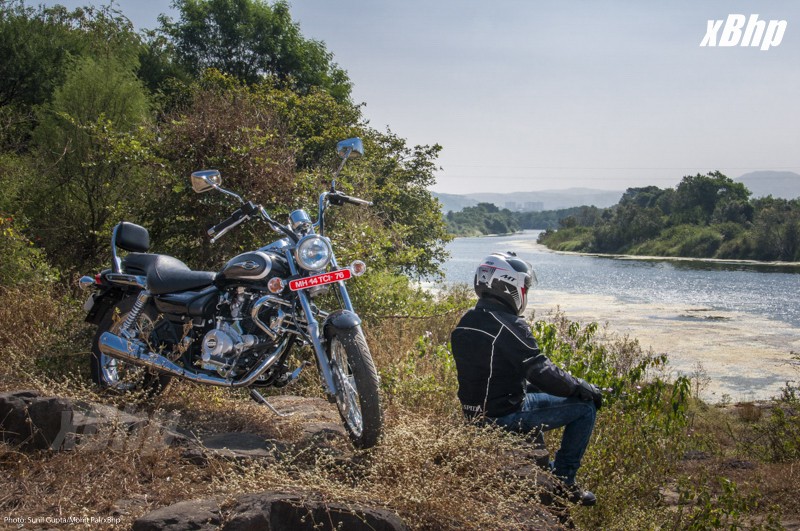


Triumph Tiger Explorer XC Review
 Nov 2015 Sunil Gupta
Bikes,Motorcycles,Triumph
Nov 2015 Sunil Gupta
Bikes,Motorcycles,TriumphThe Triumph Tiger Explorer 1200 XC is a relatively new entrant into a relatively new and booming adventure motorcycle segment in India. The first such bike to be made available in India was the worldwide blockbuster ‘Long Way Round’ bike – BMW R1200. But it was (and still is) prohibitively expensive. We are still waiting for the Ducati Multistrada to come to our shores, while the Suzuki V-Strom might be the most affordable of the high capacity adventure tourers on the shelf right now.
Price: INR 18,75,000 ex-showroom Delhi

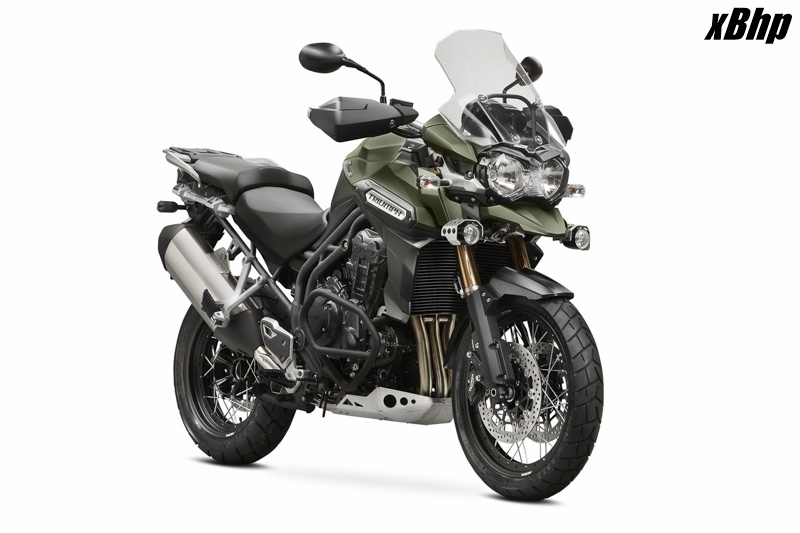
The Explorer XC (which essentially means Cross Country) is an all kitted out version of the Explorer 1200 to take it off tarmac. It also comes in a Matt Khakhi Green which is the Military Green, in my opinion, the most purposeful colour for this bike. It looks absolutely delicious in it. I have ridden the Ducati Multistrada and the Suzuki V-Strom extensively and I can vouch for the fact that the Triumph Explorer 1200 XC looks different than most adventure bikes out there at the moment. It is not as sporty or beautiful as the Multistrada (or powerful) but it is much more exciting than the V-Strom 1000 which tends to have frame flex at high speeds on the highway.

The look and feel of the 1200 XC oozes quality and finesse with elements like auxiliary lights and panniers bringing the owner one step closer to a RTW tour ambition! The ride was smooth and the inline three cylinders configuration gives it a unique note at higher revs. With 137 Bhp @ 9300rpm and 121 Nm of torque @ 6400rpm, it is a bit rev hungry but has got enough mettle for the innumerable overtaking manoeuvres required to navigate Indian highways.
But is the bike true to its name of being Cross Country, on paper it might not appear so, what with the 267kg wet weight to be manoeuvred around, compared to the Multistrada at 232kg and V-Strom at 228kg. Though once in motion, the drivability of the chassis and tractability of the engine make those extra 30kg disappear. The much slimmer rear tyre of 150mm also aids in off-road handling as compared to the 190mm of the Ducati. Not to mention the 19” front wheel, which makes going over large obstacles relatively easy. Though when you give the bike gas, it does surge forward at an alarming rate, without giving the rider a ‘heart in mouth’ moment.


With a seat height of 837mm the XC would be easily manageable for most Indian riders; though taking it on a trail would require a bit more skill for the shorter riders. The Ducati has the edge over the other two here with an adjustable saddle going down to 825mm, though Triumph does offer a Low Seat as an accessory which knocks off 30mm, making it usable by almost anyone. Both the rider and pillion get a nice upright seating position, with enough room on the saddle for both. The ergonomics are good and I never had to ‘stretch’ out, everything was always within control. This is good for those occasions when you want to get off the tarmac, the purpose for which this bike is built, to add to its XC capabilities are the Sump Guard, Engine Protection Bars, Hand Guards, Fog Lights, Traction Control and Switchable ABS. A 950W Alternator, 222kg payload, 12v power socket, large screen and an engine immobiliser make it perfect to load up and ride long distances. The bike is also shaft driven, reducing the amount of maintenance required, useful when you are out on extremely long rides!
Also Read:
Triumph Thunderbird Storm review
Triumph Bonneville Review
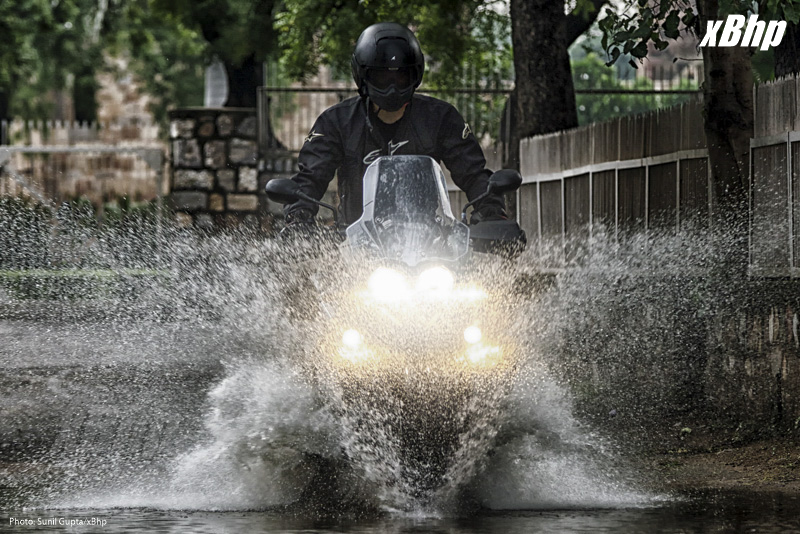
The V-Strom, Multistrada and Explorer 1200XC all sport 20L fuel tanks, which give them a similar range, as Triumph claims that their 1215cc engine is extremely frugal in its fuel needs. The Suzuki V-Strom retails for Rs 1495000/- Ex-showroom Delhi, while the Ducati Multistrada isn’t launched yet in India, though the Hyperstrada is priced at 1095000/- ex-showroom, giving a good idea that the MTS will be positioned in the same price bracket as the Triumph Tiger Explorer 1200XC, which is Rs 1875000/- Ex-showroom Delhi. The Suzuki is 4 lakhs cheaper, but it is more for the rider on a strict budget, as it doesn’t provide the premium components that you will find on the Tiger. The Ducati is more evenly poised to take on the Triumph, but the Multistrada is more road biased, while the XC is a more off-road focussed bike. What you will pick, depends on what you want your bike to do!
If I get one, it would definitely be the military green!



Honda CB Shine SP Review: Improving upon its Shine!
 Nov 2015 Sunil Gupta
Bikes,Honda,Motorcycles
Nov 2015 Sunil Gupta
Bikes,Honda,MotorcyclesHonda Motorcycle & Scooter India (HMSI) Ltd. has managed a slew of launches in the past 12 months – 15 including the CB Shine SP launched yesterday. The 16th would be the 160cc Hornet scheduled sometime next month. Quite a feat, not just for the numbers but also for the variety, which if not an increasing complex production and inventory exercise for the company would surely be a knotty problem for the dealers! Too many models, differentiated mainly at times by features, stickering and marketing themes than by any solid technical changes. The Honda Shine has been shining though all through these years of its existence and the shine comes from the solid, reliable and value for money machinery on offer under the name. The CB Shine is the best seller motorcycle for HMSI (currently selling almost 8 lakh units per annum) and so it is not surprising that they wanted to give it an upgrade. This once though it is as much a technical upgrade as a cosmetic one.
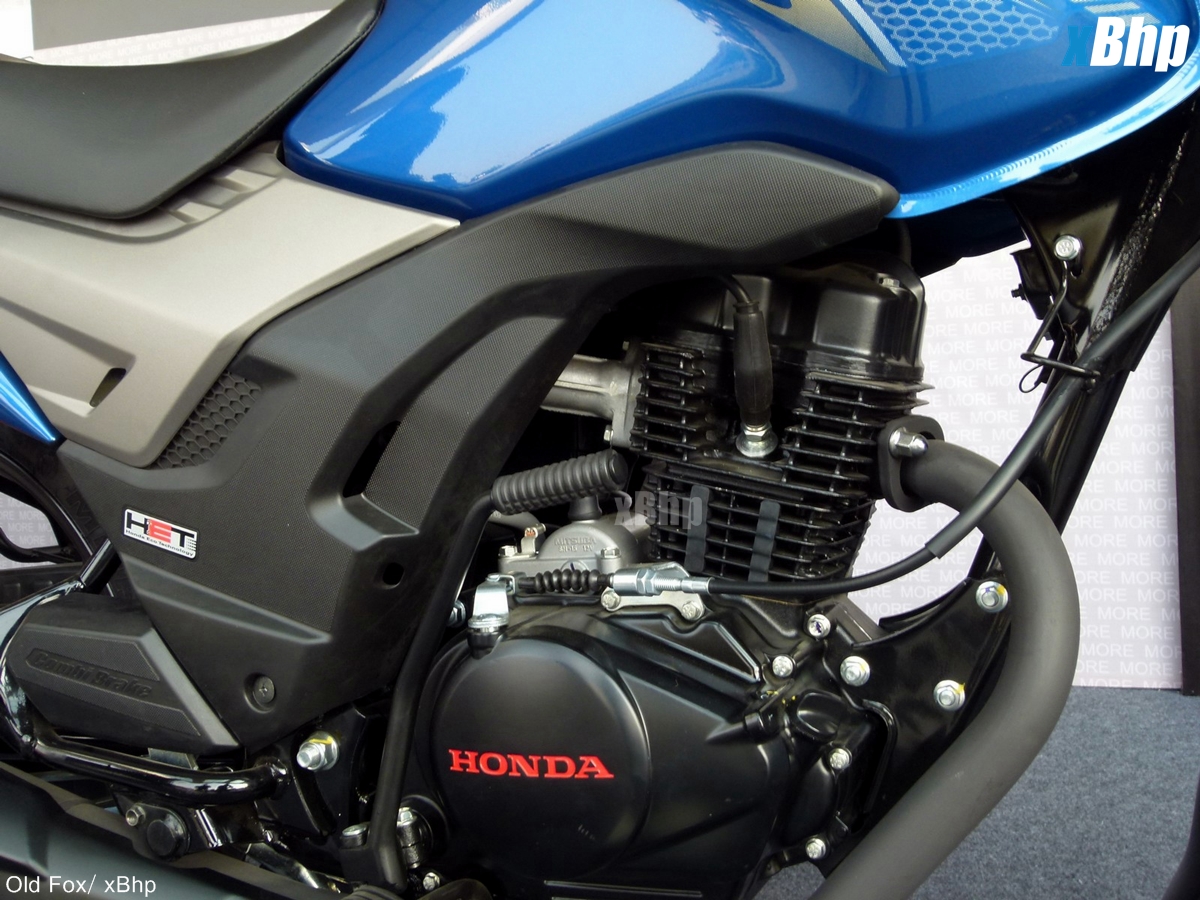
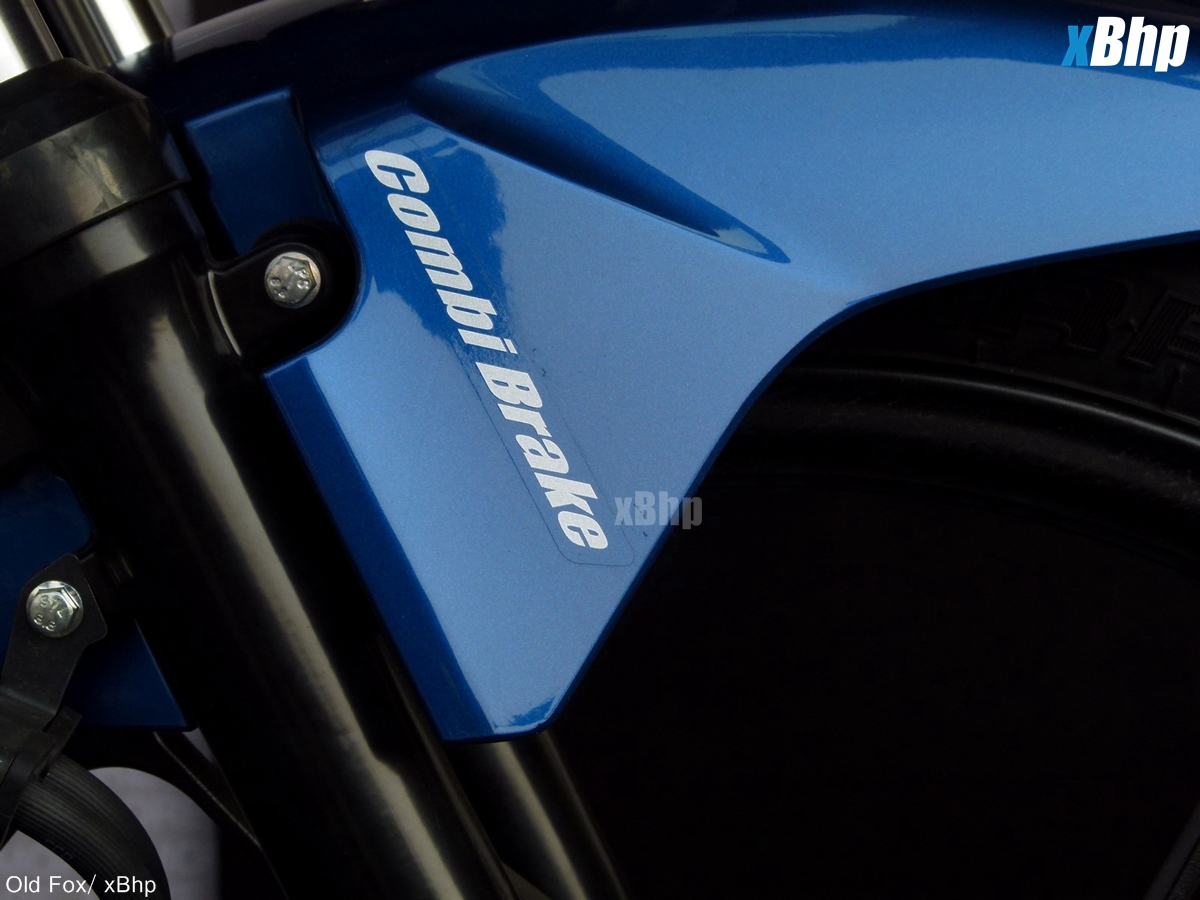
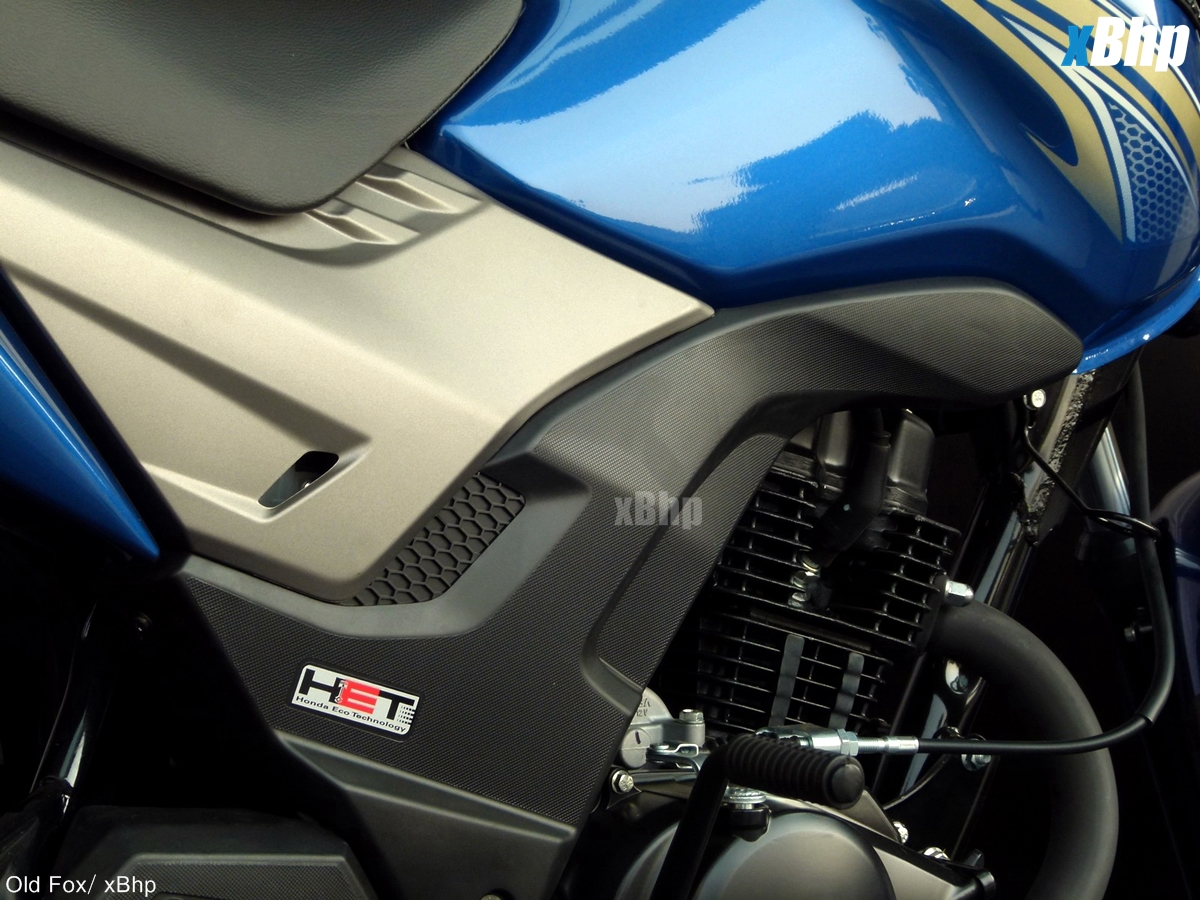
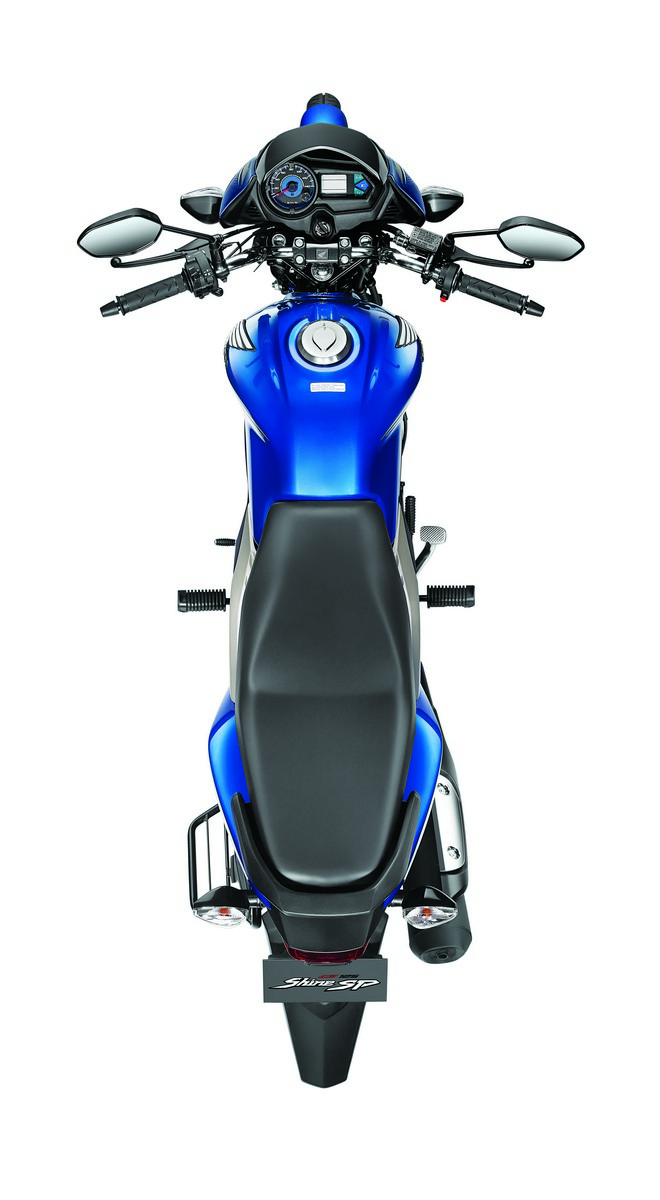
The new Shine SP looks good now. And also more purposeful. The plastics look robust, the paint finish nice and clean, the visual proportions more filled up and the bike overall exudes a well built quality. The tech part is well taken care of by two major upgrades – the new 5 speed gearbox replacing the earlier 4 speed one and the Combined Braking System even though the latter is only in the top model. The Honda Eco Technology series 125cc 4 stroke engine puts out a healthy 10.5 bhp at 7500 rpm and a peak torque of 10.3 Nm at a lowish 5500 rpm. Nice promising specs which when combined with a 9.2:1 compression ratio do indicate an engine design that favours longevity as much as it does performance.



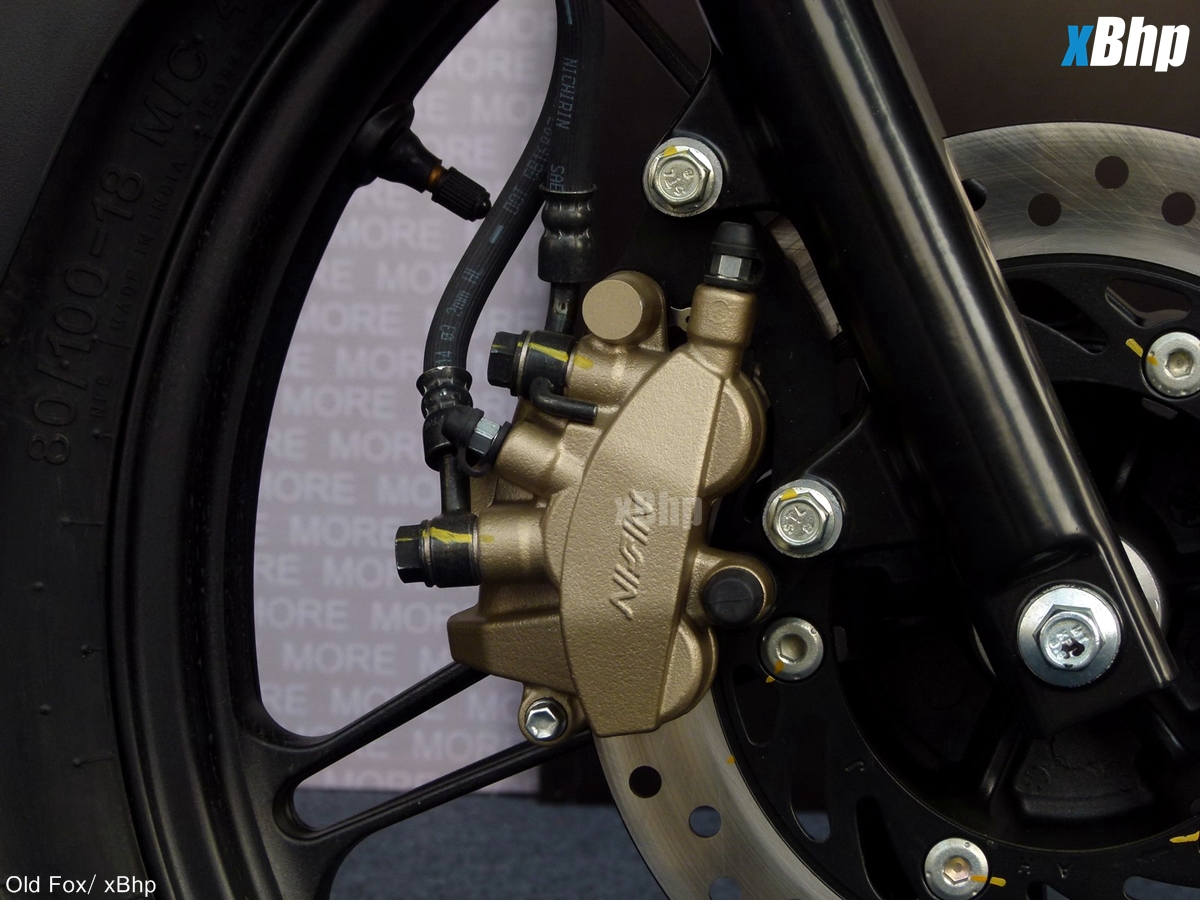
We were offered a short (actually very short) spin on the bike around the JW Marriot Hotel near the Delhi T3 terminal. In all honesty we couldn’t even get the bike into 5th gear (something Honda really wanted us to comment upon) before the ‘circuit’ was over but the ride did reveal a nice built to purpose machine that should be a pleasure to own. It is an urban tool, fit for the close quarter work through chaotic rush hour city traffic and has all the prerequisites in place to be that every day for weeks, months and years. The engine is typical Honda – smooth, silent and hopefully as efficient as Honda says it is. A longer review ride will throw more light on the last part. The clutch is light, the gears click into place and the low end torque is pleasantly good. The steering is intuitively light though the lightness could become a trifle problematic with a pillion who is substantially heavier than the pilot. Conjecture only because we only rode the bike solo. The brakes are sharp and the CBS does its job. Push only the rear brake pedal hard and you feel the front dive too. I have no idea of the braking force proportion with the CBS in use but for a rear drum equipped bike, the system displayed good functionality. The front brake alone is as good as it gets in a bike this size with nice feel and feedback. The suspension is plush, the seat really nice and the wide bars provide excellent leverage – both while the bike is rolling and when being pushed around for parking etc.
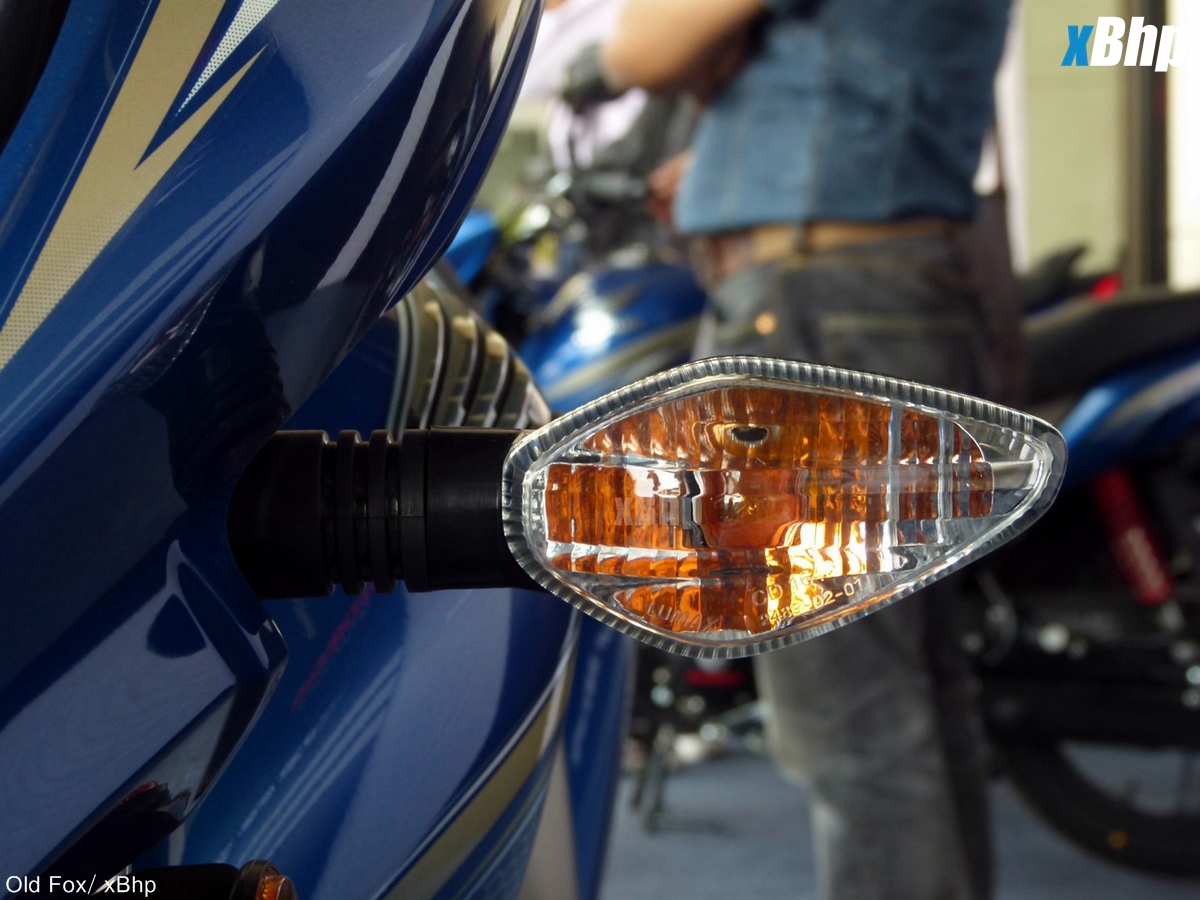
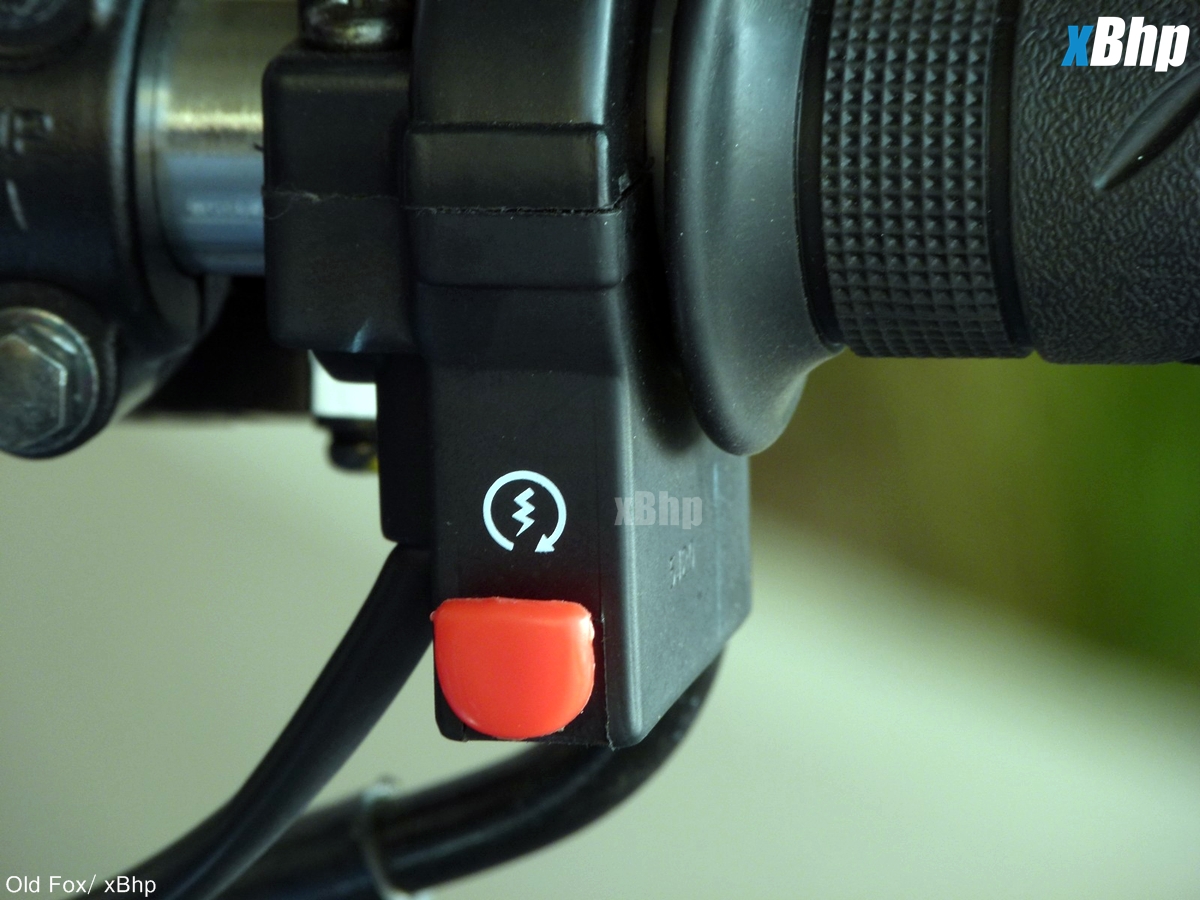
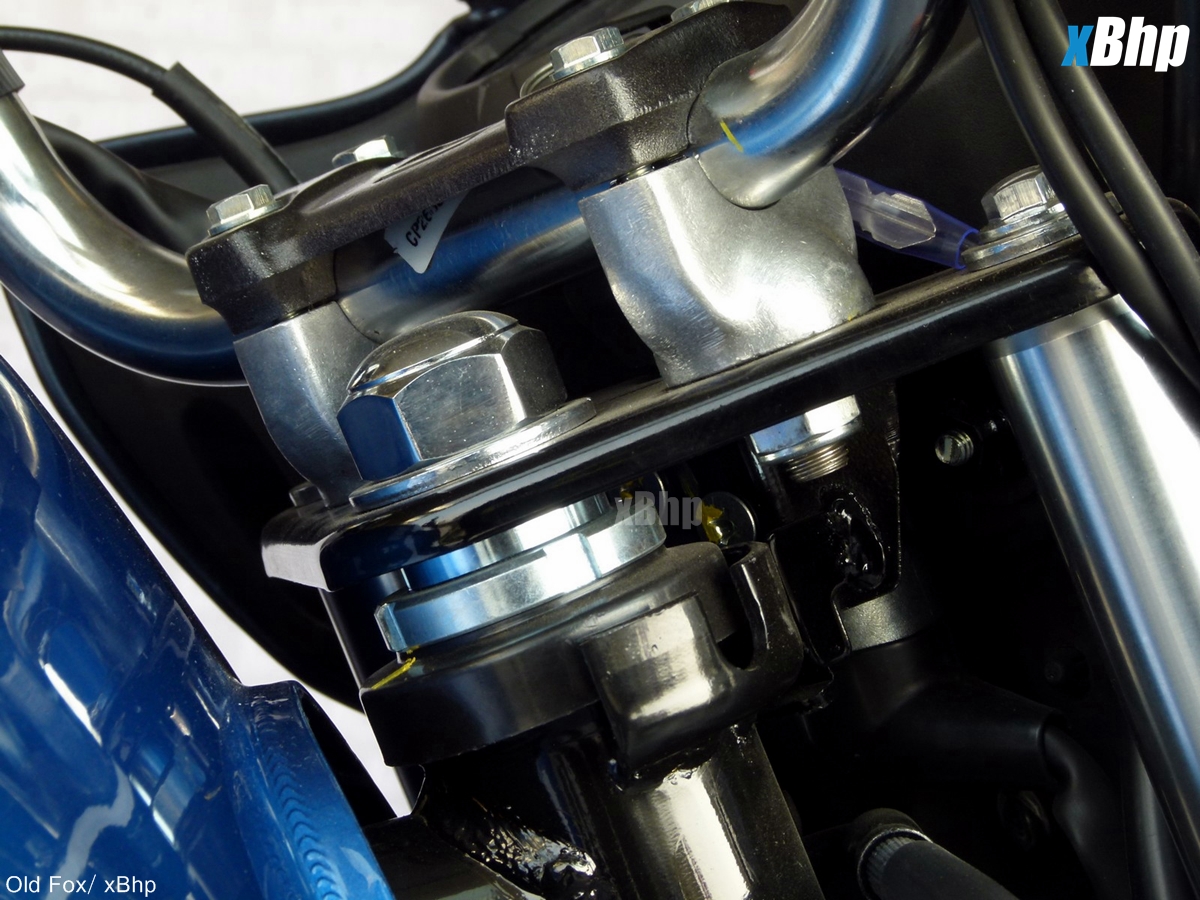
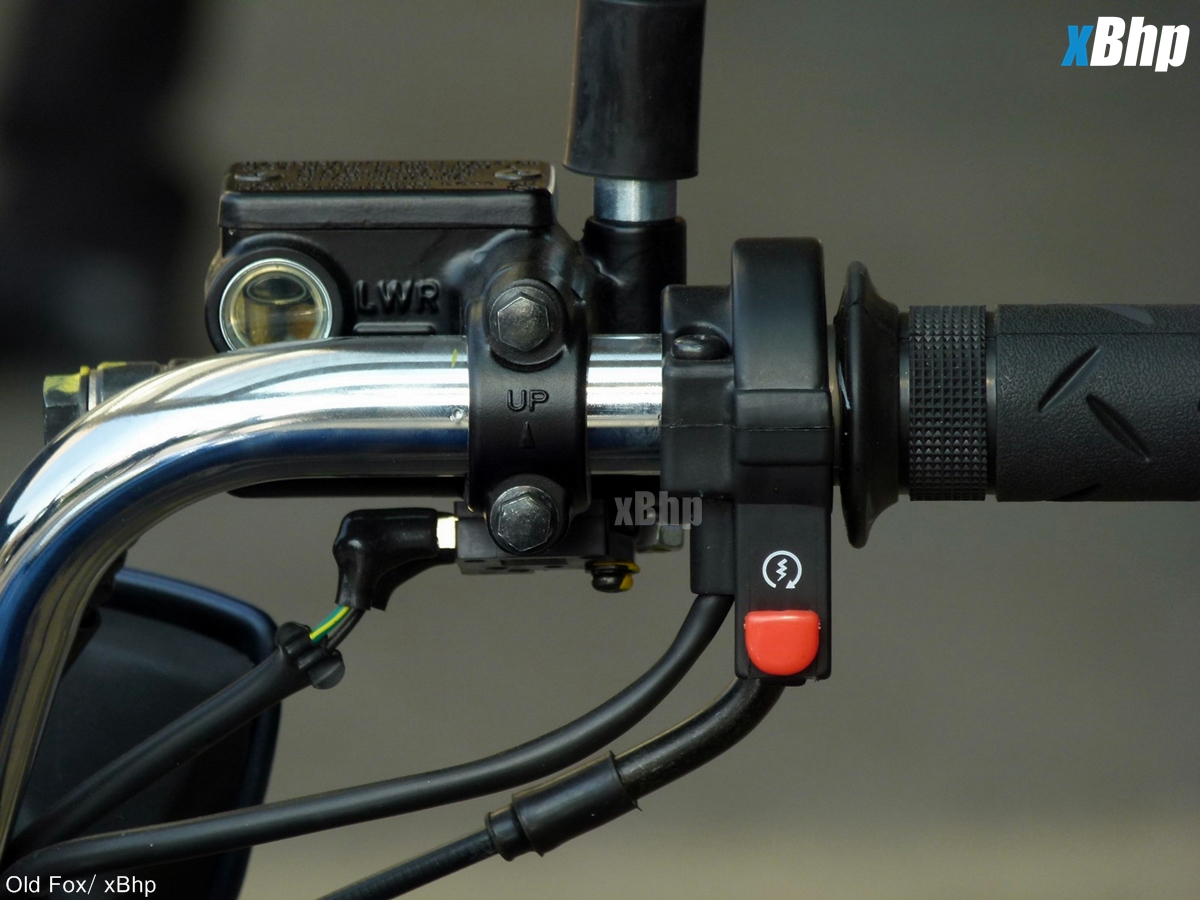
Our very short first ride didn’t throw up any unpleasant stuff about the bike. Small niggles that came up into awareness was the seemingly flimsy switch gear quality, especially the red starter button, the obtrusive ‘choke’ lever just below the horn button, dated looking round foot rests, RVM’s that were not really effective (the shape is fine but the reach of the stalks could have been more for better coverage) and I can bet that the standard 3 Ah battery on a self start bike with bulbs all around and not LED’s for brake lights and trafficators will turn out inadequate. Try the horn while braking and with the trafficator blinking and the horn will be more of a ‘siren like vee-vaa’ tone rather than a steady one.
All said and done though the Honda Shine SP is a worthy upgrade over the CB Shine and should prove to be a good value for money proposition for its buyer.


HONDA SHINE SP TECHNICAL SPECIFICATIONS
Body Dimensions




Triumph Thunderbird Storm Review
 Nov 2015 Sunil Gupta
Bikes,Motorcycles,Triumph
Nov 2015 Sunil Gupta
Bikes,Motorcycles,Triumph
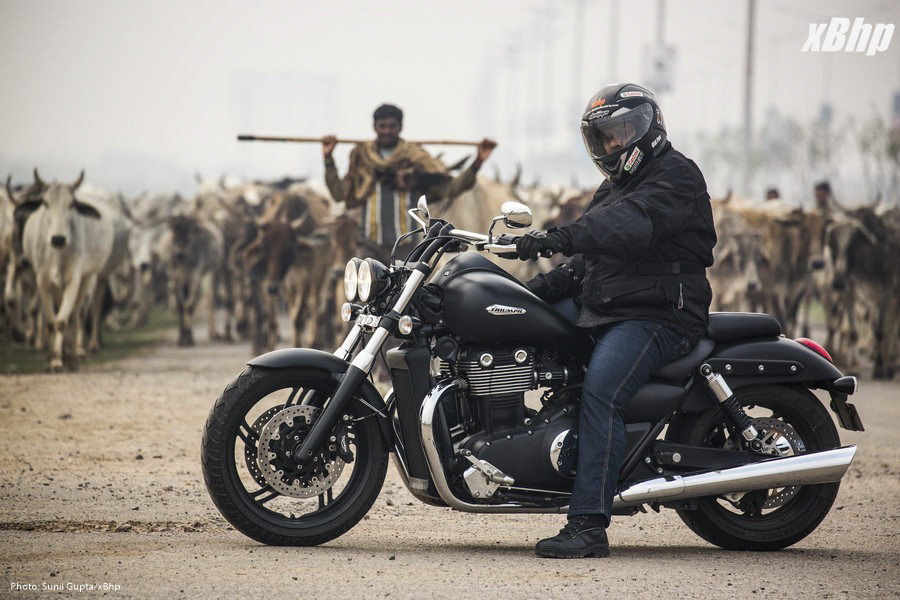
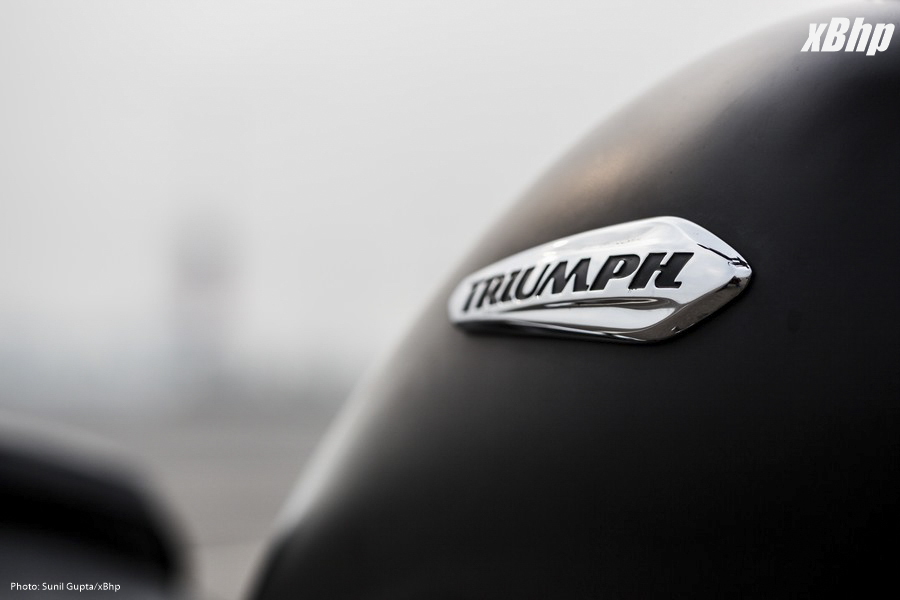
As a rule, cruisers are not my thing actually however much my present over-grown anatomy and those numbers we call age might make it seem. I like a riding stance that allows all my four limbs to participate in the ride and not just two. And these ‘easy riders’ dictate that the lower pair of appendages are put away at an extreme angle in front of the rest of the body, more of a factor in the style statement than my own perfectly usable pair of legs while I ride whatever best way I can with them arms and that torso. But even rules have exceptions and I had made two quite some years’ back – the Suzuki Intruder (M1800 of course!) and the Harley V-Rod. A third entry made way to the list a short while back in the guise of the Indian Chief Classic but none came closer to almost prompting me to chuck that rule for good than the Triumph Thunderbird Storm. This tempest in question is always raging black, with a few lightning flashes of chrome thrown in here and there. It is big enough to fill the horizon when seen from a low angle, does really sound like thunder and can wrist-roll a tornado a minute if desired. Thor would have found it a fitting chariot if he used one though I have no idea of how good it is at cold starting in really freezing conditions of the God’s kingdom.

Triumph had the entire gamut of premium motorcycling worked out between its product spectrum – right from the entry level Bonneville through the Daytona for the track, the Tiger for hard-core touring, the Street Triple for brutal fun and the Rocket III for two-wheeled insanity. Despite this impressive and extensive list, there was a gaping hole in the product line-up quite like the Ozone one above the poles of Mother Earth. They needed a cruiser that could stand shoulder to shoulder, or preferably taller than the ubiquitous Harleys and the Thunderbird was the answer. Much acclaimed by the Western motorcycling media as the Cruiser of the Year for two years running in its previous avatar, the 2013 onwards model has upped the ante on ‘being the bad-ass’ front. With another 100cc’s added to the 1597cc of its original engine (giving as production version henceforth what was a hot-rod mod done through dealers previously), the newer Thunderbird is quite apt at carrying the Storm moniker on its powerful countenance. The bike looks a strangely oxymoronish (to coin a new term) mix of the compact and the massive. It is big and yet has compact proportions. It feels massive but feels pretty much manageable by an average-sized rider. The substantial tank (22 ltrs) dominates the visual lines viewed from top while the Street Triple ‘bug-eye’ twin-headlamps and the straight bars stare back hard at you face to face. The bike looks all muscle, purposeful, strong and solidly built. The seat height at about 27 inches is good enough for even a 5’8” rider to flat-foot it and the rider seat is plush and comfy for long days on the saddle. The pillion perch is quite literally that – a perch! Not comfortable at all and pretty precarious to boot going by the brutal pull the bike has in any and every gear.

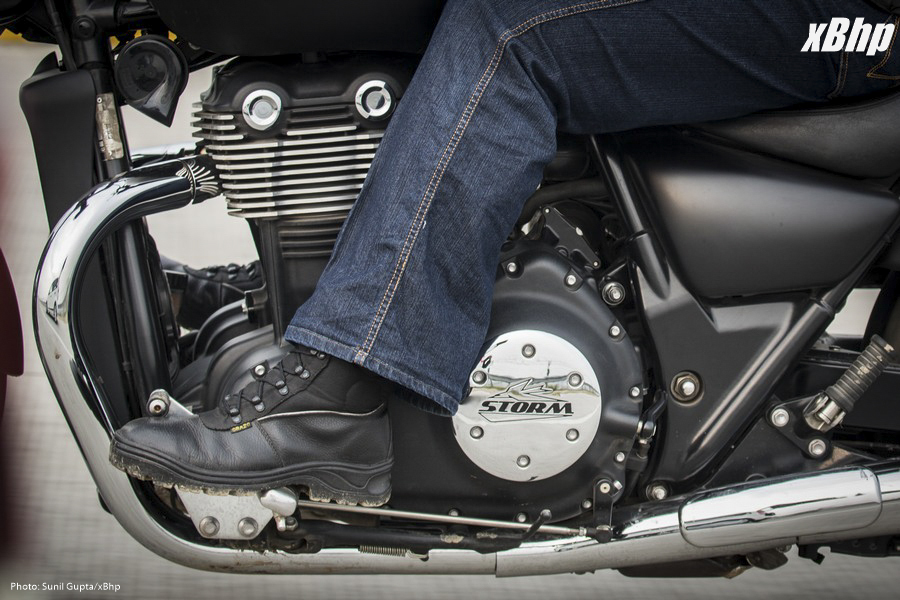
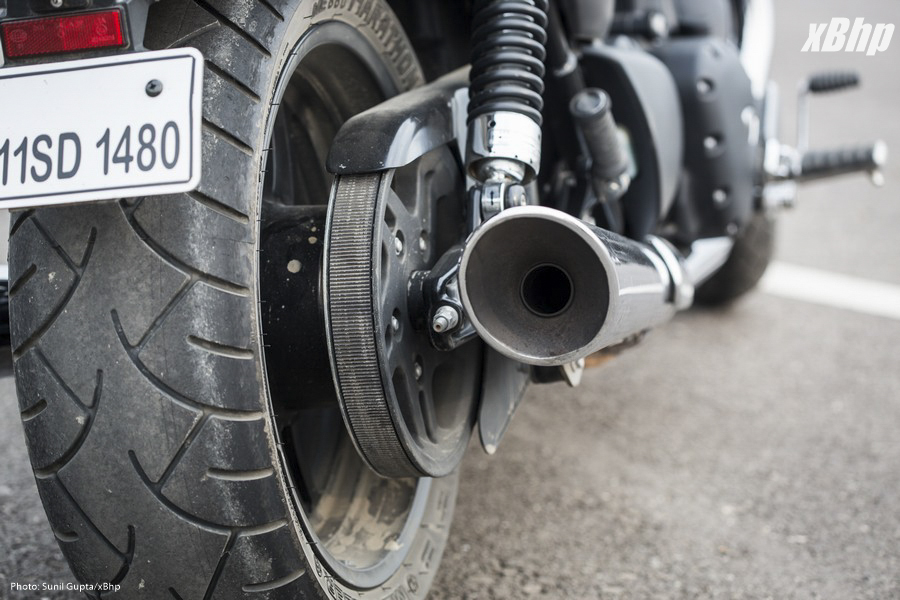
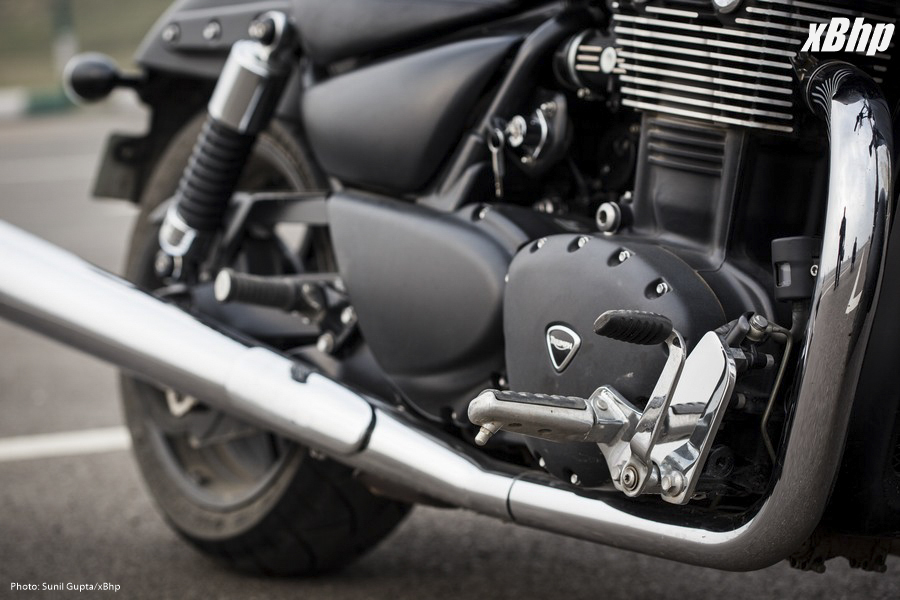
The literal and figurative eye of this Storm is its amazing engine, a 1699cc liquid cooled DOHC parallel twin. A 270 deg firing interval, 4-valves per cylinder and a short-stroke design gives it more than enough stomping power even with a relatively mild 9.7:1 compression ratio. The low compression ratio also means that here in India you can fill ‘er up at pretty well any fueling station and it will still run well. The 270 deg offset firing order does necessitate the need for twin balancer shafts within but the engine response and the aural output is something the V-twin aficionados would die for. The engine starts to a low thrumble (a fusion of thunder and rumble huh!) and awaits that right-handed twist. Do that and the crackle is loud enough to announce your impending departure (or arrival as the case may be) to all and sundry within a quarter-mile radius. The twin pipes sing in sync with the twin big pistons. Shift firmly into gear and get rolling. No, astride this gladiator in black, neither would you prefer a quiet exit nor will you be able to make it. You will blast off on loud thunder, carrying your own storm behind straight into the belly of the horizon. This bike pulls hard, as hard as those 97 horses on tap at 5200 rpm and the massive 155 Nm of torque at a mere 2950 rpm respond to your right wrist. This is a cruiser with the heart of a sportsbike. The pull through the gears is relentless and so very addictive when accompanied by that thumpty-thump from the twin pistons chasing each other down below. The 6-speed gearbox might not be the slickest but you’re too busy to notice such nitty gritty, repeatedly rolling off and rolling on that throttle, just to feel your guts hit your spine and your ears full of that foot-tapping thunder.
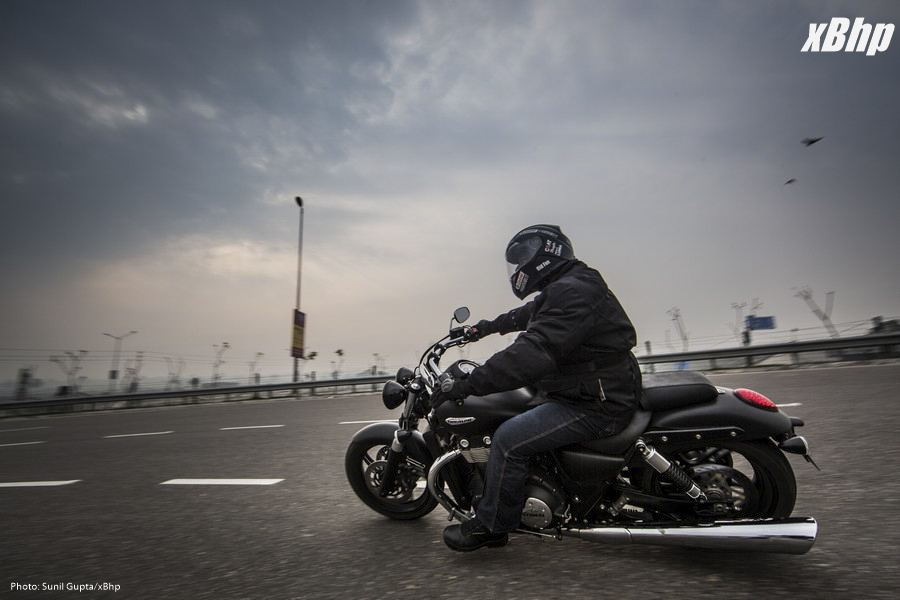
Torque spread is blessedly linear and ever roll of the throttle brings about an accompanying addictive rush, a belt final drive notwithstanding with its expected lag in power delivery. Smooth and twisty tarmac somewhere in the hills, especially a gentle climb would just be the road to nirvana on this bike. Ground clearance while leaning in is a lot less than the lean angles the bike seems capable of. But leaning beyond a steady shower of sparks flying from under the footboard is definitely not a good idea on a 400 kilo metal hunk. Powering lustily out of gentle curves though is another matter, the wide grin plastered under the helmet ample testimony to the pleasure it offers. The torque though makes it feel a lot faster than it really is.
Also Read: Triumph Bonneville Review
And yes, it handles as well as it runs. There’s magic in the way a mere crawl at say 10 kmph can make that entire weight (338 kgs) go pouf! and the wide bars let you dance a tango on tarmac with this 7 ½ ft bike. With 1613 mm between the axles and the front wheel raked out at 32 deg, even the longish trail of almost 6 inches induces no lag in the Storm’s maneuverability at both low speeds and high. The beefy 47mm Showa forks up front and the twin shocks at the rear might seem old-school in these modern times of USD forks and mono-shock rear but the set-up does a surprisingly good job of keeping those wheels pressing down hard and yet managing to release a plush ride more or less. Using rider comfort and handling prowess as measures of suspension behavior, Triumph seem to have got their hardware spot on with the Storm. The 120 section 19 inch front and 200 section 17 incher at the rear working to probably the best compromise between good traction reserves and agility in handling.
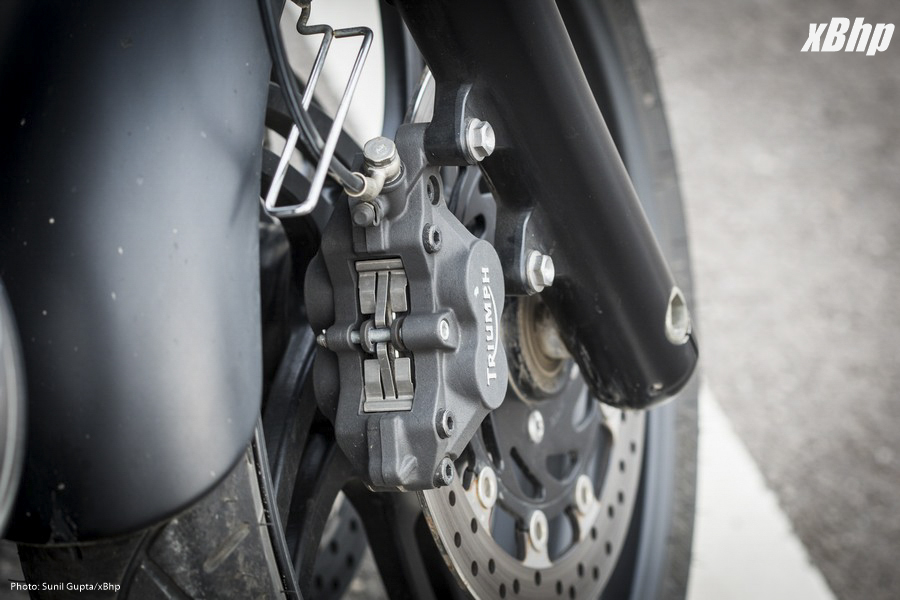
Braking felt great. Twin 4-piston 310 mm discs up front and a 2-piston similar size disc at the rear do a great job of hauling this half a ton laden motorcycle to a quick halt. Retardation is sure, the low C of G, long wheel base and broad rubber helping the cause of excellent braking componentry. Feedback from the front brake is good even allowing gentle trail braking into turns at moderate speeds. The rear brakes are surprisingly effective but then that’s usually the case with long wheelbase and heavy cruisers. Of course we have ABS here too as in almost every modern performance motorcycle worth a mention.

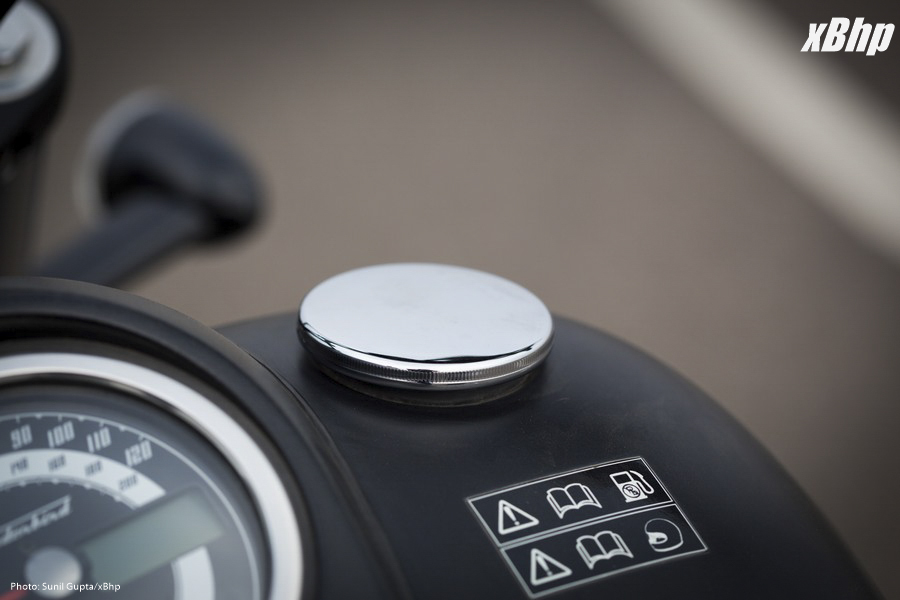
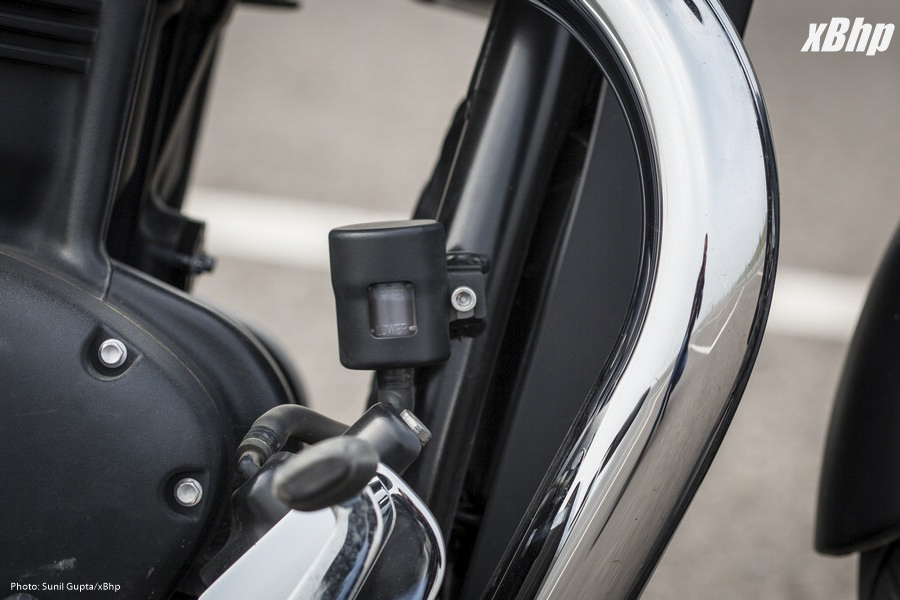
Reach to the bars is not as extreme as that on, say something like the Harley Fat Bob, and so the body does not have to rotate uncomfortably forward. The foot-boards though could have been a trifle wider and longer to provide more alternate foot movement when the feet are not ready on the pedals. The riding position is fine for the long haul, the 22 liter tank allowing some 250 kms or so between refills. Switch gear is premium quality, the clicks feel and sounding just right. The dog-leg levers fall naturally underhand and lever yawn, both for the clutch and the front brake levers is within range of those with small hands. The flat-faced tank has the instrument cluster mounted on it with a combo-dial of speedometer, a digital odometer/trip meter, a fuel gauge and an analogue tacho. The catch here is that you’d need to take your eyes completely off the road, look down physically to read the instruments.

All said and done, this Storm is real ‘value-for-money’ in the price bracket it belongs. A no-frill all function cruiser that does not need those frills to be attractive. It is plenty so already just by being itself. Ever heard of Stroms being pretentious huh?
Price: 13,95,000 INR (ex-showroom Delhi)
Technical Specifications:







This review was published in the April-May 2014 issue of the xBhp magazine, you can buy the digital copy of this issue for your smartphone/tablet from here
Honda CBR650F Review
 Nov 2015 Sunil Gupta
Bikes,Honda,Motorcycles
Nov 2015 Sunil Gupta
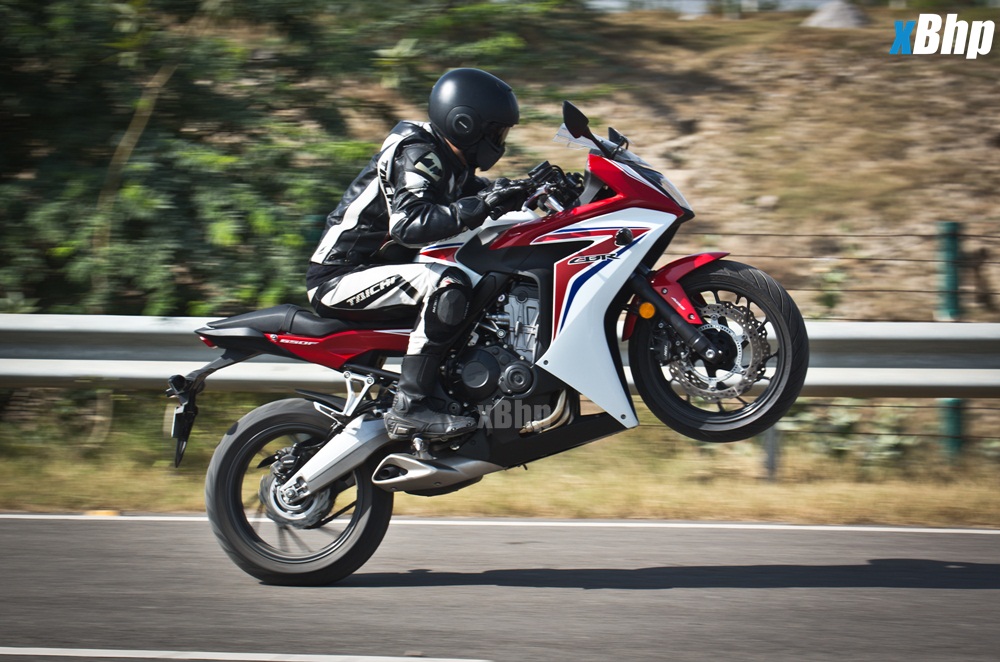
Bikes,Honda,MotorcyclesLet me tell you what I feel about this Honda CBR650F. It is a sporty 650 no doubt. But neither does it demand my pound of flesh in ergonomic comfort to make me a sport-rider nor does it expect me to have feline reflexes to handle its power. The foot pegs are low enough for my knees not to get tucked up like a trussed up chicken’s on the roast. And yes even the heat is not there to roast them anyways. The bars are not that far that I have to grovel and beg space from my ample midriff to reach them or hold my breath in and die blue-faced of asphyxia before I can shift to third. On this one I could take my 7 and something son for a ride and not feel compelled to keep feeling his legs with my hand just to make sure he’s still there behind me. And above all it doesn’t vibrate either me or itself into a frenzy, in the name of character, each time I wind up the right wrist. Short and sweet – I like the Honda CBR650F.
These kind of 650’s are considered ‘entry level’ sports bikes in the mature markets of the West. The Indian market however is not that mature yet, neither financially nor in riding skills. But Honda have made this 650 as user friendly a 600+ cc in-line four with 85 strong horses on the leash as can be possible while keeping it eminently controllable even at 200+ kph. Of course this ‘user friendliness’ is seen as ‘boring’ by the more excitable of the species amongst us two-wheel aficionados. But nevertheless it is a trait that will go a long way in ensuring sales for Honda. Globally Honda apparently wants to plug all holes in its motorcycle line-up and the 650F is probably the last such plug in a lineup that starts with the CBR150R, rides the CBR250R, the 300, the 500 and through to the VFR800 Interceptor. The 650F betrays its strategic placement also as a bridge between the more performance oriented and expensive super-sports 600RR and the Fireblade further up by the visible choice of a sport-bike fairing, the sporty ergonomics and finally the in-line 4 engine choice that wraps it up. India however will consider it a ‘big’ bike in any case and by far going by the ride experience, it is not at all a misfit when being viewed as one.


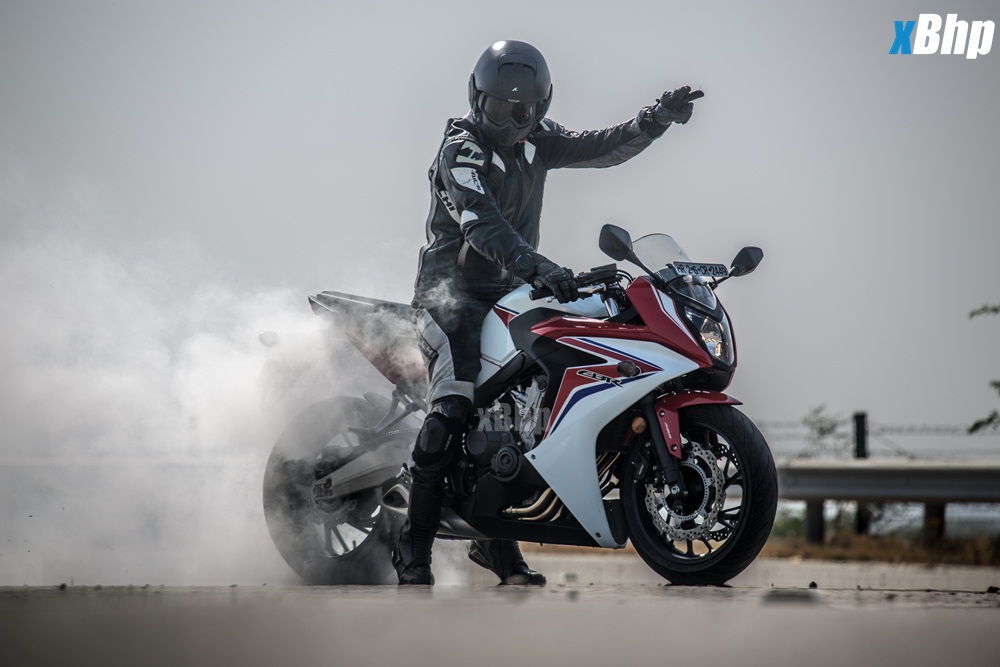


I have always considered looks as subjective and not really all that important to get spot on,, compared to other functional aspects of the motorcycle. It is a fit case for function over form. A pretty bike with a bad engine and evil handling is not a good bike at all while an ugly one that goes like stink and handles great still holds loads of universal good in it. The 650F is not a stunning sight but pretty neat and dapper in appearance. A slick suited urban dweller who also knows what the wind feels like beyond the ‘ton’. There’s a bit more of the engine and mechanicals visible beneath the full fairing that would be on a full-dress sports bike but then the fairing does give it a dynamic visual impression. It looks built both with the solidity of utility as well as the finesse of speed in mind. The tech specs tell us that the frame is steel, the engine a stressed member and the whole arrangement pretty stiff which promises good predictable handling even though the non-adjustable right-side up front forks are unexpected and the ‘only adjustable for pre-load’ mono-shock rear looks advance-tech compared to the front as a result. The bike however is not a variation, development or iteration of any of the older existing Honda models. It is totally new from the ground up and built to specific inputs arising from exhaustive market research aimed towards making it an affordable and reliable motorcycle. So no leading edge tech there – just tried and tested fully functional technology meant to work while costing less and to keep working for years.
The engine, a 649cc in-line four (liquid cooled 16 Valve DOHC PGM-FI fuelled) develops a healthy 86 BHP at 11k RPM and about 62 Nm of torque at 8000 RPM. A relatively low 11.4:1 compression ratio allows it to run on normal fuel without issues. The engine has been canted forward at a 30 degree angle to lower the C of G and aid mass centralisation. While at it, the forward cant also helps shorten the intake path and so improves flow through the engine. Which translates to smoother and quicker RPM build up and a definite improvement in both performance and fuel efficiency. The engine has been placed so that the static weight distribution over both the axles is 50-50. The PGM FI feeding through 32mm throttle bodies provide faultless fuelling with no flat spot whatsoever across the entire RPM band. The engine is smooth and hiccup free right from idling to redline. The 6 speed gear box is ‘Honda’ slick and the cable operated wet clutch is light and has good feel.
The bike idles softly and getting it underway holds no drama. Easy to use. The engine, a derivative of the well-tried 600cc (with added cc’s by an increase in stroke length) makes good useable power even at around 4000 RPM. Take it past 7000 and it starts sounding and feeling serious right till 10,500 which is some 500 RPM below its 11,000 red-line. Three digit speeds come up surprisingly quickly and there’s a slight tingle in the bars when the revs hit 8000+ and the bike starts pulling ever stronger. Work through the gears and you’ll get past the second 100 quickly enough to light up the helmet insides with that silly grin. The fairing does a fairly good job of keeping most of the wind out of the way of your head and chest. Buffeting however does happen past 150 kmph or so. The bike sits smooth and quiet though at 120 kmph in top gear and gives you the feeling of it being able to do that from here to Timbuktu. And then you’ll take a short break either to refuel or to rest. The 650F has no desire for rest though it’s 17.3 ltr will begin needing a refill in some 300 kms odd.
The suspension may be basic but the 650F handles anything and everything thrown at it with aplomb. Sprung a trifle soft, the bias towards rider comfort being understandable since this is not an outright sports bike, both the front (41mm dia 4.2 inch travel forks) and the rear (4 inch travel mono-shock) do a good job of smoothing out the road irregularities and providing good road-holding. If your weight is closer to the ‘mildly obese’ as yours truly is, just click up a couple of notches on the rear mono-shock 7-step preload and all will be good with the rear too. The rider seat is comfy though the pillion will need a tiny tidy rear end to find any comfort on its perch. Seat height at 810 mm is as much as the KTM Duke’s but since it tapers towards the tank. Those who find the Duke too tall will be comfortable with this one.


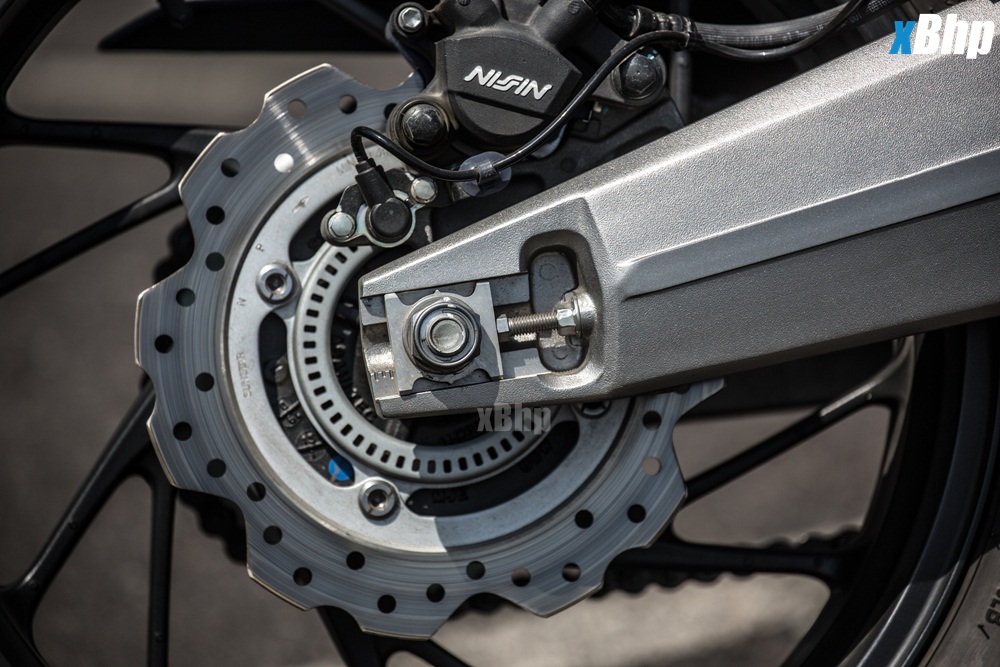

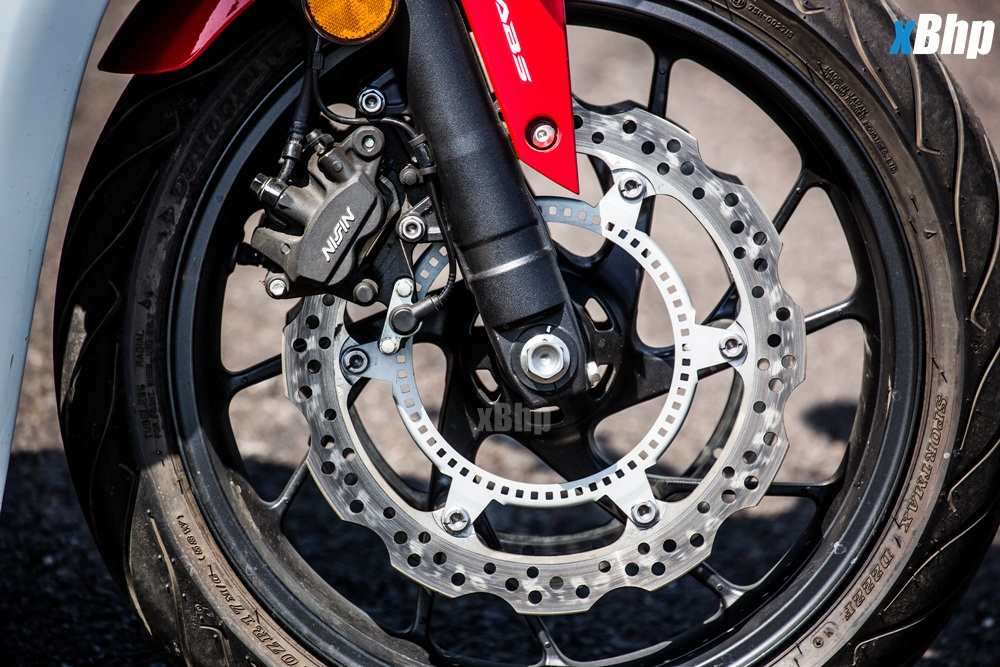

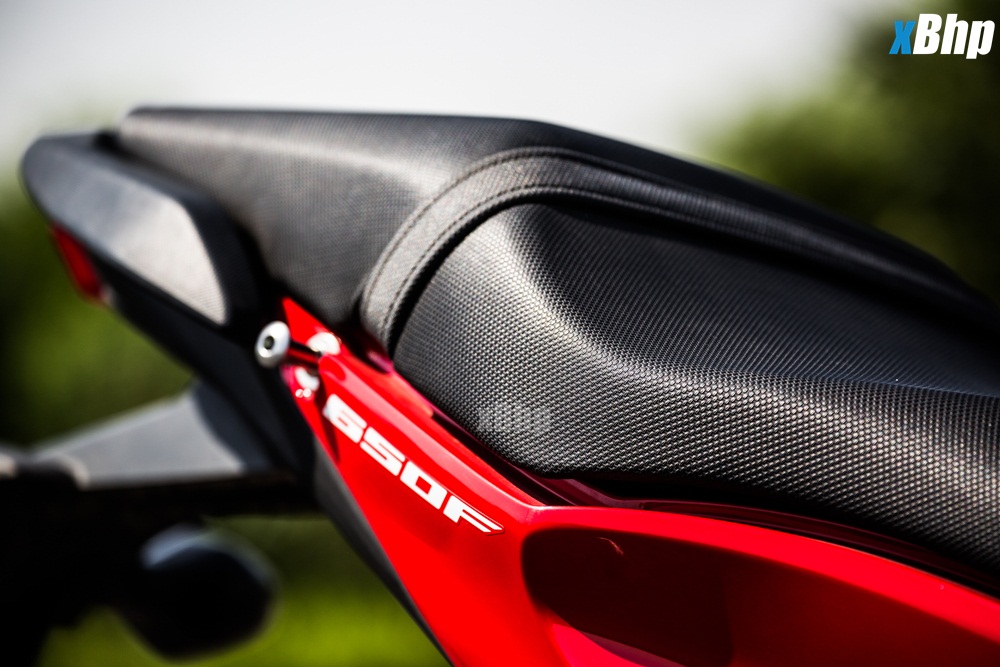
The 650F’s geometry (rake at 25.3 deg and trail a shade below 4 inches) all point towards straight line stability and that’s what the bike does. But then these figures coupled with a 1440mm wheelbase make the bike a lazy turner. Counter-steer positively and it does respond but there’s no sharpness as would be in a sports-bike. 180 rear and 120 front tyres on 17 inch rims provide ample rubber though the 17 inch rims do add to the reluctance shown in directional changes at speed due to the greater gyroscopic rotating mass. At the same time it need be pointed that low speed control is great. The laziness at speed though is not by far a drawback but a consequence of the choice of geometry to make this bike the versatile tool that it has turned out to be. Brakes are good with two 320mm discs with twin-pot callipers up front and a single 240 mm disc with a single piston calliper at the rear, enough to get the 212 kilo bike to shed speed quickly. ABS, if opted for, is amazingly unobtrusive. So good and smooth is the transition that you don’t even feel it cutting in.
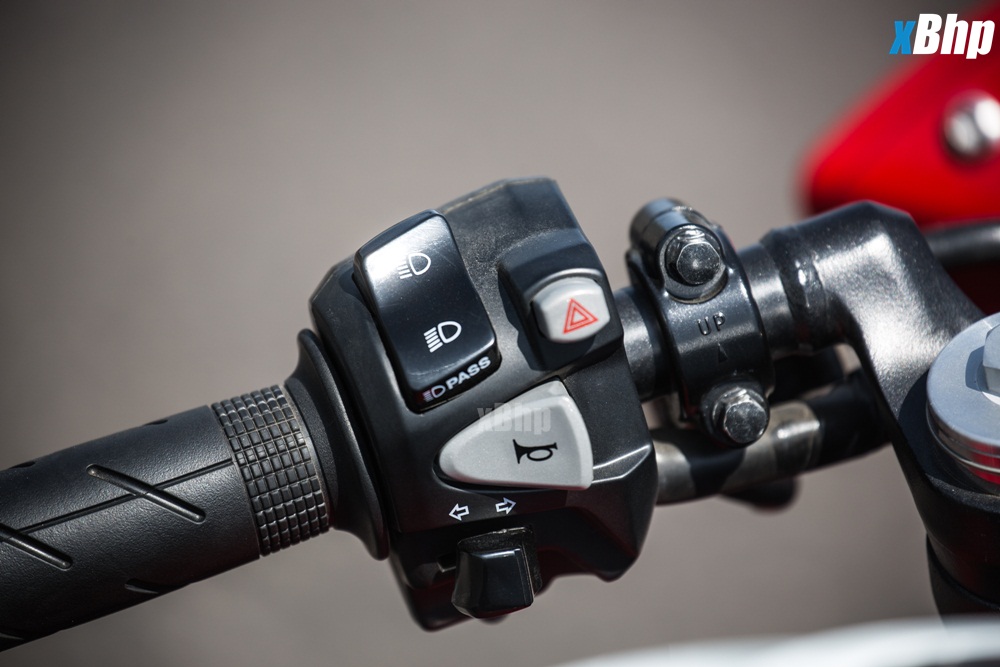
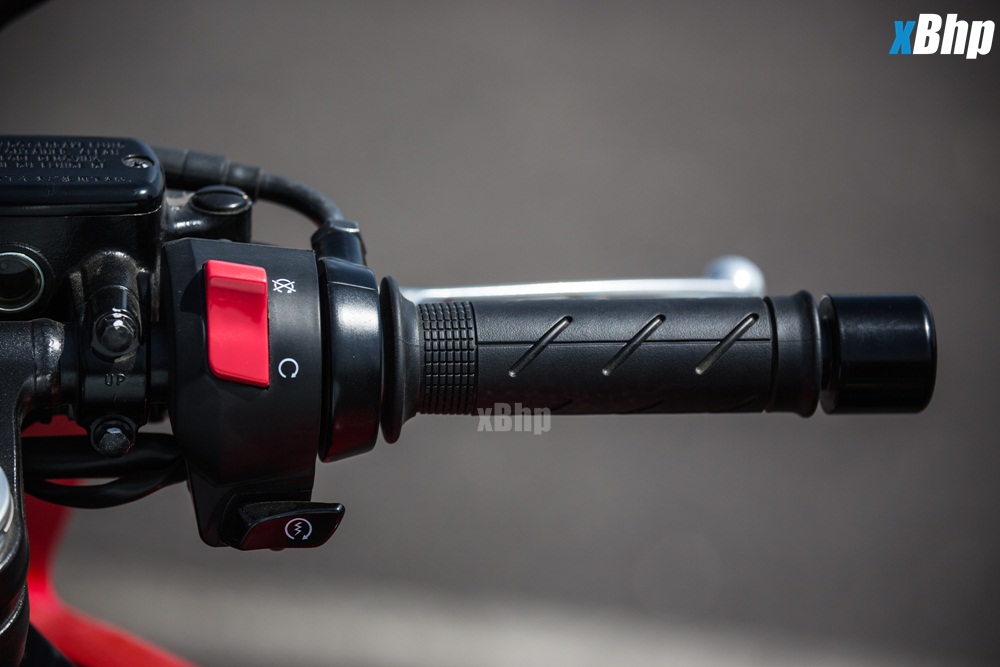
The instrument console is a mix of LED’s LCD and split digital displays. The LCD based ‘analogue’ tacho is nice as is the 6-segment fuel gauge. It comes with 2 trips, a ‘mileage’ gauge, clock and all the usual tell-tale lights. The horn button is the most awkwardly placed on any bike I have ever ridden this side of a Harley or a BMW. Even after a couple of hours in the saddle I would almost feel compelled to look down to locate it. I doubt if anyone has eyes in their left thumb. At least I don’t. The whole touch and feel though of the bars, controls and switchgear is typical Honda top notch quality. Lights are adequate as they are on almost all bikes, big or small. There’s no bike to my knowledge that cannot outride its own stock lights. The Hayabusa for example is scary to ride at even 150 kmph, half its top speed, on stock lights!
To wrap up, the Honda 650F is an unpretentious ride to town or head for the horizon kind of a bike. Cribbing has no end and it stands as a fact that even though most riders would likely never approach this newest CBR’s real-world limits, it might still get bashed for being a “boringly perfect, no-personality Honda.” But a quick reminder to such brethren is a three word description of what constitutes high quality in anything – fitness for use. Once we stop comparing spec sheets on paper and think in terms of real world performance and utility of motorcycles, the Honda 650F makes tons of sense. So go get it if you have the thought, the inclination and the moolah.

Honda CBR650F Review – Technical Specifications
Body Dimensions
Length x Width x Height 2107mm x 753mm x 1149mm
Wheel Base 1449mm
Ground Clearance 133mm
Seat Height 810mm
Kerb Weight 215kg
Fuel Tank Capacity 17.3 L
Engine
Type Liquid Cooled Inline Four Cylinder DOHC
Fuel System PGM-FI Program Automatic Enrichment Circuit
Displacement 648.72cc
Max Net Power 63.6 kW @ 11000 rpm
Max Net Torque 62.9 Nm @ 8000 rpm
Compression Ratio 11.4 : 1
Transmission
No. of Gears: 6 Speed
Tyres & brakes
Tyre size (front) 5 Spoke Aluminium Cast 120/70-17 (Tubeless)
Tyre Size (Rear) 5 Spoke Aluminium Cast 180/55-17 (Tubeless)
Brake Type & Size (Front) 2 x 320mm Disc (ABS)
Brake Type & Size (Rear) 1 x 240mm Disc (ABS)
Frame & Suspension
Frame type Steel Diamond
Front 41mm Telescopic Fork
Rear Monoshock with 7-stage spring preload adjustment



Harley Davidson Dark Custom Street 750 & Forty-Eight Ridden
 Oct 2015 Sunil Gupta
Bikes,Harley Davidson,Motorcycles
Oct 2015 Sunil Gupta
Bikes,Harley Davidson,MotorcyclesHarley Davidson, the undisputed leader in the big bikes market in India, recently launched the upgraded versions for 3 of their bikes, including their bestselling models the Iron 883 and the Street 750, which was launched just about a year ago. The third bike to be upgraded is the Forty-Eight.
The new bikes are launched under what HD calls “Dark Custom” range and are upgraded as per the customer demands and their market survey.
What these bikes have undergone is primarily a facelift surgery with some functional changes here and there.
Let’s talk about the Street 750 first. The Street 750 is definitely one of the most important products in HD India’s portfolio as it was designed specifically for India and other developing countries. The bike has kept the production lines busy ever since it was launched. We had reviewed the Street 750 at the time of its launch and came back pretty impressed with the overall product except for a thing or two.

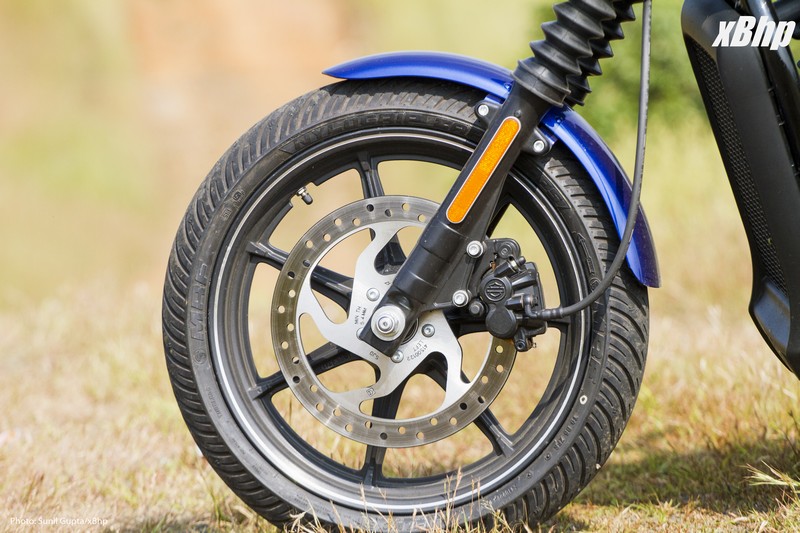
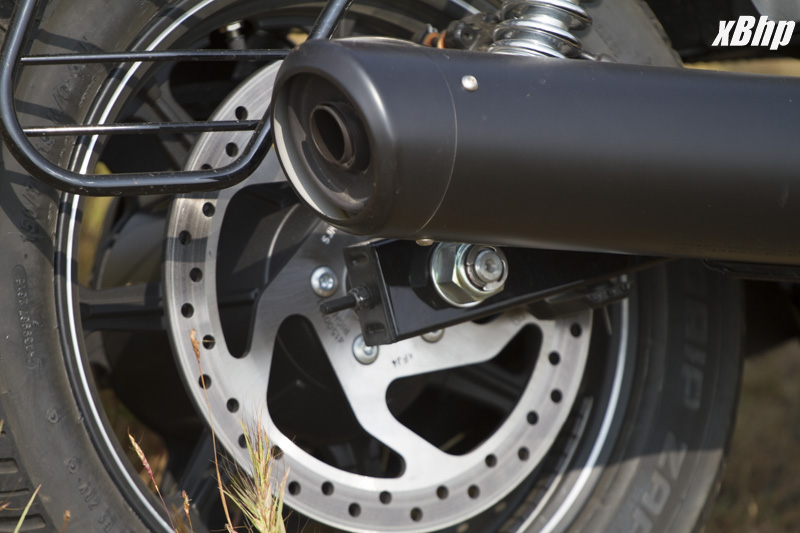
One of the let down about the Street 750 was its spongy brakes with less than desirable bite. And this has been the biggest upgrade in the Dark Custom Street 750. The Dark Custom Street 750 gets an all new front and rear braking system with bigger rotors. The difference between the braking efficiency is easily noticeable. The brakes require much less effort and don’t feel spongy. The bite is much stronger. Though that brings us once again to the stock MRF Tyres. The Street definitely deserves stickier rubber than the one it currently has and people planning to buy it should go for a tyre upgrade as soon as possible.
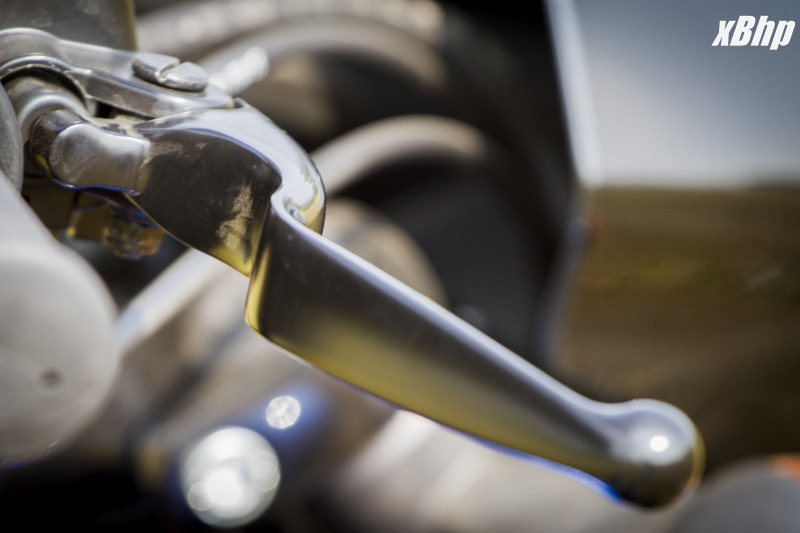
The other noticeable change is the beefier clutch and brake levers that are more comfortable than the earlier ones. Then you have a newly designed, trendier rear brake pedal. Harley Davidson also says that they have rerouted the internal wiring to hide the open wires that were visible earlier and the change is (in!)visible, though if you want to nit-pick you could still find a wire or two that lie open.

The Street 750 otherwise remains essentially the same performance wise and style wise. Oh yes, the new Street 750 is also available in a superior blue paint scheme which really looks good on the bike. The price of the new Street 750 is INR 452,000 ex-showroom Delhi.


Read more: Harley Davidson Dark Custom Forty-Eight
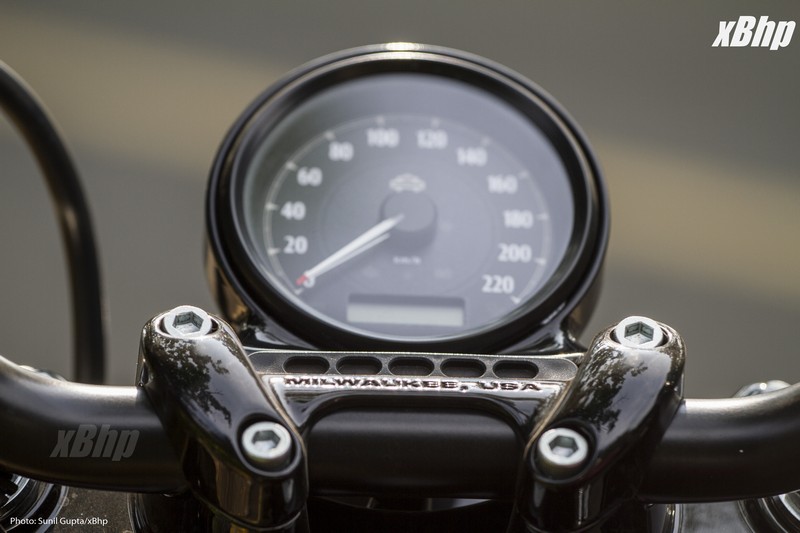
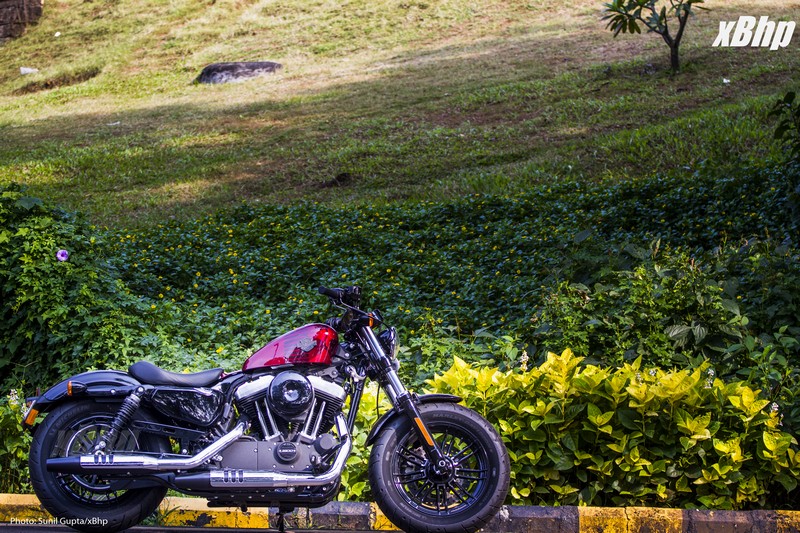
We also rode the Dark Custom Sportster Forty-Eight for an awfully short time, which didn’t do justice to the lovely motorcycle that it is. Anyways, the new Forty-Eight in its stripped down, lean-mean avatar has to be one of the most gorgeous bikes I’ve ever seen. It catches your attention as soon as you set your eyes on it.

What with the new tiny tank with vintage graphics, the 3D Harley Davidson logo, the new single seat, and fat rubber upfront – all giving it a rebellious and menacing look – the Dark Custom Forty-Eight is for keeps!


While most of the changes on the Forty-Eight are cosmetic in nature, there’s a new adjustable rear suspension and lighter alloy wheels on offer. Everything else remains pretty much the same. The Forty-Eight comes with the same amount of torque that it is known for.

You’d be more than happy to keep it in the garage and take it out for a spin every day. Though you’d have to think twice before planning a long ride as the tiny tank is tiny in every sense and offers only 7.9 L of storage, forcing you to take fuel brakes more often than you’d prefer. Also the fatty front tyre no matter how badass it looks would impact the handling of the bike and it wouldn’t change direction as and when you want it to. But if you can live with that, the new Dark Custom Forty-Eight can be yours for INR 912,000 ex-showroom Delhi.
Overall, the changes in the both these bikes aren’t really revolutionary or groundbreaking in nature, but certainly are welcome and we do believe that they’ll force the prospective customers to give these bikes a serious thought.
Yamaha YZF R3 Review
 Oct 2015 Sunil Gupta
Bikes,Motorcycles,Yamaha
Oct 2015 Sunil Gupta
Bikes,Motorcycles,YamahaReclaim, Redeem & Restore – these 3 words were seemingly the motivating force for folks at Yamaha when they woke up from their slumber and decided to finally bring a motorcycle that they are known to make. The occasion was the launch of the R3 and perhaps by then Indian motorcycle enthusiasts had started to believe that Yamaha India had forgotten to make performance motorcycles or they are so busy chasing numbers in the commuter segment that they conveniently chose to ignore the segment that brought them back from the verge of oblivion in the Indian market. And it was clear from the speeches of senior Yamaha folks at the launch that they were aware of this growing perception. Anyways as always it is better late than never. Those who got to ride the Yamaha YZF R3, including yours truly, seemed to forget the past as soon as they sat on the saddle and thumbed the starter.
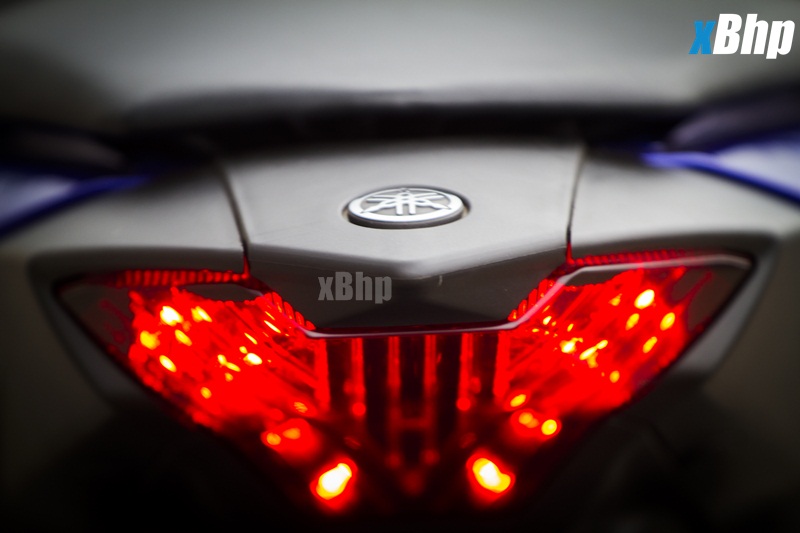
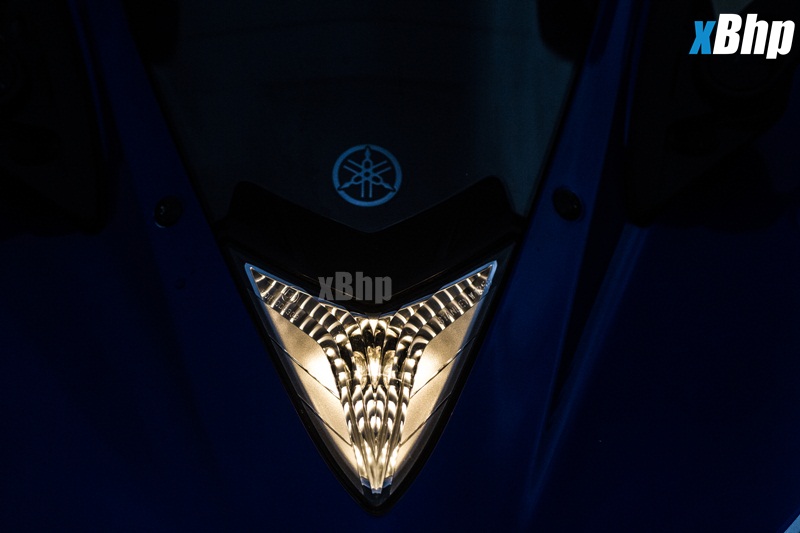
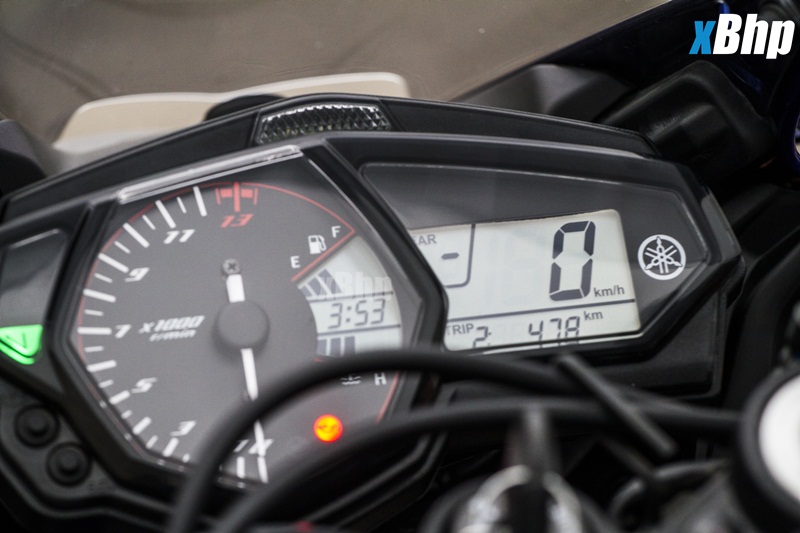
Styling wise, the Yamaha R3 carries forward the legacy of the R15 in India with its full fairing, sharp lines, and aggressive twin headlamps. The overall design looks stunning, especially in the blue paint scheme. There’s an immediate unrelenting desire to ride it as soon as you set your eyes on it. The riding posture is balanced – it is not as aggressive as the R15 and not too upright either – but perhaps tilted just a little bit towards comfort mode which makes it suitable for long hauls on the highway without breaking your back, but a potent track tool as well. There is enough room even for tall riders to sit comfortably without feeling cramped. The seat height of 780 mm is a bonus for not-so-tall riders. The large analogue + digital instrument cluster is a refreshing yet familiar design that houses an analogue tachometer with a digital screen on the right that displays the speedometer and fuel gauge along with other things like two trip meters, odometer, etc.
The overall fit and finish is top class and worthy of brand Yamaha. Switchgears’ plastic quality leaves nothing to complain about. The seat feels plush and firm.
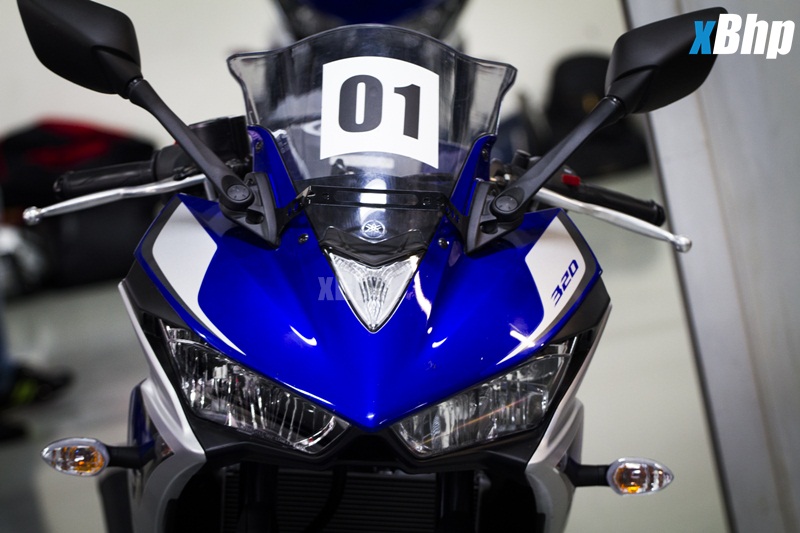

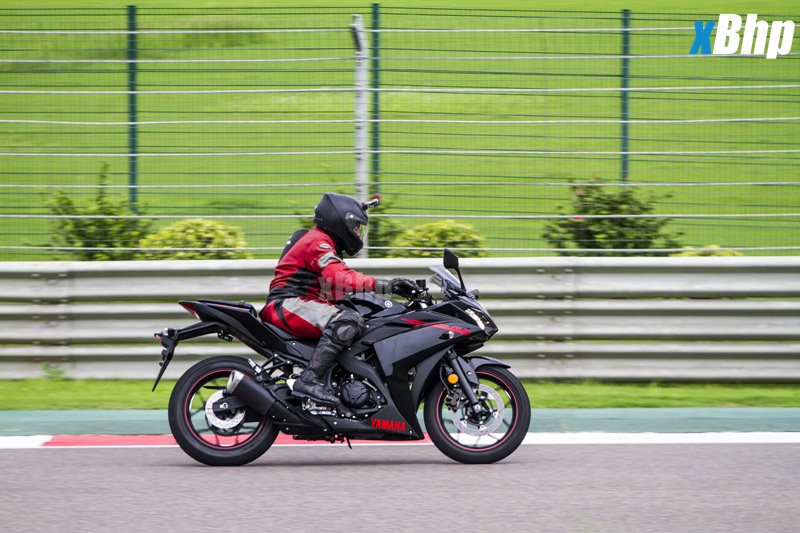


Powering the R3 is a 321cc inline twin, 4-valve, DOHC motor that pumps out 42 horses at 10,750 RPM and 29.6 Nm of torque at 9000 RPM. This is transmitted to the rear wheel via a 6-speed gearbox. The engine is fed through a fuel injection system with 32mm throttle bodies.
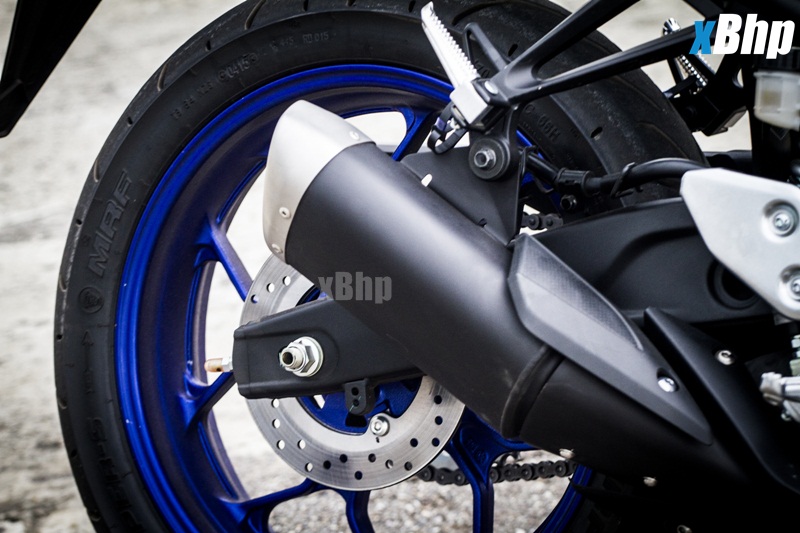
The engine comes to life with a gentle push and feels refined and rev happy. It feels grunty but is subdued and those who prefer loud pipes may want to go for an aftermarket exhaust. The clutch is super smooth and gear shifts reassuring and positive. Open the throttle and the 42 horses working in unison start pushing the bike forward gently without any jerks whatsoever. There is abundance of torque in the low revs but the meat of it comes in the mid rev range, especially as you move past the 4500 rpm mark. And that is when you fall in love with the R3. Very handy when you are fighting city traffic – can get you through without having to resort to too many gearshifts. Also would have enough juice to overtake trucks and buses on the highway without having to build up too many revs. The bike feels firmly planted on straight line speed runs. On the back straight of BIC, we could see the speedometer going north of 174 kmph and still had some juice left. It was equally stable while negotiating the corners. The bike feels eager to lean and maintains its composure through the curves, giving your confidence a solid boost. However, the stock MRF Zapper tyres didn’t feel up to the mark when put under pressure and you could feel them losing grip if you were a little adventurous with the throttle coming out of the corners.
The brakes were equally impressive and the bite felt progressive, though again the tyres didn’t help much. Also you are left longing for an ABS set up as an additional safety measure on the R3 and Yamaha should think of fitting it onto the bike whenever they plan to launch an upgrade. ABS is anyways going to be mandatory for Indian bikes pretty soon.










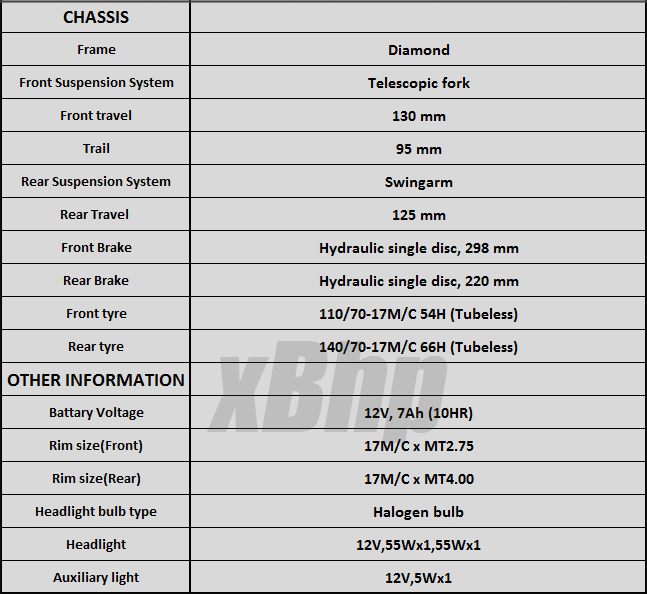
TECHNICAL SPECIFICATIONS


Vespa SXL150 & VXL150 Review
 Oct 2015 Sunil Gupta
Scooters,Vespa
Oct 2015 Sunil Gupta
Scooters,VespaVespa has been in the Indian market for quite some time now with their line of scooters and they have had reasonably good sales numbers as well considering their positioning in the premium segment. At a time when there was very little variety in the Indian scooter market, they’ve been a breath of fresh air for those who could afford to spend more. They pushed the envelope once again recently when they launched their range of 150cc scooters – Vespa VXL and SXL, the largest engine capacity scooters in India. A very bold decision we must say considering that no other manufacturer has thought of venturing into the territory of ‘maxi scooters’ in India as yet.

We got to ride the Vespa VXL and SXL recently in Pune and here’s what we think of them. Both these scooters, the VXL & the SXL, are available in the 125 cc variant as well. Visually the only thing that differentiates between a 125 cc and the 150 cc VXL and SXL is the 150 badge on the rear left of the scooter. Everything else just looks the same. But since we’ve already covered the 125 ones, we’ll focus on the bigger Vespas in this article.

Styling wise, both the SXL and VXL have been able to maintain classic retro styling that Vespa is known for. They are available in a range of bright attractive colours, including with a matte finish. The paint quality is just top class. There’s just the right amount of chrome thrown in here and there, including around the headlights and fully chrome rear view mirrors. Both these scooters also come fitted with trendy alloy wheels with single sided suspension at the front and rear. Here the SXL gets the blackened alloy instead of the regular ones on the VXL. The handlebar grips are comfortable. The switchgear is borrowed from the earlier Vespas that are available in India and the quality of plastic on them is good. The overall fit and finish of the scooter is typical Vespa like – impeccable. The front of the scooter has been tweaked a bit. There is a new oyster-shaped digital console that has a fuel gauge, trip meter, and a clock to keep a check on time. The speedometer remains an analogue unit.

There’s ample spacing on both the scooters in the form of underseat storage that is good enough to keep a half face helmet along with other small items. There is storage option provided just below the handlebar as well in the form of 2 small pockets on the SXL, which is just good enough to keep small items like spare keys, etc. The VXL gets a lockable storage space, which is handy if you want to keep your belongings like documents, etc. safe. Other major differences between the SXL and the VXL are the shape of the headlights – The SXL has a rectangular headlight while the VXL gets a rounded one. There is no rear grab rail in the SXL either.
Vespa VXL150


The steel monococque chassis of the new Vespa duo, a standard with all Vespas sold in India, gives them a very solid feel while riding and instils confidence in the rider. The riding stance is pretty upright and the ride doesn’t feel cramped. The hydraulic suspension setup did feel a ‘little’ stiff on the bumpy roads, though it wasn’t really a deal breaker. A telescopic suspension at the front would’ve made things better. The wider Maxxis rubber provided good grip in general, but it didn’t inspire much confidence while riding on wet tarmac. Braking did feel sufficient and progressive with the 200 mm single disc at the front and 140 mm drum at the rear.
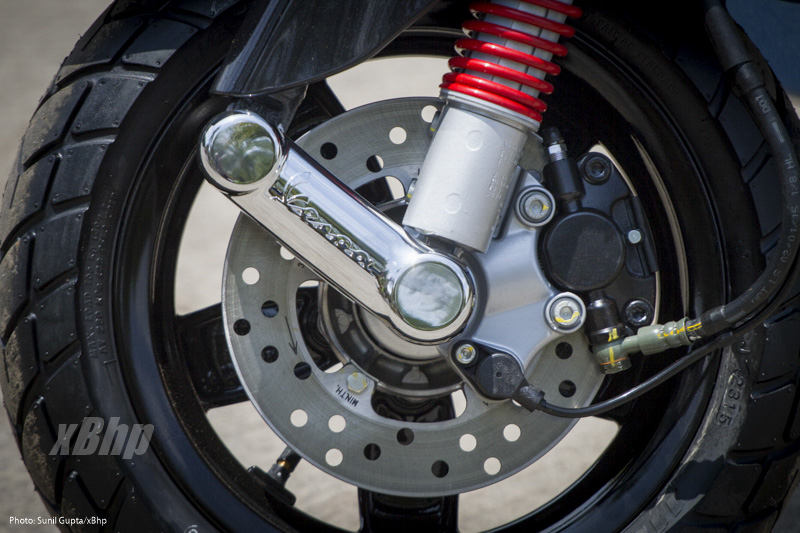


Now we come to the most interesting part – the 150 cc single cylinder, air-cooled carburetted engine that has been put in the Vespa VXL and the SXL makes them the most powerful scooters in the country as of date. This engine makes 11.6 PS of power at 7000 RPM and 11.5 Nm of torque at the 5500 RPM mark, which is delivered to the rear wheel via CVT transmission.

The ‘upgrade’ in power figures is readily noticeable as soon as you jump from their smaller capacity siblings onto the bigger Vespa. The engine does have more grunt and is quicker off the mark. It has got a sweet midrange and the power delivery is smooth without any major peaks or troughs, which makes it an ideal machine for commuting in the city and also cruising on the highways while maintaining a decent speed even with a pillion on board. It feels smoother as well across the rev range without any noticeable vibrations.



Mahindra Mojo Review – The Mile Muncher!
 Oct 2015 Sunil Gupta
Bikes,Mahindra,Motorcycles
Oct 2015 Sunil Gupta
Bikes,Mahindra,MotorcyclesMahindra Mojo Review – The Mile Muncher!
Mahindra wants to drum it into your skull that the Mojo is a tourer. While the bike was being showcased to us the evening before the ride, the company boffins were at pains to point this out, so much so that they used the term ‘tourer’ at least 20 times in the 10 minute presentation! But true to its name, the bike does have tons of touring mojo and we came away suitably impressed. Yes, we start with the verdict!
In the 2010 Auto Expo, Mahindra first showcased its oddly styled flagship motorcycle to the public and had to beat a hasty retreat after coming under scathing criticism by the media and fans alike. Thumbs up to the company for persevering and after half a decade have finally brought out a well put together package called the Mahindra Mojo. This is thanks in no small part to P S Ashok, Head of R&D and the man behind the realisation of this machine, since he took over this position in 2012. The Red & White and White & Black colour schemes were also displayed and the bike looks best in red, since it’s similar to what Mahindra Racing used in Moto3.

Cut to the chase, around 30 odd media guys found themselves standing in line waiting to grab the keys to the Mahindra Mojo for a reasonably long ride of 600km from Bangalore to Madikeri and back. Almost everyone was excited to ride the bike, what with the 5 year wait, though I was a bit disappointed that we weren’t getting the red bike. As Henry Ford once famously remarked “You can have any colour as long as it’s black”! At long last, it was time to straddle the bike and thumb the starter.
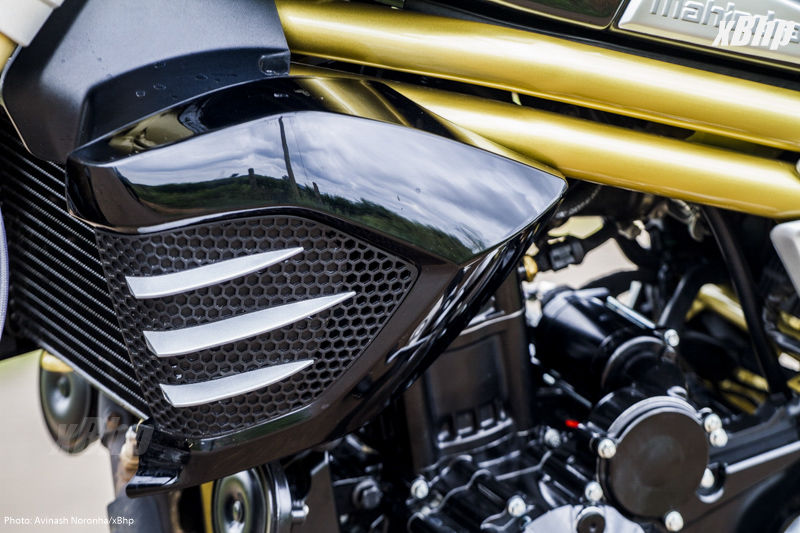
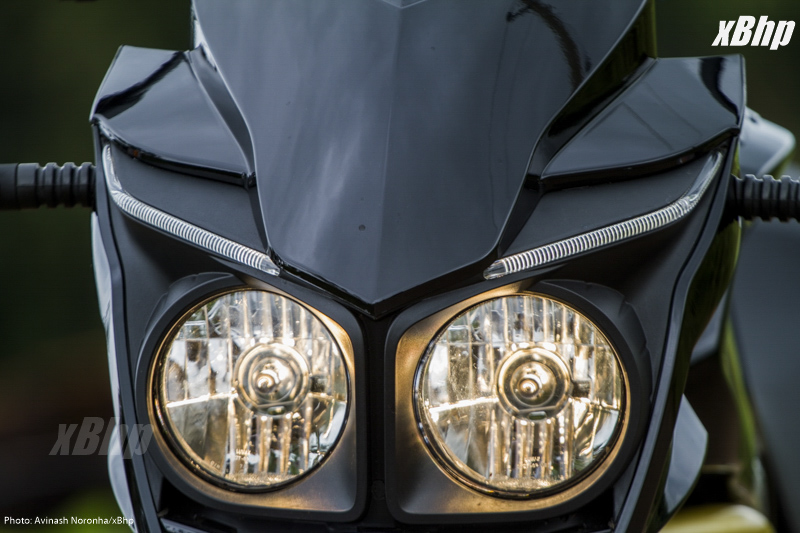
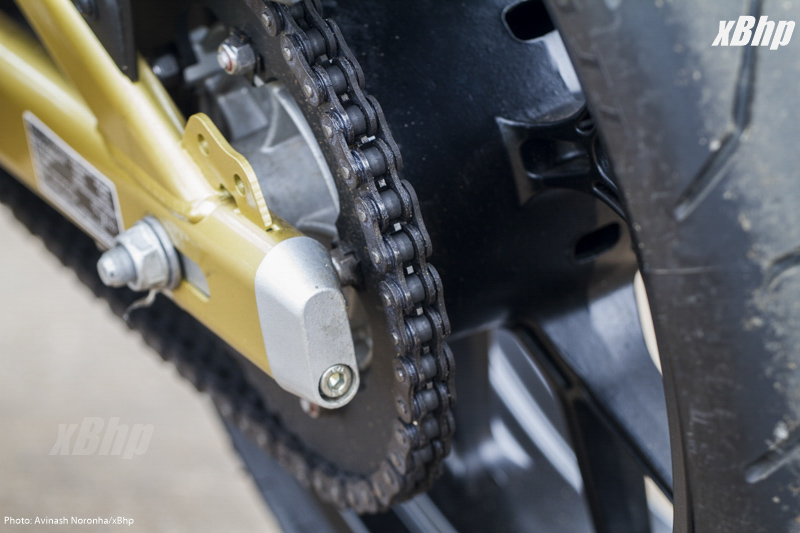
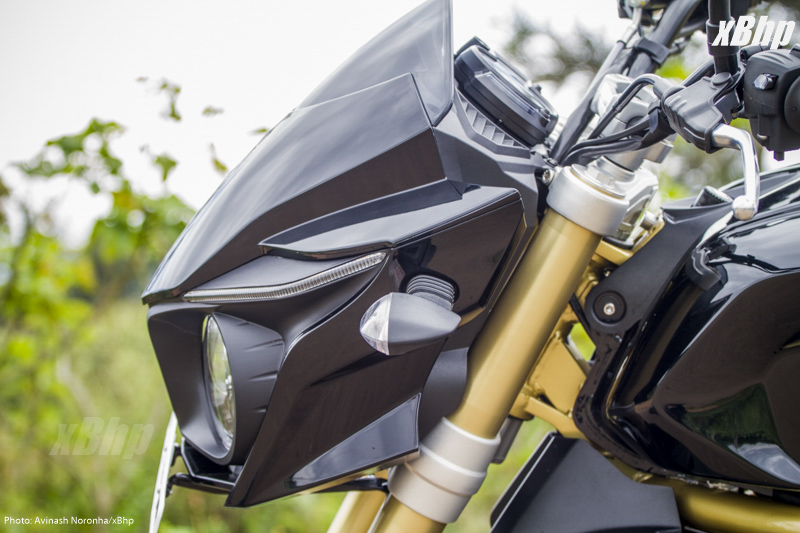
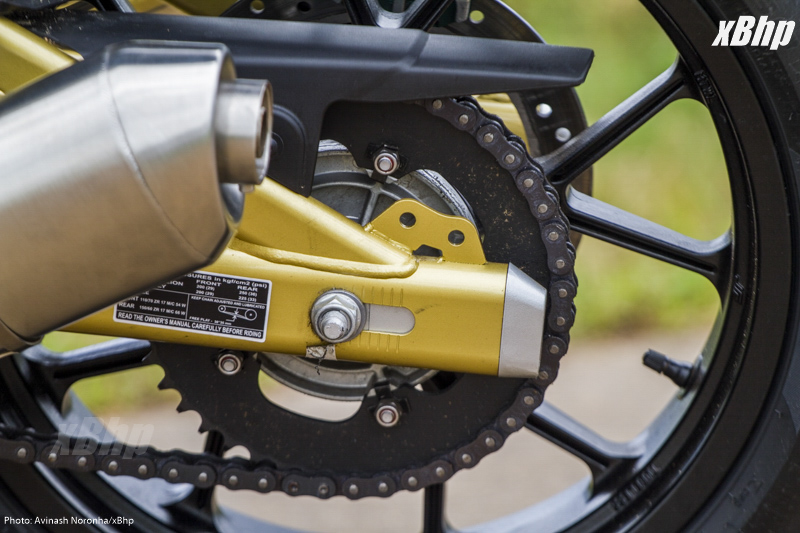
Only after a madcap dash out of the city to avoid Bangalore’s famous peak hour traffic, did I get a chance to stop the bike and take a proper look at it. And a good hard look is essential, since the majority of us have been led to believe that the bike isn’t good looking, at least that is what websites and forums have harped along from the time it was first showcased. Though the Mojo isn’t the most aesthetically pleasing and will have its fair share of ridiculers, the bike has a robust aura which inspires confidence in the hardcore tourer. From the side profile, the bike reminded me of a small mountain pony, with strong fore limbs and relatively slim hind quarters. Giving it the appearance of a bike ready to climb the harshest terrain under load, but not necessarily the fastest to the top. From the front the bug eyed headlamp takes prominence and on closer inspection you see the LED DRLs, with the entire assembly rather large in comparison to the bike. This does give the bike a bit of a robotic (read transformers!) appearance and you wait in anticipation that it will actually start conversing with you! Move along to the side and you notice the massive front disc, the beefy USD forks with a triple clamp for added rigidity and the radiator shrouds with silver fins, and to add to the bulky look is the chiselled 21 litre fuel tank, spacious rider saddle and twin exhausts. The bike narrows after the waist and the tail is a sleek affair, with the LED tail lamp giving the bike a contemporary appearance. Something that I didn’t like was the forks, chassis and swingarm dipped in gold. A bit loud for my liking. The red colour on the other hand has a black frame which adds to its charm. The paint quality on the motorcycle is great, while the gold on the frame highlights the weld marks. The switchgear is simple and functional, while the entire motorcycle oozes quality with a built to last feel.


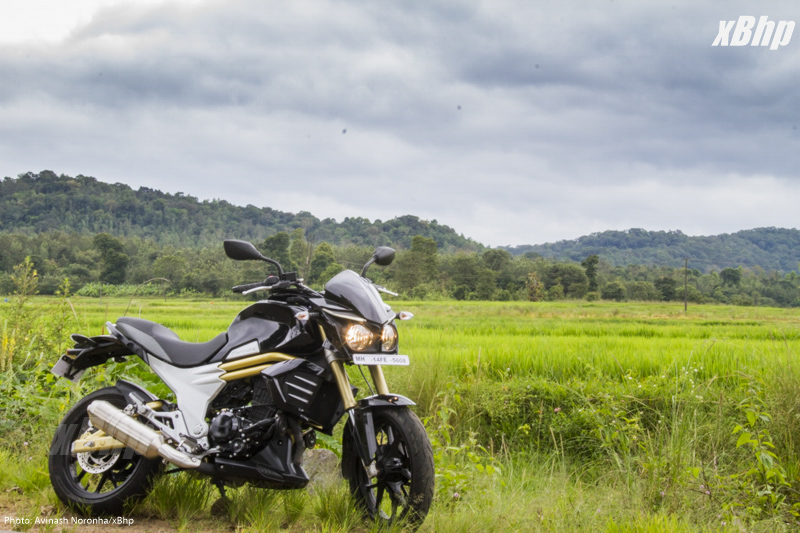

The Mojo comes with some nifty specs and safety features which include the Twin Tube HTR Frame, USD Fork with 143.5mm travel, Gas charged mono-shock at the rear, 320mm disc (segment largest), Pirelli tyres, 1-2 dual exhaust, liquid cooling and a torque limiter slipper gear to increase starter gear train life. On the safety side of things you get the Limp Home mode, which restricts the bike to 4k rpm in the event of an engine malfunction and roll over sensor, which shuts off the engine when it senses the motorcycle is leaned at 45 degrees or more and the rear tyre is in the air. On the gimmicky side of the garage you get a top speed recorder and 0-100kmph time recorder. Not features that you would use every day or for some tourers – ‘ever’!
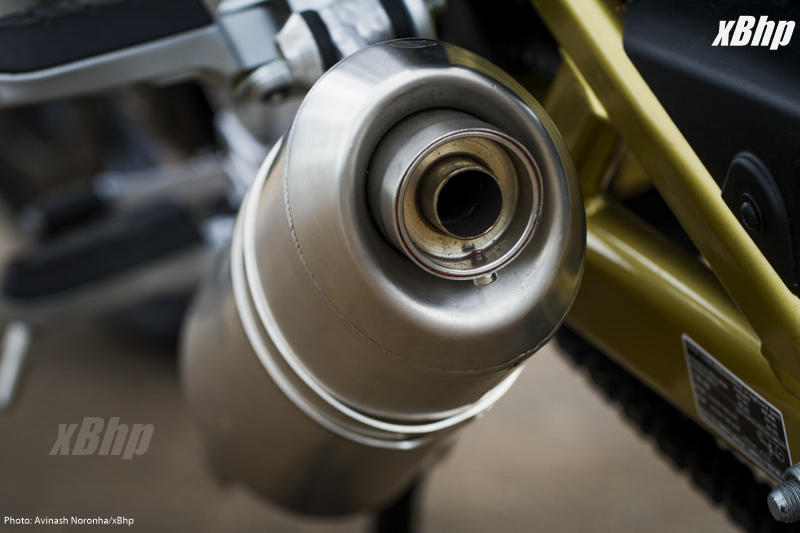
For the ardent motorcycle traveller, bikes don’t prove their worth on paper but on the open highway. And that is where we were most impressed with the Mojo. The bike with a 1465mm wheelbase is rock steady at high speeds on the straights. Though the visor is ineffective and a windscreen is sorely missed as the windblast does tire the rider. The saddle and suspension are plush; keeping the rider happy even on potholed infested roads, the fabric used on the saddle isn’t slippery but does allow the rider to move around when cornering and has sufficient room for moving back and forth to release those aching muscles on long rides. The ergonomics on the motorcycle are as straight up as one can imagine, foot pegs directly below the rider coupled with a raised single piece handlebar takes some time getting used to, but are very comfortable for long distances. Though at 5’11”, I did feel it a tad bit cramped. The bike idles steadily at 1500rpm, with the dual exhausts emitting a lovely bass note. Mahindra did tell us that the dual exhaust aids getting better power and fuel efficiency from the engine along with increasing the aural pleasures, but it does make me wonder about the extra weight that is being lugged around, is the trade-off worth it? For the rider on the go at triple digit speeds the bike sounds like a KTM, but when a bike whizzes past you, it sounds like any ordinary single. To make matters more enjoyable, the Db killers can be removed in the SVC without voiding warranty and that does improve the sound of the motorcycle considerably.
Mahindra Mojo Review Tech Specs


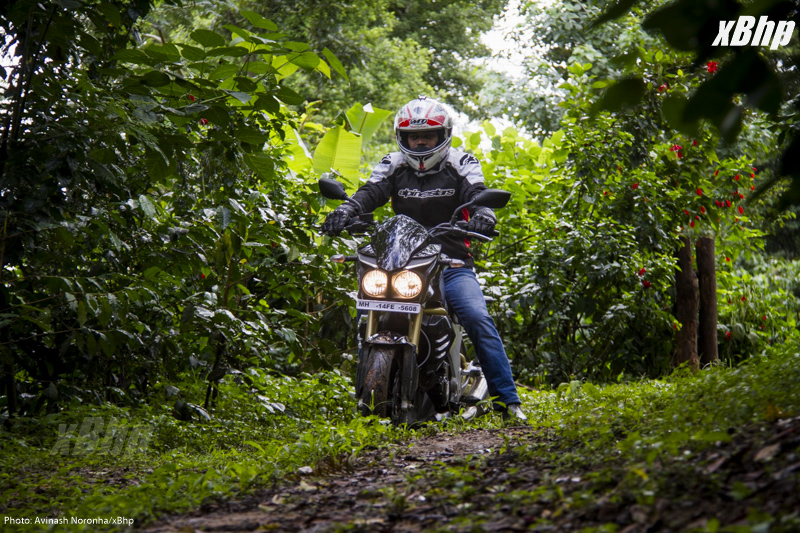
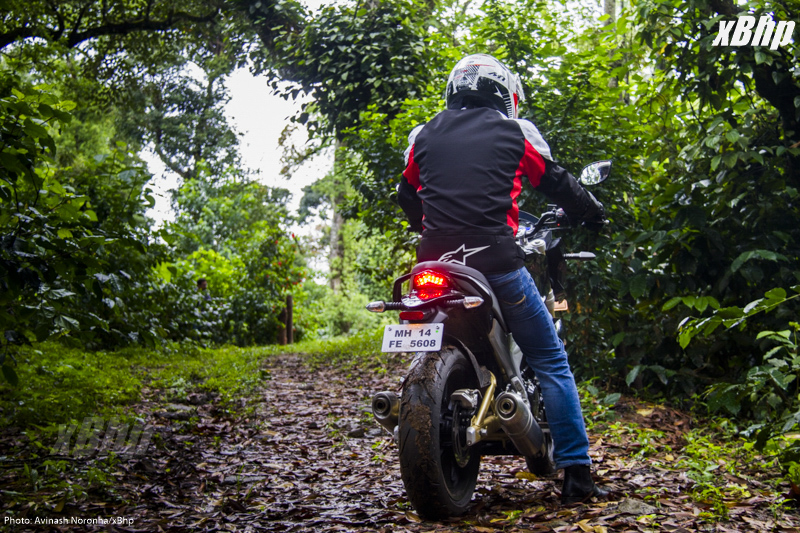

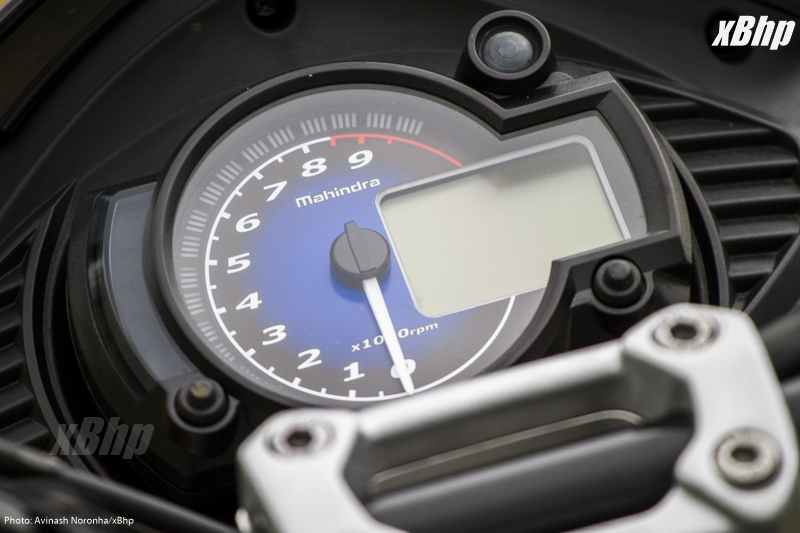
Try flicking the bike at speed and you can feel the frame flex, as the bike moves sideways. It isn’t as stiff as the KTMs, but neither is it all bound by rubber bands. One pleasant surprise was the lack of vibrations, with no vibes felt in the handlebar, foot pegs or mirrors; with the RVMs perfectly placed, leaving hardly any blind spots. The 21 litre fuel tank should give a range of around 500km, one of its biggest USPs, though we didn’t get a chance to accurately measure the fuel consumption. The 295cc engine produces a healthy 27bhp at 8000rpm and 30Nm of torque at 5500rpm and this shows up when riding. There is hardly anything in the bottom end and you need to keep the bike revving past 4500, and quick overtaking manoeuvres require the rider to be closer to 6k, not too much of a problem on highways, but it wouldn’t be a lot of fun in city traffic; the biggest shortcoming of the Mojo. The bike cruises at a comfortable 105kmph at 6000rpm and can be ridden between 100-120 for the entire day without breaking a sweat; usable speed for Indian roads. The tacho needle would also be jumping around needlessly even when the engine was being held at constant revs, though the lights moving along with the needle are something new and therefore cool! Clutchless shifts are not a problem, and we quite enjoyed working the slick gearbox, where with varied riding conditions, we never got a fool’s neutral nor any missed shifts. With the weight of the bike, moving it around in parking lots isn’t going to be fun, especially once luggage is loaded on it.


It isn’t light at 165kg dry and it shows while remaining planted in crosswinds at speed, but while cornering it isn’t the easiest to throw around. A firm hand is required on the handlebars to lean it into the corners, though once done it stays there predictably. Mid-corner bumps are also absorbed with aplomb, though mid-corner corrections are not as easy. The brakes on the Mojo are a funny lot, on paper the 320mm front and 240mm rear mated with steel braided brake lines should get it stopped in a jiffy. But in reality, the bike does so rather gently and progressively. A good thing for tourers and beginners, though doesn’t allow you to push the bike’s limits. The J Juan callipers are from Spain and developed with help from Mahindra Racing based out of Europe. For those who don’t know, this Spanish company doesn’t just work with Mahindra in Moto 3, but also provides braking components to Kawasaki Racing’s championship winning bikes in WSBK. I found the front brakes perfect, while some co-riders complained of locking up the front and rear and sliding the tyres when on the brakes. Engine braking is optimal and the bike is easily controlled with the judicious use of the brakes and downshifting. For those wondering about ABS, currently Mahindra is testing it out and will probably appear on the Mojo, sooner rather than later. The icing on the cake in the handling department is the Pirelli Diablo Rosso II Radial tyres, which make the bike stick to the tarmac like on rails. The quality rubber allows the rider to forget the length and weight of the bike as we flicked the bike through the Ghats of Coorg, even on damp tarmac. Some aggressive riders even mentioned scraping the pegs thanks to the confidence inspiring Pirellis. Though, Pirellis as OEMs would increase the cost of the motorcycle, Mahindra did state that they would continue with the same in future as well; but cheaper alternatives might be made available as aftermarket replacements if the owner so wishes.




Among other things, the pillion seat isn’t as comfortable as it looks, the broader front half being unusable, while the latter half is too narrow to provide adequate support to the pillion. The tail lamp is a bright 8 LED unit, which glows to 12 LEDs when you get on the brakes. Trafficators are clearly visible even in bright daylight. One thing we couldn’t check was the effectiveness of the headlights, since we didn’t ride after dark. If you plan to take the bike round the corner to buy vegetables, make sure you wear shoes, anybody in slippers could easily get burnt on the silencer while engaging the side-stand. But then you wouldn’t be riding the bike in slippers! The stand was a tiny irritant, it wouldn’t go up easily, and pushing it up with riding boots was a clumsy affair, the instrument cluster does get a side stand indicator, and I would suggest to check it every time before riding off! The instrument panel is easily readable in bright sunlight and quite informative, displaying an analogue tacho, digital speedo, clock, fuel gauge, engine malfunction light, rev limiter LED, trip metre, engine overheat and the regular tell-tale lights.




Mahindra has positioned the Mojo as an outright tourer, and it does that job with panache. The few things that we feel would add to its label of a tourer as accessories are – windscreen, centre-stand, hard panniers and hand guards. Though the company did confirm that soft panniers, tank bags and riding gear would be made available shortly for Mojo owners. The bike can do everything that the rider throws at it, in moderation but push the limits and this isn’t your cup of tea. Buy the bike if spending long hours in the saddle is a pleasure, where ‘tech specs’ are far less important than practical usability. If I were to buy a Mojo, it would surely be the red!






Mahindra Mojo Review: Technical Specifications and Comparison





