





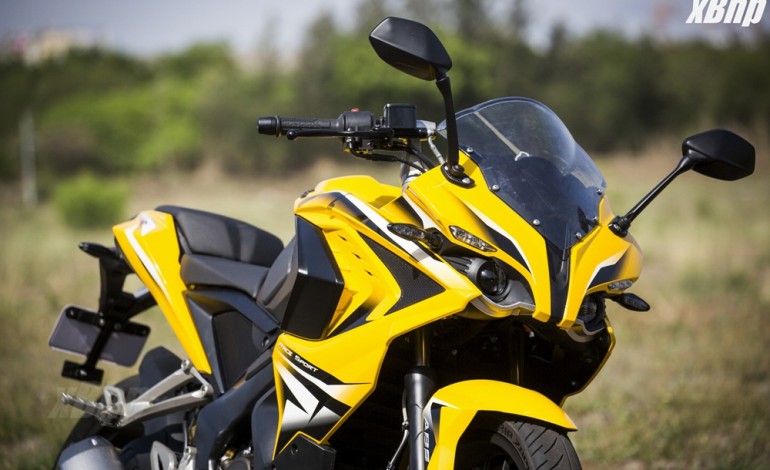

Ayata-IQ named Australian start-up has developed a battery-less hybrid device that reduces two-wheeler fuel consumption by 38%. As per the economic times report, the product is ready for commercial sales and company is also talking to few manufactures for the same.
The device named AIQ is an ultracapacitor powered hybrid system that overcomes the traditional problems associated with Lithium-Ion battery powered system. The system will also make the hybrid system more affordable and durable. The device has been successfully tested at ARAI, Automotive Research Association of India.
Craig Hembrow, Cofounder, Ayata IQ said,
“The device allows customers save 60% of the bikes total cost after 5 years of fuel savings while the system also does not require manual charging, allowing for the perfect rider experience. Government does not need to invest in expensive charging infrastructure.”
The device AIQ is a control system that switch between electric and petrol powertrain drive. This approach reduces the weigh, complexity and cost of the system. While using the petrol drive, the combustion engine charges the ultracapacitors back up in seconds ready for the next cycle. This eliminates the need of manual charging.
Craig Hembrow further added that company sees big opportunity in the Indian market for this device
“We would like to base production in India through strategic partnerships, and export the commodity components globally.”
The hybrid device weighs only 5 Kg and it can be retrofitted in the aftermarket. The ultracapacitors used by the device are known for their long life and rapid charging.
Fazul Huq, founder, Ayata IQ said,
“Our mission was to make advanced hybrid technology accessible and affordable to all vehicle owners in the world, not just in developed economies. We achieved this by targeting the deficiencies in all electric and hybrid drive systems that incur high upfront cost, frequent and lengthy re-charge periods, poor battery life cycle, and expensive maintenance costs.”
Craig Hembrow also said, “We are able to confidently compete in Asian markets because the design of our system has broken through existing cost barriers that have traditionally challenged the development of electric mobility, something no other company has achieve.”