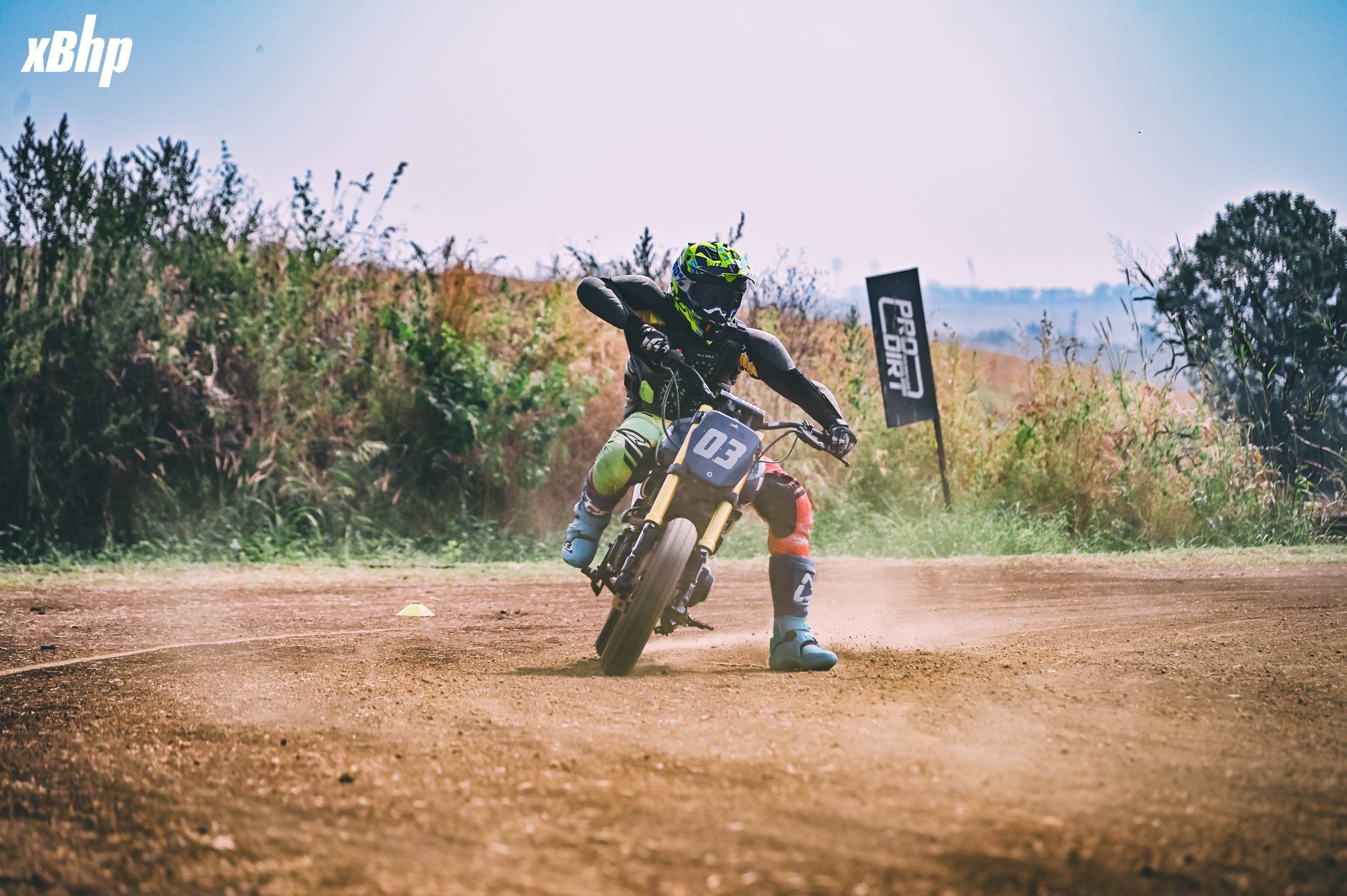






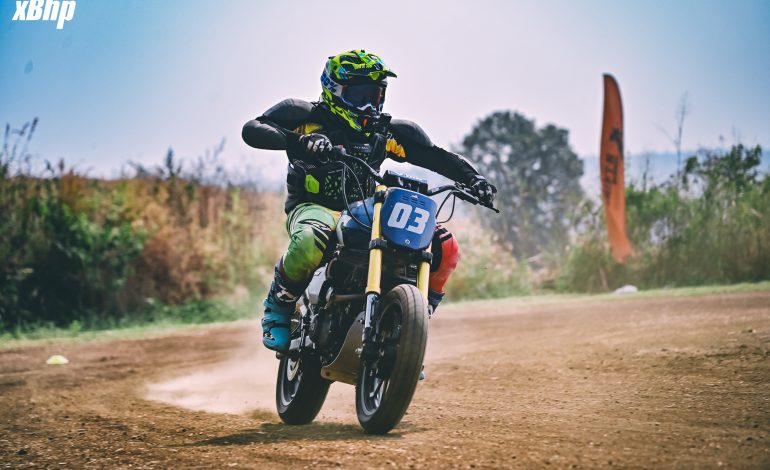

The old Fast & Furious movies show us how drifting in cars is cool, but what about bikes? Aren’t bikes just as cool with their sliding tyres and fast cornering? Sliding with four tyres is not easy, of course, but imagine that on a bike with only two tyres and a tiny contact patch on the ground, maintaining balance—that seems even harder. This is called flat tracking on bikes and that is what TVS Drift R is all about.
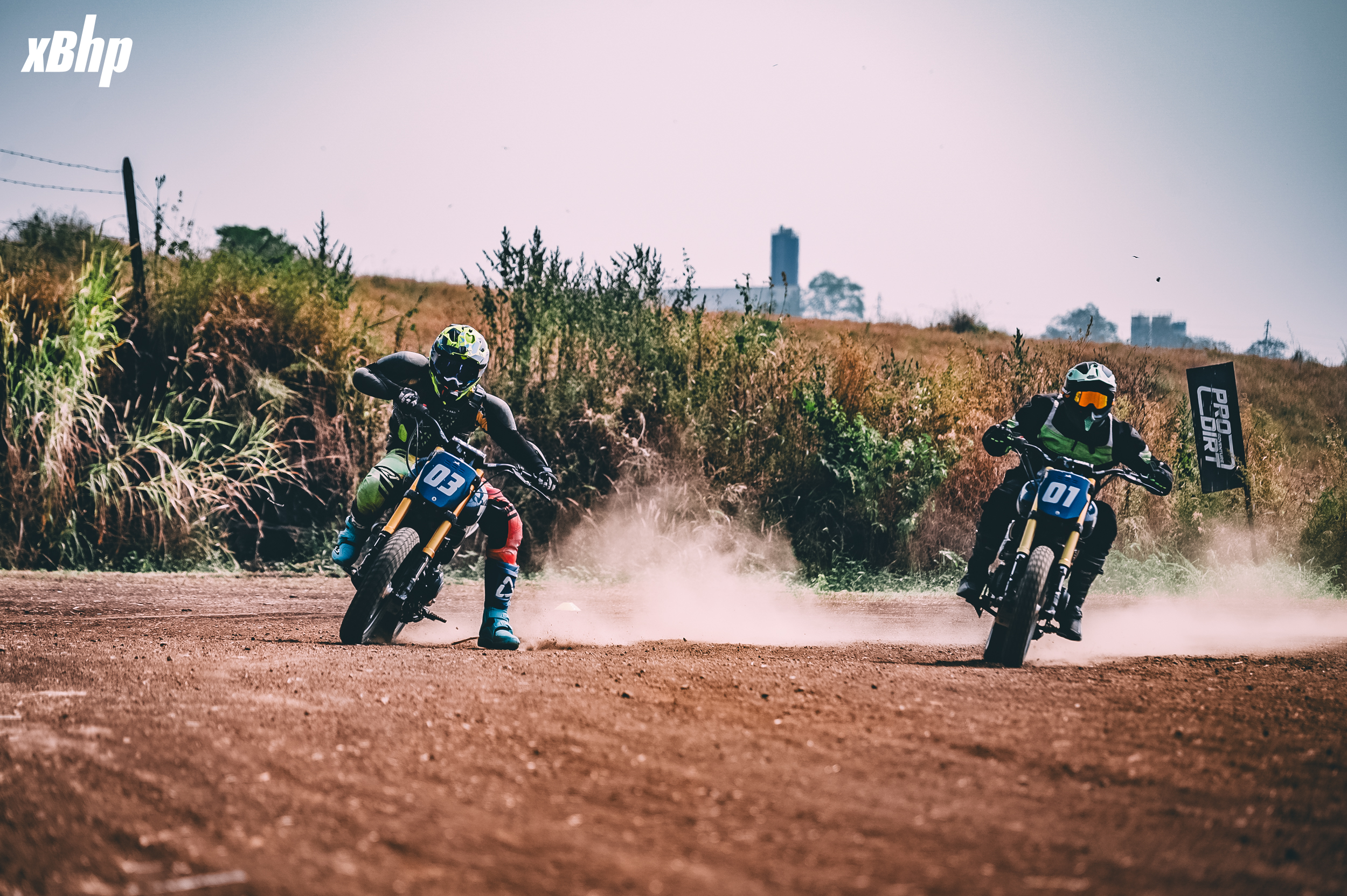
Flat tracking began in the early 1920s in an unusual place— a horse racing track. The smooth, flat land used for horse racing became a new type of bike racing, and over the years, it gained a lot of attention globally. Though the history is deep, it’s quite popular outside India.
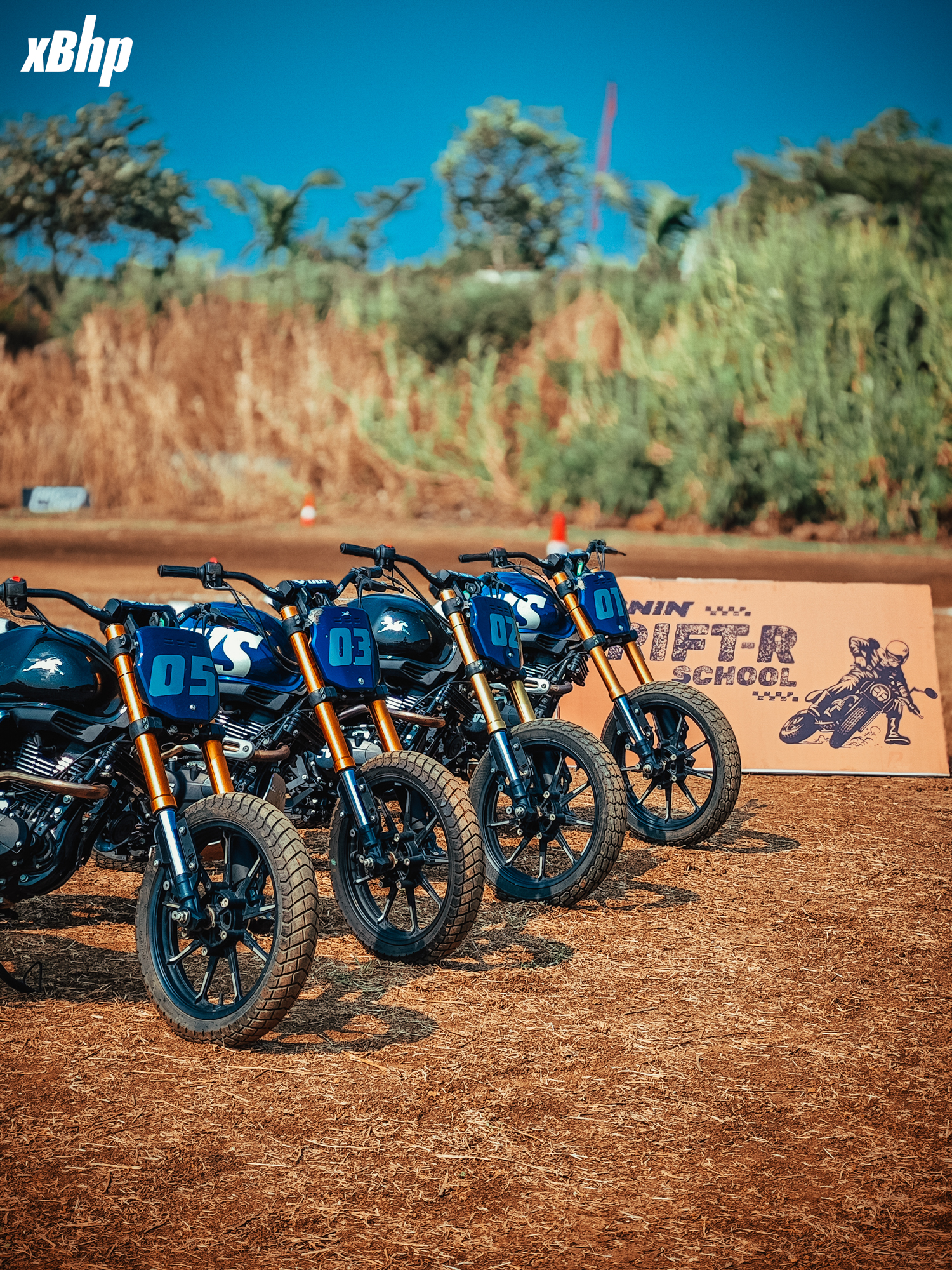
Why not in India? While flat tracking might have started in the early 2000s here, it is still gaining a small but growing audience. To make it more accessible to more people, TVS introduced a great opportunity: the TVS Drift R School. The rules are straightforward—ride the bike and improve with every round. Yes, that’s the main motto of TVS.
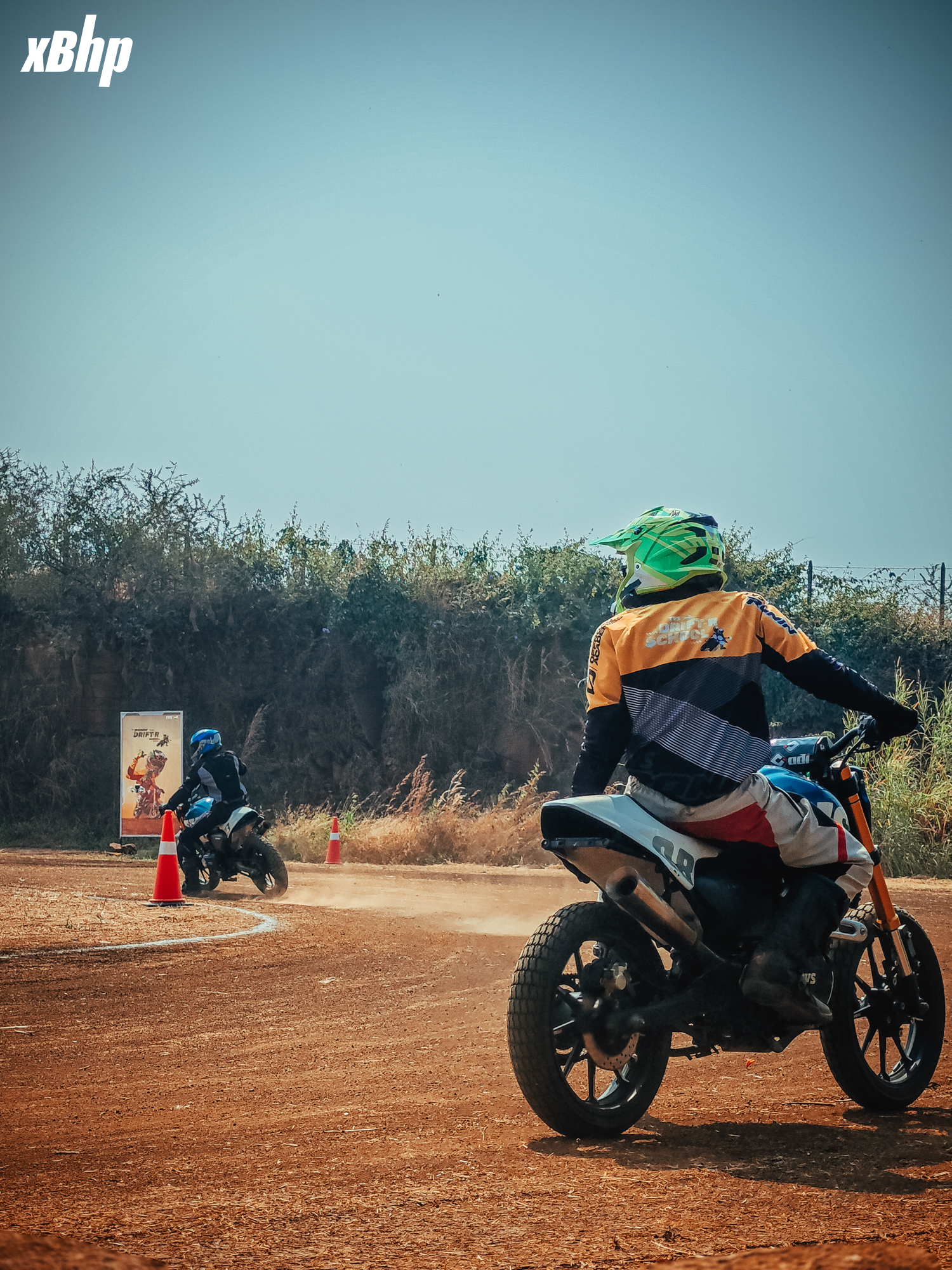
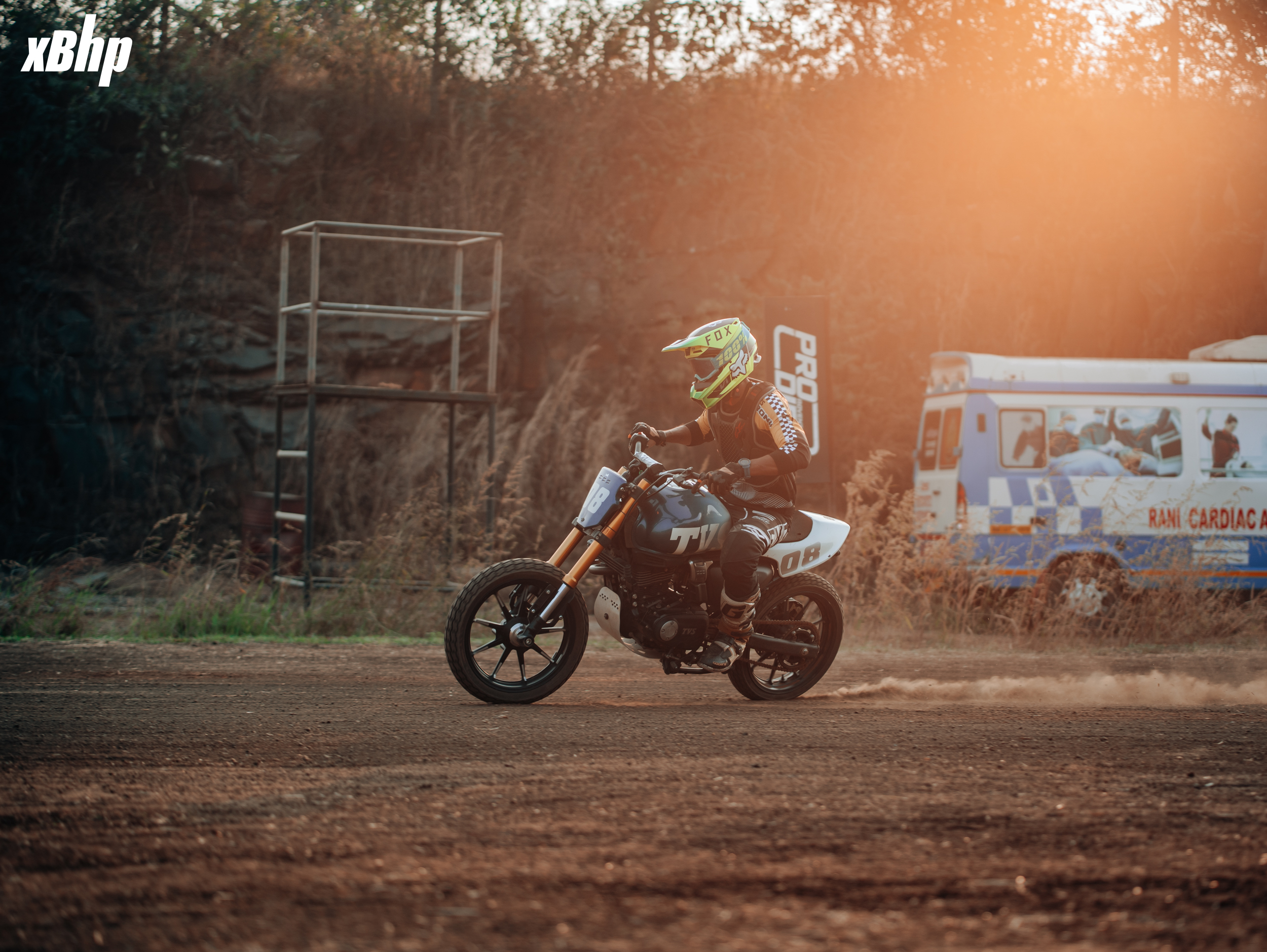
TVS is already known for its racing team and the bikes they manufacture in India. Track racing, motocross racing, and now they’re focusing on future flat track racing as well. But it’s not just about creating a competition—they want to create a culture of flat tracking in India, and that’s the best way to make it accessible to riders across all levels.
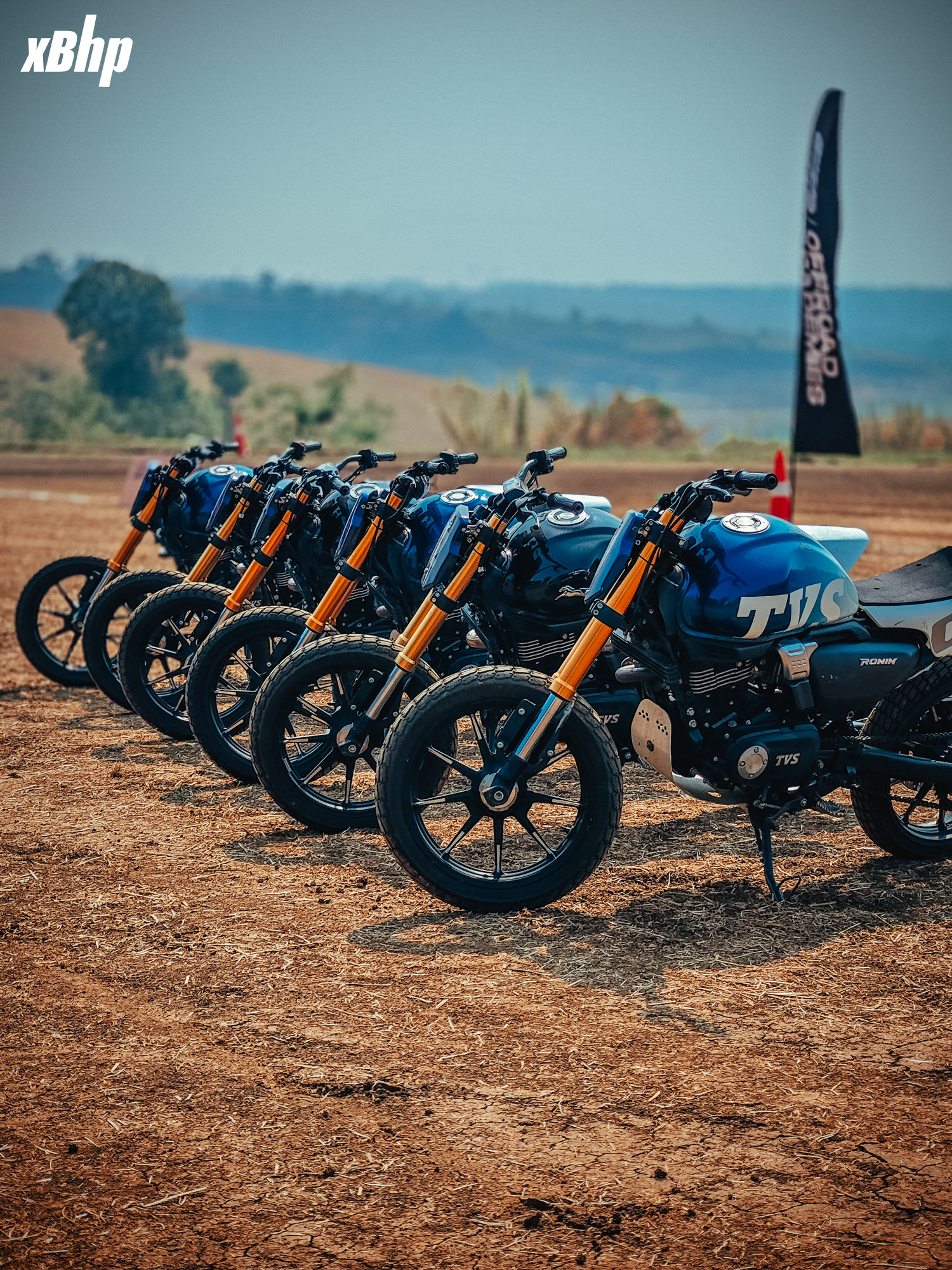
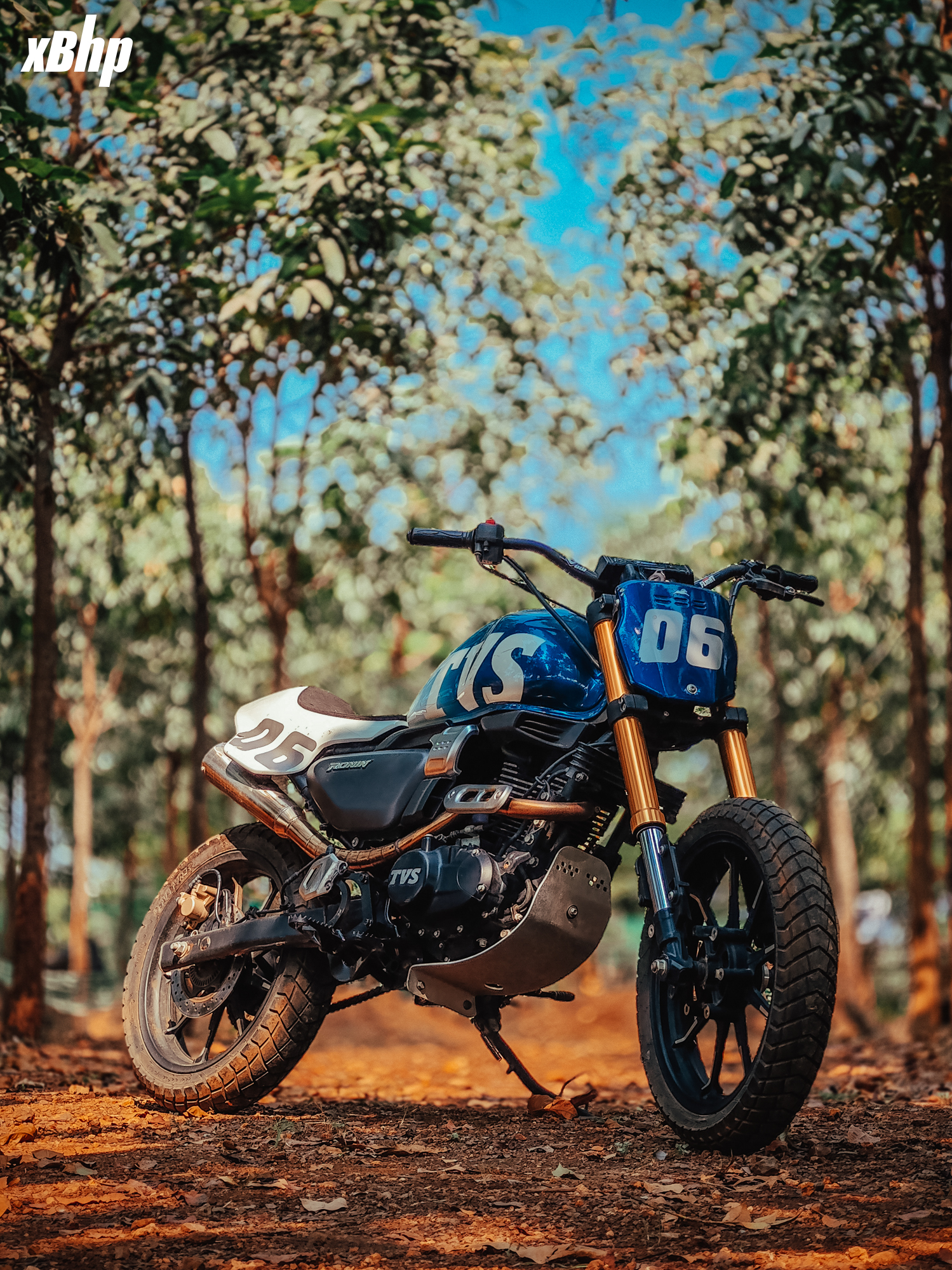
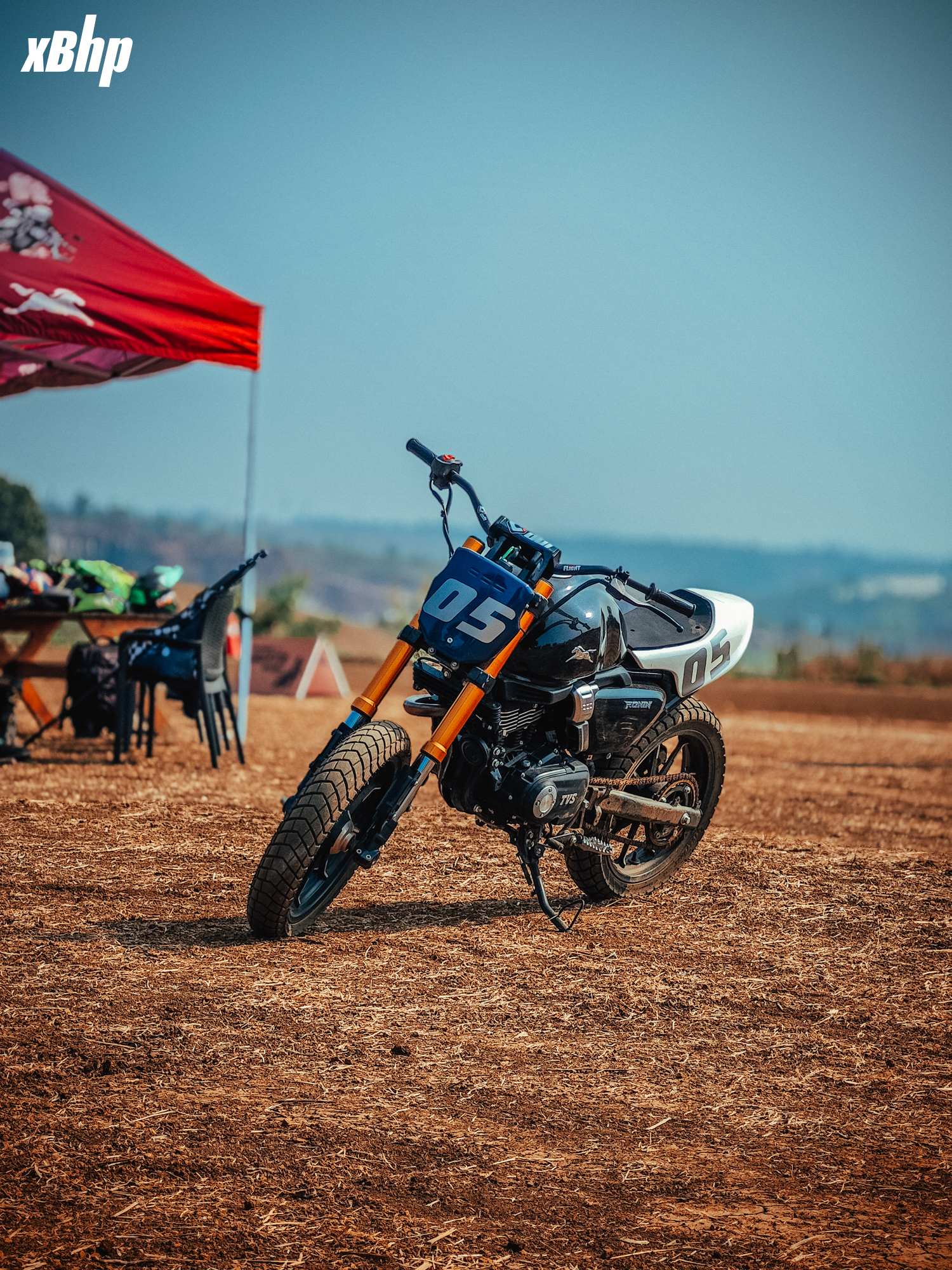
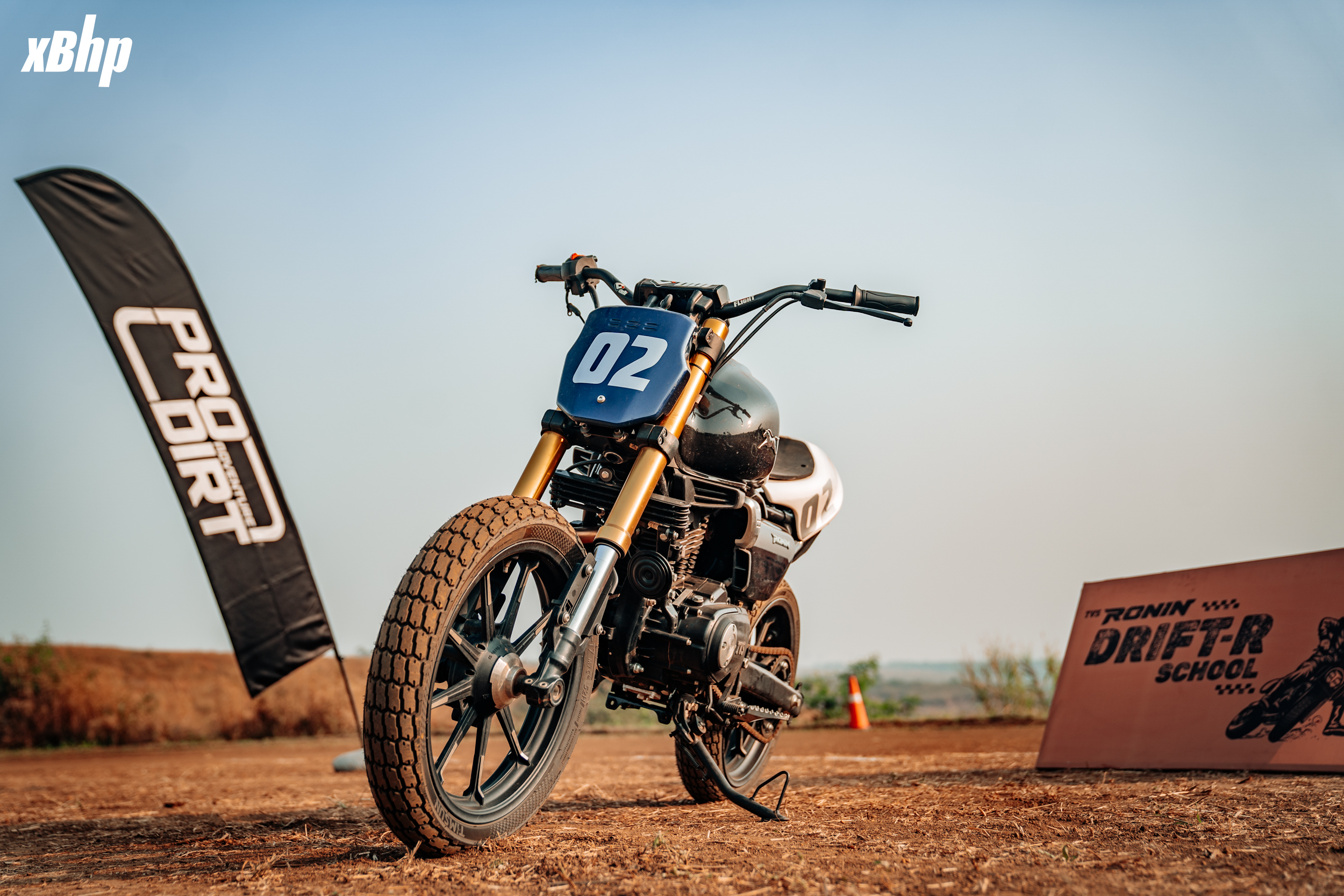
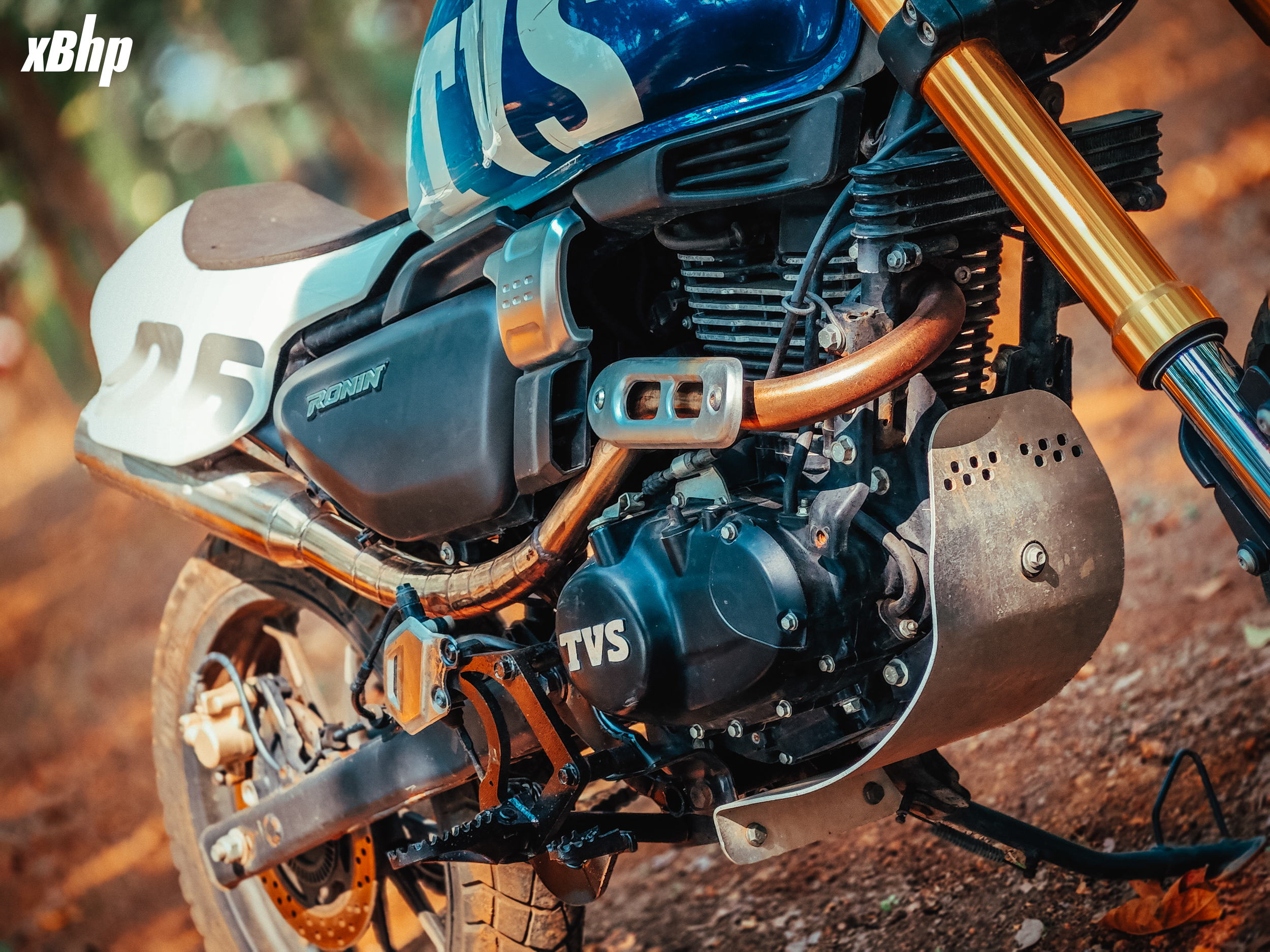
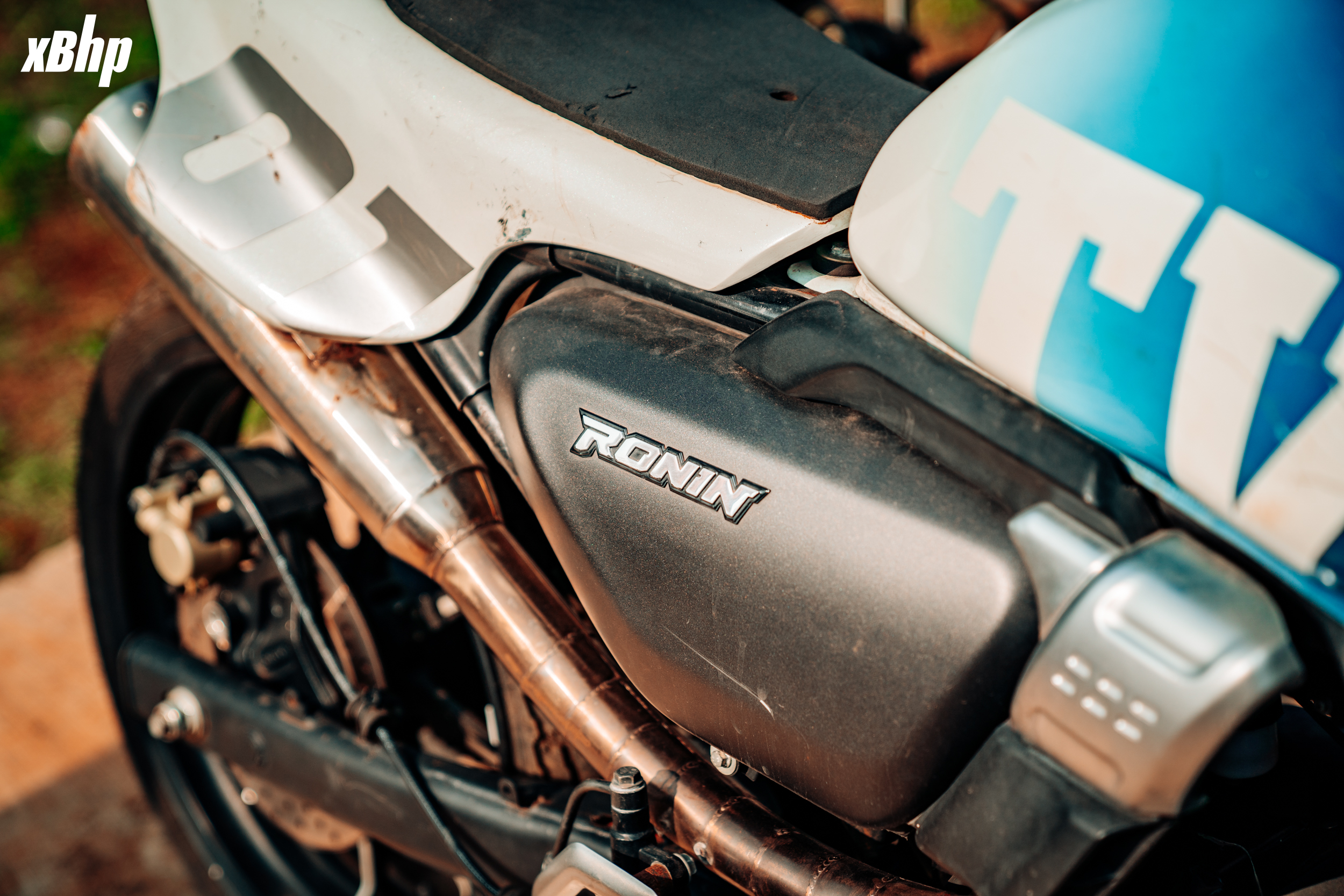
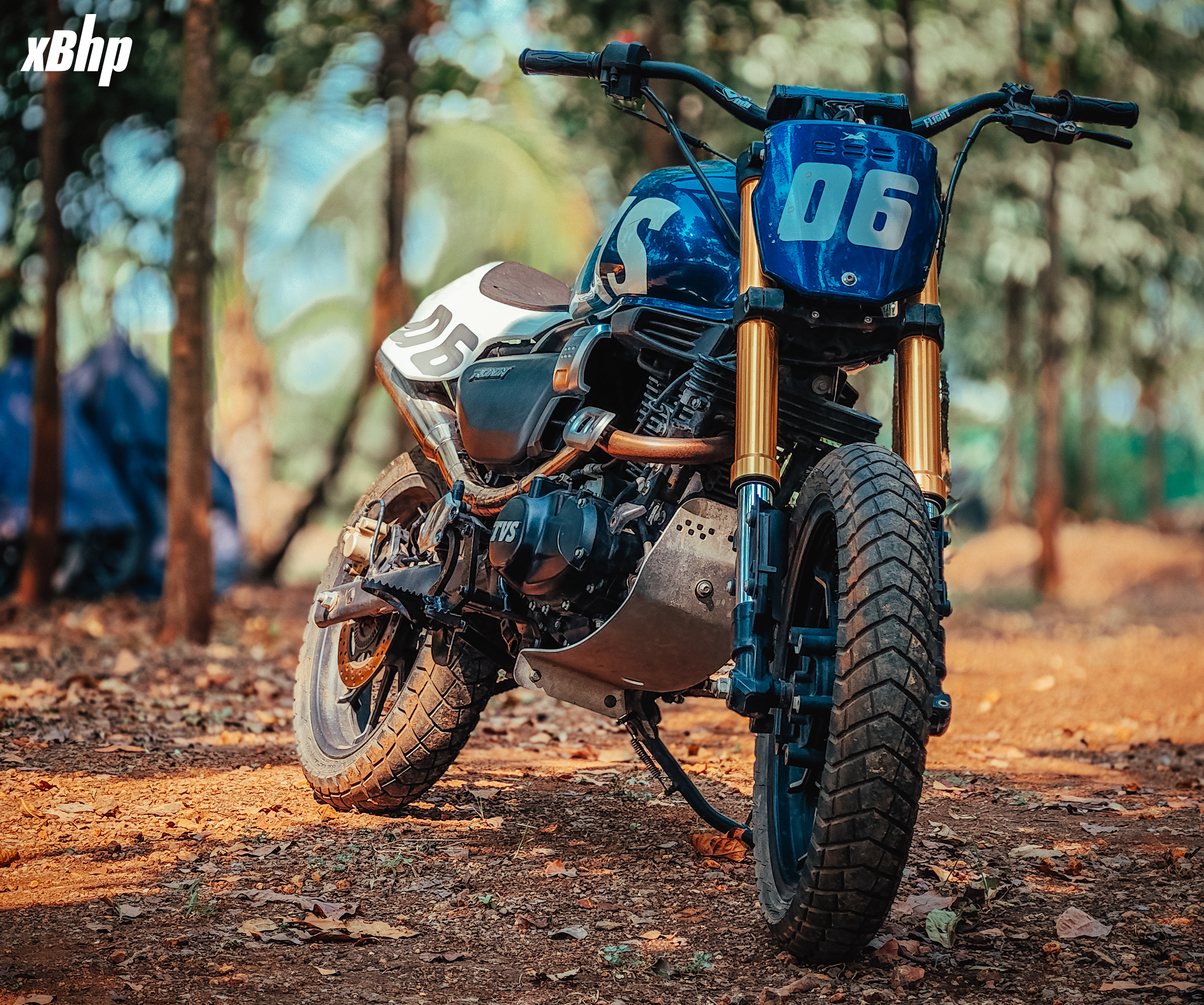
For this, TVS developed their own flat tracking machine out of the Ronin, a bike known for its performance and reliability. They removed unnecessary parts to make it lighter. The engine remained unchanged, but they designed a custom exhaust for it.
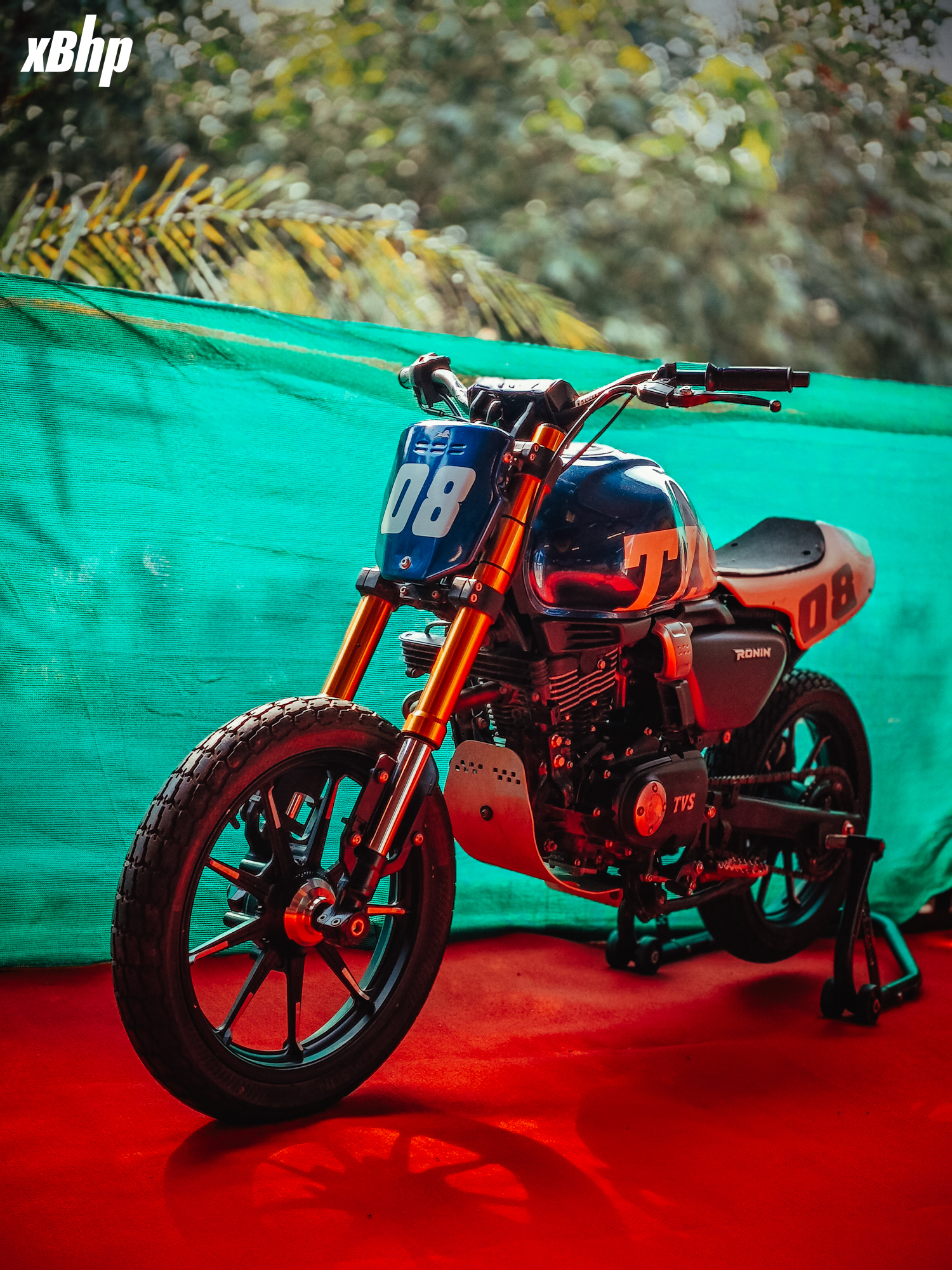
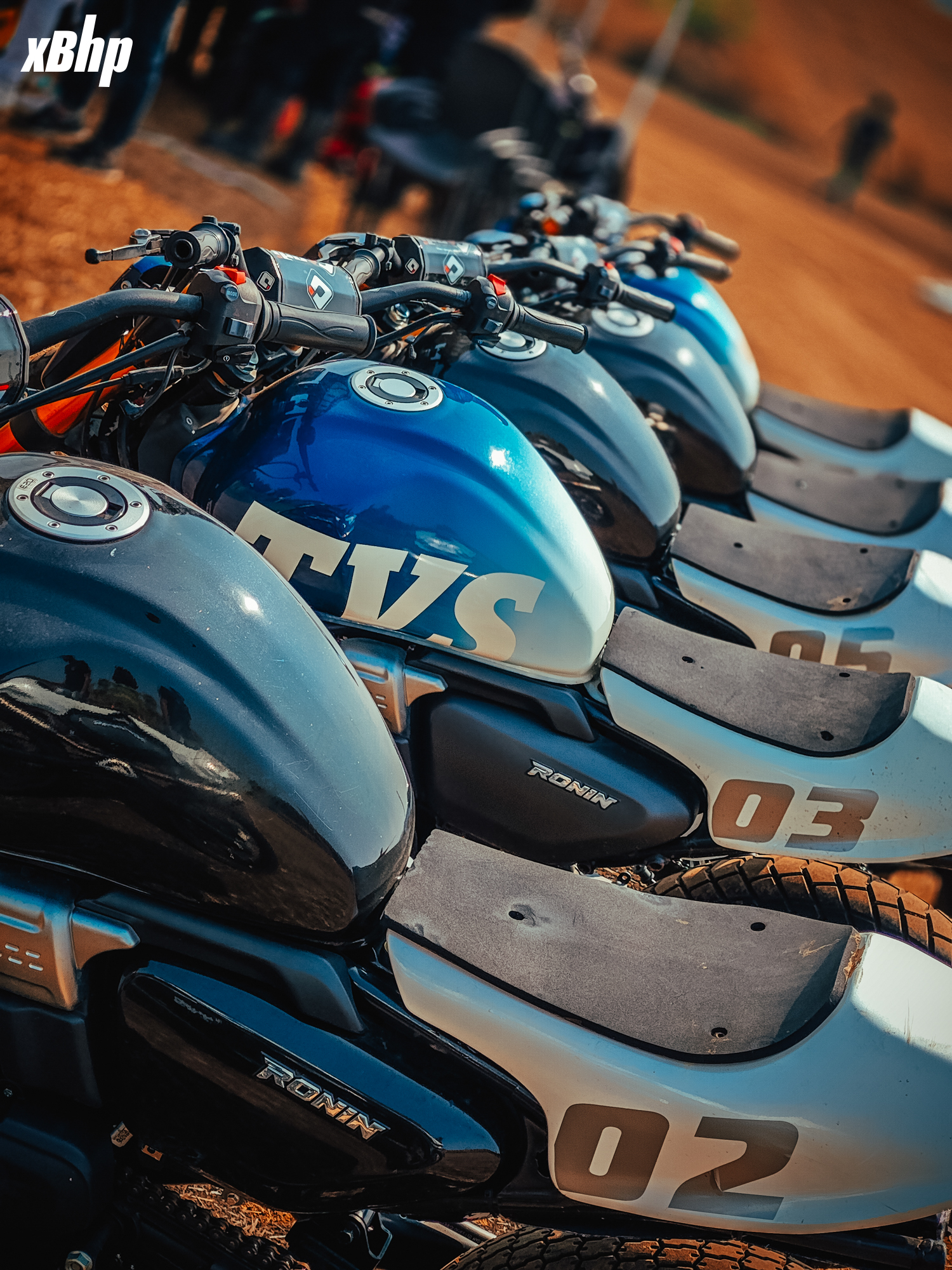
The front suspension travel was increased by 40mm for better handling, and the footpegs were repositioned for better cornering control. And here’s the best part—they removed the front brake. Yep, flat tracking doesn’t use a front brake, which means you need to learn the skill of controlling the bike without it. That is how it became the star of TVS Drift R.
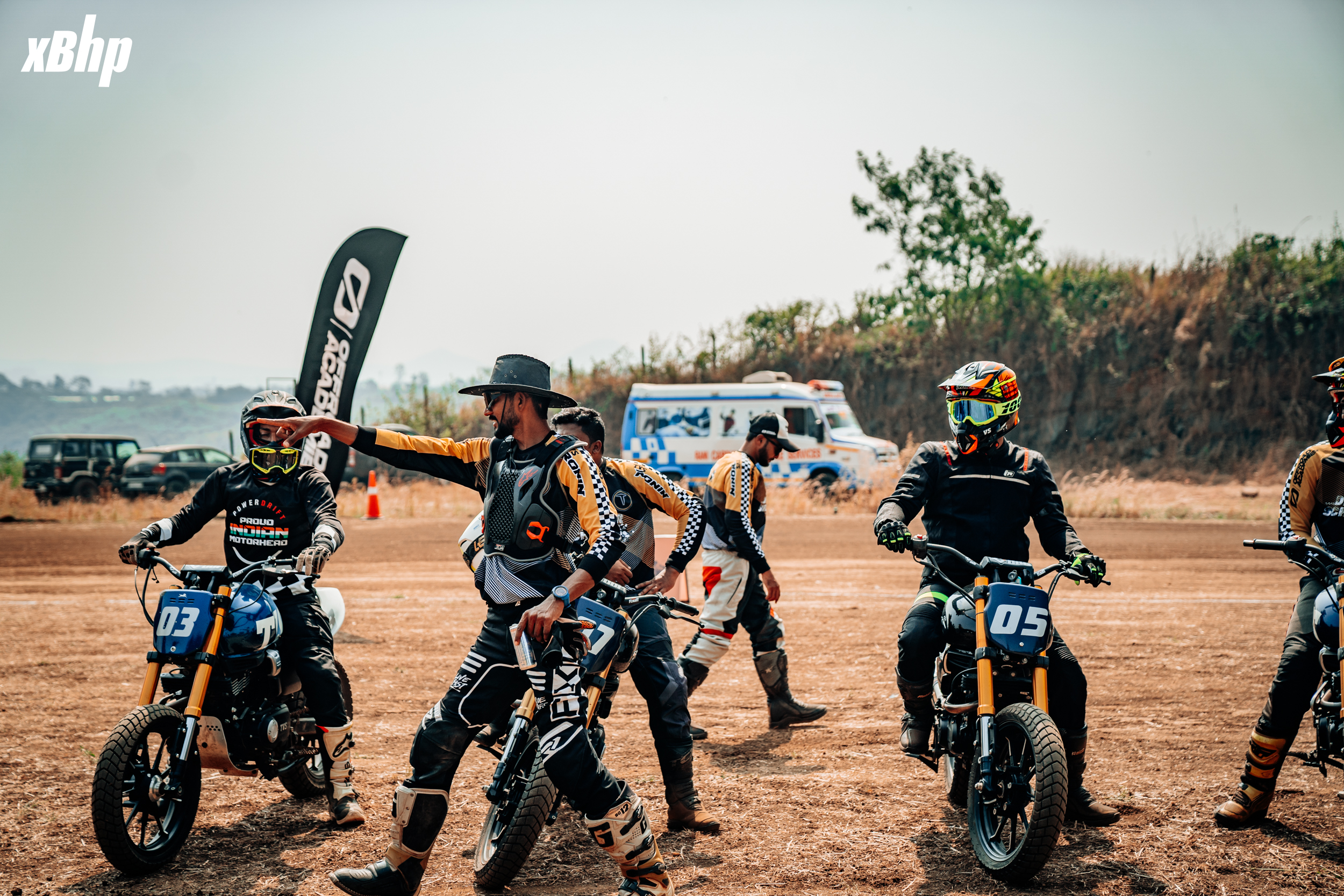
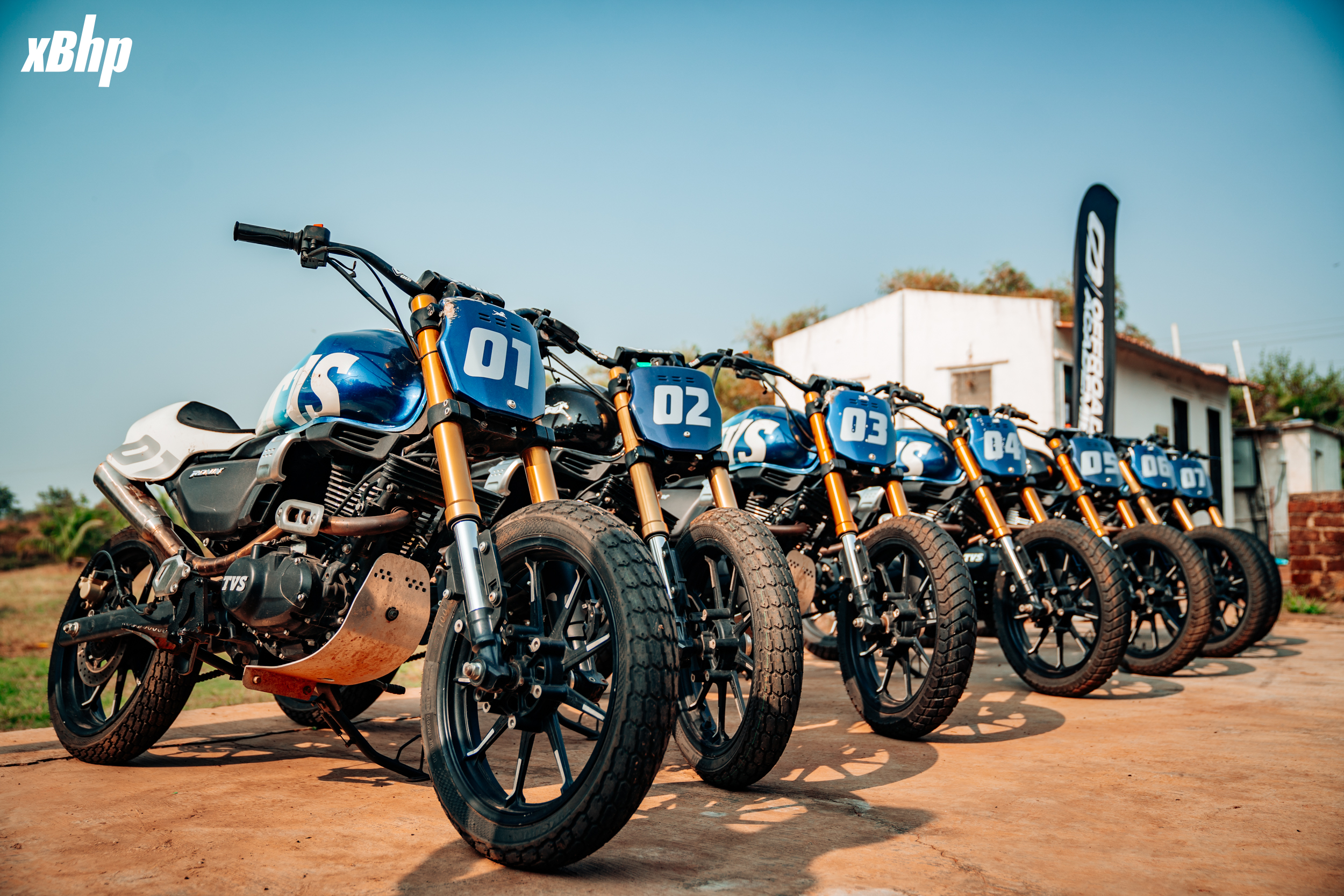
TVS partnered with Pro Dirt Adventure Park in Pune for this training session, where trainers were available for the entire day. Thanks to xBhp, I got the chance to brush up on my skills. Now, my flat tracking experience was zero before this event. I’d tried it a few times on other bikes, but the first session showed me that I was doing everything wrong. That’s where good mentorship comes in. I’m glad that TVS is doing everything at Drift R to help improve our skills.
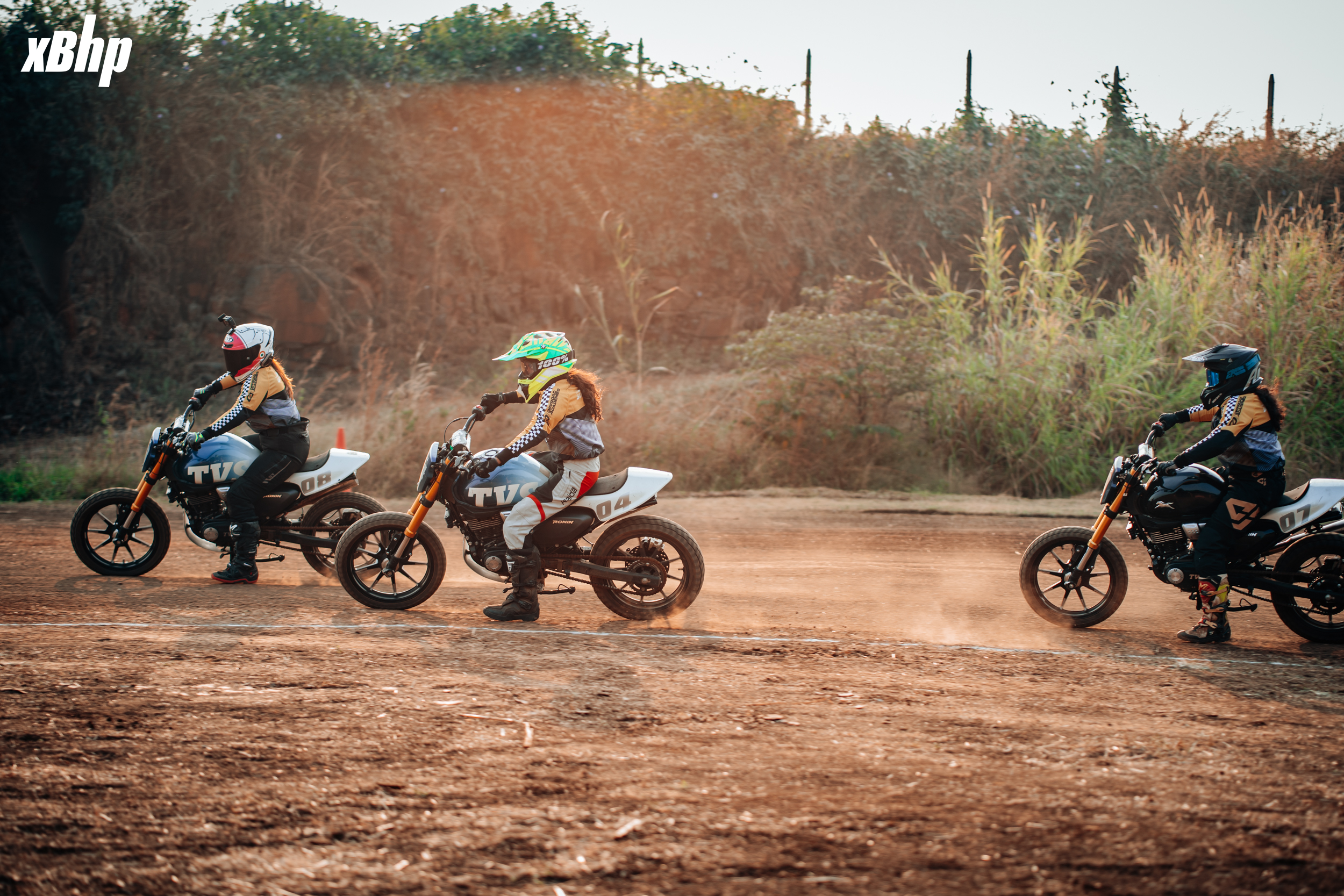
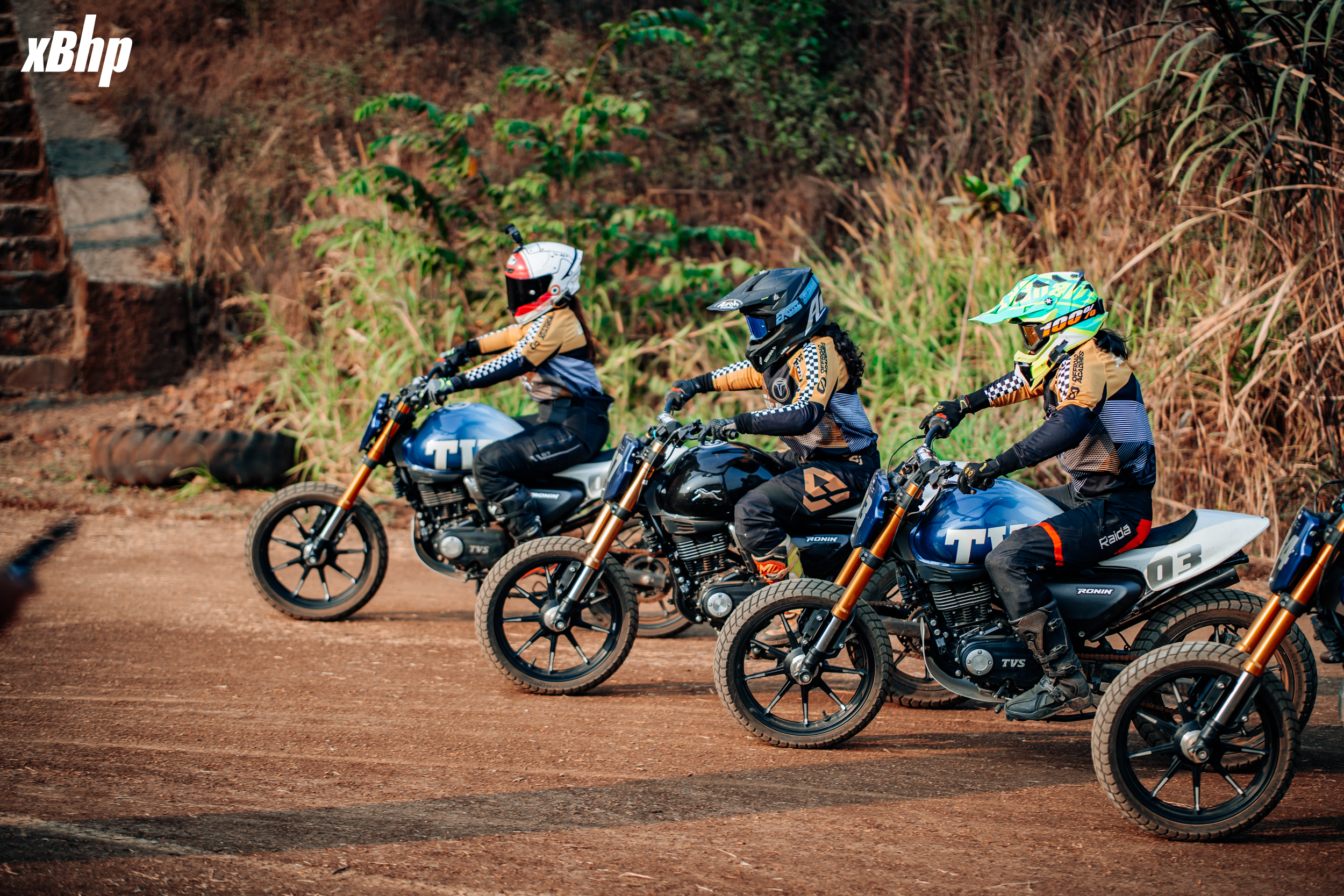
Flat tracking is a whole different ball game. Without a front brake, the only way to stop your bike is engine braking and the rear brake. But apply too much pressure, and you’ll crash badly. That’s how tricky flat tracking can be. You need to balance the bike and your body posture to maintain speed while keeping the bike under control in the corners.
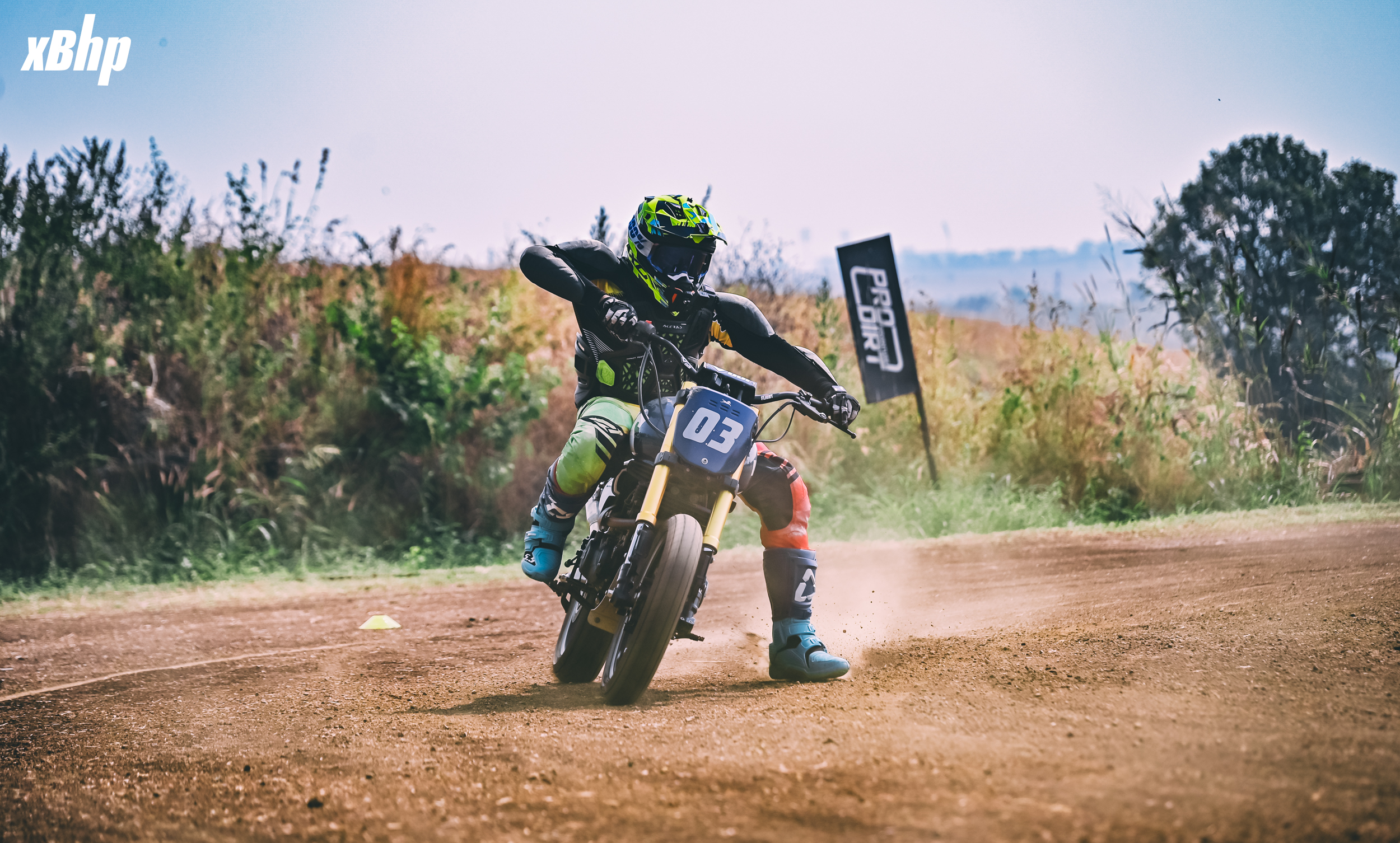
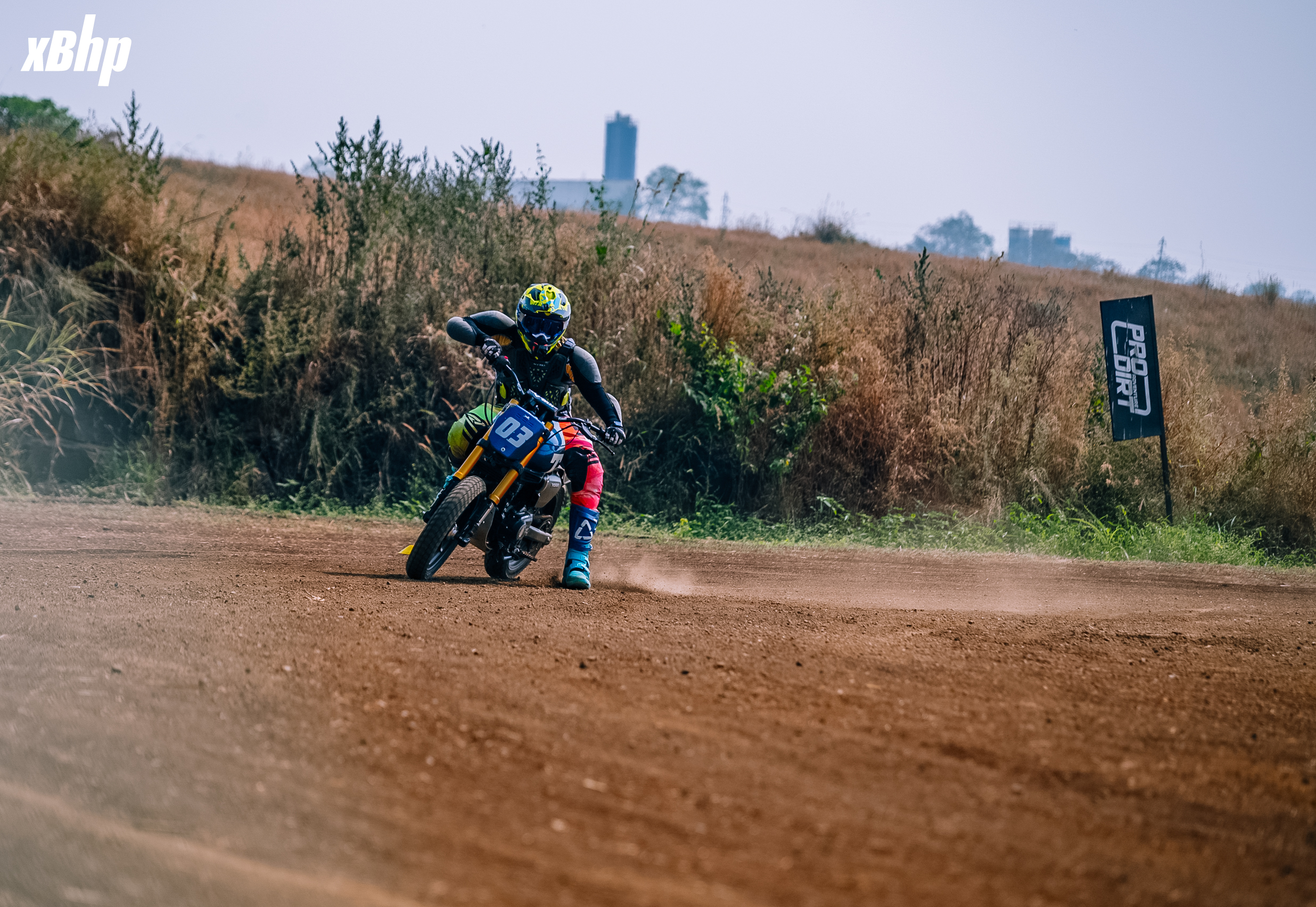
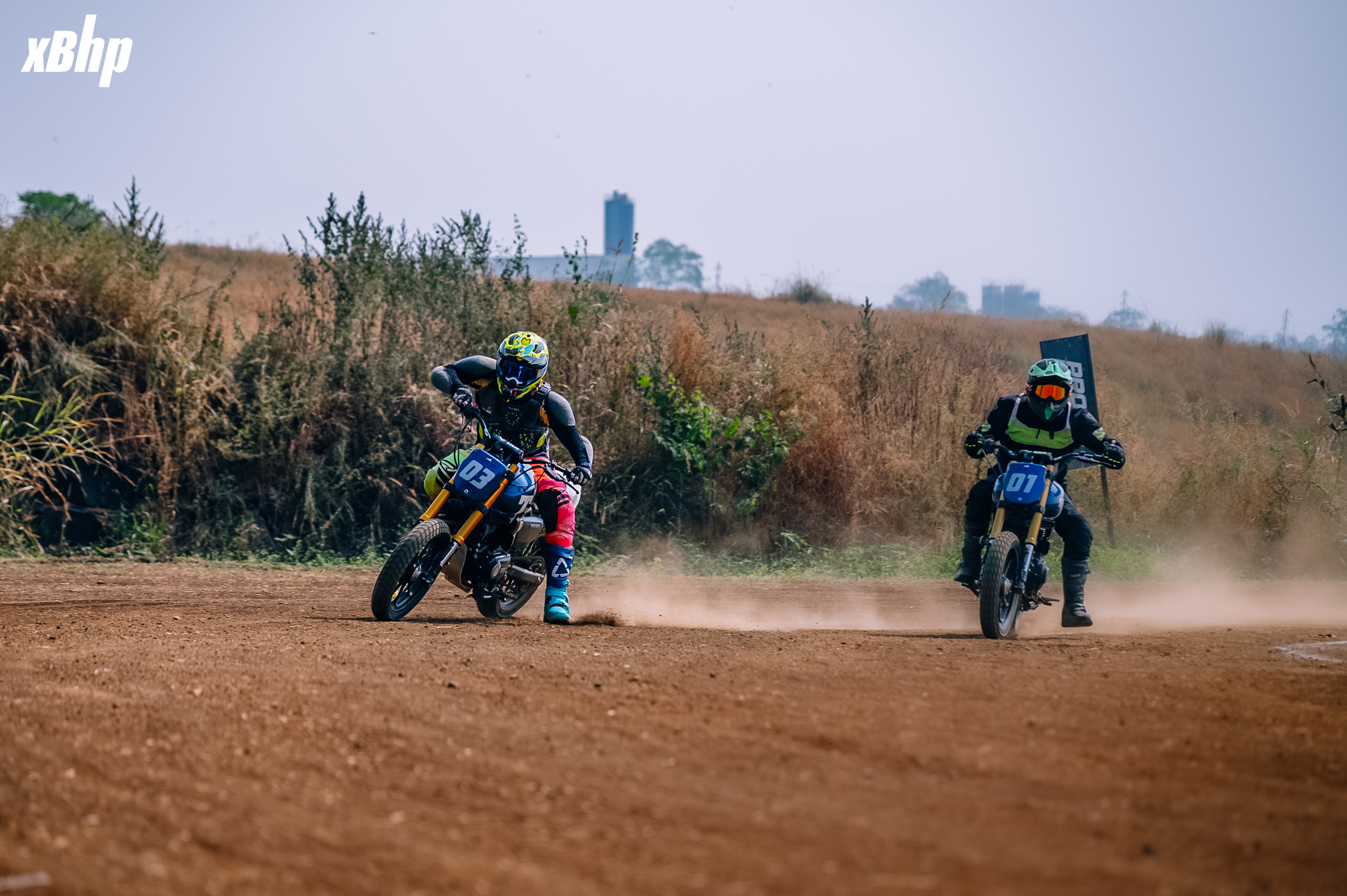
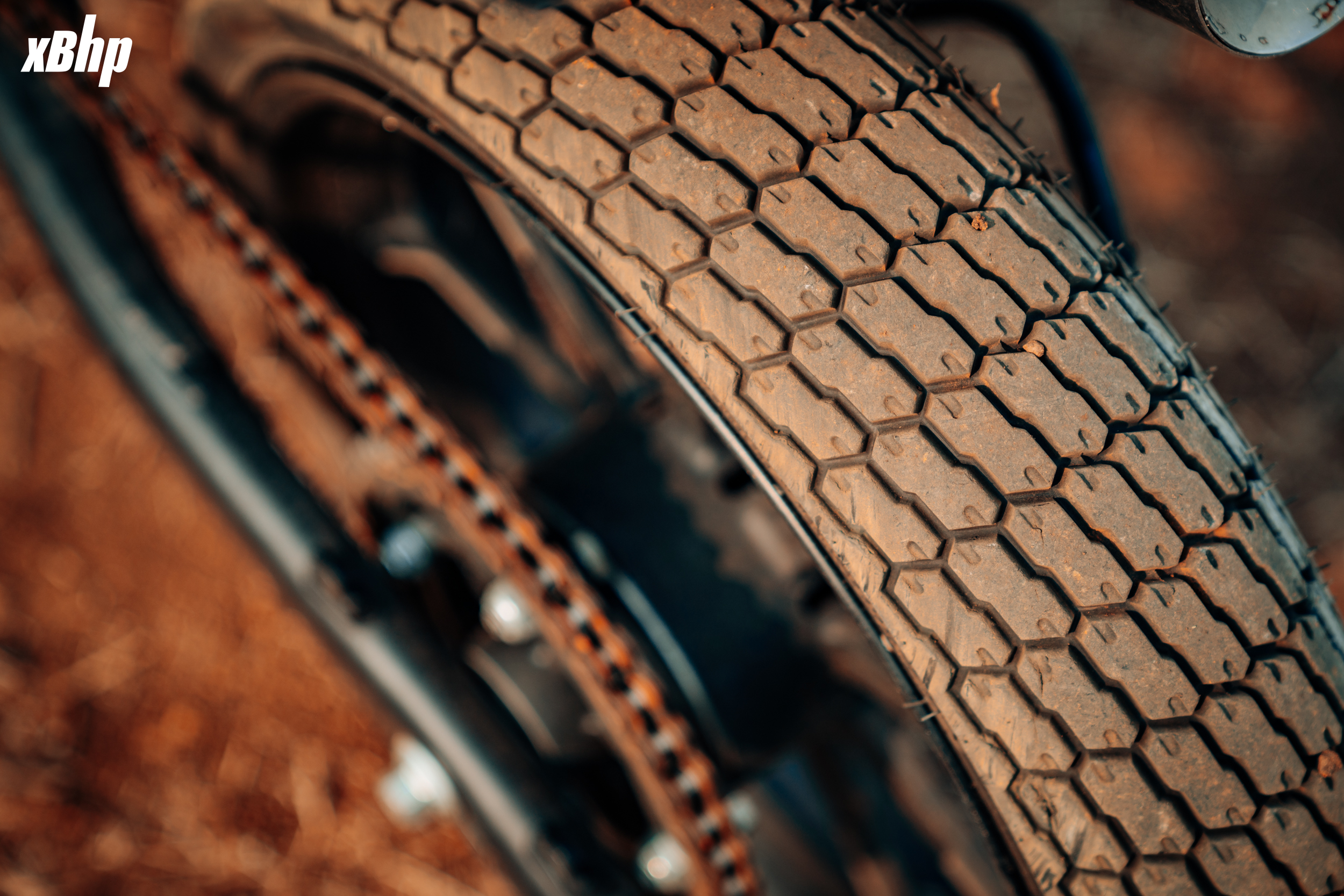
Entering a corner, you rely on engine braking while sliding as much as possible—while keeping your speed and posture in check. In track racing, you use your knee as a contact patch to help you maintain speed in corners. In flat tracking, you put your feet down, and they act as a support system, keeping the bike under control while sliding.
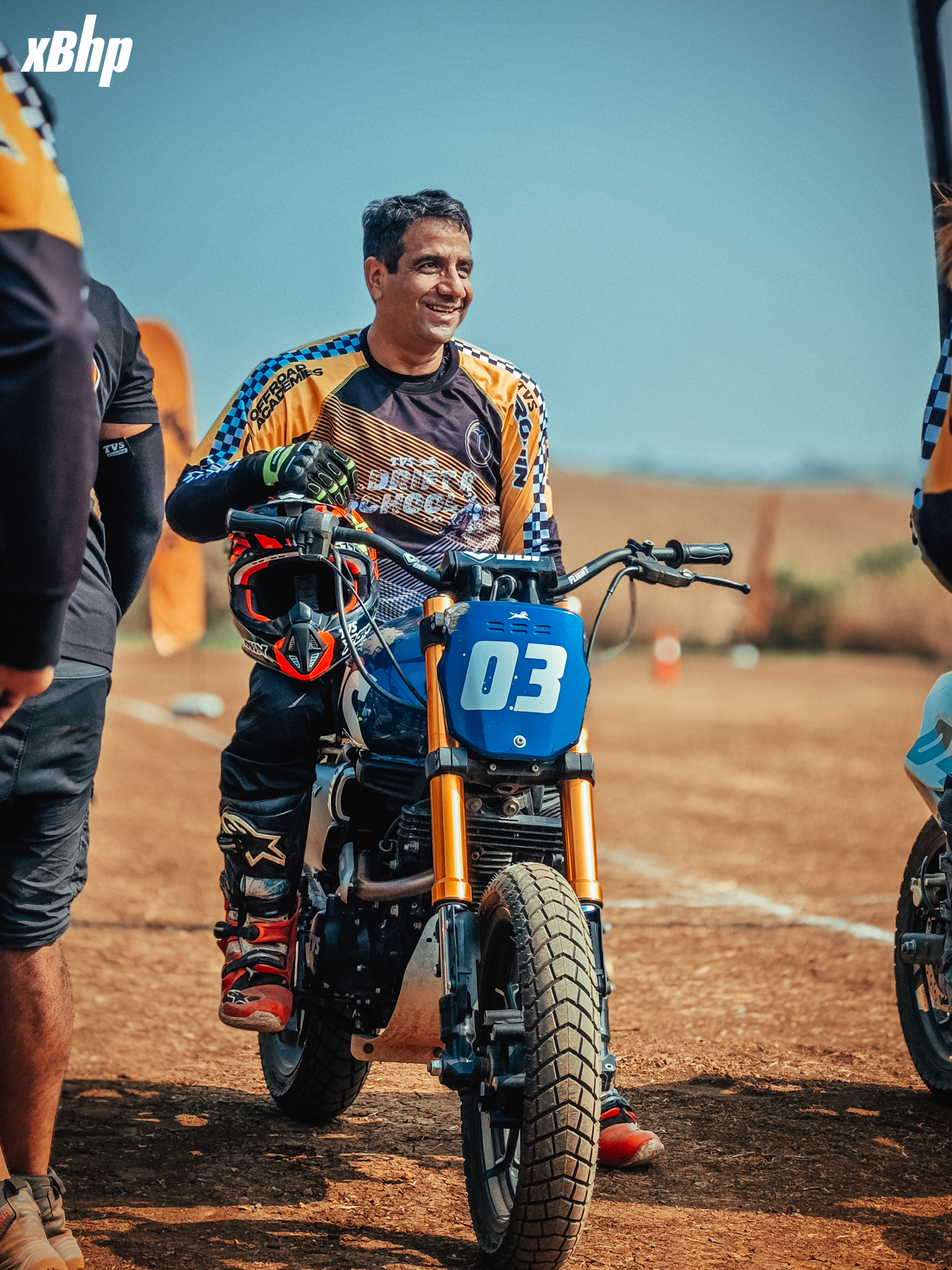
Throttle control is crucial. Too much throttle, and you risk a high-side crash. Too little, and you’ll get a low-side crash. It’s tricky, but once you get the hang of it, it’s incredibly fun. Understanding how your body and bike behave in certain situations can lead to a crash-free riding experience.
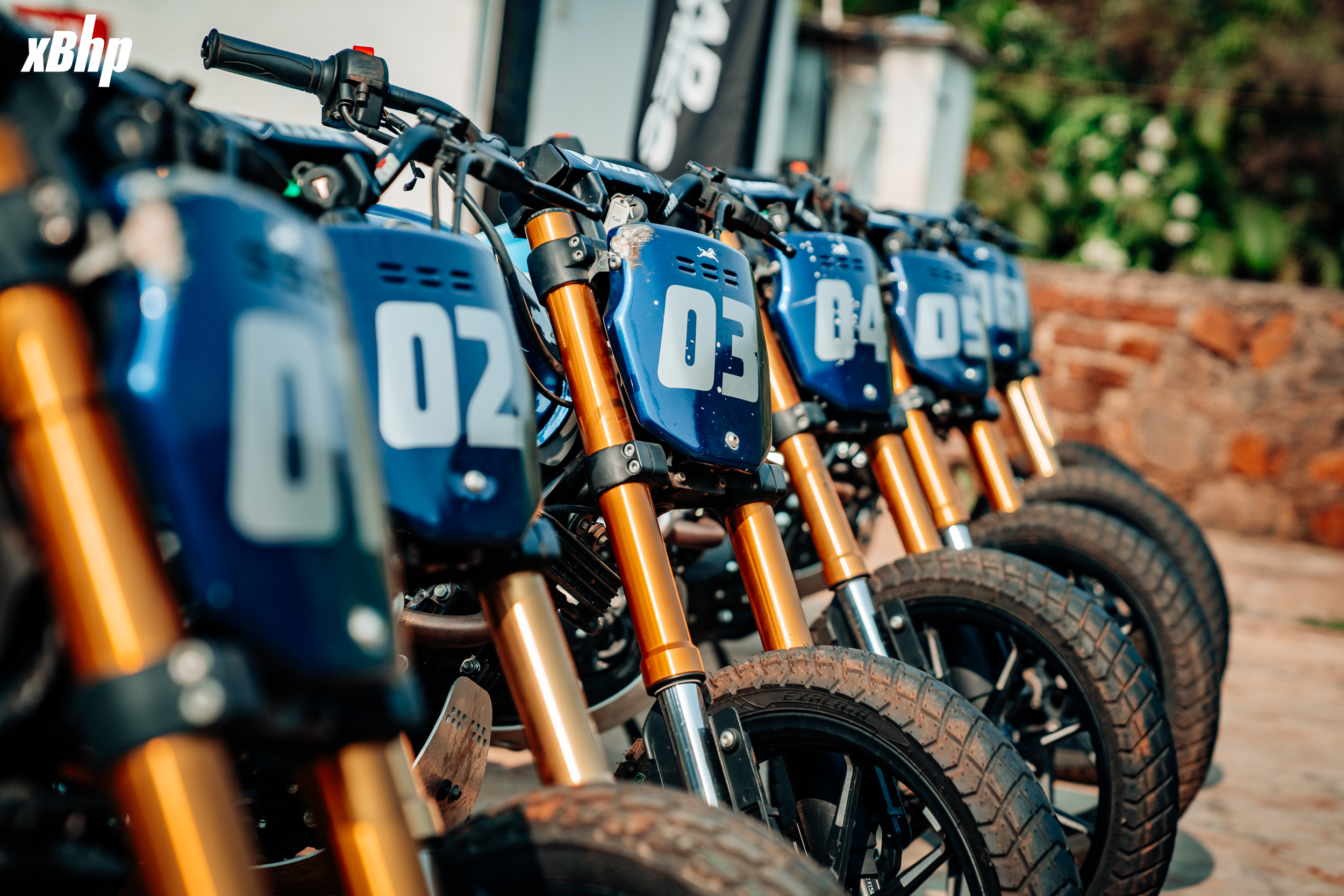
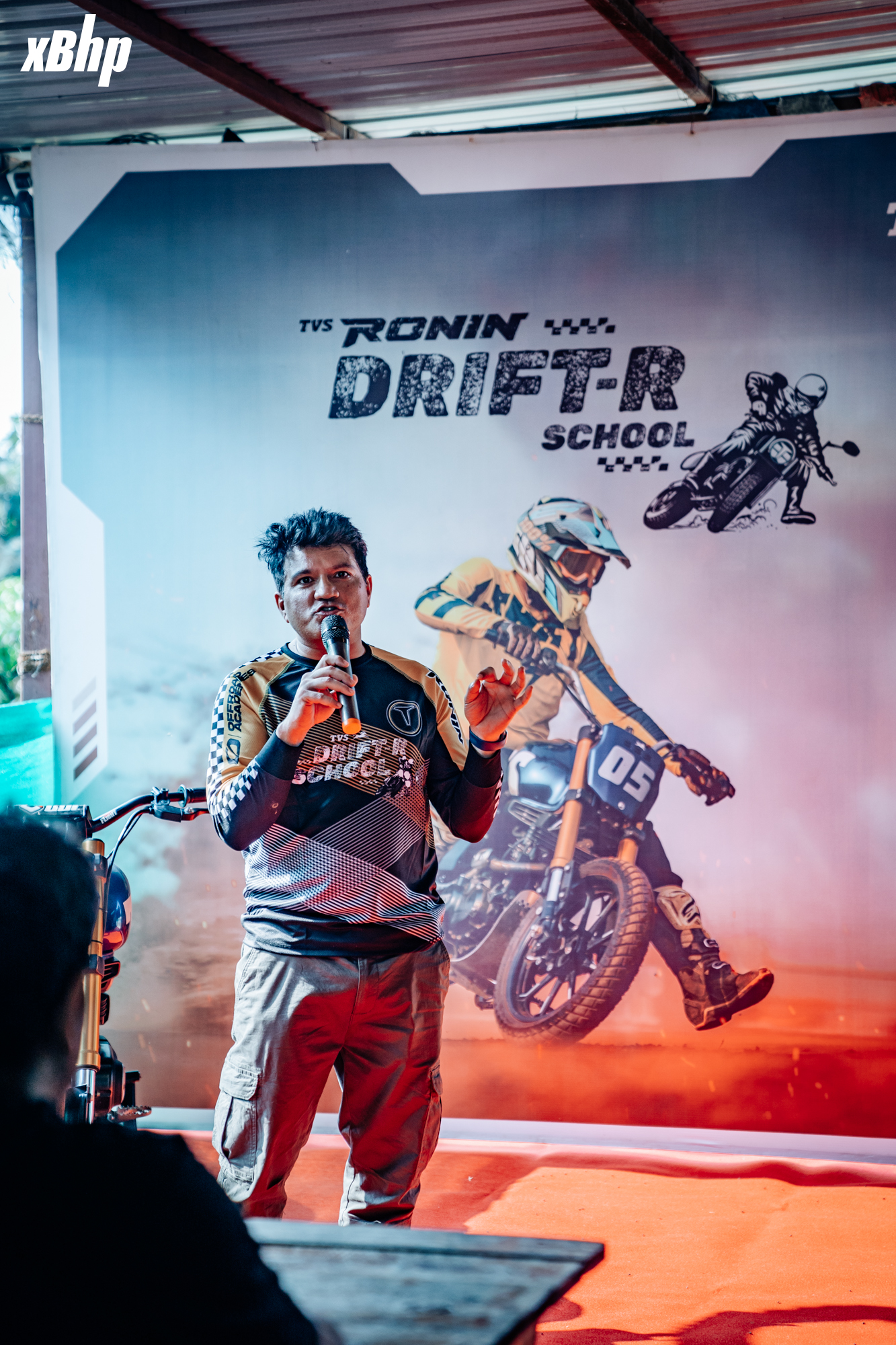
Flat tracking isn’t just for racing—it can be useful in everyday life too. On Indian roads, where we often encounter unpredictable situations, the techniques learned in flat tracking could help us avoid accidents. It’s important to adapt to new techniques that can help in the long run.
Thanks again to TVS for organizing such events. They’re not only creating skilled riders but also building a strong culture around flat tracking. A company like TVS could take this sport to great heights, and maybe one day, we’ll have a national flat track championship, just like motocross or track racing.
I’m looking forward to the day when it’s not just about cheering from the sidelines, but about participating as a contender on the track—that’s my dream for the future of flat tracking in India.