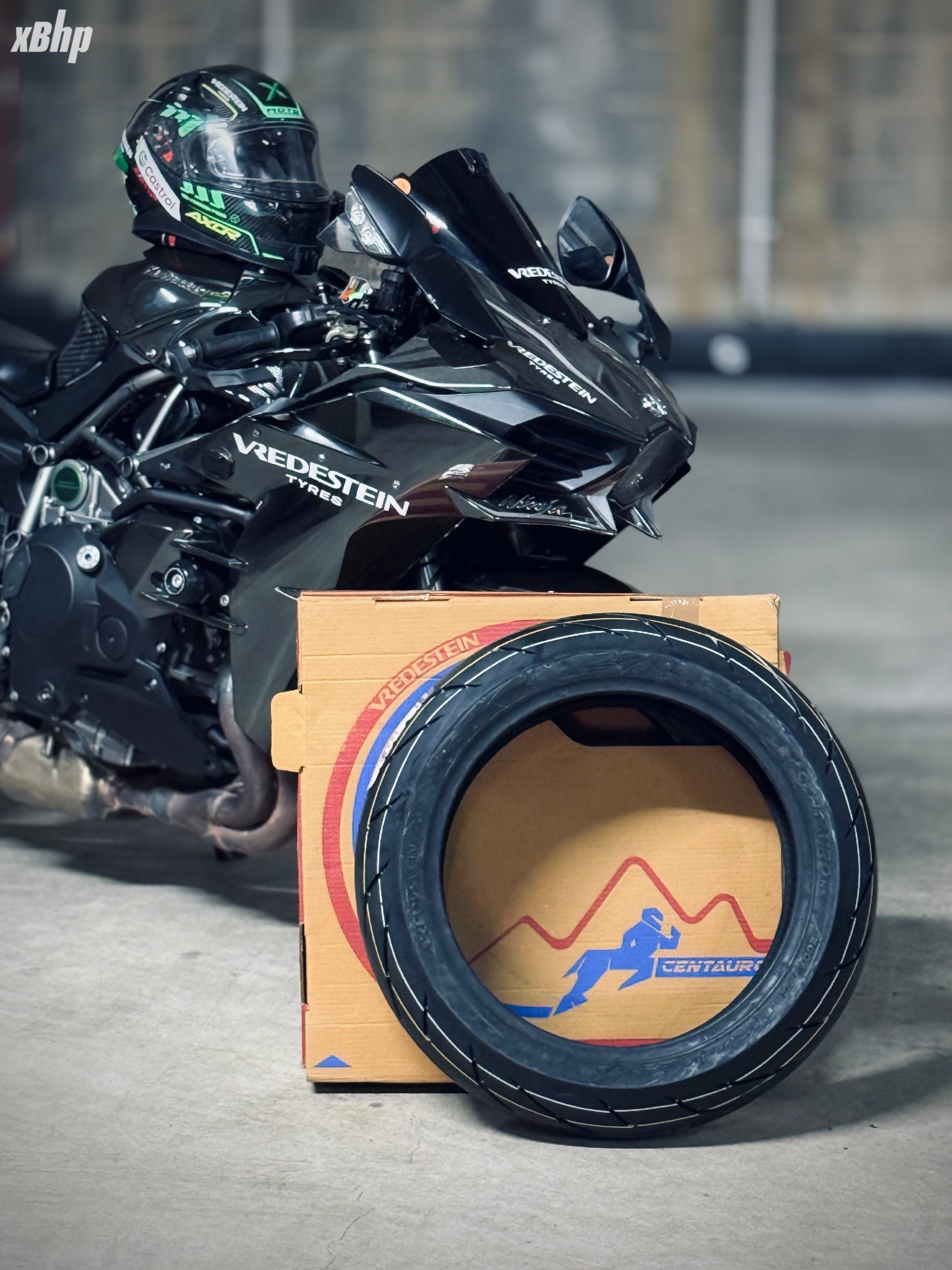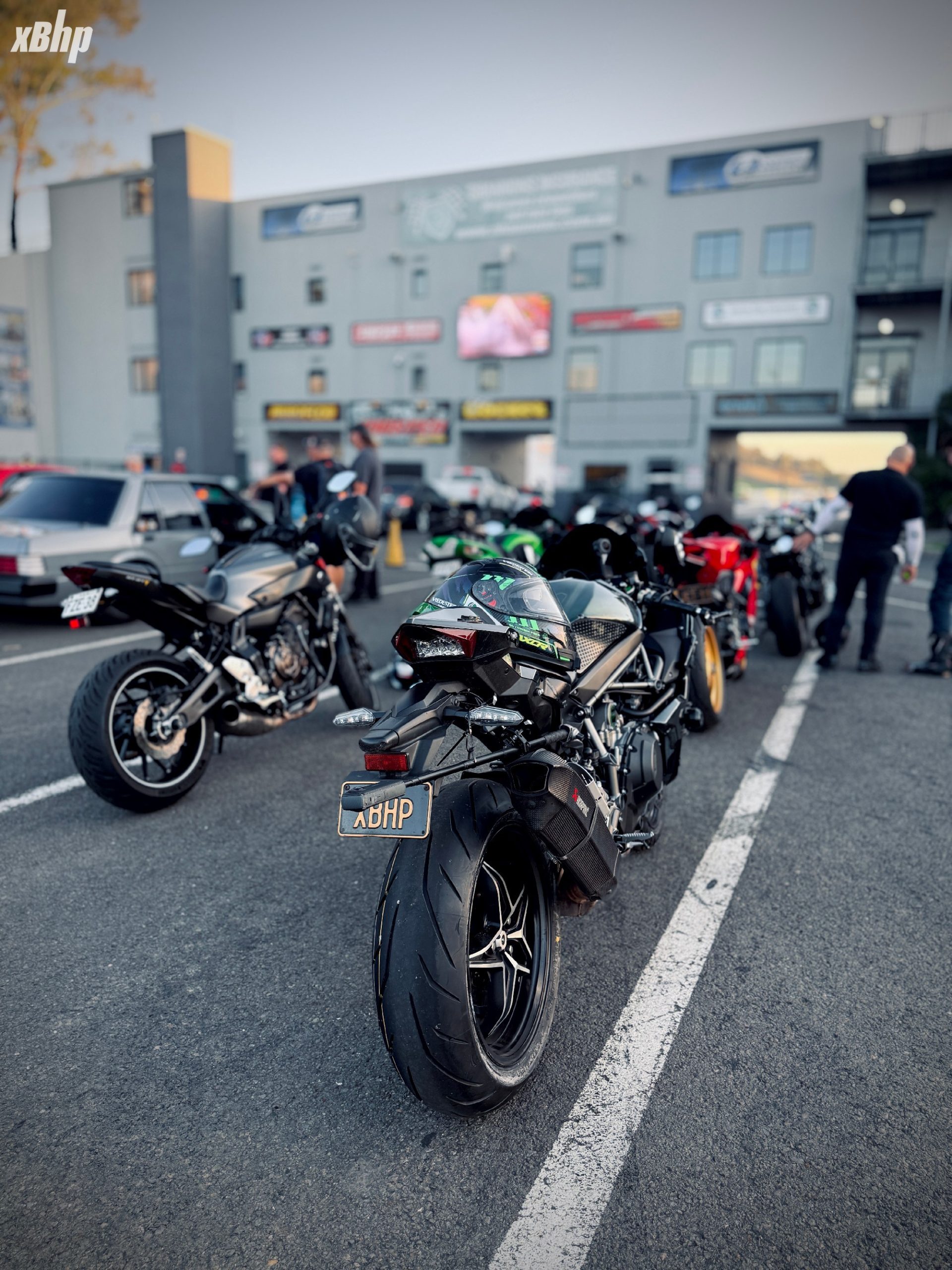








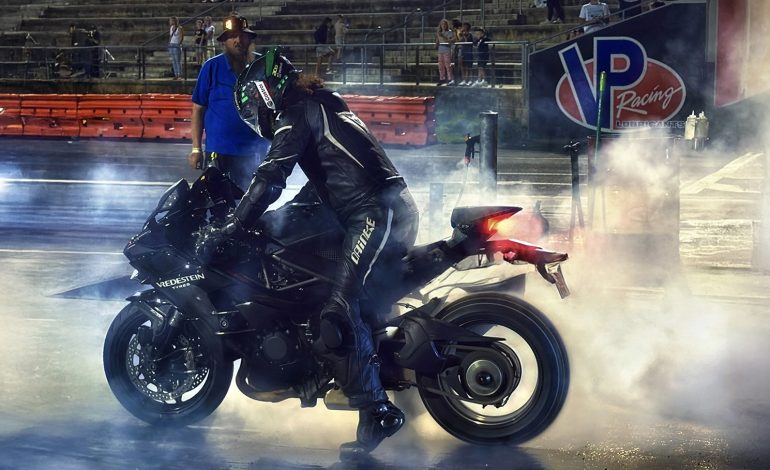

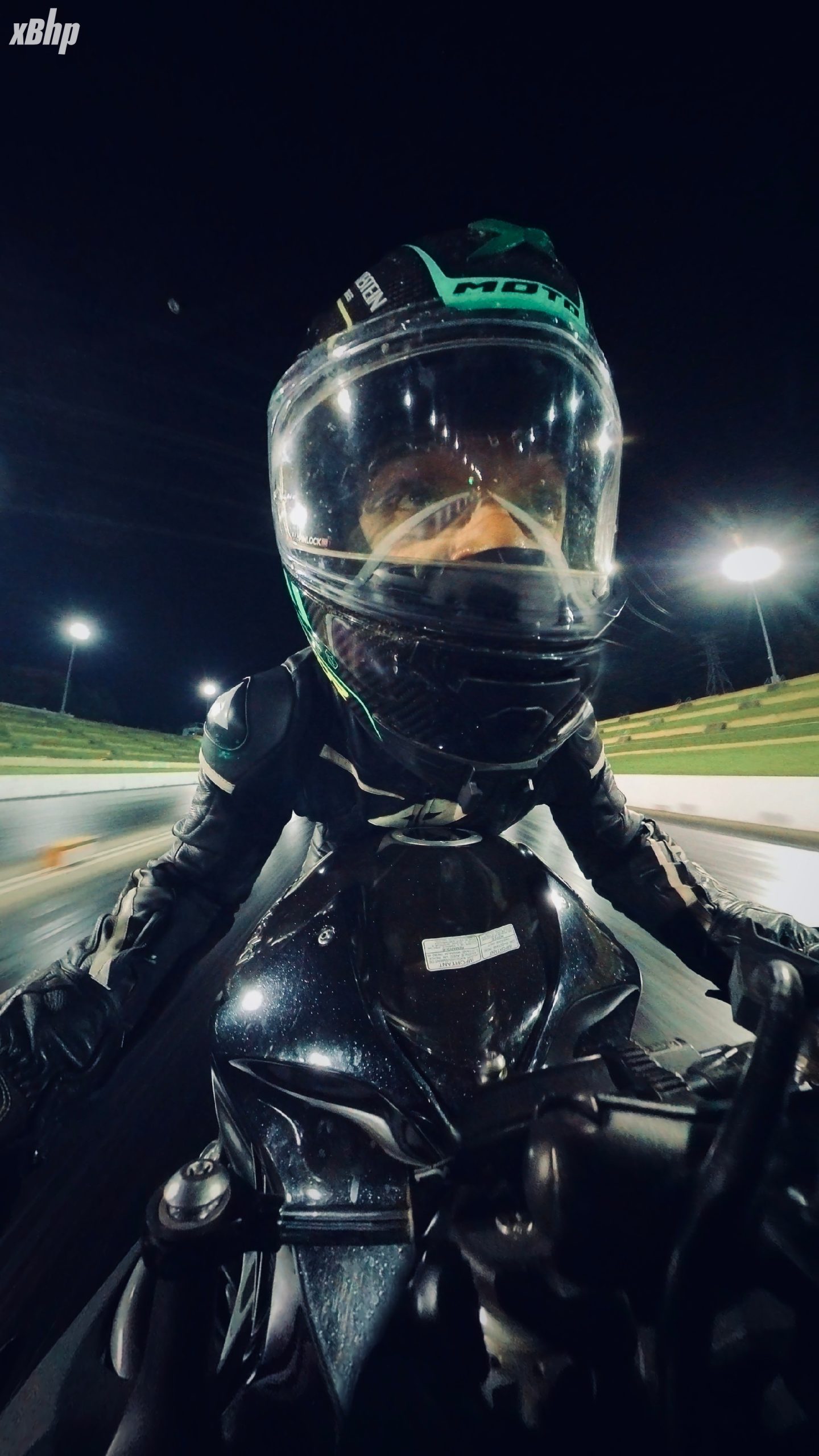
After riding 12,000 km across Australia on the Ninja H2 from Sydney to Perth and back, it was time for another adventure. This time it will be for a much shorter distance, offering a completely new experience. But the two common things would be Vredestein Tyres that performed amazingly well on the big ride, and the Ninja H2 hyperbike.
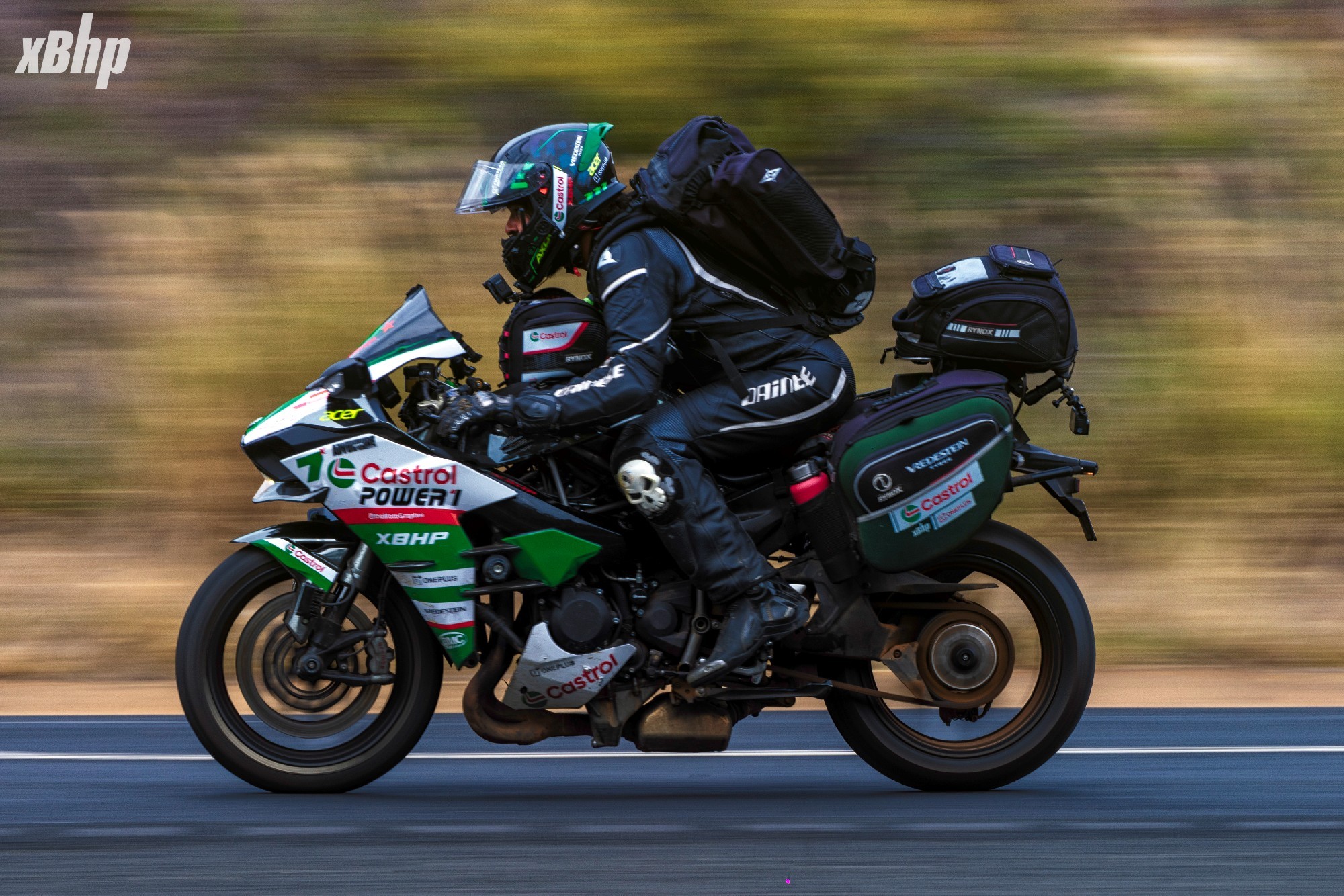
A moment from our 12,000 km journey, from Sydney to Perth and back, on our Ninja H2 shod with Vredestein Tyres.
If you have been motorcycling long enough, you will know that tyres are the single most important component on a motorcycle that is responsible for putting them into motion and keeping you safe. Everything else comes later. Literally everything. From parking, to braking, and of course and definitely riding, you can’t do anything without tyres. There have been many horror stories of riders crashing, slipping and more. Often these things are attributed to external factors, but the truth is that they could have happened because of the tyre being old, having incorrect pressure, being fitted the wrong way, or not having the correct speed rating.
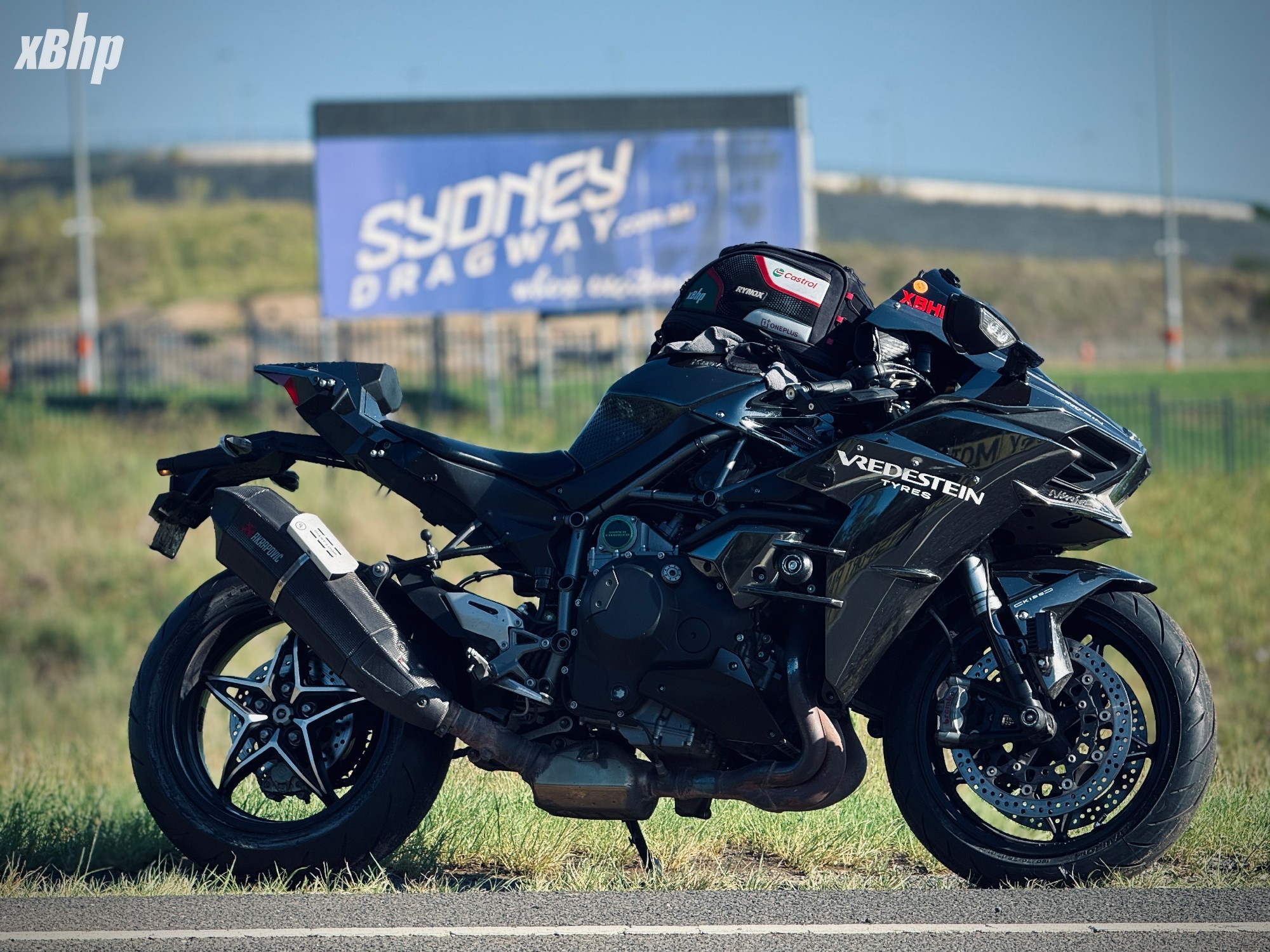
Road touring on bikes like the Ninja H2 is completely different from going to the drag strip. While there are specialised drag tyres, we needed something that would be road legal and wouldn’t require the hassles that come with a proper drag setup, like getting a bike on a trailer and warming it up. We wanted to test something relatively new in the market, and a tyre that we had already tested on the road with the Ninja H2.
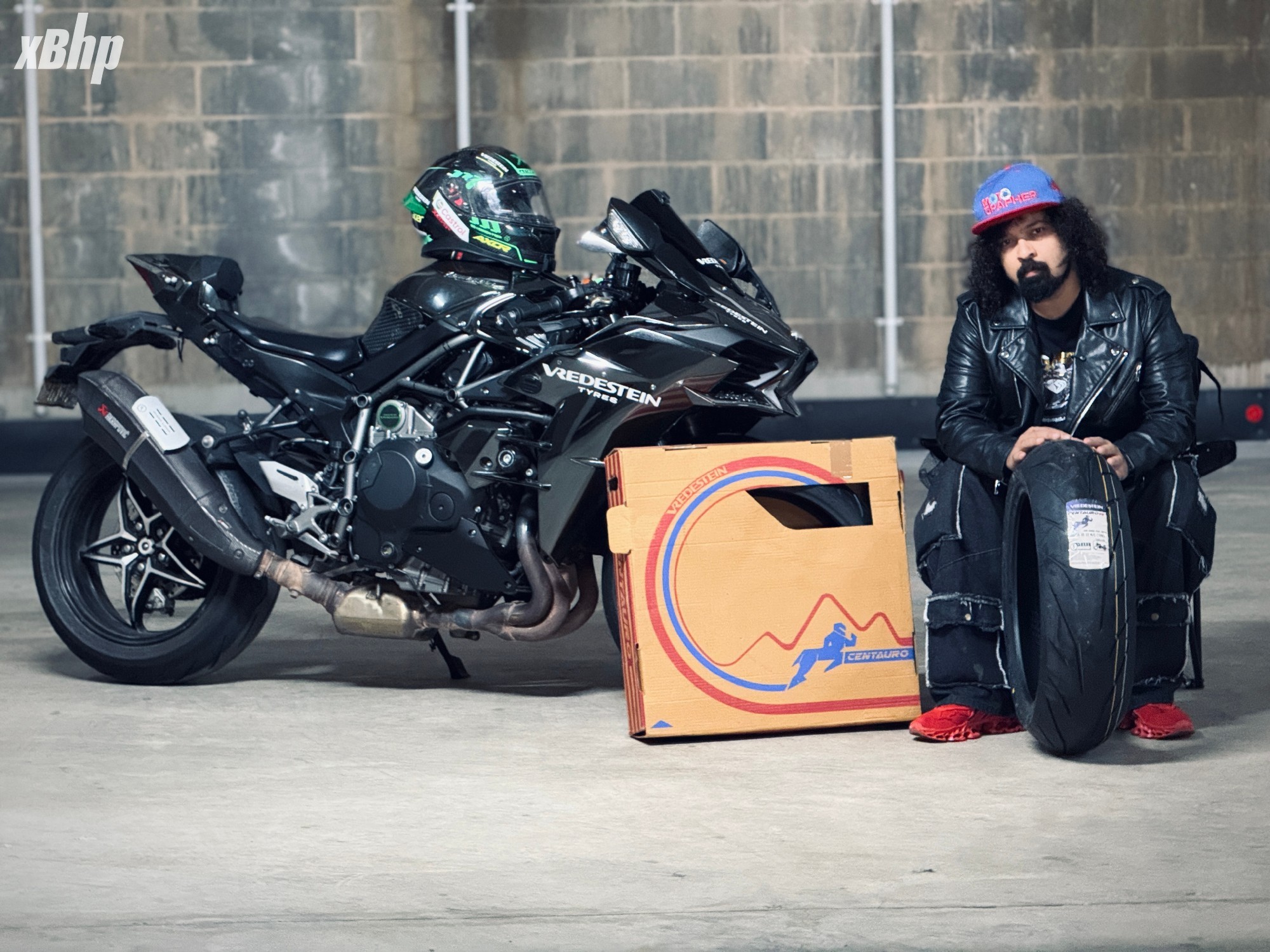
Considering the fact that Vredestein is a 110-year-old premium tyre brand from Europe, its broad range of ultra-high performance tyres comes as no surprise. With years of experience in making some of the best tyres for some of the most powerful vehicles in the world, Vredestein is also the preferred choice of many premium OEMs.
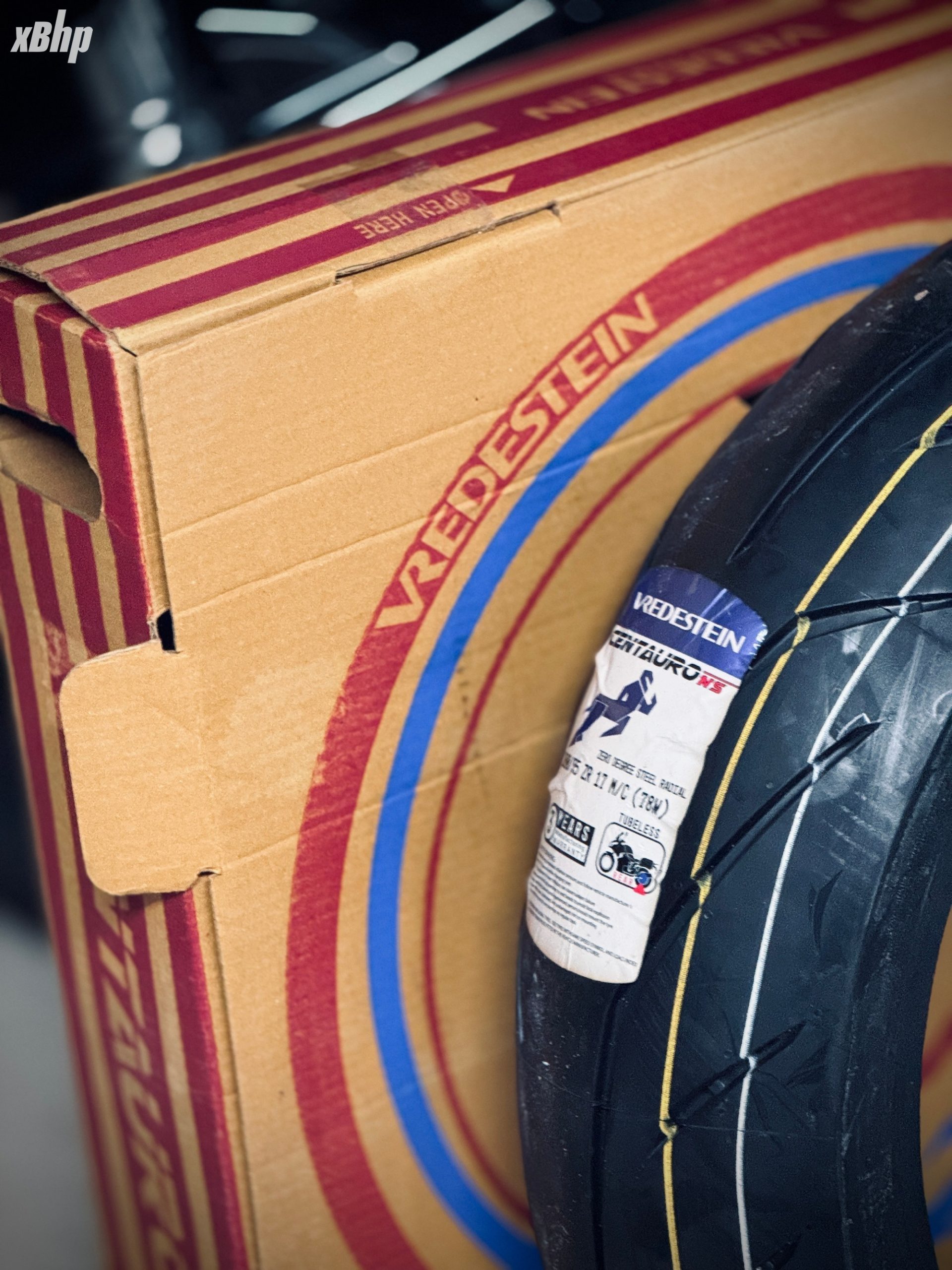
Enter the Vredestein Centauro series. There are two versions, the ST and the NS. Both have a W rating, so that means one main box checked- they can handle speeds of up to 270 km/h. Assuming I will do a quarter mile in 10.5 seconds, my first time on the H2 on a drag strip, I think I should have a terminal max speed of around 230 kmph, which is within the W rating limits. The ST is more road-oriented, made up of a single compound with longer life and more grooves to handle wet conditions. Another feature is the dual ply to handle bikes with more load. The NS version has dual compounds, allowing us to ride on the road with a harder central compound, plus a softer side wall compound, allowing us to take corners with confidence. This was proved on our Australia ride with the Centauro NS tyres.
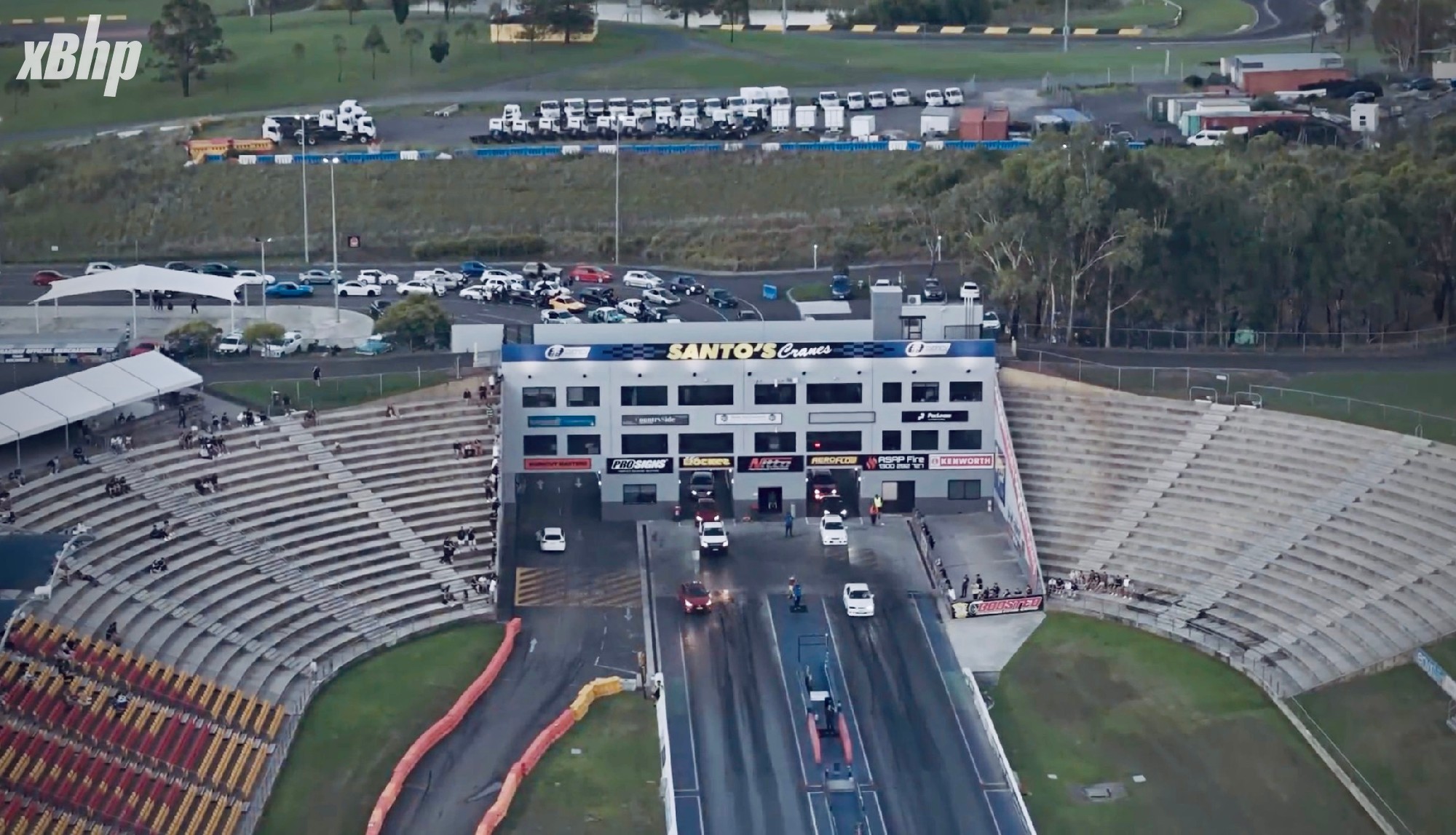
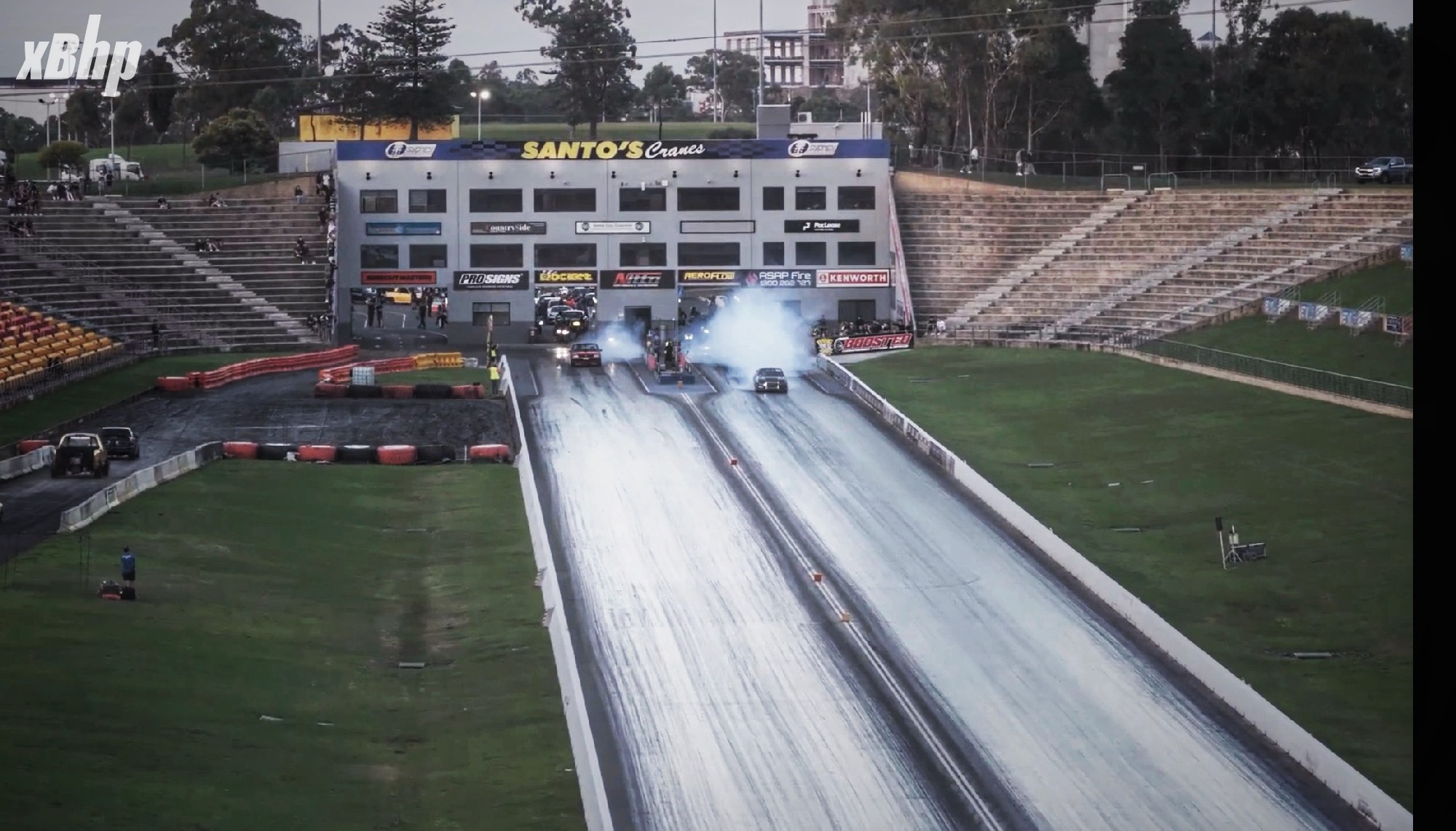
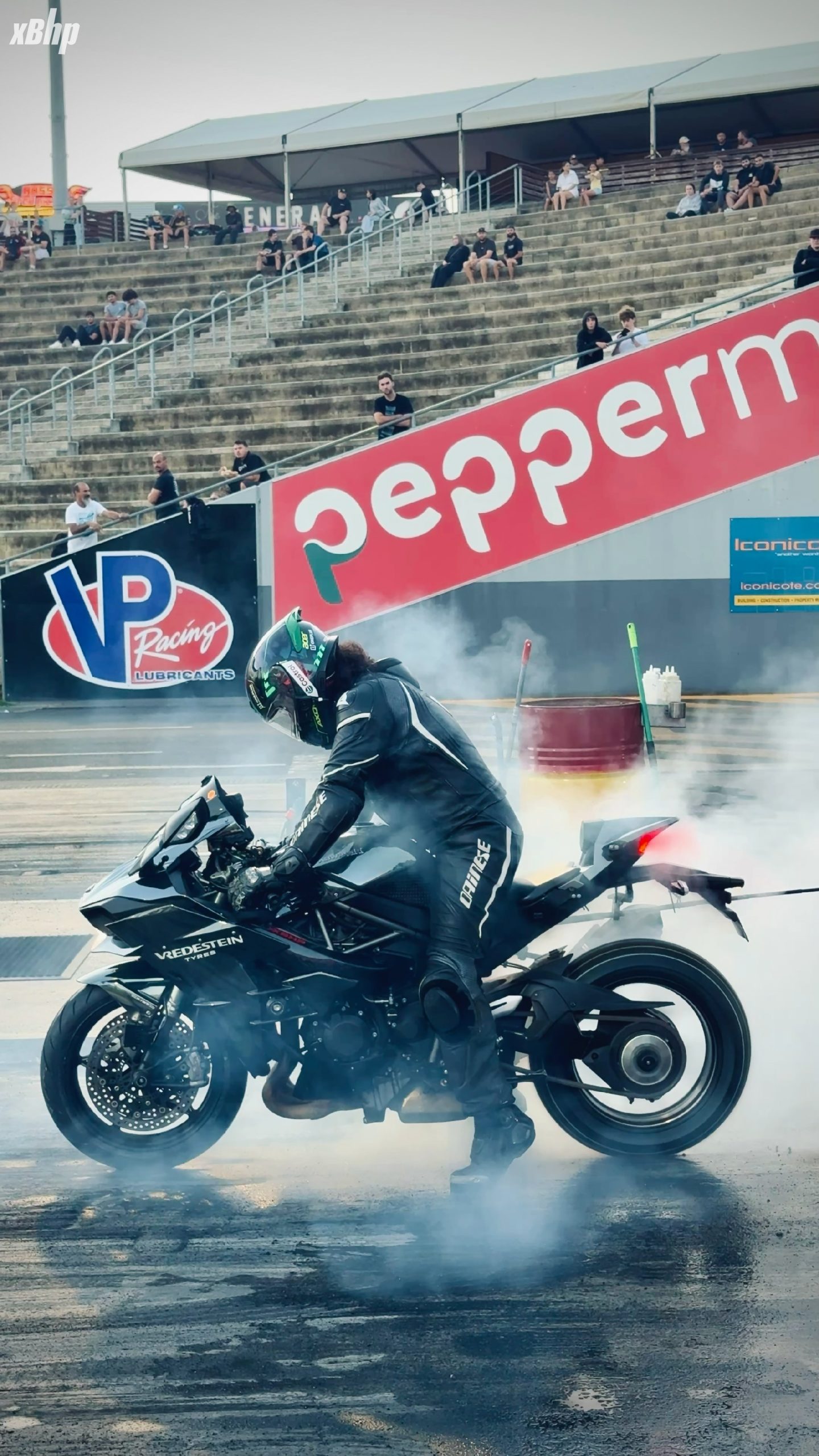
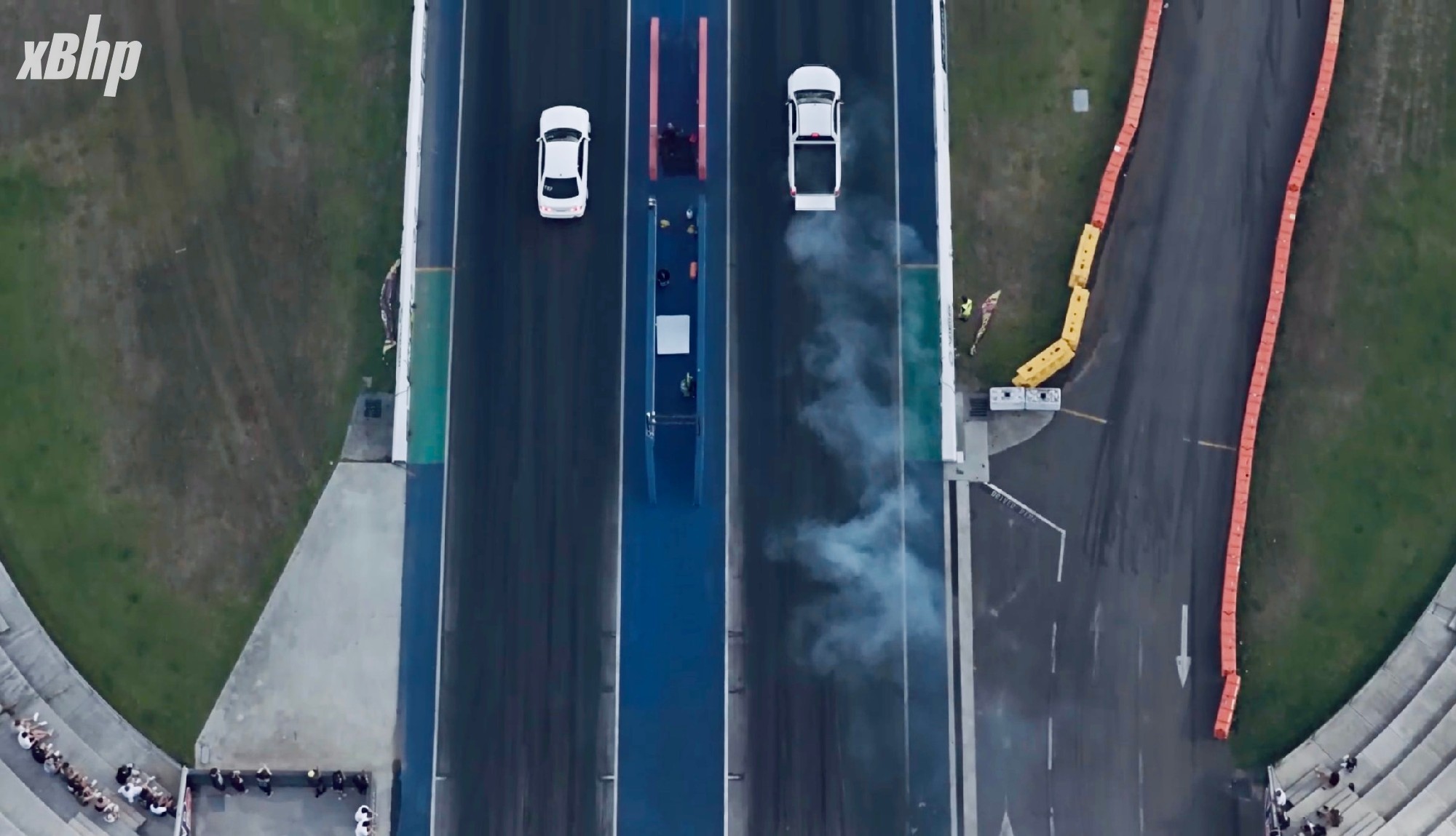
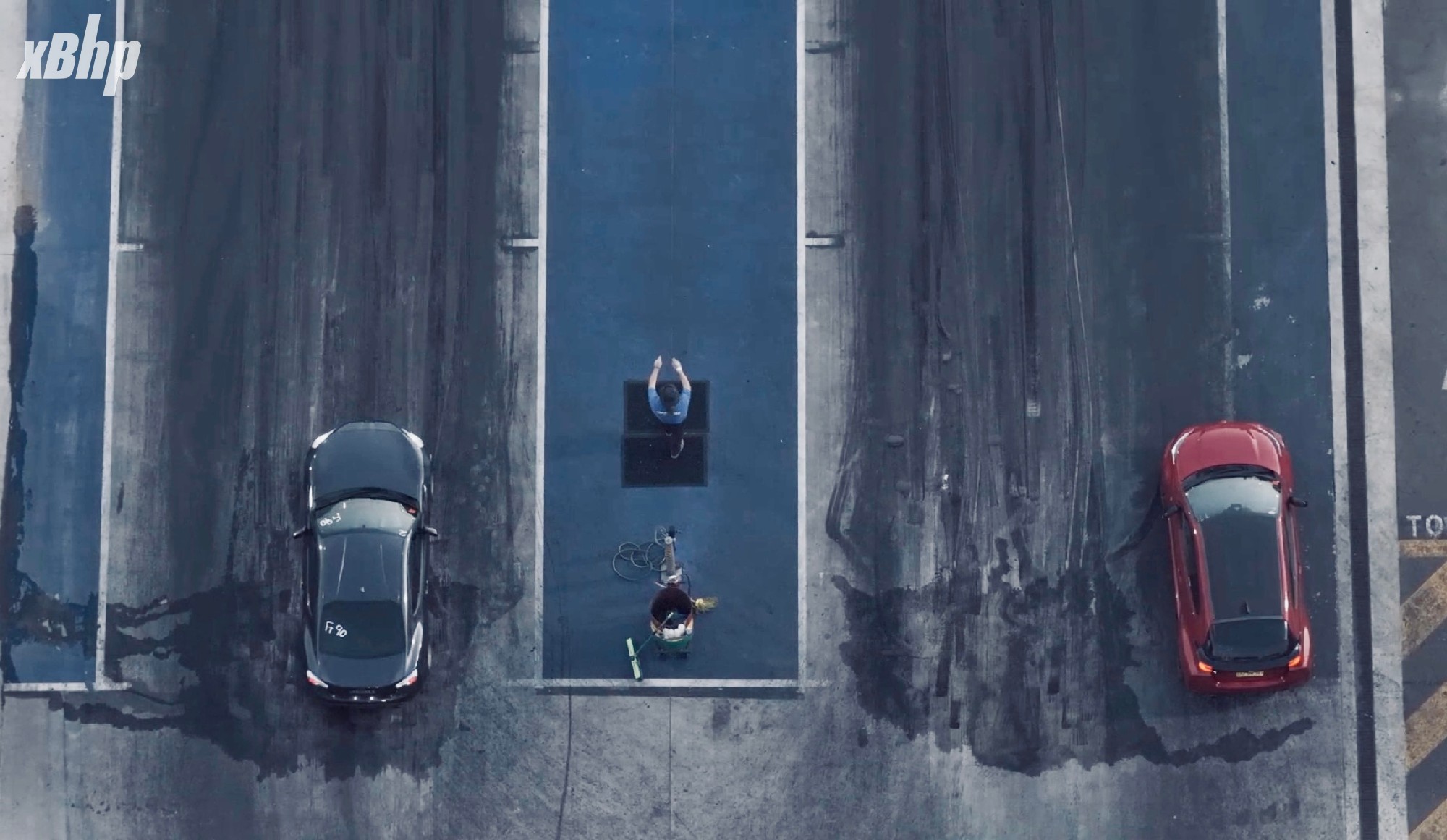
I head to the Sydney Dragway ‘Race 4 Real’ Drag night. The strip is substantially different here than the ones we are used to seeing in India, where events are held. This is a purpose-built quarter mile with a burnout section before the staging area that’s watered regularly as the participants come. Anyone can come here and try their hand at drag racing. Go to SydneyDragway.com.au to learn more about the public drag nights. It is not expensive to register for the drag runs that give you timing sheets and a proper drag strip. The strip itself is made of concrete with a layer of high-traction runner compound that makes it very sticky to concrete and to the tyres. A bonus is that concrete doesn’t expand due to heat, giving a consistent surface.
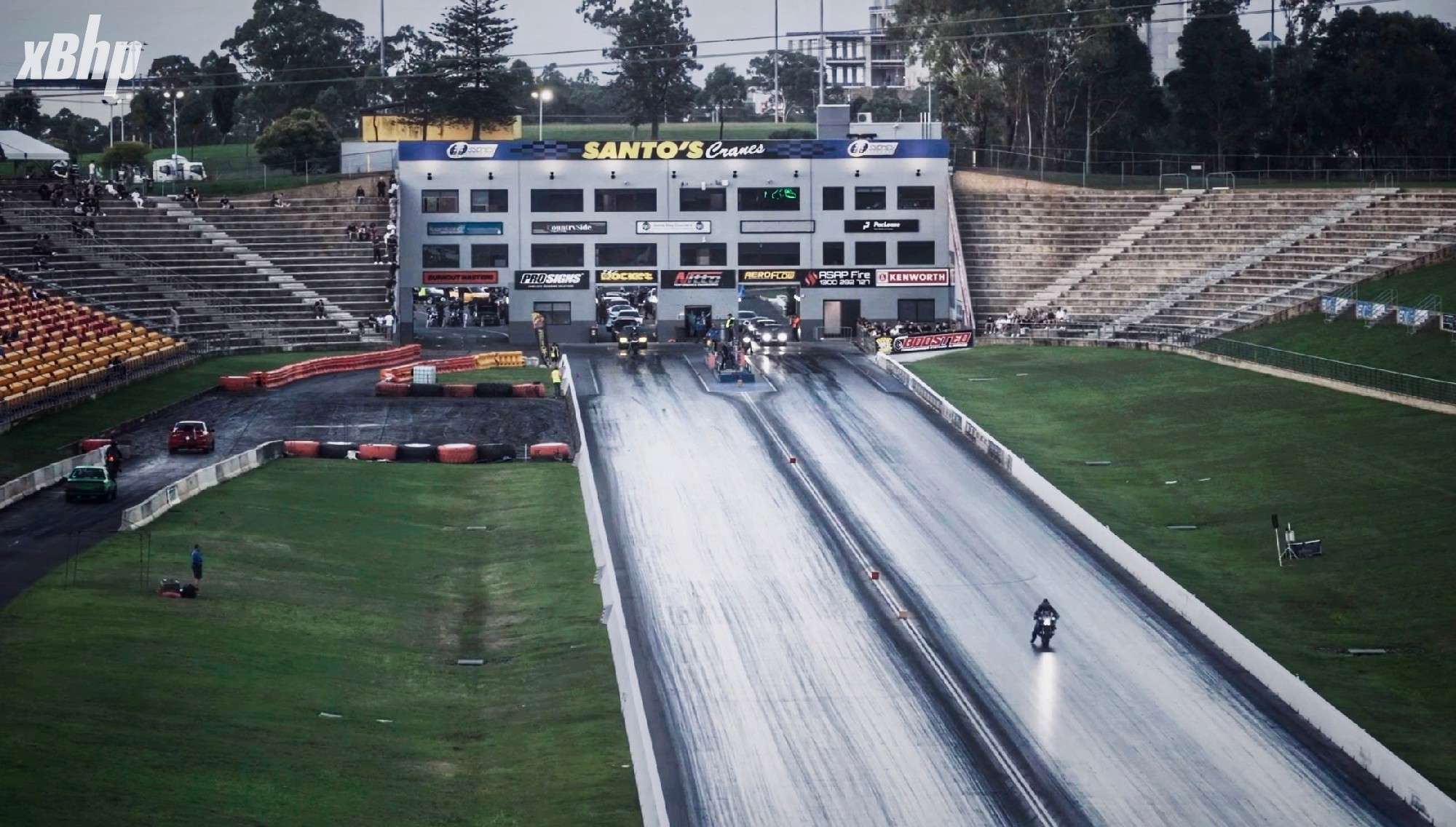
A big shout-out to Sydney Dragway for providing an incredible drag strip and an electric environment that made the entire experience even more memorable. Log on to www.sydneydragway.com.au to check out ongoing and upcoming events.
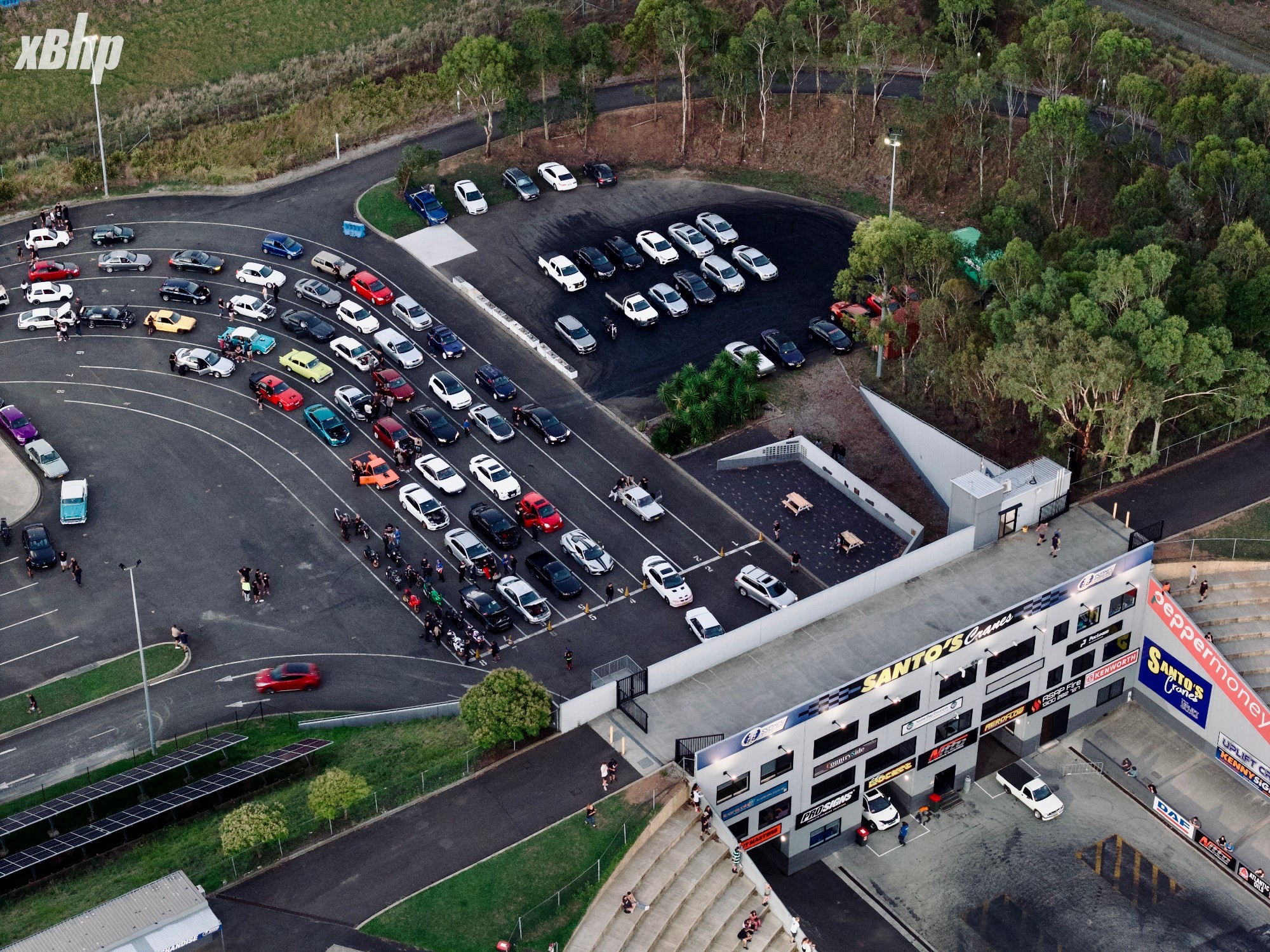
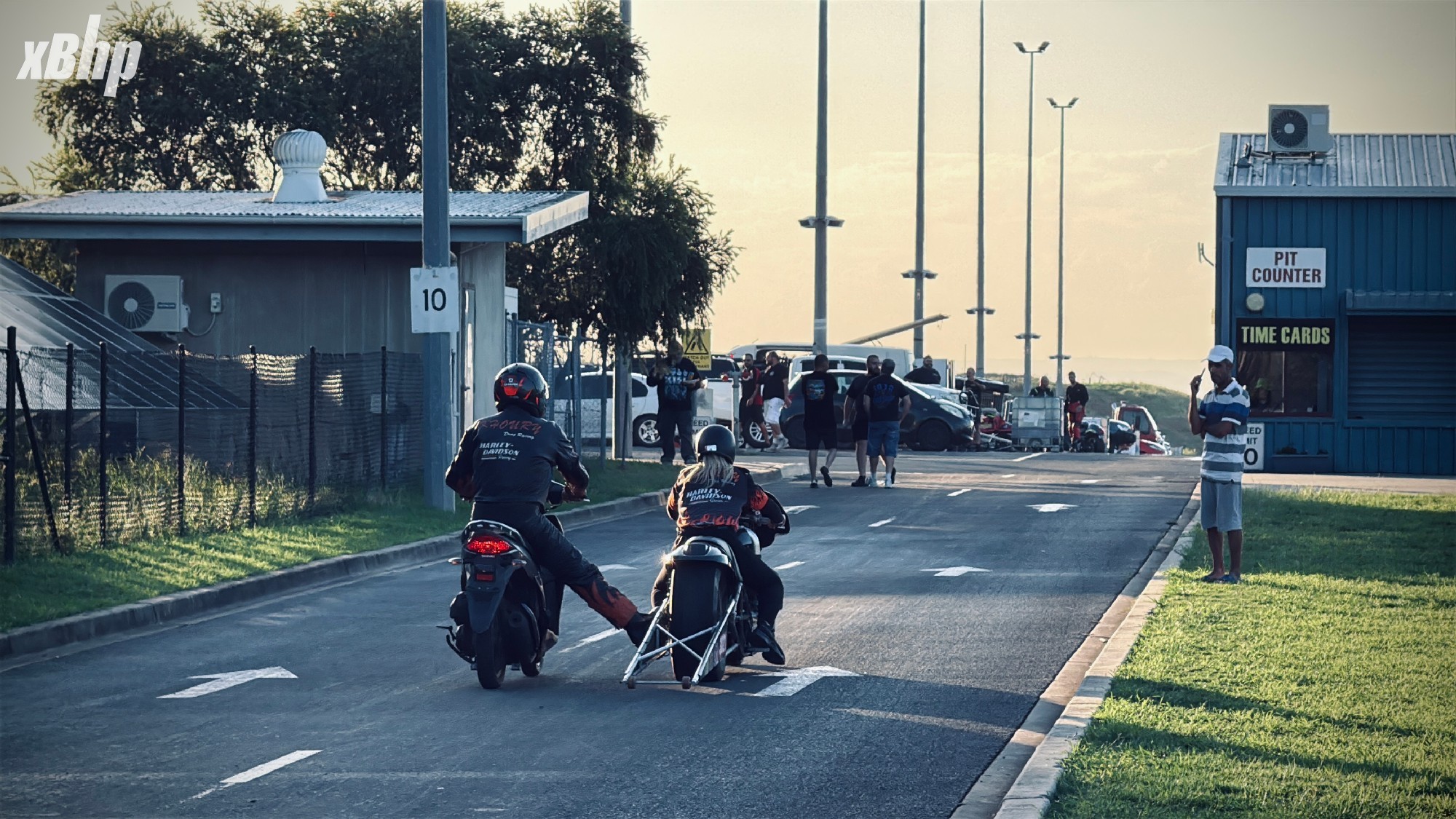
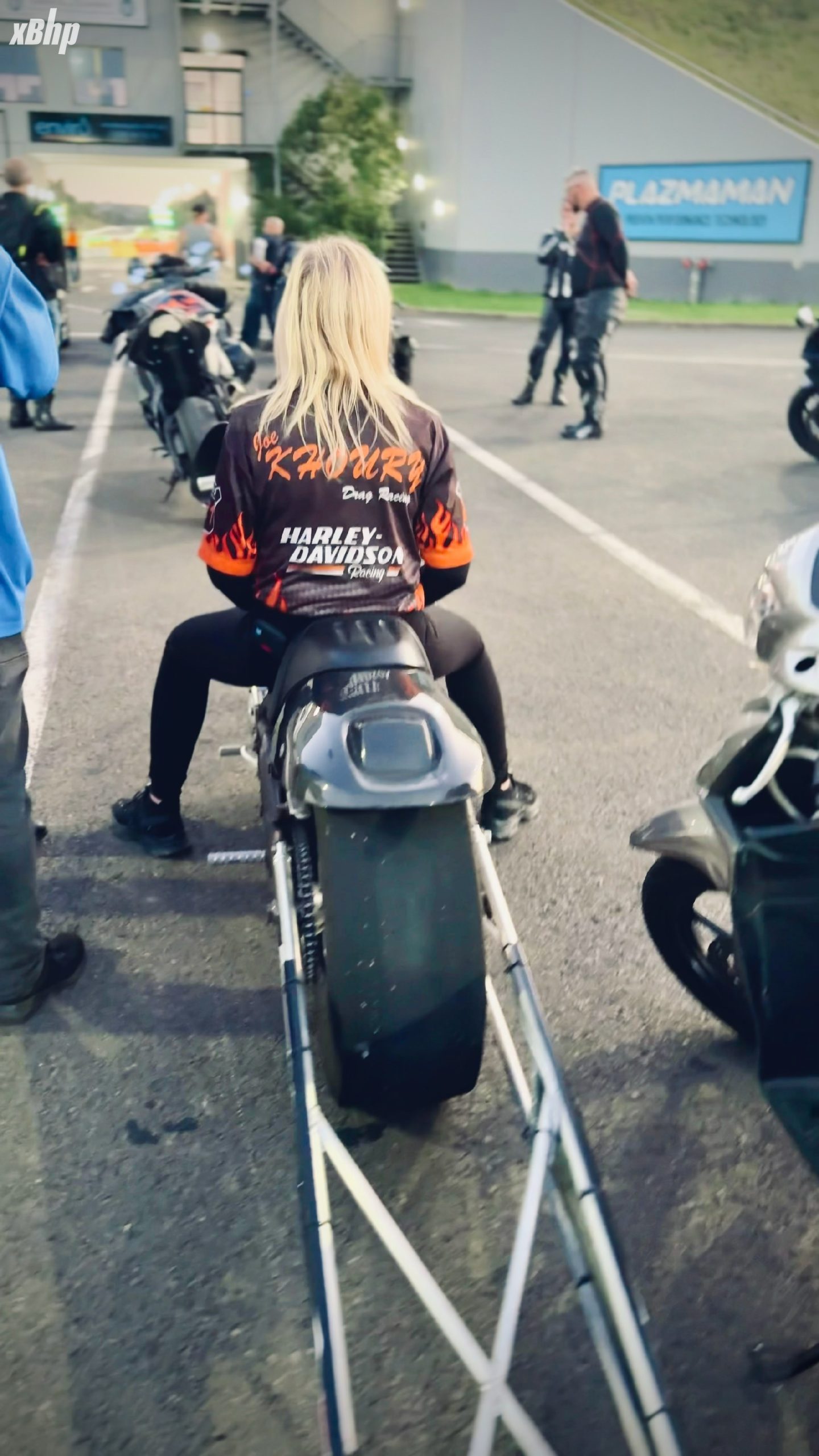
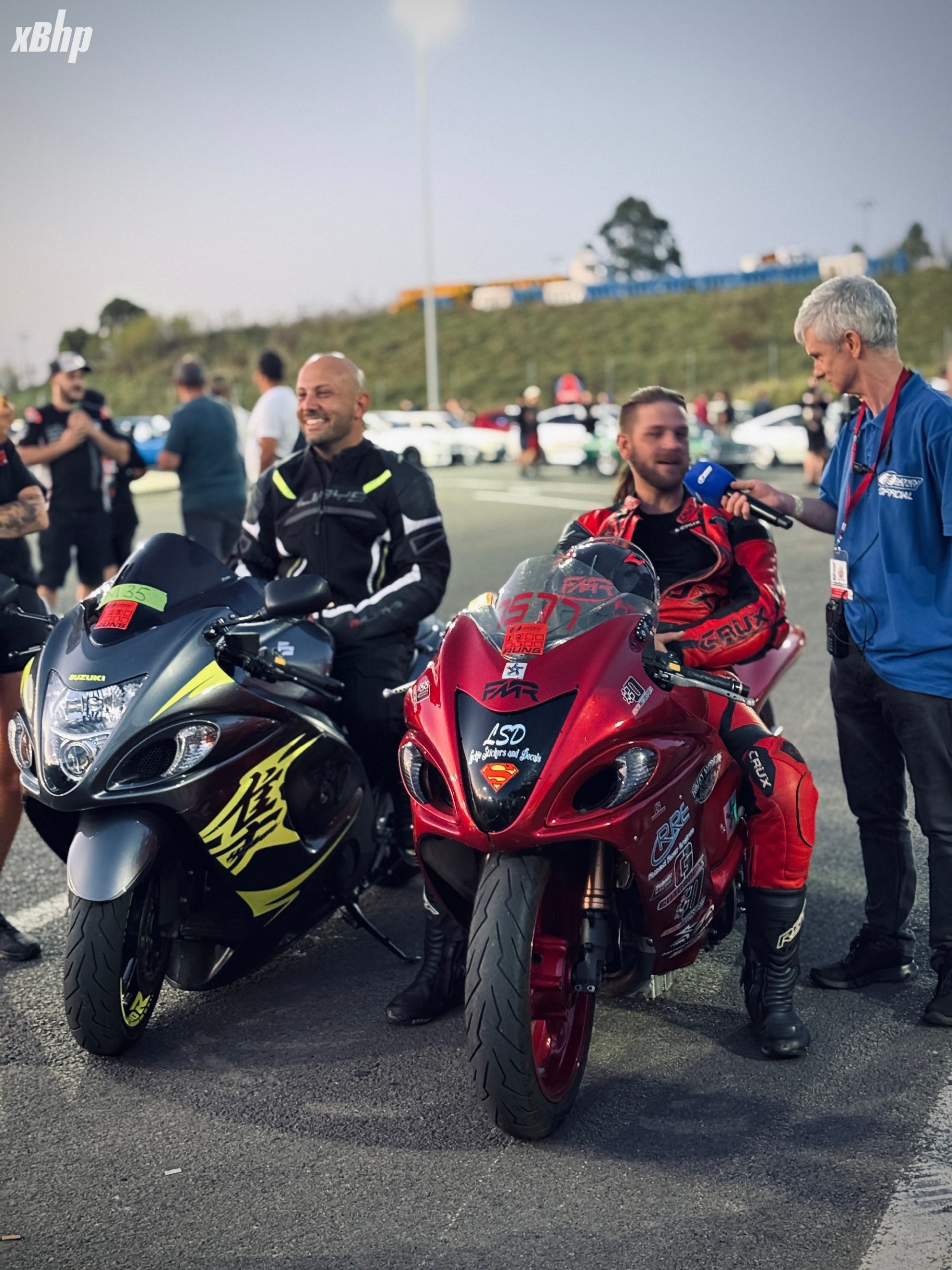
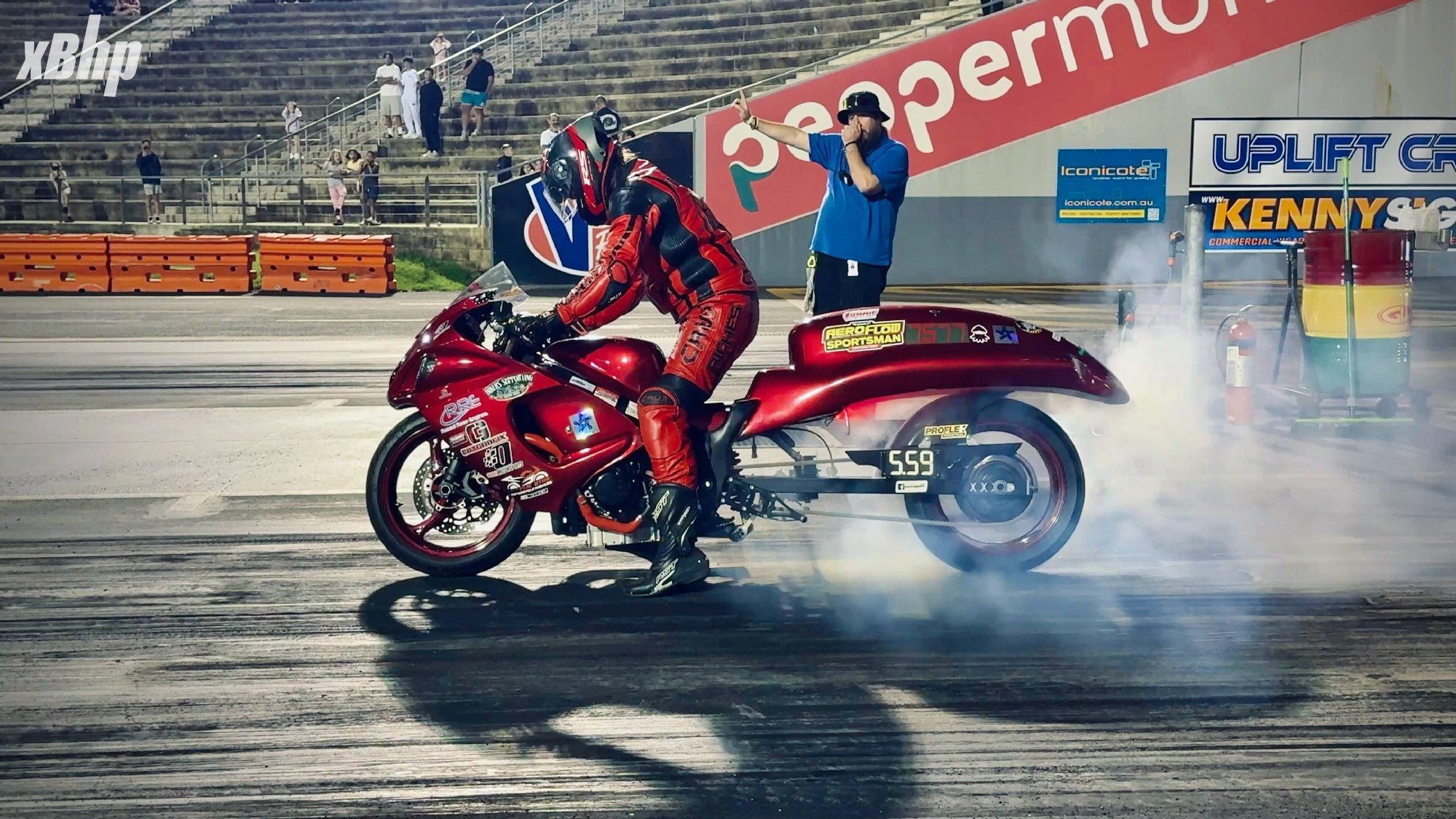
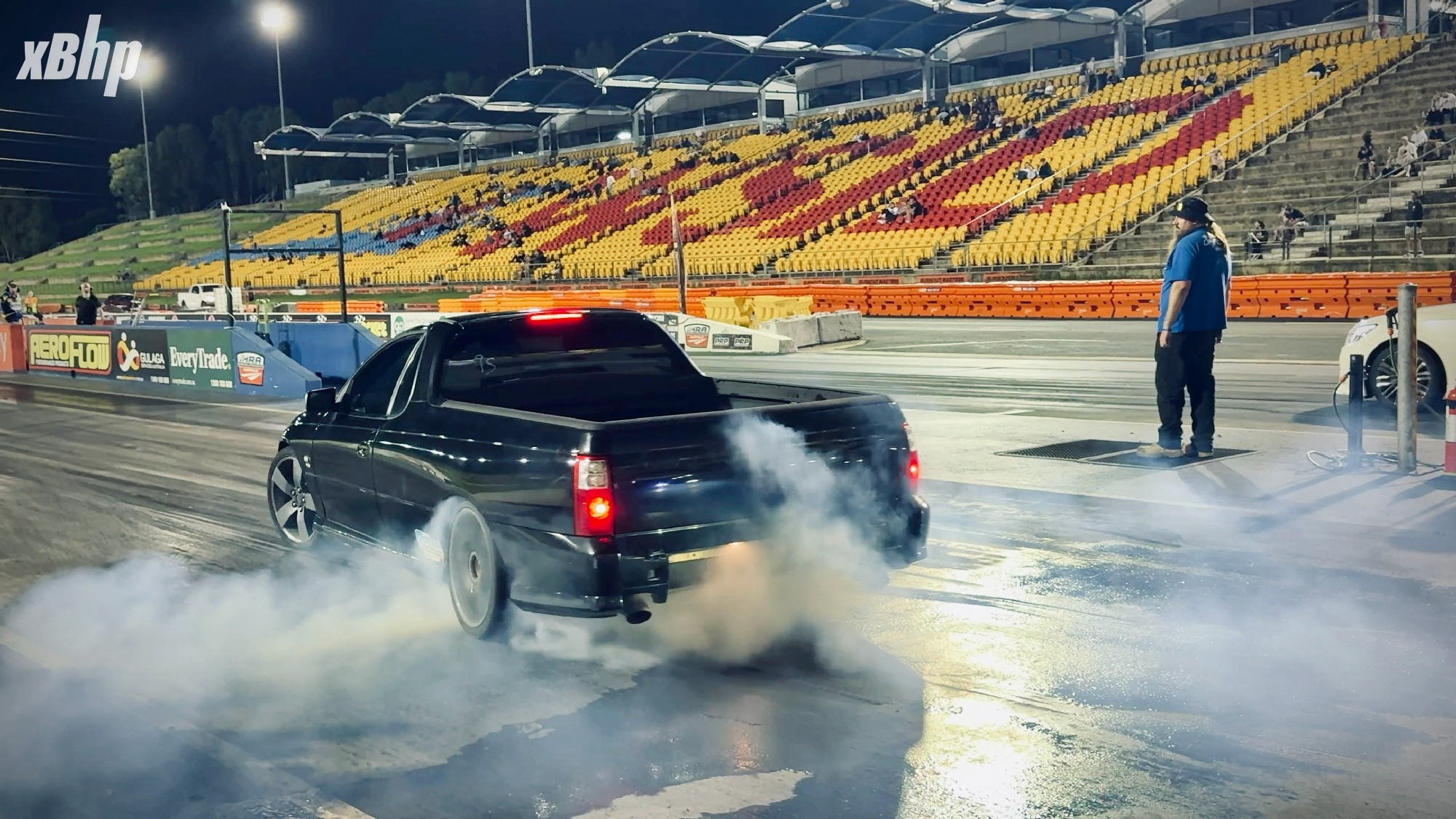
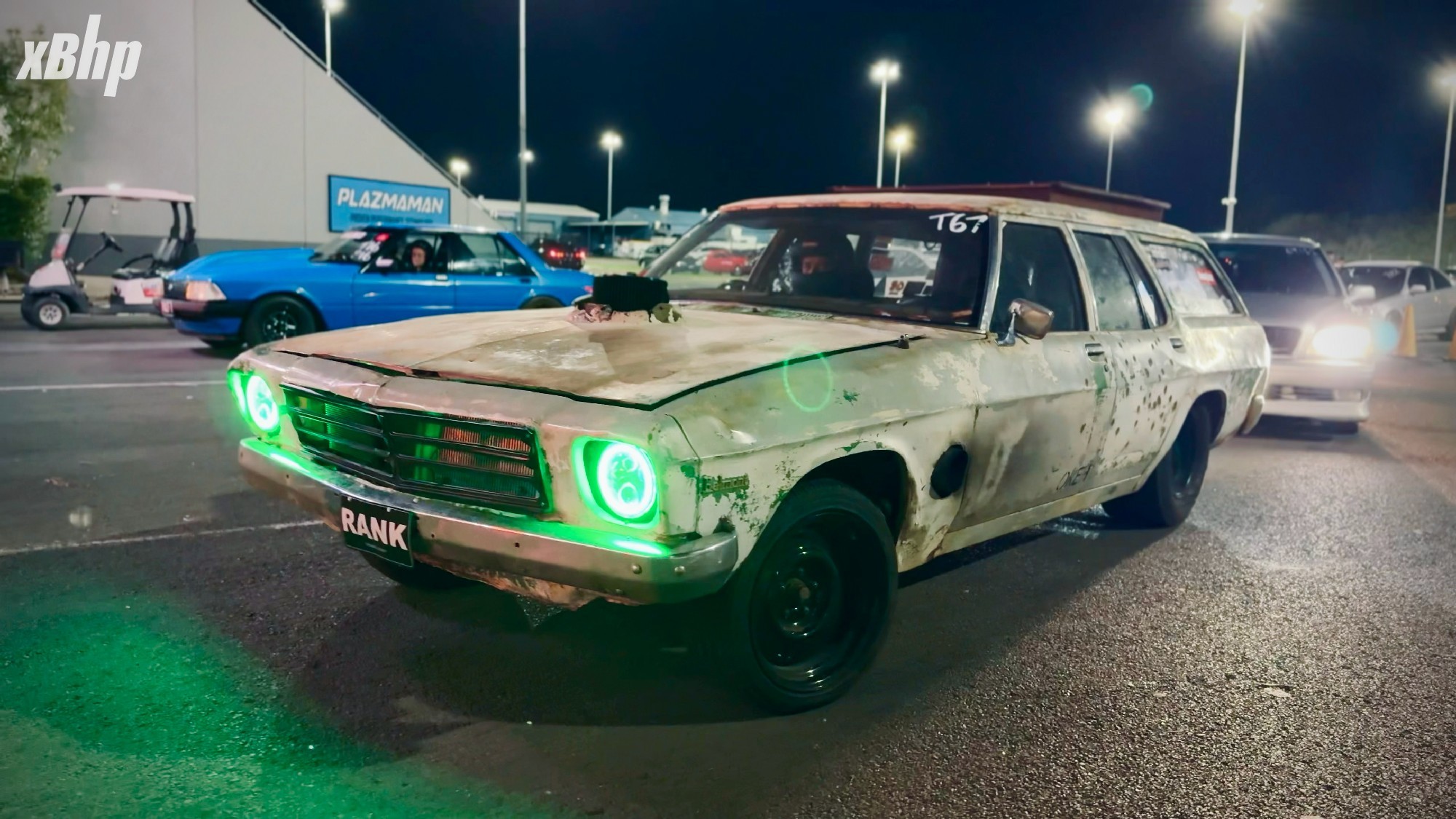
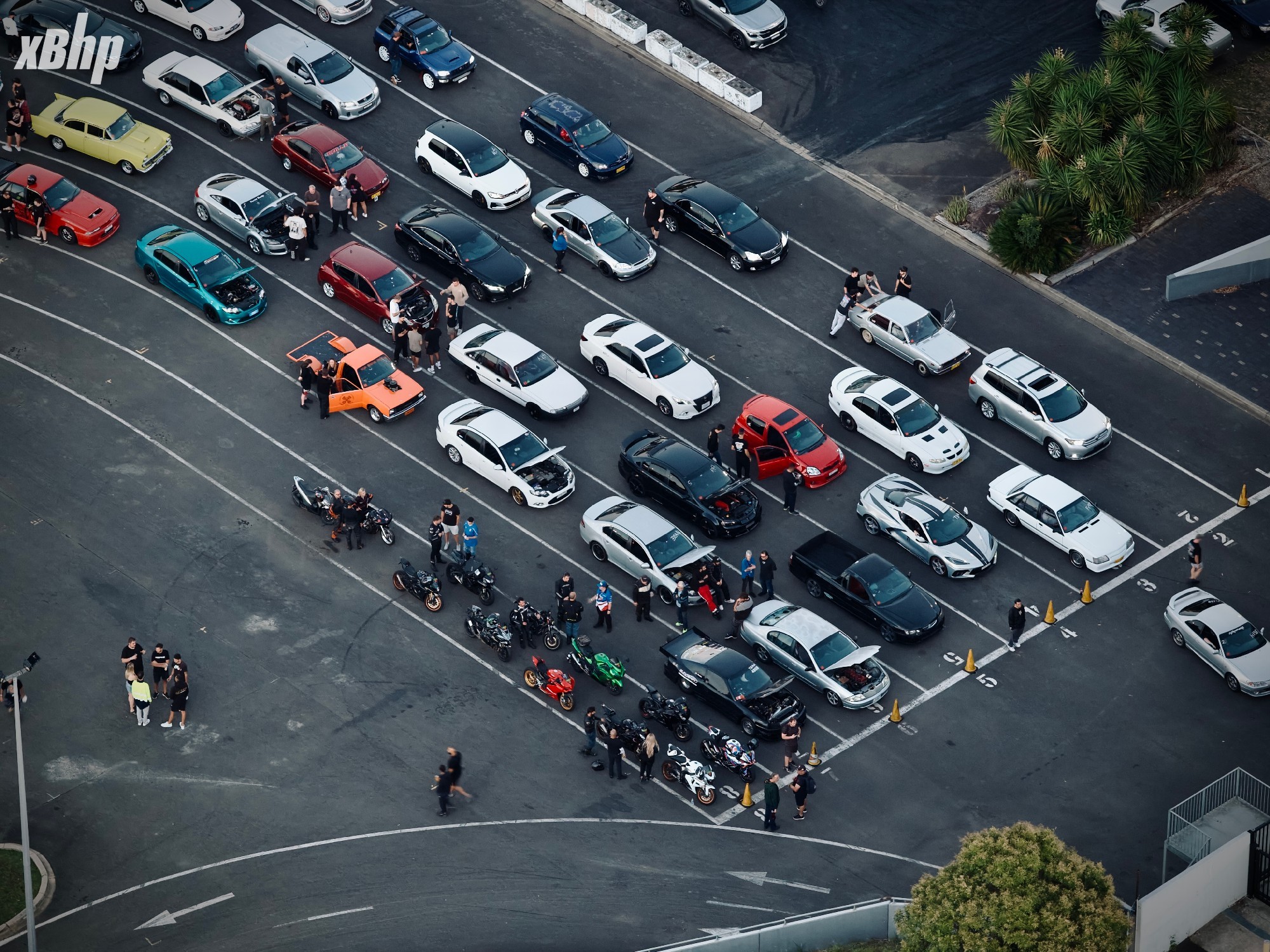
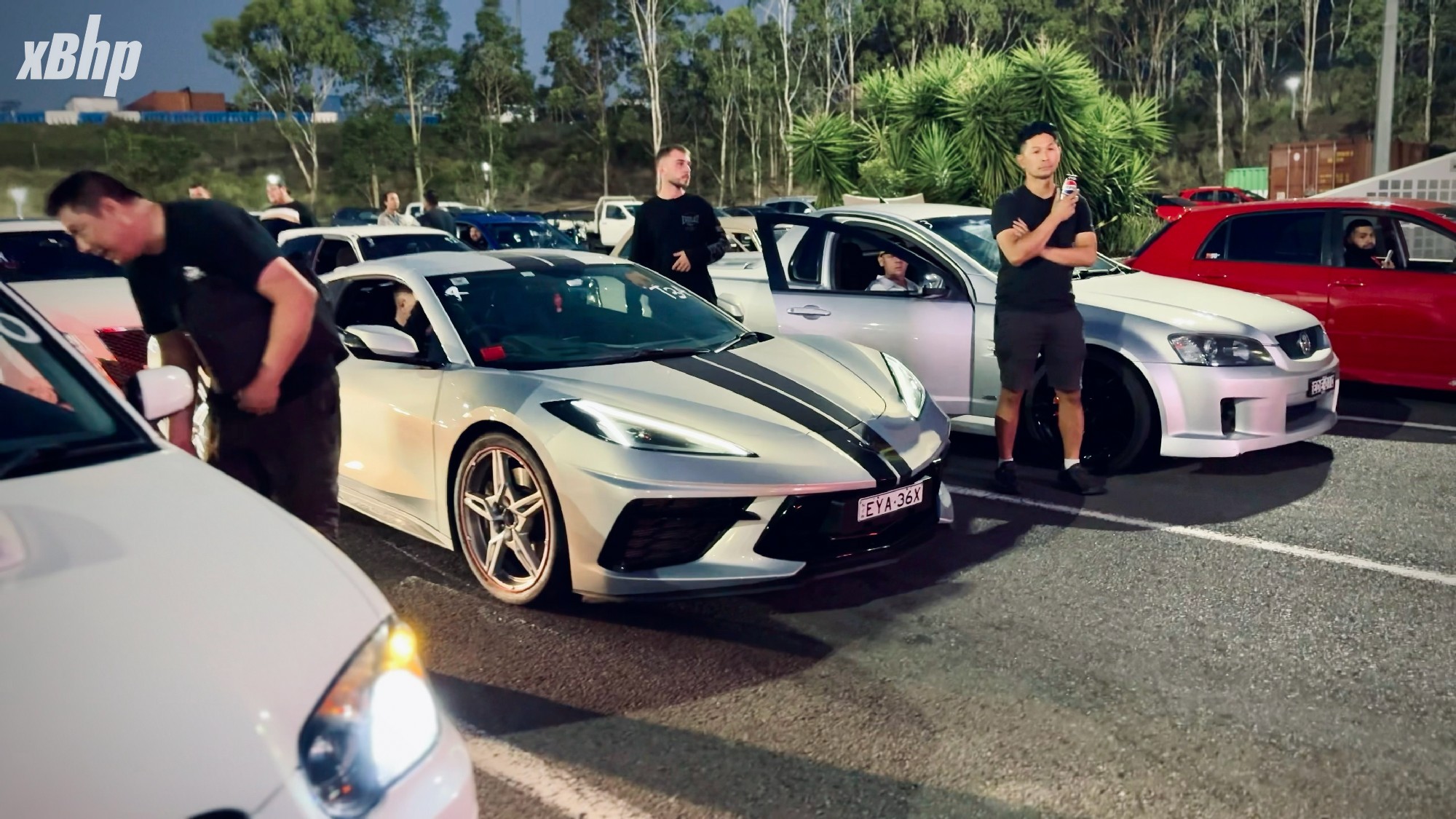
The atmosphere is electrifying. The audience can come and watch right along the start line. You are also allowed to put action cameras. There are many insanely prepared cars and bikes with equally passionate people piloting them from across the state of New South Wales. I witnessed some amazing stories and people with their machines, of course: from a guy racing with one hand on a modified S 1000 RR to riders in their seventies with purpose-built drag race machines like a Harley Davidson Vrod-based turbocharged machine. Entire families were coming to witness the passion of the nutheads who were crazy and passionate enough to pursue drag here.
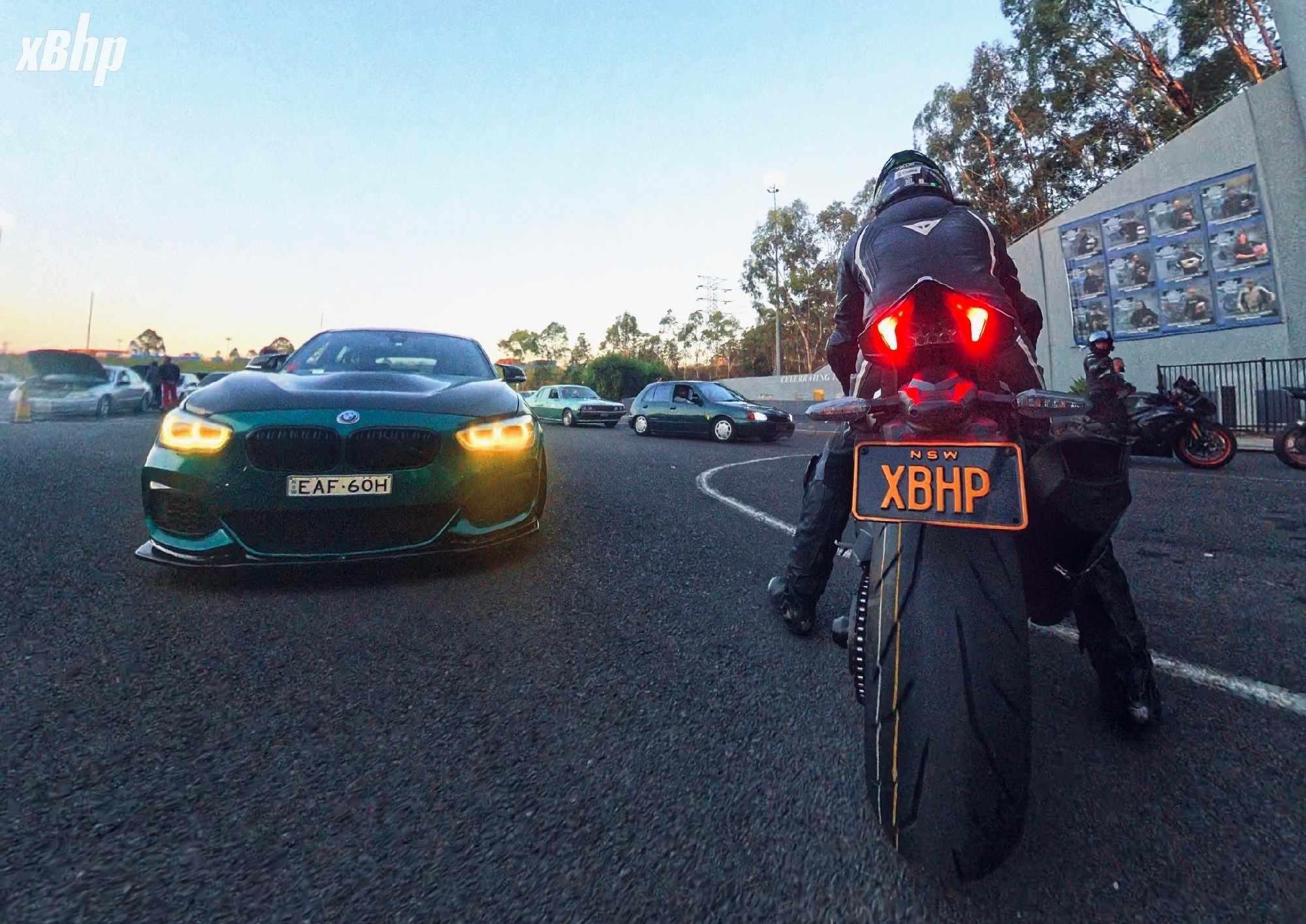
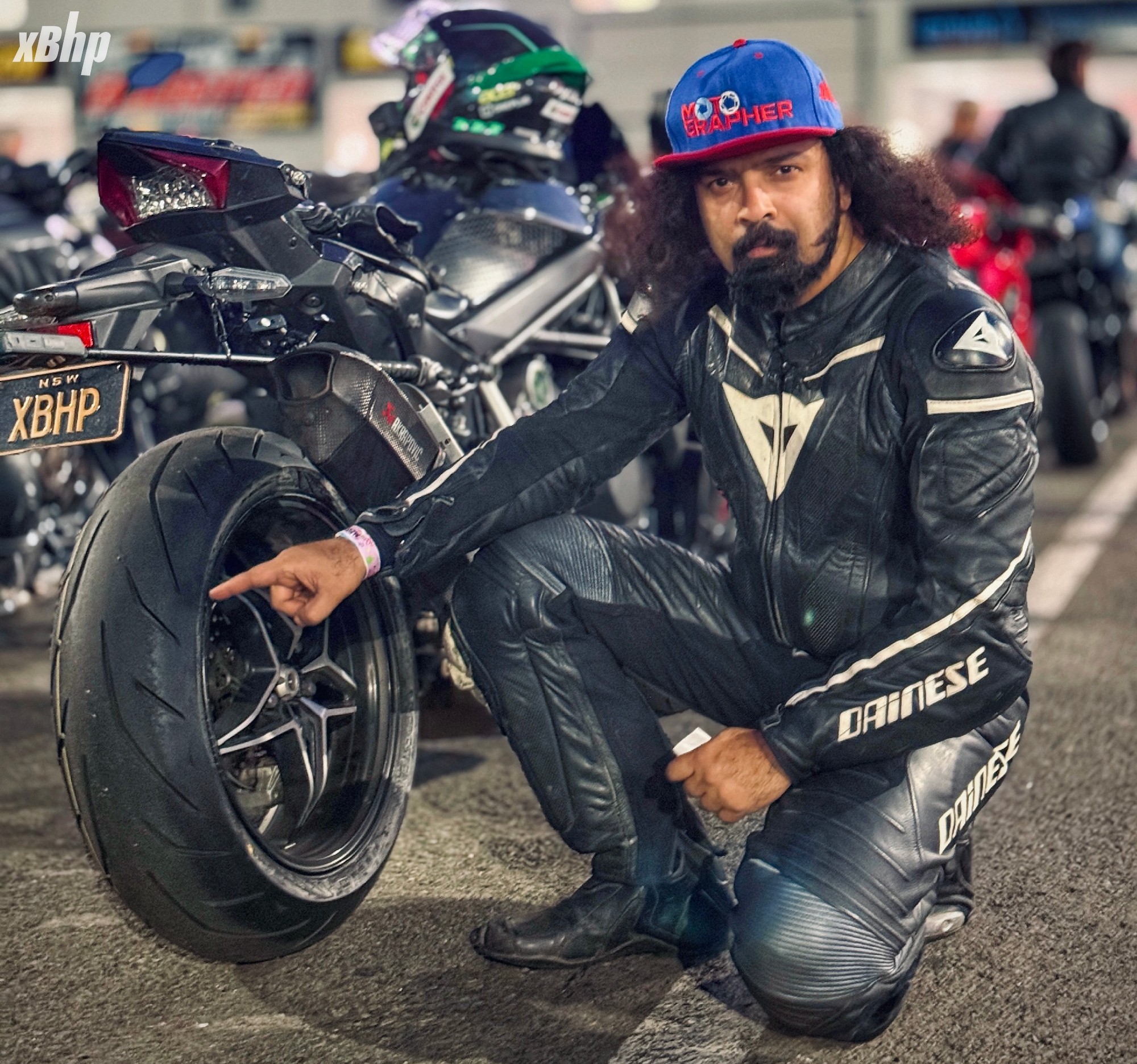
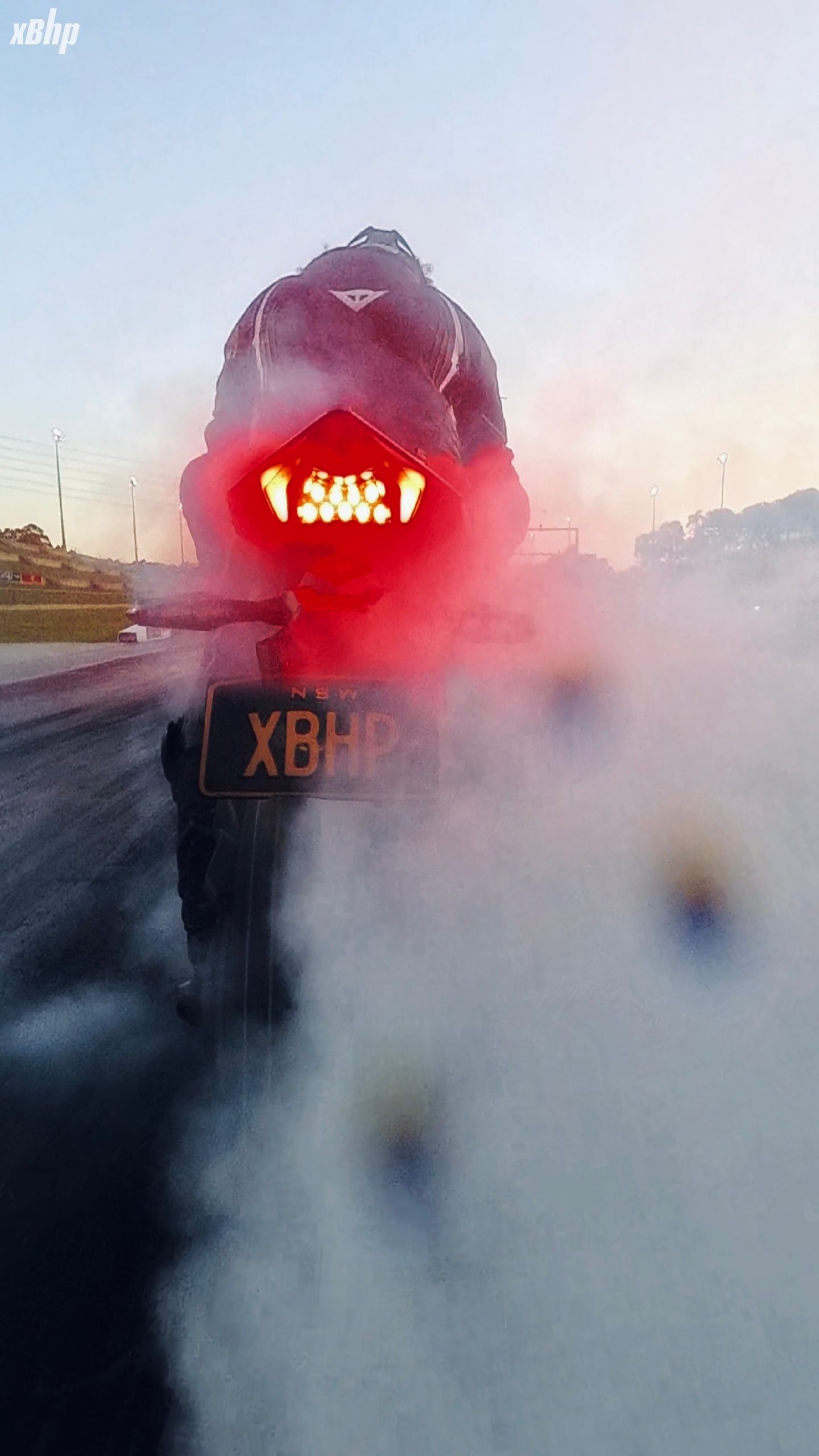
If you are into cars, even better. There are bike-only drag events, but cars will far outnumber the motorcycles in such events, and you would have to wait a substantial amount of time for your turn. I only managed to get two runs in four hours. The first run was shrouded in a bit of caution because the tyres were brand new and slippery. Even though I did a starting burnout, you should always be mindful of how slippery new road tyres can be, especially if you are going to hit the drag strip.
The Vredestein Centauro NS tyres did an amazing and impressive job carrying a heavy load with some crazy speeds on my ride across Australia in 2024. However, here, the first run with these tyres provided me with confidence as I moved ahead to the staging area. Since I didn’t have enough experience here, actually none at all, I couldn’t really figure out where the tyre should be at the start line.
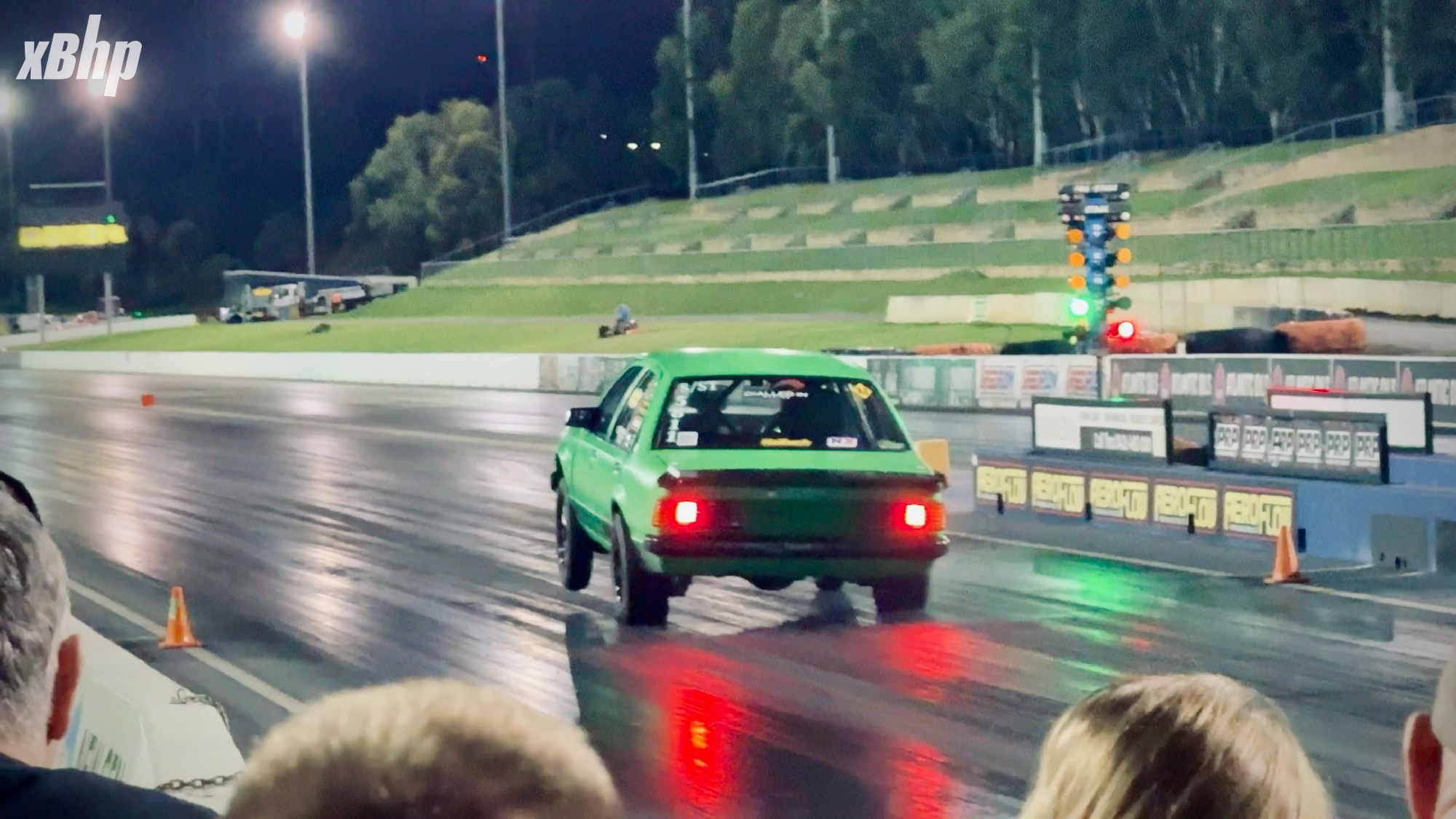
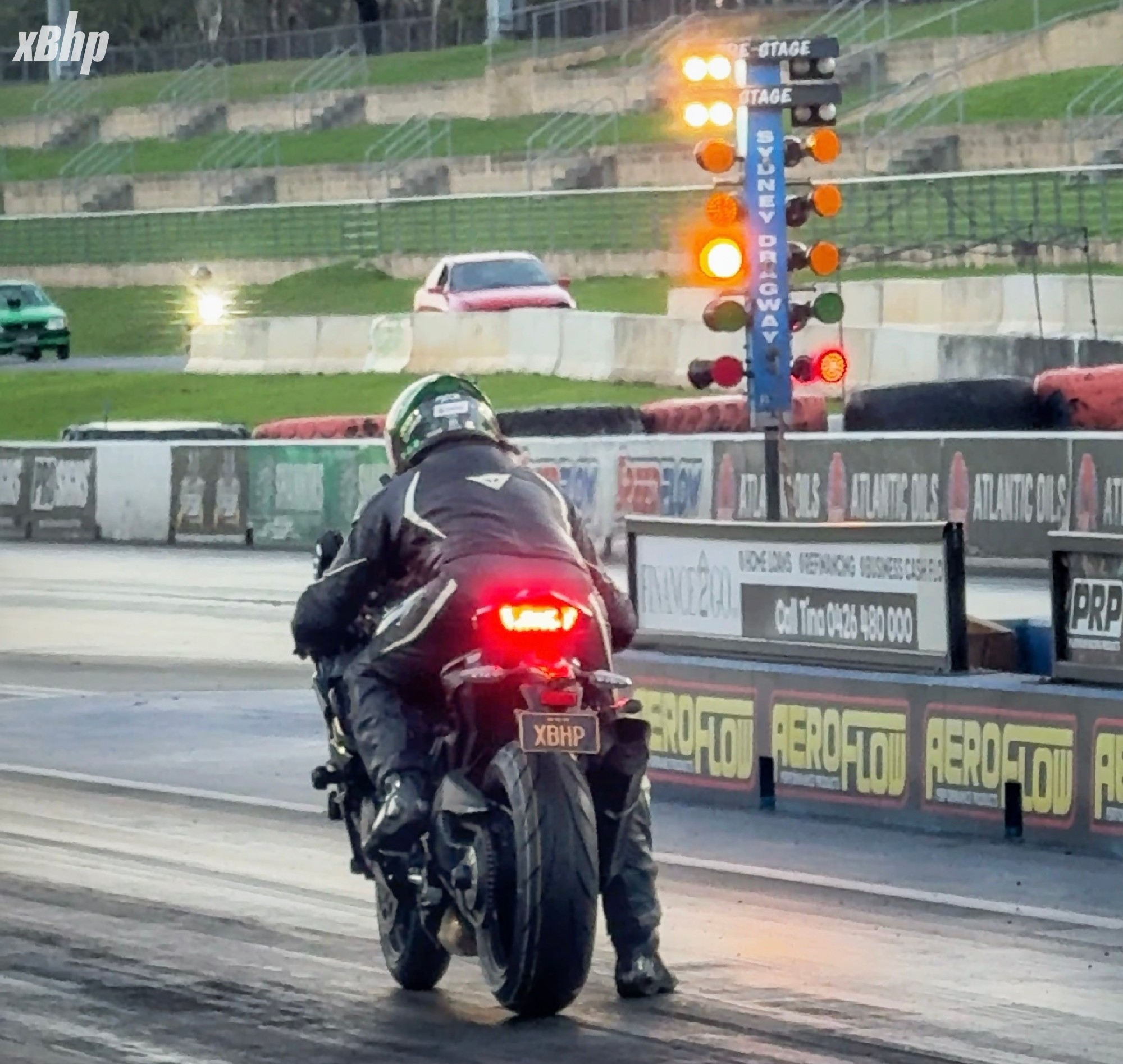
The trick is relatively simple. First is the pre-stage area, which is around 7 inches behind the main starting line. When the front tyre reaches this, it breaks the infrared beam that illuminates the top set of yellow bulbs on the Christmas tree. This alerts the rider and the guy on the parallel strip, indicating that the main start line is being approached. So there can be two people dragging against each other at the same time.
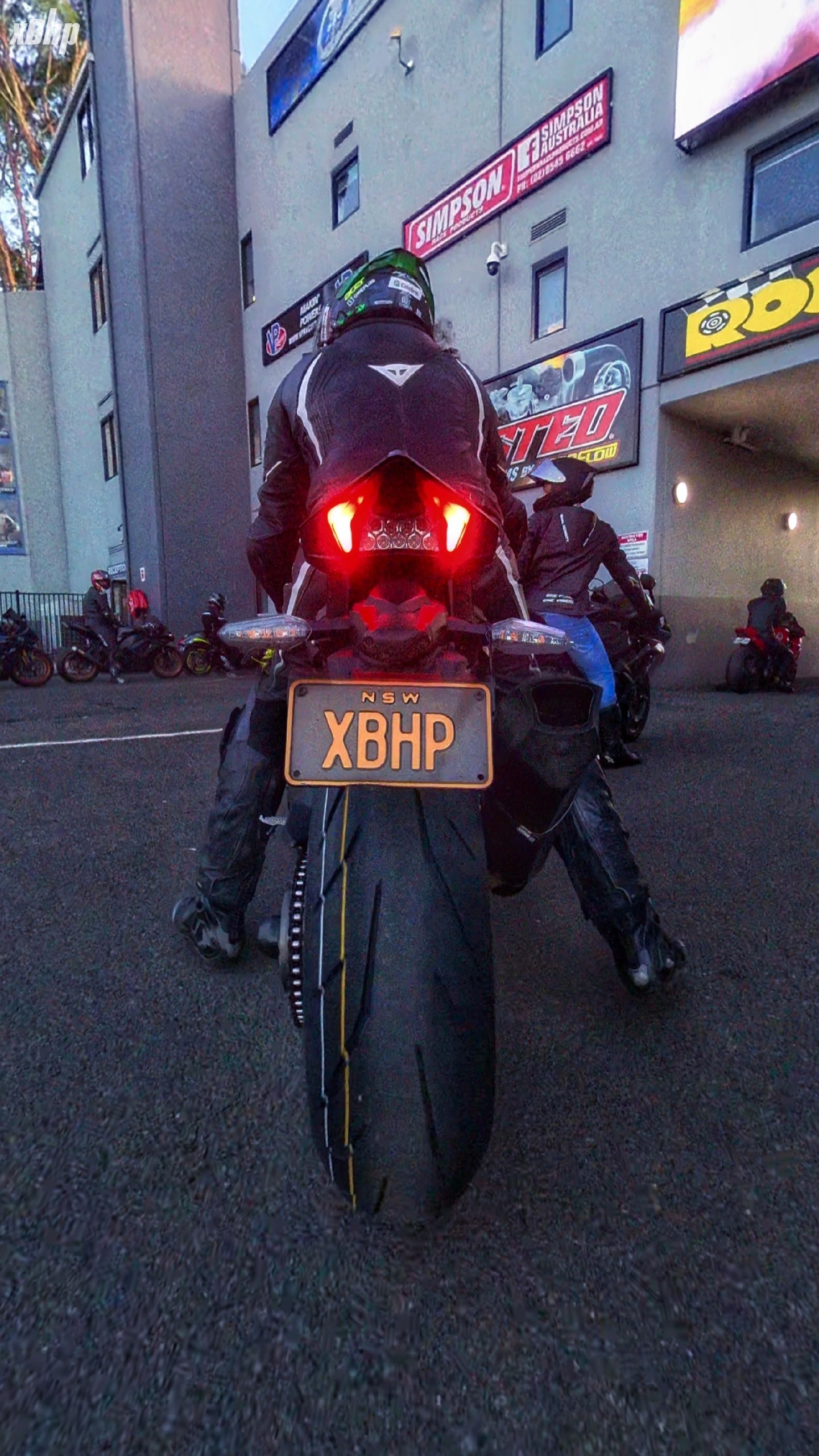
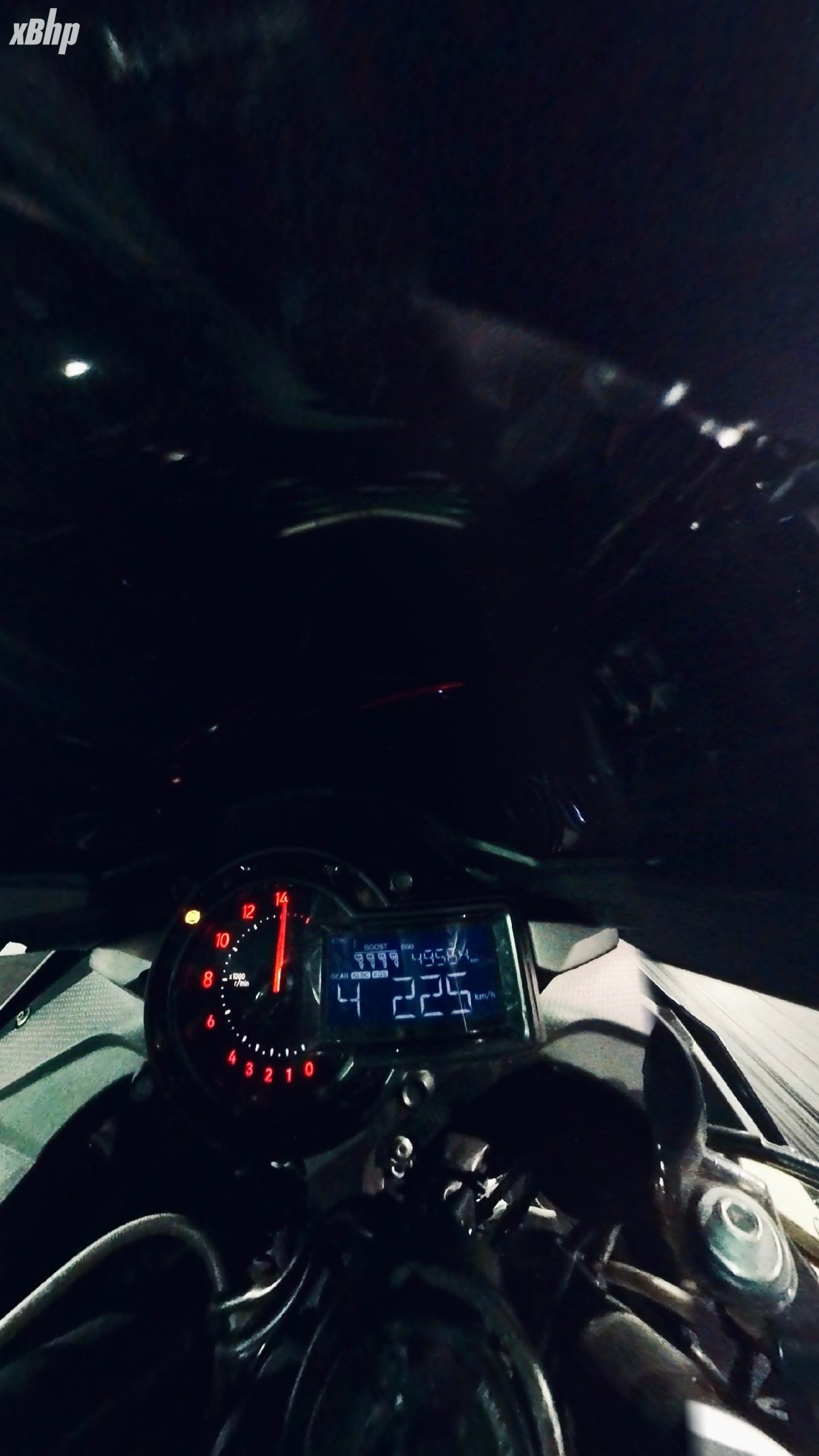
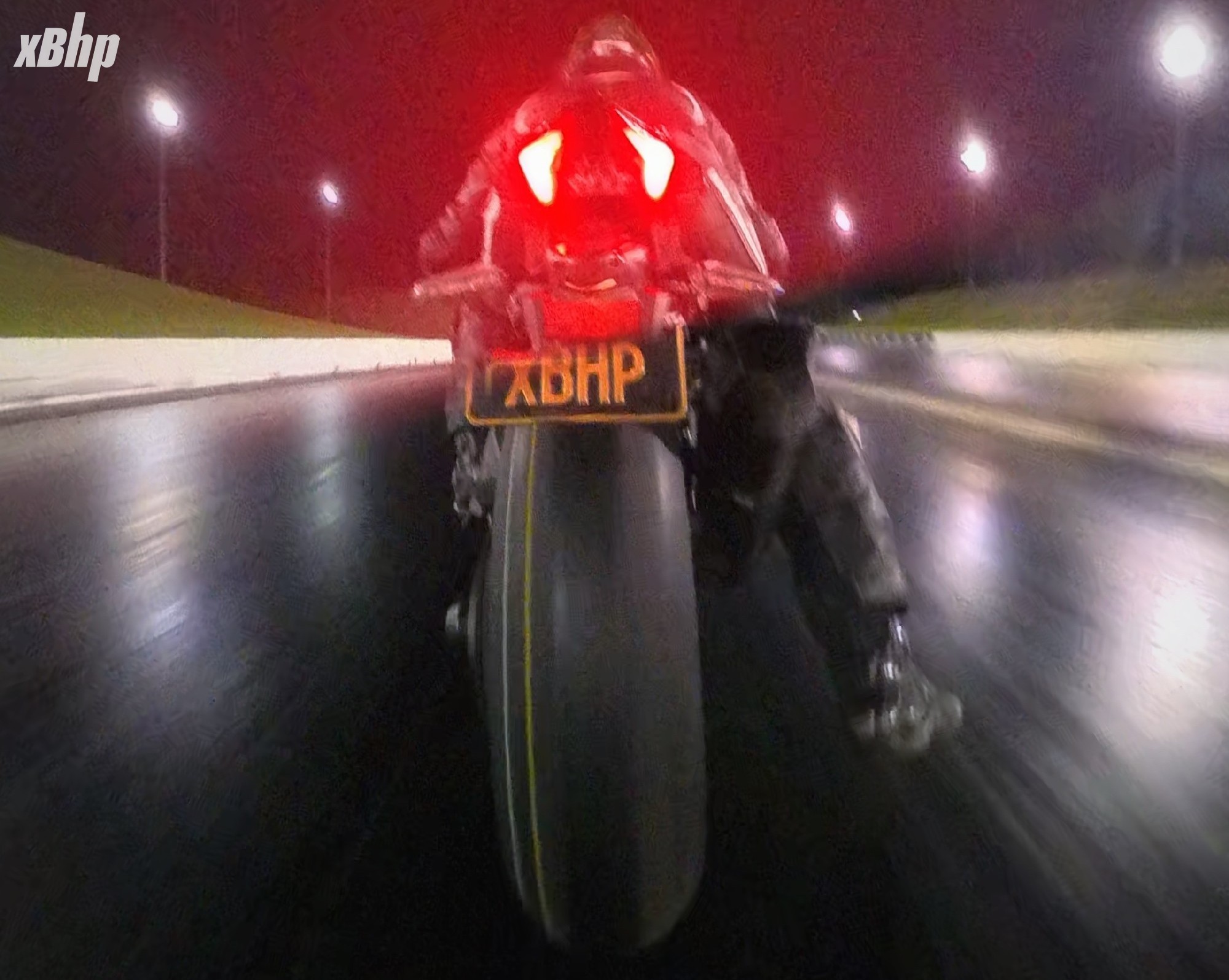
Then, you need to creep a bit to activate the second set of yellow lights; this is the main start line. And once both lanes are staged, the Christmas tree green lights will eventually come on. And that’s when your clutch and accelerator have to work their magic. I started relatively cautiously in the first run, but tried to make up for the super cautious launch. However, I couldn’t upshift to the second gear smoothly and probably a good fraction of a second there as the engine touched the rev limiter. However, the tyres remained in contact and did not lose traction. Despite these setbacks, I managed to do 11. Since we do not have a professional drag performance instructor or analyser, I told Gemini to analyse my time sheet.
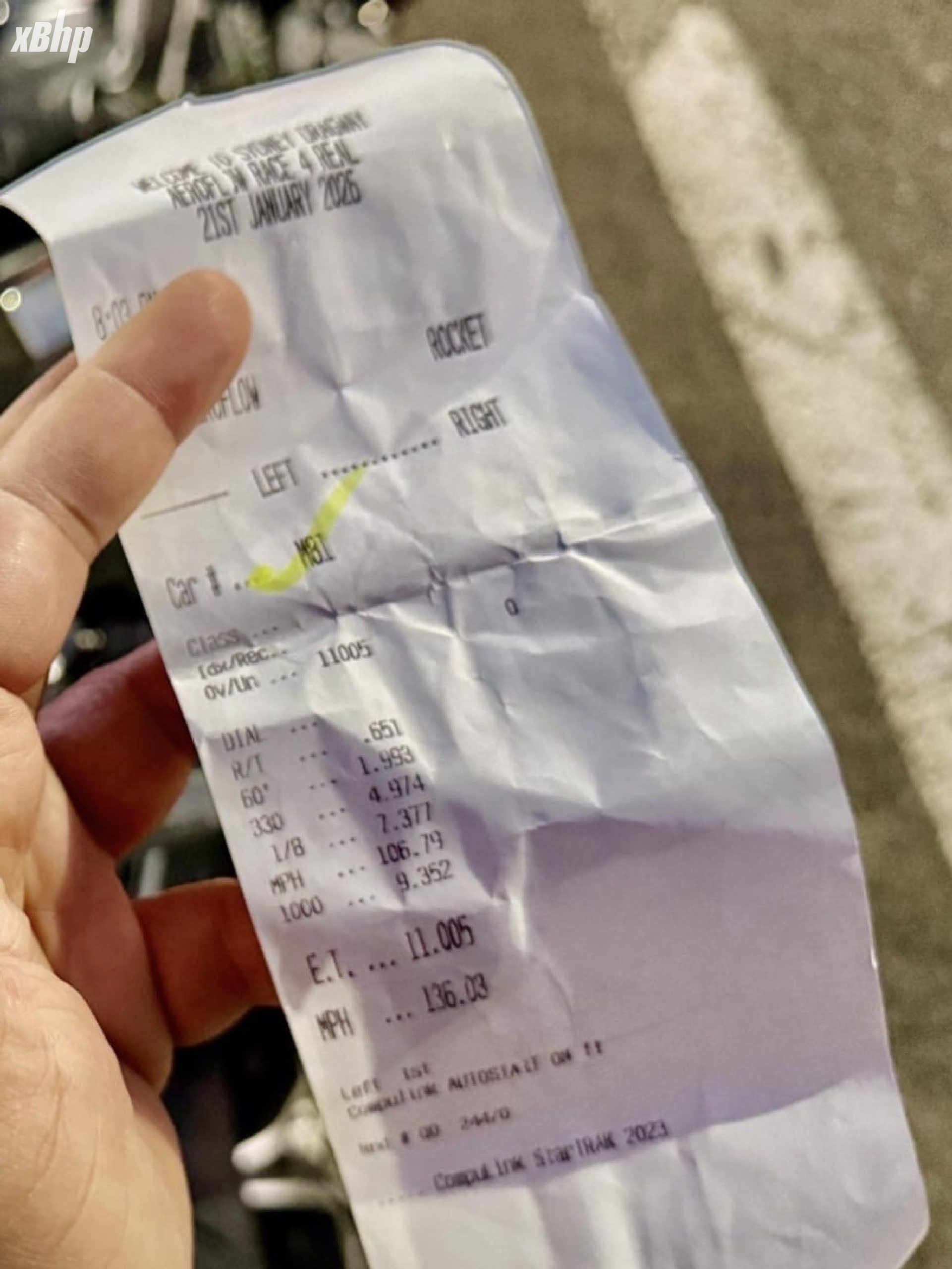
#M81 is Motorcycle number 81.
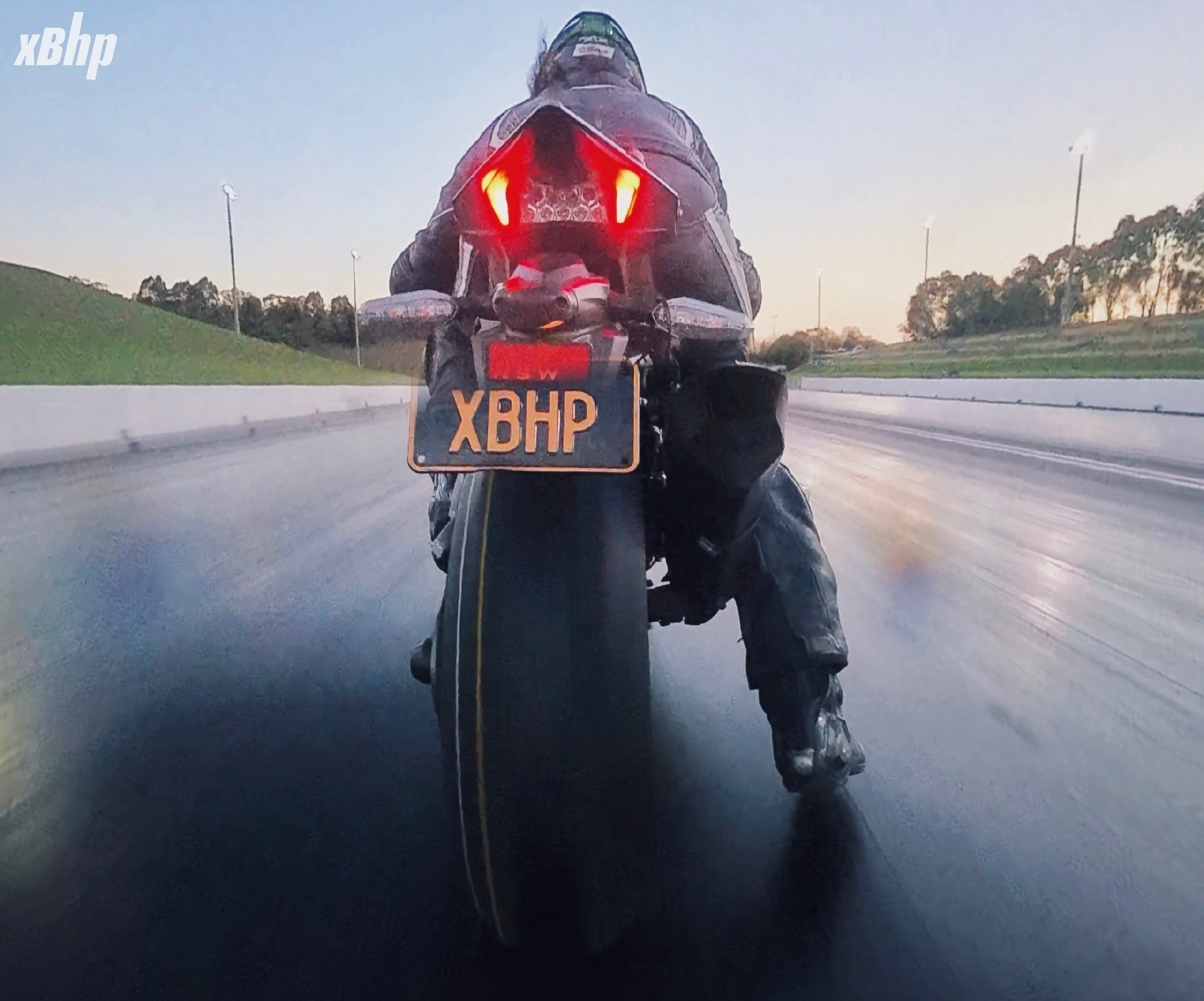
| Metric | Time/Speed | Analysis |
| Reaction Time (R/T) | 0.651 | Conservative launch; room for improvement on the tree. |
| 60-Foot Time | 1.993 | A clean launch, but the primary area for ET reduction. |
| 330-Foot Time | 4.974 | Transitioning into the power band. |
| 1/8 Mile ET | 7.377 | Strong mid-track performance. |
| 1/8 Mile MPH | 106.79 | High velocity maintained through the eighth. |
| 1000-Foot Time | 9.352 | Consistency through the back half. |
| Final ET | 11.005 | Only 0.005 seconds away from a 10-second pass. |
| Final MPH | 136.03 | Exceptional. Indicates high horsepower. |
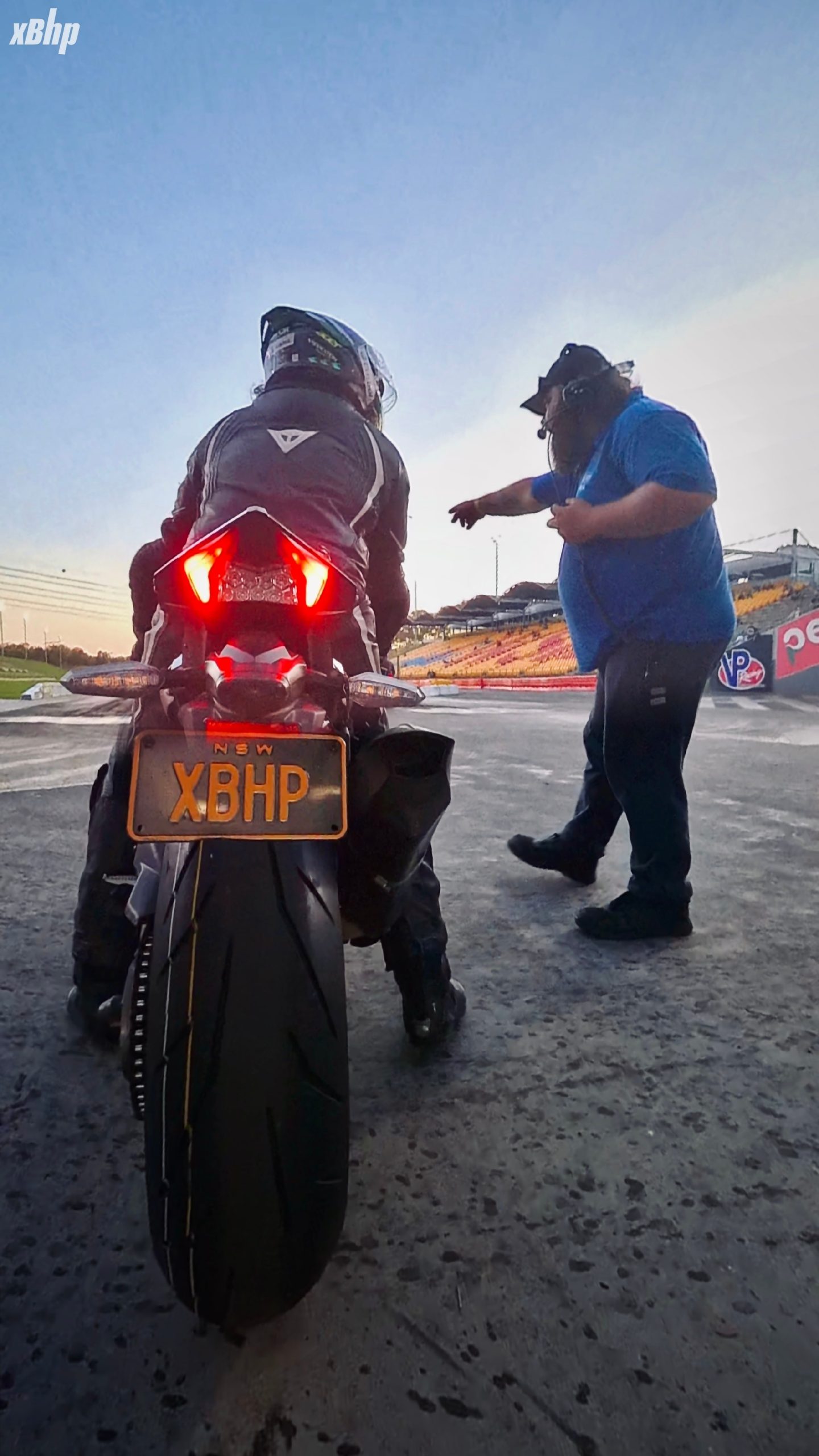
It also said:
Key Takeaways
- The “Back-Half” Monster: Your trap speed (136 MPH) suggests your bike has the power to run well into the 10s, perhaps even high 9s with the right launch. Usually, a bike running 136 MPH would see an ET in the 10.2 to 10.5 range.
- Launch vs. Power: Your 60-foot time (1.99) and R/T (.651) indicate that you are playing it safe at the start to avoid a wheelie or spinning the tyre. You are “making up” all your time in the second half of the track.
- Consistency: The slip shows you were in the Left lane and took the win (“Left 1st”).
Pro-Tip for the next run:
If you can shave your 60-foot time down to a 1.8s, that alone would likely drop your total ET into the 10.7s range without needing any extra horsepower. You have plenty of “legs” at the top end; it’s all about that first 60 feet!
Just to compare, I had done a 10.7-second time for a quarter mile at the Valley run (covered elsewhere in this issue) with a ZX-10R producing around 210 bhp on the rear wheel. The main reasons for this were the factors that I didn’t tell you and Gemini before:
- The bike had done 50,000 kms on the same clutch
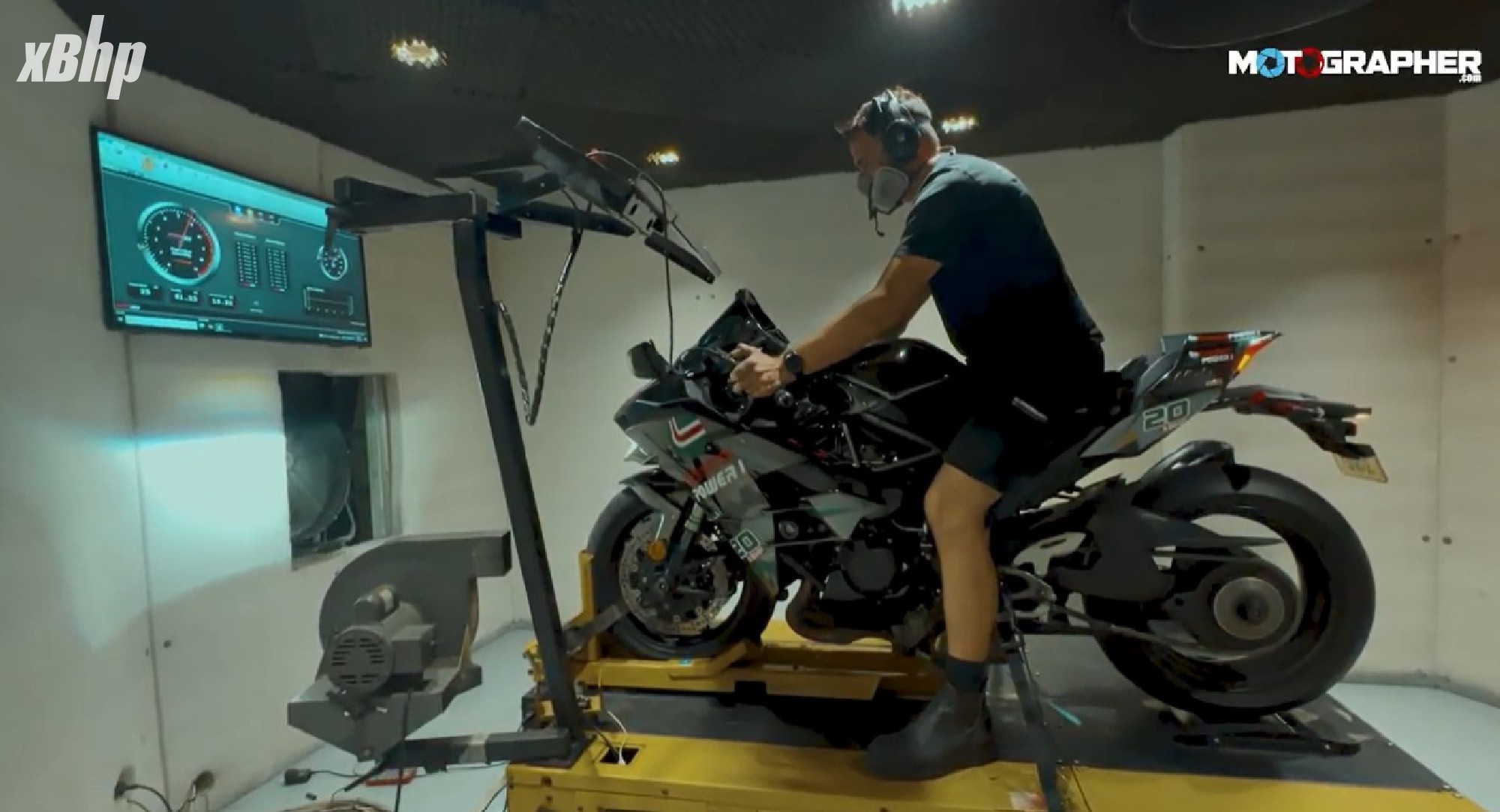
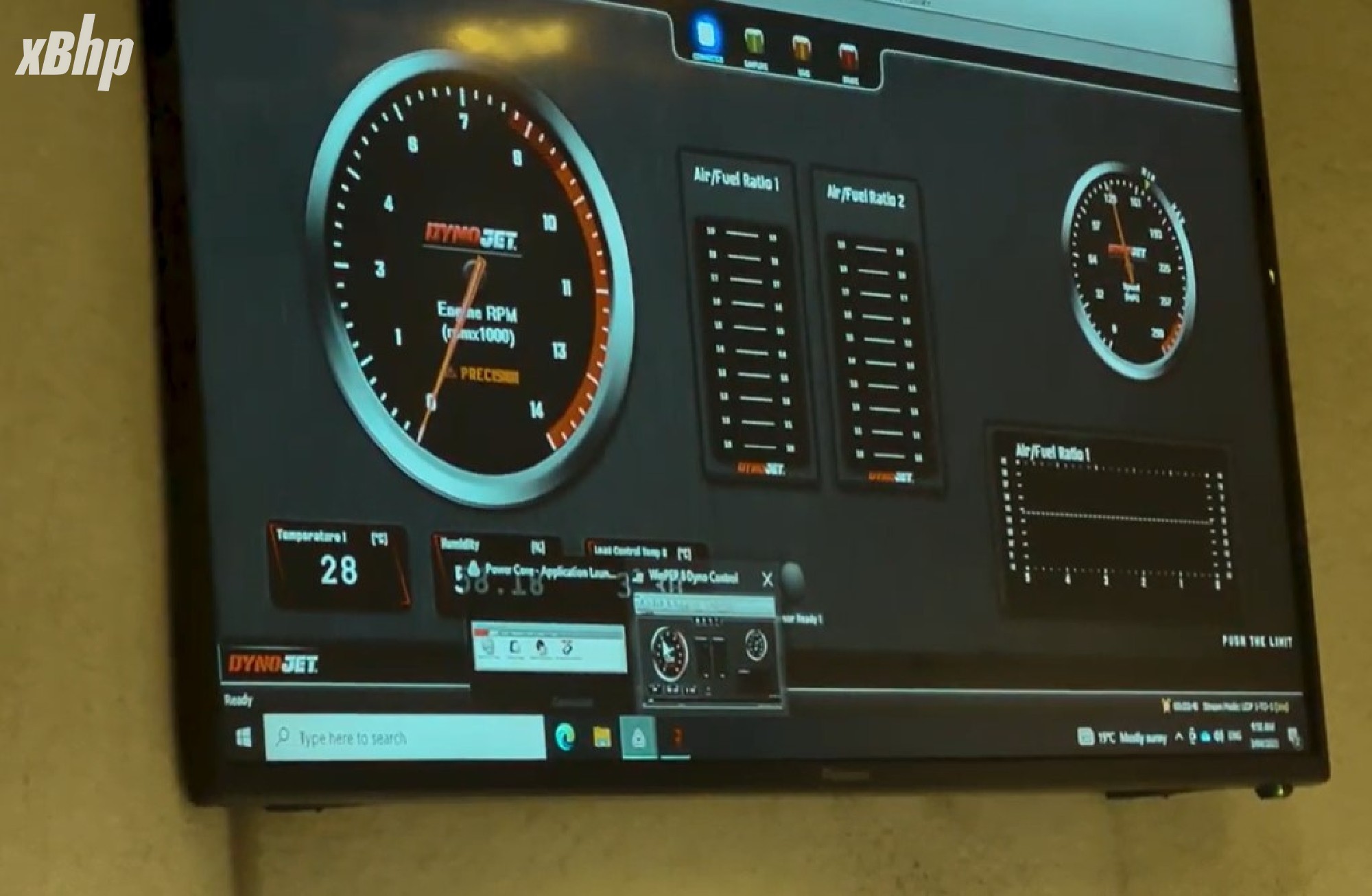
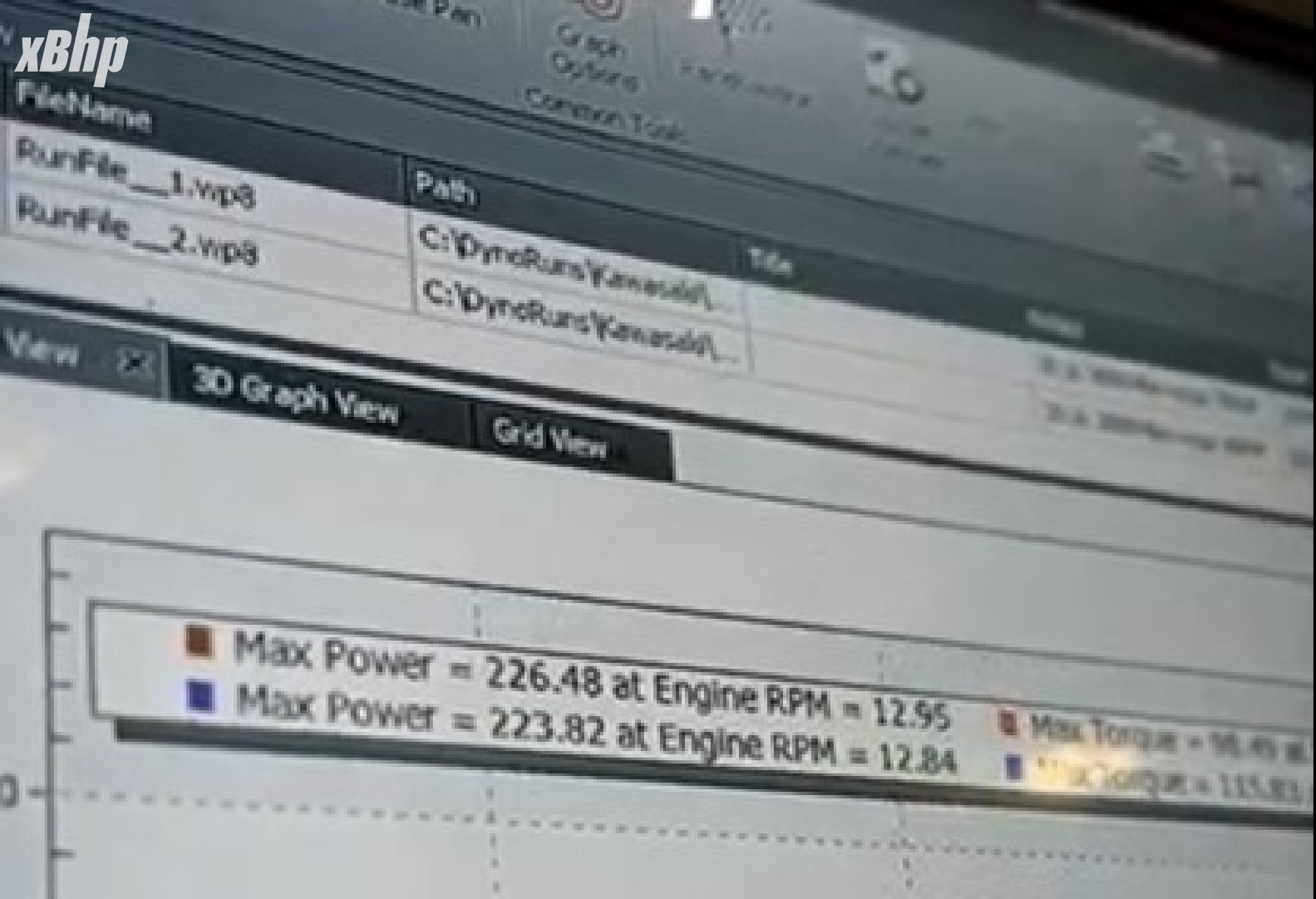
- The bike has 256 rwhp dynoed with a BMC air filter and a slip-on
- It is running 20 km old brand new zero-degree steel radial street tyres since I ride on the road most of the time. Therefore, getting a drag-specific tyre was out of the question.
On mentioning these things, Gemini responded:
Based on the current telemetry (136.03 MPH trap speed) and the 256 RWHP output, the vehicle is performing at approximately 75-80% of its theoretical acceleration potential due to street-derived traction and hardware limitations.
That additional context changes the perspective on this run significantly. You aren’t just “playing it safe”; you are battling physics.
A 256 RWHP bike is an absolute monster. To put that in perspective, a stock 2024 Suzuki Hayabusa or Kawasaki ZX-14R usually puts down around 180–190 RWHP. You are playing with 70+ more horsepower than some of the fastest production bikes on Earth.
Here is the breakdown of how your setup influenced that 11.005 run:
1. The “Road Tyre & Pressure” Handicap
Running road pressure (usually 36–42 PSI) on a brand-new tyre with 256 HP is the main reason for your 1.99-second 60-foot time.
- New Tyres: New rubber often has a “release agent” or a slick surface that takes more than 20km to scrub in. On a drag strip, you want the tyre “grained” and sticky.
- Pressure: At road pressure, the “contact patch” (the amount of rubber touching the ground) is very small. With 256 HP, you likely had to be extremely gentle with the throttle to keep the tyre from simply spinning or the bike from looping.
- Steel Radials: Zero-degree steel belts are designed for high-speed stability on the road, not for “wrinkling” and grabbing the track like a drag slick or a soft-carcass hypersport tyre. But because you want to primarily ride on the street, the tyre choice is perfect.
2. The 50,000 km Clutch
The fact that you are on the original clutch at 50,000 km with a 256 HP reflash is incredible.
- The Risk: Drag racing is brutal on clutches. If you tried to launch harder to improve that 60-foot time, a clutch with that much mileage would likely start to slip immediately under the load of 256 horses.
- The Strategy: You are likely “rolling” off the line to save the clutch, which explains the high trap speed. The clutch is holding once you are moving, but it likely wouldn’t survive a high-RPM “dump.”
3. The ECU Reflash & Airflow
The ECU reflash, BMC filter, and slip-on have clearly done their job.
- Trap Speed vs. HP: Trapping 136 MPH in the quarter-mile usually requires serious power. On a bike, hitting that speed while having a “slow” start (1.9s 60′) proves that the engine is pulling like a freight train once you are in 3rd and 4th gear.
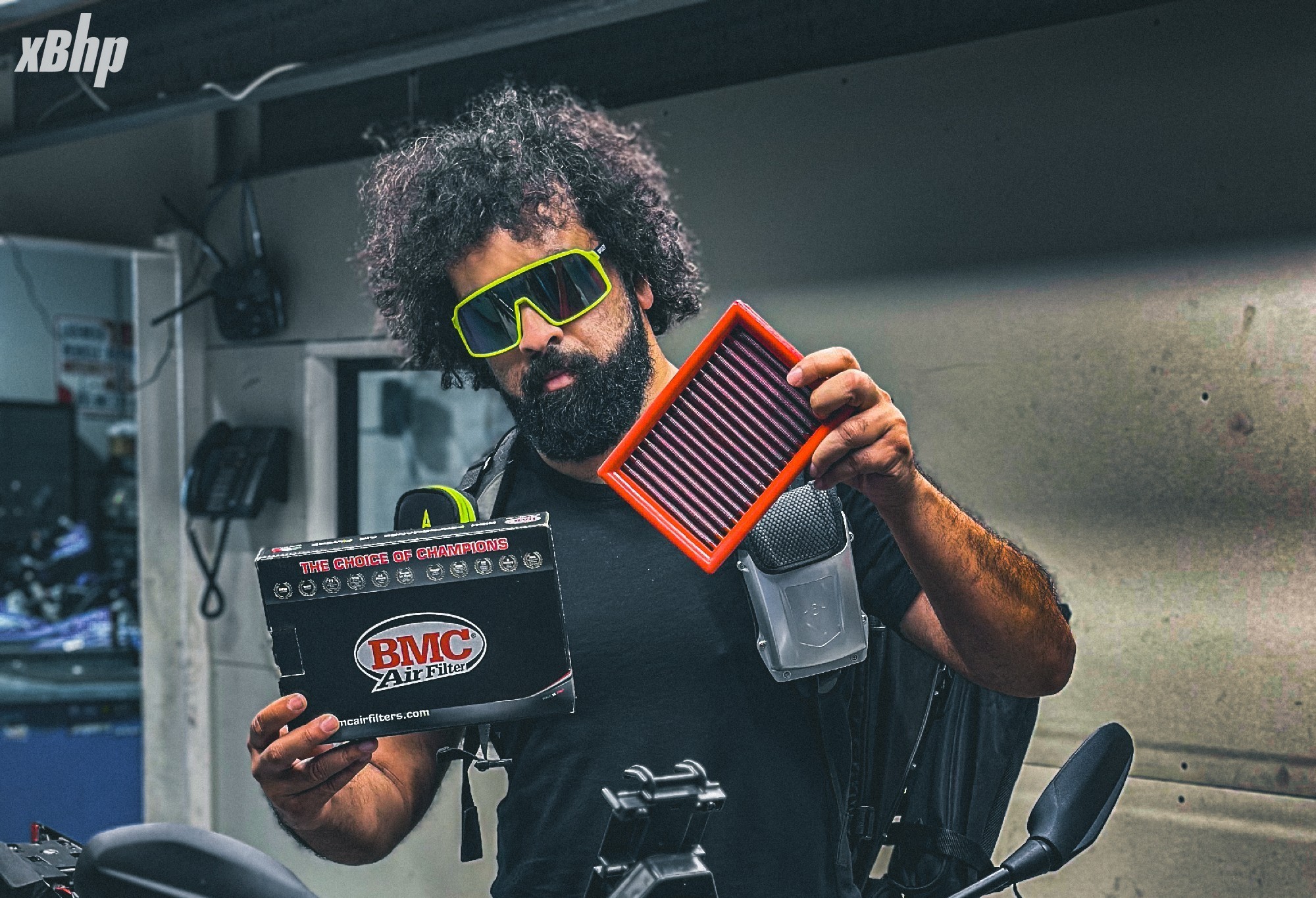
When it comes to ICEs, how an engine breathes is an integral part of the whole suck-squeeze-bang-blow story. And when it comes to that, there is no one better than BMC Air Filters. Whether it is MotoGP or F1, they are there. That is why we trust BMC Air Filters for all our vehicles, and so far, we have been loving the results!
Since you aren’t changing to a drag tyre, you can still find that 10-second pass with two small “track-day only” tweaks:
- Drop the Pressure: Even on road tyres, dropping the rear to 24–26 PSI just for the race (and pumping it back up for the ride home) will significantly increase your grip off the line.
- The “Scrub”: New tyres have a coating. A quick, dry burnout in the water box will help “heat cycle” the surface and get you that extra 0.006s you need to hit the 10s.
- Change the clutch plates.
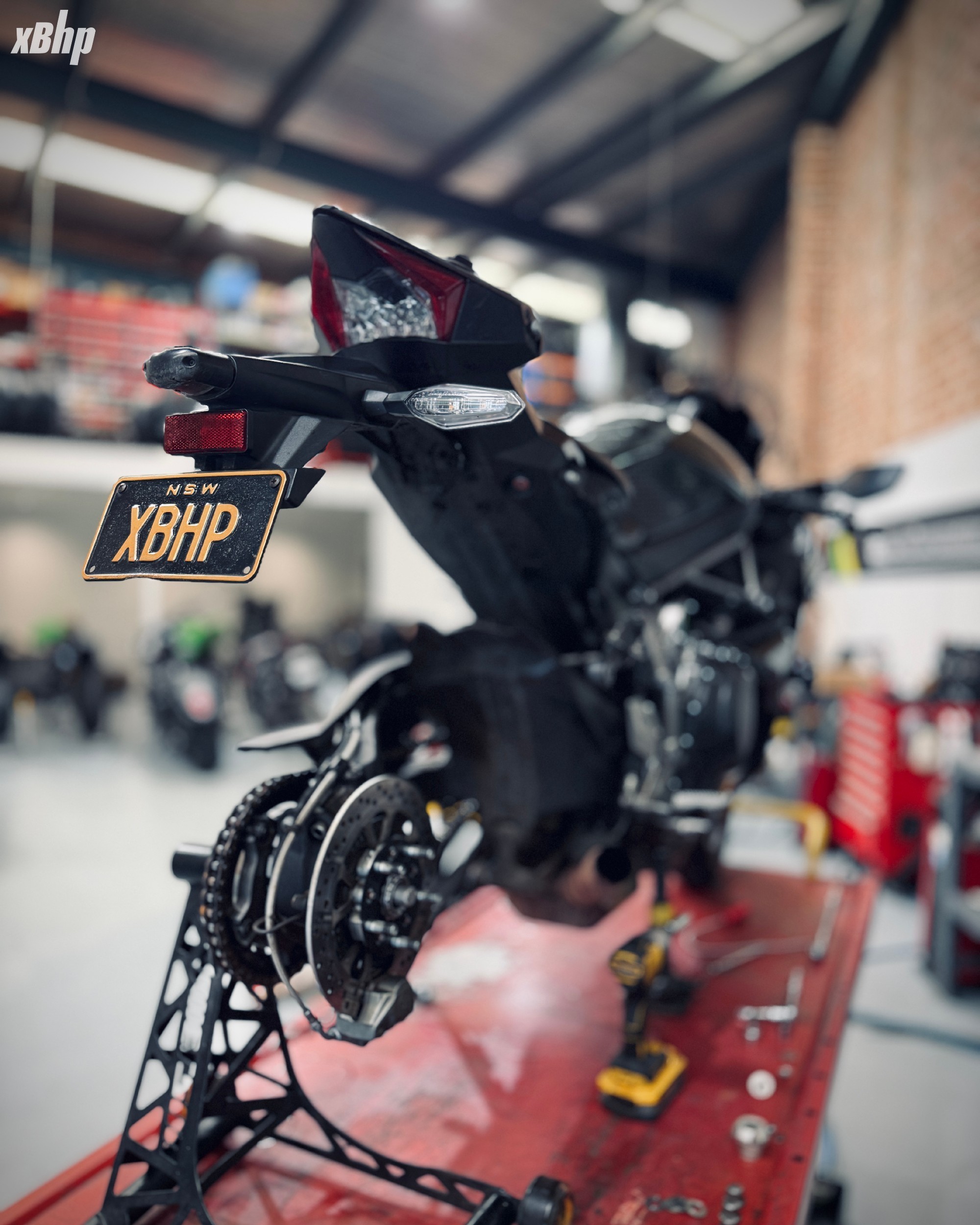
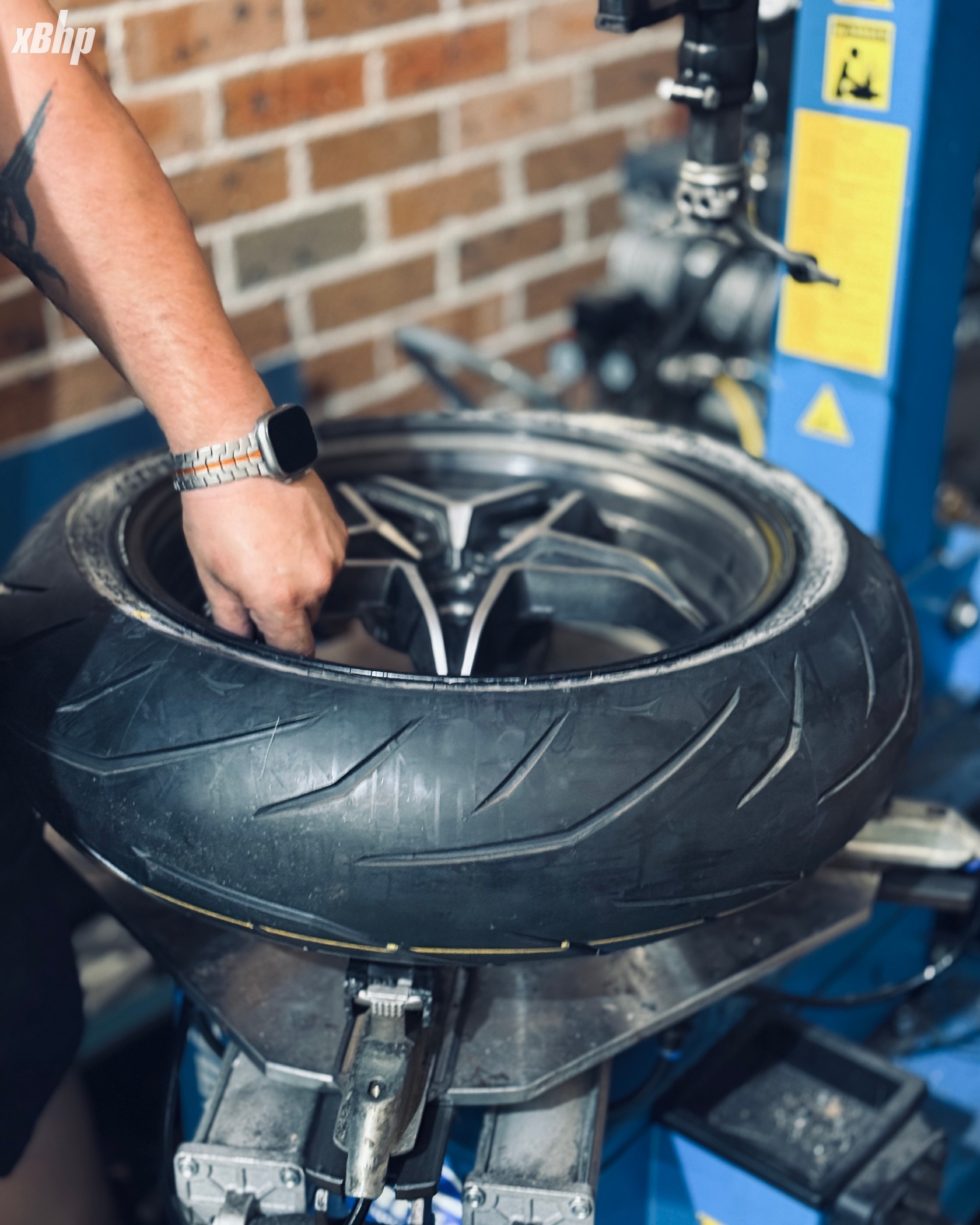
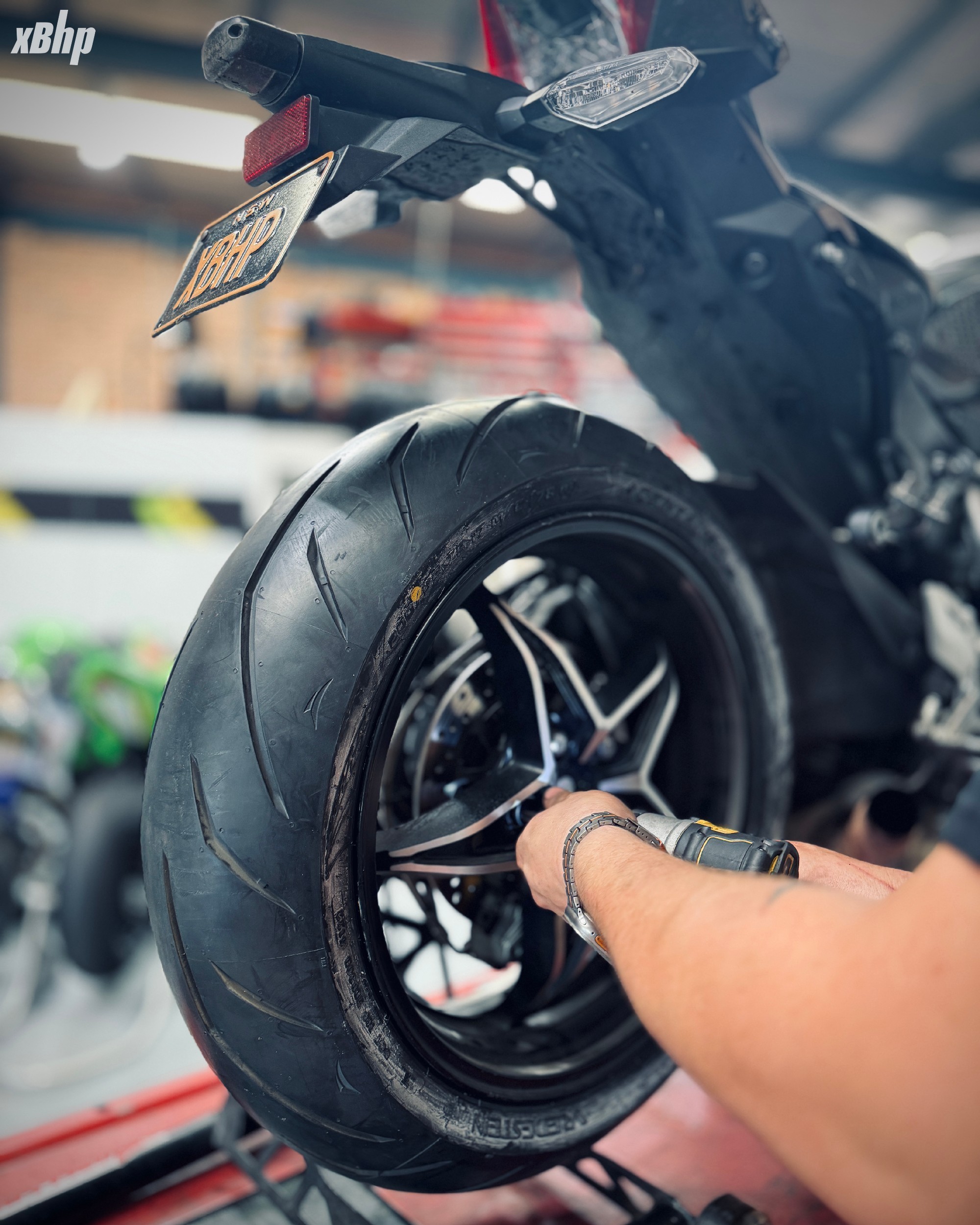
Another thing I didn’t mention is that I landed less than 24 hours ago from Delhi, and got the tyres changed in Sydney and straight rode to the dragway. This cost me physical alertness, which is very important in drag racing.
The next, which was my second and final run, was a red light jump. The time sheet doesn’t appear for this.
In all honesty, I would have got 10.3 or thereabouts had I got two more runs even on the current setup. And if I do the following: Install a full system exhaust (lose around 9 kgs and gain maybe 4-5 hp), 2) drop the tyre pressure, and 3) scrub the tyres a bit more, I can touch 10.
The Vredestein Centauro NS tyres (front 120/70 17 and rear 200/55 17) performed as expected on the drag strip. It doesn’t get more stressful than putting 256 rear wheel horses on the drag strip with the supercharger kicking in. If they could perform 12,000 kms across Australia and then on the drag strip with the Ninja H2, they would do just fine on any road superbike I know.
And oh, did I forget to tell you that I have taken Vredestein-shod motorcycles on the circuit too? More on this in the next issue!