







Stuff that the shopkeeper will require from you – Driving Licence and Address Proof for Indians be it Voter ID Card or PAN Card.
Driving Licence and Passport for Foreigners, with some even requiring a Legal Affidavit.
Mode of Payment – These guys do not deal with credit/ debit cards. So make sure you have sufficient cash at hand.
Security Deposit – The deposit can be in the form of cash, varies depending upon the bike model or documents. Amounts can be as high as Rs 50000/- as well. The shops could keep your PAN Card/ Voter ID Card as security.
Some shops even keep the original return flight ticket in the case of foreigners.
When renting a bike, one should keep a watchful eye for these – Bike Papers – Make sure the RC is in the clear, match the Registration number, Chassis Number and Engine number with what is printed on the motorcycle. Check to see that the Insurance has been renewed and the PUC is up to date.
Bullets are the most commonly rented out motorcycles, so if you are looking for other brands, then you must call and confirm, as ver y few units are kept in stock.
Check for damages on the motorcycle. Rims, forks, cracks in the chassis, rust on fuel tank, taped up wiring harnesses etc. can lead to major breakdowns while on the road, and such bikes are best avoided. Broken indicator lights, torn seats, chipped paint and all other cosmetic damages should be photographed and mentioned in the rent contract. Tyres, engine oil and drive chain should be checked to see if it has sufficient life in it for the necessary trip. Infield replacement is always a headache.
Typical choices for touring motorcycles in India
- The Enfield bikes – Bullet 350, Thunderbird, Enfield 500, Himalayan
- The Pulsars
- Honda CBR250
- The KTM Duke twins
- Mahindra Mojo
- Hero ZMR
What to carry – the essentials
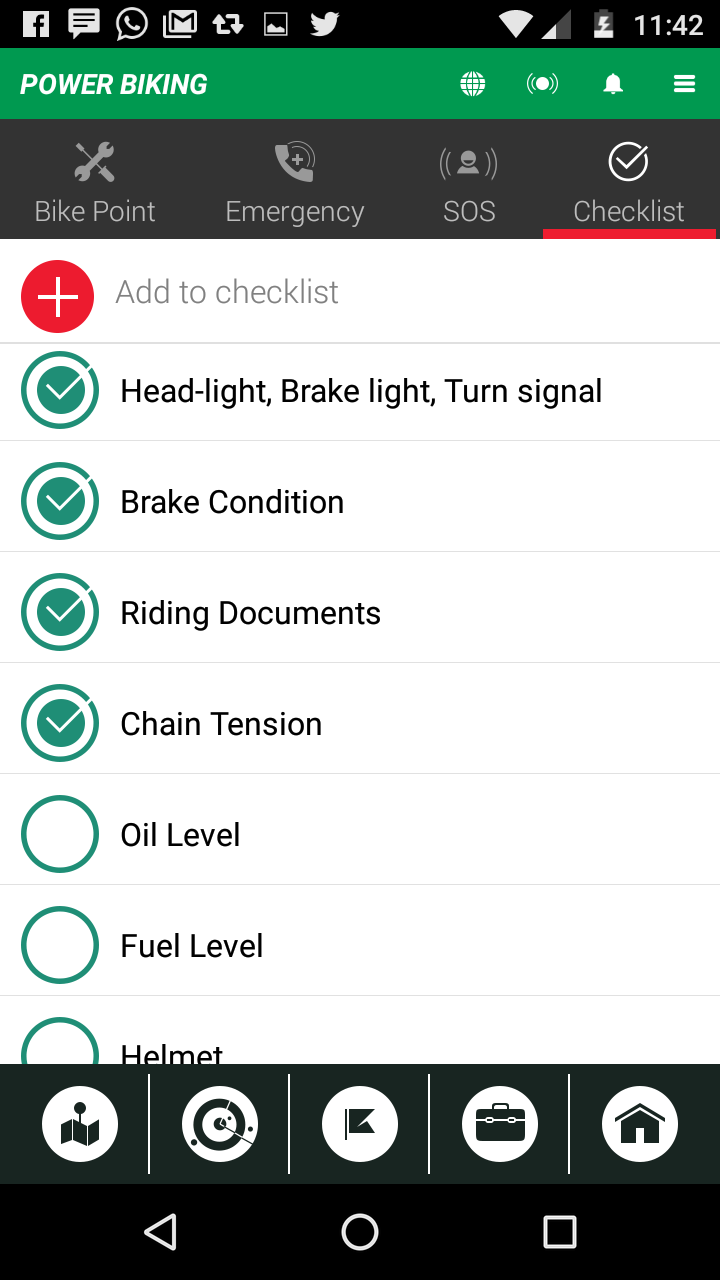
Documents – In India, you are required to have six essential documents related to you and your vehicle and can be asked for by the law enforcers. They are the Registration Certificate (RC) of the bike in original or photocopy attested by a notified government official, the original Insurance Policy, the Pollution Under Control certificate (PUC) and your valid Driving License, your International Driving License and your Passport. In case you have brought in your own bike, you’ll need the Carnet de Passage with you too. Make sure you have them in order before you leave home.
Also, carry only as much luggage as is totally essential, but never skimp on tools and repair equipment. Carry all that you would need, short of towing another similar bike behind you. IUf you’re an already experienced motorcycle tourer, over the years you already probably know of those ‘really’ essential things and you’ll easily sift through the needless chaff. Tie the luggage securely on the bike. If riding one-up, tie it on the seat behind as it gives your back some added support and stops the wind from getting in from behind you. Whether you use saddlebags or panniers, mount them tight and proper and keep them light. Solid lockable panniers are the best though. The locks deter any thefts but do make sure you empty them before spending a night except in places where you have secure parking for your bike. The panniers also help protect you from inadvertent tip overs or those little inevitable bumps from other road users when riding through India’s congested cities.
During regular use of the bike, see how accurate or inaccurate the fuel gauge is. Keep a tab on mileage not just with the point of saving money but also to be aware how far you can get on a thankful. Re-fuel before you actually reach the edge of ‘reserve’. Fill her up while there’s a petrol pump on your side of the highway and you’ll need to tank up in another 50kms anyway. Slowing down later to look for a petrol pump and possibly having to do a short detour to get to it would be silly considering that most bikes sold in our country can do more than 350kms on a thankful at the very least. As a ritual, check engine oil, brakes, control cables, chain tension and lights each day before starting. Keeps you in touch with the bike and you are not easily caught by a surprising failure.
Long distance riding is as much about riding skills as about being able to physically endure the long hours on the saddle, especially in India with its at times chaotic traffic and majorly hot weather. Being fit helps in stretching your fatigue threshold. It is important to be able to complete your ride for the day while you’re still not tired enough to start making mistakes. On highways within our country, doing about 200 kms stretches between breaks is usually the limit. The traffic density, the infinite hazards that populate our roads, the road surface conditions and the weather make for a stressful concoction that tires both the mind and the body.
Maintain a steady fast pace, with more stress on steady than on fast, balancing the time gained against the risk factors. At the end of 100 kms, doing 95 instead of 85 makes you gain some 15 odd minutes. Which is about an hour less on a 400km ride. See if it is worth pushing yourself and your bike so close to the limits to gain just an hour in 8 hours of riding. Keep time, speed and distance in perspective. This is about avoiding unnecessary speeding in the guise of covering distance quickly. A 10 kph difference in average speed over 8 hours gets you there early by half an hour or so. This in simple terms means that doing 100 kph instead of 80 kph will get you quicker to your destination 400 kms away by 30 mins. Think if the associated strain on both you and the bike along-with the higher risk at higher speeds is worth it. But in case you plan to make time, then stick to the plan.
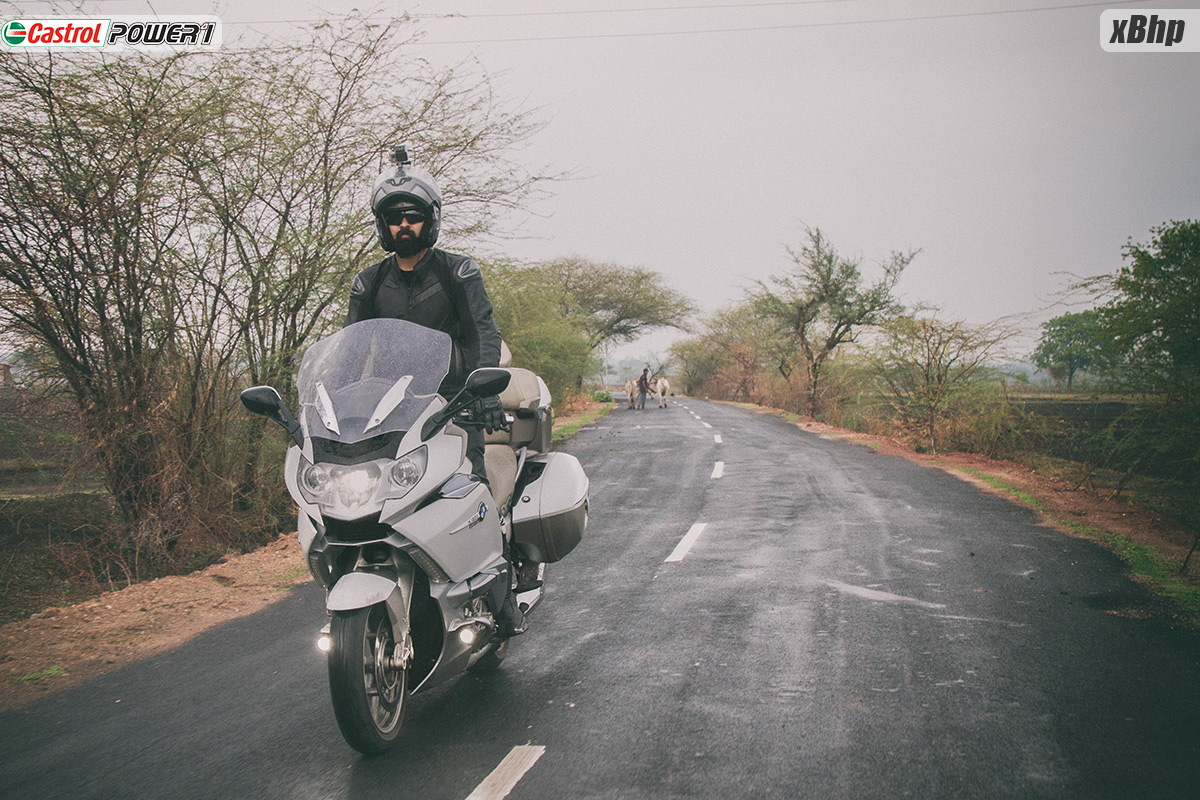
HEALTH ISSUES
Heat-strokes and sunstrokes can be a real possibility, going by the prevalence or really hot summers affecting most of our tropical nation. Even with the helmet on, prolonged exposure to very hot weather can induce a heat/sun stroke. The symptoms are headache, dizziness, fatigue to the point of unconsciousness etc. keep yourself well hydrated by drinking water at short intervals, avoid riding during the hottest part of the day, keep yourself covered and seek a cool place for rest and rehydration if you start feeling drowsy, dizzy or get a bad headache. Dehydration can vary between being a nuisance to being deadly, depending upon how badly dehydrated you are and also upon where you are at the moment.
Dehydration can happen at any temperature, in any weather condition and at any place. It’s about loss of water within your body, no matter what the conditions are outside. Again, headache, fatigue, dizziness/drowsiness and unconsciousness in the extreme are the visible symptoms. Clear and copious urine is usually a good indicator of a well-hydrated body. Keep drinking liquids at short intervals, especially in cold weather where you need to drink even if not thirsty. Absence of thirst is not an indicator of good hydration by the way.
Back-pain: A motorcyclists’ back usually takes a beating during long rides and this is all the more accentuated during a ride into rough terrain. Constant riding be it on great roads or over broken roads strains the back, neck, shoulders and wrists to the point that they start aching badly. While such aches and pains will remain a reality on this ride and cannot be completely eliminated, proper riding posture, using your legs to cushion the shocks, proper working suspension, a good seat, frequent rest during long riding stages and good physical fitness levels can make a big difference towards lesser pains and aches.
Chaffed skin: Long hours on the saddle means that the crotch and buttock area stays in constant contact with the seat of the bike. Bumps, braking and acceleration etc cause you to move up, down and sideways in the saddle. This movement causes friction between your skin and the clothing you’re wearing. Also, lack of ventilation to the groin area means persistent perspiration. This softens and sensitizes that skin locally and friction causes surface wounds called chaffing. That part of the skin burns and pains as if lacerated. Remedies include long underwear made of absorbent fabrics like cotton, liberal use of some antiseptic ointment on the skin folds, avoiding garments that have thick seam-lines which will form pressure points on your skin, good personal hygiene of the crotch area specially and frequent ‘bum-off-the-saddle’ stops will help avoid this problem.
Water borne diseases – avoid drinking water except from proper branded mineral water bottles. Avoid eating pre-cut raw fruit and vegetables especially from roadside stalls. Food that has been cooked or fried is usually safe. Certain months of the year, especially during and post monsoon see outbreaks of mosquito borne diseases in some pockets of the country. Wear full length clothing and use mosquito repellent creams to prevent getting caught off guard. As a consolation there are more than enough hospitals/dispensaries and pharmacies all over the country – primarily by virtue of the sheer population.
Going Solo or in Groups
All those who tour on motorcycles have, over the years, built up their own set of preferences as to whether they tour solo, as a group, with their girl-friends/spouses or in a mixed group of motorcycles and 4 wheelers. Our rich and diverse country offers its own peculiar advantages and problems when traveling through it on two wheels. Apart from an almost universal lack of consideration for the safety of the motorcyclist, the usually dicey road conditions, the lack of proper accident care and the low level of policing of the highways does imply that going solo on the high road is not ideal. But for the experienced campaigners who have been there and done that, solo travel has its own rewards that offset the additional dangers involved. Alone, you are the master of your schedule and your capability alone defines the distance and riding speeds you maintain (of course the road, traffic and weather affects that but so it would in a group or any other way). Add to that the amount of personal space and time solitude allows and the solo way begins to appear tempting. Also, there’s a much stronger sense of achievement when you do a certain distance alone, without support or help, and return safe maybe after battling bad weather, extreme fatigue, unexpected bike failures or even lawlessness. Solo rides are strictly meant for the experienced campaigners. For the ones who’ve been around a while on the saddle, are multi-skilled motorcyclists in that they can fix their bikes as well as ride them, can read the weather, have built up a temperament of patience and calculated risk-taking and can restrain themselves from a head-long dash into unknown situations. Going solo means needing to plan better, carry more in terms of back-up stuff like spares, food and medicines and paying greater attention to their situation and the conditions as both change dynamically.
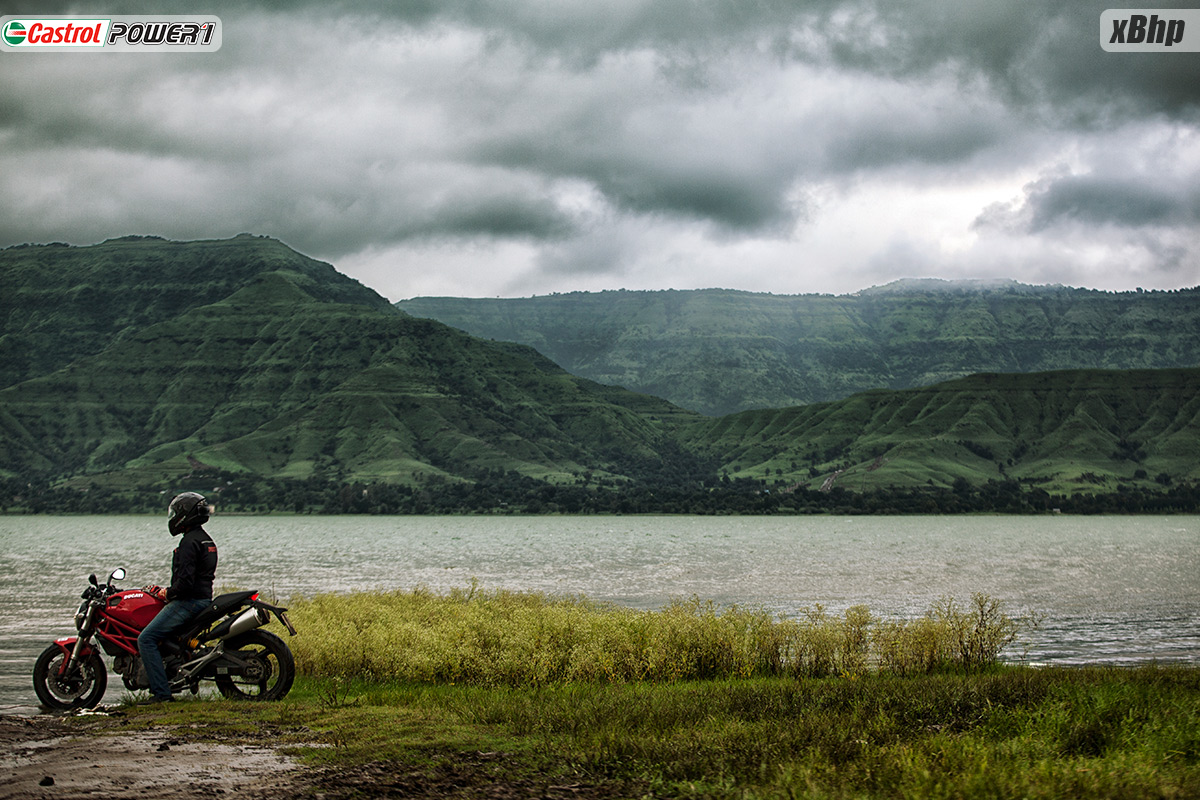
On the other had group rides can be fun in case you come to India as a group or manage to connect with enough likeminded people who are into motorcycle touring. In fact they are supposed to be fun. And it doesn’t take much to ensure they remain so except for some well-coordinated planning and execution of the riding plans. A group ride as such is not just about the enjoyment in numbers but also the sense of security that comes with being together. And that’s quite a factor in a country like ours where the law enforcers are a rare sight on the highways and you’re mostly responsible for your own security. There’s also the fact that there’s plenty of help at hand in case of any problem either with the bike or otherwise. There are certain advantages to riding in groups:
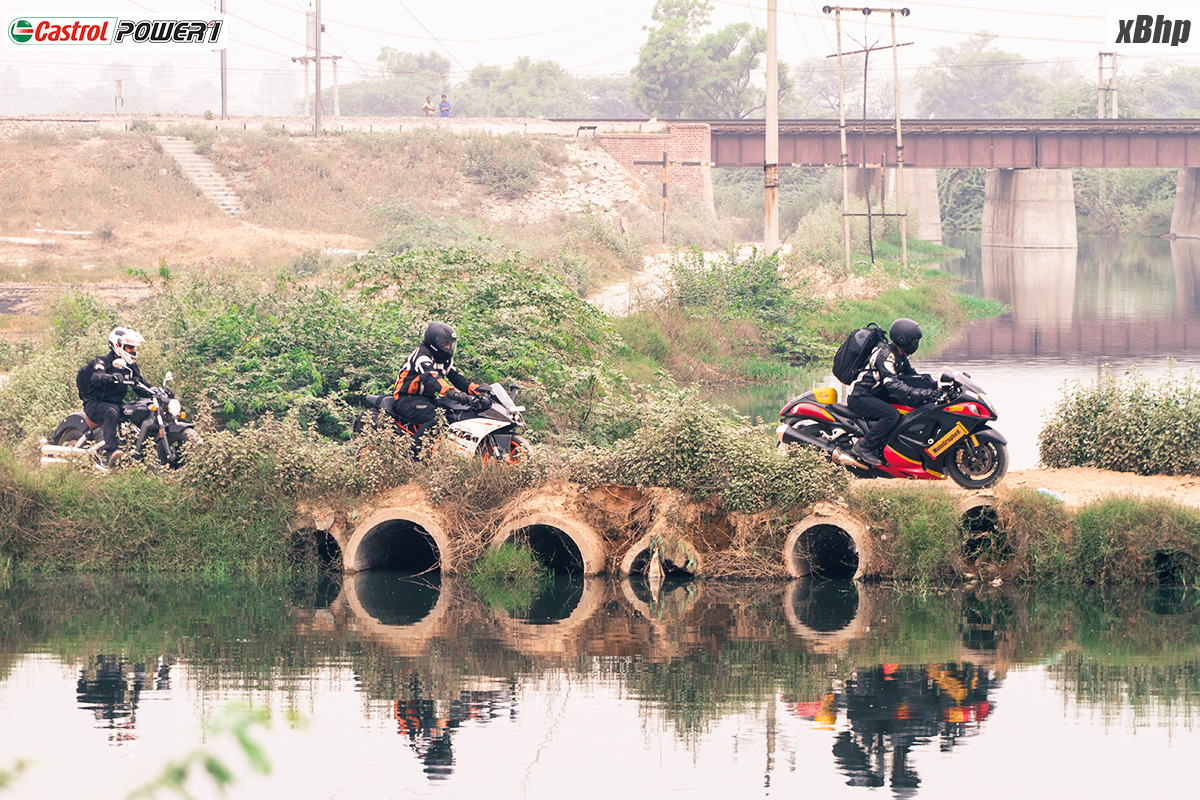
Safety in numbers. There’s many of you to lend a helping hand in case the bike fails, gets punctured or you get injured in a mishap.Fun in numbers. A group of people you are comfortable traveling with make for great company when visiting new places, riding through a long day or just sharing dinner at the day’s destination.
Common spares inventory – If there is more than one motorcycles of similar make and model in a group, which in itself is not so rare an occurrence, spares etc can be shared and you’ll need to carry less stuff individually.
Boarding and lodging costs come down not just through sharing but also because with your numbers, you can bargain for better rates at any place of stay where you’re paying for the night.
Each member of the riding group will need to carry less money on his/her person as the collective pool can become quite a buffer even with relatively small individual contributions.
Touring as a Couple
Unlike in the West, the touring couple on a motorcycle is a rather rare sight on our country’s roads. Of the many reasons for it being so, the prominent ones are 1) a lack of initiative on the part of both the men and the women to ride long distance on bikes together 2) a prevalent mindset that brands motorcycle touring as something not befitting a ‘decent’ woman 3) the relative lack of personal safety on our highways especially when it comes to a young woman riding on a motorcycle and 4) a lack of clean and hygienic public utilities on a majority of our highways. Nevertheless there are men and women who have been riding and sharing the joys and trials of riding long distance on bikes. I have personally done thousands of miles on the bike with my wife as pillion and so have others. Touring with a woman companion is quite like doing that with your male buddy, with just a few differences in the details.
Check these travelogues on xBhp.com by these wanderers who chose to travel with their partners in crime.
- A Couple on Two Different Motorcycles Riding to the Magical Mountains – Leh & Ladakh
- The book of Ellie – A couple’s tour to Gujarat
COUNTRY SPECIFIC TIPS
Essential Emergency Phone Numbers –
Cash/Money – ATM’s are usually abundant in and around urban centers and small towns. Google will help you locate any around you. But credit cards can be difficult to use in smaller towns and villages. Hard cash is your best insurance in times of need. But avoid exposing too much money when taking out some to pay someone. Keep the bigger reserve safely tucked away out of sight and only manageable amounts for routine transactions.
Buying a bike – You can buy a bike here as far as spending money goes but cannot get it registered in your name since you do not have a proof of residence in the country. Which means you cannot own it. So you’ll need to buy the bike in someone else’s name who is a resident of India.
Carnet de Passage – you need a carnet in case you are riding into India on your own bike.
Inner Line Permits – needed for inner line areas near India’s international borders with neighboring countries. Please check the Leh guide for more info on permits in the north.
Satellite phones are not permitted for use by civilians in India. So please do not bring them into the country. The only personal communication syatems allowed are the Bluetooth communicators.
Photography – Please do NOT take photos of airports (from outside), military and other defence installations, security installations and other prohibited areas as are notified in the vicinity of the place you visit.
Do respect local cultural and religious norms in respect of dressing, eating non-vegetarian food, approaching women. Some places certain animals are extremely valued for their religious ignificance – for example rats at the Karni Mata Temple in Bikaner in Rajasthan, the cows almost universally at all Hindu temples, monkeys at all Hanuman temples, etc.
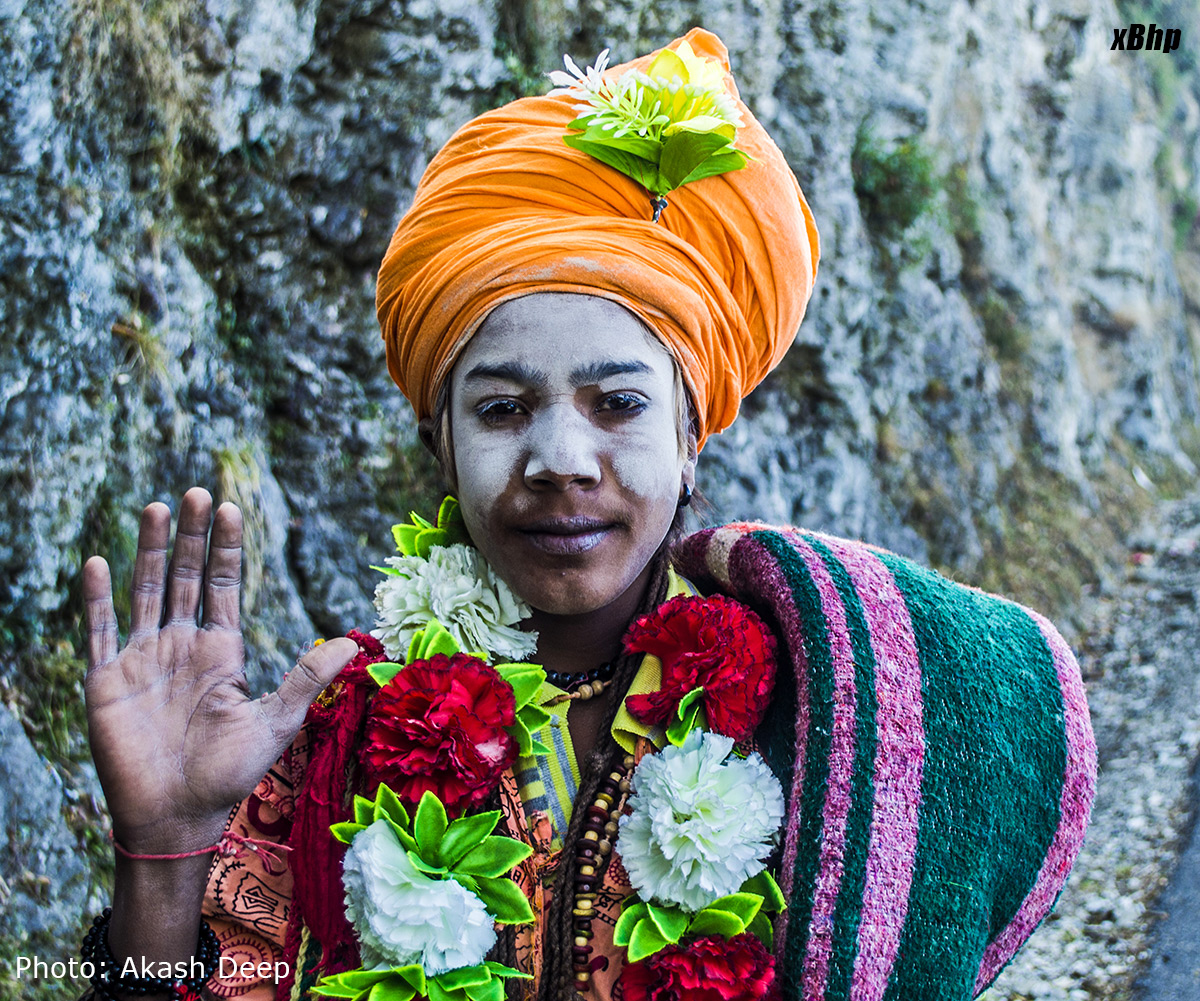
Except for the cosmopolitan urban cities, in most of the places in India, men do not approach and talk to or touch women except when they are related to each other. So please respect these cultural nuances. The same goes for the way women dress, even those belonging to a different country. Lady visitors should avoid dresses that revel too much of their body not just to avoid offending the local sense of dressing but also to void getting unwanted attention.
Please ride the distance and let the timing happen. Don’t chase the clock. Indian traffic and road conditions can catch you by surprise much to your detriment and so basically safety lies in moderate speeds even on the best of highways here.
Fatigue is expected and physiologically, being extremely fatigued is akin to being drunk.
Physical fitness does play its part in helping the body ward off fatigue for longer but is not the cure-all for tiredness. Even the apparently fittest get tired, dog tired, and can’t think of going on. Remember not every jogger can be a marathoner. And being a marathoner doesn’t make you supremely exceptional. You just have another skill/ability in your repertoire…that’s all.
Remember the hare and the tortoise when you ride in India. Endurance rides are not about doing it fastest. They are about doing it safest within the stipulated time. Sustained and consistent riding is the key. Unnecessarily high speeds not only increase risk to life and limp disproportionately, but can also get you into trouble with the law, adversely affect the reliability of the bike, increase fuel consumption and put you under higher stress and so the fatigue sets in quicker. High speeds can be physically taxing just from the aspect of fighting the wind drag on your body.
Detailed touring guide to Ladakh region
The mere mention of the word ‘Ladakh’ makes a wanderer on two-wheels go all misty-eyed and dreamy. Irrespective of whether he/she has ridden to Ladakh or not. That’s the passion-pull this remote, cold, rugged and awesomely beautiful Himalayan Desert exerts on the living thumping heart of a motorcyclist. Endless brown, green and white mountain vistas interspersed with turquoise blue lakes and tumultuous rivers are the rewards of braving the chills, the bone-shattering roads, the altitude sickness and the sheer loneliness that this ride presents. It hurts, it fatigues, it sickens and yet they come again, year after year and at times by the hordes to perform this pilgrimage of the quintessential motorcycle tourer. Only in this blessed and mystical land can you ride your motorcycle at heights that are frequented in jet aircraft by other ordinary mortals. This is a ride to the land of superlatives.
But a ride of this magnitude, one that covers thousands of kilometers, takes you thousands of feet above sea level, brings up thousands of possibilities of things going wrong and mercilessly reveals a thousand ways of losing life and limb needs serious planning for safe execution.
In this article, we bring you this comprehensive guide on ‘Motorcycling to Leh’. A concise, customized, succinct and yet detailed guide to planning, executing and living through this mother of all motorcycle rides in modern times. And needless to say, the information here applies to the entire spectrum of motorcycles that you would want to ride on, right from the 100cc commuters to superbikes and whatever lies in between.
Motorcycling to Ladakh : Powered by Castrol POWER1
Some excellent routes in the country on Hero Miles website are –
1. The Ocean To Sky Ride (Mahabalipuram – Munnar)
In this article, we’ve tried to cover broadly all the aspects related to touring on motorcycles in India. However, India is a big country and so can be the issues that may affect your decision about visiting India and traveling here. So in case you stumble upon any such issue that this article does not talk about and you want to talk about it to someone here, drop us an email at [email protected] and we will be more than happy to be of help to you.