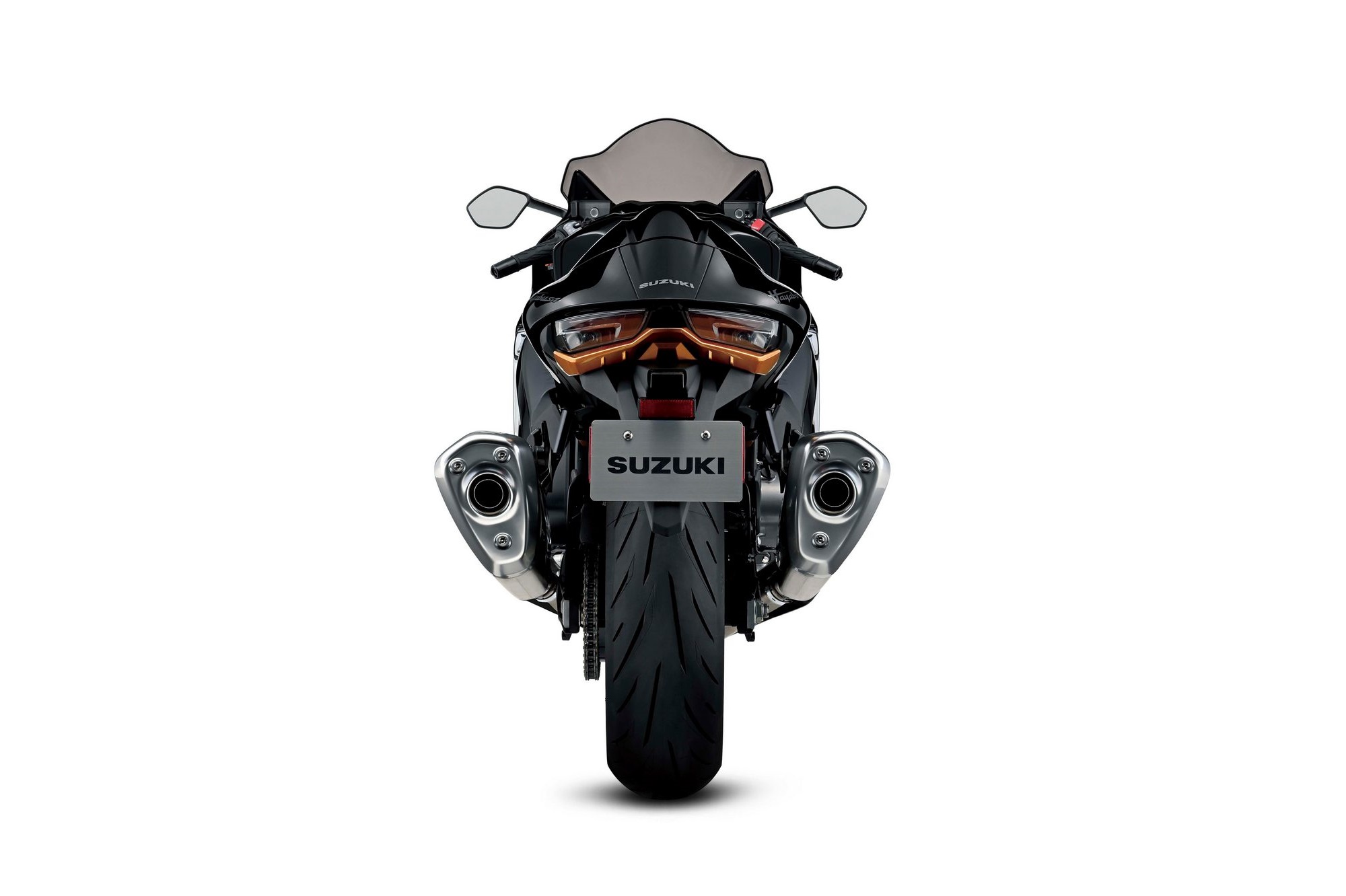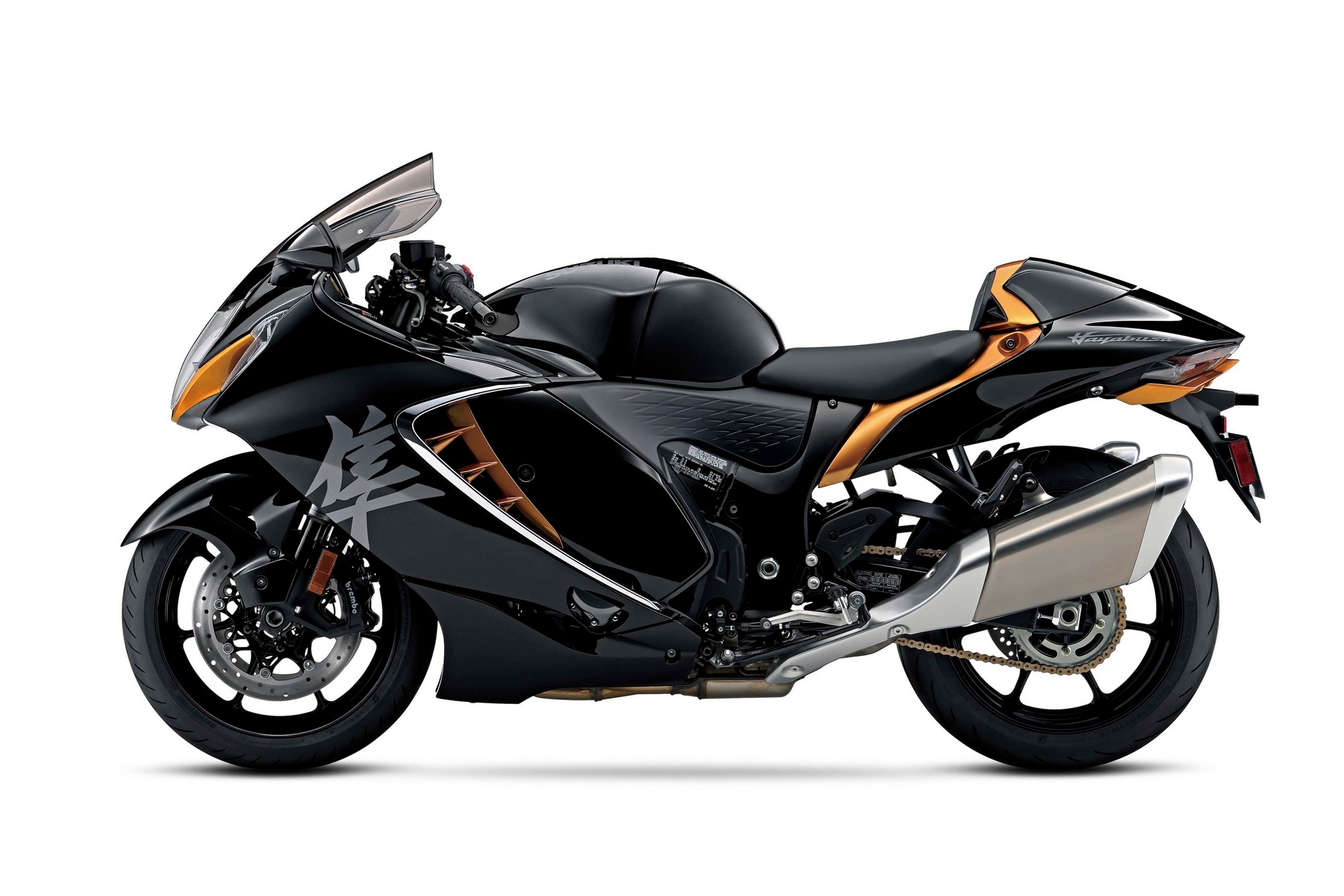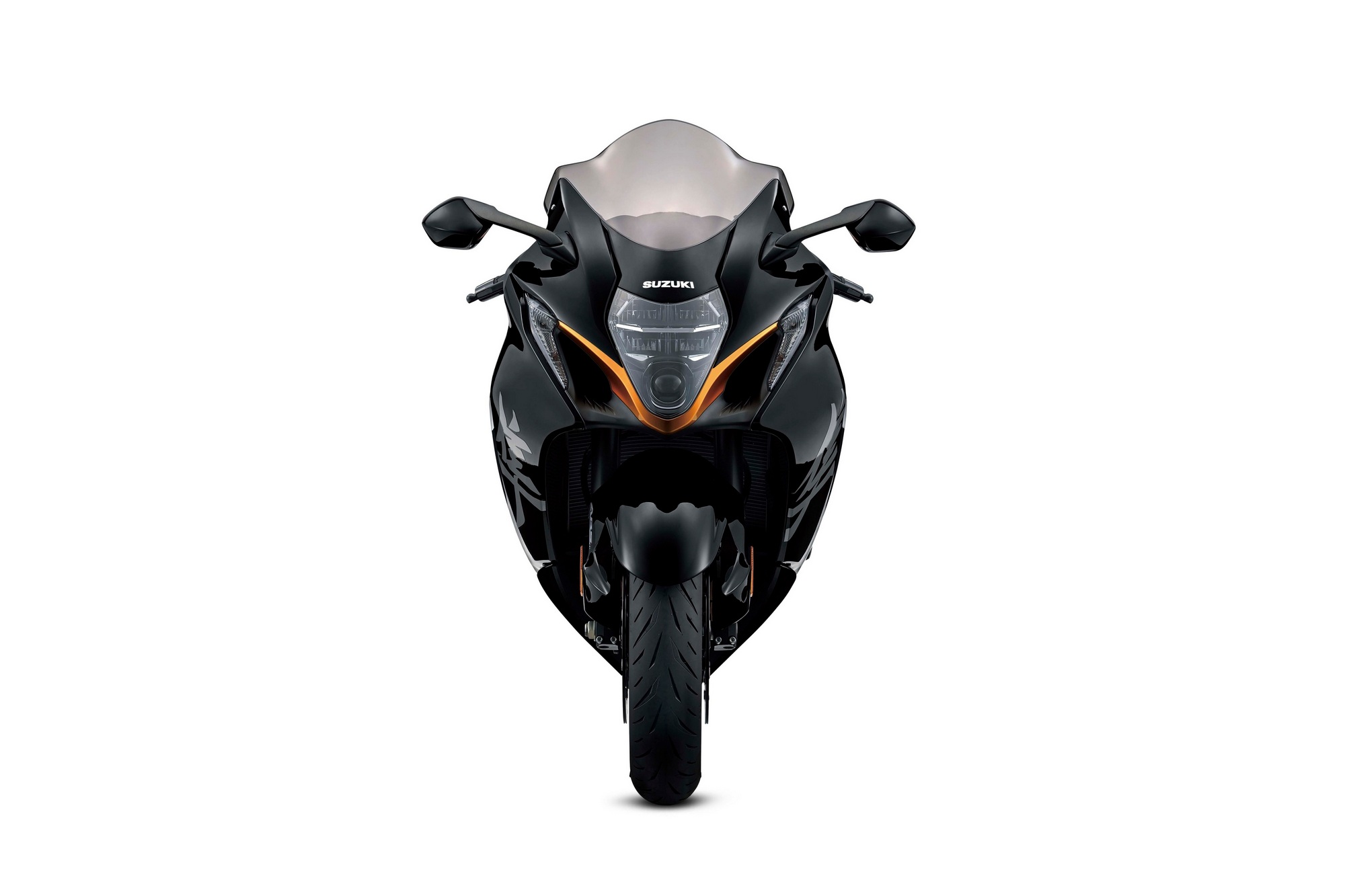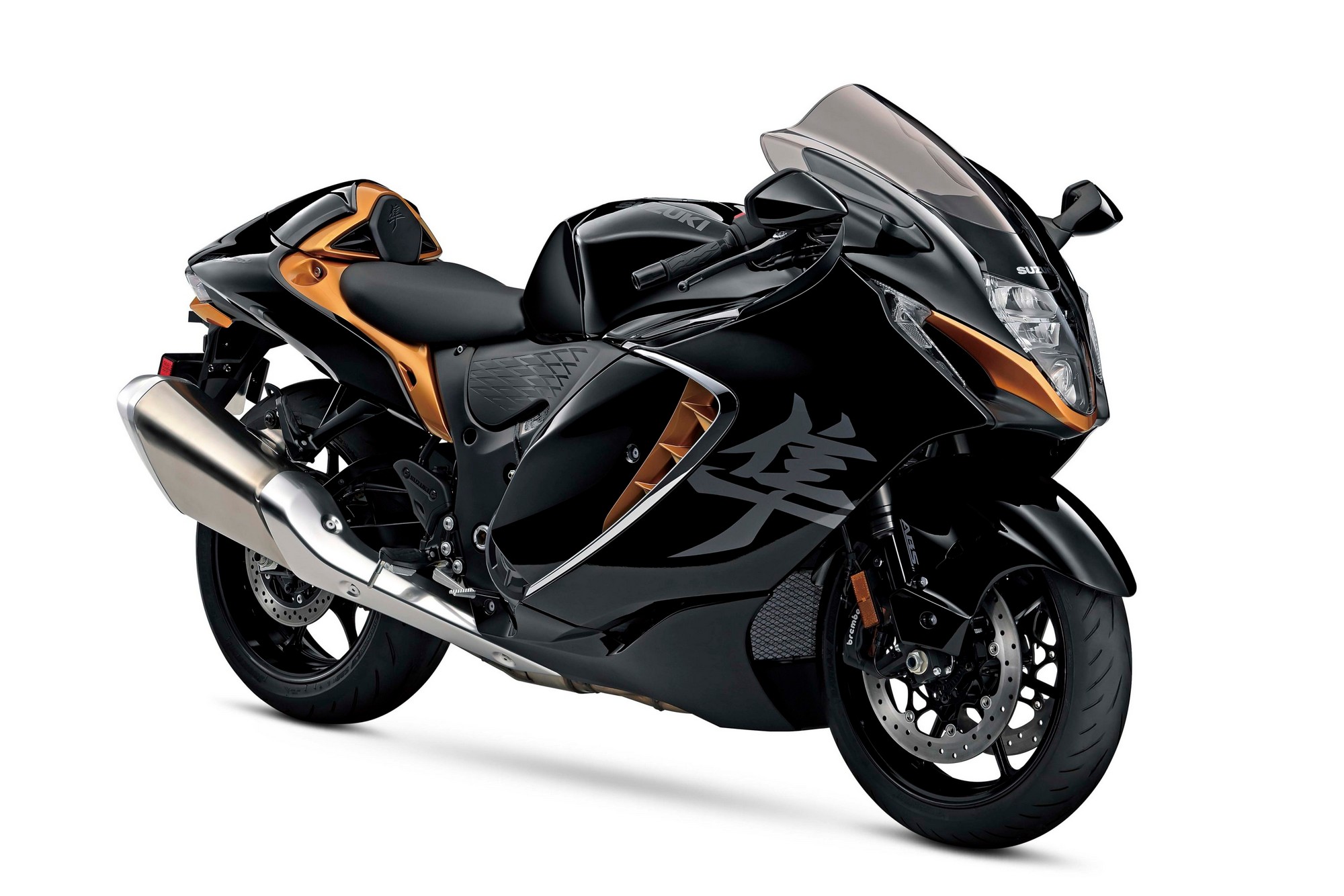









A few days ago we posted about the Busa coming back. Fortunately, the wait was not too long and it is here! Yes, surreal as it may be, our beloved falcon is ready to soar in the skies again and looks meaner than ever. But is the new Suzuki Hayabusa all that we have hoped for? Let’s find out.

First and foremost, the best thing about the new Suzuki Hayabusa is that it has retained the spirit. It has retained everything that made it a cult motorcycle and yet, it feels new as well. Predictably, it is now Euro5 compliant.
Now some of the excitement may be dulled when one looks at the spec sheet of the 2021 Suzuki Hayabusa. The original from 1999 made 173 bhp. The 2008 revision bumped up the displacement to 1,340cc and it made 195 bhp. Now many would have thought that the 2021 iteration may make more power but it does not. The new Suzuki Hayabusa makes 188 bhp of power and 150 Nm of torque.

We were all hoping for something different and we are sure that Suzuki also considered stuff like more cylinders, more displacement or forced displacement. But the 2021 model sticks to its roots. 1,340cc of displacement in an inline-4 configuration.
While that may miff some, but Suzuki claims that the new Hayabusa is every bit as fast. Top speed is limited to 299 km/h, of course. What is new then you, ask? Basically everything considering the innards. The camshafts are reprofiled, the valve springs are new and there’s more exhaust valve lift. New pistons, rods, piston pins and a redesigned crankshaft sit below them, there’s a new assist-and-slipper clutch and tweaks to the transmission to accommodate a new up-and-down quickshifter.

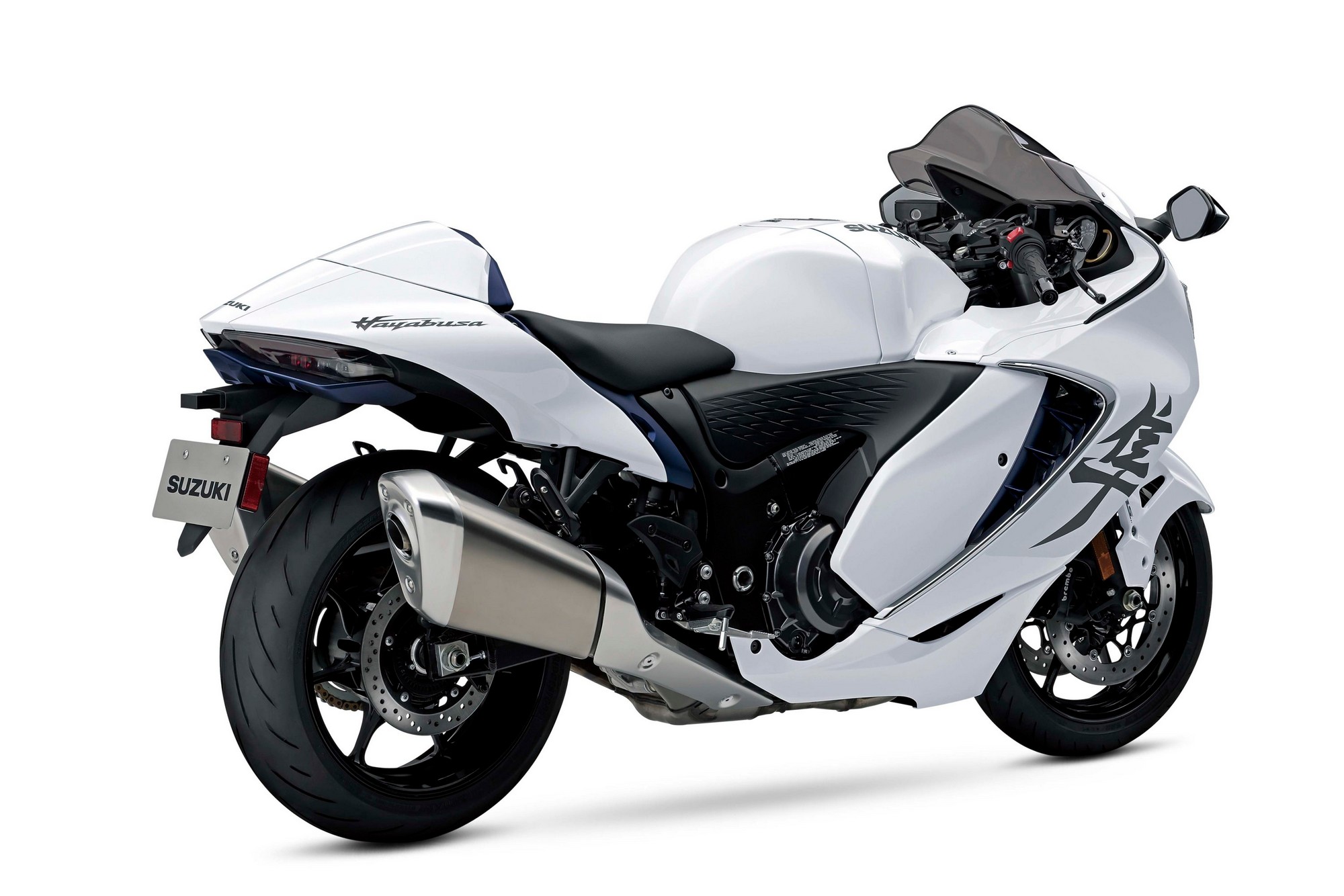
Then there’s a new exhaust system which not only helps the motorcycle comply with stricter norms but in shedding some weight as well. The new model weighs 264 kg (wet) which is a 4 kg reduction. All these changes help the veracity if Suzuki’s claims of the new Hayabusa being just as fast. Maybe even quicker. It is quicker in reaching 100 km/h from a standstill. The dash is now done in 3.2 seconds.
Moving on, the chassis is also nearly identical to the original Busa which is not a bad thing because it was already one of the best in class when it came to handling. With the new suspension and brakes, it is only bound to take those traits and make them better.
The chassis now features a revised seat subframe that cuts 700g from its weight and uses updated versions of the previous model’s 43mm KYB forks and shock. Brembo provides its Stylema calipers for the front brakes, gripping 320mm discs – 10mm larger than before and with a new cross-drilled pattern to improve cooling. The wheels are new seven-spoke alloys, shod with specially developed Bridgestone Battlax Hypersport S22 rubber

One of the biggest changes though is in the form of electronics. There’s a ride-by-wire system with wider throttle bodies. This enables riding modes on the new Suzuki Hayabusa. Three to be precise, each of which alters power mode, traction control, wheelie control, engine brake control and quickshifter settings. There are three user-definable modes as well.
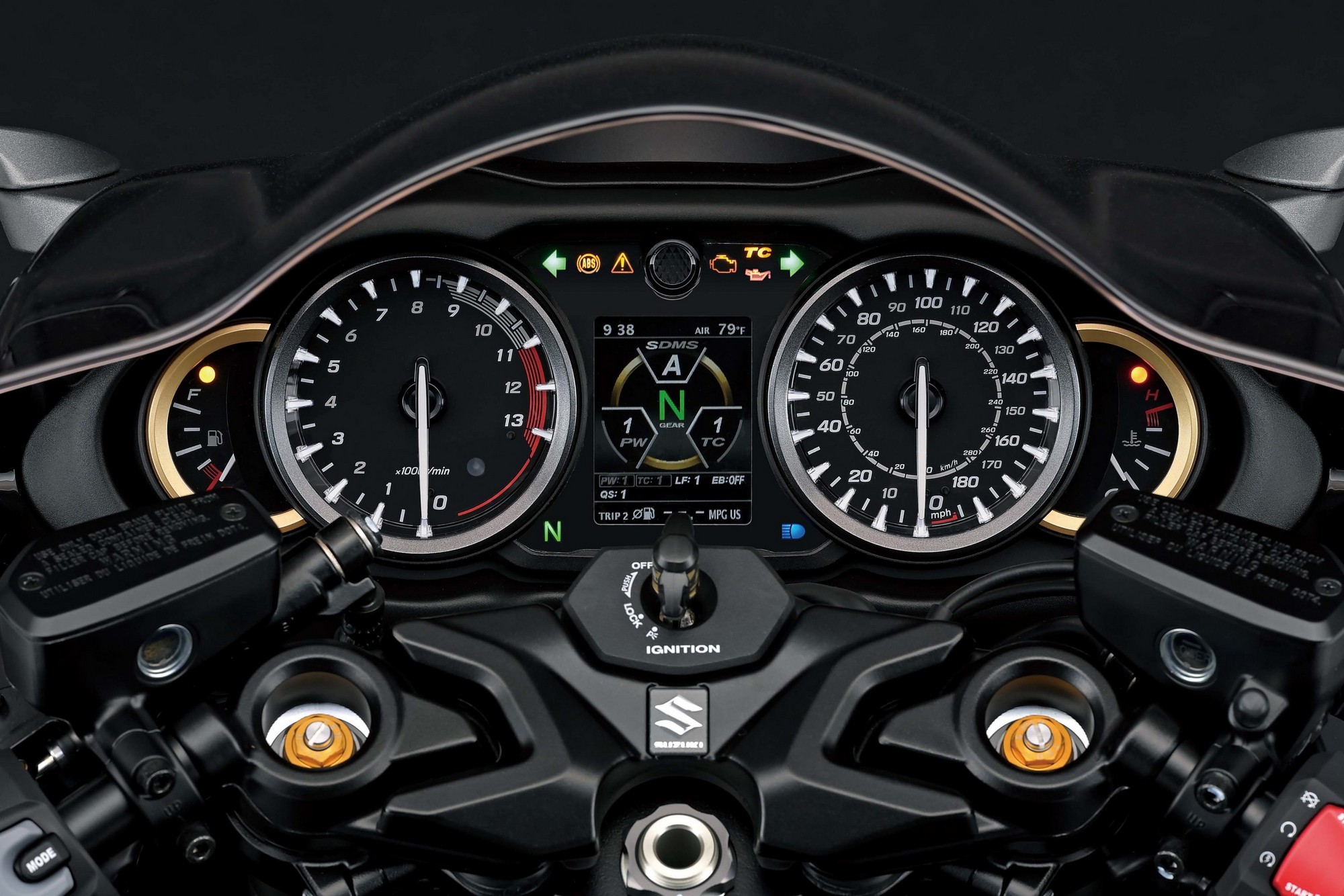
The new Hayabusa is new on the instrumentation front as well. There is a TFT display but thankfully, Suzuki did not go overboard and again, stuck to the Busa’s roots. There are two big analogue gauges with a colour-TFT screen between them which shows the extra info.

The electronics kit also includes 6-axis IMU and cornering ABS. There’s cruise control, combined braking system, rear wheel liftoff control, hill-hold control, one-touch starter button, and low-RPM assist system on offer as well.
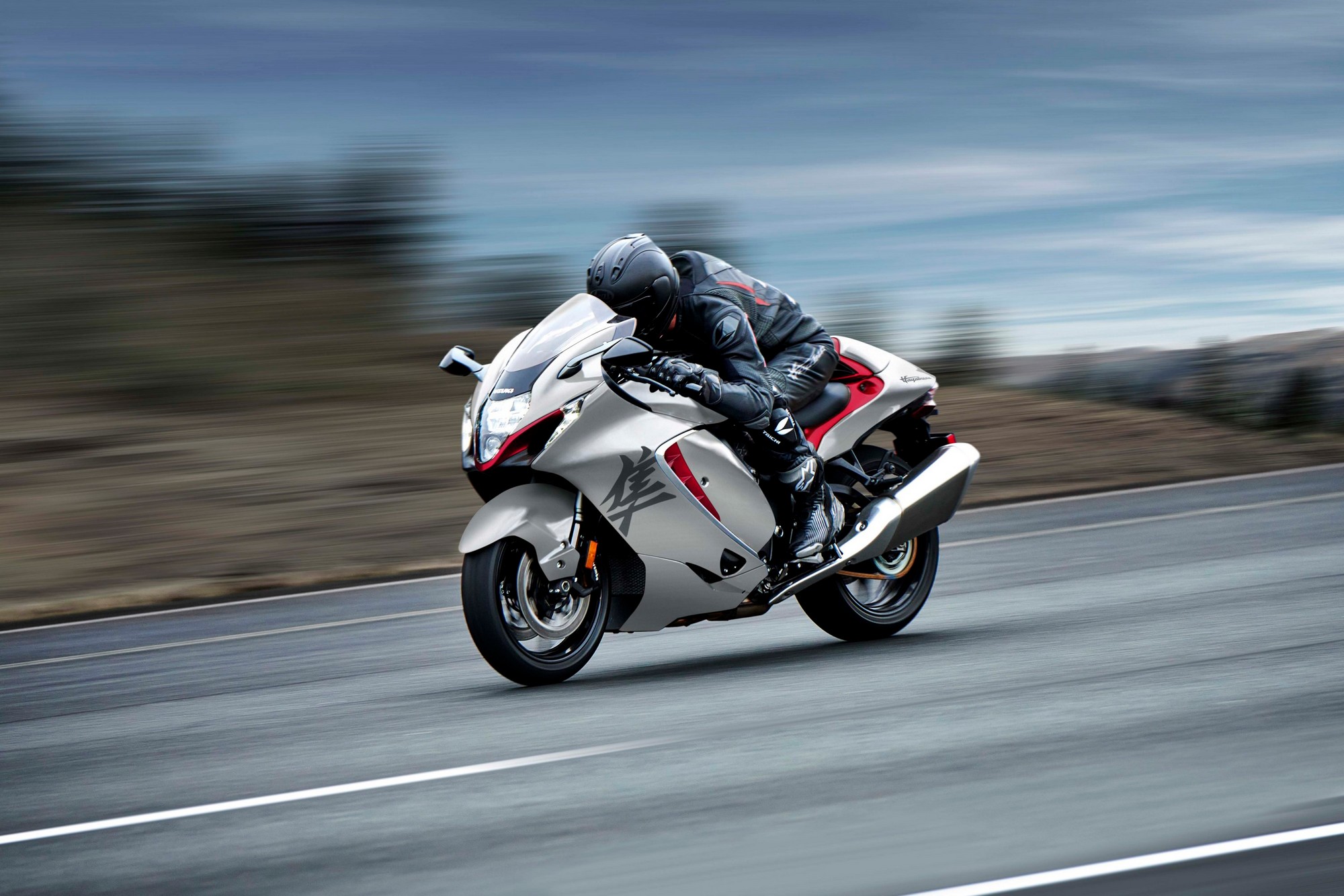
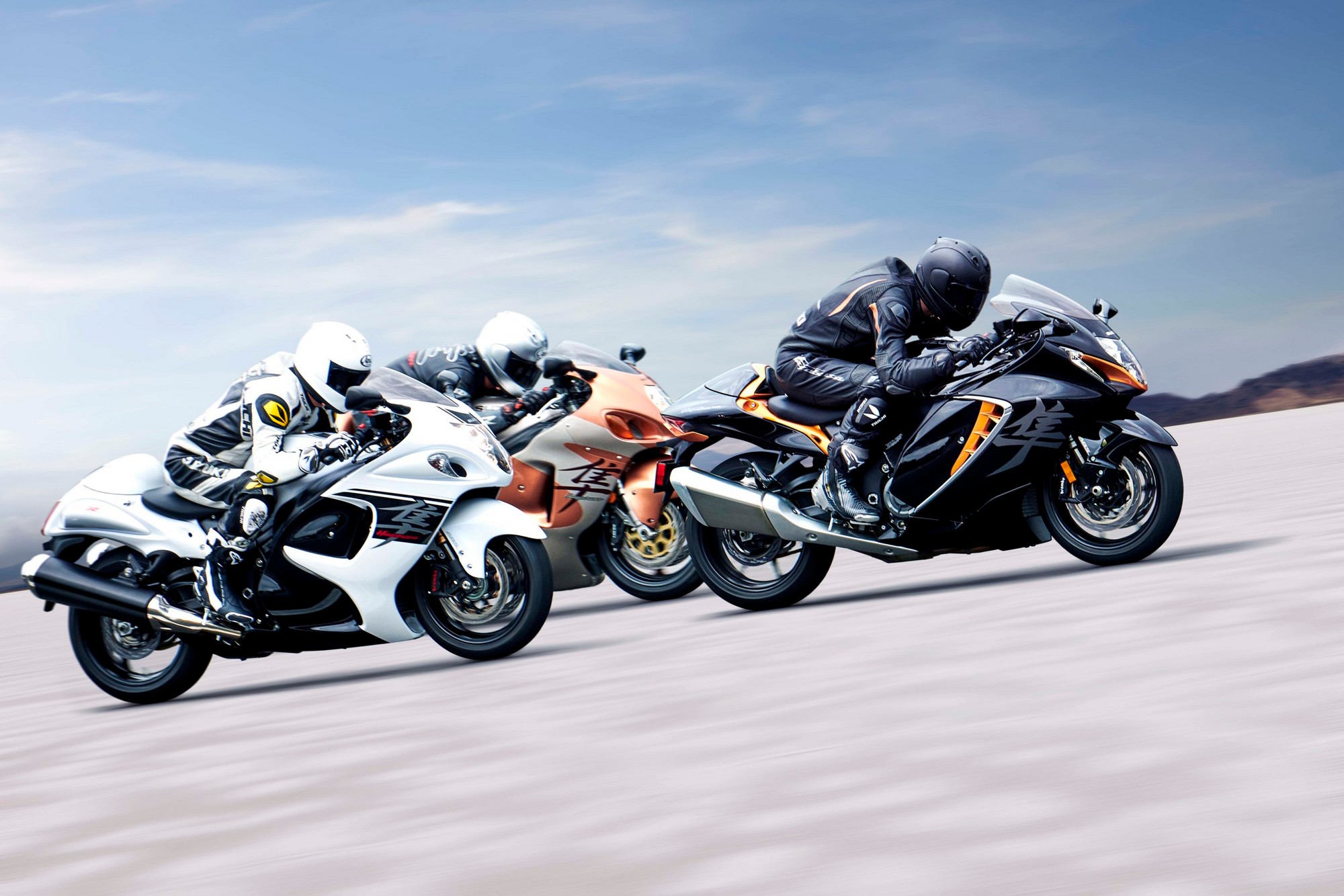
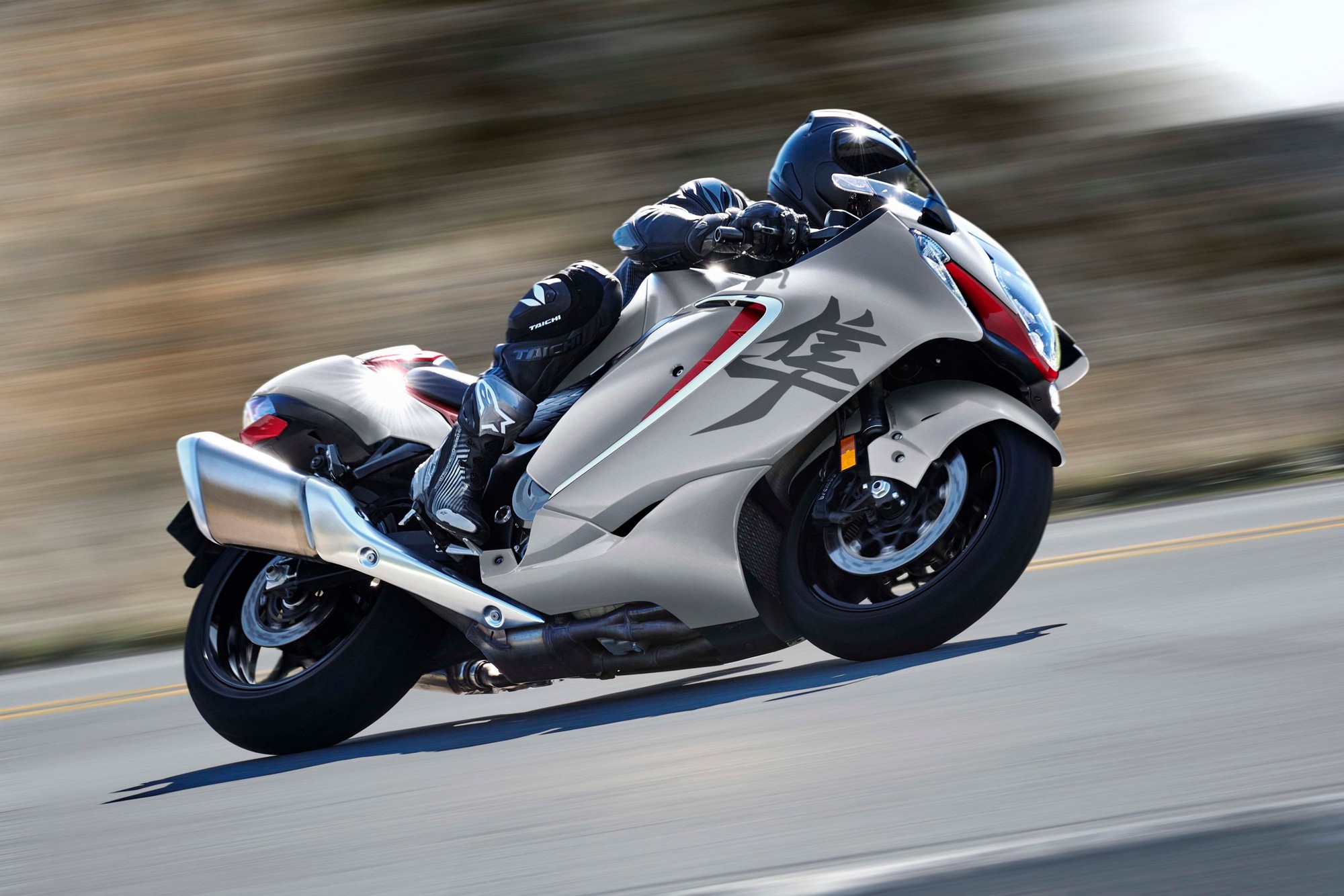
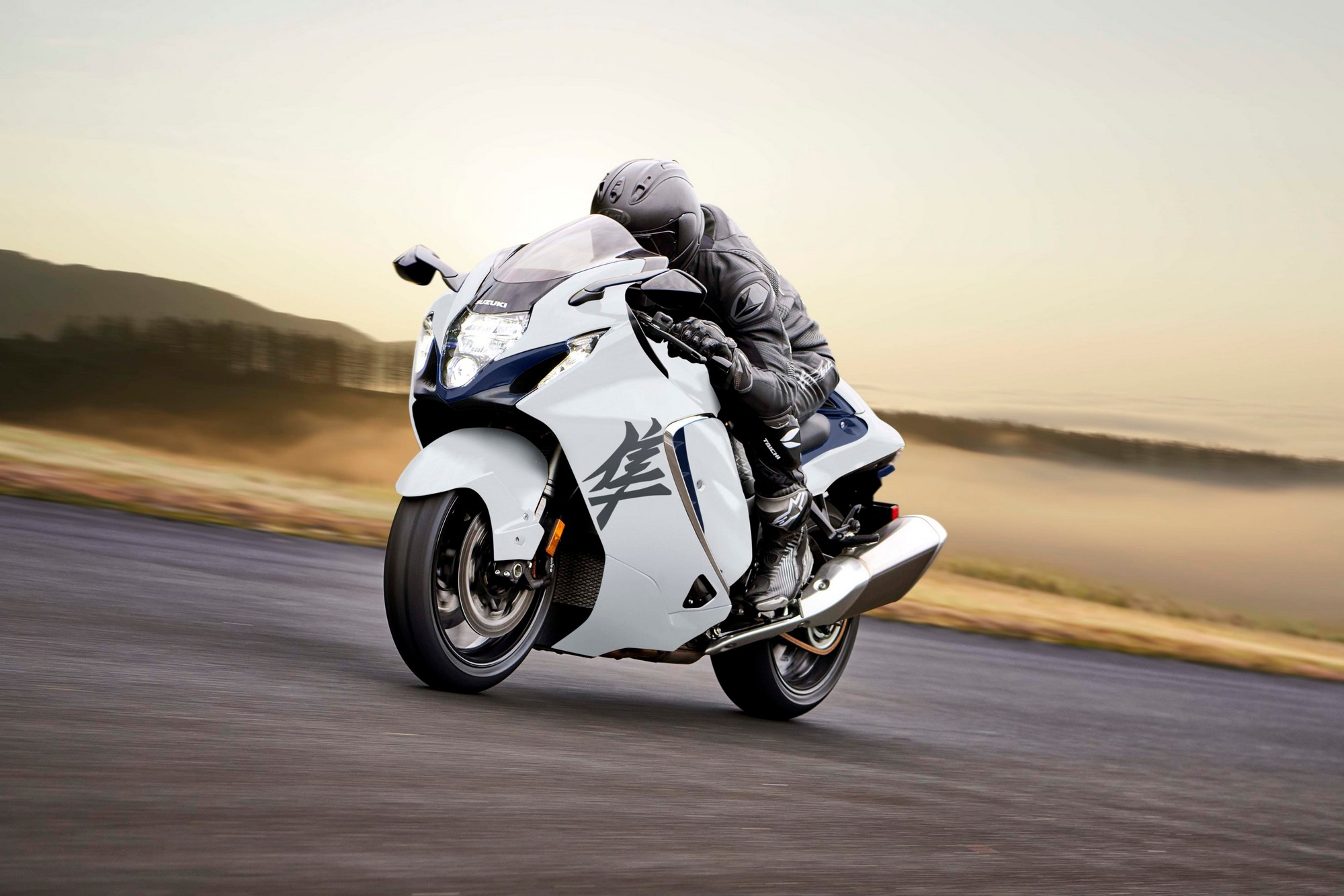
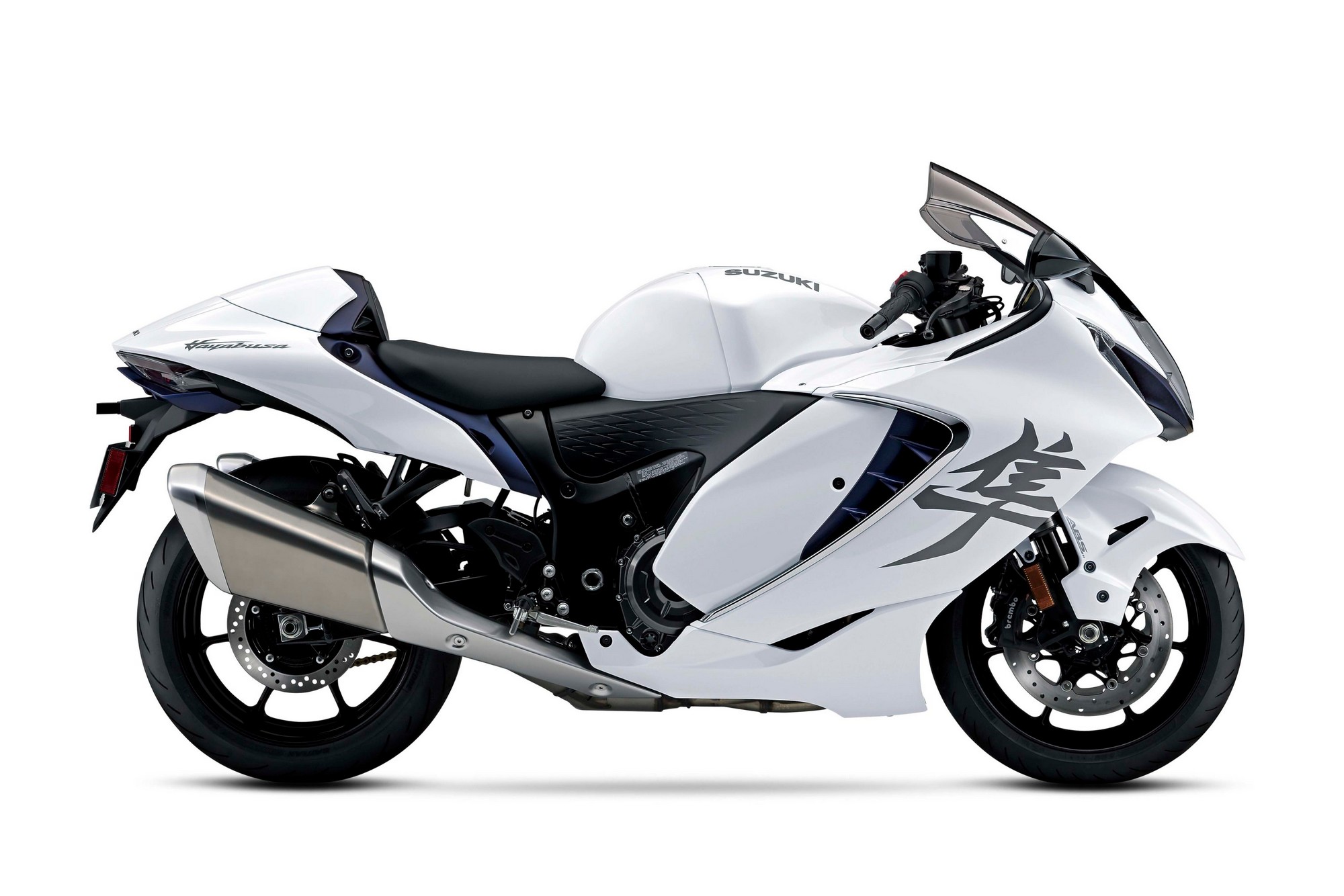
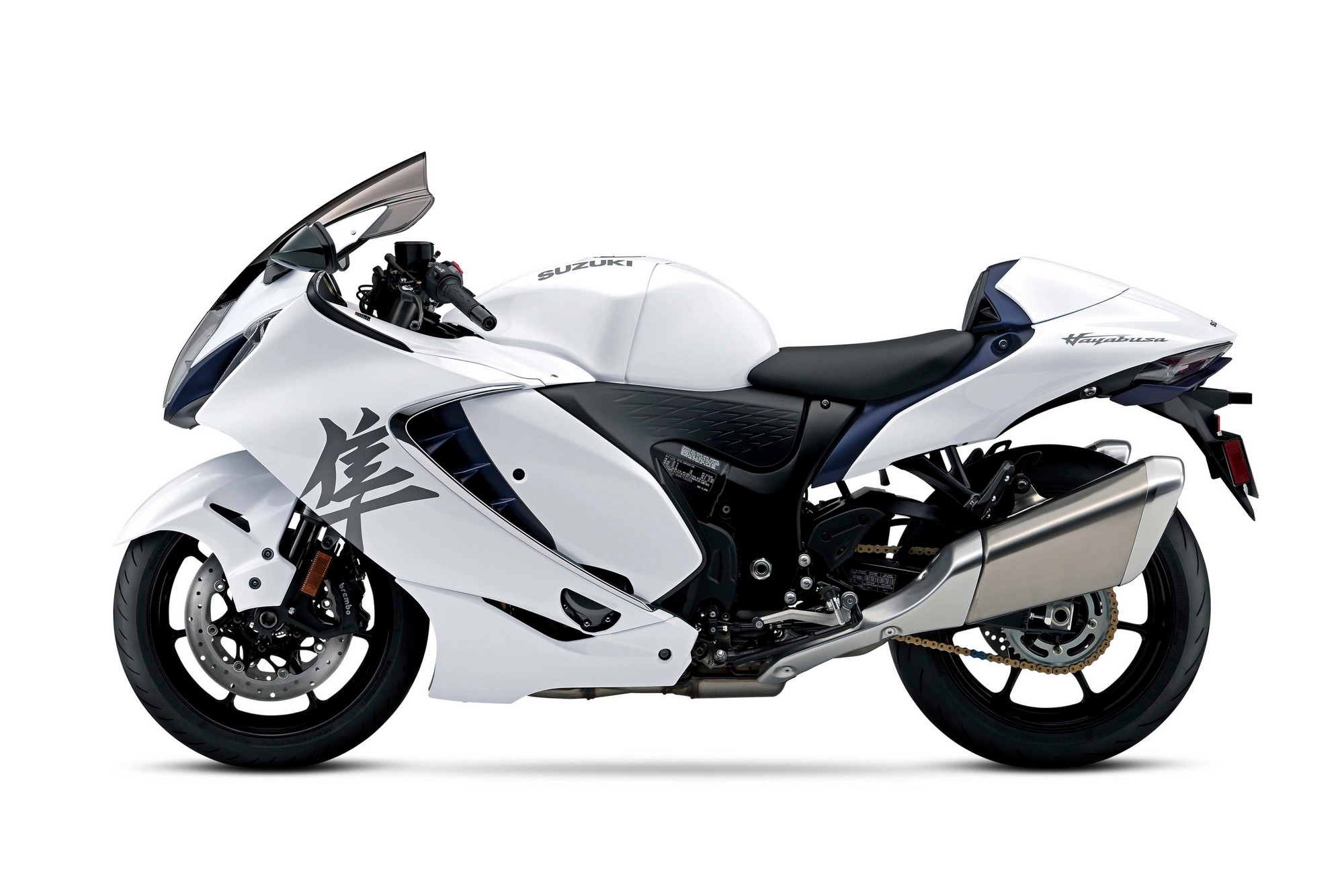
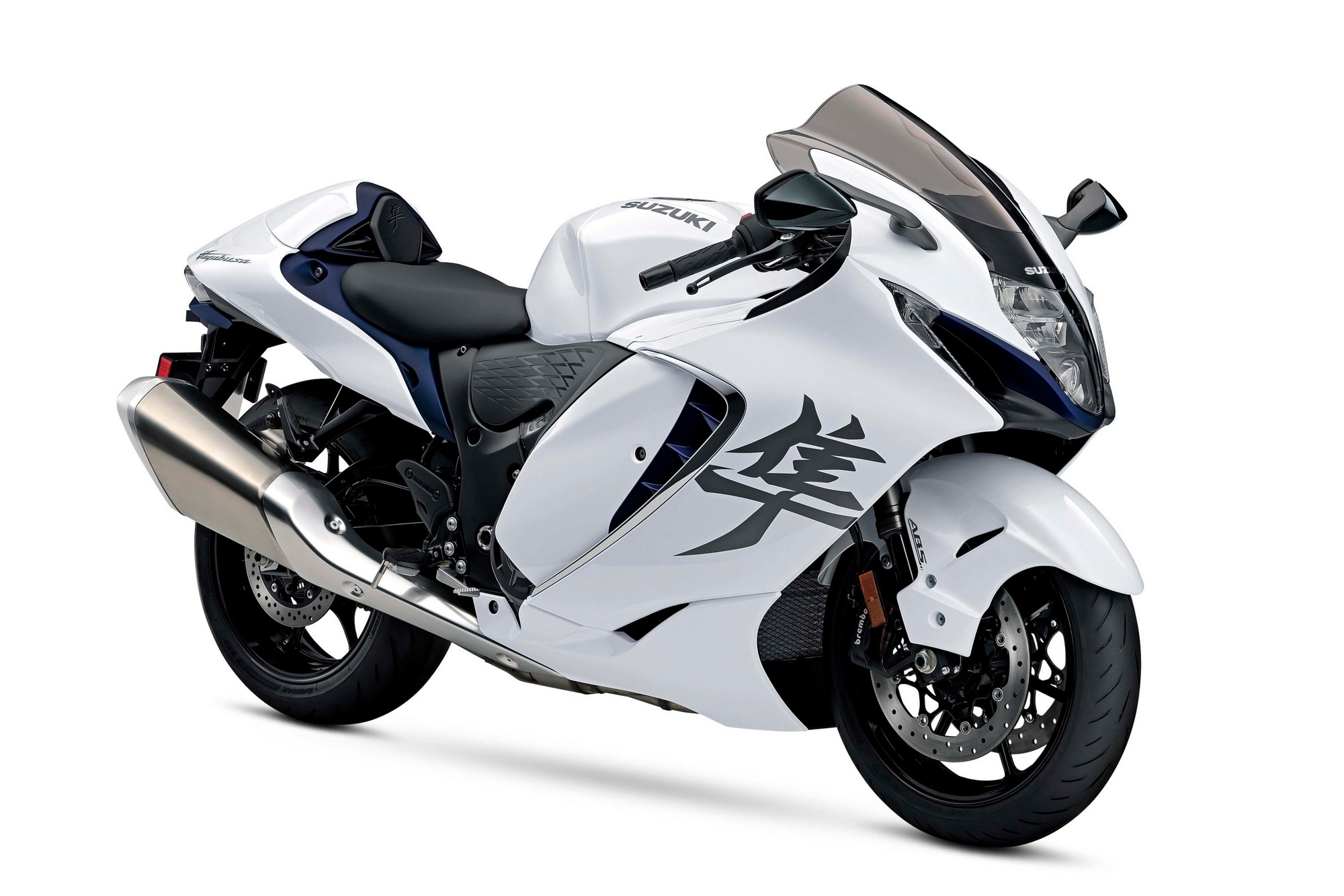
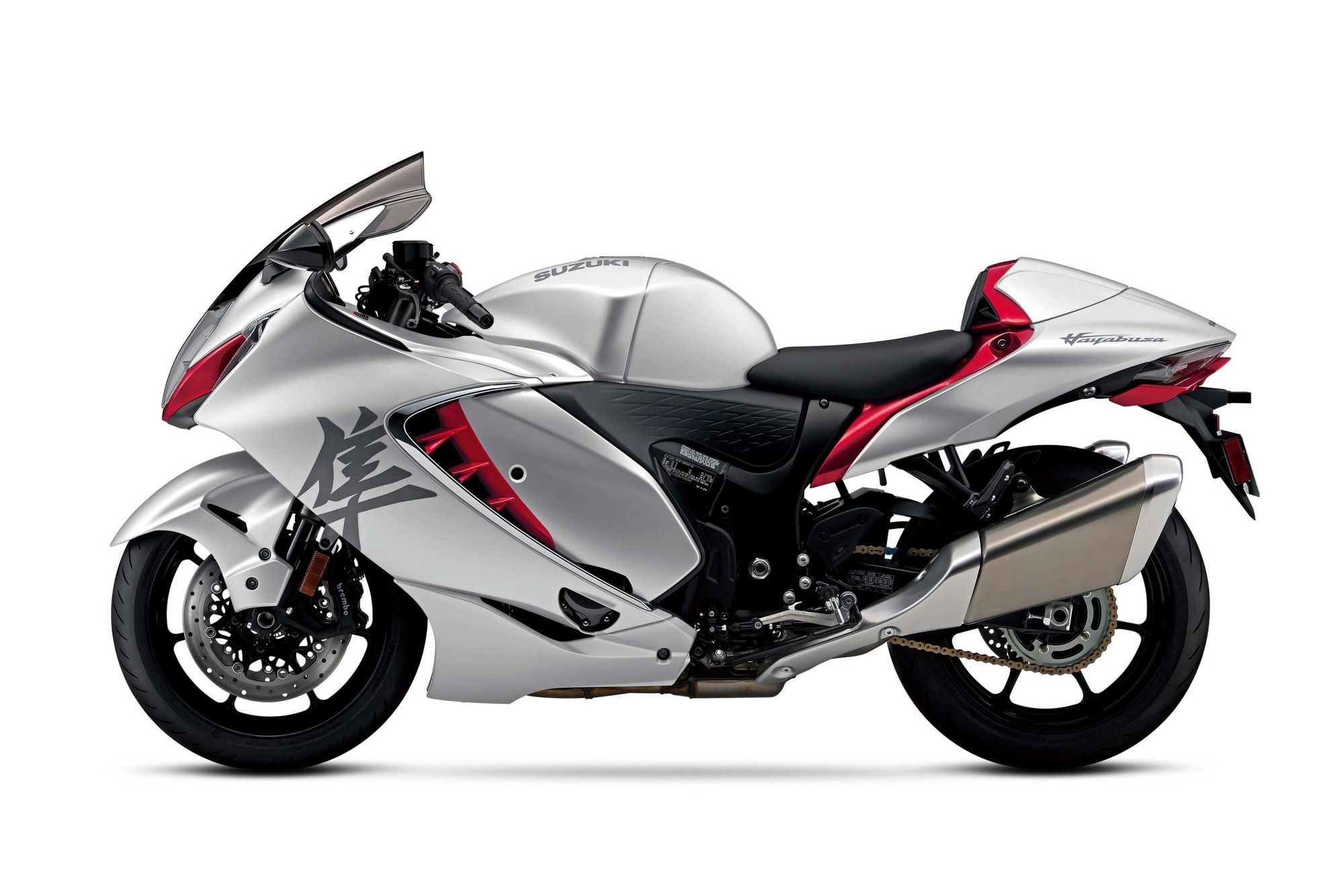
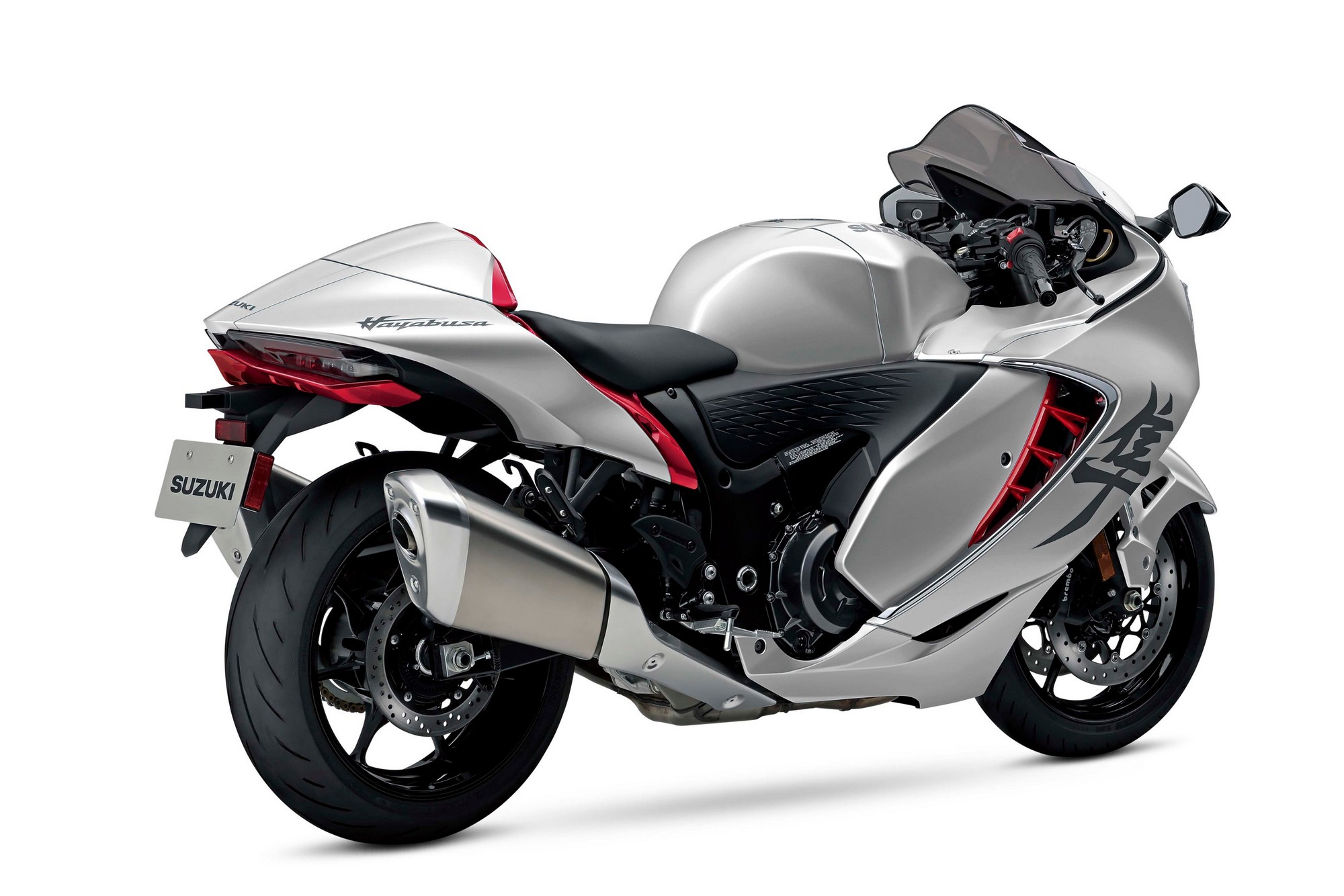
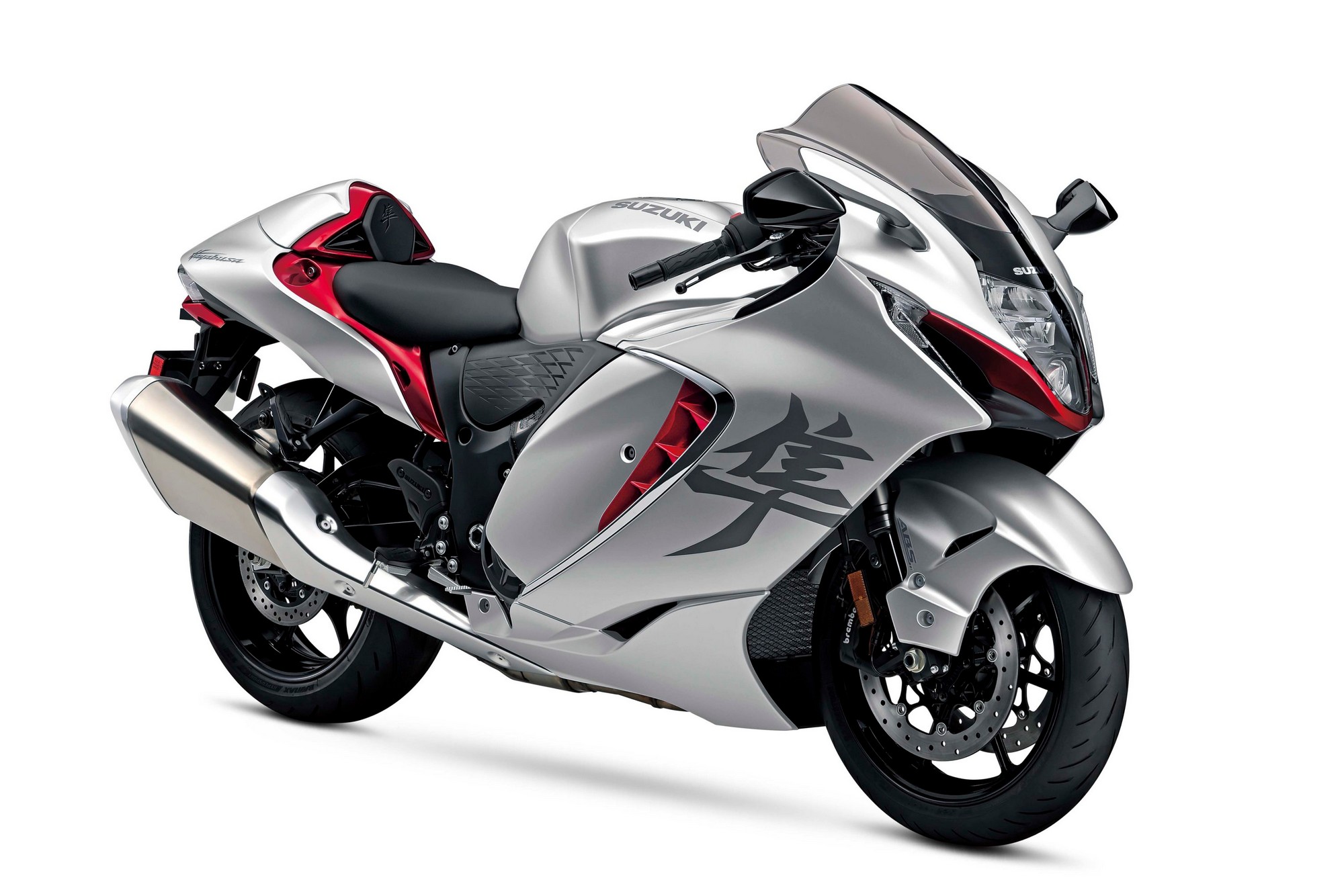
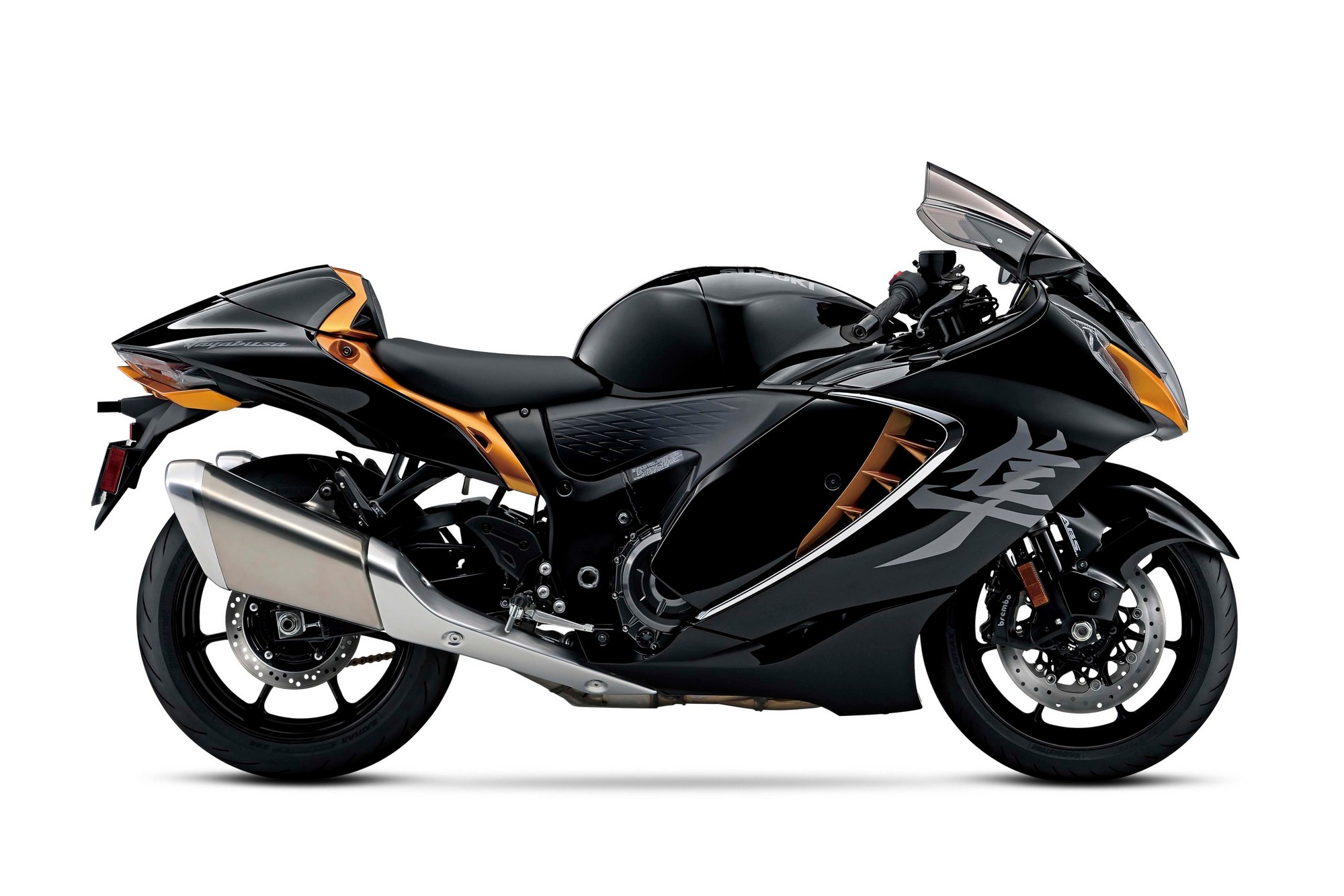
In terms of looks, the silhouette is still just as recognizable. Amazingly, even with the new styling, Suzuki has been able to keep the traditional Hayabusa looks. The motorcycle looks sharper, a little less bulbous, and looks (and is) just as aerodynamic as before. All LED lighting makes it look even more modern.
In terms of colours, things have been kept simple. There’s either a black with bronze-coloured highlights or matt silver with candy red details. There’s a vanilla white one… at least according to the photos.

All said and done, we are sure that we’ll be seeing the new Suzuki Hayabusa on our Indian roads very soon. All that remains to be seen now is… when!

In the meantime, here’s a massive gallery of photos!