




21. A pillion brings about a lot of changes in the rules of riding. Define the speed and distance between breaks by what the pillion is comfortable with rather than by your own needs. Braking performance is degraded when carrying a passenger, mainly because the added weight lengthens the stopping distance. Same with cornering. The extra weight takes up suspension travel and makes the bike less responsive to steering inputs. So take it easy when tow-up and extend those safety margins.
22. Make sure that your tyres should have a minimum of 3mm tread left on them. Even though our law enforcement agencies do not check for worn-out tyres, it is imperative in the interest of safety to have tyres in an acceptable condition. 3mm should be the limit because you don’t expect to change the tyre en route and a 2000-3000km round trip with fast tarmac travel can use up the middle tread of a tyre pretty quickly. By the time you get back, the tyre will be close to replacement limits.
23. Accelerate briskly through the gears to build up inertia and speed. The cumulative effect of sluggish acceleration, esp. each time you brake and then speed up for overtaking, becomes substantial at the end of a long day on the road. This is where big bikes make travel quicker. They accelerate from slow to cruising in a fraction of the time our regular bikes take. Even more so if fed with Castrol POWER1 RACING as it ensures crisp and precise throttle response and #UltimateAcceleration. Imagine saving this time over hundreds of instances during a typical day. You end up saving time without even attempting to speed up.
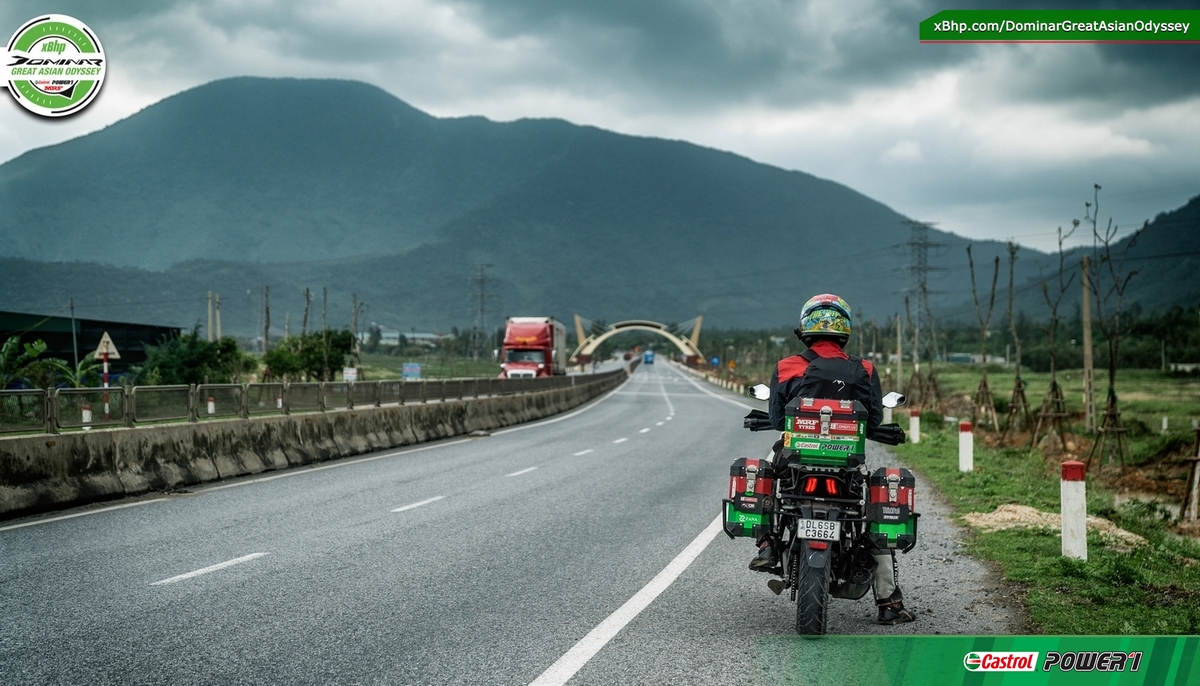
24. Riding a superbike long-distance: Know your bike’s range and fill ‘er up before you reach the grey area of the estimated range. Most litre-class superbikes don’t go much beyond 200 kms on a full tank. Start looking for a fuel bunk at around 175 kms. You’ll at least need premium fuel so might have to miss out a couple of pumps before you get the fuel you want.
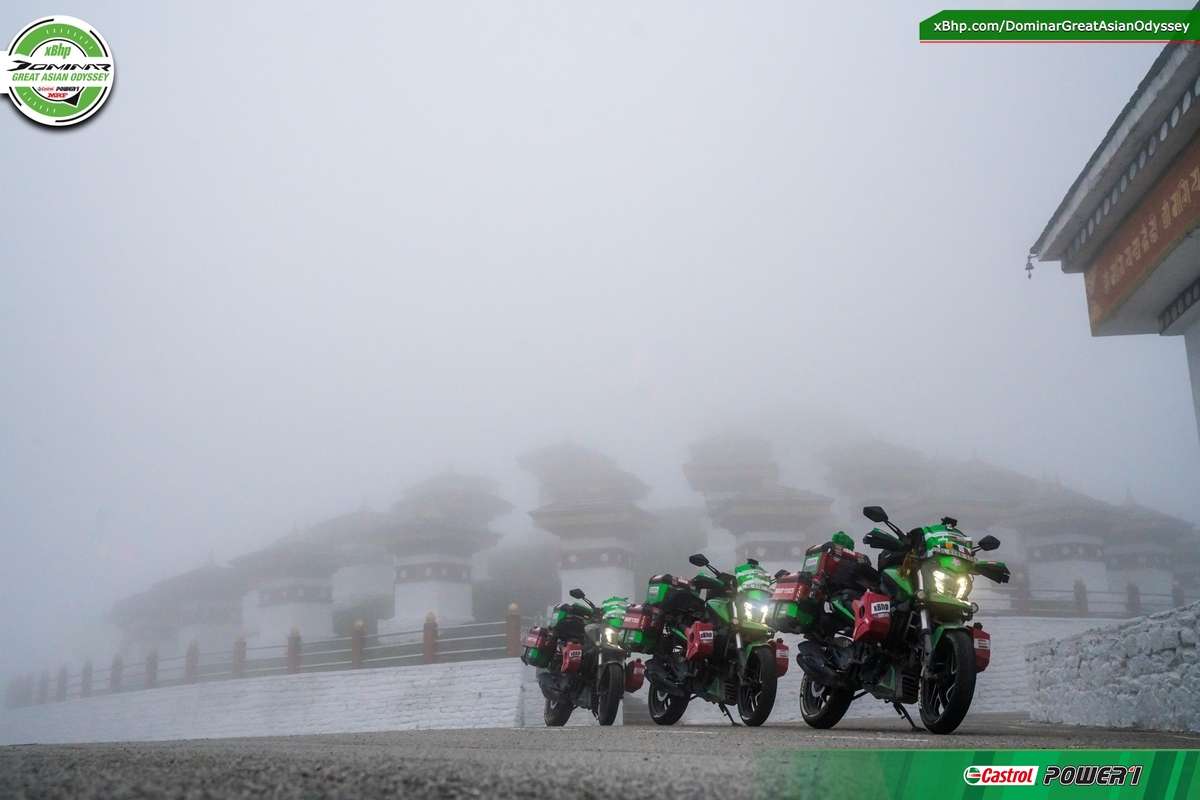
25. Group riding is more fun… and more complex! When riding in a group, ensure that the group has riders of roughly similar skill levels. And define group etiquette in the sense that the slowest and least skilled rider’s comfort level shall define the group’s speed and riding schedule. Group travel needs more planning, lots of co-ordination and is eventually somewhat more time consuming on the road than solo travel. Don’t ride in groups larger than 5-6 riders. If more than that number are travelling, split them into separate groups, each with its own leader and sweeper.
Finally, Be curious enough to learn about the nuances and complexities of long-distance travel on motorcycles. Use the internet to the fullest. Become active members of on-line clubs and interact on forums like xbhp.com where you can learn an immense amount just by following inputs of experienced riders. Long-distance riding is a wonderful sport, a great de-stressor and a wonderful means of self-fulfilment. Go ride the open road….the horizon awaits your touch! Ride long and safe.