







Inline-6
Honda was responsible for the Rune. Honda is responsible for the Goldwing but before any of that, Honda was responsible for an inline-6. Yes… an inline-6. Like 6 cylinders… in line with each other. Did they protrude out of the bike? Yes. Was the massively dramatic tank able to take away the attention from that protruding engine? Most probably, no. Was it any good? Hell yes!
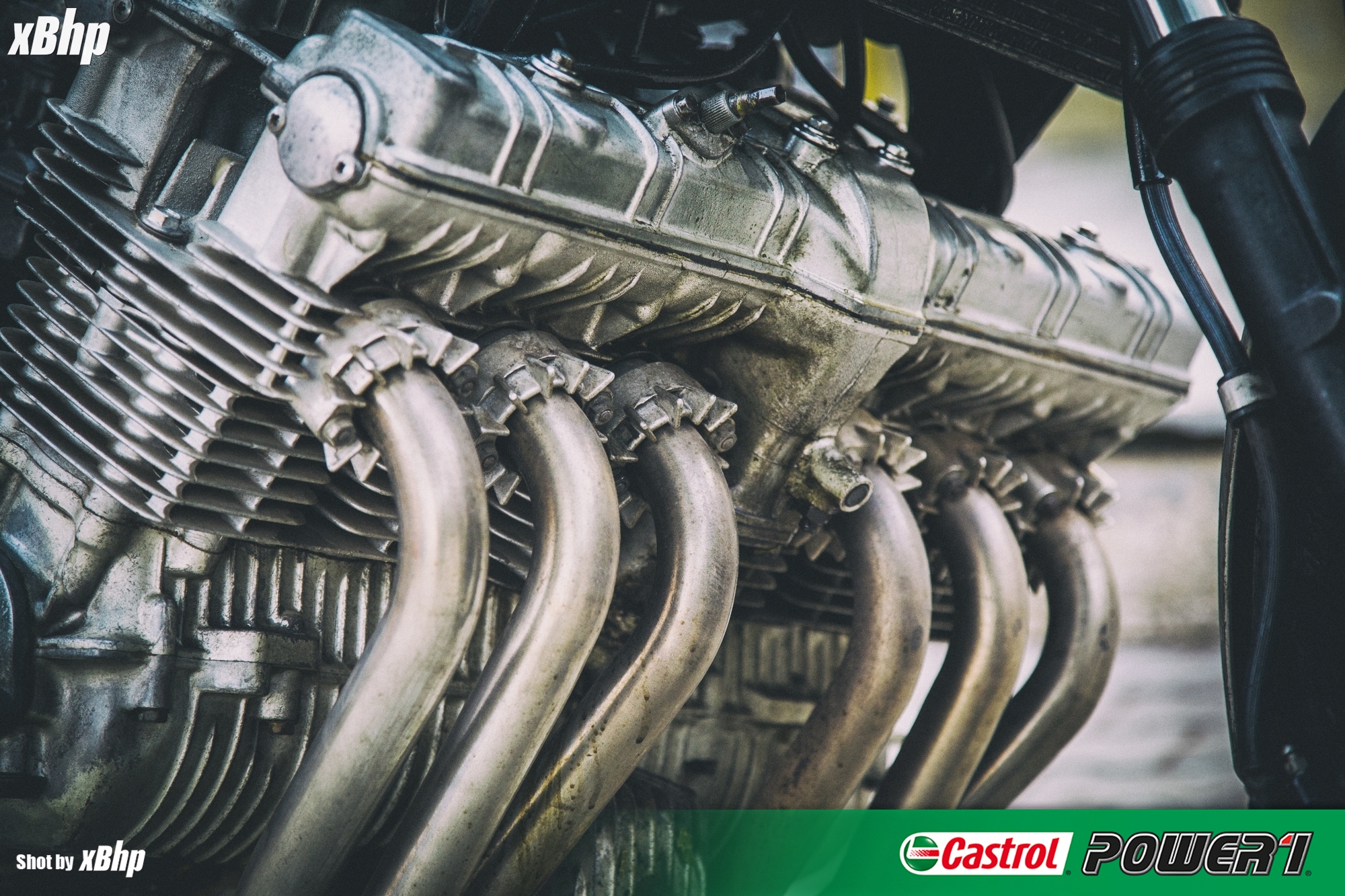
1,047 cc | 105 bhp | 70.8 Nm
The inline-6 on the Honda CBX is perhaps one of the craziest engines ever seen. It is no longer in production. But the impact it made can be felt even today! There is perhaps only one motorcycle that uses this configuration nowadays but it isn’t meant to do what the Honda CBX was meant to. It was a sportbike through and through. And when it comes to the post-CB750 era i.e. the late 70s, the CBX can be a poster bike for motorcycles of that era.
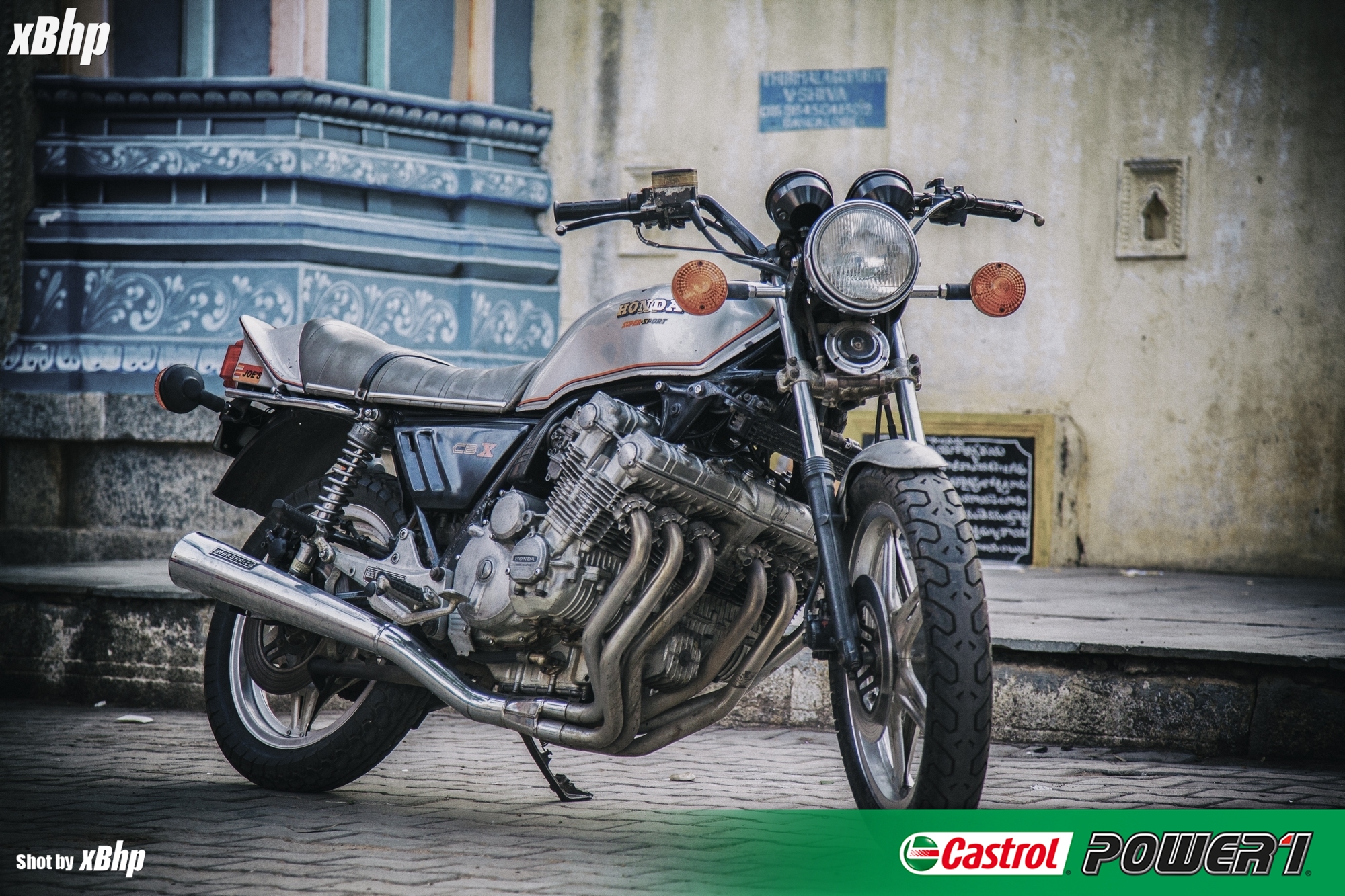
Fortunately, we got a chance to ride one and not a lot of people in the world can say that. The numbers may not seem all that impressive today but it was the bomb in its era. Despite the unusual engine, it looked like a bulked-up CB750 so kudos to Honda for pulling that off. But the showstopper for the CBX was the sound… it sounded ungodly. And you just want to keep revving it and revving it because you can never get enough of that symphony.
Disadvantages? It was big. Too heavy. Too complex. And quite expensive to maintain. But that sound…
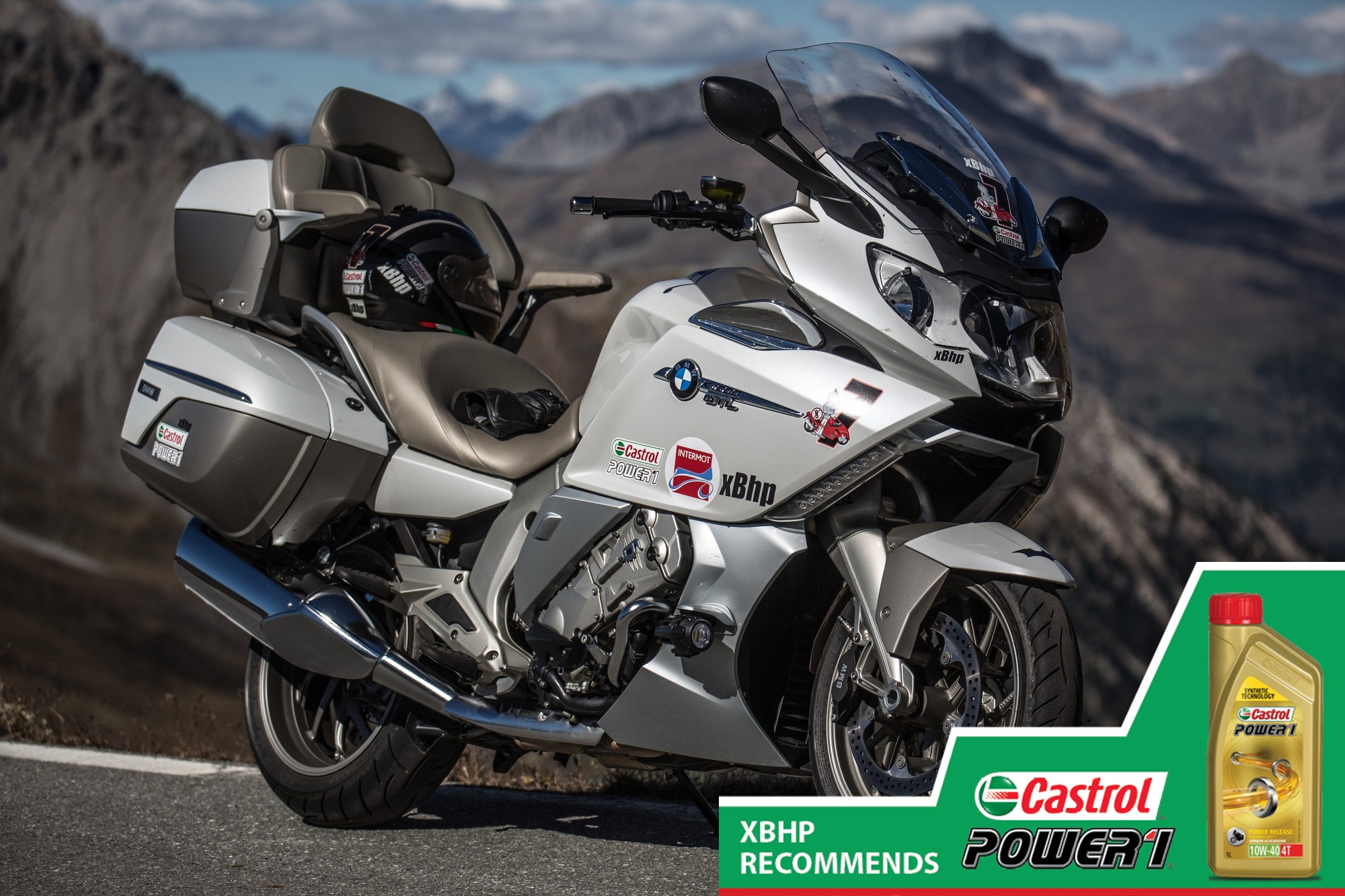
Another example (and one that is still in production), BMW K1600GTL | 1,649 cc | 160 bhp | 175 Nm | Recommended engine oil > Castrol POWER1 10W40
Car engine based motorcycles
How big is really big when it comes to motorcycles? Displacement- wise we have the Rocket and cylinder-wise we just discussed 6-cylinder engines. But what about the next step? Well, the next step is called a Boss Hoss and it is powered by a V8. Boss Hoss has been making V8 powered motorcycles since 1990. The founder, Monte Varne, is a commercial aircraft pilot and holds a degree in Aviation Airframe and Powerplant. Naturally, 6 cylinders weren’t enough for him.
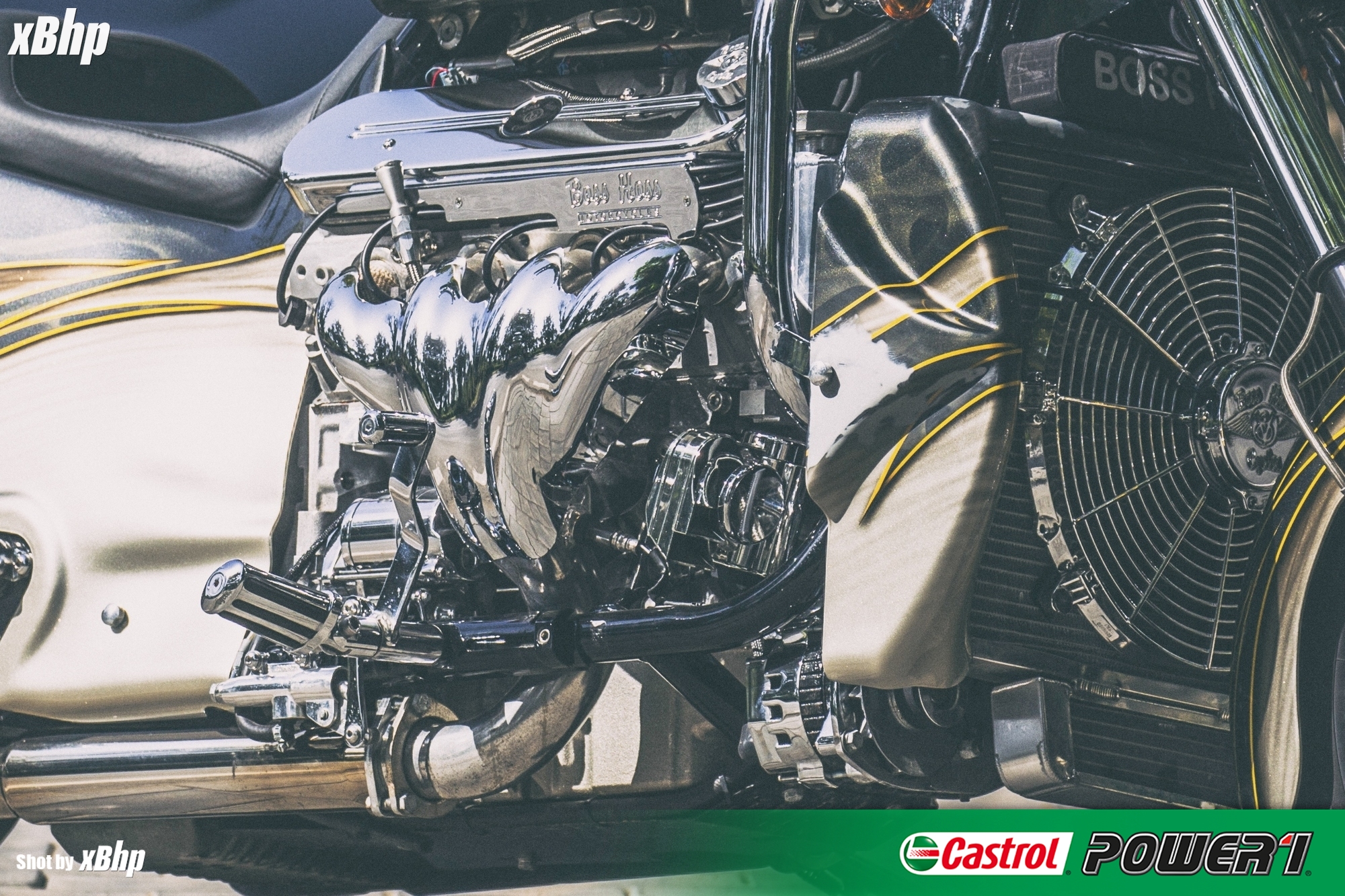
6,200cc | 445 bhp | 603 Nm
Talking about the engine, it is a 6.2L V8 sourced from Chevrolet. Boss Hoss is made in America so, for obvious reasons, the powerplant has to be American too. And there’s nothing more American than a massive V8 which propels muscle cars to crazy speeds in no time at all. An engine made for burning up massive real wheels of cars within a quarter-mile.
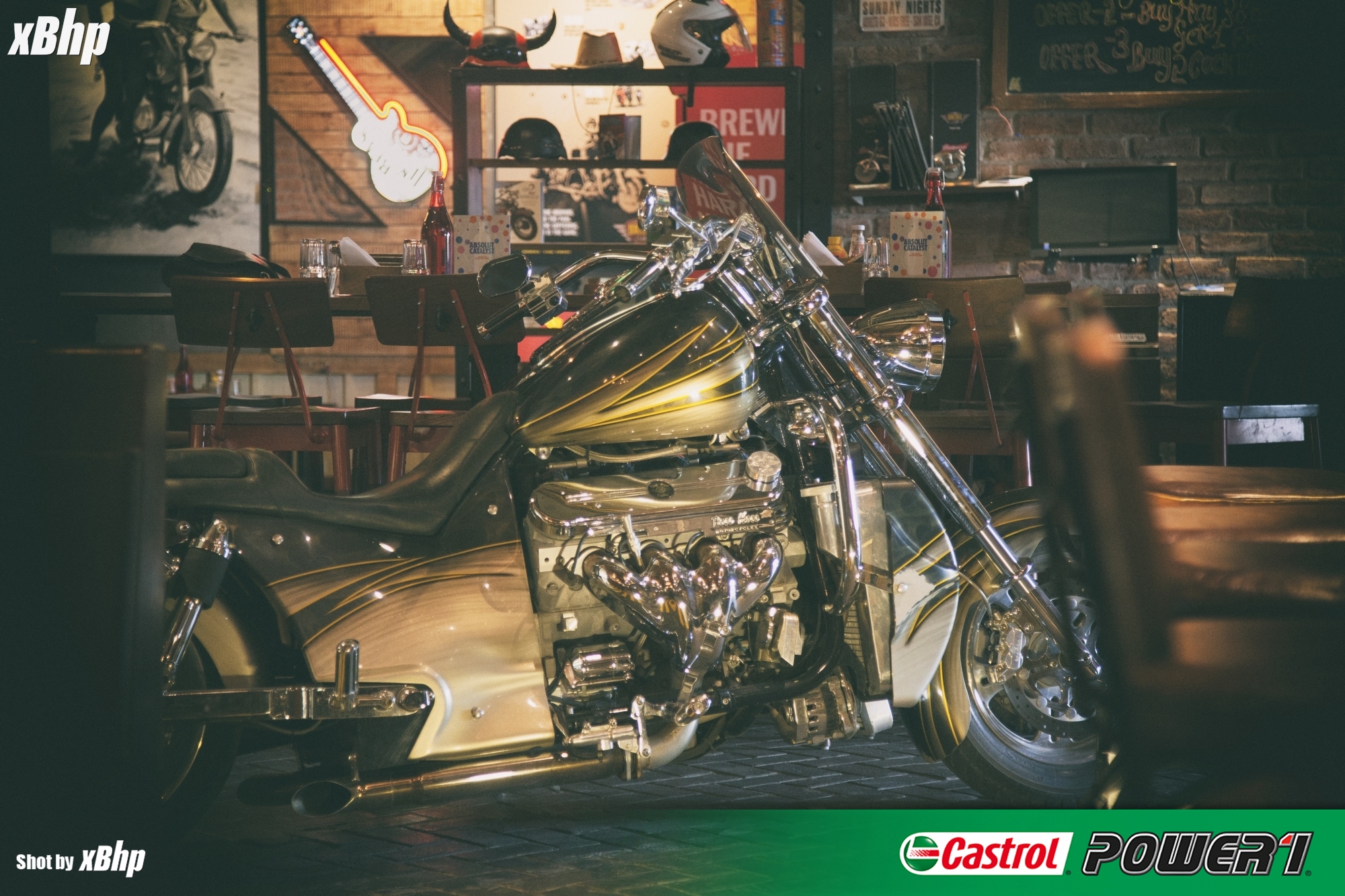
Designed like a HotRod Chopper, the Boss Hoss weighs a massive 483 kilos… dry, with 445 bhp of power and 603 Nm of torque available to annihilate the tyres and propel this beast. The 32L tank and the 300mm rear wheel have been utilised well to keep the big American feels going. The acceleration is predictably brutal and the experience is… hot… in every sense of the word.
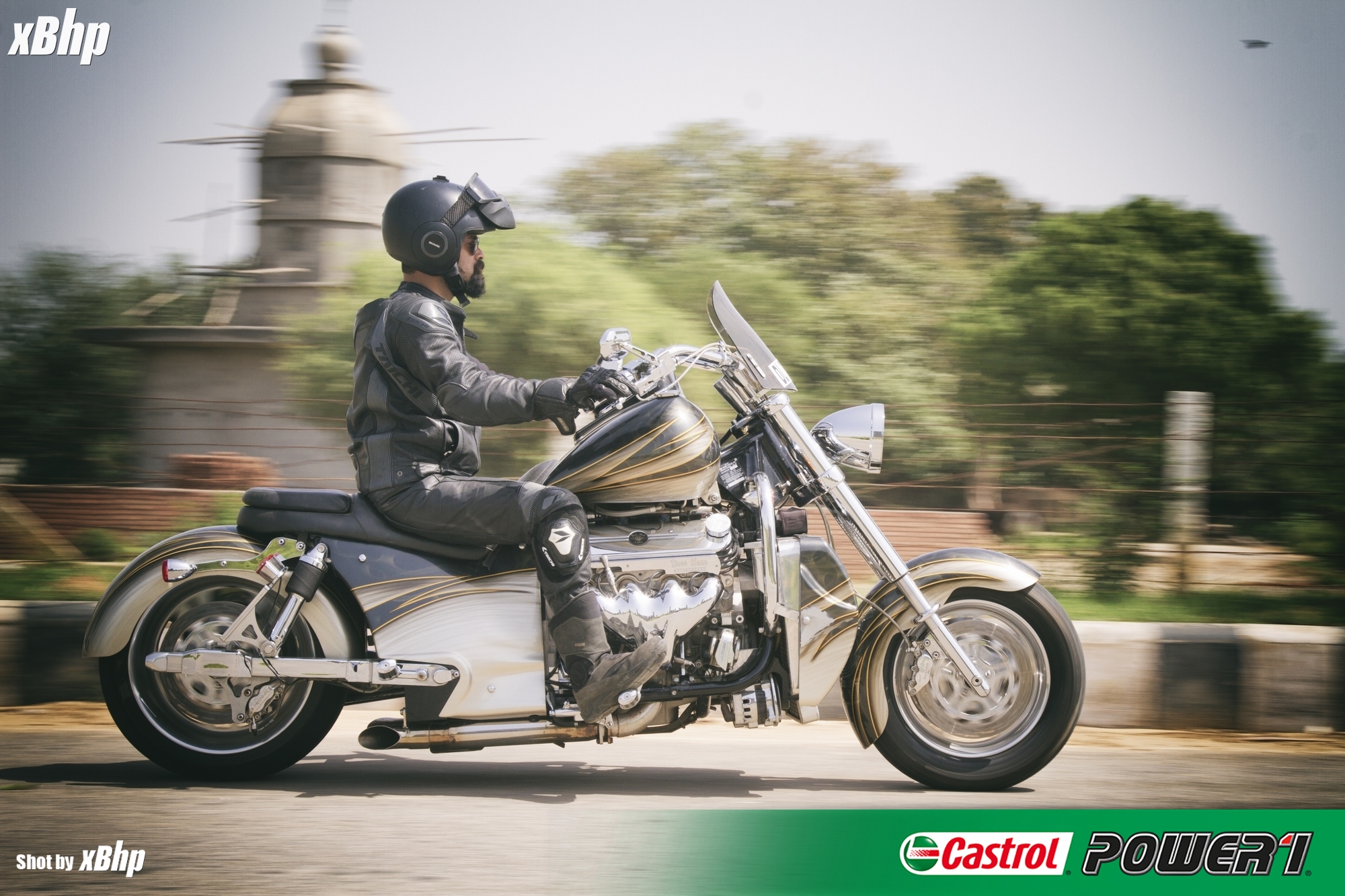
The disadvantages… it is not very practical. The size and the heat aside, there’s a point where a motorcycle does not feel like one any more. The Boss Hoss is very close to that point.
Lung Capacity
After so many motorcycles and engines, we are ready to go back to our roots. Our first step towards this two-wheeled fun of fulfilment and fun… Bicycles. But are we ready to deal with the physical exertion? Most people are not after the kind of lives we lead nowadays. But there is a way… the Lectro way. Lectro has come up with bicycles that also have an electric motor to help matters.
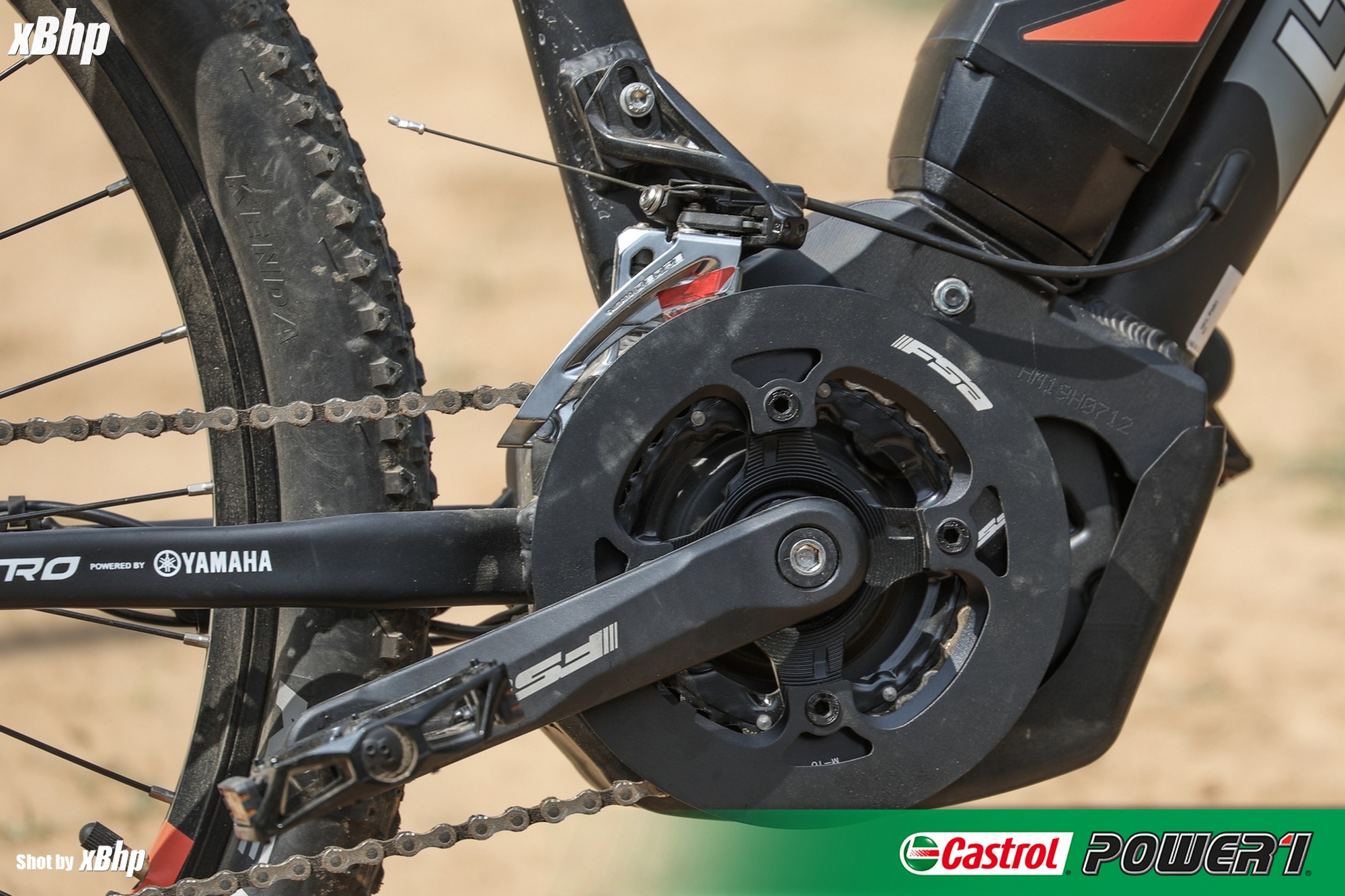
Motor: 250W | Battery: Yamaha 40Wh
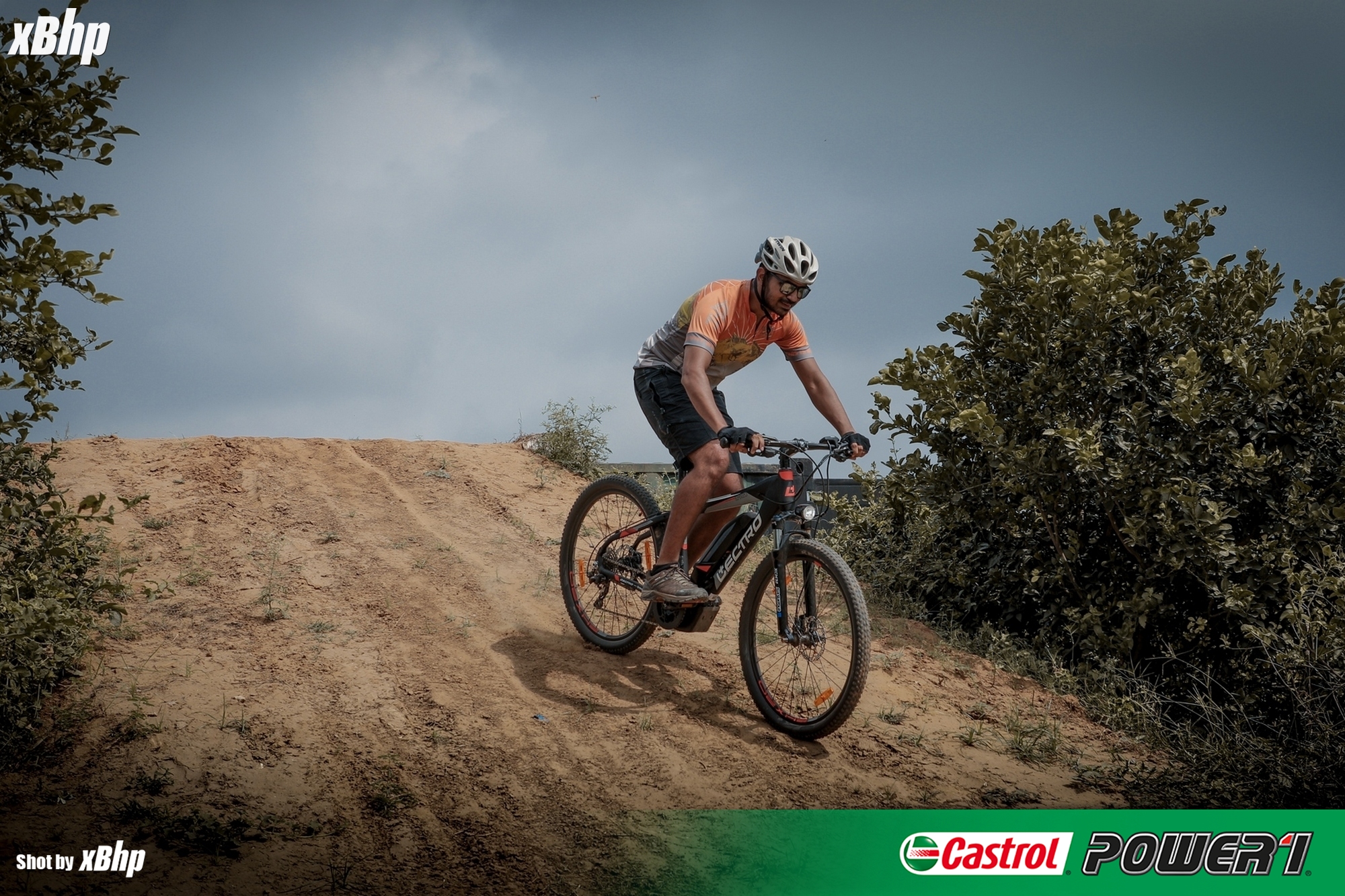
There are modes which let you either pedal only or run on the electric motor alone. And for those looking to push the limits of their stamina slowly and steadily, there’s a Pedal-Assist mode in which the motor assists you on pedalling. These are revolutionary bikes that may just be enough to push most of us towards adopting a healthier lifestyle.
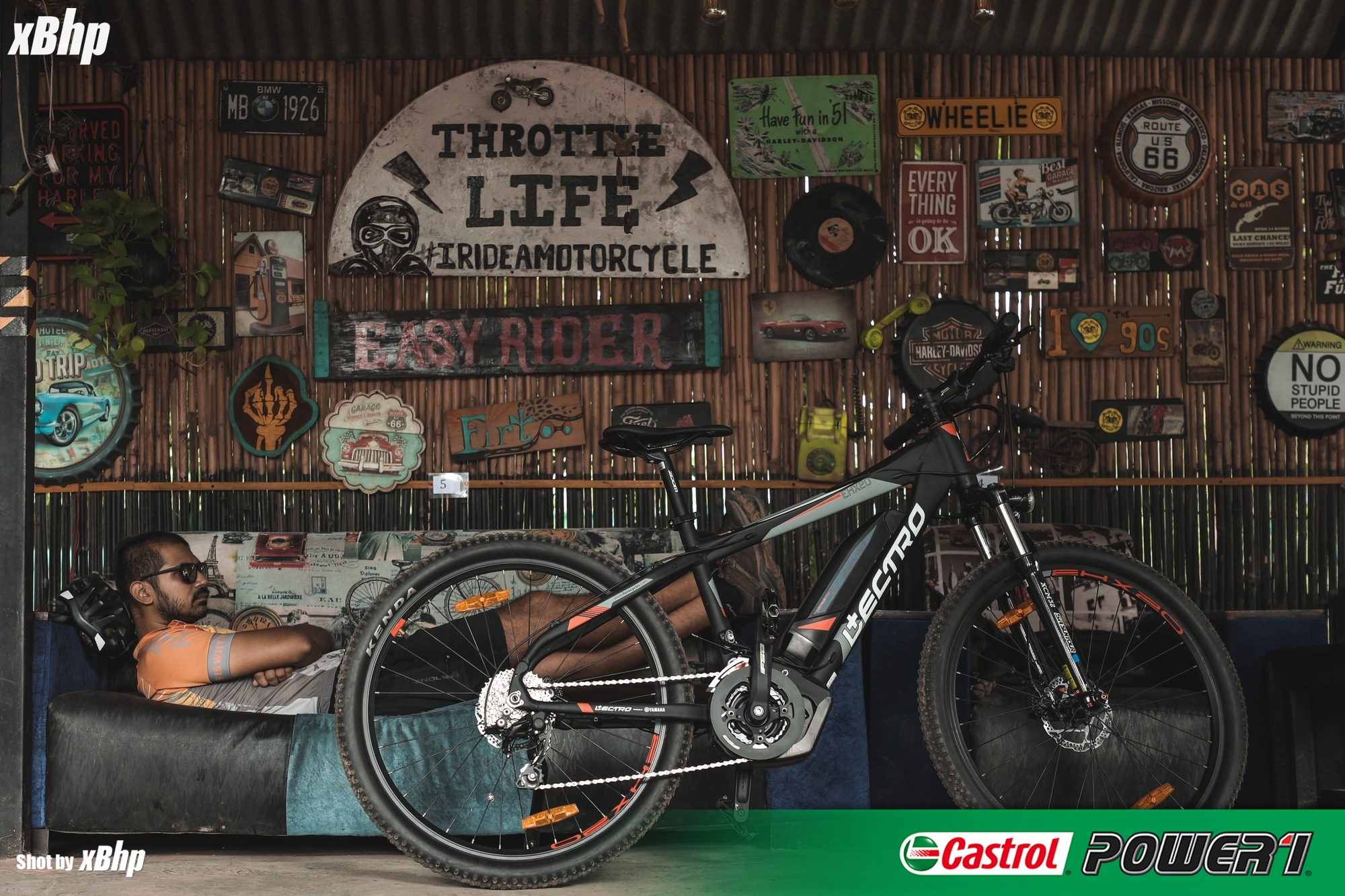
The Lectro EHX20 shown here is the flagship, an XC E-MTB (Cross Country Electric Mountain Bike) built to get you to places which you hadn’t thought of before! The downtube-placed battery and bottom bracket mounted motor are Yamaha products. Both of which are designed and developed in Japan.
The 36V, 400 Wh battery has a charge life indicator on it. Four LEDs show the level of charge remaining in the battery. And the battery generally lasts more than 2 years and 700 charge cycles. All the components from the brakes to the Deore derailleurs are top-notch and so, the EHX20 is a wonderful bike if you want to get into cycling.
Honourable Mentions
V5
Not a lot of brands have used quirky engine configurations in mainstream quite as much as Honda. The V5 was a competition engine developed by Honda in 2001. It powered the Honda RC211V which competed in the MotoGP class from 2002 to 2006. It was ridden by riders such as Valentino Rossi and Nicky Hayden.

The 990cc 75.5° V5 engine made over 240 bhp of power and was touted to be one of the best despite the unusual configuration. It was a force to be reckoned with. Valentino Rossi won the 2002 championship and scored a then record-breaking 355 championship points. Honda’s faith in this awkward engine configuration was not misplaced after all…
Inline-5
This is more like a pattern but here is another Honda which boasts of a weird engine configuration. The motorcycle is the Honda RC149 and the engine configuration was inline-5. It was a racing motorcycle from 1966 which competed in the 125cc class. Honda’s prowess of making engines and making them work has been remarkable.
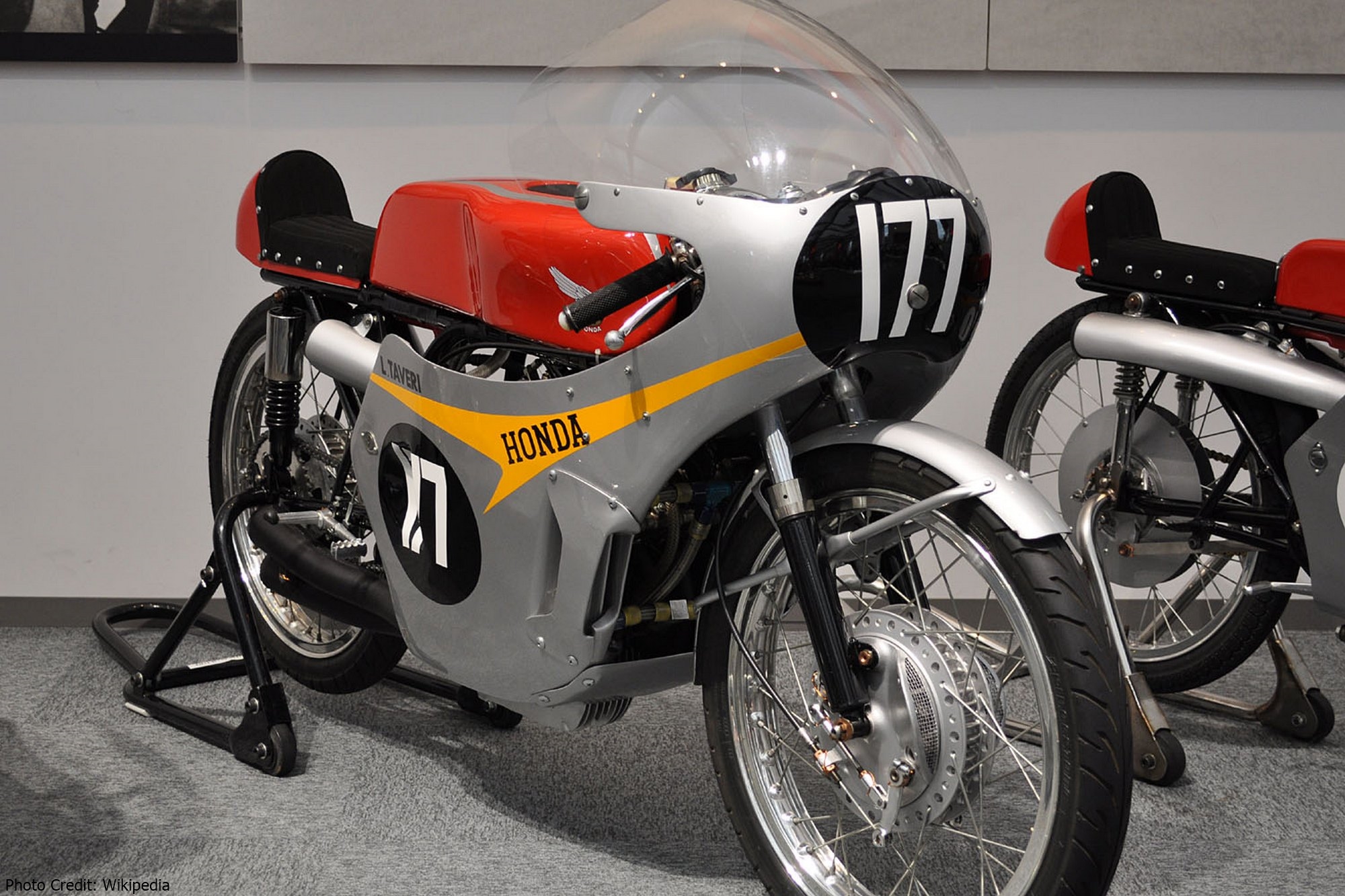
This 125cc inline-5 motorcycle produced 34 Ps of power, a massive number for a 4-stroke 125cc motorcycle. Adding to the astounding numbers that the motorcycle put forward was the 85 kg of weight and 8-speed transmission, and the rpm ceiling which was 20,500 rpm! Predictably enough, this motorcycle was also ridden to victory by Luigi Taveri.
Rolls-Royce Gas Turbine
Someone shoving a car engine in a motorcycle chassis was outrageous enough. But an engine meant for a small aircraft or a helicopter powering a motorcycle? That’s insane. Not for the folks at MTT or Marine Turbine Technologies. Since the MTT Y2K Turbine Superbike is not a run-of-the-mill motorcycle, it is not mass-produced. Each unique bike is handmade to order after receiving the buyer’s specifications.
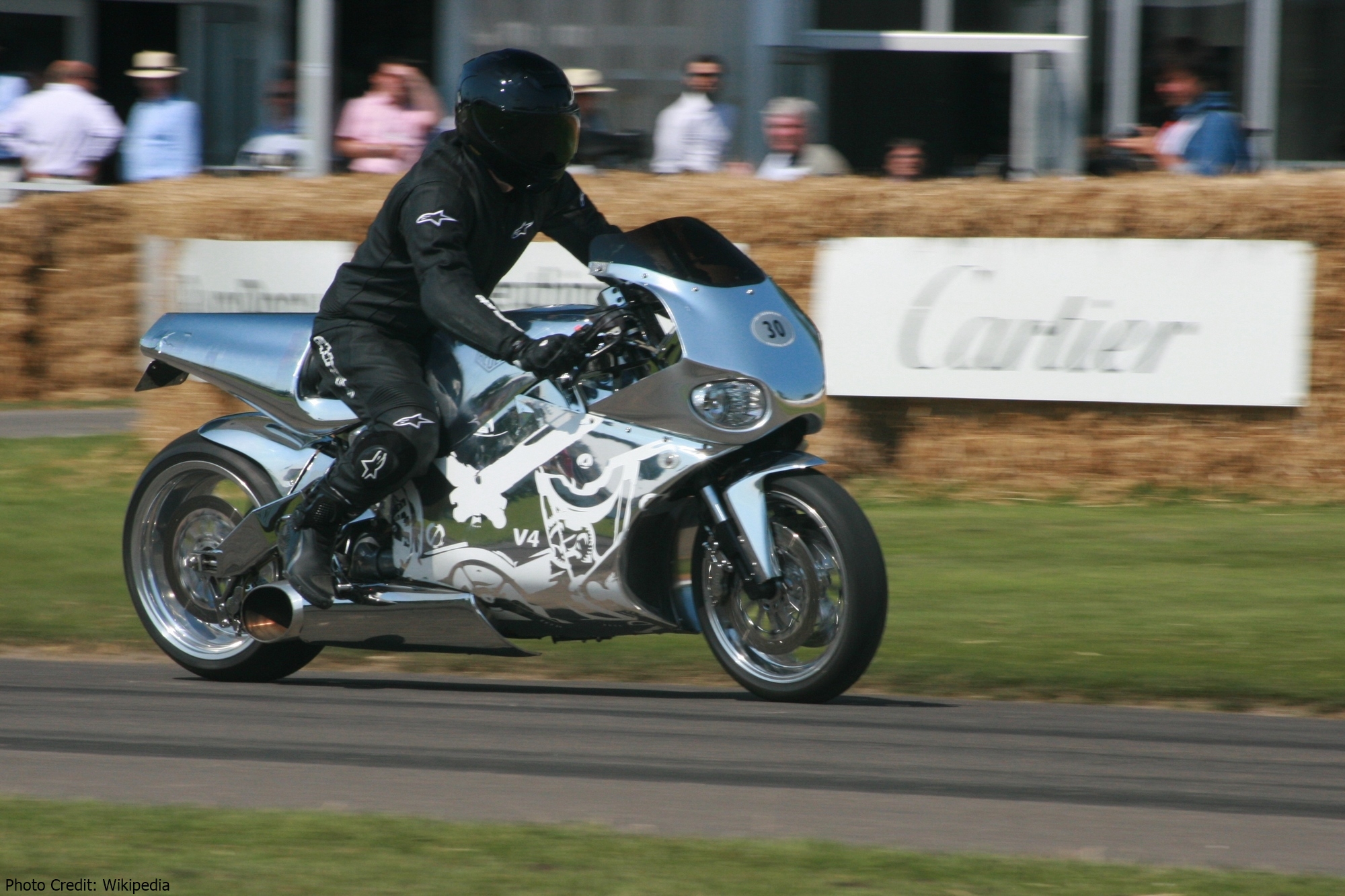
Talking about the engine, the Y2K is powered by a Rolls-Royce-Allison Model 250-C18 gas turbine engine. It is touted to make around 320 bhp at an astronomical 52,000 rpm. And an interesting fact… the MTT Turbine Superbike does not require jet fuel to operate. It can run on diesel, kerosene and even bio-fuel.
Rotary Engine
The rotary engine was an earlier type of internal combustion engine which was majorly used in aviation. It did make it to some cars and motorcycles but the Wankel engine, which used an eccentric rotary design to convert pressure into rotating motion was quite popular. The most famous example is perhaps the RX-7 or RX-8 from Mazda.
In motorcycles, the Norton Classic and the Norton F1 are classic examples. The latter used a 588 cc liquid-cooled twin-rotor Wankel engine. The Norton F1 was a road-going sports motorcycle that Norton based on its RCW588 race machine.
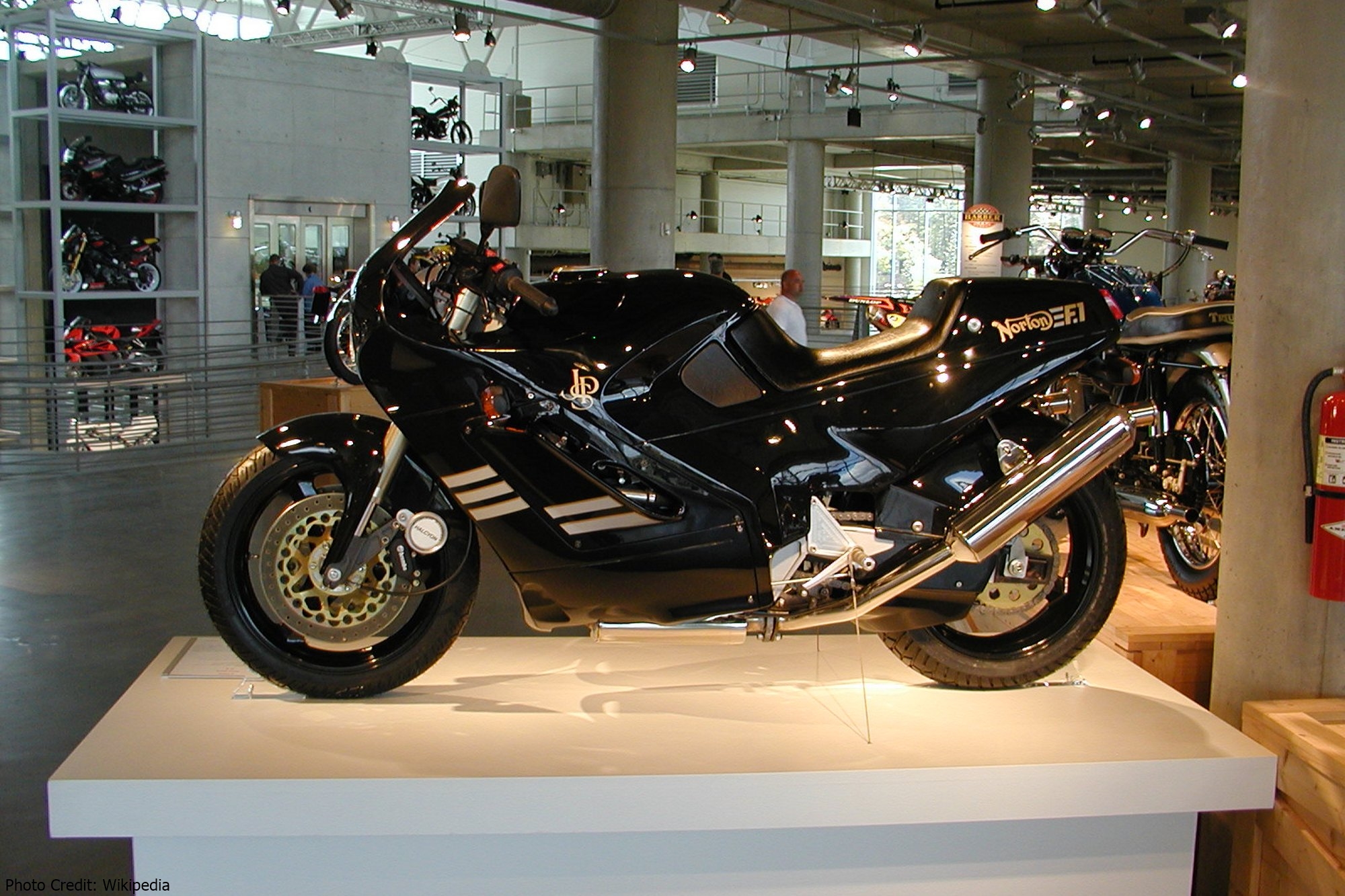
The advantages of the rotary engine include smoothness, simplicity, high revs, loads of power and great power-to-weight ratio because of the compactness. The drawbacks included low fuel-efficiency and lubrication.
Electric Motor
The future is electric and there is no running away from that. We have seen a whole lot of electric motorcycle models from Zero and a geared electric superbike from KYMCO. Coming to Indian brands, the TVS iQube is the latest entrant and to be honest, it was a lot of fun.
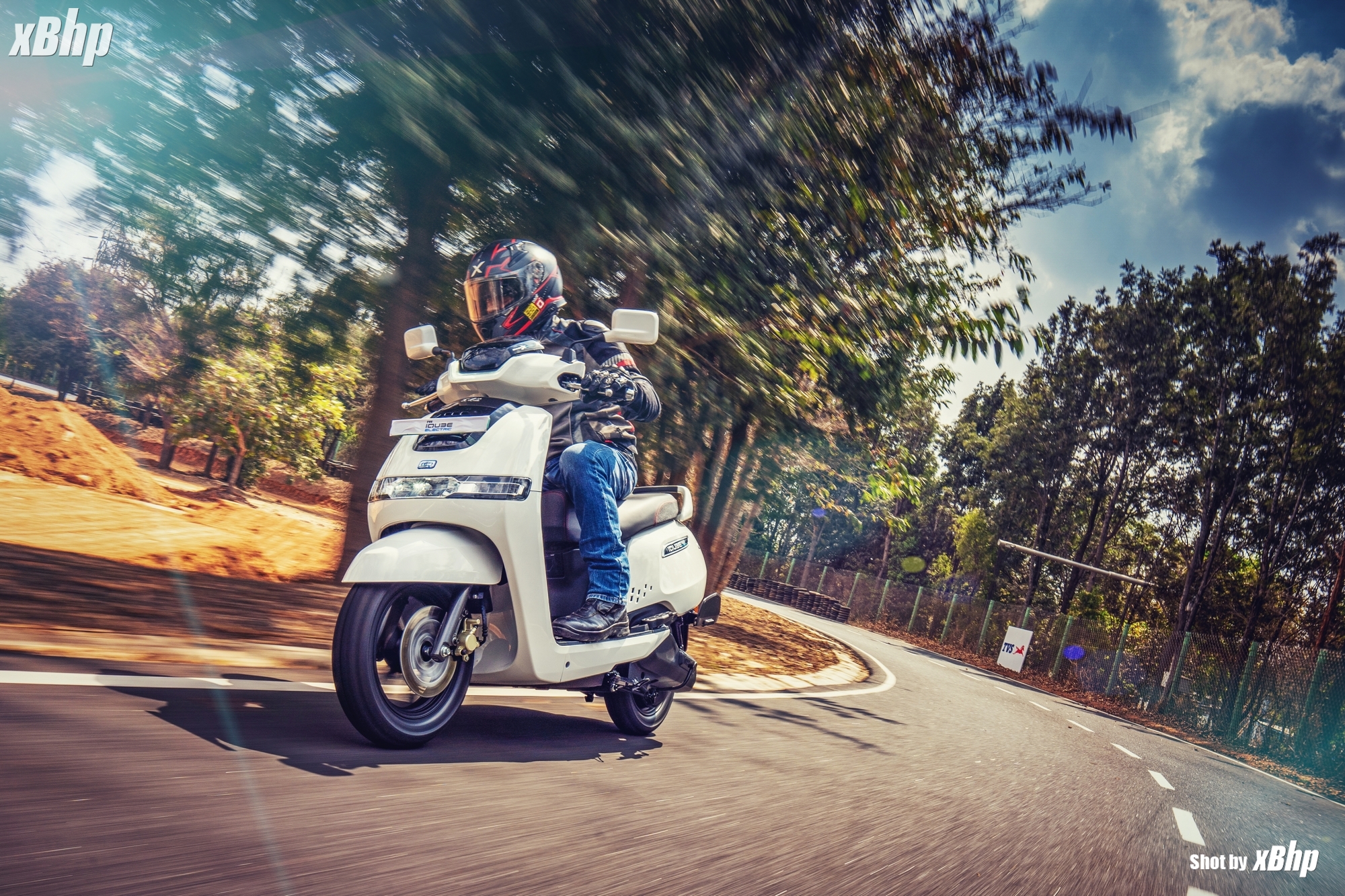
The best part about electric motors is the instant torque that you get. And by instant, we mean instant. Twist the throttle from a standstill and you can get going. Another good thing is that they are practically maintenance-free. And finally, they are a cleaner alternative… somewhat. The drawbacks include the relative novelty of the technology, range, heft of the batteries and the lack of sound.
Top Fuel Drag
Here’s another that deserves to be a part of the Honourable Mentions. The engines used to power the motorcycles meant for Top Fuel Drag Racing. The type of fuel used in these insane machines is a mixture of nitromethane and methanol.
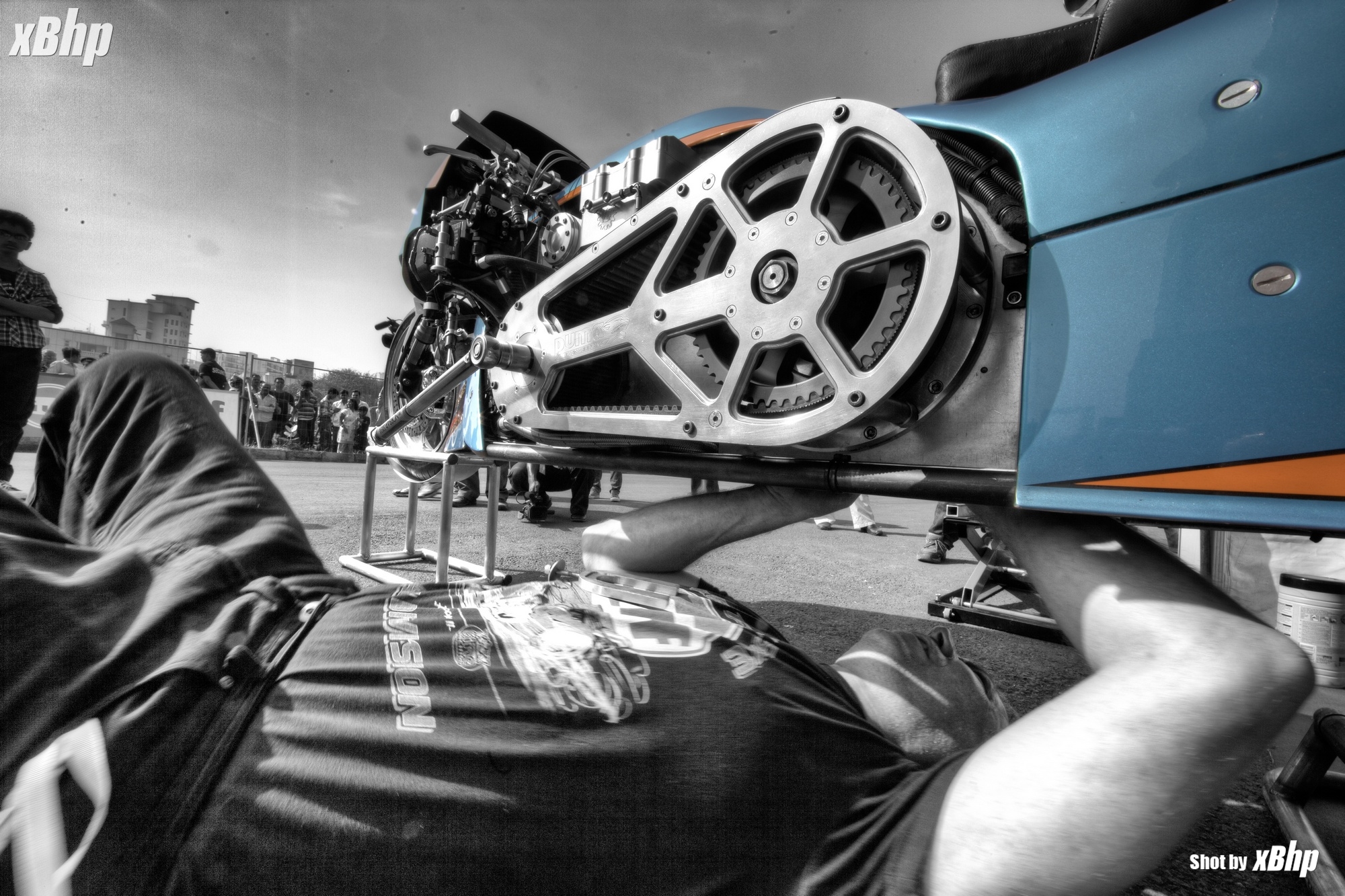
The power generated from these types of engines is so much that the participants need to perform a burnout before the start of the race to clean and heat tyres. Another benefit of doing that is that the burnout applies a layer of fresh rubber to the track surface, which greatly improves traction during launch. All this may seem a bit extreme but then, when your motorcycle makes around 1,500 Bhp, nothing is really extreme anymore!
Hand-built V-twin
And finally, after talking about all kinds of production and racing engines, this entry is perhaps the best one in the Honourable Mentions. A handbuilt V-twin that powered a handbuilt racing motorcycle called the Britten V1000. It was designed and built by John Britten in Christchurch, New Zealand during the early 1990s.

The engine was a 999cc 60-degree V-twin that made over 160 bhp of power and propelled a motorcycle that weighed a mere 138 kg. The result was a top speed of over 300 km/h! The motorcycle won the Battle of Twins in the Daytona International Speedway’s Daytona Bike Week and set several world speed records. Weirdly enough, when one expects a performance motorcycle, the origin is expected to be Europe or Japan… and here we have the Britten V1000.
2-Stroke
A lot of people may be missing the 2-stroke engines but this piece was more inclined towards the engines widely in use today. Sadly, 2-strokes are not. We won’t go into the details of the difference between 2-strokes and 4-strokes but talk about those engines in general.
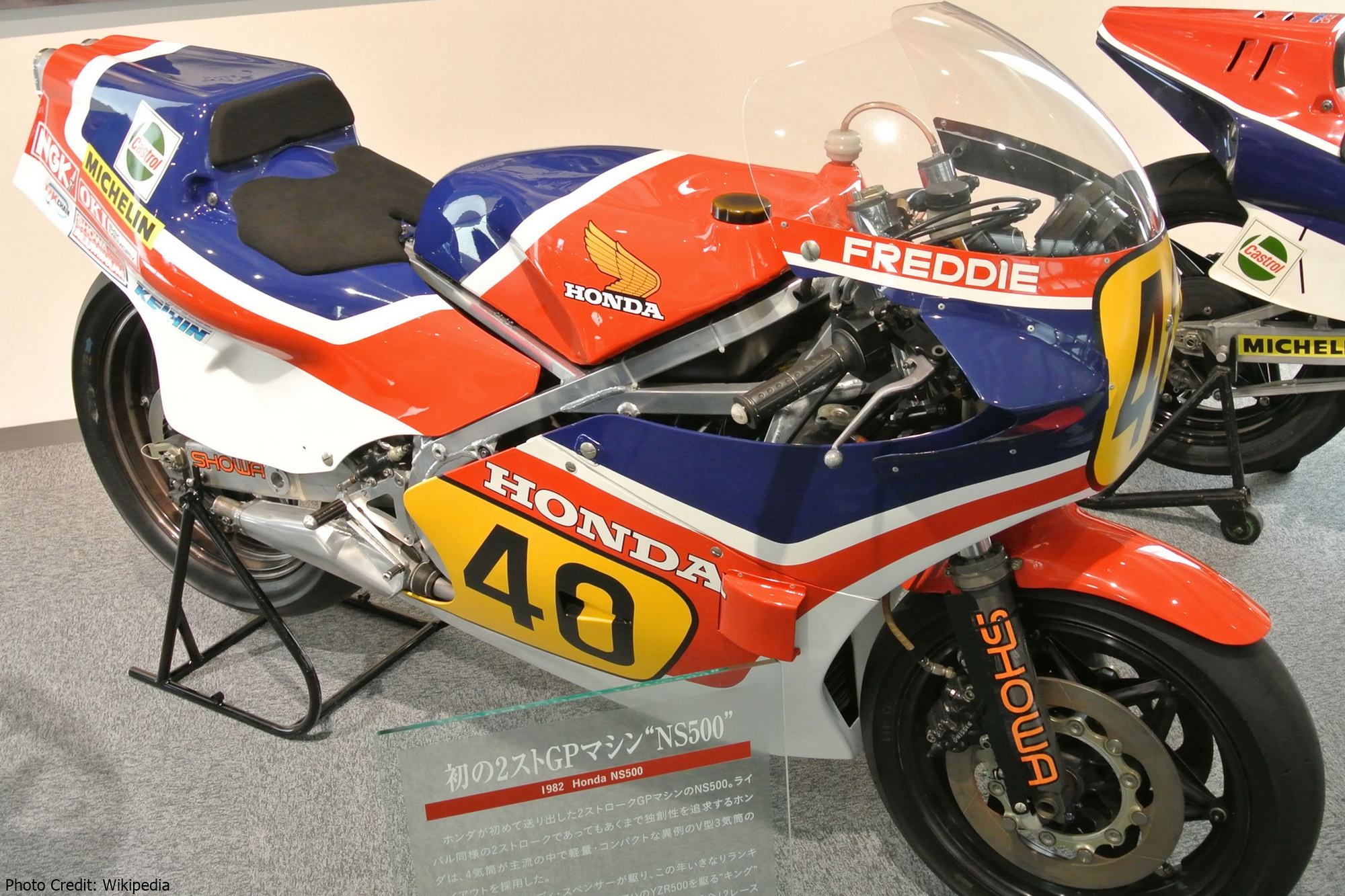
The obvious pros of 2-stroke engines are the insane amount of power and the sound. There’s a reason why 2-strokes have a cult following. The cons are, of course, the mixing of oil and gas and the environmental issues of burning oil. The power delivery is not linear and they tend to be very buzzy. Again, the one mentioned here is a Honda NS500 which had a V3… another quirky config and another successful one.





